













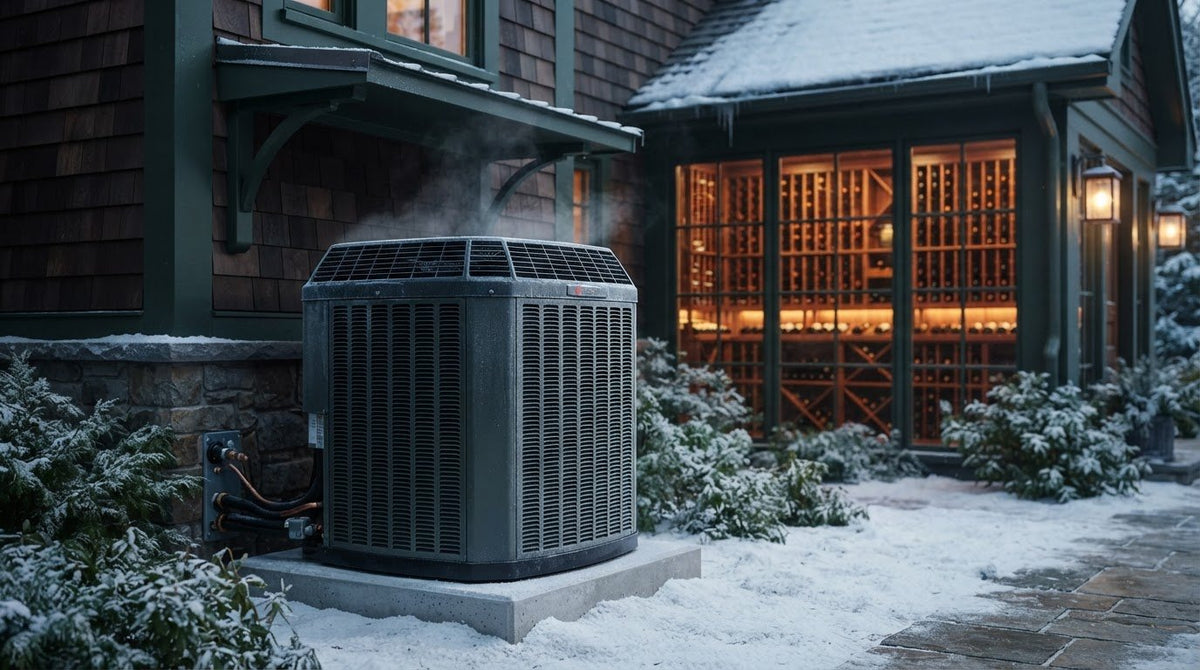
A regular AC can run in winter only within its manufacturer’s minimum outdoor operating temperature for cooling. Below 65°F, standard HVAC equipment may need low-ambient cooling, and it may begin to struggle around 55°F. Exterior condenser placement in winter and a properly matched low-ambient kit both matter when cooling must continue in cold weather.
It’s understandable to assume an air conditioner should simply work as usual when it’s needed, whatever the season. Cold outdoor air can affect condenser pressure and refrigerant operation, so the right approach depends on the system’s limits and controls. This guide explains when a standard AC can run in winter, how low-ambient kits help manage cold-weather operation, and what to inspect and maintain around the outdoor unit. You’ll also learn why airflow, snow and ice clearance, and manufacturer-approved controls are important to reliable performance.
Key Takeaways
- Find your system’s minimum outdoor cooling temperature in its installation manual before running a regular AC through winter.
- Keep the condenser clear of snow and ice, with airflow and protection from falling snow or ice in mind.
- Learn how crankcase and drain heaters support cold-weather operation, and which components may need attention.
- Understand how pressure switches and freeze-protection controls help manage low-pressure conditions and prevent short cycling.
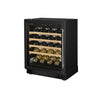
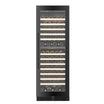
- Use manufacturer-approved low-ambient controls, and see how Rosehill Wine Cellars’ Vantaggio V300 Wine Cabinet fits into wine-storage planning.
What Is Low Ambient Cooling?
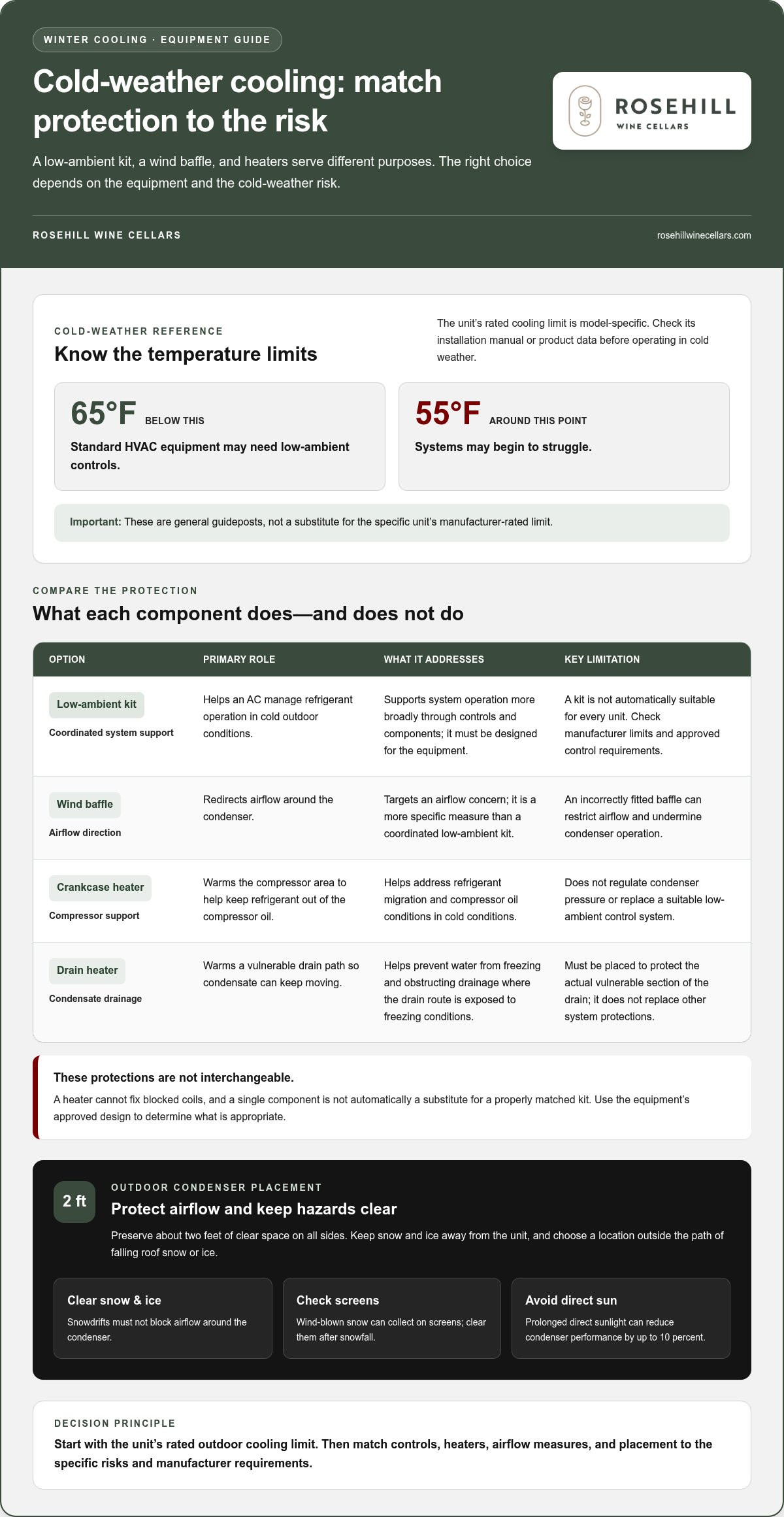
Low ambient cooling adapts air-conditioning equipment for operation when outdoor temperatures fall below standard cooling conditions. Below 65°F, standard HVAC equipment may need low-ambient controls, while systems may begin struggling around 55°F.
Cooling Below Typical Outdoor Temperatures
Low ambient cooling is the controlled operation of an AC system in outdoor conditions colder than its usual cooling range. It matters when a space still produces heat during winter, such as a server room cooled by a split AC system when outdoor temperatures sometimes fall below 40°F. Without suitable controls, cold air can disrupt condenser pressure and refrigerant operation, affecting stable cooling.
Economizers, also called free-cooling systems, use suitable outdoor air to remove heat without relying entirely on mechanical refrigeration. They can complement an AC system, but their usefulness depends on outdoor conditions and the building’s cooling needs. For IT rooms, a VRF system can provide dedicated cooling, but its model-specific low-temperature limits still apply. Free cooling and VRF are distinct approaches, not substitutes for checking an AC unit’s rated limit.
Rated Cooling Limits
The rated cooling limit is the lowest outdoor temperature at which a specific unit is designed to provide cooling. Check the installation manual or product data before running the condenser in cold weather. The model’s stated limit, not a general rule for all AC systems, determines whether additional low-ambient controls may be needed.
For outdoor condenser placement in winter, preserve about two feet of clear space on all sides for airflow. Choose a location away from roof overhangs where falling ice or packed snow could strike the unit, and keep snow and ice clear. Screens can collect wind-blown snow, so clear them after snowfall. Prolonged direct sunlight can reduce condenser performance by up to 10 percent.
Low Ambient Kit Costs and Use
A low-ambient kit is a set of controls and components that helps an air conditioner manage refrigerant operation in cold outdoor conditions. An outdoor condenser may need one if cooling must continue below the unit’s rated limit. The kit must be designed for the equipment, since its controls affect condenser pressure and system operation. How much does a kit cost, including installation? The price depends on the equipment and work involved, so request a quote for an accurate total.
In the United States, installing low-ambient controls that connect to an AC refrigerant circuit requires EPA 608 certification, according to the U.S. Environmental Protection Agency. That requirement applies to this refrigerant-circuit work; it does not replace the need to match controls to the unit. Check the manufacturer’s operating limits and approved control requirements before deciding whether winter cooling needs a kit.
Crankcase heaters and condensate drain heaters
Cold-weather components address different risks around a cooling system, including compressor conditions, drainage, and airflow. Understanding each component’s role helps distinguish a complete low-ambient kit from a single heater or wind baffle.
Heaters for Cold-Weather Operation
A crankcase heater warms the compressor area to help keep refrigerant out of the compressor oil. A low-ambient kit may include one to support the compressor when cold conditions could cause refrigerant migration. Its role differs from that of cooling controls: it helps protect the compressor’s oil condition rather than regulating condenser pressure during operation.
A condensate drain heater addresses another cold-weather concern. It warms a vulnerable drain path so condensate can keep moving instead of freezing and obstructing drainage. This component matters where equipment produces condensate and the drain route is exposed to freezing conditions. Its location and purpose should match the actual drain arrangement, not just the outdoor temperature.
Before installing either heater, identify the equipment manufacturer’s requirements and the component’s intended location. A crankcase heater must suit the compressor arrangement; a drain heater must protect the section where water could freeze. These components serve different functions, so one cannot replace the other. Include wiring, connections, and heater placement in routine system maintenance.
Think of a winter cooling system as several coordinated protections. A crankcase heater, for example, can support compressor readiness, while a drain heater helps prevent frozen condensate. Neither one alone controls condenser pressure or maintains airflow around the outdoor unit. The system design determines which risks each component addresses.
Kit, Baffle, and Heater Comparisons
A low-ambient kit coordinates controls and components to support cooling in cold outdoor conditions. A wind baffle redirects airflow, while a crankcase heater helps protect compressor oil conditions. How does a kit compare with a baffle or heater? The kit addresses system operation more broadly, while a baffle or heater targets a specific airflow or compressor concern. A single component is not automatically a substitute for the kit.
Condenser placement matters in winter. Keep about two feet of clear space around the unit, and place it outside the path of falling roof snow or ice. Snowdrifts must not block airflow; the needed separation depends on where snow accumulates at the site. Clear screens after snowfall, since wind-blown snow can collect there and restrict airflow.
Use the equipment’s approved design to determine whether a baffle, crankcase heater, drain heater, or coordinated kit is appropriate. An incorrectly fitted baffle can restrict airflow and undermine condenser operation, while a heater cannot fix blocked coils. Don’t wrap the unit in plastic, which can impede evaporation and promote rust or structural degradation. Before winter, inspect the unit and surrounding area for blocked airflow, exposed drain sections, and falling-ice hazards.
Inspecting and maintaining pressure switches and low ambient kits
Winter maintenance should confirm that low-ambient controls respond correctly, preserve condenser airflow, and are ready before cold-weather cooling begins. Check the pressure switch, fan control, wiring, outdoor coil, and snow screens.
Low-ambient controls for air-cooled condensers can sense outdoor temperature and adjust refrigerant flow to maintain a minimum operating temperature in the condenser coils. A pressure-sensitive control instead regulates refrigerant flow based on coil pressure. A fan-cycling pressure switch or variable-speed fan control can help maintain head pressure as outdoor conditions change. These controls serve related purposes, but use different sensing methods.
Inspect the pressure switch and its connections for visible damage, loose wiring, or corrosion. Then compare the control’s operation with the equipment manufacturer’s instructions. A fan-cycling switch should respond to pressure, while a variable-speed control should adjust fan operation as designed. Don’t change pressure settings by guesswork; an incorrect setting can disrupt the system’s intended operation.
Some systems use a winter start control that bypasses the low-pressure switch for the first 3 minutes of operation. This temporary bypass supports startup; it isn’t a permanent override or a substitute for a functioning pressure switch. Confirm that the control returns to normal operation after startup, and investigate repeated trips or short cycling instead of leaving a safety control bypassed.
Prepare the condenser for winter by removing snow and ice, clearing screens after every snowfall, and maintaining about two feet of open space on all sides. Keep the unit away from roof overhangs where falling ice or packed snow could damage it. Inspect the coil and surrounding area after severe weather, since drifts or blocked screens can restrict airflow even when the controls work properly.
- Review the low-ambient control’s wiring and visible condition.
- Check that fan control responds as designed.
- Clear snow and ice from the condenser and screens.
- Keep the required airflow space open around the unit.
Seasonal timing matters. Disable low-ambient kits in summer when they aren’t needed, then re-engage and test them before winter. This helps reveal an inactive control before cold weather puts it to use. Check the pressure switch, fan control, and winter start control together rather than treating the kit as a single box.
For reliable winter operation, prepare the outdoor condenser before the season, clear snow and ice as they accumulate, and test the kit before use. If the system cycles repeatedly or the pressure controls fail to respond, stop relying on the bypass and arrange a qualified inspection of the controls and their operation.
Low-pressure and freeze-safety short cycling
Low-pressure protection and evaporator freeze controls address different risks during cold-weather cooling. Repeated starts and stops can signal that a safety control is interrupting operation, so it’s important to investigate the cause rather than simply restart the system.
When outdoor temperatures fall below an air-cooled condenser’s design conditions, refrigerant in its coils can cool below its saturation point, condense, and freeze. Freezing can reduce efficiency and potentially damage the compressor and other refrigeration components. Low-ambient controls help manage cold-weather operation, but must work with the system’s pressure and temperature protections, not bypass them.
At the indoor coil, low suction pressure can pull the evaporator temperature below 32°F, creating an icing risk. Ice interferes with heat transfer and can restrict airflow across the coil. A freeze-protection control may use a thermostat to shut off the compressor before the coil ices. The thermostat’s purpose is protective: it interrupts cooling when the coil approaches an unsafe condition.
Short cycling means the compressor repeatedly starts and stops instead of completing steady operating periods. A low-pressure switch may open when pressure falls outside its operating range, stopping the compressor. If pressure recovers and the system restarts, repeated trips warrant investigation. Don’t treat recurring shutdowns as a normal winter setting, and never leave a safety switch bypassed to force cooling.
Use the unit’s wiring diagram and manufacturer instructions to identify the low-pressure switch, freeze thermostat, and low-ambient controls. A technician can compare control response with system conditions, inspect sensor placement, and confirm wiring connections are sound. This can distinguish a control fault from conditions such as blocked airflow, an iced coil, or unsuitable outdoor temperatures. Diagnosing the trigger is safer than changing a switch setting without understanding its role.
After a shutdown, check whether the indoor coil is visibly iced and whether the outdoor condenser’s airflow is restricted. Clear snow and ice from around the condenser, but don’t chip ice from coil fins or adjust refrigerant controls. If the system keeps stopping, leave it off until the cause is assessed. Repeated resets can conceal a freeze condition rather than resolve it.
- Record whether shutdown occurs during startup or after cooling begins.
- Note visible ice on the evaporator or condenser.
- Keep airflow paths clear and leave pressure protections operational.
- Have recurring low-pressure trips and freeze-control shutdowns diagnosed together.
A low-ambient kit can support cold-weather operation, while freeze-safety controls limit specific hazards. Neither replaces the other: condenser controls manage outdoor operating conditions, and an evaporator thermostat protects against coil icing. Treat both as coordinated parts of the cooling system, and investigate repeated cycling before returning the equipment to regular winter use.
Manufacturer-approved low-ambient kits
A low-ambient kit should match the specific air conditioner or heat pump, not just its general equipment category. Manufacturer approval matters because controls change how the system manages refrigerant and condenser pressure during cold-weather cooling.
Using a low-ambient kit the manufacturer hasn’t approved can cause operating problems and may void the equipment warranty. Before selecting a kit, identify the system model and compare the proposed controls with its installation manual and product data. These documents explain the rated outdoor cooling limit and any approved accessories. A kit that suits one system may not suit another, even when both units provide similar cooling.
Manufacturer instructions also guide outdoor condenser placement. Maintain about two feet of clear space on all sides to support airflow, and avoid locations beneath roof edges where falling ice or packed snow could strike the unit. Consider where drifting snow accumulates and whether screens might collect wind-blown snow. Clear screens after every snowfall so blocked airflow doesn’t undermine the approved controls.
What do HVAC codes and manufacturer instructions say about placement and low-ambient operation? The equipment manual provides the unit’s rated cooling limit, placement guidance, and approved kit requirements; follow those specifications for the particular model. In the United States, installing low-ambient controls connected to an AC refrigerant circuit requires EPA 608 certification, according to the U.S. Environmental Protection Agency.
Manufacturer-approved controls can help refrigeration systems operate more efficiently in cold weather, potentially reducing energy consumption. Mini-split systems equipped with low-ambient kits can operate when outdoor temperatures fall below freezing. That does not mean every mini-split can cool at the same outdoor temperature. The model’s rated limit and approved kit determine its operating range.
Use a model-specific review before installation:
- Match the outdoor unit’s model number to its manual and product data.
- Find its minimum outdoor temperature for cooling.
- Confirm which low-ambient controls the manufacturer approves.
- Keep the condenser clear of snow, ice, and airflow obstructions.
- Have refrigerant-circuit control installation performed by an EPA 608-certified technician.
These checks bring together the system’s operating limit, approved controls, and site conditions. A compatible kit, for example, cannot compensate for a condenser buried by drifting snow, while clear placement cannot extend an unapproved operating range. Consider all three factors before relying on winter cooling: equipment approval, installation conditions, and unobstructed outdoor airflow.
Rosehill Wine Cellars: Vantaggio V300 Wine Cabinet
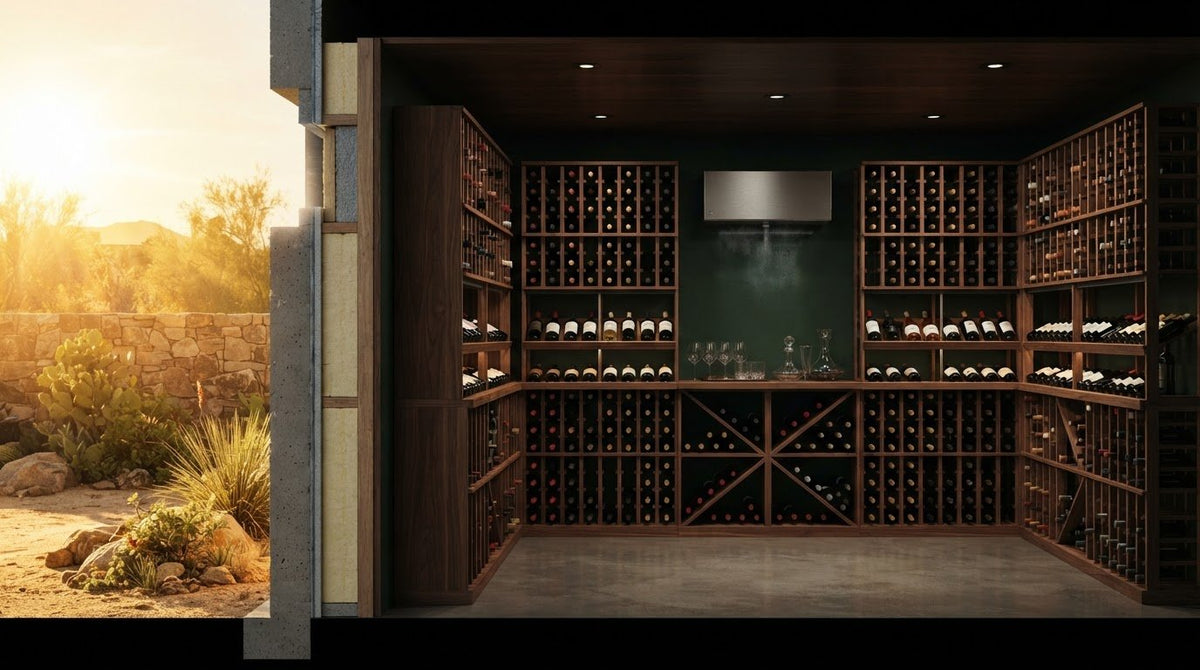
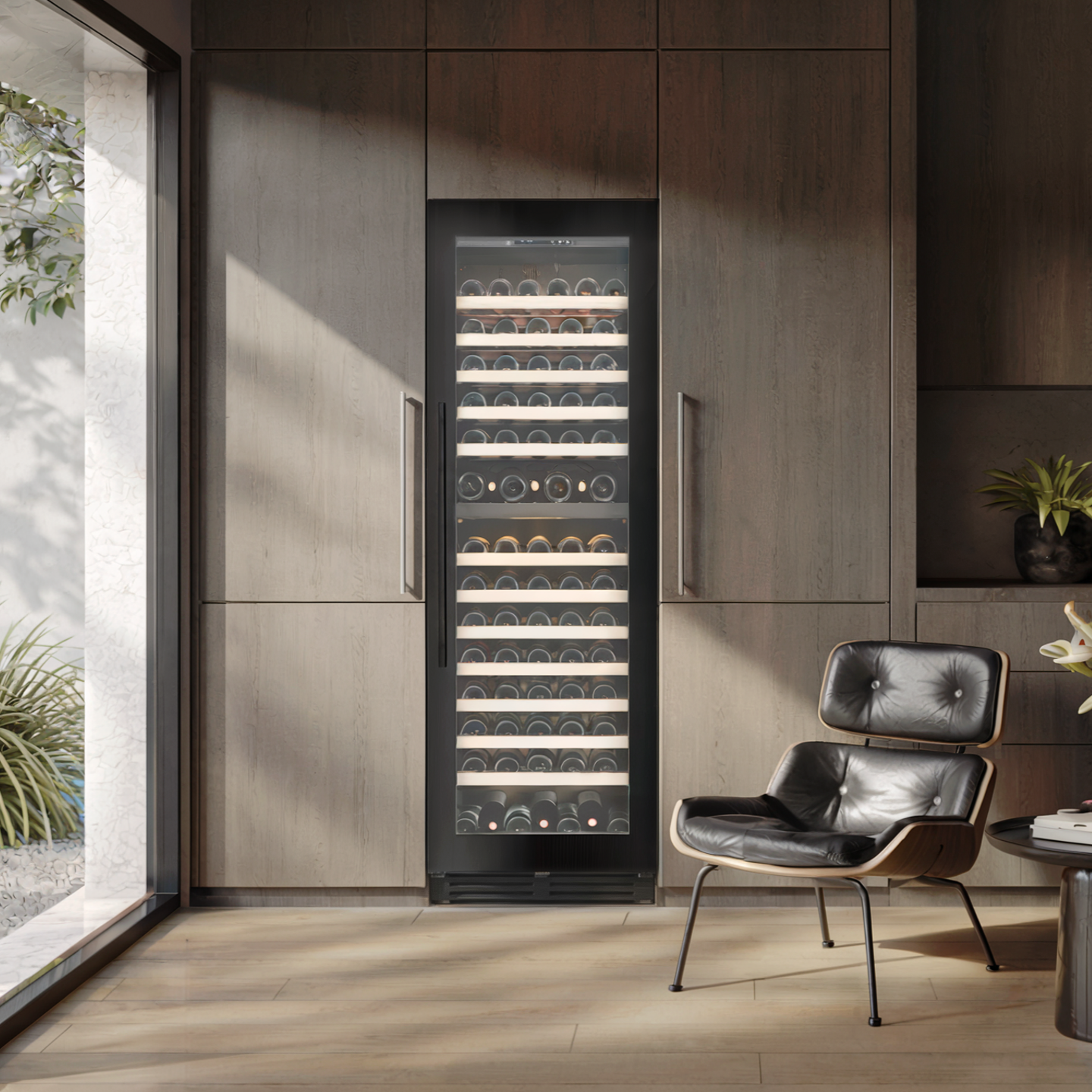
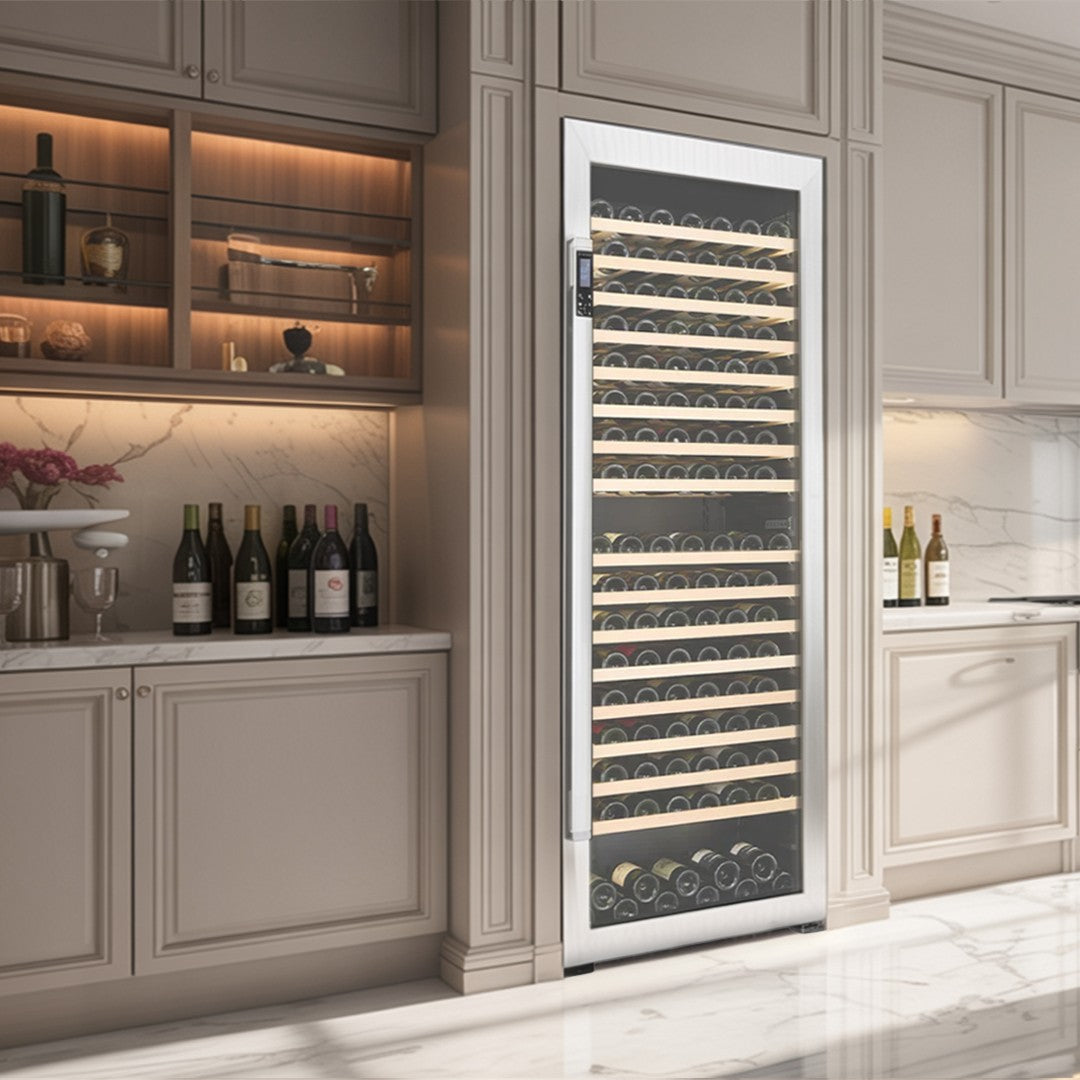
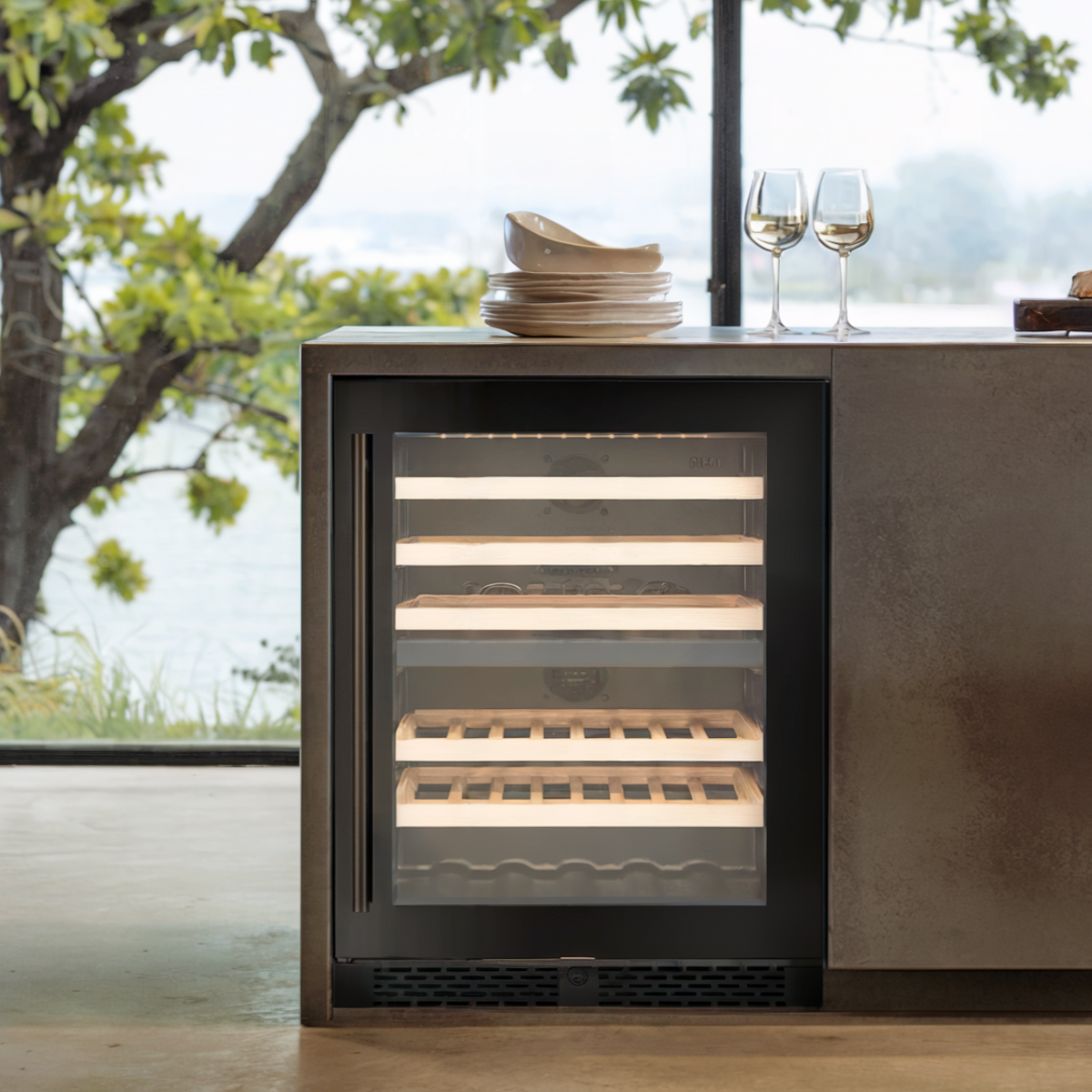
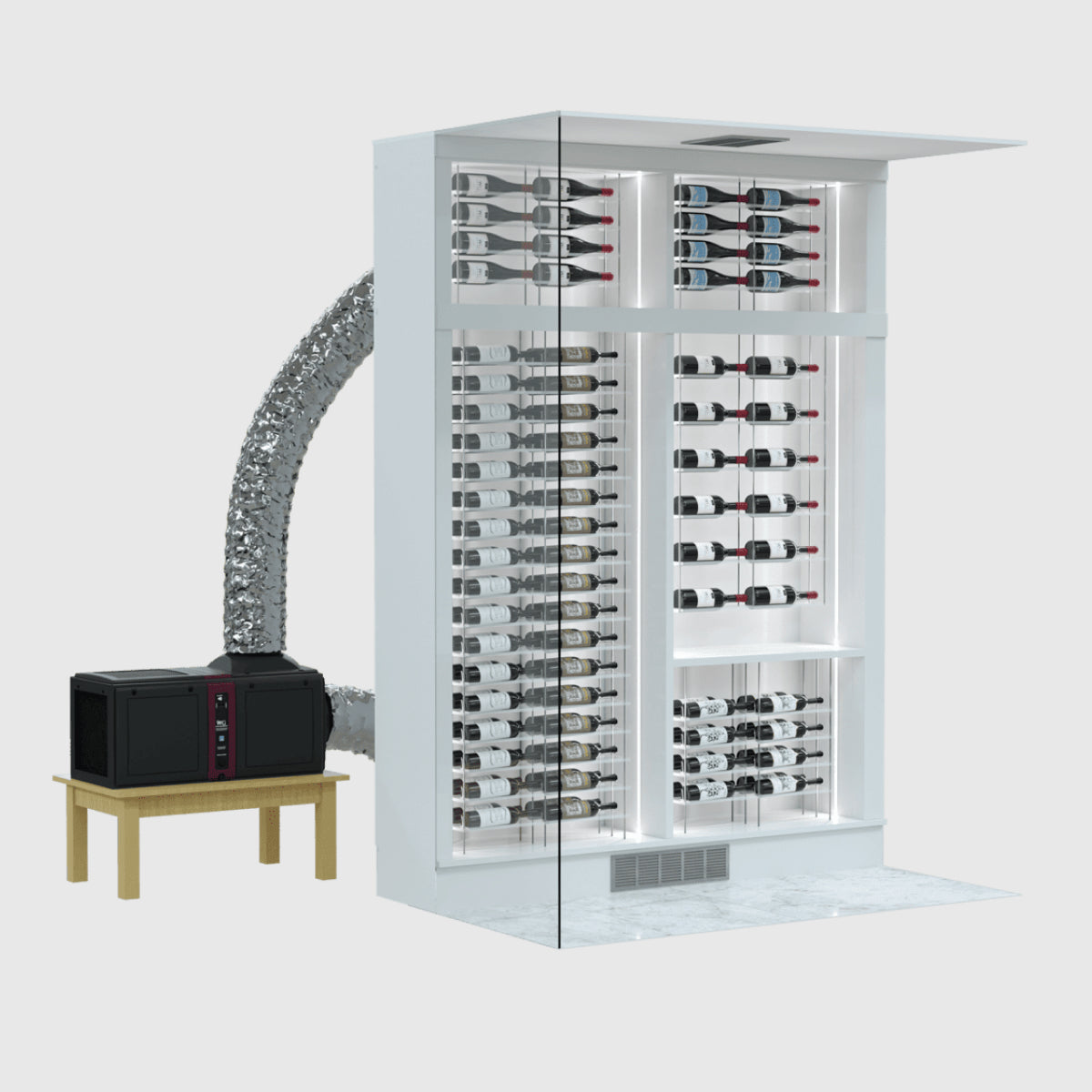
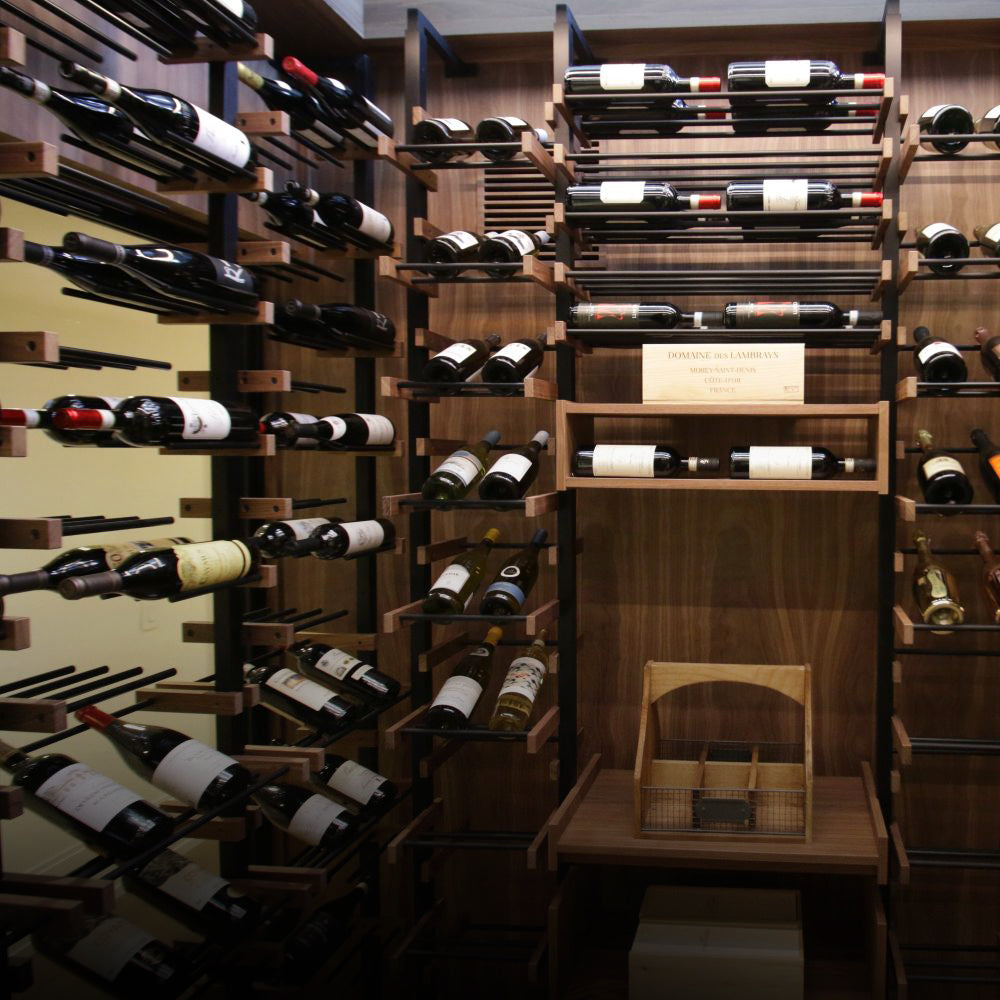
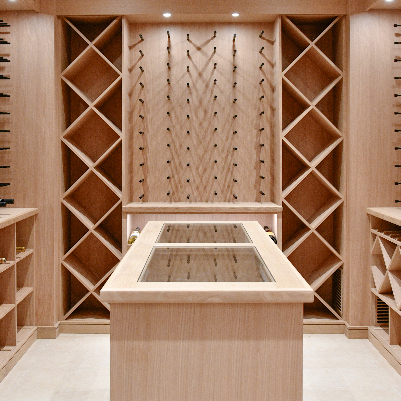
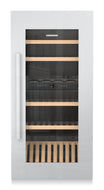
Rosehill Wine Cellars offers the Vantaggio V300 Wine Cabinet for readers planning a dedicated place to store wine. If winter cooling research has prompted you to rethink temperature management in a wine room, explore wine-specific solutions rather than treating a standard AC condenser as the whole answer.
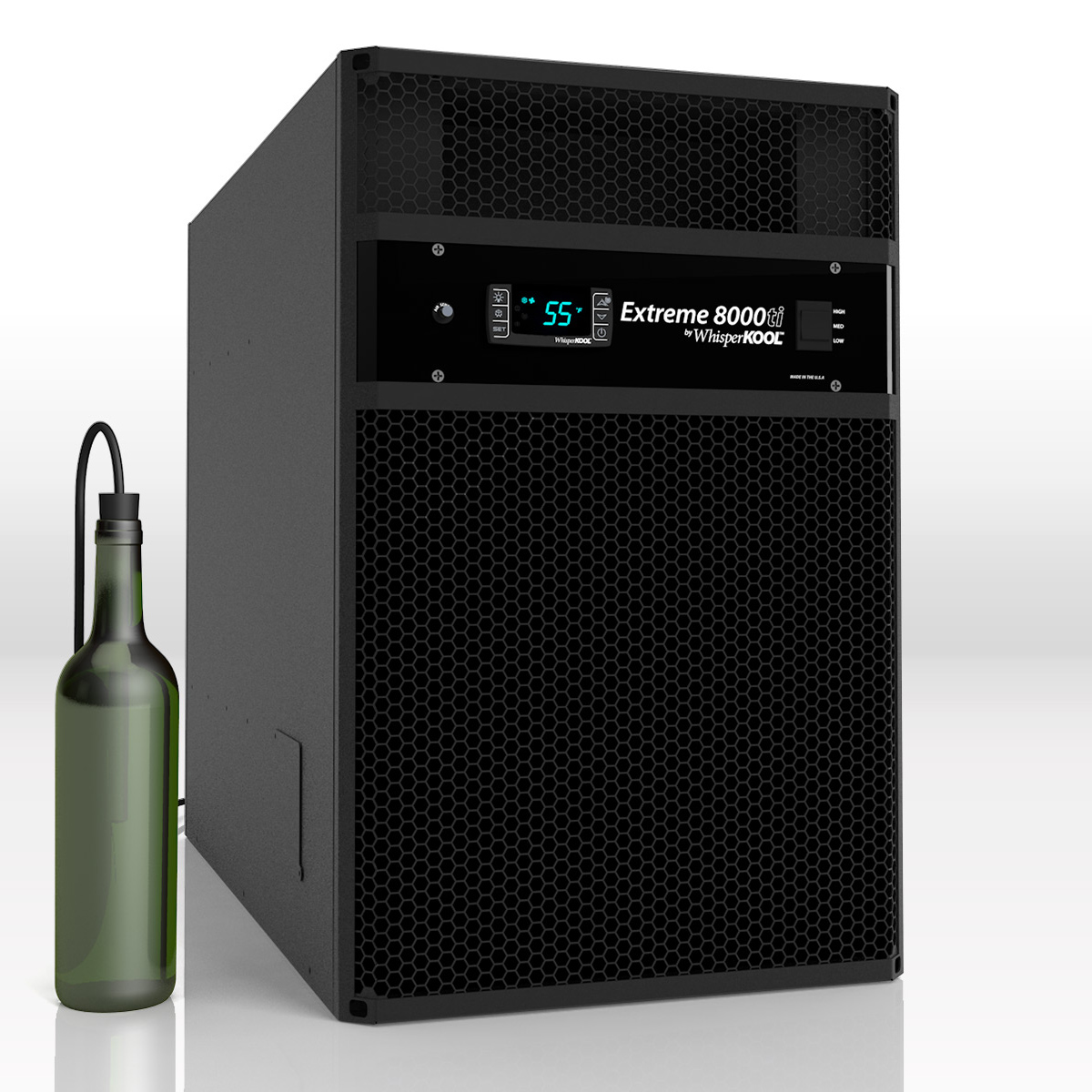
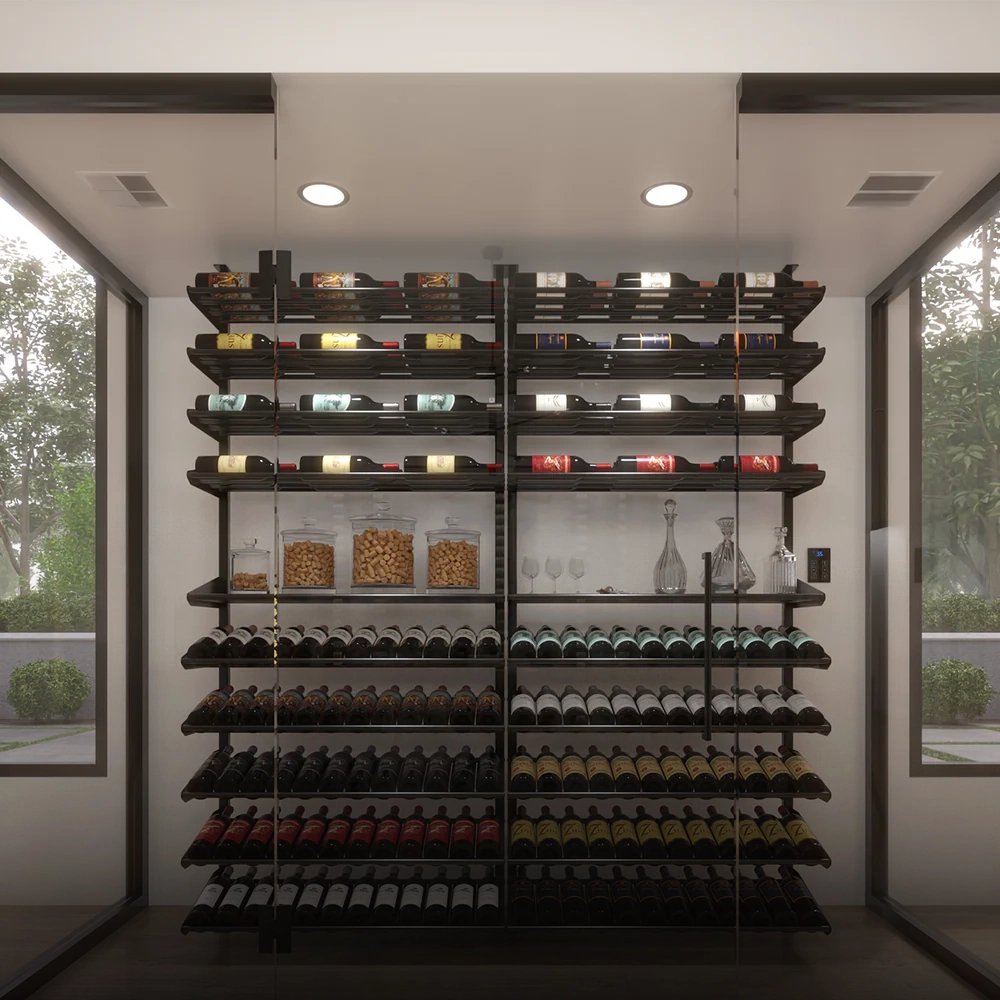
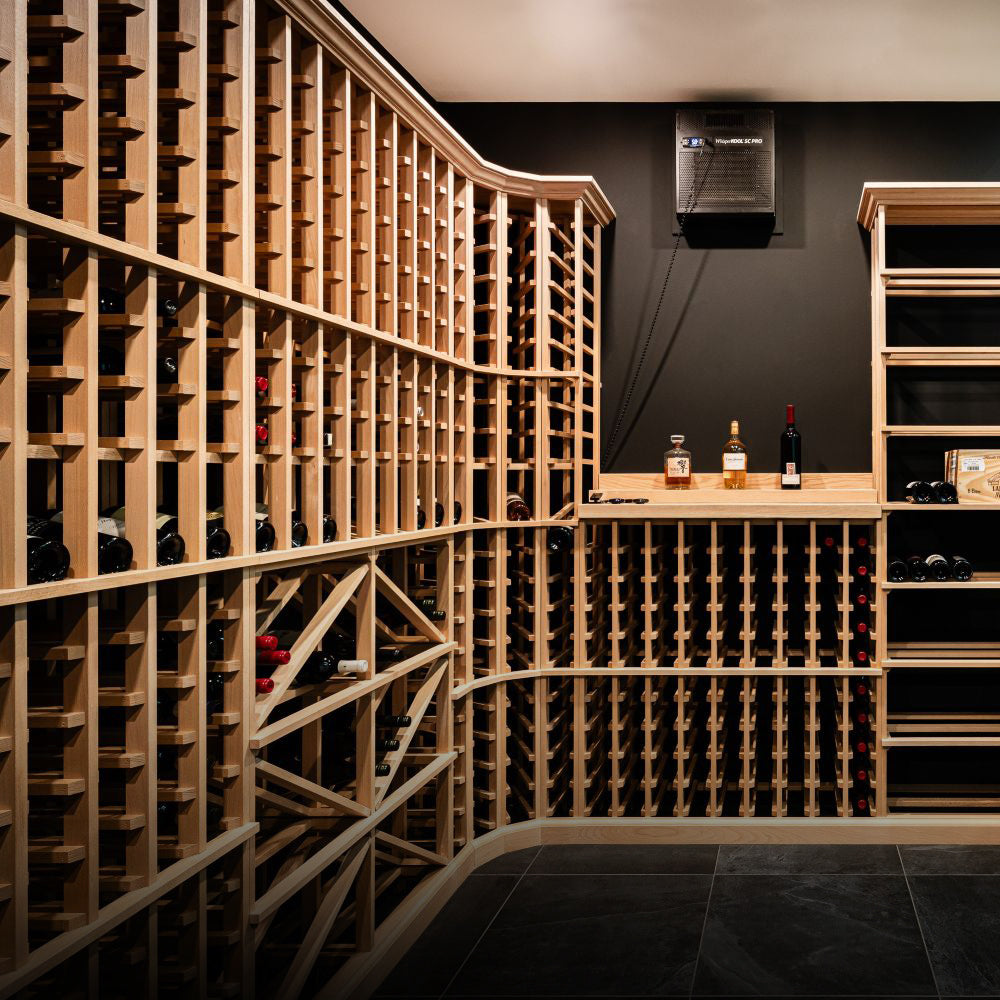
Rosehill’s wine cooling units can support a wine cellar cooling plan, while Premier Cru Classic Racking and Premier Cru Modern Racking offer options for organizing the space. The right combination depends on the room and its design needs. A wine cabinet is another option when a standalone storage solution better suits your home.
For a considered approach to wine storage, explore the Vantaggio V300 Wine Cabinet and related cellar offerings. Contact Rosehill Wine Cellars to discuss your wine-storage plans.
Plan a Wine Space That Works for You
Once you’ve chosen your cooling equipment, consider how the room itself can support your wine collection. Thoughtful exterior condenser placement in winter and a manufacturer-approved low-ambient kit address HVAC operation. A dedicated wine cellar calls for a plan tailored to its storage needs and layout.
Rosehill Wine Cellars offers Custom Wine Cellar Design, along with Premier Cru Classic Racking and Premier Cru Modern Racking. The Vantaggio V300 Wine Cabinet is another option for a distinct storage arrangement. These offerings can help shape a wine space around the way you intend to use it, from the room’s overall design to its racking and cabinet choices.
Explore a considered approach to wine storage and take the next step at a pace that suits your project. Contact Rosehill Wine Cellars to discuss your plans, and start shaping a space that feels intentional and enduring.
Frequently Asked Questions
Can I run a regular AC in winter without a low ambient kit?
Yes, if outdoor conditions stay within the cooling limit specified for that exact unit. Below 65°F, standard HVAC equipment may need low-ambient cooling controls, and systems may begin struggling around 55°F. For example, an AC cooling an occupied room during a mild winter day may face different conditions than one expected to cool continuously through colder weather. Use the manufacturer’s minimum outdoor cooling temperature to guide operation.
How cold can it be outside before running an AC causes damage?
There isn’t one outdoor temperature that defines a damage point for every AC model. The deciding limit is the unit’s rated minimum temperature for cooling. Below its design conditions, refrigerant can cool excessively in the condenser, potentially freeze in the coils, and affect system components. A unit reaching its operating limit may not fail immediately, but repeated operation beyond that limit raises the risk of problems.
What happens if I don’t have a low ambient kit?
Without suitable low-temperature controls, an AC may struggle to regulate refrigerant pressure as outdoor air cools the condenser. The system can lose stable cooling, trip a pressure safety, or repeatedly stop and restart. In cold conditions, refrigerant may freeze in condenser coils, reducing efficiency and potentially damaging the compressor. If a room has continuing heat loads, those interruptions can also leave cooling demand unmet.
What outdoor temperature range can a low ambient kit support?
There is no single temperature range for every low-ambient kit. The supported operating range depends on the specific equipment and its manufacturer-approved controls. Some mini-split systems with low-ambient kits can operate below freezing, but that doesn’t establish the limit for other models. Check the unit’s product data for its lowest outdoor cooling temperature rather than assuming one kit’s range applies to all systems.
Can a low ambient kit be installed on any condenser, or must it be manufacturer-approved?
A low-ambient kit should be approved for the specific condenser model; it isn’t a universal add-on. An unapproved kit can cause operating problems and may void the equipment warranty. Match the control requirements to the unit’s product data before installation. In the United States, low-ambient controls connected to an AC refrigerant circuit must be installed by someone with EPA 608 certification, according to the U.S. Environmental Protection Agency.
What are the risks of running cooling equipment in low outdoor temperatures without a low ambient kit?
Risks include unstable operation, pressure-related shutdowns, short cycling, and coil freezing. An evaporator coil can ice when its temperature falls below 32°F because of low suction pressure. Ice can interfere with cooling, while freezing in condenser coils can reduce efficiency and potentially harm the compressor or other components. If operation becomes erratic, repeated resets don’t address the underlying condition; the system’s outdoor operating limit matters.