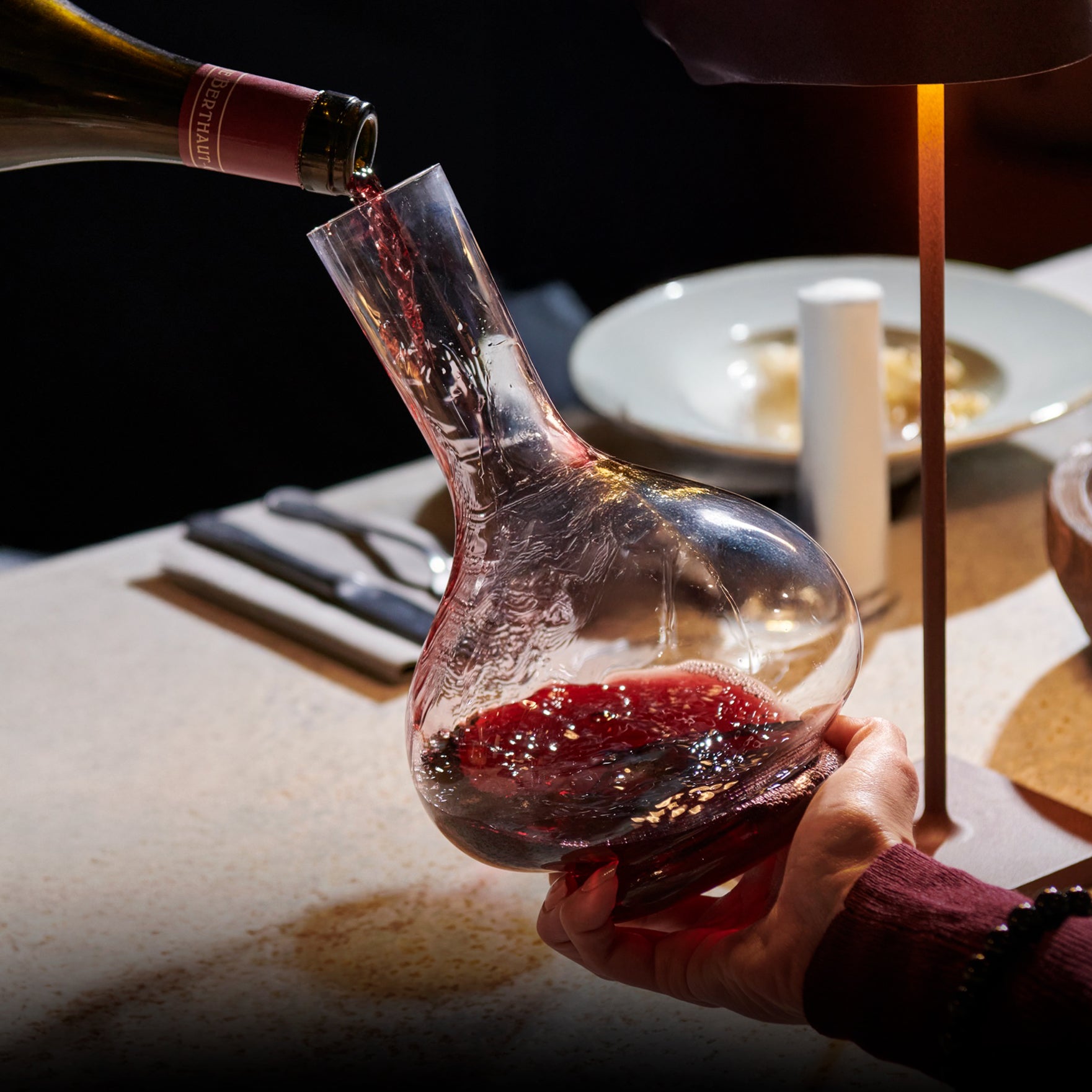







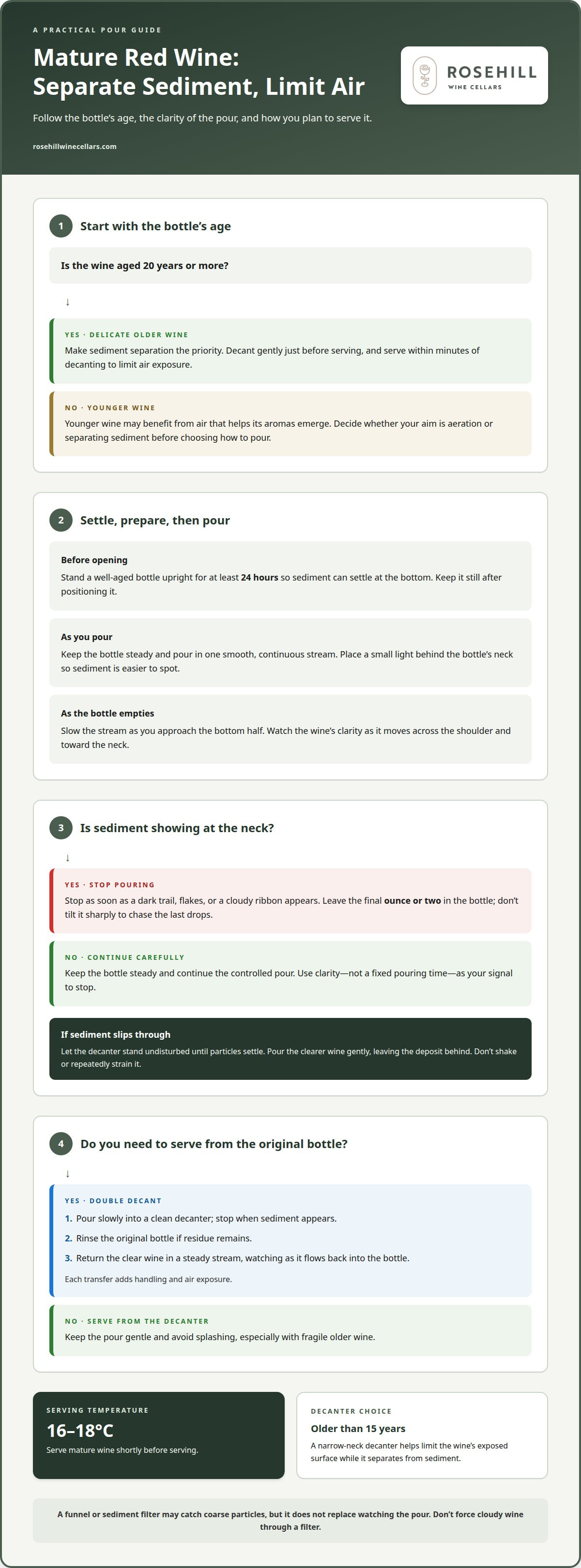
For mature red wine, decanting is usually less about giving the wine air than keeping sediment out of the glass. Decanting mature red wine means pouring the wine away from its settled deposits; for bottles aged 20 years or more, the usual approach is to decant just before serving and pour gently.
If you’re concerned about losing delicate aromas or pouring gritty sediment into the glass, a controlled pour matters. Let the sediment settle before opening, watch the bottle’s neck as you pour, and stop when sediment appears, leaving the final ounce or two behind.
This guide explains when decanting helps, how to double decant when you want to serve from the original bottle, and how to limit air exposure for an older wine. You’ll also learn how to judge when to stop and handle sediment without rushing a bottle that has rested for years.
Key Takeaways
- Stand a well-aged bottle upright for at least 24 hours before opening so sediment can settle at the bottom.
- Use a light behind the bottle’s neck to spot sediment as you pour, and slow down as you approach the bottom half.
- Double decant by pouring into a decanter, rinsing the original bottle if needed, then returning the wine gently when you want to serve it from that bottle.
- Keep air exposure brief for fragile older wines; decant them shortly before serving and avoid splashing.
- Choose storage and cooling solutions that suit your collection, from wine cabinets and cooling units to classic or modern racking.
What does decanting wine mean?
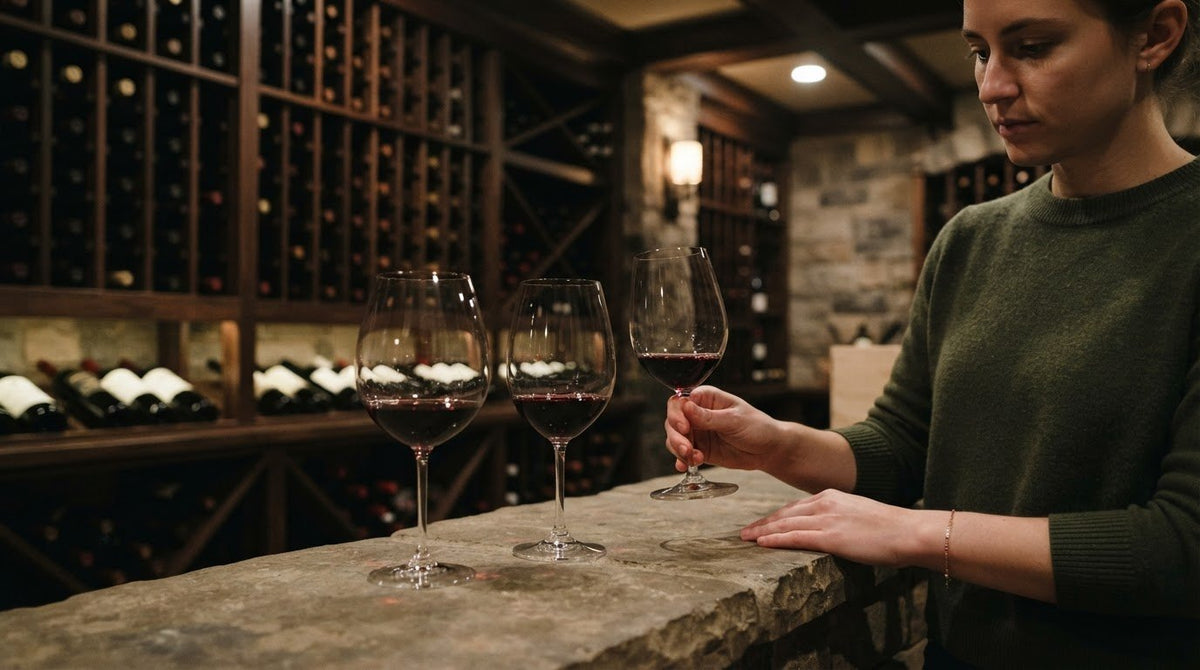
Decanting means pouring wine into another vessel to separate clear wine from sediment. Serve mature wine at 16-18°C, and pour it shortly before serving. For wine aged 20 years or more, serve it within minutes of decanting to limit air exposure.
- Decide on your purpose before choosing a method. With mature wine, the main reason to decant is usually sediment separation, not extended aeration. Well-made wine can develop sediment after a decade or two in the bottle. Younger wine may benefit from air that helps its aromas emerge, while an older, delicate wine can lose expression if exposed for too long. Techniques for separating sediment from mature wine begin with deciding which goal matters most.
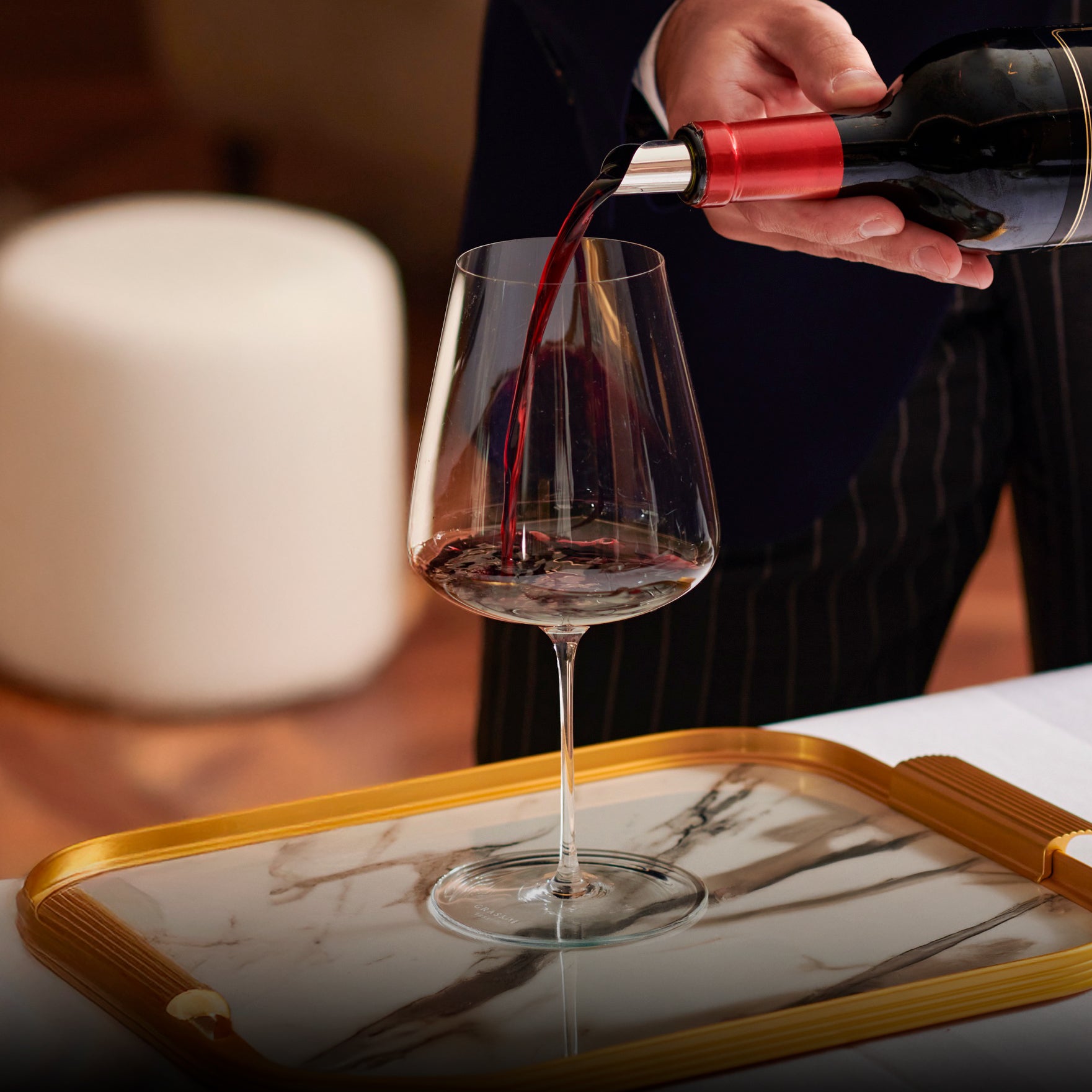
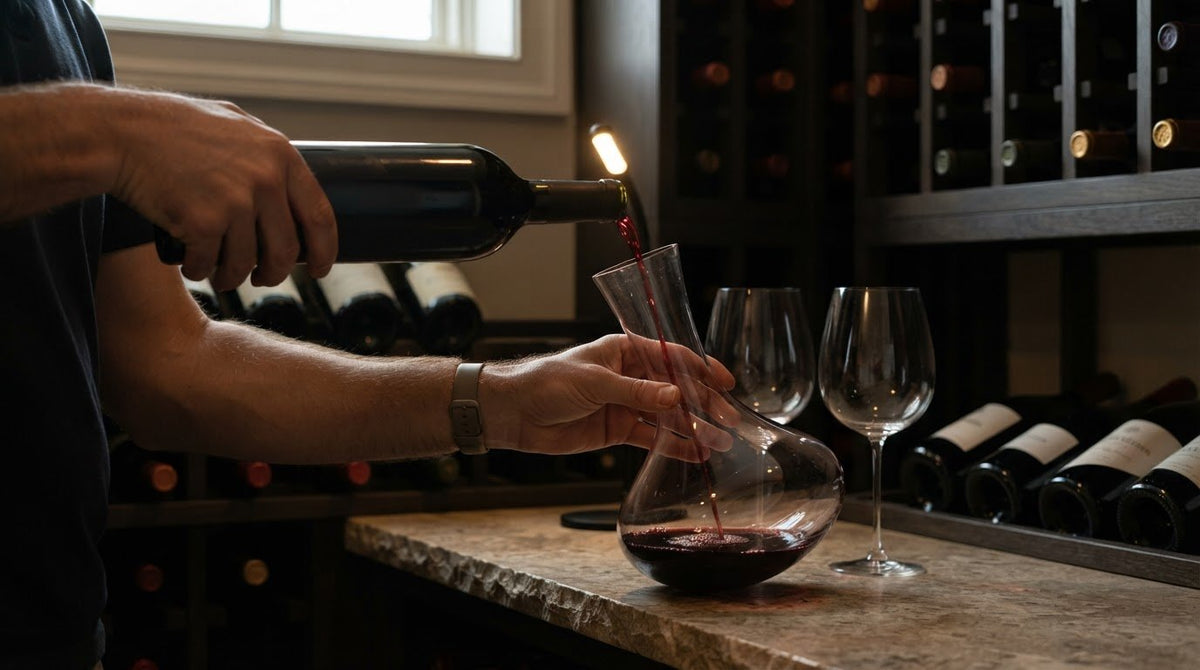
- Let the bottle’s condition guide your pour. Keep it steady and pour continuously into a clean decanter, watching the neck for sediment. A small light behind the glass can make cloudy trails easier to spot. Stop when sediment appears rather than trying to recover every last drop. Sediment can make wine cloudy, gritty, or bitter. These techniques for separating sediment from mature wine prioritize a clear pour over emptying the bottle.
- Choose a narrow-neck decanter for wine older than 15 years. Its smaller exposed surface helps limit contact with air while the wine separates from sediment. Pour gently, without splashing, because vigorous aeration is usually undesirable for fragile older wines. If the wine seems closed, taste a small pour first; a subtle opening in the glass may be enough. The vessel should make a controlled pour easy.
- A wine funnel with a sediment filter can catch coarse particles during transfer, but it can’t replace a careful pour. With older wine, watching the bottle and stopping as sediment reaches the neck gives you control over the separation. Cheesecloth or a fine strainer may catch visible particles, but filtering can disturb sediment and slow the pour. Don’t force cloudy wine through a filter. Let particles settle, then pour the clear portion gently.
- If the decanter turns cloudy, stop pouring and let sediment settle before serving the clearer wine. Don’t stir or shake the vessel to restore clarity. The remaining ounce or two may contain most of the sediment, so leaving it behind is preferable to clouding the whole decanter. With white wines and young reds, consider whether sediment removal or aeration is actually the goal.
When to stop pouring
- Set the bottle’s angle before pouring, then keep it steady. Older wine can carry sediment along the glass as it moves, especially near the bottom half. A smooth, continuous stream gives you time to notice changes without repeatedly shifting the bottle. Avoid stopping and restarting, since each interruption can stir settled particles and make the final pour harder to judge.
- Slow the stream as the bottle empties. Watch the wine’s clarity as it crosses the shoulder and approaches the neck. Stop as soon as a dark trail, flakes, or a cloudy ribbon appears. Don’t wait for a heavy flow of sediment. Even a small amount can spread through the decanter and make the wine gritty.
- Position a light behind the bottle’s neck before pouring. A small flashlight makes sediment easier to see as it travels from the shoulder toward the opening. Keep the beam behind the glass rather than shining it through the decanter, where reflections can distract from the stream. A candle can also provide backlighting, but a flashlight is easier to position and adjust.
- Leave the final ounce or two in the bottle when sediment gathers at the neck. That small remainder often holds concentrated deposits, while the earlier wine remains clearer. Don’t tilt the bottle sharply to chase the last drops. If visible sediment appears early in the pour, stop sooner rather than risk clouding the whole decanter.
- Double decant only when you need to return the wine to its original bottle. First pour slowly into a decanter, stopping when sediment appears. Then rinse the bottle if residue remains. Return the clear wine in a steady stream, watching as it flows into the bottle. A funnel can guide the pour, but it doesn’t replace visual monitoring or clear cloudy wine.
- If sediment slips through, let the decanter stand undisturbed until the particles settle. Then gently pour the clearer wine into clean glasses, leaving the deposit behind. Don’t shake the decanter or strain the wine repeatedly, since either action can redistribute particles. The point of separating sediment from mature wine is to preserve clear wine, not force every drop through a filter.
- Use clarity, not a fixed pouring time, as your signal to stop. One mature bottle may release sediment gradually; another may show a cloudy trail near the end. Effective sediment separation relies on watching the stream, keeping the bottle steady, and stopping promptly. A light behind the neck makes that decision easier without another transfer or disturbing the remaining wine.
What is Double Decanting?
Double decanting means pouring wine into a decanter, then returning it to its original bottle. For mature wine, this can separate sediment while preserving the familiar serving bottle, but each transfer adds handling and air exposure.
- Stand a well-aged bottle upright for at least 24 hours before decanting. This gives sediment time to settle at the bottom instead of remaining suspended throughout the wine. A traditional approach is to leave a bottle upright for a day or two before opening. Keep it still after positioning it, since moving it can disturb the deposits you’re trying to settle.
- Prepare the decanter and original bottle before opening. Set the decanter within easy reach, and place the bottle upright where you won’t need to carry or reposition it mid-pour. Double decanting is useful when the wine needs sediment separation but will be served from its original bottle. Having both vessels ready makes the transfer more controlled.
- Pour the wine into the decanter in one gentle, continuous movement. Watch the bottle as the wine flows, and stop when sediment appears. The decanter temporarily holds the clearer wine while deposits remain behind. This extra separation step can help when a bottle has considerable sediment. It isn’t necessary when little to no sediment is present.
- Rinse the original bottle if sediment remains inside, then let excess water drain before returning the wine. The goal is to remove deposits without leaving rinse water in the bottle. Skip this step when there’s little to no sediment and the bottle is already clean. A clean receiving bottle keeps the separated wine from picking up residue left behind during the first pour.
- Return the wine slowly, without splashing, then serve it from the original bottle. Keep the process brief: a short double decant can be completed in under two minutes to limit air exposure. Double decanting may also help a tight, “closed” wine open more quickly, but mature wine can be delicate. With an old, fragile bottle, prioritize sediment removal over extended exposure to oxygen.
Treat rinsing as conditional, not automatic. If sediment is present, rinse the original bottle so no residue remains before returning the wine. If little to no sediment is present, there’s no need to rinse. Let the decision depend on what the first pour leaves behind, avoiding an unnecessary rinse when there’s little to clear.
Decanting times for fragile and older wines
Match the decanting method to the wine’s condition, age, and purpose. Removing sediment calls for less air than opening a tight young red.
-
Decant Full-Bodied Red Wines
Assess the wine before deciding how long it should sit. Younger, full-bodied red wines can benefit from aeration, or exposure to air, which lets aromas emerge and can soften the drying sensation from natural compounds in the wine. For red wines under five years old, Jancis Robinson suggests decanting up to four hours before serving. Don’t apply that longer window automatically to mature wine.
-
Account for Sediment in Aged Wine
Expect sediment in older red wines, as deposits can develop during bottle aging. For bottles 10 years or older, decanting is usually intended to separate those deposits, not provide lengthy exposure to air. Look for sediment when pouring and avoid splashing. A narrow-neck decanter can limit air exposure for red wines older than 15 years.
- Set a short serving window for fragile bottles. A particularly old or delicate wine, especially one 15 years or older, can be decanted about 30 minutes before drinking. Red wine aged 20 years or more is generally decanted just before serving and poured soon afterward. Treat these as starting points: a wine’s condition and aromas matter more than age alone.
- Taste the wine to judge whether a brief rest is enough. Pour a small sample into a glass and assess its aromas before committing the bottle to a long decant. If the wine is expressive, serve it rather than leaving it exposed. If it seems closed, a little air may help, but older wines can lose delicate aromas with prolonged exposure.
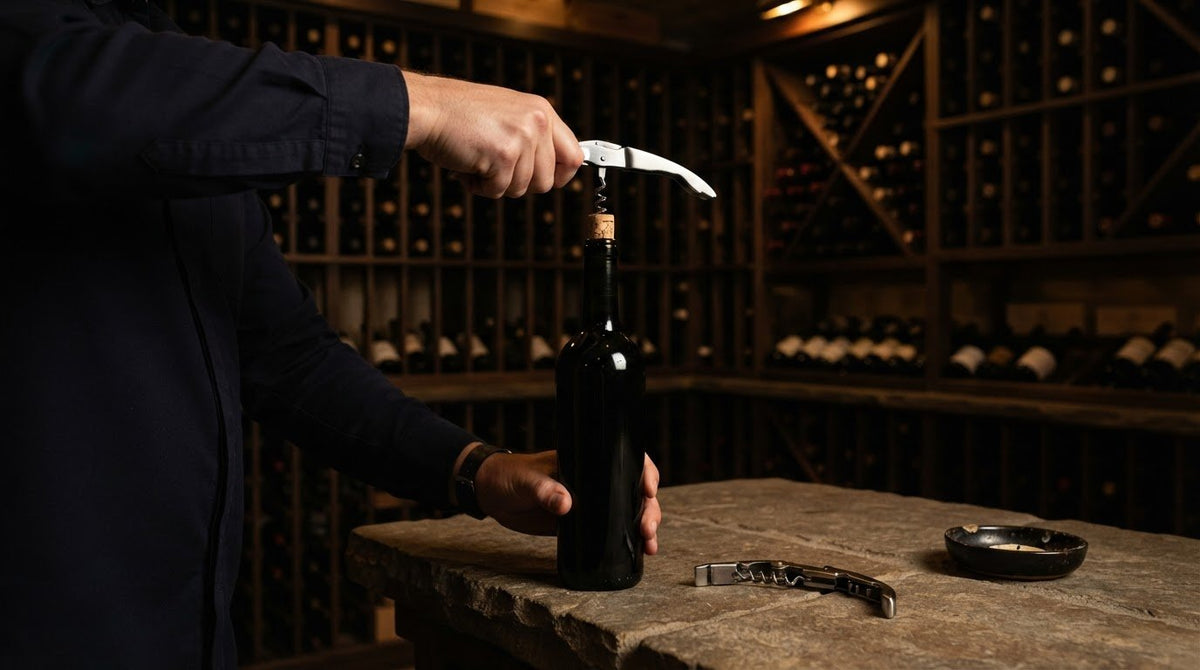
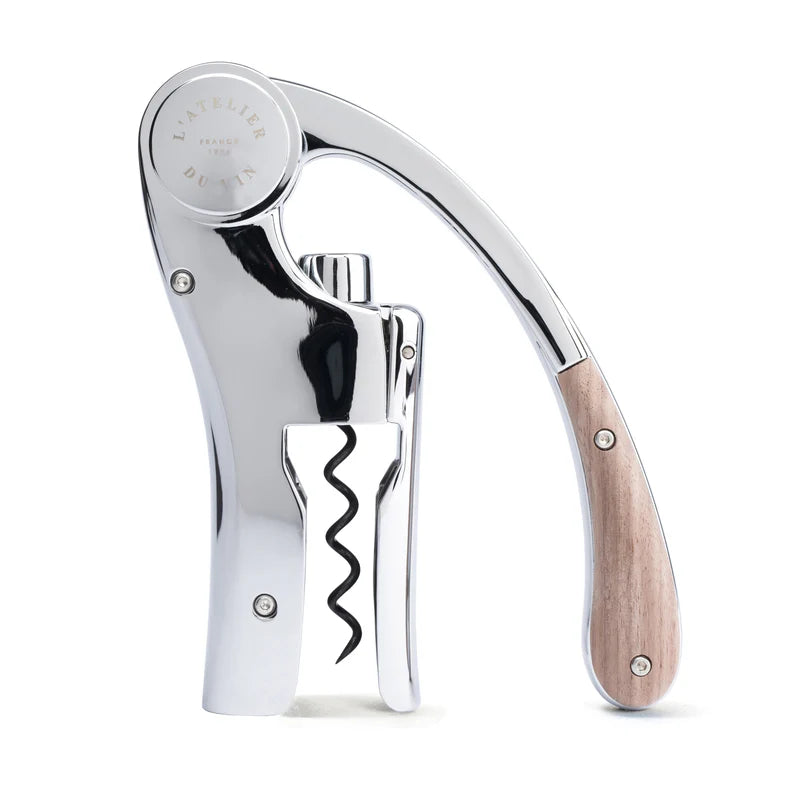
- Open a bottle with a fragile cork slowly. Center the corkscrew carefully, turn it steadily, and draw the cork upward without twisting the bottle. If the cork starts to crumble, pause and adjust your grip rather than forcing it into the wine. Keep the bottle upright after opening so any disturbed sediment can settle before pouring.
- Consider temperature alongside timing. Aged red wine is served at 16-18°C; excessive warmth can make alcohol seem more prominent, while a cooler serving can mute aromas. If you decant for sediment, have glasses ready before pouring. That way, the wine can be served promptly instead of waiting in the vessel while its character fades.
For older wines, decant to separate sediment; younger red wines may benefit from exposure to air. Older reds and fortified wines can produce sediment; white wines rarely do. For red wines aged 5-10 years, use a moderate decant and check for sediment; for those aged 10-20 years, decant for 20-45 minutes. For wines aged 50-100 years, expose them to air gradually. A 25-year-old red wine decanted for 90 minutes in a wide vessel may receive too much air.
Decanting aged wine for sediment removal
- Choose decanting when sediment threatens a clear pour. Mature red wine can be served directly from the bottle if its sediment remains settled and careful pouring keeps it out of the glasses. Decant when separation will make serving easier, especially for a bottle aged 10 years or older. The purpose is clarity, not automatically giving the wine extended air.
- Stand the bottle upright for 24-48 hours before decanting. This gives deposits time to gather at the bottom rather than remain suspended through the wine. Once upright, keep the bottle still until opening. A bottle moved just before pouring can redistribute the sediment, making an otherwise controlled transfer harder.
- Prepare a decanter and light before opening the bottle. Position the light behind the neck, then pour in one gentle, steady movement. Watch for particles moving toward the shoulder and neck. Slow the stream as the bottle empties, and stop as soon as sediment becomes visible. Leaving the final ounce or two behind helps keep the decanter clear.
- Keep the pour continuous rather than pausing midway. Interrupting an older wine can disturb sediment and cloud the remaining liquid. If the stream becomes cloudy, stop immediately instead of trying to recover more wine. Sediment in the decanter can create a gritty texture and bitter impression, so a sommelier’s careful stopping point matters more than emptying the bottle.
- Double decant only when the wine needs to return to its original bottle. First pour it into a decanter, leaving sediment behind. Rinse the bottle if residue remains, then return the clear wine slowly. This method can help when a bottle has substantial sediment or needs to travel after preparation. Keep both transfers gentle to limit agitation and air exposure.
- Serve older wine promptly after separating its sediment. Bottles aged 20 years or more are decanted immediately before serving and poured within minutes. Avoid leaving fragile wine standing in a broad vessel, where more wine meets oxygen. A narrow-neck decanter limits exposed surface while allowing the clear wine to be poured for serving.
- Let the bottle’s condition, not a fixed ritual, guide your choice. If mature red wine is expressive and pours cleanly, serving it directly can preserve delicate aromas. If sediment clouds the stream, decant carefully and serve the clear portion. Double decanting is practical when presentation in the original bottle matters, but it adds another transfer, so handle the wine gently.
Rosehill Wine Cellars
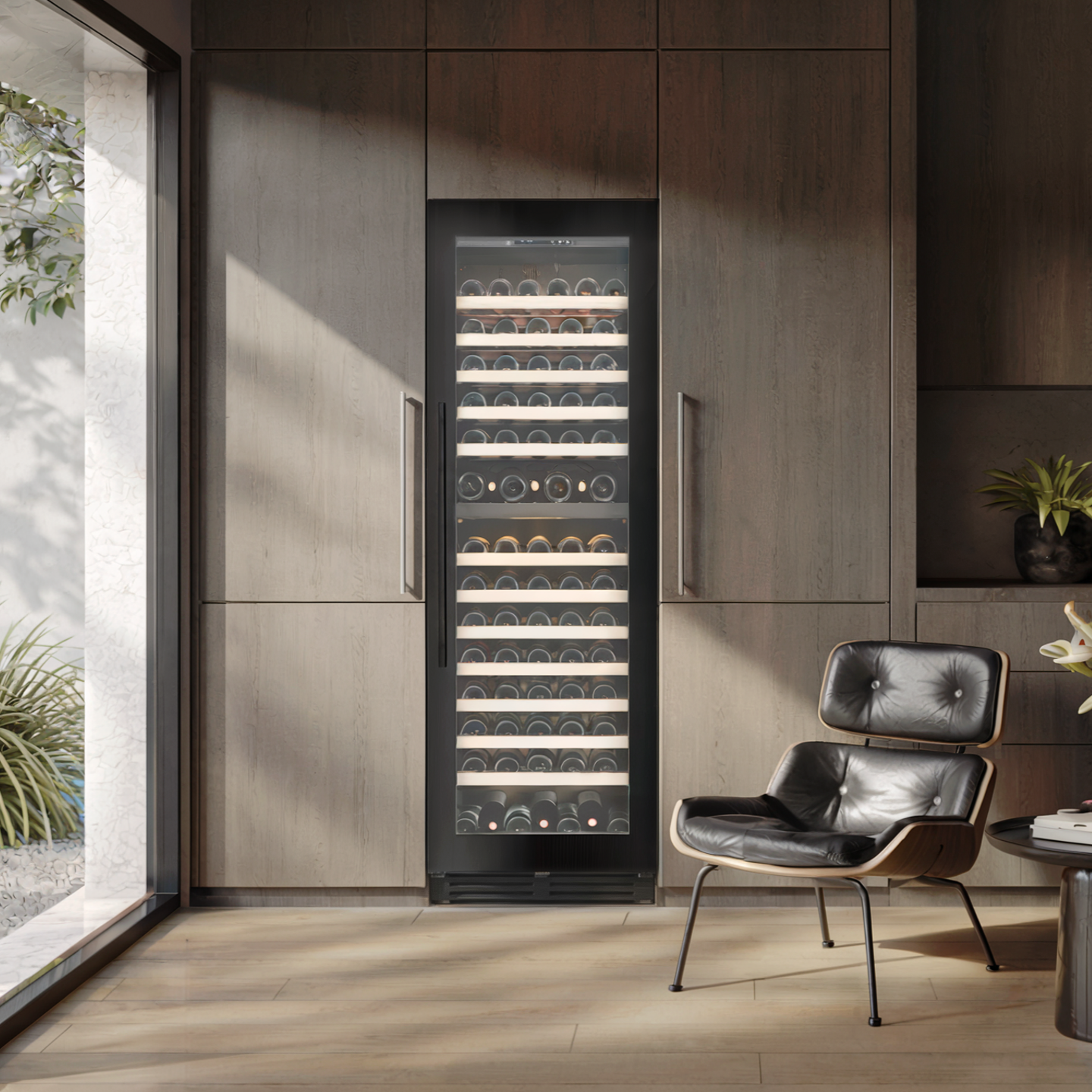
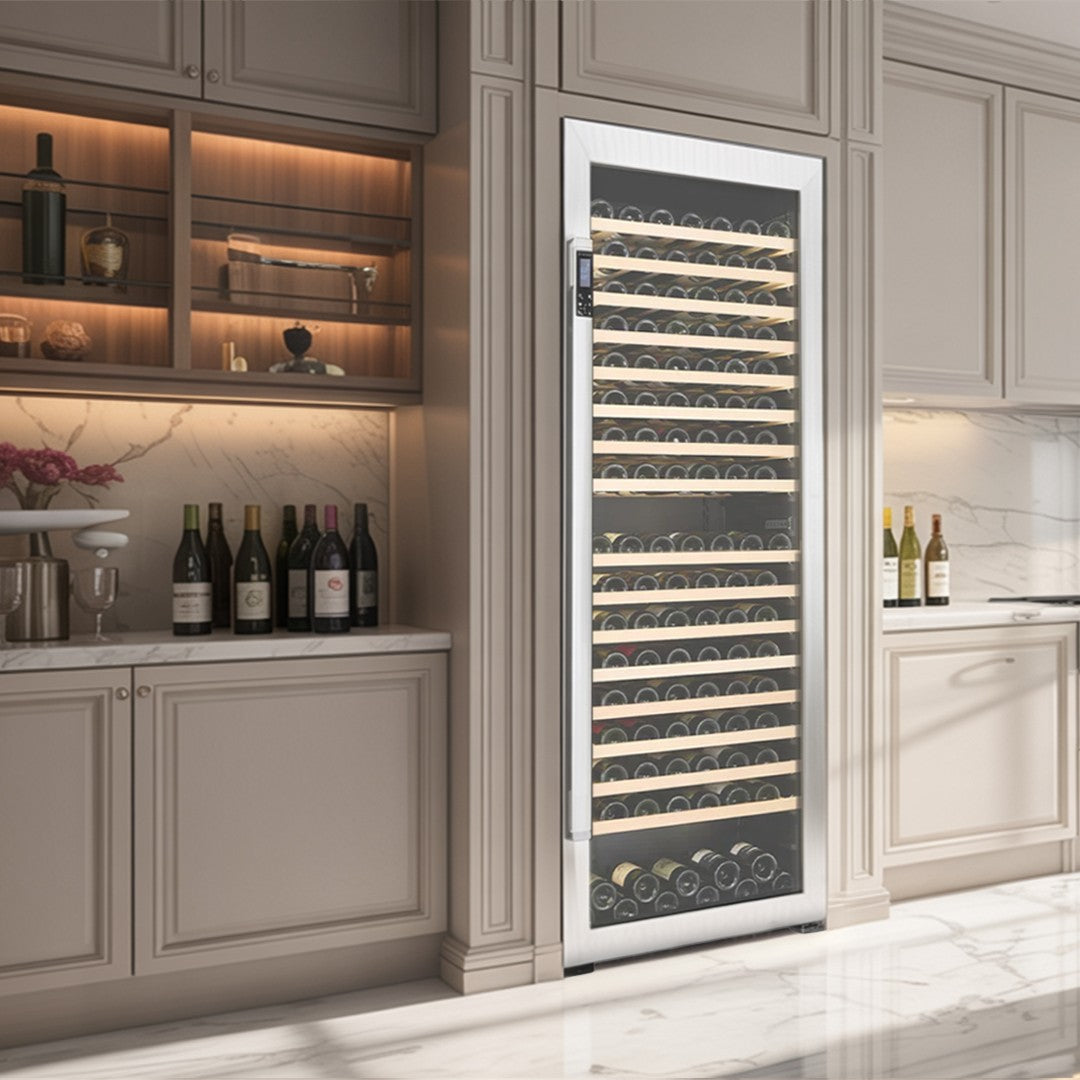
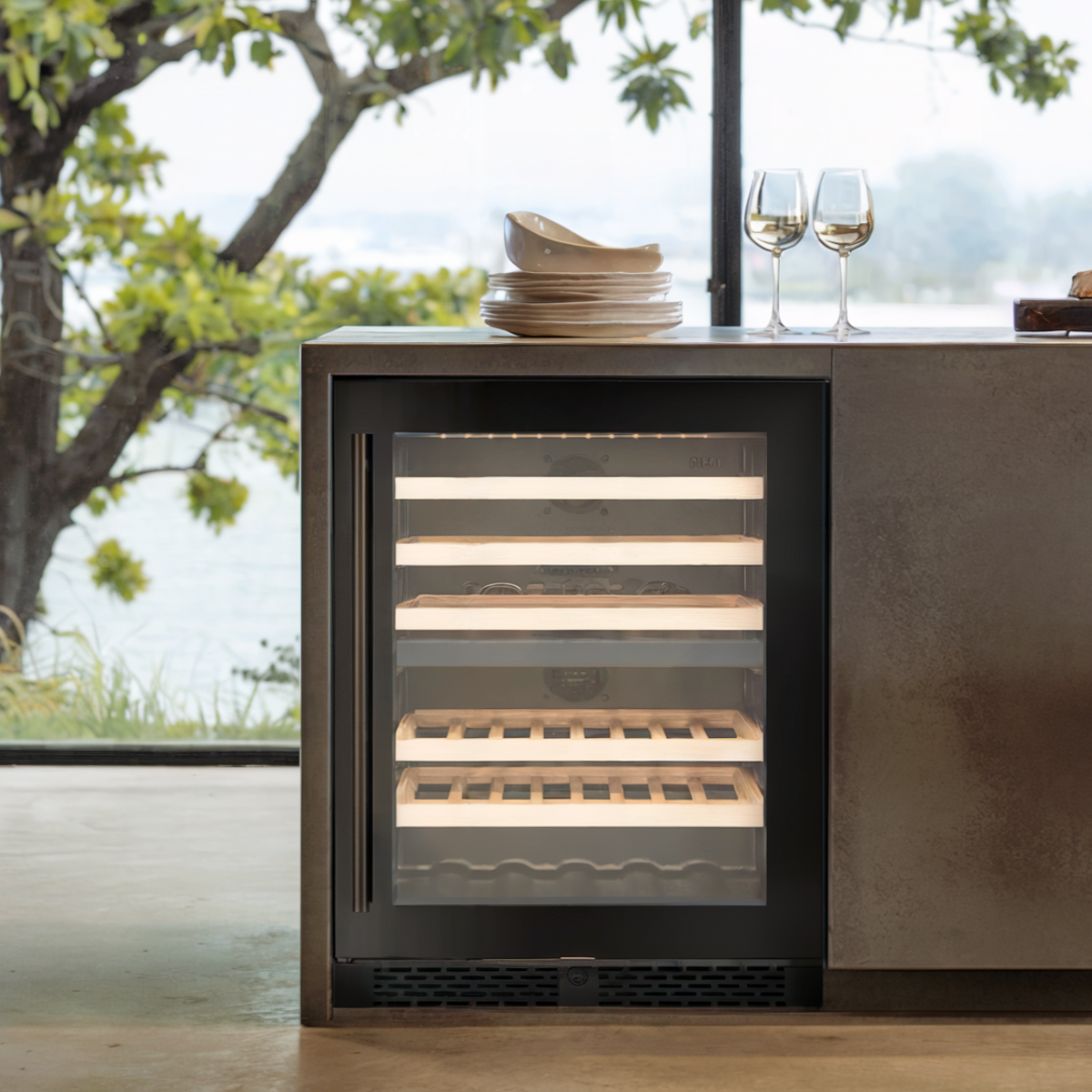
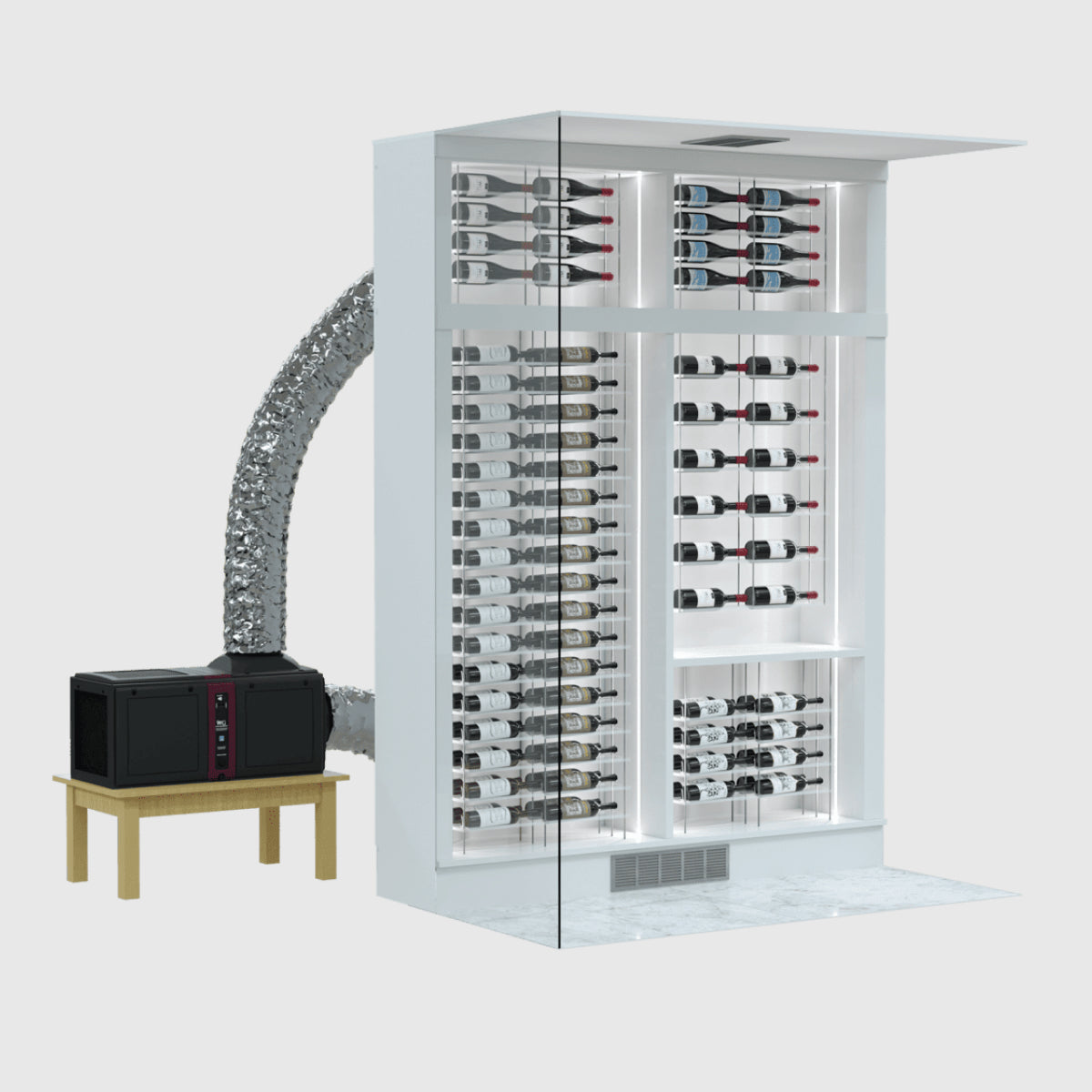
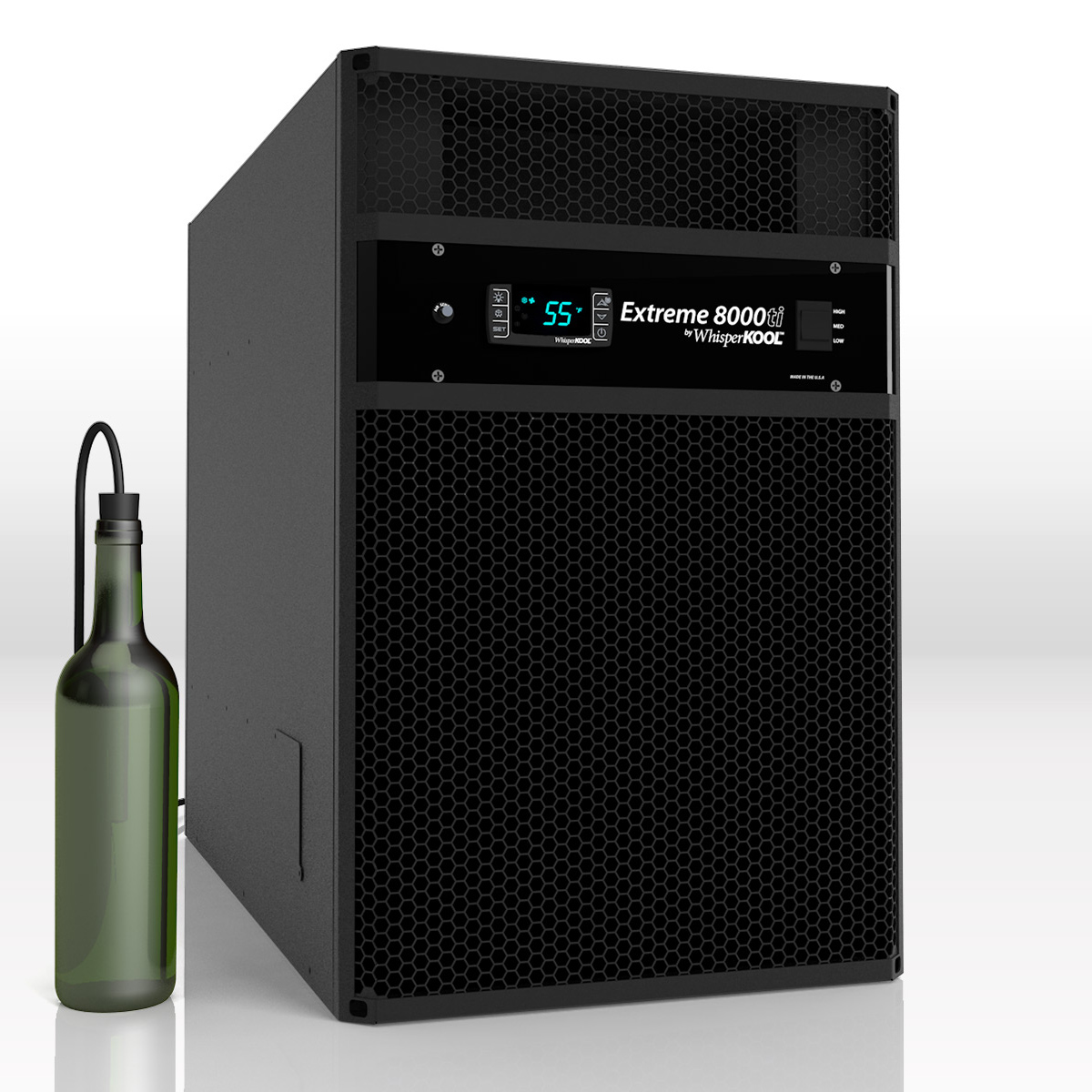
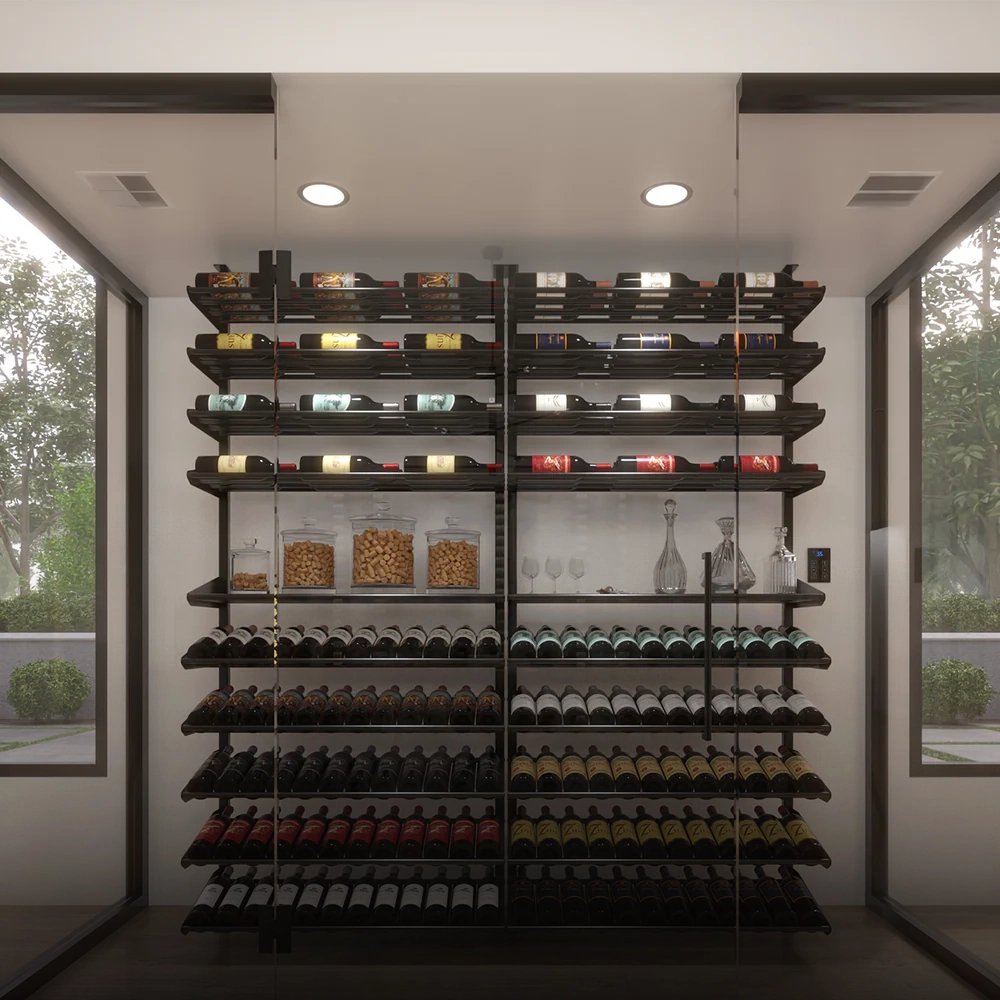
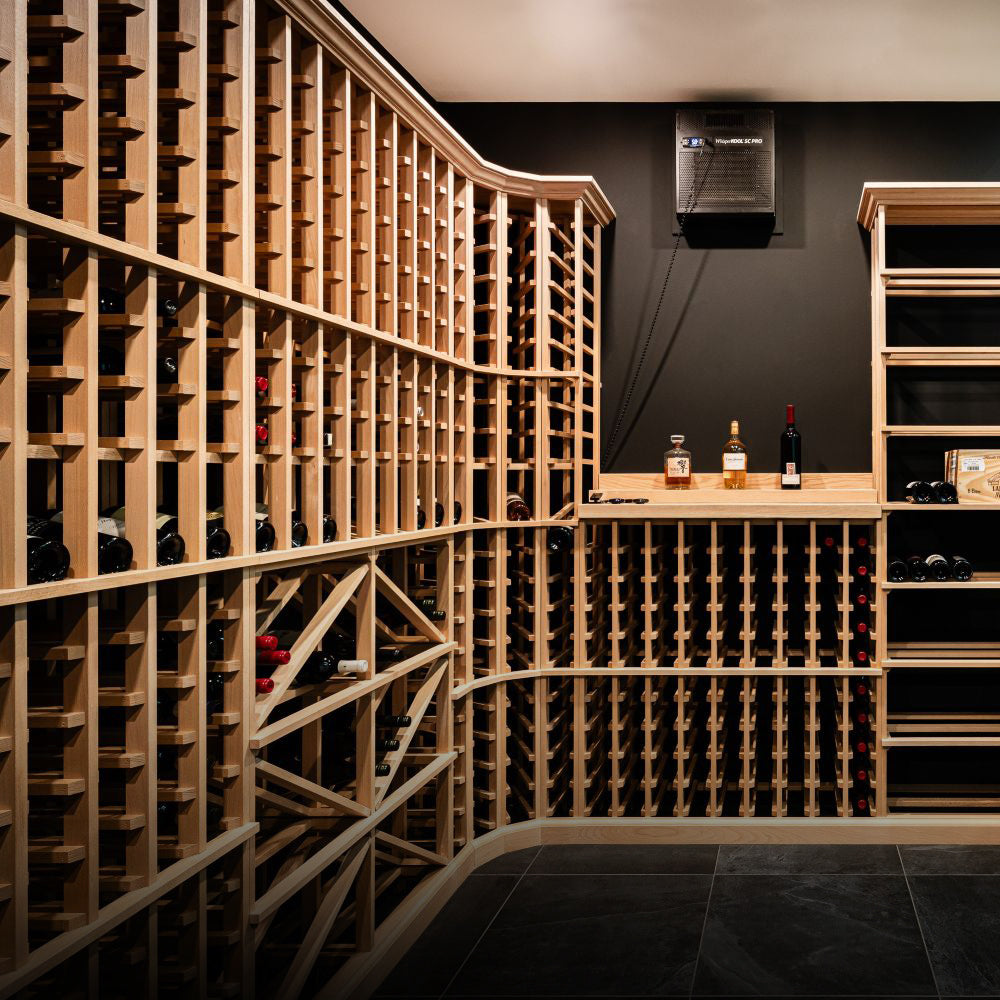
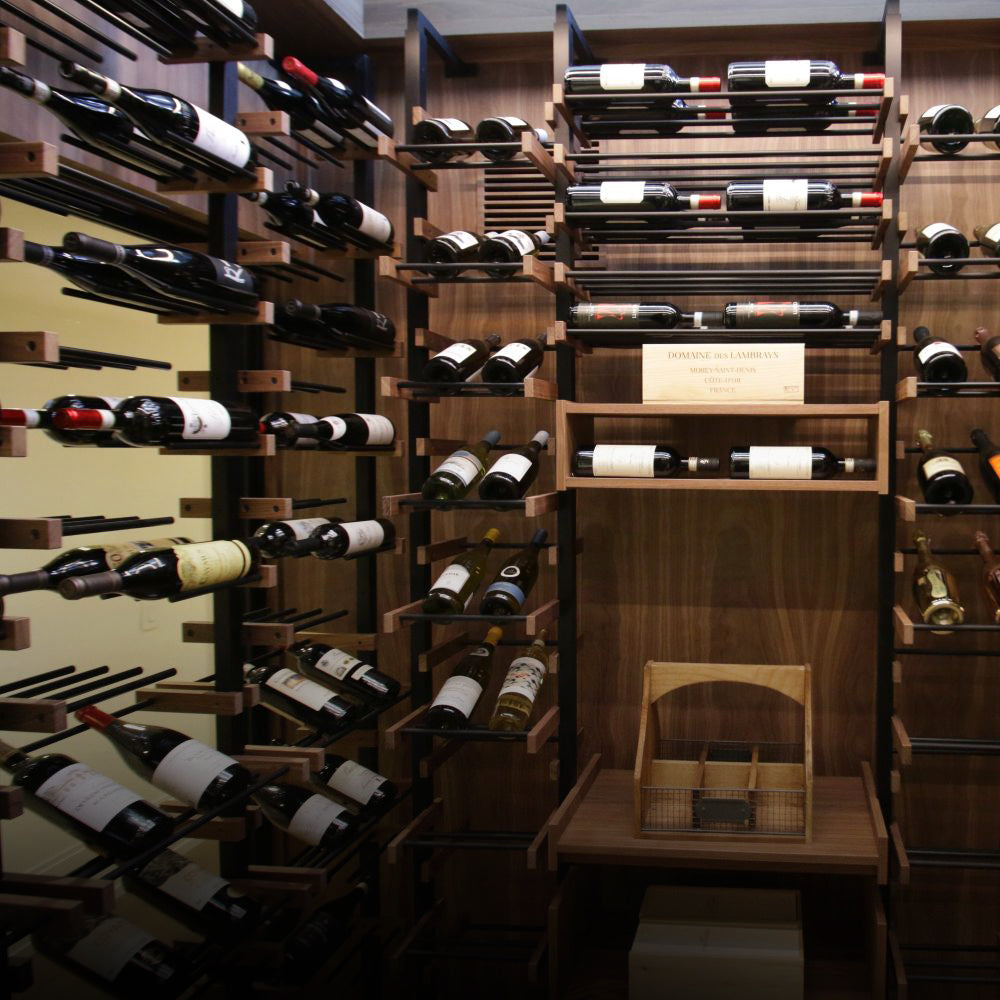
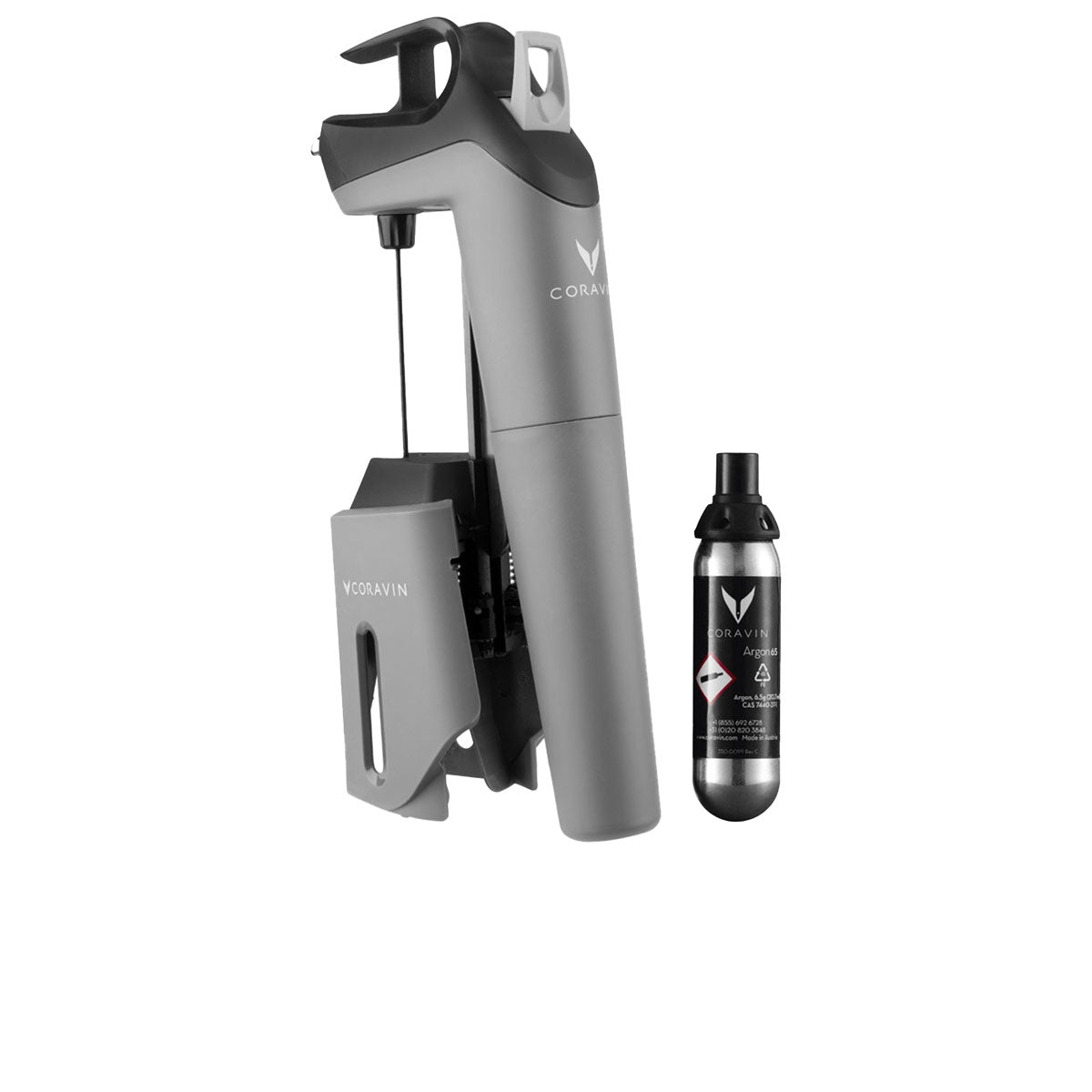
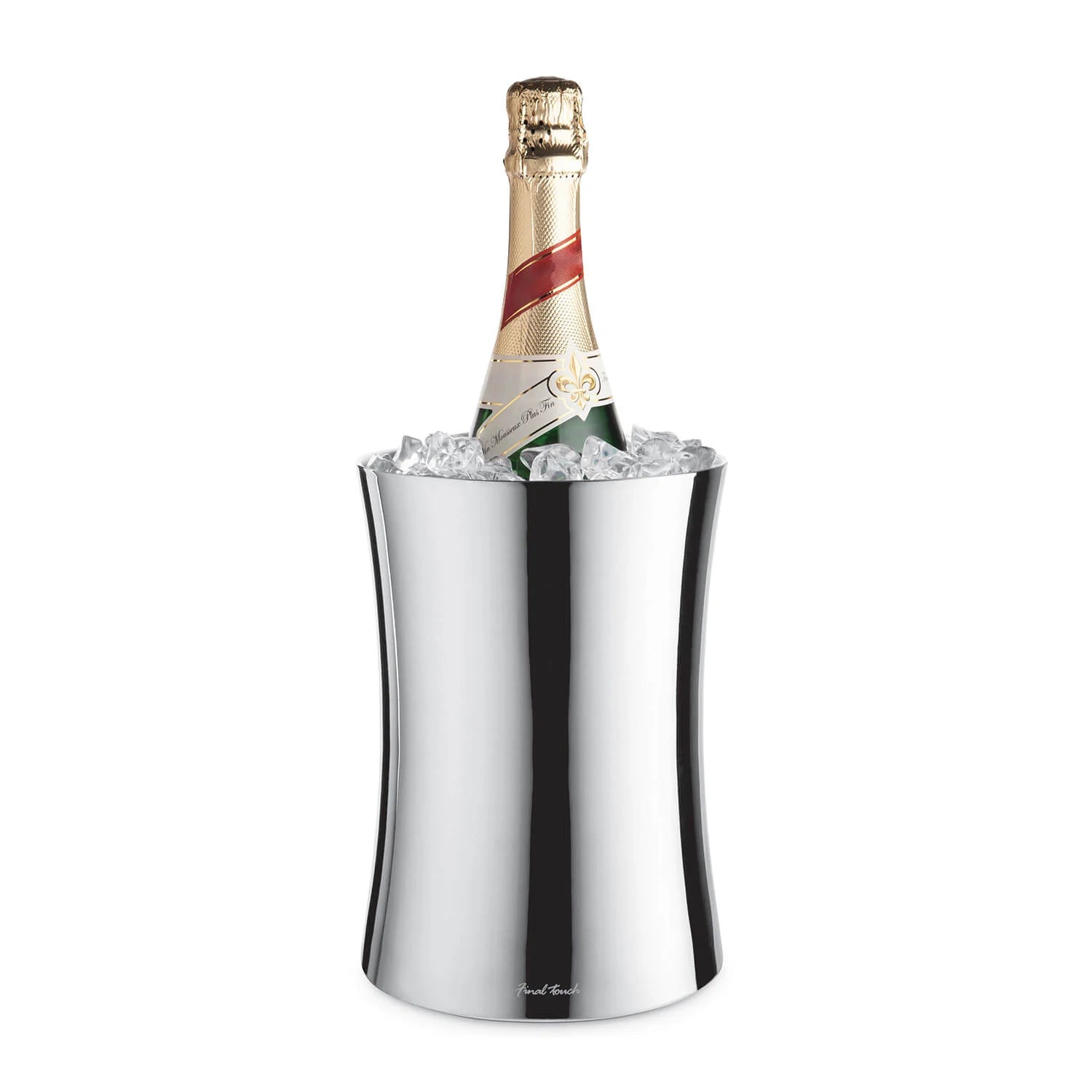
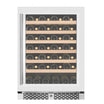
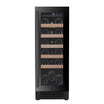
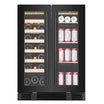
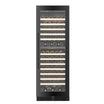
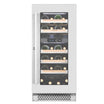
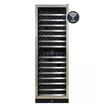
Rosehill Wine Cellars helps you create a considered setting for storing and organizing the bottles you plan to serve. If you’re building a collection or refining your wine storage, options include the Vantaggio V300 Wine Cabinet, Wine Cooling Units, and Premier Cru Classic or Modern Racking. These offerings support the practical care of a collection, while your decanting method remains guided by each bottle’s age, condition, and sediment.
Consider storage solutions when bottles need a dedicated place to rest before opening or your current setup no longer suits your collection. A well-organized space can make bottles easier to manage and prepare for serving.
Contact Rosehill Wine Cellars to discuss wine storage options for your collection.
Make Each Bottle Part of a Considered Collection
Caring for mature wines begins well before a cork is drawn. Decanting mature wines and separating sediment work best alongside storage habits that let bottles rest undisturbed and stay ready for a special occasion. As your collection evolves, consider how its organization and storage can support the way you select, prepare, and serve each bottle.
Rosehill Wine Cellars can help you explore storage options suited to your collection and space. A well-planned setting makes it easier to keep bottles organized and ready, whether you’re preserving treasured vintages or creating a dedicated place for future discoveries.
Contact Rosehill Wine Cellars to discuss a thoughtful next step for your wine storage. Give your collection a setting that feels as considered as the bottles within it.
Frequently Asked Questions
How long should you decant red wine by age?
Use age as a guide, then adjust for how the wine tastes and smells. Red wine under five years old may be decanted up to four hours before serving; Jancis Robinson recommends one to two hours for bottles aged five to 20 years. For red wine over 20 years old, decant just before serving. A delicate older wine may need less air than a robust bottle of similar age.
Which Wines to Decant?
Decant red wines when they need sediment separated or air to reveal their aromas. Mature red wines often benefit from a careful pour, while a young, firm, full-bodied red may gain from aeration. White wines, sparkling wines, and lighter reds are generally less suited to decanting. Consider the wine’s condition and purpose: sediment removal and opening a tight wine call for different approaches.
How long should mature red wine stand upright before decanting?
Stand a well-aged bottle upright for at least 24 hours before decanting. This lets sediment collect at the base, making it less likely to travel through the wine during pouring. Keep the bottle still once it’s upright, especially if it has been moved for a tasting or dinner. If the wine has been jostled, allow it to settle again before opening.
How to decant mature red wine without disturbing sediment step by step?
Keep the bottle upright, open it carefully, and position a light behind its neck. Pour in one steady motion, slowing as the wine level drops. Watch for particles near the shoulder and stop when they appear. Leave the sediment-heavy remainder behind. If serving from the original bottle, rinse out visible residue before gently returning the clear wine.
Should mature red wine be decanted by candlelight or flashlight?
Either can help you see sediment moving through the bottle’s neck. A flashlight is easy to position and adjust, while candlelight can provide a steady glow when placed safely behind the glass. Choose the light that lets you see the stream clearly without moving the bottle. The goal is to spot sediment early, not illuminate the decanter.
What type and size of decanter is best for mature red wine?
Choose a narrow-neck decanter for red wine older than 15 years to limit air exposure during separation. Select a vessel that can hold the wine comfortably and allows a controlled pour, rather than choosing a broad shape designed for extensive aeration. A fragile vintage needs gentle handling and prompt serving, so ease of pouring matters more than a particular decanter capacity.
How long should mature red wine breathe after decanting?
Mature red wine generally needs little breathing time after decanting. Serve bottles over 20 years old within minutes, since extended air exposure can diminish delicate aromas. A particularly fragile older wine may be decanted about 30 minutes before drinking. For a bottle that seems closed, taste it as it opens in the glass rather than automatically leaving the full decanter standing.