








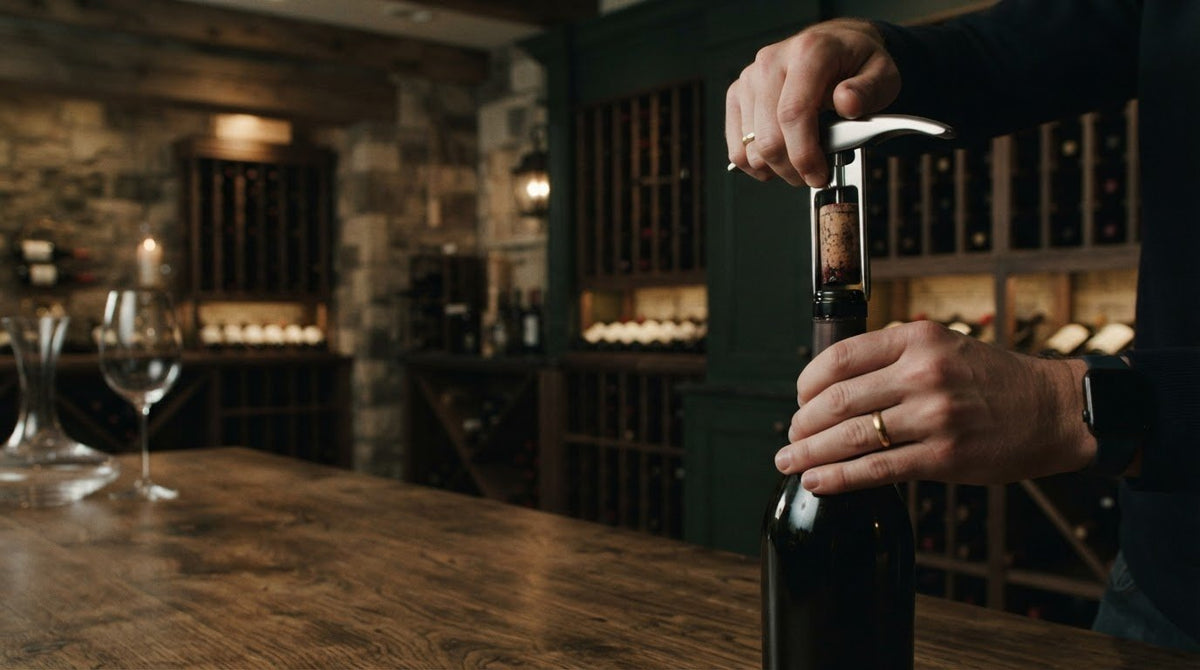
An Ah-So works gently when its two prongs grip the cork without piercing it. For the two-prong cork puller Ah-So usage technique, start by placing the longer prong between the cork and bottle, then rock the prongs in alternately until they slide down alongside the cork. Once they’re about an inch in, twist while gently pulling outward.
If you’re concerned a fragile cork might crumble, careful technique matters. The opener’s advantage is its external grip, but placement and steady movement are essential. Avoid forcing the prongs or yanking upward; a controlled twist and gentle pull give you more control as the cork begins to rise.
This guide explains the method step by step, from preparing the bottle and seating the prongs to twisting, pulling, and handling common snags. You’ll also learn why an Ah-So is often chosen for older corks, how to practise the motion before opening a treasured bottle, and what to do if the cork resists. With patience, the technique becomes a measured sequence rather than a test of strength.
Key Takeaways
- Remove the foil first, then begin with the longer prong between the cork and the bottle neck.
- Rock the prongs in alternately so they slide down opposite sides of the cork instead of piercing it.
- Once the prongs are about an inch down, use a firm twist and a gentle outward pull to lift the cork with control.
- If the opener catches or the cork resists, ease off and adjust your grip rather than yanking; practise the motion on a younger bottle first.
- Understand why the Ah-So suits fragile, older corks: its prongs grip the cork externally, unlike a corkscrew that drills into it.
Sommelier method: insert, rock, twist, pull
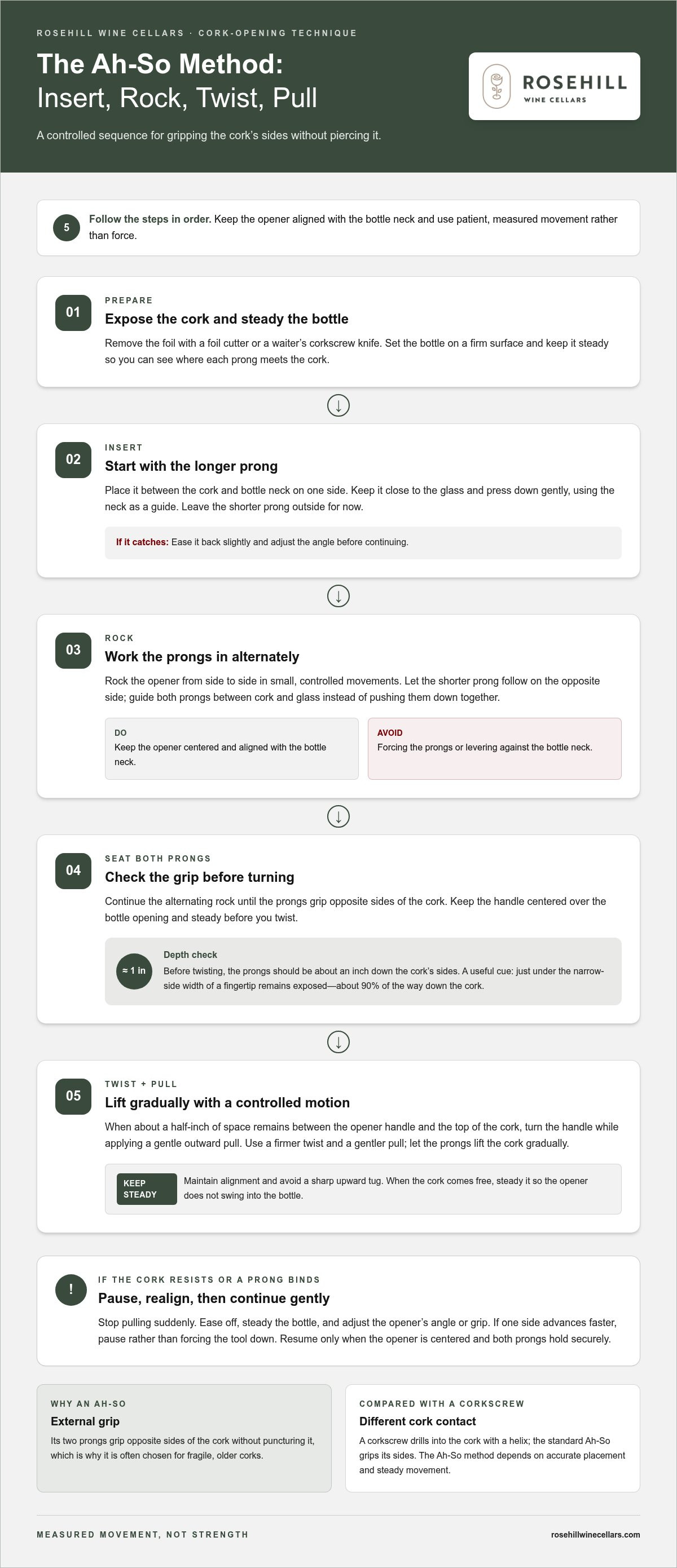
Use the Ah-So’s two prongs to grip the sides of the cork without piercing it. Follow these steps in order, keeping the opener aligned with the bottle neck.
- Remove the foil with a foil cutter or a waiter’s corkscrew knife to expose the cork and the top of the bottle neck. Set the bottle on a firm surface and keep it steady as you position the opener. Clear access lets you see where each prong meets the cork, so you can guide the metal between the cork and glass instead of pushing it into the cork.
-
Insert the Longer Prong First
Place the longer prong between the cork and bottle neck first, on one side of the cork. Keep it close to the glass and press down gently, using the bottle neck as a guide. Leave the shorter prong outside for now. If the longer prong catches, ease it back slightly and adjust its angle before continuing.
-
Rock the Opener to Insert Both Prongs
Rock the opener from side to side so the prongs enter alternately, with the shorter prong following the longer one on the opposite side. Use small, controlled movements rather than pushing both prongs down at once. Check that each prong stays between cork and glass. If the opener tilts or binds, pause and realign it instead of levering against the bottle neck.
- Continue the alternating rock until the prongs grip opposite sides of the cork. A useful depth cue is to leave just under the narrow-side width of a fingertip exposed; that places the prongs about 90% of the way down the cork. Before twisting, make sure they’ve entered about an inch along the cork’s sides. Keep the handle centered over the bottle opening.
- Begin twisting when about a half-inch of space remains between the opener handle and the top of the cork. Turn the handle while applying a gentle outward pull. Use a firmer twist and a gentler pull, letting the prongs lift the cork gradually. Keep the bottle steady and the opener aligned; avoid a sharp upward tug that could loosen the grip or damage the cork.
Because an Ah-So uses two prongs on opposite sides without puncturing the cork, accuracy matters more than speed. Let the prongs find their way alongside the cork, keeping the opener centered as you work. Gently rock it from side to side so the prongs enter alternately. This measured movement helps maintain an even grip. If one side advances faster, pause and adjust rather than forcing the tool down. Once both prongs are in place, check that the handle is steady before turning.
Insert the Ah-So prongs about an inch down the sides of the cork before twisting. Keep the movement controlled: turn the handle gradually and draw upward gently without changing the opener’s alignment. If the cork doesn’t begin to move, stop and reassess the grip instead of pulling suddenly. A calm combination of rocking, turning, and light traction gives the prongs a chance to hold as the cork rises. When it comes free, steady it and avoid letting the opener swing into the bottle.
Wiggling the opener into the bottle neck
For a fragile or crumbling cork, slide the Ah-So’s prongs between the cork and glass, then twist and pull gently. Don’t pierce or jerk the cork. After use, wipe the metal prongs clean and dry, then store the opener in a dry place where they won’t bend or catch on other tools.
- Hold the bottle steady and align the opener over its neck. The two flat prongs slide between the cork and glass, gripping the cork externally through pressure and friction. Unlike a corkscrew, an Ah-So doesn’t drill into the cork. Keep the opener centered as you work so neither prong presses hard against one side of the bottle neck.
- Ease the first prong into the narrow gap beside the cork, then work the second down the opposite side. Use small alternating movements to let each prong find its path. If one catches, pause and adjust the angle instead of forcing it. The aim is to seat both prongs beside the cork, not drive them through it.
- For an older cork, continue with a slow, controlled wiggle until both prongs hold it securely. An Ah-So is often selected for older bottles because it avoids piercing corks that may crumble. Recommendations vary: some guidance suggests using one for bottles aged 10 years or older, while other advice favors bottles around 15 years or older. Cork condition matters alongside age.
- Compare opener designs by how they engage the cork. A conventional corkscrew uses a helix that enters the cork; a standard Ah-So grips its sides. The Durand combines a corkscrew helix with two prongs. When assessing a SOMM DIGI alongside these designs, examine its cork-engagement mechanism rather than assuming its name indicates how it works.
- Once both prongs are seated, keep the opener aligned and begin a controlled twist with a gentle outward pull. A fragile cork may need a slower lift than a firm one. If it shifts, stop pulling, steady the bottle, and re-establish the prongs’ grip before continuing. Avoid sudden force, which can break the cork or pull the opener free.
- Clean the opener after using it. Wipe residue from both prongs with a clean cloth, dry the metal, and store the tool in a dry drawer or case. Keep the prongs away from heavy utensils that could bend them. Before opening another bottle, check that both prongs are straight and aligned.
Twisting and gently pulling out the cork
Once both prongs hold the cork, use a measured twist and gradual outward pull. An Ah-So relies on friction at the cork’s sides, so steady alignment matters more than force.
- Begin lifting when about a half-inch of space remains between the Ah-So handle and the top of the cork. Hold the bottle steady, then turn the handle while drawing it outward gently. This coordinated motion keeps the prongs in contact as the cork rises. Don’t start with a sharp upward tug.
- Use a firmer twist and a gentler pull. Turn the opener smoothly rather than wrenching it, and let the cork move gradually. A corkscrew drills into cork; an Ah-So grips externally, so its prongs need consistent contact with the sides. If the cork doesn’t rise, reduce the pulling force and check the opener’s alignment.
- Keep the Ah-So centered above the bottle opening as you twist. If the handle leans, the prongs may lose an even grip on opposite sides of the cork. Correct the angle before continuing. For example, if the cork rises unevenly, pause the pull, bring the handle back over the neck, then resume a slow twist.
- Watch the cork’s movement after each turn. A gradual rise shows that the prongs are holding; a sudden slip means the grip needs attention. Stop instead of increasing force. Ease the opener back into position, maintain contact with both sides, and restart with a controlled twist and gentle outward pressure.
- As the cork approaches the bottle mouth, shorten the pull and keep the opener straight. The cork has less support from the neck at this point, so a strong yank can pull it free abruptly. Continue turning while guiding it upward, and keep your fingers clear of the opening as it emerges.
- If the cork resists, don’t rock the bottle or use the neck as leverage. Hold the bottle still and adjust the Ah-So’s angle instead. The opener works through external pressure and friction, not by piercing the cork. A steady grip lets you respond to resistance without crushing or tearing the cork’s surface.
- After the cork clears the neck, ease the prongs away without scraping them against the glass. Inspect the cork before pouring: set aside an intact cork, and take care to keep any loose fragments out of the wine. Practise the twist-and-pull motion with a younger bottle before opening a prized aged bottle.
Common problems and practice tips
Resistance usually signals a grip or alignment issue, not a reason to pull harder. Use these steps to manage the cork and protect the bottle.
-
Remove the Opener from the Cork
After the cork clears the bottle, hold it steady and ease the Ah-So prongs away from its sides. If they remain caught, rotate the handle gently to release their grip; don’t lever the prongs against the cork or glass. Check that the cork has fully emerged before setting the opener down, especially if its surface is soft or damaged.
-
Avoid Damage to the Bottle or Cork
Keep the opener aligned with the bottle neck and stop if a prong catches or the handle tilts. The prongs slide between the cork and glass, so forcing them or using the bottle lip as leverage can damage the cork or put pressure on the neck. An Ah-So doesn’t pierce the cork, but rough handling can still tear it.
- If the cork begins to crumble, stop pulling and reassess the grip. Corks may crumble when pierced by a corkscrew after 15-20 years, which is one reason an Ah-So can suit older bottles. Reposition its prongs against the cork’s sides, then resume with a controlled twist. Avoid squeezing a fragile cork with sudden pressure.
- If the opener slips, don’t pull harder. Set the bottle firmly on a stable surface, bring the handle back over the neck, and check that both prongs still hold opposite sides. An Ah-So takes more strength to use than the methods described above, but a stronger yank can make a poor grip worse.
- Practise the complete motion on a younger bottle before opening a valued vintage. Use it to learn how the opener responds as its prongs enter, grip, and lift. Repeating the controlled sequence helps make the movement automatic after a dozen uses. Focus on smooth handling, not speed or force.
- If a cork breaks, avoid digging at it with the Ah-So or pressing the prongs against the glass. Take care to keep fragments from spilling into the wine as you handle the bottle. With an especially fragile cork, slow down at each stage: secure the opener, check its position, and stop whenever the grip shifts.
Treat practice as a way to learn the feel of each stage, not as a test of strength: let the prongs enter evenly, maintain the grip, and lift in a controlled motion. The Ah-So technique is described as becoming automatic after a dozen uses, so patience during early attempts helps keep movements deliberate. For very old Port, a forum participant recommends an Ah-So or Durand. Whichever opener you choose, keep the bottle steady and avoid forcing a cork that shifts or begins to break; pause and reassess its position instead.
Two-prong cork puller design
- An Ah-So has two flat metal prongs of slightly different lengths attached to a handle. The difference provides a practical starting sequence: the longer prong enters first, and the shorter follows on the opposite side. The handle lets you guide both prongs, while their flat shape helps them slide beside the cork rather than drill into it.
- Understand the opener’s central design principle before choosing how to use it. An Ah-So removes a cork through external pressure and friction, gripping its sides without puncturing it. A corkscrew works differently: its helix enters the cork and provides a point for lifting. Since these designs engage the cork in distinct ways, an old or fragile cork may influence which tool suits the bottle.
- Use the prongs’ different lengths to establish the grip gradually. Introduce the longer blade beside the cork, then let the shorter blade follow on the other side. As both pieces descend, they hold the cork externally. The design depends on contact along the cork’s sides, so even placement matters more than force. If a prong catches, adjust the angle instead of pushing harder.
- Compare a standard Ah-So with the Durand by looking at their components. The Durand combines a corkscrew helix with two prongs, while a standard Ah-So uses paired prongs without a helix. The hybrid design brings both engagement methods into one opener. This explains why “two-prong” describes only part of the Durand’s construction, not its entire mechanism.
- Match the tool’s design to the cork’s condition, especially with older wine. Cork integrity typically begins to degrade after about ten years, and corks may crumble when pierced by a corkscrew after 15-20 years. The Ah-So’s external grip avoids making a hole through the cork. It’s a preferred tool for older corks, though insertion and lifting still require controlled handling.
- Choose and handle an opener based on its construction, not on the assumption that every wine opener works alike. Check that both prongs are straight and their different lengths are visible before use. Insert the longer one first, then guide the shorter one into place. The Ah-So’s compact, two-prong design makes it easy to store or carry between openings.
Rosehill Wine Cellars: Vantaggio V300 Wine Cabinet
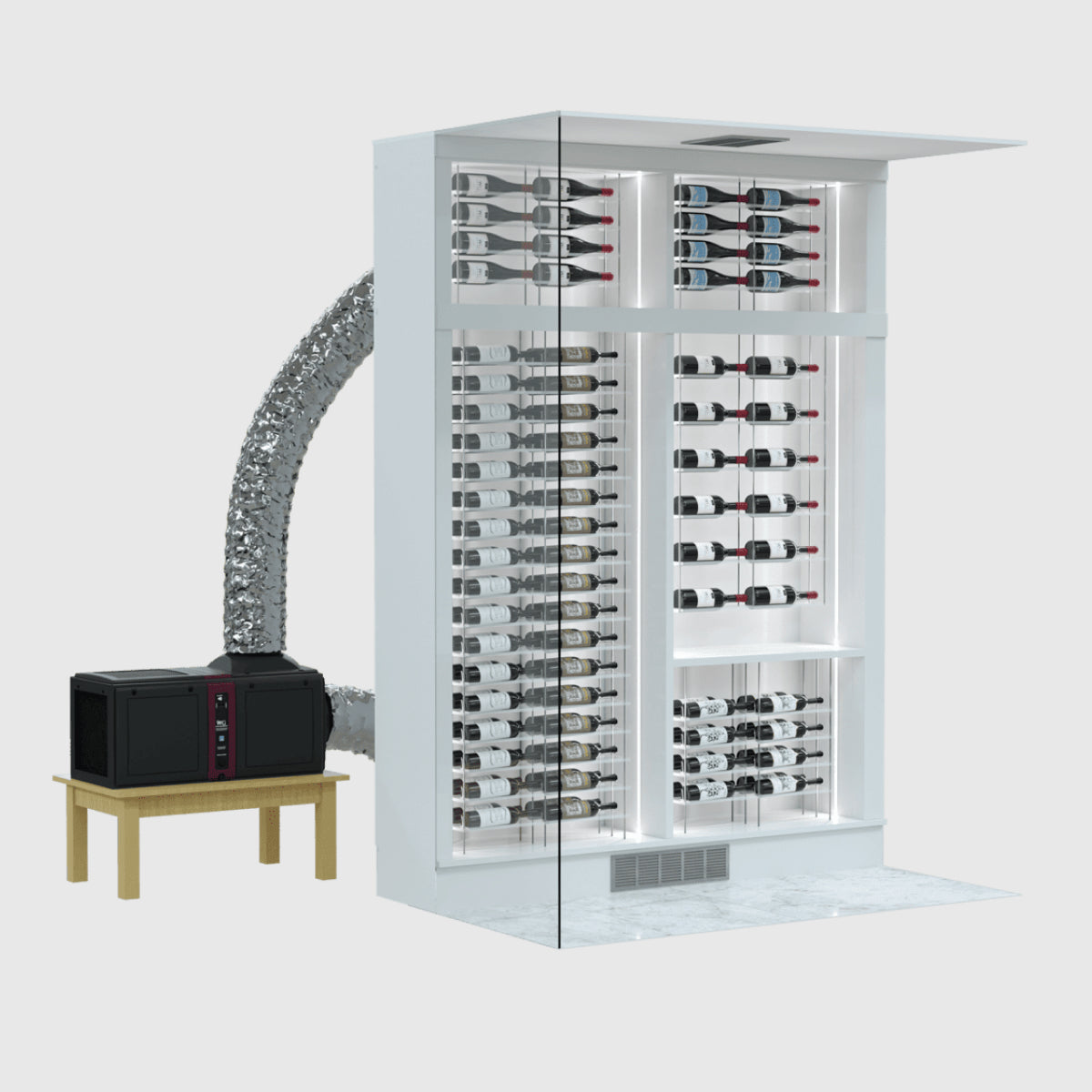
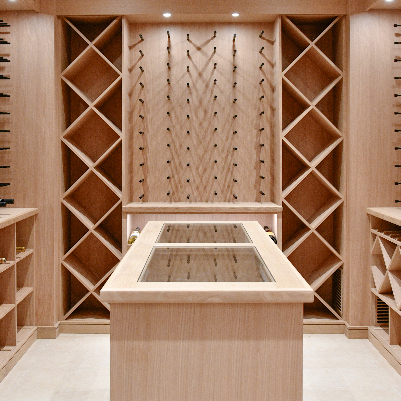
Rosehill Wine Cellars offers the Vantaggio V300 Wine Cabinet for those seeking a dedicated way to store and organize their collection at home. If your needs extend beyond a cabinet, Premier Cru Classic Racking and Premier Cru Modern Racking provide distinct racking options, while Wine Cooling Units support wine storage spaces that need cooling equipment. The right direction depends on your space, collection, and whether you need a standalone cabinet or a cellar setup. For a more considered storage plan, explore these options alongside Custom Wine Cellar Design. To discuss which approach may suit your space, contact Rosehill Wine Cellars.
Make thoughtful wine storage your next step
Practising the two-prong cork puller Ah-So usage technique is one way to approach a delicate bottle with care. A useful next step is to consider how your collection is stored between occasions, especially if bottles are becoming part of a thoughtfully planned home cellar. Rosehill Wine Cellars offers the Vantaggio V300 Wine Cabinet, Premier Cru Classic Racking, and Premier Cru Modern Racking as distinct storage options.
Choose a direction based on your space and how you want to organize your collection. A cabinet may suit a self-contained storage plan, while racking can form part of a cellar layout. Rosehill Wine Cellars can help you explore these options in the context of your project. Contact Rosehill Wine Cellars to discuss your wine storage plans and take a considered next step. With the right setup for your needs, you can give your collection a considered place at home and enjoy each bottle when the moment arrives.
Frequently Asked Questions
Which Ah-So prong goes between the cork and bottle first?
Start with the longer prong, then guide the shorter one down the opposite side of the cork. This is the starting point for the two prong cork puller Ah-So usage technique: the longer blade leads while the shorter one follows. Keep each prong beside the cork, using the bottle neck to guide its path. If the cork shifts downward, stop and reposition the opener.
How do you twist and pull a cork with an Ah-So opener?
Once both prongs grip the cork, turn the handle while drawing it outward with controlled pressure. Keep the bottle steady and the handle centered above its opening. If the cork rises unevenly, pause and realign the opener before continuing. Avoid a sudden tug at the bottle mouth; guide the cork clear, then release the opener without scraping the prongs against the glass.
How do you use an Ah-So opener without pushing the cork into the bottle?
Guide the prongs downward with light, alternating movements instead of pressing the handle straight down. In the two prong cork puller Ah-So usage technique, careful placement and alignment help avoid downward pressure on the cork. If it begins to descend, stop rather than forcing the opener deeper. Adjust the angle and continue only when the prongs can slide beside the cork.