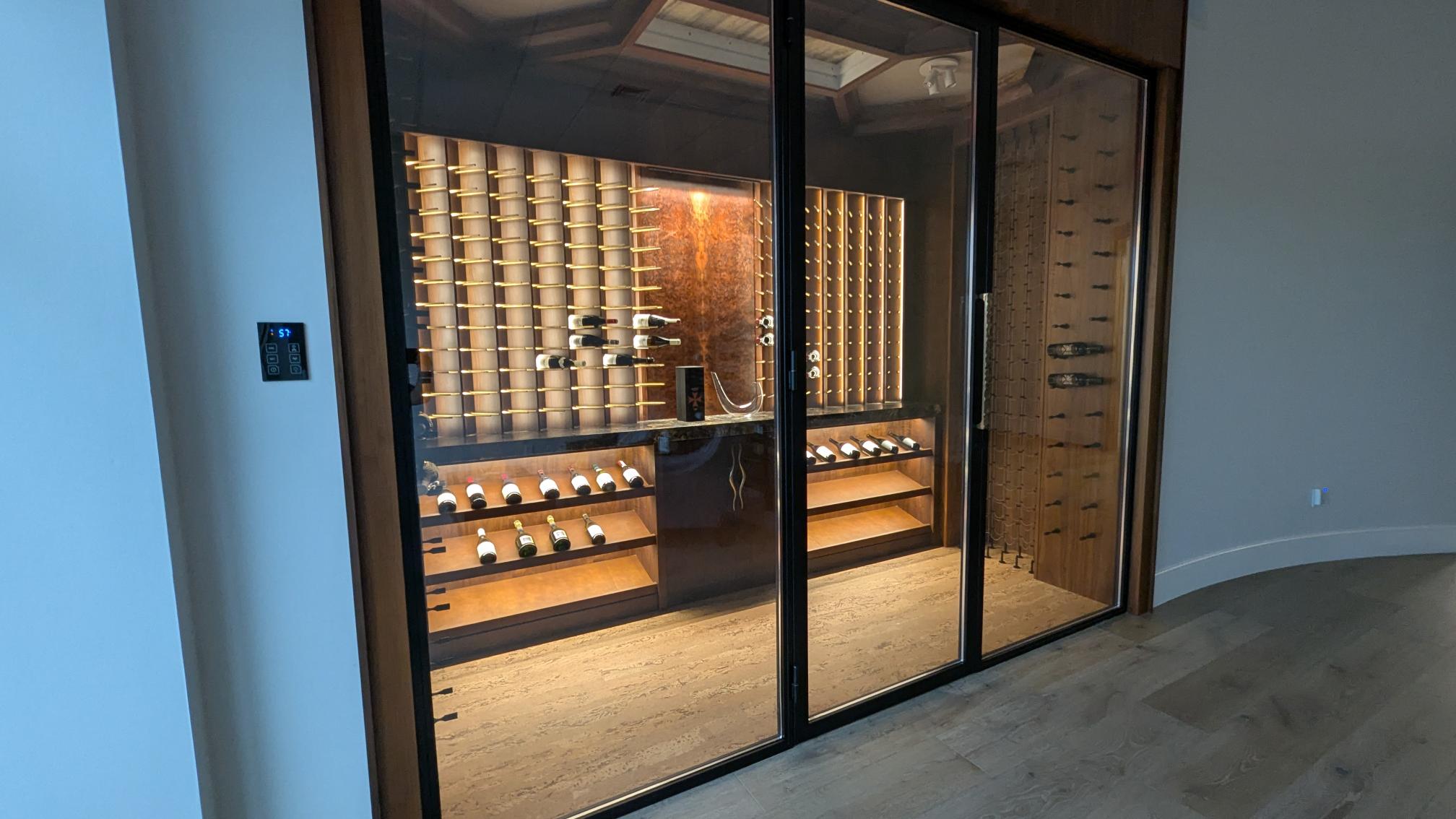
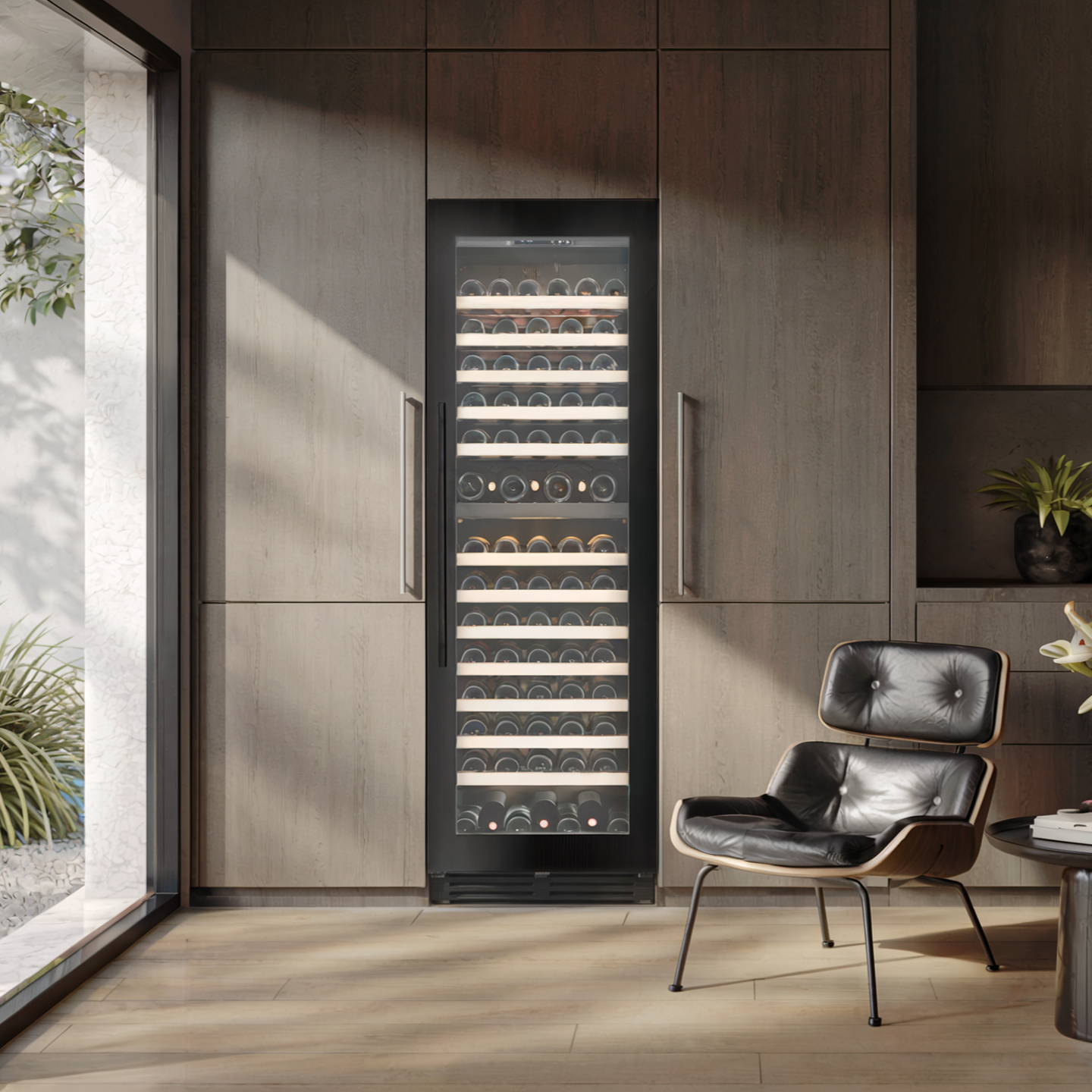

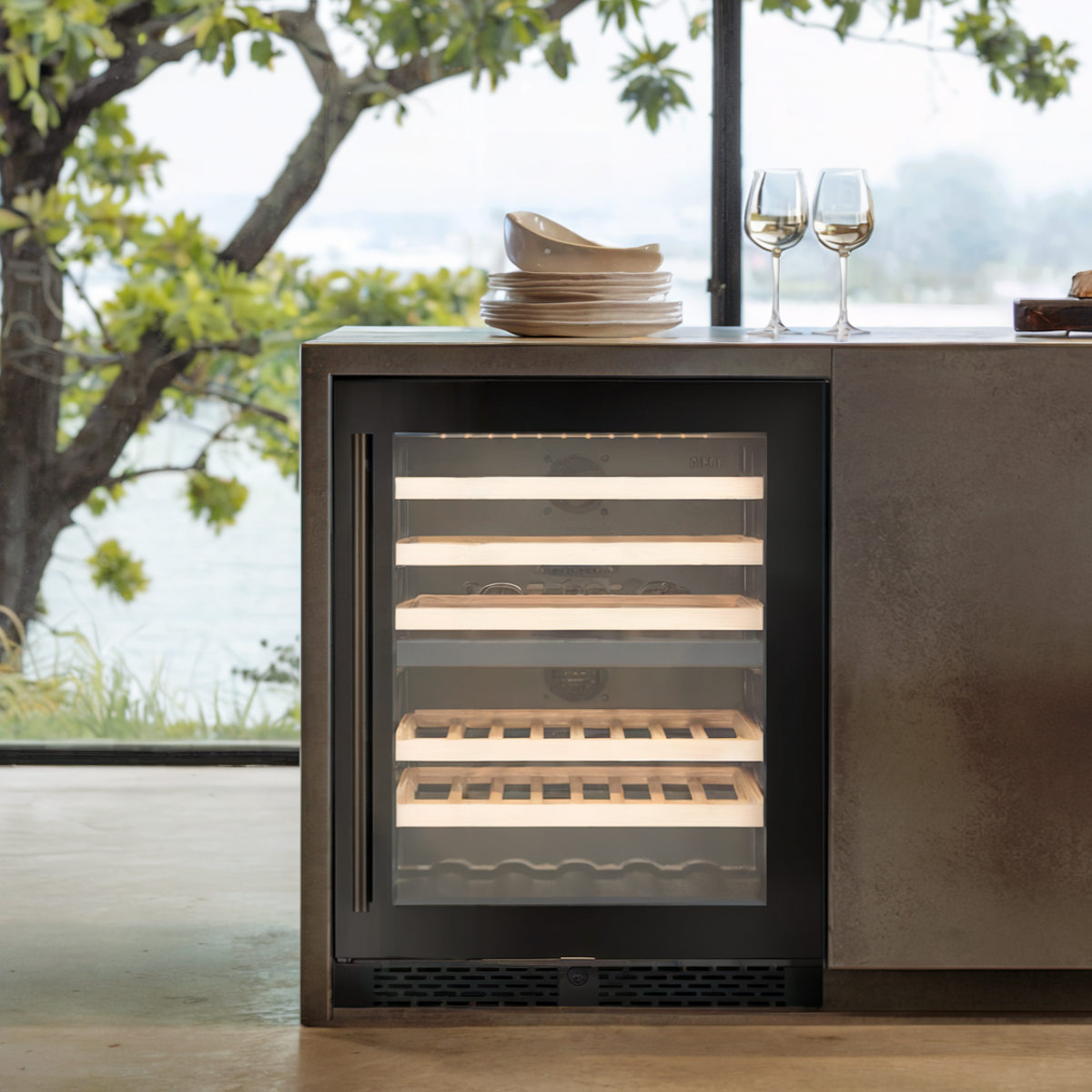
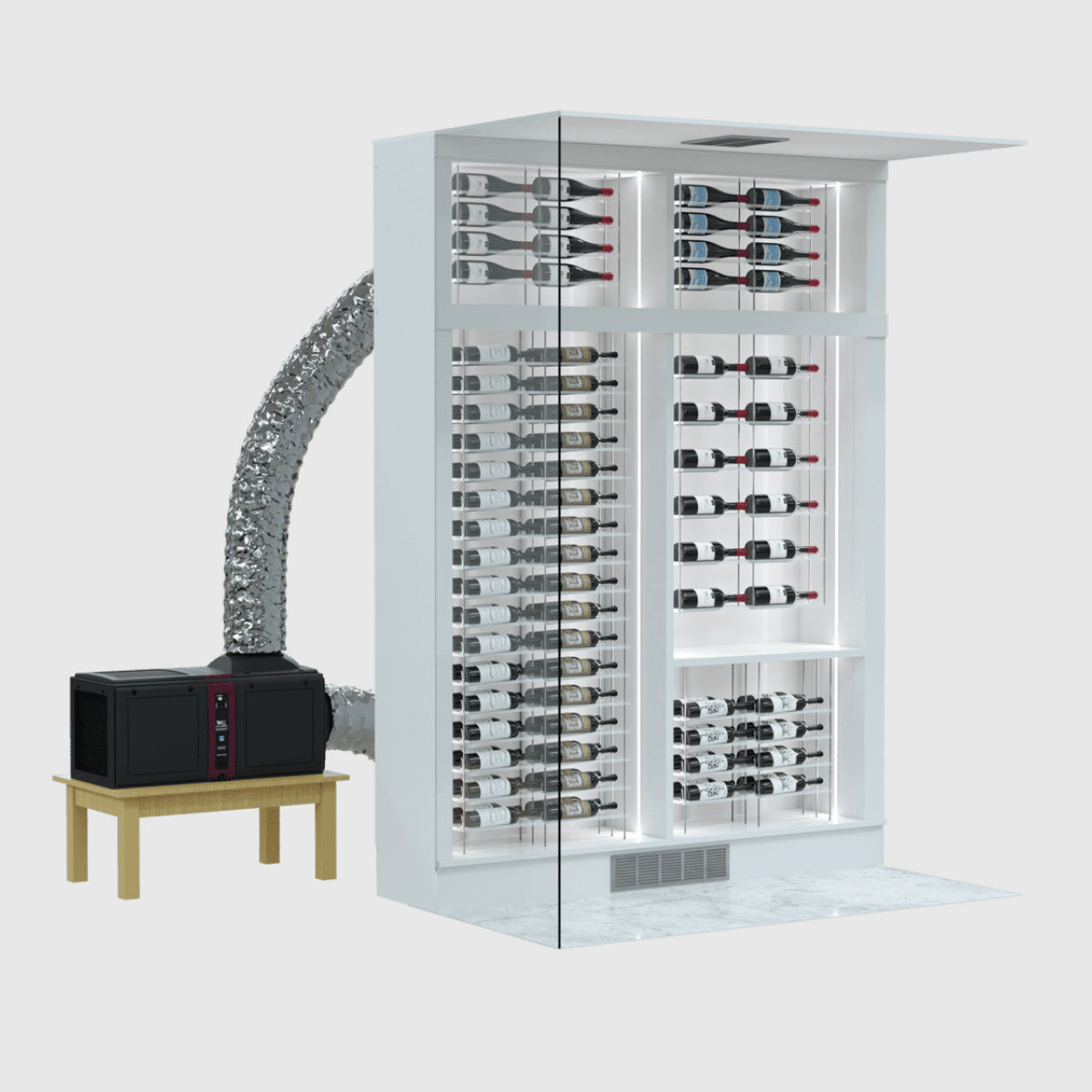

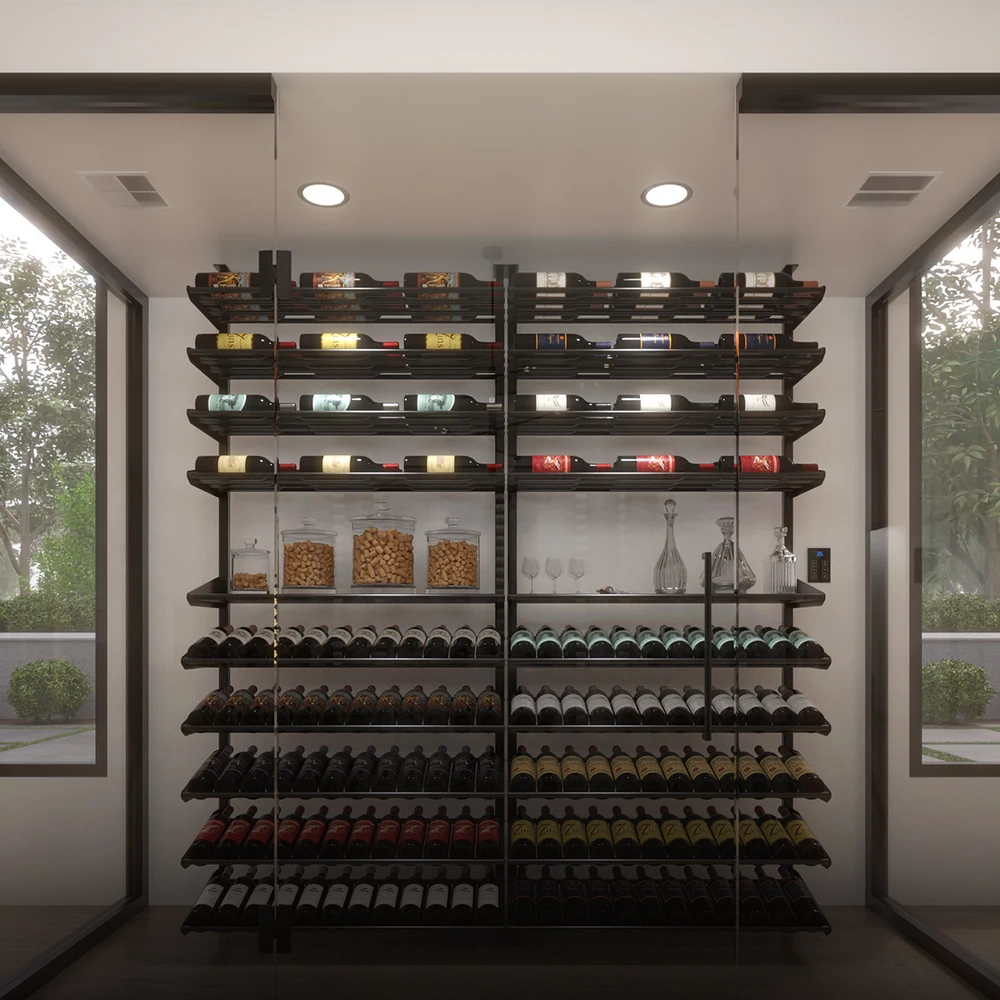
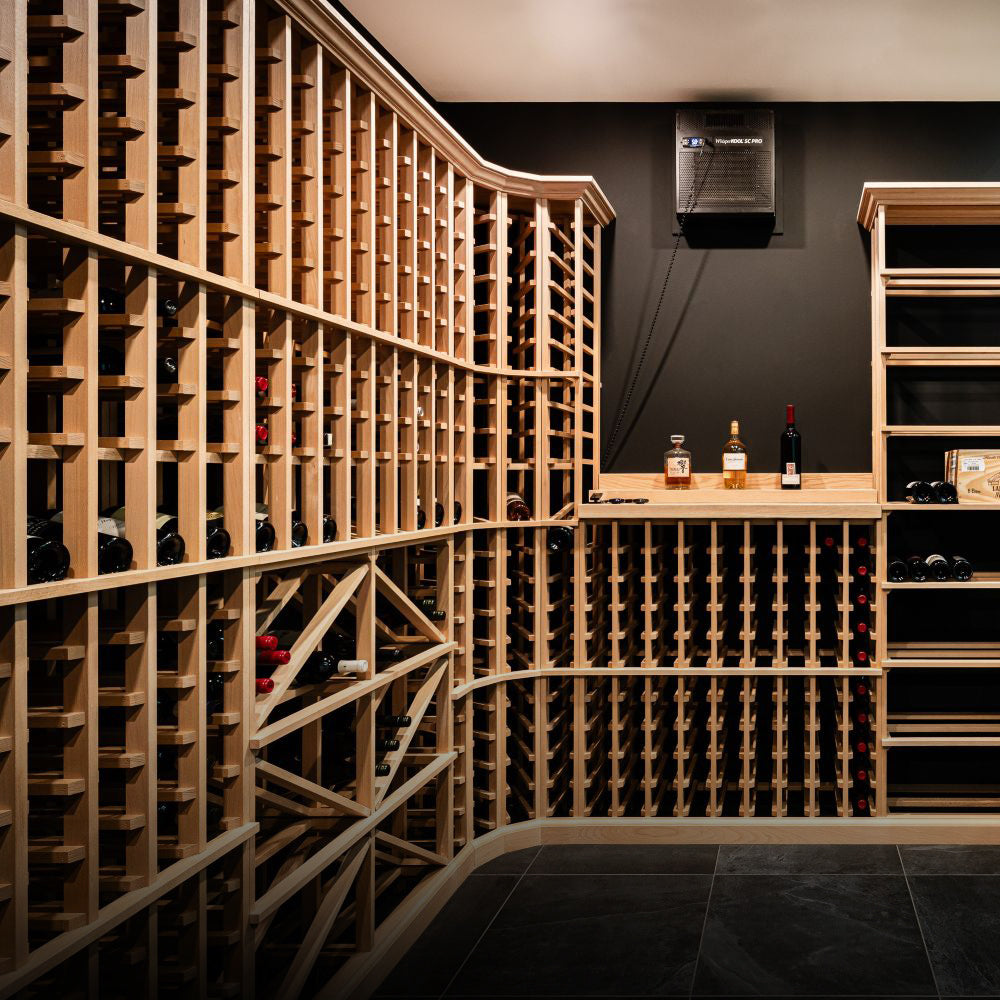
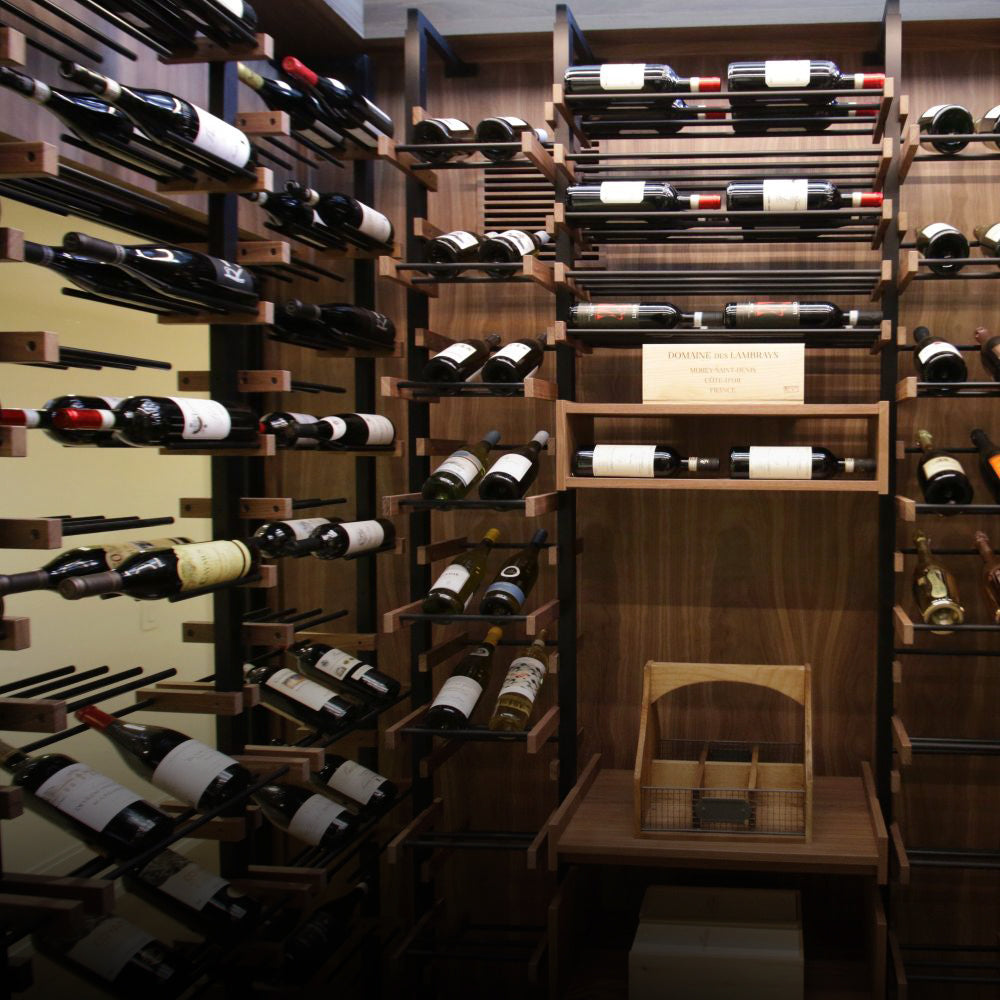






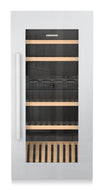











In the Winter 2025 issue of Vine + Vault, we explore not only what makes a wine cellar beautiful, but what makes it endure. Among the most important conversations in this edition is one that rarely gets enough attention: why some wine cellars fail, even when they look flawless on day one.
Behind every unsuccessful cellar is rarely a single dramatic error. Failure almost always arrives quietly, through small oversights that compound over time. A missed detail. An assumption left unchecked. A system designed for appearance rather than performance.
This article brings that reality into focus.
Engineering Beyond Aesthetic
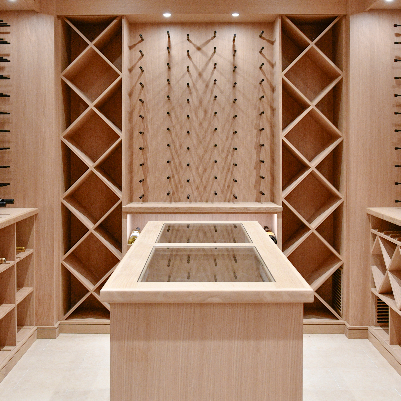
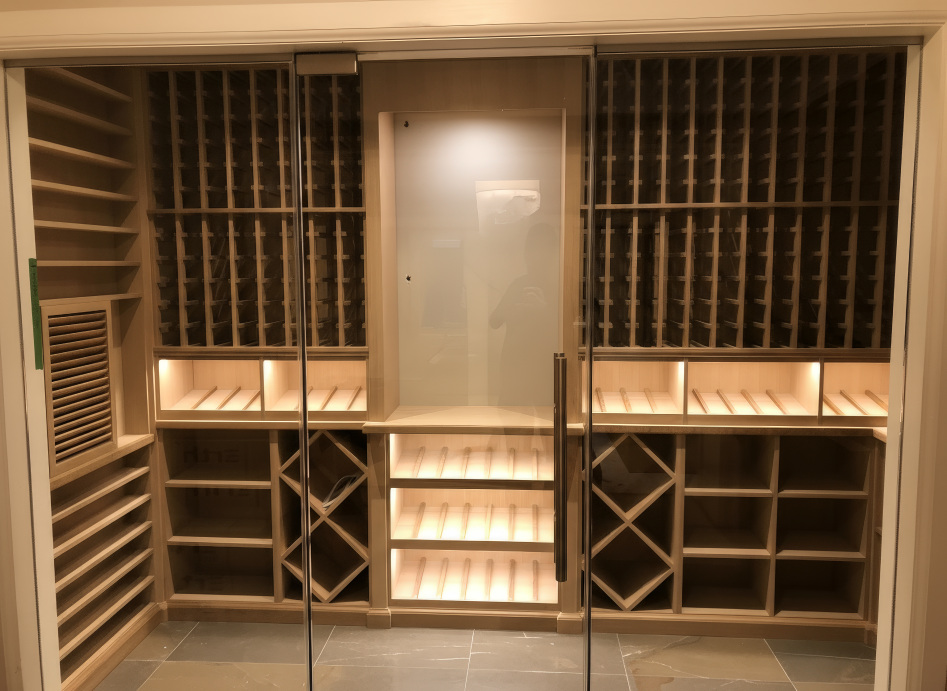
Wine cellars are often imagined as rooms of stillness and refinement. Glass doors, warm lighting, perfectly aligned racking. But beneath that calm exterior lies a highly technical environment that must perform consistently year after year.
Unlike kitchens or closets, a wine cellar demands precision across every layer of its construction. Cooling capacity, insulation strategy, vapor barriers, air circulation, and system placement all work together. When one element is misjudged, the balance begins to fail.
The most common issues rarely reveal themselves immediately. A cooling unit sized slightly too small. A vapor barrier omitted behind a finished wall. Glass installed without proper sealing. At first, everything appears sound. Over time, temperatures drift. Condensation forms. Labels deteriorate. What began as a minor miscalculation becomes a measurable loss in value and history.

Where Failures Really Begin
The most dangerous mistakes are often invisible.
Even the most beautifully crafted racking cannot compensate for insufficient insulation. No finish, no matter how refined, can correct slow air leaks or inconsistent airflow. Small details, such as lighting that generates heat inside a sealed enclosure or a cooling unit installed without room to breathe, can quietly undermine decades of careful collecting.
True wine preservation requires more than surface-level refinement. It requires an invisible architecture that works continuously without drawing attention to itself. Proper insulation must be layered and uninterrupted. Airflow must be deliberate, ensuring no stagnant zones form. Systems must be designed to remain stable through seasonal changes, not merely perform well at installation.
A Cellar Is a Living System
Even the best-designed cellars are not static. Materials shift. Seals age. Equipment slowly moves out of calibration. This is not failure, but reality.
A well-built cellar anticipates this passage of time. It is engineered not only to function at completion, but to remain precise years later. Quiet, regular inspections are one of the simplest and most effective ways to protect that precision. Maintenance is not a correction. It is a continuation of good design.
When systems are checked, adjusted, and cared for, the cellar remains as exacting as the day it was completed. When they are ignored, even the most thoughtfully designed spaces begin to drift.
What Success Really Looks Like
A wine cellar should never be judged solely by its appearance. Its true success lies in how faithfully it protects what it holds. The failures explored in Vine + Vault are reminders that perfection is not found in finishes alone, but in preparation, discipline, and long-term thinking.
Design that lasts is rarely loud. It is precise, restrained, and deeply intentional.
That is the difference between a cellar that impresses on opening night and one that quietly performs for decades.
To read more technical insights, design case studies, and expert perspectives like this, explore the Vine + Vault Winter 2025 Edition, available now through Rosehill Wine Cellars.