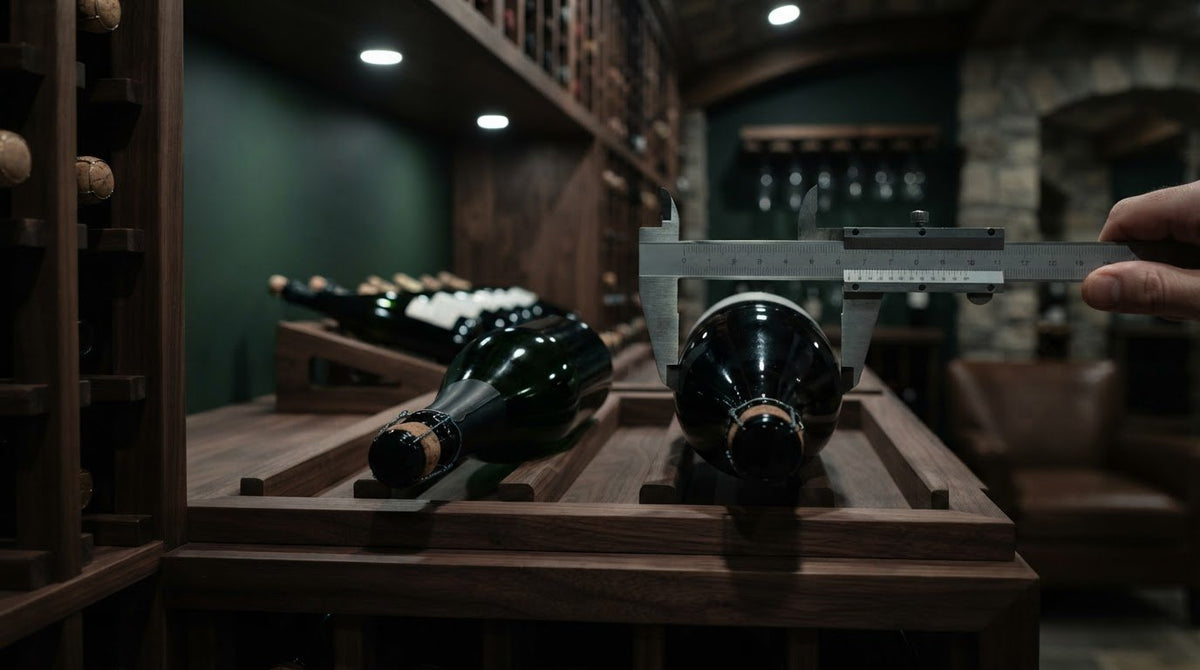



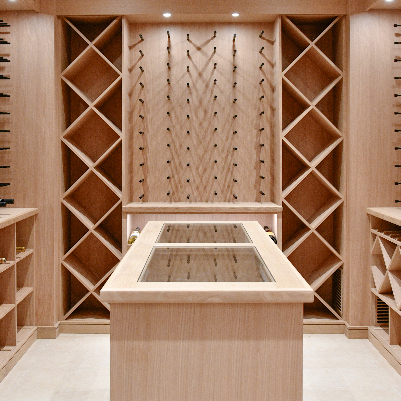
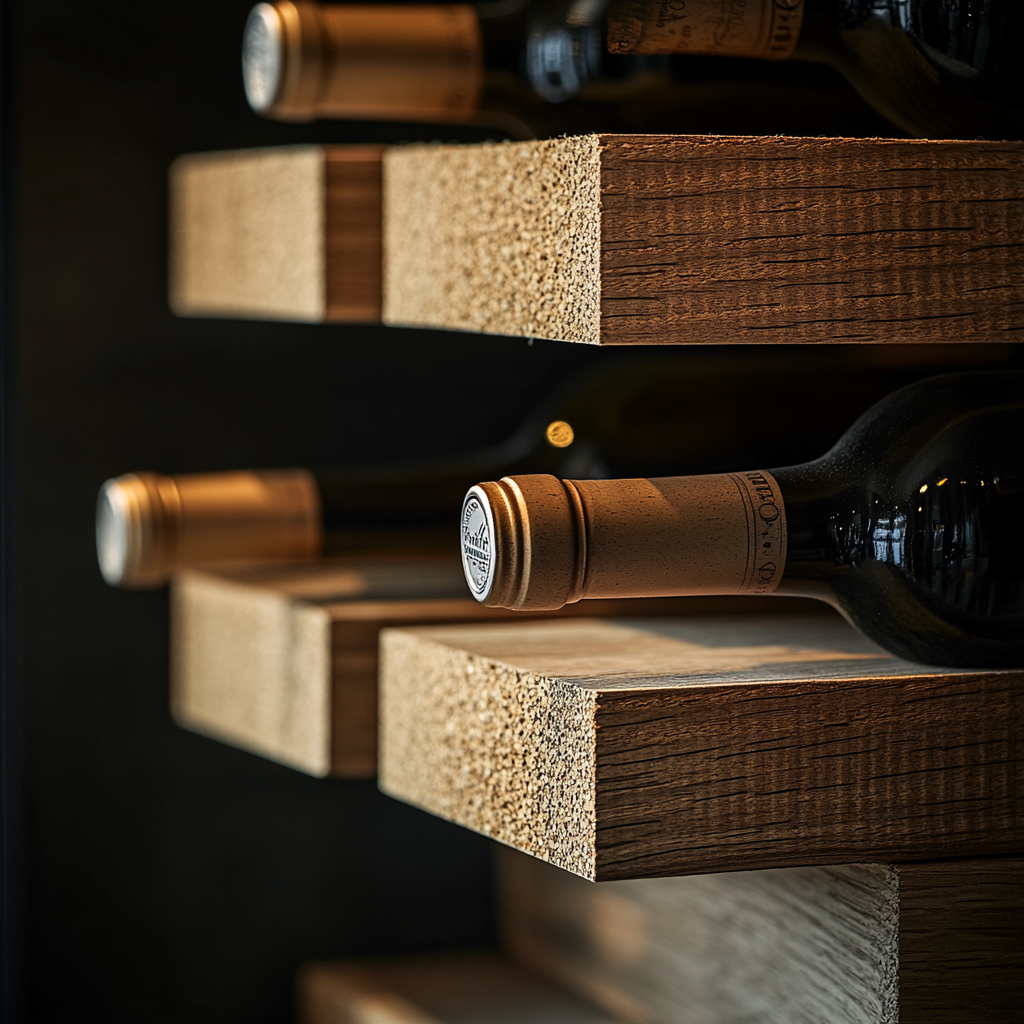



A bottle can clear the pegs and still sit poorly if the layout is too tight. For metal wine peg spacing for Burgundy bottles, choose wider or adjustable spacing to accommodate Burgundy’s broader body; standard wine bottles are approximately 3-3.2 inches in diameter, but Burgundy bottles can be wider than Bordeaux bottles. Fit depends on the bottle’s shape and the arrangement of the pegs, not simply on whether the rack is metal.
It’s sensible to want a secure, level display without crowding labels or making bottles difficult to remove. The right metal wine peg spacing for Burgundy bottles depends on bottle width, peg placement, rack material and bottle orientation. This guide explains how these factors affect fit, compares common storage arrangements and shows how to test a layout for your collection.
Key Takeaways
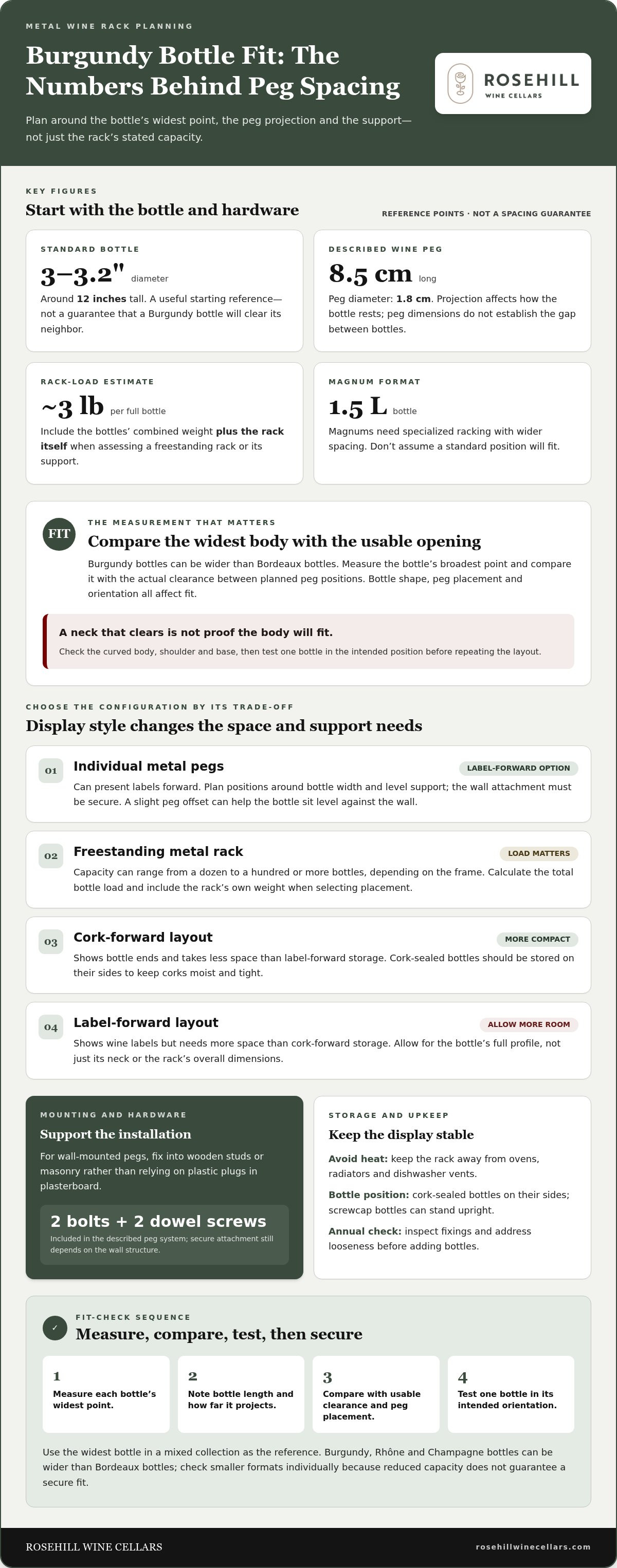
- Compare a Burgundy bottle’s widest point with the usable opening between pegs, not just the rack’s overall dimensions.
- Standard wine bottles are approximately 3-3.2 inches in diameter, while Burgundy bottles can be wider than Bordeaux bottles.
- Peg length, diameter, offset and bottle orientation all influence how securely a bottle sits and how much display space the layout needs.
- For mixed collections, wider or adjustable spacing can make room for broader Burgundy, Rhône and Champagne bottles.
- Choose a configuration by weighing bottle fit, display preference and the rack’s mounting surface together.
Metal wine rack materials and configurations
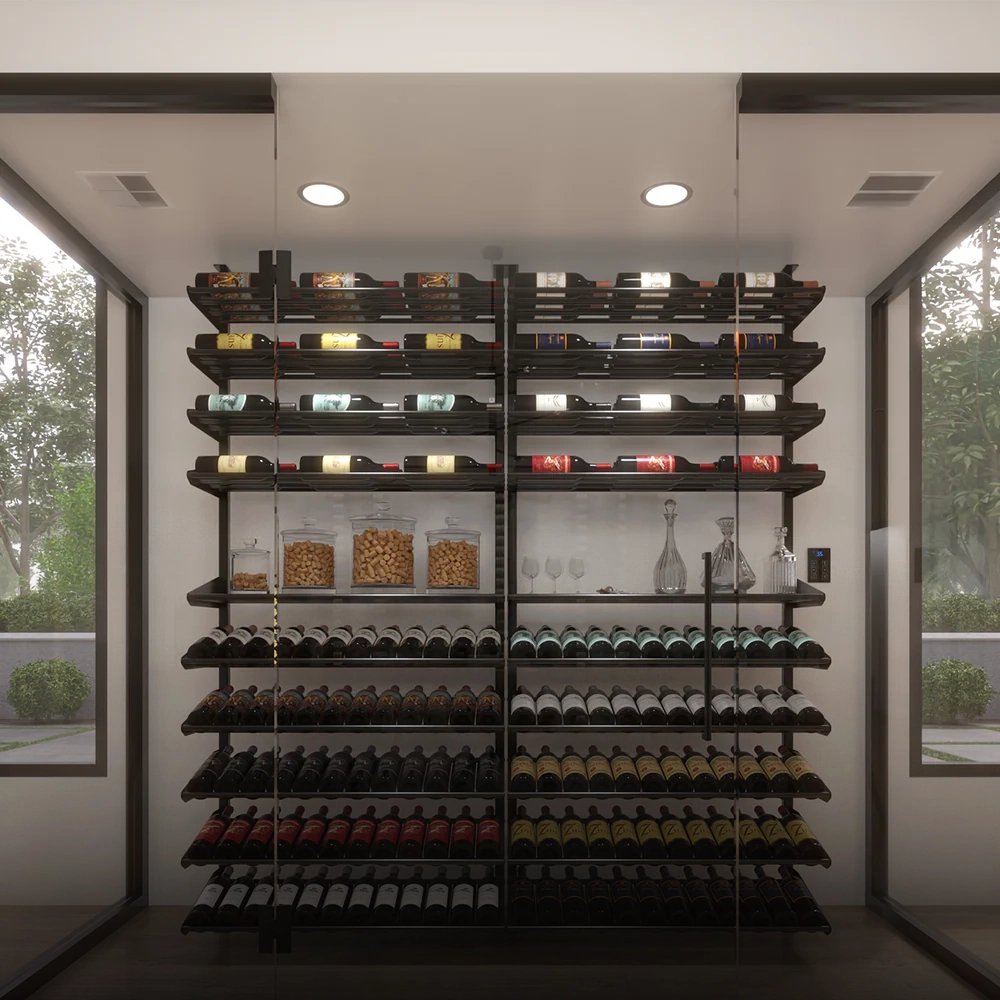
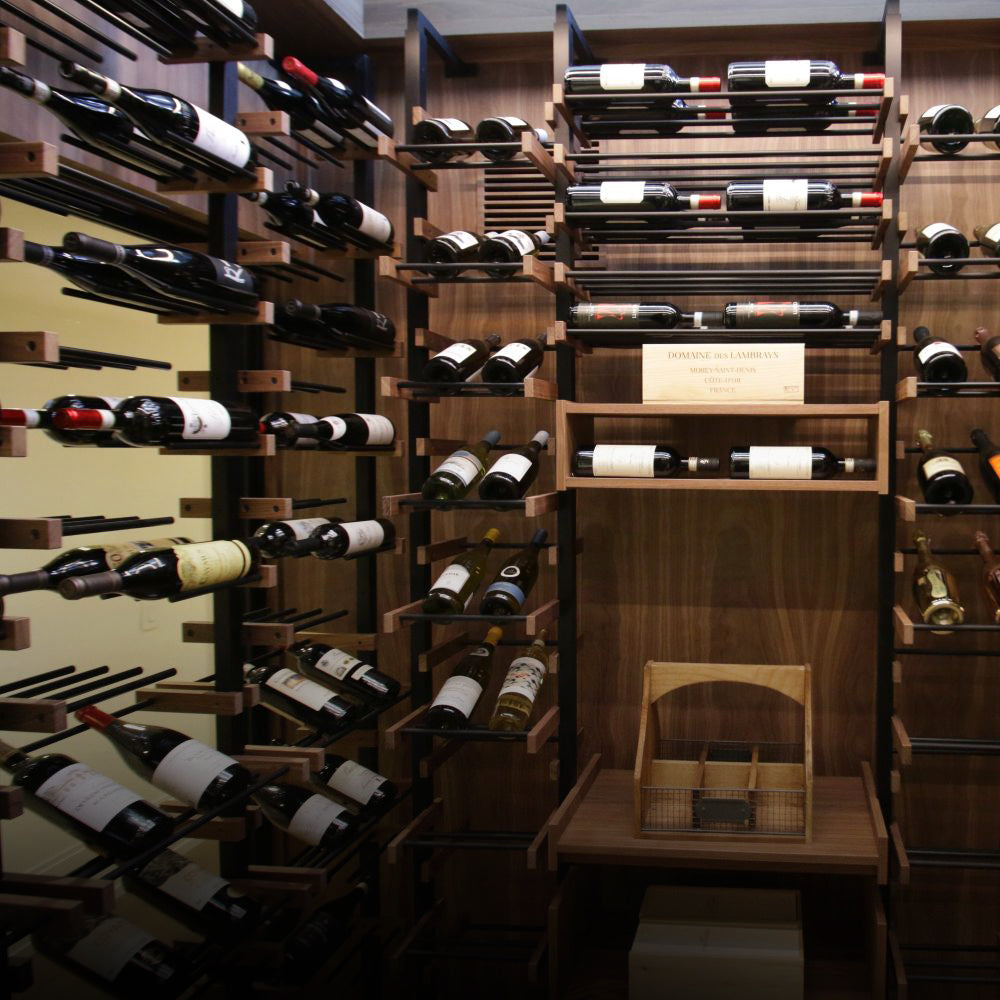
Metal racks use different support arrangements, so assess where each bottle will rest before choosing a layout. Individual pegs create an open, label-forward display, while freestanding frames group bottles within a larger structure. The right setup depends on bottle orientation, available wall or floor space and how the rack transfers weight to its support.
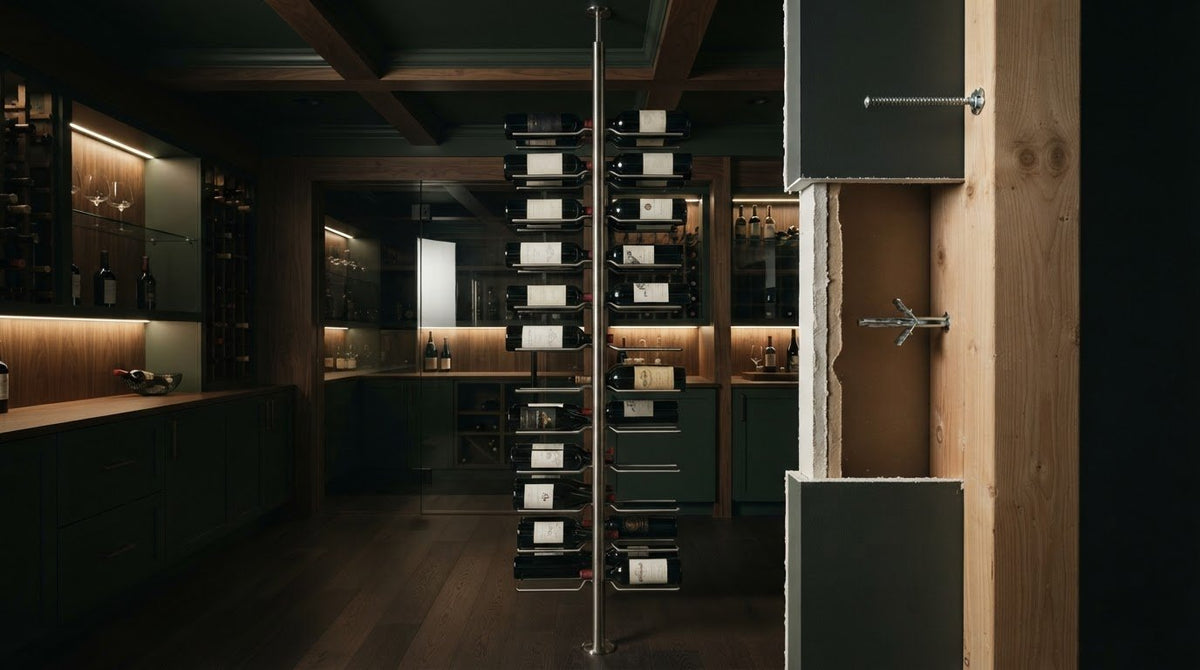
A wine peg in the described system is 8.5 cm long and 1.8 cm in diameter. Its projection from the mounting surface helps determine how the bottle rests, but peg dimensions alone don’t establish the opening between adjacent bottles. Measure the planned positions against the widest part of a Burgundy bottle. For a label-forward arrangement, install each peg at a slight offset so the bottle sits level against the wall.
Compare the configurations by their practical trade-offs:
| Configuration | Display orientation | Space and support | Useful consideration |
|---|---|---|---|
| Individual metal pegs | Can present labels forward | Requires secure wall attachment | Plan peg positions around bottle width and level support |
| Freestanding metal rack | Depends on frame design | Can hold from a dozen to a hundred or more bottles | Calculate the total load before selecting placement |
| Cork-forward layout | Shows bottle ends | Takes less space than label-forward storage | Useful where compact storage matters most |
| Label-forward layout | Shows wine labels | Needs extra space compared with cork-forward storage | Allow room for the bottle’s full profile |
Match the layout to the bottle shape, preferred display and available space, then make sure the mounting surface can carry the load.
Weight matters as much as appearance. Allow about 3 lb per full bottle when calculating rack load. A freestanding rack holding a dozen bottles therefore needs capacity for the bottles’ combined weight, plus the rack itself. For wall-mounted pegs, fix the rack into wooden studs or masonry rather than relying on plastic plugs in plasterboard. The described peg system includes two bolts and two dowel screws, but secure attachment still depends on the wall structure.
Keep the rack away from ovens, radiators and dishwasher vents, which expose stored wine to heat. Store cork-sealed bottles on their sides to keep corks moist and tight; screwcap bottles can stand upright. Check the rack fixings annually, and tighten or address any looseness before adding bottles. These checks help maintain a stable display as your collection changes.
Material and configuration decisions work best as connected choices. Each wine bottle peg is 8.5 cm long, and the wine peg system includes 2 bolts. Treat the peg’s projection as one part of the fit check, then compare the planned bottle profile with neighboring positions before fixing the arrangement. Those details do not by themselves establish spacing or show that a particular wall can carry a chosen load, so confirm both independently.
Before settling on a layout, mark the intended positions and consider how each bottle will rest on its supports and display its label or end. A freestanding frame and individual pegs support bottles differently; choose according to the available wall or floor space and the load. Once you have a layout, review the fixing points and bottle placement together rather than judging the rack by appearance alone. This helps ensure the arrangement suits both your display preference and the support conditions.
Wine bottle sizes and dimensions
A rack’s nominal capacity doesn’t tell you whether every bottle will fit. Standard wine bottles are approximately 3-3.2 inches in diameter and around 12 inches tall. Those dimensions provide a useful starting point, but bottle shape also affects contact with pegs. A rounded Burgundy profile may need more room than a slimmer bottle of similar height. Plan metal wine peg spacing for Burgundy bottles around the widest part of the bottle, not its neck.
Compare bottle width and length separately. Diameter determines the lateral clearance between neighboring bottles; length affects how far each bottle projects from a wall. A bottle about 12 inches long may extend beyond a peg-mounted display, depending on its orientation and the support design. Check the full bottle silhouette, including the shoulder and base, before laying out multiple positions. A narrow neck doesn’t compensate for a body that crowds the next bottle.
Wine styles also come in different bottle formats. Burgundy is among the larger-varietal wines packaged in 750ml bottles, while a standard bottle’s capacity alone doesn’t describe its width. Bordeaux bottles are about 3 inches across; Burgundy, Rhône, and Champagne bottles can be wider. Champagne bottles may therefore challenge tight cradles designed around a narrower profile. Use the widest bottle in the collection as your reference when planning a mixed display.
- Measure the widest point across each bottle, including its curved body.
- Record bottle length, using the typical 12-inch dimension as a reference.
- Compare the measurements with the rack’s usable clearance and projection.
- Test one bottle in the intended orientation before repeating the layout.
Smaller formats need a different fit assessment. Smaller bottles can come in different shapes, so check the fit of each one individually. Its reduced capacity doesn’t guarantee that it will sit securely on supports sized for standard bottles. Check where the bottle rests against each peg, especially if its body narrows sharply toward the base. Separate small formats from standard bottles when their contact points don’t align.
Magnums require more deliberate planning. A 1.5-liter bottle is identified as a magnum and needs specialized racking with wider spacing. Don’t assume that a position sized for a 750ml bottle can accommodate the larger format. Map the magnum’s body width and length before assigning a rack location. For a collection mixing splits, standard bottles, Burgundy shapes, and magnums, arrange positions by format first. That sequence helps reveal where adjustable spacing or dedicated wider positions are needed.
By bottle shape, keep wider Champagne bottles separate from tighter positions intended for slimmer Bordeaux bottles. Champagne bottles are often wider than Bordeaux bottles and may not fit a standard wine rack. Before loading the display, check each intended position against the Champagne bottle’s widest point and full length. If clearance is limited, leave that position unused for Champagne rather than relying on the neck or shoulder for support. Fit the layout to the bottle shape, not capacity alone.
Burgundy and other larger-waisted bottle compatibility
Yes. Burgundy bottles may need wider peg spacing than Bordeaux bottles because their bodies can be broader. Before fixing the layout, compare each bottle’s widest point with the usable gap between neighboring positions.
Burgundy, Rhône, and Champagne bottles share a practical challenge: their wider bodies may not fit tight cradles designed around narrower bottles. The distinction is not simply the wine region or the 750ml capacity. Bottle shape determines where the glass meets the supports. A rounded body can press against adjacent bottles even when their necks remain well separated. Measure and plan around the broadest part of the bottle.
Metal pegs support bottles differently from continuous cradles. Each bottle rests on separate points, leaving more of its body visible and reducing contact along its sides. This can suit broader bottles if the pegs leave enough room. The supports must still hold each bottle securely, so check that its base and shoulder sit evenly rather than assuming every peg arrangement will accommodate a broad body.
- Burgundy: assess the broad body, not only the neck or 750ml capacity.
- Rhône: allow room for a wider profile where neighboring bottles could touch.
- Champagne: account for its width, since it may not fit a normal rack designed for narrower Bordeaux bottles.
- Bordeaux: use its approximately 3-inch width as a comparison, not a universal spacing standard.
For a mixed collection, group bottles by shape before assigning positions. Place the broadest Burgundy or Champagne bottle beside an empty position, then test the next bottle in its intended orientation. This reveals whether there is enough room for both bottles to rest without crowding. If the layout is adjustable, widen the relevant positions rather than shifting every bottle.
Label visibility also affects fit. Label-forward storage needs more room than cork-forward storage, so a broad bottle may need clearance across the row and along its display profile. Rounded supports can help prevent labels from tearing as bottles rest against them. Keep labels clear of sharp edges, and lift bottles carefully when removing them from a close arrangement.
Test the fit before filling the rack. Place one Burgundy bottle in position, add its widest neighbor, and check for contact, wobbling or difficulty removing either bottle. Repeat with a Rhône or Champagne bottle if your collection includes one. Each bottle should rest securely, remain accessible and avoid pressure from adjacent glass. Wider or adjustable spacing is better suited to broader bottle shapes.
Burgundy bottle width and rack fit
A described metal peg measures 8.5 cm long and 1.8 cm in diameter. Burgundy fit depends on bottle shape and usable clearance, so peg dimensions alone don’t establish spacing.
Center-to-Center Spacing
Center-to-center spacing measures from the middle of one peg to the middle of the next. It describes peg placement across a rack, rather than the open gap available to a bottle. For metal pegs with a 1.8 cm diameter, the peg width occupies part of that measured interval.
Use center points when marking a layout or comparing installation plans, then account for peg diameter to find the remaining clear distance. This keeps rows consistent, but the center measurement alone does not confirm that a Burgundy bottle’s widest point will fit.
Clear-Distance Spacing
Clear-distance spacing measures the open span between the nearest edges of neighboring pegs. Unlike center-to-center spacing, it describes the gap directly available to the bottle. This is useful for assessing a broad Burgundy body, which must fit between adjacent supports without crowding.
Compare clear distance with the bottle’s widest point and intended resting position. A gap that looks generous near the neck may still constrain the body. Distinguish a component measurement from the usable opening between installed pegs.
The two measurements answer different questions. Center-to-center spacing helps position pegs consistently; clear distance helps assess bottle clearance. With a fixed peg diameter, a wider center interval creates a wider opening. Don’t compare a rack’s center measurement with a bottle’s full width as if they measured the same space.
Check the fit with the actual bottle profile. Measure across its broadest point, then identify where the bottle contacts the pegs when resting. The shoulder and rounded body may sit at different heights, so a single measurement taken near the neck can mislead. The 8.5 cm peg length describes projection, not the distance between positions.
Use this sequence when planning a row:
- Mark each peg center on the mounting surface.
- Record the peg diameter and calculate the open span between neighboring edges.
- Position a Burgundy bottle and inspect its widest point against that opening.
- Adjust the layout if the bottle touches its neighbor or cannot rest securely.
Repeat the assessment for Bordeaux bottles and any broader Burgundy examples. The layout should accommodate your collection’s widest bottle while supporting each one steadily. Use center-to-center measurements to mark installation positions accurately, then use clear distance to judge practical fit.
How is wine peg spacing measured: center-to-center or clear distance?
Use each measurement for a different task: center-to-center spacing positions the pegs, while clear distance describes the opening between them. To check Burgundy fit, compare the opening with the bottle’s broadest point, not its neck.
Start with the metal peg diameter: the described peg measures 1.8 cm across. Mark the center of each planned peg position on the mounting surface, then measure between neighboring marks. That result is center-to-center spacing. To calculate the clear distance, subtract one peg diameter from the center-to-center measurement. This converts the installation layout into the usable gap between peg edges.
For example, if a layout plan gives only center-to-center spacing, the 1.8 cm peg diameter accounts for space occupied by the hardware. The remaining distance is the clear opening. Keep the measurement units consistent throughout: don’t subtract centimeters from inches or compare a center measurement directly with bottle width.
Use a tape measure or straightedge to mark peg centers along the intended row. Measure from the same reference point on every peg instead of alternating between edges and centers. For a label-forward display, pegs may be installed at a slight offset so the bottle sits level against the wall. Preserve that offset when checking the row’s spacing.
- Center-to-center: measure from the center of one peg to the center of the next.
- Clear distance: measure the open space between the nearest edges of adjacent pegs.
- Bottle width: compare the clear opening with the widest part of the bottle’s body.
- Peg length: treat the 8.5 cm projection as a separate dimension, not spacing.
A standard wine bottle is approximately 3-3.2 inches in diameter, while Burgundy bottles can be wider than Bordeaux bottles. Those figures describe bottle width, not the gap required between peg centers. A bottle rests across supports, so assess its actual contact points and position. Check the widest part where it meets the neighboring bottle, rather than assuming the full diameter equals the needed peg interval.
Before fixing a complete row, test the planned measurements with the actual bottles. Place a Burgundy bottle in its intended position, then place another bottle beside it. Check for contact, rocking or an obstructed removal path. If the clear opening is too narrow, adjust the peg centers and recalculate the gap. This separates installation accuracy from actual bottle clearance and avoids relying on one spacing figure for every shape.
Rosehill Wine Cellars: Vantaggio V300 Wine Cabinet
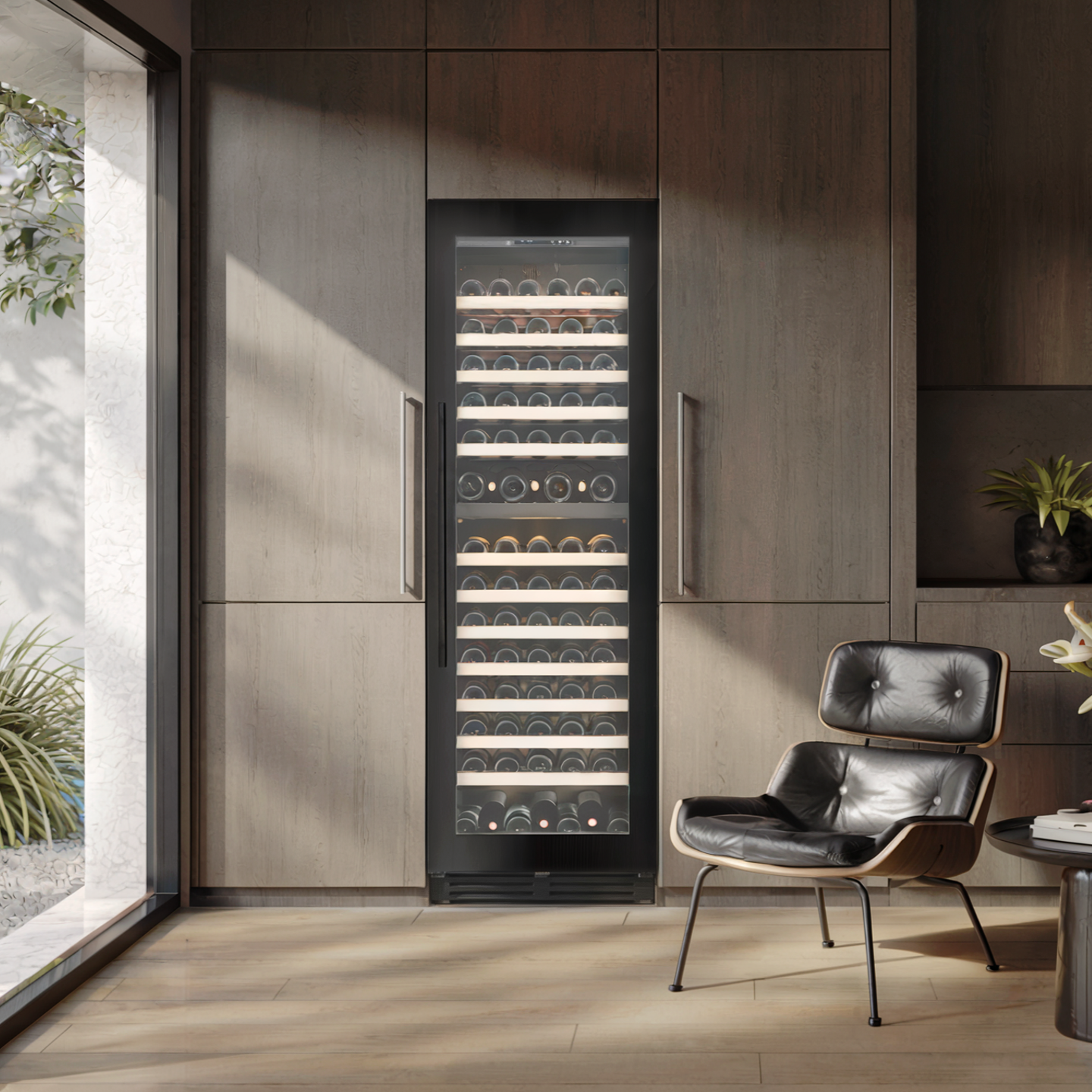
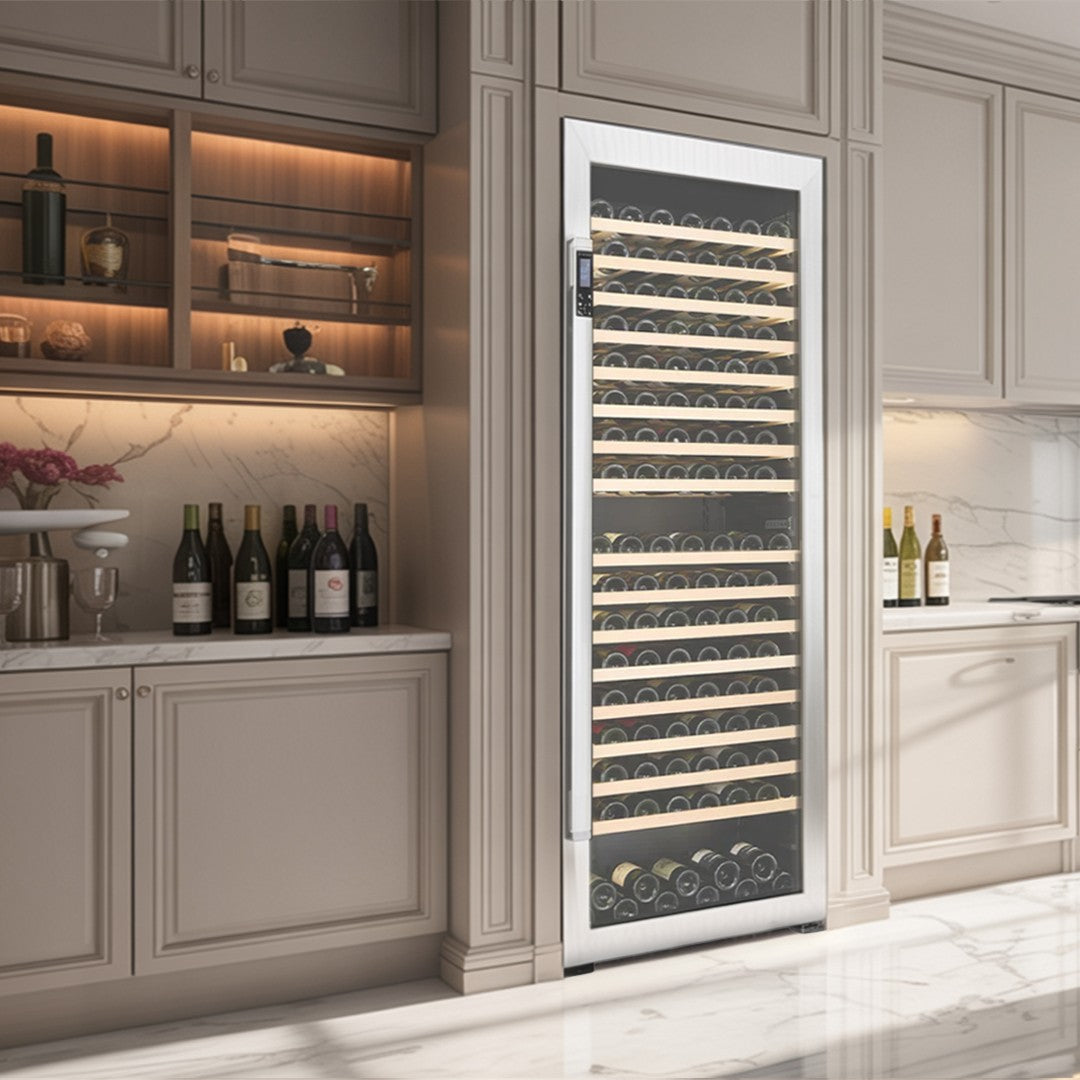
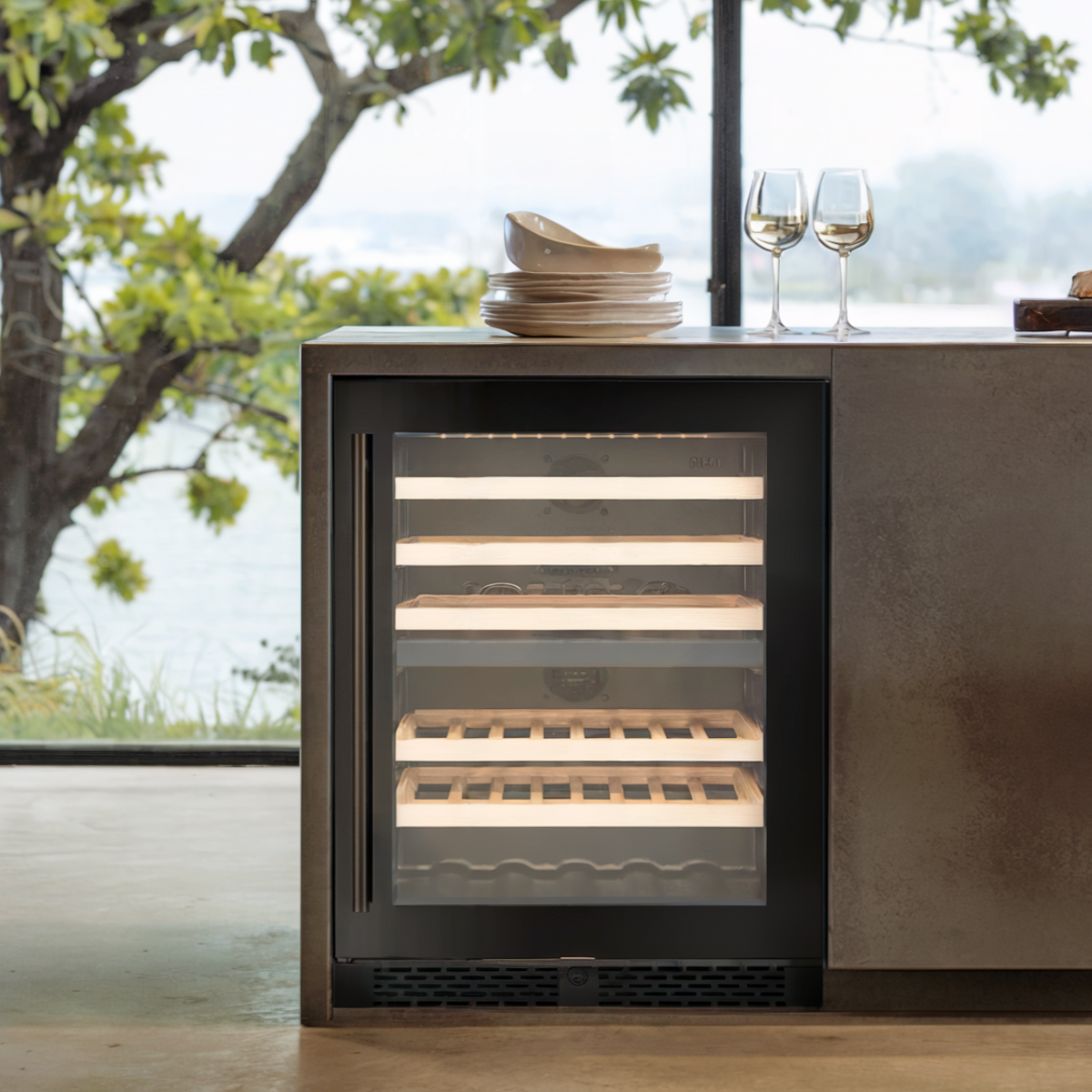
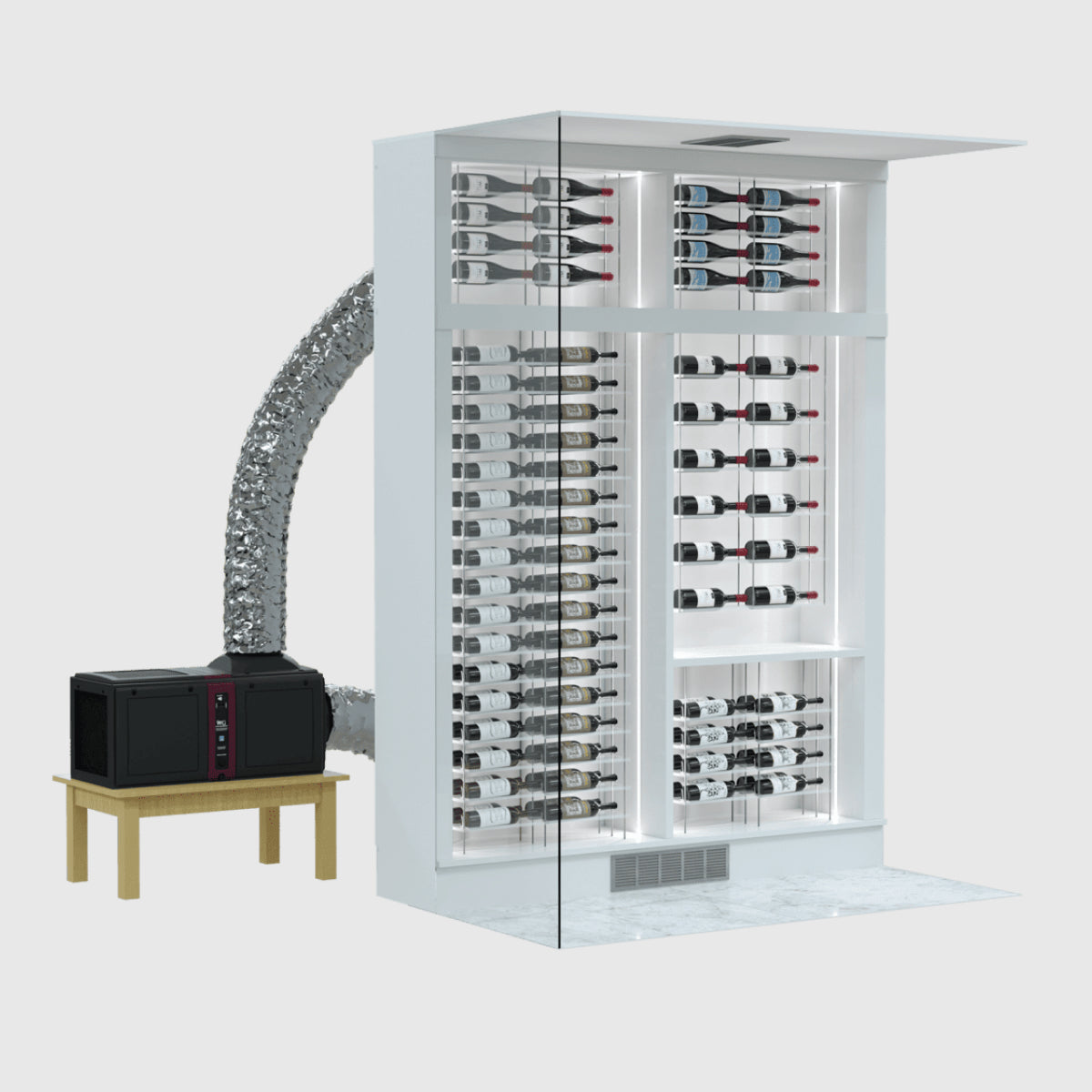
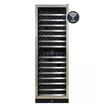
Rosehill Wine Cellars offers the Vantaggio V300 Wine Cabinet as an alternative to a wall-mounted peg display. It’s a relevant option when you want an enclosed cabinet rather than a visible arrangement of individual bottles. For a cellar layout built around racking, Premier Cru Classic Racking and Premier Cru Modern Racking offer additional approaches to organizing a collection. Wine Cooling Units support projects where dedicated cellar cooling is part of the plan.
Choose a storage solution based on your space, display preference and plans for your collection. A cabinet serves a different purpose from wall-mounted pegs, while racking and cooling address other parts of cellar design. Rosehill Wine Cellars offers cabinets, racking, wine cooling units and custom cellar design. Visit rosehillwinecellars.com to explore the options or discuss your storage plans.
Shape a storage plan around your collection
Treat storage as part of the room’s design, not simply a place to set bottles. As your collection evolves, consider how you want to access, display and organize it. The right solution should feel intentional in the space and support the way you use your collection.
For metal wine peg spacing for Burgundy bottles, your measurements can guide a broader choice between an open display and a more integrated storage arrangement. Rosehill Wine Cellars offers Premier Cru Classic Racking and Premier Cru Modern Racking for racking layouts, along with the Vantaggio V300 Wine Cabinet as a cabinet option. Each provides a different direction for planning a wine storage space.
Bring your preferred bottle shapes, display priorities, and room requirements into the next planning conversation. Contact Rosehill Wine Cellars to discuss your wine storage plans and take the next step toward a considered, cohesive space.
Frequently Asked Questions
Will your bottles fit?
They’ll fit if each bottle rests securely without pressing against its neighbors or becoming difficult to remove. Before filling the rack, test one bottle from each shape group, including your widest Burgundy bottle. Place the next bottle beside it, then lift both out. This practical trial can reveal clearance problems an empty-rack measurement may miss, especially when your collection includes bottles from different producers.
What is the standard diameter and height of a Burgundy wine bottle?
There isn’t one fixed dimension for every Burgundy bottle. Standard wine bottles are approximately 3-3.2 inches in diameter and around 12 inches tall, while Burgundy is among the larger-varietal wines packaged in 750ml bottles. Treat those standard dimensions as a reference, not a guarantee for each bottle. For rack planning, measure the bottle you intend to store, including its widest point and overall length.