
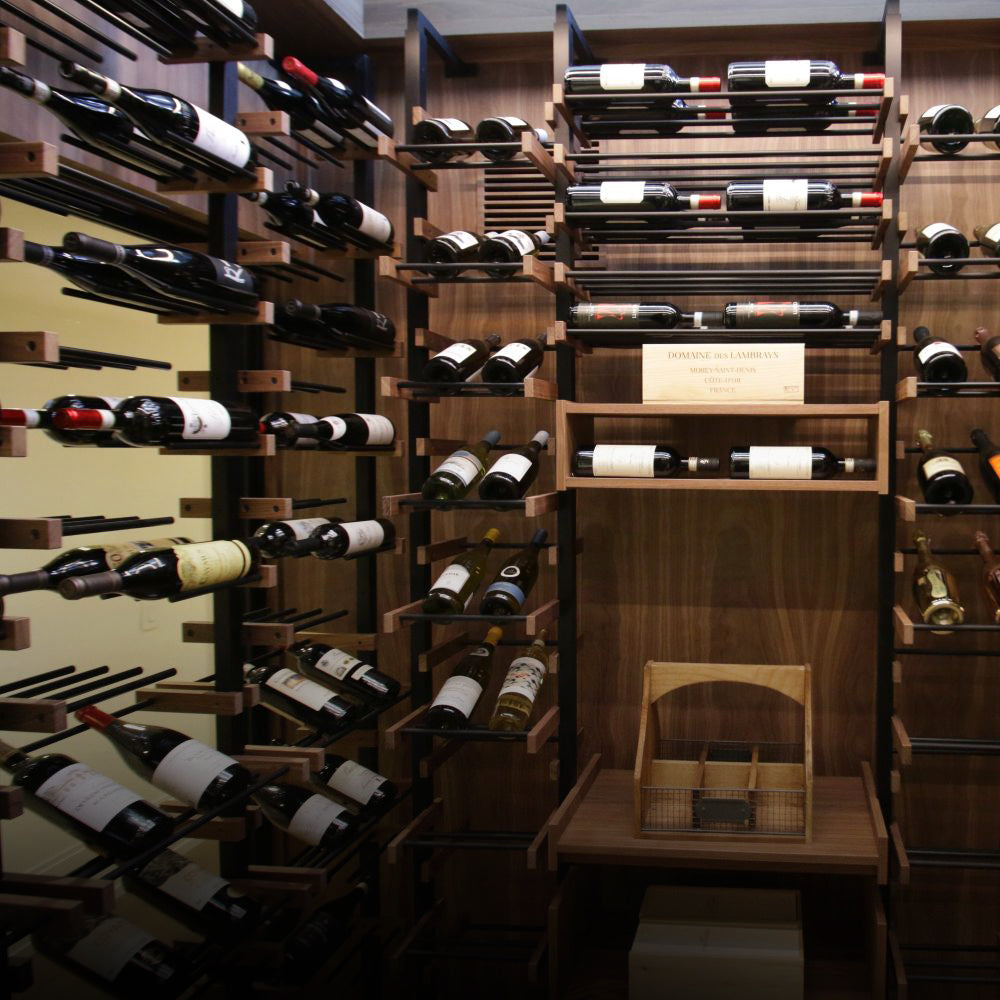






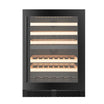
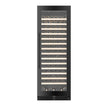
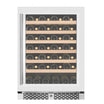
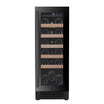
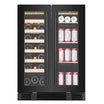
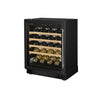
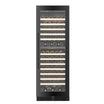
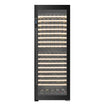
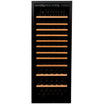
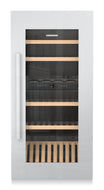








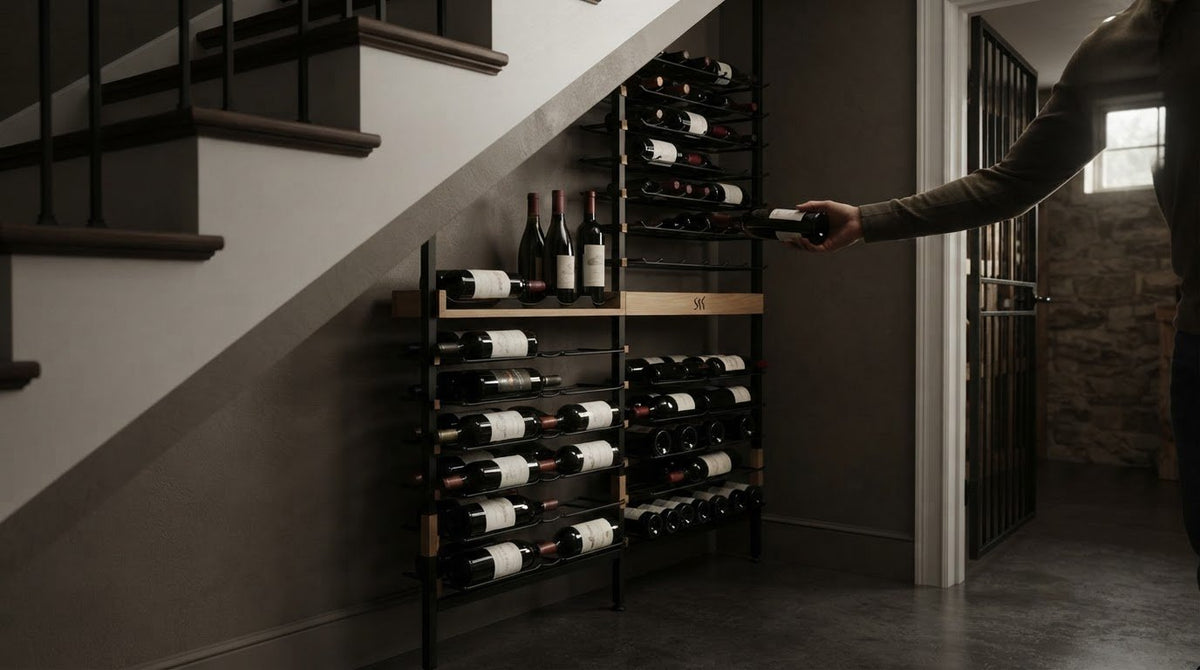
Premier Cru Modern is a wine-racking collection from Rosehill Wine Cellars. Despite the similar names, it has no connection to Modern Metals, which covers shaping and joining metal.
If you’re looking for metalworking coverage, Modern Metals is the relevant subject. Premier Cru Modern, by contrast, is part of wine-cellar racking. Knowing the difference helps you find the right information for your project.
This guide explains what Premier Cru Modern refers to, how it differs from Modern Metals, and how the racking fits into wine-storage planning. If you’re designing a cellar, start by considering the room, collection, and way you plan to use the space.
Key Takeaways
- Distinguish Premier Cru Modern racking from Modern Metals’ coverage of shaping and joining metal.
- Recognize that Premier Cru Modern refers to wine-cellar racking, not a metalworking publication.
- Use the Modern Metals name and its subject matter to identify relevant fabrication coverage.
- Consider whether Premier Cru Modern racking suits your wine-storage plans and cellar design.
- Keep the two names in their correct industry contexts when discussing either topic.
Regarded premier
Here, “premier” describes a considered choice, not an official quality grade. For wine-cellar racking, the right choice depends on fit, function, appearance, and how the room will be used. A polished finish alone does not show whether a rack suits your cellar. Start by assessing the space and collection.
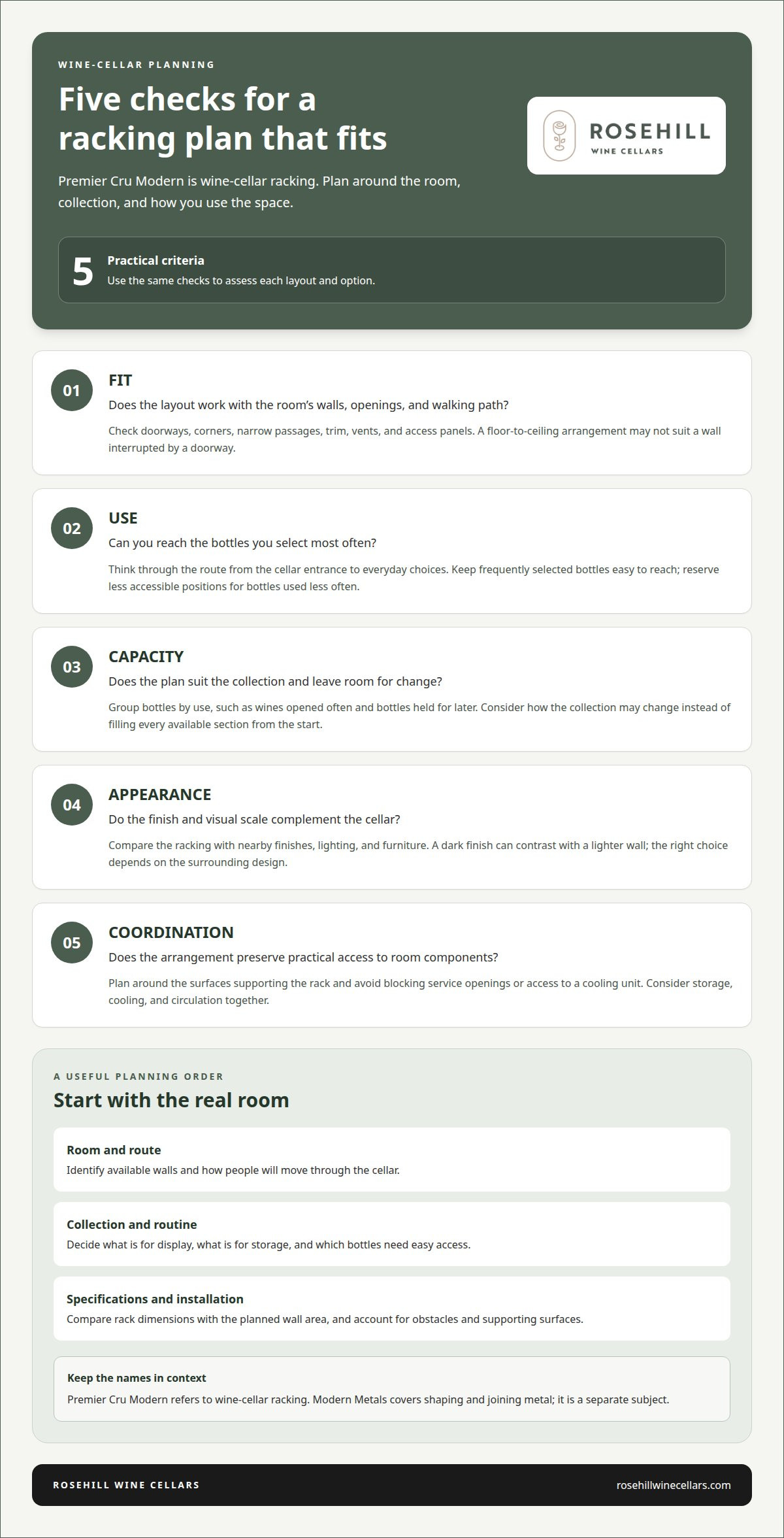
Start with the room. Note where the racking will go, which walls are available, and how people will move through the cellar. A narrow passage, doorway, or corner can shape the layout more than a preferred style. For example, a floor-to-ceiling arrangement may not work on a wall interrupted by a doorway.
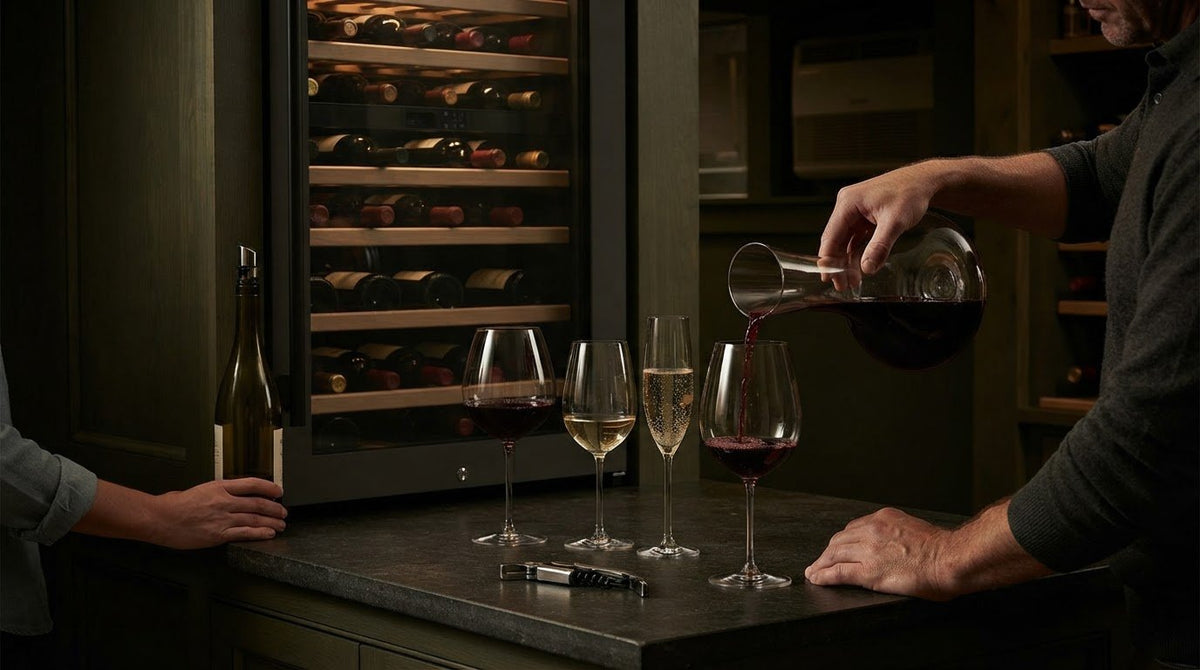
Next, decide how the collection will function in the room. A display area puts selected bottles in view, while storage may prioritize easy access. If you want to feature a few special bottles, plan a focal area separately from the main storage. This avoids designing every wall for the same purpose.
Plan capacity around your collection, not an abstract idea of “more.” Group bottles by use, such as wines you open often and bottles you’re holding for later. Then consider how the collection may change. Leaving room to grow can be more practical than filling every available section from the outset.
Consider bottle access in daily use. Think through the route from the cellar entrance to the bottles you select most often. If those bottles sit behind a display feature, the arrangement may feel inconvenient. Keep everyday choices within easy reach and reserve less accessible positions for bottles you use less often.
Appearance matters, but it should suit the room. Compare the racking’s visual weight with nearby finishes, lighting, and furniture. A restrained design can complement a compact cellar, while a more prominent display may suit a room intended for entertaining. These are design considerations, not guaranteed results.
Material and finish shape the cellar’s overall impression. Consider how the rack’s visible surfaces relate to the room’s palette and the character of the bottles. For instance, a dark finish can contrast with a lighter wall. The right choice depends on the surrounding design, not a universal ranking.
Plan installation around the walls and floor. Identify the surfaces that will support the arrangement and note obstacles such as trim, vents, or access panels. A rack placed across a service opening could block routine access. Including these details in the layout helps the design fit the actual room.
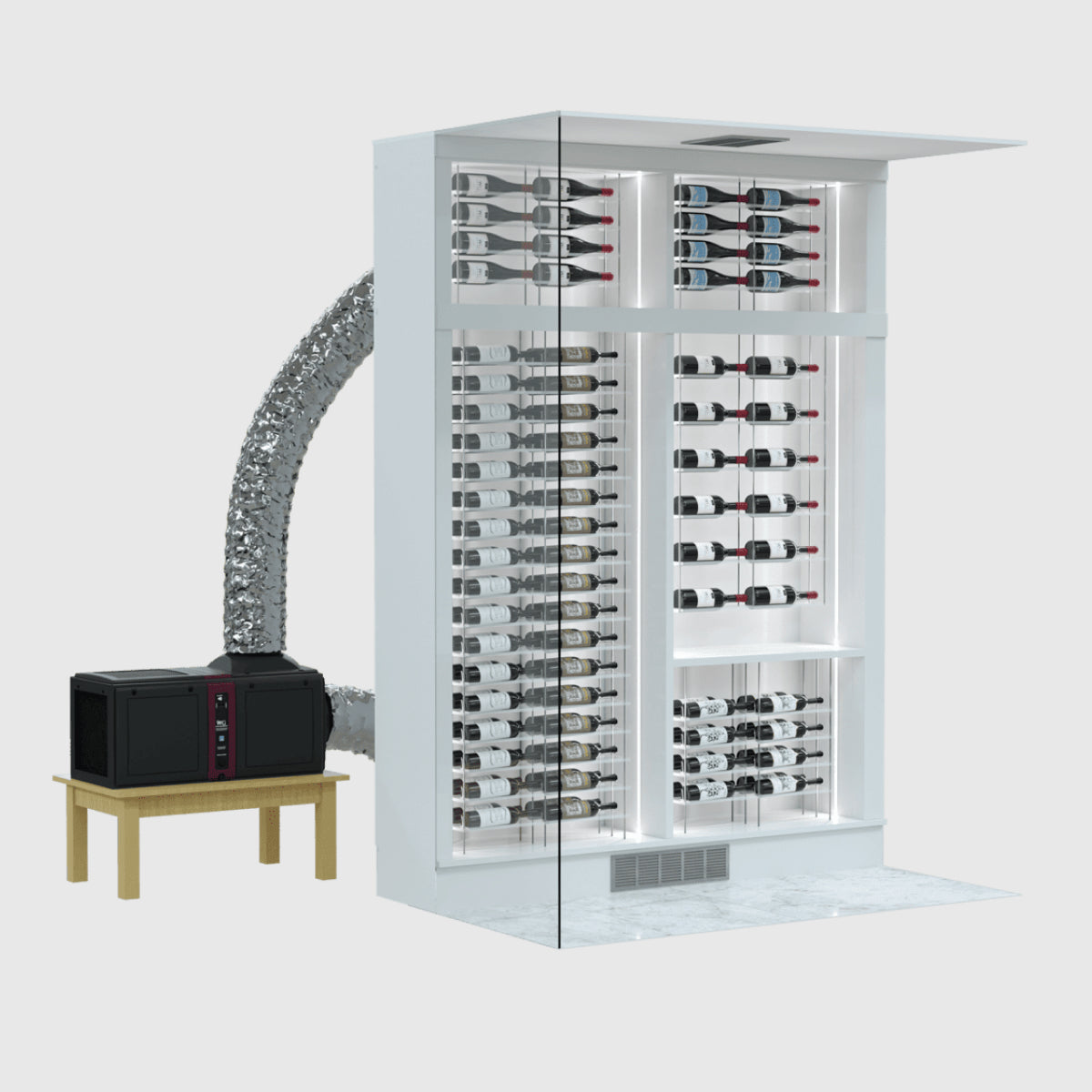
Include room conditions in the plan. Racking is one part of a wine cellar, so consider how storage, cooling, and circulation work together. For example, the layout should not block access to a cooling unit. Planning these elements together helps keep storage from competing with the room’s practical needs.
Compare options by asking the same questions each time. A short checklist makes the differences easier to assess:
- Fit: Does the layout work around the room’s walls, openings, and walking path?
- Use: Can you reach the bottles you select most often?
- Capacity: Does the plan suit the collection and leave room for change?
- Appearance: Do the finish and visual scale complement the cellar?
- Coordination: Does the arrangement leave practical access to room components?
Separate confirmed details from assumptions. A product name or style label does not describe every dimension, material, or installation condition. Base your choice on the specifications and layout relevant to the project. For instance, compare the rack’s dimensions with the planned wall area before settling on an arrangement.
A “premier” choice is the option that meets the room’s actual requirements. Balance access, bottle organization, visual character, and installation constraints. A cellar designed for display may need a different arrangement from one focused on easy daily selection. Define your priority first, then assess how each option supports it.
Users modern
People choosing modern racking want storage that suits a contemporary wine-cellar design. Their needs depend on the collection, room, and routine. A homeowner planning a private cellar may value a calm visual backdrop, while a hospitality designer may need storage that complements a guest-facing space. Start by defining how the cellar will be used.
A collector stores bottles for personal enjoyment, serving, or future occasions. The racking should suit the collection’s habits rather than an imagined ideal. Someone who opens bottles regularly may prefer a layout that makes selection intuitive. A collector focused on display may prioritize how the cellar looks from its entrance.
A host expects the cellar to play a part in entertaining. In that case, consider the room’s experience as well as its storage. Picture guests viewing the bottles without crowding the person selecting them. A host may prioritize a clear route through the room and a considered display that does not feel cluttered.
A hospitality professional plans wine storage for a guest-facing business. A dining room, tasting area, or private entertaining room may call for a different balance of storage and presentation. A visible wine wall, for example, can contribute to the setting, while a cellar used mainly by staff may prioritize easy access for them. Let the intended use guide the design brief.
An interior designer coordinates the cellar with surrounding rooms, considering how racking relates to cabinetry, wall finishes, lighting, and views through the room. In an open-plan home, for instance, a modern scheme may need a visual transition between the cellar and nearby living areas. Early coordination helps the wine display feel integrated rather than added later.
A builder or project planner aligns the cellar with construction details and the wider room plan. A cooling unit, doorway, or electrical access point can affect where the storage belongs. Share the intended layout with the project team before work progresses so these elements can be coordinated.
In a shared household, consider everyone who will select a bottle. One person may organize wines by occasion, while another chooses by appearance or familiarity. Agreeing on a simple arrangement can make the cellar easier for both to use. Choose racking that supports the shared routine, not just one person’s preferences.
A design-conscious user may prefer clean lines, but style alone does not determine suitability. The practical question is whether the arrangement fits the room’s purpose. A dramatic display, for example, can suit a cellar designed to welcome guests. A discreet arrangement may work better for a primarily private storage space.
Before choosing, write a brief that identifies the users and their priorities. Note who selects bottles, whether guests will enter, and how the cellar connects to other rooms. Include a concrete example, such as “frequent entertaining with a visible display.” This gives the design process direction without assuming every collection or home needs the same solution.
Modern wine-racking can serve different users, but the design should follow the project rather than a label. A collector, host, designer, and builder bring distinct perspectives. Bringing those needs together early can clarify what the cellar should do and how it should feel. Explore modern wine-racking designs as a reference for the style under consideration.
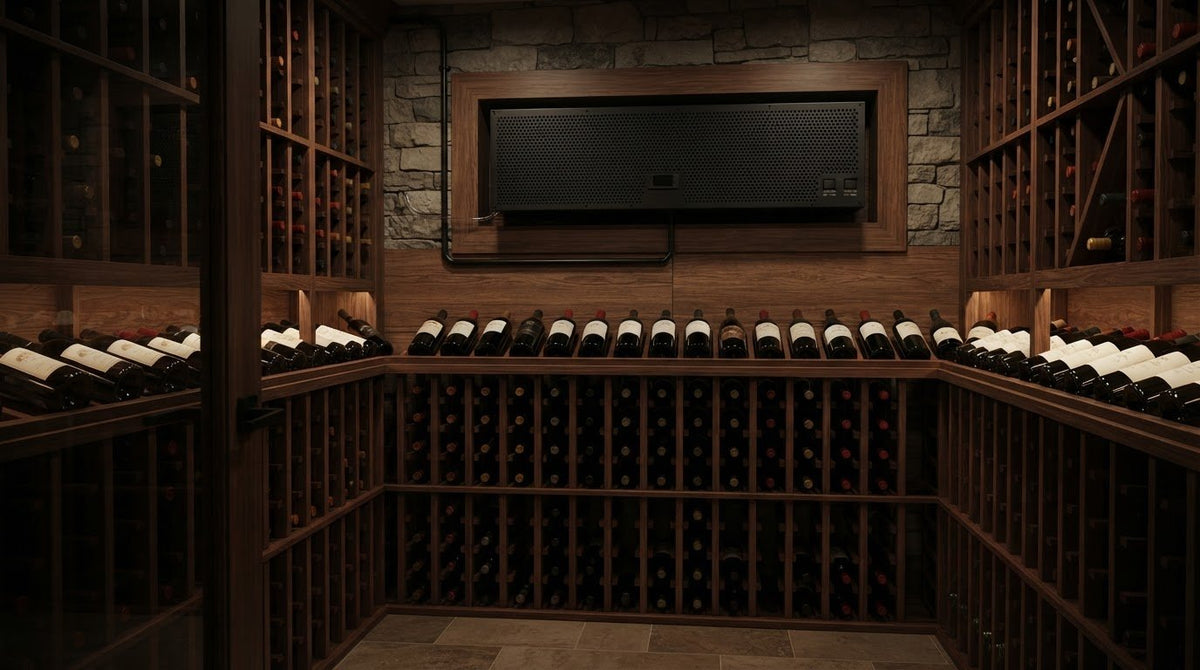
Rosehill Wine Cellars: Premier Cru Modern Racking
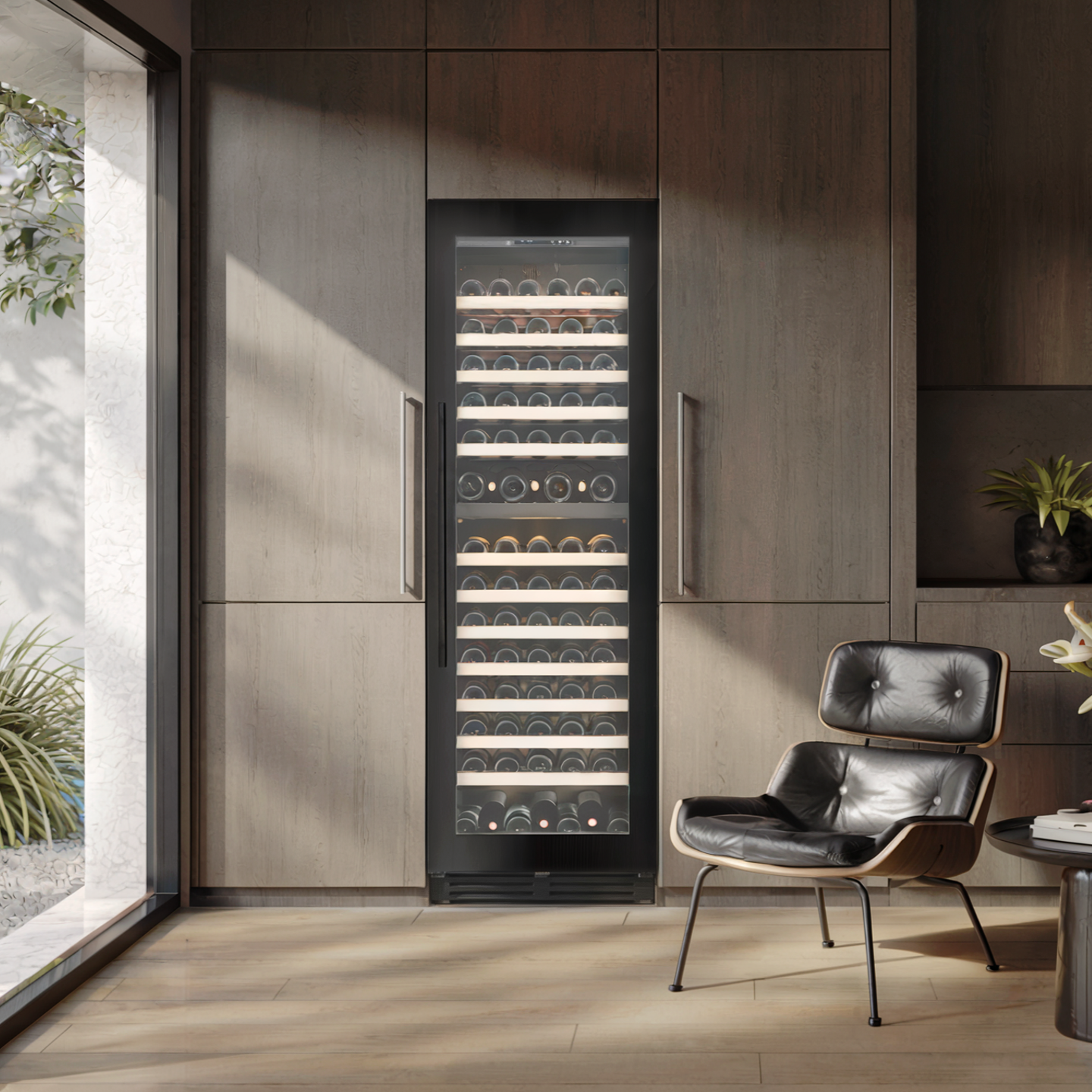
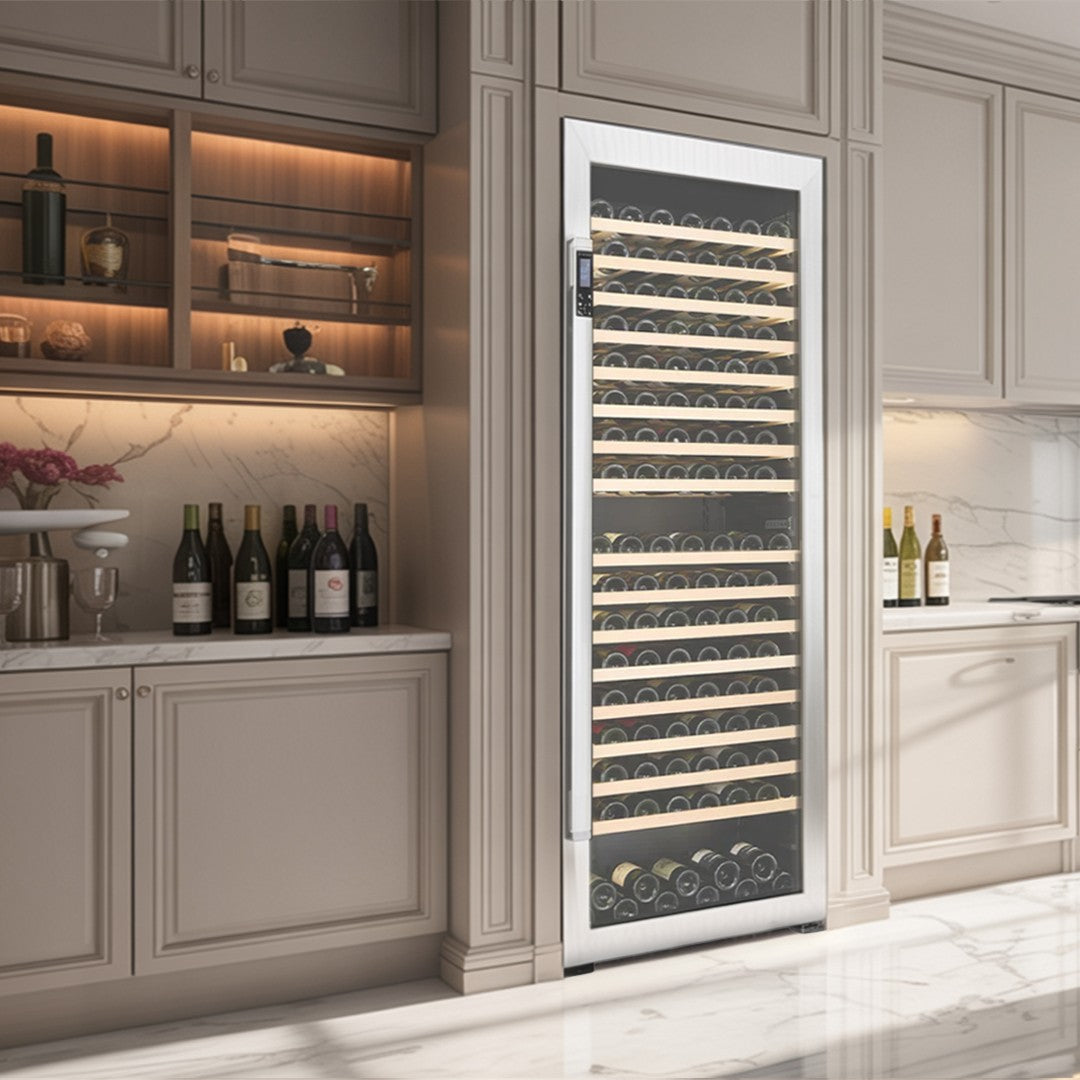
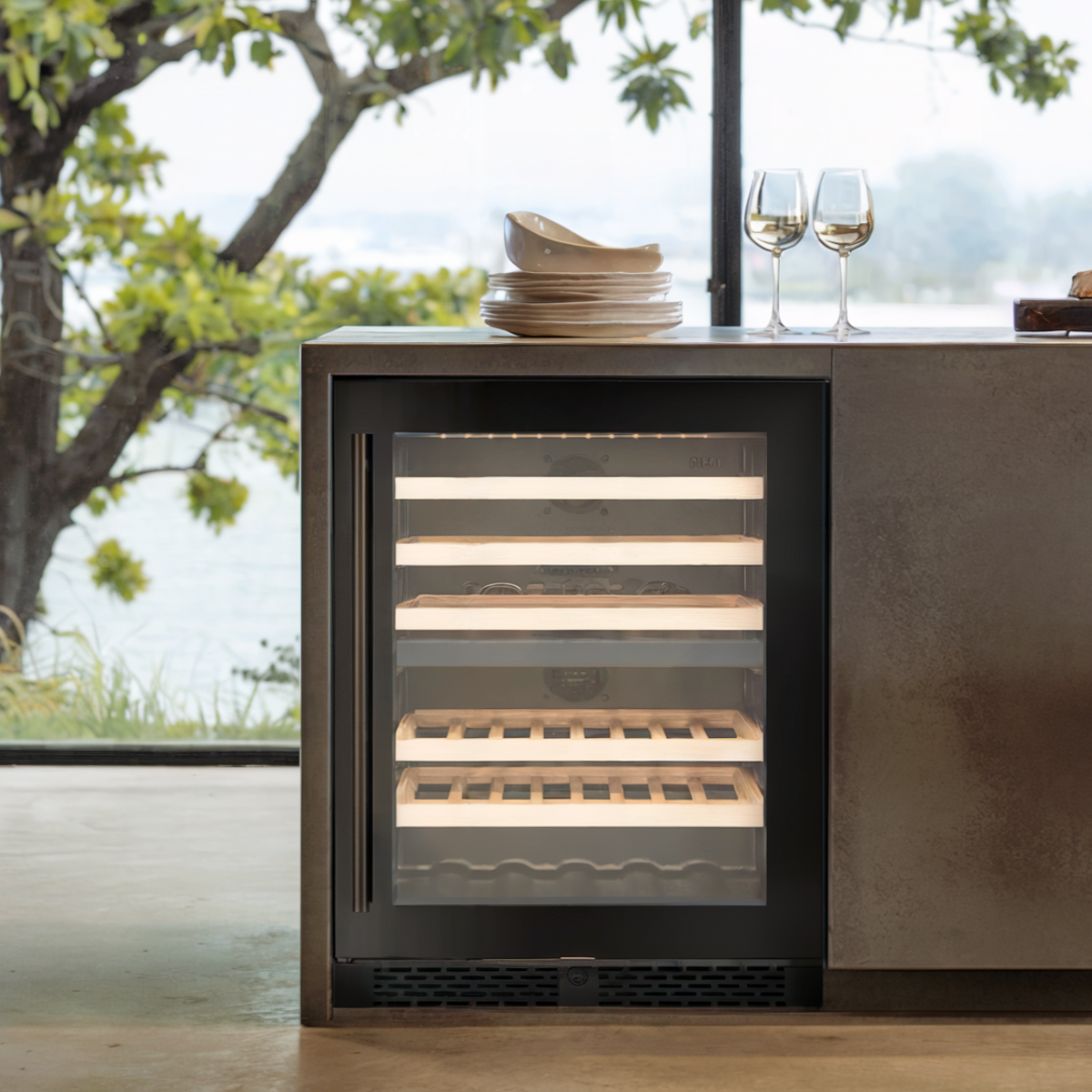
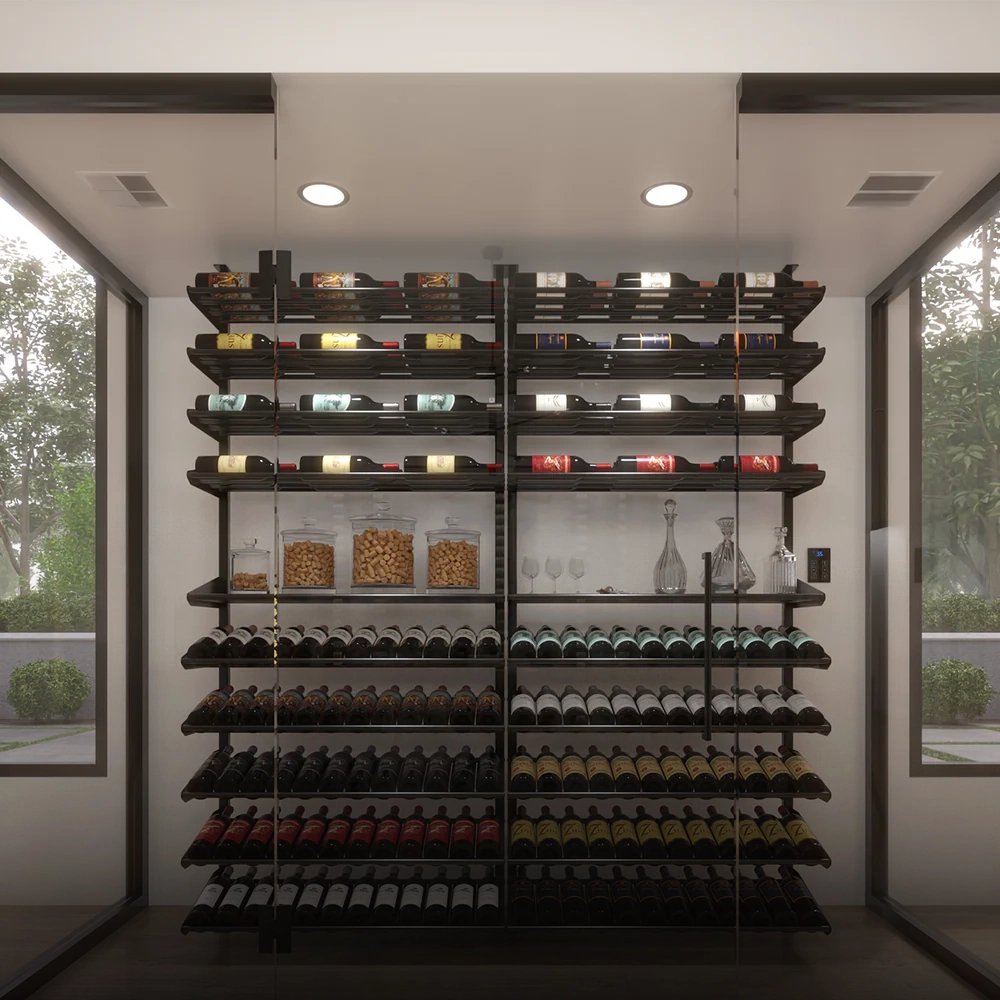
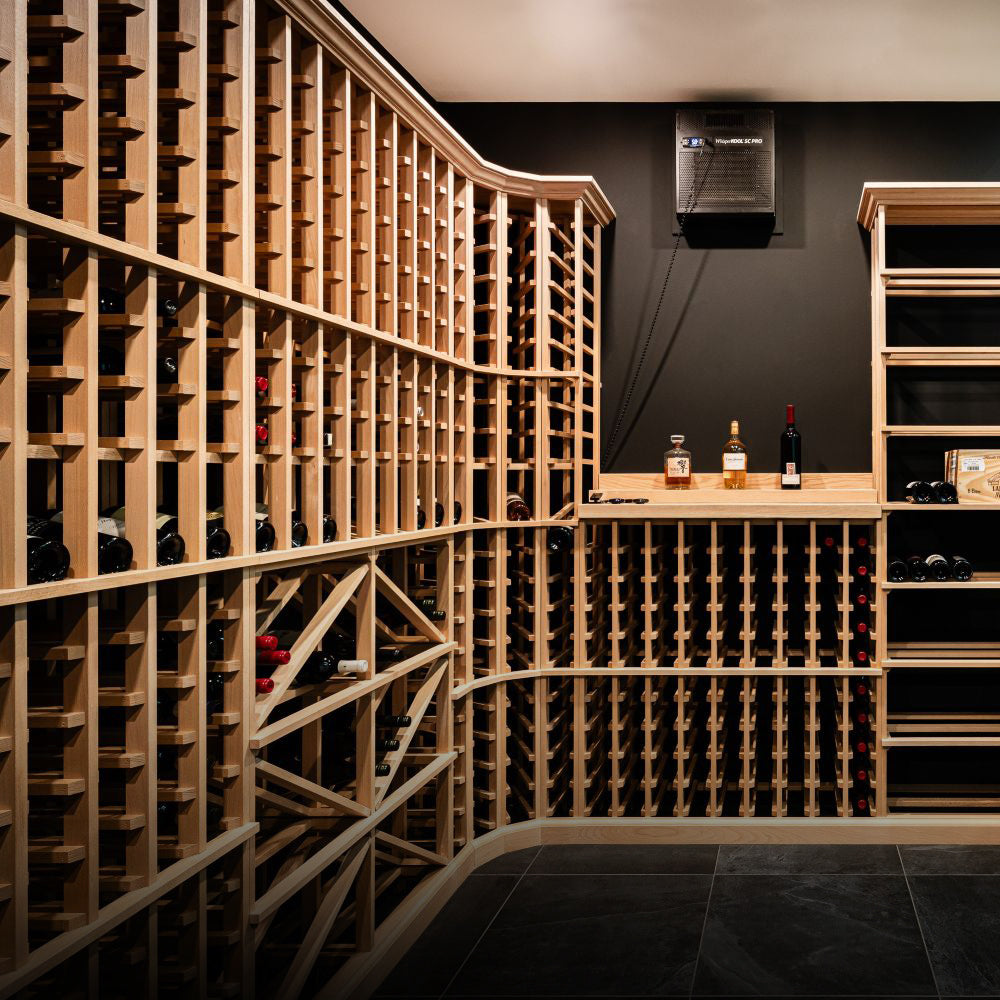
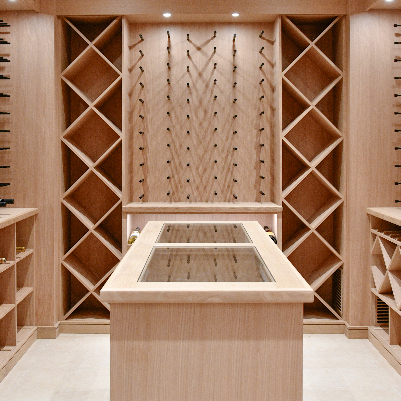
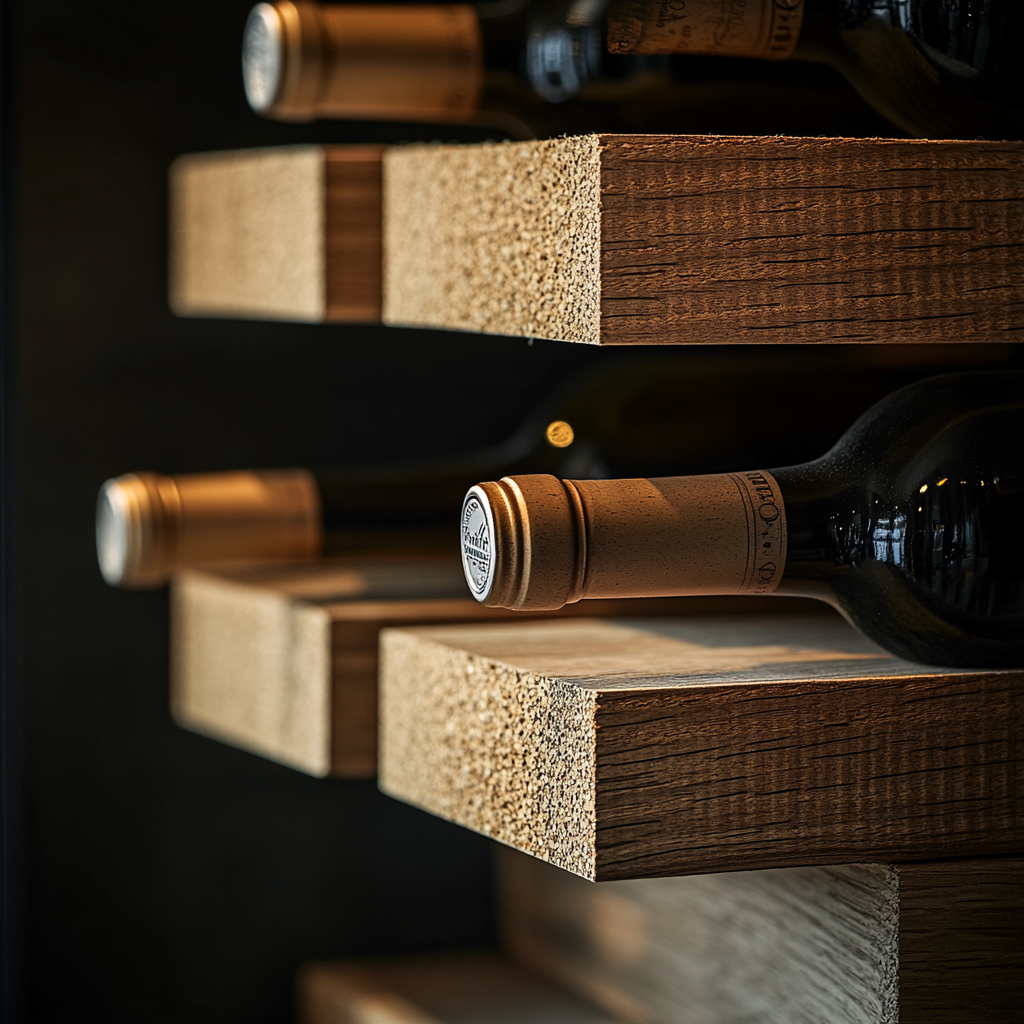
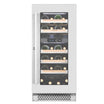
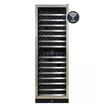
Rosehill Wine Cellars offers Premier Cru Modern Racking for wine-cellar plans with a contemporary aesthetic. Explore Premier Cru Modern Racking options when comparing how this style could complement your cellar. Consider the room’s layout and intended use as you assess Premier Cru Modern. Premier Cru Classic Racking provides another style to compare, while the Vantaggio V300 Wine Cabinet offers a cabinet option. For a project centered on Premier Cru Modern, contact Rosehill Wine Cellars to discuss your plans.
Choose the Next Step for Your Cellar
Keep the distinction clear: Modern Metals covers shaping and joining metal, while Premier Cru Modern is wine racking. For a cellar project, let the room’s intended use guide your next decision. Consider whether you’re refining a display, planning storage, or selecting a cabinet suited to your space.
Rosehill Wine Cellars offers Premier Cru Modern Racking, alongside Premier Cru Classic Racking and the Vantaggio V300 Wine Cabinet. These options give you different directions to consider as your plans take shape. Focus on the one that best supports the experience you want from your cellar, rather than choosing by name alone.
Explore the Premier Cru Modern Racking collection as your next step. For a more personal discussion, contact Rosehill Wine Cellars today. A thoughtful choice can bring your storage plans and the character of your space into closer alignment.