








Can a wall of glass truly protect a vintage that has survived decades in a subterranean cave? For the modern collector, the allure of a glass wine cellar is undeniable, yet it often comes with a lingering anxiety about technical performance. You likely appreciate the striking beauty of a frameless display but worry that transparency might invite condensation, UV damage, or fluctuating temperatures. It's a valid concern; the wrong glass or an undersized cooling unit can quickly turn a beautiful architectural feature into a liability for your most prized bottles.
This guide bridges the gap between high-end aesthetics and professional reliability. You'll discover how to balance breathtaking frameless views with the precision-grade climate control necessary for long-term storage. We'll explore the essential requirements for insulated glass, the structural role of thermal barriers, and the visual impact of label-forward Premier Cru Modern racking. By the end, you'll have a clear understanding of the engineering required to create a visually stunning showcase that offers total peace of mind for your investment.
Key Takeaways
- Explore the transition of wine storage from hidden basements to central architectural showpieces that define luxury residential design.
- Identify the specific R-value standards for thermal pane glass required to maintain a stable environment in your glass wine cellar.
- Learn how to select label-forward materials like Premier Cru Modern racking to maximize the visual impact of your collection.
- Master the technical calculations for heat load to ensure your cooling system is properly sized for a high-visibility, transparent space.
- Understand the critical role of professional collaboration and ongoing maintenance in protecting the long-term health of your vintages.
Translucent Sophistication: The Rise of the Glass Wine Cellar
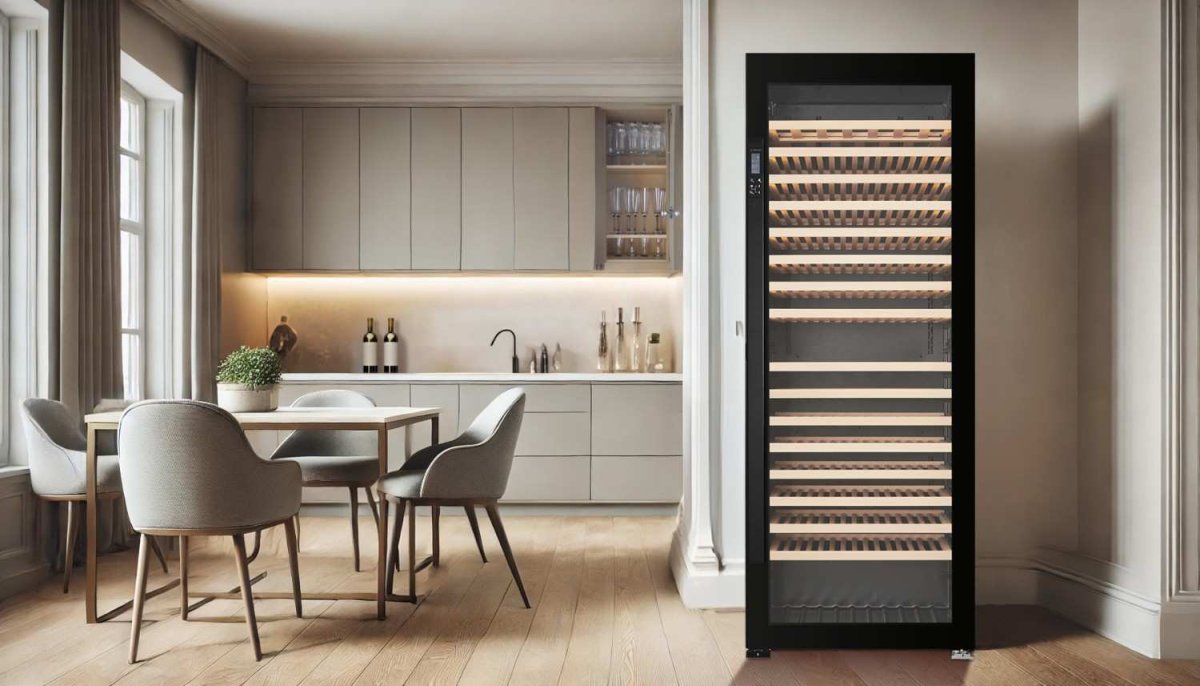
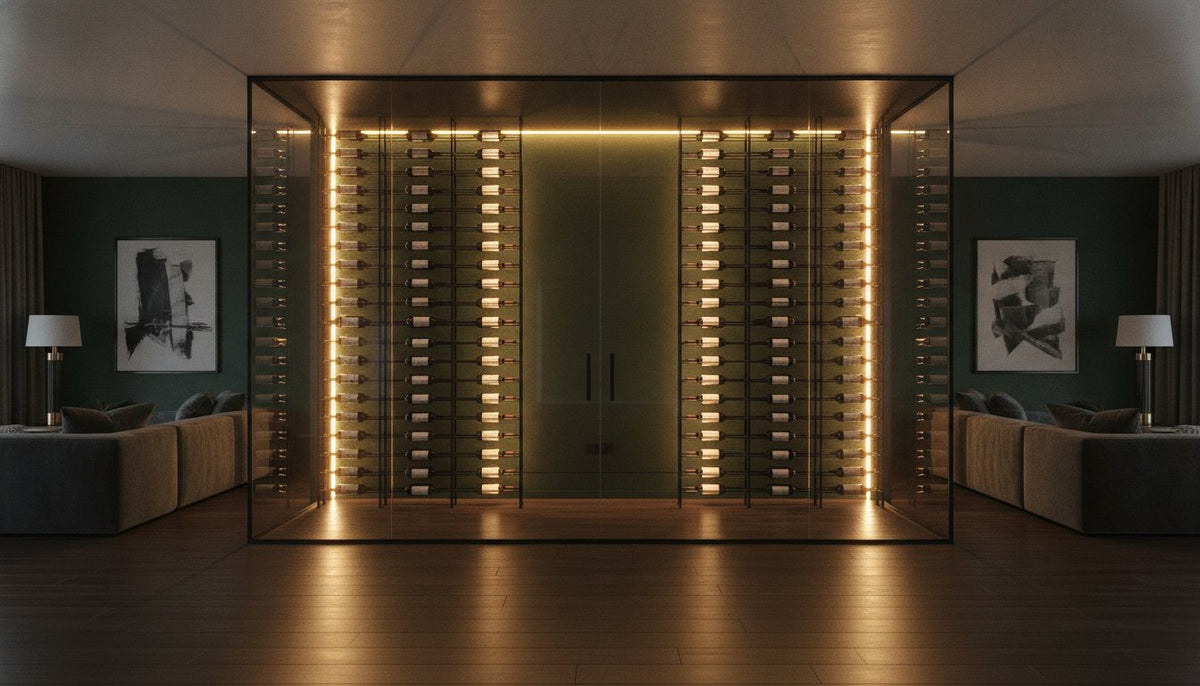
The traditional concept of the wine cellar has moved from the shadows into the spotlight. Historically, collectors relegated their vintages to subterranean "dungeons" where the environment was stable but the aesthetic was purely functional. Today, transparency is the defining trend in luxury residential design for 2026. A modern glass wine cellar serves as more than just a storage unit; it acts as a central architectural showpiece. This shift reflects a desire to blend the precision of climate control with the beauty of a curated gallery, allowing the collection to become a permanent fixture of the home's social core.
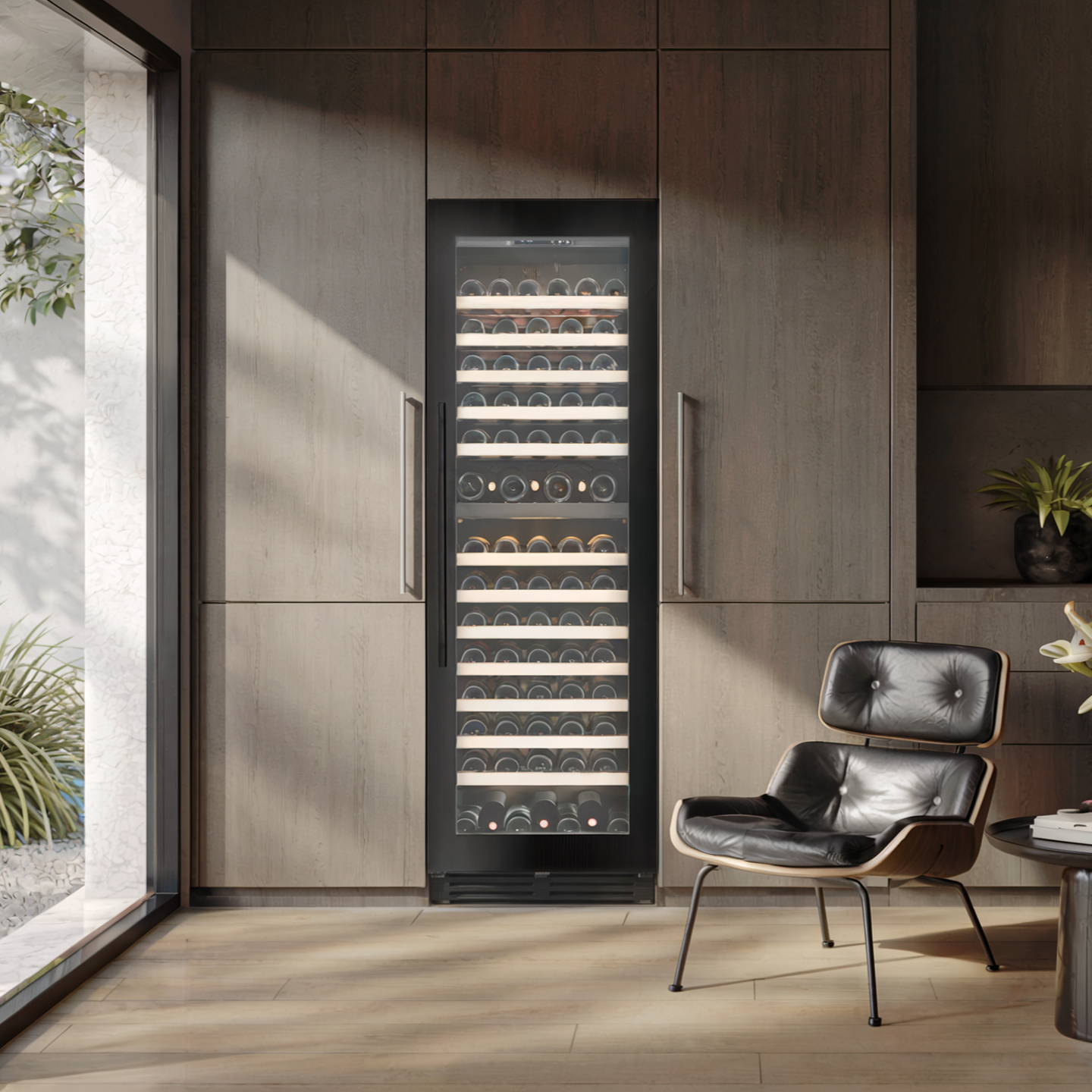
Integrating a visible collection into living areas changes the psychological dynamic of a home. It transforms wine storage into a catalyst for entertainment and conversation. These hybrid spaces allow the cellar to interact with the dining or lounge areas, creating a sophisticated atmosphere that invites exploration. It's no longer about hiding a hobby away. It's about celebrating the craftsmanship of the bottles and the engineering that protects them. The result is a seamless integration where the cellar is as much a part of the interior design as the furniture or the lighting.
The Aesthetic Advantage of Frameless Glass
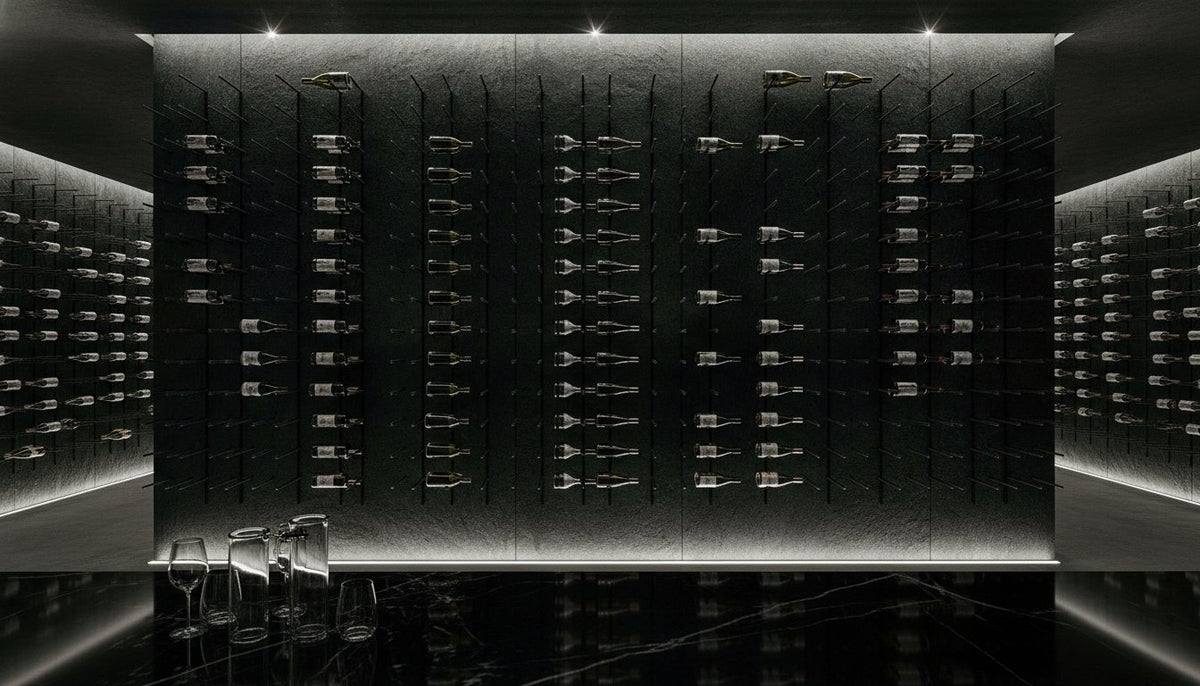
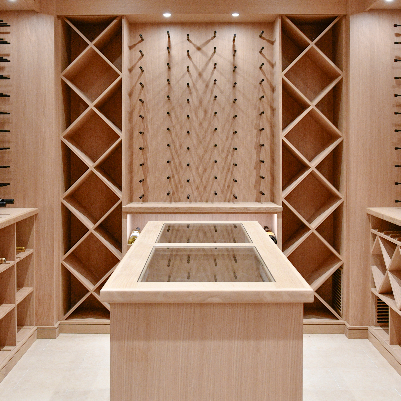
Frameless glass designs offer a minimalist profile that allows your collection to "float" within the room. By removing heavy frames, you create a seamless visual transition that is particularly effective in open-concept floor plans. A glass wine cellar acts as a powerful focal point that complements industrial, contemporary, or transitional interiors with equal ease. To maximize this effect, pairing the enclosure with Premier Cru Modern Racking ensures that the clean lines of the glass are mirrored by the architectural precision of the shelving. This combination highlights the labels and the silhouettes of the bottles without visual clutter.
Commercial vs. Residential Glass Applications
In hospitality, a glass cellar is a proven tool for driving interest and sales. Restaurants use these transparent enclosures to showcase their inventory, turning a list of names into a tangible, high-impact display. Residential applications follow a similar logic but often focus on maximizing limited footprints. A small alcove or an under-stair space can become a professional-grade showcase through the strategic use of glass. Because these installations are often located in high-traffic areas, durability is paramount. Investing in an Annual Maintenance Plan is a wise step to ensure the integrity of the seals and the efficiency of the cooling unit remain uncompromised over the years.
Engineering the View: Thermal Integrity and Glass Selection
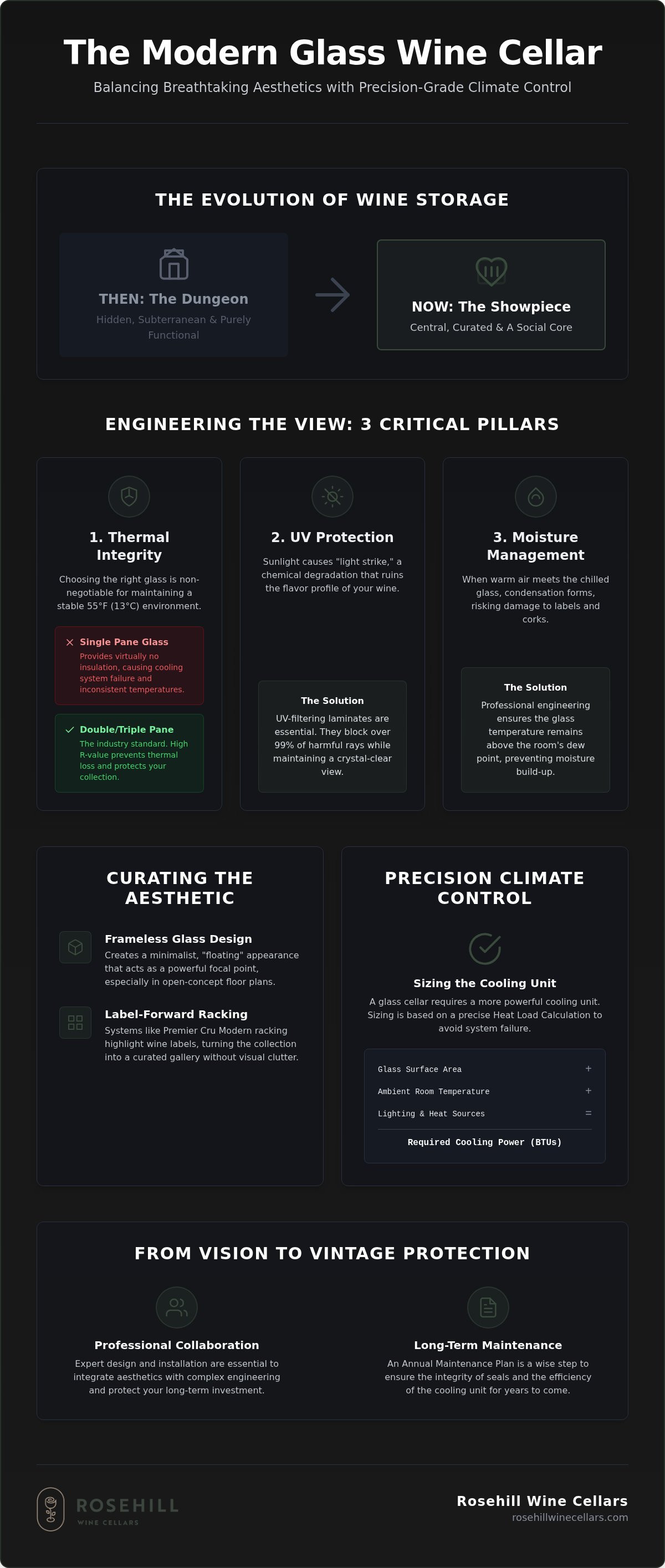
Building a glass wine cellar is a complex engineering task that goes far beyond simple aesthetics. While standard glass is suitable for household windows, it's insufficient for a climate-controlled environment where the temperature must remain at a stable 55 degrees Fahrenheit. Standard glass lacks the thermal resistance, or R-value, required to prevent heat from seeping into the enclosure. Without high-performance glass, your cooling unit will work overtime to compensate for the thermal loss, which often leads to mechanical failure and inconsistent storage conditions that stress your collection.
Light exposure presents another significant risk to your investment. UV rays are known to cause "light strike," a chemical degradation that ruins the flavor profile of even the most robust vintages. Research into the science of wine conservation shows that protecting wine from specific light wavelengths is essential for long-term aging. High-visibility glass must be treated with UV-filtering laminates to block these harmful rays while maintaining the crystal-clear view you desire. This protection ensures that your labels remain vibrant and the wine remains chemically stable over decades.
Moisture management is equally critical in high-visibility spaces. When warm air from your home meets the chilled surface of the glass, condensation inevitably forms. This moisture can ruin paper labels and encourage mold growth on corks. Professional installers prevent this by ensuring the glass temperature stays above the dew point of the surrounding room. It's a delicate balance of physics that requires precise planning during the initial design phase.
Thermal Pane vs. Single Pane Glass
Single pane glass is never recommended for refrigerated storage because it provides virtually no insulation. Double or triple-paned thermal units are the industry standard for any modern glass wine cellar. These units feature a sealed pocket of Argon gas between the panes, which acts as a powerful thermal break to slow heat transfer. For 2026 climate standards, all glass wine enclosures must utilize dual-pane insulated glass with a low-E coating to ensure optimal thermal performance.
Vapor Barriers and Seal Integrity
The success of your cellar depends on the "envelope" concept. This means creating a completely airtight seal where the glass meets the floor, walls, and ceiling. Common leak points often occur at the door hinges or the bottom threshold. To mitigate these risks, specialists use professional-grade compression gaskets and drop-down seals that activate when the door closes. Ensuring this seal integrity is a foundational step in our custom wine cellar design process, protecting your investment from the outside environment.
Curating the Aesthetic: Modern Racking and Visual Layouts
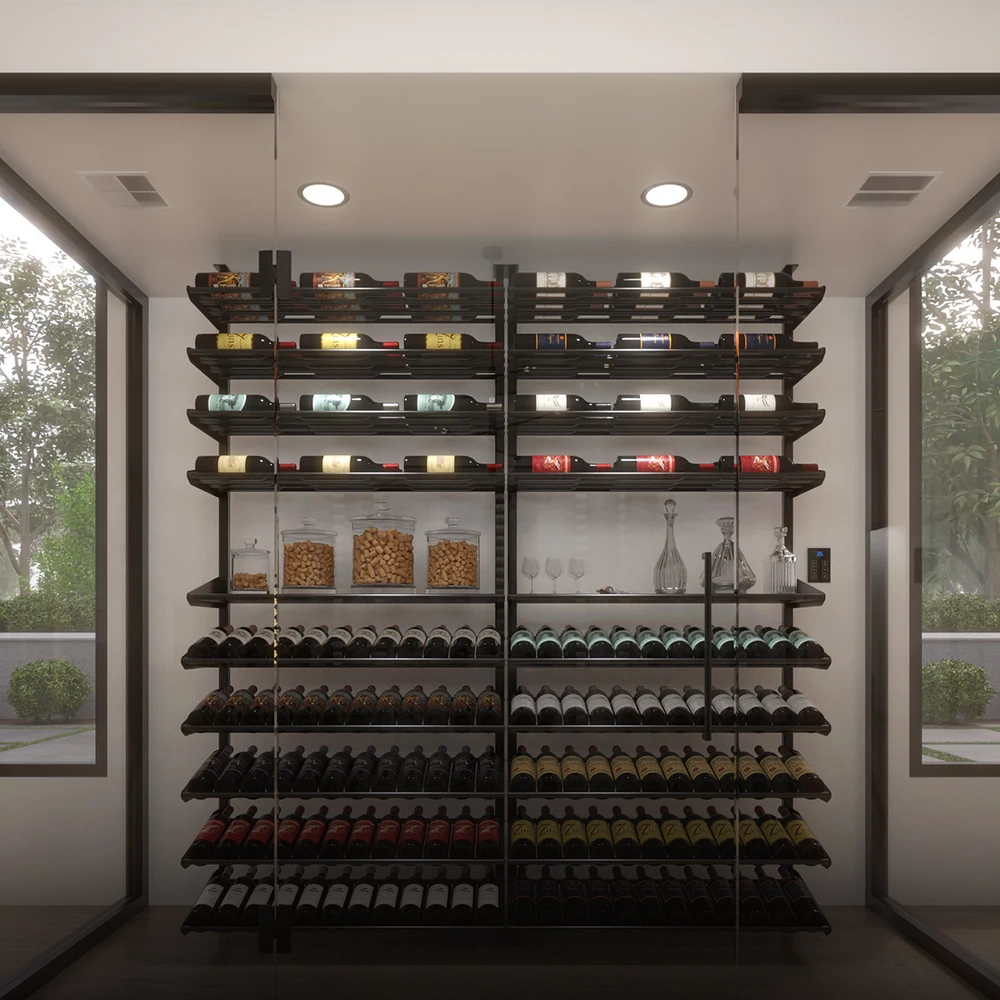
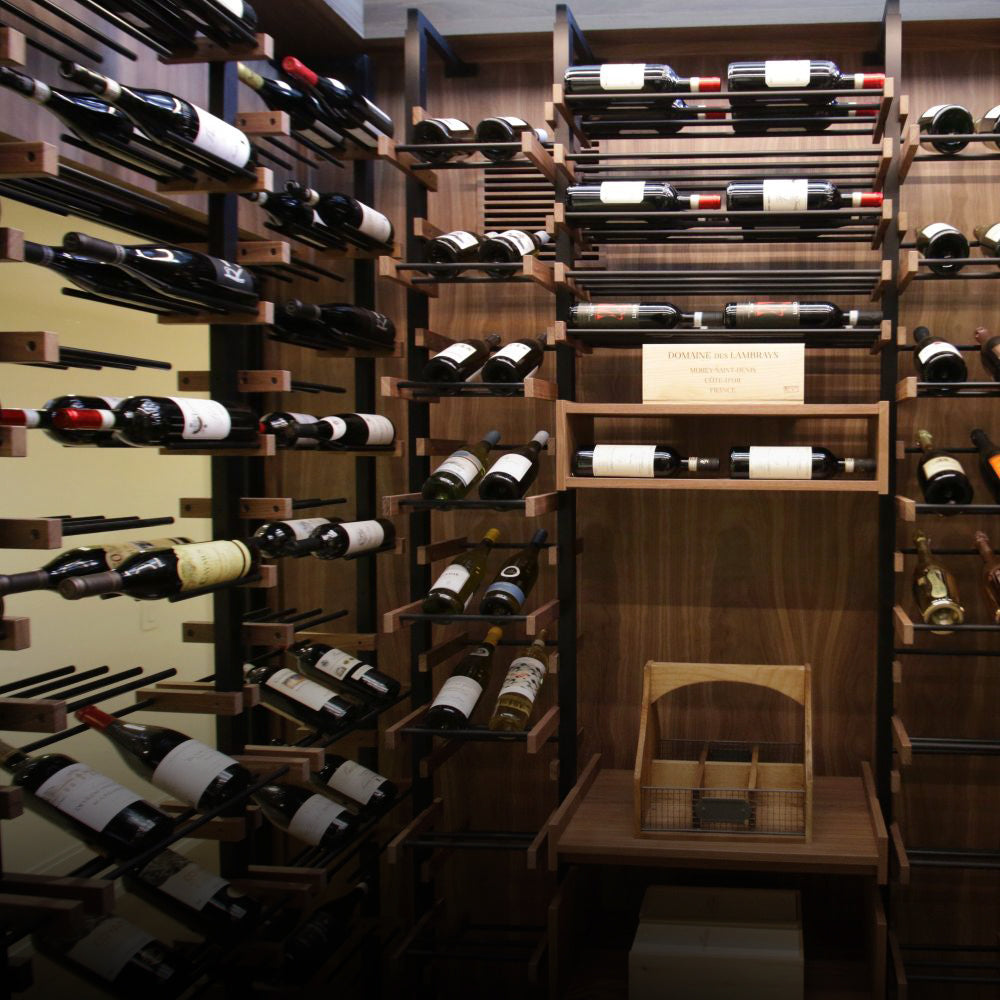
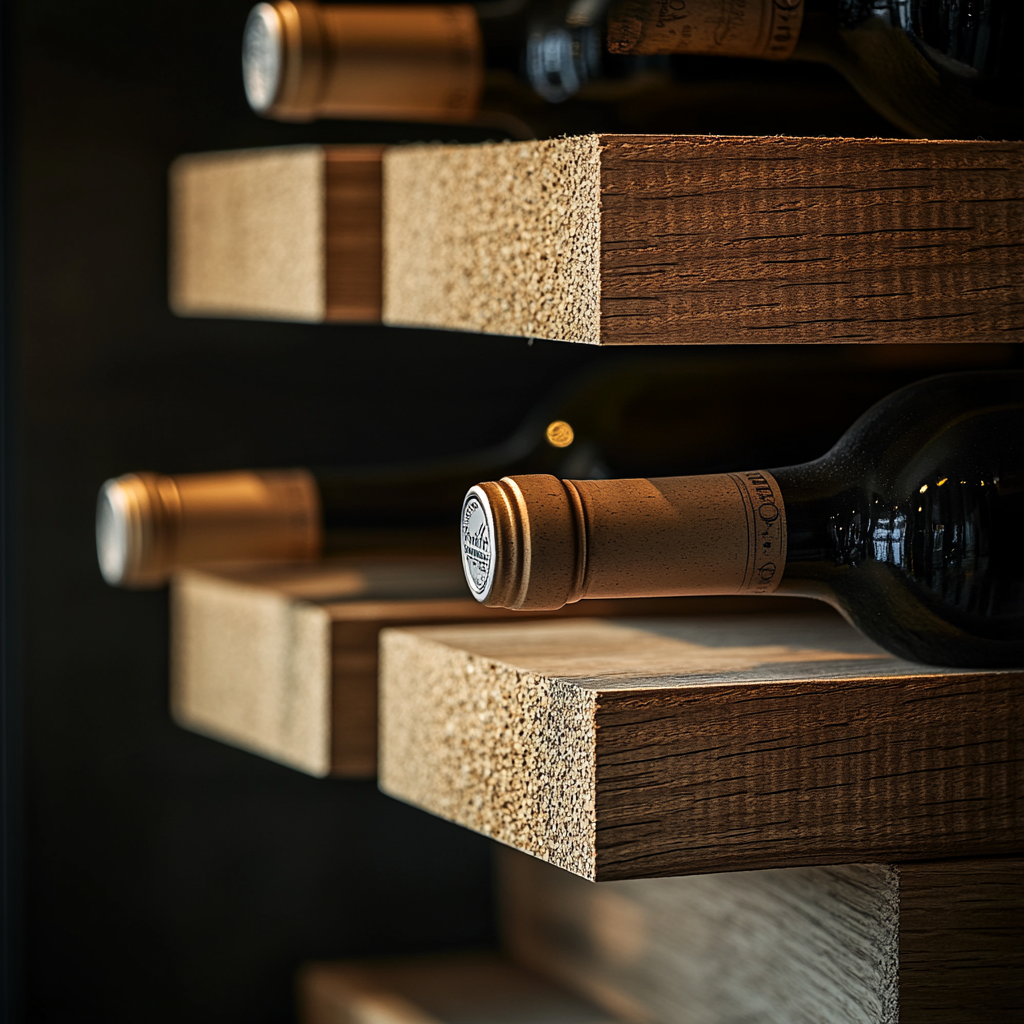
Selecting the right racking is where the engineering of a glass wine cellar meets pure artistry. Unlike traditional solid-walled rooms, a transparent enclosure exposes every detail of the interior to the rest of the home. This visibility has fueled the "label-forward" revolution, where bottles are displayed horizontally to showcase their branding rather than their corks. This approach doesn't just make browsing easier; it turns the collection into a dynamic wall of art. High-end modern glass wine cellar design often prioritizes this visual accessibility, ensuring that the storage system enhances rather than obstructs the view.
Lighting is the silent partner in these designs. We utilize low-heat LED strips that illuminate the bottles without altering the internal temperature or risking UV damage. These can be integrated directly into the racking, creating a soft glow that highlights the clarity of the glass. However, aesthetic success requires a balance between bottle density and "breathing room." Overcrowding a glass wine cellar can create a cluttered appearance that detracts from the minimalist architecture. We recommend leaving strategic gaps to allow light to filter through the collection, maintaining that coveted sense of weightlessness.
Premier Cru Modern Racking: The Glass Cellar Standard
For those seeking the ultimate contemporary look, Premier Cru Modern Racking is the industry benchmark. These systems utilize slim metal and acrylic components to create a "floating" effect, where the bottles appear suspended in mid-air. Structural integration is vital; wall-mounted or floor-to-ceiling posts must be carefully planned alongside the glass perimeters to ensure long-term stability. Finish options, such as brushed nickel or matte black, should be selected to match your home's existing architectural hardware to create a unified design language.
Premier Cru Classic Racking for Transitional Spaces
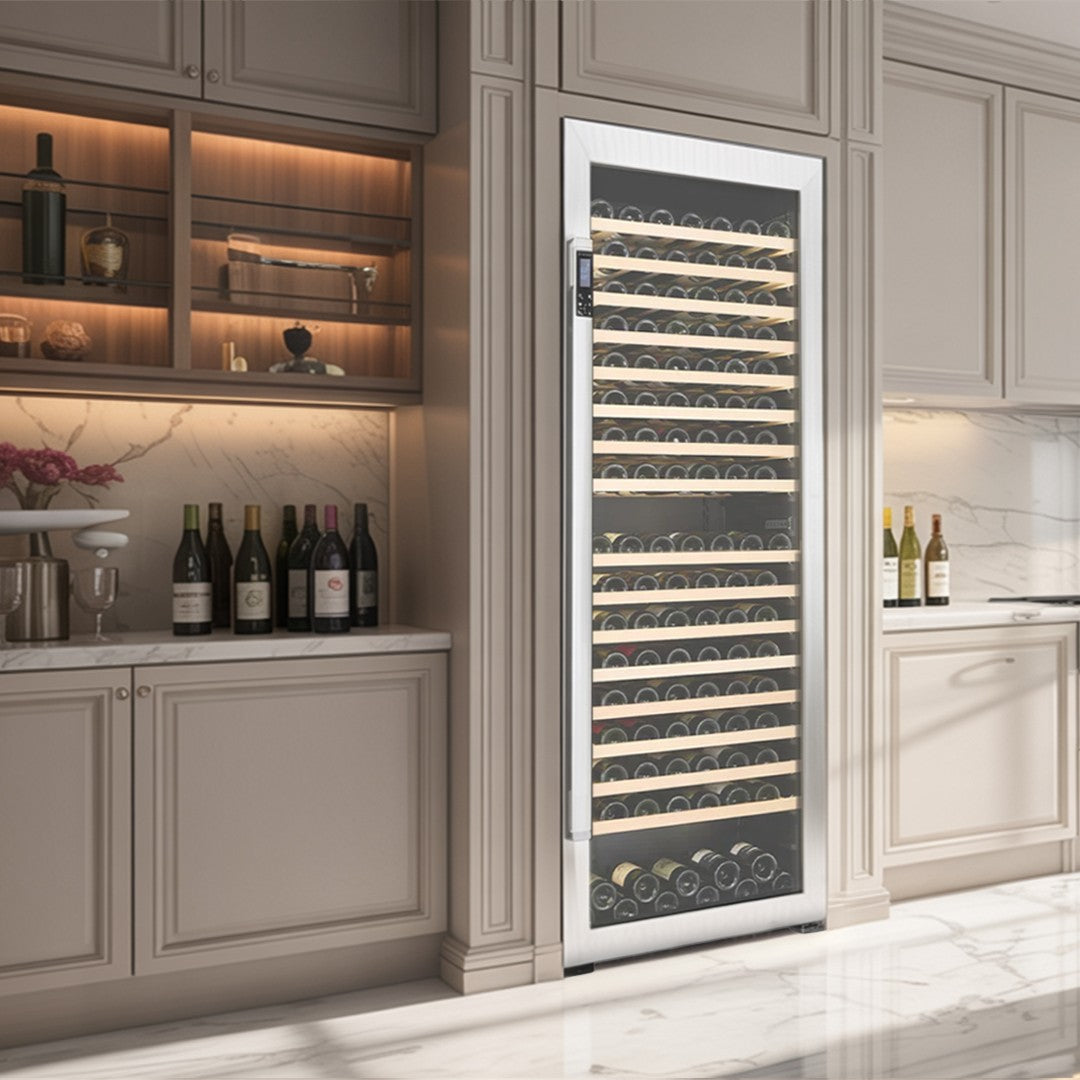
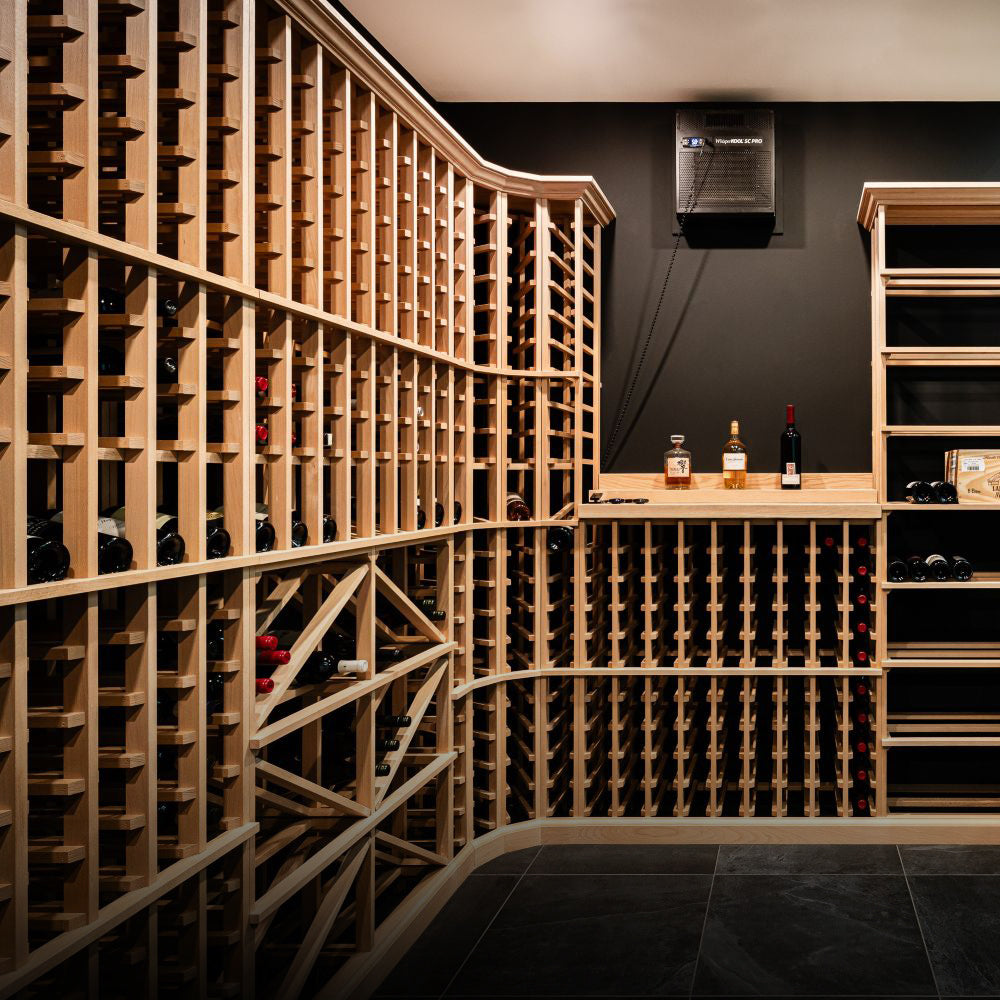
Not every glass cellar needs to be ultra-modern. Premier Cru Classic Racking allows you to blend the organic warmth of wood with the sharp edge of glass. This mixed-media approach works exceptionally well in transitional homes where traditional craftsmanship meets modern transparency. You can create a "cellar within a cellar" aesthetic by using wood for bulk storage in the rear while maintaining a sleek, glass-fronted showcase for your most impressive labels. This balance offers the best of both worlds: high-capacity storage and a stunning visual frontage.
Precision Climate Control for High-Visibility Spaces
A glass wine cellar is a masterpiece of design, but it's also a thermal liability if not properly equipped. Standard residential HVAC systems are designed for human comfort, cycling on and off to maintain a range of 70 to 75 degrees, which is wholly inadequate for the 55-degree constant required for wine preservation. Precision cooling is the only way to ensure your glass wine cellar remains a functional storage space rather than just a visual display. Because glass has a much lower R-value than a traditional insulated wall, the equipment must be capable of handling a much higher thermal load without failing.
Calculating the heat load for a glass wine cellar requires more than just measuring square footage. You must account for the total surface area of the glass, the ambient temperature of the surrounding room, and even the heat generated by interior LED lighting. Humidity management is equally complex in a non-porous environment. Since glass doesn't "breathe" like wood or stone, the cooling system must precisely regulate moisture levels to prevent condensation while keeping corks from drying out. This delicate balance is what separates a professional installation from a DIY project.
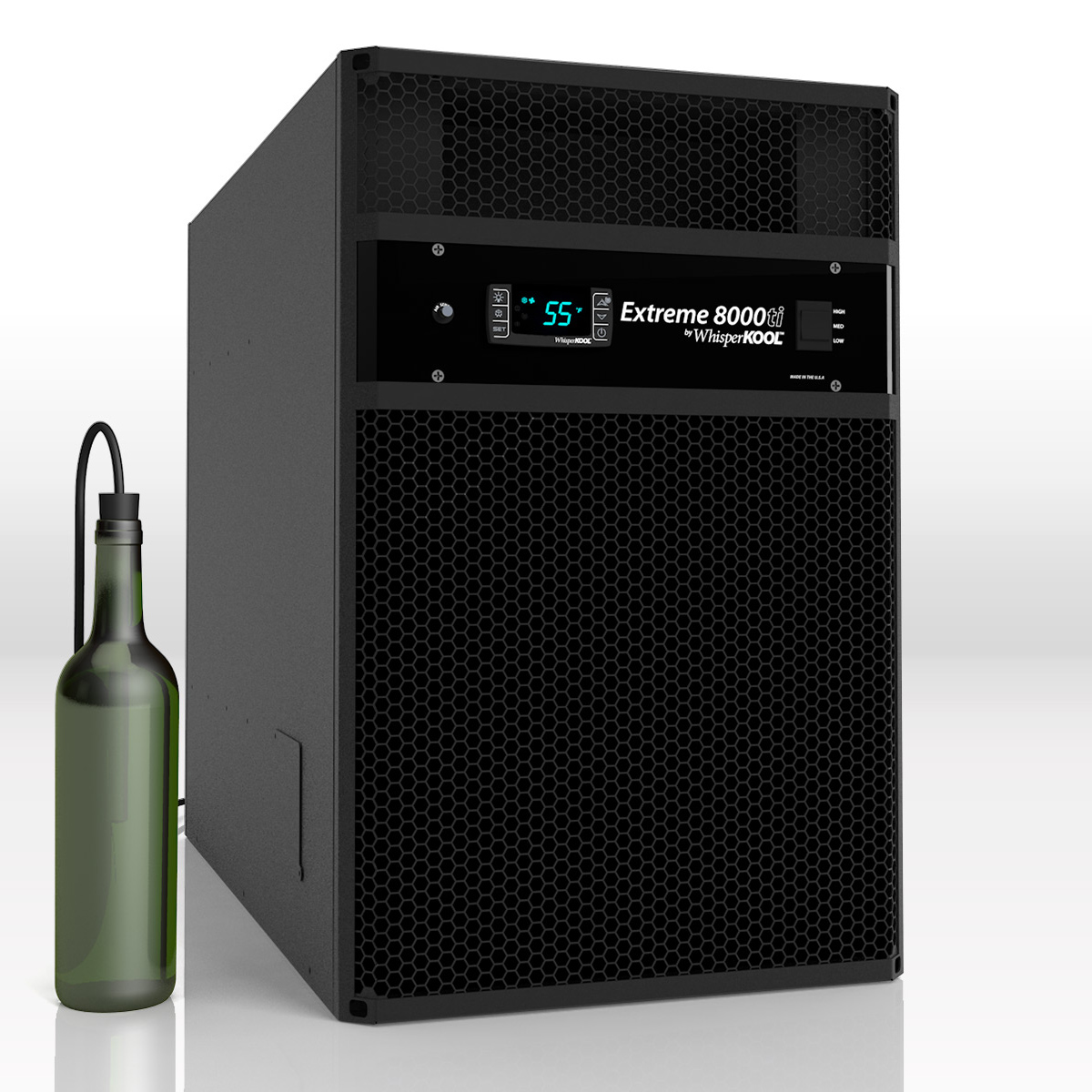
Selecting the Right Wine Cooling Unit
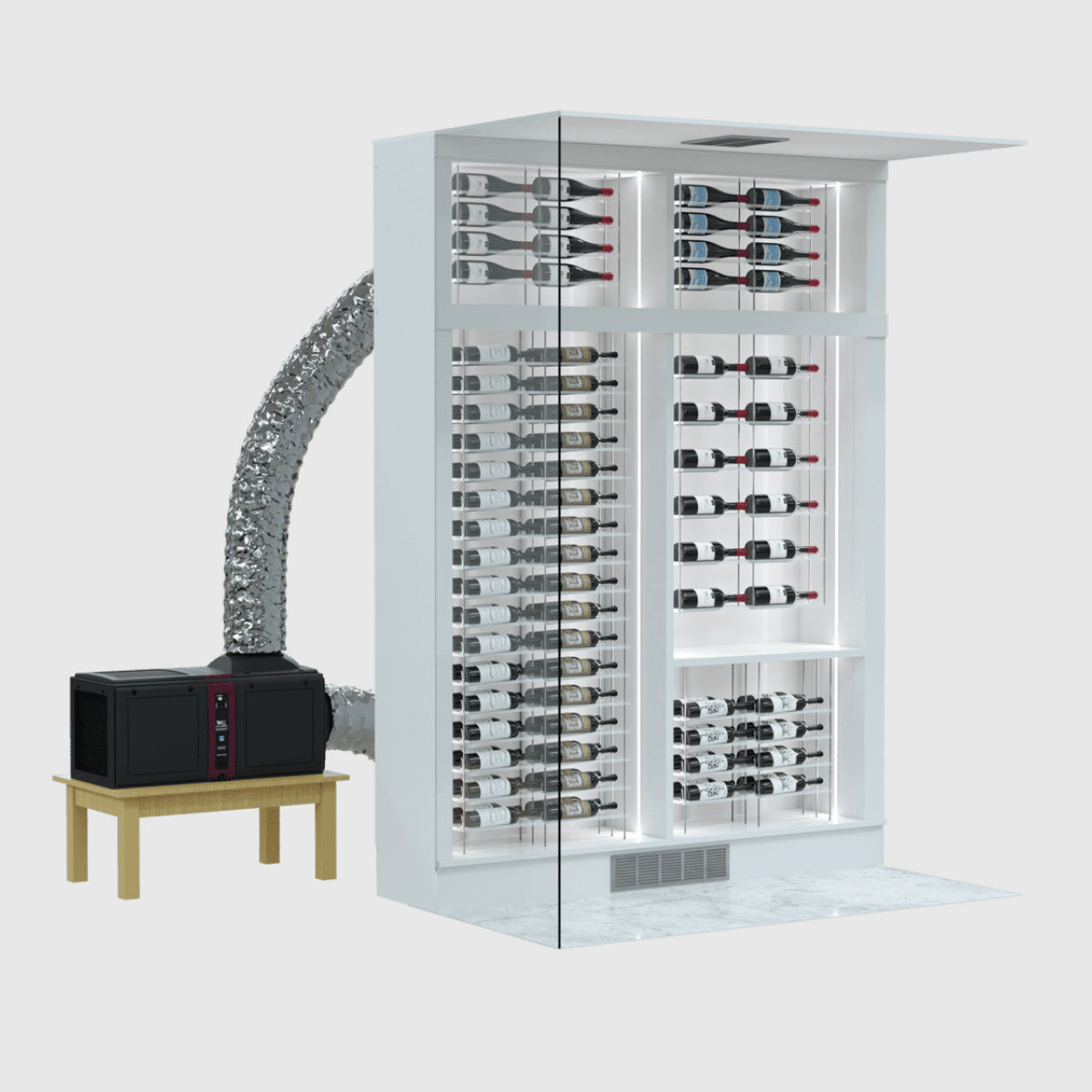
The choice between ducted and split systems often comes down to your aesthetic goals. Ducted systems are the gold standard for a seamless look, as they allow the mechanical components to be hidden in a separate room or attic space. Split systems offer more flexibility for installations where ductwork isn't feasible, though they do require a visible evaporator within the cellar. Regardless of the type, quiet operation is essential when the cellar is located in a central living area. BTU calculations for glass enclosures must be significantly higher than those for traditional rooms because glass lacks the thermal mass of R-19 insulated walls, leading to much faster heat transfer.
Long-Term Performance and Maintenance
Glass enclosures are far more sensitive to cooling system fluctuations than traditional cellars. If a unit fails, the internal temperature in a glass room will spike almost immediately, potentially shocking your vintages. This is why we emphasize the importance of an Annual Maintenance Plan to ensure your system is always running at peak efficiency. Modern installations also benefit from remote sensors that provide real-time climate tracking. These smart alerts notify you of any deviations in temperature or humidity before they become a threat to your collection. Protect your investment by exploring our range of professional wine cooling units designed specifically for high-visibility glass environments.
From Vision to Installation: Designing Your Custom Glass Cellar
Designing a glass wine cellar is an intricate journey that transforms an architectural vision into a high-performance reality. Since our founding in 1995, Rosehill Wine Cellars has specialized in the delicate intersection of form and function; we merge design artistry with the technical rigors of construction. The process begins with a deep dive into your specific needs, focusing on bottle capacity, the desired aesthetic, and the physical constraints of the site. Successful projects rely on seamless collaboration between designers, architects, and builders. It's vital that the structural readiness of the home matches the technical requirements of the enclosure. We act as a bridge between engineering precision and interior design elegance to ensure a flawless final installation.
The 5-Step Custom Design Process
We follow a methodical path to ensure every component performs flawlessly. This structured workflow prevents common pitfalls and ensures the long-term health of your collection.
- Step 1: Conceptual Layout and Site Assessment. We evaluate the location for thermal viability and define the visual goals of the project.
- Step 2: Technical CAD and BTU Calculations. Detailed drawings are created alongside precise heat load assessments to size the cooling equipment correctly for the glass surface area.
- Step 3: Specification Selection. We finalize the glass thickness and select racking systems, such as Premier Cru Modern, to achieve a sophisticated, floating effect.
- Step 4: Pre-Construction and Vapor Barrier Checklist. Coordination with on-site trades is essential. Our pre-construction checklist ensures a continuous vapor barrier is installed on the warm side of the insulation to prevent moisture issues.
- Step 5: Final Commissioning and Loading. We conduct a final test of the cooling units to ensure climate stability before your collection is meticulously placed.
Budgeting for a Glass Wine Cellar
Investing in a glass wine cellar involves several distinct cost drivers that influence the total project scope. The thickness and UV-filtering properties of the glass, the complexity of the ducted or split cooling system, and the choice of premium racking all impact the final investment. While high-performance glass carries a higher upfront cost, it provides significant energy savings by reducing the workload on your cooling unit. It also offers the peace of mind that comes with knowing your vintages are shielded from temperature spikes and light damage. To begin your journey, you can start your custom glass wine cellar design with Rosehill Wine Cellars today.
Elevating Your Collection with Architectural Precision
A glass wine cellar is more than a storage solution; it's a sophisticated architectural statement that requires uncompromising technical standards. By prioritizing thermal integrity through dual-pane glass and integrating the clean lines of Premier Cru racking systems, you ensure your collection remains protected and beautifully displayed. The transition from a simple vision to a high-performance environment relies on the precision of specialized climate control and the artistry of custom design. These technical foundations prevent common issues like condensation and UV damage, allowing the beauty of your bottles to take center stage without risking the quality of the vintage.
Since 1995, Rosehill has delivered nationwide expertise in luxury residential and commercial storage. We specialize in merging breathtaking aesthetics with the mechanical reliability your vintages demand for long-term aging. Consult with our experts on your custom glass wine cellar project to start the journey toward a world-class showcase. We look forward to helping you create a space where your passion for wine meets exceptional craftsmanship and long-term performance. Your collection deserves a home that's as enduring as the wine itself.
Frequently Asked Questions
Do glass wine cellars need a special type of glass?
Yes, a glass wine cellar requires specialized thermal pane glass rather than standard single-pane window glass. To maintain the necessary 55 degree environment, we utilize double or triple-paned units filled with Argon gas. These units feature Low-E coatings that improve insulation and reflect heat. Using the correct glass prevents your cooling unit from overworking and ensures the structural integrity of the climate-controlled envelope remains intact for decades.
Will a glass wine cellar sweat or develop condensation?
Condensation occurs when warm air meets a cold surface, but a properly engineered transparent enclosure avoids this issue. By using insulated thermal panes and ensuring the glass temperature stays above the room's dew point, we eliminate the risk of sweating. Professional installation also includes airtight seals and vapor barriers in the surrounding walls. These technical measures protect your bottle labels from moisture damage and prevent mold growth within the enclosure.
Can I use a regular air conditioner for my glass wine cellar?
You can't use a standard residential air conditioner for wine storage. Regular HVAC units are designed to maintain human comfort levels and lack the precision to hold a constant 55 degrees or manage the 50 to 70 percent humidity wine requires. Specialized wine cooling units are engineered for these specific parameters. They run more efficiently at lower temperatures and don't struggle with the unique thermal load of high-visibility rooms.
How do I protect my wine from UV light in a glass enclosure?
Protecting your collection from light strike is essential in high-visibility spaces. We utilize UV-filtering laminates or specialized coatings on the glass that block harmful ultraviolet rays while maintaining perfect transparency. Additionally, we recommend using low-heat LED lighting inside the cellar. These lights provide a sophisticated glow without emitting the damaging UV wavelengths or excess heat found in traditional incandescent bulbs, ensuring your vintages age safely in their transparent showcase.
What is the best racking system for a modern glass cellar?
Premier Cru Modern Racking is the preferred choice for contemporary glass enclosures. Its slim metal and acrylic profiles create a floating aesthetic that complements the transparency of the glass. For collectors who prefer a transitional look, Premier Cru Classic Racking provides the organic warmth of wood. Both systems are designed to support label-forward layouts, which maximize the visual impact of your collection through the display while ensuring proper airflow around every bottle.
How much does a custom glass wine cellar cost to build?
The investment for a custom glass wine cellar depends on several technical and aesthetic factors. Primary cost drivers include the total surface area of the glass, the complexity of the required cooling system, and the choice of racking materials. High-performance thermal panes and professional-grade ducted cooling units represent a higher initial commitment but offer long-term energy efficiency and superior protection. Every project is bespoke, tailored to your specific architectural requirements.
Do I need a vapor barrier if the walls are all glass?
Yes, a vapor barrier is still a critical component of the construction process. Even if the primary walls are glass, the ceiling, floor, and any adjacent solid walls must be properly insulated and sealed. We install the barrier on the warm side of the insulation to prevent moisture from migrating into the cooled space. It's essential that the entire enclosure acts as a single, airtight envelope, maintaining the precise humidity levels your corks require.
What happens to the wine if the cooling unit fails in a glass cellar?
Because glass lacks the thermal mass of traditional stone or wood walls, temperatures can spike quickly during a system failure in a transparent room. This rapid fluctuation can shock the wine and compromise the aging process. We recommend an Annual Maintenance Plan to ensure your cooling unit operates reliably year-round. Many modern systems also integrate remote sensors that send real-time alerts to your smartphone, allowing you to address deviations before they impact your collection.