





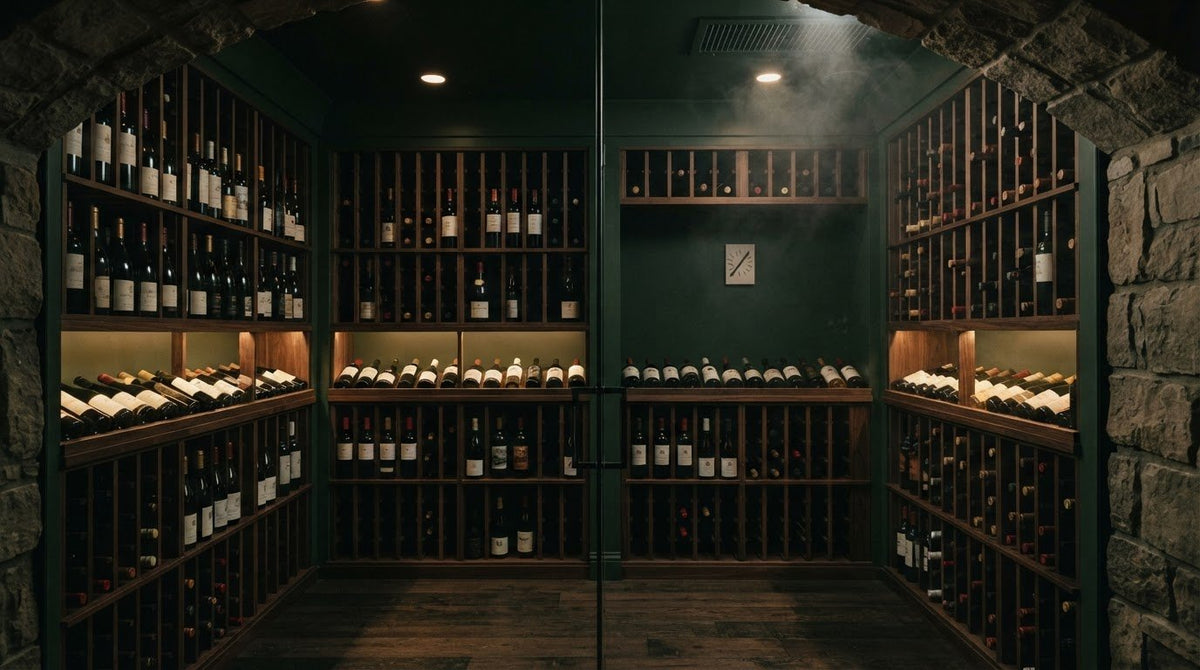
A room air conditioner can keep a space comfortable and still be the wrong tool for wine. Understanding why standard air conditioning ruins wine aging starts with its design: it cools a room quickly, rather than holding a cellar at a steady 55°F while protecting humidity. The result can be temperature swings and dry conditions that interfere with slow, stable maturation.
It’s reasonable to assume that a cool room is enough. But wine responds to both the temperature it reaches and how consistently it stays there; humidity matters too, particularly for cork-sealed bottles. Heat can affect wine, while prolonged warmth may cause it to develop too quickly.
This guide explains how much temperature fluctuation wine storage can tolerate, why conventional air conditioning may fall short, and which conditions support steady aging. Learn why consistency matters more than chasing an exact reading, how temperature and humidity affect wine, and when a dedicated wine cooling system is better suited to a cellar than standard home air conditioning.
Key Takeaways
- Aim for a stable storage environment rather than repeatedly adjusting the thermostat to chase a target reading.
- Temperature-driven chemical reactions speed up as wine warms, so prolonged warmth can accelerate aging and alter flavor.
- Consider humidity alongside temperature: overly dry air can affect corks, while excessive moisture can damage labels and encourage mold.
- Standard room air conditioning is built for occupant comfort, not the combined temperature and humidity needs of a wine cellar.
How much temperature fluctuation is acceptable for wine storage?
Wine benefits from a cool, consistent environment rather than repeated temperature swings. Aim for stable conditions that also help protect corks from drying out.
Recommended Storage Temperature and Humidity
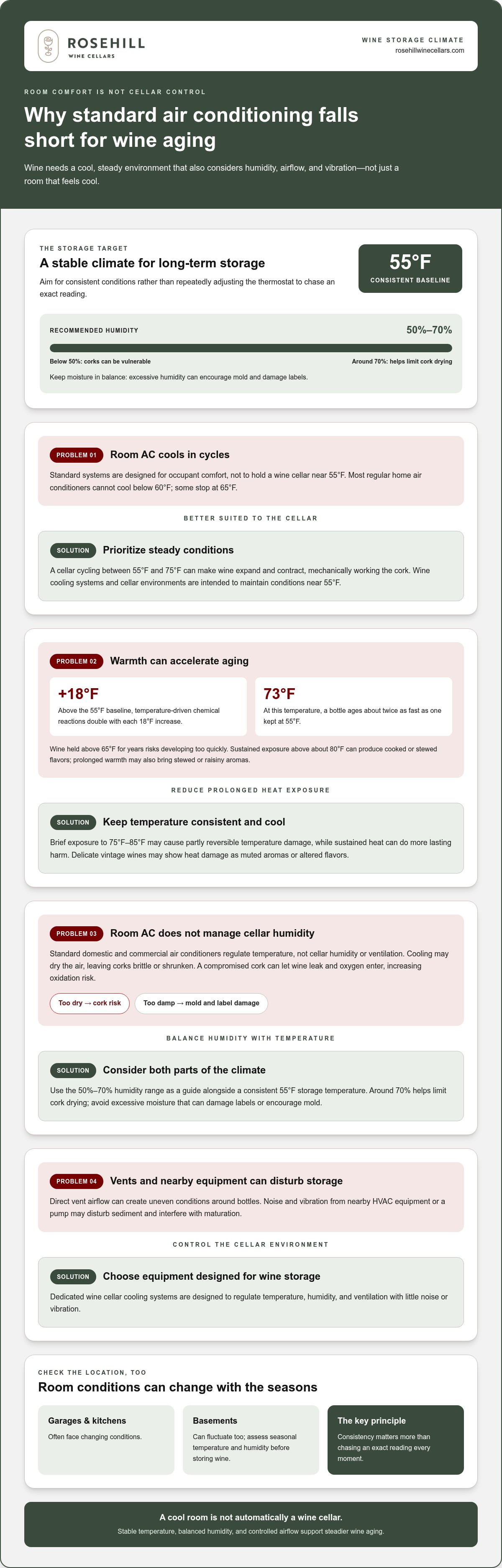
A consistent 55°F and humidity between 50% and 70% support long-term wine storage. Around 70% humidity helps limit cork drying, while levels below 50% can leave corks vulnerable. A dry cork can shrink and admit oxygen, increasing oxidation risk. Keep humidity in balance: excessive moisture can encourage mold and damage labels.
Temperature Reactions and Premature Aging
Heat accelerates the chemical reactions that develop wine, so higher storage temperatures can rush its aging. Above the 55°F baseline, these reactions double with each 18°F increase. Wine held above 65°F for years risks developing too quickly; sustained heat can also produce stewed or raisiny aromas. Delicate vintage wines may show heat damage through muted aromas or altered flavors.
Cooling Accuracy and Temperature Stability
Temperature stability matters more than hitting an exact reading every moment. A cellar cycling between 55°F and 75°F can make wine expand and contract, mechanically working the cork. Direct vent airflow can create uneven conditions around bottles, while vibration from nearby HVAC equipment may disturb sediment. Garages and kitchens often face changing conditions; basements can also fluctuate, so assess their seasonal temperature and humidity before storing wine there.
Wine Coolers and Cellars Compared with Central AC
Wine coolers and cellar environments are intended to maintain wine-storage conditions near 55°F; central AC is designed for room comfort. Most regular home air conditioners cannot cool below 60°F, and standard systems don’t control cellar humidity or ventilation. That difference matters for storing wine: a cool-feeling room may still be too warm or dry for steady aging. A cellar held near 40°F, by contrast, can slow wine development substantially.
Why standard air conditioners are unsuitable for wine aging
Standard air conditioning can affect wine over time, though it won’t spoil every bottle immediately. Its rapid cooling cycles and limited humidity control make stable cellar conditions difficult to maintain. Brief exposure to 75°F to 85°F may cause partly reversible temperature damage; sustained heat can do more lasting harm.
A central system is designed to cool living spaces, not hold a wine cellar near 55°F. Most regular home air conditioners can’t cool below 60°F, and some systems stop at 65°F. At 73°F, a bottle ages about twice as fast as one kept at 55°F. Sustained exposure above about 80°F can produce cooked, stewed flavors.
Humidity is another limitation. Standard domestic and commercial air conditioners regulate temperature, but not cellar humidity or ventilation. Cooling may dry the air, causing corks to become brittle or shrink. A compromised cork can let wine leak and oxygen enter, leading to oxidation and sour flavors. Excess humidity can cause other problems, including mold and damaged labels.
Airflow and vibration matter, too. A vent directed at stored bottles can create uneven local conditions, while some conventional units transmit noise and vibration. Movement may disturb sediment and interfere with maturation. For example, a rack beside an HVAC unit or pump is exposed to avoidable vibration.
The clear takeaway: standard AC may cool a room, but it isn’t designed to maintain the controlled climate a wine cellar needs. Dedicated wine cellar cooling systems are designed to regulate temperature, humidity, and ventilation with little noise or vibration. That distinction matters most for bottles intended to age, rather than wines kept briefly before serving.
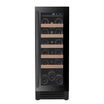
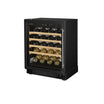
Rosehill Wine Cellars: Vantaggio V300 Wine Cabinet
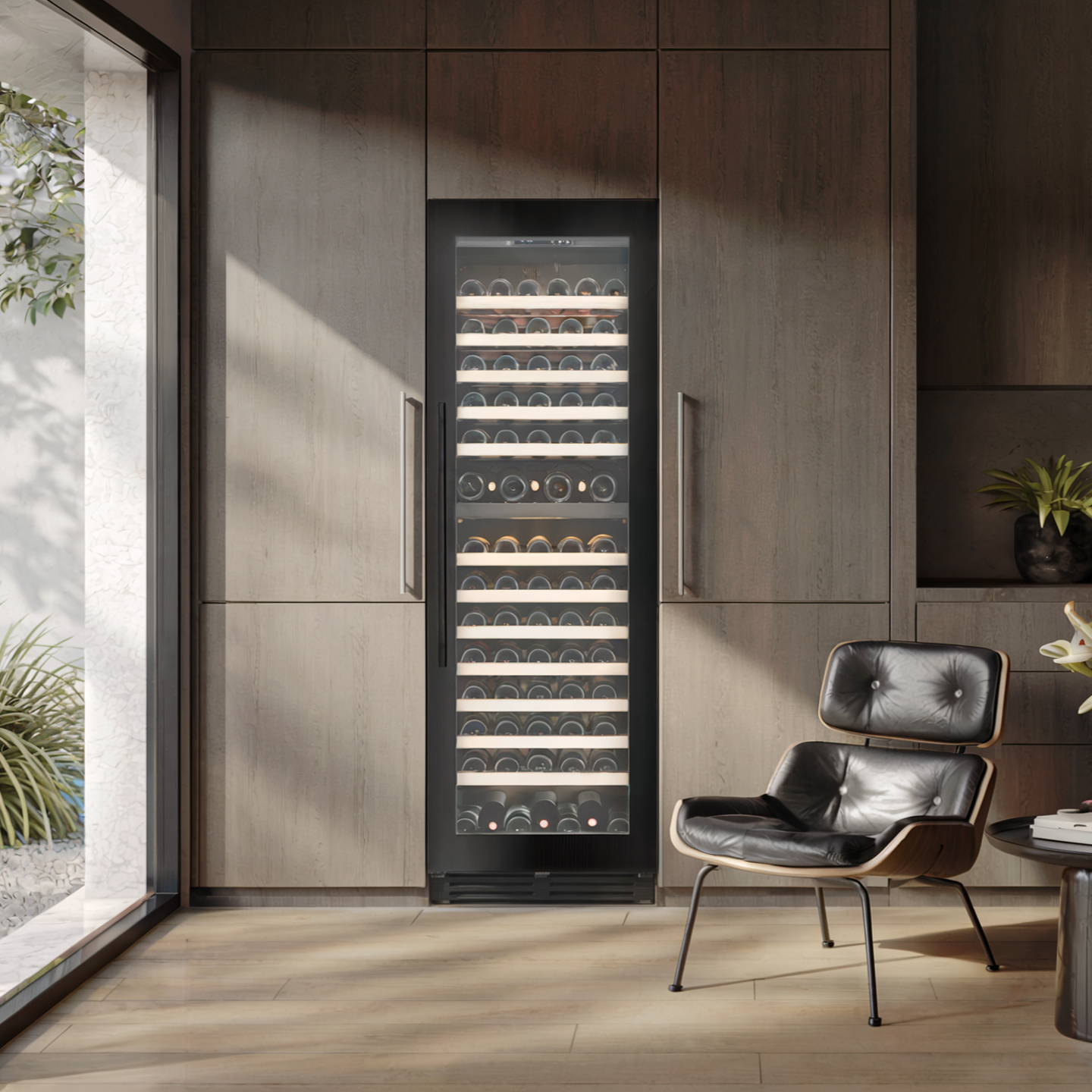
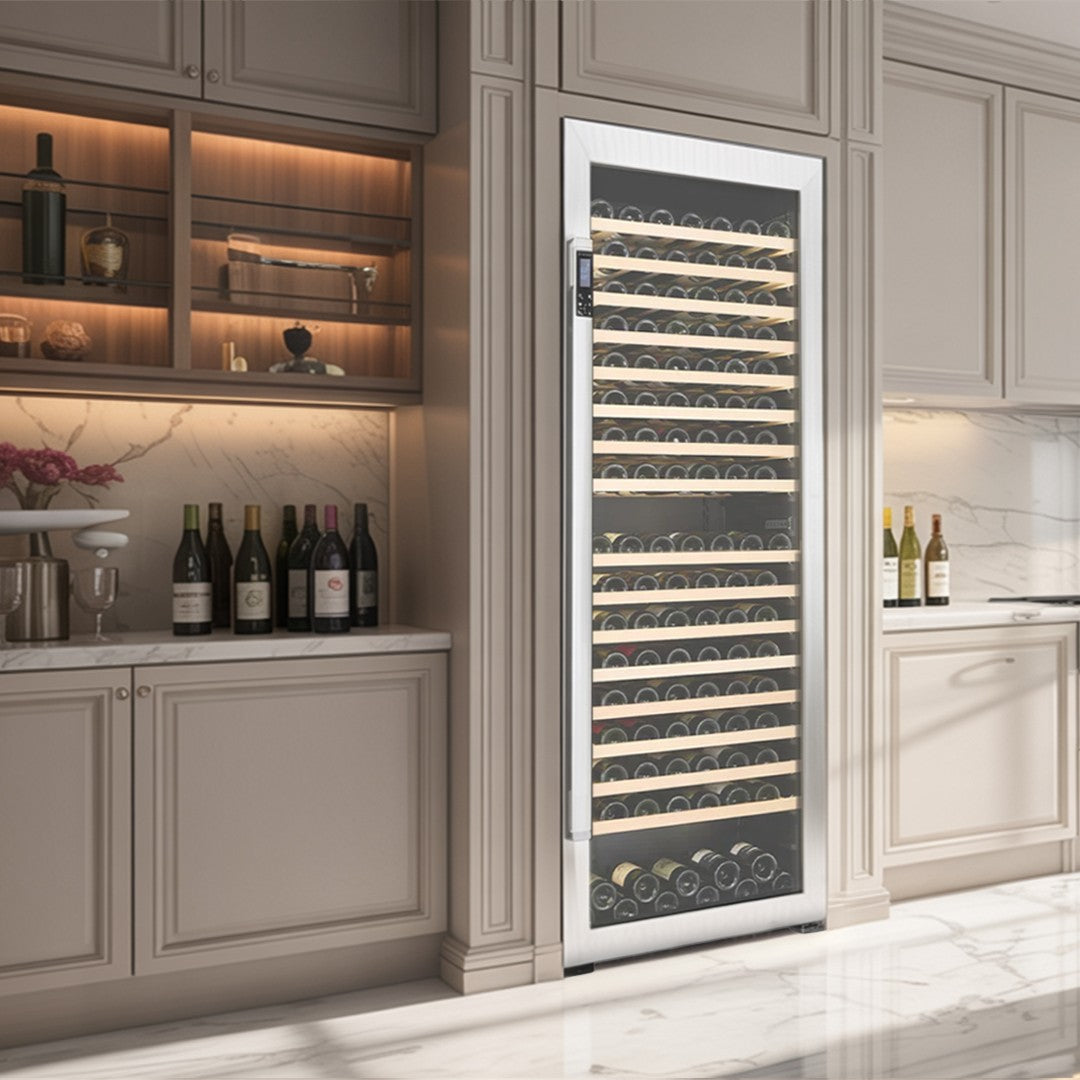
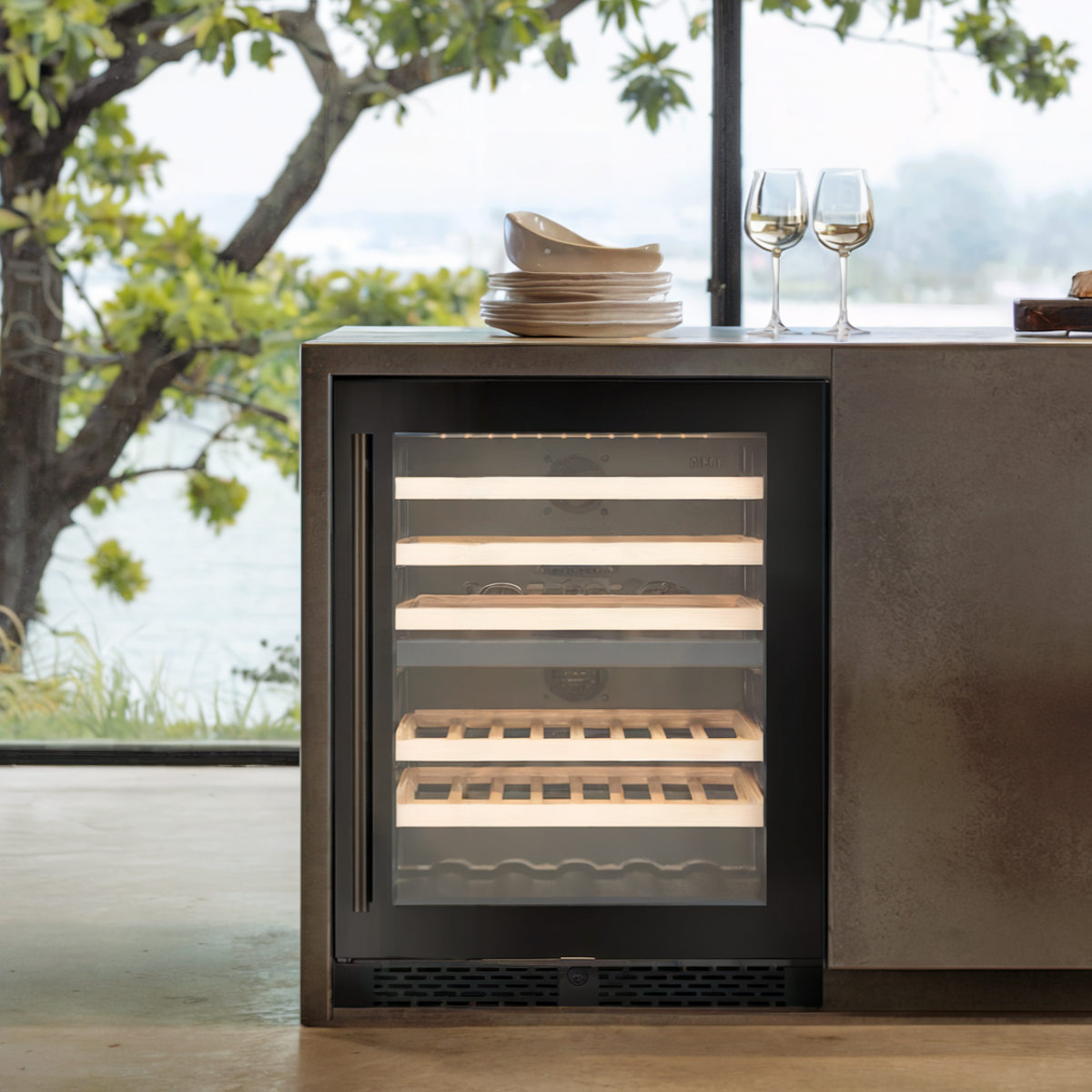
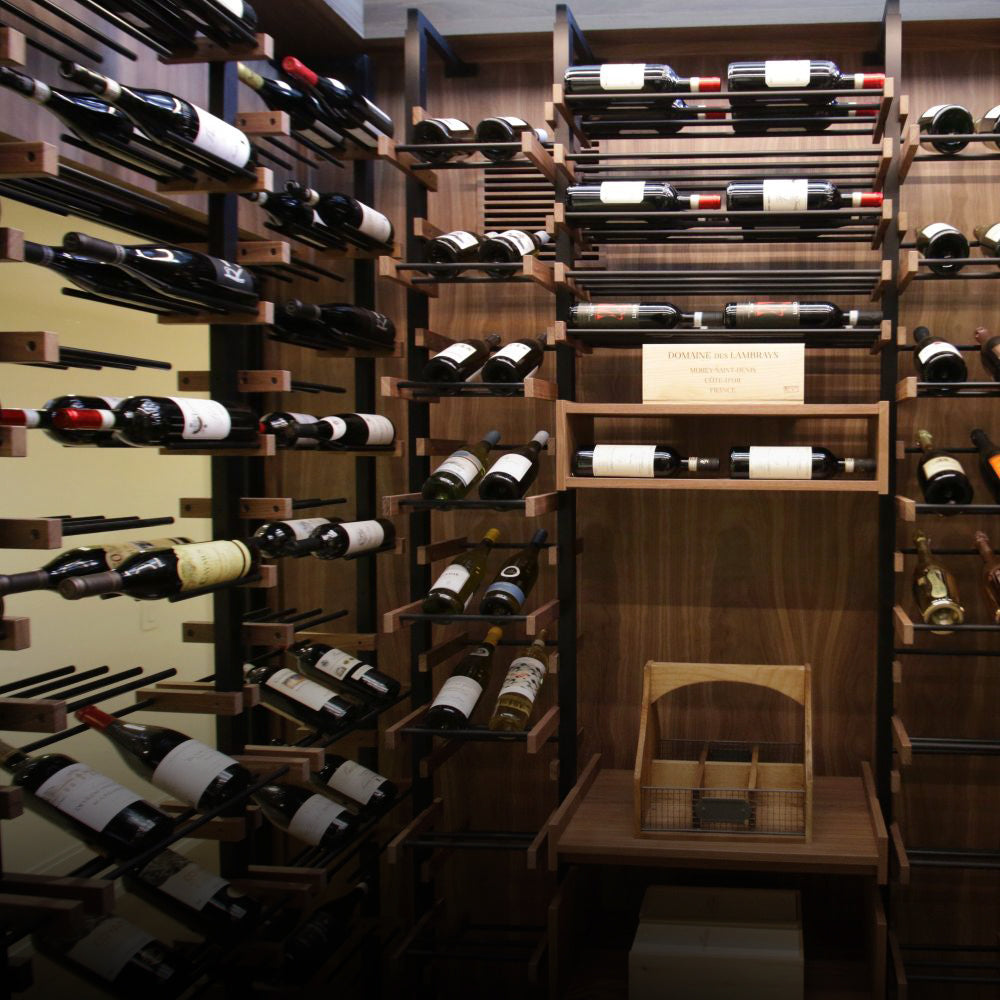
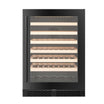
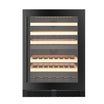
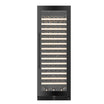
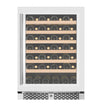
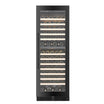
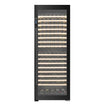
Rosehill Wine Cellars offers the Vantaggio V300 Wine Cabinet as a dedicated wine-storage option when a room cooled by standard AC can’t provide the setting your collection needs. For a cellar project, Wine Cooling Units and Custom Wine Cellar Design offer other routes to a more considered storage environment.
The right choice depends on your space, collection, and storage goals. Explore the Vantaggio V300 Wine Cabinet or consider whether a custom cellar better suits your plans.
Contact Rosehill Wine Cellars or visit Rosehill Wine Cellars online to discuss your wine-storage plans.
Give Your Collection a Purpose-Built Home
Understanding how standard air conditioning may affect wine storage can help you decide where your collection belongs. Look beyond the room’s thermostat: consider how much space you can dedicate, how your collection may grow, and whether a cabinet or cellar better suits your home. This helps match storage to your long-term plans instead of adapting your collection to a room designed for everyday comfort. Also consider how you want bottles organized and how the storage area should fit into your home.
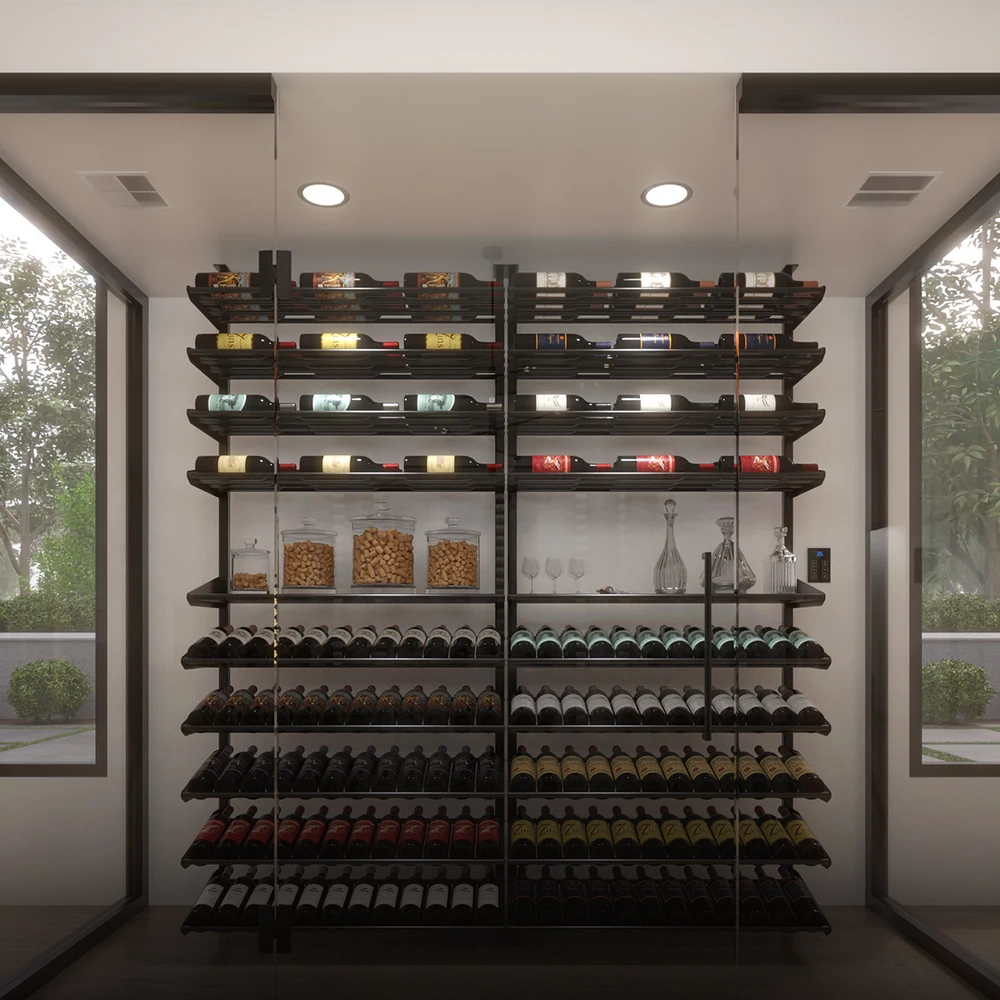
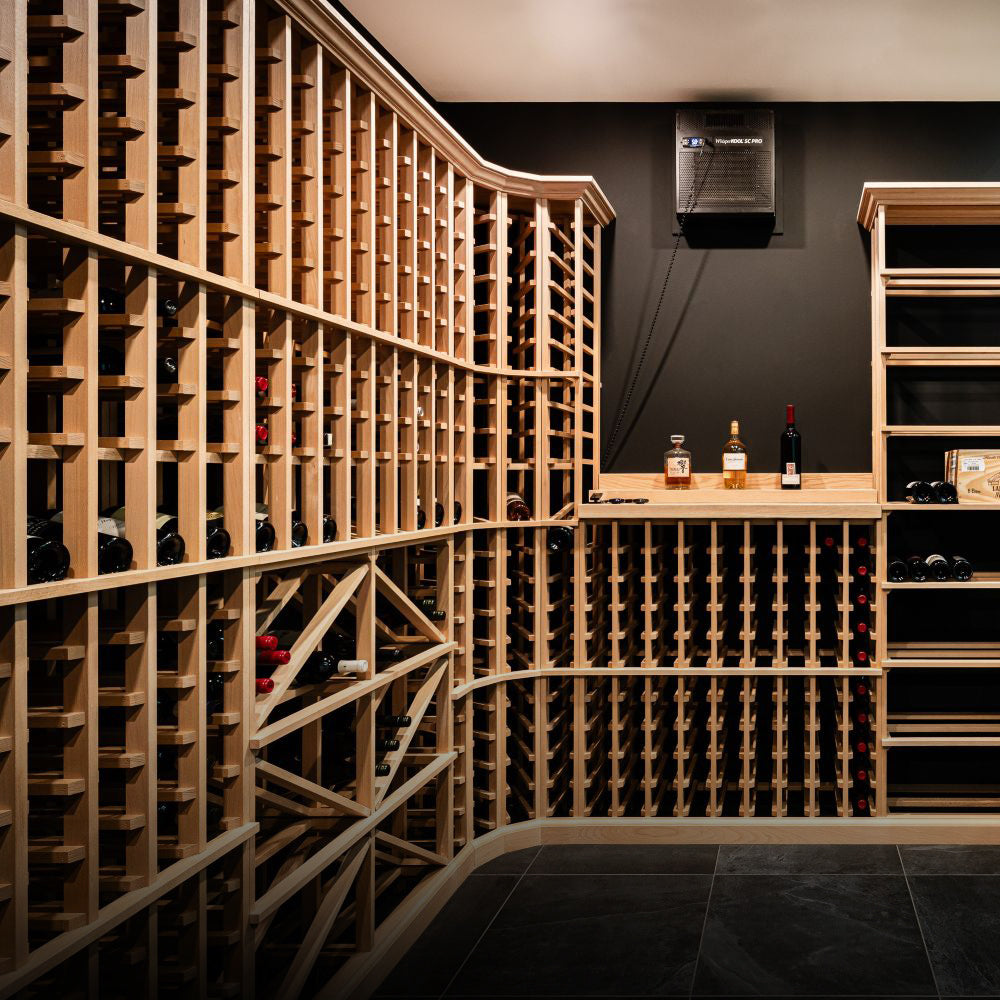
Rosehill Wine Cellars offers the Vantaggio V300 Wine Cabinet, alongside Premier Cru Classic Racking and Premier Cru Modern Racking. These options provide different approaches to organizing a collection, whether you are refining an existing space or planning a more intentional wine-storage setting.
For guidance on a cellar direction that fits your home and collection, contact Rosehill Wine Cellars about your cellar. A thoughtful plan can make the space feel as intentional as the collection.
Frequently Asked Questions
Can you use air conditioning in your wine cellar?
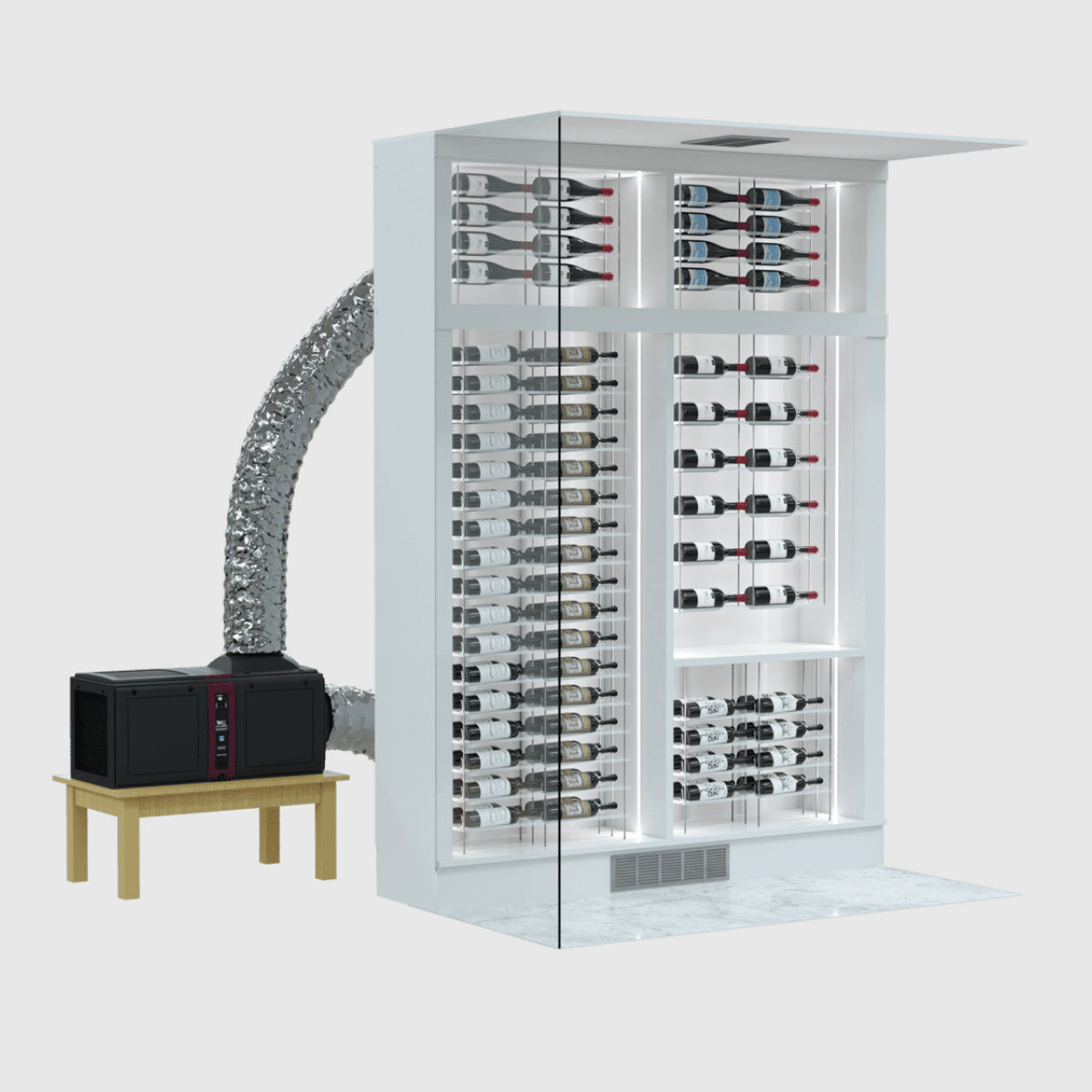
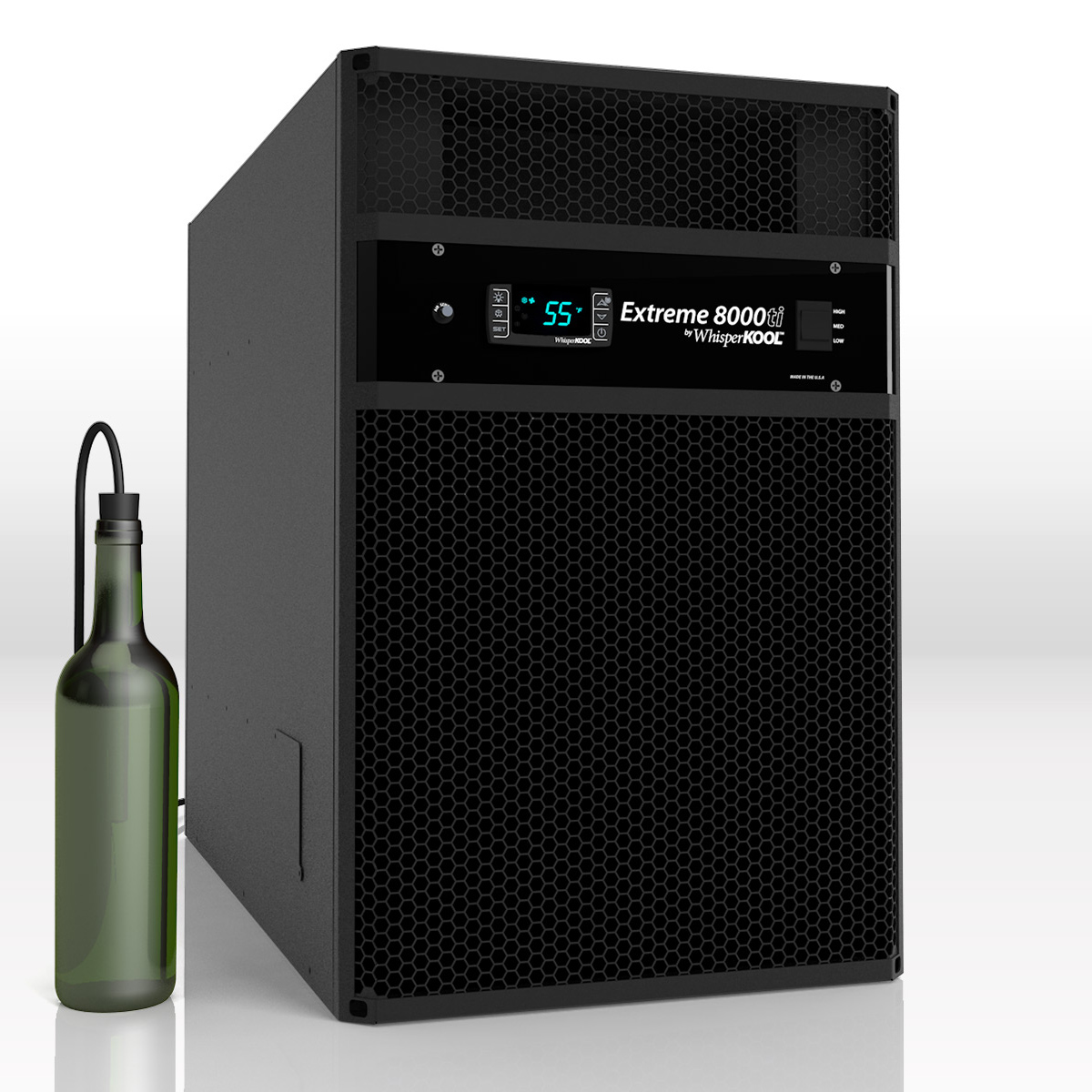
Yes, but use equipment designed for wine storage rather than relying on central AC alone. A dedicated wine cooling system can be selected for the cellar’s size and bottle load; a split configuration pairs an outdoor unit with an indoor unit. Standard AC may cool adjoining living areas, but it shouldn’t serve as the cellar’s climate-control system for bottles intended to age. That distinction helps explain why standard air conditioning ruins wine aging.
At What Temperature Does Wine Start to Be Damaged?
Wine damage depends on both temperature and exposure time, not a single universal cutoff. Wine kept above 65°F for many years risks developing too quickly, while temperatures above 77°F for long periods can spoil or cook wine. Brief exposure to heat can affect wine, and both the peak temperature and duration matter.
How Do You Keep Wine From Ever Reaching Those Temperatures?
To keep bottles away from damaging heat year-round, choose a storage location insulated from daily household activity and seasonal extremes. Size cellar cooling for the peak temperature the space will face, and account for the storage area and bottle count. A parked car can exceed 120°F inside within an hour on a hot day, so never leave wine there.
Oxygen, Friend or Foe?
Oxygen plays a role in wine’s development, but excessive exposure is a risk. Limited oxygen contact can contribute earthy or nutty notes; too much oxidation may make wine sharply acidic or vinegary and change its color. For cork-sealed bottles, horizontal storage helps keep the cork moist, reducing one route for unwanted oxygen entry.
What Does Heat Do to Wine, and How Can You Tell?
Heat-damaged wine may taste cooked, stewed, or raisiny, with aromas that seem less fresh than expected for its style. Inspect the bottle as well: a pushed-out cork or leakage can signal heat-related expansion and pressure. A color change or an unusually acidic, vinegary taste may point to oxidation, although appearance alone cannot establish the bottle’s full condition.