






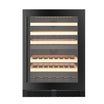
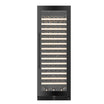
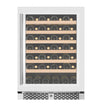
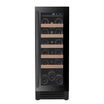
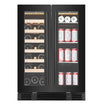
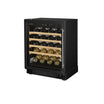
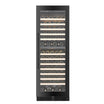
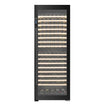
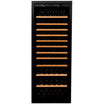
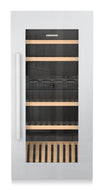









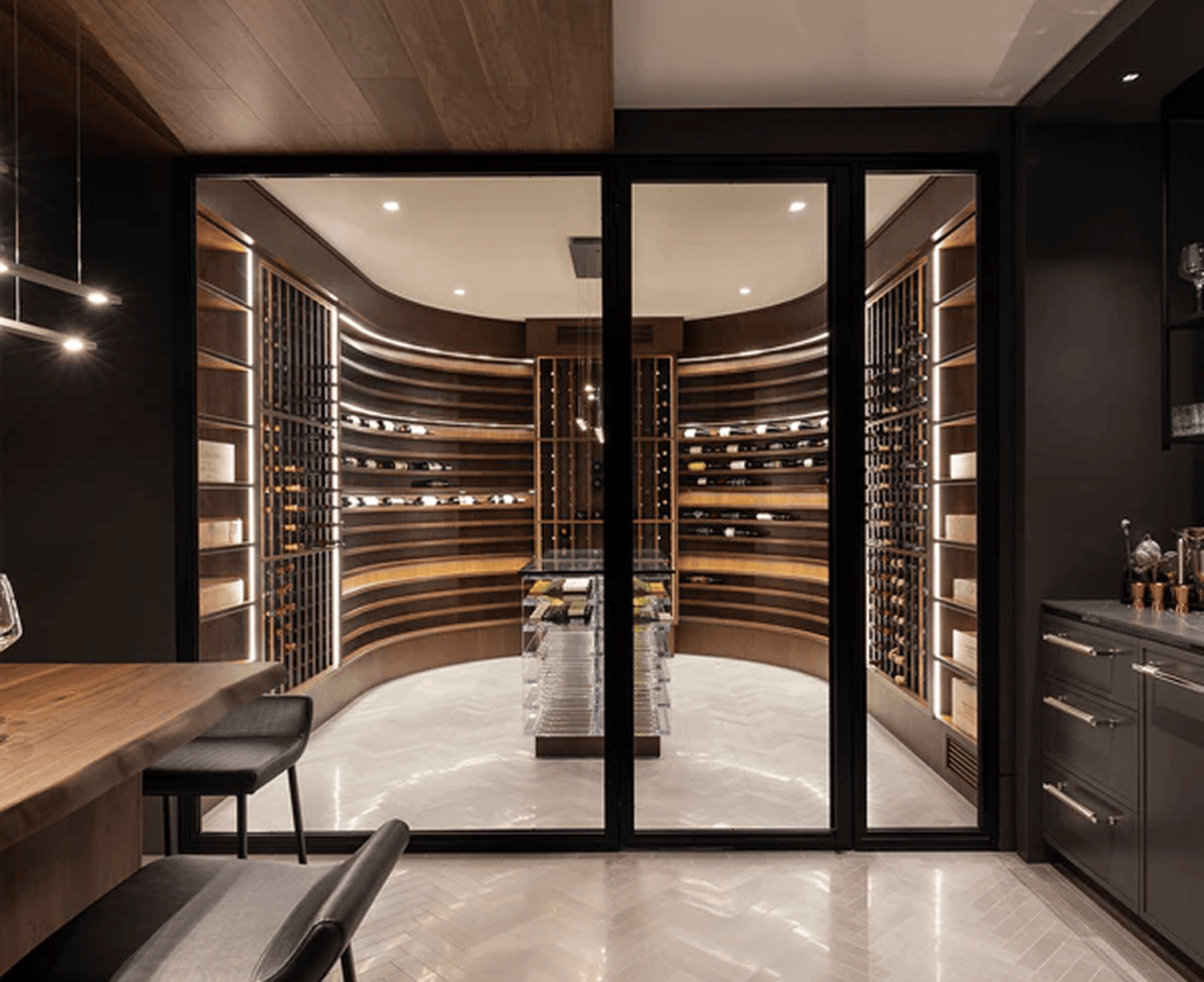
Of all the options available to a serious collector, few generate the same immediate response as a glass wine cellar. The transparency is the thing: bottles on display, visible from the kitchen, the dining room, the hallway, elevated from storage to spectacle. Guests notice. The conversation starts before the first glass is poured.
But a glass cellar is not simply a cellar with a different door. The engineering changes substantially. The design considerations multiply. And the decisions made before a single panel is ordered will determine whether the final result is a genuinely functional long-term storage environment or a beautiful room that quietly underserves the collection inside it.
This guide covers what makes glass cellars work, where they perform best, what they require to be built correctly, and how to approach the decision with clear eyes.
Why Glass Cellars Have Become the Feature Standard in Luxury Homes
The shift toward glass enclosures in residential wine storage has been gradual but unmistakable. A generation ago, the standard aspiration was a traditional cellar: stone or brick, dark, vaulted, bottles in redwood or pine. That cellar communicated seriousness. Today, collectors increasingly want both: the serious storage performance of a purpose-built cellar and the visual drama of a space that can be seen and appreciated from outside it.
Glass delivers both when the build is done correctly. The appeal is not just aesthetic. A glass-enclosed cellar creates a focal point in a home that traditional builds cannot. Positioned off a dining room, visible through a kitchen island, or integrated into an open living concept, it anchors the room. The collection becomes part of the interior architecture, not something sequestered in a basement or behind a solid door.
In markets where luxury buyers have specific expectations, a well-executed glass cellar functions as a genuine differentiator. Our article on whether a wine cellar adds value to a home covers this in detail: among the factors that move buyers at higher price points, visual impact through glass walls or feature racking ranks consistently near the top.
Florida collectors have been among the earliest and most enthusiastic adopters of the format. In markets like Naples, where homes are designed around indoor-outdoor flow, abundant natural light, and open entertaining spaces, a glass cellar integrates naturally into the architecture. It is a feature that reads as intentional rather than added on, and in the luxury segment, that distinction matters considerably.
Framed vs. Frameless: The First Design Decision
Glass wine cellars divide into two broad categories, and the distinction shapes everything that follows: framed and frameless.
A framed glass cellar uses metal or wood structural elements to support the glass panels. The framing is visible, and the aesthetic depends on how that framing is detailed: slim powder-coated steel reads modern and industrial; heavier wood framing with glass infill feels transitional or traditional. Framed builds are generally more accessible from a construction standpoint, more forgiving of imperfect openings, and offer more flexibility in how the glass is arranged around solid wall sections.
A frameless glass cellar uses structural glass as the primary enclosure material, with minimal visible hardware. The result is closer to pure transparency: the bottles, the racking, and the lighting become the visual experience without any framing interrupting the sightlines. Frameless builds require thicker, stronger glass, more precise installation tolerances, and more demanding engineering, but the visual payoff is significant. In a contemporary open-plan interior, a frameless glass cellar is effectively invisible as a structure: you see only what is inside it.
The choice depends on the architectural context of the home, the design intent, and the budget. Both can be executed to a high standard. Neither is universally preferable. What matters is that the design decision is made with the surrounding space in mind, not in isolation.
The Glass Itself: What Separates Performance from Problems
Not all glass is appropriate for wine cellar enclosures, and the wrong specification creates performance problems that no cooling system can compensate for.
Thermopane glass, also known as insulated or double-pane glass, is the standard for climate-controlled wine cellar applications. It consists of two glass panes separated by a sealed air or gas-filled cavity. That cavity provides thermal resistance: it slows the transfer of heat and cold between the interior of the cellar and the ambient environment outside. Single-pane glass, regardless of its thickness, cannot replicate this performance. A cellar enclosed in single-pane glass will require a significantly larger, harder-working cooling system to maintain target temperatures, and condensation on the glass surface will be a recurring problem in any climate where ambient humidity is meaningful.
UV-protective coatings matter for the same reason they matter in any serious wine storage application: ultraviolet light degrades wine over time, accelerating the breakdown of organic compounds in ways that affect colour, aroma, and flavour. A glass cellar positioned where natural light reaches the bottles needs UV-protective glass as a baseline specification, not an upgrade.
In Florida and other high-humidity coastal environments, the performance demands on glass increase further. Humidity differentials between a cooled cellar interior and a warm, moist exterior create condensation pressure on seals and framing. Properly specified glass with appropriate edge sealing handles this well; under-specified glass does not.

Climate Control in a Glass Cellar: Where the Engineering Gets Serious
The thermal properties of glass are fundamentally different from those of insulated stud walls. This is the most important technical distinction in glass cellar design, and it shapes the entire cooling system specification.
A traditional wine cellar with properly insulated walls, vapour barrier, and insulated door achieves a high level of thermal resistance. Glass, even thermopane glass, has substantially lower thermal resistance than a well-built insulated wall assembly. In practical terms, this means the cooling system in a glass cellar works harder than it would in a comparable solid-wall build. It also means that the sizing calculation, which determines which cooling unit is appropriate for the space, needs to account for glass area as a variable, not just cubic footage.
Undersizing the cooling system in a glass cellar is a common and costly error. A unit that is too small for the thermal load will run continuously, struggle to hold target temperatures during warm periods, and fail well ahead of its service life. The solution is correct sizing from the start, informed by the specific glass specification, the cellar's cubic footage, the ambient conditions of the surrounding space, and the climate the home is in.
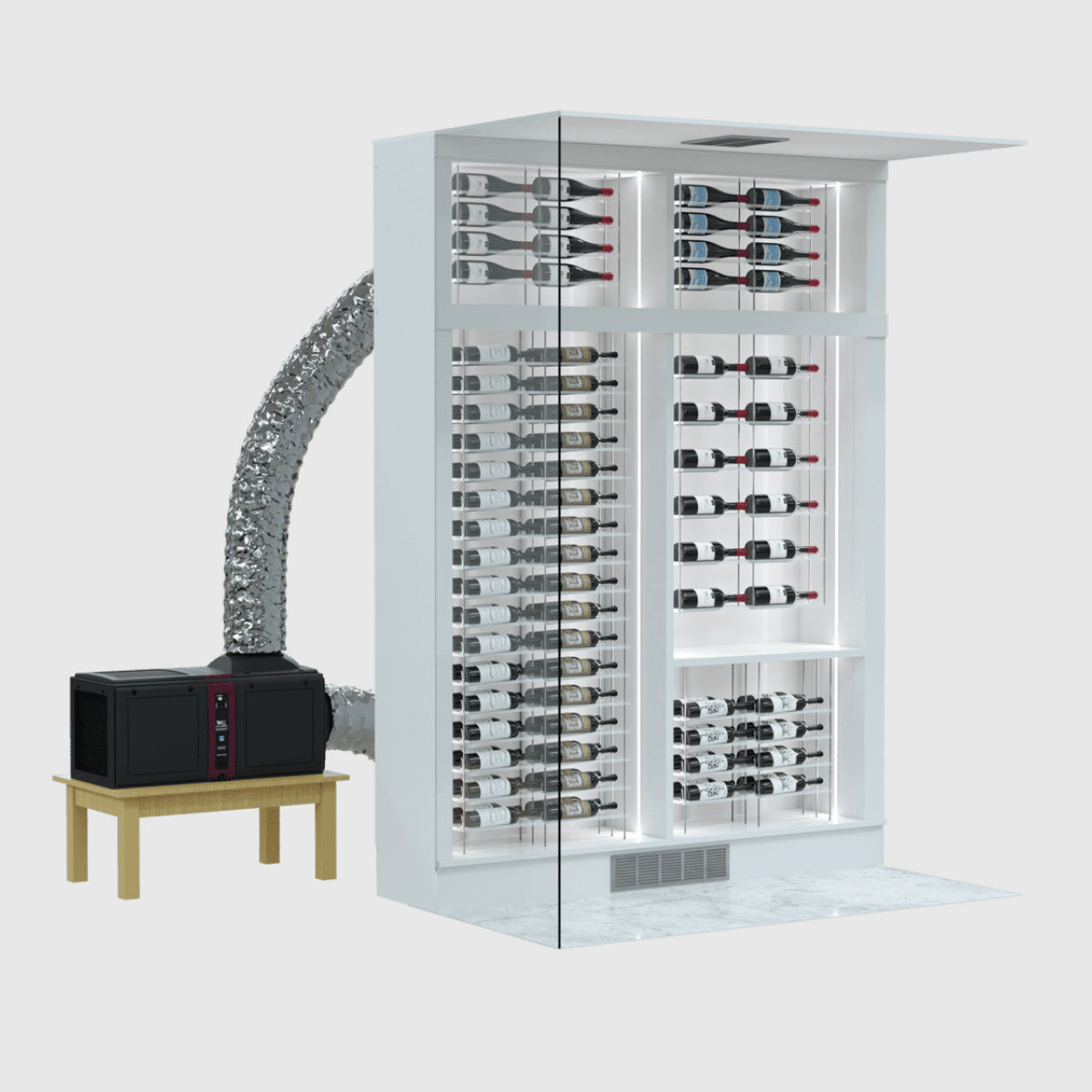
For cellars in warm climates, professional-grade systems from brands like WhisperKOOL, CellarPro, and Wine Guardian are the appropriate reference points. Split systems are particularly well suited to glass cellar applications: they place the noisier condenser components away from the cellar itself, allowing the evaporator inside the space to run quietly, and they free the cellar interior from the visual presence of a through-wall unit. For those building in Florida, our piece on what summer heat does to wine cooling systems covers the maintenance and performance considerations in detail.
Browse Rosehill's full range of wine cellar cooling systems to understand the options across through-wall, ducted, and split configurations.
Where Glass Cellars Work Best: Placement and Context
The success of a glass wine cellar depends significantly on where it is placed and how it relates to the architecture around it. A few locations consistently produce the strongest results.
Dining room adjacency. A glass cellar visible from the dining table is one of the most natural placements architecturally and practically. The collection is on display throughout a meal. Access to the cellar during service is immediate. The visual relationship between the wine and the table reinforces the dining experience in a way that a remote storage room cannot.
Kitchen integration. Open-plan kitchens with island seating have become a standard configuration in luxury residential design. A glass cellar positioned as part of the kitchen envelope, whether at the end of a run of cabinetry or as a defined room adjacent to the kitchen, reads as a natural extension of the entertaining space. The collection is visible to guests from the moment they enter the room.
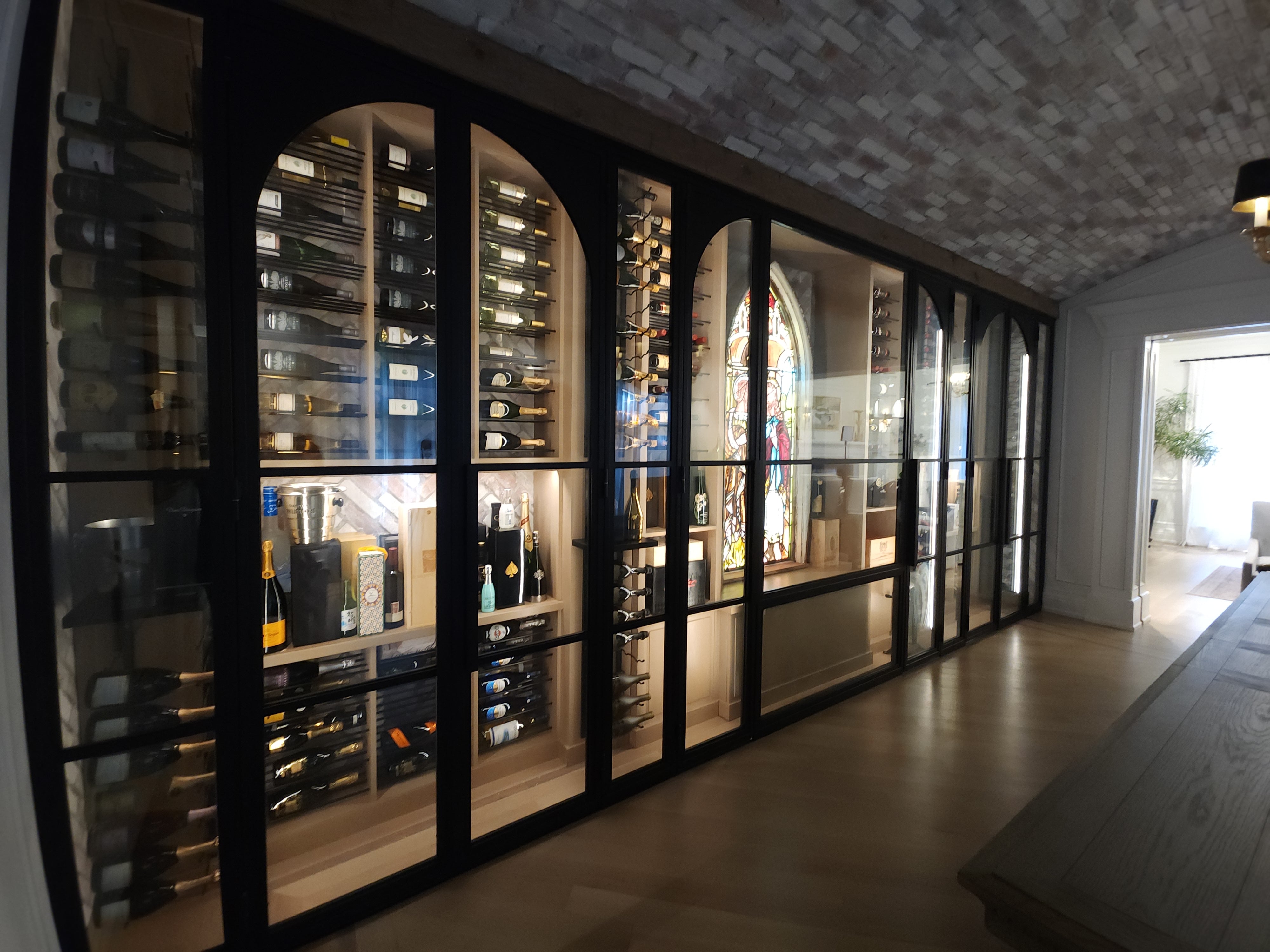
Hallway or transitional space. Some of the most striking glass cellar installations are in hallways or transitional spaces between rooms. In this placement, the cellar anchors a circulation route that might otherwise be purely functional, turning a pass-through into an experience.
Under-stair applications. The space beneath a staircase has long been used for wine storage, and glass enclosure transforms it from utilitarian to architectural. A frameless glass enclosure around an under-stair cellar makes the most of a volume that most homes leave underused.
What all effective placements share is sightlines: the cellar should be visible from where people spend time and gather. A glass cellar tucked away where it cannot be seen from living or entertaining areas is a missed opportunity.
Racking Inside a Glass Cellar: Function as the Visible Element
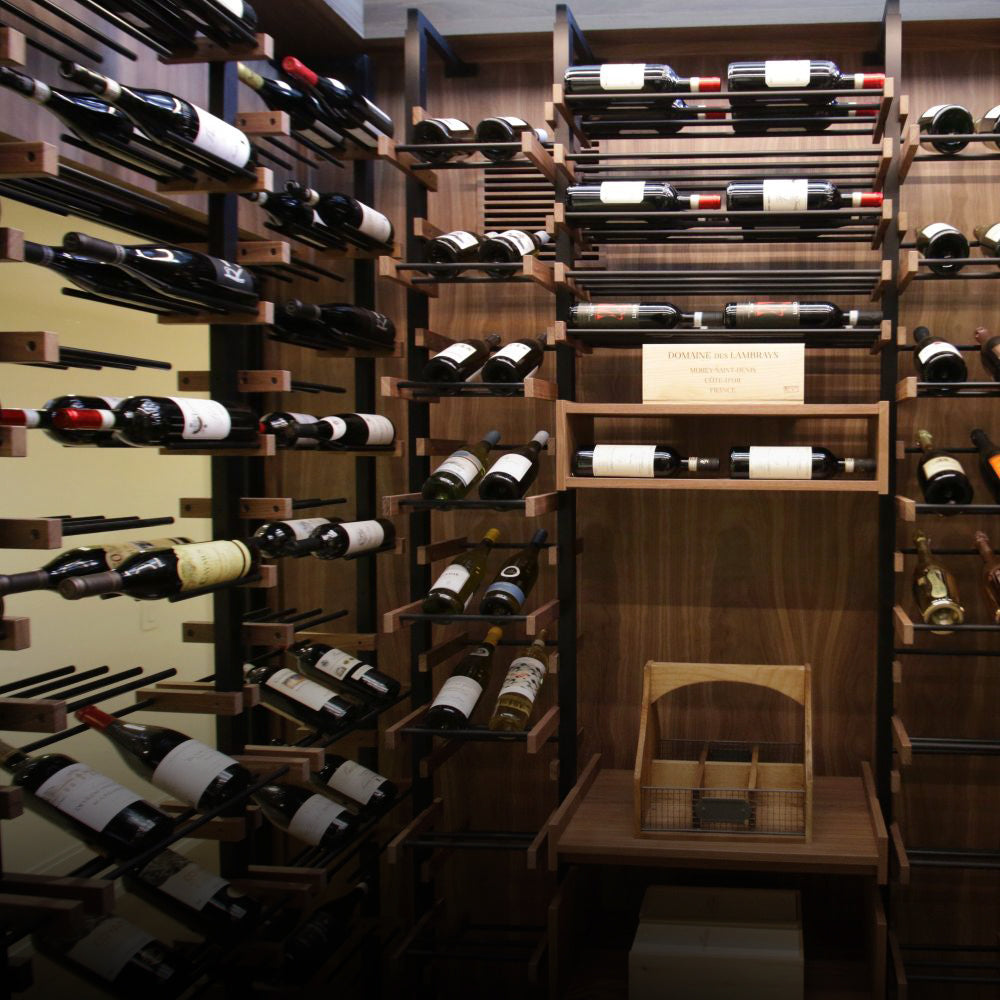
In a glass cellar, the racking is not a background detail. It is the primary visual content of the enclosure, and it deserves the same attention as the glass specification and the cooling system.
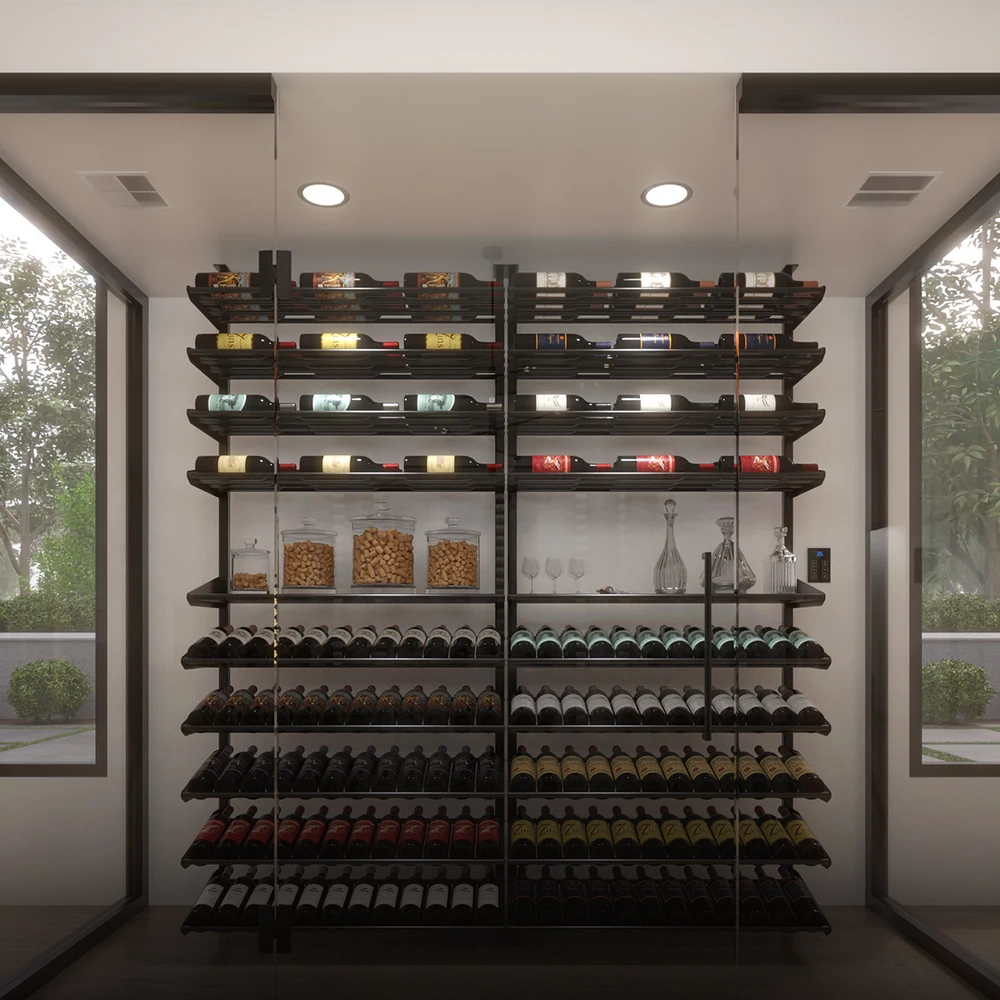
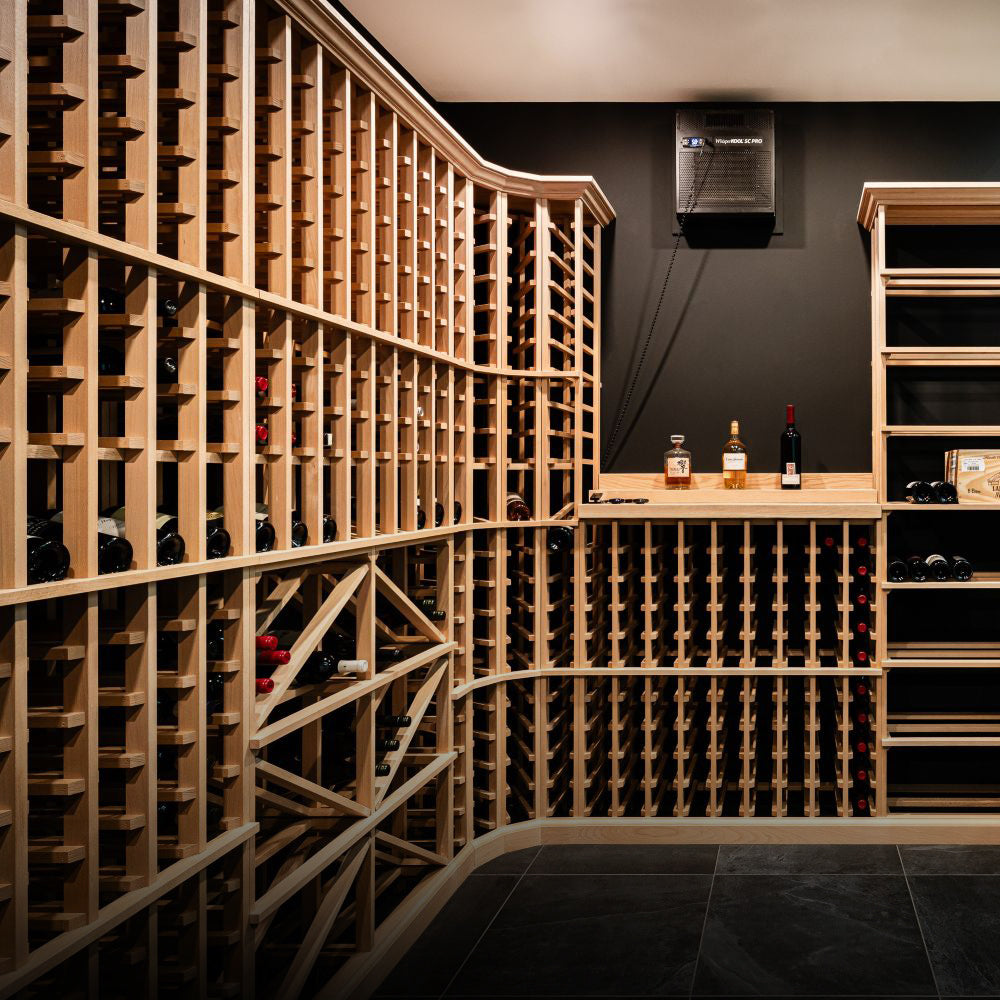
Several racking configurations work particularly well in glass cellar contexts. Label-forward metal racking, which presents the label face-out rather than the bottle base, creates a gallery effect that rewards the transparency of the glass enclosure. Contemporary metal systems with clean geometry read well in frameless glass builds, particularly in modern interiors. Traditional wood racking can work beautifully in framed glass cellars where the warmth of the wood is part of the design language, especially in homes with timber elements, warm stone, or transitional material palettes.
Whatever the configuration, the racking should be considered from the earliest design stage, not specified after the glass is ordered. The visual composition of the cellar, the bottle count it can achieve, and the way it interacts with the lighting all depend on how the racking is positioned within the space. For a deeper look at what separates good racking decisions from poor ones, our complete wine rack buying guide covers material, configuration, and capacity planning in detail.
Lighting: The Variable Most Often Underestimated
A glass wine cellar without thoughtful lighting is a missed opportunity. Lighting transforms the visual effect of the enclosure dramatically, particularly in the evening, when the ambient light around the cellar drops and the illuminated interior becomes a glowing focal point.
LED strip lighting along racking edges and shelf undersides is the most common approach, producing consistent even illumination across the bottle mass. Recessed puck lighting directed at specific racking sections or feature walls creates depth and visual interest. Both approaches should use low-heat, low-UV LED sources: heat inside the cellar works against the cooling system, and UV exposure, even from interior lighting at low levels over time, is worth minimizing.
Lighting control is also worth specifying properly. A dimmer-controlled system allows the cellar to be lit differently for different contexts: brighter for browsing and access, lower and more atmospheric for entertaining. The flexibility adds relatively little cost at installation time and considerably more usefulness over the life of the cellar.

What the Build Process Actually Involves
A glass wine cellar is a more complex build than a traditional solid-wall cellar, and understanding the process helps set appropriate expectations around both timeline and cost.
The sequence begins with design: establishing the footprint, the glass specification, the framing approach (if any), the cooling system type, and the racking configuration. At Rosehill, this stage involves a design consultation, 3D renderings, and detailed technical drawings that account for glass cutting tolerances, cooling system integration, and the specific dimensions of the installation space. The renderings allow the visual result to be evaluated and refined before anything is ordered or fabricated.
Glass cutting and panel fabrication follow design approval. The panels are manufactured to the exact specifications of the design, including thickness, glass type, and any coatings. Millwork for framing elements, if applicable, is produced in parallel.
Installation involves framing, glass panel placement and sealing, racking installation, cooling system integration, and lighting. The cooling system is calibrated after installation to confirm it is holding target temperature and humidity across the cellar volume. A follow-up after the cellar has been in operation is standard practice: thermal performance across seasons can reveal adjustments worth making, and a team that stands behind the build will be available to make them.
From a timeline standpoint, a glass cellar build typically takes longer than a standard cellar of equivalent size, primarily because of the glass fabrication and the precision required at installation. The investment is also higher: thermopane glass, UV coatings, and the hardware required for frameless or high-quality framed installations carry meaningful cost. For collectors who want to understand the full investment picture, our guide to wine cellar value and return covers how to think about the cost relative to the home and the collection.
A Few Questions Worth Settling Before You Start
Before a design consultation, it helps to have clear answers to a few key questions:
Where will the cellar live? The placement determines the architectural relationship to the rest of the home, the ambient temperature conditions the cooling system will face, and whether natural light will reach the interior (which affects the glass specification).
What is the intended bottle count? A realistic target for current collection size and the collection you are building toward affects the footprint and racking configuration. A cellar designed for 300 bottles that needs to hold 600 in five years is a problem that is expensive to solve later.
Framed or frameless? The answer is partly aesthetic and partly driven by the surrounding architecture. Both can be executed to an exceptional standard. The decision is worth making early, because it affects the structural approach and the glass specification.
What is the cooling strategy? In a glass cellar, this conversation happens at the design stage, not after. The cooling system type, size, and placement all affect how the cellar looks and performs, and the right answer depends on the specific space and climate. Proper wine storage conditions, around 55°F and 60% relative humidity, require a system that is sized correctly for a glass-enclosed environment, not just calibrated for standard wall assemblies.
For a solid grounding in why these conditions matter for long-term collection care, our guide on how long wine can be stored and when it is ready to drink covers the storage variables in detail.
Ready to Explore a Glass Wine Cellar?
A glass wine cellar is one of the most visually compelling investments a collector can make in a home, and it is one that performs better over time when it is built correctly from the start. The glass specification, the cooling system, the racking, and the lighting are not independent decisions: they work together, and they should be designed together.
Rosehill has been designing and building custom glass wine cellars for over thirty years, across Toronto, Ontario, and now in Naples, Florida. Every project is designed in-house, built in our 25,000 square foot workshop, and installed by our own team.
To start the conversation, visit our residential wine cellars page or contact our team for a design consultation.
Rosehill Wine Cellars