



Wine storage is one of those subjects where the question sounds simple and the answer rarely is. These are questions every collector asks eventually, usually after buying something serious and wondering, with a degree of unease, whether to open it now or wait. A significant portion of what is sold and consumed each year is ready to drink on release, and holding it longer will not improve it. The wines worth cellaring represent a meaningful but distinct category, and even within that group, the range of optimal aging windows varies enormously by grape variety, producer, region, and vintage.
For collectors building a serious cellar, or even a well-organized wine fridge collection, understanding these windows is not academic. It determines how many bottles you actually need to have on hand, what kind of storage you require, and whether your setup is protecting wine that will genuinely reward patience. This guide covers the practical framework: how long different wine styles can be stored, what signs to look for when a bottle approaches its peak, and the conditions that make the difference between wine that develops well and wine that does not develop at all.
Why Most Wine Is Not Made to Age
The winemaking industry produces wine at every price point and for every purpose. Bottles sold for everyday drinking are designed to be approachable immediately. The tannin structure, acidity, and fruit concentration in these wines are calibrated for near-term consumption. Hold them longer than a year or two beyond release and the fruit begins to fade without anything more complex emerging to replace it. What you are left with is a wine that has lost its best qualities without gaining new ones.
Aging potential comes from a specific combination of factors: sufficient tannin, high acidity, concentrated fruit, and a level of structure that softens and integrates over time rather than breaking down. Great Bordeaux, Barolo, Burgundy, and Rioja Reserva have it. Most supermarket reds do not. The distinction matters because collectors sometimes assume that storing any red wine for several years is a neutral act. It is not. For wines without aging potential, time in a cellar is not an investment. It is a missed opportunity to drink something at its best.
Our earlier post on what wines actually improve with cellaring covers the varieties and styles with genuine aging potential in detail. This post takes the next step: once you have identified what is worth storing, how long should you actually store it?
Aging Windows by Wine Style
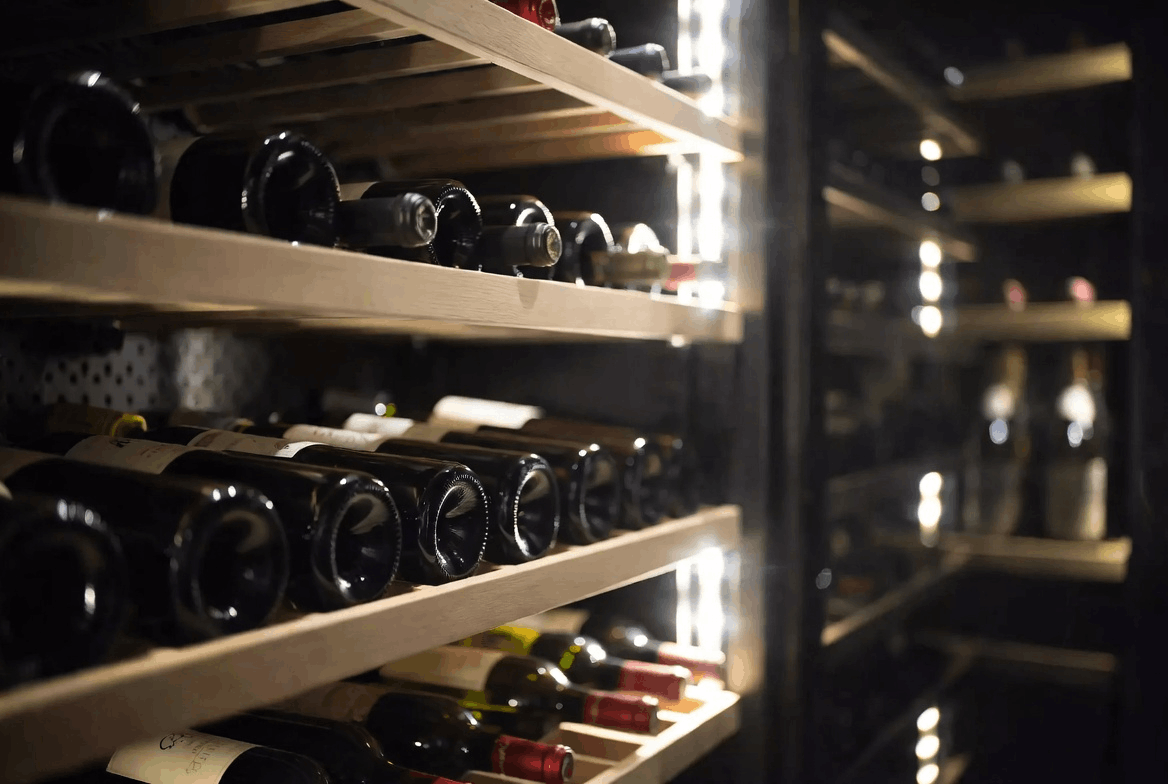
No aging window is a guarantee. Every estimate below assumes proper storage conditions: stable temperature around 55 to 57 degrees Fahrenheit (12 to 14 degrees Celsius), adequate humidity to keep corks from drying out, darkness, and minimal vibration. Deviate significantly from those conditions and the windows compress. Store the same wines well, in a residential wine cellar or purpose-built unit, and the upper end of these ranges becomes genuinely achievable.
Full-Bodied Red Wines
This is where the conversation about aging usually begins. The great reds of Bordeaux, Burgundy, Barolo, Barbaresco, Rioja Gran Reserva, top Napa Cabernet, and serious Northern Rhone Syrah are built for the long term. Entry-level examples from any of these appellations are often approachable within five to eight years of vintage. Premier and Grand Cru Burgundy, classified Bordeaux, and the best Barolo and Barbaresco typically require ten years minimum before they begin to show their best character, and the finest examples from strong vintages can hold and develop for twenty-five to thirty years or more.
For collectors holding these wines, the challenge is patience. Drinking a structured Barolo at four years rarely delivers a satisfying experience. The tannins are aggressive, the fruit remains primary, and the complexity that defines the wine at ten or fifteen years simply has not emerged yet. This is where a cellar becomes a genuine tool: not just storage, but a way of giving wine the time it needs to become what it was made to be.
Medium-Bodied Reds
Wines in this category, including Chianti Classico Riserva, Côtes du Rhône from quality producers, aged-worthy Pinot Noir from Burgundy or Oregon, and structured Tempranillo, occupy a different span. Most are approachable within three to seven years of vintage and rarely benefit from holding beyond twelve to fifteen years. The best examples from elite producers may extend further, but for most mid-range examples in this style, the peak window is relatively compact. Holding past it results in fading fruit and increasing fragility rather than added complexity.
White Wines With Aging Potential
Quality white wine aging is underappreciated. White Burgundy from Côte de Beaune, including Premier and Grand Cru Meursault and Puligny-Montrachet, develops significant richness and textural depth with four to ten years of age. The finest examples from the best vintages can hold beyond fifteen years. Top-end German Riesling Spätlese and Auslese from recognized producers is among the most durable white wine in the world: well-cellared examples can evolve for twenty to thirty years or longer, developing extraordinary aromatic complexity and balancing their residual sweetness against vibrant acidity. Aged white Rioja, older-style white Bordeaux, and quality Chenin Blanc from the Loire also reward patience in the right circumstances.
The key distinction for whites is that the conditions required for long aging are even more exacting than for reds. Temperature consistency matters enormously. Premature oxidation, a common failure mode in fine white Burgundy in particular, is accelerated by any storage instability. Proper humidity to maintain cork integrity is non-negotiable. For whites with genuine aging potential, a dedicated storage environment is not a luxury. It is what allows the aging to actually happen.
Sparkling Wine
Most sparkling wine, including non-vintage Champagne, Prosecco, Cava, and entry-level domestic sparkling, is designed for near-term consumption. These wines are already aged to their intended profile before release. Holding them for additional years provides no benefit and frequently results in lost freshness and diminished effervescence.
Vintage Champagne and prestige cuvées are a different matter. These wines are released with significant aging already behind them, but often continue to develop positively with an additional three to ten years in proper cellar conditions. The best vintage Champagnes from great houses in strong vintages can hold and evolve for twenty-plus years, gaining extraordinary toasty, complex character. Holding them requires the same controlled environment as any serious aging wine, with particular attention to vibration management: Champagne is sensitive to agitation in a way that adds up over multi-year storage.
Sweet and Fortified Wines
Sauternes, Tokaji Aszú, and quality late-harvest wines from Alsace, Germany, and Austria can age for decades. The combination of residual sugar, high acidity, and concentration in wines like top-tier Sauternes or German Trockenbeerenauslese provides extraordinary longevity. The finest examples from great vintages are capable of developing for fifty years or more, though most collectors will realistically engage with wines in the ten-to-thirty-year range.
Port, Madeira, and Sherry occupy different categories based on their fortification. Vintage Port typically requires twenty or more years to reach its best window and can age for fifty years in proper conditions. Madeira is among the longest-lived wines made anywhere in the world, with quality examples developing over multiple decades. These wines have the added advantage of being more forgiving of minor storage imperfections than unfortified wines, though ideal conditions still produce meaningfully better results.

How to Tell If a Wine Is Ready (Or Past It)
Reading a wine's development comes down to three signals: colour, sediment, and aromatics. Each tells a different part of the story.
Colour
Colour shifts with age, but the direction depends on whether the wine is red or white.
- Reds: Young reds show deep purple or crimson at the rim. With age, that colour moves through ruby and garnet toward orange and brick. Significant brick or orange tones indicate the wine has entered its mature phase, and possibly moved beyond it. Tannic reds like Barolo hold their colour depth for many years; lighter styles like Pinot Noir shift more quickly.
- Whites: White wines move in the opposite direction. Pale straw or lemon-gold deepening toward golden amber and eventually bronze is normal development. Premature browning or a flat, dull amber in a wine still within its expected drinking window is worth treating as a warning sign for oxidation rather than a mark of maturity.
Sediment
- Sediment in older red wines is generally a positive sign, indicating tannin polymerization over time, a natural part of the aging process.
- Stand the bottle upright for twenty-four hours before opening to allow sediment to settle, then decant carefully before serving.
Aromatics
The nose tells the fullest story of where a wine is in its development.
- Primary (young): Fresh fruit dominates. Cassis, cherry, blackberry, and citrus in reds; crisp apple, citrus, and floral notes in whites.
- Secondary and tertiary (developing reds): Primary fruit integrates and gives way to dried fruit, leather, earth, tobacco, truffles, forest floor, coffee, and spice.
- Developed whites and Riesling: Nuts, honey, lanolin, petrol, and beeswax emerge as the wine matures.
- Past its window: No fruit remaining, replaced entirely by volatile acidity or vinegar notes.
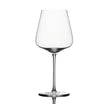
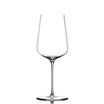
For those opening moments to reveal everything a wine has developed, the glass itself plays a role: bowl shape and rim diameter affect how aromatics concentrate and present on the palate, a subject our collector's guide to wine glasses covers in depth.
The best practical guide remains the producer's own recommendations, combined with critical notes from trusted sources for the specific vintage. Cellaring notes from critics with deep experience in a given appellation provide a far more reliable framework than general guidelines alone.
The Storage Conditions That Make Aging Possible
Every aging window discussed above assumes storage that allows the wine to develop slowly and steadily. Four variables determine whether that happens.
Temperature
- The most critical variable. As covered in our guide on wine storage temperature vs. serving temperature, storage consistently above 65 degrees Fahrenheit (18 degrees Celsius) accelerates aging in ways that frequently harm rather than help the wine.
- Bottles stored near heat sources, in a warm kitchen, or in an environment that cycles through temperature extremes will rarely reach the upper end of their aging windows.
Humidity
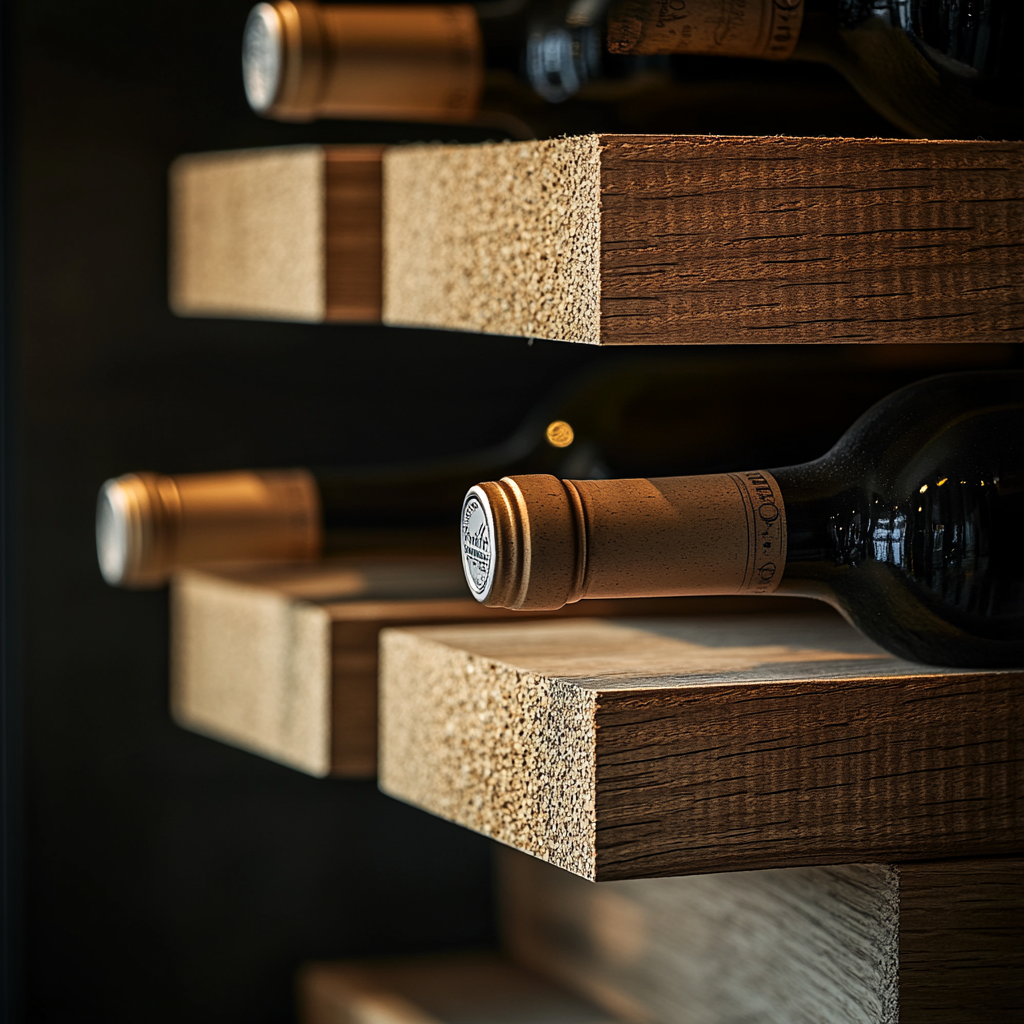
- Humidity protects the cork, and the cork protects everything. A cork that dries out allows oxygen into the bottle at an uncontrolled rate, with results ranging from mild oxidation to a fully spoiled bottle.
- Storage environments below roughly 50 percent relative humidity over extended periods begin to present this risk. Most purpose-built cellars and quality wine fridges maintain appropriate humidity as part of their standard operation.
Light
- Ultraviolet light accelerates the degradation of phenolic compounds in wine. Bottles stored in direct light, or even prolonged indirect natural light, can show premature development and unpleasant off-aromas.
- Cellars and enclosed wine fridges eliminate this variable entirely.
Vibration
- Sustained mechanical vibration, including units placed near appliances or HVAC equipment, can disrupt sediment in older bottles and interfere with the aging process over multi-year storage.
- Purpose-built wine cellars and quality wine fridges address vibration management as part of their engineering.
What Storage Setup Your Collection Actually Needs
The honest answer is that the right storage setup depends entirely on the scale and character of the collection being held.
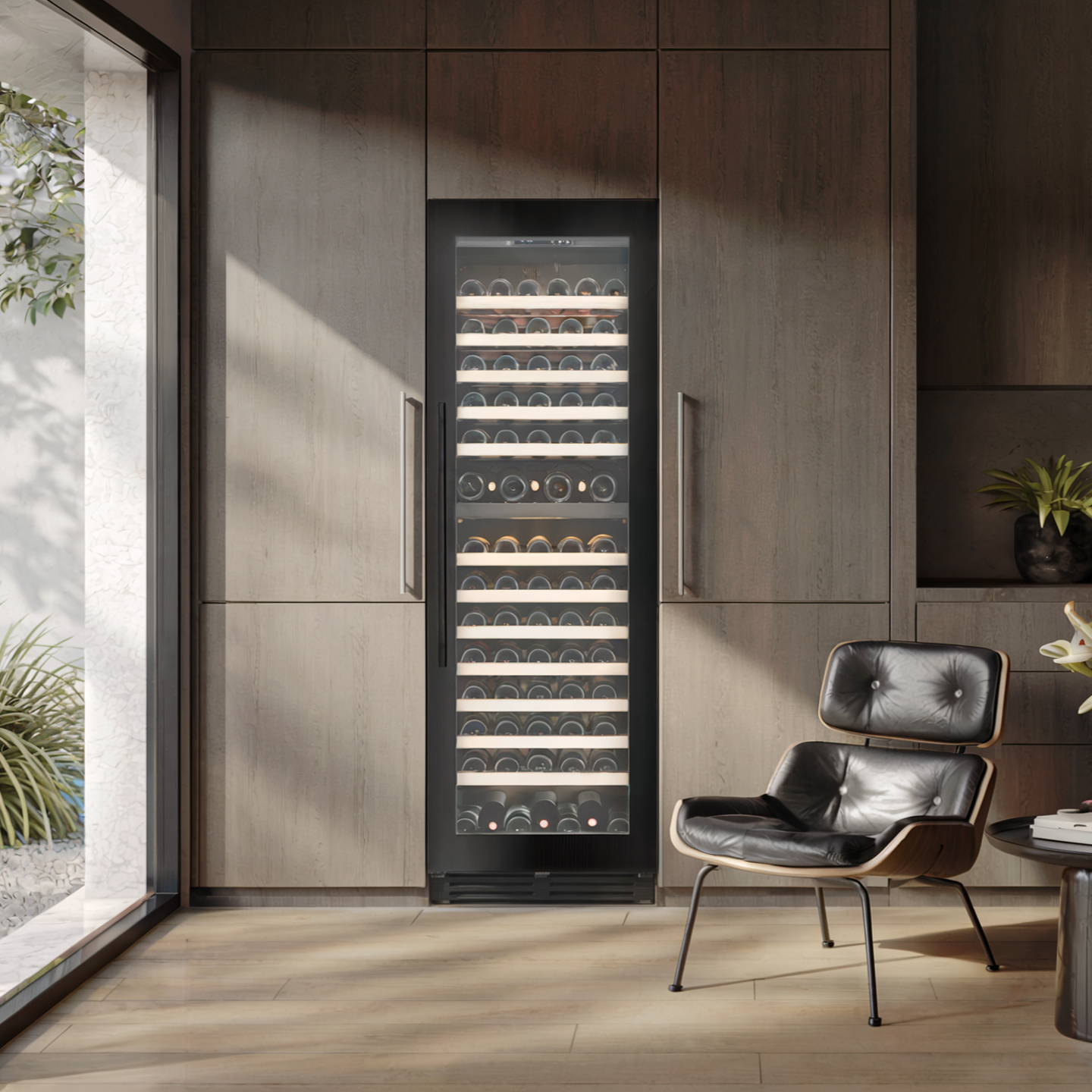
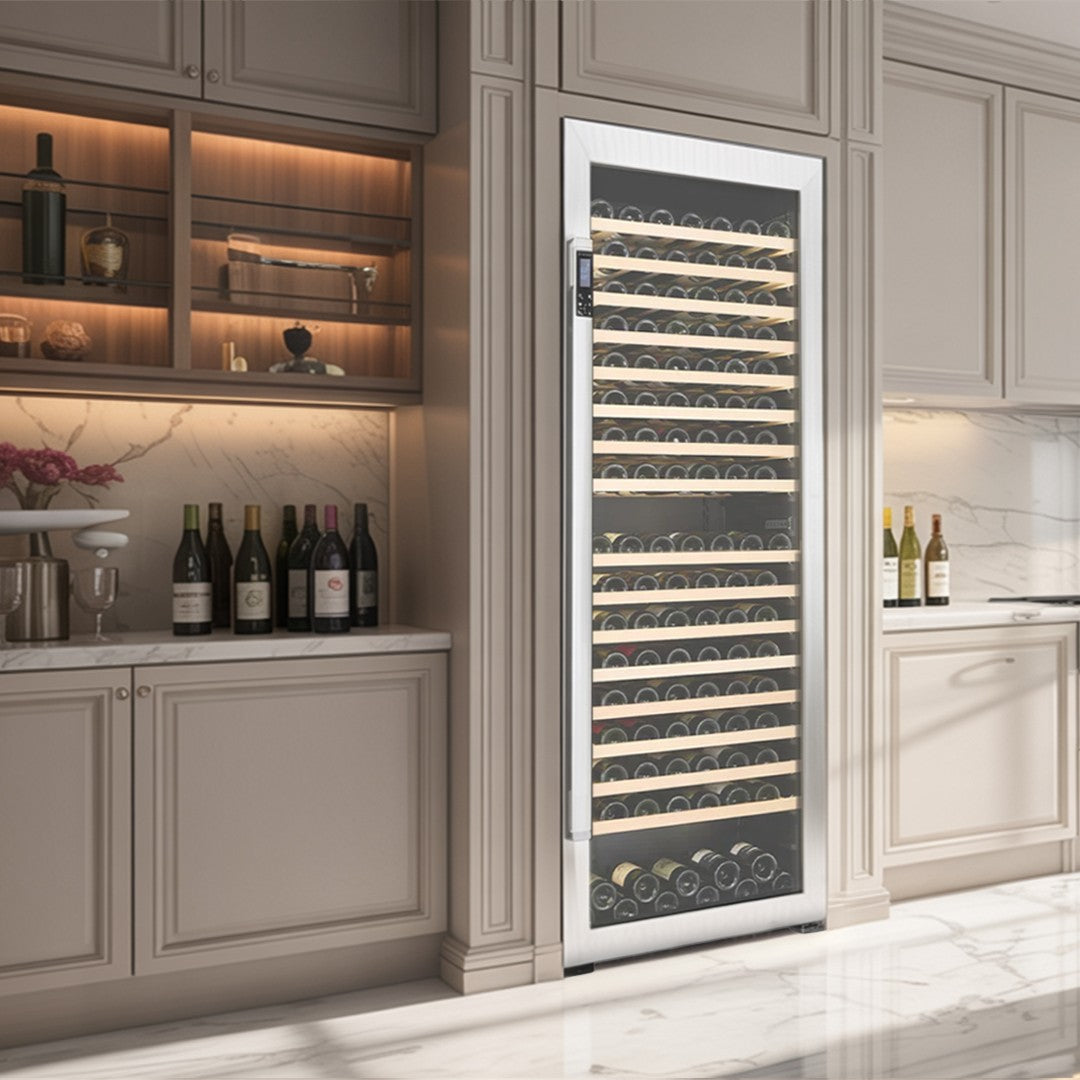
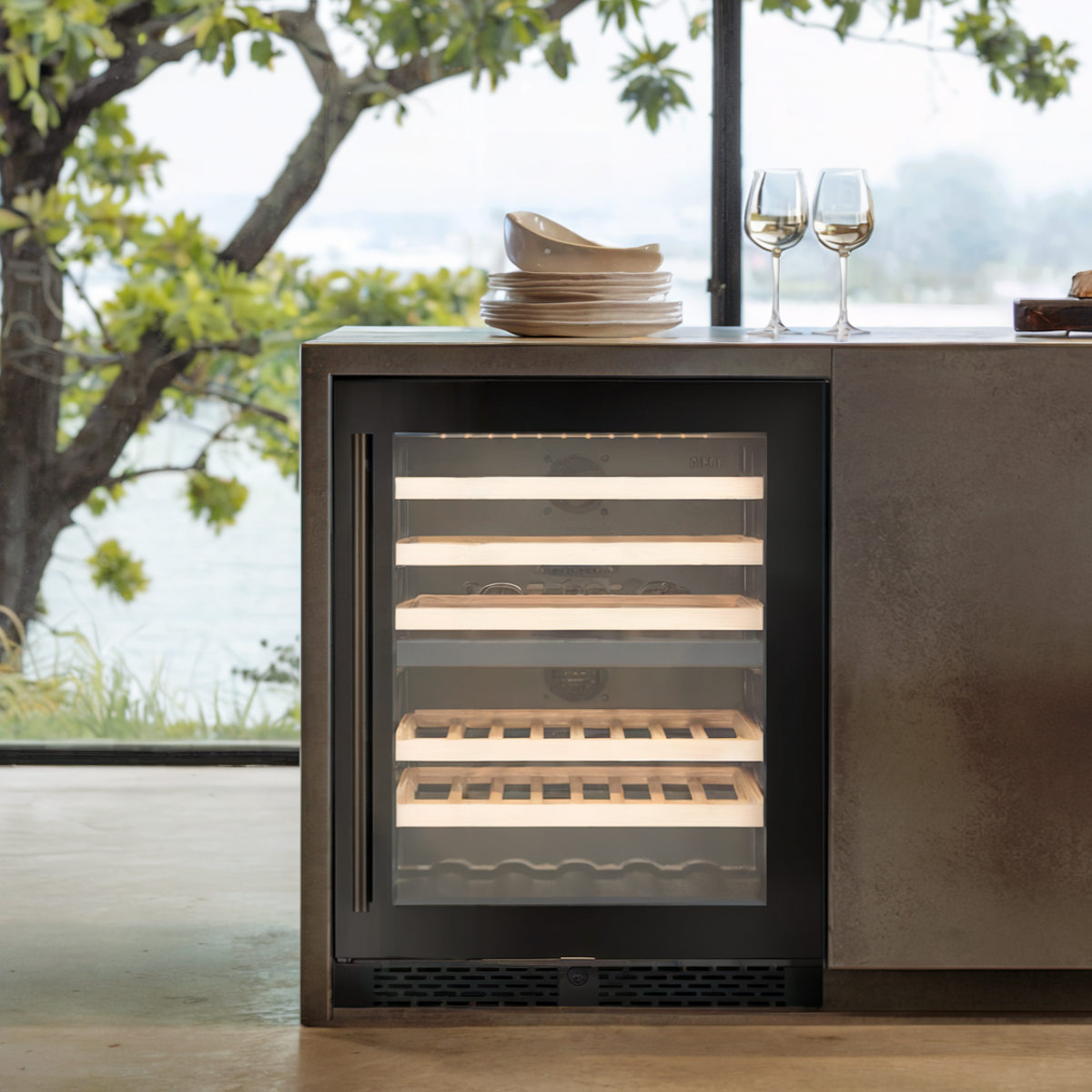
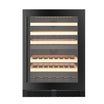
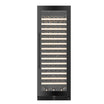
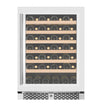
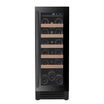
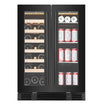
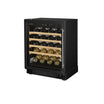
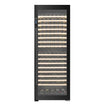
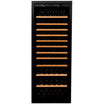
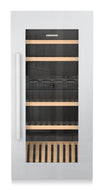
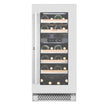
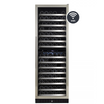
For collectors with a well-curated selection of bottles intended for consumption within three to five years, a quality wine fridge provides the temperature stability and humidity management those wines require. The Vantaggio line from Rosehill offers a strong house-brand option at an accessible price point with reliable performance. For collectors whose selections include wines from premium producers with meaningful aging potential, brands like EuroCave represent the reference standard in residential wine fridge engineering, built specifically for long-term cellaring with the vibration control and humidity management that multi-decade aging demands.
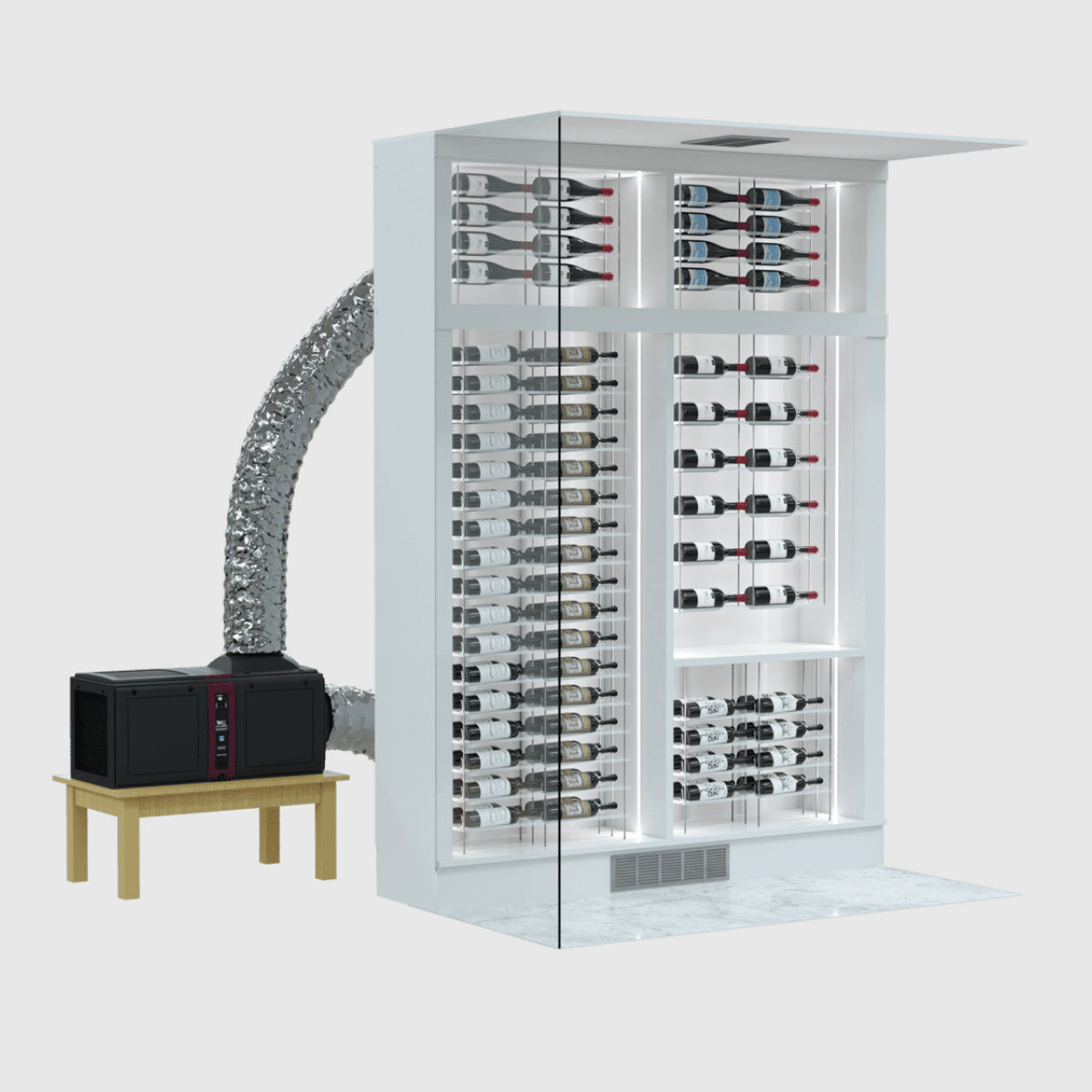
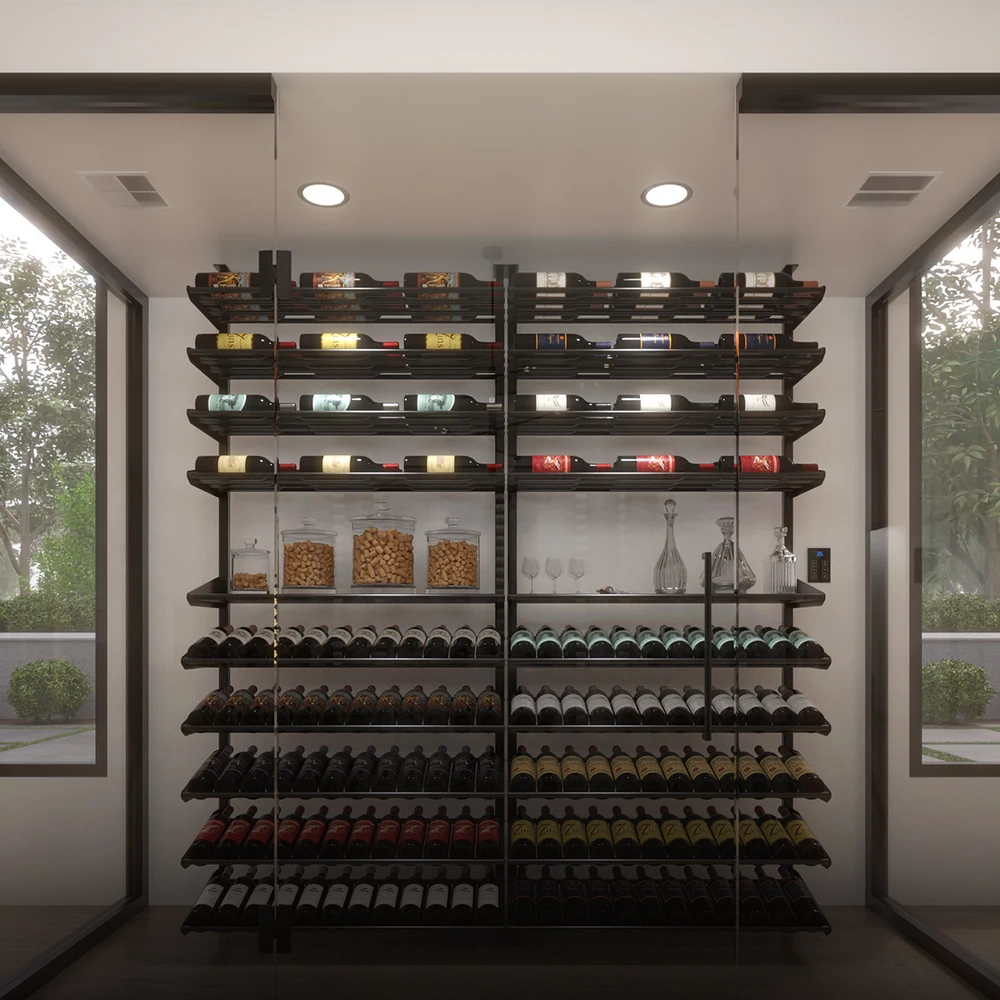
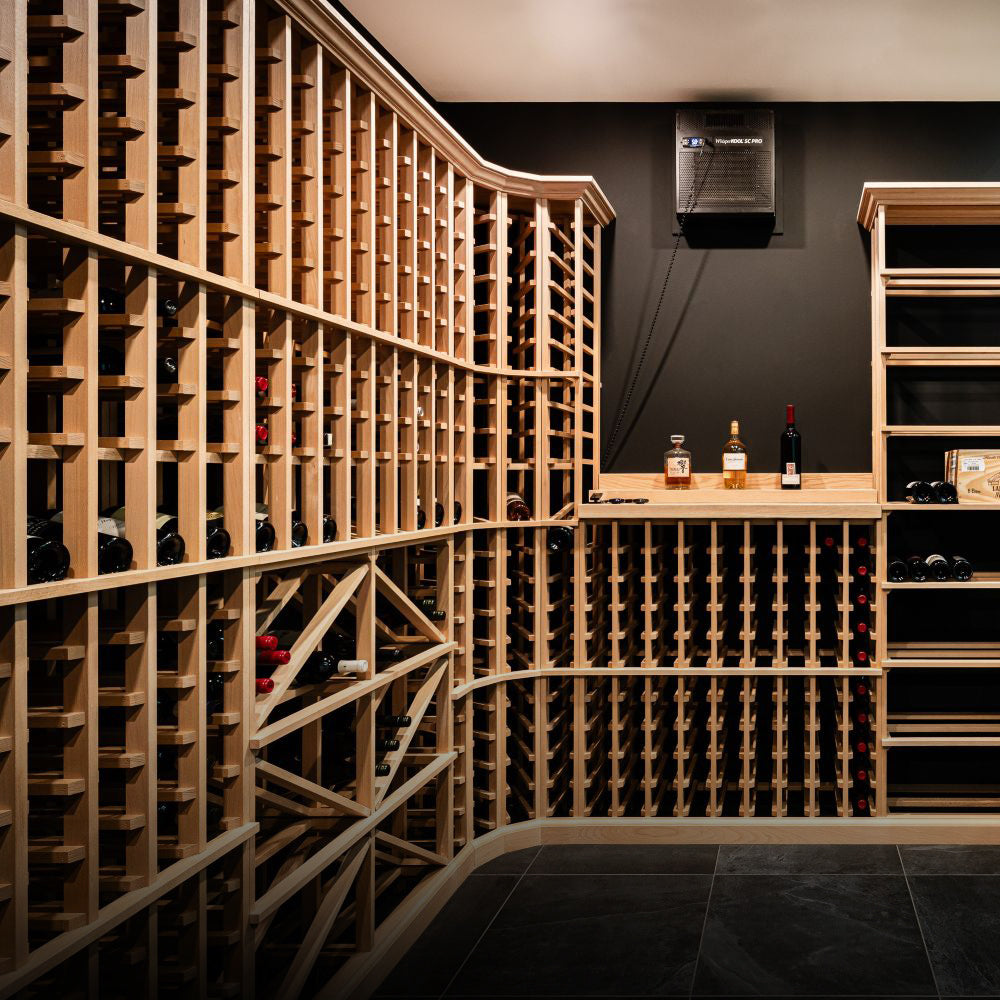
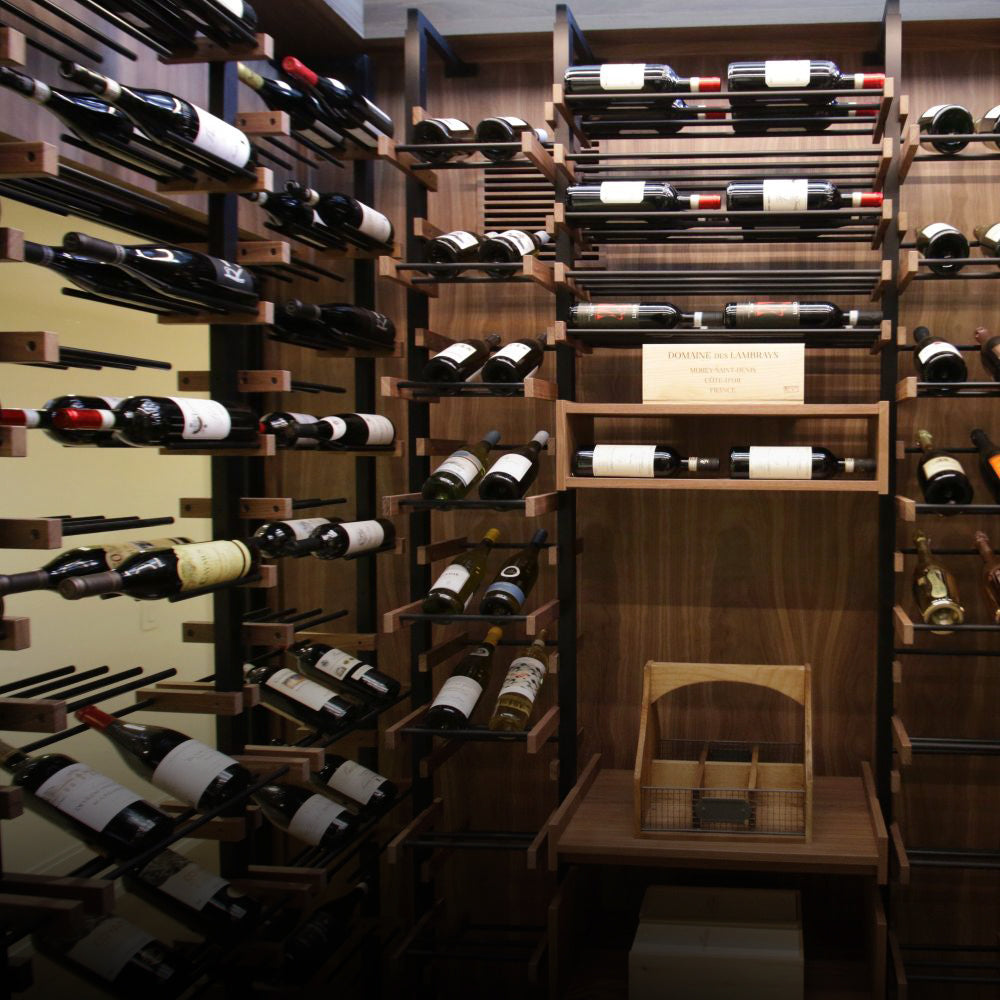
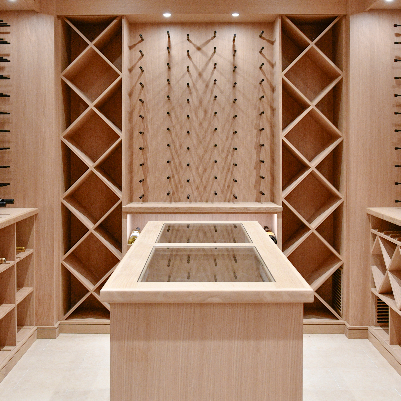
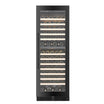
For collections of significant scale or bottles with very long aging windows, a properly engineered residential wine cellar provides the optimal environment. A dedicated cellar maintains stable conditions across years of seasonal cycling, accommodates wine racks configured for the specific collection, and scales in a way that a wine fridge cannot. Premier Cru Wine Racks from Rosehill are designed for exactly this environment: modular, purpose-built racking that grows with the collection and keeps every bottle in the horizontal position required for long-term cork health.
The decision between a wine fridge and a cellar is not always determined by collection size alone. For collectors in condominiums or homes without suitable basement space, a high-quality wine fridge is the practical solution. For those with the space and a collection that includes serious aging wines, a properly built cellar consistently outperforms the best residential wine fridge over long time horizons. A more detailed breakdown of that decision appears in our guide on how to choose the right wine fridge size, which covers the capacity and zone requirements that differentiate fridge-scale from cellar-scale storage.
A Practical Framework for Managing Your Cellar Timeline
Collectors who hold wines across multiple aging windows benefit from a simple management approach. Divide the cellar into three categories: near-term (drink within one to three years), mid-term (drink within three to eight years), and long-term (hold eight years and beyond). Restock each tier as bottles move from one to the next.
For near-term wines, accessibility and temperature-appropriate service matter most. For mid-term wines, consistent conditions and tracking by vintage are the priorities. For long-term bottles, the storage environment itself becomes the primary concern: stability above all else, combined with a physical layout, using horizontal racking and organized sections, that makes it possible to locate specific bottles without disturbing the rest of the cellar.
Vintage charts from trusted sources provide useful context for wines you are holding across multiple years. A note on a specific vintage from Barolo or Burgundy that suggests a particularly long aging window tells you something important about when to start checking those bottles. Use those references actively, not just as purchasing tools, but as cellar management guides throughout the life of those wines.
Patience is not passive. Managing a serious cellar means knowing roughly when each bottle should be reassessed, tasting representative examples as they approach their windows, and being willing to adjust your estimates based on what you actually find in the glass.
The Bottom Line
Most wine is not worth holding. The wines that are, from Barolo and aged Burgundy to vintage Champagne and great Sauternes, reward patience in direct proportion to the conditions they are kept in. The storage environment is not a secondary consideration: it is half of what determines whether the aging window printed in a critic's note ever materializes in your bottle.
Whether your collection calls for a well-specified wine fridge or a purpose-built residential cellar, Rosehill Wine Cellars has the experience and the range to match you with the right solution. Browse our full range of wine fridges and coolers, wine glasses and stemware, and wine racks online, or contact our team to discuss a storage setup built around the wines you are actually holding.
Rosehill Wine Cellars