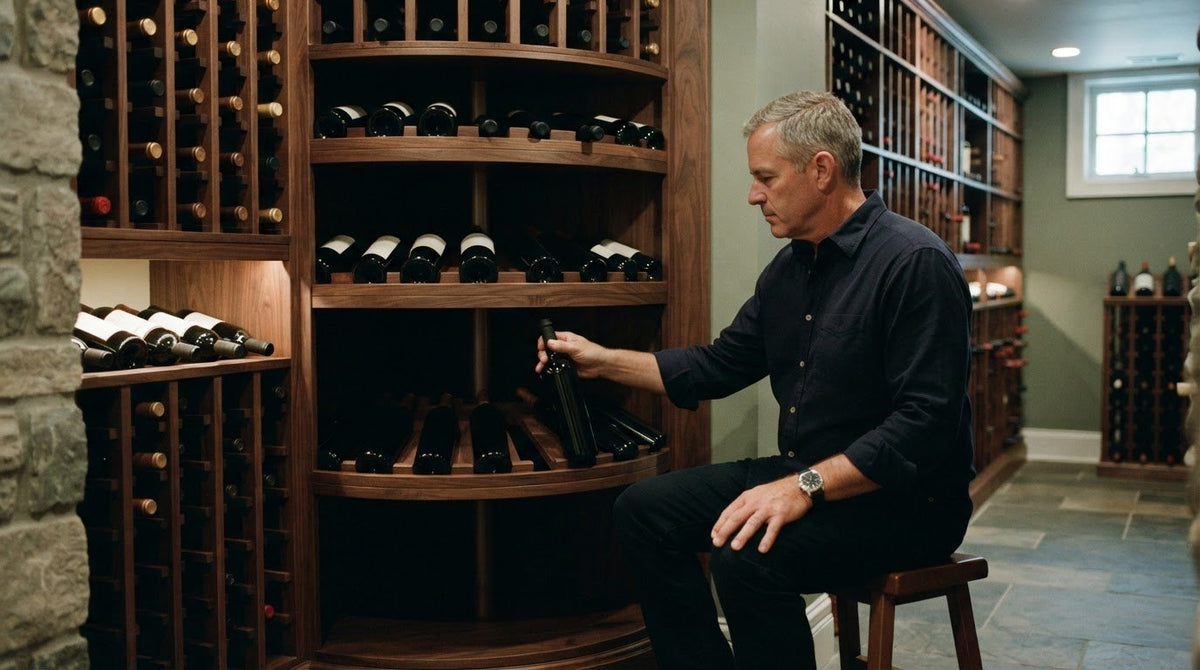
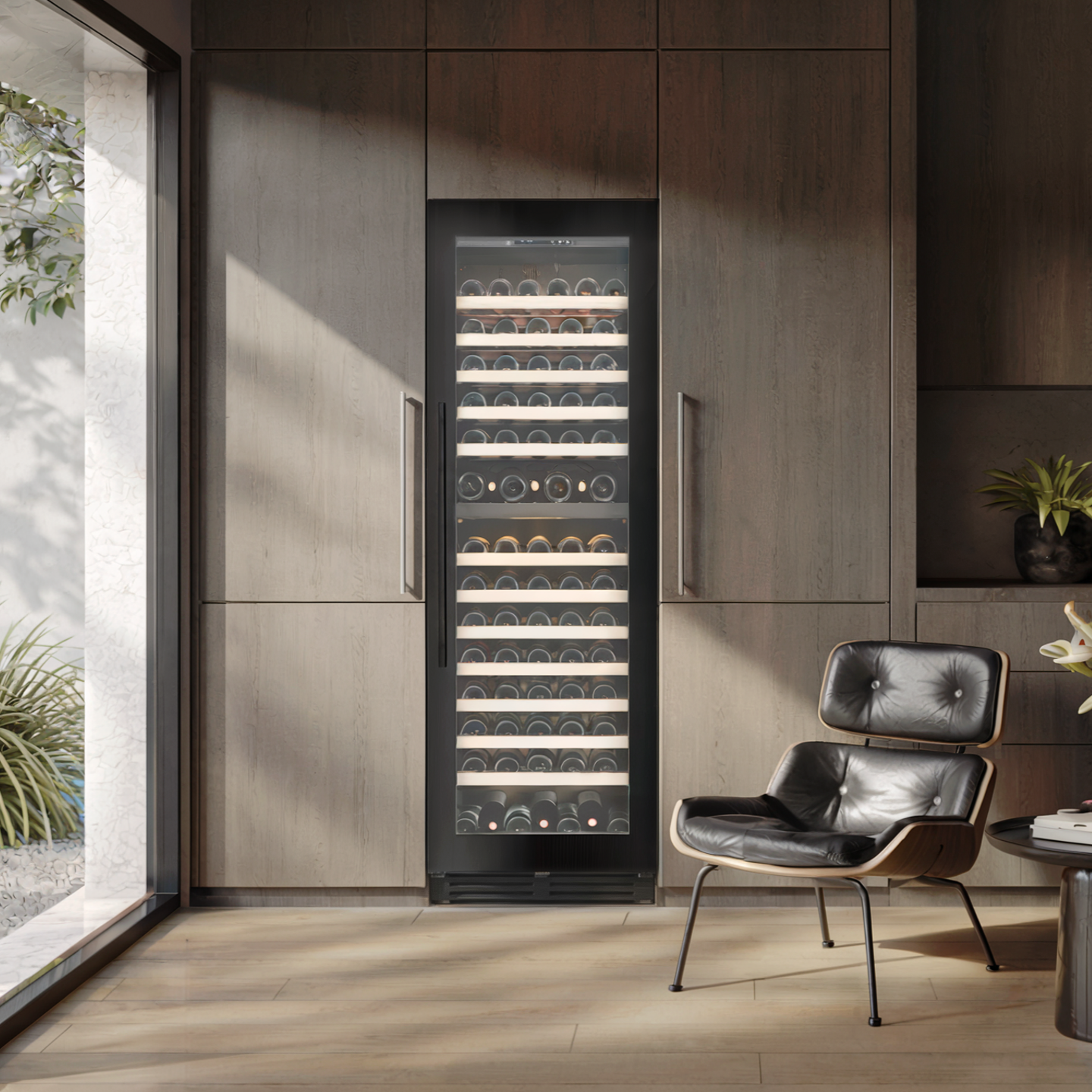
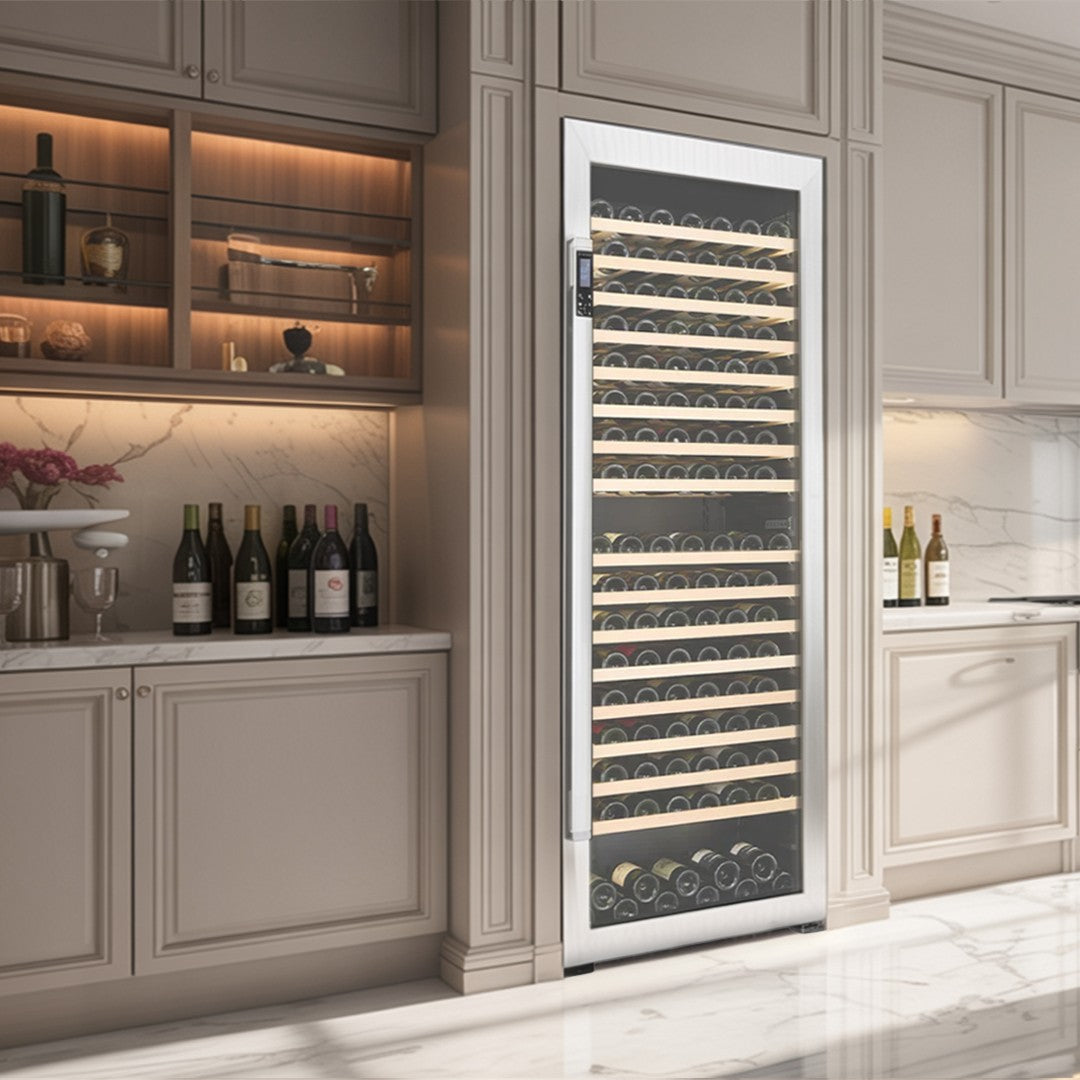
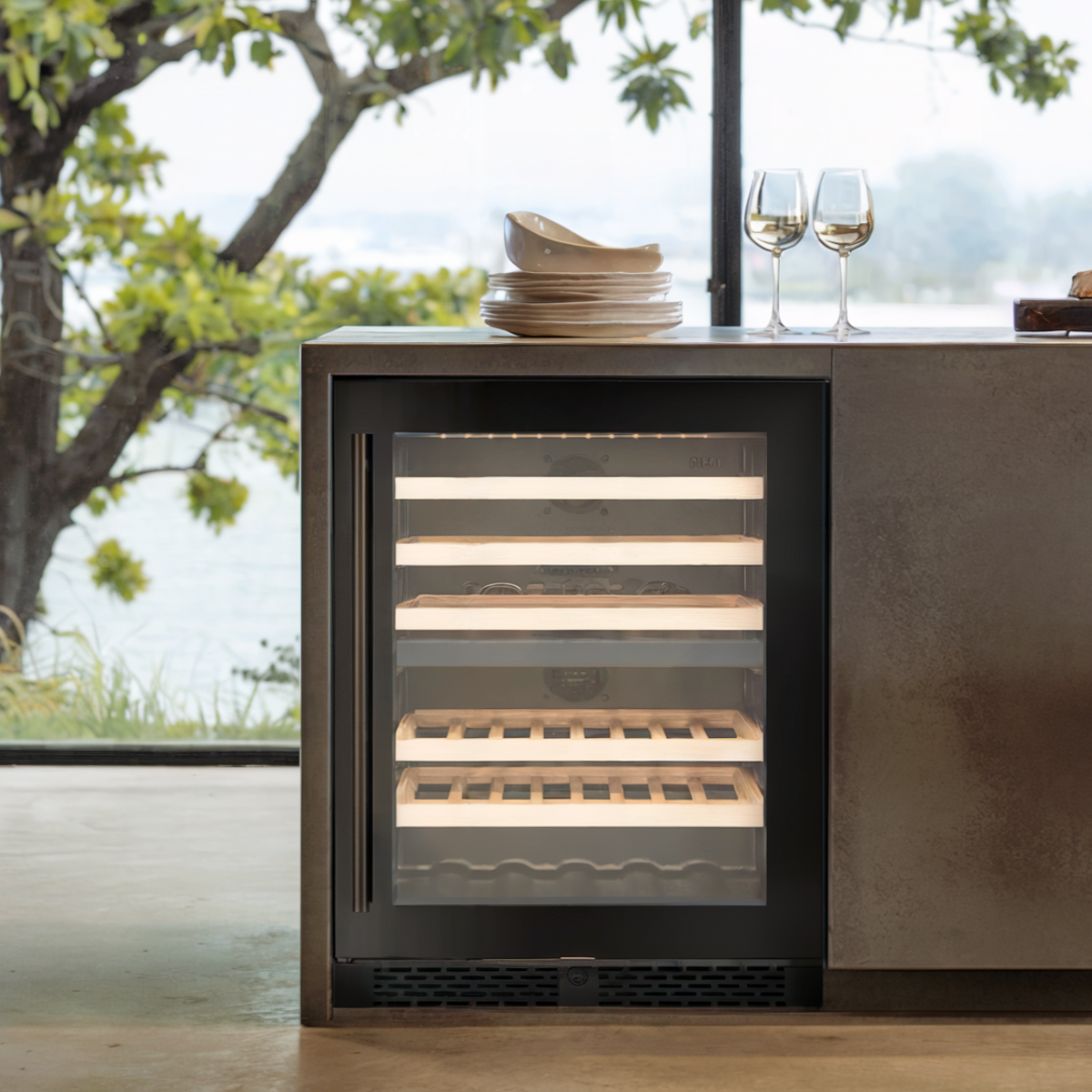
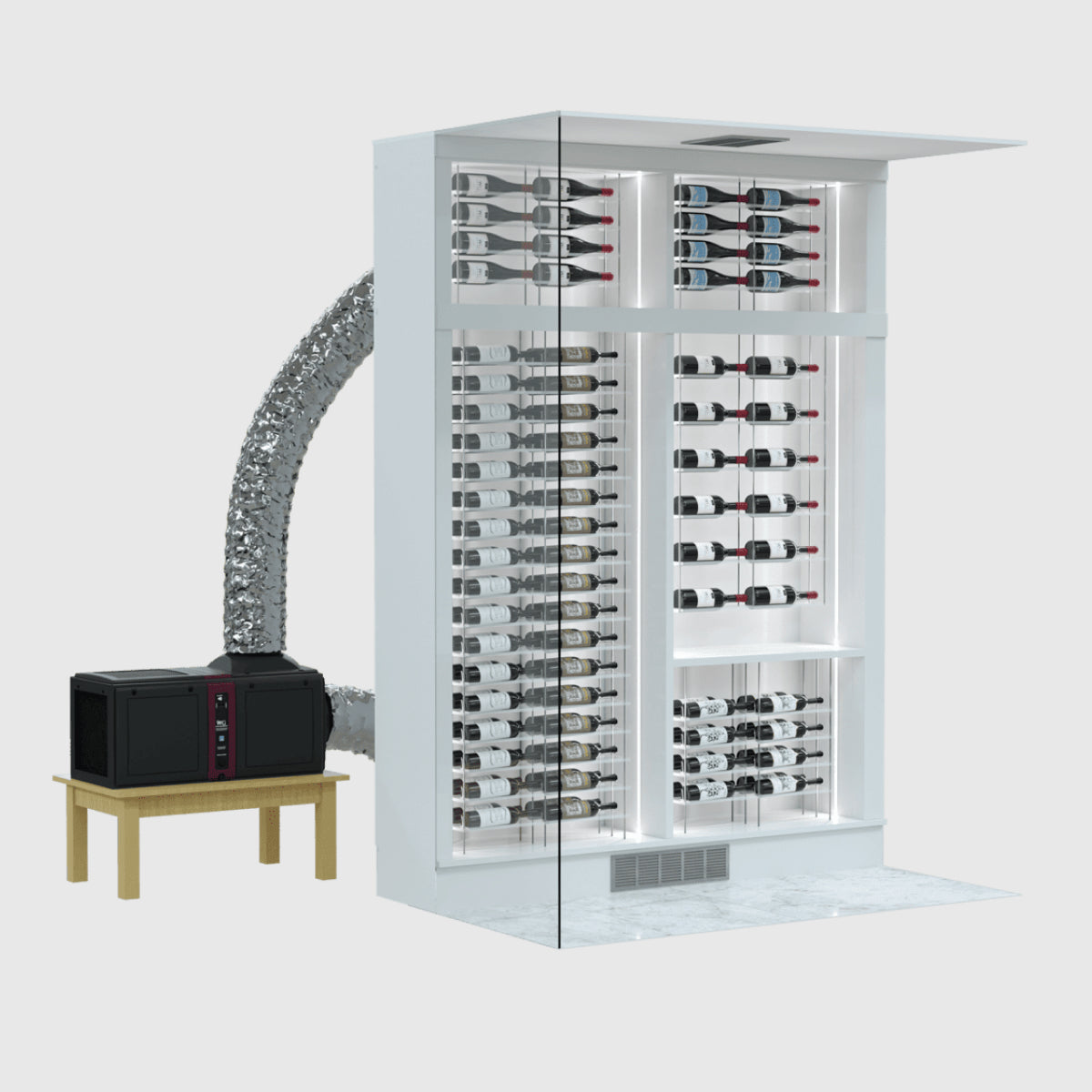

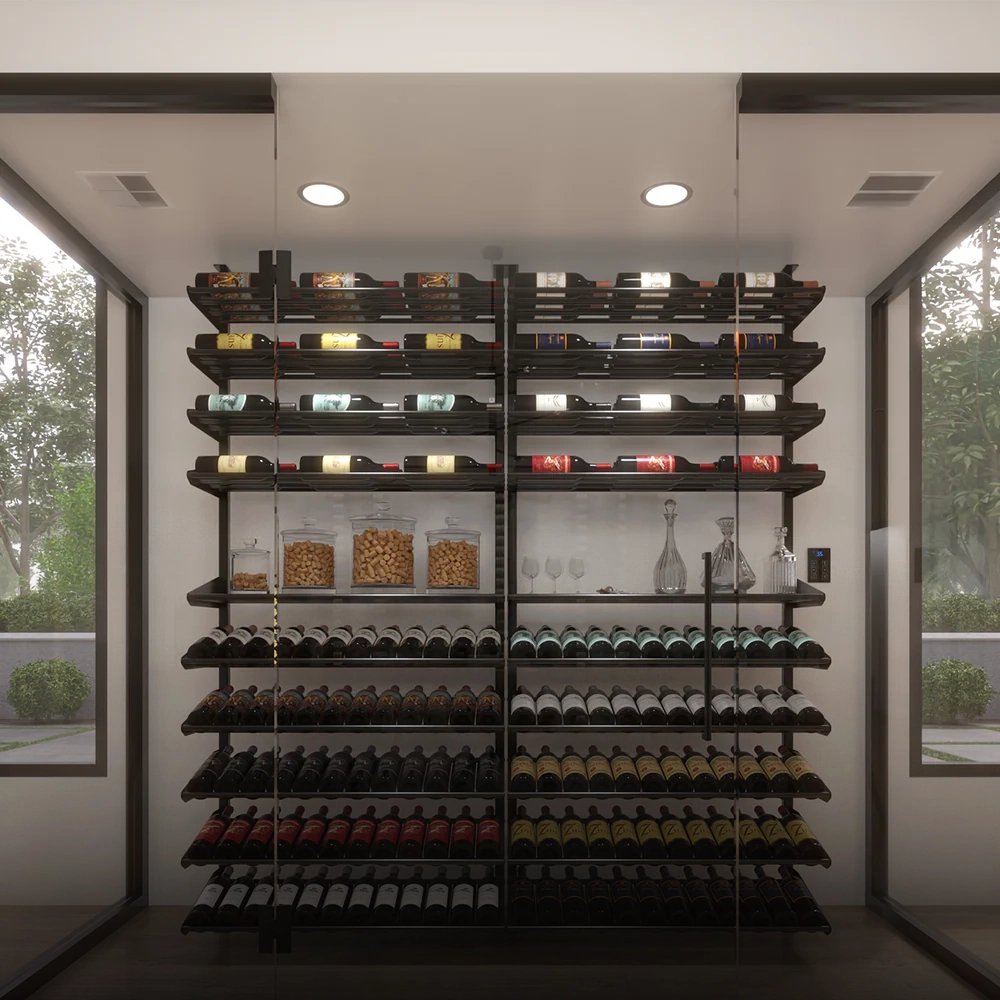
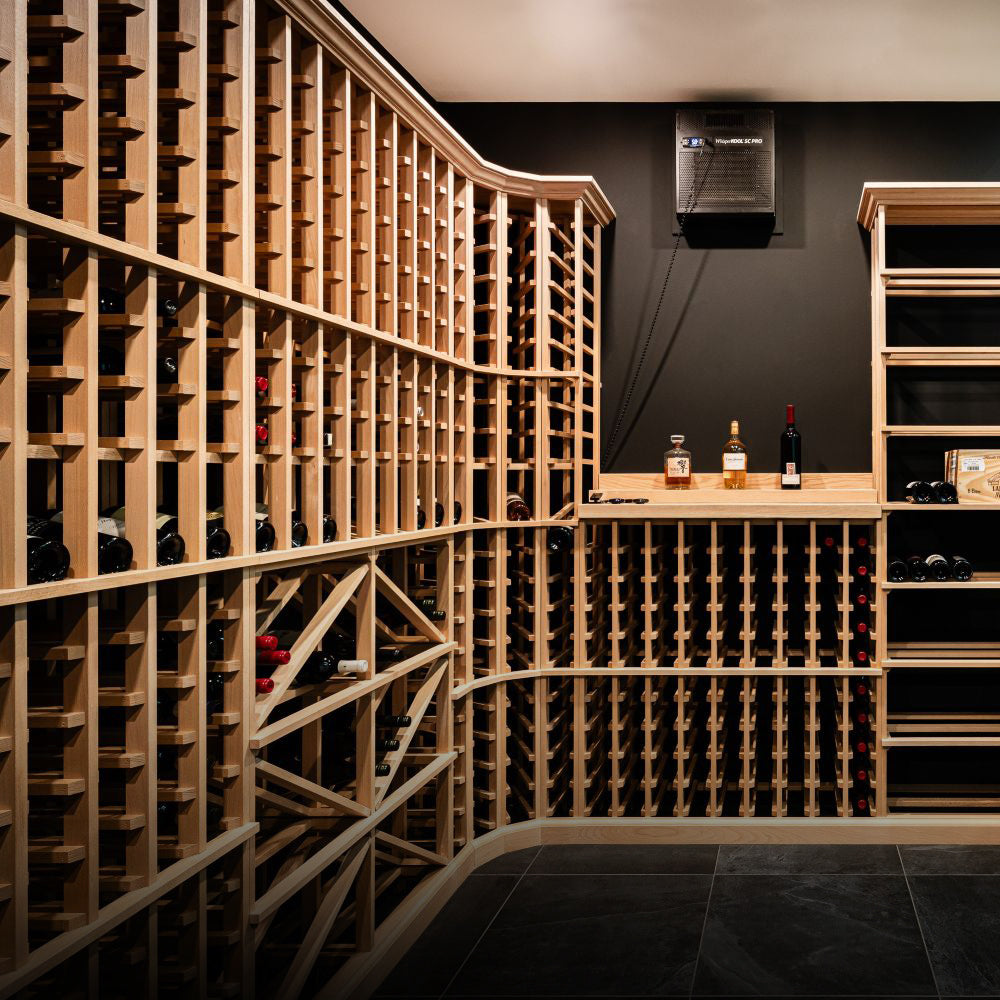
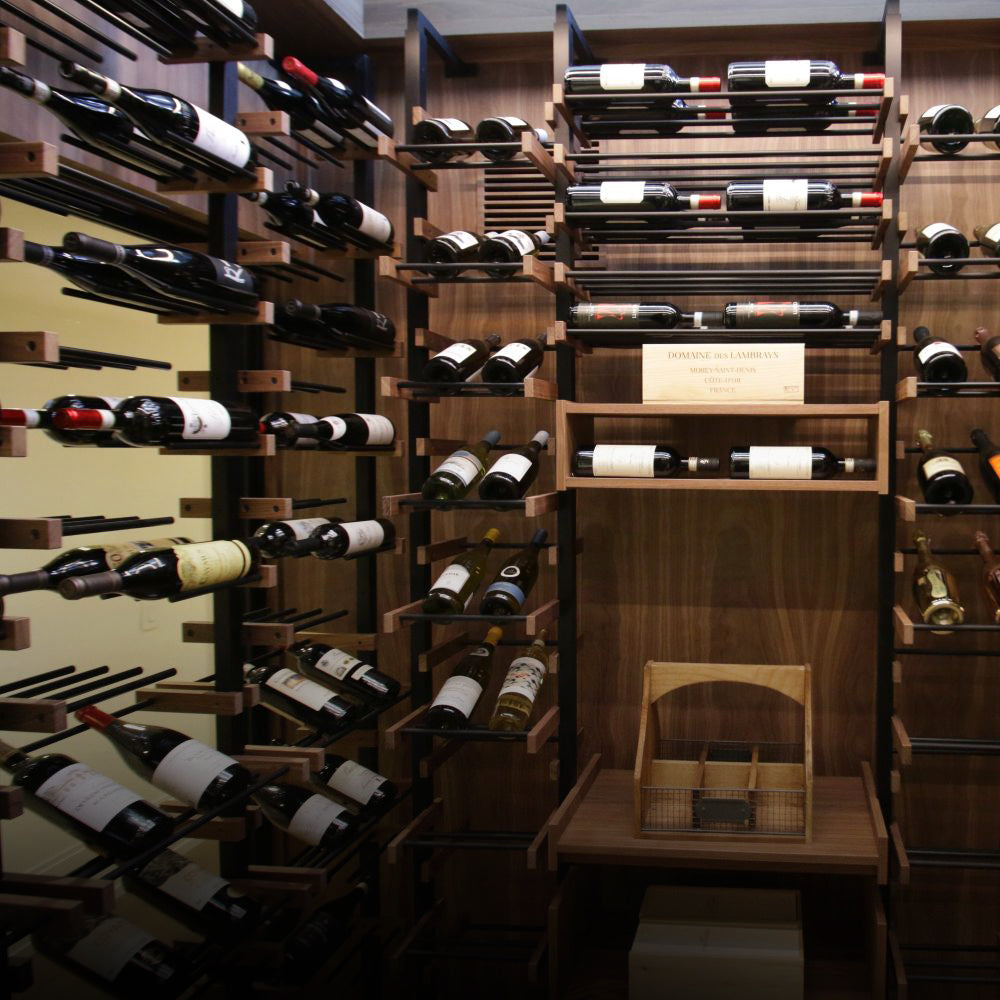





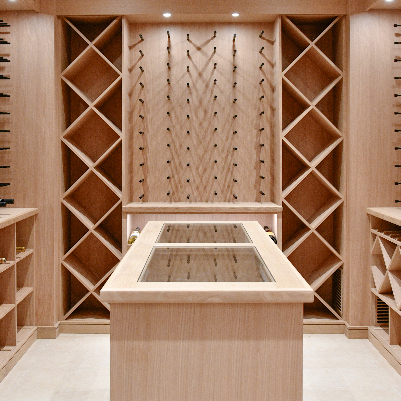
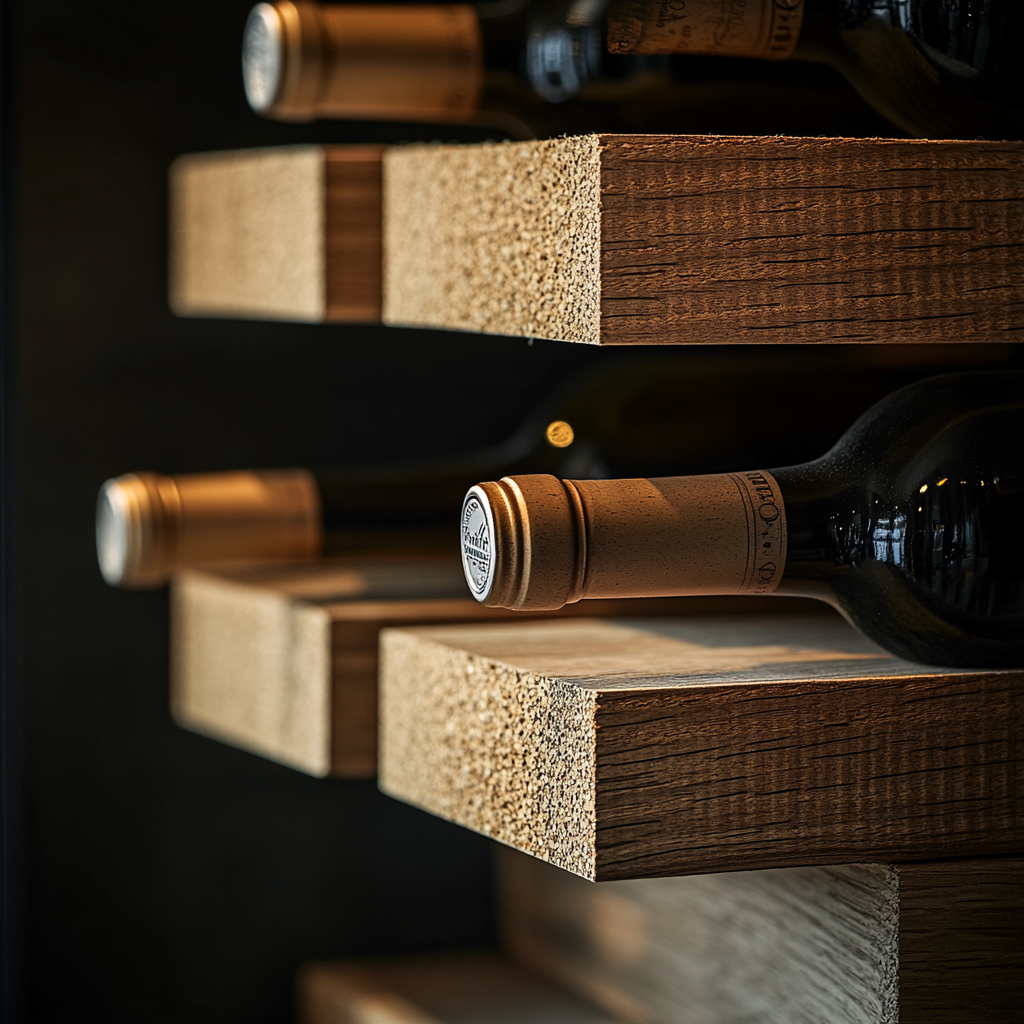

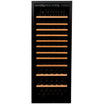
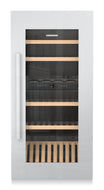
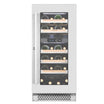







Wood isn’t automatically the better choice for a wine cellar. Metal wine racks can suit a custom storage space just as well when their layout, finish, and bottle support fit the room and collection; wood may be preferable when its warmer, more traditional look is the priority.
Both materials can create an attractive, practical display. The right choice depends on your space, how you want to arrange bottles, and whether your collection may grow. Comparing metal wine racks with wood helps you see which material better suits your style and storage needs.
This guide compares metal wine racks and wood, then covers planning a custom storage space, finish options, and factors that affect cost. You’ll have a clearer basis for choosing a design that balances appearance with everyday function.
Key Takeaways
- Compare metal and wood by the look you want, the space available, and how your bottles will be arranged.
- Choose between wall-mounted, freestanding, tabletop, and floor-to-ceiling designs based on your room layout and storage goals.
- Plan the rack configuration around bottle dimensions and the way you want your collection displayed.
- Understand how rack size, design, and finish influence project cost before settling on a custom storage plan.
- Explore how different colors and finishes can help the storage design complement the surrounding space.
Are metal wine racks as good as wood?
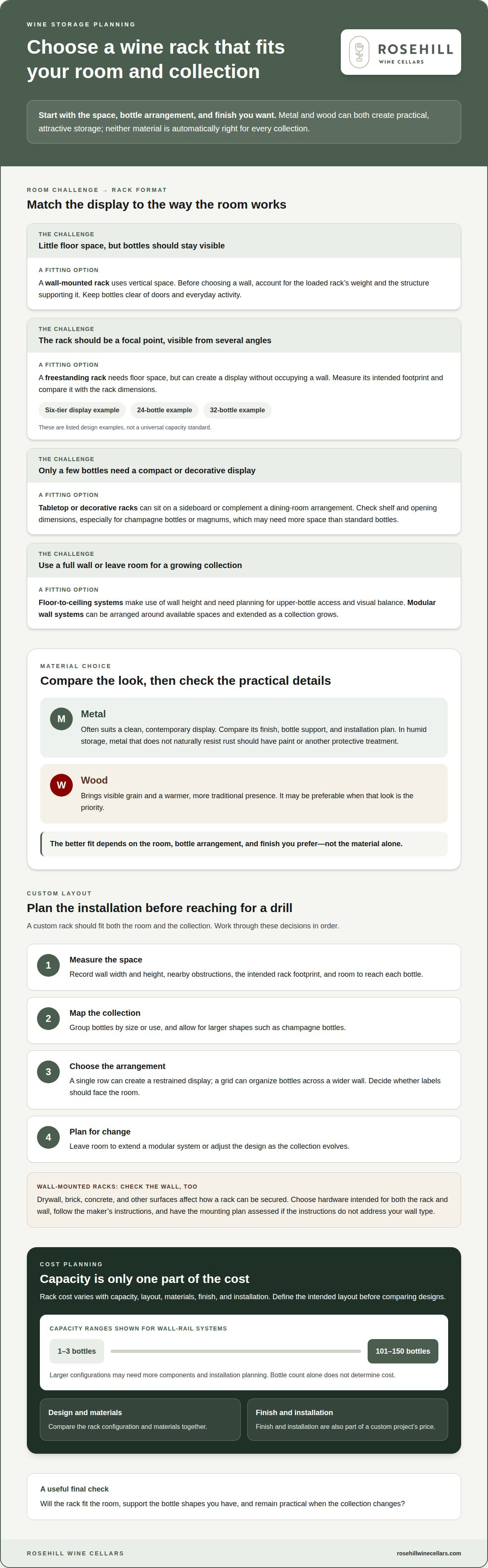
Either material can work well, depending on the room, bottle arrangement, and finish you prefer. Metal wine racks often suit a clean, contemporary display, while wood brings visible grain and a warmer, more traditional presence. Neither is automatically right for every collection. Compare a slim wall display with a wooden cellar layout, then consider which better suits your space and style. The right choice balances the room’s character with convenient access to bottles.
Start with the rack format. Wall-mounted metal wine racks use vertical space and keep bottles visible, which can help in compact rooms with little floor area. Before choosing a wall, account for the loaded rack’s weight and the structure supporting it. The mounting plan matters: hardware and placement depend on the wall and rack design. Avoid positioning bottles where doors or everyday activity could disturb the display. A wall-mounted design also makes the wall part of the room’s presentation.
Freestanding racks need floor space but can create a focal point without occupying a wall. Listed examples include a six-tier display shelf and freestanding models with capacities of 24 or 32 bottles. Those examples show how much designs vary, not a universal capacity standard. Measure the intended footprint, then compare it with the rack’s dimensions and the bottles you plan to store. A freestanding design may suit a room where the rack should be visible from several angles.
Tabletop and decorative racks suit smaller collections or a few bottles chosen for display. A compact design can sit on a sideboard, while a sculptural rack can complement a dining-room arrangement. Check the shelf and opening dimensions against your bottles, especially vintage champagne or magnums, which may need more space than standard bottles. A design that looks balanced empty should remain practical when filled, whether you want regular access or occasional display.
Floor-to-ceiling systems use height to create a dramatic display, but they require careful planning across the full wall. Consider access to upper bottles, the visual balance of the room, and how the layout might expand. Modular wall-mounted systems offer a different approach: sections can be arranged around available spaces and extended as a collection grows. A comparison of wall-mounted and freestanding rack formats can help clarify which layout fits your room.
Durability depends on the finish and surroundings, not just whether the rack is metal or wood. The U.S. Consumer Product Safety Commission advises that metal that does not naturally resist rust should be painted or given another protective treatment to help prevent rust. Pay particular attention to this in a humid storage room. Compare the finish, bottle support, and installation plan together when deciding whether metal wine racks or wood better suit your design.
Wine rack installation and customization
A sound installation begins with a drawing, not a drill. Map the wall, doorway, and nearby furniture, then mark the rack’s intended footprint. A narrow wall beside a doorway, for example, may suit a vertical arrangement, while a wide, open wall can accommodate a broader display. Include bottle dimensions and enough room to place and remove each bottle. A custom plan should fit the room and collection, rather than forcing either into a standard layout.
Wall-mounted hardware must suit both the rack and the wall. First identify whether the surface is drywall, brick, concrete, or another material, since each affects how the rack can be secured. Locate suitable support points, follow the rack maker’s instructions, and use screws or anchors intended for that surface. Hardware suited to one wall may not work on another. If the instructions do not address your wall type, have the mounting plan assessed before loading bottles.
Plan the layout in a sequence that keeps design decisions practical:
- Measure the space. Record wall width and height, nearby obstructions, and room to reach each bottle.
- Map the collection. Group bottles by size or use, then allow for larger shapes such as champagne bottles.
- Choose the arrangement. A single row can create a restrained display; a grid can organize bottles across a wider wall.
- Plan for change. Leave room to extend a modular system or adjust the design as the collection evolves.
Customization also includes finish, spacing, and how labels face the room. A dining area may call for a presentation-focused layout, while a dedicated cellar may prioritize orderly access across several rows. Sketching these choices together helps create a cohesive storage solution. In a room with changing temperatures, plan the rack and cooling approach as parts of the same space, rather than as unrelated decisions.
After installation, make maintenance part of the routine. Check that the rack remains firmly mounted, look for movement at its connections, and remove dust from bottle supports with a soft cloth. If a finish is scratched, use care suited to that surface. For a coordinated design, explore metal rack options alongside the room’s measurements and intended layout before settling on a final installation.
What’s the Cost of a Metal Wine Rack?
Rack cost varies with capacity, layout, materials, finish, and installation. Compare these factors together: a compact display and a cellar-wide system have different requirements. Defining the intended layout first makes the cost factors for metal wine racks easier to assess.
Metal Rack Price Factors
Capacity is a useful starting point, but bottle count alone doesn’t determine cost. Wall-rail systems are grouped into ranges from 1-3 bottles through 101-150 bottles, while larger configurations may need more components and installation planning. A custom project’s price depends on its configuration, materials, finish, and installation, and is given after a quote request.
Compare like with like: a tabletop display, a wall-mounted rail, and a full wine cellar layout serve different purposes. Additional sections, tailored dimensions, and a more involved installation can change the project scope. Modular metal wine racks can expand as a collection grows, so consider both the initial arrangement and potential future additions.
Materials and Finishes
Material and finish affect both appearance and upkeep. A polished finish looks different from a darker, matte treatment, and the material should suit the room’s conditions. The U.S. Consumer Product Safety Commission advises that metal that does not naturally resist rust should be painted, coated with zinc, or otherwise treated to help prevent rust.
For a wine display in a humid cellar, include finish protection in your comparison, not just color. Consider how the finish relates to nearby surfaces and lighting, too. A cohesive plan can make a functional storage wall feel intentional while treating durability and decorative details as part of the same decision.
Brands and Styles
Brand names matter less than the details that determine fit: bottle support, available configurations, finish choices, and whether the system can grow. Compare styles such as label-forward rails, individual bottle pegs, and broader shelving. Each presents bottles differently and shapes the room’s overall character.
A narrow wall rail, for example, can suit a compact wine display, while a modular arrangement can cover more wall space. Check the capacity category and bottle orientation against your collection. A style designed around standard bottles may not accommodate larger formats as neatly, so include bottle size in your comparison.
Available colors and finishes
The right finish connects a rack’s visual presence with the room around it. Colors vary by rack system, so compare options for the specific design rather than assuming every color suits every model. A dark finish can create strong contrast against a pale wall, while a lighter tone may blend into a bright interior. Consider the full wine display, not just the empty rack.
Begin with the wall, cabinetry, flooring, and lighting. A finish that looks subtle beside oak cabinetry may appear more prominent against white paint. If the rack sits near a dining table, consider how its color reads from across the room, where bottles and labels contribute to the presentation. In a wine cellar, compare the rack with visible shelving and door hardware for a coordinated look.
Surface sheen affects how a color appears. A reflective surface can catch overhead lighting and draw attention to the racking; a less reflective finish may feel quieter in the room. View finish samples under the lighting where the rack will be installed, then compare them with the wall and nearby materials. This helps reveal whether a color shifts between natural light and evening illumination.
Finish is also a practical consideration. The U.S. Consumer Product Safety Commission advises that metals that are not naturally resistant to rust should be painted, coated with zinc, or otherwise treated to prevent rust. The coating or treatment matters for more than appearance, especially in a storage area where humidity may be present. Consider how the finish will be cared for, and use cleaning methods suited to its surface.
For a presentation-focused display, decide whether the rack should stand apart or recede visually. A contrasting finish can frame bottles as a feature, while a closer match to surrounding surfaces can make the system feel integrated. A single accent wall may suit a more distinctive choice; a rack spanning several walls may look more cohesive in a restrained tone. Let the effect you want guide the color decision.
Before finalizing a custom layout, compare the finish across the full arrangement, including rails, supports, and visible connectors. A consistent appearance creates a composed display, while deliberate contrast can distinguish separate zones. Note the selected finish alongside the rack layout and wall colors, so the final presentation reflects the room as a whole, not an isolated sample.
Freestanding and floating displays
Freestanding and floating designs create distinct effects in a wine room. A freestanding rack occupies floor space and can anchor a display; a floating rack attaches to a wall, leaving the floor visually open. Choose based on the room’s traffic, the desired focal point, and how you want bottles presented. A standalone piece can define one corner, while wall-mounted rails suit a clear stretch of wall.
Freestanding styles range from simple vertical frames to sculptural shapes. A seven-tier floor rack illustrates how stacked levels can turn bottle storage into a tall feature. An arched freestanding design holding 23 bottles offers a more compact silhouette. These examples show why capacity and shape should be considered together: a narrow profile may fit a smaller footprint, while a broad base can make the rack more visually grounded.
Before selecting a floor display, mark its footprint in the intended position. Leave room to walk past, access bottles, and open nearby doors or drawers. A rack beside a dining area, for instance, should not obstruct chairs as they move in and out. Consider the view from adjoining rooms, too. A freestanding display can be seen from several angles, so its back and sides may matter as much as its front.
Floating displays make the wall part of the composition. Individual bottle supports can create a light, spaced arrangement, while connected rails produce a more continuous line. Decide whether labels should face outward or bottles should form a repeating pattern. A row above a sideboard can feel deliberate; a vertical grouping can draw the eye upward without adding furniture to the floor.
Plan the display around the wall’s proportions. A wide wall may suit horizontal rows, while a narrow section between cabinets can accommodate a vertical arrangement. Align the overall composition with nearby features, such as a countertop edge or doorway. In an open-plan room, a floating design can preserve a sense of space; in a dedicated cellar, a freestanding piece can create a central focal point.
Use a simple selection sequence: choose floor-standing or wall-mounted placement, define the display’s visual role, then compare shape and capacity. The 23-bottle arched example may suit a smaller collection, while a seven-tier form creates a taller presentation. Match the rack’s scale to the surrounding furnishings rather than choosing by appearance alone. Explore freestanding and floating rack designs to compare display styles for your space.
Rosehill Wine Cellars
Rosehill Wine Cellars helps bring rack choices, room layout, and wine storage needs together in a considered design. Turn to its custom wine cellar design service when you’re planning a dedicated space and want the racking and cooling approach considered as a whole.
For a more focused setup, Premier Cru Classic Racking and Premier Cru Modern Racking offer distinct design directions. A Vantaggio V300 Wine Cabinet may suit a space that calls for a cabinet format, while Wine Cooling Units address temperature control as part of the storage plan. The right option depends on your room, collection, and preferred presentation.
Bring your design questions and storage priorities together with Rosehill Wine Cellars. Contact Rosehill Wine Cellars to discuss your wine storage project.
Shape a storage space that grows with your collection
Make your next step a plan that reflects how you want to live with your collection, not simply how many bottles a rack can hold today. Consider where you’ll enjoy seeing favorite labels, how the room’s finishes support the display, and whether the layout can adapt as your collection changes. These decisions make metal wine racks part of a thoughtfully designed space, rather than an isolated feature.
Before choosing a direction, bring together your room measurements, preferred presentation, and storage priorities. A clear design brief makes it easier to assess which configuration feels right and how the rack will relate to the rest of the room. You can then explore options with a considered view of both form and function.
Explore metal rack options and begin shaping a wine storage space that feels distinctly your own.
Frequently Asked Questions
How do you secure a wine rack to a wall?
Secure a wall rack with fasteners suited to both its mounting points and the wall material. First, read the rack’s installation instructions and identify the wall surface. Mark the mounting points, then ensure they align with firm support rather than relying on drywall alone. If the instructions do not address your wall type, have the mounting plan assessed before loading bottles. After installation, recheck the rack for movement.
Where do you hang a wine rack?
Hang a wine rack where bottles are easy to reach and the display will not interfere with daily movement. A dining room wall away from chair backs, or a kitchen area clear of frequently opened doors, can work well. Avoid spots exposed to direct sunlight, heat sources, or repeated bumps. Before installation, consider how you’ll place and remove bottles and whether the position keeps labels visible from the room.
What types of metal wine racks are available?
Metal wine racks include wall rails, individual bottle supports, freestanding frames, tabletop holders, and floor-to-ceiling systems. Each format serves a different purpose: a tabletop holder can present a few bottles, while a floor-to-ceiling design makes storage part of a room’s architecture. Some systems use separate components that can be arranged or extended. Compare bottle orientation, ease of access, and display effect before choosing a format.
How much do metal wine racks cost?
Cost depends on the rack’s capacity, configuration, material, finish, and installation requirements. A small tabletop holder and a multi-section wall system are different projects, so compare designs with similar storage goals. For a custom installation, layout complexity and the room also affect the overall scope. Decide whether you need a standalone display or integrated cellar racking, then assess options for that purpose.
What are the best metal wine racks for home use?
The right choice depends on where you’ll use the rack and how your collection is arranged. A tabletop holder can suit a small display near serving space, while a wall rail keeps bottles off the floor. For a dedicated cellar, a larger system may better suit an organized collection. Consider how often you access bottles, the room’s style, and whether the rack accommodates the bottle shapes you own.
Are metal wine racks better than wood wine racks?
Neither material is universally better; the right fit depends on your priorities. Metal can create a streamlined, open presentation, while wood brings visible grain and a more traditional look. Consider the room’s existing materials and how prominent you want the rack to appear. Compare the design’s bottle support and care requirements, too. A side-by-side sample or room sketch can make the visual choice easier.
What materials and finishes are best for metal wine racks?
Choose a material and finish based on the room’s conditions, desired appearance, and care needs. A treated surface can help protect metal that is not naturally corrosion resistant, while color and sheen affect how the rack looks against nearby walls or cabinetry. A low-contrast finish can blend into built-in storage, while a contrasting finish can frame a display. Follow the maker’s cleaning guidance.
How do you choose the right size metal wine rack?
Start by measuring the installation area and the bottles you intend to store. Compare the rack’s overall dimensions with available wall or floor space, leaving practical room to place and remove bottles. Consider bottle shapes, since larger formats may need wider openings than standard bottles. Finally, choose a capacity that suits your collection’s likely arrangement, rather than relying only on the maximum bottle count.