






Can a transparent glass partition really protect a vintage Bordeaux as effectively as a traditional stone cellar? Many homeowners dream of a sleek modern wine wall that doubles as a social focal point, yet they hesitate because they've heard horror stories about condensation and spoiled collections. It's a valid concern; a poorly engineered display is essentially an expensive greenhouse for your wine.
We understand that you shouldn't have to choose between high-end architectural aesthetics and professional-grade preservation. This guide will show you how to blend these worlds seamlessly. You'll discover how to design a stunning modern wine wall using minimalist Vinofabbrica pegs or Premier Cru Modern Racking while maintaining the technical integrity of your storage. We'll explore the engineering essentials for 2026, from R-value standards and vapor barriers to the latest EPA-compliant cooling systems. By the end, you'll have the confidence to create a visual masterpiece that keeps your investment perfectly chilled for decades.
Key Takeaways
- Discover how label-forward systems like Vinofabbrica pegs and Premier Cru Modern Racking transform functional storage into a minimalist architectural feature.
- Learn the essential building science behind a modern wine wall, including the necessity of vapor barriers and insulated glass to prevent condensation.
- Identify the specific LED lighting and material choices that highlight your collection while protecting it from lightstrike and heat fluctuations.
- Master the technical specifications for 2026 climate control to ensure your glass-enclosed display maintains a perfect microclimate.
- Understand the consultative design process required to integrate a high-performance wine display seamlessly into your home's social spaces.
The Evolution of the Modern Wine Wall: From Storage to Statement Art
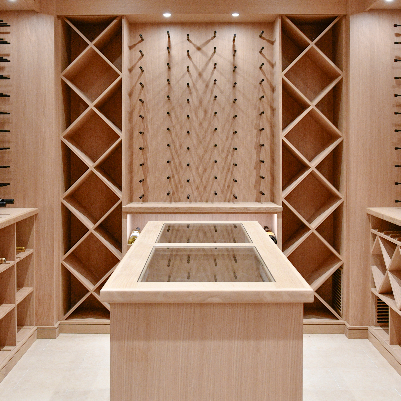
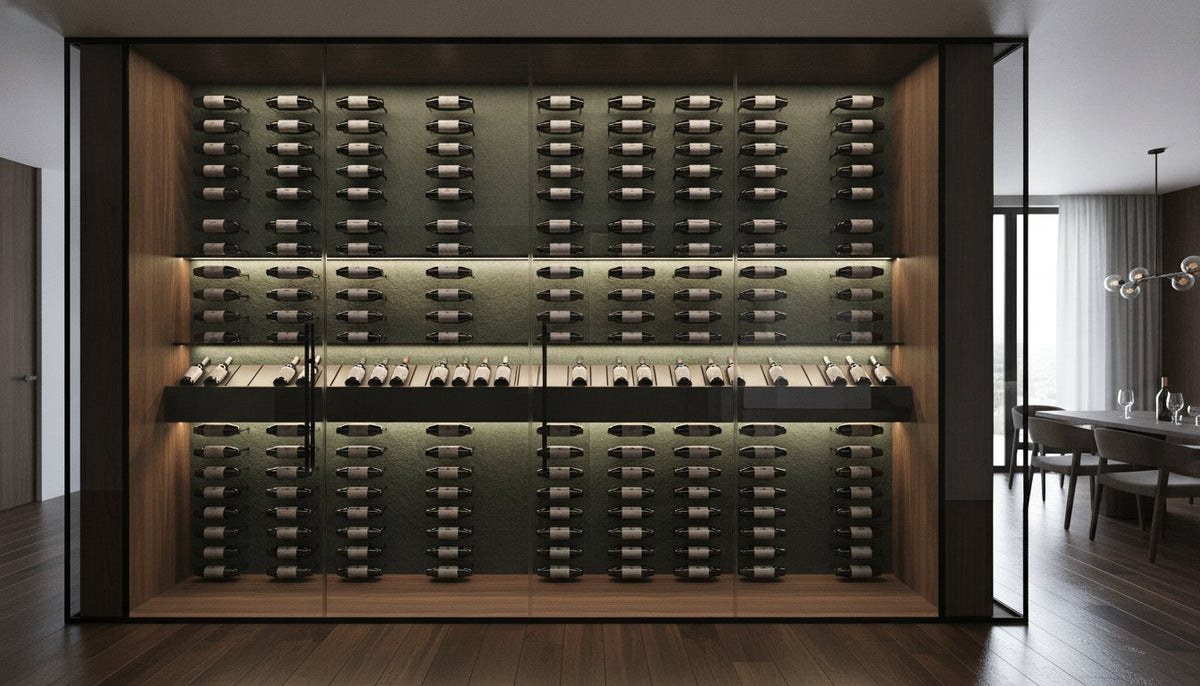
The transition from utilitarian storage to high-performance architecture marks a significant shift in luxury home design. Traditionally, wine was tucked away in dark, humid basements where aesthetics were secondary to function. Today, the modern wine wall serves as a sophisticated centerpiece in dining rooms and social galleries. This evolution is driven by a desire for transparency and verticality, turning a private collection into a curated gallery that guests can admire without stepping into a cellar. It's a move toward integrating lifestyle and hobby into the very fabric of the home.
Achieving this look requires a balance between visual openness and technical precision. While glass and metal provide the necessary architectural edge, designers must still prioritize proper wine storage conditions to ensure the longevity of every vintage. Modern materials like acrylic and brushed metal have largely replaced bulky wood, allowing the focus to remain entirely on the bottles. The result is a display that feels permanent and purposeful rather than merely decorative.
Minimalism and the Label-Forward Movement
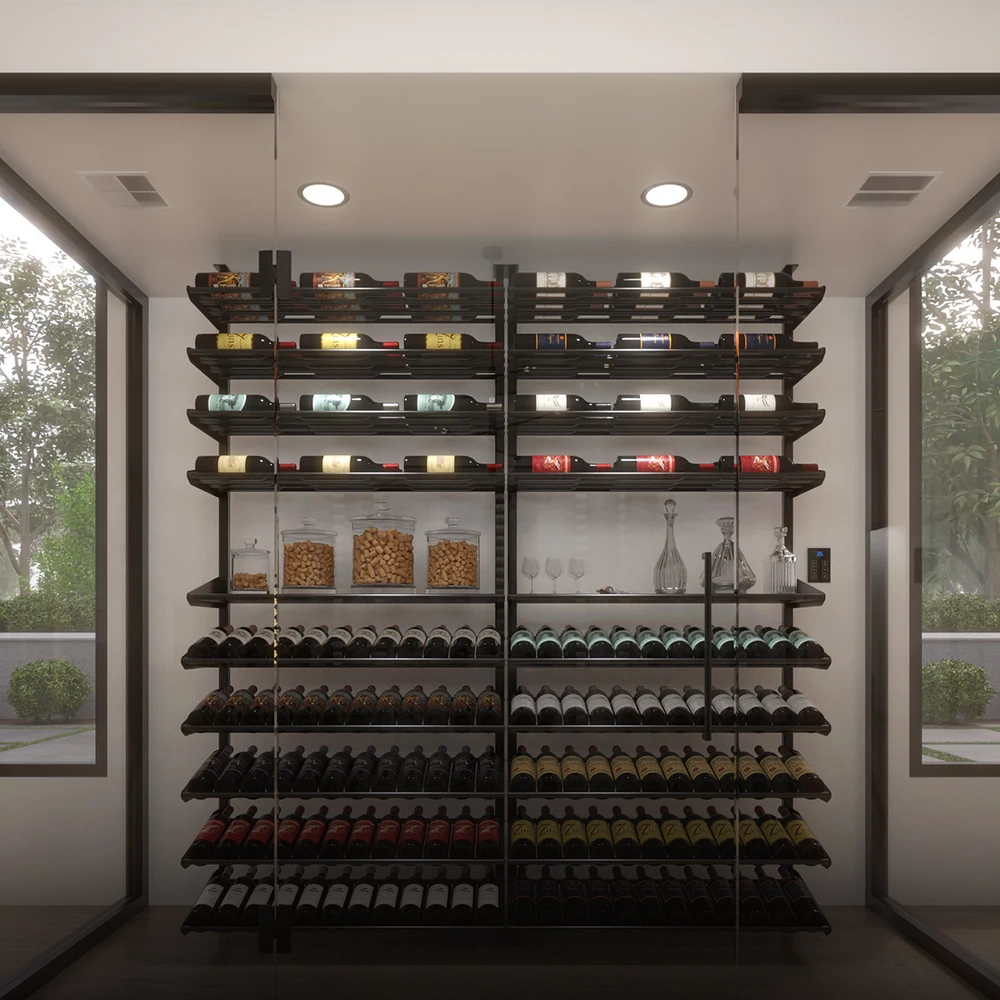
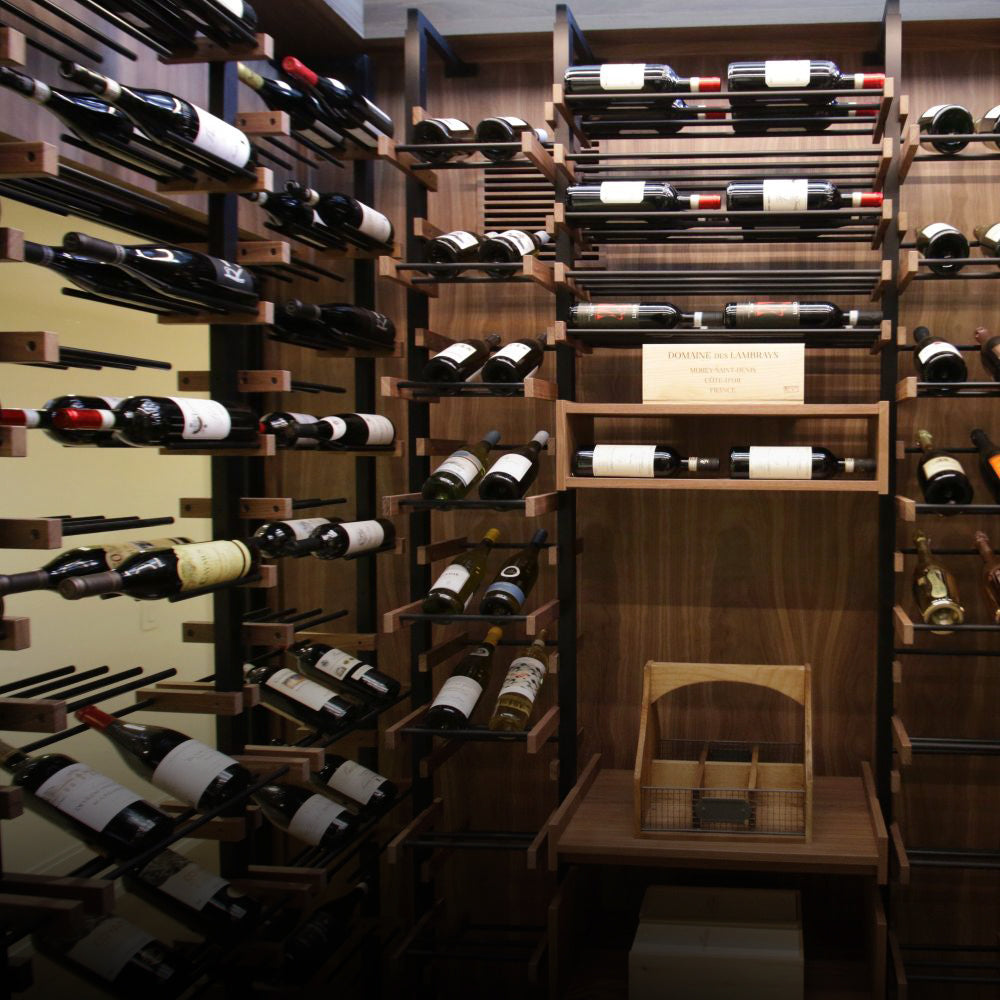
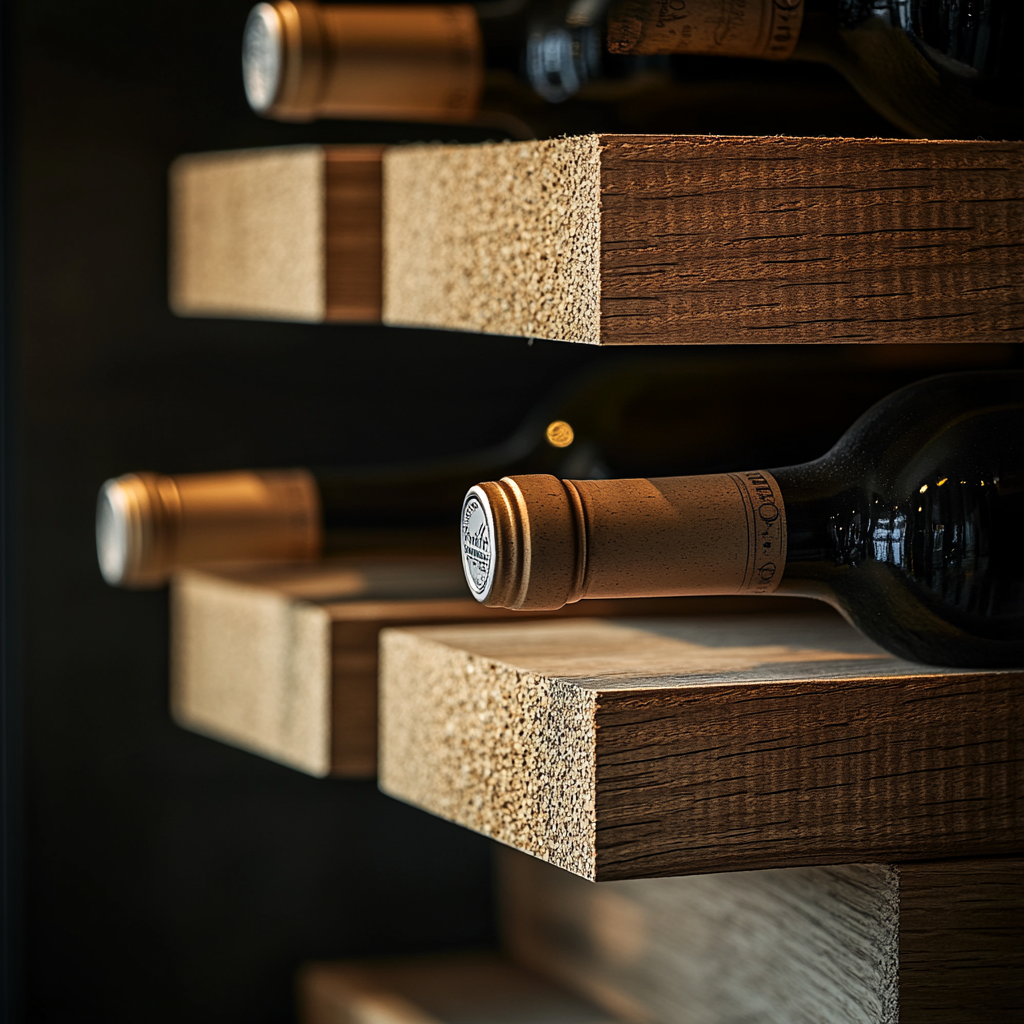
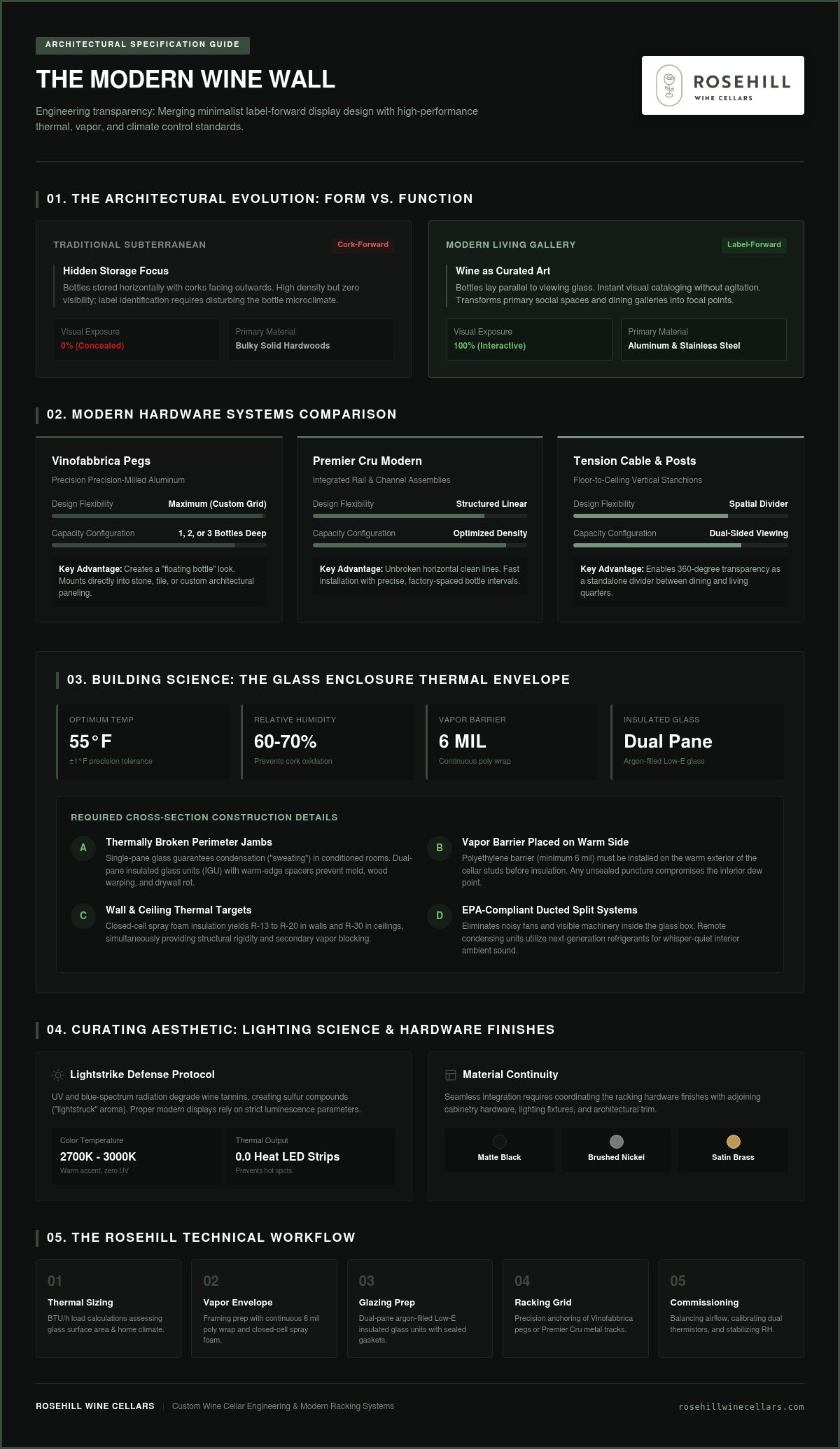
The most striking change in contemporary cellar design is the move from "cork-forward" to "label-forward" displays. In traditional racking, the cork faced the viewer, requiring a collector to pull a bottle just to identify it. Modern systems prioritize visibility. By showcasing the label, the wine becomes the art. This layout isn't just about looks; it simplifies inventory management for serious collectors. Using slim-profile hardware like Vinofabbrica Wine Pegs, bottles appear to float against the wall. This minimalist approach removes visual clutter, creating a sense of weightless elegance that complements a modern interior.
Integrating Wine Storage into Modern Interior Design
A well-placed modern wine wall does more than store bottles; it defines the space. Many homeowners now use these glass-enclosed features as room dividers or transition pieces between a formal dining area and a living room. To ensure the installation feels intentional, it's vital to match metal finishes with existing home hardware. Options such as matte black or brushed nickel allow the racking to blend with light fixtures and cabinetry. Symmetry and repetition are the hallmarks of this style. When you utilize Modern Wine Racking systems, the clean lines and consistent spacing create a rhythmic visual appeal that feels both organized and luxurious. It's a deliberate design choice that signals a commitment to both craftsmanship and lifestyle enhancement.
Modern Racking Systems: Pegs, Rails, and Modular Kits
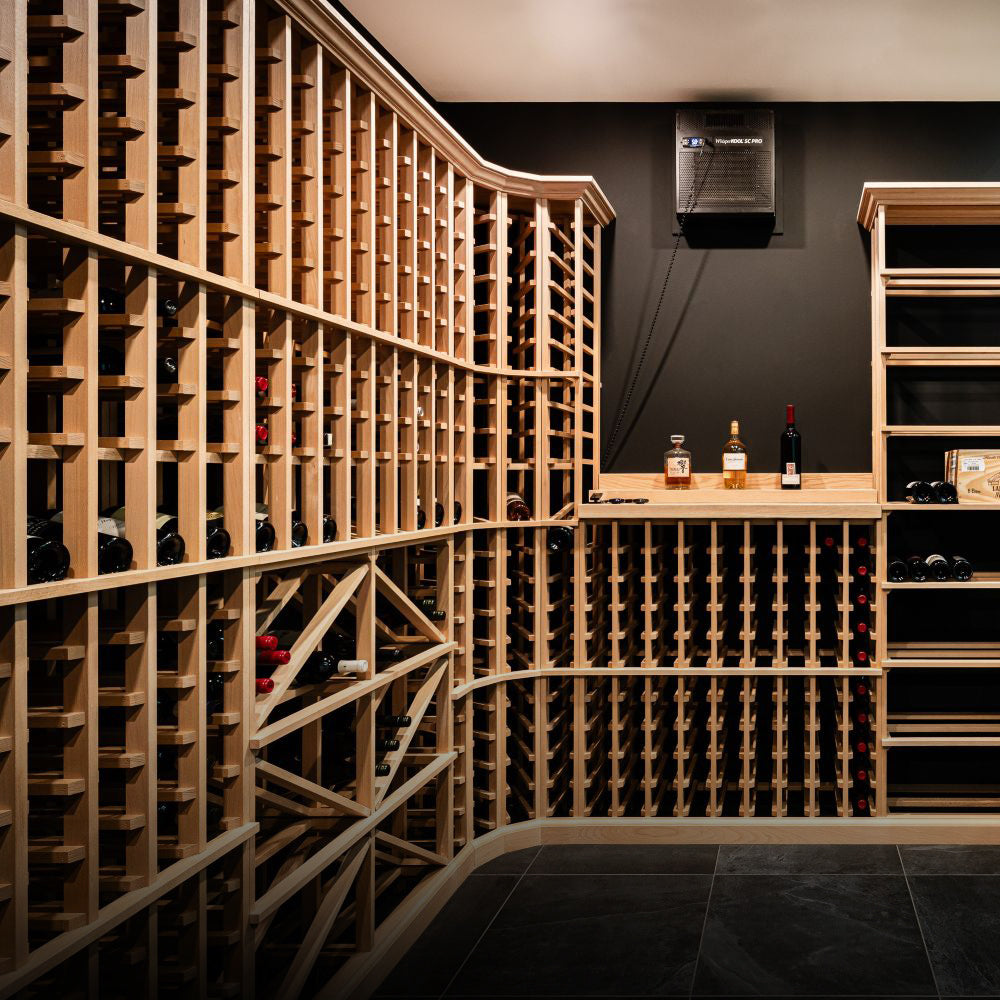
Selecting the right hardware is the most critical decision when planning a modern wine wall. While traditional wood racks are appreciated for their heritage, modern installations rely on the structural integrity and slim profiles of metal. Aluminum and stainless steel are the preferred materials because they offer high durability without the visual bulk of timber. These materials allow for a variety of configurations, from modular kits that offer predictable results to bespoke peg systems that provide a completely custom layout.
When choosing between systems, you'll need to weigh storage density against the desired "airy" aesthetic. Minimalist racks often prioritize spacing to allow light to filter through the bottles, whereas denser configurations can store hundreds of bottles in a relatively small footprint. Regardless of the visual style, any high-performance display must adhere to wine storage temperature and climate guidelines to protect the chemical integrity of the wine. Choosing professional-grade Modern Wine Racking ensures that your hardware is engineered to support the weight of a growing collection while maintaining these strict environmental standards.
Vinofabbrica and the Art of the Wine Peg
For those seeking the ultimate minimalist look, Vinofabbrica aluminum pegs offer a "Wine as Art" solution. These pegs are installed directly into a backing material, such as stone or wood, allowing for complete creative freedom in bottle placement. You can configure these pegs for single, double, or triple-deep storage depending on your capacity needs. The Rwc Double Bottle Aluminum Pegs are particularly effective at maximizing space without adding unnecessary bulk, keeping the focus entirely on the silhouette of the bottles. This approach turns a simple wall into a sophisticated gallery that invites conversation.
Premier Cru Modern Racking: The Modular Advantage
If your project requires a more predictable and scalable installation, Premier Cru Modern Racking is the gold standard for contemporary design. Unlike fully custom builds that may require extensive onsite fabrication, modular kits provide a structured framework that's easy to plan and install. This system often blends metal rails with wood accents, creating a "warm modern" aesthetic that fits comfortably in transitional homes. Because these systems are modular, they offer excellent scalability. You can start with a focused display and expand as your collection grows. If you're ready to explore these possibilities, browsing our full range of modern racking options is an excellent starting point.
The Engineering of Transparency: Glass Enclosures and Climate Control
The "invisible wall" is the defining feature of a modern wine wall, yet glass is one of the most challenging materials to manage thermally. While it offers unparalleled views of your collection, standard single-pane glass provides an insulation value of only about R-1. This is insufficient for a space where the target temperature is a steady 55°F. Without proper engineering, the temperature differential between your home and the cellar leads to massive heat transfer and persistent condensation, which can damage labels and invite mold. Achieving transparency requires a sophisticated approach to building science that prioritizes both clarity and climate stability.
Insulated Glass Units (IGUs) and Thermal Integrity
To maintain a stable microclimate, high-visibility wine walls must utilize Insulated Glass Units (IGUs). These consist of double or triple-paned glass separated by a spacer and filled with argon gas to provide a necessary thermal break. This configuration boosts the insulation value to between R-3 and R-6, significantly reducing the workload on your mechanical systems. Additionally, these units should feature Low-E coatings to filter out ultraviolet light. UV exposure causes "light-strike," a chemical reaction that ruins wine by producing foul sulfur compounds. Airtight seals and thermally broken frames are non-negotiable components that ensure your "invisible wall" remains clear and condensation-free.
Advanced Cooling Systems for Glass Environments
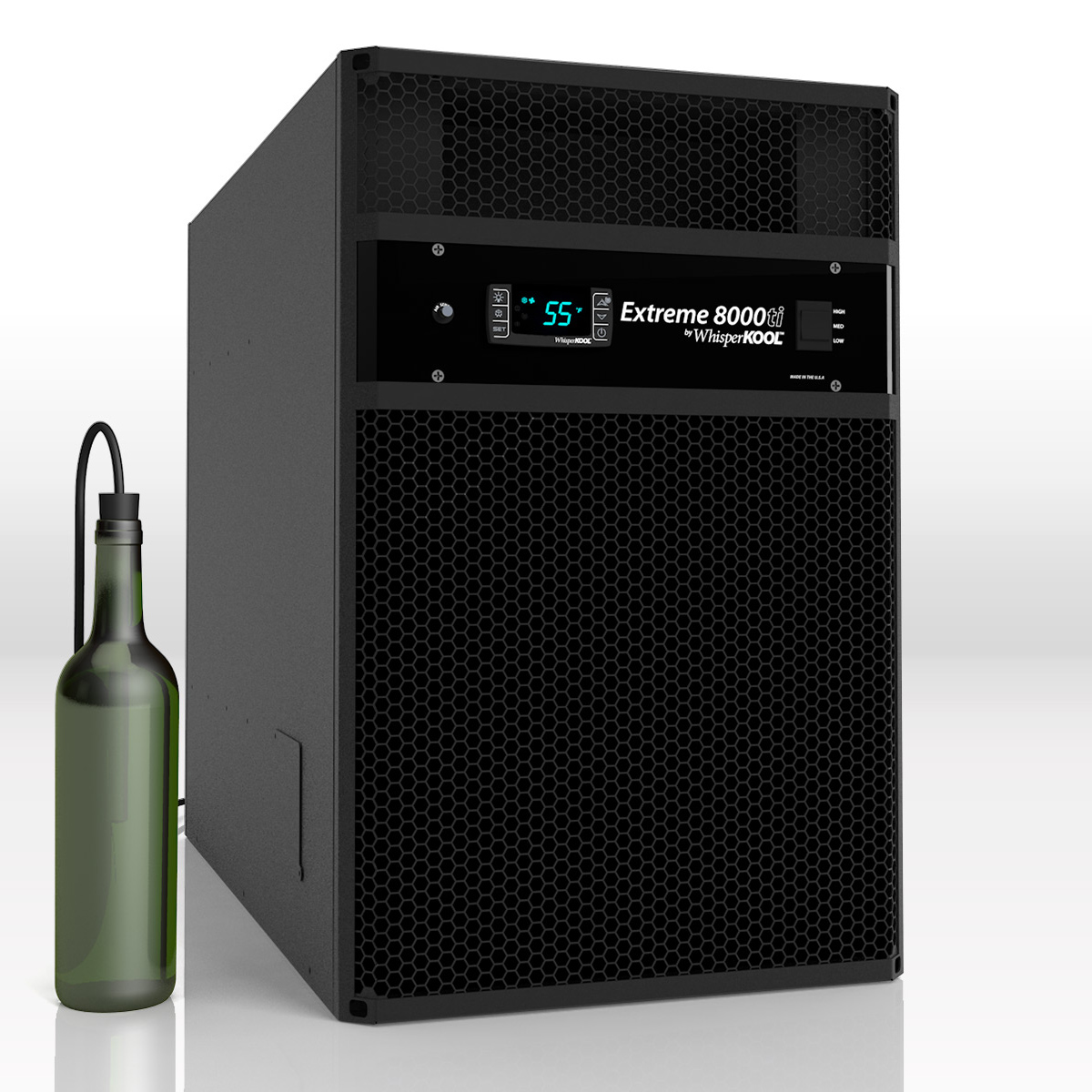
Integrating Wine Cellar Cooling Systems into glass-heavy environments requires precise BTU calculations. We often refer to this as the "Glass Factor." Because glass transfers heat up to 20 times faster than an R-19 insulated wall, these displays typically require a 30% to 50% increase in cooling capacity to offset the thermal gain. Leading cooling systems are specifically engineered for these demanding applications, providing the robust power needed for high-load environments while operating with remarkable quietness.
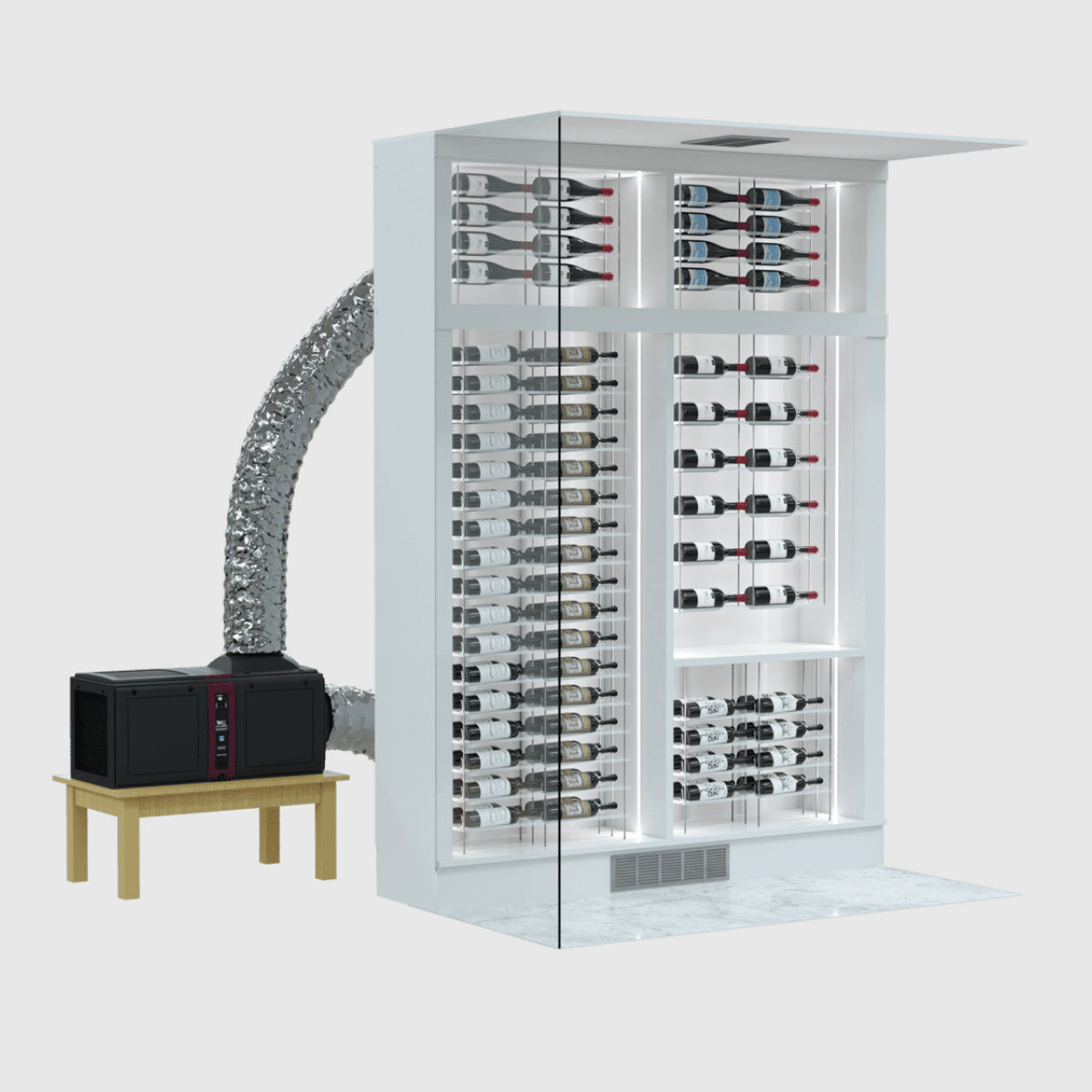
- Ducted Split Systems: These are ideal for modern walls because the bulky mechanical components are located in a remote area, leaving only discreet vents visible in the cellar.
- Integrated Controllers: Modern systems sync with smart home platforms to provide real-time humidity and temperature alerts, ensuring your investment is always protected.
Properly sizing the unit is vital. An undersized system will short-cycle and fail prematurely, while a correctly specified unit maintains the delicate balance of 55°F to 58°F and 60% relative humidity. This synergy between glass quality and mechanical power is what makes a high-end modern wine wall both beautiful and technically sound.
Curating the Aesthetic: Lighting, Materials, and Social Flow
While the technical engineering of a modern wine wall ensures the longevity of your collection, the aesthetic choices determine how that collection is experienced. A high-performance display should function as a social anchor, ideally situated in open-concept dining or living areas where it can facilitate conversation. This placement transforms the act of selecting a bottle into an interactive event. Beyond the visual impact, accessibility is a primary design pillar. A well-planned layout ensures that the wall is easy to browse and restock, allowing you to manage your inventory without leaving the glass doors open for extended periods, which would otherwise compromise the internal microclimate.
Lighting Design for Modern Cellars
Lighting is the most critical element for rendering wine labels accurately and creating a sense of depth. However, generic lighting solutions can be detrimental. Traditional halogen bulbs dump approximately 80% to 90% of their energy as heat, whereas low-voltage LEDs generate only about 246 BTU/hr for an equivalent amount of light. To protect your wine from heat spikes and lightstrike, specify LED fixtures that operate at 2700K to 3000K warm white with a Color Rendering Index (CRI) of 90 or higher. These fixtures should be damp-rated (IP44 to IP65) to withstand the cellar's humidity. Integrating smart dimmers and timers allows you to transition the ambiance from a bright, functional inventory mode to a soft, sophisticated evening glow that highlights the silhouette of the bottles.
Backdrop and Surround Materials
The materials surrounding your racking system provide the necessary contrast to make your collection stand out. Modern designs often favor dark, non-porous backdrops like honed black marble, textured slate, or dark walnut. These finishes allow the colors and typography of the wine labels to pop, creating a gallery-like effect. If you're working with a smaller footprint, mirrored back panels can be used to double the visual depth of the display, making the collection appear more expansive than it is. It's essential to coordinate these materials with your home's existing architectural millwork to ensure the installation feels like a permanent part of the interior. If you're ready to refine your space, our specialists can assist you with a Custom Wine Cellar Design that balances these aesthetic elements with professional-grade engineering.
Every watt of lighting adds to the heat load of your cooling system, roughly 3.41 BTU/hr per watt. By selecting high-efficiency LEDs and mounting drivers outside the chilled envelope, you reduce the workload on your mechanical systems. This methodical approach to lighting and material selection ensures that your wine wall remains a stunning focal point that never compromises the safety of your investment.
Bringing Your Vision to Life: The Bespoke Rosehill Process
Creating a high-performance modern wine wall requires more than selecting hardware; it demands a precise orchestration of architectural design and mechanical engineering. Since 1995, we've partnered with homeowners and architects to transform conceptual sketches into functional galleries. While a local builder might understand general construction, a specialist understands the unique pressures that a chilled glass environment places on a home's infrastructure. Our process ensures that the final installation isn't just visually striking but technically sound for the long term. This collaborative approach bridges the gap between a designer's vision and the rigorous requirements of thermal preservation.
The Custom Design Consultation
The journey toward a Custom Wine Cellar begins with a deep dive into your collection goals and architectural constraints. We work directly with your design team to translate drawings into detailed 3D CAD renderings and engineering plans. This phase is critical for balancing bottle capacity with the minimalist aesthetic discussed in previous sections. We utilize precision site laser measurements to ensure that every Vinofabbrica peg and glass panel fits perfectly within your existing architecture. This meticulous planning eliminates guesswork and ensures a fixed-price proposal that respects the project's scope and budget.
Long-Term Care for Your Investment
Once your modern wine wall is installed, the focus shifts to preservation and mechanical longevity. Professional-grade cooling units are high-performance machines that operate in demanding, high-visibility environments. To ensure your system continues to run quietly and efficiently, we emphasize the importance of an Annual Maintenance Plan. Regular service prevents the common pitfalls of glass-enclosed storage, such as sensor drift or drain line clogs, which can compromise your vintage bottles. Our national service coverage means that whether you're building a transitional cellar or a minimalist glass wall, you have access to expert support long after the initial installation is complete.
A professional design is the only way to achieve the perfect balance of form and function. By integrating thermal precision with high-end materials, we create spaces that enhance your lifestyle and protect your investment. Start your modern wine wall journey with a custom design consultation.
Elevating Your Collection with Architectural Precision
Designing a modern wine wall is a sophisticated undertaking that requires balancing high-end transparency with rigorous climate control. The success of a glass-enclosed display depends on the synergy between insulated glazing and high-performance mechanical systems like Whisperkool. Whether you choose the minimalist silhouette of Vinofabbrica pegs or the structured elegance of Premier Cru Modern Racking, the priority remains the same: protecting your investment while creating a stunning visual centerpiece.
With over 30 years of custom wine storage expertise, we're a national leader in Vantaggio and Whisperkool systems. We specialize in bespoke designs tailored to your specific architectural requirements, ensuring that every component meets professional-grade standards. Don't leave the integrity of your collection to chance. Let our master craftsmen guide you through the technical complexities of vapor barriers and thermal gain to bring your vision to life.
Ready to transform your home? Consult with our Design Experts for Your Custom Modern Wine Wall. We look forward to helping you create a timeless feature that enhances both your interior design and your lifestyle.
Frequently Asked Questions
Do modern wine walls need to be climate-controlled?
Active climate control is essential if you intend to store wine for more than a few months. A modern wine wall situated in a social area is frequently exposed to ambient light and temperature fluctuations that can cause premature aging. To maintain the ideal 55°F to 58°F range, you must integrate a dedicated cooling system. Passive walls are purely decorative and should only hold bottles intended for immediate consumption.
What is the best glass to use for a wine wall?
Insulated Glazing Units (IGUs) are the professional choice for transparent enclosures. These units feature double or triple panes with an argon gas fill to provide a necessary thermal break. You should also specify Low-E coatings to block ultraviolet rays, which prevent "lightstrike" damage. Using standard single-pane glass often leads to condensation issues and inefficient cooling, as it lacks the R-value required for active climate control.
How much space do I need for a modern wine wall?
The footprint of a modern wine wall is highly flexible, but depth is the most critical dimension. For a standard label-forward display using Vinofabbrica pegs, you typically need a minimum depth of 18 to 24 inches. This allows for the racking hardware, the bottles, and necessary airflow. If you're integrating a ducted cooling system, you'll also need to account for ceiling or wall space to house the supply and return vents.
Can I use LED lights inside my wine wall?
Yes, LED lighting is the only recommended option for modern displays because it emits minimal heat. Unlike halogen or incandescent bulbs, which can raise the internal temperature and damage corks, low-voltage LEDs are safe for long-term exposure. We recommend fixtures with a warm color temperature of 2700K to 3000K and a high Color Rendering Index of 90 or higher to ensure your labels look vibrant without risking the wine’s chemical integrity.
Is metal racking better than wood for modern designs?
Metal racking is generally preferred for contemporary aesthetics due to its slim profile and minimalist feel. Systems like Premier Cru Modern Racking utilize aluminum or steel to create a floating look that wood simply cannot replicate. While wood offers a traditional warmth, metal is more durable in high-humidity environments and allows for the label-forward orientation that defines most modern designs. The choice ultimately depends on your home’s existing architectural millwork.
How do I prevent condensation on my glass wine wall?
Condensation occurs when warm, moist air hits a cold glass surface. To prevent this, you must use thermally broken frames and IGUs to ensure the exterior glass temperature remains close to the room's ambient temperature. Additionally, a 6-mil polyethylene vapor barrier must be installed on the warm side of the wall cavity during construction. This prevents moisture from migrating into the wall and creating mold or structural damage to your home.
What is the difference between a wine wall and a wine cabinet?
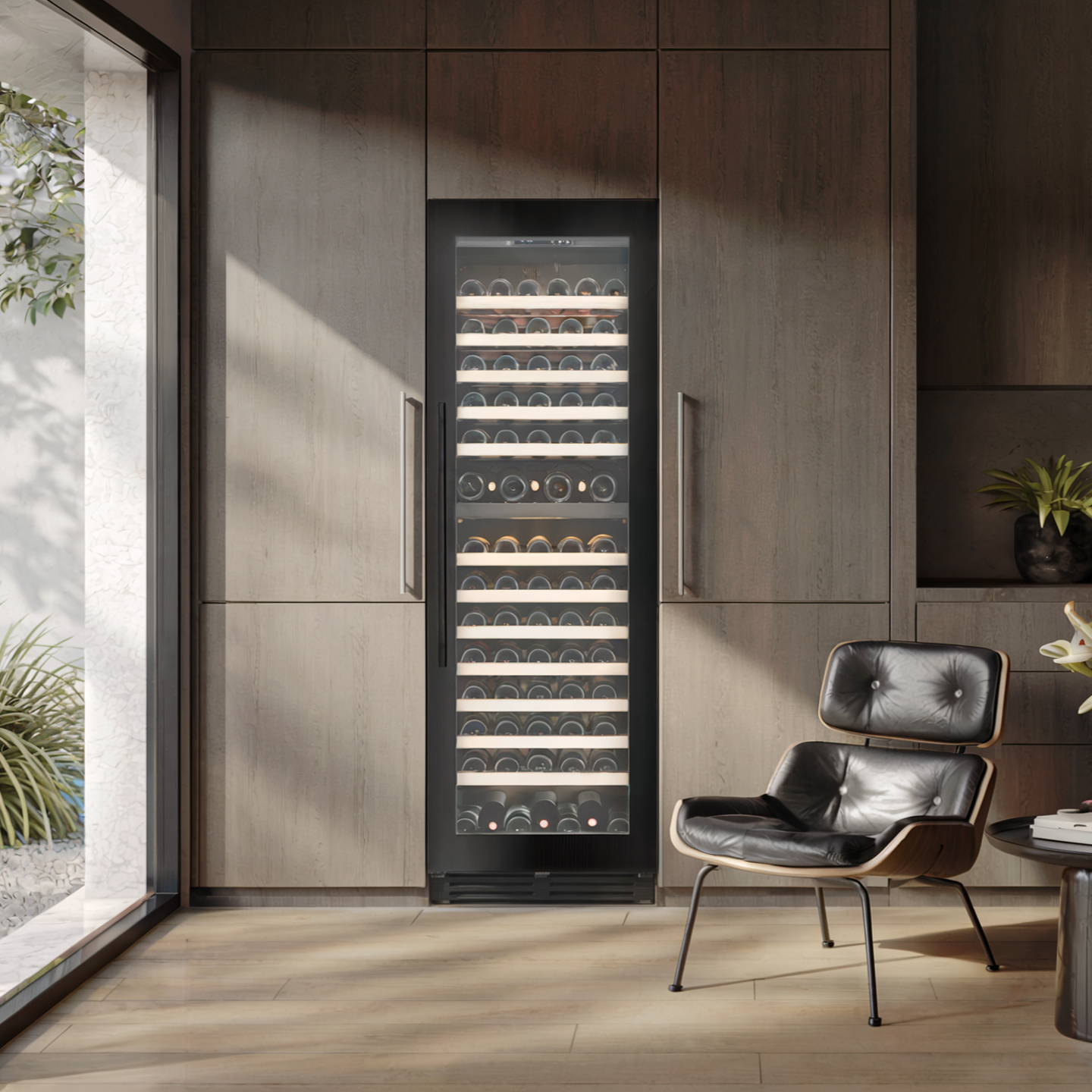
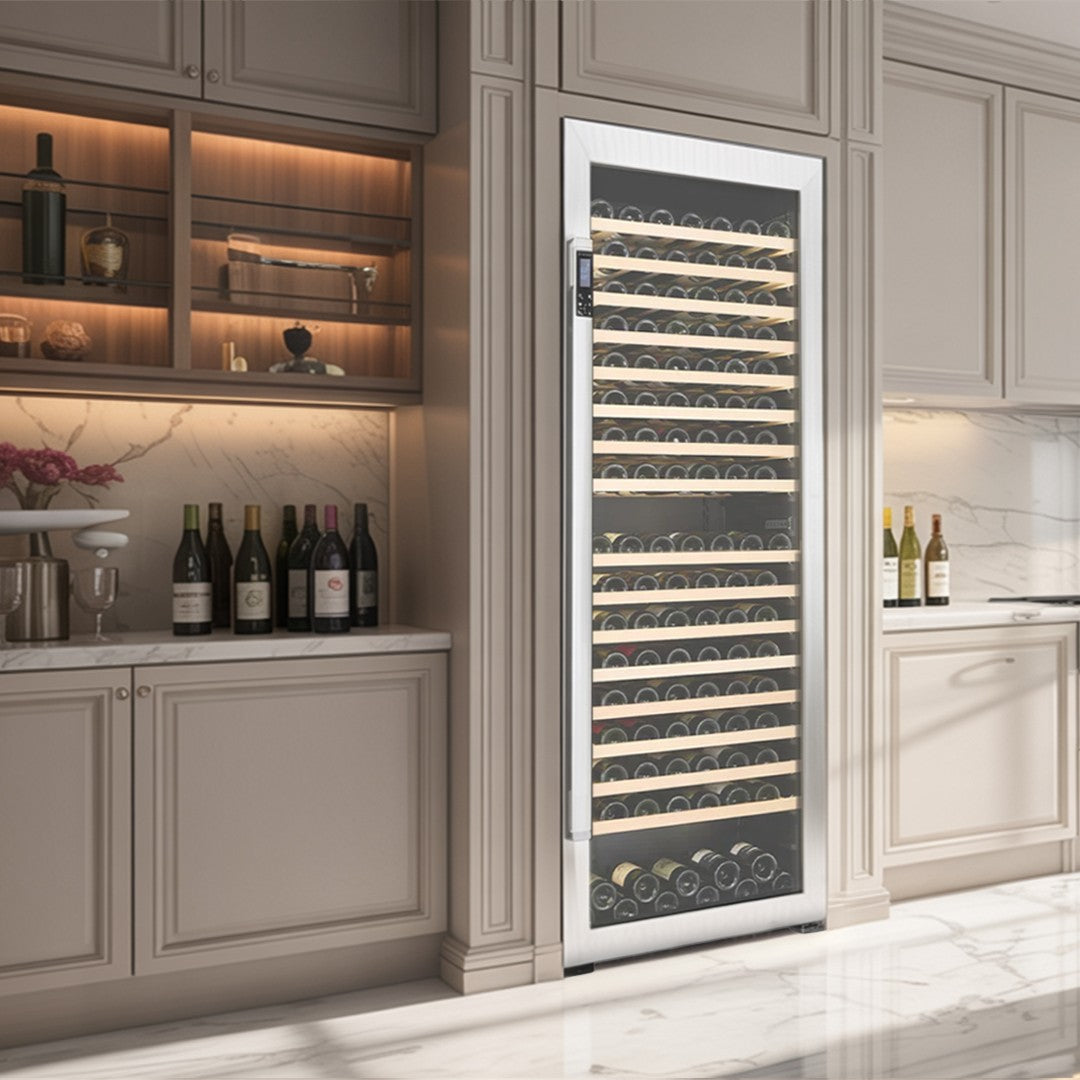
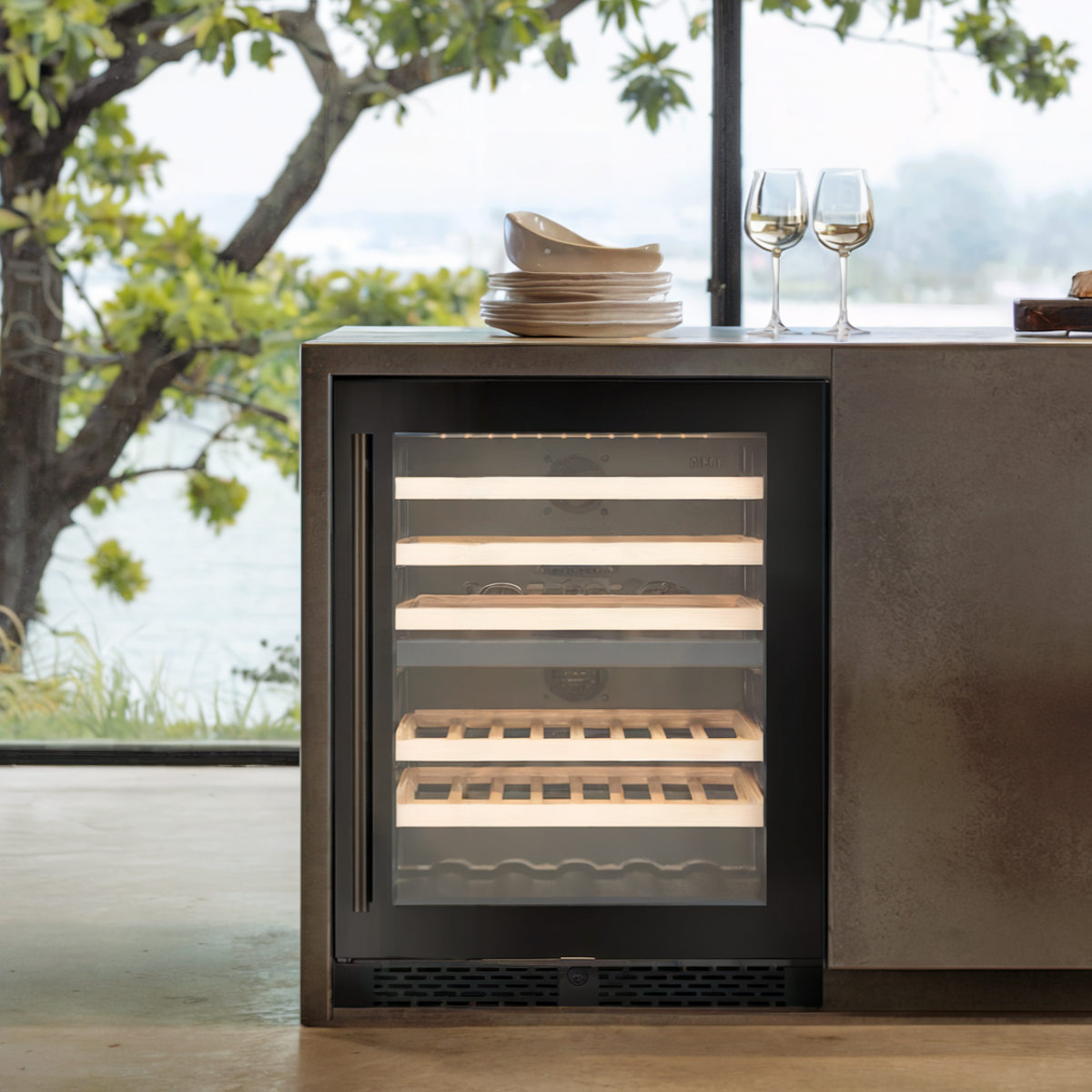
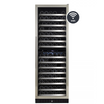
A wine wall is a built-in architectural feature that's integrated into the home's structure, often requiring custom glass and ducted cooling. In contrast, a wine cabinet like the Vantaggio V300 is a self-contained, standalone unit. Cabinets offer a simpler installation process and are ideal for collectors who want professional-grade storage without a full-scale renovation. Both provide excellent climate control, but the wine wall offers a more seamless, bespoke aesthetic for entertaining.
How noisy are wine wall cooling units?
The noise level depends entirely on the type of system installed. Through-the-wall units are the most audible, while ducted split systems are nearly silent because the condenser is located in a remote area or outdoors. Whisperkool units are engineered specifically for quiet operation in living spaces, often registering at decibel levels comparable to a high-end refrigerator. Proper sizing and professional installation are key to ensuring the system runs smoothly without disruptive cycling.