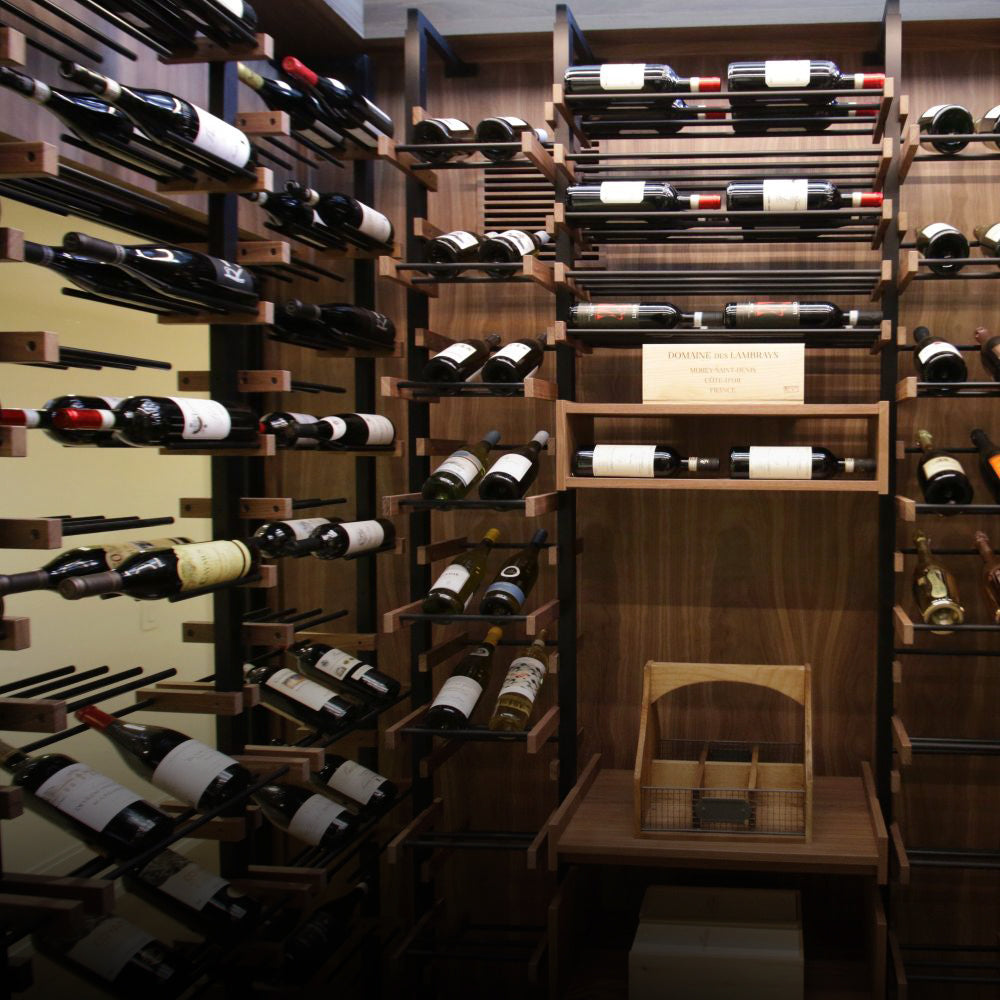
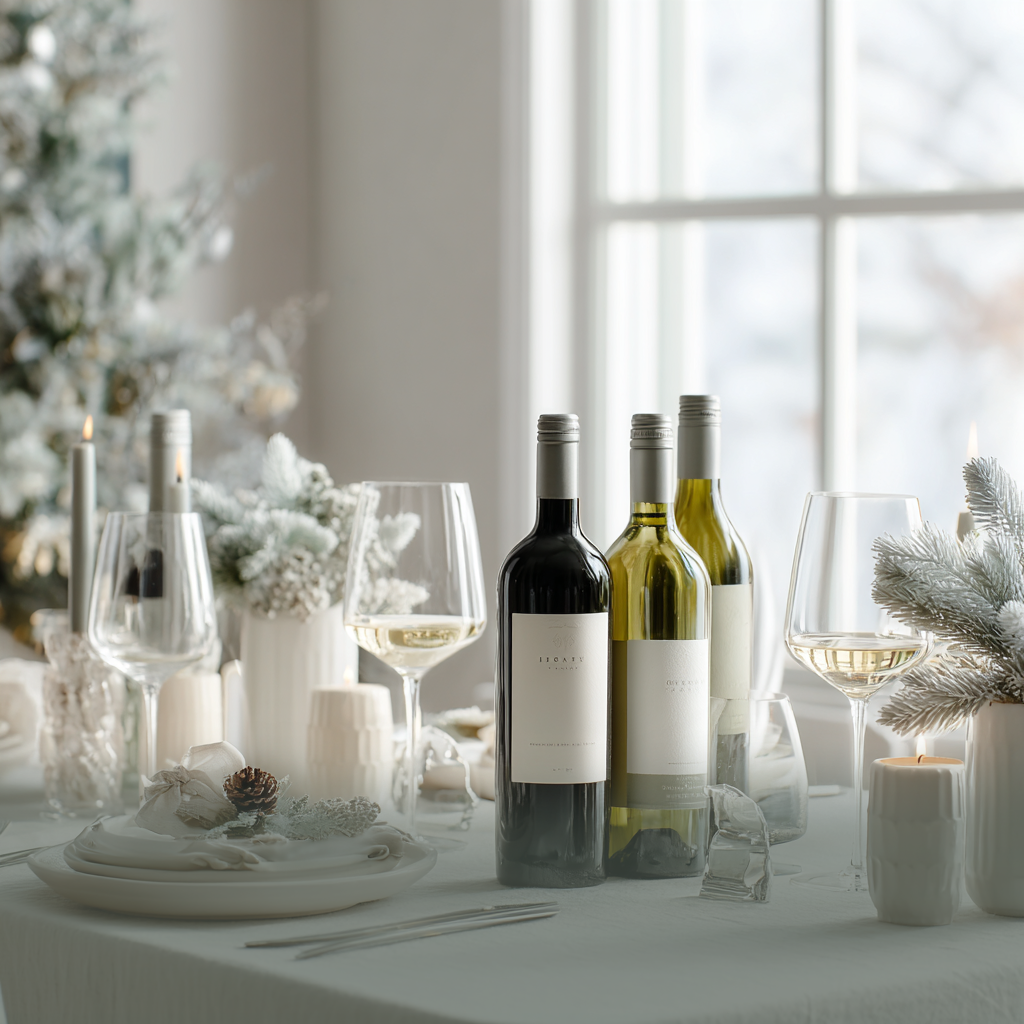
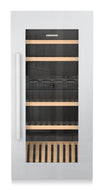


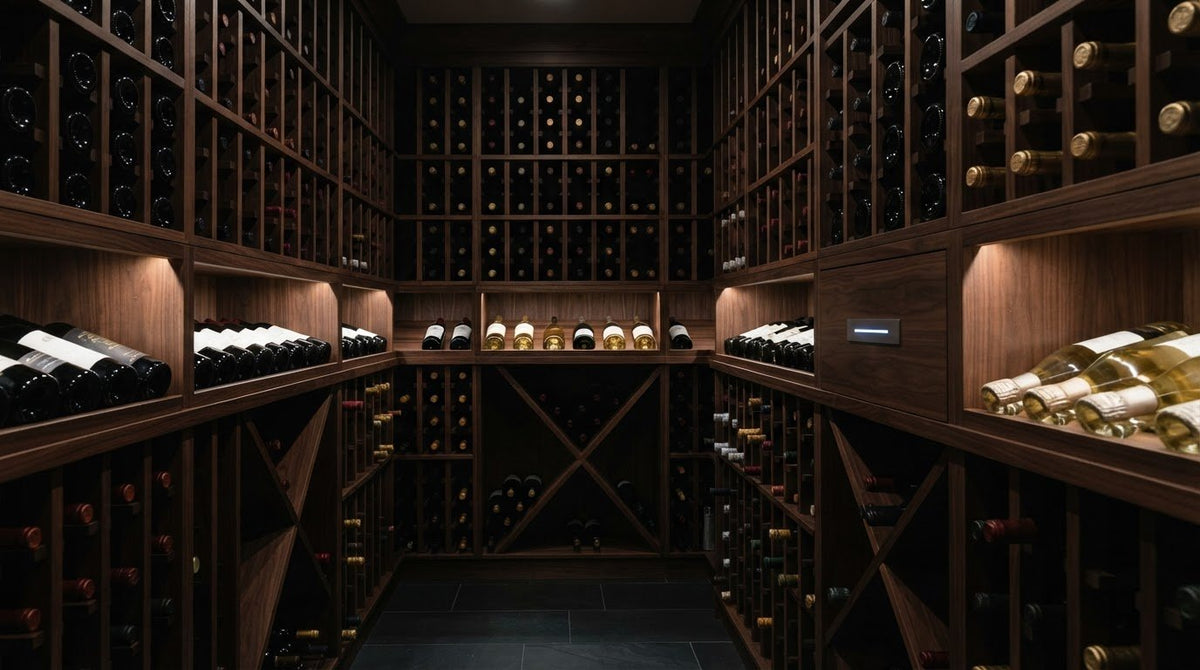
A separate temperature for every red and white bottle may seem essential, but long-term aging usually calls for one steady setting. Finding the optimal aging temperature for mixed red and white collection starts with a reassuring answer: about 55°F (13°C) is suitable for both. Consistency matters more than creating separate aging zones.
It’s understandable to wonder whether reds and whites have different storage needs, or whether small temperature swings could affect a carefully built collection. The key distinction is between aging and serving: wines can share a stable storage environment, then be brought to suitable serving temperatures when it’s time to enjoy them.
This guide explains how to store mixed reds and whites together, when a dual-zone cabinet can be useful, and how to check conditions over time. You’ll also learn why a single-zone setup can suit an aging-focused collection, while separate zones may add convenience for bottles you plan to serve soon. With a few practical criteria, you can choose storage that supports your collection without overcomplicating your cellar.
Key Takeaways
- For the optimal aging temperature for mixed red and white collection, about 55°F (13°C) is a commonly cited benchmark. Prioritize steady conditions.
- Repeated temperature swings are worth addressing, especially if they recur over days or seasons.
- Single-zone storage suits collections focused on aging; dual-zone options can keep some bottles closer to serving temperature.
- Choose a stable location away from sunlight and heat sources, set an appropriate target, and check conditions consistently.
- Match your storage choice to your collection and serving habits, whether that points to a wine cabinet or a purpose-built cellar.
What Is the Optimal Aging Temperature for Mixed Red and White Wine?
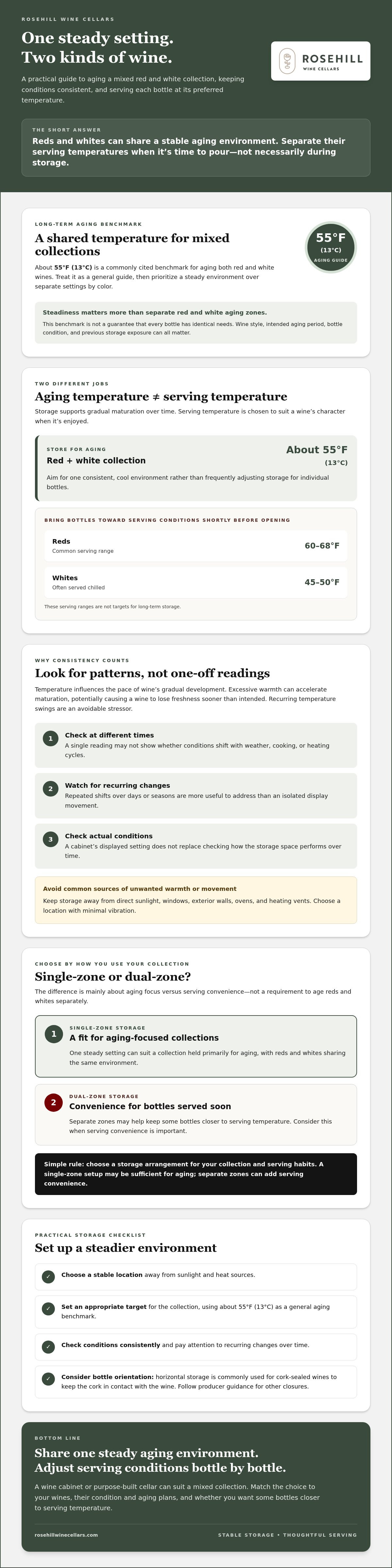
One stable, cool temperature can generally serve a mixed collection of red and white wines. About 55°F (13°C) is a commonly cited benchmark for long-term aging, giving bottles a consistent environment as they mature. For the optimal aging temperature for mixed red and white collection, steadiness is a more useful starting point than separate aging settings based on color.
This benchmark is a general guide, not a guarantee that every bottle has identical needs. Wine style and intended aging period matter: a wine made for early enjoyment may not benefit from extended cellaring, while an age-worthy wine may develop over a longer period under suitable conditions. Bottle condition matters, too. A compromised closure or previous exposure to poor storage can affect how well a wine holds up, regardless of the temperature you choose.
Why red and white wines can age at the same temperature
Long-term storage supports gradual maturation; it isn’t intended to have every bottle ready to pour. The chemical changes involved in development are outlined in Aging of wine. A consistent environment helps avoid unnecessary variation in that process. Reds and whites differ in structure and aging potential, so they won’t all evolve in the same way. That doesn’t mean each color needs its own aging temperature.
For a mixed collection, a shared setting near 55°F (13°C) can be a practical baseline. Focus on maintaining it consistently rather than frequently adjusting the cabinet for individual bottles. Specific recommendations may vary with the wine’s style, condition, and expected time in storage.
Aging temperature versus serving temperature
Storage and serving temperatures serve different purposes. A cellar or wine cabinet provides a steady environment over time, while serving temperature is chosen to suit a wine’s character when it’s enjoyed. Reds are commonly served around 60 to 68°F, while whites are often served chilled around 45 to 50°F. These serving ranges aren’t targets for long-term storage.
Bring bottles toward their preferred serving conditions shortly before opening, rather than using separate aging temperatures simply because they’re red or white.
Share one steady aging environment across reds and whites; adjust each bottle to its style-specific serving temperature when it’s time to pour.
This distinction simplifies storage decisions. If you’re holding your collection primarily for aging, one consistent setting may be sufficient. If you also want certain bottles close to serving temperature, treat that as a separate convenience when choosing a storage arrangement.
How Temperature Stability Affects Wine as It Ages
Wine develops through gradual chemical changes, and temperature influences the pace of that evolution. Excessive warmth can accelerate maturation, potentially causing a wine to lose freshness sooner than intended. Research on chemical changes during wine aging offers scientific context for why storage conditions matter. The aim isn’t to stop a wine from changing, but to provide a reasonably consistent environment in which it can mature.
Repeated temperature swings are an avoidable stressor. A brief, minor fluctuation is different from a location that warms and cools regularly over time. A room may feel comfortable while still experiencing seasonal variation, particularly near windows or exterior walls. A wine cabinet or properly managed cellar is designed to provide a more controlled environment, but check actual conditions rather than assuming the displayed setting tells the whole story.
What fluctuating temperatures can mean for a collection
Look beyond a single temperature reading. Check conditions at different times and consider whether the space changes with the weather, cooking, or heating cycles. Direct sunlight, ovens, and heating vents can create localized warmth or recurring shifts, making nearby storage less suitable for bottles intended to age.
There’s no need to panic over every small movement on a display. Look for patterns: recurring changes over days or seasons are more useful to address than an isolated reading. Avoid relying on a universal damage threshold unless it has been verified for the specific wine and storage circumstances.
Other storage conditions that support aging
Temperature deserves priority, but it isn’t the only consideration. Keep bottles away from direct light and choose a location with minimal vibration. For cork-sealed wines, horizontal storage is commonly used to keep the cork in contact with the wine. Bottle orientation may differ for other closures, so follow the producer’s guidance where available.
Humidity also matters, particularly for cork closures. Use current, authoritative wine-storage guidance to determine an appropriate humidity level for your conditions, and follow the storage equipment’s instructions. Avoid assuming that one target suits every space. Monitoring temperature and humidity over time can reveal patterns that a quick glance would miss.
A simple log or monitoring device can help you spot recurring changes and assess whether your current setup is consistent. If room conditions are difficult to control, a wine cellar cooling system may be one option to explore for managing a purpose-built storage environment.
Single-Zone vs. Dual-Zone Storage for a Mixed Wine Collection
The right configuration depends on whether your priority is long-term aging or having bottles ready to serve. A single-zone cabinet maintains one shared temperature, while a dual-zone model provides separate areas that can be set differently. For an aging-focused collection, the choice isn’t red versus white; it’s whether you want every bottle stored under the same conditions or some kept closer to serving temperature.
| Storage type | How it works | May suit you if |
|---|---|---|
| Single-zone | One temperature setting throughout the cabinet | You primarily want stable, shared storage for bottles you’re aging |
| Dual-zone | Separate areas can be set to different temperatures | You want some bottles nearer their preferred serving conditions |
When single-zone storage may suit a mixed collection
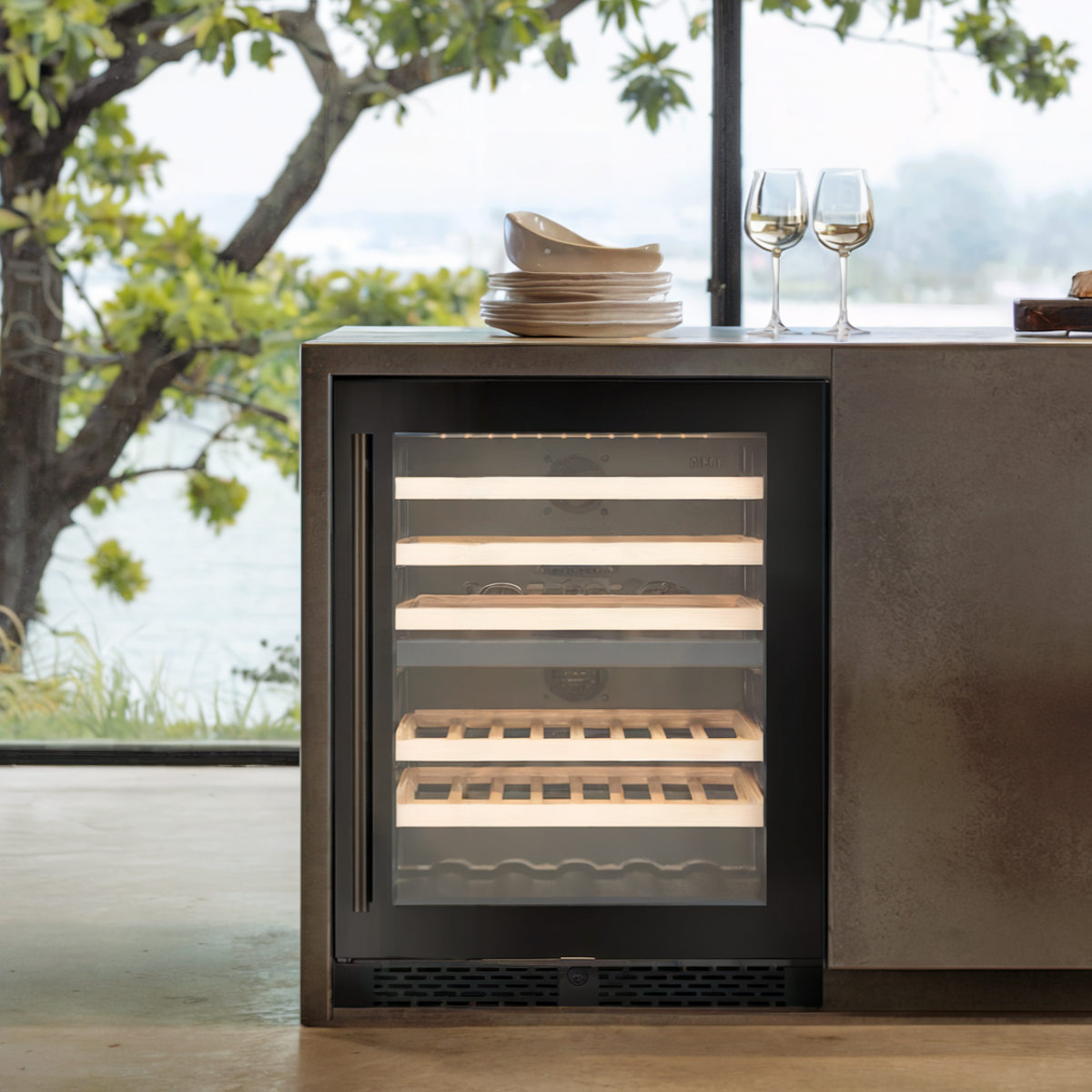
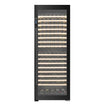
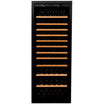
If your bottles will mostly remain in storage, a single-zone cabinet can be a straightforward choice. One steady setting near the commonly cited 55°F aging benchmark can serve reds and whites together; bottle color alone doesn’t require separate aging zones. This approach prioritizes consistent storage over ready-to-pour convenience. Explore the available wine cooler options with your collection size and intended use in mind.
When dual-zone storage may be worth considering
Separate zones can be useful if you regularly entertain or want a group of whites chilled while holding other bottles at a different temperature for serving. That convenience is distinct from long-term aging: the optimal aging temperature for mixed red and white collection is about stability, while serving preferences vary by style. A discussion of how temperature affects aging chemistry offers context for why warmer storage can change a wine’s development.
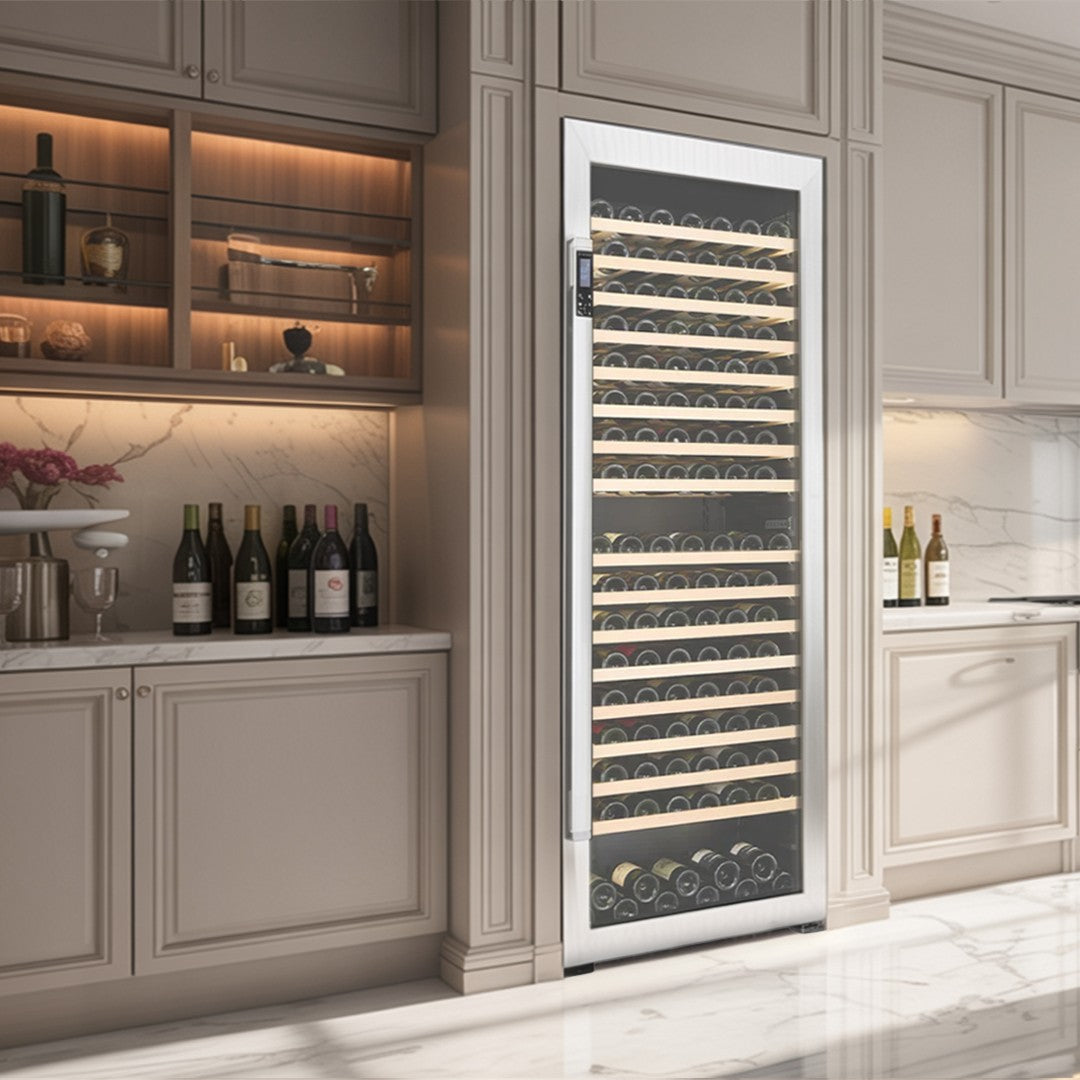
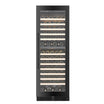
Dual-zone designs aren’t all alike. Zone placement, available temperature ranges, and whether both areas can be set to the same temperature vary by model. Check the product specifications before choosing, especially if you plan to use one area for aging and the other for bottles you’ll serve soon. A dual-zone cabinet is most useful when you’ll regularly use that flexibility.
In brief, choose single-zone storage if your collection is primarily being held for aging. Consider dual-zone storage if serving convenience is part of your routine. Either way, compare the cabinet’s capacity and verified operating specifications with how you intend to use it.
How to Set Up and Monitor Storage for Red and White Wine
A dependable storage routine starts with the location, then the setting, then regular checks. A cabinet’s displayed temperature is a useful reference, but it doesn’t always show precisely what conditions bottles experience. Follow the manufacturer’s instructions and assess how the unit performs in its installed space.
A practical temperature-setting and monitoring routine
- Choose a stable location. Keep the cabinet or cellar away from direct sunlight, ovens, heating vents, and other common heat sources. Allow for the clearance and installation conditions specified by the manufacturer.
- Set an appropriate target. About 55°F (13°C) is a commonly cited aging benchmark for a mixed collection, but check that it suits your equipment and the wines you intend to store.
- Check conditions over time. Use a reliable thermometer or system monitor, and follow the manufacturer’s guidance on where to place it. Record readings at consistent intervals so you can notice recurring shifts.
Assess the trend, not a single reading. One measurement offers only a snapshot; a record over time can show whether the storage environment is holding steady or fluctuating repeatedly.
If the displayed setting and an independent reading differ, verify that the thermometer is positioned and used correctly, then consult the equipment instructions. Persistent fluctuations may call for checking the installation or seeking service. Avoid repeatedly changing the set point before you understand the pattern, since adjustments can make it harder to identify the cause.
Choosing a cabinet or cellar cooling approach
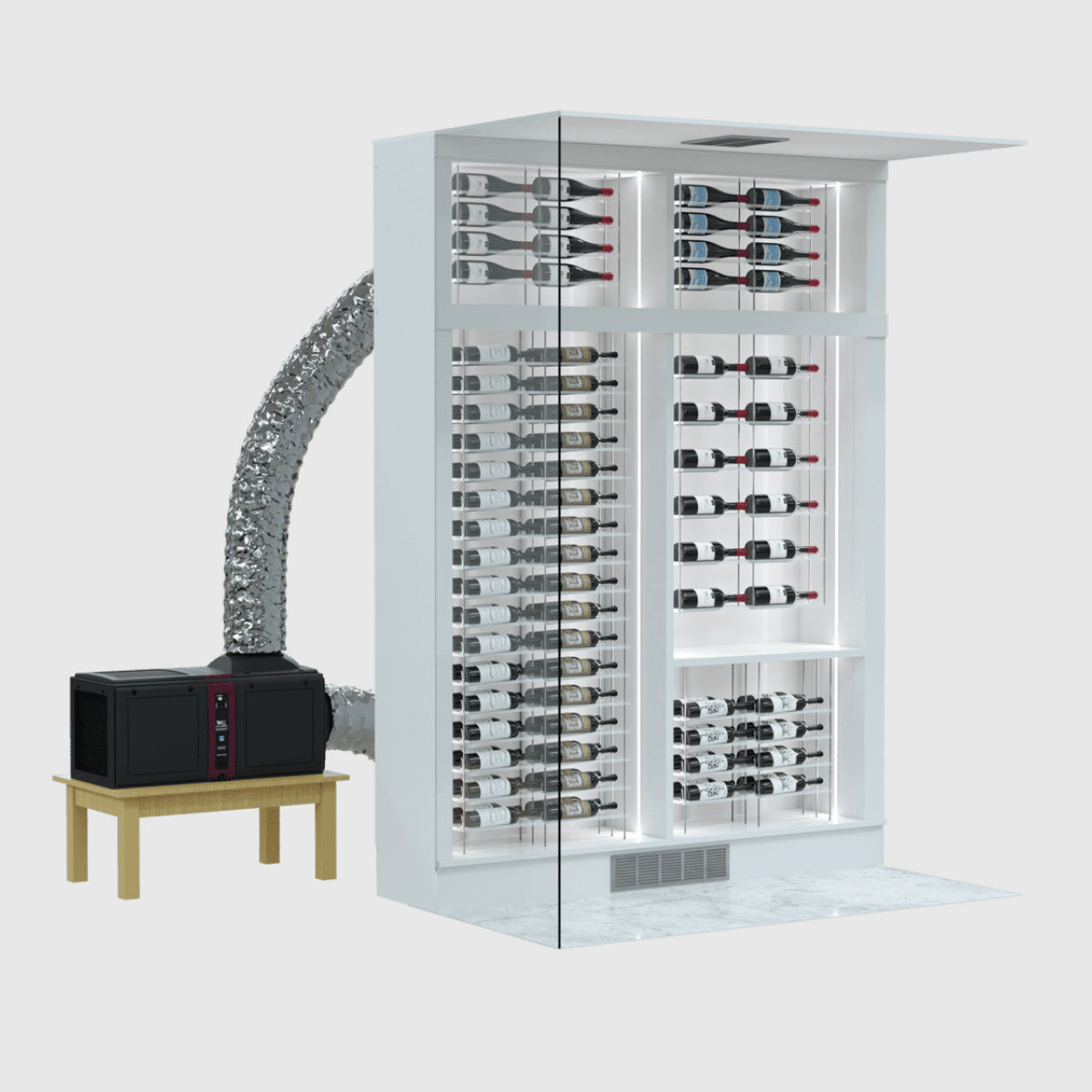
The right solution depends on how many bottles you plan to store, the space available, installation requirements, and how long you expect to keep the collection. A cabinet may be practical for a defined collection in a suitable location, while a purpose-built cellar may call for a cooling system selected for that space. Compare the equipment’s stated operating conditions with the environment where it will be installed.
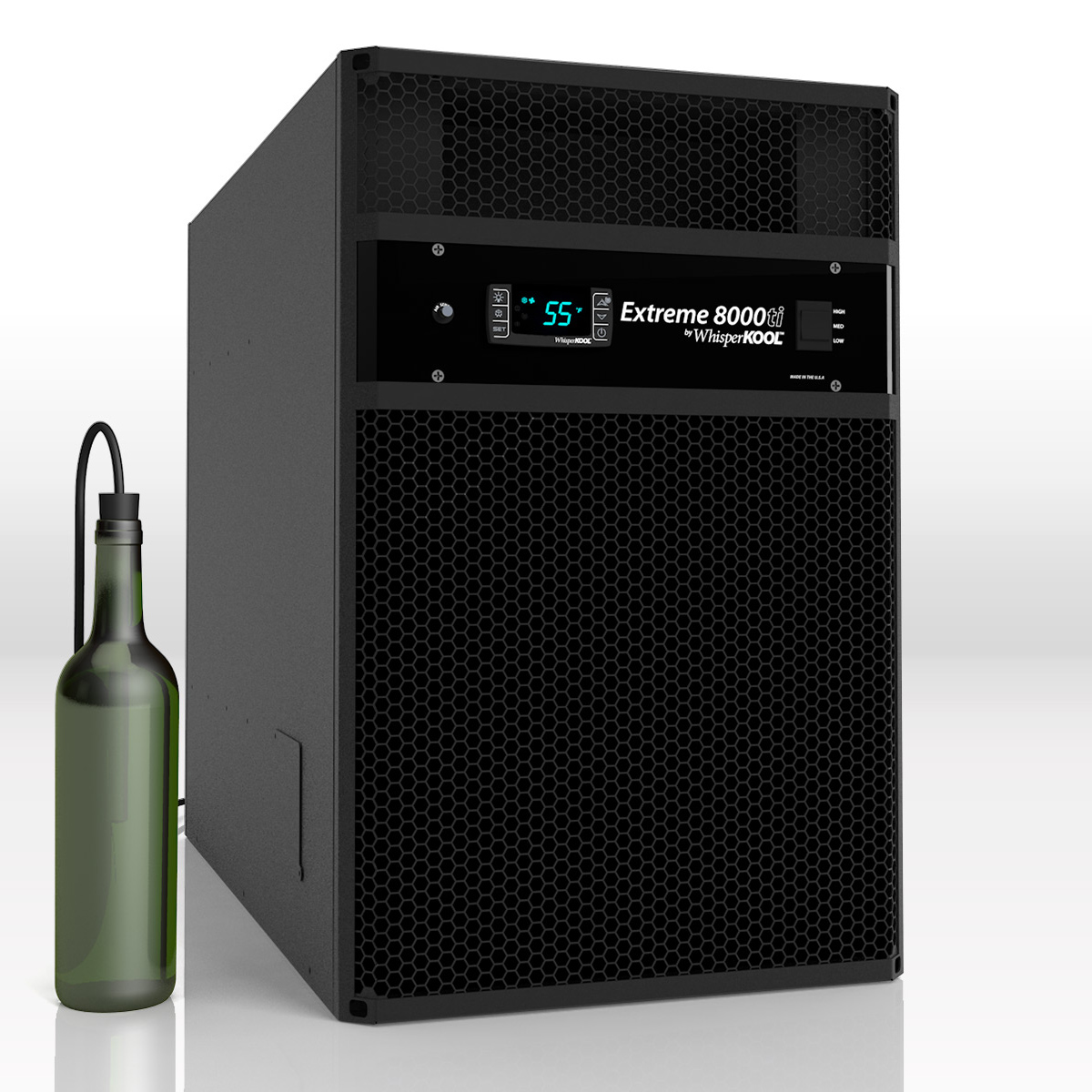
For a purpose-built storage area, review the available wine cellar cooling systems and verify each unit’s specifications rather than assuming all systems suit every cellar. If collection size or installation needs make the choice more complex, seek guidance from a wine storage specialist before settling on equipment. Planning ahead helps align the cooling approach with the space and the collection’s intended storage duration.
Choosing a Wine Storage Solution for a Mixed Collection
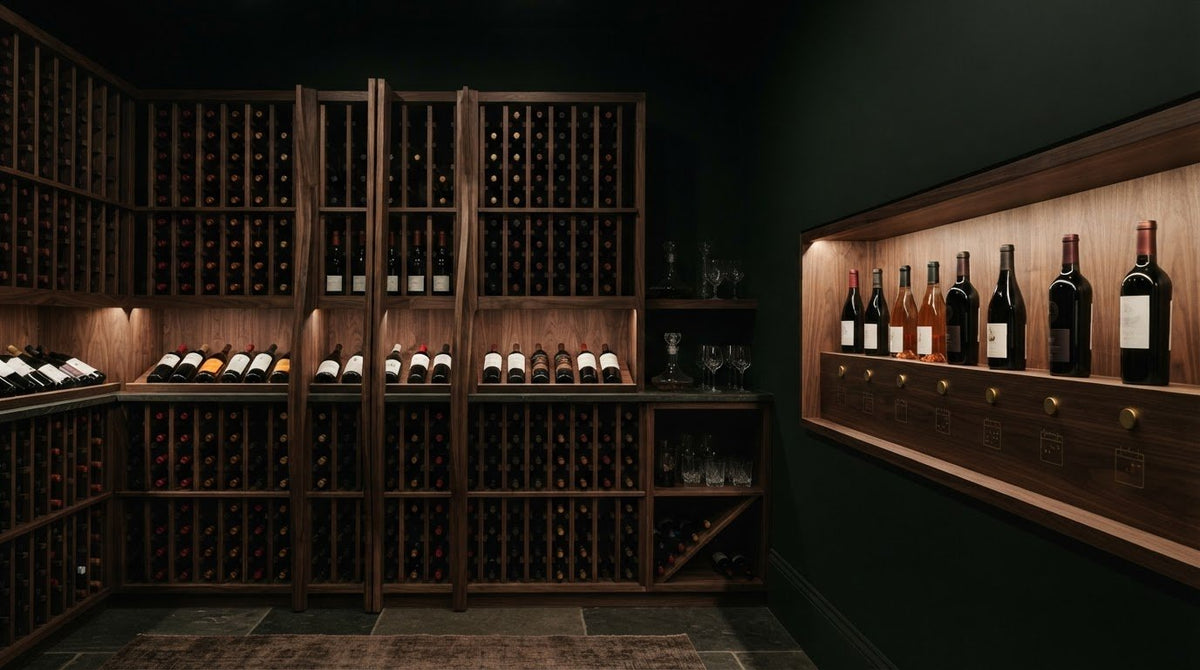
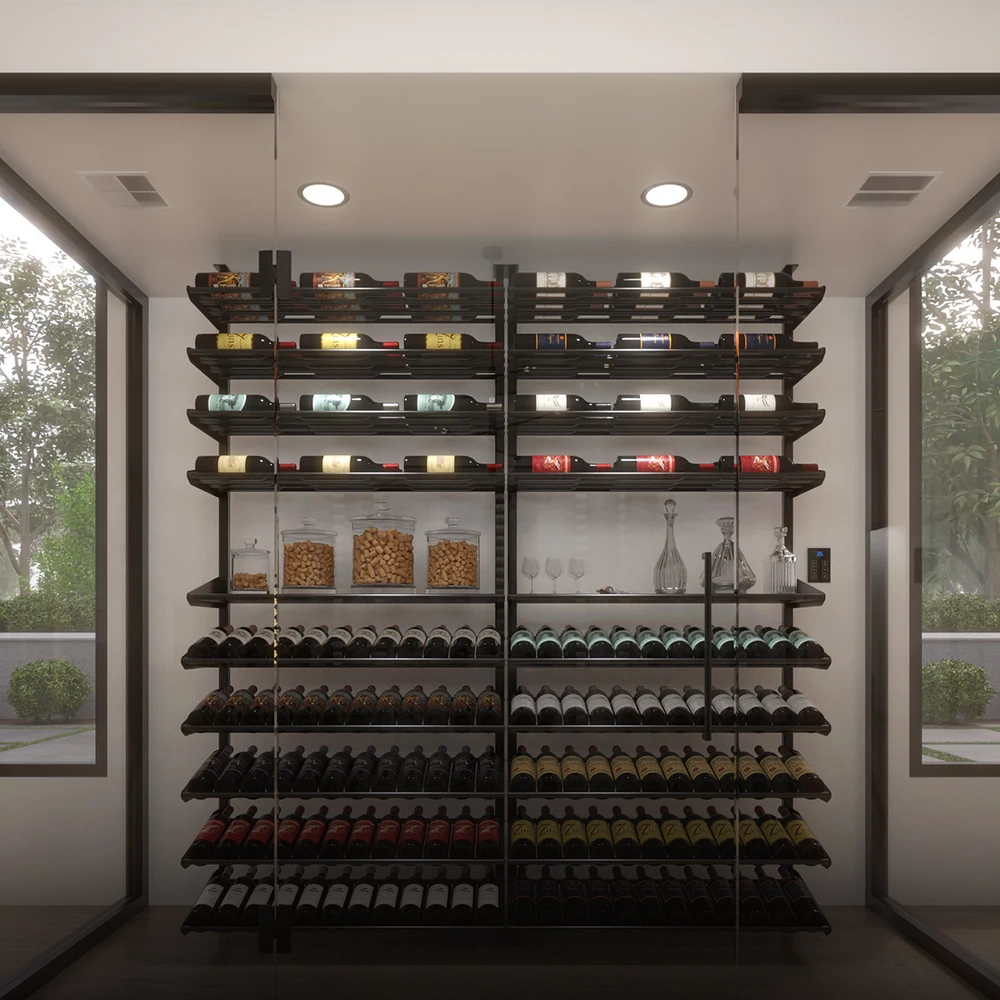
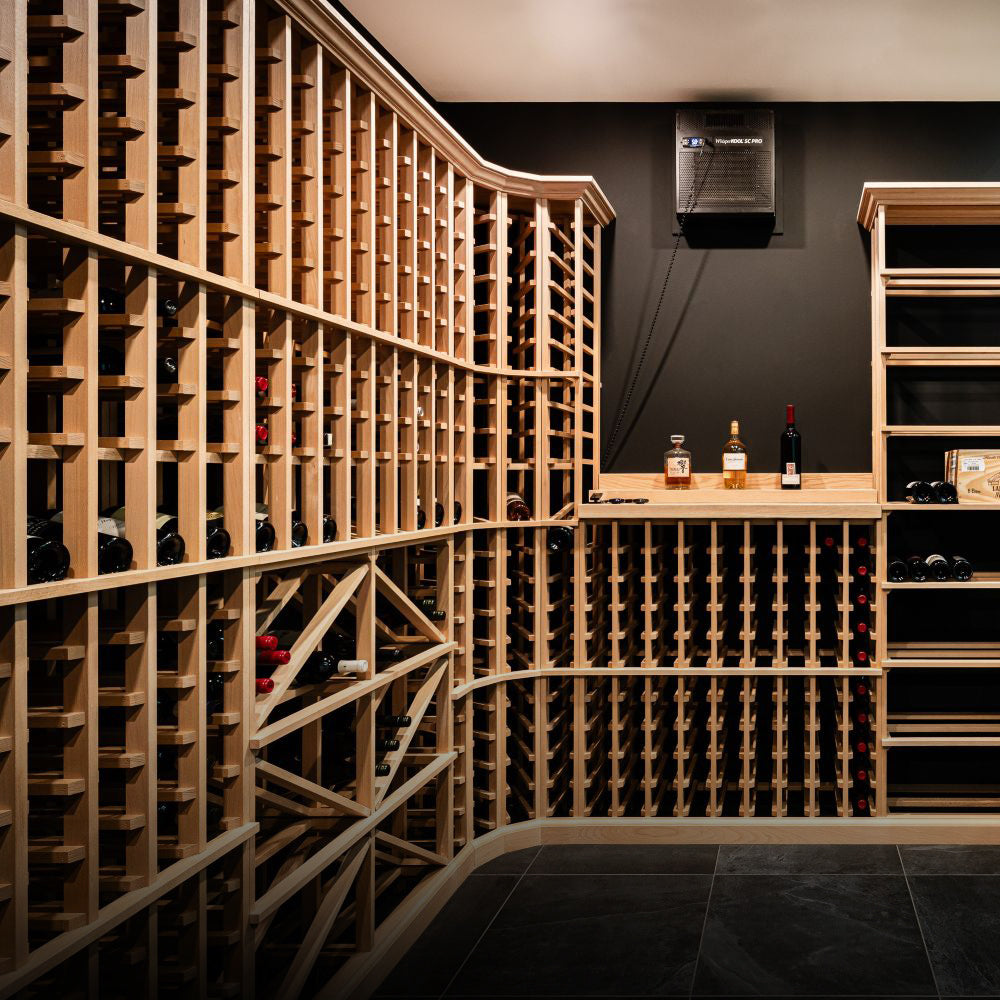
Start with the collection’s purpose, then choose equipment that can maintain suitable, steady conditions. The optimal aging temperature for mixed red and white collection is a shared storage target, not a reason to create separate aging zones. A single cabinet may be a practical fit for bottles held over time; a purpose-built cellar may suit a larger collection or a dedicated room, depending on the space and installation requirements.
Match the solution to collection size and use
Consider how bottles move through your collection. Are most being held for aging, rotated regularly for near-term enjoyment, or split between both? If you mainly store bottles, prioritize a stable environment and capacity that fits your collection. If you often reach for wines soon after purchase, access and serving convenience may carry more weight.
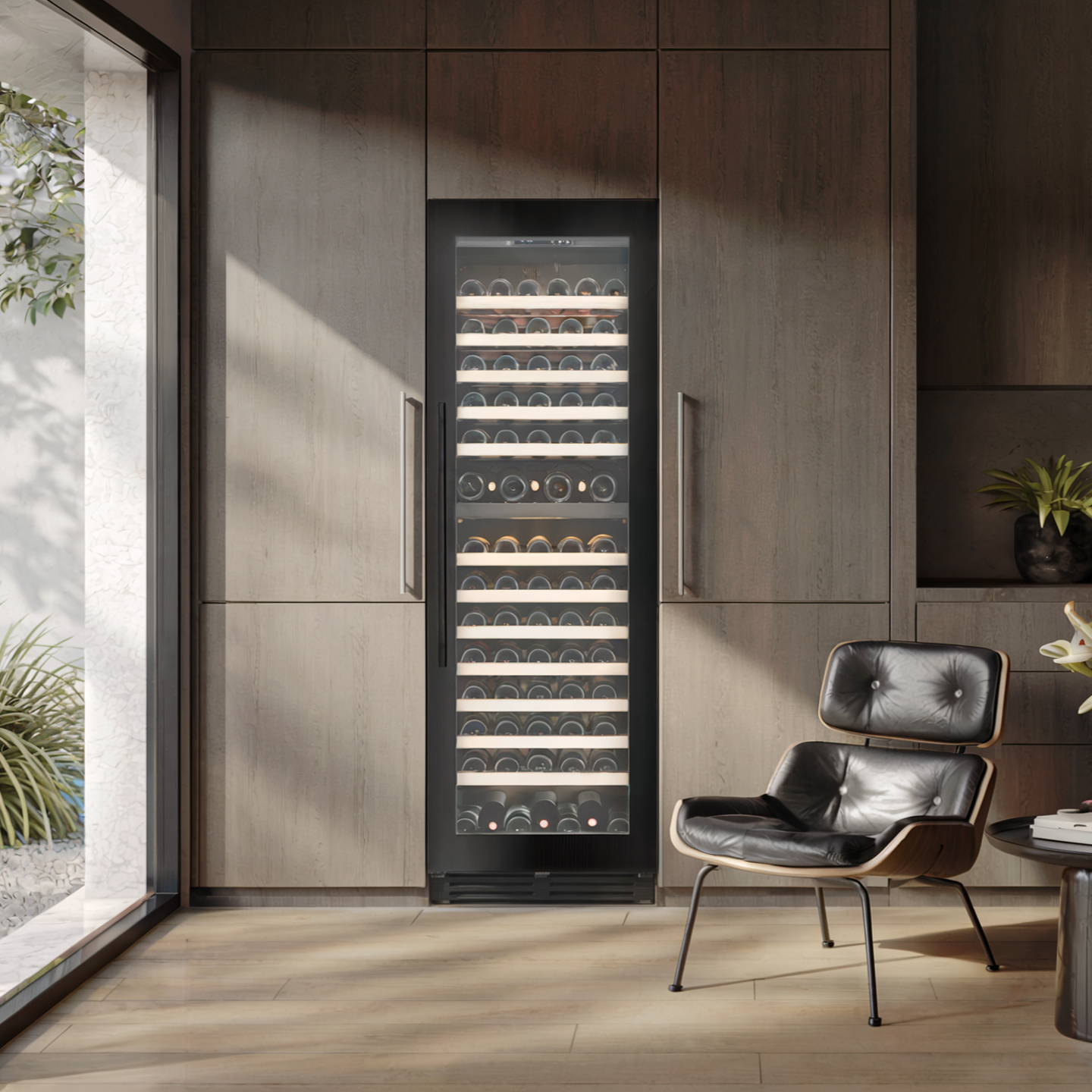
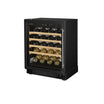
Placement matters, too. A cabinet needs an appropriate location and the clearances its manufacturer specifies. A cellar requires consideration of the room, installation conditions, and cooling approach. Before choosing, confirm that the unit’s capacity and stated operating specifications align with your intended use. Rosehill Wine Cellars offers wine cabinets, including the Vantaggio V300 Wine Cabinet; check its current product information for specifications rather than assuming particular temperature or zone features.
For a first comparison of equipment categories and available configurations, browse the wine cooler options. Use collection size, placement, installation needs, and storage duration as your criteria, rather than selecting by bottle color alone.
When to seek expert help with wine storage
A specialist’s input can be useful if you’re planning storage for a larger collection, working with an unusual room, or unsure whether a cabinet or cellar cooling approach fits the installation. Bring details such as the available space, approximate bottle count, and whether bottles will be aged or frequently accessed. These details help you assess which storage format deserves closer consideration.
Before committing to a storage plan, confirm the equipment’s actual specifications and installation requirements with the manufacturer or seller. The right choice depends on the collection and the space, not on one format being best for everyone. Explore Rosehill Wine Cellars’ wine storage options as a practical next step in comparing solutions for your collection.
Build a Storage Plan That Suits Your Collection
A thoughtful storage plan starts with a stable environment. For the optimal aging temperature for mixed red and white collection, about 55°F (13°C) is a commonly cited benchmark, but consistency matters more than separate aging temperatures by color. Keep conditions steady, monitor them over time, and adjust bottles to their preferred serving temperatures when you’re ready to open them.
Choose a single-zone cabinet if your priority is long-term aging. Consider dual-zone storage if you also want selected bottles closer to serving temperature. For a larger collection or a room with unusual installation requirements, check equipment specifications carefully and seek specialist guidance before settling on a solution.
Rosehill Wine Cellars offers wine cabinets, cooling systems, and service support. Explore wine storage solutions for your collection and find an option to compare against your space, collection, and plans for enjoying your bottles.
Frequently Asked Questions
What is the best temperature for aging red and white wine together?
A stable temperature near 55°F (13°C) is commonly used as a general benchmark for aging a mixed wine collection. Red and white wines don’t automatically need separate aging temperatures. The optimal aging temperature for mixed red and white collection can still depend on the wines’ styles, condition, planned storage period, and how well the equipment maintains conditions. Check current guidance and the specifications for your setup.
Can red and white wine be stored in the same wine fridge?
Yes, red and white wines can generally share a wine fridge if it maintains a steady temperature suitable for storage. A single-zone unit may work well for bottles being held under shared aging conditions. Separate zones are more useful if you want different groups held at different temperatures, such as bottles prepared for serving. Check the appliance’s specifications, and don’t confuse its storage capabilities with serving recommendations for individual wines.
Do red and white wines need different temperatures to age?
Not necessarily. Bottle color alone doesn’t determine whether wines need separate aging zones; long-term storage is primarily about maintaining consistent conditions. Red and white wines can have different aging potential based on style, so a shared setting doesn’t mean that every bottle develops identically. Serving temperatures are a separate consideration. For wines with specific storage requirements, consult reliable guidance for that style or the producer’s recommendations.
Is a dual-zone wine cooler better for a mixed collection?
It depends on how you use your collection. A dual-zone cooler can help if you want separate groups held at different temperatures, especially when some bottles are kept ready to serve. If the collection is mainly aging, one stable zone may be sufficient. Compare the model’s actual zone configuration and operating specifications with your plans. More zones aren’t automatically an advantage if you won’t use the added flexibility.
What happens if wine storage temperature fluctuates?
Repeated temperature changes can make storage less consistent and may affect how wine develops over time. A brief, minor variation doesn’t automatically mean a bottle is ruined. Check readings over time and look for recurring patterns or nearby sources of heat and sunlight. If a cabinet persistently fails to hold its setting, consult its documentation and contact a qualified service provider to assess the issue.
Should red and white wine be stored differently before serving?
Red and white wines can share a stable aging environment, then be brought to suitable serving conditions before opening. Serving preferences vary by wine style, so one serving temperature won’t suit every bottle at the table. Plan storage around the collection’s long-term needs, and use a reliable serving guide when preparing a particular wine. This keeps storage decisions distinct from the adjustments made for enjoyment.