




The most useful wine cellar may not choose between regions and drink-by dates at all. If you’re weighing organizing wine collection by region vs drink by date, the right approach depends on how you browse, how quickly you need to find a bottle, and whether wines you plan to open soon keep slipping out of view. A region-first layout makes exploration intuitive; a date-first system brings drinking priorities forward. Each solves part of the problem, but neither has to do all the work.
Vintage, producer, and drinking-window details aren’t always certain. A practical inventory can accommodate estimates and updates, so missing information doesn’t derail your system. This article compares the strengths and trade-offs of each approach, then shows how to combine them: arrange bottles physically for easy discovery and track drinking windows in a flexible inventory. You’ll learn how to choose a setup that suits your collection, locate bottles with less searching, and adjust the system as your wines and habits change.
Key Takeaways
- Choose a primary organization method based on how you browse your collection and which bottles you plan to enjoy soon.
- Use regional groupings to make it easier to explore and compare wines by place, producer, or vintage.
- When weighing organizing wine collection by region vs drink by date, consider combining accessible shelf locations with an inventory that tracks drinking priorities.
- Record essential details, including producer, vintage, quantity, location, and the source of any drinking-window guidance.
- Review your inventory as bottles come and go, and adjust the layout without forcing every wine into the same sorting rule.
Organizing a Wine Collection by Region or Drink-By Date: What Changes?
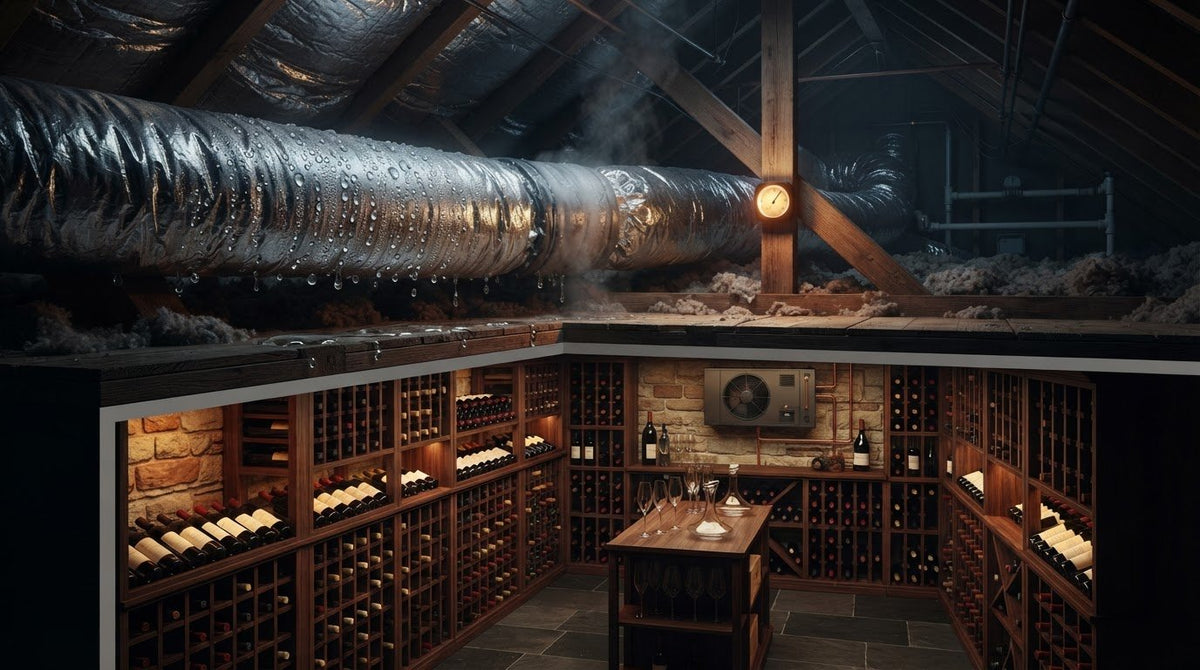
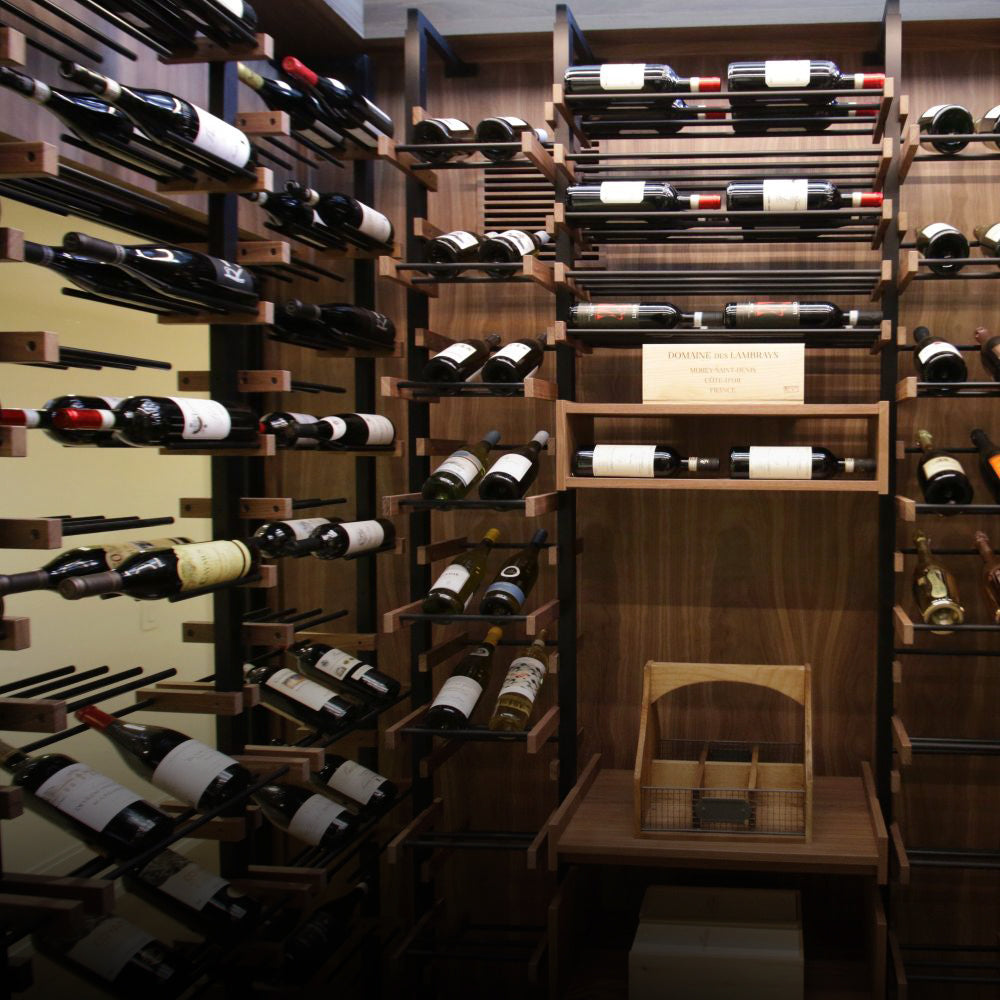
A cellar can be arranged to encourage exploration, bring near-term bottles into view, or support both. Organizing wine by region makes geographic groupings the first thing you notice, while a drink-by-date arrangement puts wines you intend to enjoy soon within easy reach. Whichever method you choose, organization works best alongside suitable storage. For background on proper wine storage conditions, consider how the cellar environment supports the collection as well as how bottles are arranged.
What does organizing wine by region mean?
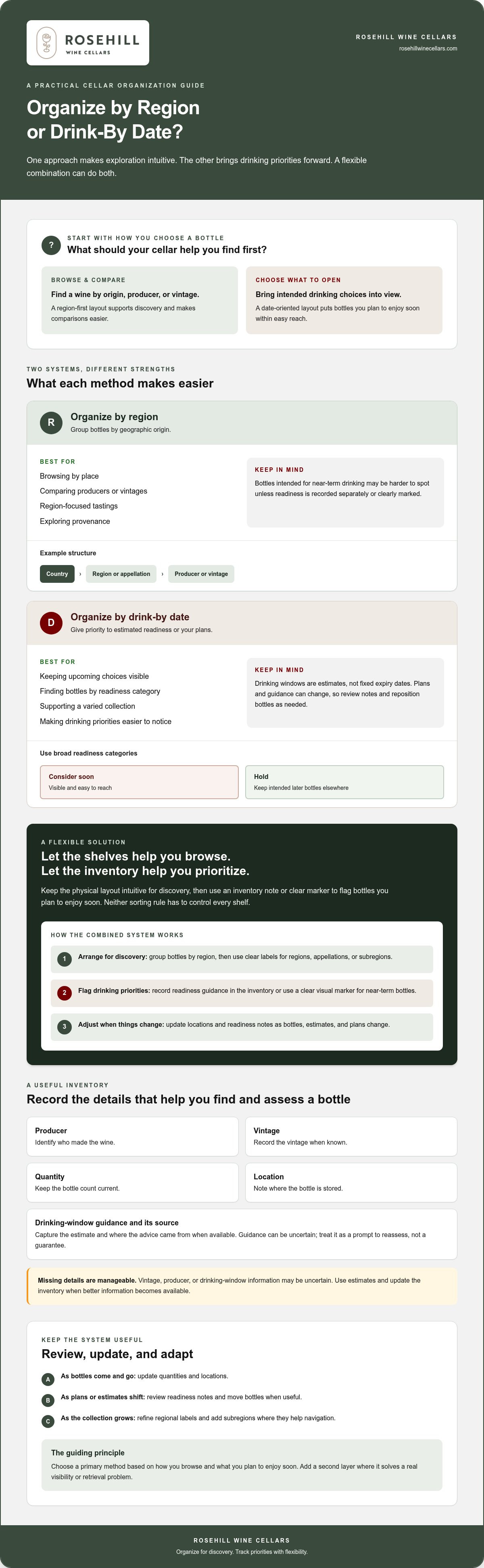
Region-based organization groups bottles by geographic origin. You might first separate countries, then arrange wines by region, appellation, or subregion. For example, Burgundy, Bordeaux, and Napa Valley could each have a designated area, with producers or vintages grouped within it. This structure lets visitors browse without knowing a specific bottle’s location. It also makes it easier to compare wines from a place, producer, or vintage side by side, supporting discovery and a clear sense of provenance.
What does organizing wine by drink-by date mean?
A drink-by-date system gives priority to estimated readiness or your own plans for opening bottles. Wines you expect to enjoy soon can sit in a visible, easy-to-reach area, while bottles intended for later remain elsewhere. A near-term section helps keep ready-to-drink wines from getting overlooked. Treat drinking windows as informed guidance, not fixed expiry dates: estimates can vary, and your preferences may differ. Use a window as a prompt to reassess and enjoy, not a guarantee that a bottle will peak on a particular day.
Here’s the central trade-off in organizing wine collection by region vs drink by date:
| System | Purpose | Advantages | Limitations |
|---|---|---|---|
| By region | Browse by origin | Supports discovery and comparison | Near-term bottles may be harder to spot |
| By drink-by date | Prioritize readiness | Brings intended drinking choices forward | Windows may be uncertain and need review |
Neither system has to dictate every shelf. A regional layout can make the cellar intuitive to explore, while a separate marker or inventory note flags bottles for near-term drinking. Start by identifying the task you most want your organization to make easier: finding a wine by origin or remembering which bottle to open next.
How Region-Based and Drink-By-Date Systems Work in Practice
The practical difference is what your layout helps you find first. A regional arrangement supports browsing and comparison; a drinking-window arrangement puts upcoming choices in view. Neither is inherently better. Let your preferred way to select a bottle and how reliably you track readiness guide the decision.
| Consideration | By region | By drink-by date |
|---|---|---|
| Retrieval | Find bottles by geographic origin, then by producer or vintage. | Find bottles by readiness category or intended drinking priority. |
| Drinking priorities | Less visible unless readiness is recorded separately. | Near-term bottles can be placed where they’re easy to notice. |
| Flexibility | Works well as regions or subregions are added, provided labels stay clear. | Adapts as estimates and plans change, but bottles may need to be moved. |
| Maintenance | Update locations when adding or removing bottles from a regional group. | Review readiness notes and reposition bottles as priorities shift. |
When does organizing by region make more sense?
Choose regional groupings if you enjoy browsing by origin, comparing producers or vintages, or hosting region-focused tastings. Rather than creating one broad “France” section, divide it into areas you can navigate, then add appellations or subregions as your collection grows. The trade-off is that an older bottle won’t necessarily stand out, so record its drinking guidance in an inventory or add a clear visual marker.
When does organizing by drinking window make more sense?
A date-oriented layout can suit a varied collection when you want drinking priorities to shape what you reach for. Group bottles by broad readiness categories, such as “consider soon” and “hold,” rather than treating a single date as a deadline. When available, base estimates on reliable producer or specialist guidance, and record where the advice came from. A hybrid wine organization system can preserve regional browsing while using an inventory to track drinking windows. Estimates may shift with storage history, bottle variation, and personal taste.
For collectors deciding on organizing wine collection by region vs drink by date, a hybrid can reduce the compromises: keep bottles arranged by region, then flag near-term priorities in a separate record. Clear, accessible rack locations make that physical system easier to use. Explore wine rack options if your current layout makes bottles difficult to locate.
Which Wine Organization Method Fits Your Collection and Habits?
The best arrangement is the one that answers your most common cellar question quickly. As you weigh organizing wine collection by region vs drink by date, consider three factors: the size and variety of your collection, how you usually search for a bottle, and whether there are wines you specifically want to open soon. Use this simple guide:
- Search by origin or producer? Make region the primary physical arrangement.
- Often deciding what to open next? Make near-term priorities prominent.
- Do both? Keep one method as the shelf structure and track the other in an inventory.
Collection size matters because a layout that relies on memory can become difficult to navigate as bottles accumulate. Clear categories and a consistent inventory help at any scale, especially when several wines share a producer or have different vintages.
Choose region-first organization for discovery
Region-first placement suits collectors who routinely browse by origin or select wines for comparative tastings. Record the producer, vintage, and location for each bottle so similar labels remain easy to distinguish. As the collection expands, divide broad areas into useful subregions rather than relying on memory to locate a bottle. The trade-off is that readiness may not be obvious from the shelf, so track drinking guidance separately.
Choose drink-by-date organization for everyday decisions
If your main question is what to open next, create visible priority groupings such as “planned soon” and “hold for later.” Keep your estimate of readiness separate from personal plans: a wine may seem ready, while you may be saving it for a particular meal or gathering. Use reliable producer or specialist guidance when available. If a window is uncertain, record a review reminder or a broad estimate instead of assigning a falsely precise date. Practical guides on how to organize a wine cellar can offer further layout ideas.
Use a hybrid when both browsing and readiness matter
A hybrid isn’t a weaker version of either approach. It lets you keep regions as the physical browsing structure while an inventory records each bottle’s drinking priority. If near-term choices matter most, reverse the emphasis: use broad readiness zones on the shelves and record region as a secondary detail. Choose the arrangement that makes your next decision easiest, then keep locations and notes consistent. Adaptable rack layouts can support that structure as the collection changes, without requiring every bottle to be sorted by the same rule.
How to Set Up a Wine Inventory That Makes Either System Work
A useful inventory connects each bottle to a physical location and a clear reason for its priority. It doesn’t need to be elaborate. Start with consistent records, choose a location code you can follow, then update the entry whenever a bottle moves or leaves the collection. This supports either region-first browsing or drink-by-date prioritization.
Record the details that help you find and prioritize bottles
Begin with the information that distinguishes one wine from another. Capture the producer, wine name, and vintage, then add its region, quantity, and location. If you have more than one bottle of the same wine, note the count and revise it as bottles are opened. Record drinking-window guidance and its source when known. If the timing is uncertain or no reliable guidance is available, say so rather than filling the gap with a precise date.
- Identity: producer, wine name, vintage, and region.
- Quantity: current bottle count.
- Location: the exact rack, section, row, or shelf.
- Readiness: estimated guidance, its source, or a note to review.
Create a location system you can maintain
Choose a simple naming pattern and apply it consistently. For instance, label racks with letters and shelves with numbers, then record a location such as “B-3” in the inventory. The particular format matters less than using the same terms on physical labels and in your records. A clear layout makes retrieval more dependable. Browse wine rack options when considering storage that supports accessible organization.
Keep the inventory current when a change happens. After opening a bottle, reduce the quantity; after moving one, update its location; after adding a wine, enter its details before it disappears into the cellar. A quick check at these moments helps prevent stale entries from undermining an otherwise thoughtful system.
Make drinking priorities visible without overcomplicating the cellar
Use a small set of labels, such as drink soon, hold, and review. These can be inventory tags, shelf markers, or both. Keep broad readiness guidance separate from personal plans, such as saving a bottle for a particular meal. If a window is approximate, retain that uncertainty instead of assigning an unsupported exact date.
For organizing wine collection by region vs drink by date, the inventory can carry details the shelves don’t: arrange bottles for easy browsing, then sort or filter your records by priority when deciding what to open. Explore wine racks to consider a physical layout that makes your chosen system easier to use.
Maintain Your Wine Organization as the Collection Changes
A cellar’s organization should reflect the collection you have now, not the one you started with. Bottles are opened, new wines arrive, and drinking plans or readiness estimates can change. Choosing region-first or date-first doesn’t mean every bottle must follow one rigid rule. Keep a consistent structure, with room for exceptions such as a near-term priority within a regional section.
Review regions, priorities, and uncertain drinking windows
Set a regular reminder to check bottle counts and confirm that inventory locations still match the cellar. Update entries after opening, moving, or adding wines. If credible producer or specialist guidance changes your understanding of a bottle’s drinking window, record the new information and where it came from. Move wines between priority groups as your plans or preferences shift. For an uncertain window, retain a review note rather than presenting an estimate as a deadline.
Align physical storage with the organization system
Make frequently accessed bottles easy to locate while keeping the collection in storage suited to its needs. A clear rack layout can support browsing by region; a small, identified area can bring selected near-term bottles into view without reorganizing the cellar. Your inventory connects those physical locations to drinking priorities, but organization alone doesn’t guarantee wine quality. Storage conditions still matter.
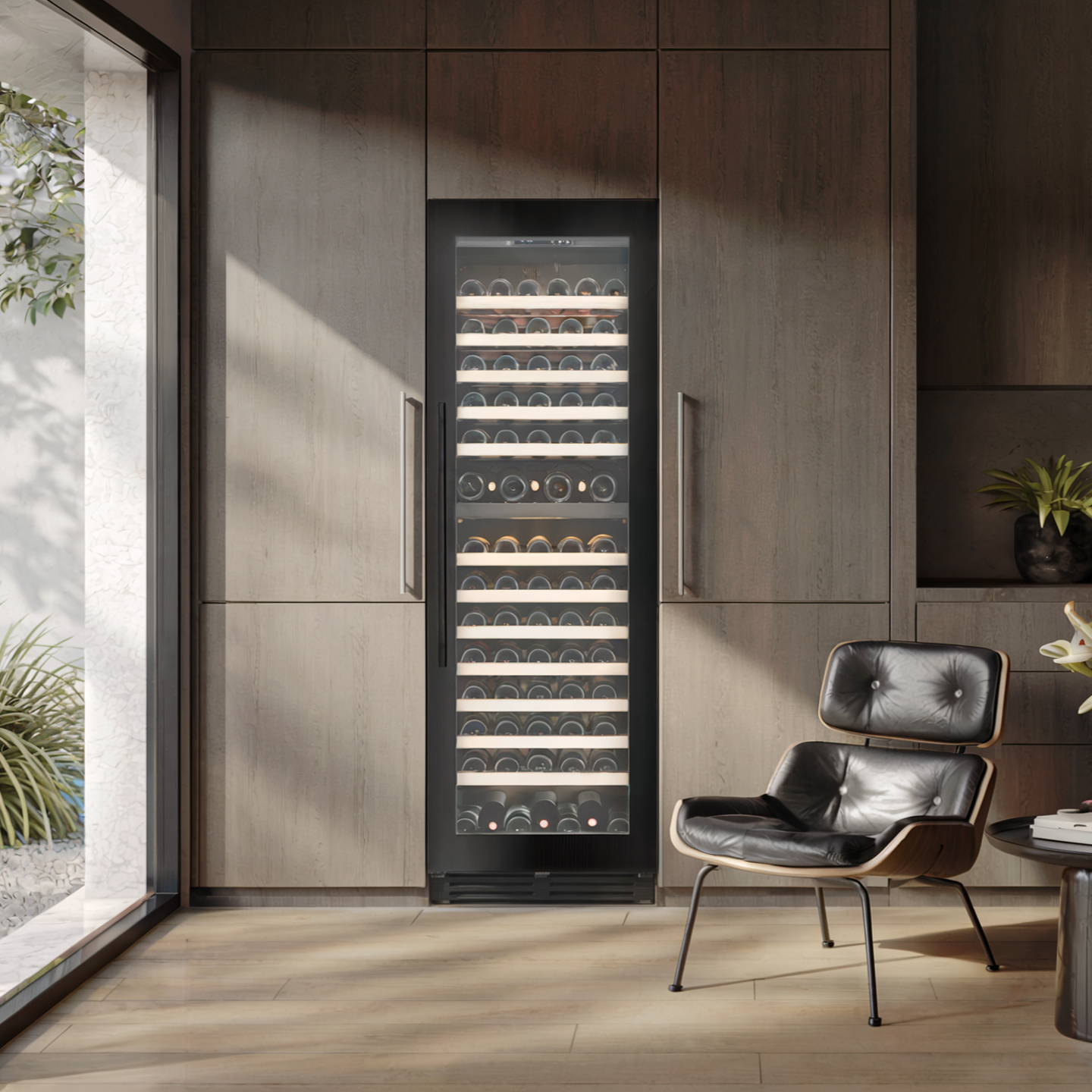
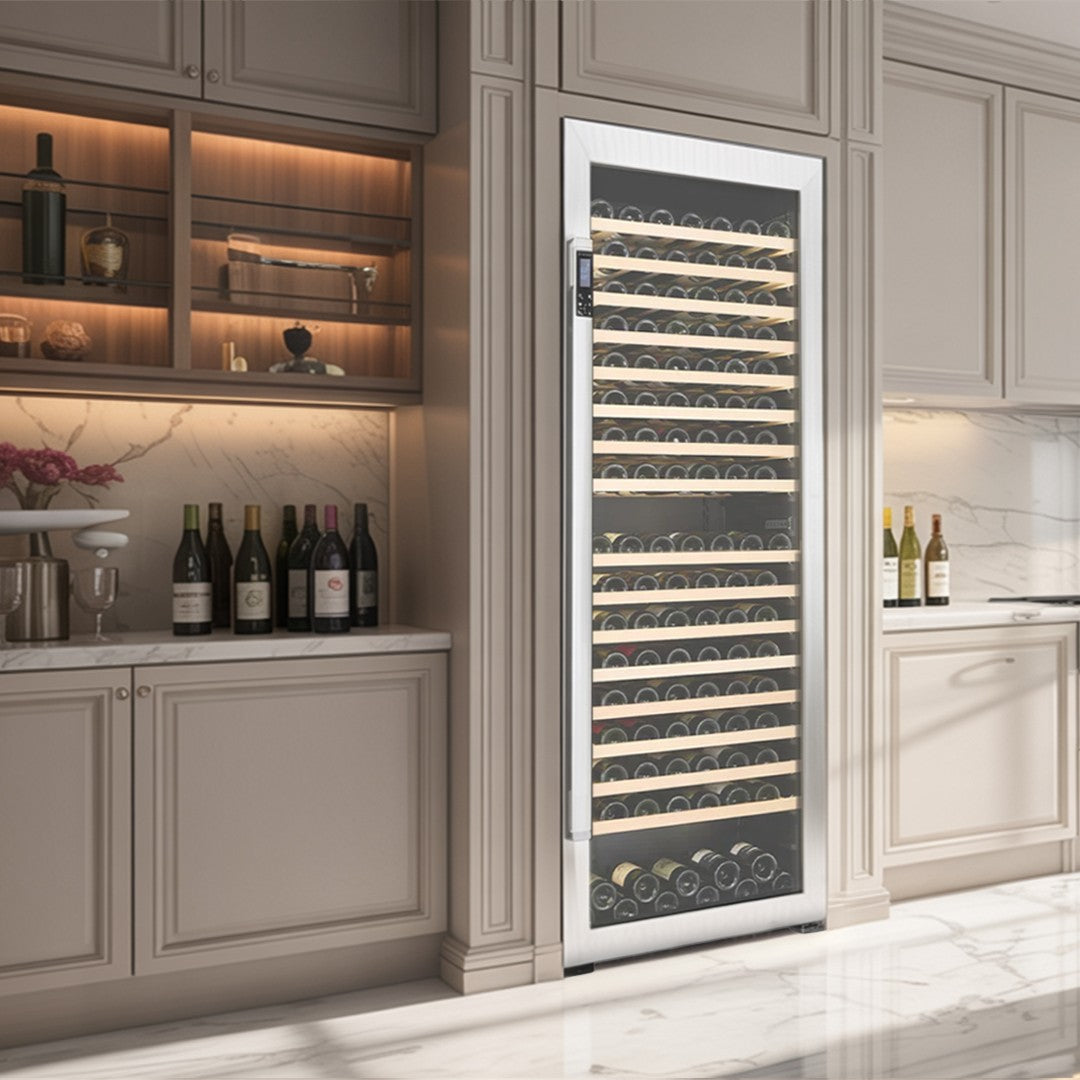
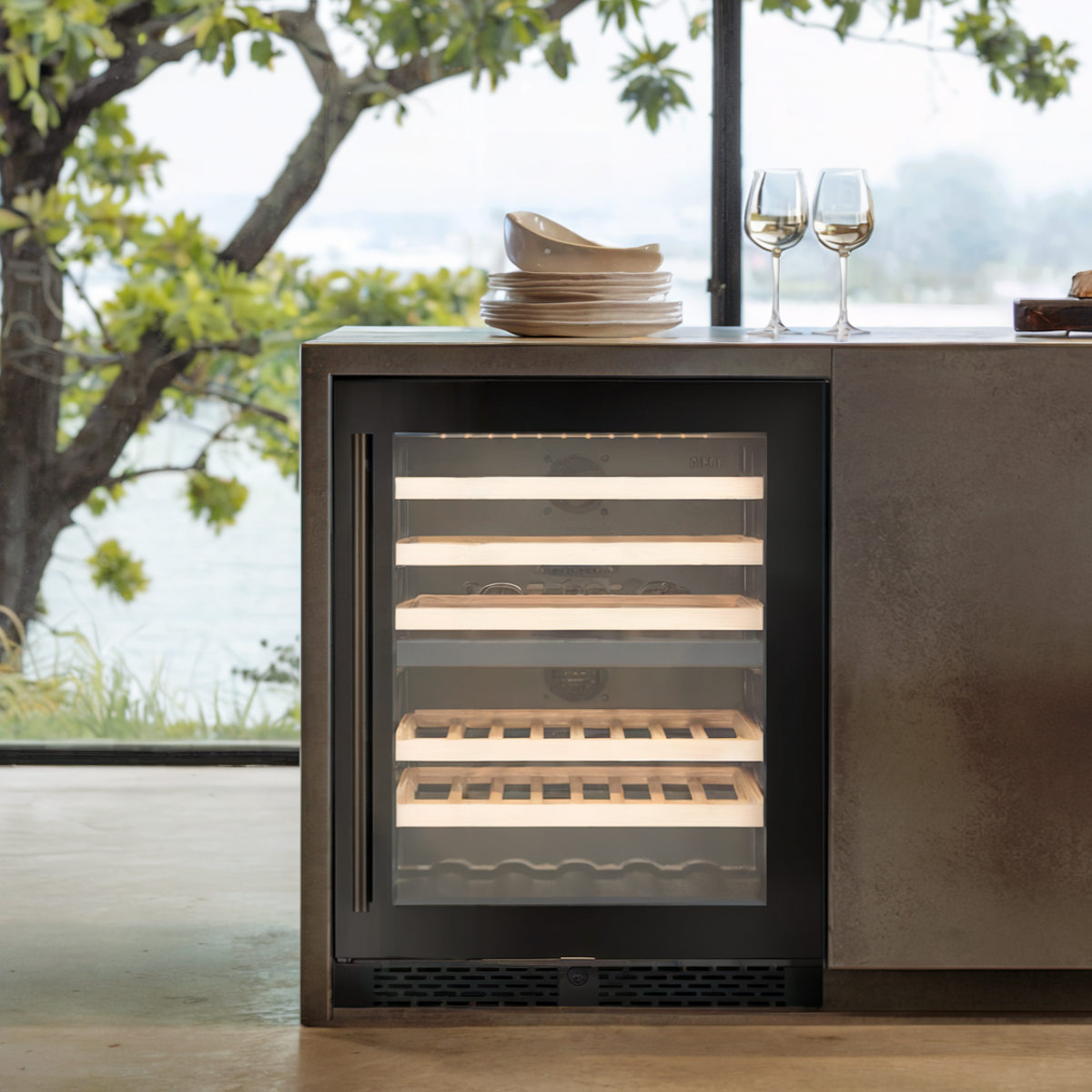
If you’re assessing dedicated cabinet storage, explore wine coolers as one option. Consider the collection, available space, and how you want to access bottles before changing your setup.
Choose a next step that fits your collection
For a balanced approach to organizing wine collection by region vs drink by date, use region as the browsing structure and inventory fields to track readiness, location, and uncertainty. Then review the system as the collection evolves. A useful layout should make bottles easier to find without forcing every wine into an identical category or turning approximate guidance into false precision.
If your storage needs extend beyond an existing rack or cabinet, explore custom wine cellar design to consider an approach suited to your collection and available space.
Build a Cellar That Works for You
The choice between organizing wine collection by region vs drink by date comes down to how you like to browse and what helps you choose a bottle with confidence. Use regional groupings to make discovery and comparison intuitive, then track drinking priorities in an inventory so bottles intended for the near term don’t disappear from view. Keep producer, vintage, location, and readiness notes current, and treat drinking windows as guidance to reassess rather than fixed deadlines.
Your system can evolve with your collection. Adjust categories, locations, or priority markers as bottles are opened, added, and reconsidered. A well-planned physical layout can make the inventory easier to use, while storage should suit your collection and available space.
Rosehill Wine Cellars offers wine racks, cabinets, cooling systems, and custom cellar design. If you’re considering a storage setup that supports the way you collect, explore wine storage solutions for your collection. Start with a system that feels clear today, and refine it as your cellar grows.
Frequently Asked Questions
Is it better to organize a wine collection by region or by drink-by date?
Neither method is best for every collector. Region-first organization makes bottles easier to browse by origin, producer, or vintage, while drink-by-date organization brings drinking priorities into view. For organizing wine collection by region vs drink by date, consider combining them: arrange bottles by region and track readiness in an inventory. Choose your primary physical arrangement based on how you usually search for a bottle.
Can I organize wine by region and still track when to drink it?
Yes. Keep bottles arranged by region, then record each wine’s estimated drinking window, priority, and rack location in an inventory. This preserves a geographic layout while helping you identify bottles to consider opening. Treat drinking guidance as an estimate, not a deadline, and note its source when known. Review the information as bottles are opened, new wines arrive, or your plans and preferences change.
How do I know when a wine is ready to drink?
Readiness depends on the wine, producer, vintage, storage history, and your preferences. Use reliable producer or specialist guidance when available, but treat published drinking windows as estimates rather than guarantees. If you can’t verify a window, mark it as uncertain instead of assigning an unsupported date. Tasting the wine and keeping your own notes can help you refine future decisions about similar bottles.
What information should I include in a wine collection inventory?
Record the details that identify and locate each bottle: producer, wine name, vintage, region, quantity, and rack or shelf location. You can also add estimated drinking guidance, its source, and a personal priority such as “drink soon” or “hold.” Keep the format consistent and manageable. Update it whenever bottles are opened, moved, or added so the inventory remains useful rather than becoming an outdated catalogue.
Should older wines always be placed in a drink-soon section?
No. Age alone doesn’t establish whether a bottle is ready or how it has developed. Consider the specific wine and vintage, producer guidance, storage history, and your own taste. If readiness is unclear, flag the bottle for review rather than assigning a firm deadline. The aim is to make informed choices and keep relevant bottles visible, not to treat every older wine as urgent.
Can a wine rack make a collection easier to organize?
Yes. A rack can make bottle locations more consistent when you identify its sections and record them in your inventory. Choose a layout that supports the way you browse, whether by region or another category, and use the same location labels in your records. A rack won’t track drinking windows or bottle history, so pair the physical arrangement with a simple inventory if those details matter to you.
How often should I update my wine collection inventory?
Update your inventory whenever you open, add, or relocate bottles, then review it periodically for missing or uncertain information. The right review cadence depends on how actively your collection changes. Check bottle counts, locations, and drinking-priority notes during each review. Correcting small discrepancies as they arise is usually simpler than rebuilding an inventory after it has become difficult to trust.