



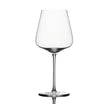
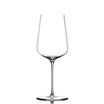
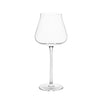
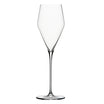
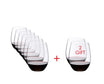
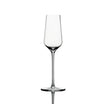


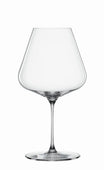
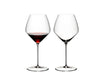




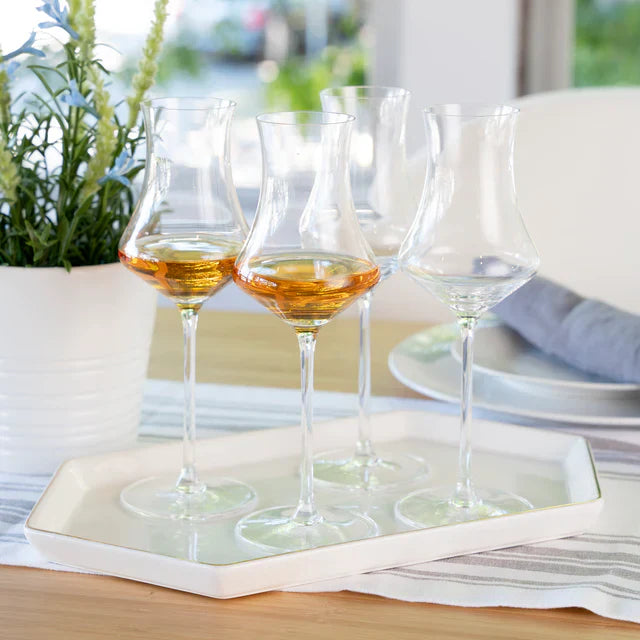
Two names come up more than any other when collectors start thinking seriously about stemware: Riedel and Spiegelau. Both carry real authority, both are represented in the cellars and on the tables of serious wine drinkers, and both are carried at Rosehill. The question of which one is actually worth buying, and at what point in a collection's development, is one we get asked often enough that it deserves a direct answer rather than a diplomatic non-response.
The short version: these are not competing brands in the conventional sense. Spiegelau has been part of the Riedel group for some time, and the two occupy distinct, largely complementary positions in the stemware market. Understanding where each sits, and why, makes the buying decision straightforward rather than frustrating.
This post covers the ground collectors actually need: a brief background on each brand, how they are made and what that means in practice, a tier-by-tier performance comparison from everyday use through hand-blown, where Riedel's shape engineering leads, and a practical framework for building a stemware collection that reflects how you actually drink.
The right answer is not always the more expensive one. It depends on the wine you are pouring, how often you are pouring it, and what you are actually asking the glass to do.
A Brief History of Both Brands
Riedel is one of the oldest glass-making families in Europe, with roots in Bohemia stretching back to the eighteenth century. The company's modern reputation was largely built on a single idea, introduced publicly in the 1950s and 1960s, that glass shape has a measurable effect on how wine tastes. Riedel developed varietal-specific shapes built around where wine lands on the palate and how aromatics concentrate in the bowl. That idea is now so widely accepted that it shapes the entire category. The varietal-specific glass as a concept is, in large part, a Riedel innovation.
Spiegelau has its own long history in Bavarian glassmaking, predating most brands in the category by centuries. Its acquisition by the Riedel group brought it into an organization with deep technical expertise in wine glass engineering while preserving Spiegelau's own identity, manufacturing approach, and market position. The result is a brand that occupies genuine middle ground: crafted with real care and performing above its price point, without competing directly with Riedel's upper tiers.
How They Are Made: Crystal Quality and Manufacturing
Both brands work in lead-free crystal glass, a shift from older lead crystal formulations that is now standard across serious stemware producers. The relevant difference is not the material classification but the manufacturing method, which varies significantly across each brand's own lineup and between the two brands at comparable price points.
Riedel's range spans machine-made and hand-blown production. The Vinum and Performance series are machine-made, as is the Winewings range. Machine-made crystal can be produced to tight tolerances and achieves strong consistency, but it carries greater wall thickness relative to hand-blown pieces and a more defined rim edge. Riedel's Sommeliers series is hand-blown, with the finer walls and near-invisible rim that hand production makes possible. The difference is perceptible to anyone who has held both in the same session.
Spiegelau's core ranges, including the Authentis and Style collections, are machine-made. The manufacturing quality at this tier is genuine: the glass is thinner and lighter than mass-market alternatives, the shapes are thoughtfully designed around wine service, and the durability is meaningfully better than most hand-blown pieces at similar or even higher prices. That last point is not incidental. For collectors who use their stemware regularly rather than reserving it for special occasions, Spiegelau's combination of performance and resilience is a practical advantage.
Performance by Tier: Where Each Brand Delivers
The most useful way to compare Riedel and Spiegelau is not a single head-to-head verdict but a tier-by-tier breakdown. Four tiers cover the realistic buying range for a serious collector: everyday and regular entertaining, mid-range machine-made, premium machine-made, and hand-blown. Spiegelau competes strongly at the first tier. Riedel spans all four, with each step up representing a genuine performance difference rather than a marketing increment. The question to ask is where your collection is right now and what you are actually asking your stemware to do.
Everyday Use: Spiegelau Authentis
For the glasses that come out several nights a week, go through the dishwasher regularly, and live somewhere within reach rather than stored carefully in a cabinet, Spiegelau is the clear recommendation. The Authentis range in particular delivers genuine performance at a price that makes accidental breakage an inconvenience rather than a significant loss. The shapes are well-engineered: the Burgundy bowl is generous and properly wide, the Bordeaux shape holds structure and directs the pour appropriately, and the white wine glass keeps temperature and focuses aromatics as it should.
Replacing broken glasses in a Spiegelau set is also straightforward. That practicality matters more than it sounds when a stemware collection is in active use.
Mid-Range: Riedel Vinum
Riedel's Vinum series occupies a respected position in the mid-range. Machine-made, with shapes refined over decades of varietal-specific development, the Vinum range delivers a level of precision that justifies the step up from everyday glass. The Pinot Noir and Burgundy Grand Cru shapes in this series are particularly well-regarded, and the Bordeaux shape remains one of the most widely trusted options for full-bodied structured reds at any price point.
At this tier, the performance gap between Riedel and Spiegelau becomes tangible in use. The Vinum's shapes are more specifically calibrated, and the bowl engineering has been iterated on extensively. For collectors who want to match their glass more precisely to specific varietals, the Vinum range rewards that investment. For those who prefer a broader repertoire of well-designed shapes over varietal specificity, Spiegelau's Authentis holds up well as the more economical choice.
Premium Machine-Made: Riedel Performance and Winewings
Riedel's Performance and Winewings series represent the upper tier of the brand's machine-made range. The Performance series introduces a textured bowl interior designed to enhance aeration and aromatic development. The Winewings shapes take a different structural approach, with a flat base to the bowl rather than the conventional curved profile, creating additional surface area for the wine. Both represent genuine engineering choices rather than marketing differentiation, and both perform noticeably better than the Vinum in side-by-side comparisons with complex, aromatic wines.
At this price point, collectors are no longer comparing against Spiegelau. The comparison shifts to whether machine-made Riedel at its upper tier justifies the investment over hand-blown alternatives from other producers. For most collectors, the Performance and Winewings shapes remain excellent value at this level.
Hand-Blown: Riedel Sommeliers
Riedel's Sommeliers series is a different object entirely. Hand-blown, with walls and a rim drawn to a fineness that machine production cannot replicate, these glasses represent Riedel at its most refined. The thinness of the crystal and the near-invisible rim edge change the tactile and sensory experience of drinking from them, in a way that is difficult to articulate before you experience it and entirely clear after.
The Sommeliers range is not an everyday proposition. These are the glasses you reach for when opening something important: a mature Burgundy you have been holding for a decade, a great vintage Champagne, a Barolo that has arrived at its window. They are also more fragile and require hand-washing and careful storage. The trade-off is understood going in.
It is worth noting that at this tier, Riedel is no longer the only serious option. Zalto, Josephinenhütte, Grassl Glass, and Gabriel-Glas all produce hand-blown pieces that earn serious consideration alongside the Sommeliers range. Our guide to how glass shape affects what you taste covers the full landscape of hand-blown options for collectors building at this level.

Shape Engineering: Where Riedel Leads
One area where Riedel holds a sustained advantage over Spiegelau at comparable price points is the depth and specificity of its shape engineering. Riedel has invested heavily in varietal-specific development, and the result is a catalog of shapes that are carefully differentiated rather than generically broad. A Riedel Pinot Noir glass and a Riedel Bordeaux glass are measurably different instruments, not the same shape at slightly different dimensions.
Spiegelau's shapes are competently designed but less specifically calibrated. The Authentis Burgundy is a good broad-bowl red wine glass. It is not a Pinot Noir specialist in the way that Riedel's shapes aim to be. For collectors who want their stemware to reflect the specific wines they drink most, Riedel's shape specificity is a genuine differentiator. For those who prefer simplicity, Spiegelau's broader shapes serve a wide range of wines without demanding a different glass for every varietal.
Durability and Practicality
Durability is not an afterthought in stemware. It is a central consideration for any glass that will be used regularly, washed repeatedly, and stored in a home rather than a restaurant. On this dimension, Spiegelau's machine-made crystal has a real advantage over Riedel's hand-blown pieces and a modest edge even over comparable machine-made Riedel at similar price points. The glass composition and manufacturing tolerances in the Authentis range produce a noticeably resilient product for its weight.
This is one reason that Spiegelau has a loyal following among collectors who have replaced enough hand-blown stems to know the real cost of fragility. The calculus shifts when the question is not what performs best in a single session but what holds up across a year of regular use.
Neither brand recommends machine washing for its most refined pieces. Spiegelau's Authentis range is generally considered dishwasher-tolerant with care, while Riedel's upper-tier machine-made and all hand-blown pieces are best handled by hand. Whether your stemware goes through a dishwasher is a practical fact about your household, and it belongs in the buying decision.
Which Wines Call for Which Glass
Thinking about the decision by wine style rather than brand tends to clarify the choice quickly.
Structured Reds: Barolo, Bordeaux, Cabernet
For full-bodied structured reds, the Vinum Bordeaux remains one of the most consistently recommended shapes at its price point. Its height and moderate bowl provide the right environment for these wines, allowing enough aeration without over-exposing the aromatics. Spiegelau's Authentis Red Wine handles the same category capably at a lower price and with greater durability, making it the practical choice for glasses that will see regular use.
Aromatic Reds: Pinot Noir, Burgundy
This is where shape specificity matters most, and where the gap between Riedel and Spiegelau is most pronounced. Pinot Noir and red Burgundy express through aromatics in a way that rewards a large, wide bowl, and Riedel's varietal-specific shapes for this category are among the best-engineered options available at any price point. For collectors who drink a lot of Burgundy, investing in a dedicated Riedel shape at the Vinum or Performance level is a worthwhile choice.
White Wines
For everyday whites, including Sauvignon Blanc, Pinot Grigio, and lighter Chardonnay, Spiegelau's Authentis White Wine delivers strong results. For more serious white wine, including aged white Burgundy, Riesling with genuine complexity, and textured Viognier, a more precise shape pays dividends. The Riedel Veritas Riesling and Chardonnay shapes are worth considering for collectors who hold premium whites with aging potential. As our post on how long to store wine covers, white wines with real aging potential deserve the conditions and the glass that allow them to express what the cellar has preserved.
Sparkling Wine
Neither brand's standard range is optimized for sparkling wine, and both have moved with the broader industry shift away from flutes toward tulip-shaped sparkling glasses. For Champagne worth serious attention, a dedicated sparkling glass from a brand like Josephinenhütte is worth considering alongside either Riedel or Spiegelau's own sparkling options.
The Practical Buying Framework
Most collectors who think this through carefully end up with a mixed approach rather than a single-brand answer. A practical stemware strategy for a serious collection might look like this.
Spiegelau Authentis as the workhorse: a Burgundy, a Bordeaux, and a white wine shape that handle everyday pours, casual entertaining, and the bottles you open on a Tuesday without ceremony. Resilient, well-designed, replaceable without significant cost.
Riedel Vinum or Performance as the step up: shapes dedicated to the wine styles you care most about, purchased once and used with intention. If Pinot Noir is central to your cellar, the Riedel Burgundy shape in the Vinum or Performance tier is the upgrade worth making.
A hand-blown set for occasions: whether that is Riedel Sommeliers, Zalto, Josephinenhütte, or Grassl Glass, a set of hand-blown stems reserved for significant bottles changes what those moments feel like. The investment is real. So is the difference in the glass.
This tiered approach reflects how most experienced collectors actually drink, and it avoids the false choice of treating Riedel and Spiegelau as competitors for the same shelf space.
Ready to Find the Right Glass for Your Collection?
Rosehill carries both Riedel and Spiegelau across their core ranges, alongside Zalto, Gabriel-Glas, Josephinenhütte, Grassl Glass, and the rest of our curated stemware portfolio. Browse the full wine glasses and stemware collection online, or contact our team for a recommendation built around the wines you are actually opening.
Rosehill Wine Cellars