






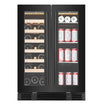
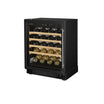
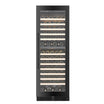
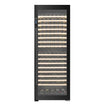
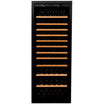
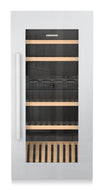
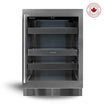











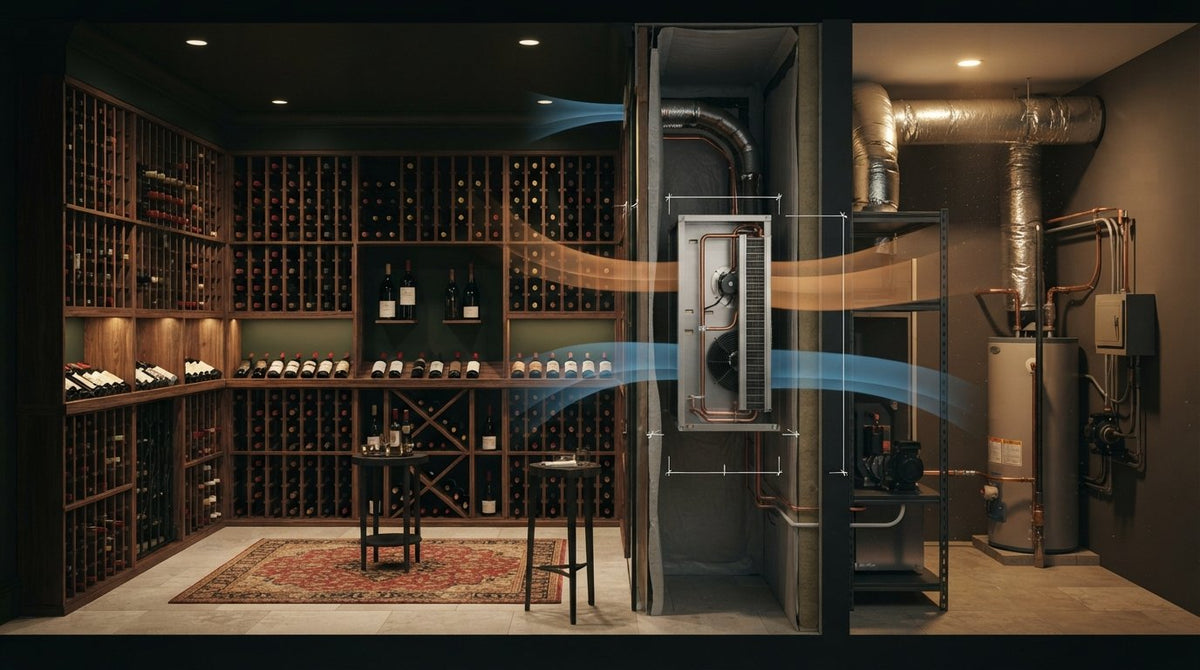
A wine cooling system is the mechanical heart of your cellar, but without proper ventilation, that heart is under constant, invisible strain. It's a common misconception that these units simply create cold. In reality, they're sophisticated heat exchangers that must shed thermal energy as efficiently as they generate a chill. When you overlook the precise wine cooling exhaust ventilation clearance requirements, you aren't just risking a noisy unit. You're effectively suffocating the compressor, leading to shortened equipment lifespans and inconsistent temperatures that can jeopardize a lifetime of collecting.
We understand the anxiety that comes with technical mechanical planning, especially when trying to balance aesthetic design with functional necessity. You want a system that performs with quiet reliability, tucked away from sight but never starved of air. This guide serves as your engineering blueprint to master the breathing room required for maximum efficiency. You'll gain a clear understanding of the spatial standards for different cooling architectures, from integrated Vantaggio V300 cabinets to specialist WhisperKOOL systems. We'll explore how to properly size exhaust rooms and manage heat rejection so your cellar remains a sanctuary of preservation rather than a source of maintenance frustration.
Key Takeaways
- Understand the fundamental thermodynamics of heat rejection to ensure your cooling unit doesn't suffocate during peak operation.
- Master the specific wine cooling exhaust ventilation clearance requirements, including the essential three-foot unobstructed path and lateral spacing for service access.
- Learn why the "closet trap" is a common failure point and how to calculate the correct volume for an exhaust room.
- Differentiate between ducted and split system architectures to optimize airflow based on your cellar's unique structural constraints.
- Discover how professional site surveys and maintenance plans protect your investment from the silent threat of heat re-entrainment.
The Thermodynamics of Wine Preservation: Why Ventilation Matters
Precision wine storage requires more than just a chilled room; it demands a masterly control over thermal energy. A common misconception among collectors is that a cooling unit creates cold. In reality, these systems function as heat pumps. They extract thermal energy from the cellar interior and reject it into an adjacent space. Adhering to specific wine cooling exhaust ventilation clearance requirements ensures that this thermal exchange remains uninterrupted. When you restrict this airflow, you disrupt the balance required to maintain wine cellar temperature and humidity standards, potentially compromising the structural integrity of your corks and the chemistry of your vintage.
Precision wine cellar cooling systems differ fundamentally from standard residential HVAC. While a home air conditioner prioritizes human comfort through rapid temperature swings, a wine unit is an architect of stability. It must manage sensible heat while carefully preserving latent heat to maintain high humidity. If the exhaust path is blocked, the system enters a destructive "Thermal Loop." This occurs when the unit cannot shed heat effectively, causing the surrounding air temperature to rise until the system can no longer achieve the necessary temperature differential to cool the cellar.
The Physics of Heat Rejection
Heat is measured in BTUs (British Thermal Units), and every unit has a specific capacity for heat displacement. For a system to operate at its rated efficiency, the exhaust fan must overcome static pressure within the ducting or the immediate environment. When clearance is insufficient, the air pressure builds up, forcing the fan to work harder while moving less air. Heat re-entrainment is the process where a unit sucks its own hot exhaust back into the intake. This cycle creates an artificial microclimate of extreme heat around the mechanical components, even if the rest of the room feels relatively cool.
Consequences of Inadequate Clearance
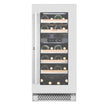
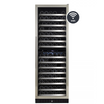
The most immediate victim of poor ventilation is the compressor. When airflow is restricted, the compressor must run for longer durations at higher pressures to achieve the same cooling effect. This leads to short-cycling, where the unit frequently toggles on and off as it hits internal safety temperature limits. Over time, this mechanical stress causes premature burnout. Beyond the hardware risks, integrated solutions like Vantaggio wine cellars are designed with specific pre-engineered ventilation paths that must remain clear to prevent noise decibel spikes. Ignoring these clearance standards often results in a louder, less efficient system and can ultimately void manufacturer warranties, leaving your investment unprotected.
Standard Clearance Requirements for Through-the-Wall Systems
Through-the-wall cooling units are sophisticated, self-contained machines that manage the entire refrigeration cycle within a single chassis. Because these units reject heat directly from the back of the housing, their placement is the most critical factor in their long-term reliability. Adhering to HVAC ventilation and clearance engineering standards ensures that the unit operates within its designed parameters, preventing the mechanical fatigue that plagues poorly planned installations. When a unit is squeezed into a tight corner without regard for these physics, it's only a matter of time before the system fails.
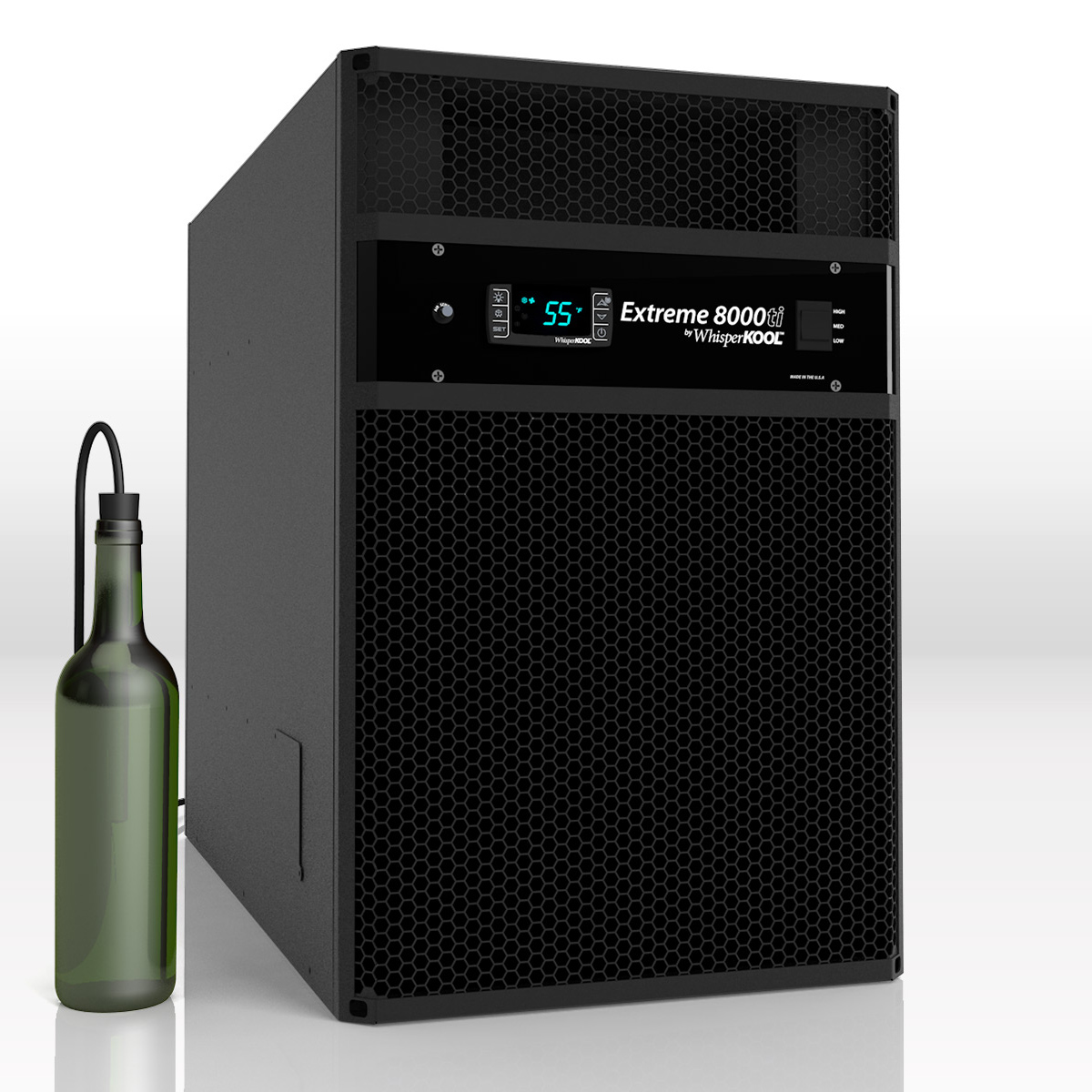
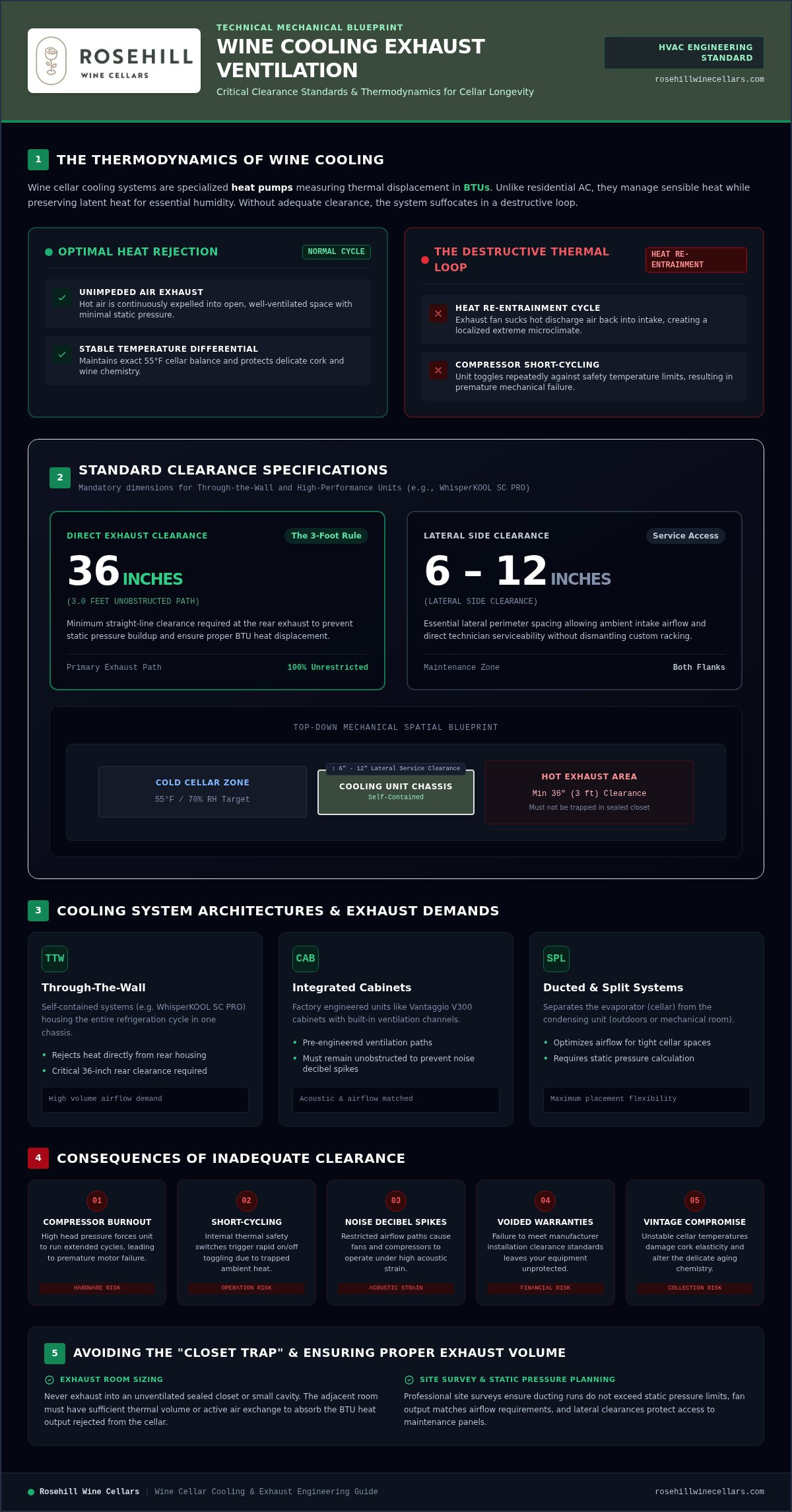
The most vital metric in wine cooling exhaust ventilation clearance requirements is the three-foot rule. The exhaust side of the unit requires a minimum of 36 inches of completely unobstructed space to allow hot air to disperse. This is particularly important for high-performance hardware like the WhisperKOOL SC PRO series, which moves a significant volume of air to maintain stability. Additionally, you should maintain 6 to 12 inches of lateral clearance on both sides. This space isn't just for airflow; it provides essential access for technicians to perform maintenance without needing to dismantle your bespoke wine racks or cabinetry.
Intake vs. Exhaust Clearance
Airflow balance is a game of two halves. The intake side, or the evaporator, typically needs 12 to 18 inches of breathing room to pull in cellar air effectively. However, the exhaust side demands double that clearance because concentrated heat is far more difficult to move than ambient air. In flush-mount installations, where the unit sits level with the wall, you must be extra vigilant about the surrounding room volume. Proud installations, where the unit extends slightly into the room, often enjoy better natural convection, but they still require a dedicated path for heat rejection to prevent it from pooling near the ceiling and creating a "hot cap" that chokes the unit.
Side Wall and Obstruction Proximity
Installing a unit too close to a perpendicular wall can create air turbulence, which acts like an invisible barrier to efficient cooling. If the exhaust air hits a wall and bounces back, the unit will likely engage in heat re-entrainment, sucking that warm air back into its own intake. Similarly, ensure that any decorative louvers or grilles are designed for high-flow ventilation. If you're designing a bespoke cellar and need help navigating these mechanical nuances, exploring our range of wine cellar cooling systems is an excellent starting point for your planning process. Avoiding obstructions like shelving or solid doors directly in front of the unit's face is the simplest way to guarantee your system lives a long, efficient life.
Ducted vs. Split System Ventilation Architectures
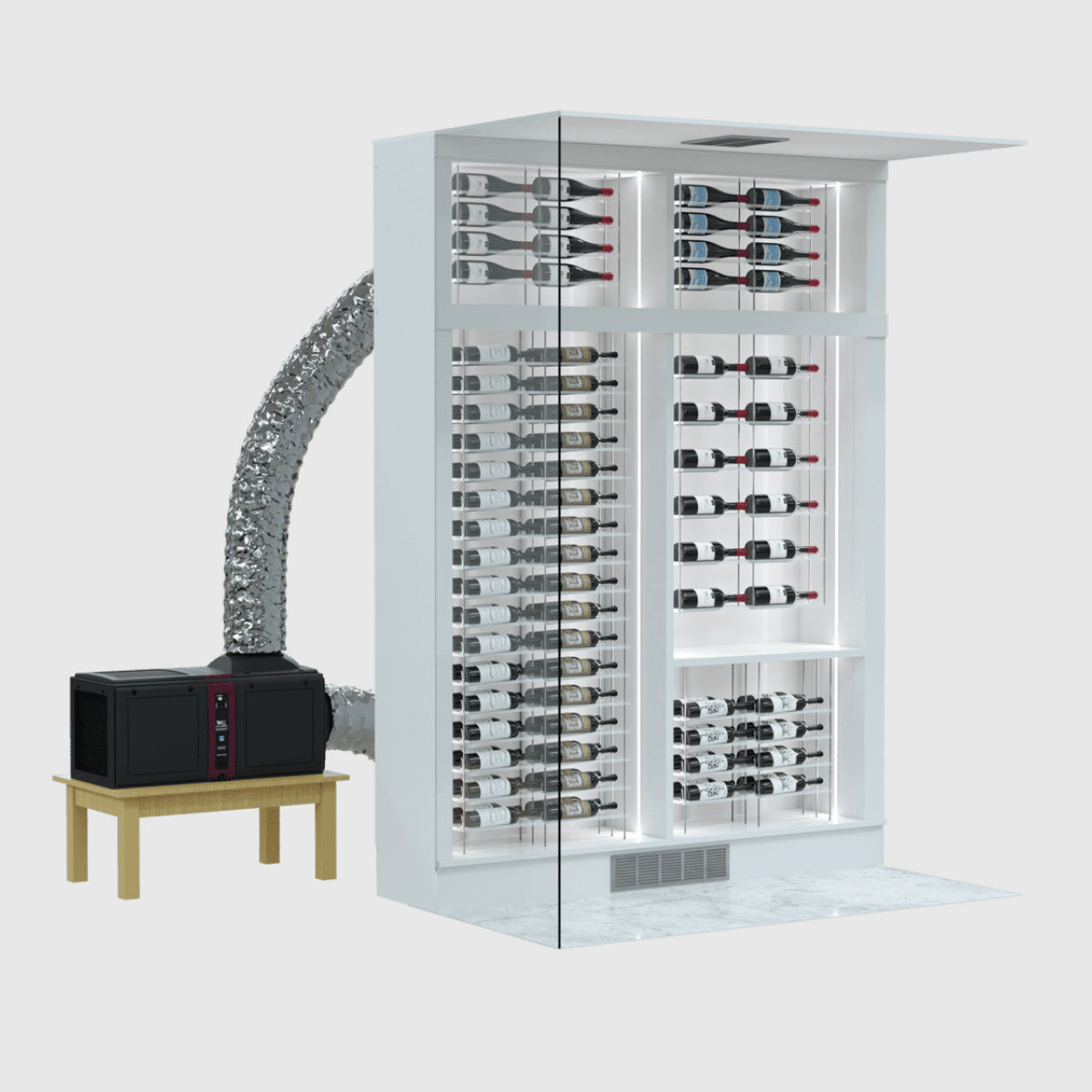
While through-the-wall units are a standard solution for many collectors, sophisticated Custom Wine Cellars often require more complex cooling architectures to maintain aesthetic purity. It's a common misconception that ducted systems eliminate clearance concerns; they merely relocate them. Meeting the specific wine cooling exhaust ventilation clearance requirements for these systems involves calculating the total equivalent length of the duct run and ensuring the termination points are not obstructed. Unlike self-contained units, split systems divide the workload between an indoor evaporator and an outdoor condenser, each with radically different spatial needs. The indoor component focuses on air distribution, while the outdoor unit handles the heavy lifting of heat rejection in a completely different environmental context.
Ductless split systems, particularly ceiling-mount models, introduce unique "blow-through" spacing requirements. These units must be positioned to allow cold air to reach the floor and circulate through the racking before being drawn back into the return. If the unit is placed too close to a wall or a large bulkhead, the air short-cycles, cooling only the top few inches of the room while the vintages below remain at risk. Integrating these systems requires a meticulous eye for both the mechanical footprint and the architectural finish of the cellar.
Static Pressure and Duct Run Limits
Static pressure is the resistance air encounters as it moves through a duct. Every 90-degree bend in a duct run adds "equivalent feet" to the total length, effectively reducing the system's ability to breathe. For example, standard WhisperKOOL Phantom units are typically limited to 25-foot duct runs. If your design exceeds this or includes multiple tight turns, the unit will struggle to shed heat, leading to the same compressor stress seen in poorly ventilated through-the-wall units. Using insulated ducting is also non-negotiable; it prevents condensation from forming on the exterior of the exhaust path, which could otherwise lead to moisture damage in your ceiling or wall cavities.
External Condenser Clearance Standards
Outdoor condensers are the mechanical workhorses of the split system. These units require at least 24 inches of clear space from vegetation, mulch, or debris to prevent the delicate fins from clogging. Managing airflow becomes even more complex in "well" installations or narrow passages between buildings where heat can become trapped. In extreme climates where ambient temperatures can reach 120°F, high-efficiency condensers require even more breathing room to shed heat effectively against the heavy thermal load. Without this clearance, the system's EER (Energy Efficiency Ratio) plummets, resulting in higher utility costs and a shorter equipment lifespan.
The 'Exhaust Room' Factor: Volume and Environmental Requirements
While the interior of your cellar is the focus of your collection, the exhaust room is the thermal dumping ground for your refrigeration system. Adhering to strict wine cooling exhaust ventilation clearance requirements means looking beyond the unit's physical dimensions and evaluating the entire exhaust environment. The "Closet Trap" is a notorious issue in residential design; it happens when a self-contained unit vents into a small, enclosed space without adequate air exchange. Without a path for heat to escape, the ambient temperature in that room will climb rapidly, eventually exceeding the unit's operating limits. To avoid this, a general engineering rule is to maintain a 2:1 or even 3:1 ratio of exhaust room volume to cellar size.
Exhaust Room Sizing Formulas
For every 1,000 BTUs of cooling, the exhaust room needs approximately 200 CFM of airflow. This precise volume ensures that the rejected heat is diluted by a constant stream of fresh, cooler air before it can be re-circulated into the unit. The exhaust room must be at least as large as the cellar being cooled to prevent the air from becoming saturated with heat too quickly. Even in large rooms, you must be wary of "dead air zones." These are pockets where air stagnates due to poor room geometry or a lack of cross-ventilation, effectively trapping heat directly behind the unit despite the overall room size.
Environmental Thresholds
The temperature of the air being pulled into the exhaust side is just as important as the total volume. For peak efficiency, you should keep the exhaust environment below 85°F. In southern climates, venting into unconditioned garages or attics is particularly dangerous; these spaces can easily reach 120°F in the summer. When the exhaust-side air is this hot, the unit is forced to work up to 50% harder to reject heat, which drastically shortens the lifespan of the compressor. This is why integrated solutions like Vantaggio Wine Cellars are engineered with pre-calculated ventilation paths to ensure the mechanical components stay within their thermal comfort zone. If your proposed exhaust room lacks natural airflow, you may need to implement active ventilation using auxiliary fans to pull in cooler air and push out the heat. To ensure your project meets these technical standards, we recommend reviewing our professional-grade wine cellar cooling systems to find the right fit for your home's architecture.
Optimizing Your Installation: Professional Maintenance and Next Steps
Precision engineering requires more than just a blueprint; it demands a commitment to long-term operational integrity. Even the most meticulously planned cellar can suffer if the initial installation ignores the subtle environmental variables unique to your home's architecture. While understanding the theoretical wine cooling exhaust ventilation clearance requirements is essential, translating those standards into a functional reality often requires the eye of a seasoned expert. A professional site survey ensures that the "breathing room" we have discussed is not just present on paper but is actively facilitating the thermal exchange necessary to protect your vintage.
The Professional Site Survey
A professional site survey is the cornerstone of any high-end build, especially during complex renovations where space is at a premium. During this phase, a specialist evaluates more than just physical dimensions; they analyze potential airflow paths, existing electrical loads, and the structural support required for heavy cooling hardware. This is where technical standards meet practical constraints. At Rosehill, our approach to Custom Wine Cellar Design prioritizes this mechanical foresight, ensuring that clearance issues are corrected before the first bottle is ever placed on a rack. We look for "hidden" obstructions, such as recessed lighting or plumbing runs, that might interfere with the unit's exhaust path over time.
Long-Term System Health
Maintenance isn't a suggestion; it's a requirement for mechanical longevity. Enrolling in Annual Maintenance Plans allows for the early detection of airflow obstructions that can develop long after the installation is complete. One of the most common "invisible" clearance reducers is dust buildup on the condenser coils. Dust acts as a thermal insulator, forcing the unit to work harder to shed heat. If your coils are coated in debris, the system behaves as if the physical clearance has been significantly restricted, leading to icing, warm cellar air, or excessive vibration. Biannual filter changes and coil cleanings are non-negotiable for systems with high-clearance requirements.
If you find that your current setup is struggling to maintain stability, it may be time to consider a Wine Cellar Cooling System upgrade. Transitioning from a standalone unit to a more robust, integrated architecture can solve chronic ventilation issues while providing the quiet, reliable performance a serious collection deserves. Consulting with a specialist for bespoke mechanical planning ensures your investment remains a sanctuary for your wine rather than a source of technical frustration. Proper clearance is the first step, but consistent care is what guarantees a lifetime of preservation.
Securing the Longevity of Your Collection
Masterfully managing the climate of your cellar requires a blend of design vision and mechanical precision. By respecting the wine cooling exhaust ventilation clearance requirements outlined in this guide, you ensure your system operates with the quiet efficiency necessary for long-term preservation. Remember that the breathing room you provide today prevents the compressor fatigue and thermal saturation that can compromise a collection tomorrow. Proper exhaust room sizing and consistent maintenance are the silent guardians of your investment.
As an Authorized WhisperKOOL Platinum Dealer and specialists in Vantaggio V300 integrated systems, we provide expert technical support for national US clients seeking to harmonize form and function. Don't leave your mechanical planning to chance. We invite you to consult with Rosehill's experts for your precision cooling installation to ensure every detail of your storage environment is engineered for excellence. Your dedication to proper engineering will be rewarded with a cellar that performs with effortless reliability for decades to come.
Frequently Asked Questions
Can I vent my wine cooling unit into a crawl space?
It's generally discouraged to vent into a crawl space unless the area is exceptionally large and properly ventilated to the outdoors. Small, confined crawl spaces quickly become heat traps, causing the unit to recycle warm air. This leads to increased energy consumption and mechanical strain. If the crawl space is damp, you also risk introducing mold or moisture issues into the cooling system's internal components.
How much space is needed between the cooling unit and the wine racks?
To maintain optimal performance, you should provide 12 to 18 inches of clearance between the cooling unit's intake and your wine racks. This breathing room allows the evaporator to draw in air from the cellar evenly. Placing racks too close can create dead zones where air doesn't circulate, potentially leading to temperature fluctuations that harm your vintages and compromise the aging process.
What happens if I don't have the recommended 3 feet of exhaust clearance?
Failing to meet the 3-foot exhaust clearance standard often results in heat re-entrainment, where the unit pulls its own hot exhaust back into the intake. This cycle causes the compressor to run longer and hotter, leading to short-cycling and premature mechanical failure. It also significantly increases noise levels and energy costs while likely voiding your manufacturer's warranty and leaving your collection at risk.
Is it possible to vent a wine cooler through a ceiling?
It's possible to vent through a ceiling, but this typically requires a ducted cooling system rather than a through-the-wall unit. Proper ducting must be installed to carry the heat to a suitable exhaust location, such as a large mechanical room or the outdoors. You must also ensure the ducting is well-insulated to prevent condensation from forming and dripping back into the cellar or ceiling cavity.
Can I use a decorative grille over my exhaust vent?
You can use a decorative grille, but it must have a high percentage of free-air area to avoid obstructing the exhaust path. Most wine cooling exhaust ventilation clearance requirements specify that grilles shouldn't restrict airflow by more than 25 percent. A restrictive grille increases static pressure, forcing the exhaust fan to work harder and reducing the unit's overall cooling capacity and efficiency.
Do ducted wine cooling systems require clearance at the unit itself?
Yes, ducted systems still require clearance at the unit for serviceability and mechanical safety. We recommend at least 6 to 12 inches of lateral space to allow technicians to access internal components and electrical connections. Additionally, this clearance helps prevent the unit from vibrating against nearby walls or structural members, which can cause unwanted noise and resonance throughout your home.
What is the maximum ambient temperature allowed for the exhaust side?
The exhaust side should ideally stay below 85 degrees Fahrenheit for peak efficiency. While some high-performance systems can handle higher temperatures, performance drops significantly as the ambient air nears 100 degrees. High heat on the exhaust side makes it much harder for the refrigerant to shed thermal energy, forcing the compressor to operate under extreme pressure and shortening its expected lifespan.
How do I calculate if my exhaust room is large enough?
A reliable rule of thumb is that the exhaust room should be at least double the size of the wine cellar. For a more technical calculation, ensure the room provides approximately 200 CFM of airflow for every 1,000 BTUs of cooling capacity. If the room's smaller than this 2:1 ratio, you will likely need to install active ventilation, such as auxiliary fans, to prevent heat buildup.