
















Did you know that over 90% of premature cooling system failures are directly traced to electrical supply anomalies like voltage spikes or shared circuits? When you invest in a bespoke cellar, the wiring behind the walls is just as vital as the premium materials on them. Understanding the dedicated electrical circuit specs for wine cooling systems isn't just a technicality; it's the fundamental infrastructure required to protect your investment from compressor burnout and voided warranties.
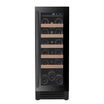
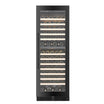
We understand that the transition from aesthetic design to mechanical implementation can feel complex, especially when navigating the nuances of 15-amp versus 20-amp requirements. You want your cellar to remain a sanctuary of perfect climate, not a source of nuisance tripping or electrical uncertainty. This guide provides the technical clarity you need to coordinate effectively with your contractor. We'll explore the 2026 NEC updates regarding GFCI regulations, explain why dedicated circuits are mandatory for units like the Vantaggio V300 Wine Cabinet, and provide a precise specification sheet to ensure your cooling system operates with absolute reliability for decades to come.
Key Takeaways
- Understand why a dedicated power source is mandatory for preserving your cooling unit's mechanical integrity and ensuring your manufacturer warranty remains valid.
- Master the dedicated electrical circuit specs for wine cooling systems to correctly size breakers and wire gauges according to the 80% continuous load rule.
- Stay informed on 2026 NEC standards for GFCI and surge protection so you don't face nuisance tripping that puts your collection at risk.
- Learn how to prepare a technical scope of work for your electrician to ensure a seamless integration during the rough-in phase of your cellar construction.
Why a Dedicated Circuit is Mandatory for Wine Cooling
A dedicated circuit is the cornerstone of a high-performance wine cellar. In technical terms, this means a single circuit breaker in your electrical panel serves one appliance and one appliance only. While it might be tempting to tap into an existing basement line, professional dedicated electrical circuit specs for wine cooling systems require a home run directly to the panel. This isn't merely a suggestion; it's a structural necessity for the long-term health of your refrigeration system.
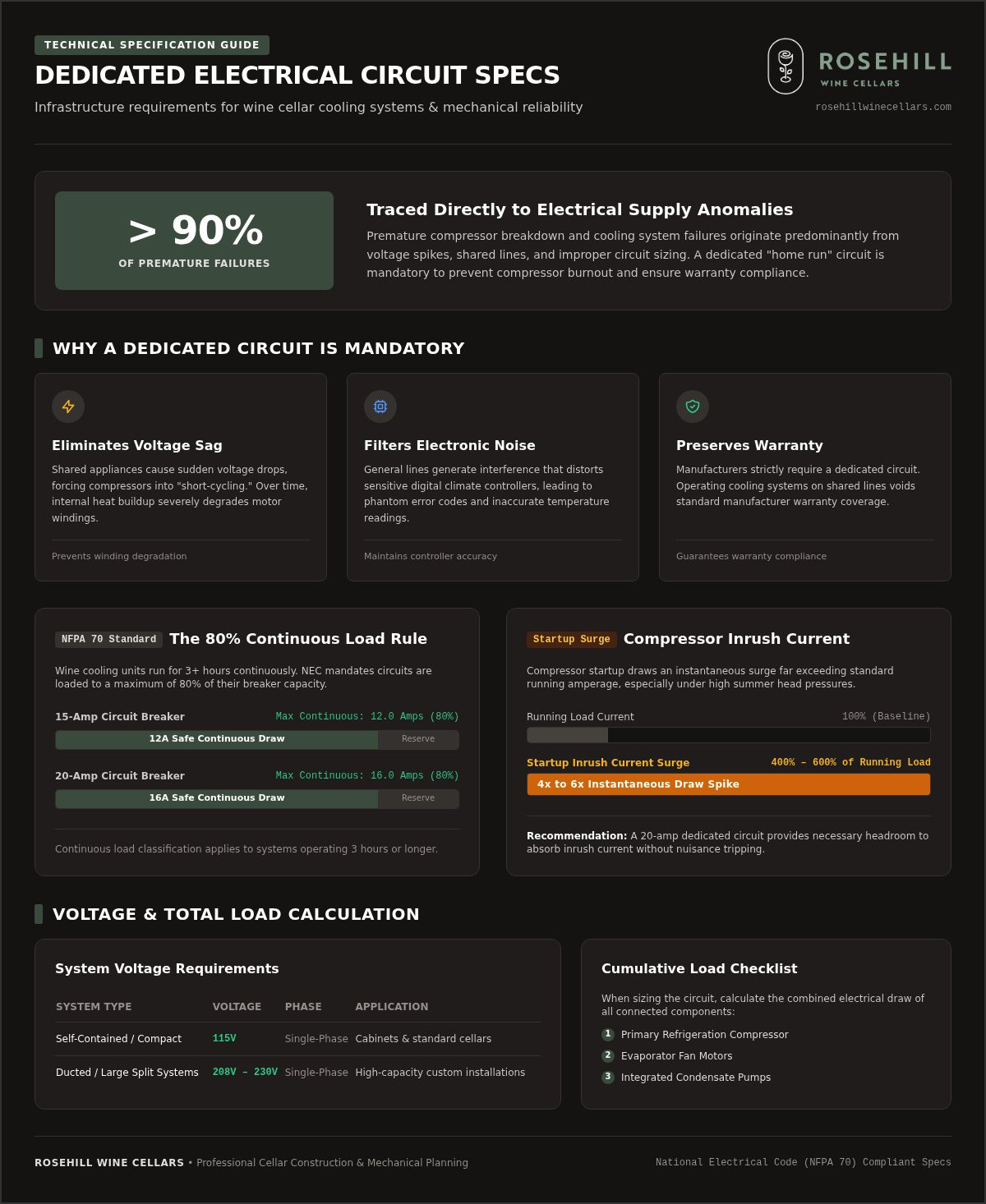
The primary enemy of a cooling unit is voltage sag. When a shared circuit powers multiple devices, the sudden draw from a vacuum cleaner or a second refrigerator causes a momentary drop in voltage. For a sensitive compressor, this sag leads to "short-cycling," where the motor struggles to start or shuts down prematurely. Over time, this heat buildup degrades internal windings. As specialists with over 25 years of experience, we build for two decades of reliability, ensuring your investment remains protected through meticulous electrical planning.
Warranty compliance is another critical factor. Manufacturers explicitly state that failure to provide a dedicated circuit voids the unit's protection. If an electrical anomaly causes a component failure on a shared line, the repair costs fall entirely on the homeowner. Adhering to specific NEMA plug and receptacle configurations ensures your installation meets these rigid manufacturer standards from day one.
Dedicated vs. General Purpose Circuits
General purpose circuits are designed for intermittent use, but wine cooling units are classified as "continuous loads." This means they're expected to run for three hours or more at a time. Shared lines often introduce electronic "noise" or interference, which can disrupt the sensitive digital climate controllers found in modern systems. This interference leads to inaccurate temperature readings or phantom error codes that are difficult to diagnose. A dedicated line provides the clean, stable power required for precision electronics.
The Risk of Shared Lines in High-End Cellars
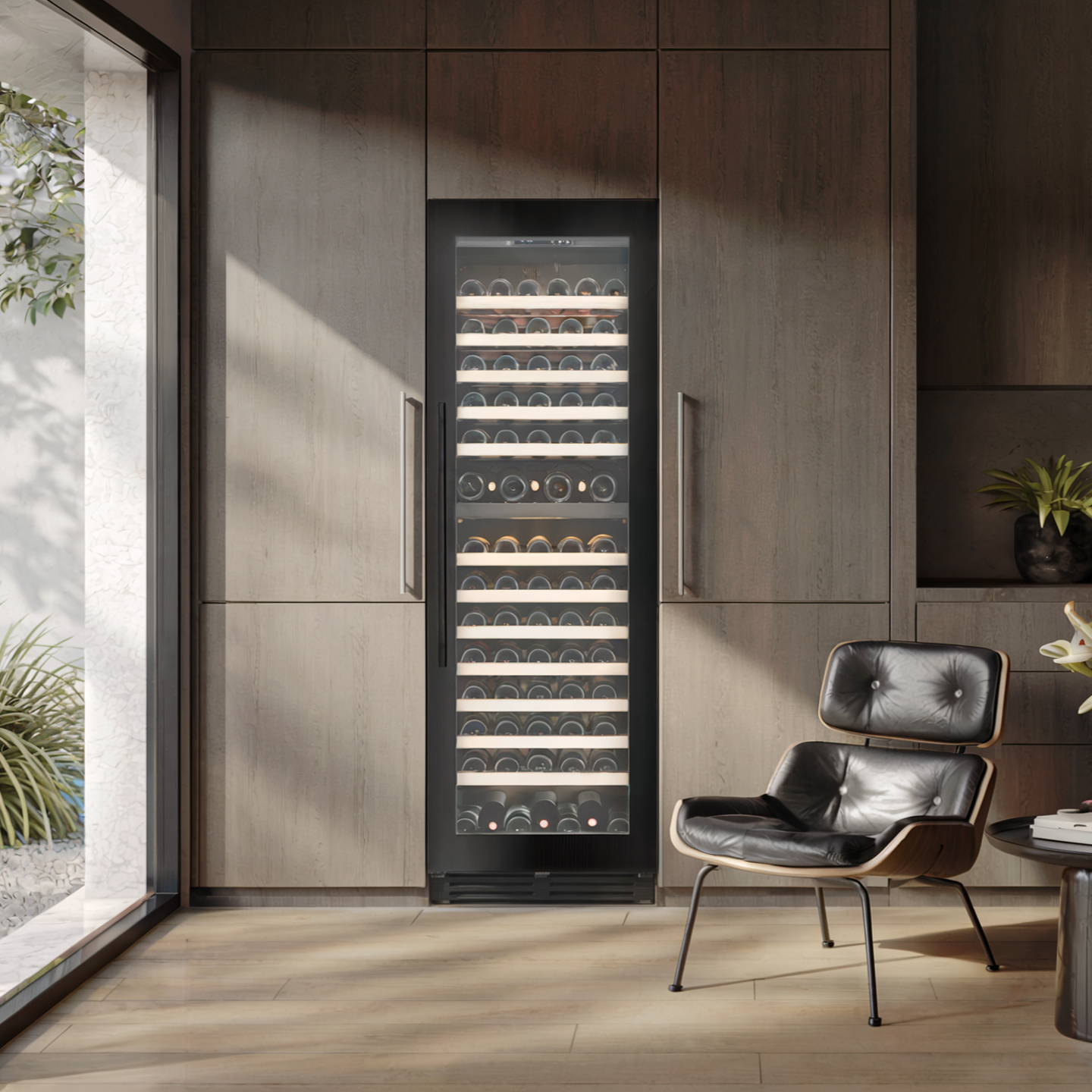
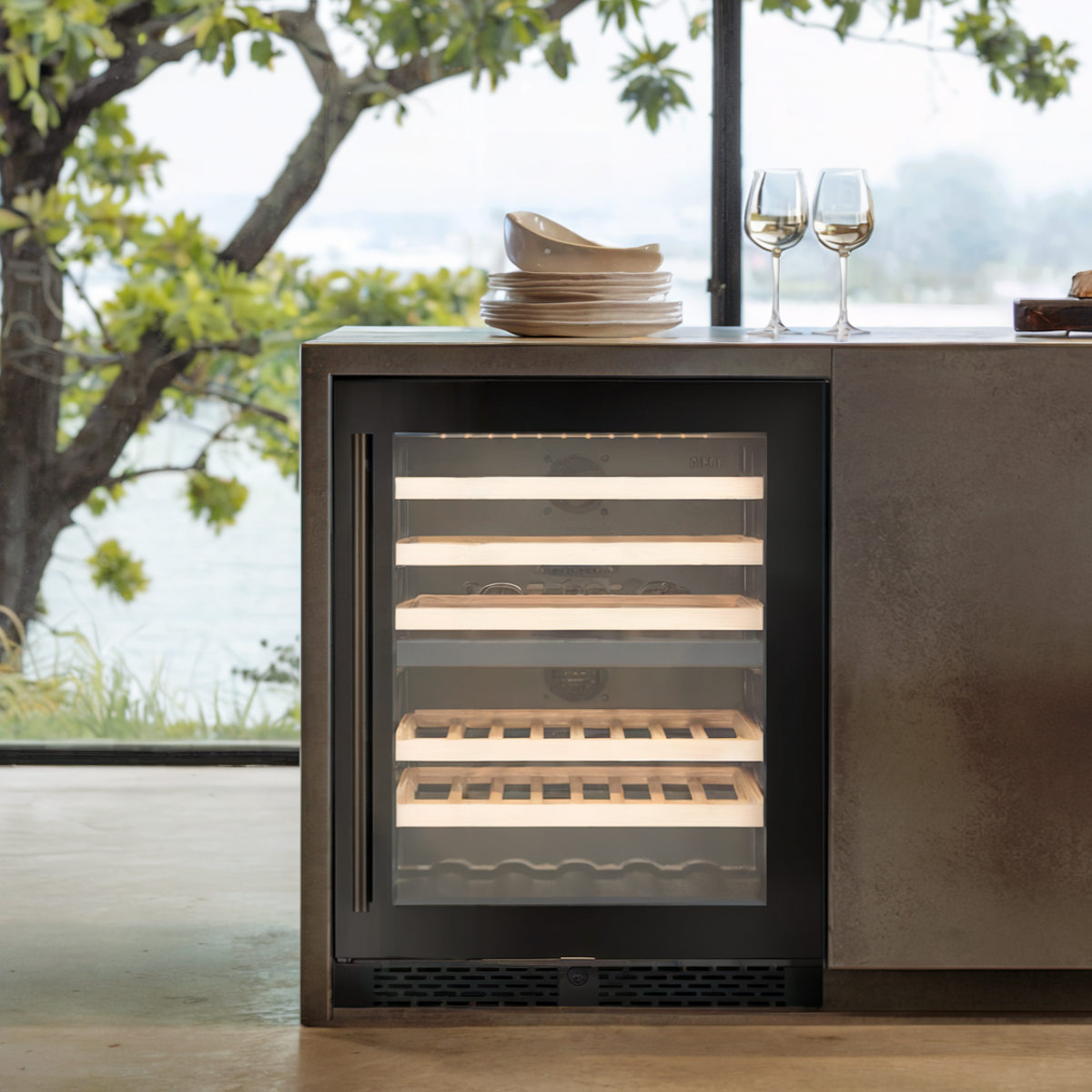
High-draw household items like space heaters, microwave ovens, or even high-wattage lighting should never share a line with your cooling unit. If you notice lights dimming when your compressor kicks in, it's a clear sign of insufficient power. For integrated systems like the Vantaggio V300 Wine Cabinet, maintaining electrical integrity is paramount to preserving the unit's sophisticated airflow and humidity controls. Coordinating these details during the early stages of wine cellar construction prevents costly retrofits and ensures your collection ages in a perfectly stable environment.
Electrical Specifications: Amperage, Voltage, and Wire Gauge
Precision in electrical planning is what separates a professional cellar from a problematic one. Sizing a circuit requires more than simply matching a label on a box. According to the National Electrical Code (NFPA 70), refrigeration equipment operating for more than three hours is classified as a continuous load. This classification mandates the 80% rule. A 15-amp breaker safely handles only 12 amps of continuous draw, while a 20-amp breaker is limited to 16 amps. When reviewing dedicated electrical circuit specs for wine cooling systems, you must account for the cumulative draw of the compressor, evaporator fans, and any integrated condensate pumps to avoid overloading the line.
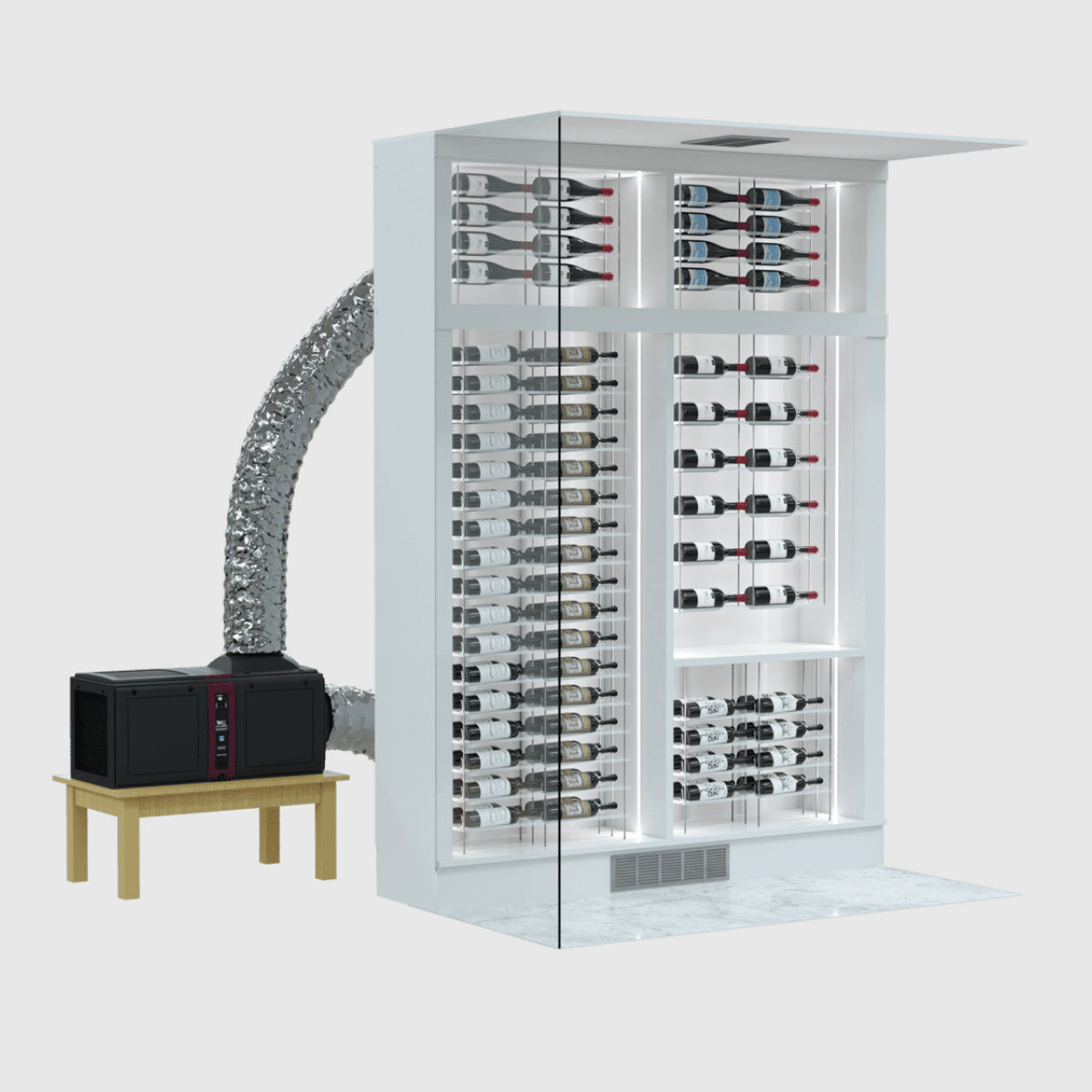
Voltage requirements also vary significantly based on the scale of your project. Standard 115V power is the norm for compact, self-contained units. However, larger ducted or split systems often require 208V to 230V single-phase power to handle the increased mechanical demands of the compressor. Matching the voltage to the specific unit is non-negotiable for both safety and performance.
15-Amp vs. 20-Amp Circuit Selection
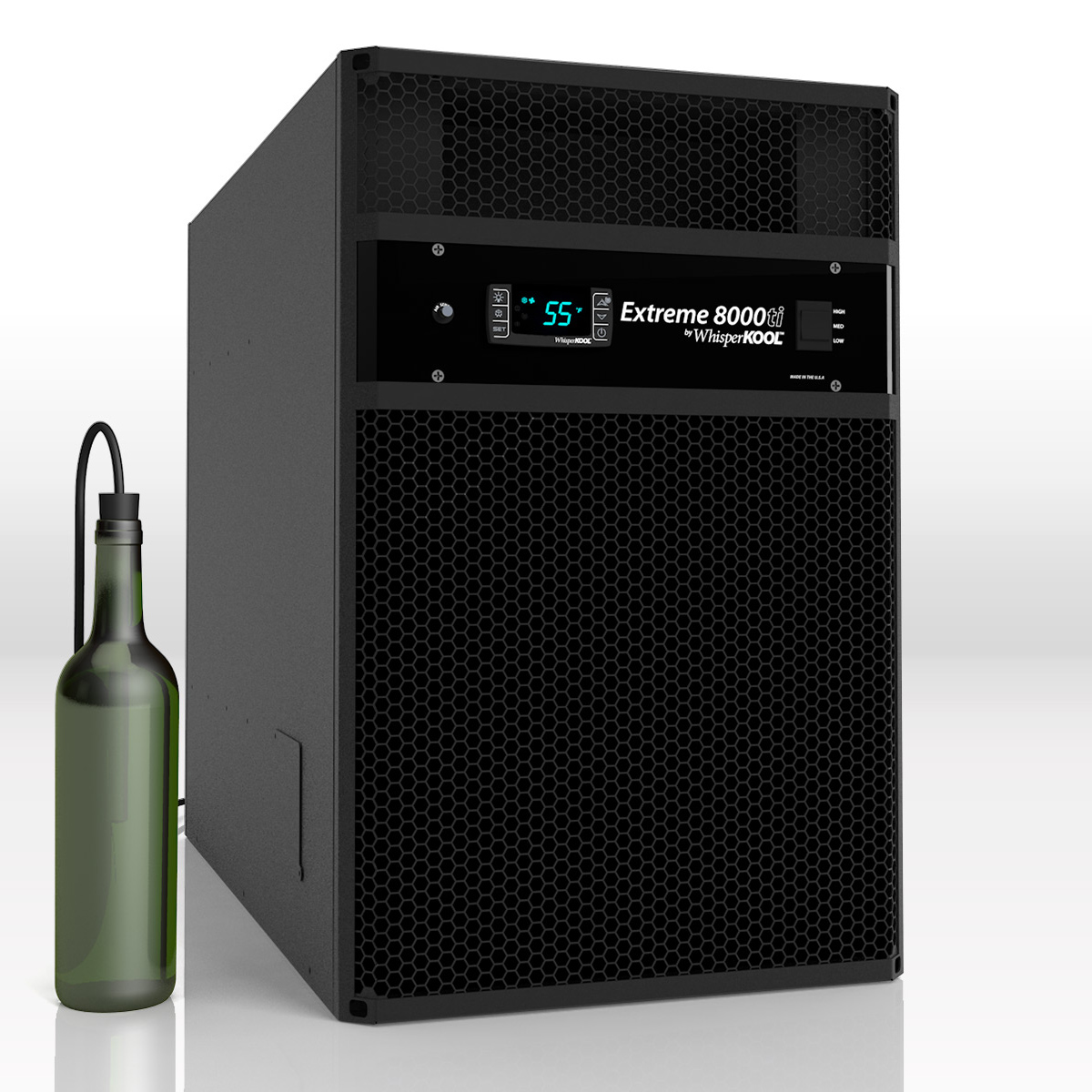
Even when a unit's running amperage seems low, the startup phase tells a different story. Compressors generate an inrush current surge that is often 400% to 600% higher than the running load. This instantaneous spike can easily trip a 15-amp breaker if the circuit is already near its limit. For this reason, many premium WhisperKOOL systems and professional-grade units perform most reliably on a 20-amp dedicated line. This extra capacity provides the necessary headroom for high-torque starts, especially during peak summer months when head pressures are higher.
Wire Gauge and Distance (Voltage Drop)
Distance acts as a silent drain on your system's efficiency. While 14 AWG copper is the minimum for 15-amp circuits, we frequently recommend 12 AWG for increased voltage stability. In large estates where the electrical panel is far from the cellar, long wire runs create resistance. This resistance leads to a voltage drop. If the voltage at the cooling unit falls more than 3% below nominal levels, the motor runs significantly hotter. This heat can reduce a compressor's operational lifespan by up to 70%. For remote split systems, your electrician should specify 10 AWG or 12 AWG wire to ensure the condenser receives full-strength power. If you're in the early planning stages, our experts can help you choose a cooling system that aligns with your home's electrical capacity.
Plug Configurations and Safety Standards
The physical connection between your home's power grid and your wine cellar cooling unit is a critical interface that demands precision. While the internal components of a compressor are complex, the safety of the entire installation often rests on the specific NEMA plug and receptacle configuration used. Adhering to the correct dedicated electrical circuit specs for wine cooling systems ensures that the hardware is never forced to draw power through an inadequate connection, which is a primary step in preventing electrical circuit overloads and potential fire hazards.
Choosing between a plug-in unit and a hardwired installation depends largely on the system's scale. Most self-contained units utilize a standard plug for ease of maintenance. However, larger split systems often require hardwiring via conduit to meet local building codes. This permanent connection eliminates the risk of accidental unplugging, which could lead to catastrophic temperature spikes in your collection if left unnoticed for several days.
NEMA Plug Guide for Cellar Cooling
Understanding the visual differences in receptacles is vital for a successful installation. A standard 15-amp circuit uses a NEMA 5-15R outlet, featuring two vertical slots and a grounding hole. However, many high-capacity cooling units require a 20-amp circuit, which utilizes a NEMA 5-20P plug. This plug has one horizontal blade, requiring a T-slot receptacle (5-20R) to function. You should never use an adapter or "cheater plug" to fit a 20-amp unit into a 15-amp outlet. Doing so bypasses the safety limits of your wiring and creates a significant fire risk. Always ensure your electrician installs a receptacle that perfectly matches the manufacturer-supplied cord.
Navigating GFCI and AFCI Codes
Modern electrical codes have introduced layers of protection that, while necessary for safety, can occasionally conflict with refrigeration uptime. As of September 1, 2026, the National Electrical Code (NEC) has tightened requirements for Ground Fault Circuit Interrupter (GFCI) protection, particularly for outdoor condensing units and damp cellar environments. The challenge for wine collectors is "nuisance tripping." Standard GFCI breakers may misinterpret the normal electrical harmonics of a variable-speed compressor as a fault, cutting power to your cellar without warning.
To mitigate this, professional installers often utilize Class C Special-Purpose GFCI (SPGFCI) or high-frequency compatible devices. These specialized breakers are designed to distinguish between a dangerous ground fault and the standard high-frequency leakage common in modern inverter-driven cooling systems. Similarly, Arc Fault Circuit Interrupter (AFCI) protection is now standard in most residential areas. We recommend coordinating with your electrician to use "refrigeration grade" breakers where code allows, ensuring your system remains compliant with safety standards without risking the stability of your wine collection.
Advanced Power Protection and Reliability
Providing the correct dedicated electrical circuit specs for wine cooling systems is the first step, but it shouldn't be the last. In an era of increasing grid instability, simply having power isn't enough; the quality of that power determines the lifespan of your system's digital brain. Modern cooling units rely on sophisticated electronic expansion valves and microprocessors that are sensitive to "dirty" power, which includes harmonic distortion and minor voltage fluctuations. For collectors with significant investments, integrating secondary layers of defense is a hallmark of professional cellar management.
Surge protection is no longer optional in high-end construction. While many homeowners rely on point-of-use power strips, these are insufficient for refrigeration loads. A panel-mounted Type 2 Surge Protective Device (SPD) is essential. It guards the entire dedicated line against external surges from lightning or utility switching. This panel-level protection ensures that the high-voltage components of your compressor and the low-voltage control boards remain shielded from catastrophic failure.
Voltage Regulation for Sensitive Electronics
Digital controllers are the most vulnerable components in modern refrigeration. When grid voltage dips during a brownout, the controller may struggle to maintain its programming, leading to erratic cooling cycles. A dedicated voltage stabilizer or line conditioner acts as a buffer. It smooths out the incoming current to provide a steady, clean flow. This level of care is particularly important for integrated solutions like Vantaggio Wine Cabinets, where precision electronics manage both temperature and humidity within a single, elegant framework. Protecting these controls ensures the unit operates within its intended engineering parameters for years.
Backup Power Strategies
Planning for an outage requires understanding the difference between "running watts" and "starting watts." As explored earlier, compressors require a massive inrush of current to move the piston against refrigerant head pressure. Most standard battery backup (UPS) systems aren't designed to handle this 400% to 600% surge and will shut down instantly. For true reliability, a whole-home standby generator with an automatic transfer switch is the gold standard. When sizing a generator, your electrician must account for the Locked Rotor Amperage (LRA) of the cooling unit to ensure the generator doesn't stall upon startup. We recommend that your Annual Maintenance Plan includes a full test of these backup systems to verify they engage correctly under load. To ensure your cellar's electrical infrastructure is truly resilient, consult with our technical team today for a comprehensive power audit.
Coordinating with Your Electrician and Rosehill
Successful implementation of a climate-controlled environment requires a seamless handoff between design and trade execution. Your electrician is a vital partner in this process, but they rely on your guidance to meet the specific demands of refrigeration. We recommend creating a formal "Cellar Electrical Scope of Work" that includes the dedicated electrical circuit specs for wine cooling systems provided by the manufacturer. This document ensures that the licensed contractor understands that this isn't a standard residential outlet, but a critical life-support system for your wine collection.
Labeling the breaker clearly at the main panel is a simple yet often overlooked step. In a large home, a tripped breaker that goes unnoticed for 48 hours can lead to irreversible heat damage. A clearly marked "Wine Cellar Cooling" label ensures that any member of the household can quickly identify and resolve a power issue before temperatures spike. This level of organization reflects the structured nature of high-end construction and provides long-term peace of mind.
The Cellar Construction Checklist
Timing the electrical rough-in correctly is essential during wine cellar construction. This work must be completed after the framing is finalized but before the vapor barrier and insulation are sealed. Your electrician should determine whether to use Romex or conduit based on local codes and the damp nature of the cellar environment. If you're installing a split system, coordination between the HVAC technician and the electrician is paramount to ensure the control wires and high-voltage lines are run in separate conduits, preventing electromagnetic interference with the digital sensors.
Before the cooling unit arrives, ask your electrician to perform a circuit integrity test. Verifying that the voltage at the cellar outlet matches the panel output ensures that no resistance issues were created during the pull. This proactive step prevents the frustration of a "low voltage" error code upon the initial system startup, protecting the sensitive electronics within your unit from day one.
Rosehill’s Technical Support for Installations
At Rosehill, we don't just sell equipment; we provide the engineering expertise required for a flawless installation. We provide detailed spec sheets for every unit, from self-contained systems to the Vantaggio V300 Wine Cabinet, ensuring your trade partners have the exact dedicated electrical circuit specs for wine cooling systems they need. Our team is available to consult on the unique requirements of custom wine cellar design, helping you bridge the gap between aesthetic vision and mechanical reality. To ensure your project begins with a solid technical foundation, speak with a Rosehill expert today about your cooling system requirements.
Securing the Future of Your Collection
A masterfully designed cellar is only as reliable as the power that sustains it. By prioritizing dedicated electrical circuit specs for wine cooling systems, you've moved beyond mere aesthetics to embrace the technical precision required for true climate stability. Remember that a dedicated home run to the electrical panel isn't just a code requirement; it's a commitment to the longevity of your investment, ensuring your compressor operates without the stress of voltage sag or the risk of nuisance trips.
As specialists in custom wine cellar engineering and an authorized dealer for premier brands like WhisperKOOL and CellarPro, Rosehill Wine Cellars is here to bridge the gap between vision and implementation. Our comprehensive maintenance plans provide an additional layer of long-term protection, ensuring your system's electrical and mechanical components remain in peak condition for decades. Don't leave your collection's safety to chance during the construction phase. Explore Professional Wine Cellar Cooling Systems today and partner with a team that values your investment as much as you do. It's time to build with confidence.
Frequently Asked Questions
Does a wine cooling unit really need its own dedicated circuit?
Yes, a dedicated circuit is essential for maintaining the mechanical integrity of your refrigeration system. Shared circuits often experience voltage fluctuations when other appliances cycle on, which can lead to compressor overheating or premature failure. By following the dedicated electrical circuit specs for wine cooling systems, you ensure a stable power supply that protects your high-value collection from the risks of inconsistent cooling and potential hardware damage.
What happens if I plug my wine cellar unit into a standard outlet?
Plugging your unit into a standard shared outlet increases the likelihood of an electrical overload. When multiple devices draw from the same breaker, the cooling unit may not receive the consistent voltage required for its continuous load. This often results in the breaker tripping or, worse, the compressor "short-cycling." Over time, these power anomalies degrade internal components, eventually leading to a total system breakdown that could've been avoided with a dedicated line.
Can I use a 15-amp circuit for a WhisperKOOL unit?
While some compact WhisperKOOL models are rated for 15-amp circuits, many professional installers recommend a 20-amp circuit to handle the high inrush current during startup. A compressor can draw four to six times its running amperage the moment it kicks in. Providing a 20-amp dedicated line offers the necessary headroom to prevent the breaker from tripping during these peak surges, especially during the demanding summer months when the unit runs more frequently.
Is a GFCI outlet required for a wine cellar cooling system?
Under the 2026 National Electrical Code (NEC), GFCI protection is generally required for outlets in damp or wet locations, which includes many basement cellars and outdoor condensing units. However, standard GFCI outlets can sometimes cause nuisance tripping due to the electrical harmonics of modern compressors. We suggest working with an electrician to install a high-frequency compatible GFCI or a Class C Special-Purpose GFCI to ensure safety compliance without risking your wine collection's thermal stability.
How do I know if my wine cooling unit is a continuous load?
Any electrical load that operates for three hours or more at a time is classified as a continuous load under the NEC. Because wine cooling systems must maintain a precise temperature 24/7, they frequently meet this definition. This classification is why you must adhere to the 80% rule, meaning a 15-amp circuit should only support a 12-amp continuous draw. Correctly identifying this ensures your wiring is sized appropriately for the system's actual operational demands.
What is the best wire gauge for a wine cellar circuit?
For a standard 20-amp circuit, 12 AWG copper wire is the industry standard. While 14 AWG is technically permissible for 15-amp lines, 12 AWG is often preferred for wine cellars to minimize voltage drop over longer distances. Using a thicker gauge wire provides greater electrical stability and ensures the compressor receives the full voltage required for efficient operation. This is a small but critical detail that significantly extends the operational lifespan of your cooling equipment.
Can I run my wine cellar on a shared circuit if it only draws 3 amps?
Even if a unit only draws 3 amps while running, it still requires a dedicated circuit to satisfy manufacturer warranty requirements and handle startup surges. That 3-amp load can momentarily spike to 15 or 18 amps the second the compressor starts. If other devices are active on that same circuit, you risk an immediate trip. The dedicated electrical circuit specs for wine cooling systems are designed to eliminate these variables, providing a clean, uninterrupted power path.
Should I hardwire my cooling unit or use a plug?
The choice between hardwiring and using a plug depends on the specific unit and local building codes. Most self-contained through-the-wall units use a standard NEMA plug for easier maintenance and replacement. Larger split systems or ducted units are often hardwired to ensure a permanent, secure connection that meets commercial safety standards. Hardwiring prevents accidental disconnection, which is a vital consideration for high-value collections where even a brief loss of power can cause significant temperature fluctuations.