

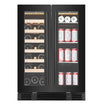
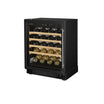
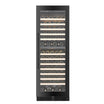
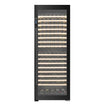

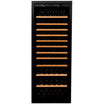
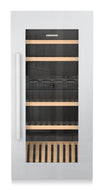
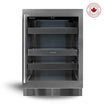





A collection of 300 bottles exerts nearly 1,000 pounds of dead load on your home's subfloor and wall studs. When you decide to transform the overlooked space beneath your staircase into a professional-grade Wine Wall, you aren't just choosing a decor style; you're embarking on a sophisticated architectural project. It's natural to feel concerned about whether a glass enclosure can maintain the strict cooling parameters your vintage bottles require or if the wall can truly support the immense weight of a growing collection.
You deserve a storage solution that acts as a stunning architectural focal point without the clutter of traditional racking. This article provides the technical assurance you need to build with confidence. We'll discuss the engineering standards for high-density systems like Vinofabbrica and Premier Cru Modern racking, the critical role of vapor barriers in climate control, and how to properly reinforce your substrate with 3/4 inch plywood. From selecting the right cooling units to mastering the thermal envelope, you'll discover how to create a cellar that balances high-end design with flawless functional expertise. It's time to turn your collection into a permanent legacy of style and precision.
Key Takeaways
- Learn how to calculate structural loads and implement reinforcement strategies to safely support the substantial weight of a high-density collection.
- Discover the aesthetic advantages of a modern Wine Wall using minimalist hardware like Vinofabbrica aluminum pegs to create a high-visibility architectural feature.
- Explore techniques for maximizing bottle density within shallow 12-inch footprints to achieve a sophisticated, grand-scale look in limited spaces.
- Understand the critical steps of the bespoke design process, moving from initial inspiration to precise technical CAD drawings for a flawless finish.
The Architecture of the Modern Wine Wall: Defining the Aesthetic
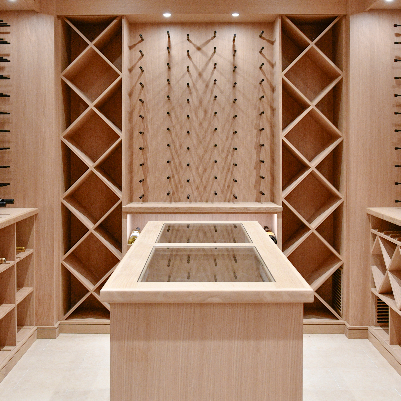
The modern Wine Wall represents a departure from traditional cellar design. It's a vertical, typically shallow storage system engineered for maximum visibility and high-end aesthetic appeal. By 2026, the trend has shifted decisively away from hidden basement bunkers toward prominent architectural features that command attention in primary living areas. This evolution reflects a desire to integrate wine collections into the daily rhythm of the home. A successful installation relies on three fundamental pillars: effortless visibility, intuitive accessibility, and unwavering environmental stability. While the visual impact is paramount, maintaining proper wine storage conditions remains the technical foundation of every build. These displays are particularly favored in modern minimalist and transitional interiors because they offer a clean, organized look that complements sleek finishes and open floor plans. They allow the collector to showcase their investment as a piece of living art rather than hiding it behind heavy wooden doors.
Label-Forward vs. Neck-Forward Displays
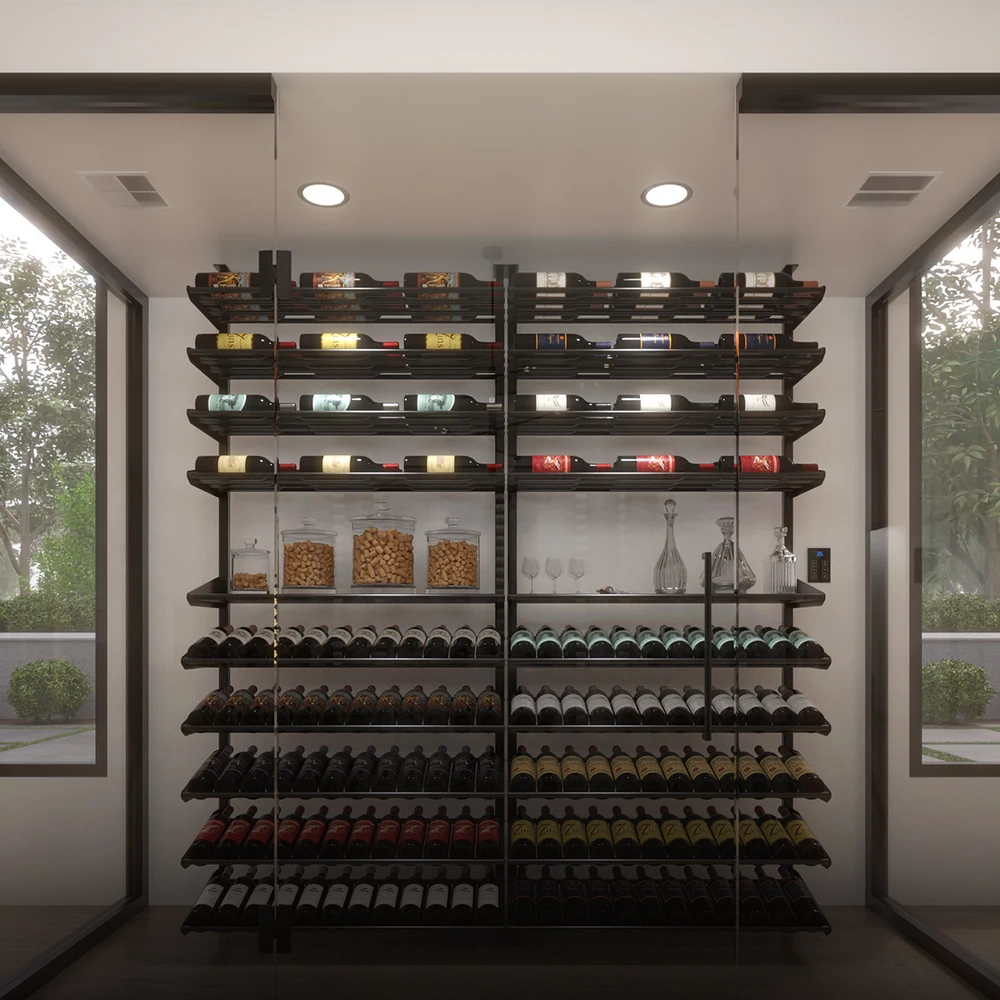
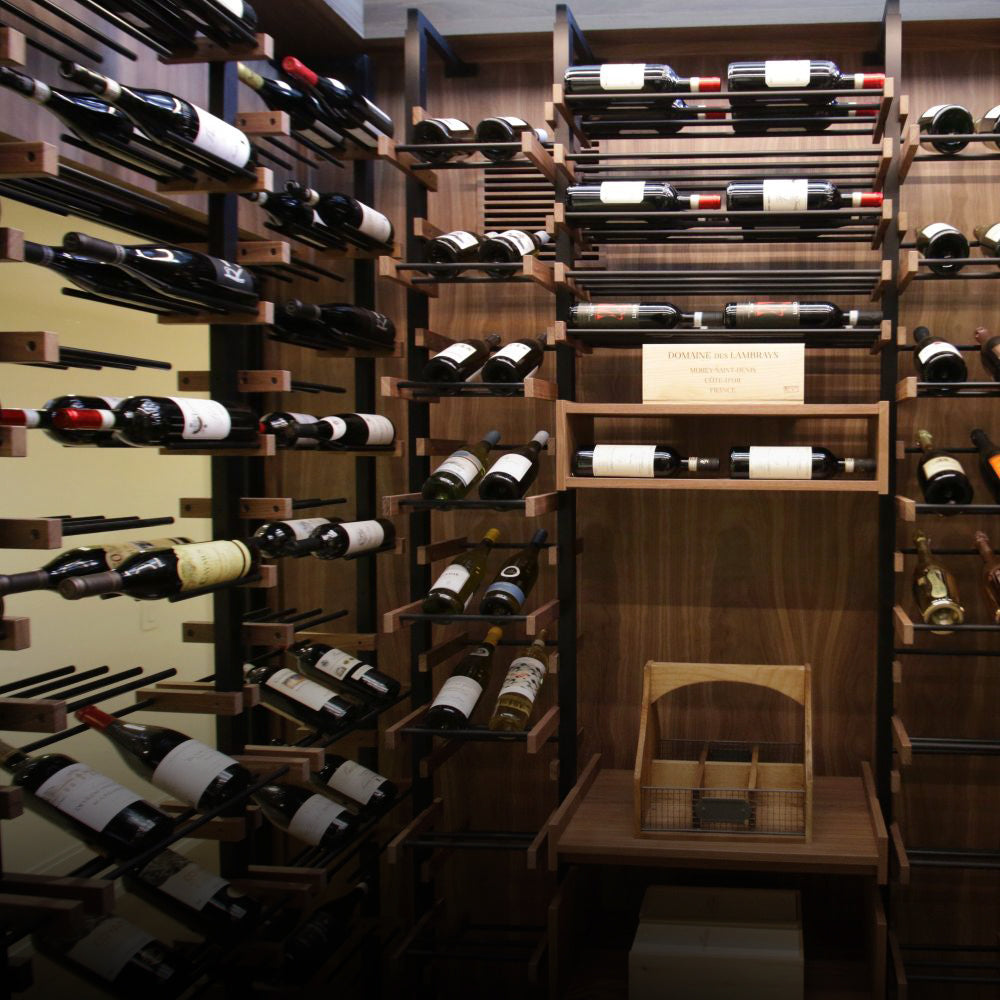
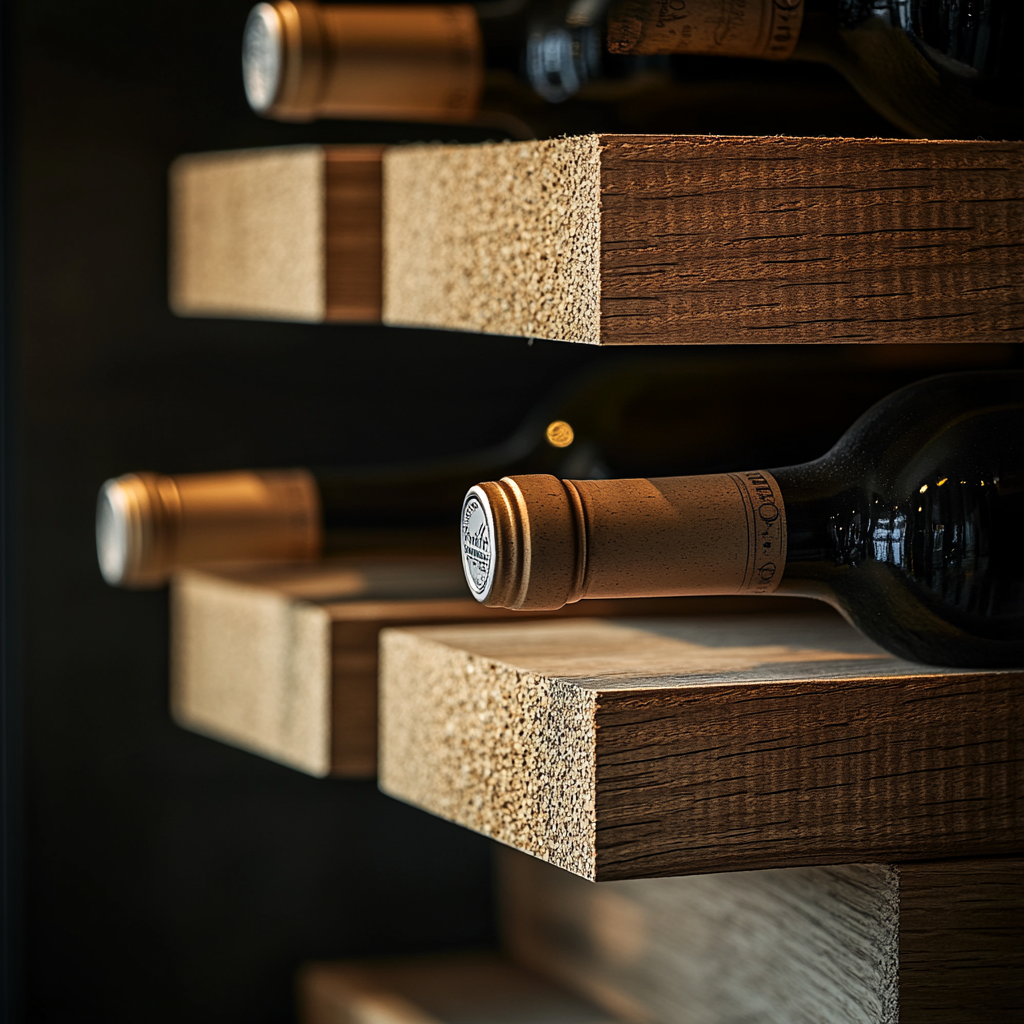
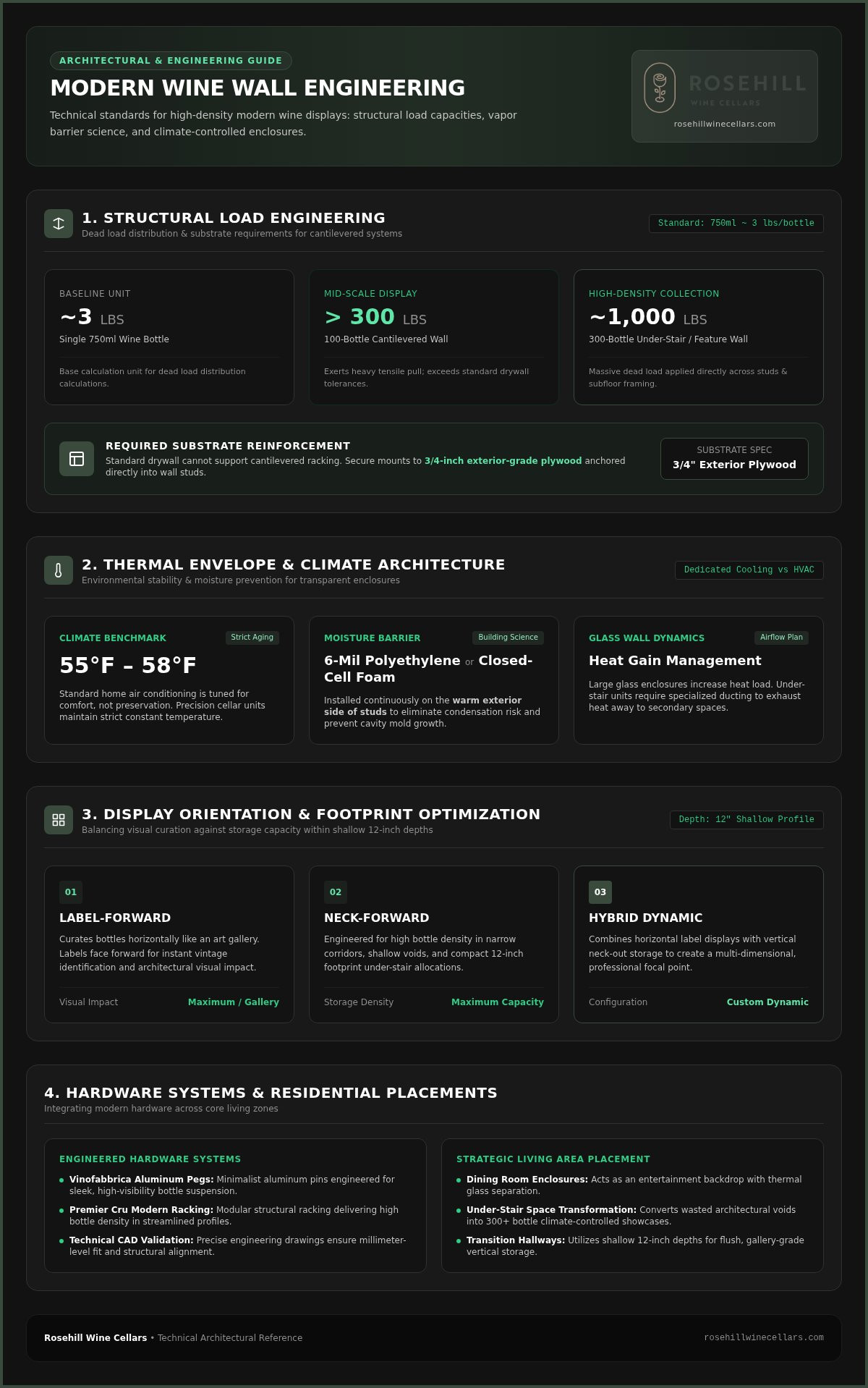
Bottle orientation dictates the entire character of your display. A label-forward configuration, achieved through Modern Wine Racking, transforms your collection into a curated gallery. It allows the artwork of the labels to face outward, making it easy to identify specific vintages at a glance. Conversely, neck-forward storage is the superior choice for maximizing bottle density, especially in narrow corridors or tight under-stair voids. For a truly bespoke result, we often recommend mixing these orientations. Combining horizontal label displays with vertical neck-out sections creates a dynamic, multi-dimensional focal point that feels both professional and personal.
Integrating Wine Walls into Living Spaces
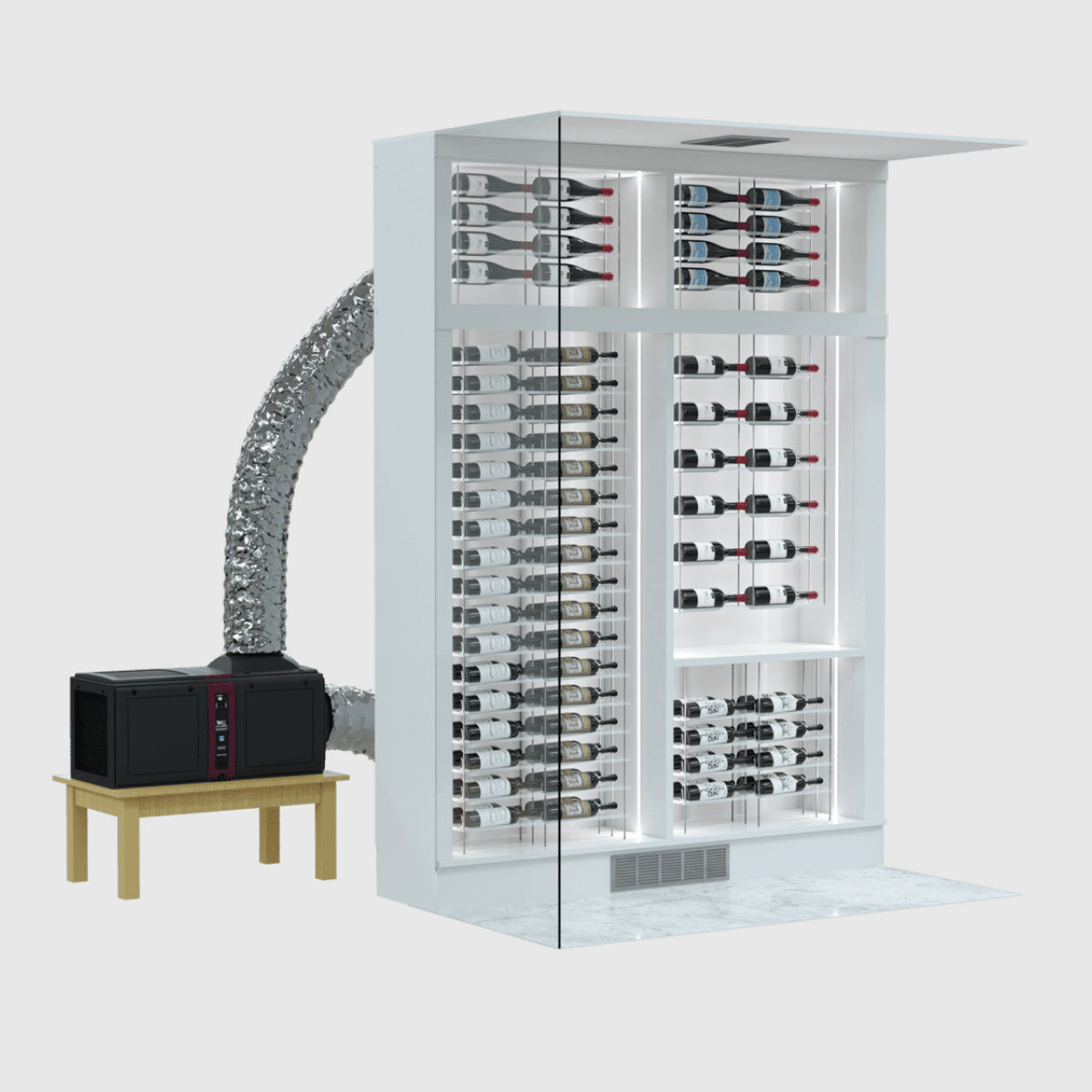
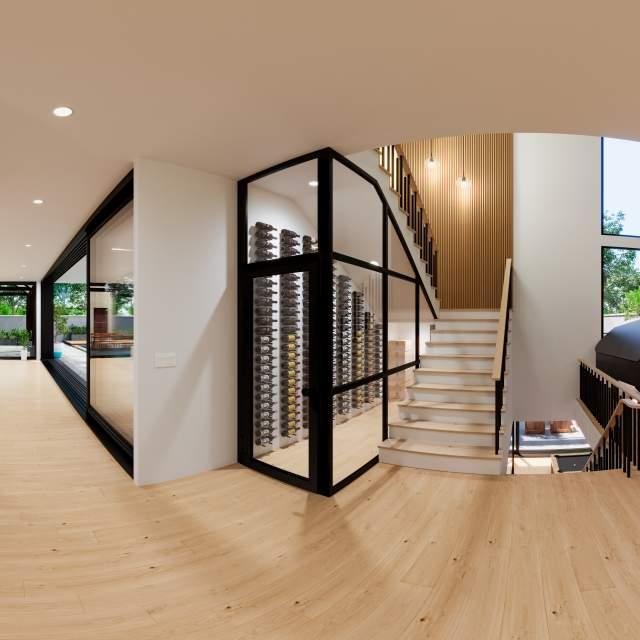
Strategic placement turns a storage unit into a conversation piece. In the dining room, a glass-encased wall serves as a sophisticated backdrop for hosting and entertainment. Transition spaces, such as hallways or the hollow area beneath a staircase, offer unique opportunities to utilize otherwise wasted square footage. Utilizing a glass enclosure is essential for defining the Wine Wall as a distinct architectural zone. It provides the necessary thermal break for climate control while ensuring the collection remains a visible part of the home's design language. This hybrid approach ensures your wine is protected by technical precision without sacrificing the beauty of an open-concept layout.
Engineering Foundations: Structural and Technical Requirements
A professional Wine Wall is a feat of engineering as much as it is a design choice. Consider the physics of your collection: a standard 750ml bottle weighs approximately 3 pounds. When you scale that to a 100-bottle display, you're placing over 300 pounds of dead load on your wall structure. Standard drywall isn't designed to handle this cantilevered weight. To ensure long-term stability, we recommend mounting your racking to 3/4-inch exterior-grade plywood anchored directly into the wall studs. This reinforcement allows for the high-tensile strength needed to support your collection without the risk of structural sagging or fasteners pulling through the gypsum.
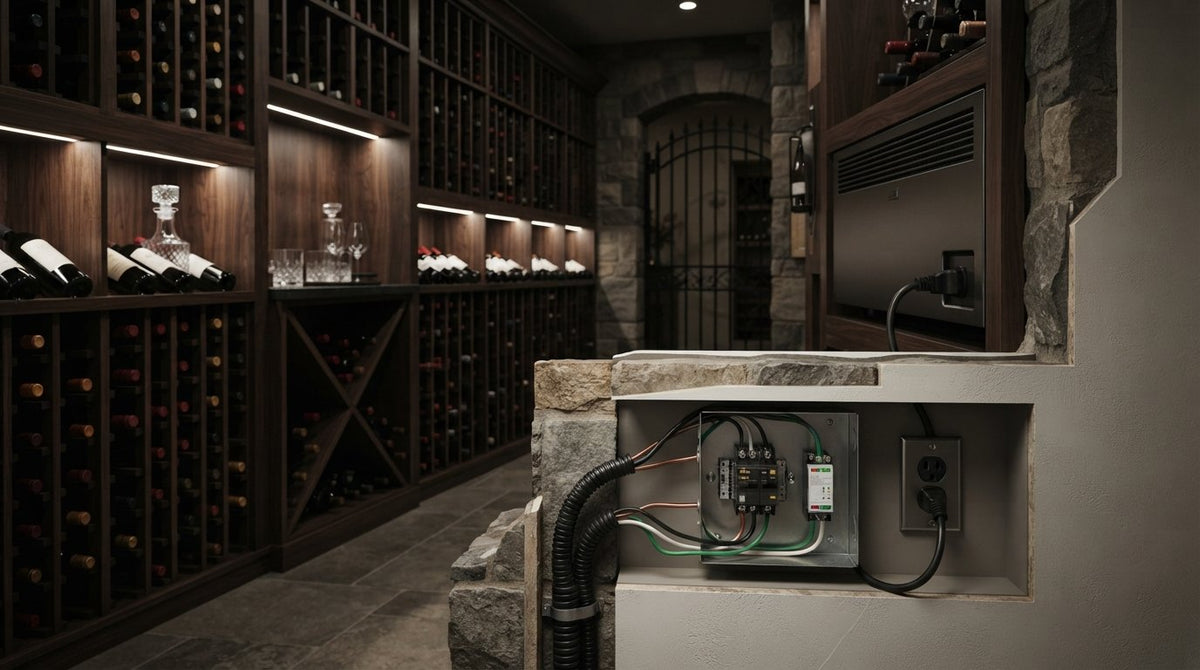
Beyond weight, managing the thermal envelope is vital for protecting your investment. You must apply building science principles for wine cellars to prevent condensation within the wall cavity. This requires a continuous vapor barrier, typically a 6-mil polyethylene sheet or closed-cell polyurethane spray foam, installed on the warm exterior side of the studs. Proper moisture management prevents mold growth and ensures the temperature differential between the conditioned display and the rest of your home doesn't compromise your wall's integrity.
Climate Control for Transparent Walls
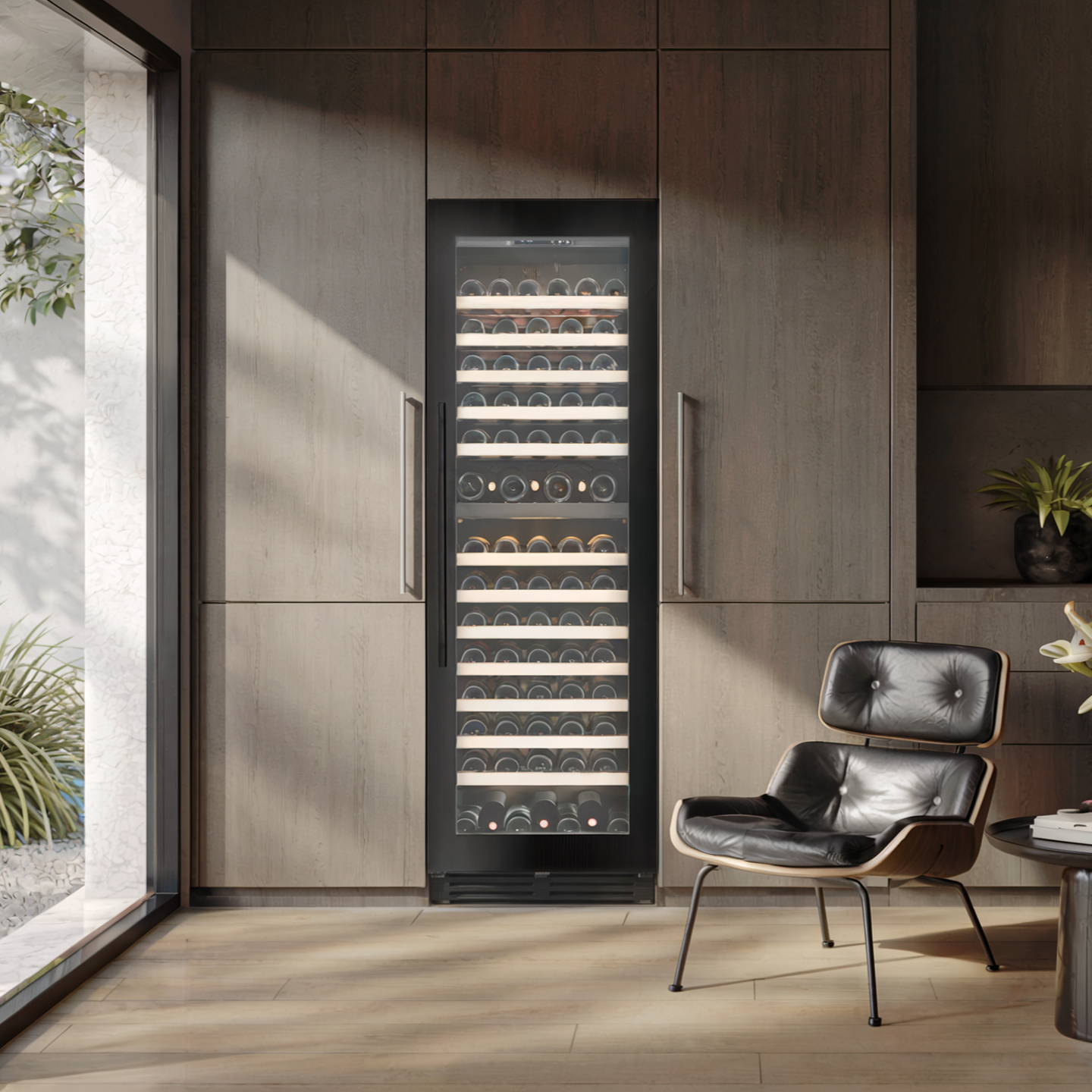
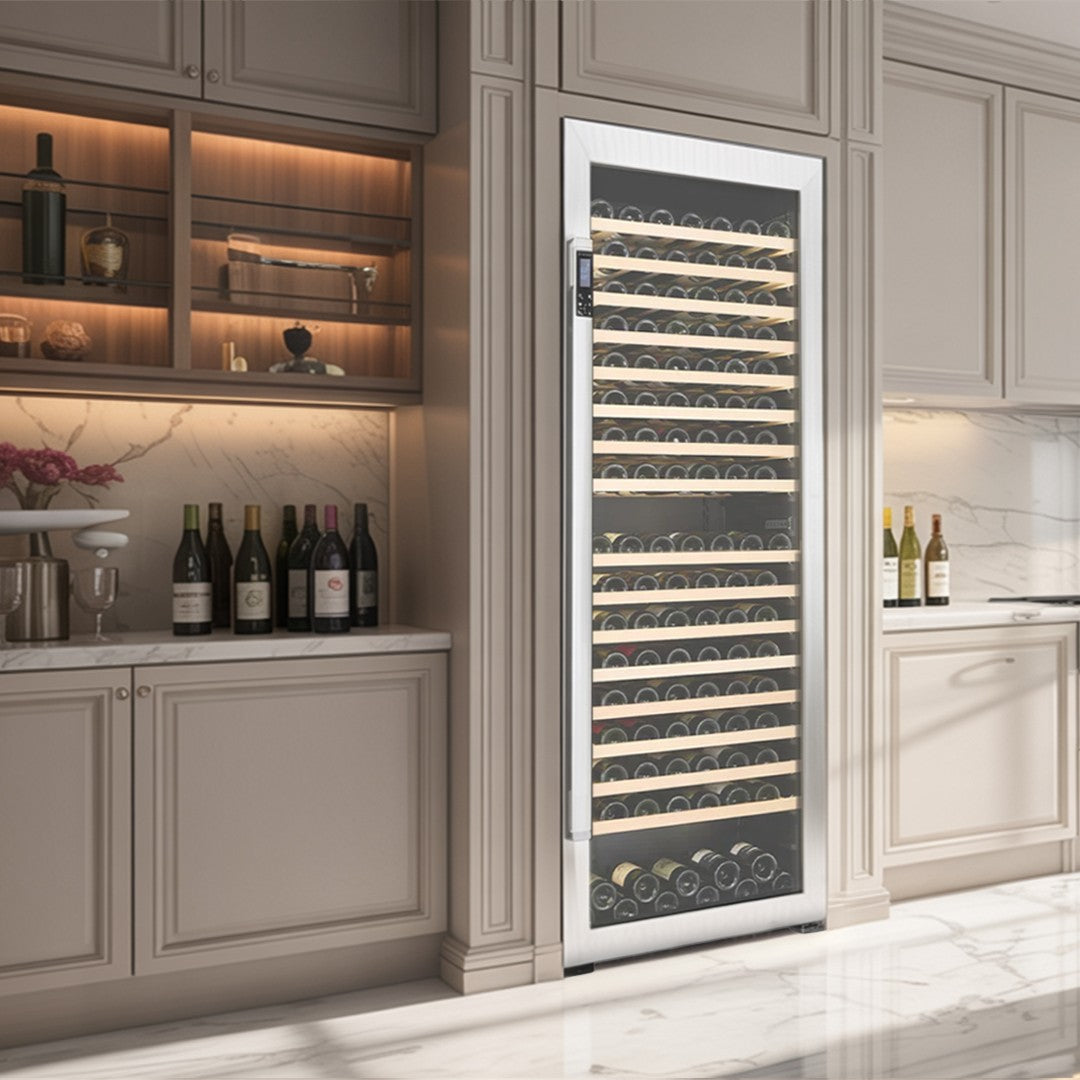
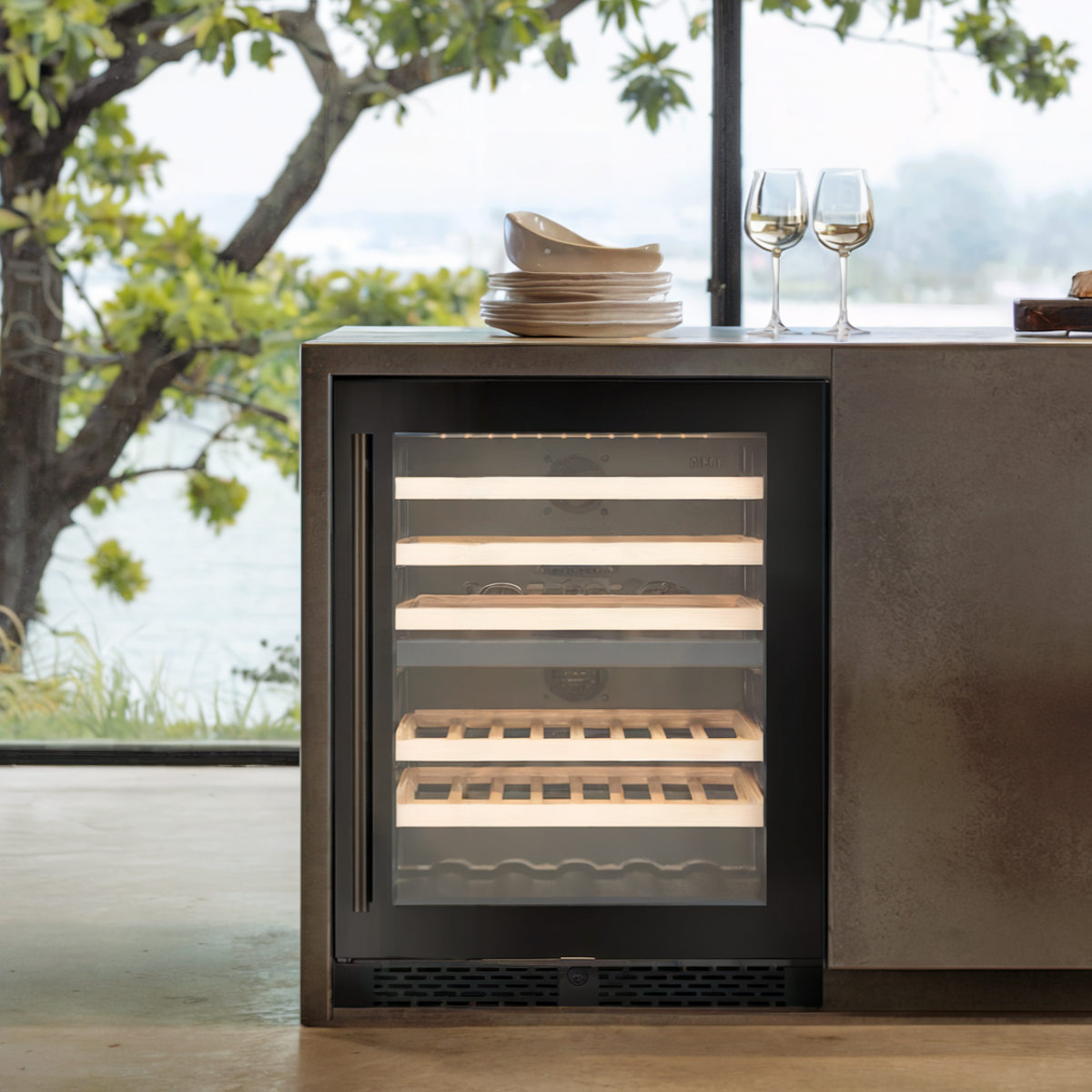
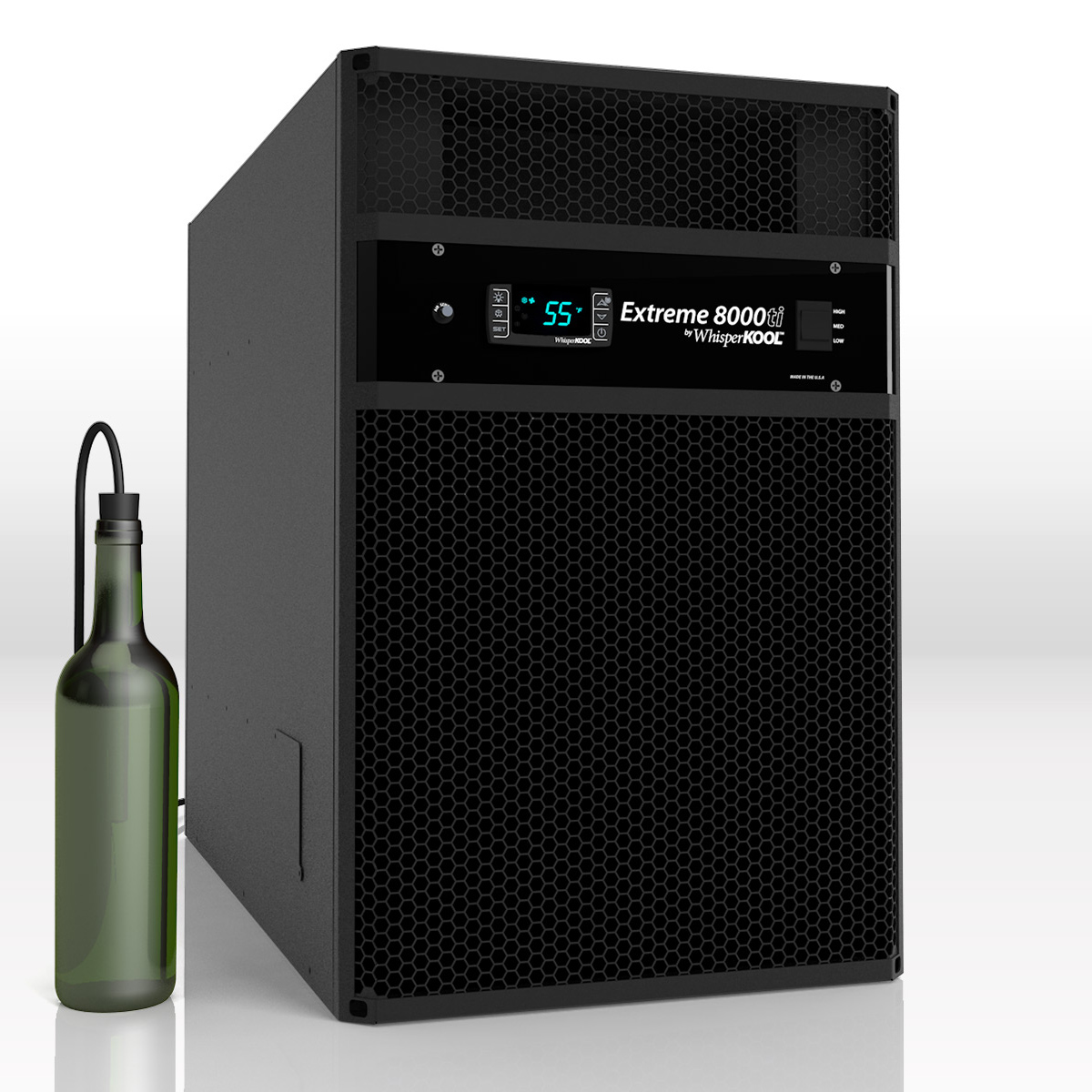
Standard home air conditioning is designed for human comfort, not wine preservation. It lacks the precision to maintain the constant 55°F to 58°F required for aging. For glass-enclosed walls, selecting specialized Wine Cellar Cooling Systems is essential. These units are engineered to manage the higher heat gain associated with large glass surfaces. In shallow under-stair installations, you must also plan for heat dissipation, ducting exhaust air to a well-ventilated secondary space to prevent the system from cycling inefficiently.
Lighting Design for Performance and Preservation
Light is a silent predator of fine wine. Traditional incandescent or halogen bulbs emit heat and UV rays that can degrade organic compounds in the bottle. To highlight your collection safely, use low-heat, UV-free LED strips with a color temperature between 2700K and 3000K. We suggest installing these in recessed channels to provide a soft, indirect glow. A professional design consultation can help you integrate these electrical requirements seamlessly into your framing plan, ensuring your Wine Wall is both technically sound and visually breathtaking.
Material Selection: Comparing Pegs, Rails, and Modular Racks
Selecting the right hardware is the bridge where structural engineering meets high-end interior design. While the previous sections established the technical "bones" of the project, your choice of racking defines the ultimate visual character of the Wine Wall. When converting interior space into a wine cellar, the materials you select must be durable enough to withstand the specific humidity of a conditioned environment while maintaining a sophisticated aesthetic. Modern designs often utilize high-contrast finishes to create depth. Matte black metal provides a bold, industrial edge; brushed aluminum offers a sleek, tech-forward feel; and warm wood accents can soften the look for transitional homes.
Wine Pegs and Rails: The Ultimate Minimalist Look
For collectors seeking a "floating" bottle illusion, Vinofabbrica aluminum peg systems are the gold standard. These systems utilize precision-machined pegs that disappear behind the bottles, allowing the labels to take center stage. The Rwc Double Bottle Aluminum Pegs are particularly effective for under-stair voids where space is at a premium. They allow you to double the storage density without increasing the visual footprint of the hardware. This system offers unparalleled installation flexibility, enabling you to create custom geometric patterns or staggered layouts that follow the slope of your staircase. By supporting the bottle at two distinct points, these rails ensure perfect stability while maintaining the minimalist aesthetic of a high-end gallery.
Modular Wall Systems: Stability Meets Style
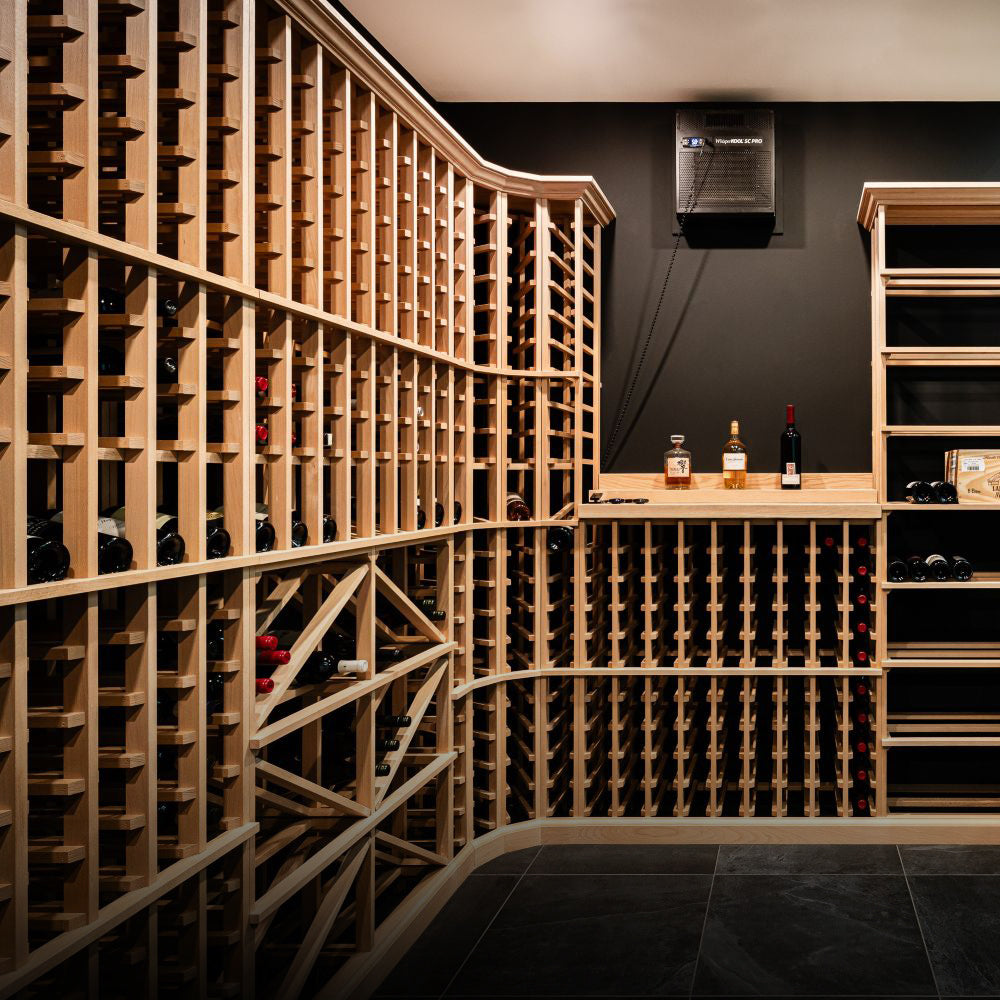
If you prefer a more structured and architectural look, Premier Cru Modern Racking provides a professional framework that is both elegant and incredibly sturdy. These systems offer a cohesive design language that works beautifully in larger Wine Wall installations. Utilizing Premier Cru Kit Racks simplifies the installation process, providing a reliable, pre-engineered solution that guarantees alignment and structural integrity. These modular kits are designed for scalability, allowing your storage to expand as your collection grows. They often combine the warmth of traditional materials with the precision of modern metal components, making them the ideal choice for transitional interiors where you want to balance classic craftsmanship with contemporary performance.
Design Strategies for Diverse Residential Spaces
A Wine Wall is infinitely scalable, adapting to both the modest collector and the connoisseur with hundreds of vintages. While a 20-bottle feature provides a tasteful accent in a kitchen or breakfast nook, a 500-bottle "grand wall" under a wide staircase creates a definitive architectural statement. To maintain visual balance in larger installations, use symmetry to guide the eye. Centering large-format bottles, such as Magnums or Jeroboams, creates a natural focal point that anchors the display. You can further enhance this contrast by selecting back-paneling materials that complement your home's interior. Textured stone adds organic depth, while dark walnut or oak provides a timeless warmth. For a more contemporary finish, back-lit acrylic panels create an ethereal glow that makes the bottles appear to float in a void of light.
The Shallow Wall Solution
Narrow corridors and tight under-stair spaces require clever design tricks to maximize every square inch. You can achieve a sophisticated look even within a shallow 12-inch footprint by prioritizing label-forward racking. This orientation minimizes the depth required for each bottle while keeping the display visually open. Door hardware also plays a critical role in space management. Sliding glass doors are ideal for high-traffic hallways where floor clearance is limited. If your floor plan allows, pivot doors offer a more dramatic entrance to the collection, though they require a wider radius for operation. Choosing ultra-slim profiles for glass framing ensures the focus remains entirely on the wine.
Commercial-Style Walls for the Home
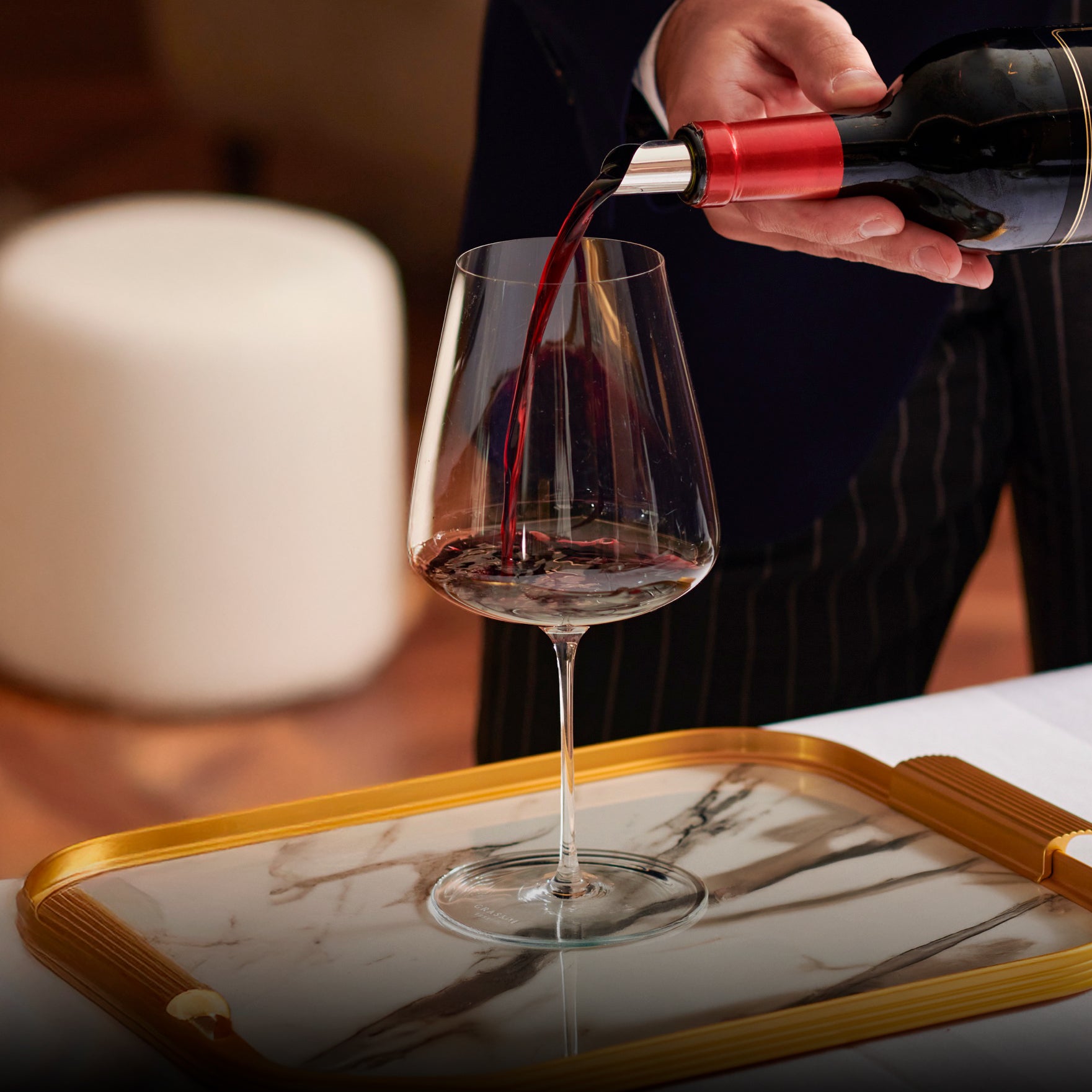
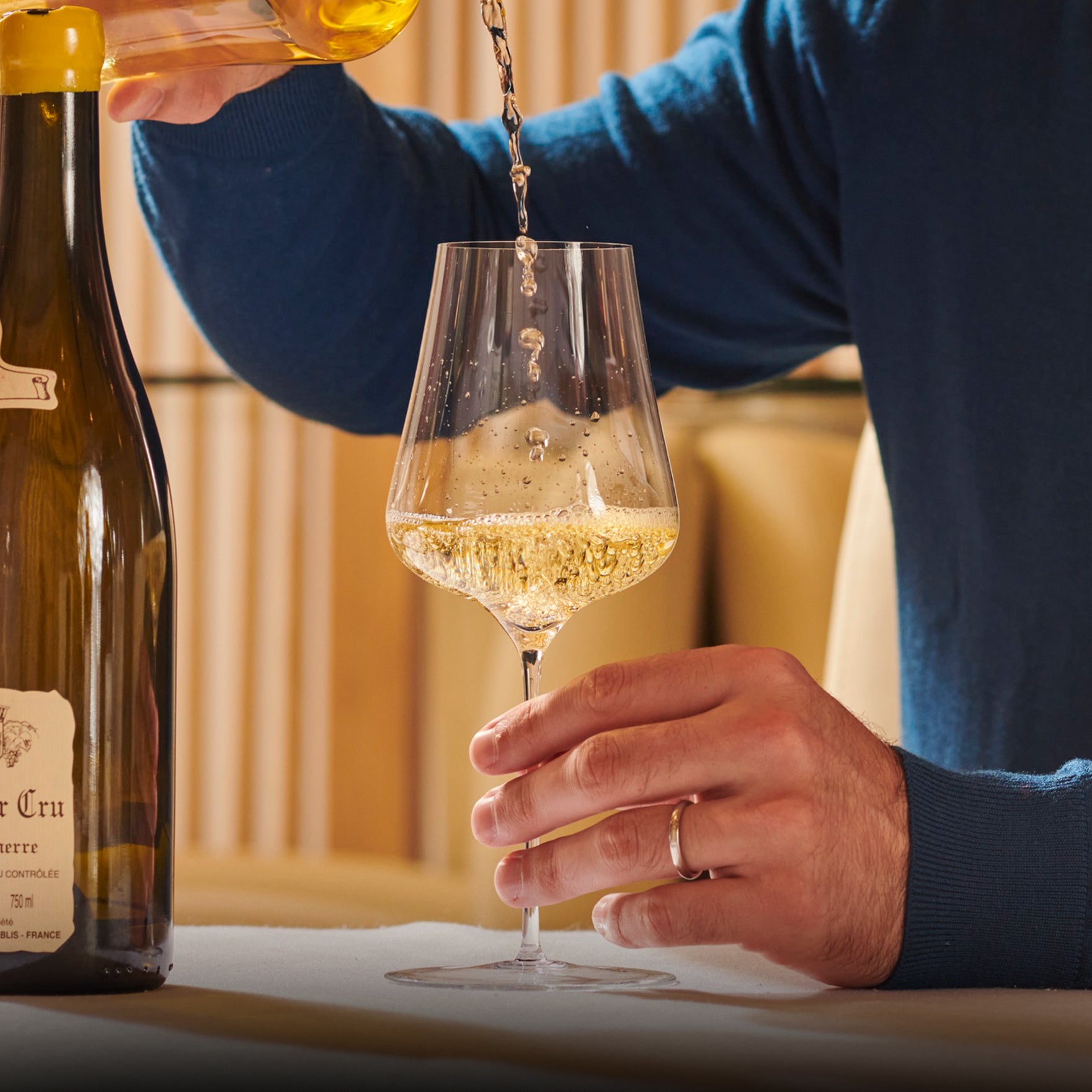
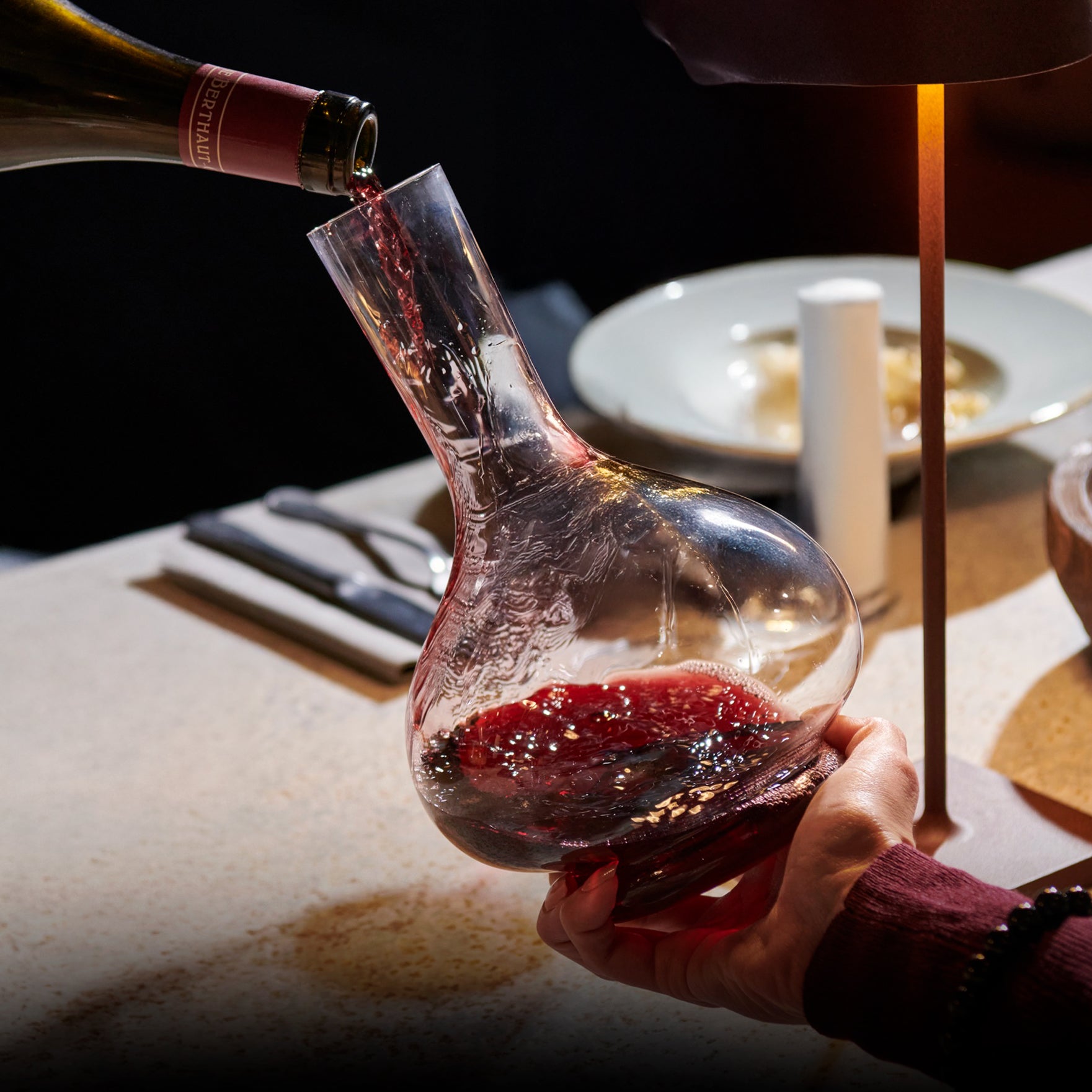
Many homeowners are now adopting hospitality design trends to create a "Wine Library" aesthetic. This look emphasizes floor-to-ceiling verticality, utilizing the full height of the stair stringer to create a sense of grandeur. To make the wall a functional destination, consider incorporating a small tasting station or a dedicated glassware display within the footprint. Recessing a niche for decanting or displaying premium stems adds a layer of professional utility to the design. This integrated approach transforms a storage area into an interactive entertaining zone that rivals the most exclusive wine bars. If you're ready to define your home's aesthetic with a bespoke display, explore our custom wine cellar design services to begin your project.
The Bespoke Process: Designing Your Professional Wine Display
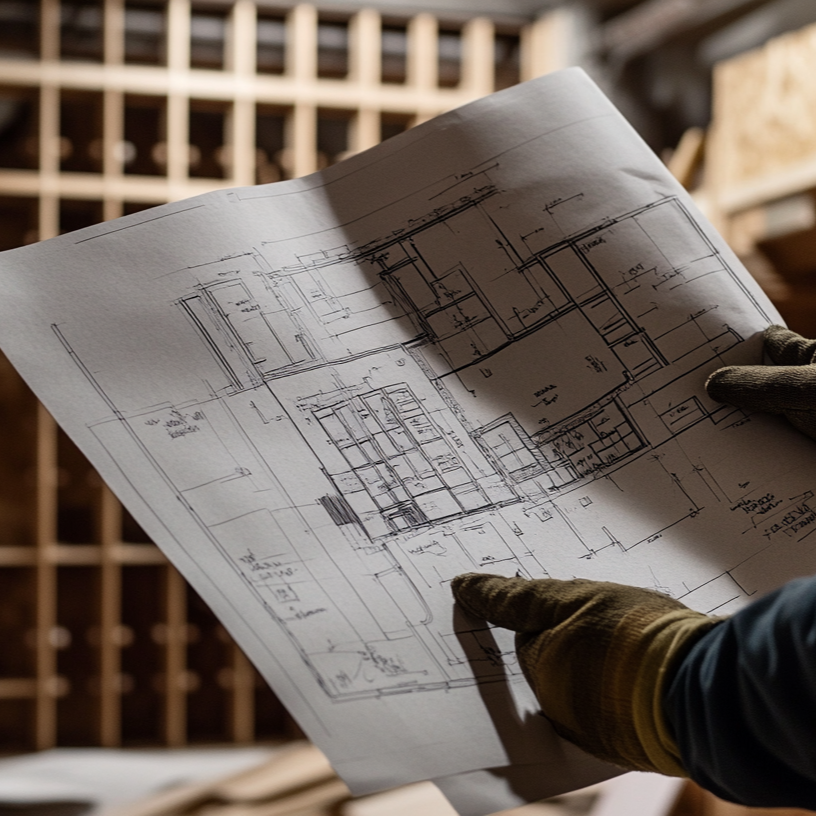
Transforming a digital inspiration board into a physical masterpiece requires a transition from aesthetic vision to technical precision. While platforms like Pinterest or Houzz are excellent for identifying the "look" of your Wine Wall, they often gloss over the psychrometric and structural realities of construction. A professional consultation for Custom Wine Cellars is the essential first step to bridge this gap. Our experts translate your high-level ideas into detailed CAD drawings, ensuring that every rack, cooling component, and glass panel fits within the specific tolerances of your under-stair void. This methodical approach eliminates guesswork and prevents costly mid-construction adjustments.
Consultation and Conceptualization
Effective design starts with defining your storage goals. We distinguish between a high-turnover service wall, meant for immediate enjoyment, and a long-term aging environment that requires more stringent climate controls. During the site assessment, we evaluate the floor’s load-bearing capacity and the home's existing electrical access to support integrated cooling and lighting. Visualizing the final result is made easier through 3D renderings, which allow you to see how different finishes, such as matte black pegs or warm wood back-paneling, will interact with your home's natural light. It's a collaborative phase where form and function are harmonized before a single stud is moved.
Strategic budgeting requires a clear understanding of where your investment is allocated. A professional Wine Wall budget typically splits between three primary categories: the high-tensile hardware like Vinofabbrica pegs, the architectural glass enclosure, and the specialized cooling equipment. Each component is vital to the longevity of your collection. By prioritizing professional-grade hardware and premium wine cooling units, you ensure that the secondary costs of maintenance remain low over the life of the cellar.
Installation and Long-Term Care
Successful execution depends on seamless coordination between trades. Rosehill Wine Cellars works closely with your general contractors and HVAC professionals to ensure the thermal envelope is sealed correctly and the vapor barrier is oriented for maximum efficiency. Once the physical structure is complete, the focus shifts to preservation. We highly recommend an Annual Maintenance Plan to protect the mechanical integrity of your cooling unit, ensuring it continues to manage humidity and temperature without fluctuation. The final styling of your wall is where the artistry truly shines. Whether you organize your bottles by region, varietal, or vintage, the result is a curated gallery that reflects your personal journey as a collector. If you're ready to begin, our team is prepared to guide you through every technical and design decision to create a lasting architectural legacy.
Elevating Your Home With Architectural Precision
Building a sophisticated Wine Wall is a journey that balances high-level interior design with rigorous mechanical engineering. You've learned that long-term success depends on a reinforced structural foundation to manage heavy bottle loads, a meticulous thermal envelope to preserve your investment, and the selection of professional-grade hardware like Vinofabbrica or Premier Cru Modern racking. These elements ensure your display remains a permanent fixture of quality rather than a temporary aesthetic trend. Rosehill offers expert design services for both residential and commercial projects, providing the technical assurance and national support required for complex builds. We help you navigate every technical nuance, from initial 3D renderings to long-term maintenance plans.
Your collection represents years of careful selection; it deserves a storage environment that is as enduring and refined as the vintages themselves. By integrating premium components and authorized cooling systems, you protect the integrity of your wine while creating a stunning visual centerpiece. Start Your Custom Wine Wall Design Consultation with Rosehill today to transform your under-stair space into a definitive architectural legacy. You're just one step away from a storage solution that perfectly reflects your lifestyle and passion.
Frequently Asked Questions
What is the difference between a wine wall and a wine cellar?
A wine wall is a space-saving architectural feature that integrates directly into your home's primary living areas, such as a dining room or transition hallway. Unlike a traditional cellar, which is typically a dedicated walk-in room, the wall is often shallow and prioritizes high-visibility display. While both can be climate-controlled, the Wine Wall acts as a sophisticated focal point that showcases your collection as art rather than sequestering it in a basement.
Can any wall support the weight of a wine rack system?
Standard drywall lacks the tensile strength to hold cantilevered racking safely. As established in the engineering sections, a collection adds significant dead load to the structure; without structural backing, the rotational torque will eventually pull fasteners through the gypsum. You must ensure the racking is secured into structural studs or a reinforced plywood substrate to prevent sagging. This is especially critical for high-density displays where bottles are stacked multiple levels high.
Do I need cooling for a wine wall if it's in a temperature-controlled room?
Yes, active cooling is essential for long-term preservation. While your home's HVAC system is designed for human comfort, typically hovering around 70°F, wine requires a stable environment of 55°F to 58°F. Specialized cooling units also manage relative humidity to prevent corks from drying out. Without a dedicated system, your vintages are subject to temperature fluctuations that can cause the wine to expand and contract, potentially compromising the bottle seal.
How deep does a wine wall need to be for label-forward storage?
For a label-forward Wine Wall, a depth of 12 to 14 inches is standard. This allows enough clearance for the bottle diameter and the mounting hardware while keeping the display flush with surrounding cabinetry or architectural features. If you are working in a particularly narrow corridor, utilizing minimalist aluminum pegs can help you maintain high density without requiring the bulkier framing associated with traditional wooden racking systems.
What are the best materials for a modern wine wall?
Premium aluminum and stainless steel are the preferred materials for modern displays due to their durability in conditioned environments. Systems like Vinofabbrica use precision-machined pegs that resist corrosion and provide a sleek, industrial aesthetic. For the wall surface itself, moisture-resistant materials like stone veneer, acrylic, or treated hardwoods are ideal. These choices ensure the backdrop remains pristine even when subjected to the 50% to 70% humidity levels required for proper storage.
Is glass-enclosed wine storage safe for long-term aging?
Glass enclosures are perfectly safe for long-term aging if you use dual-pane, thermally broken units with UV-filtering coatings. Standard glass allows heat transfer and UV light to penetrate, which can degrade organic compounds in the bottle. By using insulated glass units (IGUs) and maintaining a light-controlled environment with cool LEDs, you create a stable sanctuary that rivals the most traditional underground cellars in terms of preservation quality.
How much does a custom wine wall cost to install?
The total investment for a custom display varies based on the scale of the project and the technical requirements of the site. Key cost drivers include the specialized glass enclosure, the high-tensile hardware, and the mechanical cooling system. Because every under-stair space has unique geometry, budgeting should account for both the premium materials and the professional labor required for structural reinforcement and HVAC integration to ensure a long-lasting, high-performance result.
Can I install a wine wall myself or do I need a professional?
While a simple, non-conditioned rack can be a DIY project, a professional-grade conditioned display requires expert intervention. Managing the thermal envelope and vapor barrier orientation is technically demanding; errors here can lead to condensation and mold within your home's walls. Professionals ensure the cooling unit is sized correctly for the glass thermal load and that all structural reinforcements meet safety standards, providing peace of mind for your investment.