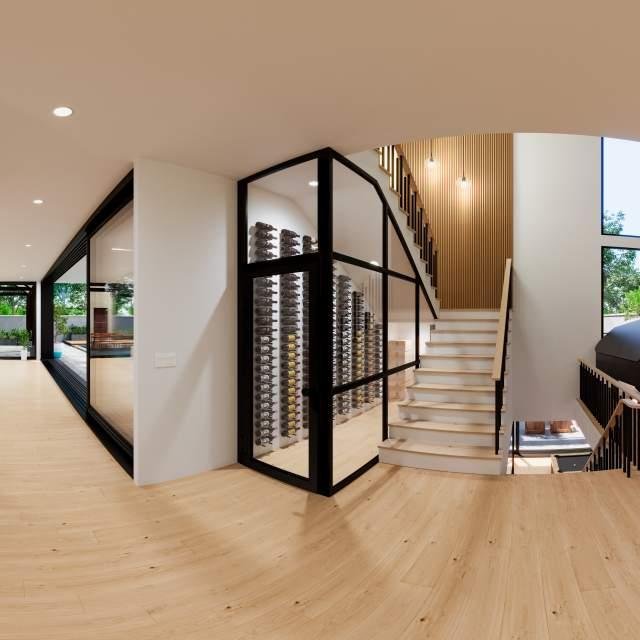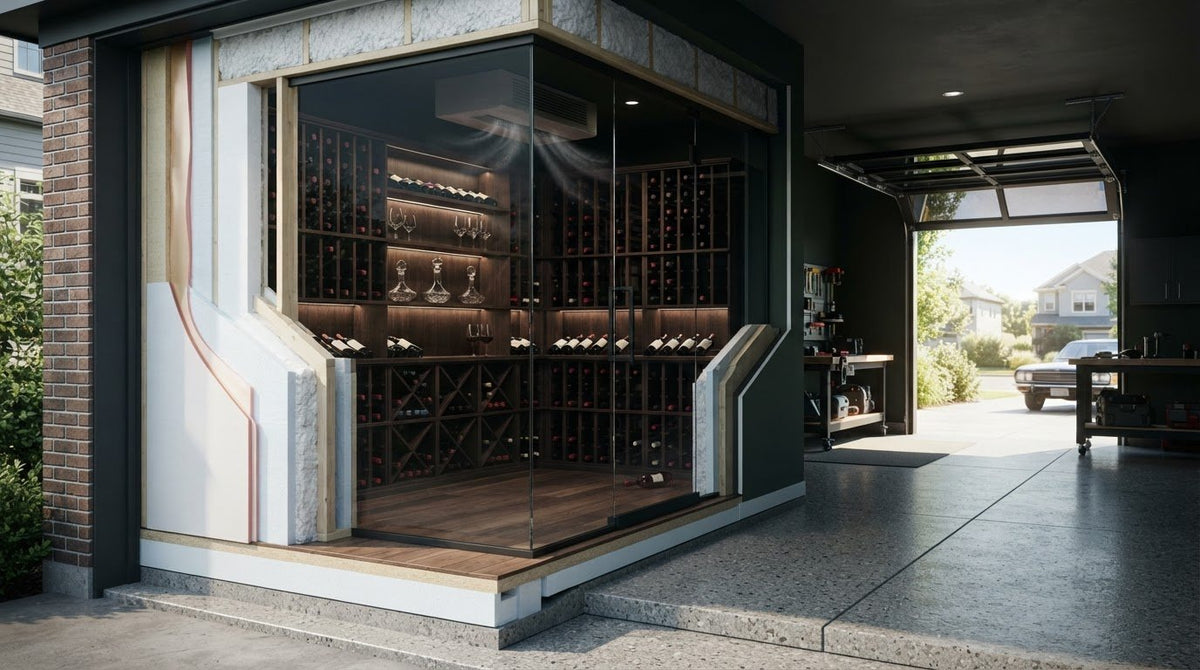

















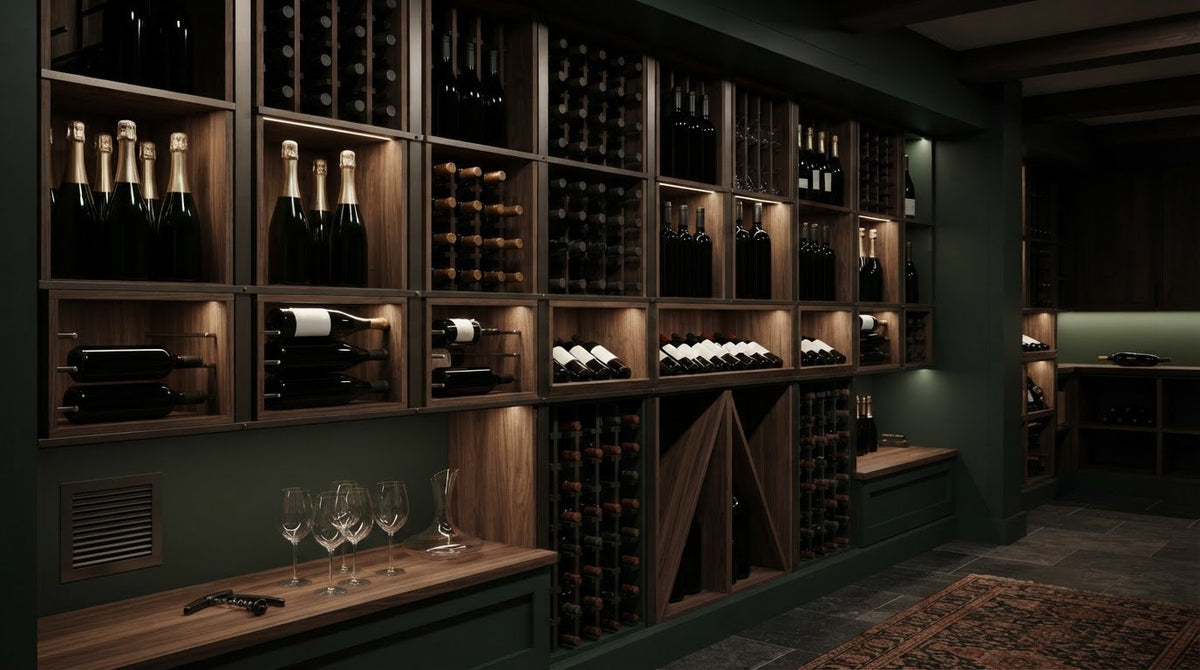
The greatest risk to a fine vintage isn't just temperature fluctuation; it's the rigid architecture of a cellar that refuses to grow with your palate. Since 61% of modern collectors now prioritize aesthetic display alongside maturation, the traditional fixed-capacity cellar often becomes a bottleneck rather than a sanctuary. You've likely felt the frustration of a beautiful space reaching its limit, or the concern that adding storage will disrupt your home's architectural flow. Choosing a professional-grade modular wine rack solves this dilemma by treating your cellar as a living, scalable environment rather than a static room.
It's natural to worry that a scalable system might sacrifice structural integrity or look like a temporary fix. We understand that a cohesive design must feel entirely intentional from day one. This guide explores how to design a sophisticated, future-proof storage system that protects the value of your bottles while maintaining a high-end aesthetic. We'll cover the technical requirements for diverse bottle formats, the durability of premium materials like anodized aluminum, and the engineering necessary to ensure your installation grows alongside your collection without compromise.
Key Takeaways
- Understand how a professional modular wine rack provides the structural foundation for a cellar that adapts to your growing collection rather than restricting it.
- Learn why premium materials like Premier Cru Classic wood offer superior insulation and bottle safety for high-value vintages.
- Master the engineering requirements for high-density storage, including how to calculate weight distribution for secure wall-mounted and floor-standing configurations.
- Discover how to select universal-geometry components that accommodate diverse bottle formats, from Champagne to Magnums, without risking label damage.
- Explore the essential integration between modular kits and professional climate control to ensure your collection matures in a stable, luxury environment.
The Evolution of Wine Storage: Why Modular Racking is the Standard for 2026
A professional modular wine rack is no longer just a utility; it's a sophisticated system of standardized, interlocking components engineered for absolute scalability. In the current market, the distinction between "kit" and "bespoke" has blurred. By 2026, luxury homeowners are increasingly moving away from rigid, fixed millwork in favor of systems that offer architectural permanence alongside functional flexibility. This shift is driven by the realization that a collection is a living entity. A fixed cellar built today may not accommodate the diverse bottle shapes or the increased volume you acquire five years from now. Modularity ensures your storage environment evolves at the same pace as your palate.
Choosing a modular approach allows for a phased investment strategy. You can establish a high-end foundation with Premier Cru kit racks and expand the footprint as your inventory grows. This avoids the logistical headache of a full-scale renovation every time you reach capacity. Unlike traditional custom builds that require invasive construction for every adjustment, modern modularity relies on precision-engineered components that maintain design cohesion across multiple years of expansion. It's the master craftsman’s answer to the unpredictability of fine wine collecting.
The Functional Superiority of Scalable Systems
Modern collectors don't just store wine; they curate it. Scalable systems simplify the organization of diverse varietals by allowing you to reconfigure layouts as your priorities shift from bulk quantity to high-value rarity. A modular wine rack designed for 2026 standards prioritizes label visibility and airflow, two critical factors for long-term maturation. When you transition from standard Bordeaux bottles to wider Burgundy or Champagne formats, a modular system allows you to swap or adjust components without compromising the structural integrity of the wall. This adaptability prevents bottle "wedging," which can damage delicate labels and impede the consistent air circulation necessary for temperature stability.
Architectural Future-Proofing for Your Estate
Future-proofing your estate requires planning for expansion before the first cork is pulled. Industry insights show that the vast majority of luxury homebuyers now rate architectural wine storage as a highly desirable amenity. However, a rigid, over-specialized cellar can actually detract from a home's resale value if it doesn't fit the next owner's needs. Modular systems solve this by offering adaptable storage solutions that feel intentional and integrated. By utilizing consistent materials like All-Heart Redwood or professional-grade aluminum, you ensure that additions made years later look identical to the original installation. It's a strategic investment in both your collection and your property's long-term marketability.
Material Selection: Premier Cru Wood vs. Modern Metal Systems
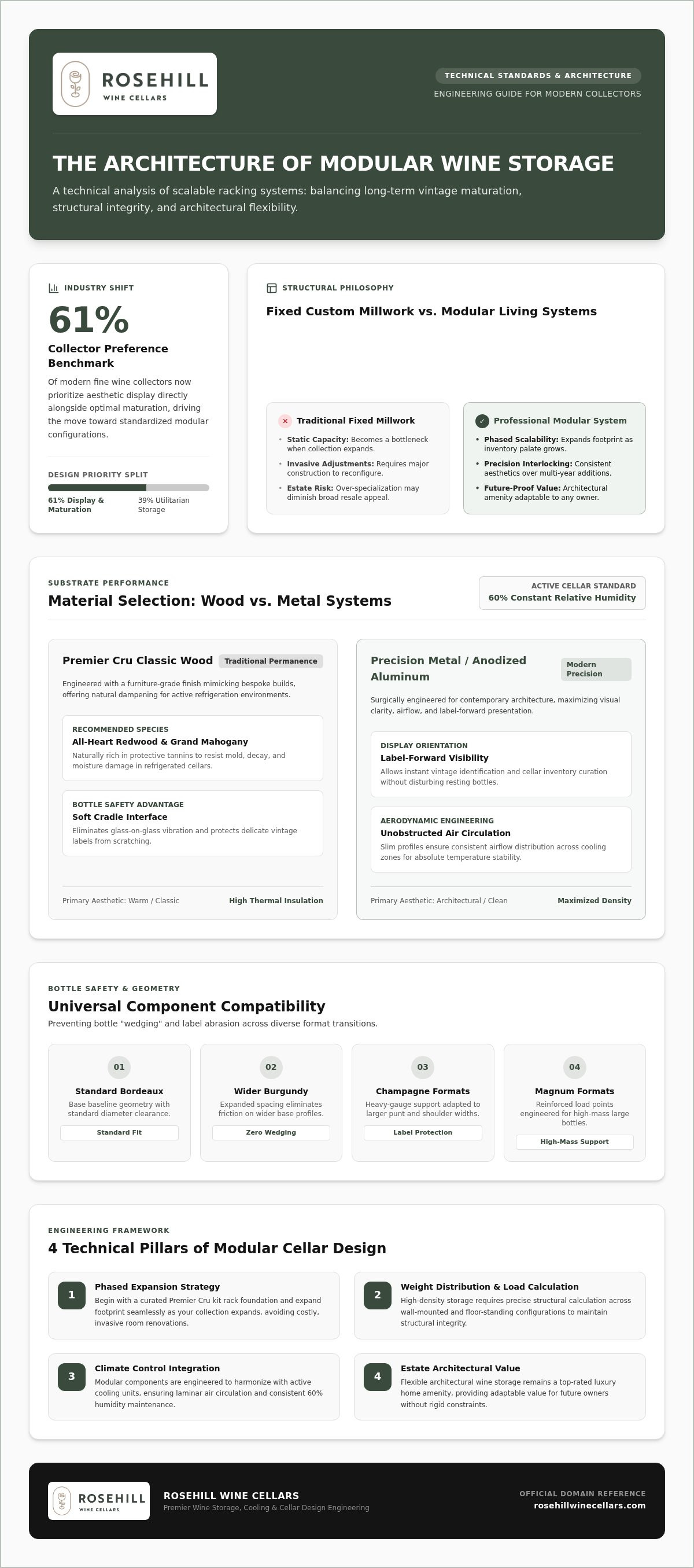
Selecting the material for your modular wine rack requires balancing thermal performance with visual impact. While wood offers a sense of permanence and warmth, metal systems provide the surgical precision required for modern, label-forward displays. The durability of these materials is critical, especially in active cellars where humidity levels are maintained at a constant 60%. Choosing the right substrate ensures your storage system doesn't just look elegant on day one but remains structurally sound for decades.
Classic Sophistication with Premier Cru Wood
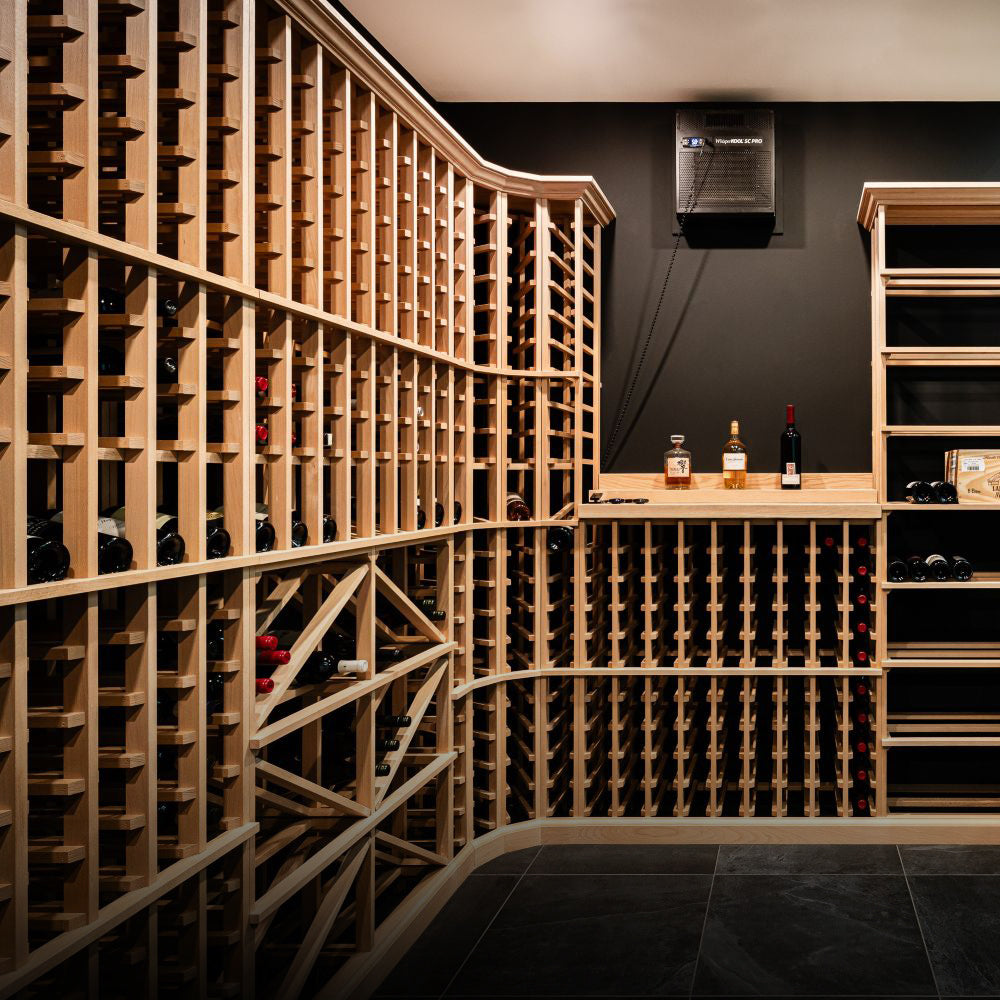
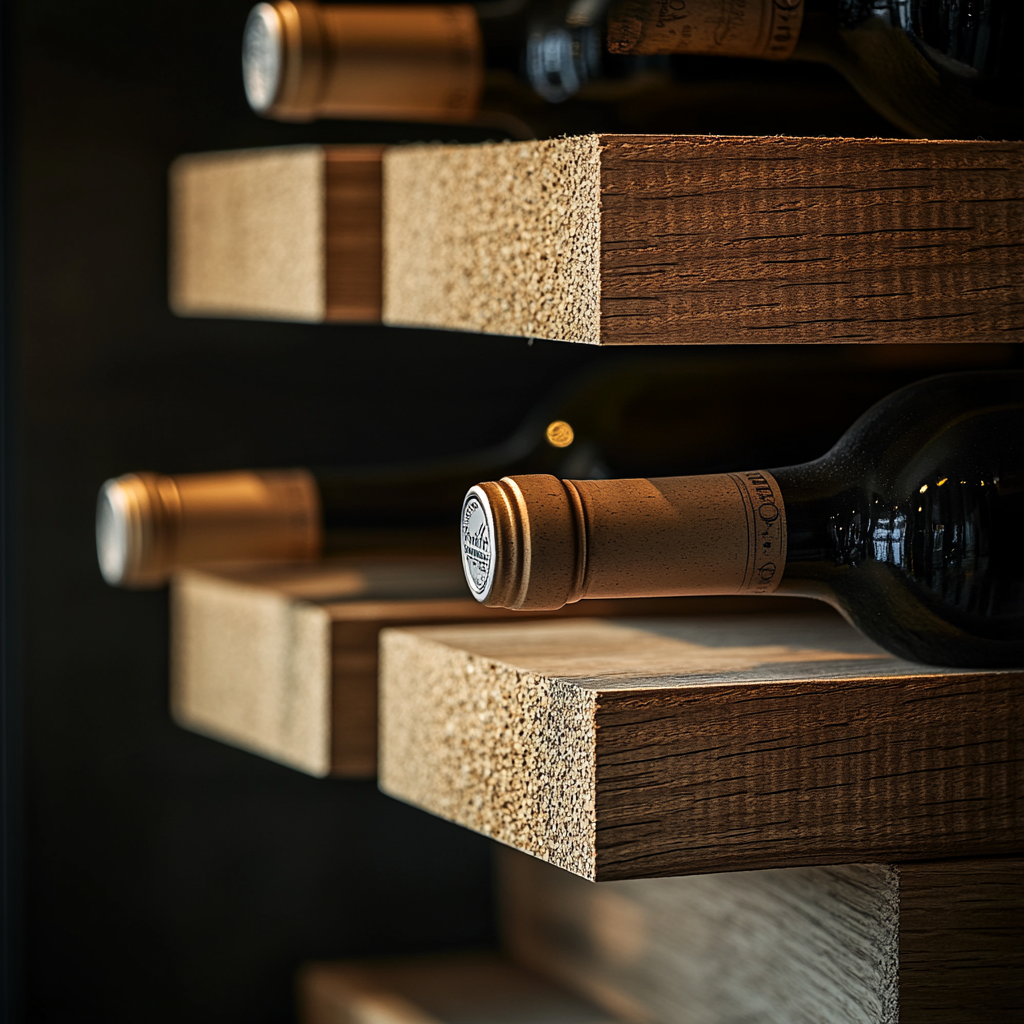
For collectors who value a traditional aesthetic, Premier Cru Classic racking remains the benchmark. The choice of wood species is the most important technical decision in this category. We recommend All-Heart Redwood or Grand Mahogany because these woods are naturally rich in protective tannins. These properties make them exceptionally resistant to the mold and decay that can plague lesser woods in refrigerated environments. Beyond durability, wood provides superior bottle safety. The soft interface of a wood cradle prevents glass-on-glass vibration and won't scratch delicate labels. These modules are engineered with a furniture-grade finish, creating a seamless look that mimics a fully custom-built cellar. The structural density of solid wood also offers natural insulation, helping to buffer the wine against minor temperature fluctuations.
Minimalist Precision with Modern Wine Racking
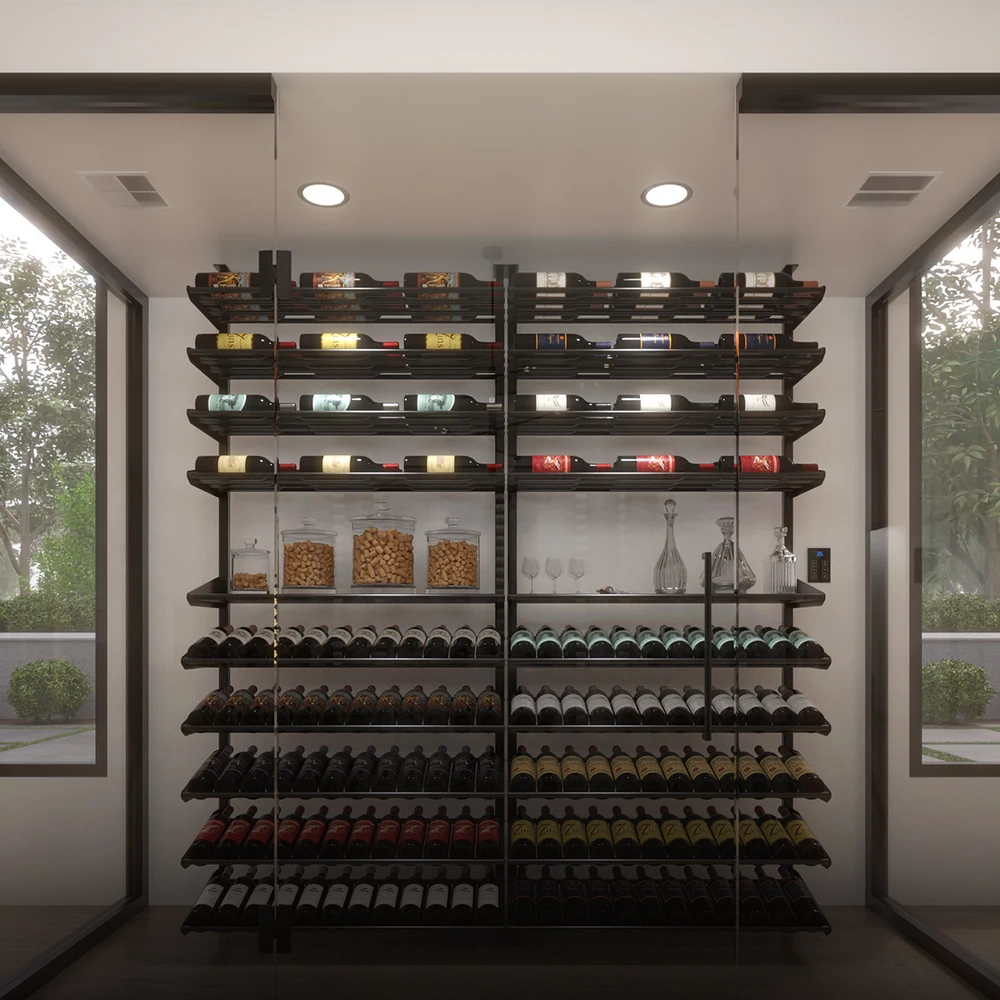
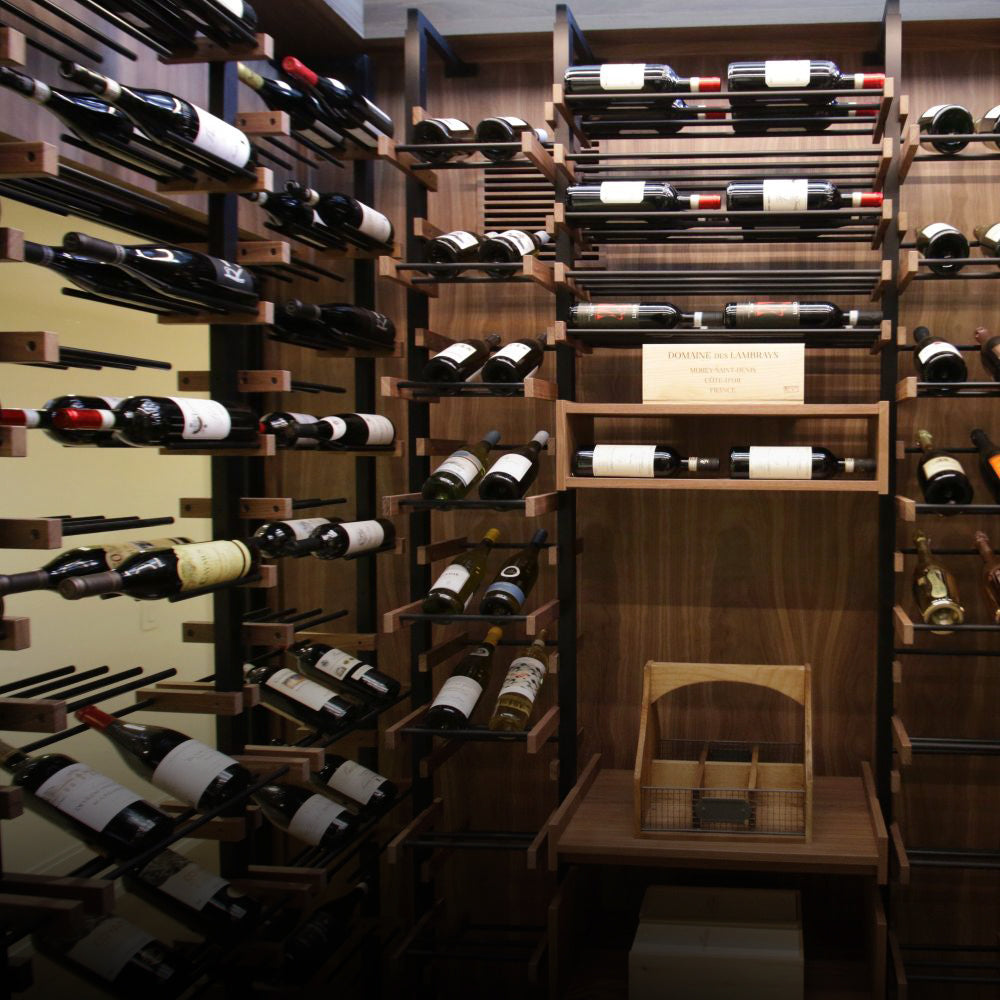
The rise of Modern Wine Racking has transformed the cellar from a hidden storage room into an architectural centerpiece. Systems like Vinofabbrica utilize aircraft-grade aluminum pegs and rails to create a "floating" effect. This minimalist approach is ideal for high-visibility wine walls in kitchens or dining areas where visual lightness is paramount. Metal systems excel at label-forward displays, allowing you to identify a specific vintage without disturbing the bottle's rest. To prevent rust in high-humidity zones, these components feature electrostatic powder-coat or anodized finishes. While metal is a conductor of heat, professional-grade kits utilize non-conductive mounting anchors to preserve the thermal integrity of the cellar envelope.
Transitional design often involves pairing these materials to achieve a hybrid look. You might install deep wood bins for bulk storage at the base and transition to aluminum pegs for a featured display at eye level. This strategy provides the structural capacity of wood alongside the curated feel of metal. If you're ready to define your cellar's aesthetic, you can browse our full collection of professional racking kits to find the perfect match for your home's architecture.
Spatial Engineering: Planning Your Modular Wine Wall or Cellar
Spatial engineering transforms a simple storage area into a high-performance environment. When planning a modular wine rack installation, the primary constraint is often room volume versus collection density. You must decide between wall-mounted configurations, which offer a floating, modern aesthetic, and floor-standing units that maximize bottle count. Each choice carries specific structural implications. A standard 750ml bottle weighs approximately 3 lbs; a 500-bottle modular assembly therefore exerts 1,500 lbs of dead weight on your flooring or wall substrate. This weight must be distributed across multiple anchor points to ensure the long-term integrity of the installation.
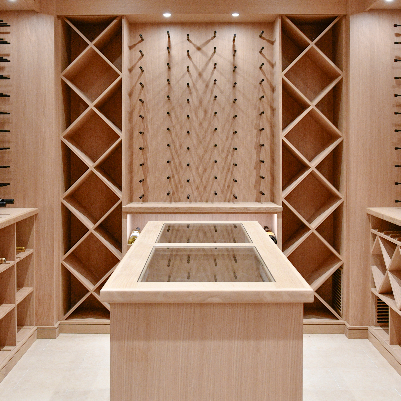
Depth selection is equally critical for the collector's workflow. Single-deep units, typically 13.5 inches deep, are the gold standard for visibility and ease of access. If you need to increase density without expanding the footprint, double-deep or triple-deep modular units allow you to store two to three times the volume in the same vertical space. However, these require careful planning to ensure you can still reach the rear bottles without disturbing the front row. Navigating architectural obstacles like support pillars or HVAC vents requires a modular system that can be trimmed or spaced to allow for consistent airflow and structural clearance. Integrating these elements seamlessly is what separates a DIY kit from a professional-grade cellar.
Maximizing Verticality with Wall-Mounted Systems
Engineering a modern wine wall requires more than just aesthetic vision; it demands structural foresight. For high-density wall-mounted racks, we recommend installing a 3/4 inch marine-grade plywood backer board behind the drywall to provide secure anchor points. This is especially important for cantilevered peg systems that concentrate weight on small surface areas. Proper clearance is vital for thermal stability. Leave at least 2 to 3 inches of space between the racking and the ceiling or adjacent walls to prevent air stagnation. Stagnant air can lead to micro-climates that cause uneven aging across your collection.
High-Capacity Floor-to-Ceiling Configurations
For large residential cellars, floor-to-ceiling modular towers provide unmatched storage capacity. Stabilizing these tall structures involves anchoring the frames directly to the floor joists and ceiling headers to prevent any lateral movement. To achieve a truly integrated look, use crown molding and base trim to bridge the gap between the modular wine rack kit and the room's architecture. This gives the installation a built-in, bespoke appearance that enhances the home's value. Integrating low-voltage LED strips within the modular framework allows you to highlight specific vintages while avoiding the light strike damage caused by traditional overhead lighting.
The Collector’s Framework: Choosing Racking Based on Your Vintages
A collection is more than a tally of bottles; it's a diverse assembly of glass geometries that each require specific support. Choosing a modular wine rack without considering your specific varietal mix often leads to the frustration of "wedging." This occurs when wide-bodied bottles, such as Pinot Noir or heavy-base Champagne, are forced into standard 3.25-inch Bordeaux slots. The result is often torn labels and restricted airflow. A professional framework prioritizes universal-geometry cradles or mixed-configuration modules to ensure every bottle, regardless of its origin, rests securely.
For the serious enthusiast, organization is a matter of strategy. You might arrange your collection by vintage to track maturation, or by region to simplify selection during a dinner service. Collectors who buy by the case should integrate bulk storage bins into their modular layout. These diamond bins or case-storage modules allow you to store larger quantities at the base of the rack, preserving the individual bottle slots for curated, single-vintage displays. This hybrid approach maintains order while maximizing the utility of your square footage.
Accommodating Diverse Bottle Shapes and Sizes
Successful storage requires components that respect the physical dimensions of the wine. Premier Cru Kit Racks are specifically designed with these variations in mind, offering specialized modules for oversized formats. Standard Bordeaux bottles usually measure between 2.9 and 3.2 inches in diameter, but Burgundy and Rhône bottles often reach 3.5 inches. Champagne and sparkling wines require even more clearance, typically 3.75 to 4 inches. Using smooth-finish materials is essential here. Rough edges can snag paper labels, devaluing the bottle. An adjustable modular system allows you to adapt these clearances as your collection shifts from California Cabs to vintage grower Champagnes.
Planning for Future Collection Growth
We advise every client to follow the "20% Rule." Always plan for at least 20% more capacity than your current inventory suggests. Collectors rarely stop buying once their racks are full. Modularity is the only way to accommodate this inevitable growth without a complete architectural overhaul. As your space evolves, you can add specialized components like stemware modules or integrated tasting tables to enhance the experience. This scalability allows a modest starter setup to eventually transition into a comprehensive custom wine cellar. If you're ready to start building your future-proof collection, explore our Premier Cru modular options to find the right foundation for your estate.
Bespoke Integration: Elevating Modular Kits with Professional Expertise
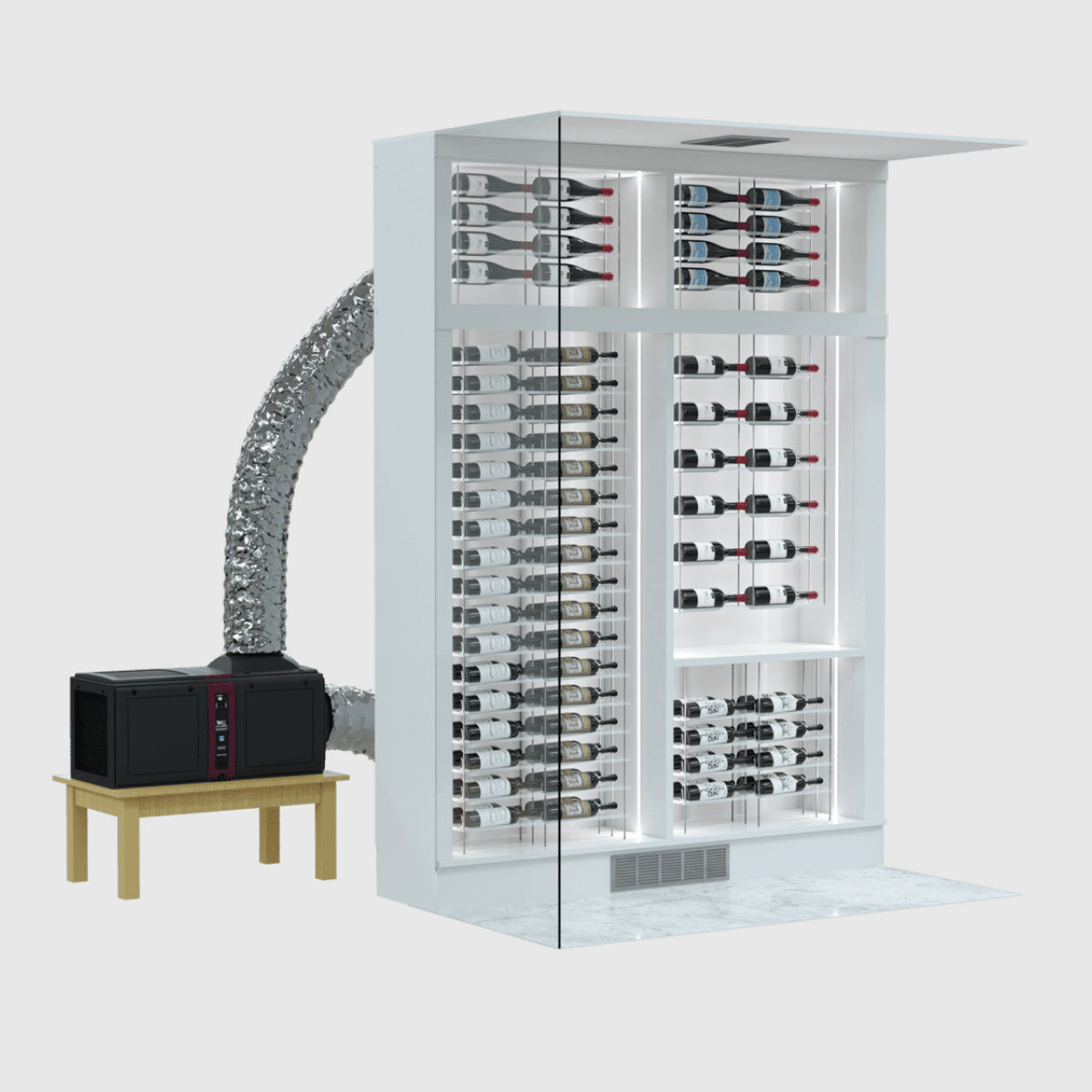
Rosehill Wine Cellars acts as the vital bridge between modular convenience and custom architectural design. While many retailers market a modular wine rack as a simple weekend project, a high-value collection requires a more disciplined approach. Professional design consultations identify potential spatial conflicts before they become costly errors. We ensure your racking doesn't just fit the room; it serves as a functional component of a larger, climate-controlled ecosystem. Integrating wine cellar cooling systems with your racking layout is essential to prevent thermal pockets that could compromise your vintages.
A professional perspective also addresses the longevity of the installation. We emphasize the necessity of annual maintenance for both cooling units and the structural hardware of the racking. Over time, the vibration from cooling fans or the settling of a home can affect the alignment of modular components. Regular inspections ensure that your cellar remains a safe, stable sanctuary for your investment. This consultative partnership transforms a series of kits into a professional-grade estate feature.
Seamlessly Blending Modular Elements with Custom Millwork
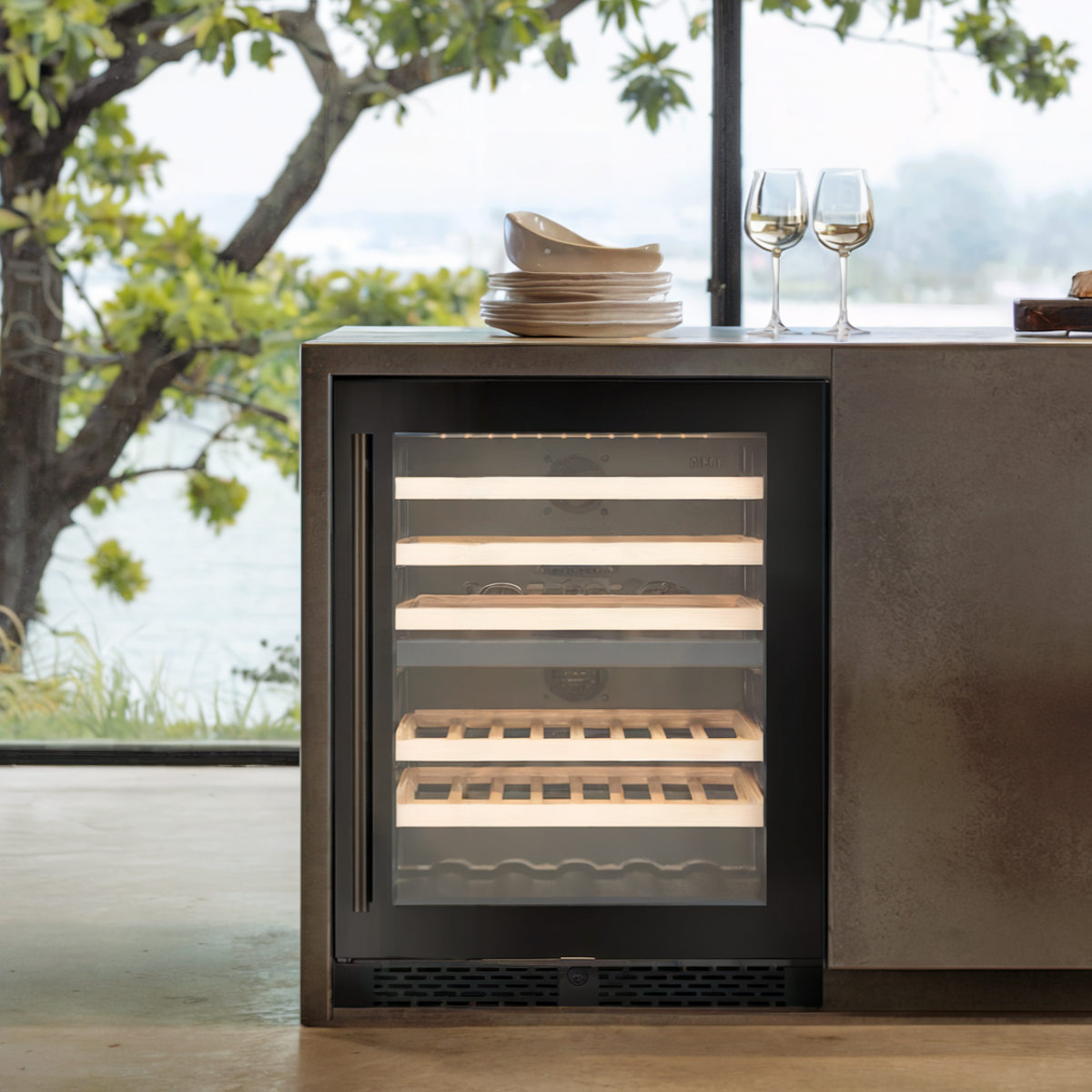
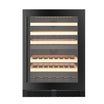
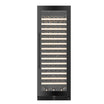
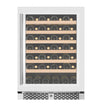
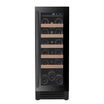
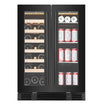
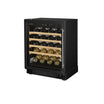
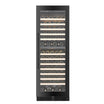
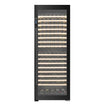
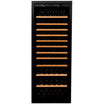
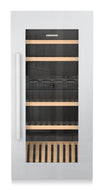
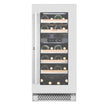
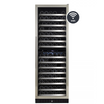
Achieving a bespoke appearance with modular components requires a master craftsman's eye for detail. We utilize custom spacers and precision trim to eliminate the unsightly gaps that often plague standard kit installations. This is particularly effective when combining Vantaggio wine cellars with modular wall racks. This hybrid strategy allows for the convenience of a self-contained cabinet alongside the expansive display of a dedicated wine wall. By meticulously matching wood stains and metal finishes across all components, we create a cohesive aesthetic that feels entirely intentional. It's about ensuring the transition from a cooling cabinet to a wall-mounted rack is visually indistinguishable.
The Role of Professional Installation and Maintenance
Structural anchoring is the most overlooked aspect of cellar safety. As mentioned in our spatial engineering analysis, the sheer weight of a dense collection requires anchoring directly to floor joists or wall studs. Professional installation ensures that your modular wine rack remains stable even under maximum load. The intersection of racking and wine cellar refrigeration is equally critical. Racks must be positioned to allow for the specific discharge patterns of your cooling unit to avoid "short-cycling" the equipment. Rosehill’s national support network ensures that your investment receives professional-grade care from the initial design phase through decades of maturation.
Securing the Future of Your Collection
Designing a luxury cellar is an exercise in foresight. By selecting a high-end modular wine rack system, you ensure your storage capacity adapts seamlessly to your evolving palate without disrupting your home's architectural harmony. True scalability requires balancing the physical demands of diverse bottle shapes with the technical precision of climate control. Utilizing premium, decay-resistant materials like Redwood and Mahogany guarantees that your investment remains structurally sound and visually cohesive across decades of incremental growth.
Rosehill Wine Cellars brings decades of experience in climate-controlled storage to your project, offering expert design consultations nationwide to prevent common planning pitfalls. Whether you prefer the traditional warmth of wood or the minimalist profile of metal pegs, our engineered solutions provide the permanence your vintages deserve. Explore our curated collection of Premier Cru and Modern Modular Wine Racks today to establish a sophisticated, future-proof foundation for your estate.
Frequently Asked Questions
What is the difference between a modular wine rack and a custom wine cellar?
A modular wine rack utilizes pre-engineered, interlocking components that can be expanded or reconfigured over time to match your collection's growth. A custom wine cellar is built from scratch to fit the exact, unyielding dimensions of a specific room. Modular systems offer the flexibility of a scalable kit while still providing a high-end, furniture-grade appearance. This makes them a more versatile option for collectors who plan to expand their inventory incrementally across multiple years.
Can modular wine racks be installed in a standard refrigerated wine room?
Yes, professional-grade modular racks are specifically engineered to withstand the 60% relative humidity and 55°F temperature standards of an active cooling environment. Systems like Premier Cru Classic use naturally decay-resistant woods like All-Heart Redwood and Grand Mahogany. These premium wood species resist warping and mold without requiring chemical sealants. If you use metal modular systems, ensure they feature anodized or powder-coated finishes to prevent rust from forming in the humid air.
How do I determine the weight capacity of a wall-mounted modular wine rack?
Weight capacity depends entirely on the wall substrate and the anchoring hardware rather than the rack itself. Because standard 750ml bottles weigh approximately 3 lbs each, a 100-bottle column creates 300 lbs of vertical dead weight. For secure installation, you must anchor the racking directly into wooden wall studs or a 3/4 inch marine-grade plywood backer board installed behind the drywall. Never rely on standard drywall anchors for high-density wine storage.
Are wood or metal modular racks better for long-term wine aging?
Both materials excel at long-term aging when engineered correctly, so the choice depends on your organizational strategy. Wood modular units provide exceptional bottle safety by minimizing glass-on-glass vibration and offering natural thermal insulation. Metal systems, such as aluminum pegs, excel at modern, label-forward presentation. This allows you to inspect your vintages without physically disturbing the sediment inside the resting bottle. Many collectors choose a hybrid layout that combines both materials.
Can I mix different brands of modular wine racks in one cellar?
Mixing different brands within the same vertical column is not recommended because interlocking components and dimensions vary between manufacturers. However, you can easily zone your cellar by using different systems on separate walls. For example, you might feature a modern metal peg wall on your focal partition and use traditional wood modules for high-density storage along the perimeter. This creates a cohesive, transitional aesthetic while maintaining structural stability.
Do modular wine racks accommodate large format bottles like Magnums?
Premium modular systems offer specialized components designed specifically for oversized formats like Champagne and Magnums. Standard Bordeaux slots measure around 3.25 inches, which will scratch the labels of wider bottles. To avoid bottle wedging, you should integrate universal-geometry cradles, adjustable metal pegs, or lower diamond bins into your modular configuration. This ensures your wide-body bottles rest securely without restricting the airflow necessary for temperature consistency.
How much space should I leave between modular racks for proper airflow?
You should maintain a clearance of at least 2 to 3 inches between the racking assembly and the cellar walls or ceiling. This spacing prevents air stagnation and allows the cooled air from your refrigeration unit to circulate evenly around every bottle. Restricted airflow creates localized heat pockets, causing your wine to age at inconsistent rates. Proper spatial planning ensures that your modular layout supports the work of your climate control system.
Is it possible to add a cooling unit to a space after installing modular racking?
It is possible, but it requires careful coordination to avoid short-cycling the refrigeration equipment. When retrofitting a cooling unit, you must position the evaporator so its cold air discharge path is completely unobstructed by the racking. Placing a modular wine rack directly in front of the airflow disrupts temperature distribution and strains the cooling motor. Consulting a specialist ensures your structural layout pairs perfectly with your climate control needs.