

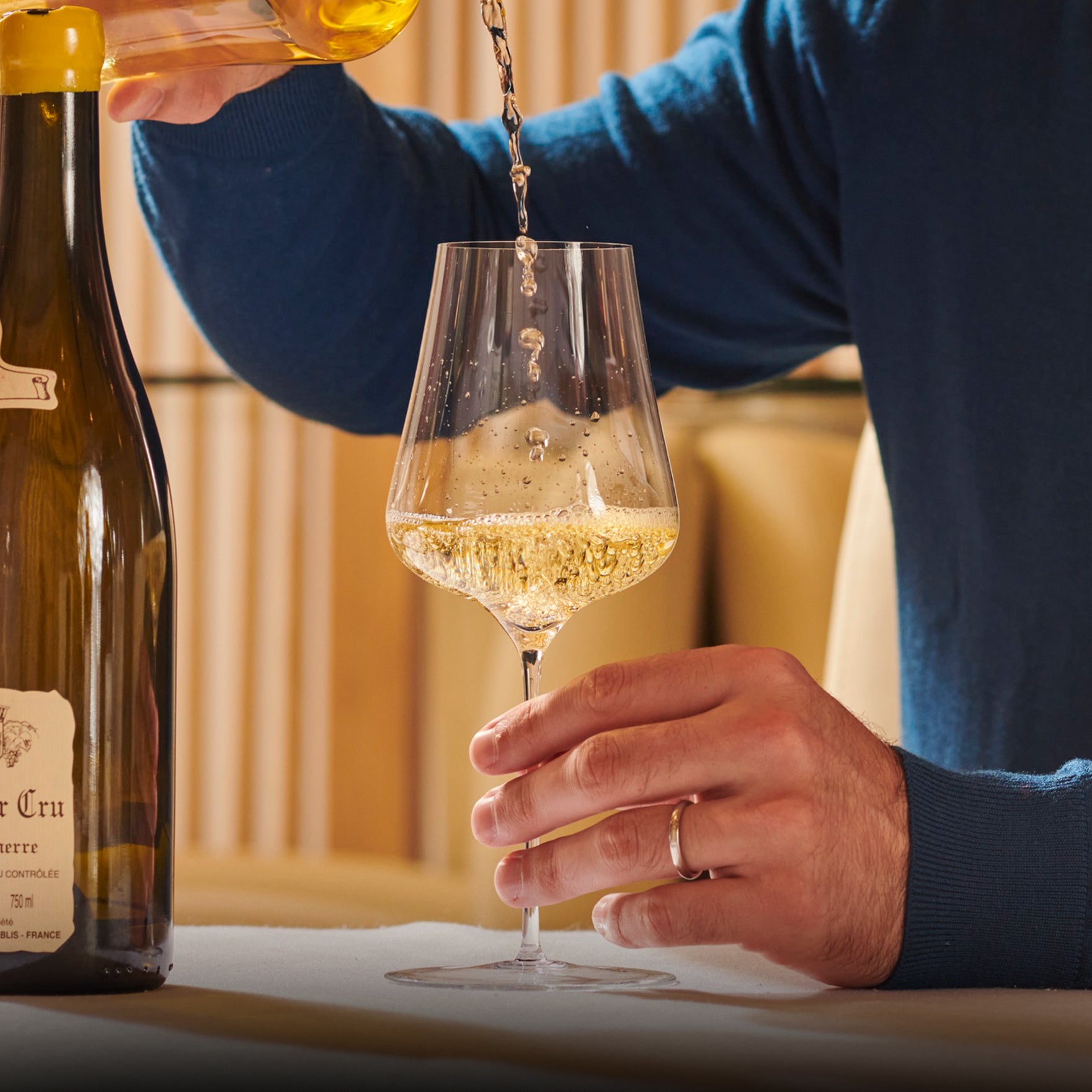
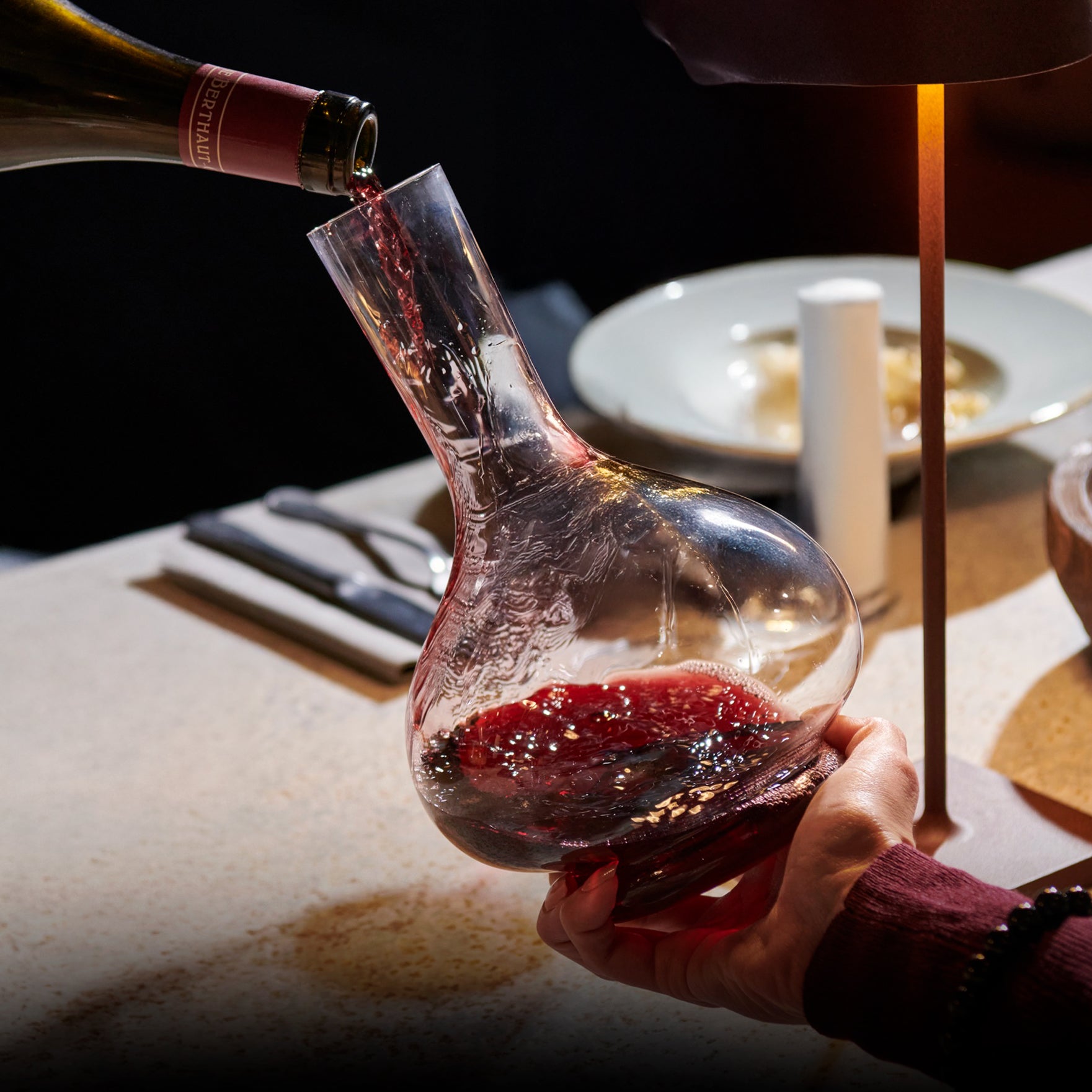





Spend years building a serious wine collection, and eventually the glass becomes impossible to ignore. Not as an afterthought, not as a finishing touch, but as a genuine variable in what the wine actually tastes like. A wine poured into the wrong glass is not just aesthetically compromised. It is chemically different from the moment it reaches your palate. The aromatic compounds that arrive at your nose, the way tannins register, the temperature at which the wine lands: all of it is shaped by the vessel.
This guide is for collectors who have already sorted out their storage and are ready to think seriously about what comes next. Shape is where most of that conversation should start.
Why Glass Shape Matters: The Science Behind the Stemware
The relationship between glass shape and wine perception is not marketing. It is chemistry, physics, and anatomy working together, and understanding the mechanism makes it easier to apply the principles intuitively.When wine is poured into a glass, aromatic compounds begin to volatilize: they evaporate from the liquid surface and rise toward the nose.
The shape of the bowl determines the surface area of the wine, the volume of air above it, and the path those aromatics travel before they reach you. A wide, open bowl creates a large evaporative surface, releasing aromatic compounds freely. A narrower, more tapered bowl concentrates them and directs them toward the centre of the nose.
The size of the bowl affects temperature. A larger glass with greater air volume above the wine allows it to warm slightly faster. A smaller bowl, with less air space, holds temperature longer. For wines that want to open up with warmth, the choice of glass is part of the service decision. For more on how temperature shapes what you taste, our guide on wine storage temperature vs. serving temperature covers the underlying science in detail.
The rim is where direction happens. A wide, outward-flaring rim spreads wine across the tip and sides of the tongue on entry, where sweetness and fruit are registered. A narrower, straighter rim directs the pour toward the centre and back of the palate, where acidity and tannins are more prominent. This is not theoretical: it is measurable in how the same wine tastes when poured into two different shapes.

Glass Shapes by Wine Style
The good news is not every glass needs to be purpose-built for a single varietal. Understanding the categories helps collectors build a practical, versatile stemware range without managing an overwhelming inventory of shapes.
Pinot Noir, Red Burgundy, and Light-to-Medium Bodied Reds
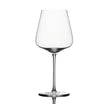
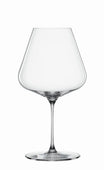
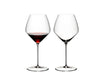
Large volume and a wide bowl are essential here. Look for generous capacity, typically 700 to 900ml, with a slightly tapered upper bowl that concentrates aromatics before they reach the nose. Riedel's Vinum, Spiegelau's Authentis Burgundy, and the Zalto Burgundy glass are strong references across their respective price tiers.
Cabernet Sauvignon, Bordeaux, and Full-Bodied Reds
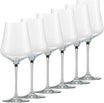
The priority here is a taller, more moderate bowl with a slight taper: enough volume to aerate the wine, enough structure to direct the pour precisely. Spiegelau's Bordeaux shapes and the Gabriel-Glas StandArt perform reliably across this category.
White Burgundy and Full-Bodied Whites
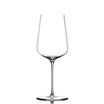
A medium-to-large bowl with an upright posture keeps the wine at temperature while allowing the texture and complexity of an aged Chardonnay to develop. The Zalto Denk'Art Universal is a widely trusted choice for this style, performing equally well across a broad range of white varietals.
Aromatic Whites and Riesling
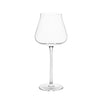
Smaller, more upright bowls with a flared rim concentrate delicate aromatics and channel them cleanly to the nose. Zalto's White Wine Glass and the Riedel Veloce Riesling are both well-considered options in this category.
Champagne and Sparkling Wine
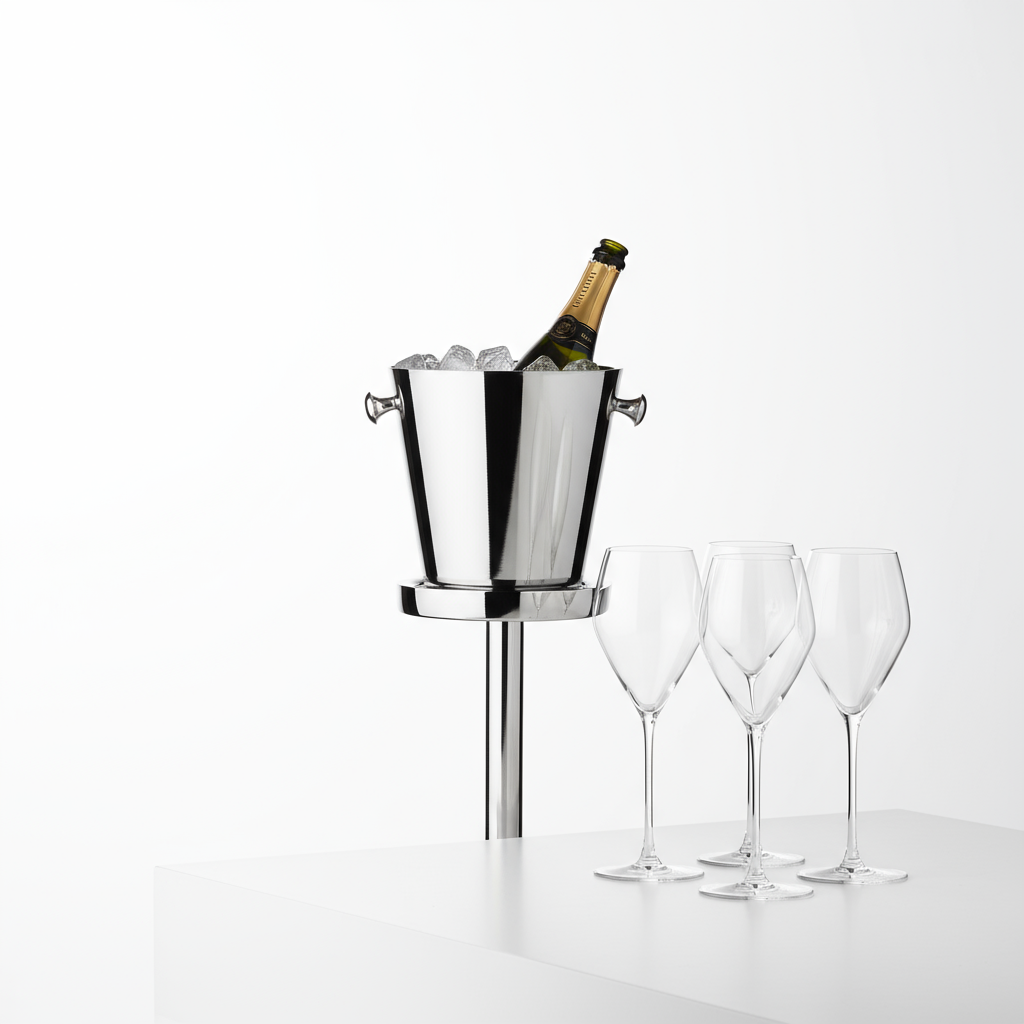
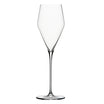
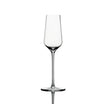
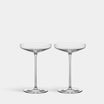
Contemporary preference has shifted firmly away from flutes toward a tulip-shaped glass with a wider mid-bowl. The flute concentrates effervescence but sacrifices aromatic complexity. A tulip or short-stemmed sparkling glass allows the nose to open while still preserving the wine's liveliness. Josephinenhütte's Champagne Glass Set is a benchmark in this category.
Rosé
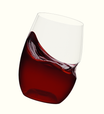
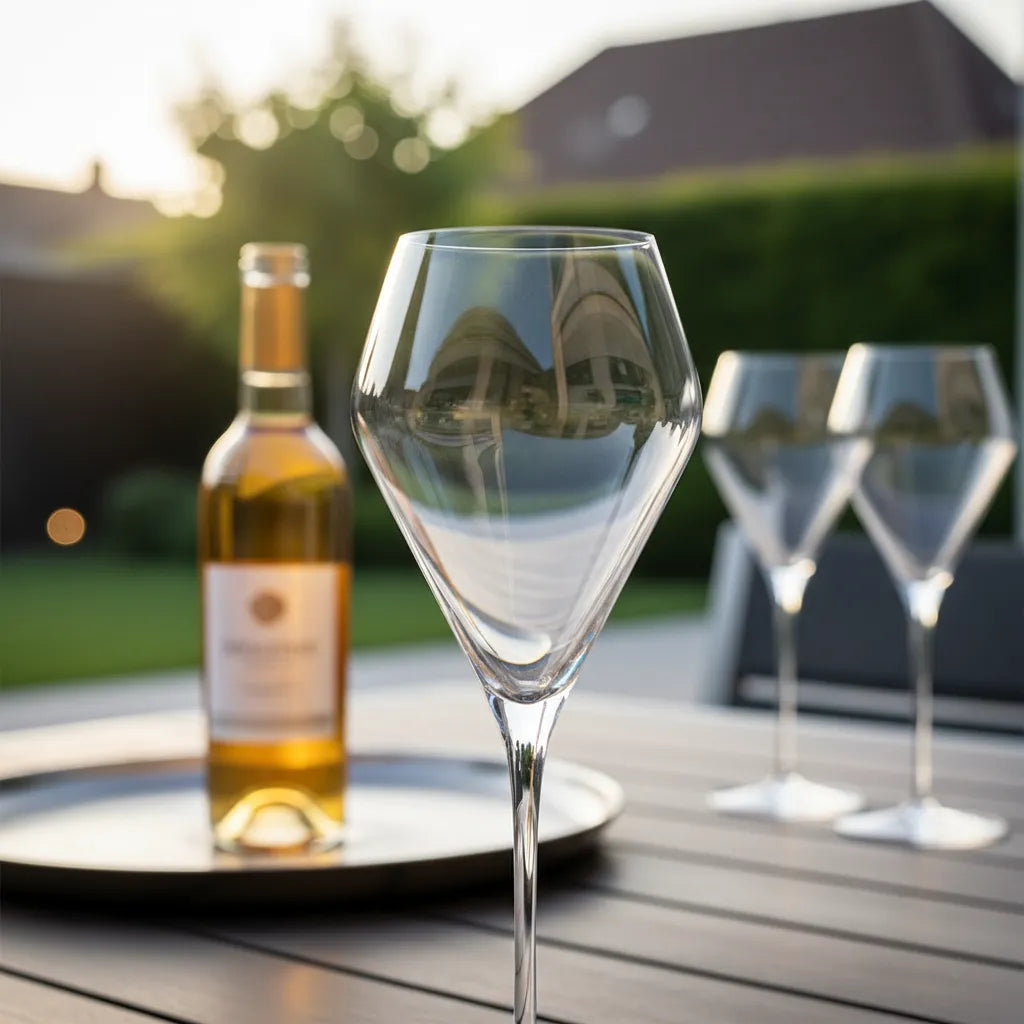
Often overlooked in stemware discussions, rosé benefits from a smaller, upright bowl similar to an aromatic white: keeping it cool and directing its lighter fruit character effectively. For outdoor entertaining where crystal is not practical, the Govino Shatterproof Tumblers offers a legitimate, break-resistant alternative.
The Brands Worth Knowing
The stemware market spans a wide range, from reliable machine-made glass to hand-blown crystal that takes decades of craft to produce. Rosehill carries a curated selection across the spectrum. Here is where each fits.
Riedel is the most widely recognised name in varietal-specific glassware, and for good reason. Their machine-made Vinum and Veritas ranges offer reliable varietal performance at accessible price points. For collectors building a versatile everyday set, Riedel is a logical starting point.
Spiegelau, now part of the Riedel group, offers strong everyday performance at a lower price point and is particularly well-regarded for its durability relative to cost. The Authentis range is a practical collector's choice for regular use.
Zalto is where the conversation shifts. Hand-blown in Austria, feather-light, and drawn to near-translucent thinness at the rim, Zalto glasses perform at a level that consistently impresses experienced tasters. The Denk'Art Burgundy and Universal have become reference points in serious collector circles.
Gabriel-Glas takes a compelling single-glass approach: one shape designed to perform across red, white, and sparkling. The StandArt is machine-made and remarkably capable for the price. The Gold Edition is hand-blown and competes directly with Zalto. For collectors who want quality without managing an inventory of shapes, Gabriel-Glas is worth serious consideration.
Josephinenhütte produces some of the most refined hand-blown crystal available, with a degree of thinness and elegance that makes these glasses worth reaching for on special occasions. The sparkling glass is particularly noteworthy.
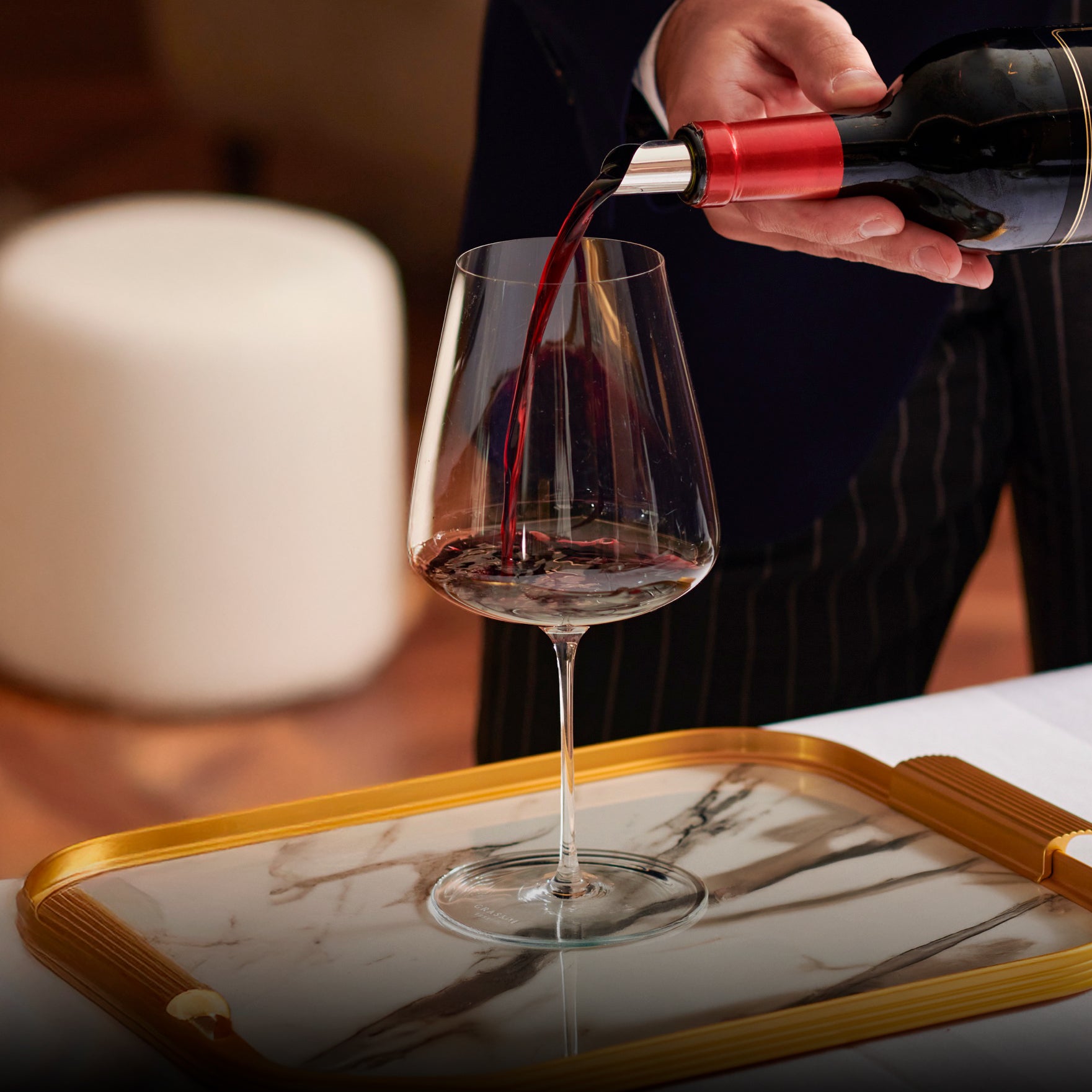
Grassl Glass sits in the same hand-blown, collector-grade tier as Zalto and Josephinenhütte, with shapes refined specifically around wine service rather than varietal classification. Their 1855 and Cru shapes are quiet favourites among sommeliers and serious home collectors.
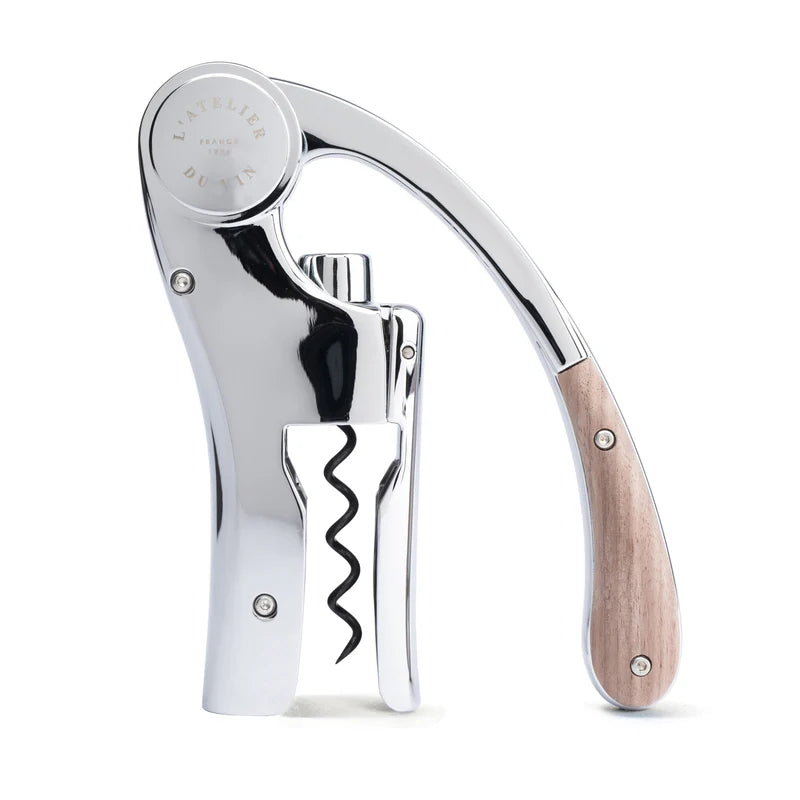
L'Atelier du Vin occupies the accessories and service category alongside glassware, with decanters, wine tools, and cellar accessories that complement a serious collection. Worth knowing for the full table setup.
Legnoart brings Italian craftsmanship to wine accessories and service, with a focus on materials and design that appeals to collectors who value the aesthetic dimension of the wine experience.
Govino fills a specific and legitimate need: a shatterproof, dishwasher-safe alternative to crystal for outdoor entertaining, travel, or settings where crystal is impractical. Not a replacement for serious stemware, but the right tool for the right context.

How Many Shapes Do You Actually Need?
The honest answer is fewer than the market would suggest. A collection of a dozen varietal-specific shapes covers theoretical bases but becomes impractical to store, replace, and manage. Most collectors land on two to four shapes that reflect the wines they actually drink.
A practical three-glass setup might include a Burgundy or large universal shape for aromatic reds, a Bordeaux or structured-red shape for full-bodied varietals, and a versatile white-wine glass that covers everything from Riesling to white Burgundy. Add a sparkling tulip if Champagne is a regular presence in your cellar.
From there, individual upgrades based on the wines you love most, whether that means a dedicated Riesling glass, a premium Zalto or Grassl piece for special bottles, or a hand-blown set for occasion pours, are the kind of considered additions that build a stemware collection with purpose rather than accumulation. For a look at which wines in your cellar are worth opening on those occasions, our guide to what wines actually improve with cellaring is a useful companion read.
Ready to Find the Right Glasses for Your Collection?
Rosehill carries a curated stemware range from Riedel, Spiegelau, Zalto, Gabriel-Glas, Josephinenhütte, Grassl Glass, and more, covering everything from everyday varietal sets to hand-blown occasion pieces.
Browse our full wine glasses and stemware collection online, or contact our team for a personalized recommendation. Because the bottle you've been waiting to open deserves the glass that does it justice.