




One of the most persistent myths in wine is that age always equals better. It’s an easy assumption to make: fine wine and patience feel like natural partners, and there is something deeply romantic about the idea of a bottle slowly becoming something extraordinary over years in the dark. But the reality is more nuanced, and for collectors who invest in proper wine storage, understanding exactly which wines reward patience and which ones have already peaked is one of the most valuable pieces of knowledge you can have.
At Rosehill Wine Cellars, we’ve spent over 30 years helping collectors build wine cellars, choose wine fridges, and organize their collections with intention. The question we hear more than almost any other: "Should I be aging this?" This guide answers it directly. We’ll walk through the science behind why some wines evolve in the bottle, identify the specific varieties and styles that genuinely benefit from cellaring, and flag the ones you should be drinking long before they’re forgotten at the back of your rack.
Why Do Some Wines Improve With Age?
Wine is a living thing, and in the right conditions, the chemistry inside a sealed bottle continues to evolve long after it leaves the winery. The primary drivers of positive aging are tannins, acidity, residual sugar, and the preservation power of alcohol. These components act as natural preservatives and, over time, interact with each other in ways that can soften harsh edges, develop complexity, and produce secondary and tertiary aromas, the kinds you don’t find in young wine: dried fruit, leather, earth, tobacco, mushroom, and the intoxicating richness collectors call “bouquet.”
Tannins, in particular, are central to understanding red wine aging. In a young wine with high tannins, those compounds can feel harsh or drying on the palate. Given time and stable storage conditions, they polymerize: the molecules link together into longer chains that feel softer and more integrated. The result is a wine that has traded youthful assertiveness for something rounder, deeper, and more complete.
Acidity plays a similar role in white wines, acting as a structural backbone that keeps the wine fresh over time and allows other flavours to emerge slowly. Residual sugar in dessert wines and late-harvest styles serves as both preservative and fuel for long-term transformation.

Which Red Wines Are Worth Cellaring?
The reds with the greatest aging potential share a common profile: structured tannins, high acidity, concentrated fruit, and complexity that hasn’t yet fully resolved at release. These are not wines that disappoint young; they are wines that have more to say given time.
Cabernet Sauvignon
The benchmark for long-aging red wines, particularly from Bordeaux and Napa Valley. Quality Cabernet Sauvignon from top producers has a cellaring window of 10 to 30 years, with some exceptional vintages far exceeding that. The grape’s naturally high tannins and acidity give it the structure to age gracefully, while the concentrated black fruit and earthy complexity deepen into something genuinely profound over time. Entry-level and fruit-forward Cabernet, however, is typically best enjoyed within three to five years of vintage.
Nebbiolo (Barolo and Barbaresco)
Italy’s most age-worthy grape, responsible for Barolo and Barbaresco, is famously austere and tannic when young. Barolo in particular is often described as "tar and roses," and while that description is accurate, the full picture only reveals itself after a decade or more of cellaring. These wines can be extraordinary at 15 to 25 years from vintage. Drinking them young is an exercise in appreciating potential; drinking them at peak is an experience of a different order entirely.
Syrah and Northern Rhone Reds
Top-end Syrah, especially from the Northern Rhone (Hermitage, Côte-Rôtie), is among the most compelling cellaring prospects in the wine world. Its combination of dark fruit, pepper, savoury notes, and firm tannins allows it to age 15 to 20 years at the top end, developing remarkable complexity. Australian Shiraz from cooler-climate regions follows a similar trajectory.
Pinot Noir
Quality Burgundy and top-tier Pinot Noir from Oregon, California, and New Zealand can age beautifully for 10 to 15 years, developing the silky texture, forest floor, and savoury depth that makes aged Burgundy so sought-after. The window is narrower than Cabernet, and timing matters more: miss the peak and Pinot can fade quickly. This is one of the wines that rewards careful monitoring of your collection.
Merlot, Sangiovese, and Tempranillo
At quality levels, all three are excellent cellaring candidates. Top Merlot (especially Pomerol and Saint-Emilion in Bordeaux) can age 15 to 20 years. Brunello di Montalcino (Sangiovese) is built for the long haul, often requiring 10 years of cellaring before it fully opens. Gran Reserva Rioja (Tempranillo) is frequently released already with some age, but continues to develop in bottle for another 10 to 15 years.
Which White Wines Age Well?
The idea that only reds age is one of the most common misconceptions collectors encounter. Several white varieties not only age well, they are arguably best after extended cellaring.
White Burgundy and Quality Chardonnay
Top white Burgundy (Meursault, Puligny-Montrachet, Chassagne-Montrachet) can be extraordinary at 10 to 15 years of age, developing a richness and complexity that has nothing in common with the wine in its first few years. High-quality Chardonnay from other regions, including the Okanagan, Niagara, and parts of California, can follow a similar arc at 5 to 10 years. Note that many commercial Chardonnays are made for early drinking and will not improve with age.
Riesling
Arguably the most age-worthy white grape in the world. German Riesling Spatlese and Auslese can evolve magnificently for 20 to 30 years or more, developing the legendary petrol note (a compound called TDN) alongside intense floral and mineral complexity. Alsatian Riesling and top Austrian Riesling from the Wachau share similar potential. The high acidity acts as a preservative; the residual sugar in sweeter styles adds another layer of protection.
Hunter Valley Semillon
One of the most underappreciated cellaring wines in the world. Hunter Valley Semillon is released at low alcohol with piercing acidity and almost no obvious fruit. Given 10 to 20 years in bottle, it transforms into a richly complex wine with toasty, honeyed, and nutty notes that bear almost no resemblance to the wine at release. A remarkable study in the rewards of patience.

Which Wines Should You Drink Young?
This is where the myth of age-equals-better causes the most real-world harm. The majority of wines produced globally, including many you will find at your local wine shop, are made for early consumption. Holding them past their window doesn’t improve them; it diminishes them.
-
Most Rosé: With rare exceptions (certain Provence Rosé, aged Tavel), rosé is made to be fresh. The vibrant fruit and floral qualities that make it appealing diminish quickly. Drink within one to two years of vintage.
-
Unoaked, Early-Drinking Whites: Pinot Grigio, Sauvignon Blanc (outside of top Bordeaux Blanc), Vinho Verde, Albarino, and similar aromatic whites are optimized for freshness. Their appeal is primary fruit and brightness; that fades within two to three years.
-
Beaujolais Nouveau and Light Gamay: Designed to be consumed within months of harvest. Beaujolais Nouveau particularly has a shelf life measured in months, not years.
-
Entry-Level and Commercial Reds: Most supermarket-tier Merlot, Shiraz, and Cabernet are produced to be accessible immediately. They lack the tannin structure and concentration needed for meaningful aging. Holding them past three to five years rarely improves anything.
-
Sparkling Wine (Most Styles): Non-vintage Champagne and sparkling wine is designed for current consumption. There are exceptions: prestige cuvées and vintage Champagne from top houses can age 10 to 20 years, but standard sparkling should be drunk fresh.
What Conditions Does an Aging Wine Need?
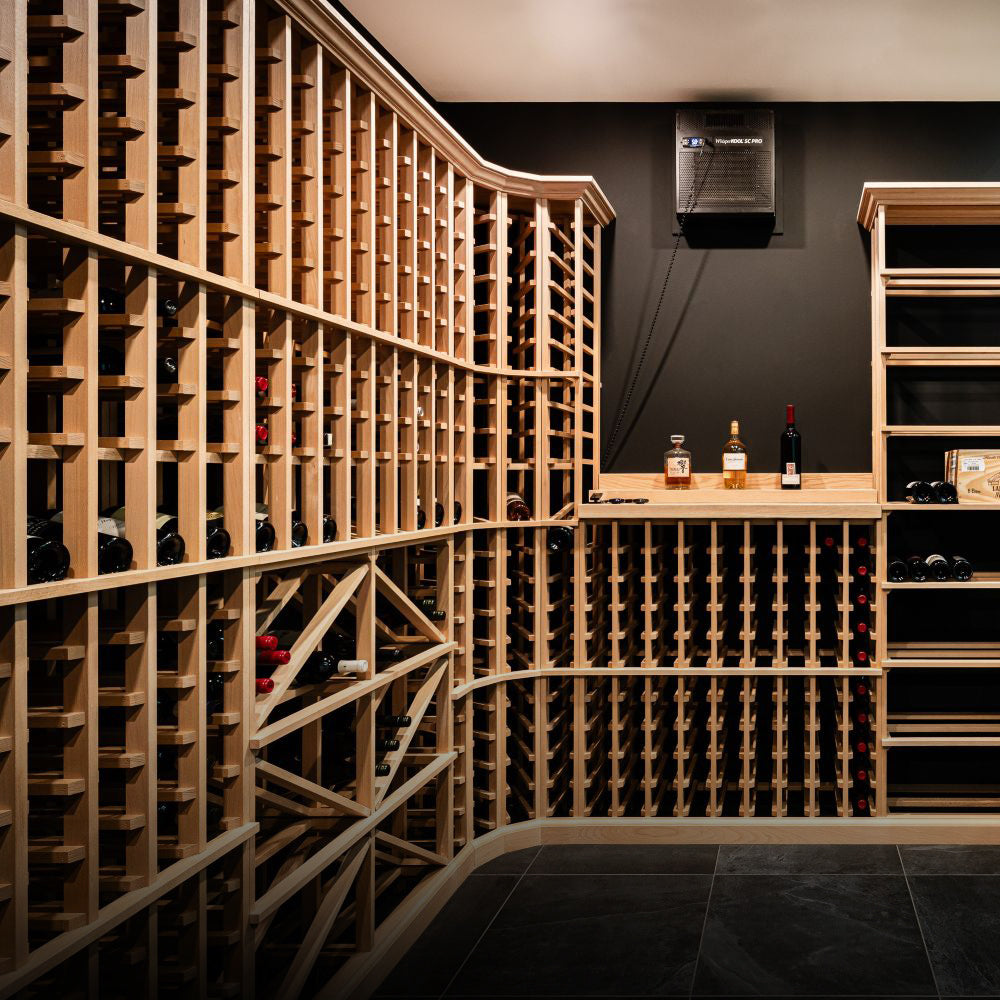
Knowing which wines to cellar is only half the equation. Aging wine well requires conditions that protect the bottle’s contents from the threats that accelerate deterioration: heat, temperature fluctuation, UV light, vibration, and improper humidity.
-
Temperature: The ideal long-term storage temperature is 12 to 14°C (54 to 57°F). What matters most, however, is consistency. A cellar that holds steady at 16°C is far preferable to one that swings between 12°C and 20°C with the seasons. Temperature fluctuation is one of the leading causes of premature aging.
-
Humidity: Natural corks require humidity of 50 to 70% to remain supple and maintain a proper seal. Too dry and corks shrink, allowing oxygen in. Too wet and mould can develop on labels and corks (though rarely the wine itself). Most quality wine fridges and climate-controlled cellars manage this automatically.
-
Light: UV light degrades wine over time, breaking down aromatic compounds and accelerating unwanted chemical reactions. This is why most wine bottles are made from coloured glass, and why cellars and wine fridges use UV-filtered or LED lighting.
-
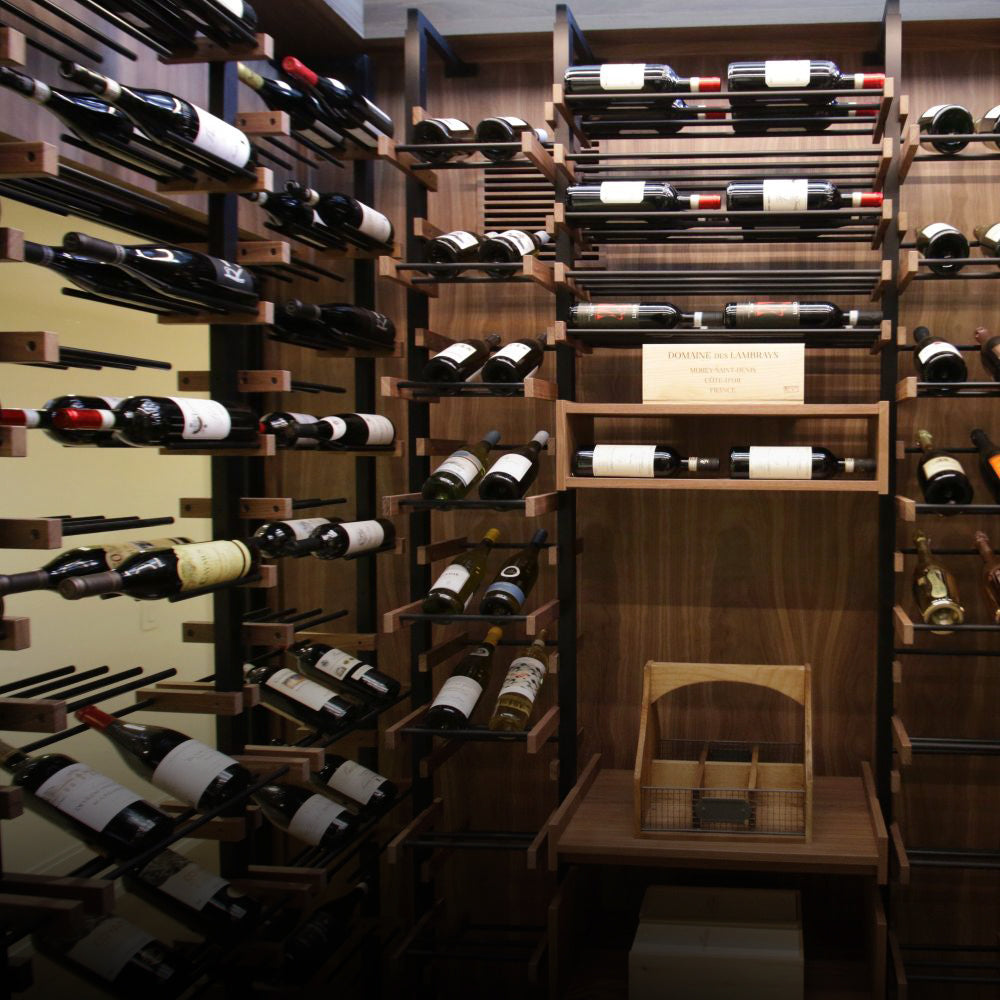
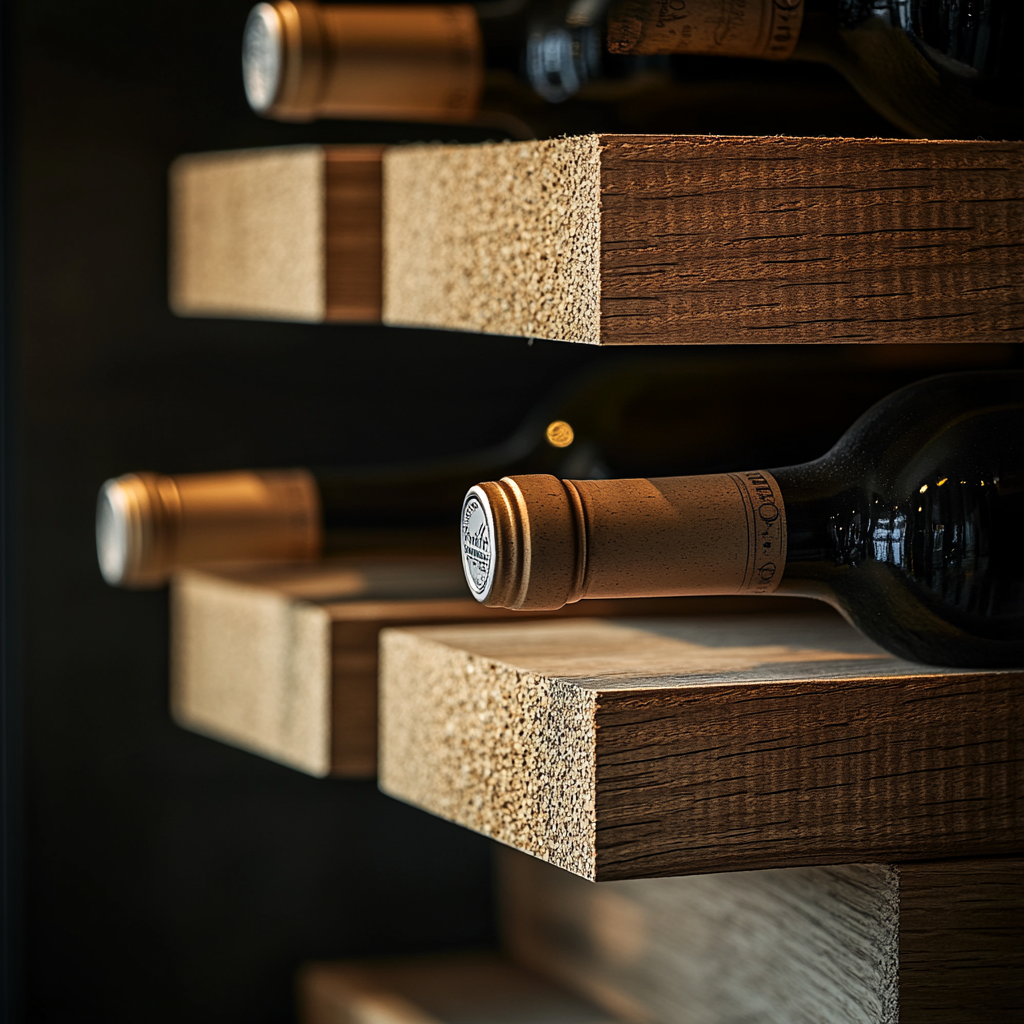
Bottle Position: Cork-sealed bottles should be stored on their side to keep the cork in contact with the wine, preventing it from drying out. Screw-cap and synthetic-cork bottles can be stored upright without risk.
Quick Reference: Cellaring Windows by Style
-
Bordeaux (top-tier): 10 to 30 years
-
Barolo and Barbaresco: 10 to 25 years
-
Northern Rhone Syrah: 10 to 20 years
-
Quality Pinot Noir: 5 to 15 years
-
Gran Reserva Rioja: 10 to 20 years
-
White Burgundy (top-tier): 8 to 15 years
-
German Riesling (Spatlese and above): 15 to 30 years
-
Hunter Valley Semillon: 10 to 20 years
-
Vintage Port: 20 to 50 years
-
Sauternes (top-tier): 20 to 40 years
-
Most Rosé and aromatic whites: Drink within 1 to 3 years
-
Entry-level commercial reds: Drink within 3 to 5 years
Ready to Give Your Collection the Conditions It Deserves?
Knowing which wines to cellar is only half the investment. The other half is making sure they’re stored in conditions that let them actually get there. At Rosehill Wine Cellars, we carry everything from compact wine fridges and modular racking systems to full custom-built wine cellars, designed and built to protect your collection for the long term.
Browse our full range of wine storage solutions and wine racking online, or contact our team for a personalized consultation. If you’re building a collection worth aging, we’ll help you build a space that does it justice.