
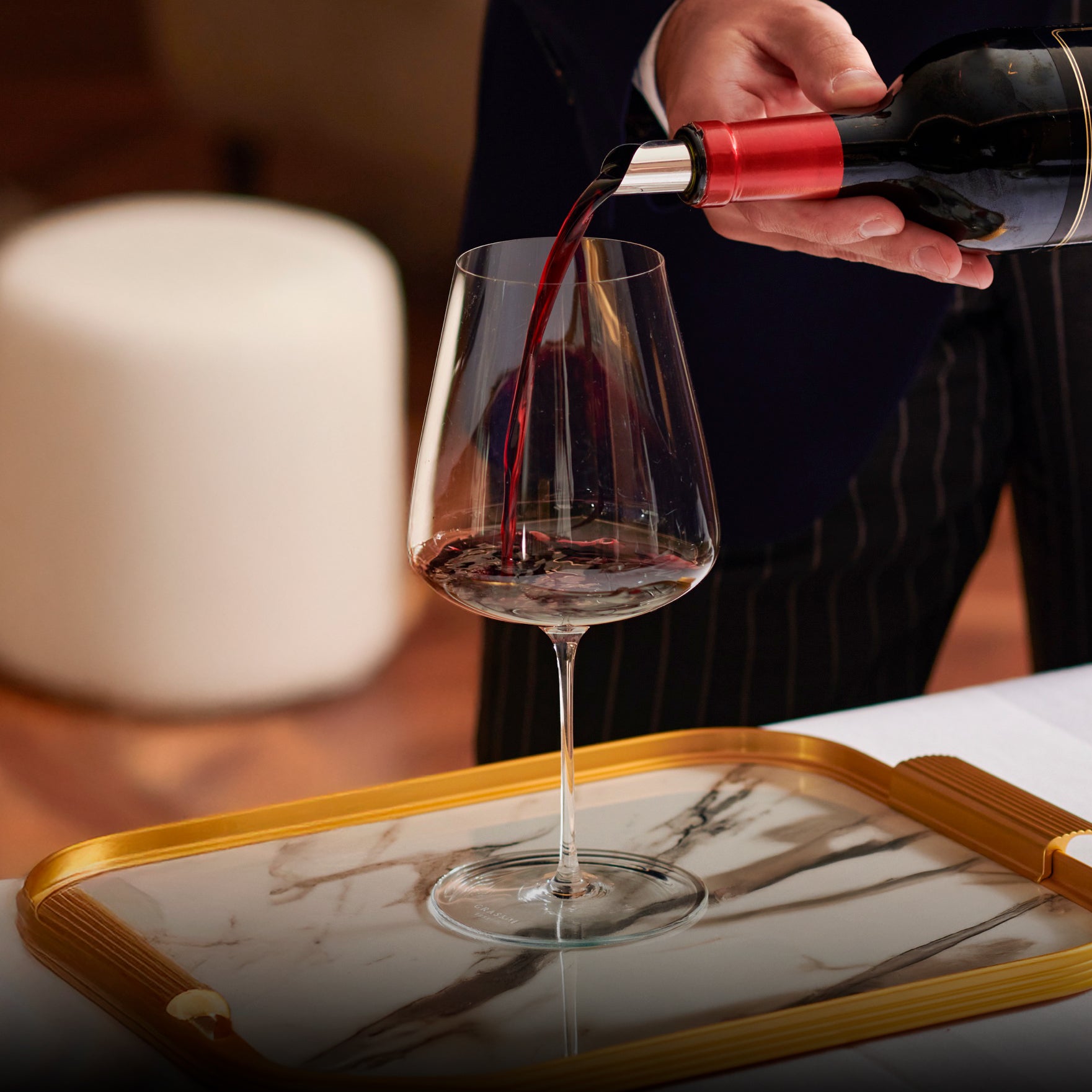
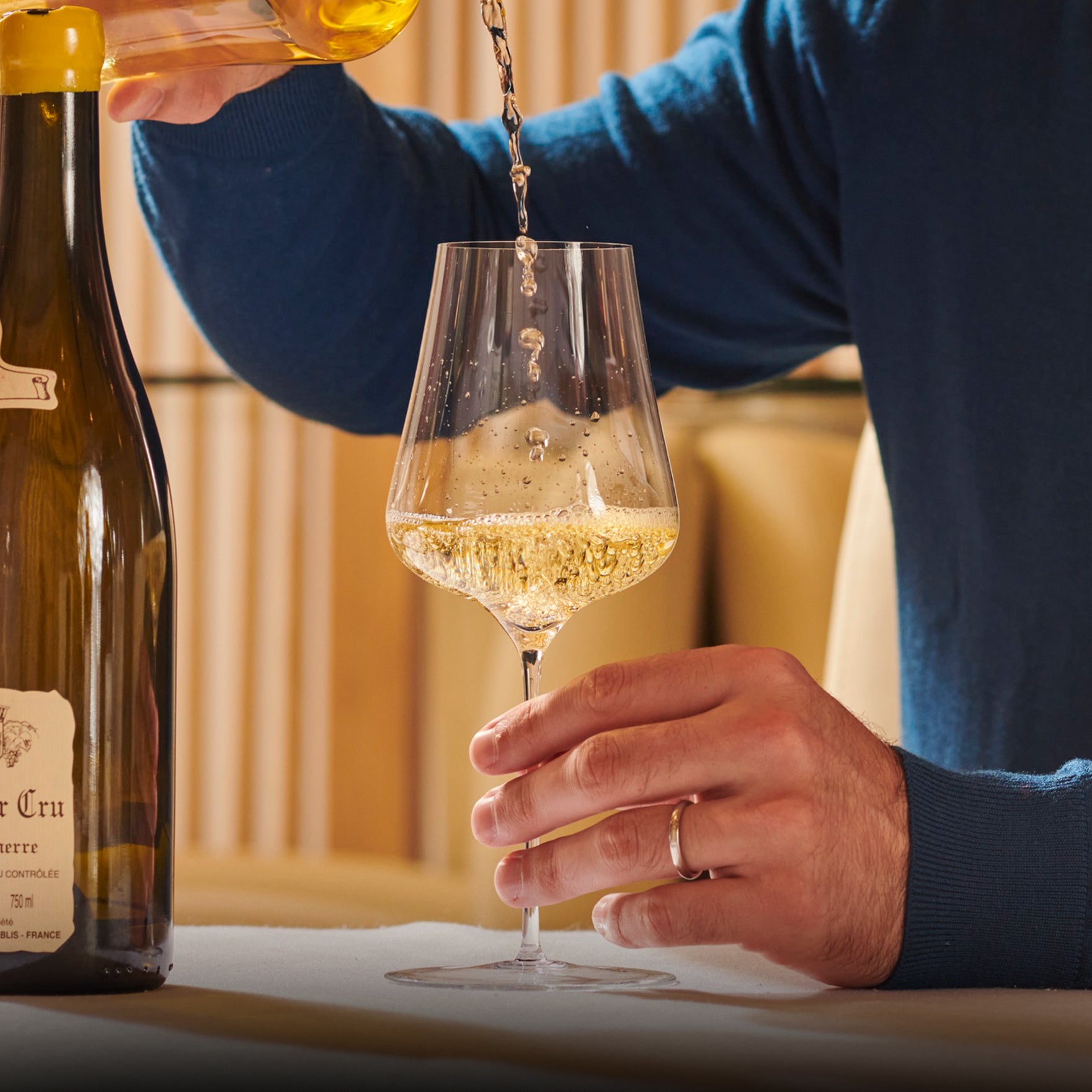
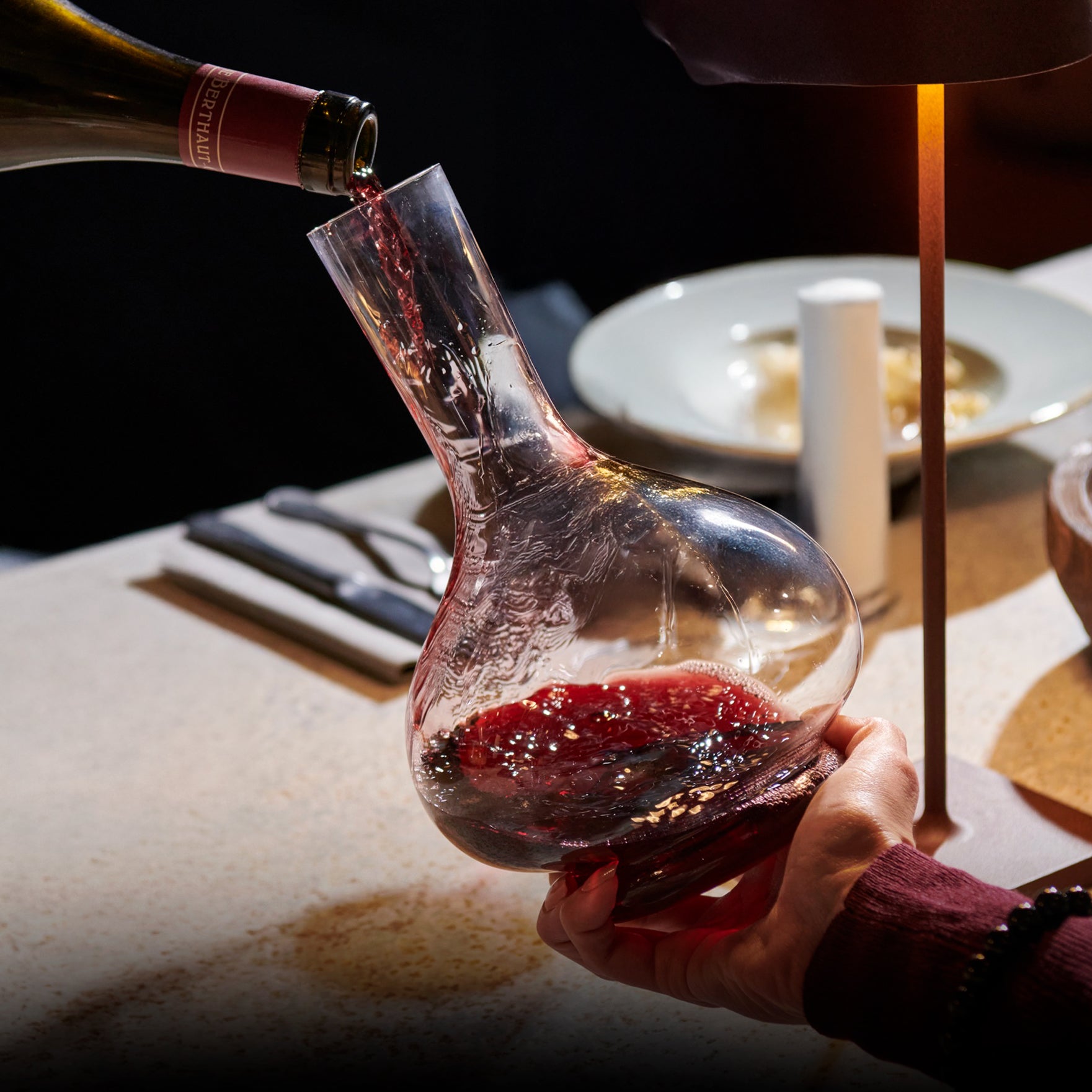






There is a question that comes up often in conversations with collectors, and it’s a good one: if a wine should be stored at 12 to 14°C, why does every restaurant serve red wine at room temperature? The answer reveals one of the most important and most commonly confused distinctions in wine: storage temperature and serving temperature are two entirely different things, serving two entirely different purposes. Getting either one wrong has real consequences for the wine in your glass and the collection in your cellar.
At Rosehill Wine Cellars, we’ve spent over 30 years helping collectors store wine properly. In that time, we’ve seen the same misunderstandings surface repeatedly: wine fridges set too warm because someone assumes they’re serving straight from storage, or wines pulled from the cellar and poured immediately without any temperature adjustment. This guide clears both up, so your collection is protected long-term and every bottle you open shows at its best.
What Is the Right Temperature to Store Wine?
The ideal long-term wine storage temperature is 12 to 14°C (54 to 57°F). This range applies across virtually all wine styles, red, white, sparkling, and fortified. It is not a preference or a guideline; it reflects the temperature at which the slow chemical processes that transform aging wine operate at their best.
Within this range, enzymatic activity and the interaction between tannins, acids, and other compounds in the wine proceed at a controlled pace. Go warmer and those processes accelerate, aging the wine faster than intended and potentially degrading it before it reaches its peak. Go significantly colder and development slows to a crawl, which is less damaging but still not ideal for wines you’re expecting to evolve.
What matters nearly as much as the temperature itself is consistency. A wine fridge or dedicated wine cellar that holds a steady 15°C is meaningfully better for your wine than one that swings between 11°C and 19°C with the seasons. Temperature fluctuation causes the wine and the air inside the bottle to expand and contract, which over time can compromise the cork seal and allow premature oxidation. Stable conditions are the foundation of good wine storage.
Does Wine Storage Temperature Differ for Reds, Whites, and Sparkling?
For long-term aging, the 12 to 14°C range applies across the board. The chemistry of wine aging does not change significantly between a red Bordeaux and a white Burgundy: both benefit from the same cool, stable environment.
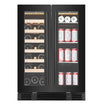
Where the distinction becomes relevant is for short-term or ready-to-drink storage. If you’re keeping bottles you plan to enjoy within the next few months rather than cellaring long-term, a slightly warmer storage range of 15 to 16°C is entirely appropriate. Many dual-zone wine fridges are configured precisely for this: one zone for long-term aging at 12 to 13°C, and a second zone for near-term bottles at a slightly higher temperature. This is a practical setup for collectors who want both a cellar stock and a ready-to-serve supply in the same unit.
Sparkling wine and Champagne benefit from storage at the cooler end of the range, around 10 to 12°C, to preserve their effervescence and freshness over time. For rosé being stored short-term rather than aged, the same cooler range applies.

What Temperature Should Wine Be Served At?
Serving temperature is where most of the practical decisions happen, and where the gap between common practice and best practice is widest. The idea that red wine should be served at room temperature is one of the most persistent misconceptions in wine, originating from a time when European rooms were kept at 16 to 18°C. In a modern heated home, room temperature is often 21 to 23°C, which is too warm for virtually any wine.
Serving wine too warm emphasizes alcohol, mutes aromatic complexity, and flattens the palate structure. Serving it too cold suppresses aromatics and can make tannins feel harsh. For a full guide to which wines benefit from cellaring and how long to hold them, see our companion article on cellaring windows by style.
Serving Temperature by Wine Style
- Full-bodied reds (Cabernet Sauvignon, Syrah, Barolo, Bordeaux): 17 to 19°C (63 to 66°F). These wines show best with slight warmth to open up aromatics and soften tannins, but should never feel warm in the glass.
- Medium-bodied reds (Pinot Noir, Sangiovese, Merlot): 15 to 17°C (59 to 63°F). A touch of chill brings out the freshness and red fruit character in these varieties.
- Light reds and Beaujolais: 13 to 15°C (55 to 59°F). These wines are genuinely improved by a short chill, which lifts their fruit and keeps them refreshing.
- Full-bodied whites (aged Chardonnay, white Burgundy): 12 to 14°C (54 to 57°F). These wines have the complexity to be served slightly warmer than most whites, allowing their texture and depth to show.
- Aromatic and medium-bodied whites (Sauvignon Blanc, Riesling, Pinot Grigio): 8 to 12°C (46 to 54°F). Sufficient chill to keep them fresh and vibrant, but not so cold that their aromatics are suppressed.
- Sparkling wine and Champagne: 6 to 10°C (43 to 50°F). The colder end of the range preserves effervescence and keeps the wine crisp and focused.
- Rosé: 8 to 12°C (46 to 54°F). Similar to aromatic whites: refreshing when properly chilled, flat and soft when served too warm.
- Dessert and fortified wines: Varies by style. Vintage Port is best at 17 to 18°C; Sauternes and sweeter whites show beautifully at 10 to 12°C; Tawny Port and aged Sherry are often enjoyed slightly cooler than room temperature at around 14 to 16°C.
How Do You Get Wine to the Right Serving Temperature?
This is the practical bridge between storage and service, and it’s simpler than most people expect.
Warming a Wine From Cellar Temperature
If you’re pulling a full-bodied red from a 12°C wine fridge or cellar, it will need some time to come up to serving temperature. In a room at around 20°C, a standard 750ml bottle will rise by roughly 2 to 3 degrees per 10 minutes. For a wine you want to serve at 17 to 18°C, that means pulling it from storage 20 to 30 minutes before serving.
Never use hot water or a microwave to warm a bottle. The goal is gradual, even warming, not heat shock.
Chilling a White or Sparkling Wine
A bottle transferred from room temperature to a standard refrigerator (around 4°C) takes approximately 2 hours to reach proper serving temperature for whites and sparkling. If you’re short on time, a bucket of ice and water (not ice alone) will chill a bottle in about 20 minutes. Ice-only buckets are less efficient because air pockets reduce contact with the cold surface.
If your white or sparkling wine lives in a dedicated wine fridge already set to 8 to 12°C, it’s ready to pour immediately. This is one of the practical advantages of a dual-zone wine fridge: your whites are always at serving temperature, your reds need only a short rest on the counter.
The most common wine serving mistake isn’t choosing the wrong glass or decanting at the wrong time. It’s pouring a red straight from a 12°C fridge, or pulling a white from a 22°C kitchen. Temperature is the variable most within your control, and the one most often ignored.

Why Does Serving Temperature Affect How Wine Tastes?
Temperature directly influences the volatility of aroma compounds, the perception of tannins and acidity, and the way alcohol registers on the palate. Understanding the mechanism makes it easier to apply the principles intuitively.
- Aromatics: Volatile aromatic compounds release more readily at warmer temperatures. A complex red served too cold will seem flat and muted; bring it up a few degrees and the same wine opens up considerably. The reverse applies to wines where freshness is the point: serving a Sauvignon Blanc too warm accelerates the release of aromatics, making them seem blowsy and short-lived rather than bright and persistent.
- Tannins: Cold temperatures make tannins feel more astringent and grippy. This is why an overly chilled red can seem harsh and drying. Serving a tannic red at the right temperature softens the perception of those tannins and allows the fruit and secondary flavours to balance them.
- Acidity: Cold accentuates the perception of acidity, which is why slightly chilling a high-acid white like Riesling or Chablis keeps it feeling crisp and precise. Serving a high-acid wine too warm can make the acidity seem aggressive or unbalanced.
- Alcohol: Warmth amplifies the perception of alcohol. A high-alcohol red served too warm will seem hot and unbalanced, with the alcohol dominating rather than integrating into the wine’s overall structure.
What Happens if Wine Is Stored at the Wrong Temperature?
Storage temperature errors are cumulative. A single warm afternoon will not ruin a bottle, but sustained exposure to incorrect temperatures degrades wine progressively and often irreversibly.
- Too warm (above 20°C consistently): Accelerates aging, flattening fruit and complexity faster than intended. Can produce “cooking” off-flavours in extreme cases. A wine meant to peak at 15 years may show as tired and oxidized at 8.
- Temperature fluctuation: Perhaps more damaging than simply being stored too warm. As temperatures rise and fall, the wine expands and contracts, stressing the cork seal and gradually allowing oxygen infiltration. The result is premature oxidation, flat colour, and a wine that tastes tired before its time.
- Too cold (below 7°C for extended periods): Can cause wine to freeze in extreme cases, expanding and potentially pushing the cork out. More commonly, sustained cold slows aging to the point where wines never develop as intended. Tartrate crystals (harmless but cosmetically unwanted) may also form in white wines.
How Does a Wine Fridge Help With Both Storage and Serving Temperature?
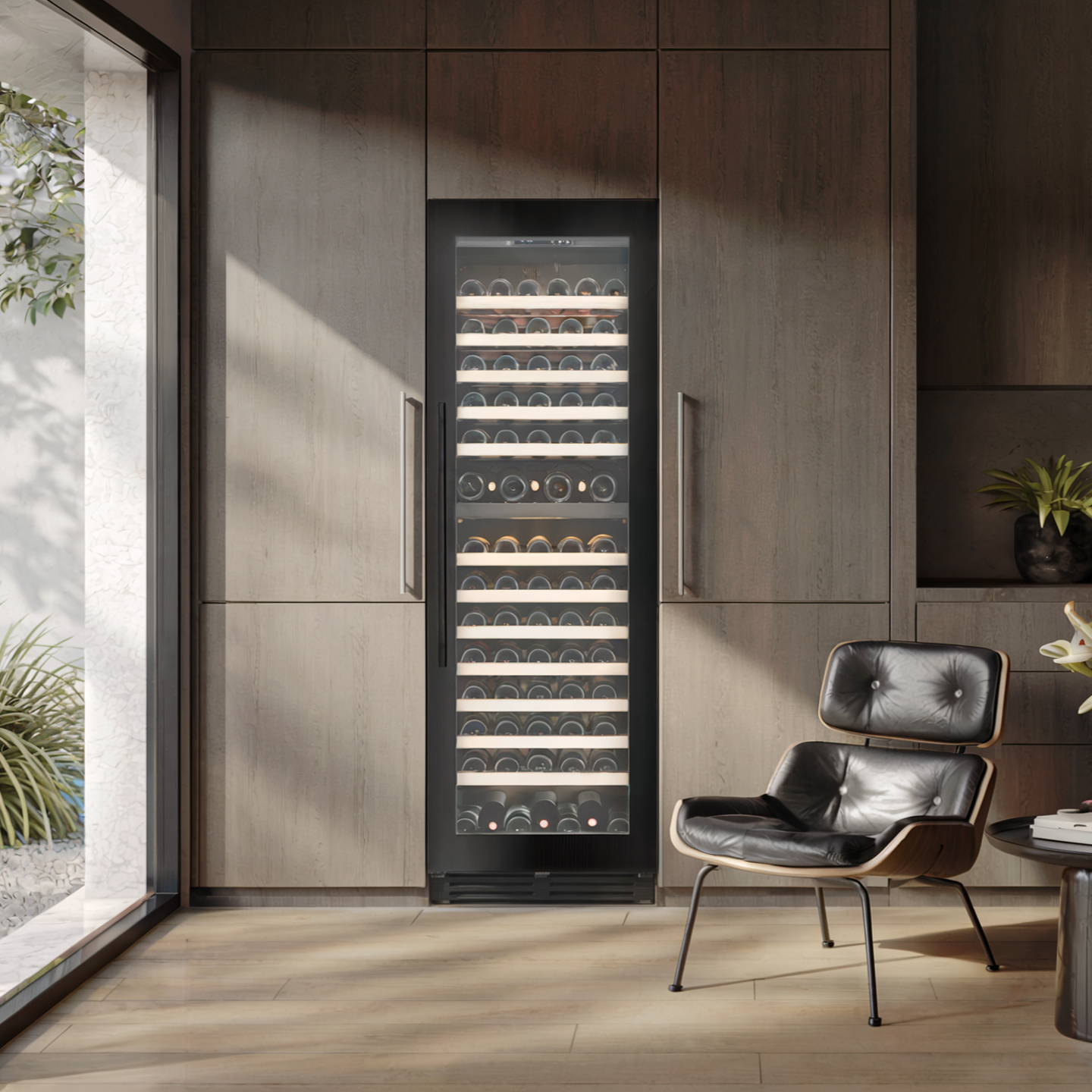
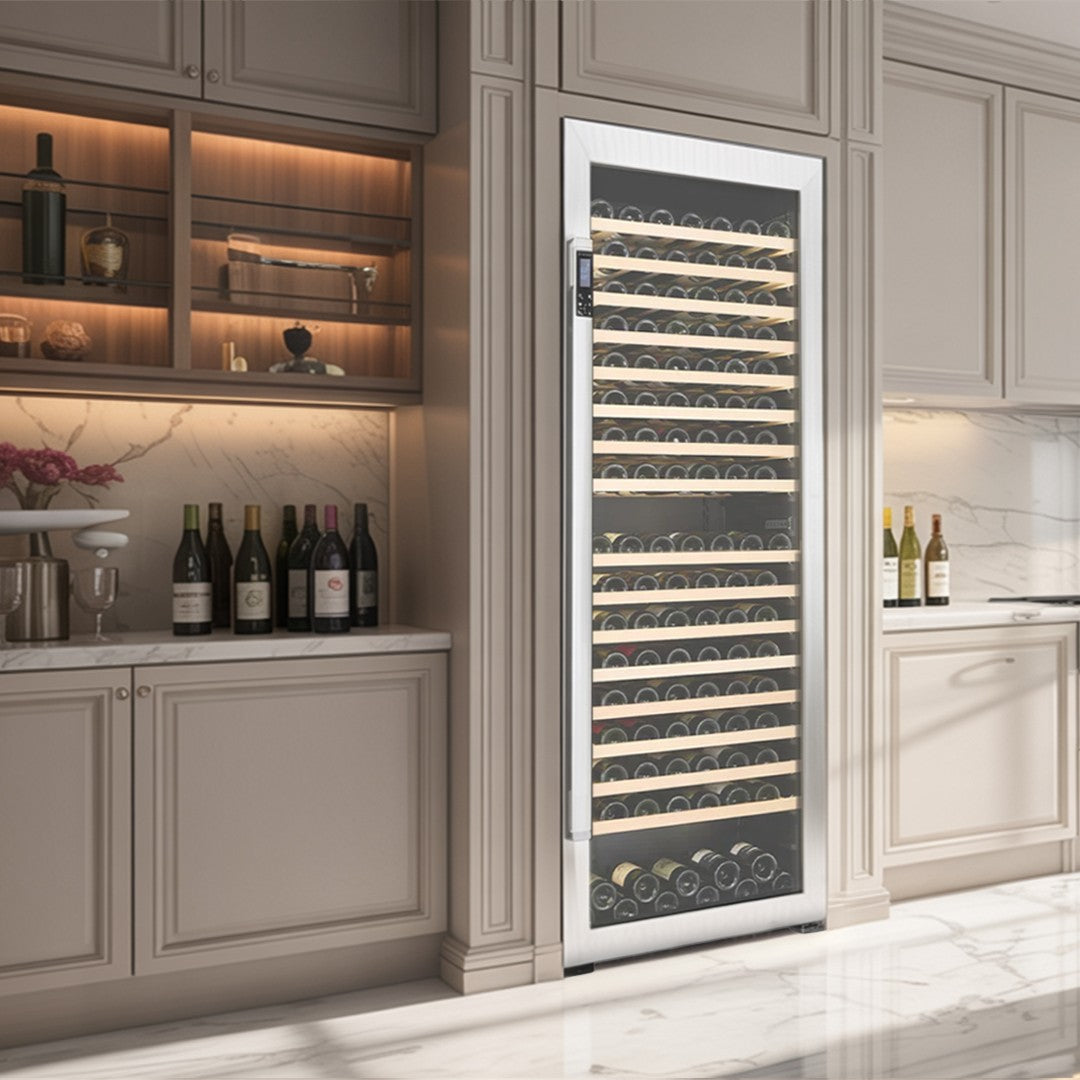
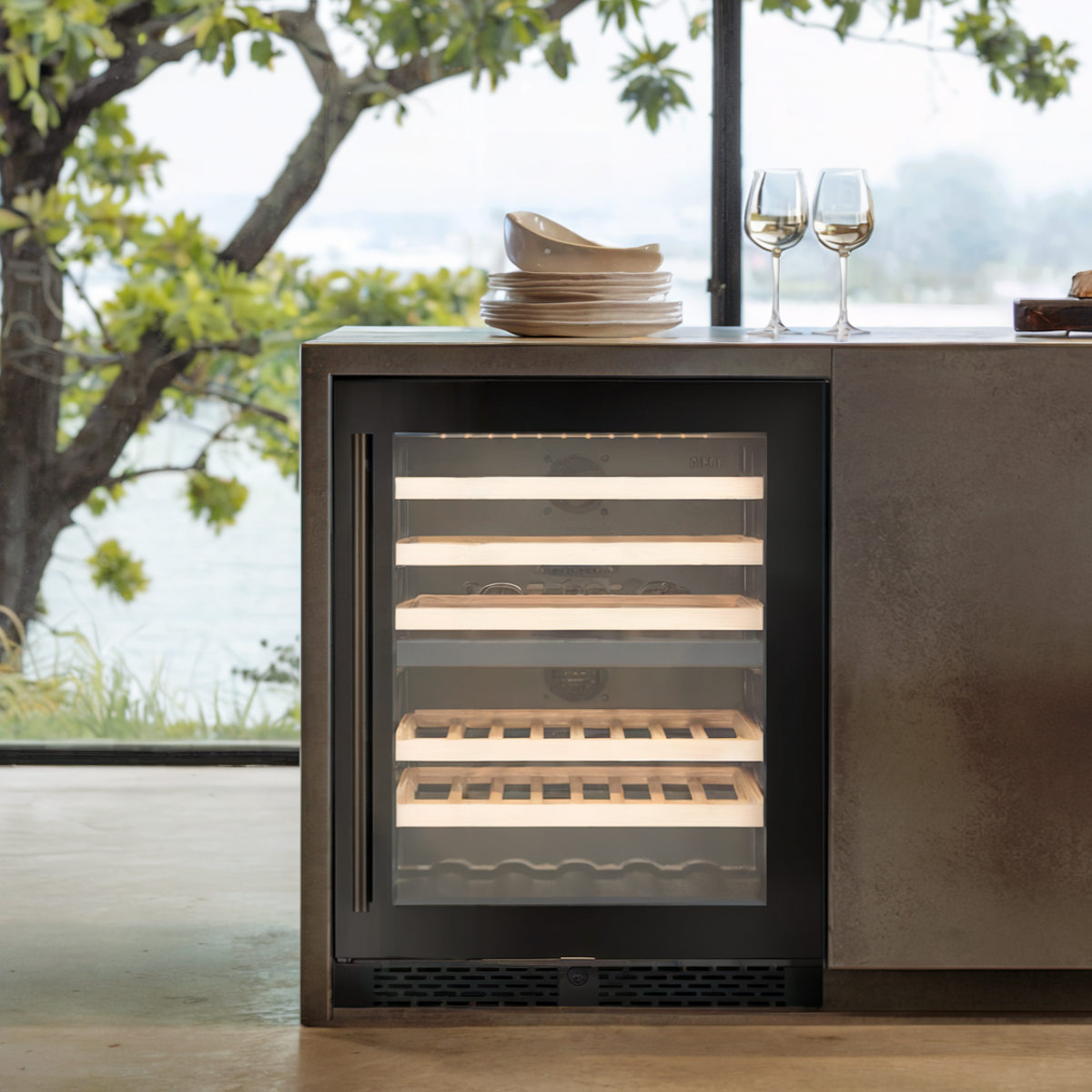
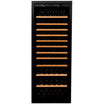
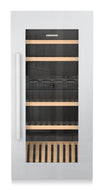
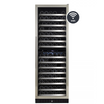
A quality wine fridge addresses both sides of the temperature equation in a way that a kitchen refrigerator or a room-temperature wine rack simply cannot. Standard kitchen refrigerators run at 2 to 4°C, which is too cold for long-term wine storage and suppresses aromatics in whites served directly from them. They also tend to be vibration-heavy, low-humidity environments that are hard on corks. A dedicated wine fridge is purpose-built to hold the temperatures wine actually needs.
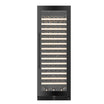
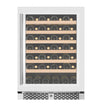
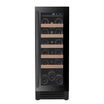
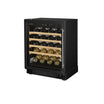
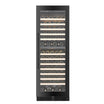
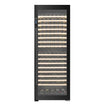
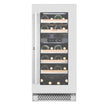
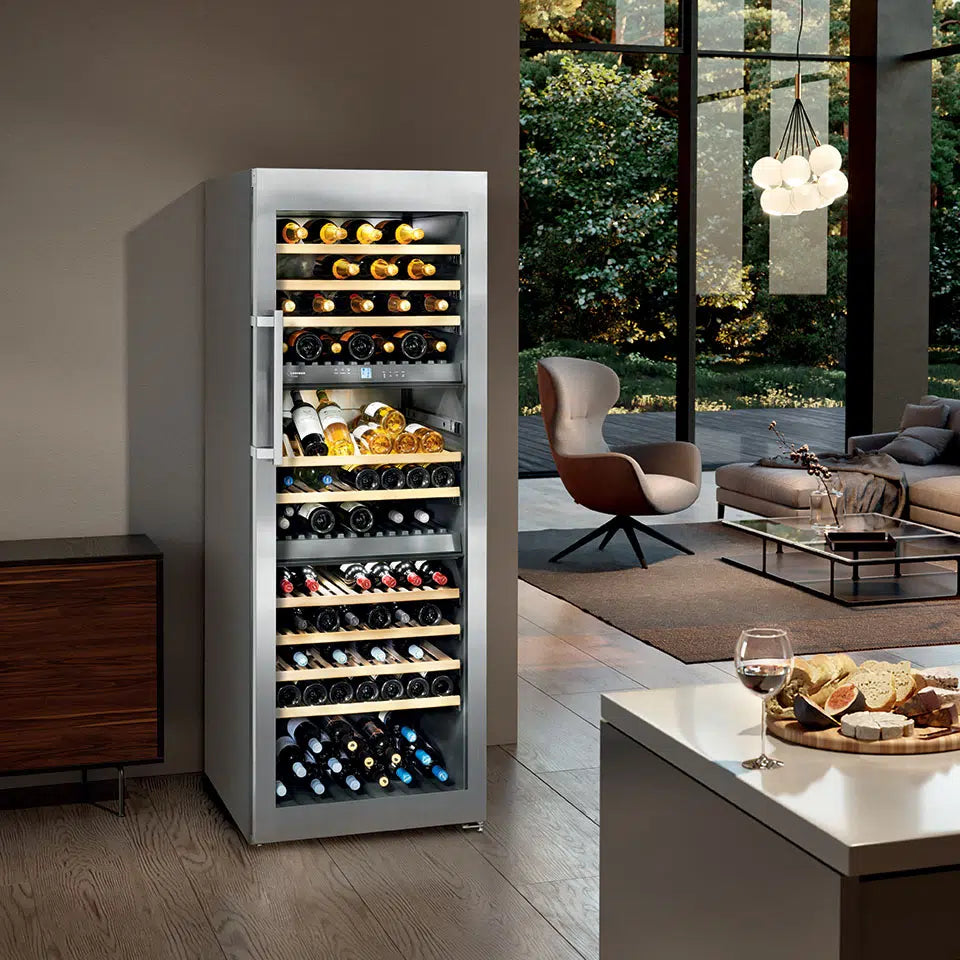
For collectors managing both aging wines and ready-to-drink bottles, a dual-zone wine fridge is the most practical solution. The lower zone (typically 10 to 14°C) handles long-term storage; the upper zone (typically 14 to 18°C) keeps reds closer to serving temperature and whites at a slightly higher chill than long-term storage requires. Brands like Vantaggio, EuroCave, Liebherr, and Perlick engineer their units for precise temperature stability and minimal vibration, which matters most for collections being held over several years.
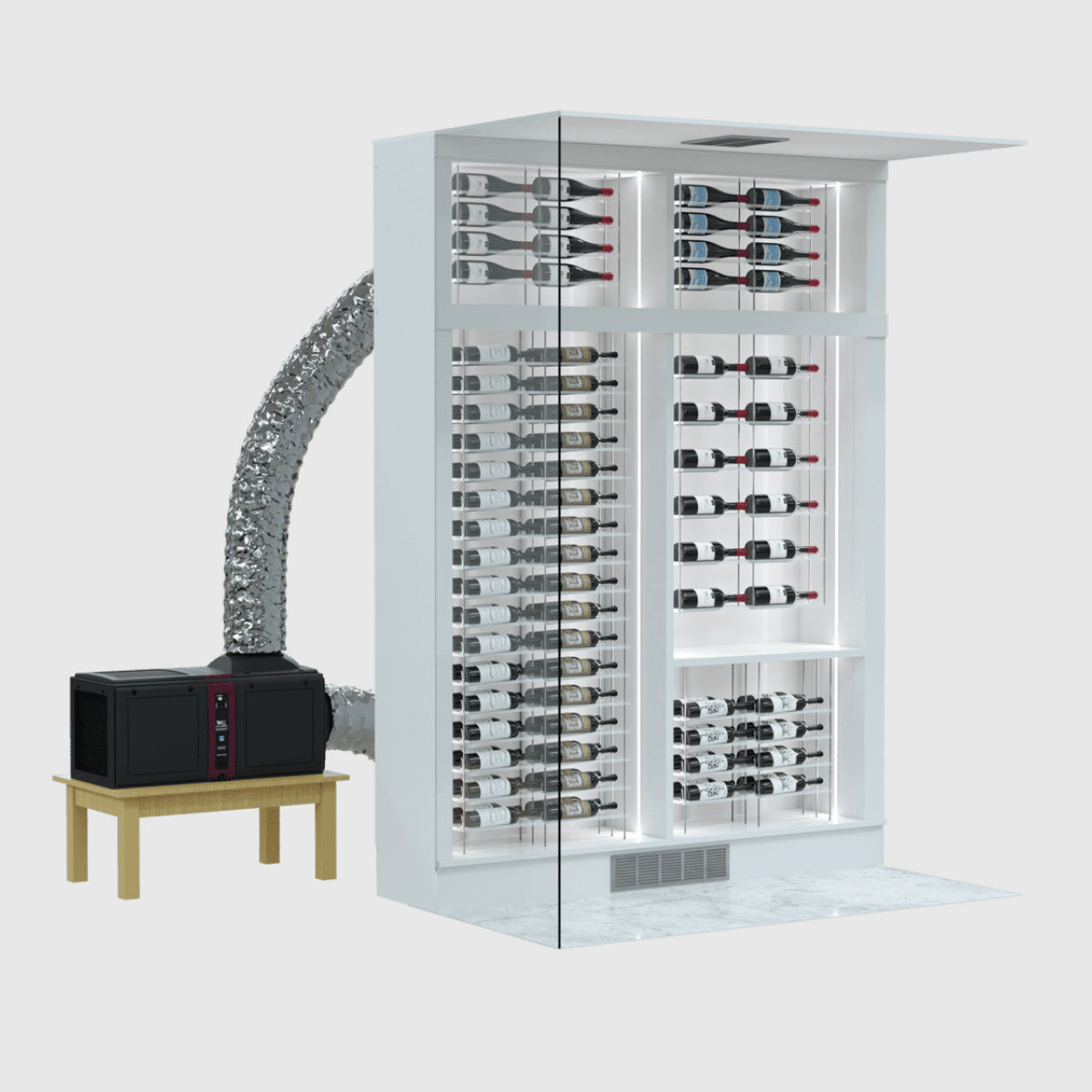
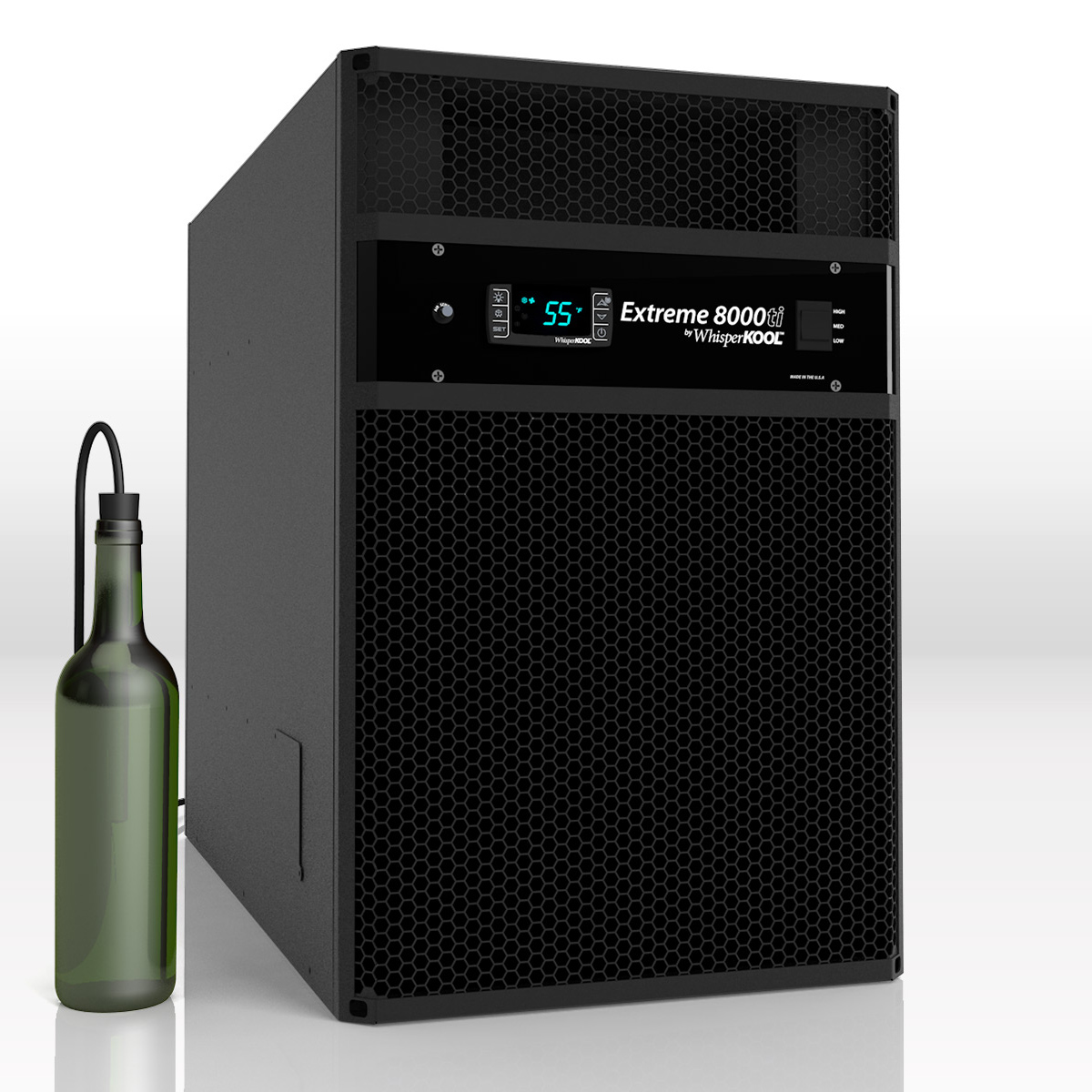
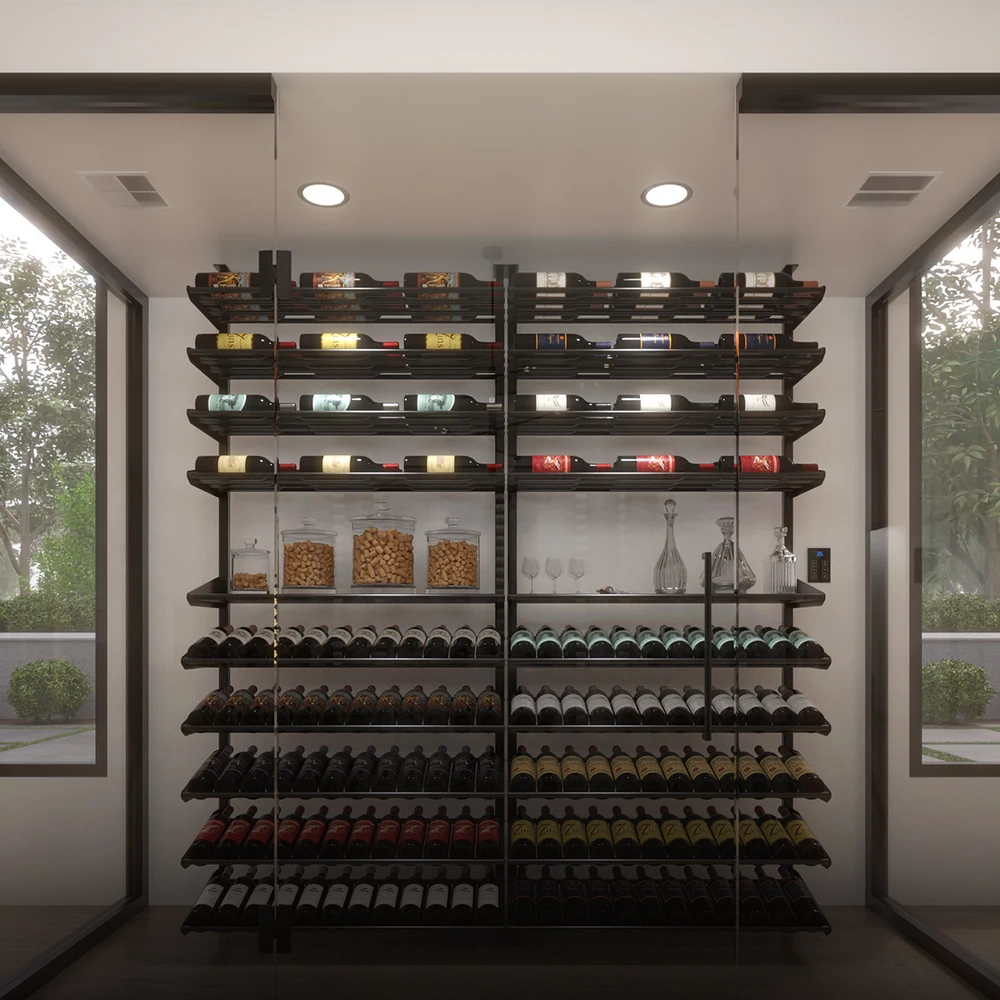
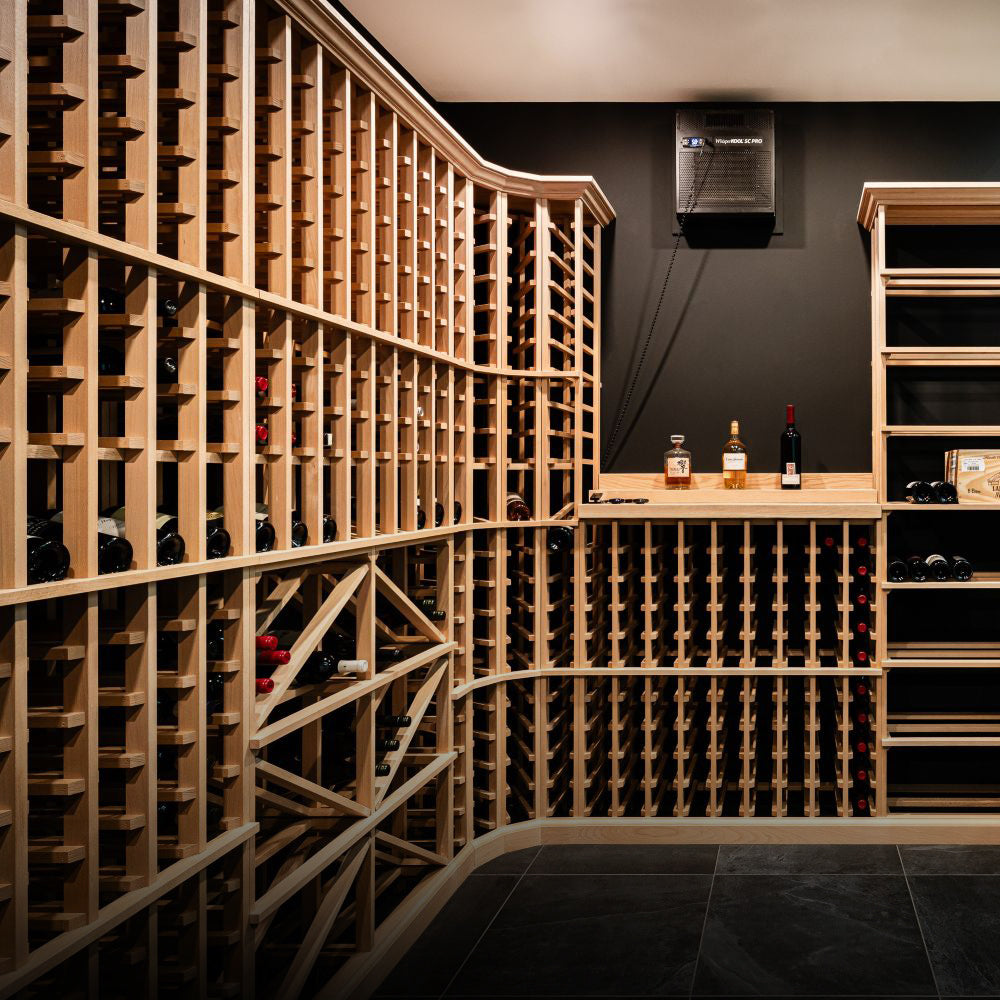
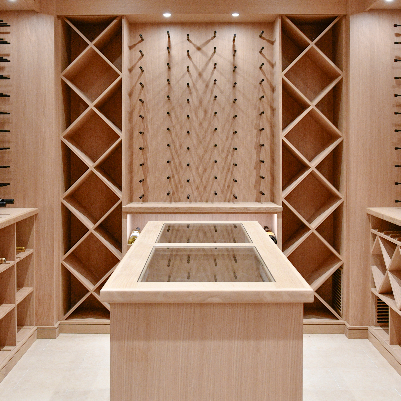
For those building or expanding a dedicated wine cellar, the same principles apply at a larger scale. A well-insulated cellar with a quality cooling unit from a brand like CellarCool maintains the stable 12 to 14°C environment that long-term aging demands, while your wine fridge handles the ready-to-serve stock.
Quick Reference: Storage vs. Serving Temperatures at a Glance
- Long-term storage (all styles): 12 to 14°C (54 to 57°F)
- Short-term / ready-to-drink storage: 15 to 16°C (59 to 61°F)
- Full-bodied reds (serving): 17 to 19°C (63 to 66°F)
- Medium-bodied reds (serving): 15 to 17°C (59 to 63°F)
- Light reds (serving): 13 to 15°C (55 to 59°F)
- Full-bodied whites (serving): 12 to 14°C (54 to 57°F)
- Aromatic whites and rosé (serving): 8 to 12°C (46 to 54°F)
- Sparkling and Champagne (serving): 6 to 10°C (43 to 50°F)
Ready to Store Your Wine at the Temperature It Deserves?
Whether you’re building a collection for long-term aging or simply want to make sure every bottle you open shows at its best, the right wine storage solution makes the difference. At Rosehill Wine Cellars, we carry a full range of wine fridges and dual-zone units, wine racking, and custom cellar cooling systems, backed by over three decades of expertise in wine storage.
Browse our wine storage solutions online, or contact our team for a personalized recommendation. Because a bottle worth buying is a bottle worth storing properly.