

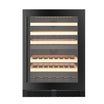
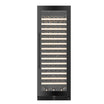
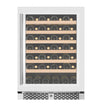
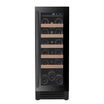
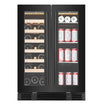
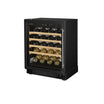
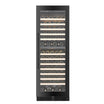









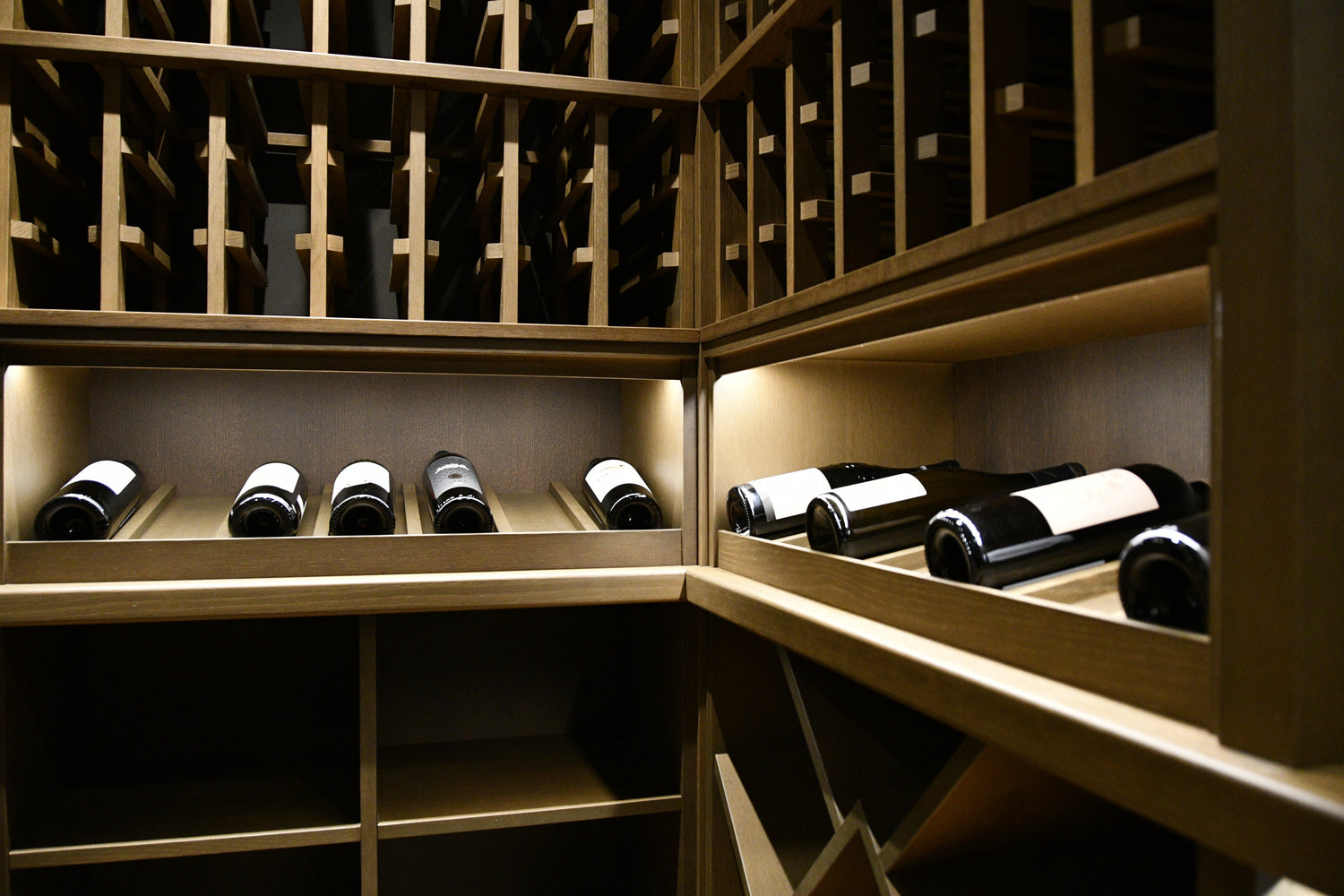
Storing wine properly becomes much more challenging in regions with persistent heat and humidity. Whether you live in South Florida, along the Gulf Coast, or in any environment where warm temperatures and moisture are part of daily life, improper storage can shorten the life of your collection and compromise the way each bottle matures over time.
Wine is sensitive to its surroundings. Temperature swings, excessive heat, dry conditions, elevated humidity, UV exposure, and vibration can all affect how a bottle ages. In warmer climates, these issues tend to show up faster, which is why thoughtful wine storage is less of a luxury and more of a necessity. The competing article makes the same high level point about climate risk in South Florida, especially around temperature and humidity instability.
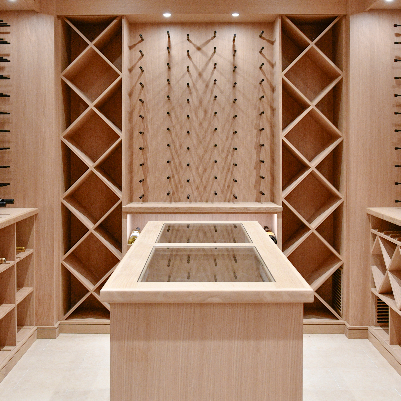
At Rosehill Wine Cellars, we approach storage with the understanding that every collection, every home, and every room has different demands. Some clients need a small, controlled space for everyday drinking wines. Others want a full custom cellar designed for long term aging, entertaining, and display. The goal is always the same: create a stable environment that protects the wine and suits the way you live. Rosehill’s current site emphasizes custom cellar design, tailored storage, and climate controlled solutions, along with a wide selection of cooling systems for different cellar types.
Why climate matters so much
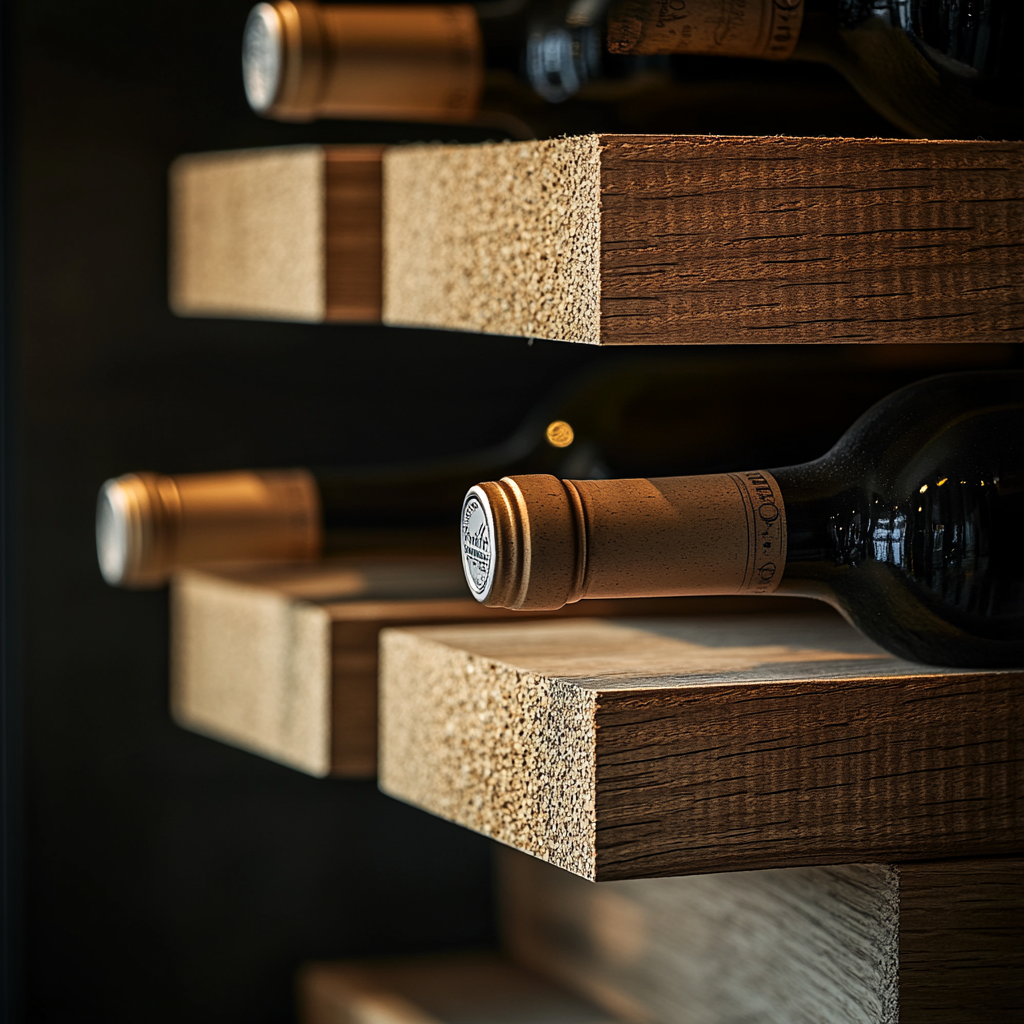
Wine ages best when conditions remain steady. Heat can accelerate aging and push a wine past its ideal drinking window sooner than expected. Large temperature fluctuations can stress the bottle over time. Humidity that is too low may dry corks, while humidity that is too high can create unwanted moisture issues in the room. The source article specifically calls out premature aging from heat, cork problems tied to humidity imbalance, and flavor degradation caused by fluctuating storage conditions.
Warm climate regions intensify these risks because the surrounding environment is already working against stable storage. If a space is not designed for wine, it may struggle to maintain cellar conditions consistently, especially during seasonal peaks or prolonged periods of high humidity.

What proper wine storage should provide
A reliable wine storage environment should do more than keep bottles cool. It should support long term consistency. In practical terms, that means thinking about the room as a system rather than just buying a cooling unit and hoping for the best.
A well planned setup usually includes:
- Proper insulation and vapour protection
- A cooling system sized to the room
- Storage suited to your bottle count and formats
- Lighting that does not overheat the space
- A layout that allows airflow and easy access
- Materials that hold up well under cellar conditions
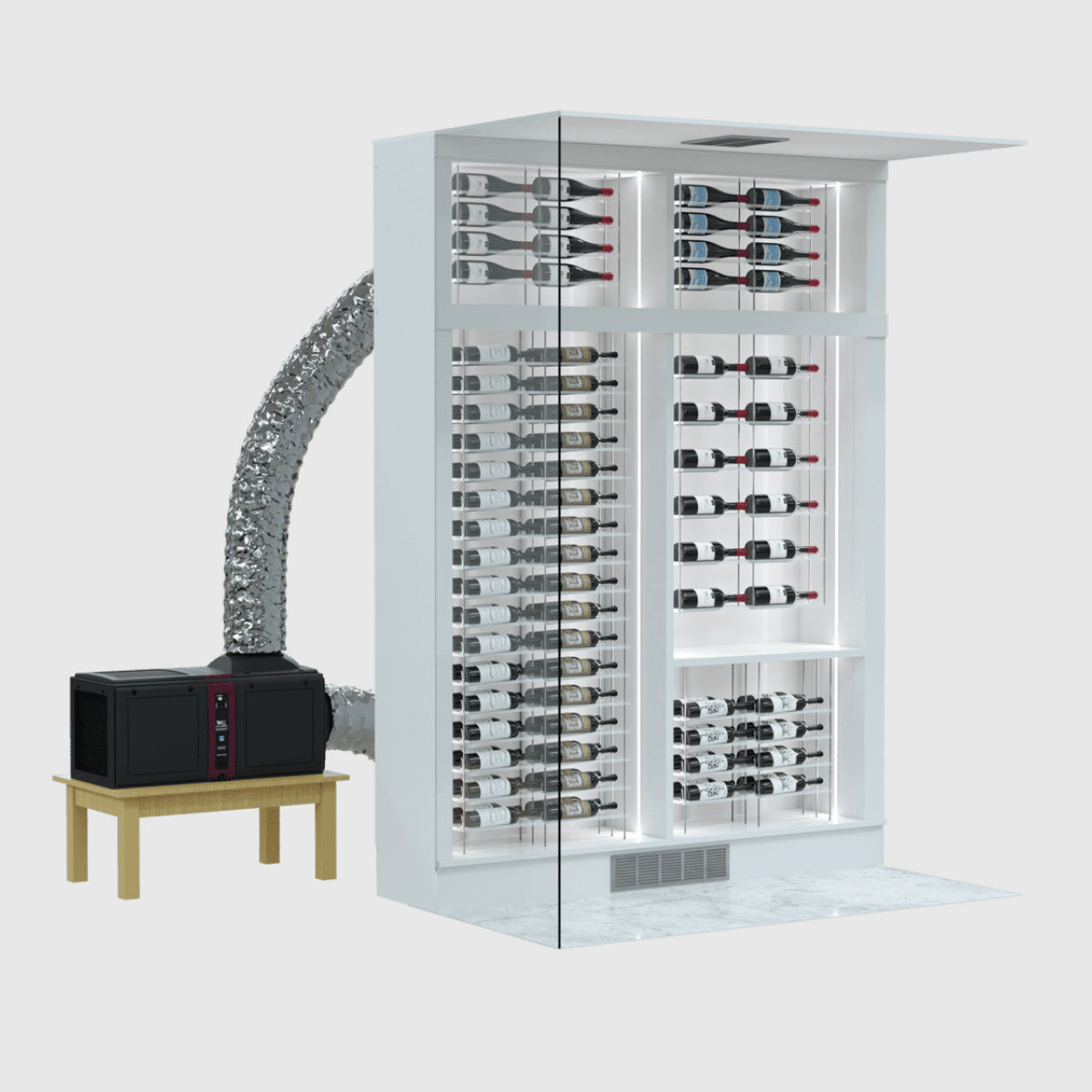
Rosehill’s custom cellar page highlights its design and build expertise, while its cooling collection emphasizes that temperature control is essential for preserving wine and offers multiple installation styles, including through the wall, ducted, ducted split, and ductless split systems.
Choosing the right storage solution
There is no single best storage solution for every collector. The right answer depends on how much wine you have, how long you plan to keep it, where the cellar will be located, and whether the room is meant to be mostly functional, highly decorative, or both.
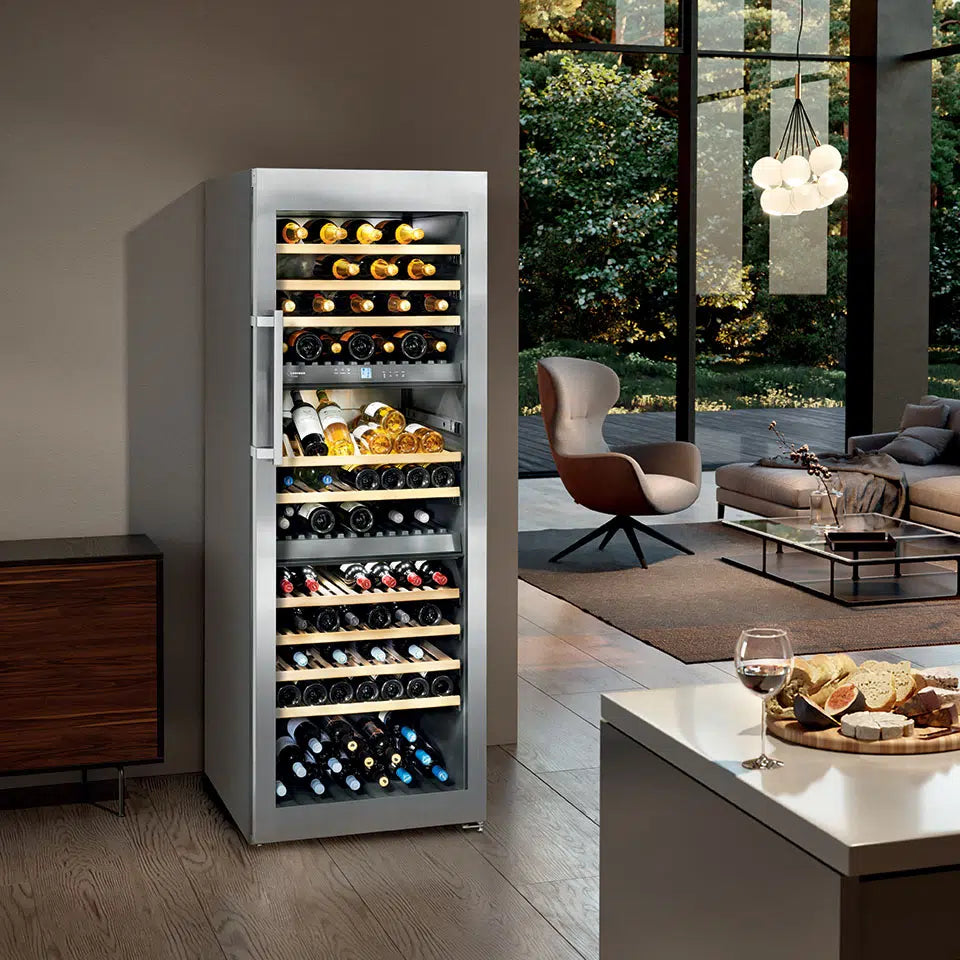
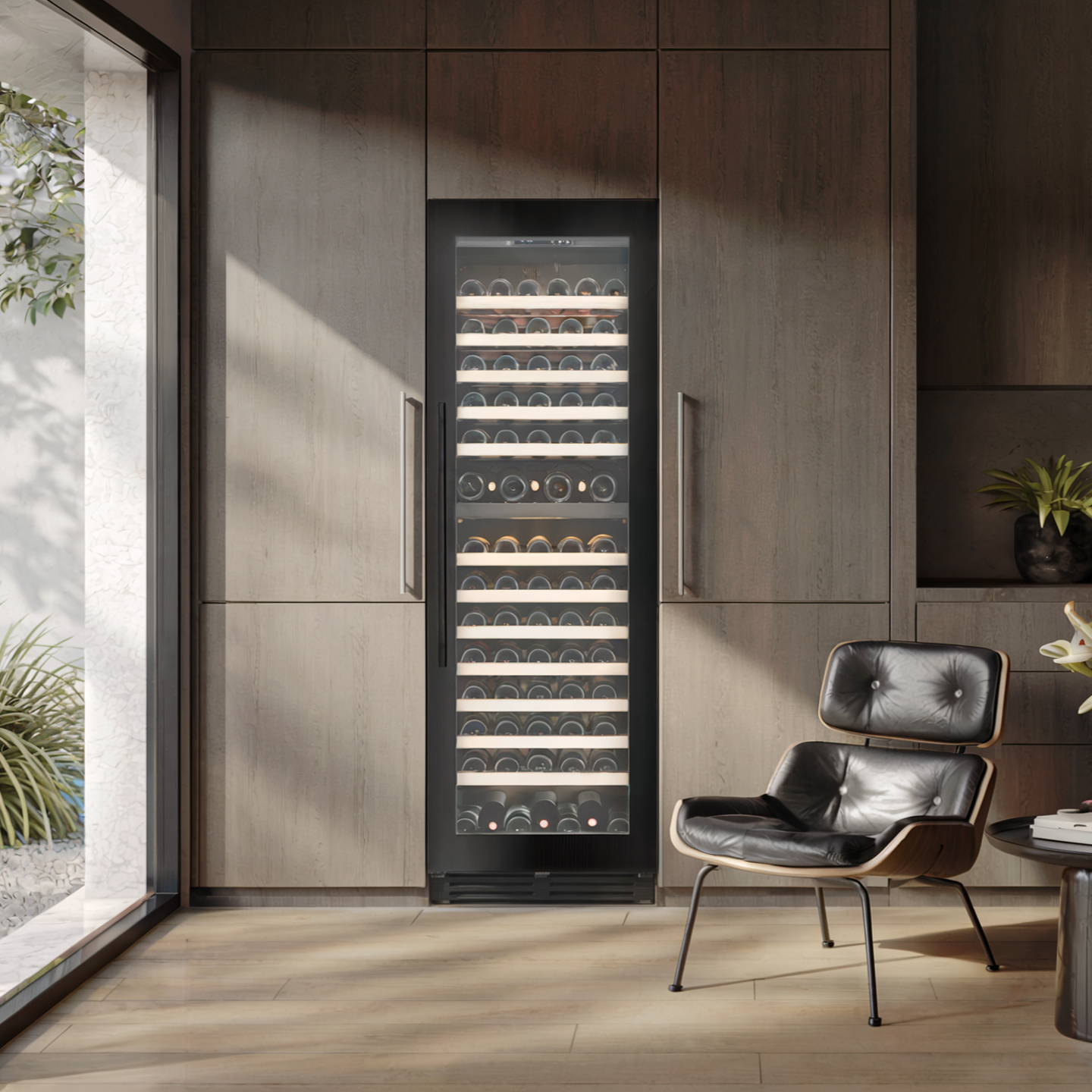
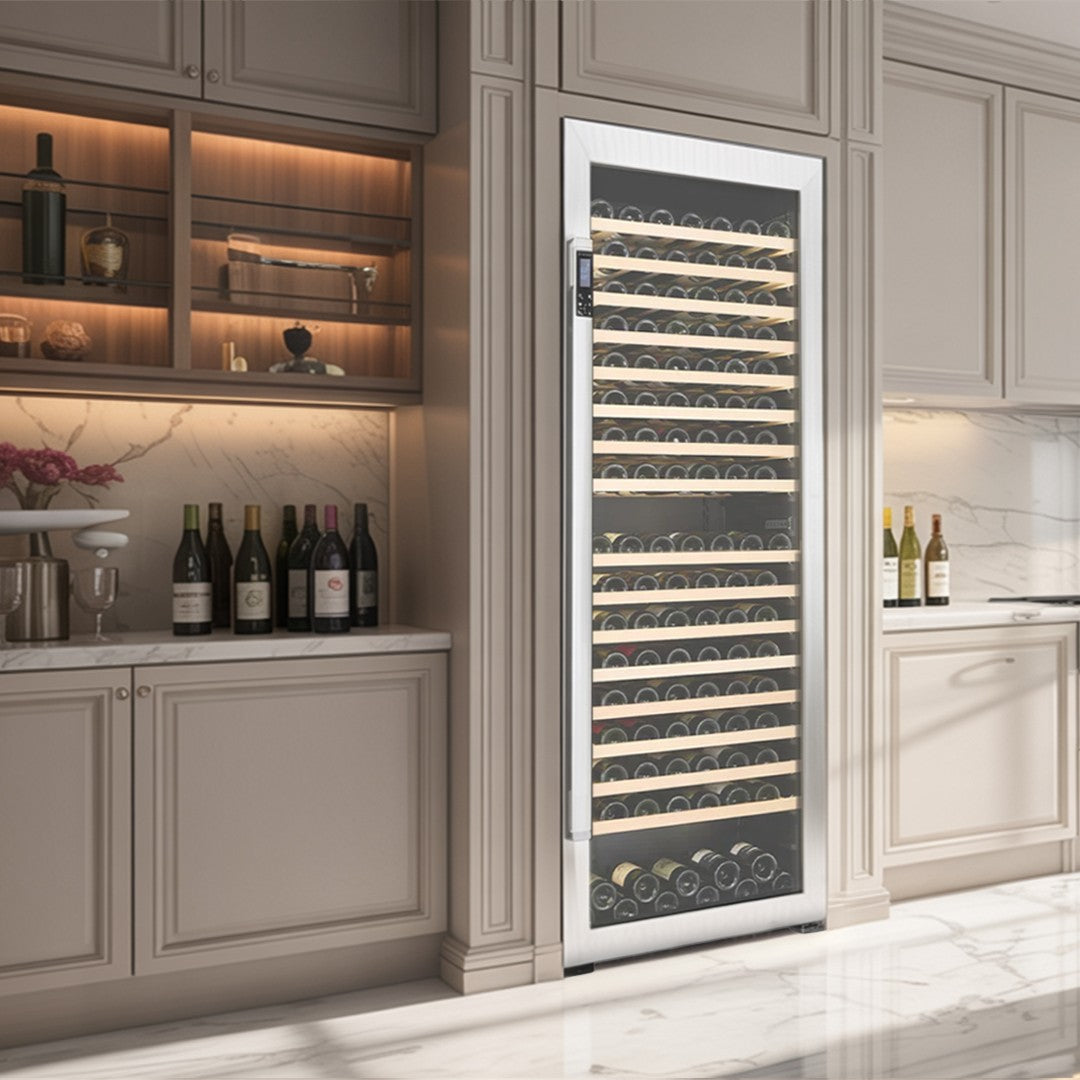
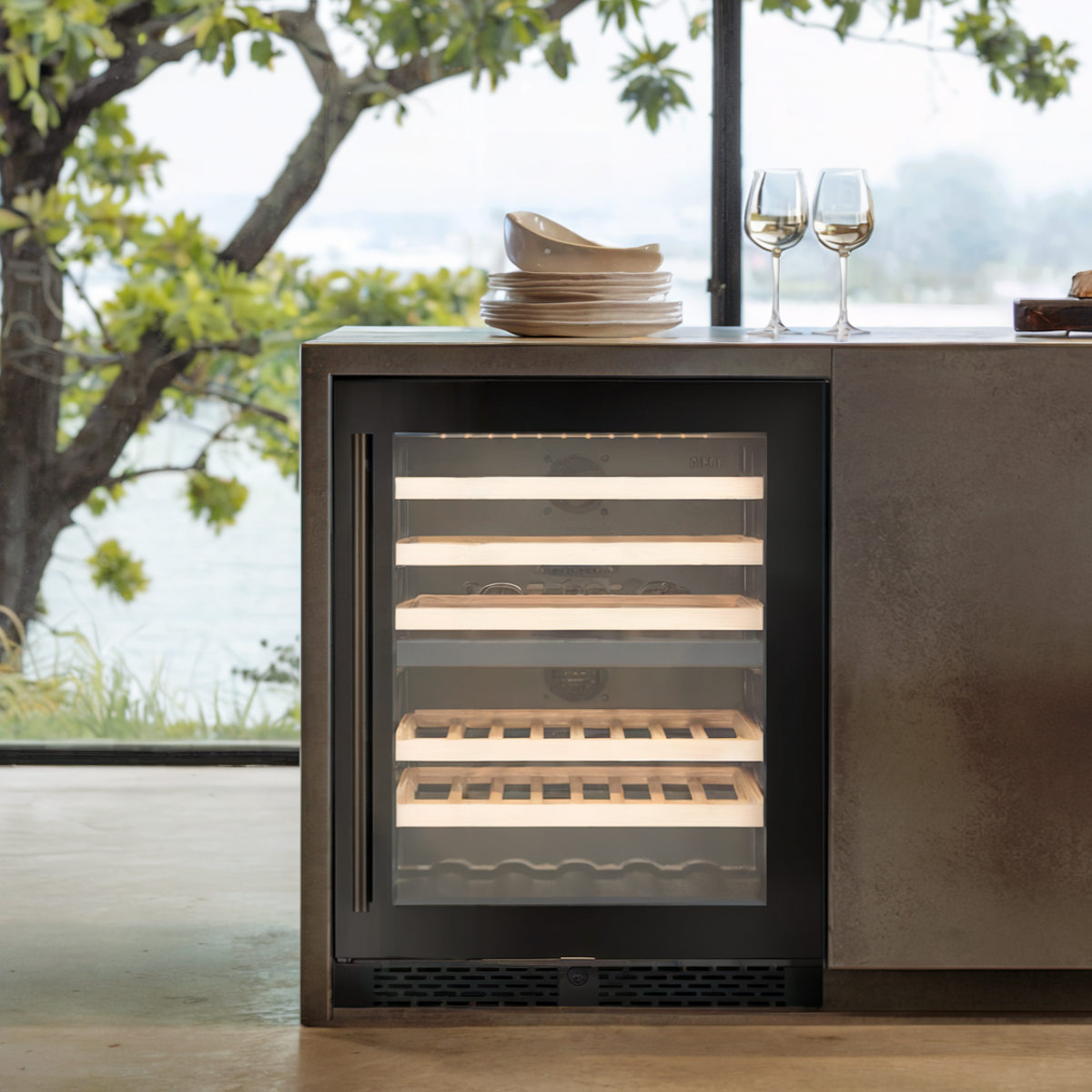
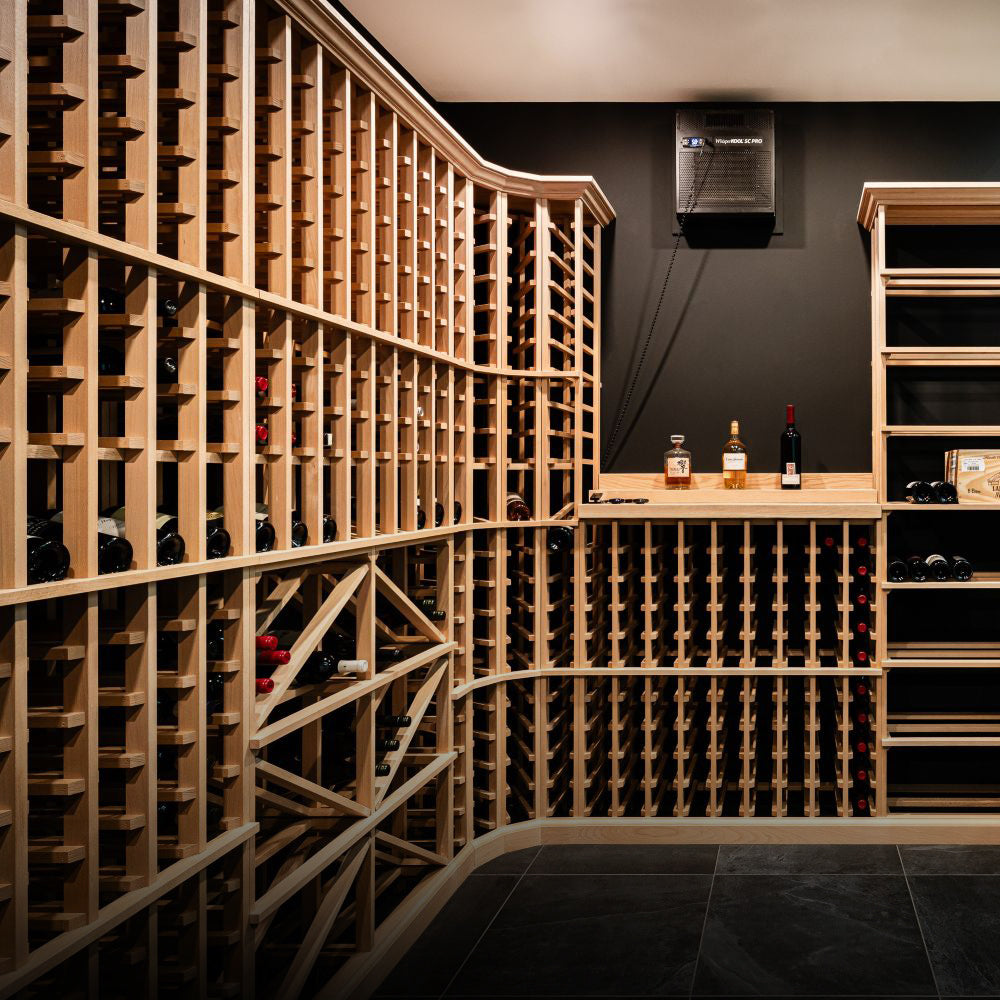
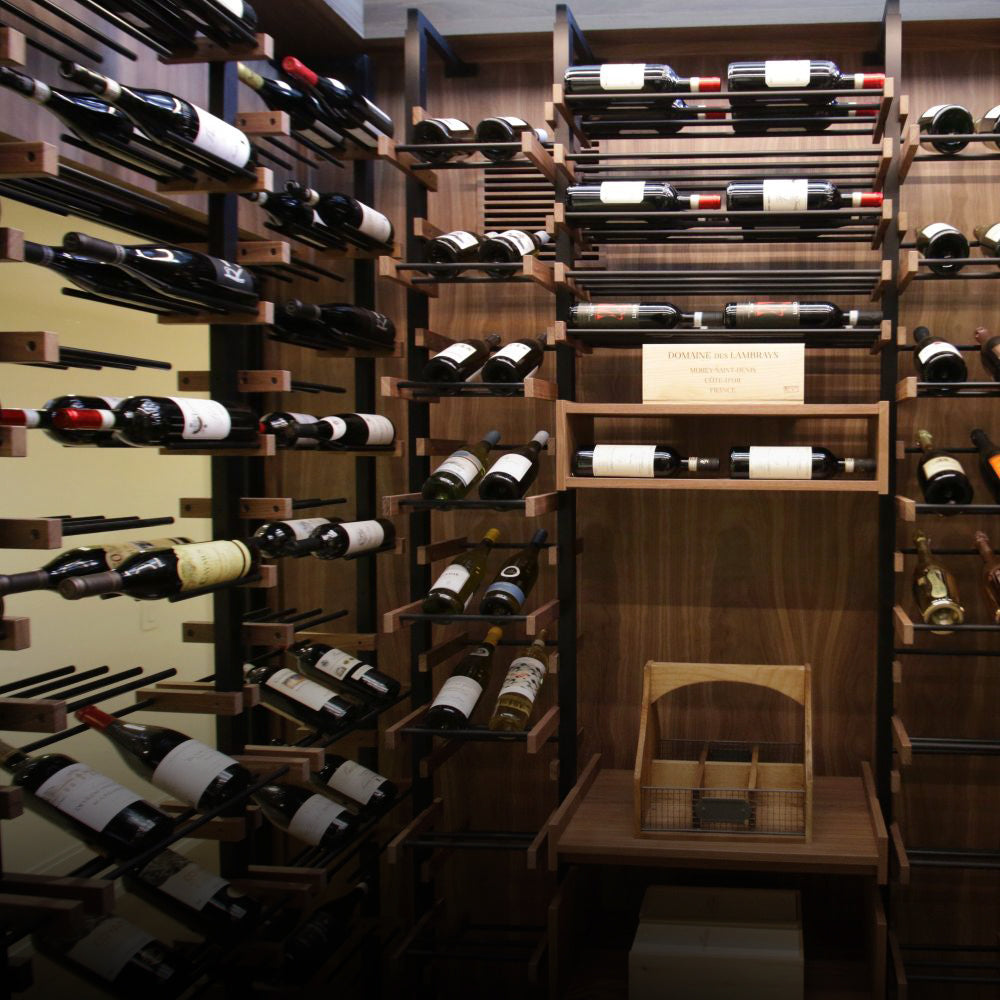
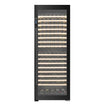
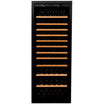
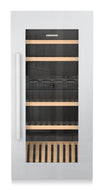
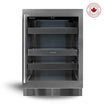
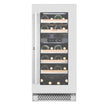
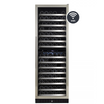
For smaller collections, a wine cabinet or a compact climate controlled room may be enough. For growing collections, a dedicated wine room offers more flexibility and can be designed around specific bottle counts, display goals, and entertaining needs. For larger or design driven projects, a custom wine cellar often provides the best balance of performance and visual impact.
Rosehill’s site currently presents custom wine cellars as personalized, functional, and elegant spaces, and also offers dedicated product collections for cooling equipment and cellar components.

Cooling is not one size fits all
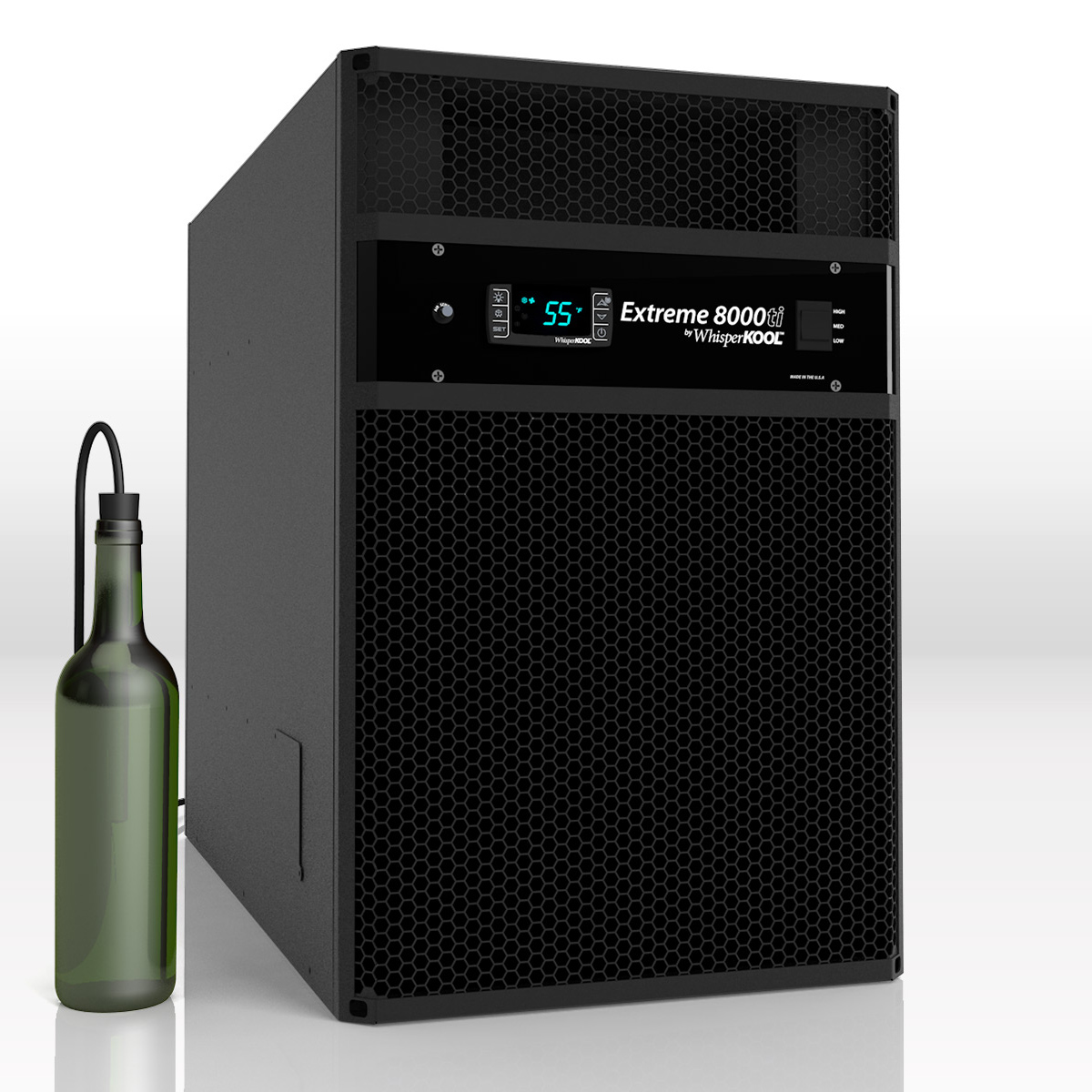
One of the most common mistakes in warm climate storage is underestimating the cooling system. A unit that is too small may run constantly and still struggle to maintain conditions. A unit that is oversized may cycle improperly and create temperature instability. Rosehill’s cooling page explicitly notes that correct sizing matters because undersized units can overwork, while oversized systems can short cycle and lead to temperature swings.
Different projects call for different approaches. Through the wall systems can be practical in certain straightforward installations. Ducted systems are often a strong option when you want quieter performance and the cooling equipment hidden from view. Split systems can also be ideal where equipment placement and heat exhaust need more flexibility. Rosehill currently highlights all of these categories in its cooling lineup and describes ducted systems as quiet and visually discreet.
Designing for humid environments
Humidity is one of the biggest reasons warm climate wine storage deserves special planning. It affects not just the wine, but the room itself. Materials, seals, glazing details, doors, insulation strategy, and cooling performance all have to work together.
That is why a proper cellar design should account for:
- The construction of the surrounding walls
- Whether the room is fully enclosed
- How often the door will be opened
- The amount of glass in the design
- The size of the collection
- The presence of nearby heat sources
- The expected ambient conditions outside the cellar
The source article frames South Florida as uniquely challenging because of its warm, humid environment, and Rosehill’s own content emphasizes that cellar cooling must be matched to room conditions and installation style rather than chosen generically.
Storage should match the way you collect
A wine cellar should reflect not just the climate, but your collecting habits. Someone building a room for everyday access may want more visibility and simpler organization. A serious collector may need denser storage, room for growth, and a layout that separates long term aging bottles from wines for near term drinking.
Rosehill’s custom cellar positioning supports this personalized approach, describing its designs as tailored to the client’s taste, space, and needs.
Why a custom approach often performs better
In difficult climates, off the shelf thinking usually creates compromises. A cellar that looks beautiful but is poorly insulated may not perform properly. A room with enough cooling capacity but the wrong layout may be noisy, inefficient, or awkward to use. A storage wall that looks impressive but ignores bottle formats may waste space.
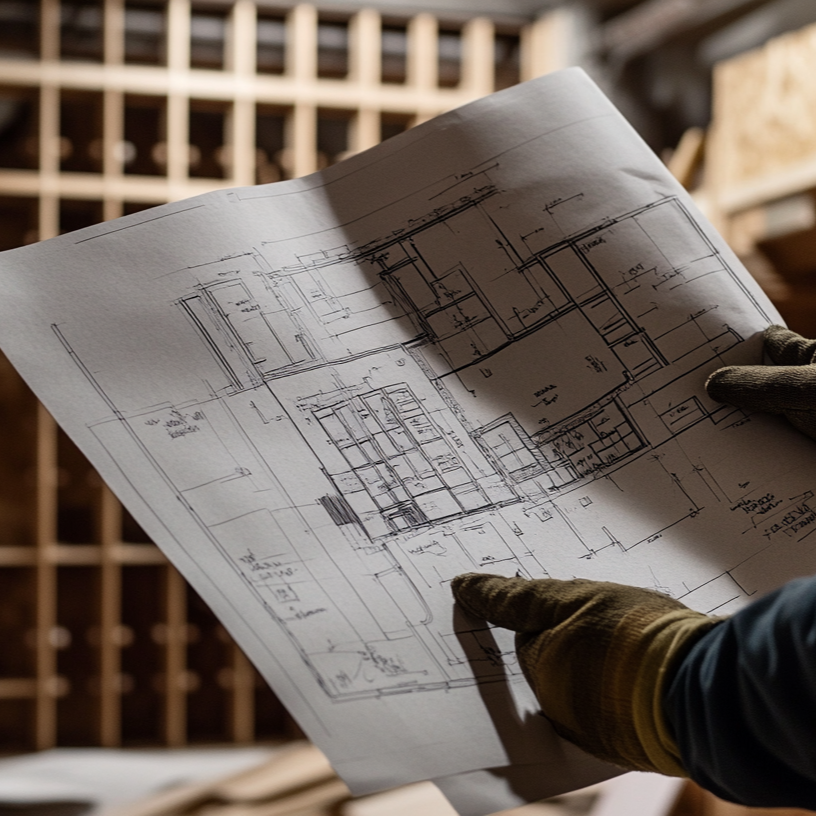
A custom approach helps coordinate the practical details with the visual design from the beginning. That includes storage capacity, rack style, insulation strategy, cooling selection, airflow, lighting, and access. Rosehill’s site presents this kind of integrated planning as central to its design and build work.
When to upgrade your current setup
If you already have a wine room or storage area, there are a few signs it may be time to improve it:
- Your cooling system runs constantly
- The room struggles during summer or high humidity period
- You notice condensation or musty odours
- The layout no longer suits the size of your collection
- You want the cellar to become more of a design feature in the home
These are often signs that the space needs better climate control, better enclosure details, or a more intentional overall design.
Rosehill’s perspective
Rosehill Wine Cellars has specialized in custom wine cellar design for decades and highlights thousands of completed installations across North America. Its current offering combines custom cellar construction with a broad selection of cooling systems from brands such as WhisperKOOL, CellarPro, Breezaire, and Wine Guardian, allowing storage solutions to be matched more precisely to the room and the client’s goals.
For homeowners and collectors in warm, humid climates, that matters. A well built cellar is not just about appearance. It is about creating a controlled environment that protects the integrity of the collection year after year.
Final thoughts
In hot and humid regions, wine storage deserves careful planning. The right environment can help preserve flavour, structure, and ageability, while the wrong one can quietly work against your collection every day.
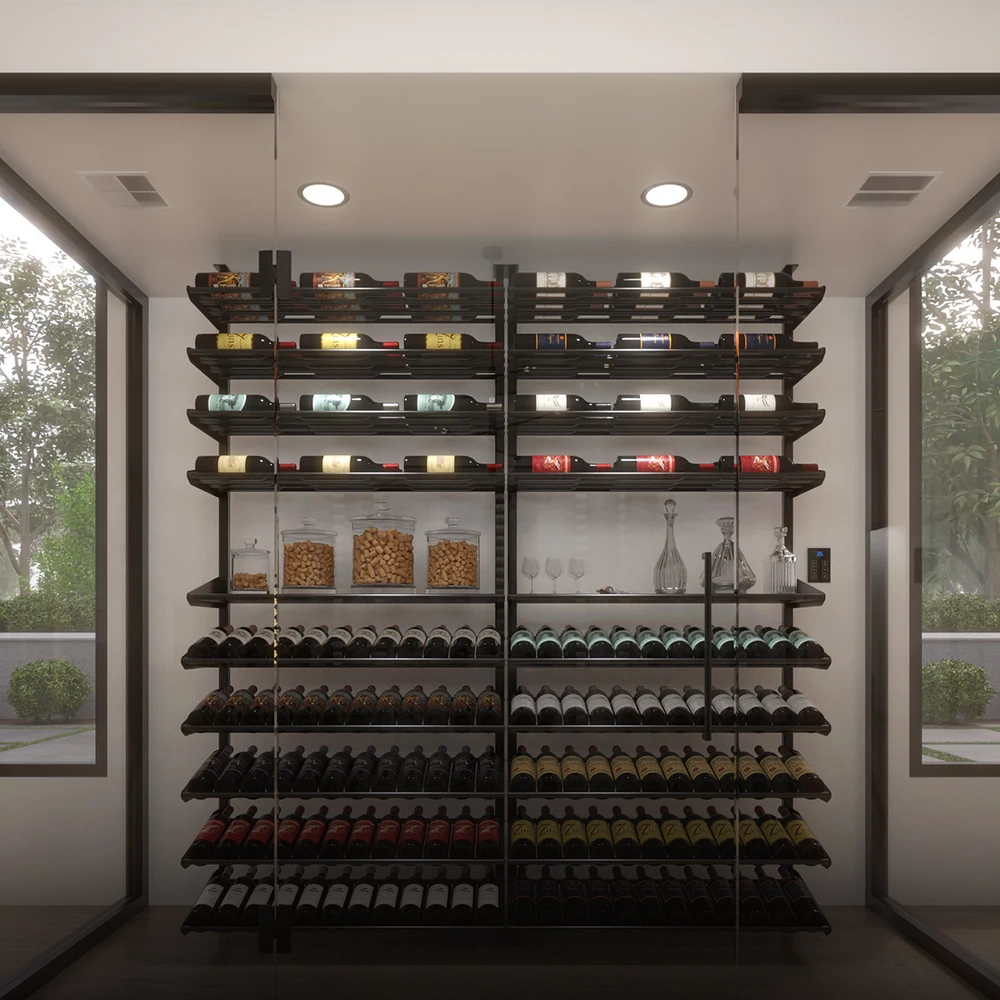
Whether you are considering a compact wine room, a display driven glass enclosure, or a fully custom cellar, the most successful projects start by treating climate control, insulation, and storage design as one coordinated system.
If you are planning a wine cellar in a warm or humid climate, Rosehill Wine Cellars can help you design a storage solution that balances performance, longevity, and style.