


What if your most cherished vintages are currently resting in a space that is slowly compromising their integrity? While many collectors focus on the labels in their cellar, the environment surrounding those bottles dictates their future. You likely want a storage solution that complements your home's aesthetic without sacrificing the precise conditions required for aging. It is a common struggle to find a wood wine cabinet that offers both the warmth of fine furniture and the technical rigor of a professional cellar. With wood currently leading the storage market at a valuation of nearly $0.9 billion, it's clear that discerning collectors still value the timeless appeal of natural materials.
This article will show you how professional-grade cabinetry blends artisanal craftsmanship with advanced climate control to protect your investment. We'll explore why certain wood species are superior for humid environments and how cooling units are integrated into high-capacity models like the Vantaggio V300. You will gain the knowledge needed to select a functional piece that serves as a self-contained ecosystem for your wine. From insulation R-values to EPA-compliant finishes, we'll cover the essential details that transform a simple cupboard into a sophisticated preservation tool.
Key Takeaways
- Learn why wood’s natural density and vibration-dampening properties provide a superior environment for protecting delicate vintages compared to metal alternatives.
- Understand the engineering required to maintain 55-70% humidity, including the necessity of a vapor barrier to prevent moisture damage and mold.
- Identify the most durable wood species, such as Mahogany and All-Heart Redwood, which offer the best resistance to rot and structural warping in cellar conditions.
- Discover how a premium wood wine cabinet like the Vantaggio V300 seamlessly integrates professional-grade cooling units into a furniture-grade design.
- Gain practical insights on placement strategies to shield your collection from environmental threats like direct sunlight and heat sources.
Why Wood is the Gold Standard for Premium Wine Cabinets
For the serious collector, a wood wine cabinet represents far more than a stylistic preference. It is a calculated choice in preservation science. While metal units offer convenience, wood provides a unique combination of structural density and molecular stability that synthetic materials cannot replicate. This material choice is fundamental to the longevity of your collection. Wood doesn't just hold wine; it matures with it. Unlike metal or plastic, which can show wear or become dated, high-quality wood develops a patina that reflects the heritage of the collection it protects.
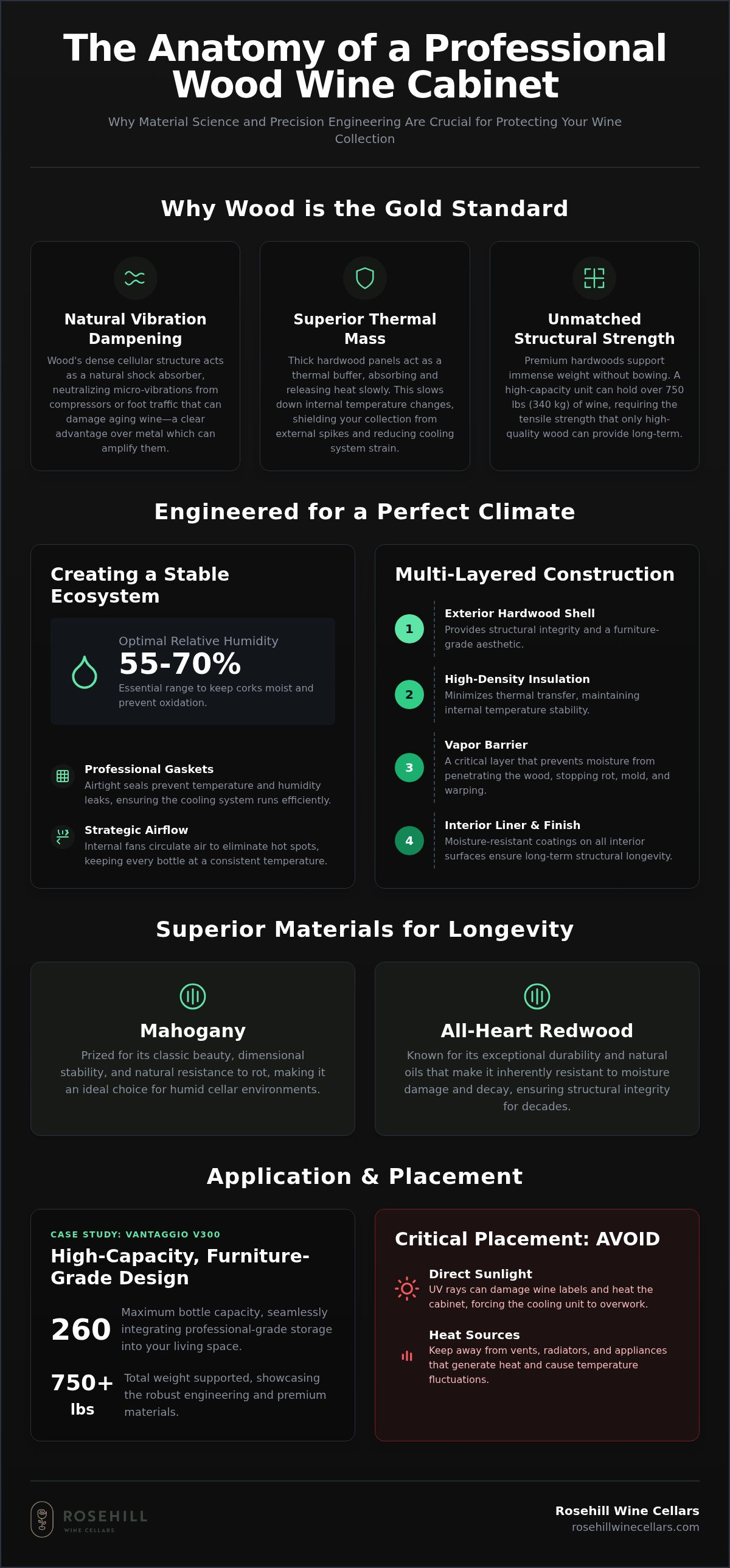
One of the most overlooked threats to aging is micro-vibration. These subtle tremors can agitate sediment and disrupt the delicate chemical evolution of a fine vintage. Wood’s cellular structure acts as a natural shock absorber, neutralizing vibrations from compressor cycles or household foot traffic. This dampening effect is superior to metal, which can actually amplify mechanical hums. Additionally, consider the physics of a full collection. A single bottle weighs approximately three pounds. A high-capacity unit like the Vantaggio V300 may hold up to 260 bottles, creating a load exceeding 750 pounds. Premium hardwoods offer the tensile strength required to support this weight without bowing or compromising the airtight seal of the cabinet doors.
The Science of Thermal Mass in Wood Storage
Thermal mass refers to the ability of a material to absorb, store, and release heat energy, effectively slowing down temperature changes within the cabinet. In a premium wood wine cabinet, thick hardwood panels act as a thermal buffer. This density ensures that even if the external room temperature spikes, the internal environment remains shielded. The relationship between cabinet thickness and cooling efficiency is direct; thicker walls provide better insulation, meaning the refrigeration unit doesn't have to work as hard to counteract rapid fluctuations. This stability is essential for maintaining the optimal conditions for storing wine over decades.
Aesthetic Versatility: From Traditional to Contemporary
Wood allows for a level of customization that transforms a storage unit into a permanent piece of estate furniture. Whether you're matching existing mahogany built-ins or seeking a modern oak finish, wood adapts to the architectural language of your home. It creates a "furniture-piece" look that allows storage to move out of the basement and into primary living areas. Many collectors choose to balance visibility with protection by utilizing glass doors framed in solid wood. This approach provides the transparency of a display case while maintaining the structural and insulating benefits of a traditional cellar. It's a sophisticated way to showcase a collection while ensuring every bottle remains perfectly preserved.
The Engineering Behind Climate-Controlled Wood Cabinetry
A climate-controlled wood wine cabinet is a marvel of precision engineering. Unlike standard furniture, these units must withstand a constant internal environment of 55% to 70% relative humidity. Without a properly installed vapor barrier, this moisture would eventually penetrate the wood, leading to warping, mold, or structural rot. High-end cabinetry utilizes a multi-layered approach. This includes an exterior wood shell, high-density insulation, and a specialized interior liner that prevents moisture migration. These layers work together to ensure the exterior remains beautiful while the interior stays technically sound.
Professional-grade gaskets are equally vital. These seals maintain the integrity of the internal atmosphere, ensuring that the cooling system doesn't run continuously to compensate for air leaks. When these components work in harmony, they create a stable ecosystem that protects your wine from the damaging effects of temperature swings and dry air. Efficient airflow management is also integrated into the design. Strategic internal fans circulate air to prevent "hot spots," ensuring every bottle from the top shelf to the bottom remains at the same consistent temperature.
Managing Humidity and Moisture Protection
Standard fine furniture is designed for ambient household humidity, typically between 30% and 40%. Subjecting such pieces to the elevated humidity required for wine cellaring would cause immediate failure. At Rosehill, we ensure structural longevity by applying moisture-resistant coatings to every interior surface. This specialized engineering prevents the wood from absorbing ambient moisture, which is the primary cause of cabinet failure in lesser models. By isolating the wood from the humid air, we preserve the aesthetic beauty of the exterior while maintaining a rigorous technical environment within.
Cooling Unit Integration and Ventilation
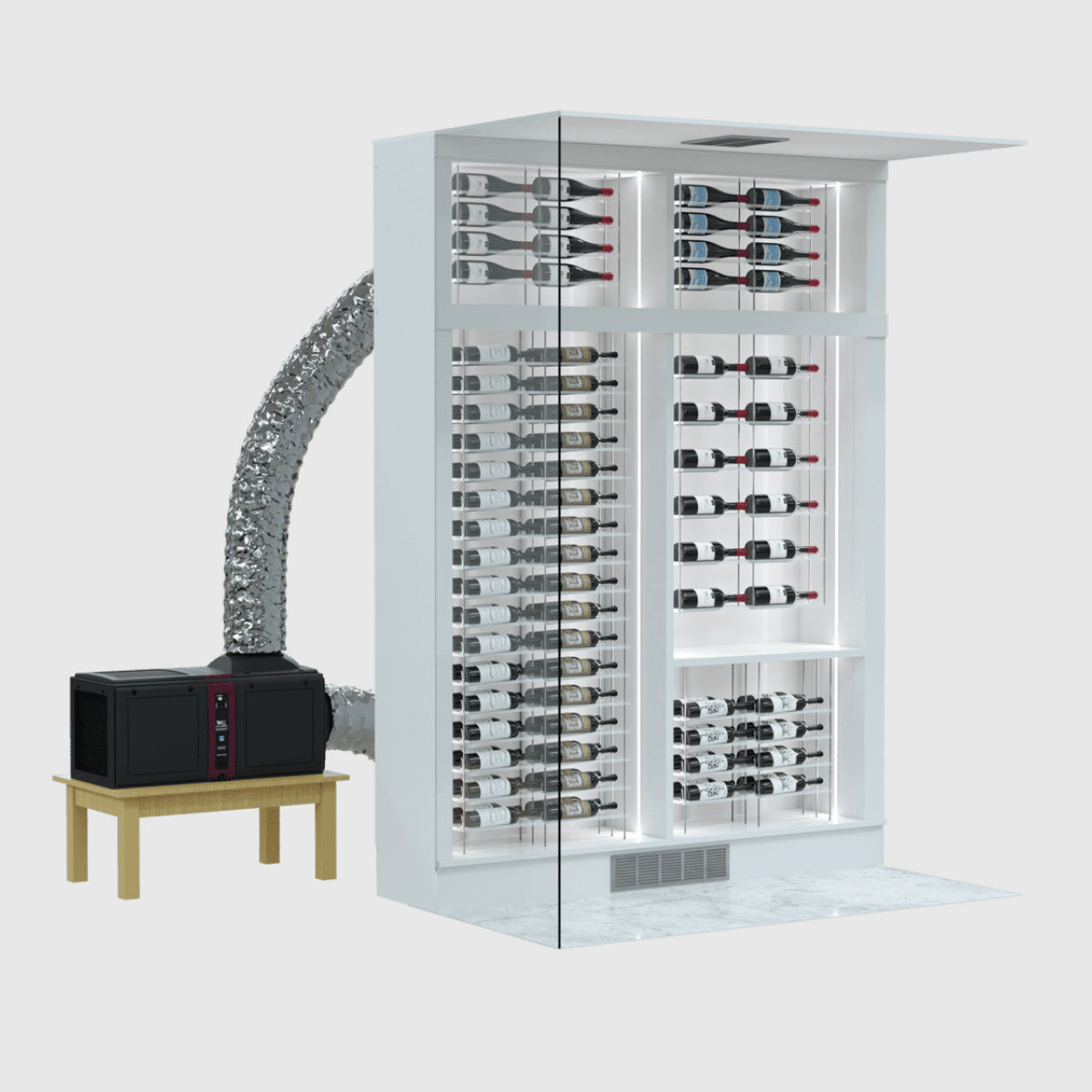
Discreetly housing a refrigeration system within a wood wine cabinet requires careful planning for both airflow and sound. High-end units often utilize front-venting systems. This allows the cabinet to be placed flush against a wall or integrated into cabinetry without overheating. Rear-venting models require more clearance but can offer a cleaner front profile. Planning for power access and drainage is a standard part of our consultative process.
One significant advantage of wood is its ability to muffle the mechanical hum of a compressor. The density of the material naturally absorbs sound, providing a quieter experience than metal-clad coolers. If you are seeking a turnkey solution that balances high-capacity storage with silent, efficient cooling, the Vantaggio V300 provides an expertly engineered foundation for any collection. Our team can help you determine the best ventilation strategy for your specific room layout to ensure long-term reliability.
Selecting the Right Wood Species for Longevity and Style
Choosing the material for a wood wine cabinet is a decision that balances structural performance with architectural beauty. In an environment where humidity levels are intentionally kept high, the wrong species will inevitably warp, swell, or cultivate mold. The selection process must prioritize woods that possess natural tannins and dense grain structures capable of withstanding constant moisture. While the exterior of a cabinet can be crafted from various hardwoods to match your home's decor, the internal components and structural frame require species proven to thrive in cellar-like conditions.
Oak and Walnut are frequently requested for their striking grain patterns and ability to complement existing estate furniture. These woods serve beautifully as an exterior shell, providing a sophisticated finish for living rooms or dining areas. However, for the high-performance interior and racking, professionals often turn to more specialized species. The impact of stains and finishes also plays a critical role. A finish that is too heavy can trap moisture within the wood fibers, while a poorly chosen chemical coating can compromise the safety of your collection.
Mahogany vs. Redwood: The Professional Collector’s Choice
Mahogany stands as the premier choice for finished, furniture-grade cabinetry. Its remarkable stability means it's less prone to the "movement" that plagues other hardwoods when temperatures shift. It absorbs stains evenly, allowing for a deep, lustrous finish that suits the most elegant environments. In contrast, All-Heart Redwood is prized for its raw resilience. It contains natural oils that repel insects and resist rot without the need for chemical treatments. While Mahogany offers superior structural stability for finished furniture, All-Heart Redwood provides unparalleled natural resistance to the decay caused by high-humidity environments. For standalone units that must look as good as they perform, Mahogany is often the favored selection.
Avoiding "Off-Gassing" in Material Selection
The chemical composition of a cabinet is just as important as its structural wood. Wine is a living product that "breathes" through its cork; consequently, it is highly susceptible to environmental contaminants. Many standard furniture glues and oil-based stains release volatile organic compounds (VOCs) long after the piece is completed. This process, known as off-gassing, can impart unwanted chemical odors to your wine, permanently altering its flavor profile.
At Rosehill, we prioritize the use of low-VOC, wine-safe materials in every build. We adhere to strict standards, such as the EPA TSCA Title VI regulations, which limit formaldehyde emissions in composite wood products to as low as 0.05 ppm for hardwood plywood. By selecting woods that don't possess strong natural odors and pairing them with water-based, odorless finishes, we ensure that the only thing aging in your cabinet is the wine itself. This meticulous approach to material safety is what distinguishes a professional-grade storage solution from a standard piece of home furniture.
Design Integration: Standalone Units vs. Built-in Displays
Integrating a wood wine cabinet into your home requires a strategic balance of environmental safety and aesthetic harmony. While these units are engineered for climate control, their external placement remains critical for long-term performance. You should avoid positioning your cabinetry near heat sources like ovens, fireplaces, or HVAC vents. Direct sunlight is another significant threat; UV rays can prematurely age wood finishes and force the cooling unit to work harder to maintain internal stability. By choosing a shaded, temperature-neutral location, you ensure the cabinet operates at peak efficiency.
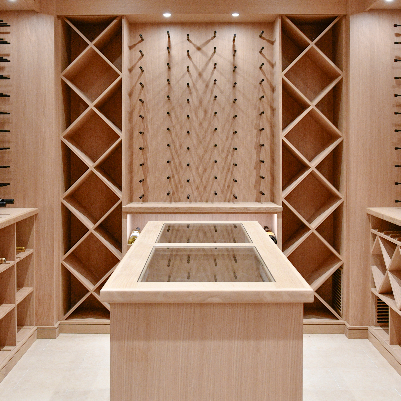
Standalone wood cabinets offer exceptional flexibility for collectors who value portability or reside in rented properties. These pieces function as high-end furniture that can move with you, serving as a sophisticated focal point in a dining room or study. Conversely, built-in cabinetry provides a seamless, architectural look that feels like a permanent part of the home's structure. This approach is particularly effective in kitchens or dedicated tasting rooms where the cabinet can be matched to existing millwork. To highlight the rich grain of the wood without risking heat damage, we recommend integrated LED lighting systems. These cool-burning lights provide a brilliant display while keeping the internal environment perfectly stable.
Maximizing Capacity in Small Footprints
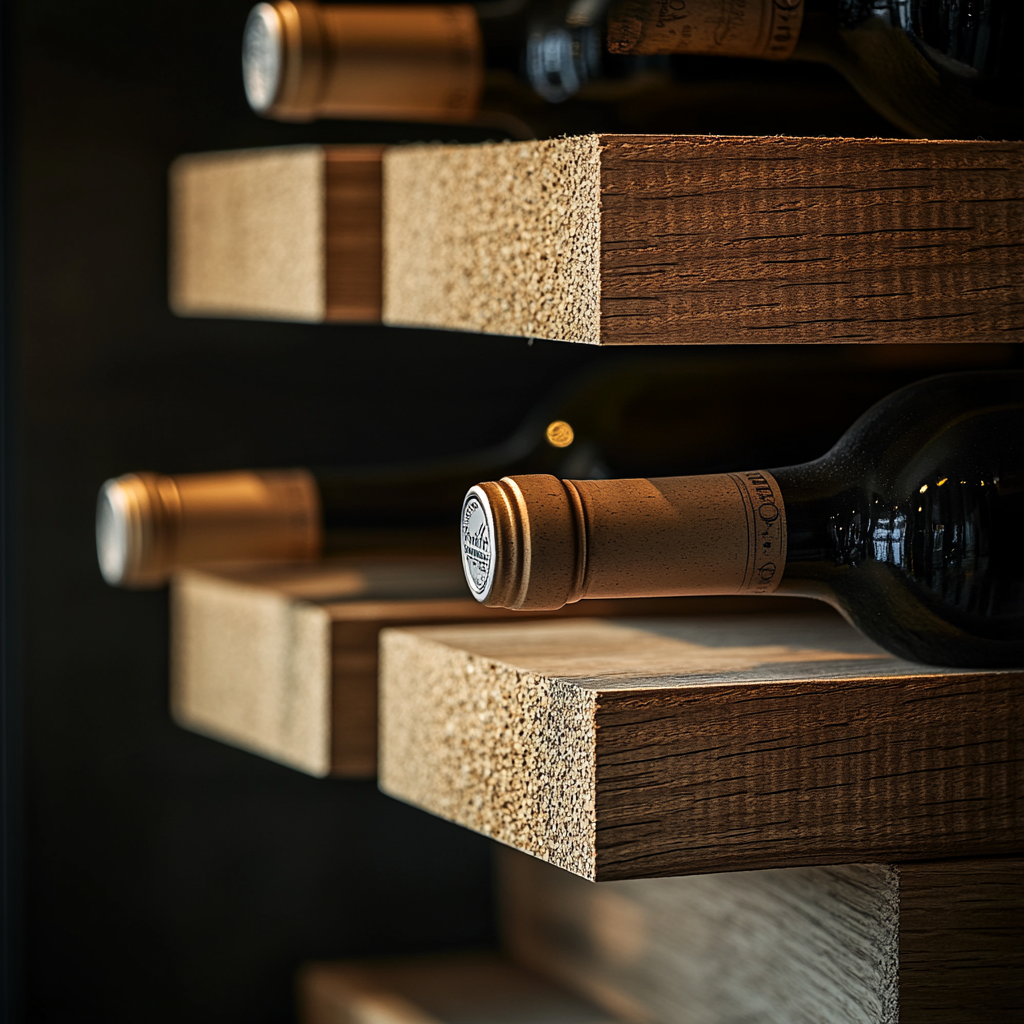
The interior configuration of your cabinet dictates how effectively you can grow your collection. Custom wood racking allows you to optimize bottle density based on your specific inventory. For example, individual bottle cradles are ideal for quick access and label visibility, while bulk storage bins are better suited for case purchases or aging large quantities of the same vintage. If you are looking for versatile ways to organize your interior, exploring modular wine racking systems can help you visualize a layout that maximizes every square inch of your storage space.
Architectural Harmony in Modern Estates
A premium wood wine cabinet should complement the existing design language of your estate. This involves more than just matching a stain; it requires an understanding of wood species, grain orientation, and hardware finishes. In open-concept homes, we often see a transition from traditional wood cabinetry to more modern glass wine cellars. This blend of materials creates a sophisticated visual narrative that connects different living zones. Consulting with a design expert ensures that your cabinet doesn't just store wine but serves as a deliberate piece of interior art.
Whether you require a freestanding statement piece or a fully integrated storage solution, our team provides the technical expertise to bring your vision to life. If you're ready to elevate your home with a professional-grade storage solution, contact Rosehill Wine Cellars today to begin your custom design consultation.
The Vantaggio V300: The Pinnacle of Wood Wine Cabinetry
The Vantaggio V300 represents the definitive intersection of fine furniture design and high-performance cooling engineering. For collectors who require significant storage without the structural commitment of a full cellar, this wood wine cabinet provides a professional-grade alternative. It is built to house up to 260 bottles, offering the density of a commercial unit within a refined exterior that complements any estate. This model is not a mere appliance; it is a self-contained preservation ecosystem designed for those who view their collection as a long-term investment.
Technical reliability is the foundation of the V300 series. Each unit features superior insulation and integrated climate control systems that maintain the precise temperature and humidity levels required for graceful aging. The structural integrity of the cabinet ensures that even when at full capacity, the weight is distributed safely across precision-engineered shelving. By combining high-capacity storage with a furniture-grade finish, the V300 serves as a functional masterpiece that protects your wine from the environmental variables that lead to spoilage.
Vantaggio V300 Configuration Options
Flexibility is essential for a growing collection. The V300 offers various shelving configurations, allowing you to mix individual bottle cradles with bulk storage options for larger format bottles or case purchases. This versatility ensures that your storage solution adapts as your collecting habits evolve. Whether your home features traditional mahogany millwork or contemporary oak flooring, the available wood finishes are curated to suit diverse interior design palettes. This unit effectively bridges the gap between a standard wine fridge and a custom-built cellar, providing the technical rigor of the latter with the convenience of the former.
Securing Your Investment with Rosehill Expertise
Choosing a storage solution involves more than selecting a style. It requires the guidance of a specialist who understands the mechanical requirements of climate control. When you partner with Rosehill, you gain access to decades of expertise in wine preservation and custom design. We provide national white-glove delivery to ensure your unit is placed and handled with the utmost care. To ensure the longevity of your cooling system and the continued safety of your vintages, we offer Annual Maintenance Plans that provide proactive support for your hardware.
Your collection deserves a storage environment that matches its value. Our team is ready to help you select the ideal configuration for your space and inventory. Explore the Vantaggio V300 Collection at Rosehill Wine Cellars and discover the difference that professional-grade engineering makes in wine preservation.
Investing in Your Collection's Future
Selecting the right storage is a commitment to the long-term health of your vintages. We've explored how natural materials provide superior insulation and vibration dampening, ensuring your wine ages exactly as the winemaker intended. By choosing a professional-grade wood wine cabinet, you secure an engineered environment that balances aesthetic elegance with technical rigor. From the moisture resistance of Mahogany to the high-capacity engineering of the Vantaggio V300 series, every detail serves the purpose of preservation.
Since 1995, Rosehill Wine Cellars has served as a trusted partner for collectors nationwide. We combine master craftsmanship with sophisticated climate control to deliver results that last a lifetime. Our team provides expert design consultation and national white-glove delivery to ensure your investment is protected from the moment it arrives. It's time to transform your storage into a statement of quality and permanence. Your collection deserves a sanctuary that reflects its value and your passion for fine wine.
Browse Our Premium Wood Wine Cabinets today and find the perfect sanctuary for your collection.
Frequently Asked Questions
Do wood wine cabinets need to be plugged in?
Yes, any climate-controlled wood wine cabinet requires a standard electrical outlet to power its integrated cooling system and internal circulation fans. These components are essential for maintaining the stable temperature and humidity levels your collection requires. While non-refrigerated furniture doesn't need power, professional-grade cabinets rely on electricity to function as a self-contained ecosystem. You should ensure the placement allows for proper ventilation and access to a dedicated power source to avoid circuit overloads.
How long do wood wine cabinets last compared to metal ones?
High-quality wood cabinetry often outlasts metal alternatives because it is not susceptible to rust or corrosion in the high-humidity environments required for wine storage. When crafted from moisture-resistant species like Mahogany or Redwood, these units can remain structurally sound for decades. While the mechanical cooling unit may eventually require replacement, the wood shell remains a permanent piece of furniture that ages gracefully. Proper maintenance and annual inspections further extend the lifespan of the entire system.
Can I put a wood wine cabinet in a garage or basement?
A finished basement is often an ideal location due to its naturally cooler and more stable temperatures. However, uninsulated garages are generally unsuitable for a wood wine cabinet because of extreme temperature fluctuations and high humidity. These conditions can force the cooling unit to work excessively and may cause the wood shell to warp or crack over time. If you choose a basement, ensure the floor is level and the area is free from excessive dampness.
What is the best wood for a wine cabinet?
Mahogany is widely considered the premier choice for finished cabinetry due to its exceptional structural stability and resistance to warping in humid conditions. It absorbs stains beautifully, making it ideal for units placed in primary living areas. All-Heart Redwood is another excellent option, particularly for internal racking, as its natural oils provide inherent resistance to moisture, rot, and insects. Selecting a species with a dense grain ensures the cabinet remains airtight and durable for long-term cellaring.
Do wood wine cabinets come with a cooling unit?
Professional-grade models, such as the Vantaggio V300, typically include an integrated cooling unit designed specifically for wine preservation. These systems are engineered to maintain a consistent 55 degrees Fahrenheit and 60% humidity. Unlike standard furniture, these cabinets are built with the necessary insulation, vapor barriers, and ventilation paths to house a refrigeration system safely. You should always confirm that the unit you select is designed for climate control rather than just being a decorative storage piece.
How do I maintain the wood finish on my wine cabinet?
Maintaining the exterior finish involves regular dusting with a soft, dry cloth and avoiding harsh chemical cleaners that could affect the wine. For the interior, it's important to periodically check the door gaskets to ensure an airtight seal is maintained. Since these cabinets operate in high-humidity environments, you should monitor for any signs of moisture buildup on the wood surfaces. Annual professional maintenance of the cooling unit also prevents mechanical issues that could lead to condensation.
Is a wood wine cabinet better than a built-in wine fridge?
A wood cabinet often provides superior insulation and vibration dampening compared to standard metal-and-glass wine fridges. The thermal mass of thick wood panels helps maintain a steady internal temperature even during power interruptions. Additionally, wood offers an aesthetic permanence that allows the unit to blend seamlessly with high-end home decor. While a built-in fridge is convenient for short-term chilling, a professional wood cabinet is the better choice for long-term aging and protecting a significant investment.
Can wood wine cabinets store different bottle sizes?
Most premium cabinets feature versatile shelving systems that accommodate a variety of bottle shapes, from standard Bordeaux to wider Burgundy and Champagne bottles. Some models even offer specialized bulk storage or large-format racking for magnums and double magnums. When selecting your unit, look for adjustable or modular racking options that allow you to customize the interior layout. This flexibility ensures your storage solution can evolve alongside your collection without sacrificing bottle density or safety.