




A premium wine cabinet isn't just a piece of furniture; it's a sophisticated life-support system for your most valued vintages. You've likely felt the frustration of searching for a storage solution that looks beautiful but lacks the mechanical integrity to protect a serious investment. It's a common dilemma for collectors who refuse to settle for loud, industrial cooling units that clash with their home's refined decor. You understand that an exceptional collection deserves more than just a chilled box. It requires a stable environment where temperature and humidity remain constant, ensuring every bottle ages exactly as the winemaker intended.
We're here to bridge the gap between high-level engineering and bespoke interior design. This guide explores how to select professional-grade wine cabinets that function as self-contained ecosystems, providing you with total peace of mind regarding mechanical reliability and vibration control. You'll discover the technical standards required for long-term preservation, from the flagship Vantaggio V300 to integrated racking configurations. We'll walk through the essential features of climate-controlled cabinetry, ensuring your storage becomes a seamless, permanent extension of your architectural space.
Key Takeaways
- Learn why professional wine cabinets must function as self-contained ecosystems to ensure the long-term chemical stability of your collection.
- Master the technical requirements of climate control, focusing on how heavy-duty compressors manage the critical balance of temperature, humidity, and vibration.
- Discover the "20% rule" for capacity planning and how specialized racking in the Vantaggio V300 accommodates diverse bottle shapes.
- Identify the essential venting requirements for both freestanding and built-in installations to prevent mechanical strain and ensure seamless architectural integration.
- Understand the necessity of an annual maintenance plan to protect your cooling system's longevity and safeguard your investment from unexpected failure.
Defining the Premium Wine Cabinet: Preservation Meets Architecture
Many collectors begin their journey by distinguishing between simple wine furniture and professional-grade wine cabinets. While a decorative wooden rack might display your bottles beautifully, it offers no protection against the environmental factors that degrade wine over time. A standard wine fridge often falls short too. These mass-produced appliances frequently rely on thin insulation and basic compressors that create excessive vibration and fluctuating temperatures. For serious collectors, the goal isn't just to keep wine cool; it's to provide an environment that facilitates graceful aging. A premium wine cabinet is a hermetically sealed, climate-optimized furniture piece designed to replicate the precise conditions of a subterranean stone cellar.
This "cellar-grade" approach allows you to maintain a world-class collection within a compact footprint. Instead of a sprawling basement renovation, you gain a self-contained ecosystem that manages the delicate biological needs of your wine. It's a marriage of engineering and artistry that ensures your investment remains secure, whether you're storing a few dozen bottles or several hundred.
The Role of Thermal Mass and Insulation
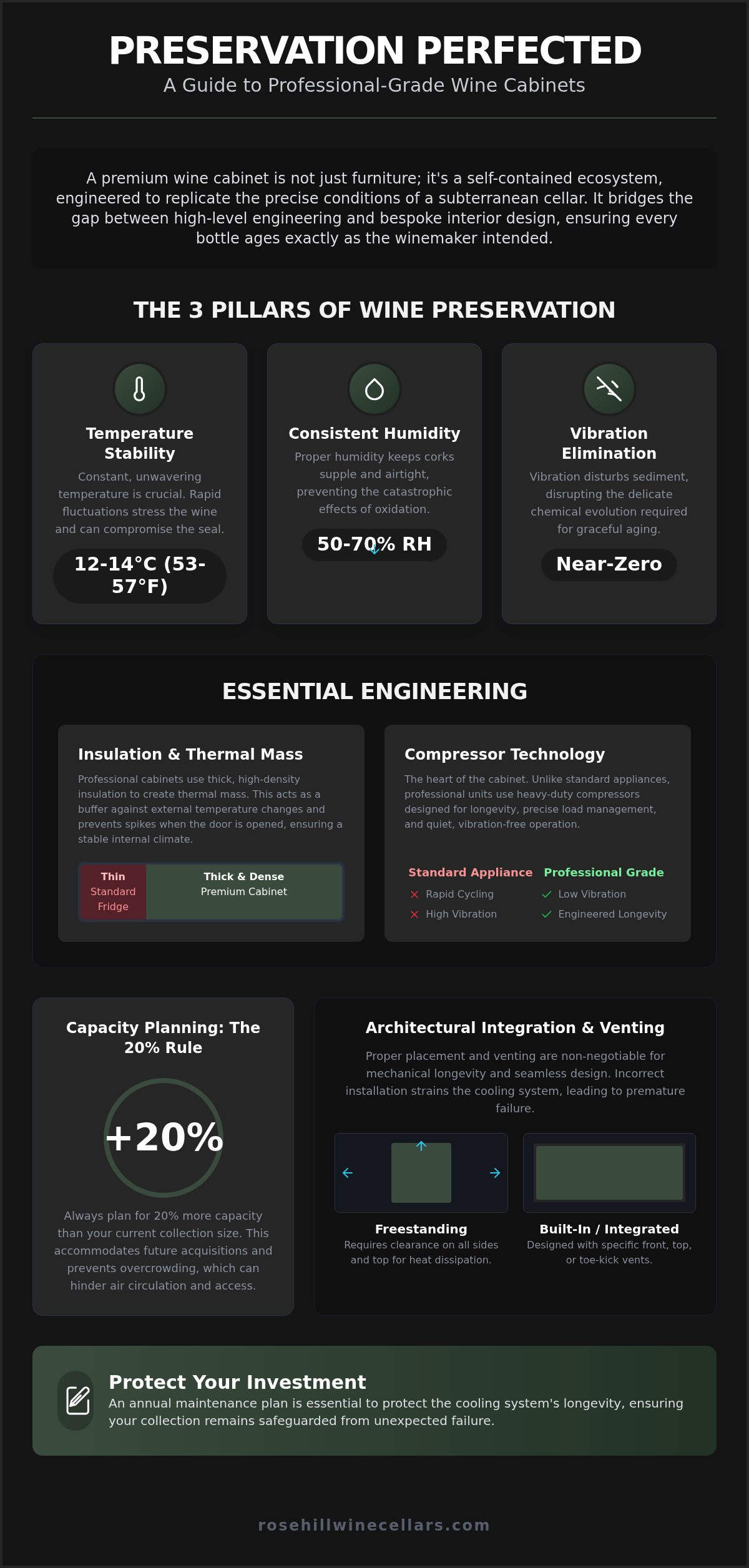
High-density insulation is perhaps the most overlooked feature in luxury storage solutions. Unlike thin-walled appliances, professional wine cabinets utilize thick, specialized insulation to create significant thermal mass. This mass acts as a buffer. It prevents rapid temperature spikes when the door is opened to retrieve a bottle. Maintaining the ideal conditions for storing wine requires more than just a cooling unit; it demands an airtight seal and a robust thermal envelope. Without these, your cooling system works twice as hard, leading to inconsistent hygrometric levels and potential mechanical failure. An engineered cabinet ensures the humidity stays within the vital 60% to 80% range, keeping corks supple and preventing oxidation.
Aesthetic Versatility in Modern Estates
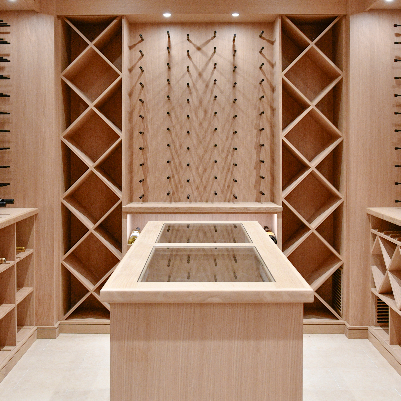
Storage is no longer relegated to the shadows of a basement. In modern estates, these units have transitioned into the focal point of the dining room or Great Room. Achieving this requires a balance of traditional wood finishes with contemporary glass and metal accents. Because we approach each project with the eye of a designer and the precision of an engineer, these pieces don't feel like appliances. They feel like permanent architectural features. Custom cabinetry allows for a cohesive look that matches your home's existing millwork, ensuring that your wine cabinets integrate seamlessly into your living space without compromising on technical performance.
Essential Engineering: Climate Control Standards for Fine Wine
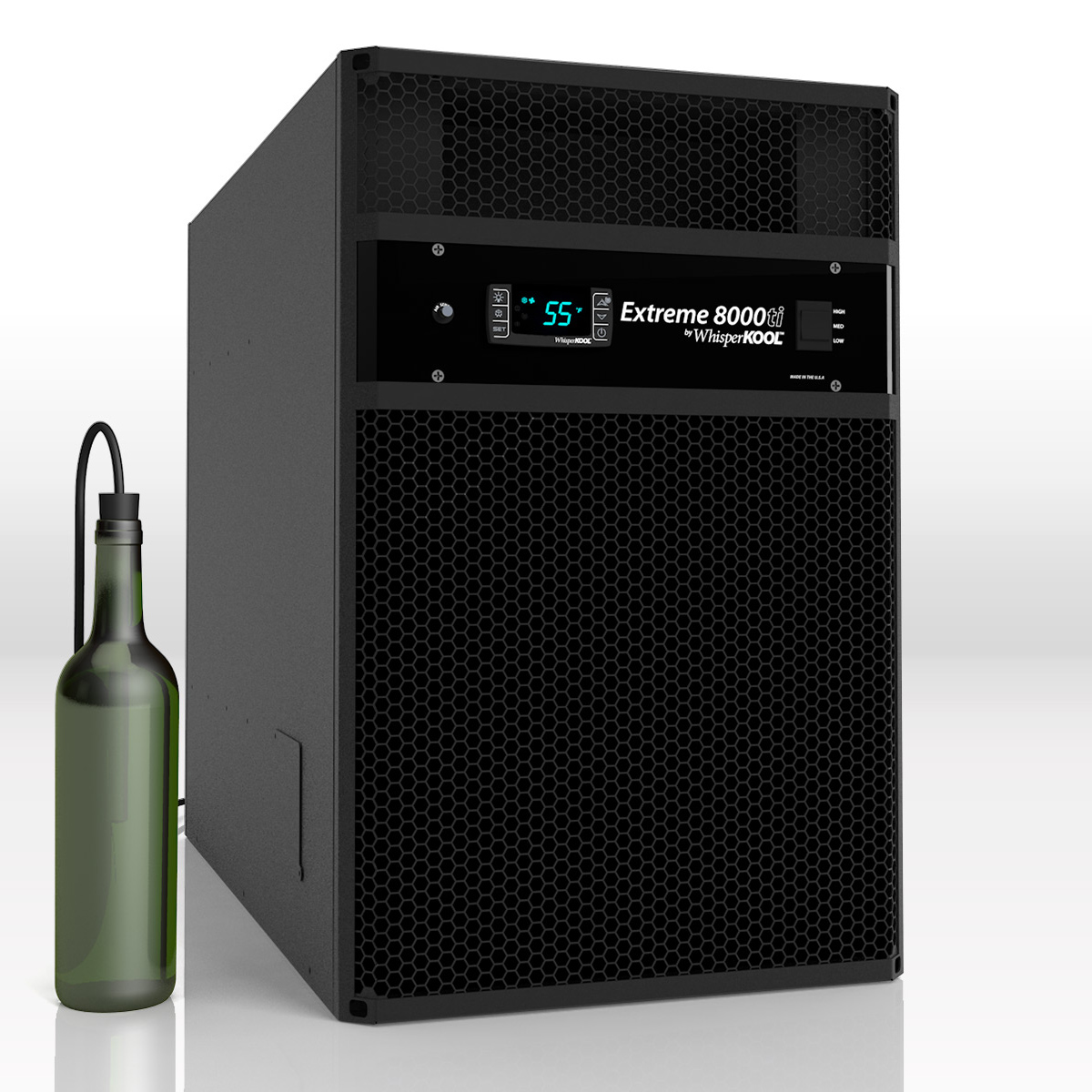
Professional wine cabinets are defined by the precision of their internal mechanics. Preservation relies on three critical pillars: temperature stability, consistent humidity, and the elimination of vibration. While these might seem like basic requirements, the engineering needed to maintain them consistently over decades is complex. Standard kitchen appliances use light-duty compressors designed for food storage, which cycle on and off rapidly. In contrast, professional Wine Cooling Units utilize heavy-duty compressors engineered specifically for the BTU requirements of a cabinet's volume. These systems are designed for longevity and precise load management, ensuring the environment remains static regardless of external room conditions.
Vibration is a silent enemy for serious collectors. It agitates the sediment and disrupts the delicate chemical evolution that allows fine wine to develop complex tertiary aromas. High-end engineering addresses this through rubberized mounts, specialized shelving, and low-vibration fans. This ensures your collection rests in total stillness, mirroring the tranquility of a traditional underground cellar. Maintaining a hygrometric range between 50% and 70% is equally vital. This humidity "sweet spot" keeps corks supple and airtight, preventing the catastrophic oxidation that occurs when seals fail.
Temperature Stability vs. Cooling Speed
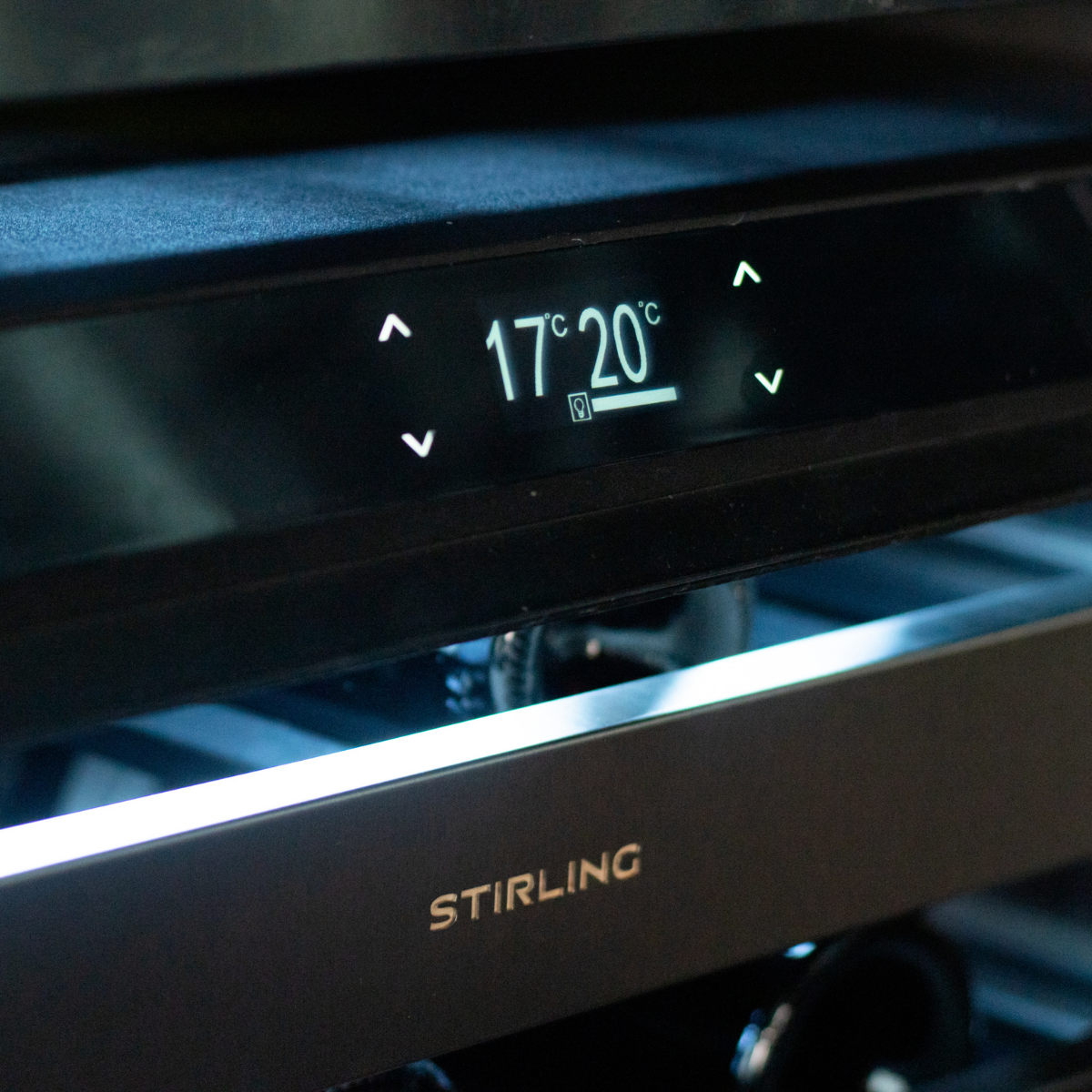
Fast cooling is the enemy of a stable aging environment. Rapid drops in temperature cause the liquid in the bottle to expand and contract too quickly, potentially pushing the cork or stressing the seal. Premium units are engineered for gradual, methodical adjustments. This approach mimics the slow seasonal shifts found in a natural cave. Advanced digital monitoring ensures this accuracy is maintained within one degree of your set point. This level of precision provides a significant advantage over analog systems, which often suffer from wide temperature swings that can fatigue a wine over time.
Humidity Regulation and Cork Integrity
Active humidity control is a hallmark of professional engineering. While passive systems rely on the moisture already present in the air, active regulation uses specialized sensors and evaporation cycles to add or remove moisture as needed. This prevents the heartbreak of cork shrinkage and oxidized vintages. Modern wine cabinets often feature integrated monitoring systems that alert you to environmental shifts immediately. These safeguards provide an essential layer of protection, ensuring you are never surprised by a mechanical deviation that could threaten your investment's integrity.
Selecting Your Cabinet: Capacity Planning and the Vantaggio V300
Selecting a cabinet requires a forward-looking strategy. Most collectors underestimate the pace at which their acquisitions accumulate. We recommend purchasing at least 20% more capacity than your current inventory requires. This buffer prevents overcrowding, which can restrict airflow and strain the cooling system. Ergonomics also play a vital role. While standard racking fits Bordeaux-style bottles, a professional collection often includes wider Burgundy or Champagne profiles. Universal shelving or dedicated slots ensure that your wine cabinets remain functional regardless of how your palate evolves.
The Vantaggio V300 Wine Cabinet represents the pinnacle of this category. It's designed for those who require high-capacity storage without the massive footprint of a full walk-in cellar. One critical design consideration is the trade-off between viewing glass and insulation. While glass offers a stunning visual display, it has a lower R-value than solid wood doors. To mitigate this, we utilize high-performance, LOW-E glass to maintain thermal efficiency while showcasing your collection. This ensures that aesthetic beauty never comes at the expense of mechanical performance.
The Vantaggio V300 Wine Cabinet Deep Dive
The V300 is the choice for serious collectors due to its uncompromising technical specifications. It's available in single or dual-zone configurations, allowing for separate serving and aging temperatures within the same unit. Customization is a core component of the Vantaggio experience. You can select from various premium wood species and finishes to match your home's existing millwork. Even the internal LED lighting is engineered for protection. It provides a sophisticated glow without emitting harmful UV rays or contributing to the internal heat load, preserving the chemical stability of every bottle.
Modular Racking Integration
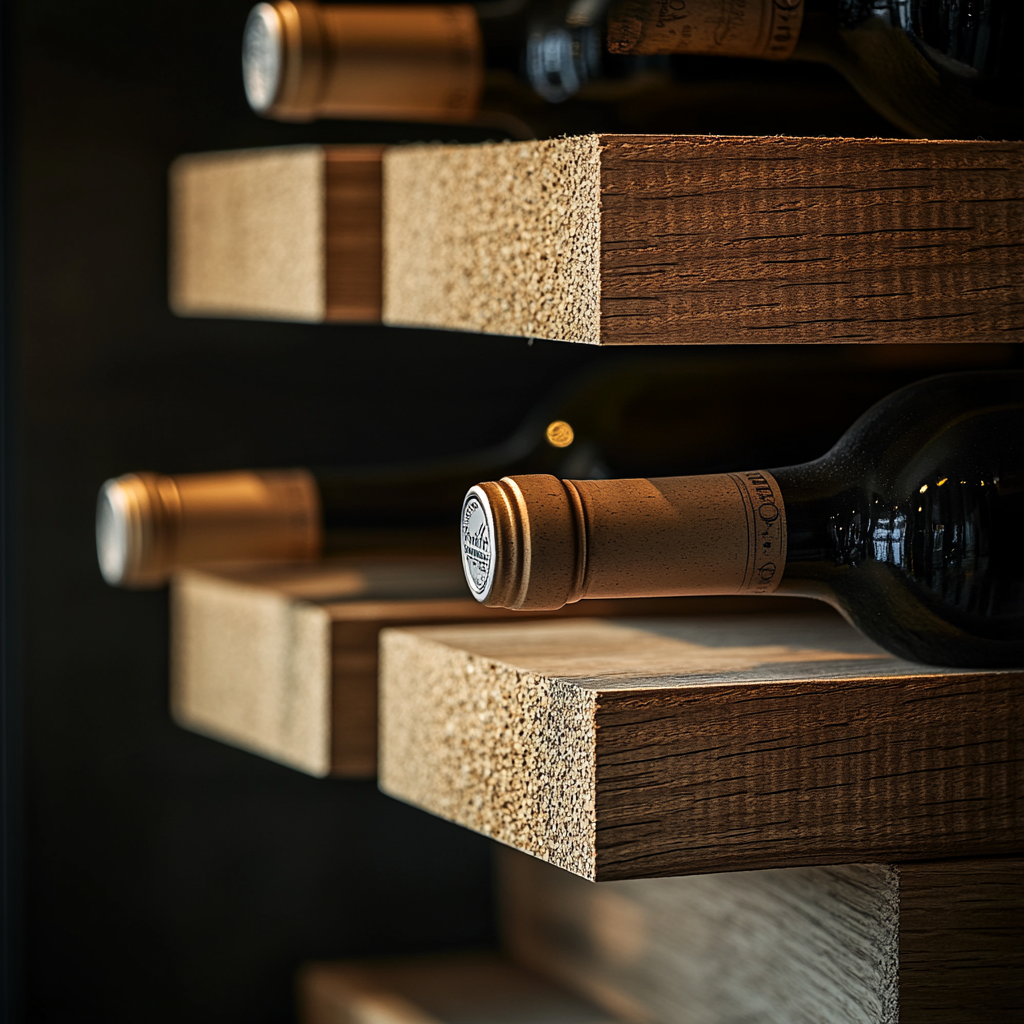
For a truly bespoke aesthetic, many clients combine the V300 with Premier Cru Modern Racking. This integration creates a cohesive look across your storage space, blending the cabinet's presence with the surrounding architecture. Adjustable shelving allows you to reconfigure the interior as your collection shifts from standard bottles to magnums. By maximizing vertical space, you ensure high bottle density without compromising the internal environment. Proper spacing between bottles remains essential for maintaining the uniform temperature gradients required for long-term aging.
Architectural Integration: Placement and Venting Requirements
Integrating professional wine cabinets into a home's architecture requires a deep understanding of thermodynamics. Cooling is essentially the process of heat removal; the energy extracted from the interior must be exhausted into the surrounding environment. If this heat has nowhere to go, the compressor will run continuously, leading to premature mechanical failure and unstable internal temperatures. Choosing between a freestanding and a built-in model dictates your venting path. Freestanding units typically exhaust heat from the back or top, requiring several inches of clearance. Built-in models are engineered with front-venting kickplates, allowing them to sit flush with surrounding cabinetry without suffocating the cooling system.
Ambient room temperature serves as a critical constraint for compressor longevity. Most high-end units are designed to operate in environments between 60°F and 80°F. Placing a cabinet in a non-conditioned garage or a sun-drenched alcove forces the system to work beyond its intended parameters. Electrical requirements are equally vital. To protect the sensitive digital controllers and heavy-duty compressors, these units should reside on a dedicated circuit. We strongly recommend high-quality surge protection to safeguard your investment against power fluctuations that could compromise the system's integrity.
The Five Steps to a Perfect Installation
A flawless installation begins long before the unit arrives. First, measure for total clearance, accounting for the door swing radius to ensure it doesn't collide with adjacent millwork. Second, assess your floor's load capacity. A fully stocked 300-bottle unit can weigh over 1,000 pounds, requiring a reinforced subfloor in some residential settings. Third, plan for exhaust air management. In enclosed spaces, you may need to duct the hot air away from the cabinet. Fourth, ensure the unit is perfectly level. An unlevel cabinet puts unnecessary strain on the door hinges and the compressor mounts, potentially causing leaks or increased vibration. Finally, verify that the intake remains clear of dust and debris to maintain optimal airflow.
Integrating Cabinets into Custom Millwork
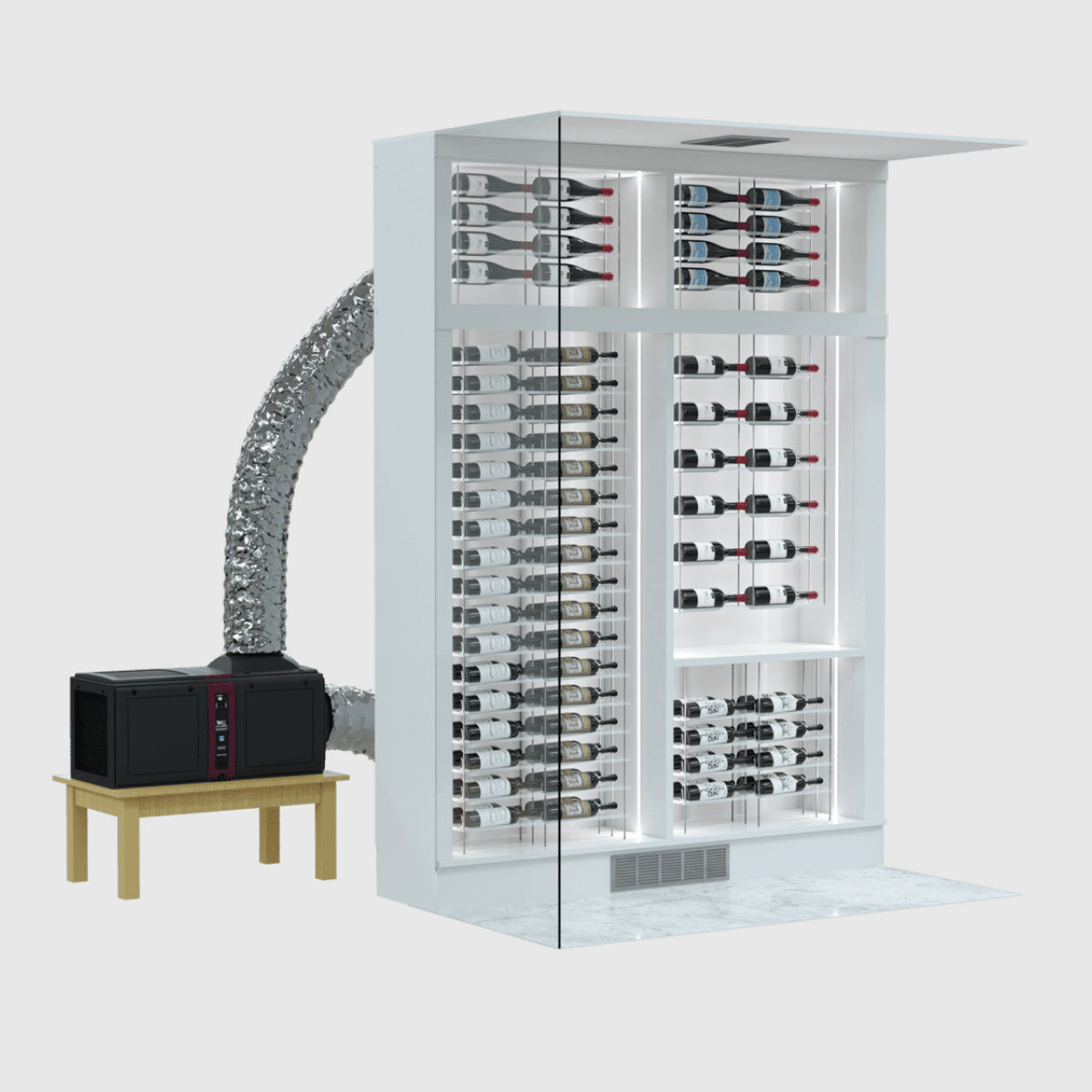
Achieving a seamless look often involves working with designers to "hide" the unit behind matching facades. This level of customization requires precise coordination to ensure the intake and exhaust remain unobstructed. Decorative grilles can be integrated into the base or crown of the cabinetry to maintain architectural integrity while allowing the unit to breathe. If you are planning a complex renovation, our team can provide the technical guidance needed for a successful Custom Wine Cellar Design that blends engineering with your home's unique style. Proper planning ensures that your storage remains a permanent, functional centerpiece of your estate.
The Rosehill Advantage: Curation and Long-Term Maintenance
Investing in premium wine cabinets is the first step in a lifelong journey of collection and preservation. However, the true value of a professional-grade system is realized through its longevity. Unlike standard appliances that are often treated as disposable, a high-performance cabinet is a permanent asset that requires specialized care. At Rosehill Wine Cellars, we leverage over 30 years of engineering and design expertise to ensure your investment remains as reliable on year twenty as it was on day one. Our consultative approach doesn't end at delivery; we position ourselves as long-term partners in the stewardship of your collection.
This commitment to aftercare is what distinguishes a specialist from a general retailer. We understand that a mechanical failure isn't just a technical inconvenience. It's a direct threat to the chemical integrity of your vintages. By focusing on the intersection of master craftsmanship and mechanical precision, we provide a level of security that transaction-focused companies simply cannot match. We don't just sell storage; we provide peace of mind.
The ROI of Preventative Care
Our Annual Maintenance Plan is designed to catch minor issues before they escalate into catastrophic failures. A typical inspection includes cleaning the condenser coils, clearing drain lines, and verifying refrigerant levels to ensure the compressor isn't overworking. It's a simple calculation of risk. The cost of a yearly service visit is negligible when compared to the potential loss of a collection valued at $50,000 or more. Beyond the technical benefits, plan members receive priority service and support, ensuring that any environmental deviations are addressed with the urgency they deserve. Regular calibration keeps your system running at peak efficiency, extending the life of the cooling unit and maintaining the precise hygrometric balance your wine requires.
A Complete Ecosystem of Storage
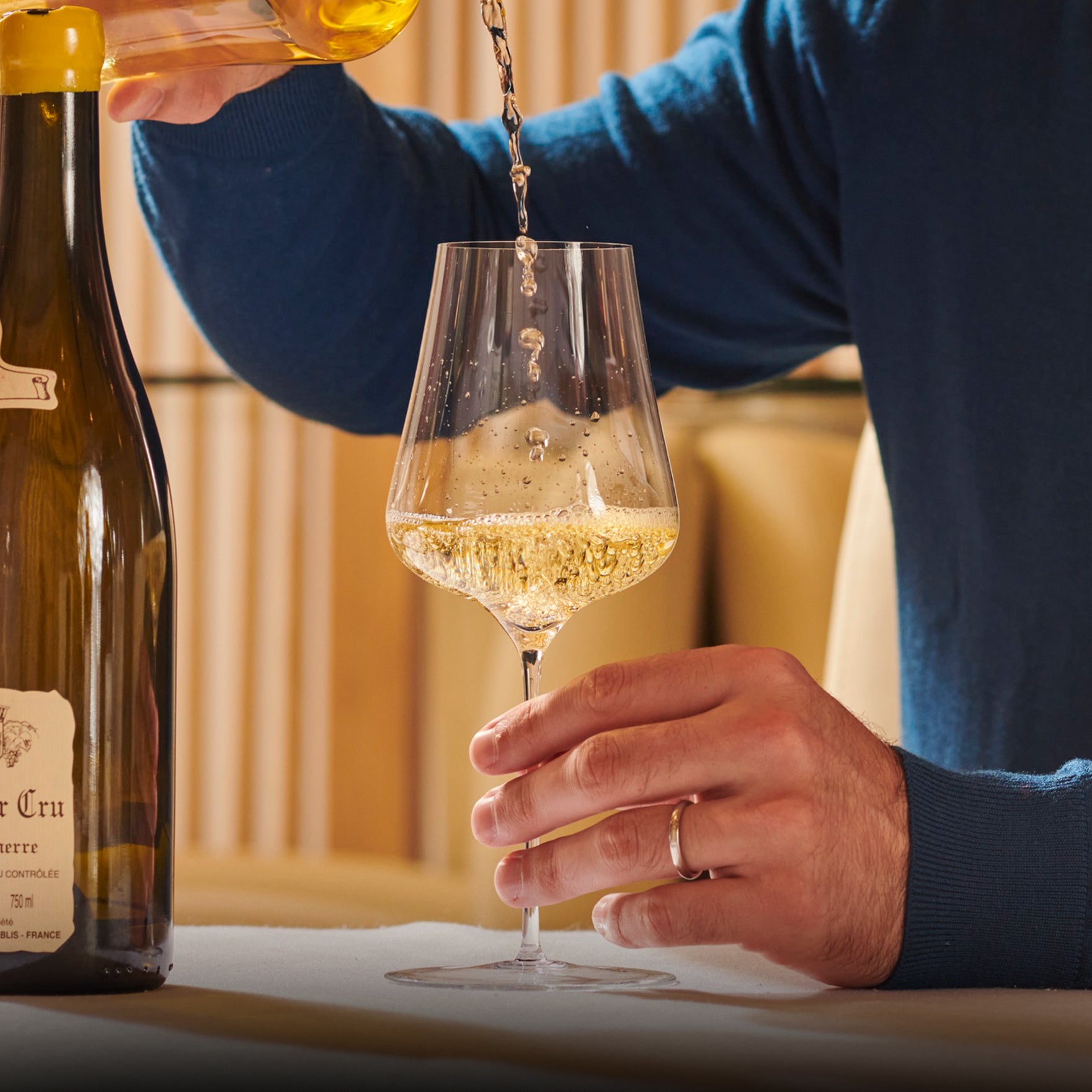
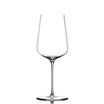
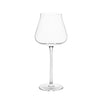
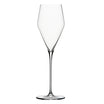
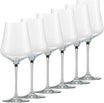
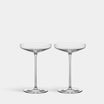
A professional cabinet often serves as a "ready-to-drink" annex to a larger, long-term aging cellar. It allows you to keep a curated selection of bottles at the perfect serving temperature right where you entertain. To complete this experience, we suggest pairing your storage with the Orrefors Glassware Collection. The right glass is just as vital as the right storage temperature for expressing the nuances of a fine vintage. By creating a cohesive ecosystem of storage, maintenance, and service, we ensure that every bottle you open is a testament to proper preservation. Speak with a Rosehill Wine Cellars expert to design your storage solution.
Securing the Future of Your Collection
Selecting the right storage is a commitment to the art of collecting. You now understand that professional wine cabinets must balance rigorous engineering with high-level aesthetics to truly protect your investment. By prioritizing thermal mass, precise hygrometry, and proper architectural venting, you ensure your bottles age exactly as intended. These technical foundations transform a simple furniture piece into a high-performance ecosystem that serves as a permanent asset for your estate.
With over 30 years of custom cellar design expertise, Rosehill provides the technical guidance and national support needed to navigate these complex requirements. Our comprehensive Annual Maintenance Plans offer long-term security, ensuring your cooling systems operate at peak efficiency for decades. Whether you're integrating a flagship Vantaggio V300 or designing a custom storage suite, we're here to bridge the gap between master craftsmanship and mechanical precision. We invite you to Explore the Vantaggio V300 and our Premium Wine Cabinet Collection to find the perfect home for your vintages. Your collection deserves a storage solution that is as enduring as the wine itself.
Frequently Asked Questions
What is the difference between a wine cooler and a wine storage cabinet?
A wine cooler is a short-term appliance, while a wine storage cabinet is a long-term preservation system. Coolers typically lack humidity control and use thin insulation. Professional wine cabinets feature heavy-duty cooling units, thick insulation, and active hygrometry management. These features create a stable environment similar to a natural cellar. While a cooler just keeps wine cold, a cabinet facilitates the complex chemical evolution required for graceful aging over many years.
Do wine cabinets need to be vented through a wall?
Most premium cabinets don't require through-the-wall venting if they're placed in a properly conditioned room. Freestanding units usually exhaust heat into the room through the back or top. Built-in models use front-venting systems located in the kickplate. However, if you place a unit in a very tight, enclosed space like a closet, you might need to duct the exhaust air elsewhere. This prevents the compressor from overheating and failing prematurely.
Can I put a wine cabinet in a garage or unheated basement?
We generally advise against placing luxury units in non-conditioned spaces like garages. Most professional cooling units are engineered to operate within an ambient temperature range of 60°F to 80°F. If the surrounding air becomes too hot or drops below freezing, the system will struggle to maintain the internal set point. This puts excessive strain on the mechanical components, which can shorten the lifespan of your unit and put your collection at risk.
How long do the cooling units in premium cabinets typically last?
A well-maintained, professional-grade cooling unit can last 10 to 15 years or longer. Longevity depends heavily on the installation environment and adherence to a preventative care schedule. Regular cleaning of the condenser coils and monitoring refrigerant levels prevents the system from overworking. Without proper care, even high-end wine cabinets may experience mechanical issues sooner. Investing in an Annual Maintenance Plan is the most effective way to protect this long-term mechanical asset.
What is the ideal temperature and humidity for a wine cabinet?
The gold standard for wine preservation is a consistent 55°F with humidity between 60% and 70%. Stability is more important than the exact number. Fluctuations cause the liquid to expand and contract, which can compromise the cork's seal. Maintaining high humidity ensures the cork remains supple and airtight. This prevents oxygen from entering the bottle and prematurely aging the wine, a critical factor for those cellaring high-value vintages for many years.
Is the Vantaggio V300 suitable for aging both red and white wines?
Yes, the Vantaggio V300 is an excellent choice for a diverse collection. It's available in dual-zone configurations, which allows you to maintain separate environments for different varietals. You can set one zone to a serving temperature for whites and the other to a long-term aging temperature for reds. This flexibility ensures that every bottle in your collection is stored in its specific ideal environment, whether you're planning for immediate consumption or decades of maturation.
How much clearance is required for a built-in wine cabinet?
Clearance requirements depend on the specific venting style of the model. For front-venting units, you can often achieve a flush look with very minimal clearance on the sides. However, you must ensure the intake and exhaust grilles at the base remain completely unobstructed. For units that aren't specifically designed for built-in use, we typically recommend at least two to three inches of space on all sides and at the top to allow for adequate airflow.
Why is vibration control so important in a wine storage system?
Vibration is a silent enemy that can ruin fine wine by disrupting its delicate chemical balance. Even slight, consistent tremors from a low-quality compressor can agitate sediment and accelerate aging. Professional systems use vibration-dampening mounts and specialized shelving to keep bottles perfectly still. This stillness allows the wine to develop complex tertiary aromas and flavors over time. Without these protections, your collection may never reach its full potential, regardless of temperature or humidity.