

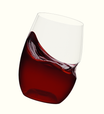

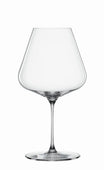




Stemless wine glasses have been a fixture in kitchen cabinets and casual entertaining for years. They are sturdy, stackable, and look clean on a table without the formality a proper stem can signal. The case for them is intuitive: fewer breakage points, easier storage, and a relaxed aesthetic that suits the way a lot of people actually drink wine outside of special occasions.
The case against them is equally straightforward, and it comes down to physics. The stem is not a decorative feature. It performs a specific function every time you pick up the glass, and understanding what that function is makes the stemmed versus stemless question considerably easier to answer.
This post covers what the stem actually does, where the performance difference shows up in practice, which wine styles are most affected, and when stemless is a legitimate choice rather than a compromise. Because the honest answer is not that one format is categorically superior: it is that each belongs in a different context, and knowing which context you are in is the decision worth making.
The stem is not about elegance. It is about keeping your hand away from the wine.
What the Stem Actually Does
The stem exists to create distance between the bowl and the hand holding the glass. That distance accomplishes three things that have a direct bearing on what the wine tastes like.
The first is temperature. A human hand radiates warmth, and that warmth transfers to any surface it contacts. Hold a stemless glass around the bowl, and you are actively heating the wine from the moment you pick it up. Depending on the pour temperature, the volume of wine, and how long you hold the glass before drinking, this can produce a measurable rise in temperature within a few minutes. For wines that are deliberately served cool, including most whites, sparkling wines, and lighter reds, this matters. As our guide on wine storage temperature vs. serving temperature covers in detail, the range between a wine tasting right and tasting flat or flabby is often narrower than people expect. A stemless glass actively compresses that window from the moment it is lifted.
The second is handling clarity. Swirling a wine in a stemmed glass is a controlled motion: you hold the stem lightly, rotate at the base, and the bowl moves freely. Swirling a stemless glass requires gripping the bowl itself, which puts finger pressure on the glass and deposits skin oils on the surface through which you are observing the wine's colour and legs. For anyone paying close attention to what is in the glass, this is a small but persistent friction.
The third is aromatic integrity. The bowl shapes of most stemless glasses are designed with stability in mind, which means broader, shorter profiles that sit flat on a surface. While some producers have worked to incorporate thoughtful bowl geometry into stemless designs, the format imposes constraints that most stemmed glasses simply do not face. Bowl architecture is responsible for a significant portion of how aromatics concentrate and reach the nose. The fuller treatment of why shape matters is in our guide on how glass shape changes what you taste.

The Temperature Argument: Why It Matters More Than It Sounds
Of the three factors above, temperature is the most consequential for most drinkers in most situations, and it is the one that stems directly from the format rather than from any design decision a manufacturer can engineer around.
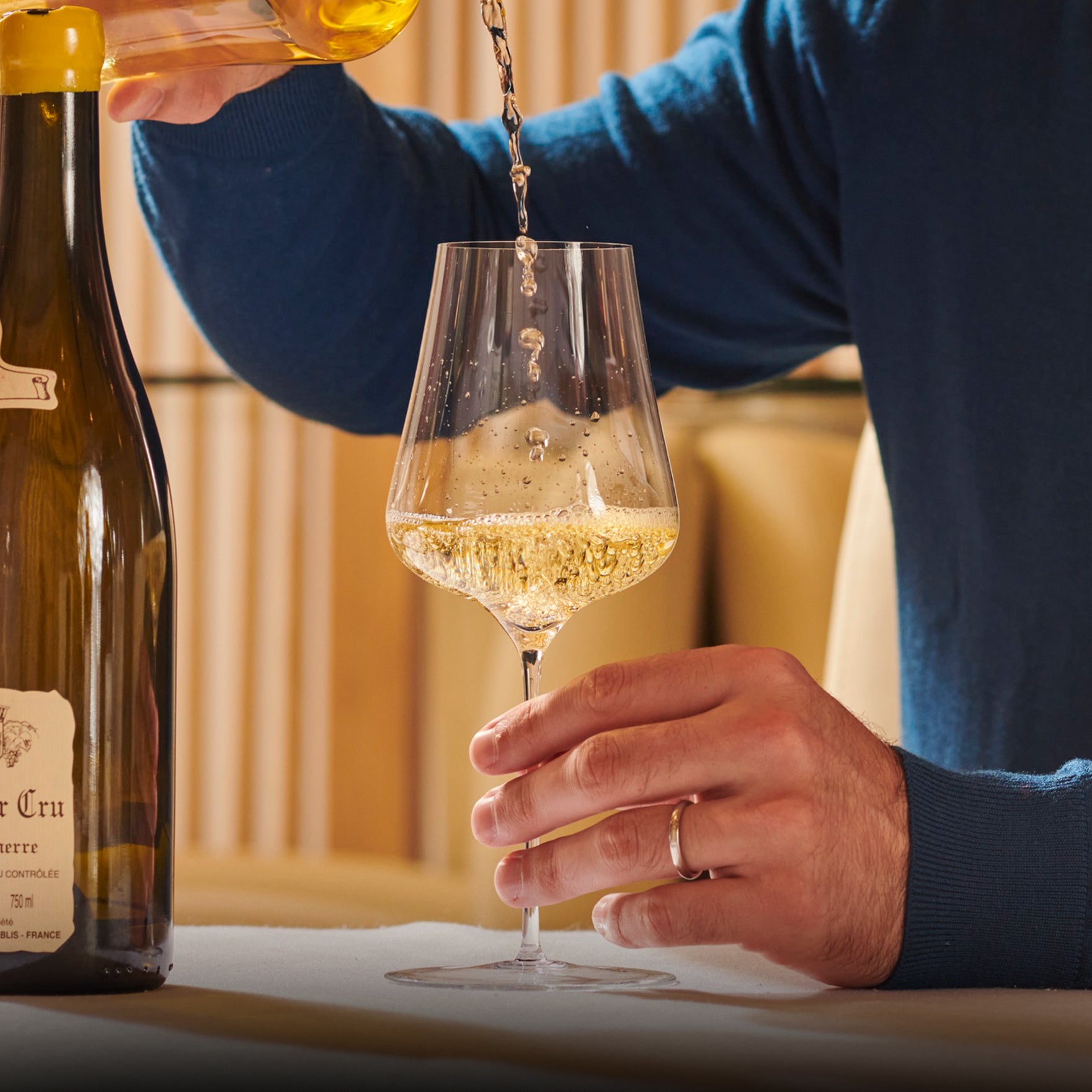
A white wine served at the correct temperature for its style, typically somewhere between 8 and 12 degrees Celsius depending on whether you are pouring a lean Chablis or a textured Burgundy, will warm continuously once in the glass. The variable is how quickly. A stemmed glass held by the stem adds essentially no heat. A stemless glass held by the bowl can raise the wine's temperature by several degrees over the course of a few minutes, particularly in a warm room or outdoor setting.
For wines where temperature is part of the structural design, this effect is not trivial. A Champagne or sparkling wine that warms too quickly loses its freshness before the glass is finished. An aromatic white that pushes above its serving range starts registering as flat rather than vibrant. A structured red served at the right temperature can tip into seeming soft and formless if it picks up warmth too early. These are real outcomes, not theoretical concerns.
The collector's instinct to reach for a stem when the wine in question matters is grounded in this reality. For everyday pours over dinner or a casual glass on a weeknight, the difference is less pointed. For a wine you have been cellaring, a serious vintage, or anything served with attention, the stem earns its place precisely because of what it prevents.
Bowl Architecture and What Gets Compromised
A broader limitation of most stemless glasses is the constraint the format places on bowl design. Because a stemless glass needs a stable base and a footprint that will not tip, producers tend toward wider, lower-profile bowls rather than the taller, more architecturally complex shapes that define the best stemmed options.
This matters because the bowl is where the most consequential work happens in any wine glass. A generous Burgundy bowl concentrates aromatic compounds before they reach the nose. A taller Bordeaux shape gives a structured red room to aerate on the way down. A more upright white wine bowl preserves cooler temperature while focusing delicate aromatics toward the rim. These shape relationships are real, and most of them require vertical dimension and a specific relationship between the widest point of the bowl and the tapered rim above it.
Stemless designs, including the better-regarded ones, tend to flatten these geometry relationships. The result is a glass that performs adequately across a range of wine styles without excelling at any particular one. For casual drinking, that versatility is a reasonable trade. For wines where the shape of the glass genuinely matters to the result in the glass, it is a constraint worth acknowledging rather than glossing over.

Where Stemless Glasses Genuinely Perform
None of the above is an argument that stemless glasses have no place in a serious collection. They do, and understanding that context prevents over-correcting in the other direction.
Outdoor entertaining is the most obvious fit. On a terrace, at a picnic, or in any setting where the risk of a broken stem is real, a stemless glass eliminates a fragility point that matters. Red wine poured from a slightly warmer ambient temperature, such as a medium-bodied red at a summer barbecue, is also less vulnerable to the temperature effect because the starting point is already on the warmer side of optimal. In this context, the format's limitation becomes less relevant.
Casual dining at home is another legitimate use case, particularly for wine styles that are forgiving on temperature and serve primarily as a relaxed accompaniment to food rather than as a primary focus. A stemless glass on a Tuesday evening with dinner is not a compromise: it is the right glass for that occasion.
Red wines in general are more tolerant of stemless use than whites, sparkling wines, or aromatic varietals, because their serving temperature range is warmer and the margin for warming is correspondingly wider. Full-bodied reds like Cabernet Sauvignon or Syrah, served at room temperature to begin with, lose relatively little when held in a stemless bowl. The same is not true of a cold-served Riesling or a just-poured Champagne.
For settings where even stemless crystal is impractical, govino's Go Anywhere glasses offer a shatterproof, reusable option designed around outdoor entertaining. They are not a substitute for serious stemware in any meaningful sense, but they fill a specific, legitimate gap that neither stemmed nor stemless crystal addresses.
What Riedel and Spiegelau Each Offer in Both Formats
Both of the most prominent stemware brands in the mid-range carry stemless ranges alongside their stemmed collections, and both are worth knowing at their respective tiers.
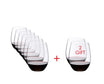
Riedel produces the O Wine Tumbler series, one of the more thoughtfully engineered stemless ranges on the market. The O series carries the varietal-specific bowl logic Riedel applies to its stemmed collections: the Pinot Noir bowl is genuinely wider and more generous than the Cabernet shape, and the White Wine O tumbler reflects the more upright, temperature-preserving geometry of a proper white wine glass. These are not generic stemless glasses with a Riedel label. The shape differentiation is real, which makes the O series a more considered option than most casual stemless alternatives. The trade-off is that even with thoughtful bowl engineering, the format's inherent temperature effect remains.
Spiegelau produces stemless options across its range that share the same emphasis on durability and everyday practicality that defines the brand's stemmed offerings. For collectors who use Spiegelau Authentis as their workhorse stemware, the stemless options extend that durability into settings where stability matters more than stem integrity. The performance ceiling is similar to Riedel O at comparable price points: strong for casual use, less compelling for wines that reward precise conditions.
For a deeper comparison of how Riedel and Spiegelau stack up across their full stemmed ranges, including which tiers are worth the step up and how to build a practical collection across both brands, our Riedel vs. Spiegelau guide covers the ground in full.
A Practical Framework for Choosing
The question is not really stemmed versus stemless as a general verdict. It is which format belongs at which moment in your drinking life, and building a collection that reflects both honestly.
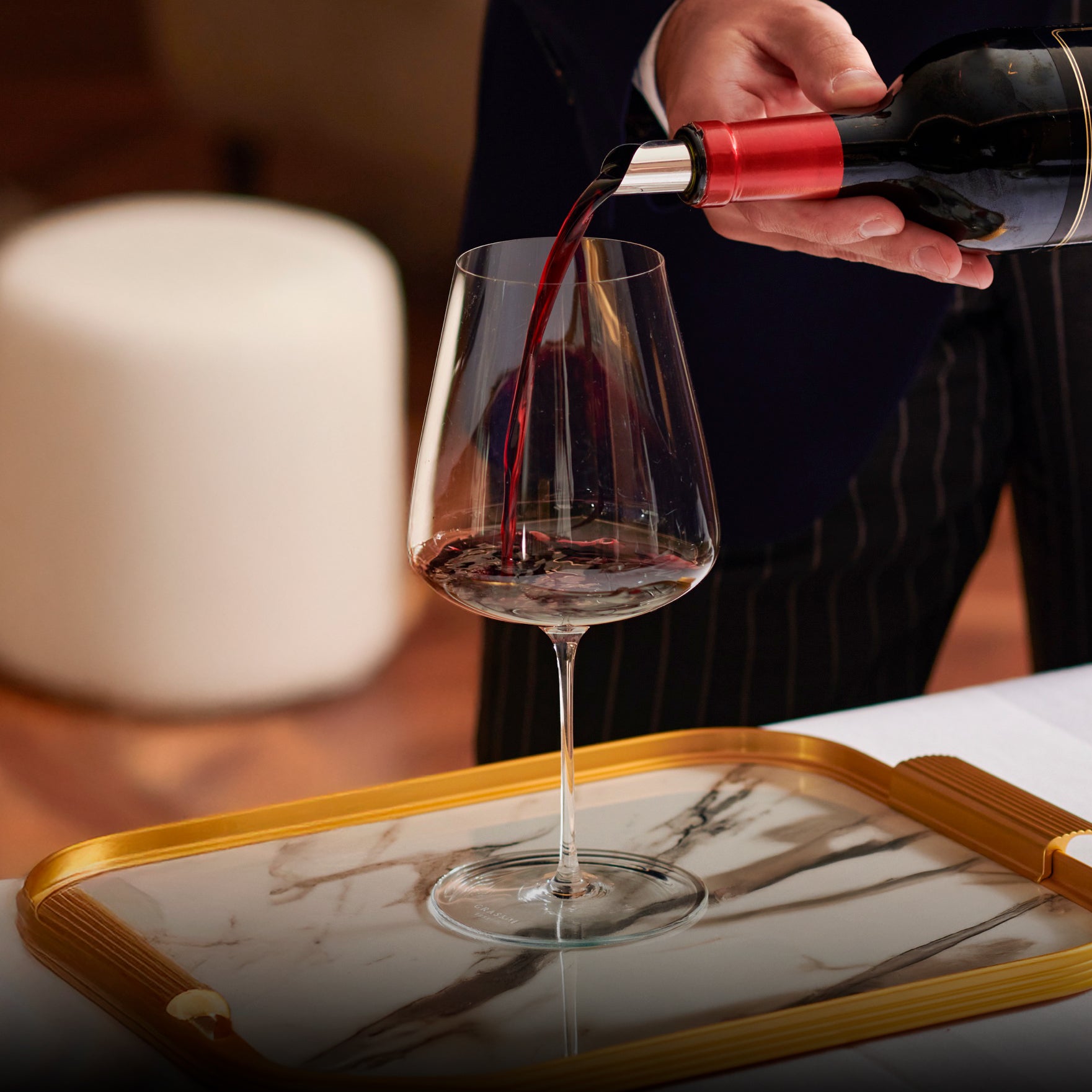
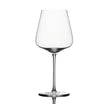
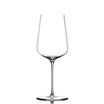
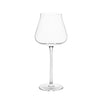
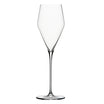
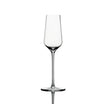
For any wine that benefits from precise serving temperature, which includes virtually all whites, sparkling wines, rosés, and lighter reds, a stemmed glass is the correct choice. The stem is doing real work, and the wine will taste better for it. For hand-blown pieces in particular, the Zalto, Josephinenhütte, and Grassl Glass ranges that represent the upper tier of collector stemware, the precision of the bowl and the rim would be partially undermined by removing the stem, and none of them are made that way for exactly that reason.
For full-bodied reds in casual settings, outdoor entertaining, or any context where practicality outranks precision, a well-designed stemless glass from Riedel or Spiegelau is a legitimate choice. It is not a compromise forced by a missing stem: it is the right tool for the occasion.
The practical outcome for most collectors is a mixed shelf: stemmed glasses as the primary collection, covering the whites, sparklings, and occasion reds where the format's advantages compound, and a set of stemless tumblers for the situations that call for them. Neither replaces the other. Each earns its place in a different context, and recognising that distinction is the mark of someone who has thought through their stemware rather than defaulting to convenience or formality out of habit.
A great bottle and a well-chosen glass are not separate decisions. The glass is part of how the wine arrives.
Ready to Build Your Stemware Collection?
Rosehill carries a curated selection across both stemmed and stemless formats, including Riedel, Spiegelau, Zalto, Gabriel-Glas, Josephinenhütte, Grassl Glass, and more. Browse our full wine glasses and stemware collection online, or contact our team for a recommendation built around the wines you are actually pouring.
Rosehill Wine Cellars