


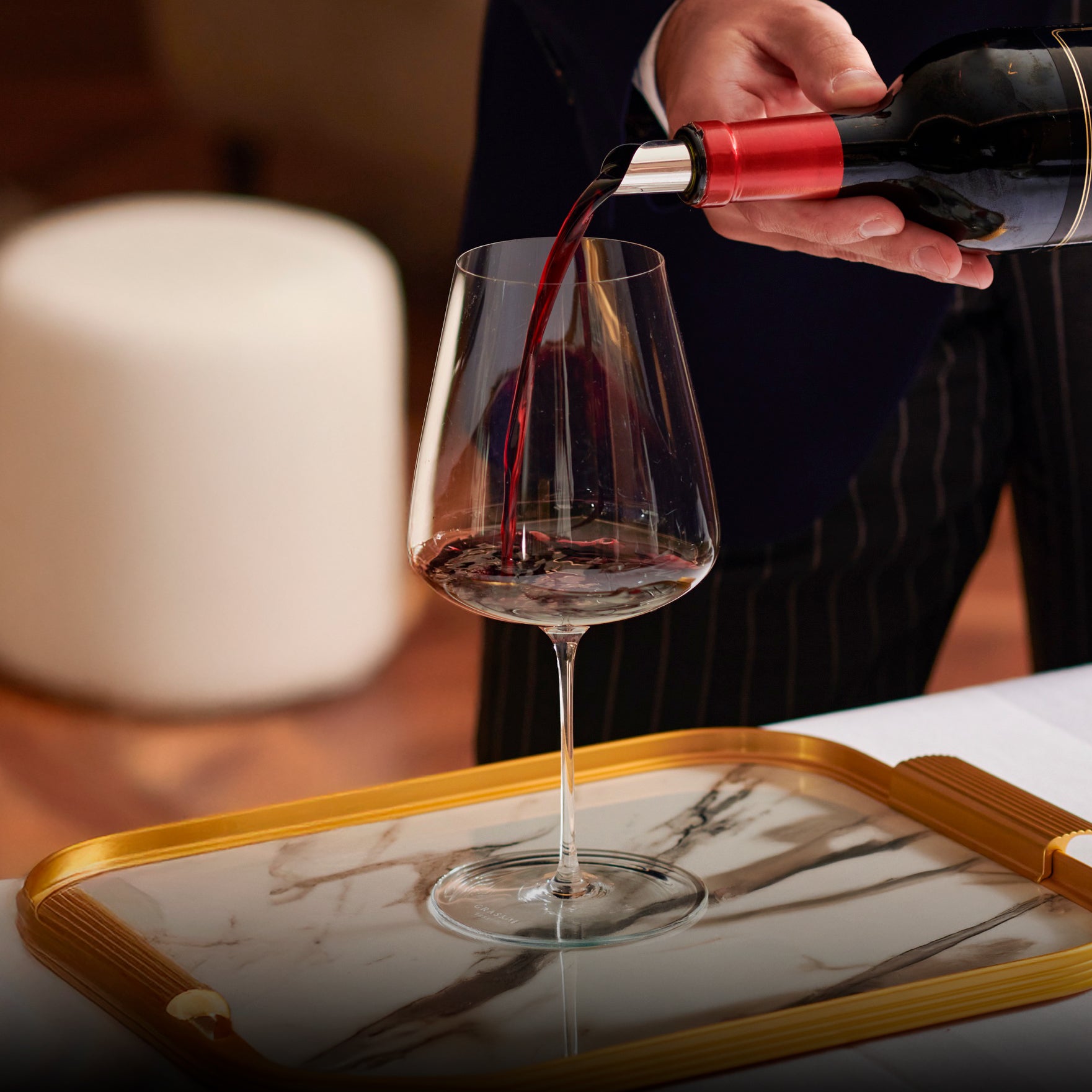
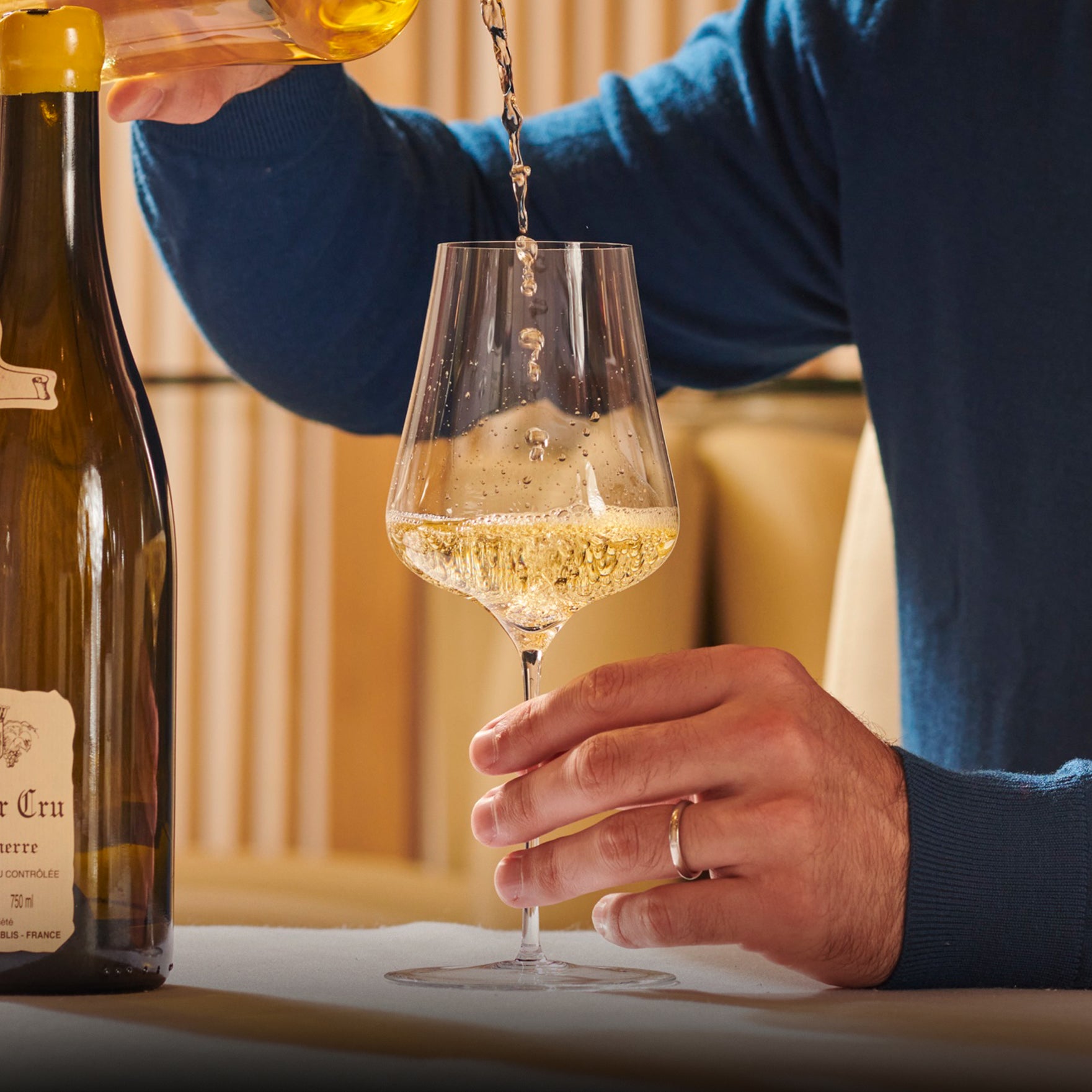
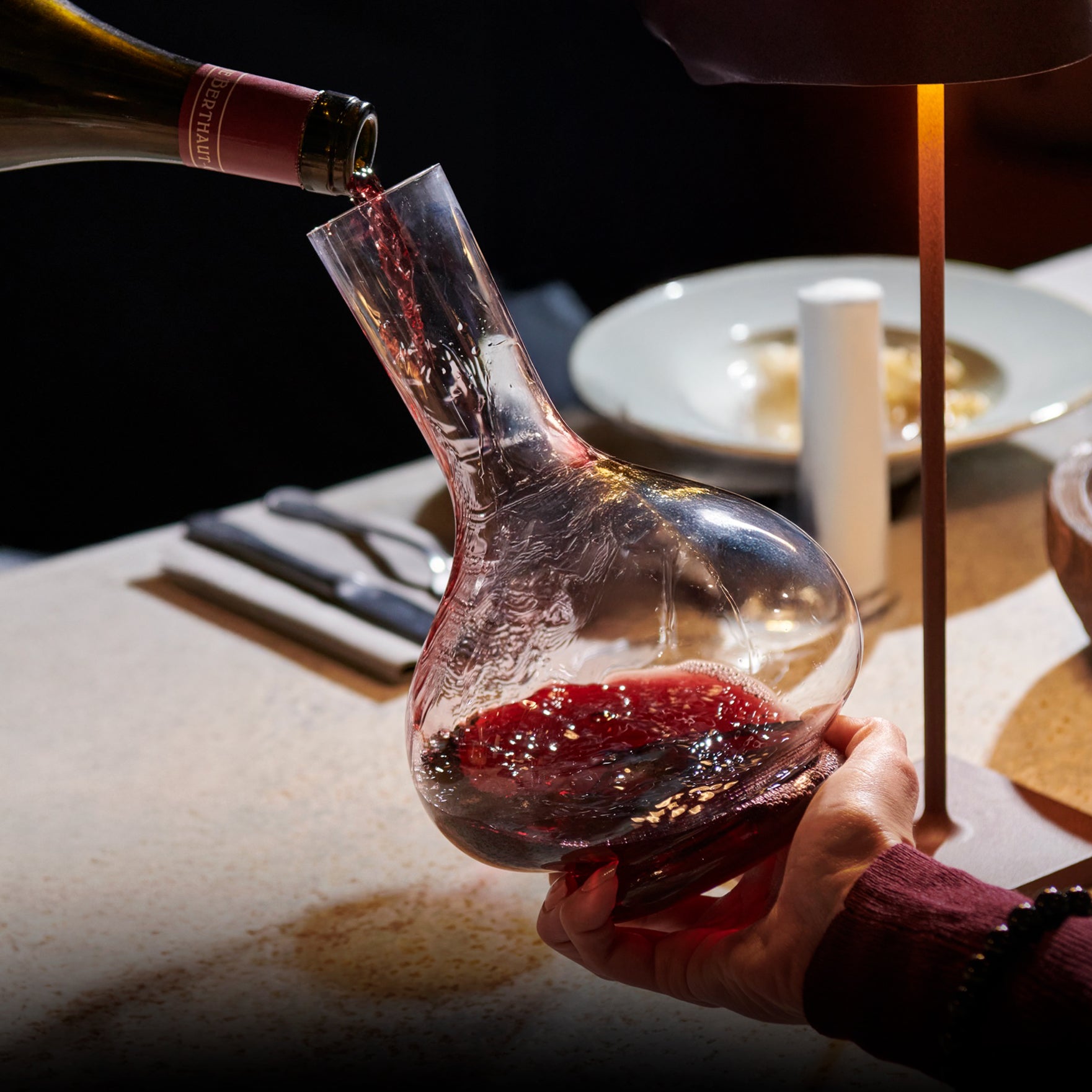

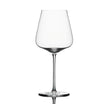
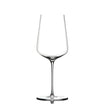
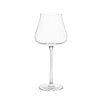
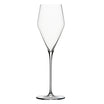

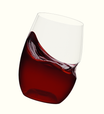

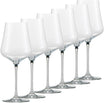

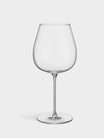

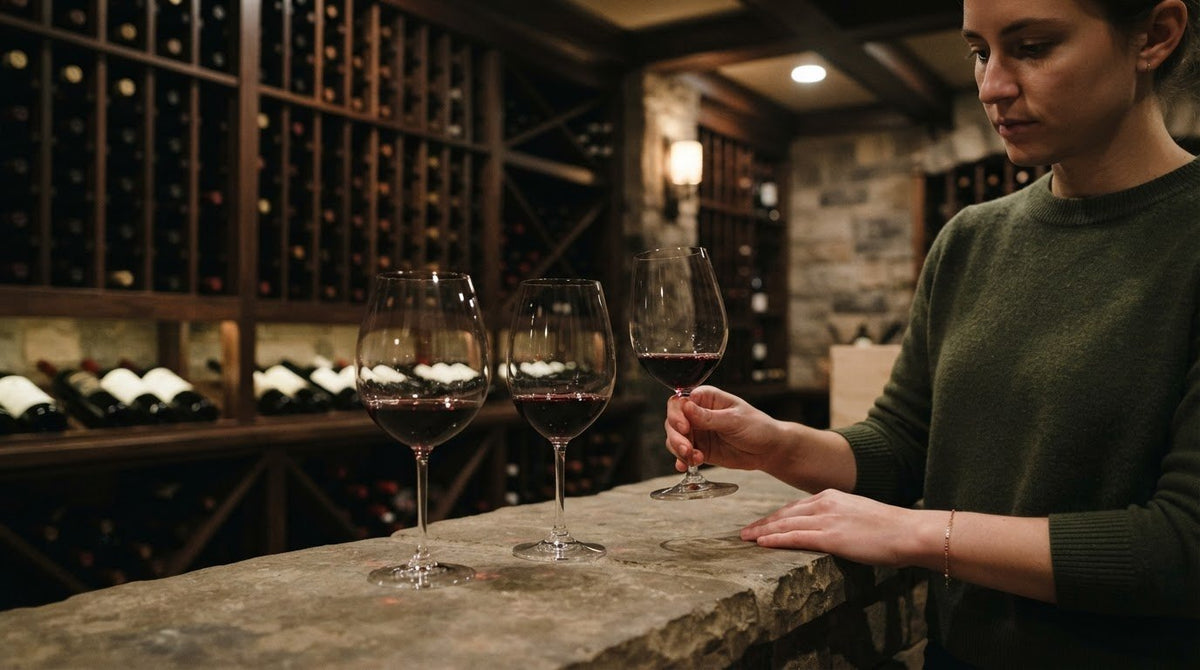
For a beginner, the most useful glass may be one designed for no single grape. A well-proportioned universal glass is a practical starting point for everyday drinking; varietal-specific glasses become worthwhile when you regularly choose particular styles or want to explore their finer distinctions. The benefits of universal stemware versus varietal-specific glassware come down to versatility and convenience on one side, and a more tailored presentation of aroma and texture on the other.
It’s natural to wonder whether glass shape makes a noticeable difference. A wider bowl can give Pinot Noir’s delicate aromas room to open, while a medium-sized Chardonnay glass with a slightly broader opening can complement the wine’s texture and complexity. This guide explains what universal glasses do well, where dedicated shapes may add something, and how to choose a balance that suits your preferences and your table.
Key Takeaways
- Start with a versatile glass if you enjoy a mix of wine styles and want a simpler set for serving and storage.
- Consider varietal-specific shapes when you often pour the same style or want to explore how glass design affects aroma and texture.
- Pinot Noir’s delicate aromas can benefit from a wider bowl that narrows toward the rim.
- For Chardonnay, a medium bowl with a slightly broader opening can complement its texture and complexity.
- Choose based on the wines you enjoy most, your entertaining habits, and the space available for storing stemware.
Best Wine Glass for Beginners: Should You Buy a Universal Wine Glass or Separate Glasses?
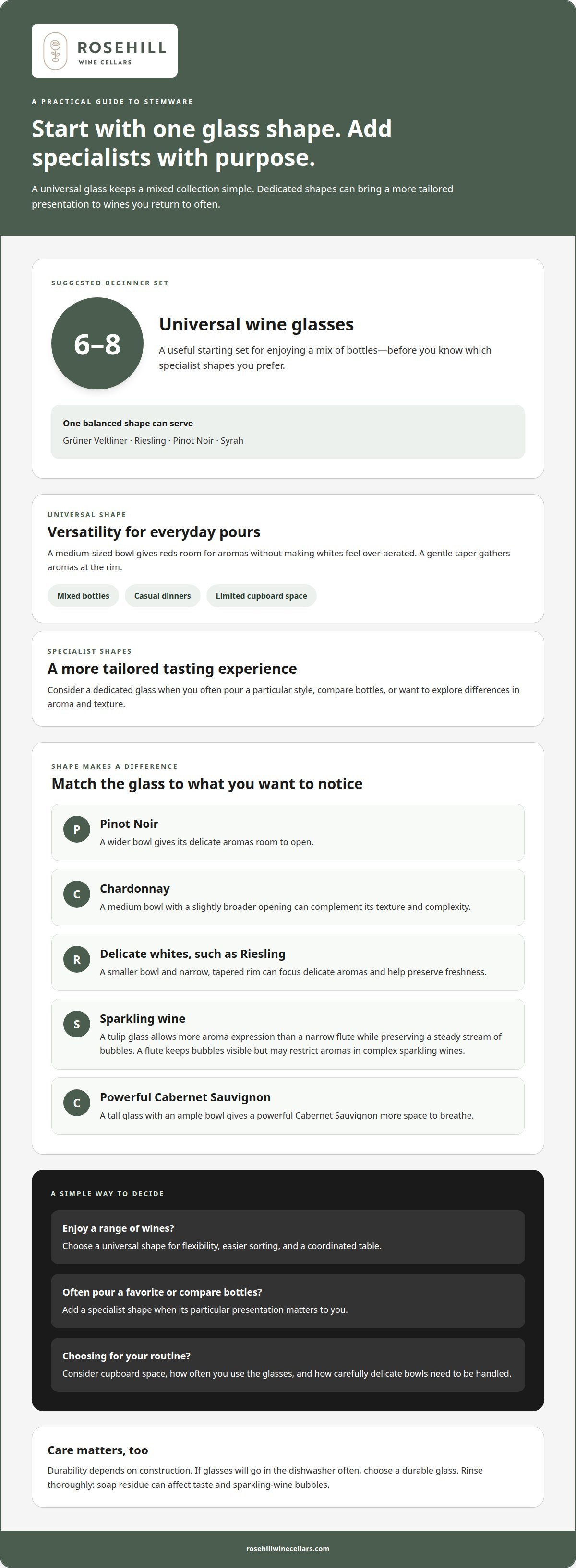
A universal wine glass is a practical starting point for a mix of bottles, while specialist shapes suit particular styles. A useful beginner’s set is six to eight universal glasses, rather than several shapes bought before you know your preferences.
One glass style is easier to store and sort. Durability depends on construction, and frequent dishwasher use calls for a durable glass. Care matters too: rinse thoroughly, since soap residue can affect taste and sparkling-wine bubbles.
Universal Glasses as an Alternative
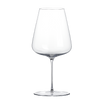
A universal wine glass serves a range of wines with one balanced shape. Its medium-sized bowl gives reds room for aromas without making whites feel over-aerated. A gentle taper gathers aromas at the rim, making one glass practical for mixed bottles, casual dinners, and limited cupboard space.
For example, Grüner Veltliner, Riesling, Pinot Noir, and Syrah can all be served in a universal glass. This flexibility lets you pour different wines without choosing a new shape for every bottle. A single style also makes it easier to set a coordinated table.
When White Wine Specialists May Suit
Varietal-specific white wine glasses may suit people who often serve delicate whites and want to focus their aromas. A smaller bowl can help preserve freshness, while a narrow, tapered rim directs aromas toward the nose. A Riesling-style glass, for example, has a long, narrow bowl designed for delicate aromas.
Chardonnay calls for different proportions: a medium bowl and slightly broader opening support its texture and complexity. Specialist white glasses are most relevant when you often pour these wines and value their distinct character. For occasional white wine, a universal glass remains a convenient alternative.
When Specialist Glasses May Be Worthwhile
Specialist glasses can be worthwhile if you favor a particular wine style, compare bottles, or want to explore differences in aroma and texture. A wider bowl gives Pinot Noir’s delicate aromas room to open. A tall glass with an ample bowl gives a powerful Cabernet Sauvignon more space to breathe.
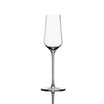
For sparkling wine, a tulip glass allows more aroma expression than a narrow flute while preserving a steady stream of bubbles. A flute keeps rising bubbles visible but may restrict aromas in complex sparkling wines. Choose a specialist shape when that particular experience matters to you.
How Many Glass Types to Own
For beginners, one universal shape is a sensible starting point; a suggested set is six to eight glasses. Add another type when a favorite wine or regular tasting gives that shape a clear purpose. This avoids filling cupboards with glasses before you know which styles you enjoy.
Storage and care can guide the choice, too. One glass style takes less space to arrange and sort than several varietal-specific shapes. A durable glass suited to frequent dishwasher use can simplify cleaning, while delicate bowls call for more careful handling. Explore wine glass styles as you decide what fits your table and routine.
Benefits and limitations of varietal-specific stemware
Varietal-specific glasses shape the tasting experience around a wine’s aromas, texture, and balance. Their value depends on whether those refinements suit the wines you regularly pour and the way you enjoy them.
Benefits of Varietal-Specific Glasses
A varietal-specific glass is designed around qualities associated with a particular grape or wine style. Its bowl and opening can give aromas room to develop and guide them toward the nose, making subtle differences easier to notice during a tasting. A wide bowl, for example, gives aromatic Pinot Noir space to open, while a smaller glass can focus delicate white-wine aromas.
Specialist shapes can make a glass collection feel purposeful. A Sauvignon Blanc glass with a smaller bowl and tapered rim is designed to focus bright, zesty aromas. A Chardonnay glass uses a medium bowl and broader opening to support texture and complexity. These distinctions may matter when you compare bottles or often return to a favorite style. They refine presentation, but aren’t essential for enjoying wine.
The trade-off is that choosing a glass for each grape can multiply the shapes you need to store. Grapes also come in different styles: Chardonnay can be lean or richly textured, while Riesling can range from dry to sweet. A glass selected for one expression may not suit every bottle made from that grape. Matching by grape name alone can therefore leave gaps in a practical collection.
Challenges for Big Reds and Pinot Noir
Specialist stemware has limits when its proportions don’t suit the wine’s character. A particularly powerful Cabernet Sauvignon may benefit from a larger bowl, while a universal glass may feel restrained beside a full-bodied red. Premium Pinot Noir, by contrast, can benefit from the greater aromatic space of a wide bowl.
These differences can make a specialist shape useful, but a collection focused on one varietal won’t necessarily cover every occasion. A Cabernet Sauvignon glass and a Pinot Noir glass serve different purposes; neither automatically suits lighter reds, whites, or sparkling wine. Consider the bottles you regularly open before adding another shape, especially when cupboard space is limited.
Think of varietal-specific stemware as a considered tasting tool. A wine’s bowl and opening affect how its aromas and texture are presented, but the most useful shape depends on what you pour. A focused selection makes sense for recurring favorites. A broad assortment may be less practical when your wine choices vary, so build your collection around the bottles you genuinely enjoy.
Varietal wine glasses: Are they worth it?
Glass shape influences how aromas gather and reach the nose, while bowl proportions help determine how wine is presented. Specialist shapes are most useful when their design suits wines you regularly enjoy.
Glass Shape and Aroma Development
A wine glass bowl gives wine room to develop aromas, and its opening guides those aromas toward the nose. The relationship between the bowl’s widest point and its rim matters more than size alone. For example, a wide-bowled Pinot Noir glass creates space for delicate aromas to open, while a smaller white-wine bowl helps focus lighter aromas.
Shape also influences how texture and balance come across during tasting. A Cabernet Sauvignon glass has an ample bowl and narrower opening, giving a structured red room to breathe. A Sauvignon Blanc glass uses a smaller bowl and tapered rim to focus bright, zesty aromas. These designs shape how a wine’s character is presented rather than changing the wine itself.
Taper and Aroma Concentration
A tapered rim narrows the path from bowl to nose, helping concentrate aromas above the wine. The effect depends on the bowl and opening working together. A medium bowl with a subtle taper can suit different styles, while a narrower rim on a Riesling glass focuses delicate aromas during a tasting.
Compare a Sauvignon Blanc in a smaller, tapered glass with the same wine in a broader bowl. Notice how clearly its aromas reach you, along with its texture and freshness. Understanding the benefits of universal stemware versus varietal-specific glassware also starts with the role shape plays in presenting those qualities.
Price Differences Between Glass Types
There isn’t one fixed price difference based only on whether stemware is universal or varietal-specific. Material, construction, and the number of different shapes in a collection all affect the overall purchase.
A single universal style means choosing one type, while separate glasses for Pinot Noir, Chardonnay, and Sauvignon Blanc mean selecting multiple designs. To weigh the benefits of universal stemware versus varietal-specific glassware, consider the range of wines you serve and how many shapes you want to store. Grape labels alone don’t determine a glass’s price.
Evidence and Expert Consensus
Glass-shape guidance draws on practical design principles: bowls give aromas room, and rims direct them toward the nose. Examples include a wide-bowled Pinot Noir glass and a smaller Sauvignon Blanc glass for focused aromas. These principles explain the intended use of each shape, though tasters may experience wines differently.
Descriptions of specialist glasses commonly connect their proportions with particular wine styles, including full-bodied reds and delicate whites. Treat those descriptions as useful guidance, then consider your own tasting experience. A specialist glass can present aromas and texture differently, while the wine’s character remains central.
Pinot Noir and Chardonnay in different glass shapes
Delicate Pinot Noir and aromatic Riesling can benefit from shapes designed to open and focus their aromas. Chardonnay also has a specialist shape, though its medium bowl and broader opening serve a different purpose. These distinctions can help you choose glasses around the red and white styles you drink most.
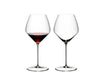
A Pinot Noir glass has a wide, balloon-shaped bowl that tapers toward the rim. The broad bowl gives delicate aromas room to develop, while the narrower opening gathers them for tasting. This rounded shape has a wide base relative to its rim. It suits aromatic wines whose complexity benefits from more space.
Chardonnay glasses use a medium-sized bowl and a slightly broader opening. The shape supports the wine’s texture and complexity without relying on the expansive bowl used for Pinot Noir. Chardonnay varies in style, so this glass can be useful when you want to focus on its body and aromatic character. A universal glass remains a practical option for mixed bottles.
Sauvignon Blanc and Riesling call for different proportions from wide-bowled reds. A Sauvignon Blanc glass typically has a smaller bowl and a tight, tapered rim, helping focus its bright, zesty aromas. Riesling-style glasses are long and narrow, with a narrow rim that highlights purity and delicate aromas. Their smaller size can also suit concentrated white-wine scents.
Large, U-shaped glasses have a wider bottom and a slightly narrower top, but their scale and purpose differ from smaller, long, narrow white-wine glasses. The larger shape allows more air around reds such as Cabernet Sauvignon. The smaller shape is designed for white wines. The contrast shows why silhouette alone doesn’t determine a glass’s use.
Merlot and Syrah or Shiraz also have their own shape distinctions. A Merlot glass is somewhat smaller than a Cabernet Sauvignon glass, with a rounder, softer silhouette. Syrah or Shiraz glasses have a medium-tall bowl and focused, narrow rim, designed to capture savory aromas and moderate the impression of warmth in higher-alcohol styles. These shapes are most relevant when you often serve these reds.
For a varied selection, prioritize the wines you return to. Pinot Noir, Chardonnay, Riesling, and Sauvignon Blanc each illustrate how bowl width and rim shape can serve different aromas and textures. Choose specialist stemware for a favorite style; a versatile glass can still cover red and white wines when one shape better suits your table and storage.
Universal-glass versatility and convenience
A universal glass balances bowl size and taper to serve a broad range of wines. That versatility is especially useful when a meal moves between red, white, and sparkling pours.
Versatility When Switching Wines
A universal glass lets you move from one wine style to another without changing stemware. Its moderate proportions avoid the extremes of a large bowl or a narrow white-wine glass. For a dinner that moves from Chardonnay to Pinot Noir, then sparkling wine, one shaped glass keeps service simple while presenting each wine comfortably.
The glass offers a middle ground, not a specialist’s exact focus. A large bowl gives a powerful red more room; a flute emphasizes a stream of sparkling bubbles. Yet one thoughtfully designed universal shape can handle varied bottles without requiring guests to choose among several glasses.
Convenience of Versatile Stemware
One glass style simplifies setting a table, sorting clean stemware, and arranging cupboard space. That matters when a household has limited storage or hosts guests who drink different wines. A universal set also makes serving straightforward: the same glass can move from a still white to a light red without interrupting the meal.
Material and construction still matter. Crystal can make wine color easier to appreciate, while a thin rim can create a more seamless sip. A stem helps keep hands away from the bowl, limiting fingerprints and reducing heat transfer from the hand. These details contribute to the experience without requiring a separate glass for every grape.
Universal stemware also suits informal tastings where several styles appear together. An ISO/INAO tasting glass is a universal design used in professional blind tastings worldwide, showing how one shape can support side-by-side evaluation. At home, a medium bowl and gentle taper provide a useful balance for aromatic reds, fresh whites, and sparkling wines.
There are limits. A particularly powerful Cabernet Sauvignon may benefit from a larger bowl, while premium Pinot Noir may show more nuance in a wider-bowled shape. A narrow flute can preserve the visual rise of bubbles, though a tulip glass gives sparkling wine more room to express aroma. Choose a universal glass for variety and convenience; add specialist shapes when those differences matter to your routine.
For a considered set that supports varied drinking styles, explore versatile wine glasses and choose a shape suited to the bottles you enjoy.
Rosehill Wine Cellars: Orrefors Glassware Collection
Rosehill Wine Cellars offers the Orrefors Glassware Collection as a natural next step when you’re choosing between versatile stemware and dedicated shapes. If you’re refining a home glassware selection, explore the Orrefors glassware collection alongside the article’s guidance on matching glass shape to the wines you enjoy. It provides a way to consider glassware within a broader wine-serving setup, whether you prefer a flexible everyday choice or a more considered selection for different styles.
For a dedicated glassware option, Rosehill Wine Cellars also offers Zalto Wine Glasses. Consider the role each glass will play in your tastings and entertaining, then choose what best suits your preferences. Contact Rosehill Wine Cellars to discuss your glassware needs.
Make Your Glassware Choice Part of a Thoughtful Wine Ritual
Choose stemware with the way you enjoy wine in mind. A considered selection can support relaxed dinners, tasting evenings, and special bottles without making every pour feel overly formal. Let your preferences evolve as you discover which wines you return to and which glass shapes feel right for your table.
The benefits of universal stemware versus varietal-specific glassware are clearest when your choice reflects your habits, not a rule about owning a particular set. Build around how you serve and enjoy wine, then consider how glassware fits with the larger setting you’re creating.
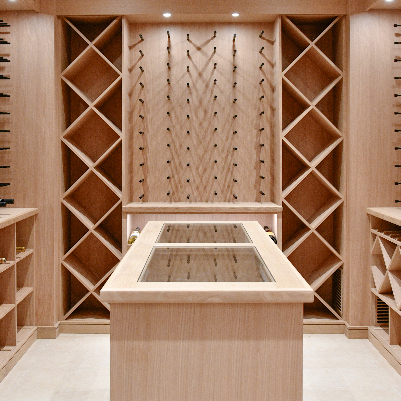
Rosehill Wine Cellars also offers the Vantaggio V300 Wine Cabinet, Premier Cru Classic Racking, and Premier Cru Modern Racking for wine storage and presentation. These options can complement a considered entertaining space, while your glass selection reflects how you like to serve.
Contact Rosehill Wine Cellars for glassware advice, and take the next step toward a wine experience that feels distinctly yours.
Frequently Asked Questions
Which Wines Benefit Most from a Universal Glass?
A universal glass is especially useful when your wine choices vary across red, white, still, and sparkling styles. It can serve bottles such as Riesling, Pinot Noir, and Syrah without requiring a different glass for each. For a mixed gathering, this makes setting the table and serving easier. A specialist shape may still offer a more tailored presentation for a favorite wine or a particularly expressive bottle.
Can You Really Use One Wine Glass for Red, White, and Sparkling Wine?
Yes, one universal wine glass can serve red, white, and sparkling wine, particularly at casual meals with varied bottles. Its balanced proportions avoid an especially large bowl or narrow opening. For sparkling wine, a tulip shape can give aromas more room than a flute, while a flute showcases rising bubbles. Choose one universal shape for convenience, then add a dedicated sparkling glass if that presentation matters to you.
Why Does Wine Glass Shape Matter?
Wine glass shape matters because the bowl and opening affect how aromas gather and reach your nose. The widest point of the bowl in relation to its rim is an important part of the design. This can influence what you notice as you smell and taste a wine. Shape doesn’t replace the wine’s own character, but it can change how that character is presented during a meal or tasting.
What Is Universal Stemware, and How Does It Differ from Varietal-Specific Wine Glasses?
Universal stemware uses a balanced shape intended for a range of wines, while varietal-specific glasses are shaped around particular styles. For example, a collection might include a wider-bowled glass for Pinot Noir and a smaller Riesling glass for delicate whites. The practical distinction is whether you prefer one adaptable design or separate shapes for wines you serve regularly. Neither approach is essential for enjoying wine.
What Are the Benefits of Universal Wine Glasses for Aroma and Taste?
Universal glasses offer a consistent way to enjoy different wines without changing stemware between pours. A thoughtfully proportioned bowl leaves room for aromas, and a tapered opening helps direct them toward the nose. That balance can make a mixed tasting easier to manage, from a crisp white to a lighter red. The glass supports the experience; it doesn’t guarantee that every wine will taste better.
How Do Varietal-Specific Glasses Affect Wine Aroma, Flavor, and Drinking Experience?
Varietal-specific glasses use differences in bowl and rim shape to present a wine’s aromas and texture thoughtfully. A broad bowl can give aromatic Pinot Noir space, while a narrower Riesling glass focuses delicate aromas. These shapes may help you notice distinctions during a tasting, especially when comparing bottles. They don’t change the wine itself, and their value depends on whether you enjoy exploring those differences.
Can One Universal Glass Work Well for Both Red and White Wines?
Yes, a universal glass can work well for both red and white wines if you regularly serve a mix of styles. Its balanced shape offers a practical middle ground for everyday drinking and entertaining. A dedicated glass may better suit a particularly powerful Cabernet Sauvignon or premium Pinot Noir, but that doesn’t make a universal glass unsuitable for reds. Choose according to your usual bottles and how much you value specialized presentation.