
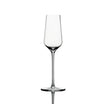
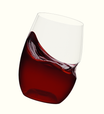

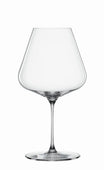
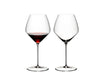


A wider decanter seems like the obvious choice for faster aeration, but shape alone doesn’t determine how a wine will respond. The “wide base vs narrow neck decanter aeration surface area” question points to a real factor: how much wine meets the air. The depth of the pour, the wine’s condition, and the time it spends in the vessel also matter.
A broad base can create a larger exposed surface, while a narrower form may keep the wine more contained. But surface area is a guide, not a guarantee of how quickly aromas will open or how long a delicate wine will hold its character. The useful comparison is between the actual liquid surfaces created by similar pours, not the decanters’ outlines alone.
This guide explains how the wine-air interface relates to decanter geometry, what surface area can and can’t tell you, and how wide-base and narrow-neck designs suit different serving priorities. It also covers the difference between aeration and sediment separation, plus practical details such as serving volume and time. The goal is a considered choice that supports the wine and the way you plan to serve it.
Key Takeaways
- Compare decanter shapes alongside practical needs such as pour volume, ease of handling, and serving context.
- The wide base vs narrow neck decanter aeration surface area comparison is useful, but it can’t predict exactly how a wine will taste.
- Choose a form with the wine’s condition and your preferred serving style in mind, rather than relying on shape alone.
- Consider visual appeal separately from function when choosing a decanter for your table.
- Use a simple checklist to compare shapes and serve with more confidence.
Wide-Base vs. Narrow-Neck Decanters: Why Shape Matters
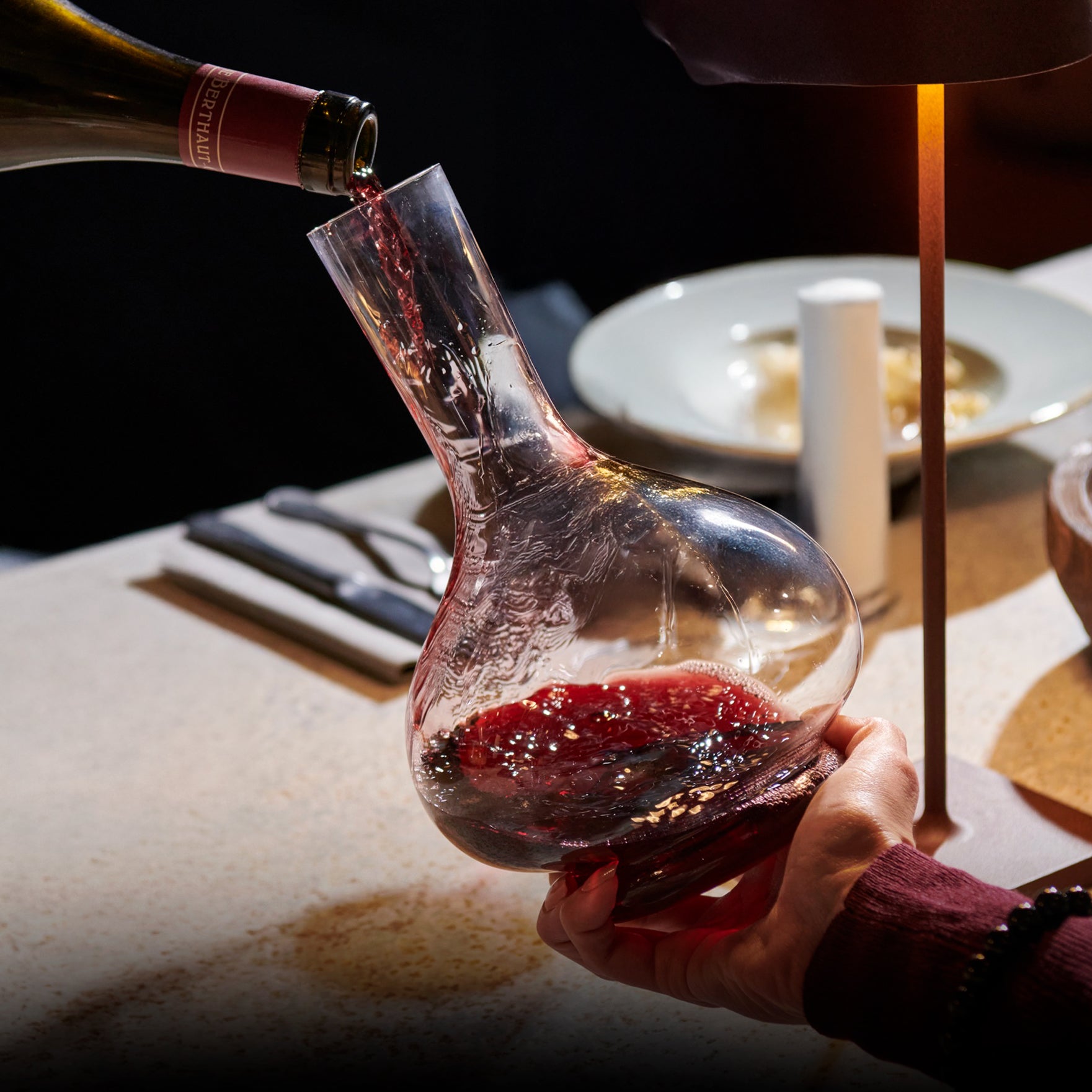
Does a wider base necessarily mean better aeration? Not by itself. Aeration is wine’s exposure to air during decanting, and a decanter’s form can affect how much wine meets the air. The amount poured, the wine’s condition, and how long it rests in the vessel also shape the serving experience.
The phrase wide base vs narrow neck decanter aeration surface area describes a useful comparison, but it can make shape sound more decisive than it is. A broad bowl may allow a larger area of wine to meet air, depending on the pour. It doesn’t guarantee a particular change in aroma or taste. Decanting can also separate wine from sediment, a purpose discussed in this overview of decanters.
What does surface area mean in a wine decanter?
Surface area here means the liquid-air interface: the exposed surface of wine inside the vessel. A decanter’s footprint, or how broad its base appears, isn’t the same as that exposed surface. The footprint describes the vessel; the wine level determines the size and shape of the surface at a particular pour.
Imagine water in two bowls, one broad and shallow, the other narrow and deep. With similar amounts of liquid, the broad bowl may present a wider top surface. But the amount poured and the vessel’s inner contours determine where the liquid sits and how large that surface is.
What do wide-base and narrow-neck shapes look like?
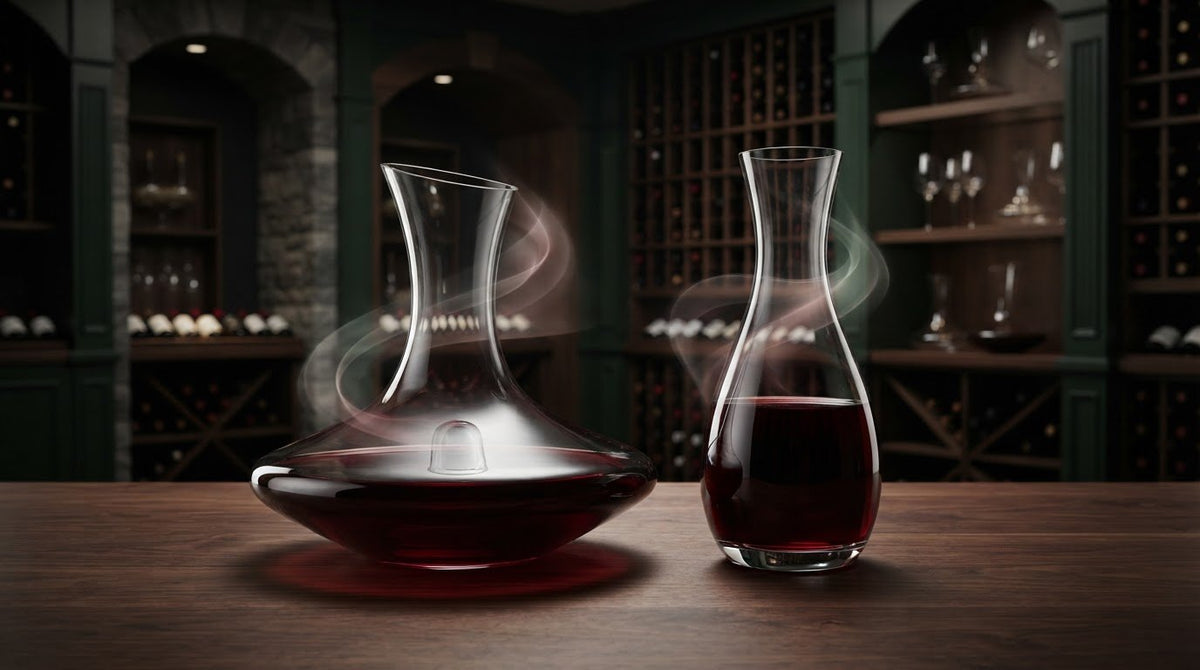
A wide-base decanter typically has a broad lower bowl that narrows toward its opening. The bowl gives wine room to spread, but the exposed surface depends on the quantity poured and the bowl’s contours. Designs vary, so “wide base” doesn’t describe one standard set of dimensions.
A narrow-neck form has a more restricted opening and a contained profile, which may limit how broadly the wine spreads across the vessel. That label also covers varied designs: neck width, body shape, and capacity differ from one decanter to another.
Think of shape as a practical influence, not a verdict on quality. A small serving won’t sit in a decanter in quite the same way as a fuller pour. The body’s geometry and the height of the wine both matter, so a broad base alone can’t tell you precisely how the wine will develop.
As you compare forms, consider the wine’s condition, the quantity you plan to serve, how easy the vessel is to pour and handle, and the pace of your meal. The comparison below brings these factors together, without treating surface area as a promise of a specific result.
How Decanter Geometry and Pour Depth Affect Wine-Air Contact
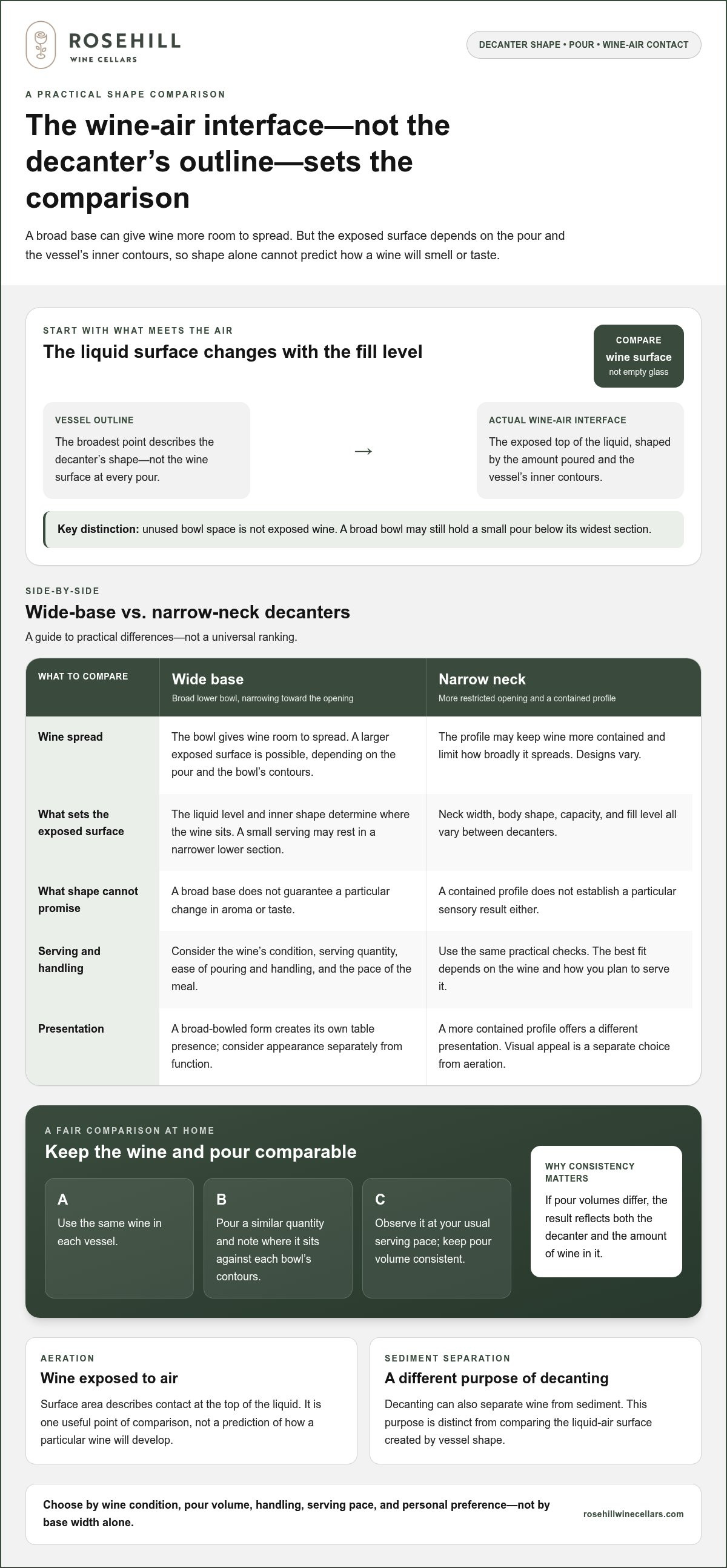
A decanter’s widest point isn’t necessarily the surface the wine presents to air. The relevant area is the liquid’s exposed top surface at the actual fill level. The vessel’s maximum base width describes its outer geometry, not the wine-air interface in every serving situation.
That distinction matters in the wide base vs narrow neck decanter aeration surface area comparison. Two vessels may have different maximum widths, yet the exposed surface depends on their inner contours and the amount poured. Even a broad bowl may have a relatively small liquid surface if the wine sits below its widest section.
Does a wider base always expose more wine to air?
No. A broad base can create a wider wine surface, depending on the vessel’s shape and fill level. Compare the liquid surfaces, not the empty glass around them: unused bowl space isn’t exposed wine. Without comparing similar decanters at the same pour volume, a universal ranking by surface area isn’t reliable.
Why wine volume and fill depth matter
Imagine pouring a small serving into a broad bowl. If the liquid rests in a narrow lower section, its exposed surface may be modest. Add more wine and the level may reach a wider part of the bowl, changing the surface presented to air. In another vessel, the inner walls may narrow as the level rises, so the surface may change differently.
Depth alone doesn’t establish how large the interface will be. A shallow pour can spread widely in one shape and remain contained in another. That’s why a practical description should pair vessel geometry with pour volume: “broad-bowled decanter holding a small serving” says more than “large base.”
Decanter shape influences the wine-air interface, but pour level and the wine’s response mean shape alone can’t predict the sensory result. Surface area describes contact at the top of the liquid; it doesn’t measure how a particular wine will smell or taste after decanting. Treat it as one useful point of comparison, not a guarantee of change.
For a fair at-home comparison, use the same wine and pour a similar quantity into each vessel. Note where the wine sits relative to each bowl’s contours, then observe it at your usual serving pace. Keep the pour volume consistent; otherwise, the result reflects both the decanter and the amount of wine in it.
Presentation continues beyond the decanter: the glass also shapes the serving experience. Rosehill’s premium wine glassware can complement a considered table setting, while the decanter comparison itself comes down to vessel shape, fill, and preference.
Wide-Base vs. Narrow-Neck Decanters: Compare the Practical Trade-Offs
Choosing between decanter shapes is less about finding a universal winner and more about what suits the wine, the pour, and the occasion. A broad bowl may give wine more room to spread across its surface, while a narrower opening creates a different profile for pouring and presentation. Neither feature guarantees a particular sensory result.
| Shape | Wine-air contact | Handling | Likely serving context |
|---|---|---|---|
| Wide base | May present a broader wine surface, depending on fill level and inner contours | Broad bowl may take up more table space and can feel less compact to pour from | A shared serving or a display where the decanter is part of the table setting |
| Narrower neck | Opening shape alone doesn’t establish the wine’s exposed surface or aeration | Contained profile may suit a measured pouring routine; handling varies by design | A more compact presentation or a serving routine that favours a narrower profile |
When a wide-base decanter may suit the occasion
Choose a broad bowl if you value a prominent presentation or want the wine visible at the centre of the table. It may also give a pour more room to spread, but the quantity matters: a small serving may sit low in the bowl, while a fuller pour reaches a different part of its contours. Consider your usual serving volume rather than assuming the bowl’s full width will be occupied.
This form may suit a leisurely shared meal, especially if the decanter will remain on display as guests pour. It isn’t an automatic upgrade, though. A broad base doesn’t ensure every wine will soften, open, or improve in the way a drinker expects.
When a narrower neck may be more practical
A narrower opening may suit someone who prefers a contained silhouette or a deliberate pouring routine. Consider where the vessel will sit, how it feels to lift and pour, and whether its profile fits the table and serving space. These are practical preferences, not proof of a sensory advantage.
A narrow opening alone doesn’t prove that a wine will receive more or less air. The opening is one part of the vessel’s geometry; the bowl, inner contours, and amount poured also affect the liquid surface. For a useful wide base vs narrow neck decanter aeration surface area comparison, assess the actual pour as well as the outline.
The best shape depends on use, not one dimension alone. Weigh the serving quantity, how you prefer to handle and pour, and the presentation you want. For a broader perspective on considered wine presentation, explore Rosehill Wine Cellars.
Choose a Decanter Shape for the Wine and the Way You Serve It
Start with your serving routine, not a promise that one silhouette will transform the wine. Use this framework to weigh capacity, comfort, and presentation before choosing a shape.
- Clarify the serving quantity. Are you pouring a small tasting amount or sharing a larger quantity at the table? Choose a vessel that holds your planned serving volume comfortably, without leaving a small pour sitting awkwardly in a large bowl or filling a smaller vessel beyond your preferred level.
- Consider how you handle it. Picture lifting, pouring, and returning the decanter to the table. A broad form may suit a stationary centrepiece; a more contained profile may feel easier to place in a crowded setting. Comfort depends on the vessel’s design and your routine.
- Decide what presentation you prefer. Choose a shape you enjoy seeing on the table, but keep visual appeal distinct from claims about aroma or taste. The wide base vs narrow neck decanter aeration surface area comparison can guide your questions, not dictate your choice.
Match the vessel to serving volume and routine
Think about a usual occasion: a tasting pour for one person or a shared serving over a meal. Capacity and fill level affect how the wine sits in the vessel, while the overall profile affects where you can set it down and how naturally it fits into service. Choose a form you can pour steadily and return to the table with ease.
A decanter that looks striking on a sideboard may be less convenient if it feels cumbersome during repeated pours. A compact profile may be practical but lack the visual presence you want for a formal table. Let the rhythm of your gathering settle the balance between display and function.
Glassware is part of the same considered presentation. Explore Rosehill’s premium glassware collection as you plan the complete serving setting.
Use a simple tasting comparison instead of a universal rule
Curiosity can be more useful than a fixed rule. If you have two decanter shapes, pour similar amounts of the same wine into each and taste them at intervals that suit your meal. Keep the servings and tasting conditions as comparable as possible. The aim isn’t a laboratory verdict; it’s to notice what you prefer.
Jot down a few words about aroma, texture, and overall enjoyment each time. Does one pour seem more expressive, or do you notice little difference? Your impressions may vary by wine and occasion. Personal observation helps you choose a vessel that suits your preferences without assuming its shape guarantees a particular result.
Make the decision your own: consider the amount you serve, the ease of pouring, and the presentation you enjoy. Explore Rosehill’s wine presentation offerings as part of creating a setting that feels considered from cellar to table.
A Clear Decanter Decision: Test, Compare, and Serve with Confidence
A confident choice doesn’t require a universal verdict about which decanter shape is best. Use this checklist to bring the practical details together, then let your own experience guide the final decision.
A five-point checklist before choosing
- Exposed surface: Consider the wine’s actual liquid surface at the level you usually pour, not just the width of the vessel’s base.
- Pour volume: Decide whether you’ll serve a small tasting amount or a larger quantity for the table. Capacity and fill level affect how the wine sits in the vessel.
- Handling: Picture lifting, pouring, and returning the decanter. A form that feels comfortable in your routine is more useful than one that only looks appealing.
- Serving context: Consider available table space and whether you want the decanter to be a quiet part of service or a visible centrepiece.
- Preference: Weigh controlled pouring, presentation, and a potentially broader exposed surface according to what matters most to you.
What to remember about aeration and shape
A decanter’s footprint and the wine’s exposed liquid surface are related, but they aren’t interchangeable. A broad base can allow wine to spread across a wider surface, depending on the vessel’s contours and how much you pour. The empty area inside the bowl doesn’t count as wine-air contact.
Geometry influences contact with air, but it can’t guarantee a particular change in aroma, texture, or taste. Wine volume, the wine itself, and your serving routine all contribute to the experience. That’s why the wide base vs narrow neck decanter aeration surface area comparison is most useful as a starting point, not a one-size-fits-all answer.
If you’re curious, compare similar pours and notice how the wine develops at intervals that suit your occasion. Record what you observe in your own words: perhaps the aroma seems more pronounced, the texture feels different, or you simply prefer one serving experience. Keep the quantity and tasting conditions similar, and avoid treating one observation as a rule for every wine.
Practicality deserves equal attention. Choose a vessel you can handle comfortably, that suits your usual serving quantity, and that fits the way you present wine. Visual appeal is a valid reason to enjoy a decanter, but it’s separate from evidence about how the wine will respond. Thoughtful wine presentation includes the glass as well as the decanter, so explore Rosehill’s wine-serving glassware as you refine your table setting.
Bring More Intention to Your Next Pour
Let your next serving be an opportunity to discover what you enjoy. Choose a wine you know, serve it in a way that feels comfortable, and pay attention to the pace of the occasion. A few brief notes about what you notice can help shape your preferences over time, without turning every pour into a test.
The wide base vs narrow neck decanter aeration surface area question is most useful as a prompt to observe, not a rule to follow. Think about how the vessel fits your table, how easily you serve from it, and how the wine experience feels to you. Then let your own preferences guide future choices.
Considered presentation extends from storage to the table. Rosehill Wine Cellars specialises in wine storage solutions and offers premium glassware and wine accessories. Explore Rosehill Wine Cellars for glassware and accessories to complement your wine-serving ritual.
Frequently Asked Questions
Is a wide-base decanter better for aeration?
Not universally. A broad base can expose a wider wine surface with some pours, but the vessel’s internal shape, fill level, wine condition, and serving time all affect the experience. If you’re hosting dinner, taste a small pour before serving and decide whether the wine’s character suits your preference. Shape can inform your choice, but it can’t promise a particular change in flavor or aroma.
Does a wider decanter base mean more surface area?
It can provide the potential for a wider wine surface, but the relevant measurement is the liquid-air interface after pouring. Glass above the wine doesn’t count. The phrase wide base vs narrow neck decanter aeration surface area can mislead if it compares a vessel’s outer footprint rather than the wine itself. To compare two forms, look at the liquid surface created by a similar pour in each.
Can a narrow-neck decanter aerate wine effectively?
Yes. A narrow-neck vessel still exposes wine to air, and its effect depends on the entire design and the amount poured. A smaller opening doesn’t make a decanter incapable of aeration, nor does it establish a fixed rate. If the profile suits your pouring routine, use it confidently, then pay attention to the wine in the glass rather than expecting the shape alone to determine the result.
What happens if I pour only a small amount into a wide-base decanter?
A small serving may sit in a different part of the bowl than a fuller pour, so the exposed surface can differ. The exact result depends on the decanter’s dimensions and contours. If you’re serving a tasting portion, pour carefully and notice how the wine’s aroma and taste develop as you enjoy it. Your observation is more useful than assuming a broad vessel will produce a particular effect.
How do I choose between a wide-base and narrow-neck decanter?
Start with the amount you usually serve, then consider whether each shape feels comfortable to lift, pour, and set down. A wide bowl may suit a display-focused table or a pour that spreads across it; a narrower profile may better fit your handling style. Also consider cleaning and storage. These are practical distinctions, not proof that one shape will always taste better.
Does decanter shape matter more than how much wine is poured?
Neither factor should be judged alone. The vessel’s contours and the amount poured work together to determine the wine surface, while the wine and setting also influence your experience. For a useful comparison, use the same wine and similar pour amounts in each vessel. That helps you notice whether you have a preference without treating one variable as the guaranteed cause of every difference.
Do all red wines need a wide-base decanter?
No. Red wine alone doesn’t make a wide-base decanter necessary. Think about why you’re decanting, the wine’s condition, how much you plan to serve, and the presentation you prefer. If your aim is to separate sediment, handle the pour with care; if you’re exploring aeration, observe the wine as you serve it. Let the bottle and occasion guide your choice, not color alone.