















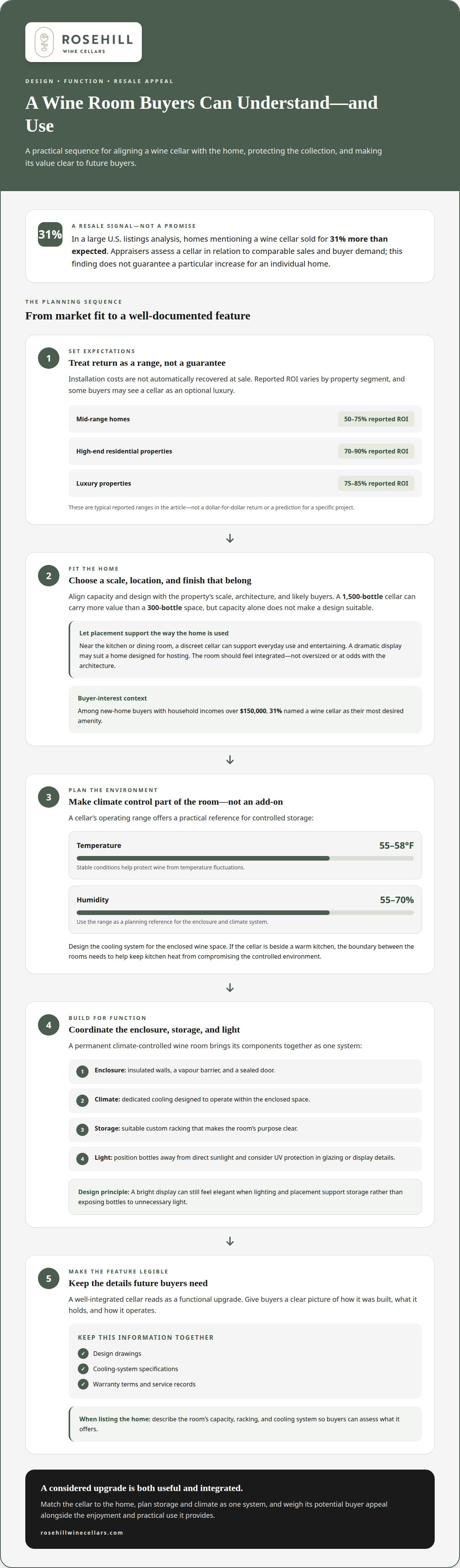
In a large U.S. listings analysis, homes mentioning a wine cellar sold for 31 percent more than expected. That finding highlights the resale appeal a thoughtfully integrated wine room can create, while appraisers assess its contribution in relation to comparable sales and buyer demand. The case for luxury wine room design adding to home resale value rests on practical usefulness as much as visual impact.
A striking display can make a memorable impression, but buyers also notice whether it suits the home and works as intended. Climate control, suitable storage, and careful installation help a wine room feel like a considered upgrade rather than a decorative afterthought.
This article explains how design choices can influence resale appeal, which practical details matter to prospective buyers, and why scale and placement make a difference. You’ll also learn how professional design and installation can support a polished, lasting result, helping you weigh a wine room’s value as both a lifestyle feature and a long-term investment in your home.
Key Takeaways
- Think of a wine room as useful storage first and a design feature second; its fit with the home and local buyer expectations shapes its resale appeal.
- Plan the environment and storage as one system, since stable conditions and suitable protection help preserve the collection and support the room’s function.
- Choose a scale, location, and finish that feel integrated with the home rather than competing with its architecture.
- Keep design drawings, cooling-system specifications, and service records together to help future buyers understand how the space was built and maintained.
- Match the installation to your long-term plans for the home, balancing potential buyer appeal with the enjoyment and practical use you’ll get from it.
Does a custom Wine Cellar Increase YOUR Home's Value?
A wine cellar can strengthen resale appeal, but it doesn’t guarantee a particular increase. A U.S. listings analysis found homes mentioning a wine cellar sold for 31 percent more than expected.
Its contribution depends on how well the room fits the property, its likely buyers, and its practical use.
Resale Value and Investment Return
A wine cellar’s resale value is the contribution buyers and appraisers recognize when comparing a home with similar properties. That distinction matters because installation costs aren’t automatically recovered at sale. Typical reported ROI ranges from 50-75 percent for mid-range homes, 70-90 percent for high-end residential properties, and 75-85 percent for luxury properties.
Appraisers consider comparable sales and buyer demand, not a dollar-for-dollar return on the project. Some buyers may view a cellar as an optional luxury, so owners may not recoup their investment. Treat it as a feature to enjoy, not a guaranteed financial return.
Matching the Cellar to the Home
Matching a cellar to the home means aligning its capacity, placement, and finish with the property’s scale and market. This helps the room feel like a considered amenity instead of an oversized project. A 1,500-bottle cellar can carry more value than a 300-bottle space, but capacity alone doesn’t make a design suitable.
Consider how the cellar connects to the kitchen, dining room, or entertaining area. A discreet room near dining spaces supports everyday use, while a dramatic display may suit a home designed for hosting. Let the home’s architecture and likely market guide the scale, rather than focusing on bottle capacity alone.
Design Integration and Craftsmanship
A cellar that fits the home’s layout and finishes feels cohesive. That matters because a well-planned feature can read as a functional upgrade, while a poorly integrated space may seem like a specialized alteration. Custom racking, a sealed enclosure, and a thoughtfully designed entrance help create a unified impression.
Placement affects everyday use, too. A cellar near the kitchen or dining room supports entertaining and makes its purpose clear during a showing. Keep design drawings, cooling-system specifications, warranty terms, and service records together so buyers can understand how the room was built and operates.
Features That Appeal to Future Buyers
Buyers may value useful storage, dependable climate control, clear capacity, and a design suited to the home. Among new-home buyers with household incomes over $150,000, 31 percent named a wine cellar as their most desired amenity. A dedicated space can also appeal to collectors seeking storage for their wine.
A wine room doesn’t inherently add more value than a cellar or wine wall. Choose the format that suits the property and provides practical storage. The effect on insurance and property taxes depends on the coverage, property, and local assessment of improvements.
Plan for future buyers with accessible storage, a suitable scale, and placement near entertaining spaces. In the home listing, describe the room’s capacity, racking, and cooling system so buyers can assess what it offers.
Climate control, humidity, and UV protection
A wine room’s environment affects both the collection it protects and the confidence buyers place in its function. A wine cellar operating range of 55 to 58°F and 55 to 70 percent humidity provides a practical reference for controlled storage.
Climate Control and Wine Preservation
Climate control helps maintain stable storage conditions and protect wine from temperature fluctuations. This makes the room a working preservation space, not just a display. Design the cooling system for the enclosed wine space rather than treating it as a decorative add-on.
Temperature stability matters: repeated warming and cooling can undermine the purpose of dedicated storage. Consider how the room’s location, enclosure, and cooling work together. A cellar beside a warm kitchen, for example, needs a properly designed boundary between the spaces to prevent kitchen heat from compromising the controlled environment.
Humidity and UV Protection
Humidity control helps maintain storage conditions, while UV protection limits exposure to light that can affect wine quality. Both deserve attention in a room designed to hold a collection over time. Use the operating range of 55 to 70 percent humidity as a planning reference, then make the enclosure and climate system work together to sustain it.
Light matters, too. Position bottles away from direct sunlight and consider UV protection when choosing glazing or display details. A bright feature wall can still feel elegant, but its lighting and placement should support storage and avoid exposing bottles to unnecessary light. Buyers can better understand the room’s purpose when its storage and display choices are clearly considered.
Permanent Climate-Controlled Construction
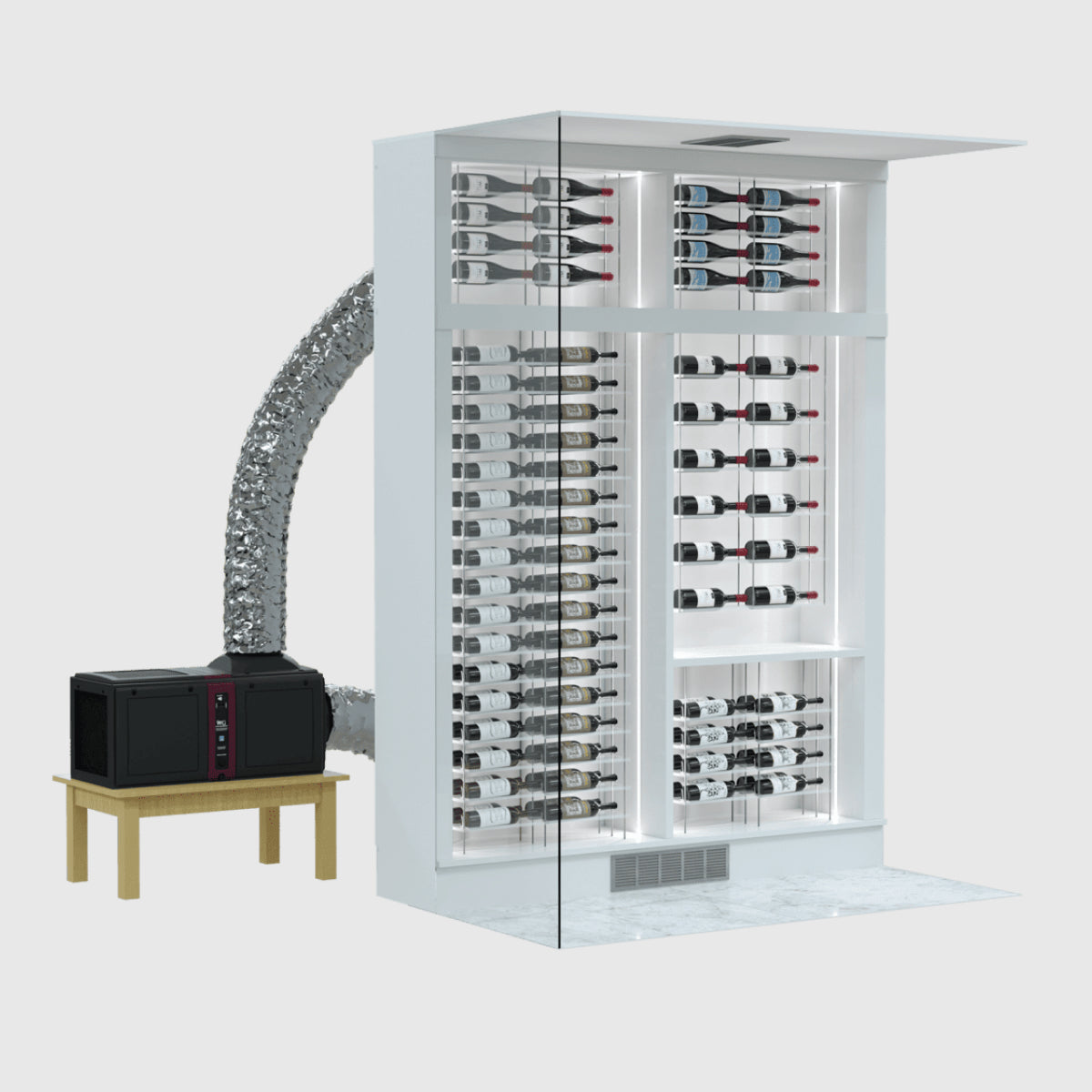
A permanent wine room combines an insulated enclosure, vapour barrier, sealed door, dedicated climate control, and custom racking. These elements work together because cooling equipment is designed to operate within an enclosed space, not as an isolated appliance. Coordinated planning helps the room feel like an intentional, lasting home improvement.
Walk-in cellars and built-in wine cabinets with electrical and climate systems are examples of permanent installations. Plan wall and door details alongside the cooling system, and keep the drawings and equipment specifications. Before listing the home, have the cooling unit serviced and bring the room to its operating temperature and humidity.
For prospective buyers, clear evidence of care makes climate-controlled storage easier to evaluate. Keep service records with the system details, and maintain the room’s seals, cooling, and monitoring equipment. A cooling unit suited to a dedicated cellar can support that function; explore wine cellar cooling systems as you consider the room’s requirements.
Custom doors, lighting, chandeliers, and decorative details
Doors, lighting, and finishes shape how a wine room connects with the home. For residential projects in the United States, building-code requirements and permits vary locally. A cellar built without code compliance or required permits may not be recognized as a legitimate improvement.
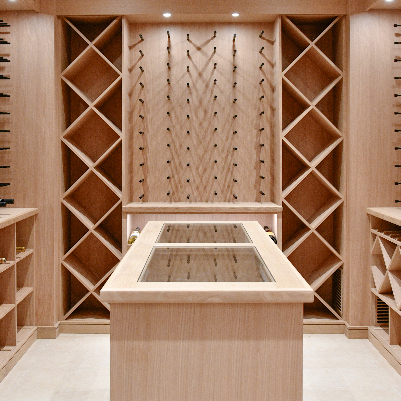
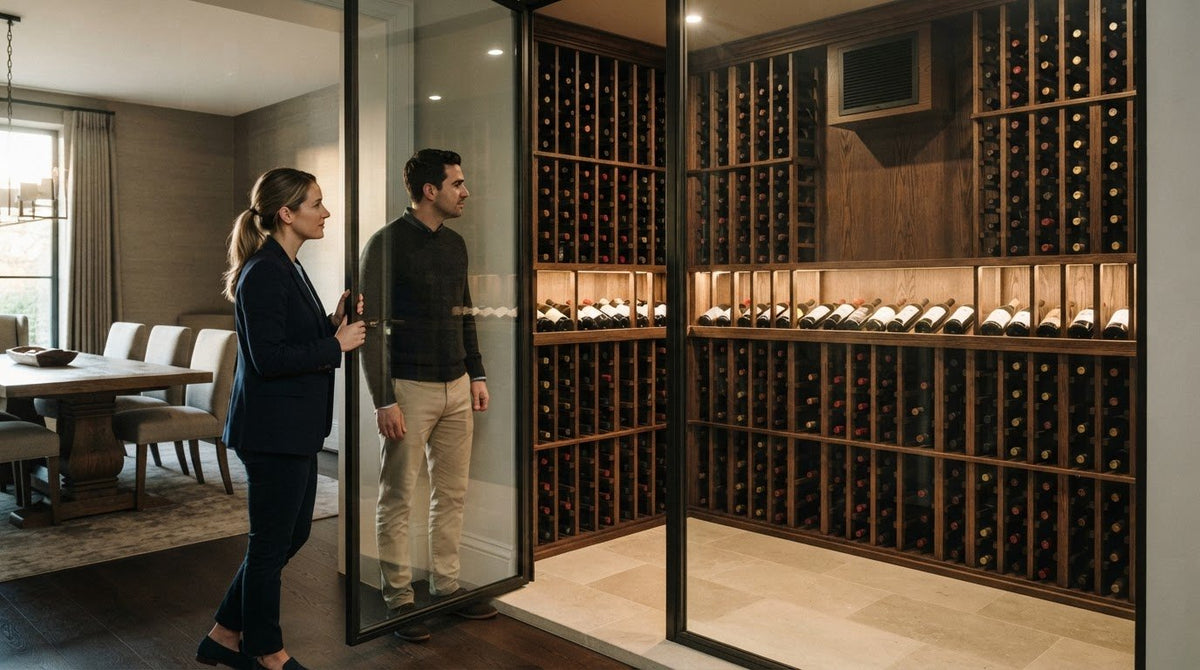
A glass-enclosed room can make bottles visible from a dining area, turning storage into a design feature. Choose a door and frame that complement nearby finishes, then plan lighting to reveal the collection without making the room feel disconnected. A chandelier can create a focal point, while discreet fixtures keep attention on custom wine racking and the bottles.
Balance display with usability. A glass wall beside a dining space, for example, makes the room easy to notice during a showing, while a clear entrance keeps access practical. Coordinate hardware, trim, and lighting finishes with existing details so the wine room feels designed for the home, not added as an afterthought.
Custom and Semi-Custom Cabinets
Custom and semi-custom wine cabinets typically hold 50-200 bottles, offering a contained option for homes without room for a walk-in cellar. Their scale can suit a kitchen, dining area, or unused alcove, depending on the layout. A cabinet can also be easier to adapt than a dedicated room, making it a practical way to add visible storage.
For resale appeal, a cabinet should look intentional and clearly serve a purpose. Match its finish to nearby cabinetry or furnishings, and keep the bottle arrangement orderly so buyers can understand how storage works. This gives a realtor concrete details to describe, beyond the cabinet’s appearance.
Custom Racking and Bottle Formats
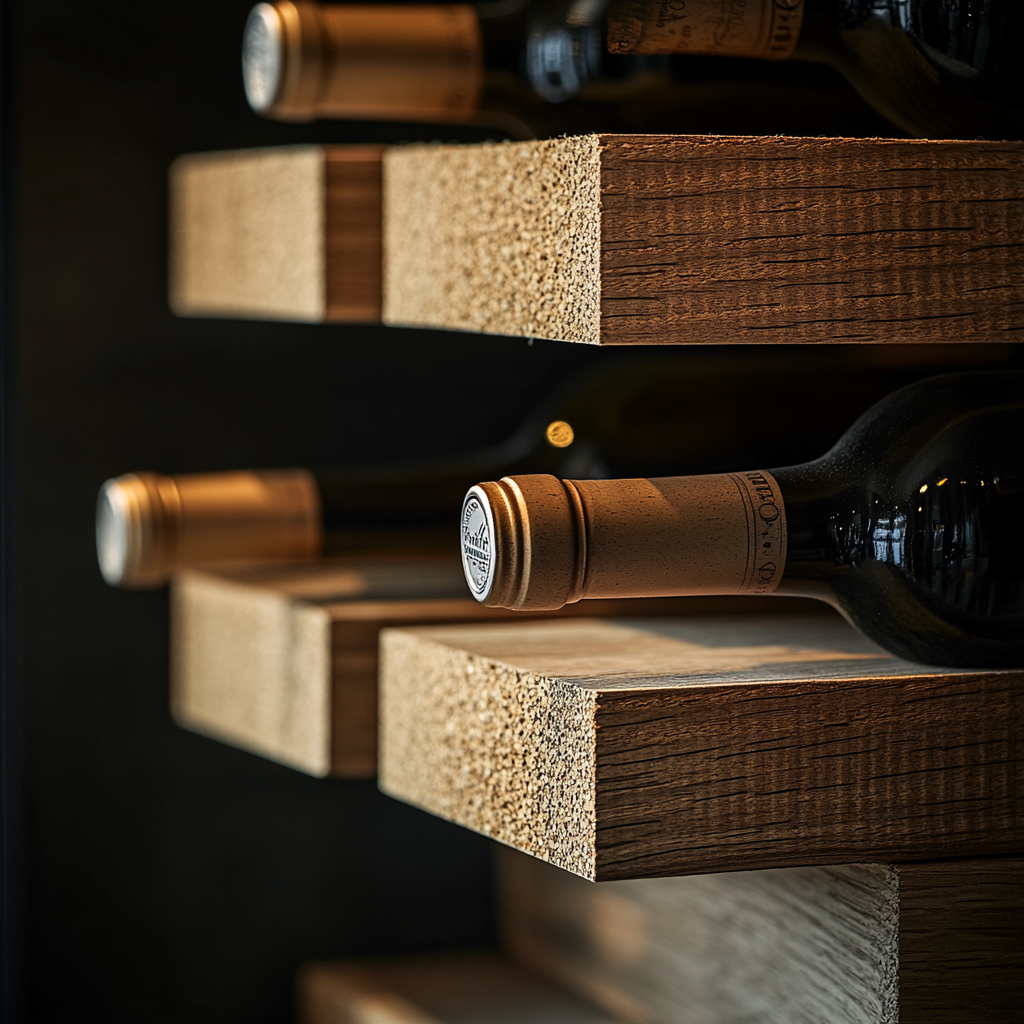
Custom racking can be designed around the collection and available wall space. Consider bottle shapes and sizes before setting rack spacing; a layout suited only to standard bottles may frustrate owners with larger formats. Separating display bottles from everyday storage can make both areas easier to use.
Classic horizontal rows create a composed presentation, while angled or individually highlighted bottles can draw the eye. Keep the arrangement easy to read from the doorway. During a brief showing, buyers should be able to see the storage capacity and understand the room’s purpose.
Details That Complete the Room
Decorative choices work best when they support the room’s design. Select a chandelier suited to the ceiling and dining area, for example, then coordinate door hardware and trim. These details create a cohesive presentation without making ornate finishes the room’s only appeal.
To shape a room around the home’s architecture, explore custom wine cellar design as a planning option. Thoughtful doors, lighting, and racking can help the cellar read as a purposeful feature when the home is shown.
Timeless design and professional installation
A wine room is more likely to feel lasting when its materials, layout, and construction suit the home. Professional design brings these choices together with the practical requirements of installation.
Timeless Design Choices
Timeless design uses durable materials and balanced proportions that complement the home’s architecture. This helps the wine feature remain useful and visually coherent as tastes change. For example, wood or metal racking with restrained finishes can complement traditional millwork and contemporary interiors without relying on a short-lived trend.
Plan the room around its long-term role in your lifestyle. If you expect to enjoy the home for 10 or more years, a dedicated cellar may be easier to justify than a substantial project for a near-term move. A considered wine room should support living in the home now, not only staging it for future buyers.
Keep the design clear: use consistent finishes, accessible storage, and a layout suited to the available space. A feature proportionate to the home can hold buyer interest better than an elaborate installation that overwhelms its surroundings.
Professional Design and Installation
Professional design and installation bring the room’s appearance together with its construction and systems. An attractive finish alone cannot make up for an enclosure or installation that fails to function as intended. Designers and installers can plan the layout, materials, and cooling requirements as connected parts of the project.
Construction quality also shapes how buyers view a wine room as a home improvement. A cellar built without local building-code compliance or required permits may not be recognized as a legitimate improvement. Keep design drawings, cooling-system specifications, warranty terms, and service records together to document how the space was planned and maintained.
Match the design to your intended timeline. A homeowner expecting to relocate within 2-3 years may find a major cellar investment harder to justify, while a longer stay leaves more time to enjoy its lifestyle benefits. The dollar return is only one factor; daily use matters, too.
Wine Walls and Installation Costs
Wine walls and stand-alone cabinets are semi-permanent options that can be easier to change or remove than a walk-in cellar. They suit homeowners who want visible storage without committing to a dedicated room. Consider how the display fits the wall, nearby furnishings, and the home’s overall style before choosing its scale.
Installation pricing depends on the project and is provided after a quote request; room dimensions, construction requirements, materials, racking, and climate systems shape the scope. For a built-in cellar, those elements need coordinated planning. Custom wine cellar design can help align the installation with the home’s layout and intended use.
Choose a format that fits your plans: a wine wall offers flexibility, while a permanent cellar makes a more lasting architectural commitment. In either case, professional installation and durable materials support a cohesive result.
Functional wine storage as a home upgrade
A wine cellar earns its place as a home upgrade when it meets a storage need and creates an appealing display. A well-planned space protects a collection, organizes bottles, and gives buyers a clear sense of the room’s purpose. Its emotional appeal matters, but practical use makes the feature meaningful beyond a showing. Luxury wine room design can add home resale value when storage serves both the household and the property’s future audience.
Capacity should reflect the household and available footprint. A customer review describes an under-stair closet converted into storage for about 400 bottles, showing how an overlooked space can serve a specific purpose. Another review describes a cellar holding over 700 bottles in a relatively small area. These examples show why layout and collection needs matter more than an impressive-looking footprint.
Make the storage easy to understand. Separate everyday bottles from long-term storage, keep each rack accessible, and plan for the bottle formats in the collection. For example, a display section near the entrance can showcase bottles, while rows deeper in the room provide orderly storage. Buyers can see both the presentation and practical capacity. Luxury wine room design intended to add home resale value should make these functions apparent at a glance.
Scale still matters. A typical walk-in wine cellar holds 500 or more bottles, while a mid-size home cellar commonly accommodates 300 to 750 bottles. A well-executed cellar in a luxury home may hold 1,000-2,500 bottles. These ranges illustrate why matching capacity to the home and its likely owner is more useful than maximizing bottle count without a purpose.
Smaller displays can also make storage part of daily living. A wine display in a Seven Hills property is designed for a 120-bottle collection, making the feature visible without requiring a large room. The wine room at Moon Crest Estate in MacDonald Highlands displays 480 bottles. Both examples show how storage can contribute character while serving a defined collection.
For resale, describe the room’s function clearly: include its bottle capacity, racking, cooling system, and layout. These details help buyers distinguish working wine storage from a decorative display. Keep the design proportionate to the home and collection so it remains useful to its next owner rather than feeling highly personal.
To develop storage around your home’s layout and collection, plan a functional wine storage space that balances capacity and display.
Rosehill Wine Cellars: Vantaggio V300 Wine Cabinet
Rosehill Wine Cellars offers the Vantaggio V300 Wine Cabinet as an option for homeowners planning dedicated wine storage. It can suit a project where a freestanding cabinet better fits the room than a larger built-in cellar. For a custom layout, Premier Cru Classic Racking and Premier Cru Modern Racking provide additional racking options, while Wine Cooling Units address climate-controlled storage needs.
The right choice depends on the home’s available space, intended capacity, and whether the design calls for a cabinet or an integrated cellar. Weigh these practical requirements alongside the room’s style and future use. This keeps the storage solution aligned with the property rather than treating it as a standalone display.
Contact Rosehill Wine Cellars to discuss wine storage options for your home.
Plan a Wine Space for the Home You Want to Live In
Begin with how you want to use the space, not how dramatic it might look in a listing. The strongest approach to luxury wine room design adding to home resale value makes the room work for your lifestyle now and feel intuitive to a future owner. Consider where it belongs, how it supports your collection, and whether its scale suits the home.
Resale value depends on the property and its potential buyers, so no design can guarantee a specific return. A thoughtful plan can still create a distinctive, functional space to enjoy and make a considered impression on future buyers. Choose an approach that feels lasting and practical for your household.
For help shaping a wine storage concept around your home, contact Rosehill Wine Cellars. Your next wine room can be designed with both everyday enjoyment and future appeal in mind.
Frequently Asked Questions
Does a luxury wine room increase home resale value?
A well-designed wine room can strengthen resale appeal by offering a useful, distinctive feature to suitable buyers. Its contribution depends on how the amenity fits the property and the expectations of people considering similar homes. An integrated wine room near an entertaining area, for example, may feel more relevant than a large cellar that takes space away from everyday living. Weigh resale appeal alongside the enjoyment you’ll get from using it.
What is the average cost to build a luxury wine room at home?
The price depends on the project and is given after a quote request; room dimensions, construction requirements, materials, racking, and climate-control needs shape the cost. A built-in cellar and a wine display with storage involve different scopes of work, so the design and installation details matter more than a broad average. Define the intended capacity and location first, then consider which construction elements the room requires.
What return on investment do home wine cellars typically provide?
Assess a cellar’s return by considering both its resale contribution and the value you get from using it. For a practical evaluation, break the project into its main components, such as the enclosure, racking, cooling, and finishes. Then consider whether the space suits the home and the buyers it is likely to attract. Regular enjoyment also provides lifestyle value that a resale calculation alone cannot capture.
How much does a wine room affect resale value in luxury homes?
A high-end residential wine cellar can represent a 6-7% improvement in appraised home value. This estimate relates to appraised value, rather than an automatic dollar-for-dollar return on installation. Luxury price points vary by area, so assess the property in the context of its local market tier. The cellar’s scale, finish, and fit with the home all help determine how relevant that estimate is to a particular property.
What are the costs of wine room cooling, humidity control, and maintenance?
Project cost depends on the enclosure, cooling-system requirements, and maintenance scope. Ongoing care includes cleaning filters and checking the cooling unit regularly. Keep equipment instructions and service records together, and maintain the room’s seals and monitoring equipment. These steps help preserve the intended storage environment and give future owners useful information about the system’s upkeep.