






What can humidity do for a vintage Port’s cork, and what can’t it explain about the bottle’s ullage? A rising ullage can be unsettling, especially when you’re unsure whether it’s expected for the bottle’s age or signals a storage problem. Protecting vintage port ullage through humidity control means understanding what humidity may influence, and where its limits lie.
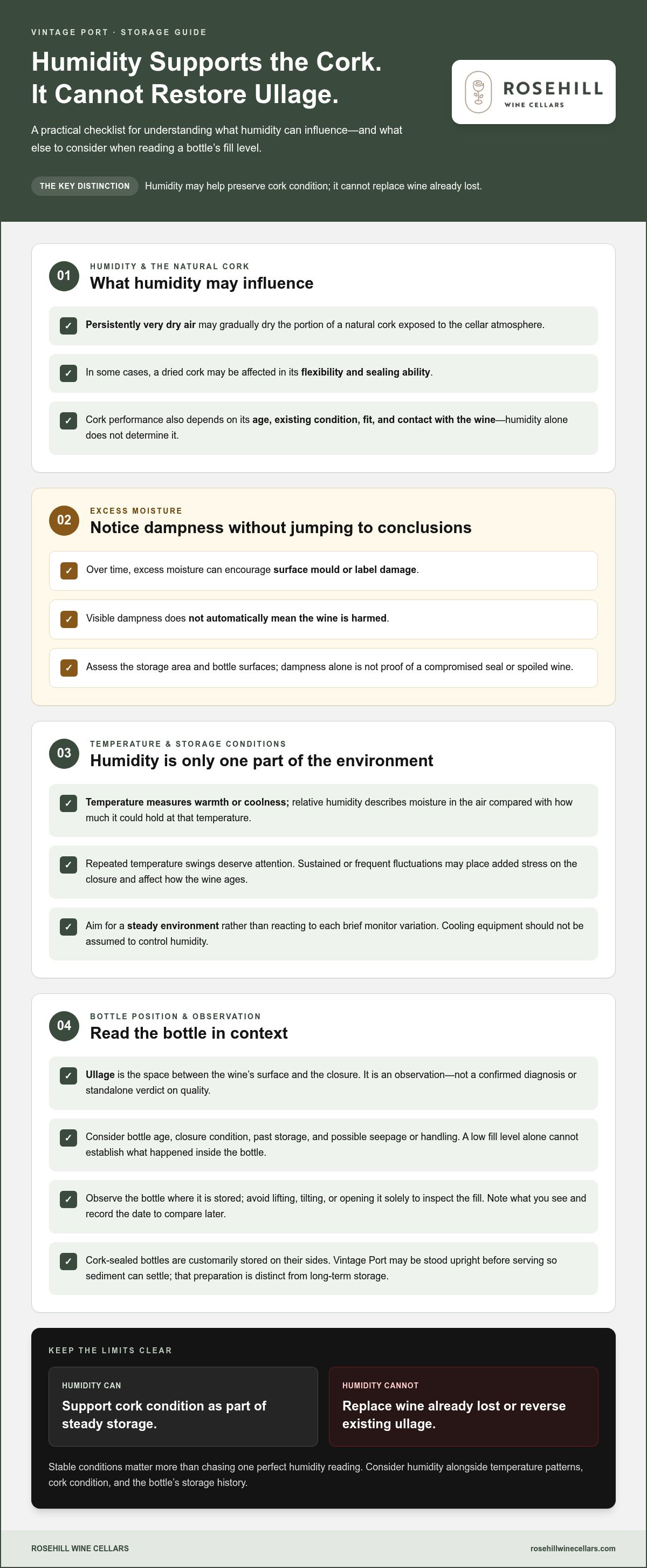
Stable humidity can help preserve a natural cork’s condition, while very dry air may contribute to cork drying and shrinkage. But humidity won’t replace wine already lost or reverse existing ullage. Temperature changes, the closure, and the bottle’s storage history also matter, so one observation rarely tells the whole story.
This article explains what ullage can reveal, how humidity and temperature work together, and how to create a steadier environment for long-term storage. You’ll also learn what to monitor and when a bottle-specific assessment may be useful. Thoughtful cellar design and suitable wine cooling equipment can support consistent conditions, but start by reading the bottle in context.
Key Takeaways
- Read ullage as one clue about a bottle’s condition, not a standalone verdict on its quality.
- Protecting vintage port ullage through humidity control starts with considering cork condition alongside temperature, closure, and storage history.
- Compare naturally stable, monitored, and purpose-designed storage environments to understand which approach best suits your collection.
- Use a hygrometer in a consistent location, then record readings over time before making gradual adjustments.
- Thoughtful cellar design and suitable cooling equipment can support steadier storage conditions for vintage Port.
What Vintage Port Ullage Means, and Why Humidity Is Only Part of the Picture
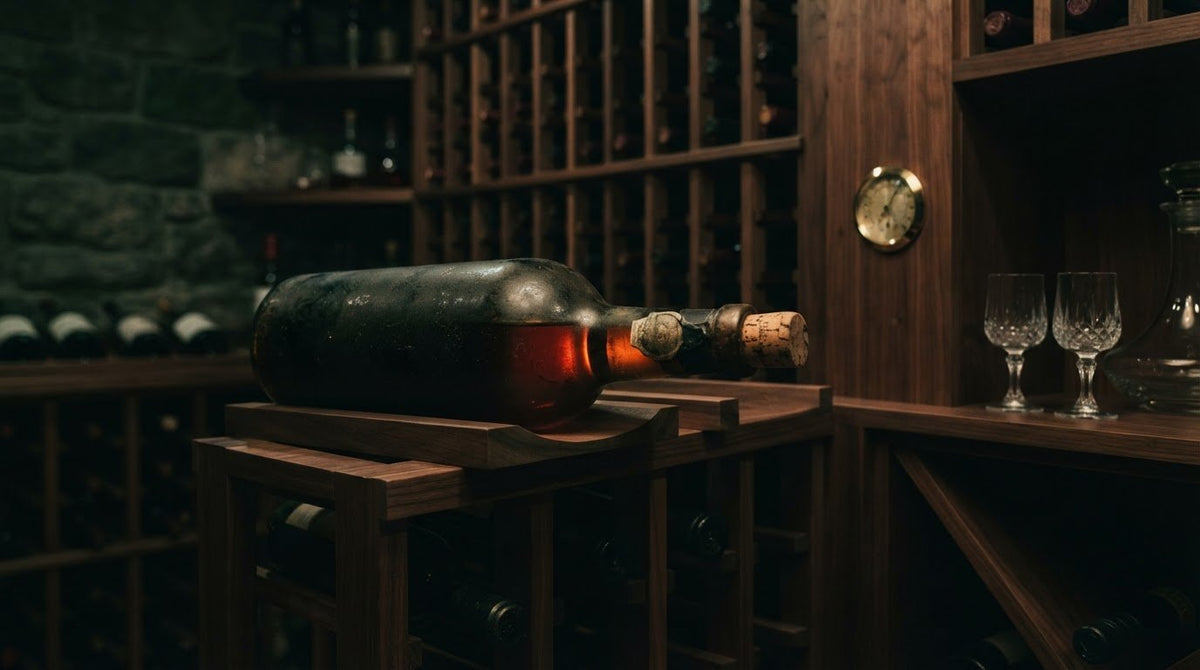
Ullage is the space between the surface of the wine and the closure. In a vintage Port bottle, that gap can offer a useful clue about its condition, but it isn’t a verdict on quality. A level that seems low may reflect the bottle’s age and history; an unexpected change deserves closer attention.
The term describes more than a visible gap: ullage can relate to evaporation and oxidation over time. For background on the concept, see What Vintage Port Ullage Means. Still, looking at the fill level alone can’t establish what has happened inside a particular bottle.
How to read ullage in a vintage Port bottle
Look through the glass at the wine’s surface and note where it sits relative to the bottle’s neck and shoulder. If the bottle is already stored in a rack, observe it there rather than lifting, tilting, or opening it solely to inspect the fill. Record the date and what you see, so you can compare a later observation with the first.
Interpret the level in context. Bottle age, past storage conditions, closure condition, and differences between bottles can all affect the comparison. Like-aged bottles of the same type may offer useful context, but they aren’t a universal benchmark. A level that is ordinary for one bottle’s history may not be for another. Slow variation over a long period is different from a newly noticed or unexplained drop.
Why humidity alone cannot explain a low fill level
Relative humidity describes how much moisture is in the air compared with how much it could hold at that temperature. It isn’t the same as air temperature, and a humidity reading can’t reveal a bottle’s full storage history. Persistently dry conditions may affect the exposed portion of a natural cork, potentially compromising its condition. Temperature fluctuations, seepage, a compromised closure, and handling can also be relevant.
That’s why protecting vintage port ullage through humidity control means supporting the cork as part of a broader storage approach, not treating humidity as a way to restore wine. A suitable, steady environment may help preserve storage conditions, but it can’t replace liquid already lost or reverse existing ullage.
Ullage is an observation, not a confirmed diagnosis. A single visual check can’t identify the exact cause of a low fill level. If the level appears to have changed, note what you see and consider the bottle’s age, closure, and known storage history together before drawing a conclusion.
How Humidity and Cork Condition Can Influence Vintage Port Ullage
Relative humidity describes the amount of moisture in the air compared with the amount it could hold at a given temperature. Temperature measures warmth or coolness; humidity measures moisture in the air. They interact, but they’re not interchangeable. Neither a temperature nor a humidity reading can describe the full environment a bottle has experienced.
For protecting vintage port ullage through humidity control, the aim is to support cork condition as part of steady storage, not to chase a single number or treat humidity as a cure for a faulty closure. The cork, wine, bottle position, and changing conditions all play a role.
What relative humidity can, and cannot, do for a cork
Air that stays very dry may gradually dry the portion of a natural cork exposed to the cellar atmosphere. In some cases, this could affect its flexibility and sealing ability, but humidity alone doesn’t determine how well a cork performs. Its age, existing condition, fit, and contact with the wine also matter.
Excess moisture can encourage surface mould or damage labels, especially over time. That doesn’t automatically mean the wine is harmed. Treat visible dampness as a reason to assess the storage area and bottle surfaces, rather than as proof of a compromised seal or spoiled wine.
Temperature stability, bottle position, and other influences
Repeated temperature swings deserve attention alongside humidity. As conditions change, the bottle and its contents respond. Sustained or frequent fluctuations may place additional stress on the closure and affect how the wine ages. A stable environment is generally a more useful goal than reacting to each brief variation in a monitor reading.
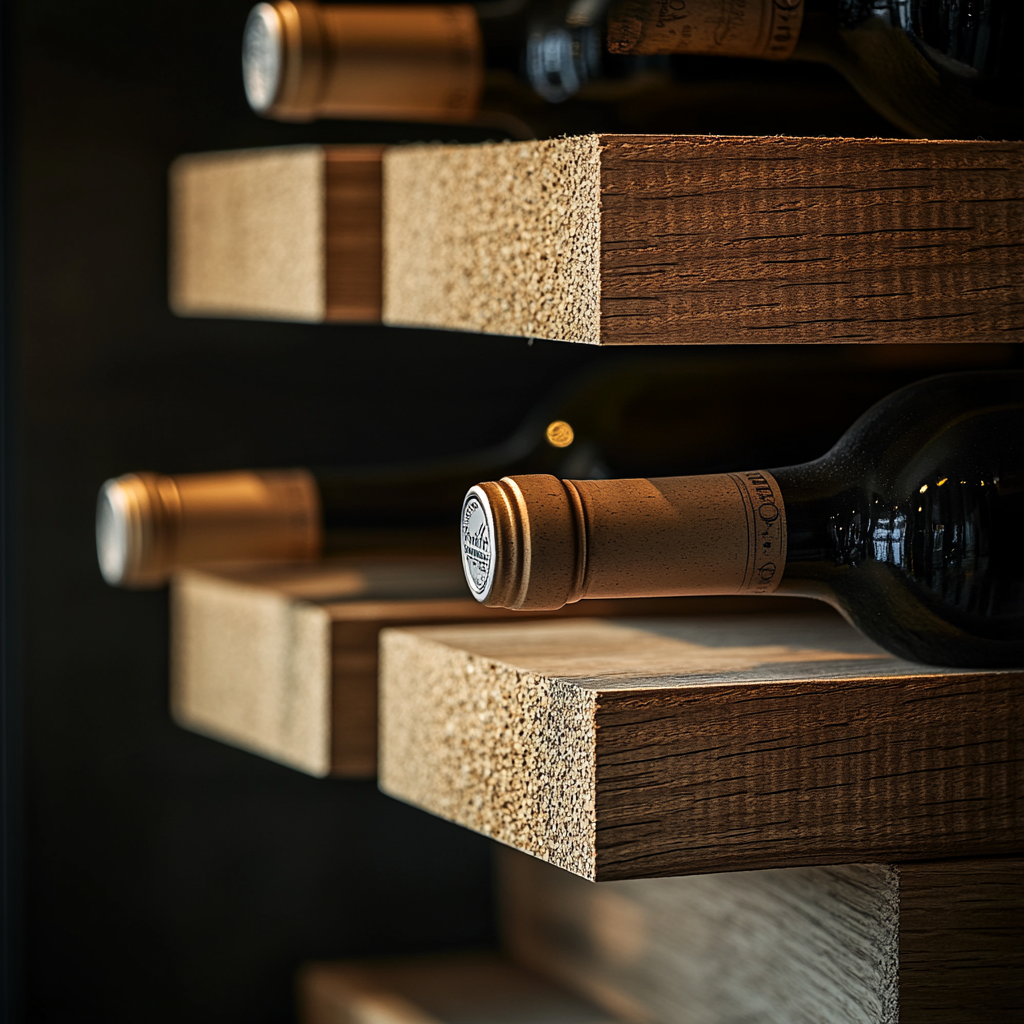
Cork-sealed bottles are customarily stored on their sides, keeping the wine in contact with the cork’s inner end. Vintage Port may contain sediment, so bottles are often stood upright before serving to let it settle. That serving preparation is distinct from long-term storage. Avoid repeatedly moving a bottle simply to check its position or fill.
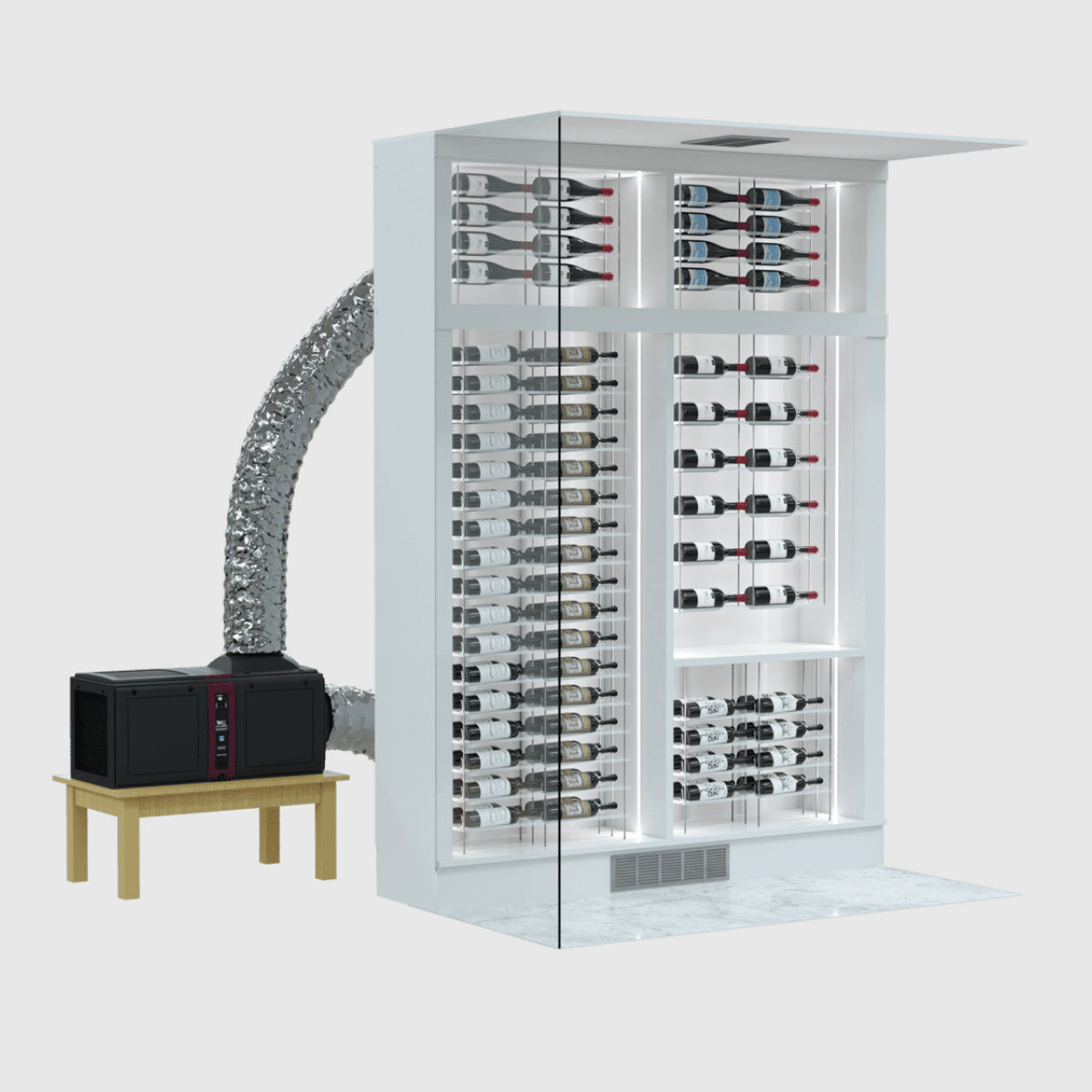
Stable conditions matter more than chasing one perfect humidity reading. Consider humidity alongside temperature patterns, the cork’s visible condition, and how the bottle has been stored. For a planned storage environment, wine cellar cooling systems can be part of the broader cellar design. Cooling equipment alone shouldn’t be assumed to control humidity.
Comparing Humidity-Control Options for Protecting Vintage Port
The right approach depends on how stable the existing space is, how closely you can monitor it, and how long the bottles will remain in storage. A naturally steady cellar may be sufficient for a modest collection, while changing conditions call for regular measurements or a more deliberately planned environment. Cooling and humidity management are related parts of storage, but they aren’t the same. Don’t assume a cooling unit also regulates humidity.
| Approach | Consistency | Monitoring needs | Potential limitations | Suitable use |
|---|---|---|---|---|
| Naturally stable cellar | May remain steady if the space has consistent conditions | Check humidity and temperature periodically | Conditions can shift with seasons or changes in the surrounding home | A small collection in a space already showing stable readings |
| Monitored cellar | Offers visibility into changes, but measurement alone doesn’t correct them | Use a hygrometer and keep a record of readings | Requires attention and a plan for responding to persistent changes | Collectors who want to assess an existing cellar before making larger changes |
| Purpose-designed controlled environment | Can be planned around more consistent storage conditions | Continue monitoring; follow the equipment’s operating and care guidance | Requires suitable space and careful equipment planning; humidity regulation must be specifically addressed | Larger collections or bottles intended for extended storage |
A cellar, a wine cooler, or a controlled wine room?
A wine cooler can suit a smaller collection or a limited space where a dedicated cellar isn’t practical. Explore wine cooler options for compact storage. For a larger collection or long-term storage plans, a dedicated cellar environment may allow more considered planning for capacity, insulation, cooling, and ongoing monitoring. Neither format should be assumed to manage humidity unless its specifications explicitly say so.
What to compare before choosing a humidity-management approach
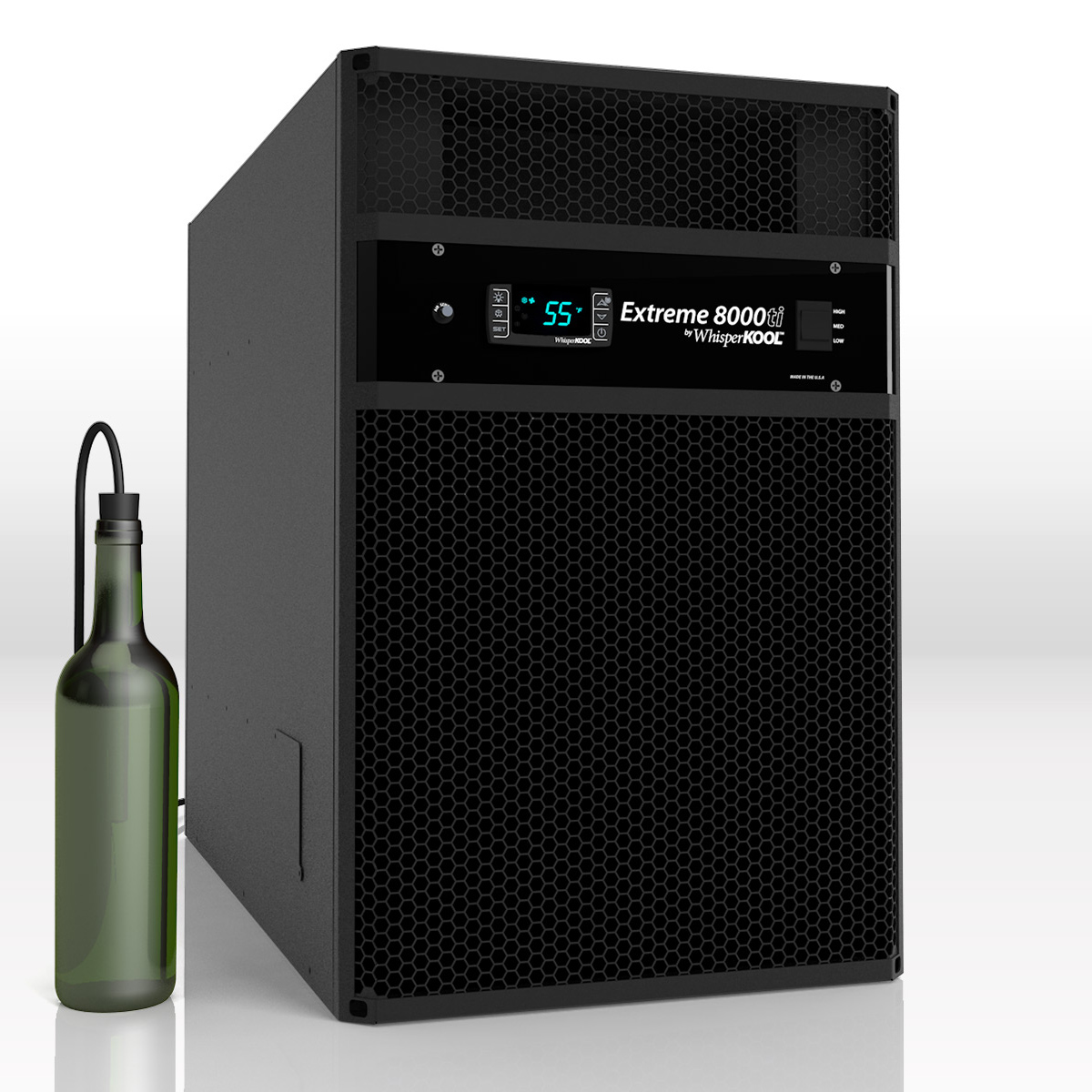
Consider how easily you can see conditions, how much they vary, what maintenance the setup requires, and how much space it occupies. Review equipment specifications for humidity functions rather than inferring them from the presence of cooling. Wine cellar cooling systems provide cooling, but cooling performance alone doesn’t establish humidity control.
For protecting vintage port ullage through humidity control, match your response to what the measurements show. A steady small collection may need observation rather than new equipment; persistent instability may call for a more comprehensive storage plan. Rosehill Wine Cellars designs custom wine cellars and offers wine cooling systems, which can form part of a considered environment. Not every system regulates humidity.
How to Monitor Cellar Humidity and Respond to Changes
A useful monitoring routine replaces guesswork with a record of how the cellar behaves. Measure both humidity and temperature, note readings consistently, and look for patterns before adjusting the environment. One unusual reading may reflect a temporary change or measurement variation rather than a lasting problem.
A practical routine for measuring storage conditions
Choose a hygrometer that displays relative humidity, and follow its manufacturer’s instructions for placement, accuracy, and calibration. Put it in a representative spot, away from direct airflow, sunlight, doors, or obvious sources of moisture. Keep the device in the same location so readings over time are meaningfully comparable.
- Measure consistently: Take humidity and temperature readings at a regular time and record both together.
- Add context: Note changes such as a door left open, a power interruption, or seasonal shifts in the surrounding space.
- Assess the pattern: Compare entries over time. Look for persistent swings or a sustained shift rather than reacting to one isolated result.
- Respond gradually: If readings remain concerning, investigate the environment and make measured adjustments. Avoid abrupt changes around valuable bottles.
This measured process supports protecting vintage port ullage through humidity control without assuming that any single reading explains a bottle’s condition. Record observations of the bottle too, such as the visible fill level or any changes to the closure, without repeatedly handling it.
When ullage or cellar readings deserve closer attention
Take a closer look if the fill level appears to change quickly, you notice seepage, the closure looks damaged, or cellar readings show persistent fluctuations. Photographing the bottle in place and noting the date can help document an apparent change without disturbing it. Don’t open a valuable bottle solely to investigate an external fill-level concern. An inspection from outside can’t establish the exact cause.
If storage readings point to an issue with the cooling system, consider its scheduled care and follow the equipment manufacturer’s maintenance guidance. Consistent operation is part of a considered storage plan, but cooling equipment shouldn’t be assumed to regulate humidity. Explore wine cellar cooling systems as part of planning the cooling side of the environment.
Create a More Considered Storage Environment for Vintage Port
A single humidity reading can’t guarantee a bottle’s future. For long-term storage, the more useful aim is a suitable environment with conditions that remain steady and can be monitored over time. Humidity, temperature, the space itself, and the storage layout all deserve consideration. Humidity control may support cork condition, but it can’t refill a bottle or reverse ullage that has already developed.
Start with what your records reveal. If humidity or temperature readings repeatedly swing, the room changes noticeably with the seasons, or the storage area is affected by drafts, direct sunlight, or nearby heat, the space may not provide the consistency your collection needs. Consider how long you plan to store the bottles and whether your current setup can accommodate the collection as it grows.
When a wine cellar or cooling system may help
A wine cooler may suit a compact collection or a home with limited space. A dedicated cellar may be more appropriate for a larger collection or extended storage, where the space can be planned around the room, bottle capacity, cooling requirements, and racking layout together. Rosehill Wine Cellars designs and builds custom wine cellars, and offers wine coolers and cooling systems. Select cooling equipment for the storage plan, and don’t assume it regulates humidity. Review the specifications for the functions it provides.
If repeated measurements suggest the room isn’t holding steady, explore custom wine cellar design as one way to consider the space and storage needs as a whole. A considered design can account for the collection and cooling plan without treating one device or reading as the complete solution.
Next steps for a collection you want to preserve
Before changing the setup, write down current humidity and temperature readings, where and when you took them, and any relevant changes in the room. Add dated notes or photographs of visible bottle conditions, especially if you’re watching a particular bottle. This record gives you a clearer basis for deciding whether the environment is consistently unsuitable or whether a reading was an isolated variation.
As the collection grows, review whether the available space, cooling approach, and storage layout still suit your plans. A steady, monitored environment is a more considered foundation than reacting to one number. If you’re planning a dedicated space or refining an existing storage plan, explore Rosehill’s custom cellar design.
Build a Steadier Foundation for Your Port Collection
Ullage is a useful condition clue, not a diagnosis. Humidity can support a natural cork’s condition, but it can’t restore wine already lost, and it’s only one part of storage. A measured approach is more valuable than reacting to one reading: track humidity and temperature, note changes, and consider the bottle’s age, closure, and storage history together.
For protecting vintage port ullage through humidity control, focus on a stable, monitored environment suited to your collection and storage plans. A thoughtfully designed cellar and appropriate cooling equipment can contribute to that environment, though cooling alone shouldn’t be assumed to manage humidity.
Rosehill Wine Cellars designs and builds custom wine cellars and offers wine cooling systems and wine coolers. Explore Rosehill Wine Cellars’ storage solutions as you plan a setup for your collection. With a clear understanding of conditions and a considered plan, you can care for vintage Port with greater confidence.
Frequently Asked Questions
What does ullage mean in a bottle of vintage Port?
Ullage is the headspace between the wine’s surface and the bottle’s closure. You can observe it through the glass without opening or moving the bottle. The fill level may offer a clue about the bottle’s condition, but it isn’t a definitive quality verdict. Age, closure condition, and storage history all shape how to interpret it, so compare bottles cautiously rather than relying on one universal fill-level standard.
Can humidity control prevent ullage in vintage Port?
Humidity management may help support the condition of a natural cork, but it can’t guarantee that ullage won’t develop. Persistently dry air may affect the cork’s exposed portion, while temperature history, seepage, closure condition, and handling can also influence a bottle. Protecting vintage port ullage through humidity control means maintaining a considered storage environment, not restoring wine already lost or reversing an existing drop in fill level.
What humidity level is best for storing vintage Port?
A commonly recommended relative humidity range for long-term wine storage is 50% to 70%, with 60% to 70% often used as a practical target. These are general guidelines, not a guarantee of bottle condition. Aim for steady readings rather than reacting to a single measurement, and consider temperature and the storage space as well. Excessive dampness may affect labels or surfaces, without automatically indicating wine damage.
Should vintage Port be stored on its side or upright?
Cork-sealed bottles are commonly stored on their sides so wine contacts the cork’s inner end. Vintage Port may be stood upright before serving to let sediment settle, but that short-term preparation differs from long-term storage. Follow any bottle-specific guidance where available, and avoid repeatedly moving a valuable bottle. Its closure, age, and storage history can all inform the most suitable handling approach.
Can a low ullage level mean vintage Port has gone bad?
A low fill level can be a reason to look more closely, but it doesn’t prove the Port has spoiled. Ullage may reflect age, evaporation, closure condition, or past storage, and a visual inspection alone can’t identify the cause or confirm the wine’s quality. Note the level and any visible seepage or closure damage, then interpret those observations alongside the bottle’s history rather than making a judgment from fill level alone.
How can I monitor humidity in a wine cellar?
Use a hygrometer that measures relative humidity, and place it in a representative location away from direct airflow, sunlight, and obvious moisture sources. Follow the device manufacturer’s instructions for placement and calibration. Record humidity and temperature at consistent times, noting unusual changes in the room. A pattern of readings is more useful than one isolated result and can help you decide whether gradual adjustments may be needed.
Does a wine cooling unit control humidity as well as temperature?
Not necessarily. A cooling unit’s ability to regulate temperature doesn’t mean it also controls humidity; capabilities vary by equipment. Review its specifications and operating guidance rather than assuming humidity management is included. For long-term wine storage, assess humidity separately with a hygrometer and track it alongside temperature. Purpose-designed wine cooling systems can contribute to a considered storage environment, but cooling alone doesn’t establish stable humidity.