








Could the smallest wine chiller be the wrong choice for your collection? A compact footprint may look ideal, but bottle shapes can reduce usable capacity, and a unit suited to bottles you plan to enjoy soon may not meet your longer-term storage needs.
Start with the space available and the number of bottles you own, then consider what you want the storage to do. This guide will help you match a small wine chiller to your collection, room layout, and priorities. You’ll learn what to compare before choosing a format and how to spot a unit that may be too small for the way you plan to use it.
We’ll compare countertop, freestanding, and built-in formats, explain why stated capacity doesn’t always reflect the bottles you plan to store, and distinguish a compact wine cooler from a wine cabinet or cellar cooling equipment. You’ll also learn when a small unit may be suitable and when a larger cabinet or purpose-designed cellar could be a better fit.
Key Takeaways
- Choose a small wine chiller by the role it needs to serve, not simply by its footprint.
- Estimate usable capacity by accounting for your bottle shapes, current collection, and room to grow.
- Compare freestanding and built-in formats against your space and the unit’s stated installation requirements.
- Consider a wine cabinet or cellar cooling system if your collection or storage plans extend beyond a compact cooler’s role.
What Is a Small Wine Chiller, and Who Is It For?
A small wine chiller is a compact, wine-specific appliance designed to store a modest number of bottles in a controlled environment. Unlike a general beverage refrigerator, it is intended for wine rather than a mixed selection of cans and bottles.
A compact unit can be a practical fit where a full-size cabinet would take up more room than your collection warrants. In an apartment, dining area, or small home bar, it can keep a modest selection close at hand without requiring a dedicated cellar. To find the right fit, look beyond exterior dimensions: consider how many bottles you own, how you use them, and whether you expect the collection to grow.
Wine storage involves several environmental considerations, including temperature, humidity, light, and vibration. This overview of wine storage conditions helps explain why a wine-focused appliance serves a different purpose from a refrigerator built for everyday groceries. The storage conditions you prioritize depend in part on whether you want convenient access to bottles or plan to keep them for a longer period.
Small wine chiller versus regular refrigerator
A household refrigerator is designed for food and a range of beverages; a wine chiller is designed around storing wine bottles. Rather than assuming that every refrigerator or wine chiller performs identically, compare the intended use and the appliance’s stated temperature controls. If wine storage is your priority, choose equipment designed for that role and check that its operating guidance fits the way you plan to store your bottles.
Serving access and longer-term storage are also different needs. Bottles you expect to open soon may call for convenient placement and easy access. A collection you intend to hold for an extended period calls for more deliberate attention to storage conditions and the suitability of the equipment. Explore wine cooler options with that distinction in mind.
When compact wine storage makes sense
A compact cooler can suit a limited floor plan and a small, active collection, especially when you want selected bottles nearby for meals or entertaining. It may be a less suitable format if you plan to build a substantial collection or need dedicated storage for many bottles. Think beyond today’s count: a unit that fits your current needs may feel restrictive if you expect to add bottles steadily.
- Choose compact storage when space is limited and the collection is modest.
- Prioritize access if bottles are mainly kept on hand for near-term enjoyment.
- Consider a larger format if your collection is growing or longer-term storage is central to your plans.
Matching the format to the storage role is key. If your needs extend beyond a compact appliance, compare a wine cabinet or a purpose-designed cellar as another direction.
How to Size a Small Wine Chiller for Your Collection
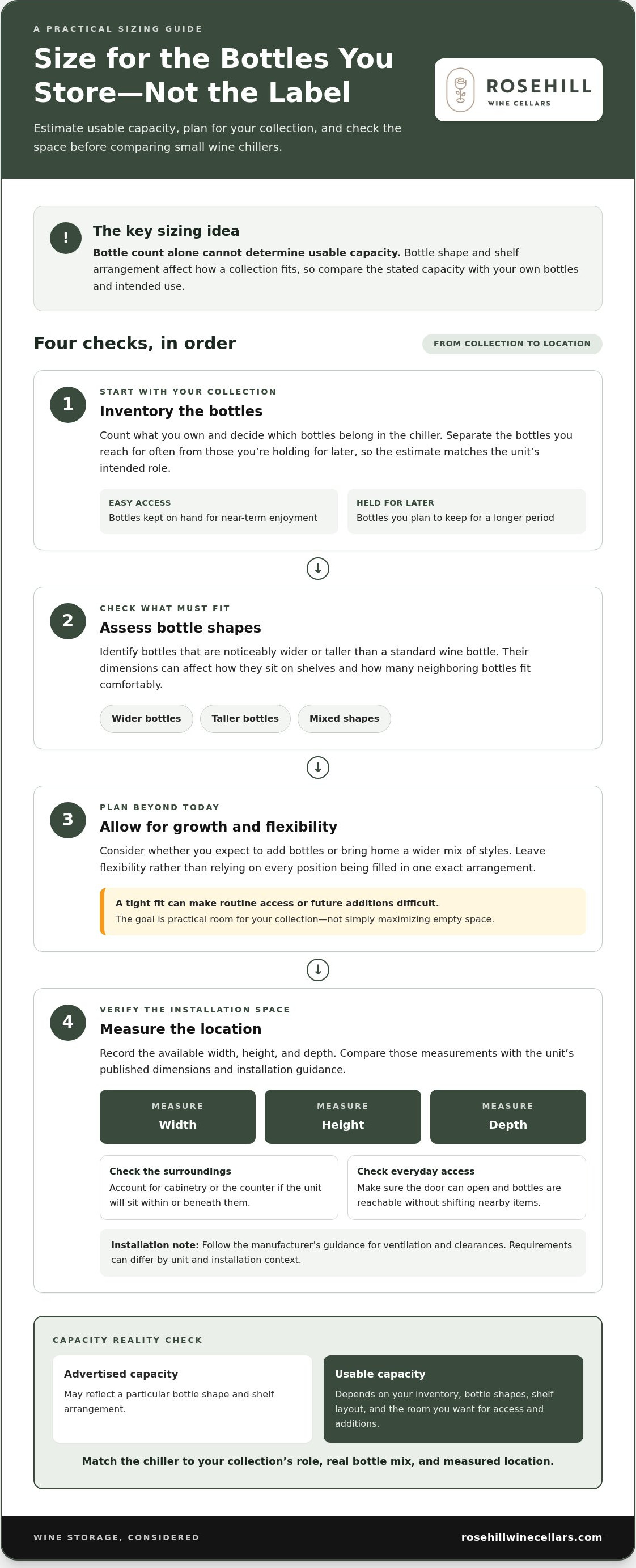
Choose capacity based on the bottles you actually store, not a headline number alone. A small wine chiller’s advertised capacity may reflect a particular bottle shape and shelf arrangement, while your collection could include wider or taller formats that take up more room. Use these steps to estimate a practical fit before comparing models.
- Inventory your bottles. Count what you own now and identify which bottles you expect to keep in the unit. Separate bottles you reach for often from those you’re holding for later, so your estimate reflects the appliance’s intended role.
- Assess bottle shapes. Look for bottles that are noticeably wider or taller than a standard wine bottle. Their dimensions may affect how they sit on shelves and how many neighboring bottles fit comfortably.
- Allow for growth. Consider whether you expect to add bottles or bring home a wider mix of styles. Leave some flexibility rather than choosing a unit that only works when every position is filled in one exact arrangement.
- Measure the location. Record the available width, height, and depth, then compare them with the manufacturer’s published dimensions and installation guidance.
Bottle count alone cannot determine usable capacity, because bottle shape and shelf arrangement influence how a collection fits.
Estimate usable capacity, not just the headline bottle count
Compare the unit’s stated capacity with your own inventory. A collection made up mainly of similarly shaped bottles may fit differently from one that includes wider or taller formats. Mixed shapes can limit how bottles are positioned together, so don’t assume every listed slot will suit every bottle you own.
Allow for ordinary changes in your collection, too. That might mean choosing a little more capacity than today’s count requires or selecting a layout that can accommodate a varied assortment. The aim isn’t to maximize empty space; it’s to avoid a tight fit that makes routine access or future additions difficult.
Measure the space before comparing units
Measure the intended location at its narrowest points, including width, height, and depth. If the chiller will sit within cabinetry or beneath a counter, account for the surrounding structure and the space needed to position it. Consider practical access as well: the door must open where you plan to place it, and bottles should be reachable without shifting nearby items.
Next, compare your measurements with the selected unit’s published dimensions. Read the manufacturer’s guidance for ventilation and installation clearances rather than applying a universal rule; requirements can differ by unit and installation context. Include the stated allowances in your space plan before narrowing your options.
Once you know your realistic capacity and available footprint, compare wine cooler options with a clearer sense of which formats merit consideration.
Small Wine Chiller Formats Compared: Freestanding, Built-In, and Cellar Cooling
The right format depends on what you’re cooling and where the wine will be stored. A compact appliance holds bottles within its own cabinet. A cellar cooling system serves a dedicated room designed for wine storage, so it isn’t simply a smaller wine fridge. Consider the setting, installation context, and scale of your collection before deciding which solution fits.
| Format | Intended setting | Space and installation context | Collection scale |
|---|---|---|---|
| Compact freestanding cooler | A room where a standalone appliance can be placed | Plan for the unit’s footprint and follow its installation instructions | A modest selection kept within one appliance |
| Built-in unit | A planned position within cabinetry or beneath a counter | Coordinate the opening and installation with the specific unit’s requirements | A compact collection integrated into a room layout |
| Cellar cooling system | A dedicated wine cellar or designed storage room | Consider the room and its cooling needs as part of the project | A room-based collection rather than bottles held in one compact cabinet |
Freestanding and built-in compact coolers
A freestanding cooler is placed as an individual appliance, while a built-in unit is selected for a planned position within cabinetry. The distinction affects how you prepare the space: a freestanding location must accommodate the appliance, and an integrated installation must suit both the unit and its surroundings. Clearance requirements are not universal, so use the instructions for the specific model.
Before choosing, read the product’s installation instructions and compare them with the intended location. Wine cooler formats can help frame the appliance options, but the specific unit’s published dimensions and installation guidance should inform your final space plan.
When cellar cooling equipment is a different solution
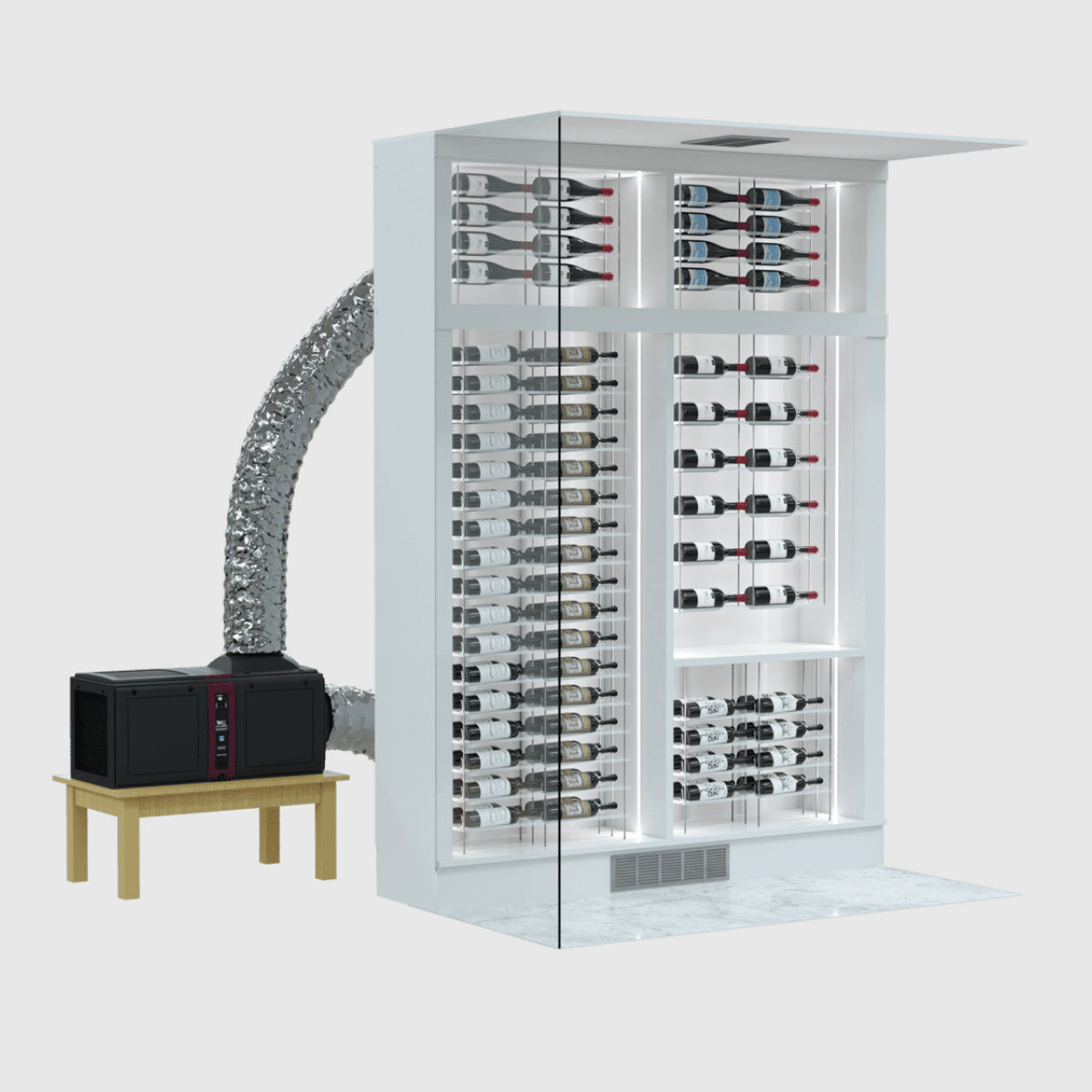
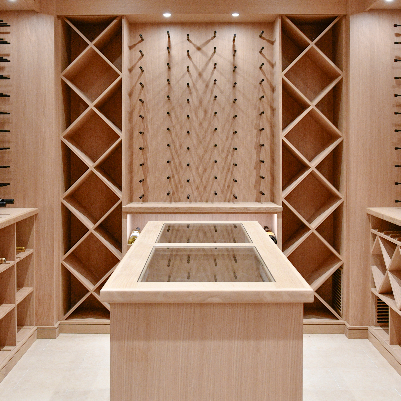
Cellar cooling equipment is designed for a cellar environment, not as a compact cabinet that holds a few bottles. The decision involves the room itself and how the storage space is being designed, rather than only the appliance footprint or bottle count. A dedicated cellar project may call for a room-based approach; a small, active selection may be better suited to a cooler.
As collection scale and room design change, so can the appropriate equipment. If you’re planning a dedicated storage room, compare wine cellar cooling systems as part of evaluating that distinct solution. Keep the difference clear: one format stores bottles in a cabinet, while the other serves the cellar space.
Use the room and collection together to guide your choice. If you need a contained appliance for a compact selection, compare freestanding and built-in coolers. If your plan centers on a dedicated cellar, consider room-scale cooling and design requirements rather than treating a small wine chiller as an equivalent substitute.
Where to Place and How to Care for a Small Wine Chiller
A suitable location should make the unit practical to use and allow you to follow its installation requirements. Before positioning a small wine chiller, consider the available space, how you’ll access the bottles, and the manufacturer’s directions. Don’t rely on a clearance rule from another model; instructions can vary between units.
Plan the location around access and installation guidance
Start by measuring the intended space and considering how the appliance will fit into its surroundings. Check that the door can open as intended, bottles can be loaded and removed comfortably, and nearby cabinetry or other objects won’t obstruct access. A location that works on paper may be awkward in daily use if the door swing or loading path is restricted.
Before installation, use this checklist:
- Measure the available width, height, and depth, then compare them with the unit’s published dimensions.
- Consider door swing and the space needed to load, remove, and reach bottles.
- Review the manual for model-specific ventilation, clearance, and environmental requirements.
- Make sure the planned position suits the installation instructions for that specific unit.
Before installation, measure the space, check access, and follow the unit’s stated clearance and environmental requirements.
These checks help you assess a real location rather than relying on assumptions about where every cooler can go. Don’t assume a particular room, surface, or cabinet arrangement is suitable for all models. The manufacturer’s guidance is the reference for the individual appliance.
Keep care practical and product-specific
Routine care should follow the manual, which may specify appropriate cleaning methods, ventilation needs, and inspection steps. Avoid applying advice intended for a different model or using a cleaning method the manufacturer doesn’t recommend. Keep the instructions accessible so anyone who uses the unit can refer to the same guidance.
If you notice an unusual change in operation, consult the manufacturer’s service guidance rather than attempting a repair based on guesswork. The manual can help you identify recommended next steps for that unit. For cellar-scale wine cooling systems, Rosehill Wine Cellars offers maintenance plans, including scheduled inspections and preventative care. That is a distinct consideration from basic care for a compact appliance.
For a dedicated cellar, explore wine cellar cooling systems as part of planning the room’s cooling approach. Match the equipment and its care requirements to the storage environment, and let the manufacturer’s instructions guide placement and routine upkeep.
Choose the Right Small Wine Chiller or a Better-Fit Wine Storage Solution
The right choice suits your collection and the way you intend to store it, not simply the unit that occupies the least space. A small wine chiller can be a practical match for a modest collection and a defined location. If your needs point toward a larger or more dedicated setup, consider a wine cabinet or cellar instead.
A compact cooler, a wine cabinet, or a dedicated cellar?
Think of these as distinct storage formats. A compact cooler holds a modest selection within an appliance, which can suit space-conscious storage and convenient access. A wine cabinet provides a separate cabinet format for storing wine; compare its published specifications and intended use with your collection rather than assuming its capacity or features.
A dedicated cellar is a different kind of project. It involves planning a room for wine storage and considering cooling as part of that design. If your collection is growing beyond what one compact appliance can accommodate, or you’re planning a dedicated space, explore custom wine cellar design as a distinct path. If you’re comparing cabinet storage, Rosehill Wine Cellars’ guide to premium wine cabinets can also help frame the format decision.
A final checklist before choosing
Before settling on a solution, bring your collection, room, and storage plans together. These checks help distinguish a convenient appliance purchase from a longer-term storage decision:
- Collection: Identify the bottles you need to store now and consider how your collection may change.
- Usable capacity: Account for the bottle shapes you own, not only the advertised bottle count.
- Available space: Compare the unit’s published external dimensions with the measured location.
- Installation: Read the specific manufacturer instructions for placement, clearances, and environmental requirements.
- Storage role: Decide whether you want convenient access to a modest selection, a wine cabinet, or a dedicated cellar environment.
- Care: Keep the manual available and follow its directions for cleaning and routine attention.
Use the manufacturer’s specifications and care guidance for the particular unit you’re considering. If a compact appliance aligns with your collection, space, and storage plans, it may be the right format. If those needs call for a cabinet or a designed cellar, choose a solution built around that broader purpose rather than trying to make a small cooler serve a different role.
For a dedicated cellar, explore wine cellar cooling systems alongside the room design. If an appliance better suits your plans, compare the available wine coolers’ published specifications with your checklist.
Make Your Next Storage Choice with Confidence
Think of your storage choice as part of the way you want to enjoy and build your collection. The right small wine chiller should fit your space today while supporting the role you expect it to play. If your plans change, your storage approach can evolve too. There’s no need to choose a cellar-scale solution for a modest collection or to expect a compact appliance to serve a dedicated cellar.
Before deciding, keep your measurements and collection notes close as you compare options. Focus on the details that matter to your space and use, and let each product’s published specifications guide your selection. A considered choice can make storing and reaching for your bottles feel like a natural part of your home.
Ready to compare storage formats? Explore Rosehill Wine Cellars’ wine coolers, wine cabinets, and custom cellar design to find a solution that fits your collection and space.
Frequently Asked Questions
What is a small wine chiller?
A small wine chiller is a compact, purpose-built appliance for storing wine bottles. It differs from a standard refrigerator, which serves general food and beverage storage, and from a cellar cooling system, which conditions a dedicated room rather than holding bottles in one cabinet. Whether a small wine chiller suits you depends on your intended use, bottle capacity, and placement. Review the exact unit’s specifications before deciding.
How many bottles can a small wine chiller hold?
Capacity varies by model, and an advertised bottle count may assume a particular bottle shape. A collection of similarly sized bottles may fit differently from one that includes wider or taller formats. Compare the unit’s published dimensions and shelf layout with the bottles you plan to store. If possible, use your widest and tallest bottles as a practical test when assessing whether the arrangement will work for your collection.
Can a small wine chiller be built into cabinetry?
Only if the specific model is designed for built-in installation. A freestanding appliance shouldn’t be assumed suitable for enclosure, since its installation conditions may differ. Before planning cabinetry, consult the manufacturer’s specifications for ventilation, clearances, and other installation requirements. Compare those instructions with the intended opening and surrounding space. If the product documentation doesn’t identify the model as suitable for built-in placement, don’t treat it as an integrated unit.
What temperature should a small wine chiller be set to?
The appropriate setting depends on the wine and whether you’re storing bottles or preparing them for serving. There isn’t one setting that suits every wine or appliance. Before adjusting controls, consult current, authoritative wine-storage guidance for the wines you keep, then compare that advice with the chiller’s operating instructions. Use the appliance within its stated operating conditions; don’t assume its controls or temperature range are identical to another model’s.
Is a small wine chiller the same as a wine cellar cooling unit?
No. A compact wine cooler is an appliance that stores bottles, while cellar cooling equipment is intended to condition a dedicated cellar space. The choice depends on the room being cooled, the collection, and the installation context. A cellar system isn’t simply a compact fridge with a different name, and the two formats aren’t interchangeable. Consider whether your plan centers on storing bottles in an appliance or creating a cooled wine room.
Where should I place a small wine chiller?
Choose a location that fits the unit’s dimensions and meets its manufacturer’s installation conditions. Check whether nearby cabinetry affects access, whether the door can move freely, and whether the position falls within the environmental limits in the manual. For example, a spot that accommodates the appliance but blocks its door may be inconvenient in daily use. Follow that model’s placement guidance rather than relying on a universal room recommendation.
Is a small wine chiller suitable for long-term wine storage?
It may be, depending on the appliance’s stated operating conditions, your storage goals, and the needs of your collection. A compact footprint alone doesn’t establish suitability for holding wine over an extended period. Review the product specifications alongside credible wine-storage guidance, and consider whether the unit fits your intended use. If the collection or storage plan grows beyond an appliance’s role, a wine cabinet or dedicated cellar may be worth evaluating.