

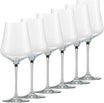

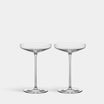

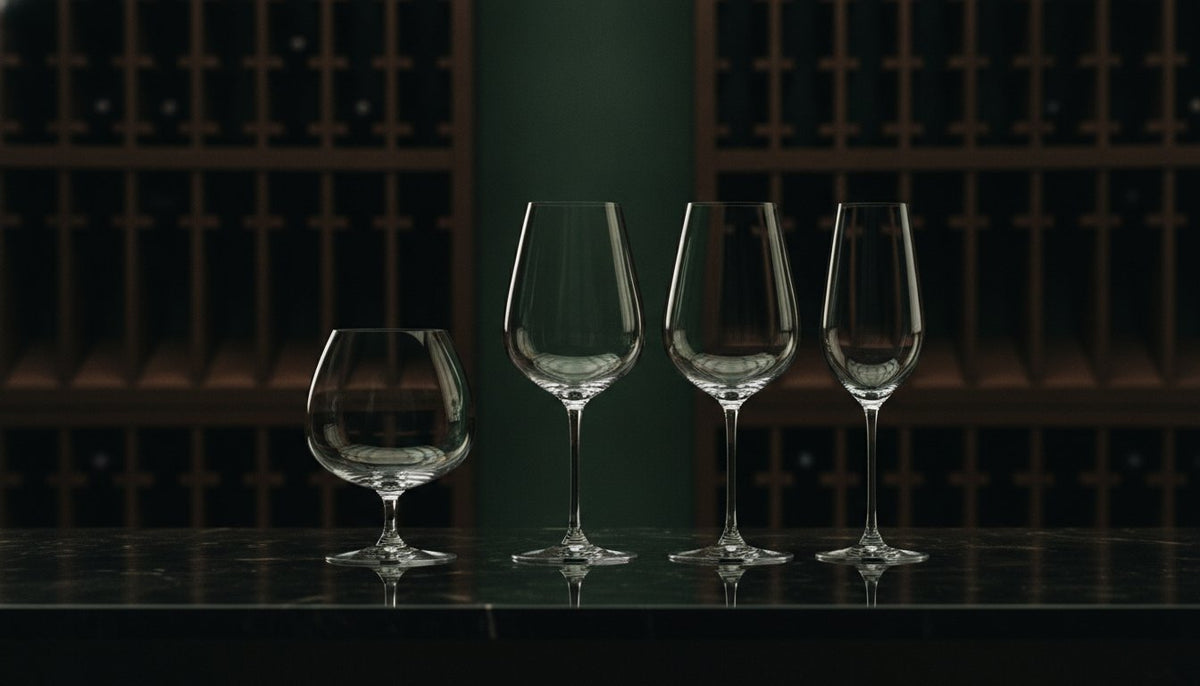
The most expensive bottle in your cellar can be silenced by the wrong rim diameter or bowl depth. While many collectors focus on the architecture of the storage environment, the final few inches of the journey are where the sensory experience is truly won or lost. Selecting the right Wine Glasses is not merely an aesthetic choice; it's a technical requirement for anyone dedicated to the art of tasting. You've likely felt the frustration of staring at an endless array of stemware, wondering if a specific shape actually enhances the vintage or if it's simply a matter of style.
It's understandable to feel overwhelmed by the variety of silhouettes and the perceived fragility of premium crystal. You want to ensure your collection is protected and your wine performs at its peak. This guide explores how precision-engineered glassware, such as the Orrefors Glassware Collection or Zalto Wine Glasses, utilizes the physics of aeration to transform a wine's aromatic profile. We'll demystify the science of bowl geometry, clarify the differences between lead-free crystal and standard glass, and help you curate a bespoke set of stemware that honors every bottle you pour.
Key Takeaways
- Understand how bowl geometry acts as a precision instrument to regulate temperature and direct volatile aromatic compounds to the palate.
- Learn the technical differences between cut and rolled rims and how these structural details influence the flow of liquid during service.
- Discover why lead-free crystal is the professional standard for color evaluation and sensory purity compared to standard soda-lime glass.
- Master the art of selecting varietal-specific Wine Glasses to manage tannins and balance the unique flavor profiles of different wine categories.
- Build a curated collection of high-performance stemware by exploring the hand-blown precision of Zalto and the artistic heritage of the Orrefors Glassware Collection.
The Architecture of Taste: Why Wine Glassware Matters
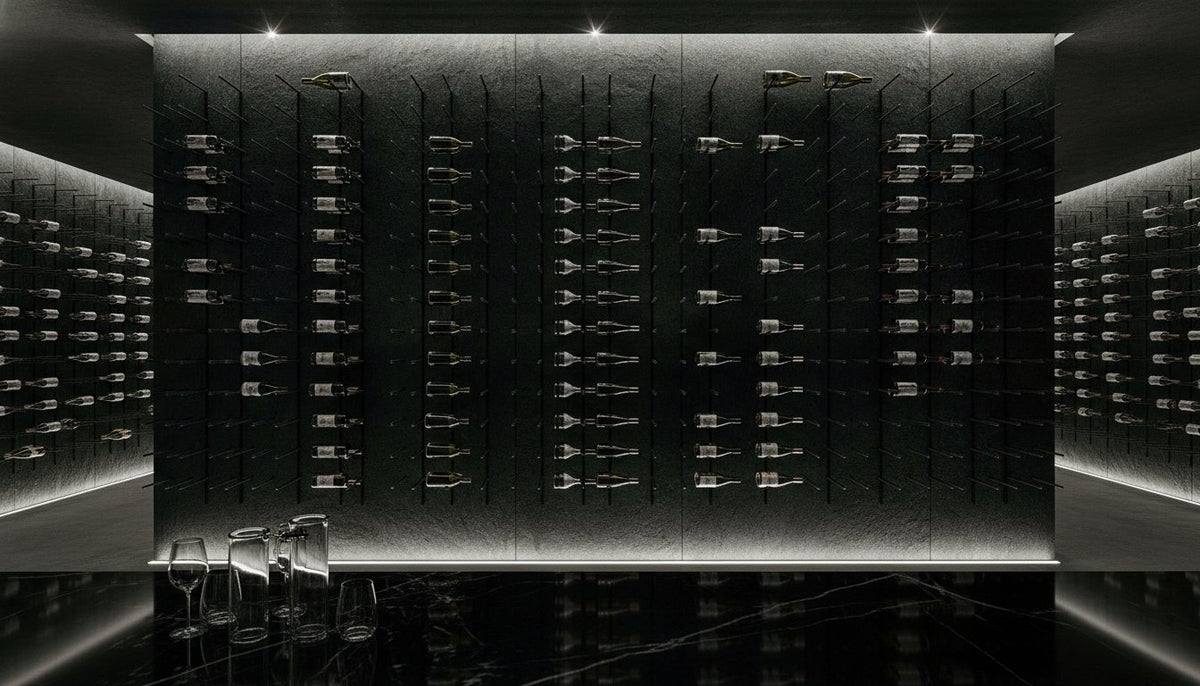
A wine glass isn't just a vessel; it's the final mechanical stage of wine preservation and service. After years of aging in a climate-controlled custom wine cellar, a vintage requires a specific environment to breathe. The glass acts as a precision delivery system that regulates the release of volatile compounds. Without the correct architecture, the nuances you've carefully protected through proper storage can be lost to the room before they ever reach your senses.
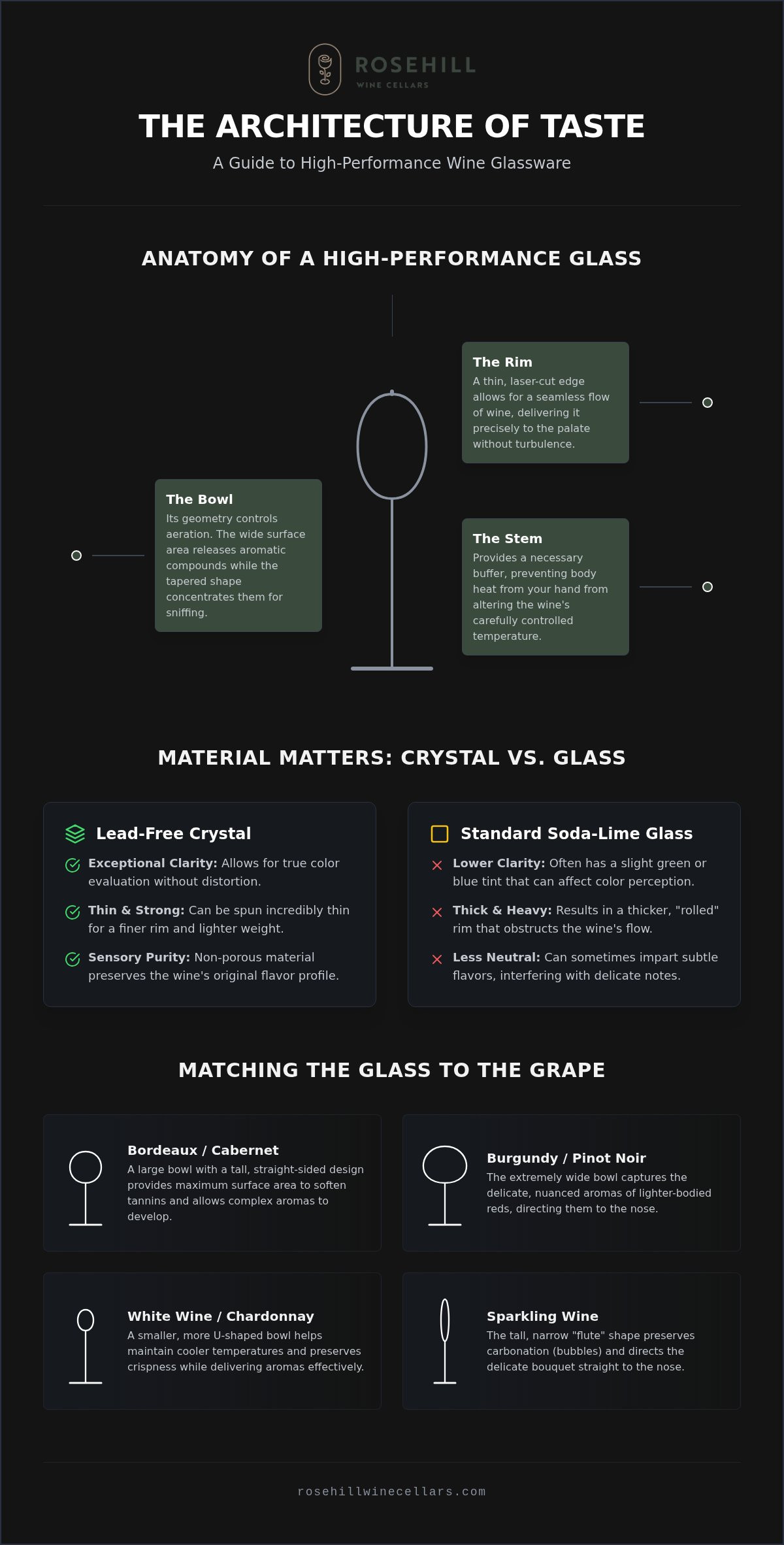
Surface area is the primary engine of aromatic development. A wider bowl increases the air-to-wine ratio, allowing complex molecules to break free from the liquid surface. Once these volatiles are released, the specific curvature of the rim dictates the "landing zone" on your palate. By controlling the angle of your head and the velocity of the liquid, professional Wine Glasses ensure the wine hits the specific taste receptors required to balance acidity and tannins. It's a calculated interaction between fluid dynamics and human anatomy.
The Science of Aeration and Aromatics
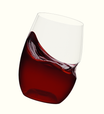
The bowl's width directly influences the concentration of esters and aldehydes. When you swirl a glass, you aren't just performing a ritual; you're integrating oxygen and coating the inner walls to maximize evaporation. A broad base provides the room needed for heavy reds to open up and soften. Conversely, delicate sparkling wines require a narrow chimney. This design preserves the effervescence and concentrates the subtle floral notes that would otherwise dissipate too quickly in a wide-aperture glass.
Thermal Regulation and Stemware Design
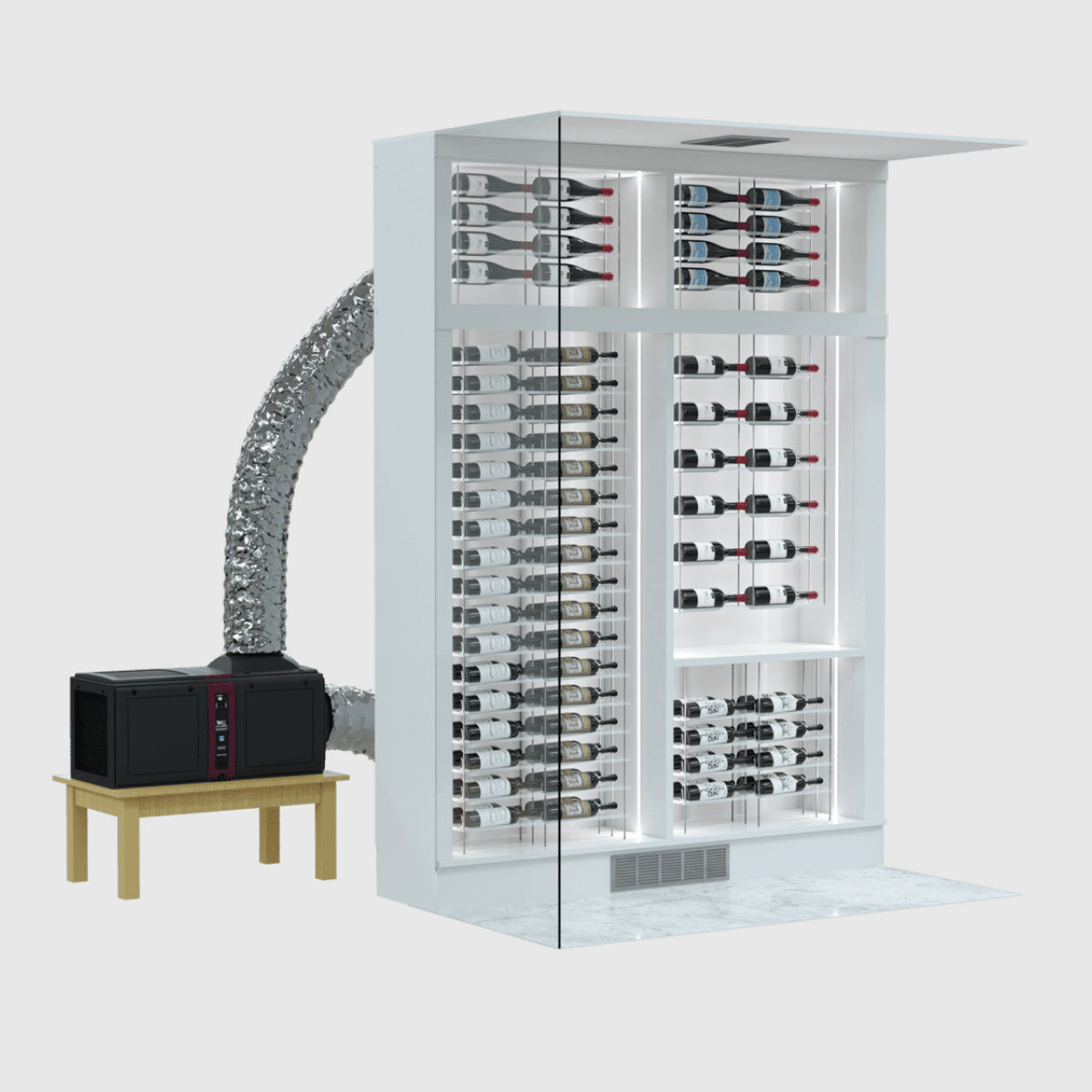
Precision in wine service extends to thermal management. The physics of heat transfer is simple; your hand is a constant heat source. A well-designed stem provides a necessary buffer, preventing your body temperature from warming a perfectly chilled white or a cellar-temperature red. In professional environments, the thermal mass of the glass itself is a critical factor. High-performance Wine Glasses are often engineered with extreme thinness to minimize temperature shock when the wine leaves the bottle. This ensures the meticulous climate control provided by your Vantaggio wine cabinet or custom cellar isn't undone in the final seconds before the first sip.
Anatomy of Excellence: Understanding Bowl, Rim, and Stem
Professional-grade Wine Glasses are defined by three critical structural components: the bowl, the stem, and the base. While these may seem like simple design choices, each element is a functional requirement for high-level tasting. The stem should ideally be seamless. A visible joint where the bowl meets the stem is often a structural weakness and a sign of inferior, machine-made manufacturing. A solid, well-proportioned base is equally vital. It provides the necessary counterweight for large-format bowls, ensuring that a top-heavy Burgundy glass remains stable on a tasting table or during a formal service.
The most significant distinction in quality often lies at the rim. High-performance glassware features a laser-cut rim, which is flat and extremely thin. In contrast, standard soda-lime glass often has a rolled rim, which is a thick, rounded edge that creates a physical barrier between the wine and your palate. This "bead" of glass causes turbulence in the liquid flow, which can distract from the texture and weight of the vintage. A cut rim allows for a seamless transition, ensuring the wine reaches your taste buds with zero interference.
The Rim: Precision Liquid Delivery
Rim diameter dictates exactly how you tilt your head and where the wine lands on your tongue. A narrow rim forces a steeper tilt, directing the wine toward the back of the palate to highlight acidity. A wider rim allows for a shallower tilt, spreading the liquid across the front of the tongue to emphasize fruit and sweetness. Rim thickness also plays a tactile role. The thinner the glass, the less it distracts from the temperature and viscosity of the wine, allowing the sensory profile to remain the primary focus.
The Bowl: Managing Volume and Vapor
The bowl is the engine room of the glass. Its volume must be matched to the "breathing" requirements of the grape. Large, horizontal bowls provide the massive surface area needed for tannins in a Bordeaux to soften and integrate. Vertical designs, often found in white wine glasses, maintain a tighter chimney to trap delicate aromatics. This tapered shape is essential for the olfactory system, as it concentrates the vapors at the rim for a more intense sensory experience. If you're looking to upgrade your service standards, exploring the curated glassware collections at Rosehill is the ideal starting point for any serious collector.
Material Science: The Distinction of Lead-Free Crystal
The choice between standard soda-lime glass and high-performance lead-free crystal is a decision between a simple container and a technical instrument. Traditional glass is thick and relatively soft; it requires significant mass to maintain structural integrity. Modern lead-free crystal, often reinforced with zinc or barium oxide, allows master glassblowers to achieve remarkable thinness. This reduction in material doesn't just improve the aesthetic appeal. It reduces the thermal shock when wine is poured, preserving the precise temperature you've maintained in your cellar environment.
The microscopic texture of crystal is another functional advantage. While standard glass is perfectly smooth at a molecular level, crystal possesses a subtle, microscopic roughness. This texture creates friction as the wine is swirled, which assists in breaking down volatile aromatic compounds. This process, known as "opening up" the wine, happens more efficiently in crystal Wine Glasses than in their soda-lime counterparts. This interaction with the wine's surface tension is a key reason why professionals prefer crystal for serious tasting sessions.
Crystal vs. Standard Glass
The chemical composition of lead-free crystal is the modern standard for serious collectors. It offers a superior weight-to-strength ratio, resulting in a "hand-feel" that is both light and balanced. Many assume that ultra-thin stemware, such as the Zalto Wine Glasses collection, is too fragile for regular use. In reality, high-quality crystal is more flexible than standard glass. It can withstand a surprising amount of torque before breaking, making it a durable investment for those who prioritize professional-grade results in their home service.
The Visual Clarity of Fine Glassware
Evaluating a wine's visual profile is the first step in the tasting process. Lead-free crystal has a significantly higher refractive index than standard glass, meaning it disperses light more brilliantly. This clarity is essential for identifying "legs" or tears, which indicate alcohol content and viscosity. For those enjoying aged vintages from a custom cellar, high-transparency materials make it easier to spot fine sediment before it reaches the rim. It's an essential tool for the visual analysis of a wine's age and health.
To preserve this brilliance, maintenance is key. Avoid harsh detergents that can etch the surface over time; instead, use warm water and a dedicated microfiber polishing cloth to maintain the pristine state of your premium glassware. By choosing materials with superior optical properties, you ensure that the visual journey of the wine is as rewarding as the tasting itself. Proper care ensures your investment remains clear and functional for decades of service.
A Guide to Varietal-Specific Stemware Selection
Selecting the correct vessel for a specific varietal isn't an act of pretension; it's a technical refinement of the tasting process. While a universal glass provides a reliable baseline, varietal-specific Wine Glasses are engineered to address the unique chemical profiles of different grapes. This framework ensures that the structural elements of the wine, such as tannins, acidity, and alcohol, are presented in perfect equilibrium. By matching the glass to the grape, you allow the vintage to express its intended character without the interference of poor aeration or improper liquid placement on the palate.
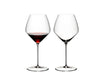
Red Wine Classics: Bordeaux vs. Burgundy Shapes
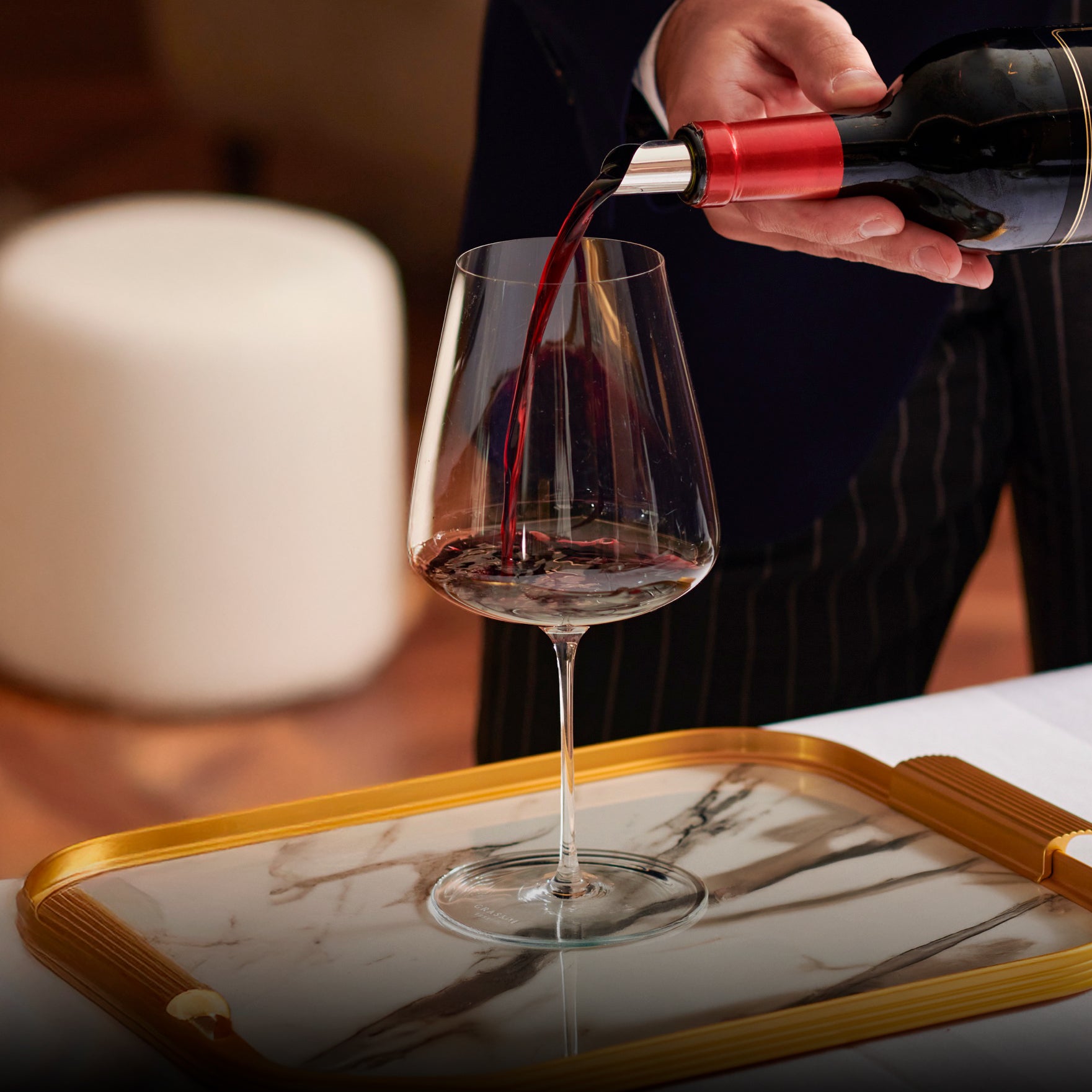
Bordeaux glasses are characterized by their significant height and generous volume. This vertical space creates a buffer that allows volatile ethanol vapors to dissipate before they reach the nose, ensuring the fruit profile remains clear. The tall chimney directs the liquid toward the back of the palate, which is essential for softening the impact of aggressive tannins in Cabernet Sauvignon, Merlot, or Syrah. This placement allows the wine to bypass the more sensitive parts of the tongue, creating a smoother, more integrated experience.
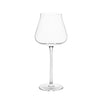
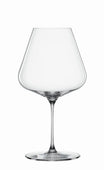
In contrast, the Burgundy glass utilizes a broad, wide-based bowl to maximize the surface area of delicate reds. This balloon shape is vital for Pinot Noir or Nebbiolo, as it traps the ethereal aromatics that define these varietals. The increased surface area facilitates the release of subtle esters, allowing them to concentrate at the narrow rim for a more intense olfactory experience. Without this specific architecture, the complex floral and earthy notes of a high-end Burgundy can easily become lost in a glass that lacks sufficient breathing room.
Whites, Rosés, and Sparkling Specializations
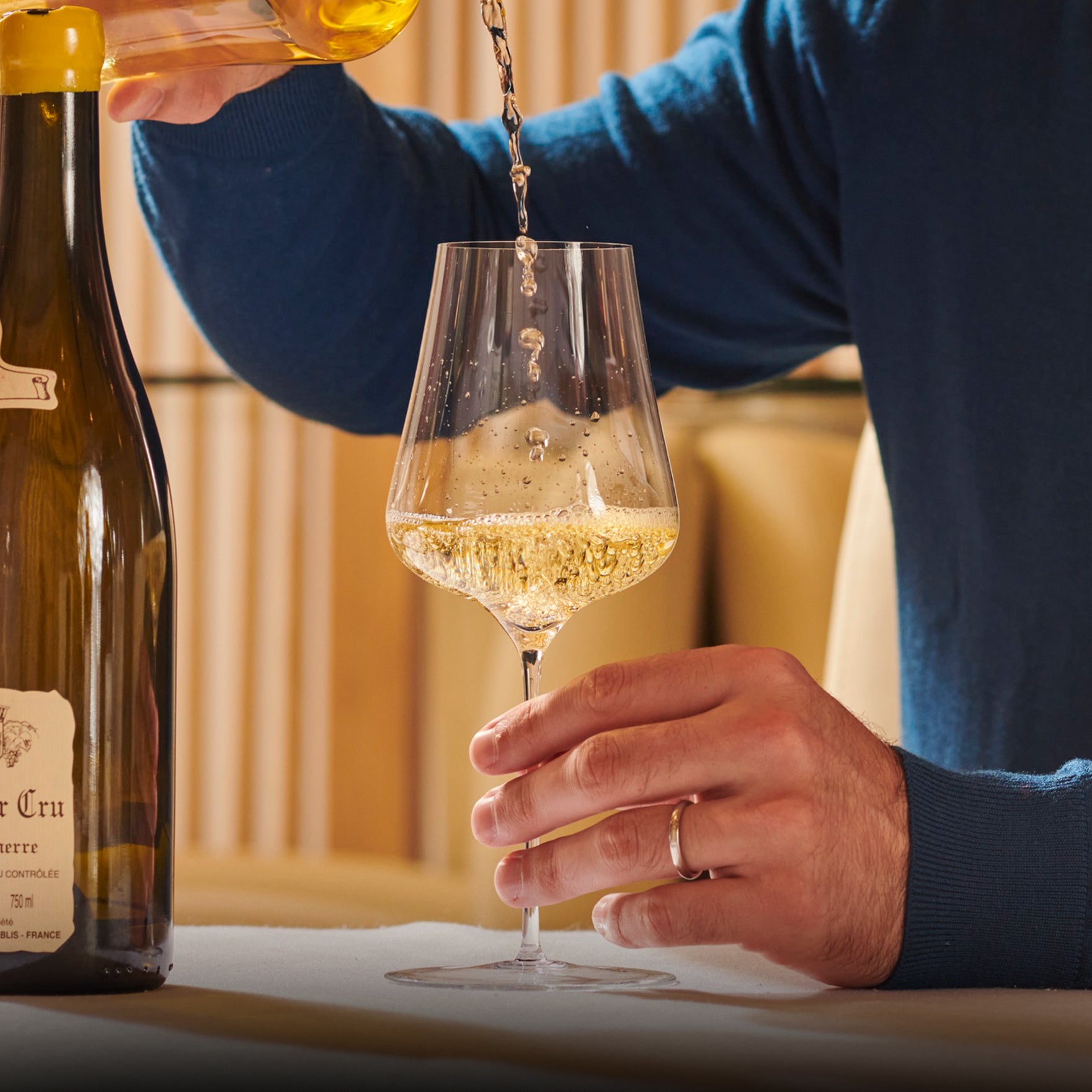
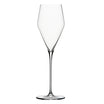
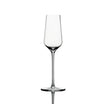
White wine stemware focuses on temperature retention and acidity balance. Smaller bowls reduce the rate of heat transfer from the environment, keeping your Sauvignon Blanc or Riesling at the ideal service temperature for a longer duration. These narrower shapes also concentrate the crisp, floral notes that characterize high-acid whites. The evolution of sparkling Wine Glasses has seen a shift from the restrictive, narrow flute to the more expressive tulip or even a light white wine glass. This change recognizes that premium Champagne requires room to breathe, allowing the complex autolytic notes of brioche and toasted nuts to develop fully.
Whether you're building a collection for a new residential estate or refining an existing setup, your choice of stemware should reflect the diversity of your cellar. You can browse the full range of Zalto and Orrefors stemware to find the precision instruments required for your favorite varietals. By investing in the correct shapes, you ensure that every bottle you've carefully stored reaches its full sensory potential at the moment of service.
Curating Your Collection: Zalto and Orrefors Excellence
Curating a collection of high-performance Wine Glasses is the final, essential step in honoring your investment. While machine-made options offer utility, the transition to hand-blown crystal represents a shift toward professional-grade precision. Hand-blown stemware is crafted by master artisans who can achieve a level of balance and thinness that automated production simply cannot replicate. Machine-made glasses often have a noticeable weight and thicker rims that can disrupt the flow of the wine. By choosing artisan-crafted vessels, you ensure that the tactile experience of the glass matches the quality of the vintage you've carefully aged in your custom wine cellar. This commitment to quality completes the journey from the cellar rack to the palate.
Zalto: The Perfectionist’s Choice
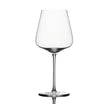
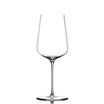
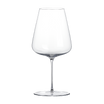
The Zalto Wine Glasses collection is widely considered the pinnacle of modern glassmaking. These glasses are celebrated for their legendary lightness; they feel almost weightless in the hand, which minimizes distraction during a tasting. Zalto utilizes a unique "Earth-Parallel" design philosophy. The angles used in the curves of the bowls are 24, 48, and 72 degrees, mirroring the tilt angles of the Earth. This isn't just aesthetic theory. Sommeliers worldwide prefer Zalto because these specific geometries are thought to enhance the aromatic expression and flavor profile of the wine. You can explore the full Zalto collection to find the technical instruments required for your favorite varietals. It's a technical instrument that provides an unfiltered window into the wine's character, making it the preferred choice for those who demand absolute sensory purity.
Orrefors: Timeless Swedish Craftsmanship
If Zalto represents technical minimalism, the Orrefors Glassware Collection embodies the fusion of Swedish heritage and artistic flair. For over a century, Orrefors has been synonymous with elegance and durability. Their designs range from everyday sophistication to gala-ready stems that serve as centerpieces in their own right. This collection is ideal for collectors who value artistic expression alongside functional excellence. The Orrefors difference lies in the weight and clarity of the crystal, which offers a different but equally premium tactile experience. Integrating these pieces into your home requires thoughtful storage. Displaying your Glassware within a Vantaggio Wine Cabinet ensures they remain protected while being showcased as part of your interior design. Proper display honors the craftsmanship of the glass and completes the aesthetic experience of your wine room. This holistic approach to storage and service ensures that every bottle is treated with the respect it deserves.
Elevating the Final Stage of Wine Service
A wine's journey from the vineyard to your cellar is a meticulous process. It shouldn't be compromised in the final few inches. By understanding the physics of bowl geometry and the material science of lead-free crystal, you transform a simple pour into a professional-grade sensory experience. Selecting the right Wine Glasses is the most direct way to honor the work of the winemaker and the precision of your storage environment. Whether you prioritize the technical minimalism of Zalto or the artistic heritage of Orrefors, your stemware should act as a transparent window into the vintage's character.
As an authorized dealer for Zalto and Orrefors, Rosehill Wine Cellars offers a selection of glassware expertly curated for compatibility with professional storage. We provide national shipping across the United States, ensuring your investment arrives safely and ready for service. Explore Our Curated Glassware Collections to complete your cellar-to-glass journey. You've built the foundation with proper storage; now it's time to refine the final detail and enjoy your collection at its absolute peak.
Frequently Asked Questions
What is the difference between a red and white wine glass?
Red Wine Glasses typically feature larger bowls to increase surface area, which is essential for oxygenating heavy tannins. White wine glasses are designed with narrower, more vertical bowls to preserve the serving temperature and concentrate subtle floral notes. This architectural difference ensures that full-bodied reds have the space to breathe while chilled whites remain crisp and aromatic throughout the entire service.
Is hand-blown crystal worth the investment for a home cellar?
Investing in hand-blown crystal is highly recommended for serious collectors who prioritize sensory purity. These glasses offer a legendary lightness and thinness that machine-made options can't replicate. Because the material is lead-free and high-quality, it remains flexible and resilient despite its delicate appearance. This tactile luxury enhances the connection between the taster and the vintage, making it a logical extension of a professional storage environment.
How should I clean and store high-end wine glasses?
You should clean high-end stemware using warm water and a dedicated microfiber polishing cloth to prevent etching or residue. Avoid harsh detergents that can leave a film or unwanted scent on the crystal. For storage, keeping your collection in a climate-controlled environment like a Vantaggio Wine Cabinet protects the delicate stems from dust and accidental breakage while maintaining them at a ready-to-serve temperature.
Why are some wine glasses so much more expensive than others?
The price difference reflects the manufacturing method and material quality. Artisan-crafted Wine Glasses involve a labor-intensive hand-blowing process that ensures a seamless stem and a laser-cut rim. These technical details provide a superior liquid delivery system compared to thick, rolled-rim machine-made glasses. Premium lead-free crystal also offers a higher refractive index, providing the visual clarity necessary for professional wine evaluation during serious tasting sessions.
Can a universal wine glass really work for all varietals?
A universal glass is an excellent choice for a diverse tasting flight or a streamlined collection. While varietal-specific shapes offer the most precise delivery, a well-designed universal glass utilizes a medium bowl and tapered rim to accommodate both reds and whites effectively. It's a versatile solution for those who want professional-grade results without the need for multiple specialized sets for every single grape category.
What are the benefits of lead-free crystal over traditional leaded crystal?
Lead-free crystal is the modern industry standard because it eliminates the risk of lead leaching into the wine. By using minerals like zinc or barium, glassmakers achieve the same brilliance and weight as traditional leaded glass but with increased durability. These materials are less porous and more resistant to clouding, ensuring your stemware remains clear and visually stunning through years of regular use and careful cleaning.
How does the thickness of the glass rim affect the tasting experience?
Rim thickness dictates the precision of the liquid's flow onto your palate. A thin, laser-cut rim allows the wine to transition seamlessly from the glass to the tongue without the turbulence caused by a thick, rolled edge. This lack of interference ensures that your focus remains entirely on the texture and flavor profile of the vintage, providing a more refined and technical tasting experience for enthusiasts.
Should I use a decanter alongside my premium wine glasses?
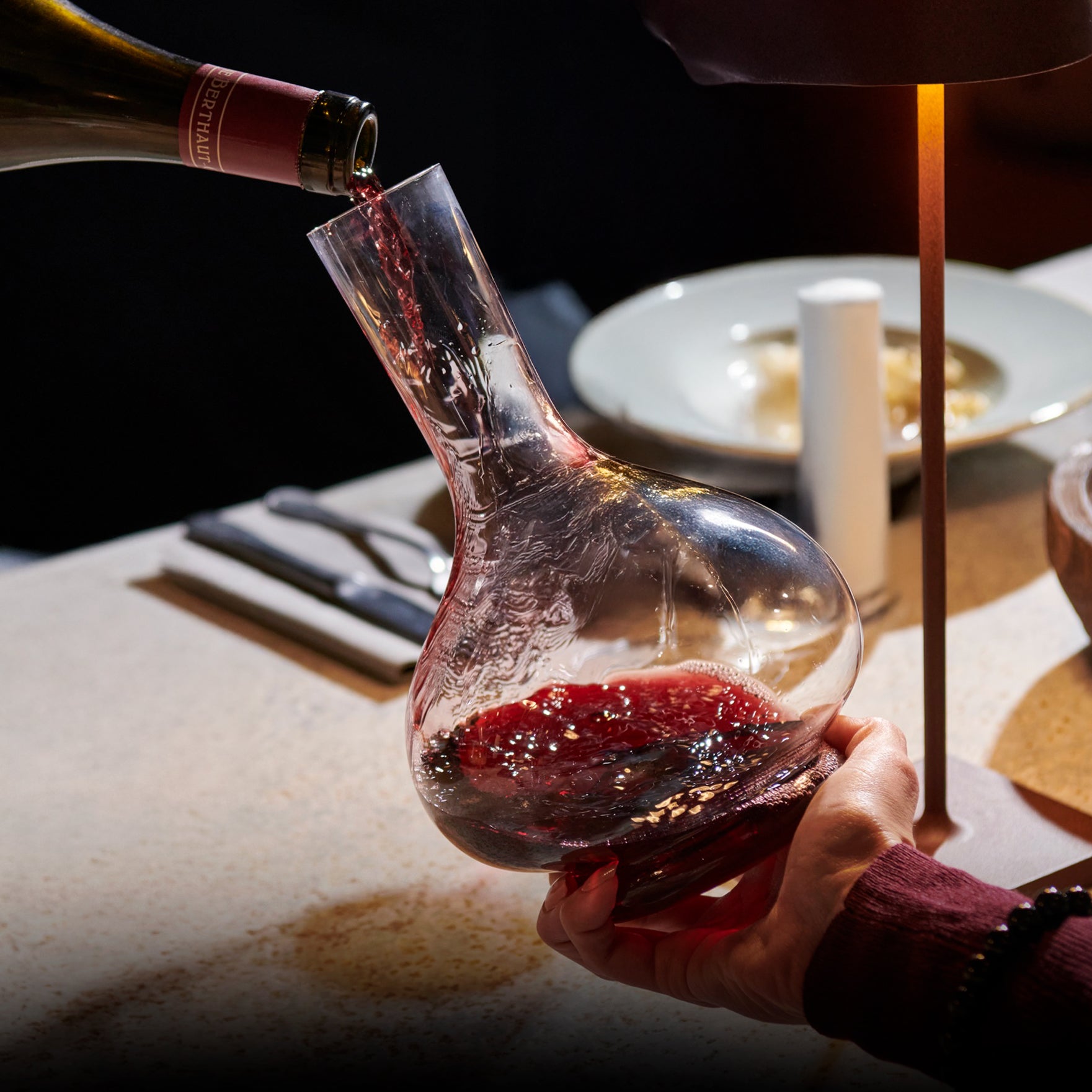
Using a decanter alongside premium stemware is a highly effective way to manage aeration and sediment. For young, tannic reds, decanting provides the initial oxygen integration, while the glass provides the final mechanical stage of aromatic release. For older vintages from your custom cellar, a decanter is essential for separating fine sediment, ensuring that only clear, pristine wine reaches your high-performance crystal vessels.