




The most sophisticated wine cellars of 2026 aren't defined by heavy wooden bins, but by the invisible strength and refined precision of architectural hardware. You've likely admired those sleek, label-forward displays and wondered if your own walls could support such a minimalist aesthetic without the risk of hardware failure. It's natural to feel a sense of trepidation when balancing the significant weight of a prized vintage against the desire for a clean, modern look. Choosing the right wine peg racking system requires a blend of engineering confidence and design intuition.
This guide will show you how to master the technical and aesthetic nuances of these systems to transform your collection into a sophisticated architectural feature. We'll provide the clarity you need to select professional-grade hardware that stays securely anchored while maximizing your storage footprint. From calculating precise bottle spacing to matching metal finishes with your existing interior, you'll discover the exact steps to plan a durable installation that reflects the quality of the wine it holds. We'll explore structural load requirements, finish selections, and the specific configurations that define a truly modern collector's space.
Key Takeaways
- Understand how individual mounting pins create a striking "floating bottle" effect that turns your collection into a modern architectural feature.
- Learn to navigate the selection of wine peg racking by comparing the structural benefits of stainless steel versus aluminum and choosing between single, double, or triple-deep configurations.
- Identify the critical structural requirements for your wall substrate, ensuring your installation has the necessary 3/4" plywood backing to support heavy bottle loads safely.
- Discover how to integrate your display with temperature-controlled zones and professional LED lighting to highlight the label-forward orientation of your vintages.
- Determine when to utilize professional design consultations to ensure your minimalist cellar balances high-end form with long-term functional durability.
Why Minimalist Wine Peg Racking is the Contemporary Choice
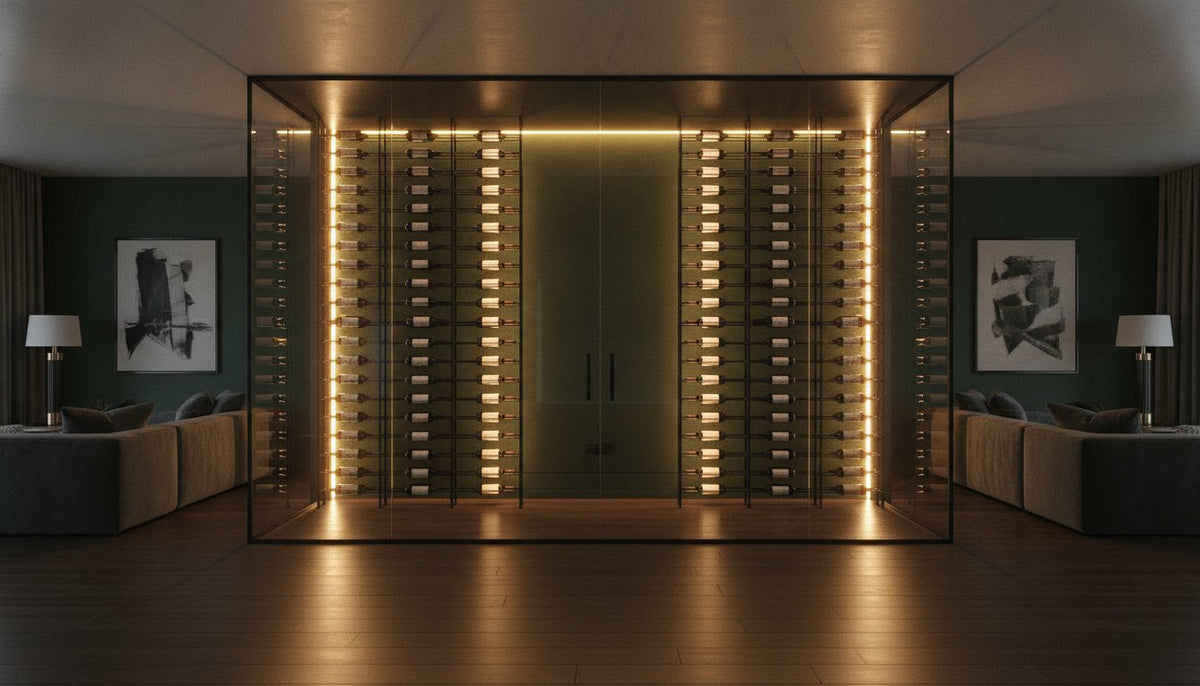
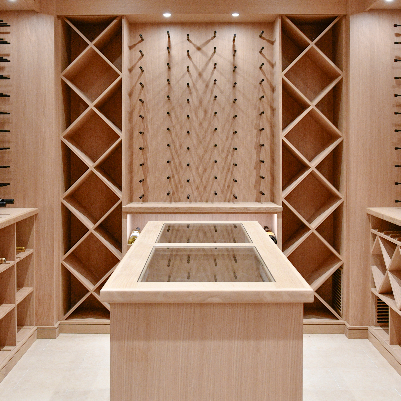
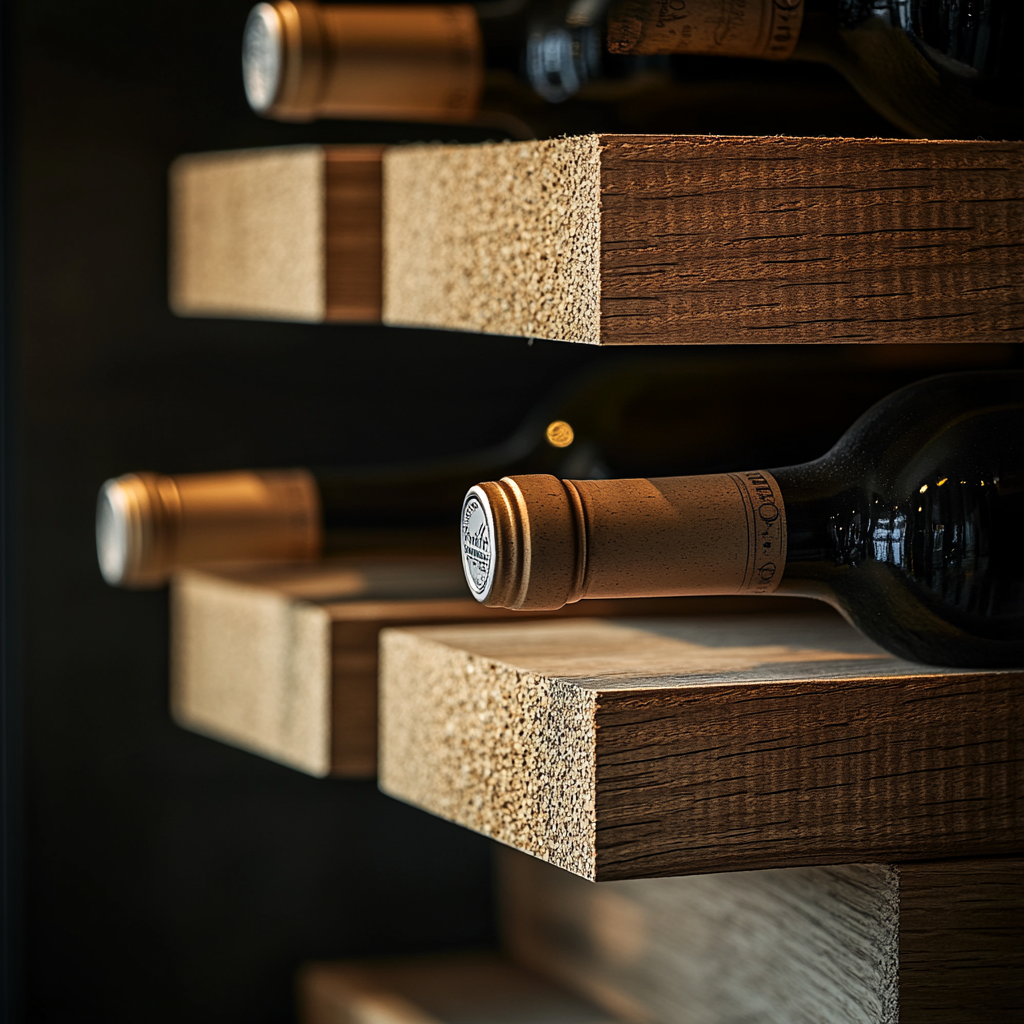
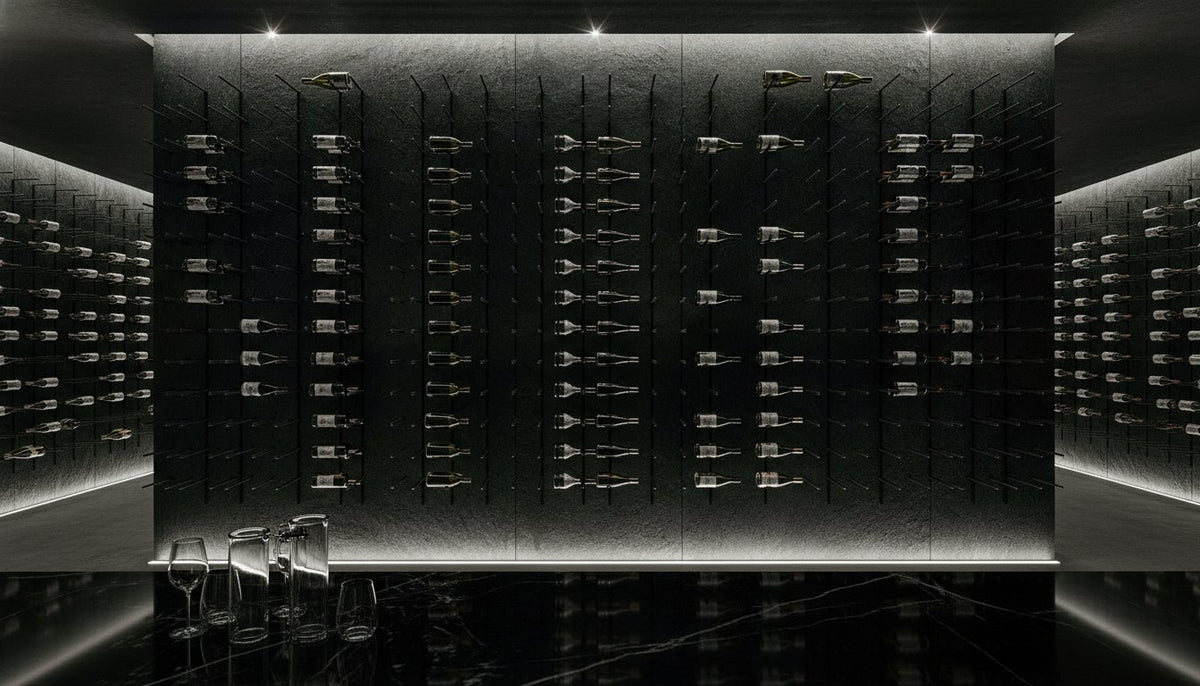
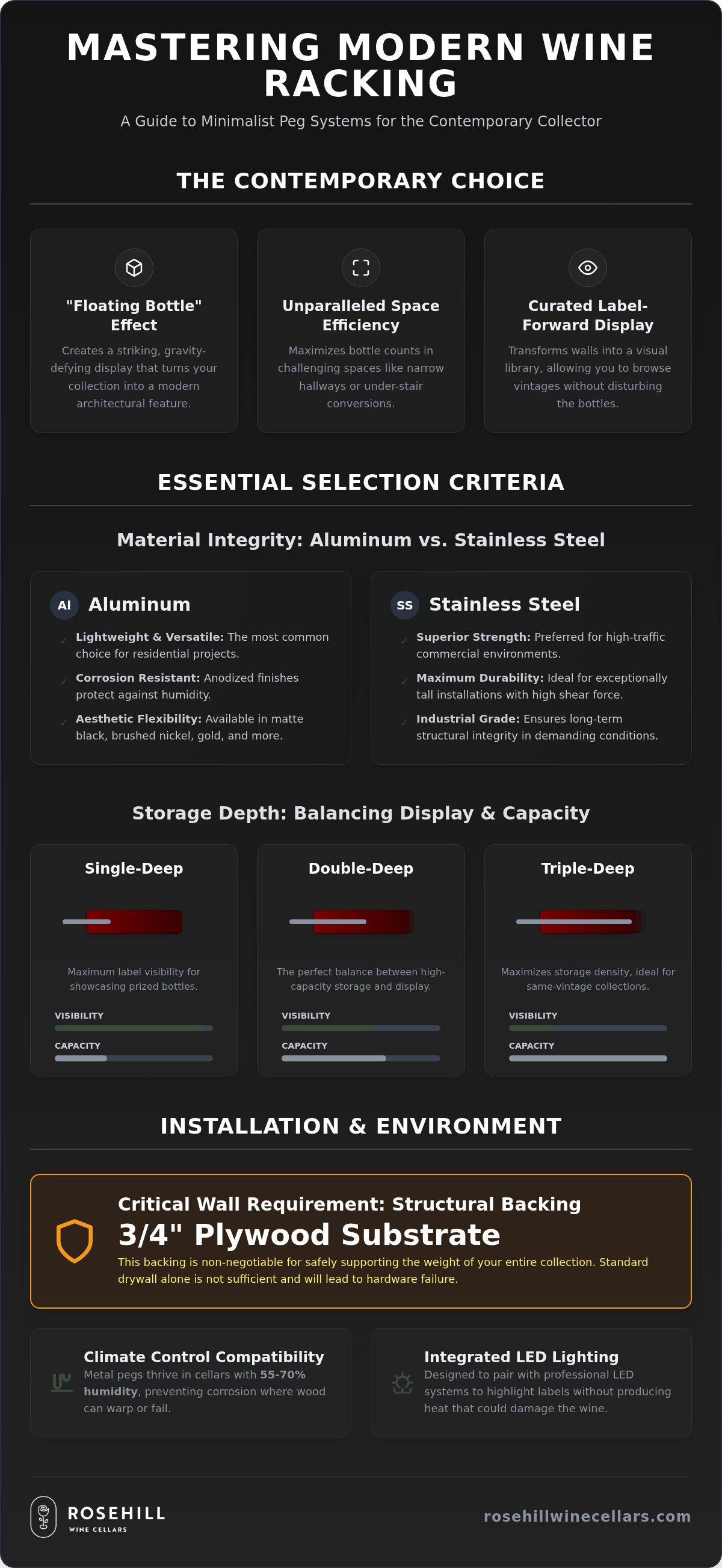
The shift toward minimalist wine peg racking reflects a broader evolution in interior design where functionality and high-end aesthetics converge. These individual mounting pins, often crafted from premium metals or durable acrylic, serve as the structural foundation for label-forward or neck-out storage configurations. Unlike traditional cabinetry that can feel heavy or imposing, pegs create a "floating bottle" effect that resonates with the clean lines of contemporary architecture. It's a subtle transformation that turns a storage requirement into a design statement.
Beyond the visual impact, this system offers unparalleled space efficiency. Because each pin is an independent component, you can maximize bottle counts in challenging areas like narrow hallways or under-stair conversions that would reject standard shelving. This versatility allows for a seamless transition from a small decorative display in a dining room to a full-scale custom wine cellar. The system adapts to your architectural constraints rather than forcing your home to adapt to the furniture.
The Aesthetic Advantage of Label-Forward Displays
Curating a collection is about more than just storage; it's about the visual narrative. Label-forward orientation transforms a wall into a vibrant visual library where every vintage is immediately identifiable. This arrangement offers a significant psychological benefit, as it allows you to browse your inventory without the need to physically handle and disturb the bottles. Constant movement can agitate sediment and impact the aging process. While traditional bulk storage bins excel at high-capacity utility, modern wine racking focuses on the curation experience, allowing the artistry of the label to serve as the primary decor.
Durability and Material Integrity
In the humid environment of a climate-controlled cellar, material choice is paramount. Wood can be susceptible to moisture-related issues over decades, but metal offers a permanent solution. Professional-grade hardware, such as the Vinofabbrica collection or RWC double bottle aluminum pegs, utilizes high-grade aluminum and stainless steel to prevent corrosion. These materials maintain their structural integrity and finish even when exposed to the consistent 55 percent to 70 percent humidity levels required for long-term storage.
Anodized aluminum is a material that has undergone an electrochemical process to increase the thickness of its natural oxide layer, making the surface significantly harder and more resistant to corrosion in humid environments. This finish ensures that the pegs don't just look sophisticated on the day of installation but remain pristine for the life of the cellar. Choosing metal over wood isn't just a style preference; it's a technical decision to protect your investment from the environmental demands of proper wine preservation.
Essential Selection Criteria: Materials, Depth, and Configuration
Selecting the ideal wine peg racking system requires a balance between architectural vision and structural reality. While the visual appeal is immediate, the choice of material dictates the long-term performance of the display. Aluminum is the most common choice for residential projects due to its lightweight nature and the ease with which it can be anodized into various finishes like matte black, brushed nickel, or gold. In contrast, stainless steel provides superior industrial strength. This makes it the preferred option for high-traffic commercial environments or exceptionally tall installations where the shear force on each pin is significant.
Your choice of finish should harmonize with other hardware in your home. A matte black peg offers a bold, graphic contrast against light stone, while gold or brass tones add warmth to a more traditional setting. Beyond aesthetics, verify that your chosen system is compatible with your specific inventory. Standard pegs are designed for 750ml bottles, but collectors of Magnums or Champagne require specialized spacing and reinforced hardware to accommodate the increased diameter and weight of larger glass.
Single vs. Multi-Deep Peg Systems
The depth of your system directly impacts both storage capacity and visual accessibility. Single-deep systems are the premier choice for "trophy" walls where the primary goal is to showcase every label clearly. If your priority is maximizing a limited footprint, double or triple-deep configurations allow you to layer bottles. The Rwc Double Bottle Aluminum Pegs provide a high-capacity solution that maintains a streamlined profile without sacrificing the label-forward perspective. These multi-deep systems require careful planning to ensure the bottles in the rear remain accessible for inventory rotation.
Choosing Your Brand: Vinofabbrica and Beyond
For those seeking the pinnacle of precision, Vinofabbrica stands as the gold standard in the industry. Their engineering focuses on the finer details, such as integrated O-rings and bottle grip technology that cushions the glass and prevents slippage. When planning your layout, consider whether you prefer individual pegs or rail-mounted systems. While individual pegs offer the ultimate in bespoke layout flexibility, rail-mounted options like Modern Wine Racking simplify the installation process by ensuring perfect horizontal alignment across the entire wall. If you aren't sure which configuration suits your collection, consulting with a design expert can clarify the best path for your specific space.
Technical Planning: Wall Requirements and Spacing Precision
The success of a wine peg racking installation depends entirely on what lies behind the finish wall. While the minimalist aesthetic suggests lightness, the physics of a cantilevered bottle tell a different story. Each bottle exerts significant tension on the mounting hardware, pulling away from the wall rather than just pushing down. This is why you cannot mount professional systems directly into standard 1/2 inch or 5/8 inch drywall. Without proper reinforcement, the fasteners will eventually pull through the gypsum, leading to catastrophic failure of the display.
To ensure a permanent installation, you must integrate structural backing during the construction or renovation phase. We recommend a minimum of 3/4 inch ACX-grade plywood or solid wood blocking secured directly to the wall studs. This provides a dense, stable substrate for the fasteners to bite into. If you're working with an existing masonry wall, specialized anchors are required to manage the weight distribution. A well-planned substrate is the invisible foundation that allows the "floating" effect to remain secure for decades.
Ensuring Structural Integrity
Calculating the total load is a critical step in the planning process. A standard 750ml bottle weighs approximately 3 lbs when full. For a 100-bottle feature wall, your structure must support 300 lbs of static weight, plus the weight of the hardware itself. This load is concentrated on relatively small points of contact, making the choice between timber studs and masonry vital for fastener selection. For complex installations or large-scale projects, engaging with a professional Custom Wine Cellars design team ensures that your architectural vision is backed by sound engineering principles.
The Math of the Perfect Layout
Precision in spacing defines the professional look of a cellar. For standard 750ml bottles, we recommend a vertical spacing of 3.5 to 4 inches from center to center. This provides enough clearance for your hand to grasp the bottle comfortably without disturbing the ones above or below. Horizontal spacing should allow a gap of at least 1/2 inch between the widest parts of the bottles to prevent label scuffing.
When designing your layout, consider the visual rhythm of the wall. Symmetrical grids offer a disciplined, modern feel that suits formal dining rooms. Staggered patterns create a more dynamic, textured appearance that can hide slight architectural imperfections. It's also wise to plan for "growth space" by leaving 15 to 20 percent of the wall open. This allows your collection to evolve without requiring a complete redesign of your wine peg racking system.
Curating the Environment: Featured Best Sellers for Your Cellar
A striking wine peg racking display is only as effective as the environment that surrounds it. While the aesthetic appeal of floating bottles is undeniable, serious collectors understand that preservation and ritual are what transform a wall into a functioning cellar. Integrating your display with high-performance Wine Coolers ensures that your most sensitive vintages remain at the ideal 55 degree temperature. For those who want a professional-grade anchor in a dining or tasting room, the Vantaggio V164 Single Zone Wine Cabinet offers the perfect technological counterpart to the minimalist lines of peg hardware. It provides a dedicated climate zone for ready-to-serve bottles while the open wall serves as a curated visual library.
Glassware Excellence from the Best Sellers Collection
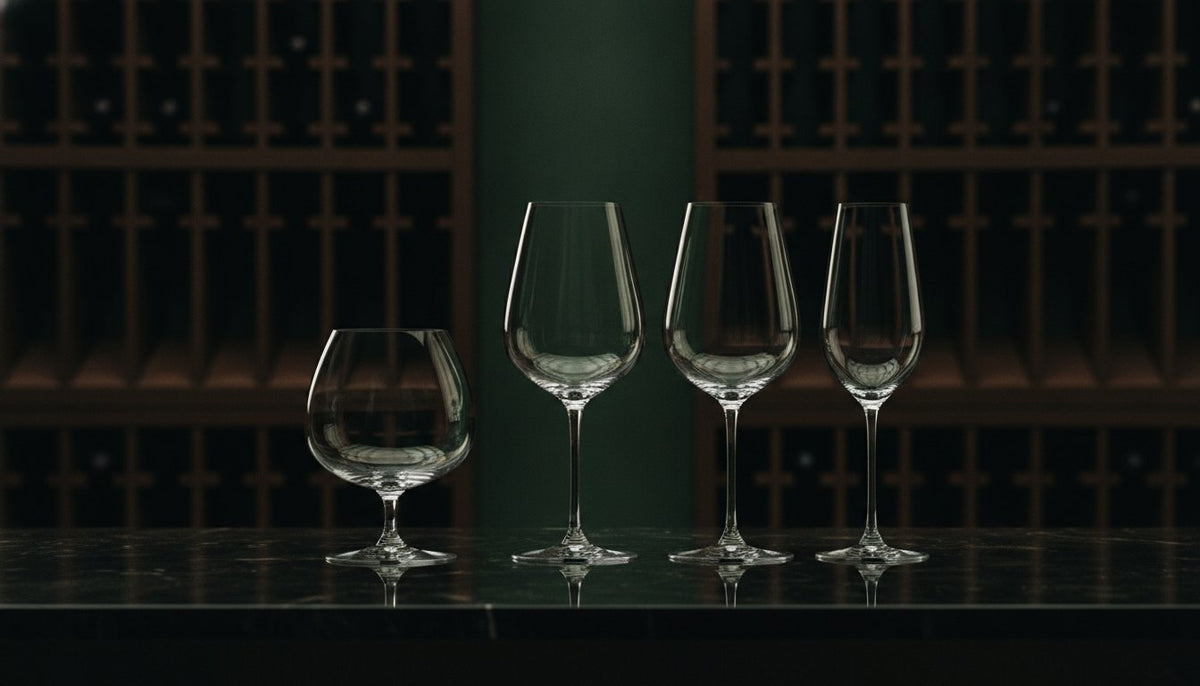
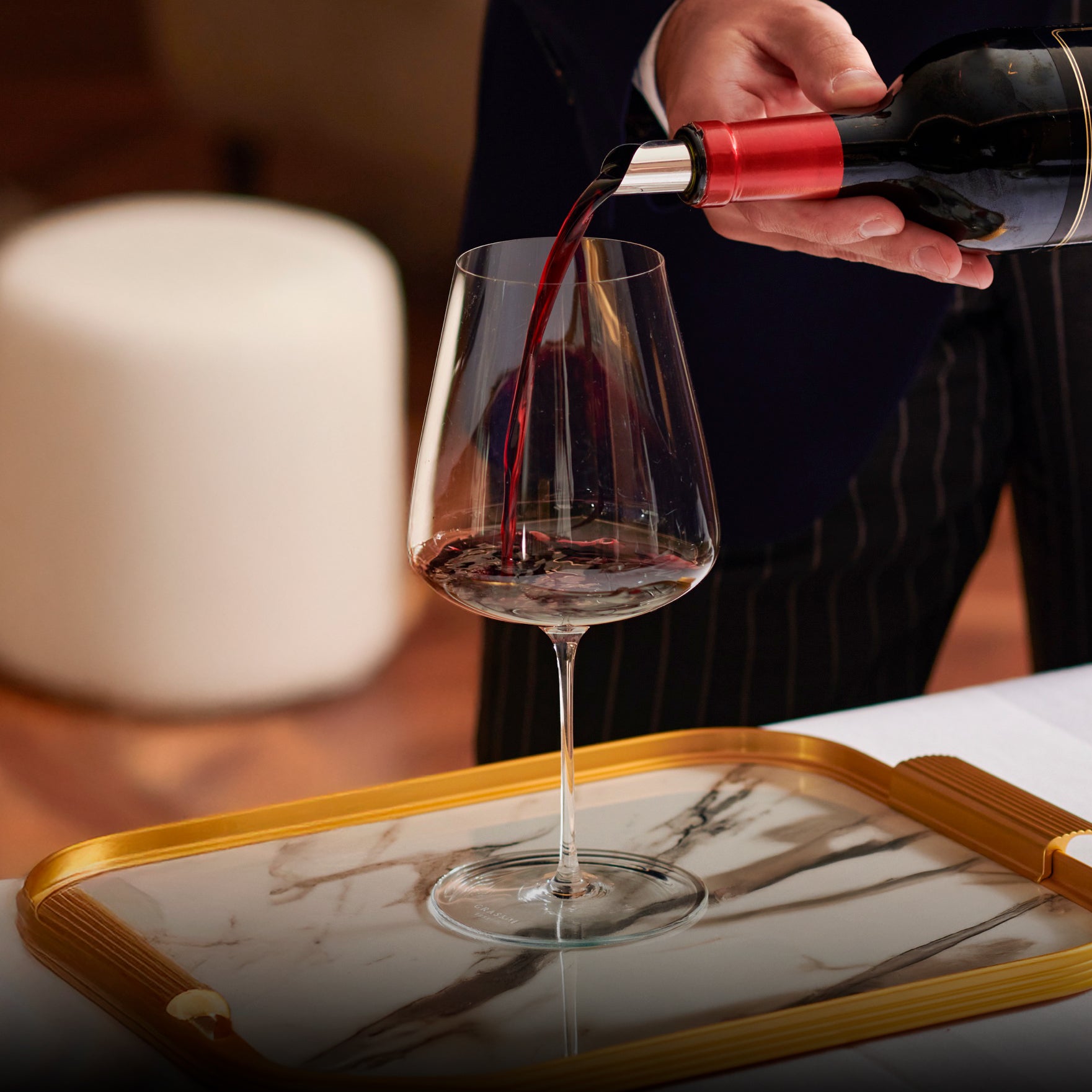
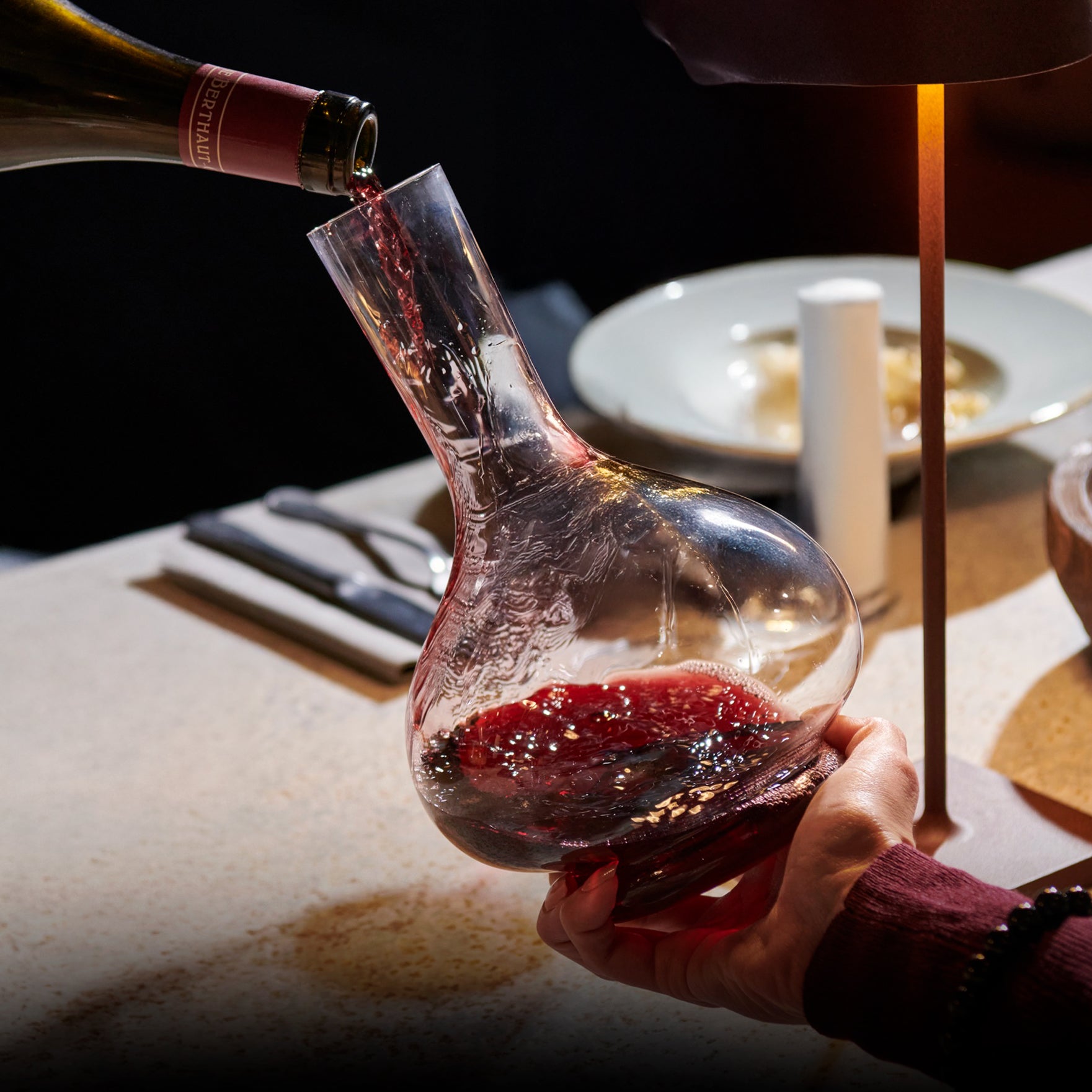
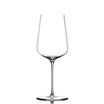
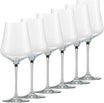
The minimalist nature of modern racking demands glassware that shares its refined DNA. The Josephine N° 2 Universal Glass is the perfect companion for this setting. Its unique design isn't just a style choice; it helps aerate the wine as you pour, bringing out the nuances of the bottles you've carefully selected from your wall. For a complete service experience, the Orrefors x Björn Frantzén Carafe offers a sophisticated way to aerate older vintages. If you prefer a streamlined approach, Gabriel-Glas StandArt glasses provide a universal solution that handles everything from crisp whites to bold reds with equal elegance.
Preservation and Ritual Tools
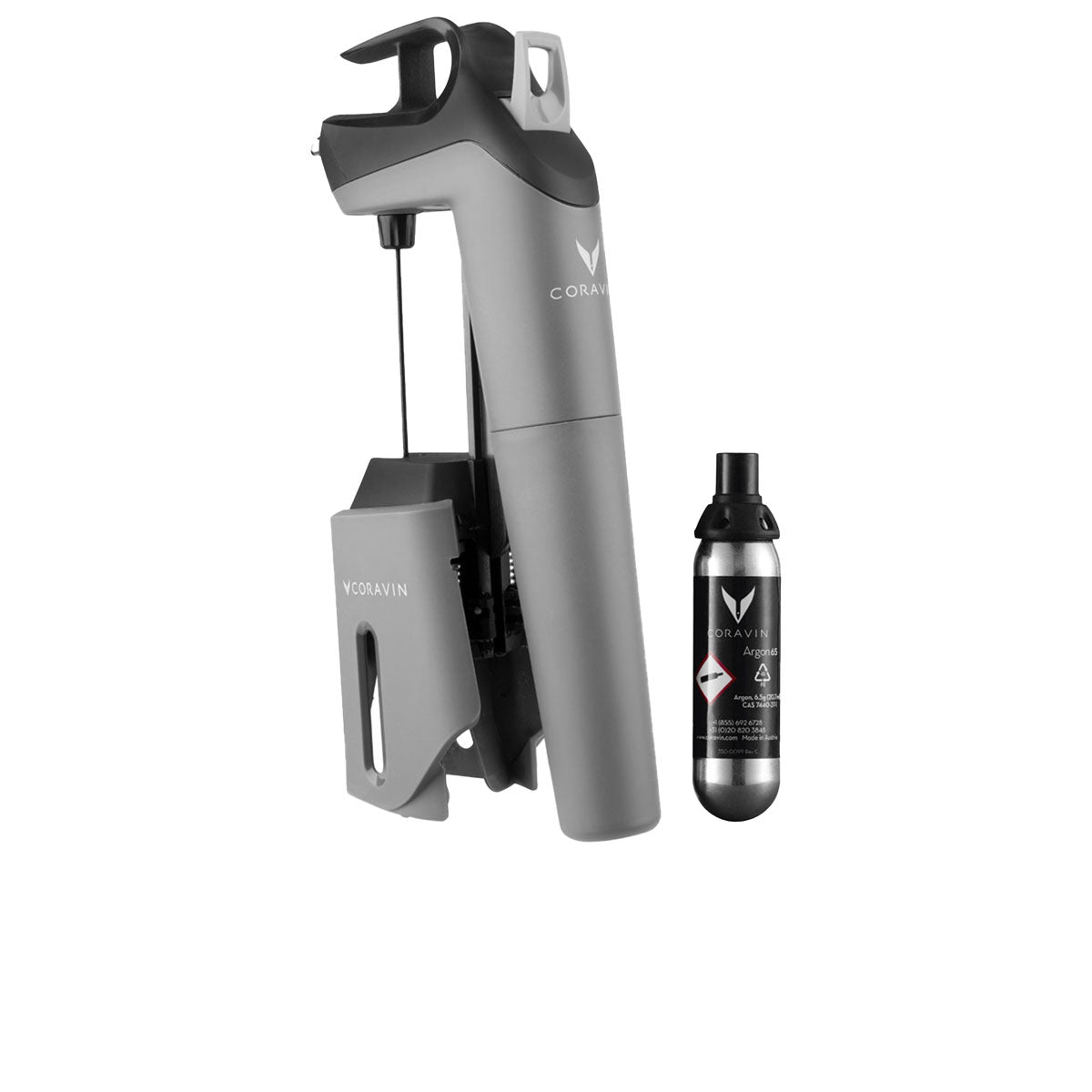
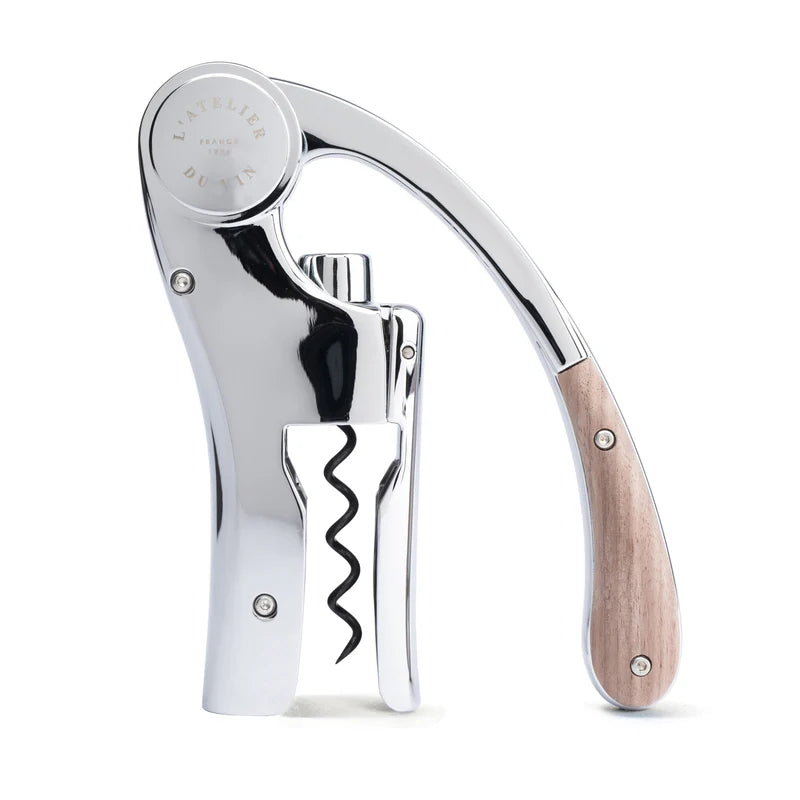
Managing a large collection often means wanting to sample a bottle without committing to finishing it. The Coravin Timeless Six+ is an essential tool for the modern enthusiast, allowing you to pour a glass without removing the cork or disturbing the long-term aging of the bottles on the wall. When you're ready to open a bottle, the ritual should feel as premium as the storage itself. The Oeno Motion Silver & Wood Corkscrew provides a tactile, professional-grade opening experience that complements the high-end materials of your cellar. These tools ensure that the transition from display to glass is seamless and sophisticated.
Shop our curated Best Sellers for your wine room to find the perfect finishing touches for your custom installation.
Finalizing Your Design: Installation and Professional Integration
The transition from a conceptual design to a physical installation is where precision matters most. While a small, decorative display might be a manageable project for a confident homeowner, large-scale wine peg racking systems often require professional intervention. The experts at Rosehill Wine Cellars bring decades of experience to ensure that technical requirements, such as substrate reinforcement and perfect horizontal alignment, are met with surgical accuracy. Professional integration ensures that your investment is secure and that the final aesthetic matches the high-end vision you've planned. It's often the difference between a shelf that holds wine and a structural feature that defines a room.
Lighting Your Wine Wall
Lighting acts as the final layer of a sophisticated cellar design, emphasizing the "floating" nature of the bottles. Backlighting is particularly effective for metal pegs, as it creates a dramatic silhouette and highlights the negative space between the bottles. If your goal is to showcase specific vintages, spotlighting provides the necessary focus on label details. It's vital to use cool-touch LEDs for any wine wall. Unlike traditional bulbs, these fixtures don't emit heat that could agitate the wine or damage the labels. Staggered peg layouts also allow for a play of shadows and depth, turning a flat wall into a three-dimensional art installation.
Climate and Humidity Mastery
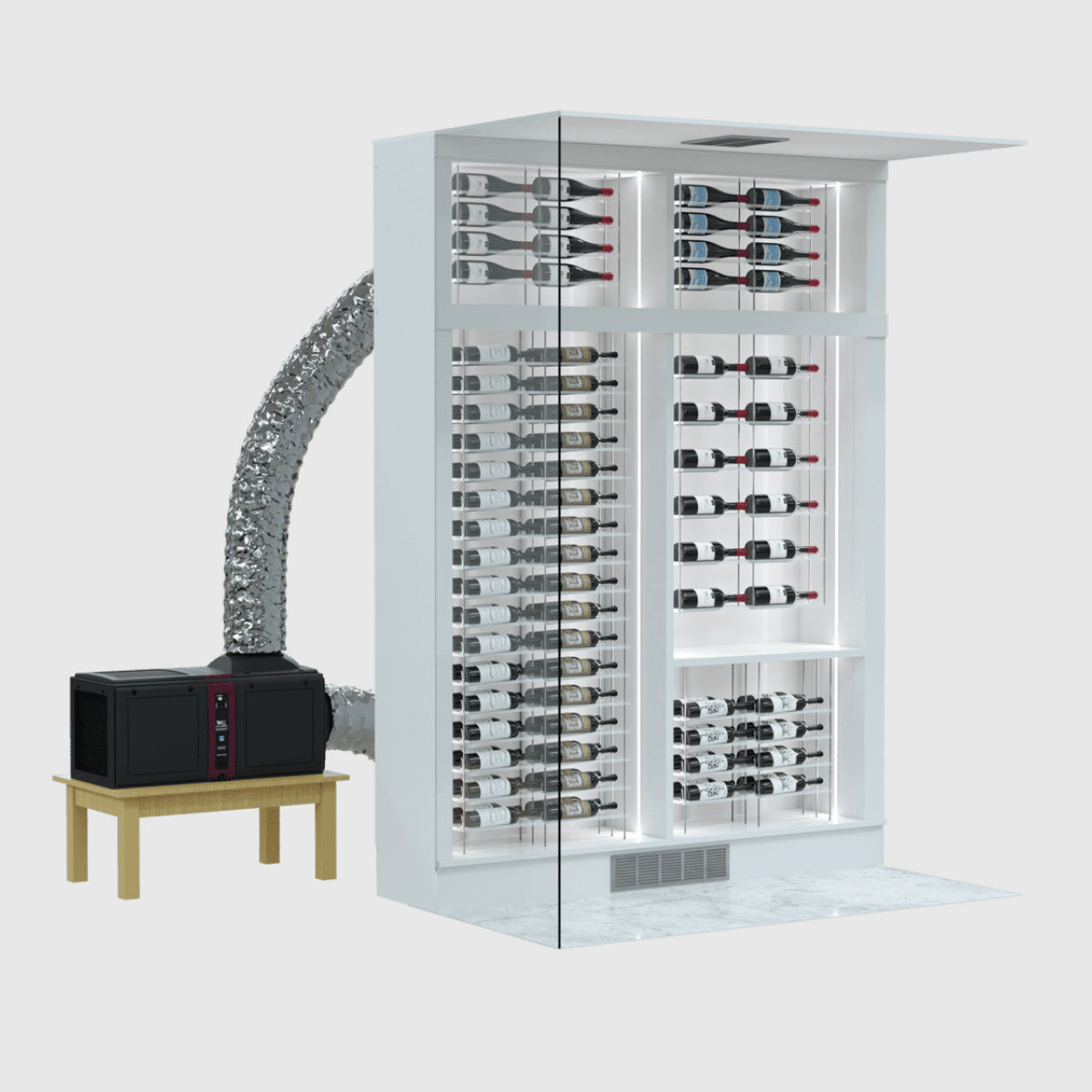
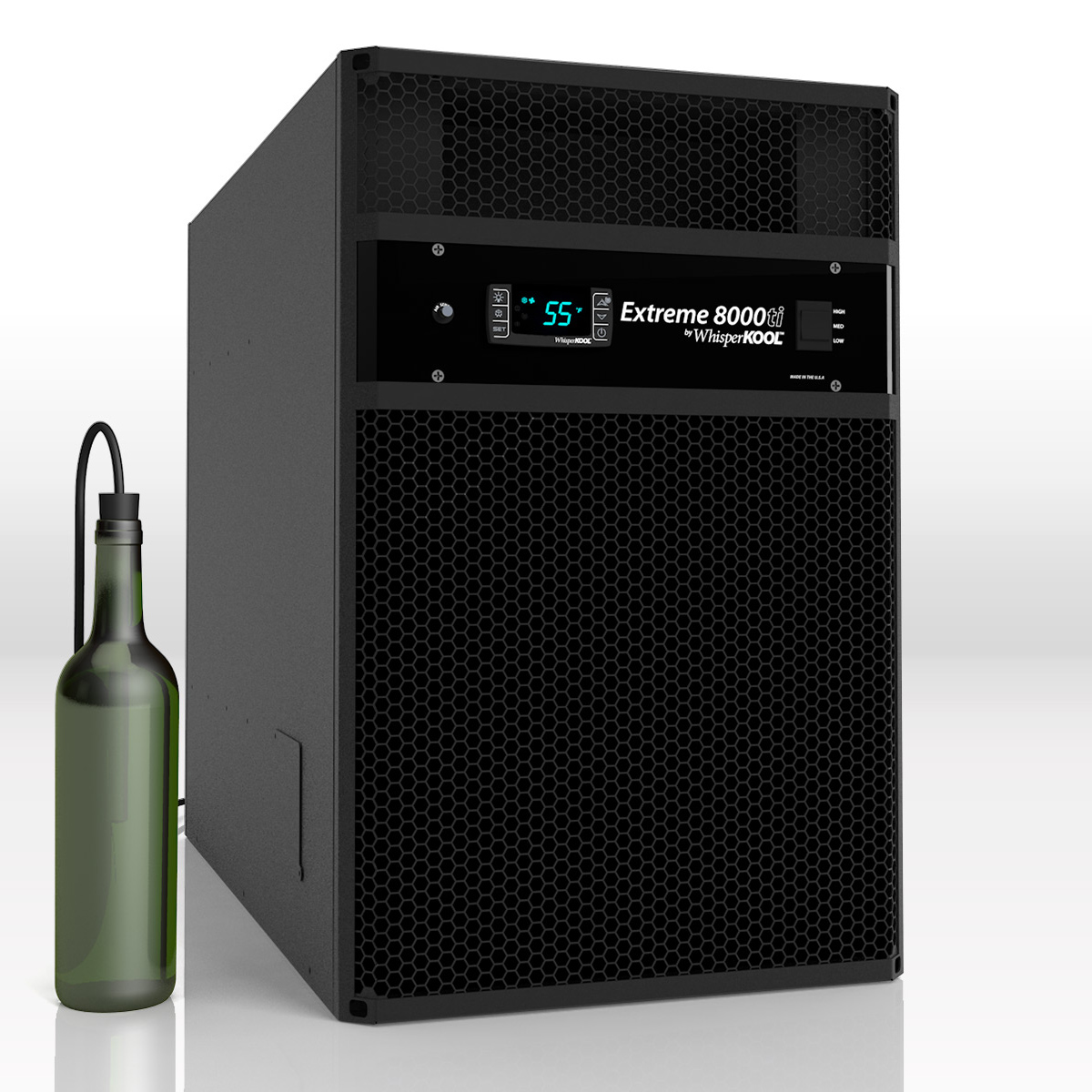
For wine walls that aren't enclosed in a traditional cellar, a professional Wine Cooling Unit is indispensable. High-performance split systems are designed to handle the unique demands of open-room displays, maintaining the consistent 55 percent to 70 percent humidity levels needed to keep corks from drying out. Proper humidity management also protects the integrity of your labels, ensuring they don't peel or discolor over time. Protecting your collection from temperature fluctuations is the most critical step in ensuring long-term satisfaction with your modern wine wall.
Before you finalize your purchase, review this final checklist:
- Verify that your structural backing is securely anchored to the wall studs to manage the cantilevered load.
- Confirm the spacing requirements for your largest bottle diameters, such as Magnums vs. standard 750ml.
- Ensure your LED lighting is placed to avoid direct glare on the glass while highlighting the labels.
- Select a metal finish that complements your existing interior hardware and architectural accents.
Explore the Best Sellers collection and start your project today.
Elevating Your Collection with Architectural Precision
Transforming your home with a professional wine peg racking system is a journey that balances structural engineering with refined interior design. By prioritizing high-grade materials and ensuring your wall has the necessary reinforcement, you've created a display that is as secure as it is stunning. Success lies in the harmony between your hardware finishes, precise bottle spacing, and integrated climate control. It's the meticulous attention to these technical details that ensures your collection remains a permanent architectural feature rather than a temporary installation.
As a specialized dealer for Vinofabbrica and Vantaggio, Rosehill provides the expert technical support required for complex, custom installations. Our collection features over 690 premium products, giving you access to the same professional-grade hardware used by the world's leading designers. You're now equipped with the knowledge to select and plan a system that reflects the quality of your finest vintages. It's time to turn your architectural vision into a sophisticated reality that protects and showcases your investment for years to come.
Browse Our Best Selling Wine Racks and Accessories
Frequently Asked Questions
Can wine pegs be installed directly into drywall?
No, you cannot install wine peg racking directly into standard drywall. The weight of a full bottle, combined with the cantilevered force on the pin, will cause the hardware to pull through the gypsum. A secure installation requires 3/4 inch ACX-grade plywood or solid wood blocking behind the finish wall. This ensures the fasteners have a dense substrate to grip, providing the structural integrity needed for long-term storage.
How many bottles can a double or triple-deep peg hold safely?
A double-deep system is engineered to hold two standard 750ml bottles, while a triple-deep configuration holds three. Each full bottle weighs approximately 3 lbs, so a triple-deep pin must support 9 lbs of static weight. It's essential to use professional-grade hardware like RWC double bottle aluminum pegs to ensure the pins don't bend under the increased load. Proper substrate backing becomes even more critical as you increase bottle depth.
Do wine pegs work for Magnum or Champagne bottles?
Yes, wine pegs are compatible with larger formats, but they require specific spacing and reinforced hardware. Magnum and Champagne bottles have wider diameters than standard 750ml bottles, so your horizontal and vertical layout must be adjusted to prevent the glass from touching. You should confirm that your chosen hardware is rated for the additional weight. Planning for these larger bottles during the design phase prevents overcrowding and ensures easy retrieval.
What is the best material for wine pegs in a high-humidity cellar?
Anodized aluminum and stainless steel are the premier choices for high-humidity environments. These materials are naturally resistant to corrosion and won't degrade when exposed to the 55 percent to 70 percent humidity levels found in a climate-controlled cellar. Anodized finishes provide an extra layer of protection while offering various color options to match your decor. Unlike wood, these metals don't harbor mold or moisture, making them a permanent solution for modern collections.
How far apart should wine pegs be spaced for standard bottles?
For standard 750ml bottles, we recommend a vertical spacing of 3.5 to 4 inches from center to center. This provides enough clearance to grasp a bottle without disturbing the ones above or below it. Horizontal spacing should allow for at least a 1/2 inch gap between the widest parts of the bottles. Maintaining these precise measurements ensures a professional, symmetrical look while preventing label scuffing during inventory rotation or retrieval.
Are metal wine pegs safe for long-term aging of corked wines?
Metal pegs are perfectly safe and highly effective for long-term aging. Storing bottles horizontally on pegs ensures the wine stays in contact with the cork, keeping it moist and preventing oxidation. Premium metal hardware doesn't off-gas or harbor pests like some wood products might. When paired with proper climate control, these systems provide a stable environment that respects the aging process while offering a sophisticated, label-forward view of your collection.
Do I need a professional designer for a wine peg wall?
While some smaller projects are manageable for experienced DIYers, a professional designer is highly recommended for large-scale installations. Experts at Rosehill Wine Cellars provide the technical precision required for structural planning and aesthetic symmetry. We help you navigate substrate requirements, cooling integration, and hardware selection to ensure your wine peg racking system is both beautiful and durable. Professional guidance avoids costly mistakes and guarantees a result that meets architectural standards.