






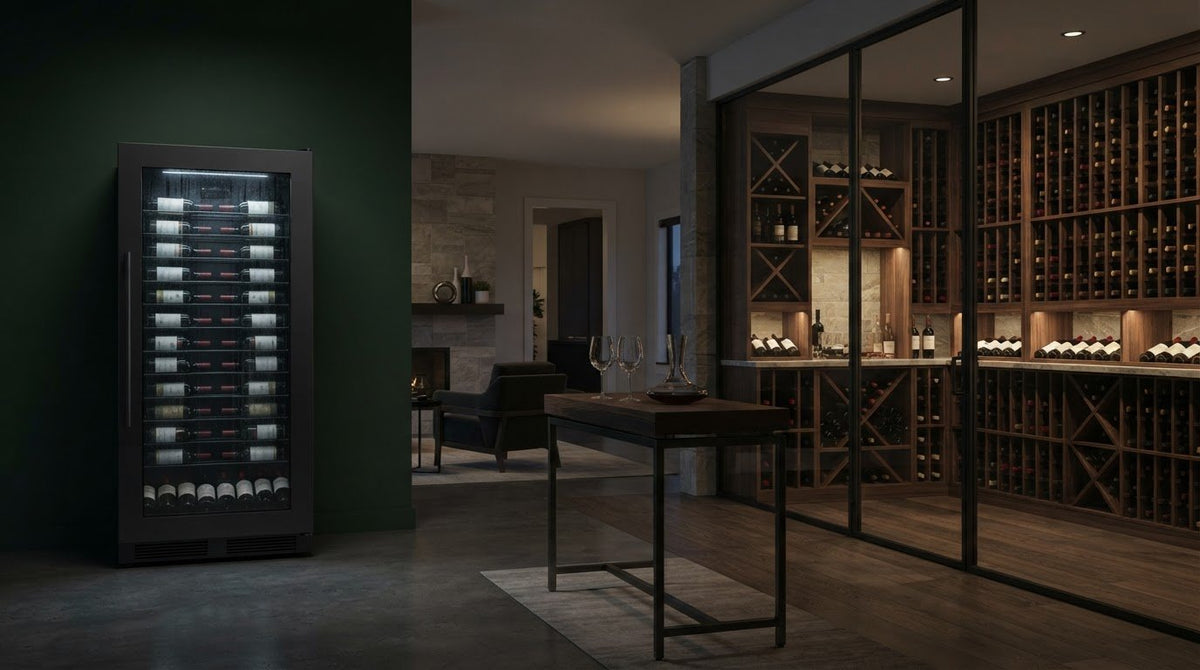
The best wine storage choice may have less to do with the cabinet itself than with the room around it. In the eurocave pure series vs custom built refrigerated cabinet comparison, a ready-made cabinet offers a defined solution, while a bespoke project can be shaped around your collection, available space, and design priorities.
To decide whether a EuroCave Pure will hold enough, or whether customization is worth the additional planning, look beyond today’s bottle count. How you use your collection, the room’s dimensions, and whether storage should blend into the interior or become a feature all affect the right fit.
This guide compares the two approaches by capacity, spatial fit, climate-control planning, appearance, and flexibility. Start by recording your collection size and expected growth, measuring the intended space, and deciding whether you need long-term storage, serving-ready bottles, or both. Rosehill Wine Cellars designs and builds custom wine cellars, and offers wine cabinets and cooling units for different storage needs.
Key Takeaways
- Understand why a EuroCave Pure is a defined cabinet range, while custom refrigerated storage is a room-specific design project.
- Compare the eurocave pure series vs custom built refrigerated cabinet by intended use, climate approach, placement, and design flexibility.
- Use your collection size, expected growth, aging plans, and serving preferences to clarify what your storage needs demand.
- Weigh the convenience of a ready-made cabinet against the added design coordination and flexibility of a custom solution.
- See how Rosehill Wine Cellars’ custom wine cellar design expertise can help shape storage around your room and priorities.
EuroCave Pure vs. a custom-built refrigerated cabinet: what is the real difference?
The difference is where the planning starts. EuroCave Pure is a branded collection of wine cabinets with defined models and configurations. Custom-built refrigerated wine storage is planned around a particular room and collection. It may be a purpose-designed enclosure with wine cooling, but there is no single standard layout or construction method behind the term.
Customization alone does not guarantee better preservation or greater value. Either option needs to suit the wine, the space, and the way you use your collection. Compare intended use, footprint, climate requirements, appearance, and the planning involved before choosing.
What does the EuroCave Pure collection offer?
Pure models are presented for different storage and serving needs, with single-, dual-, and multi-temperature configurations across the range. A single-temperature cabinet can support a consistent storage environment for aging. Multiple temperature zones may help keep wines at different serving temperatures. Choose based on whether you mainly hold bottles for the long term, prepare them for service, or do both.
Current listings describe Pure S capacities of 74-92 bottles, Pure M capacities of 141-146, and Pure L capacities of 182-200, depending on the model. EuroCave describes the Pure approach around stable temperature, 50-80% humidity, UV protection, reduced vibration, and ventilation. Some Pure models are also described with a circulating fan and lava-rock humidity cassette. These are product-range details, not a substitute for matching a specific model to your requirements. Compare the exact model’s stated capacity, temperature configuration, humidity information, and warranty terms, since details can vary by model and market.
What does custom-built refrigerated wine storage mean?
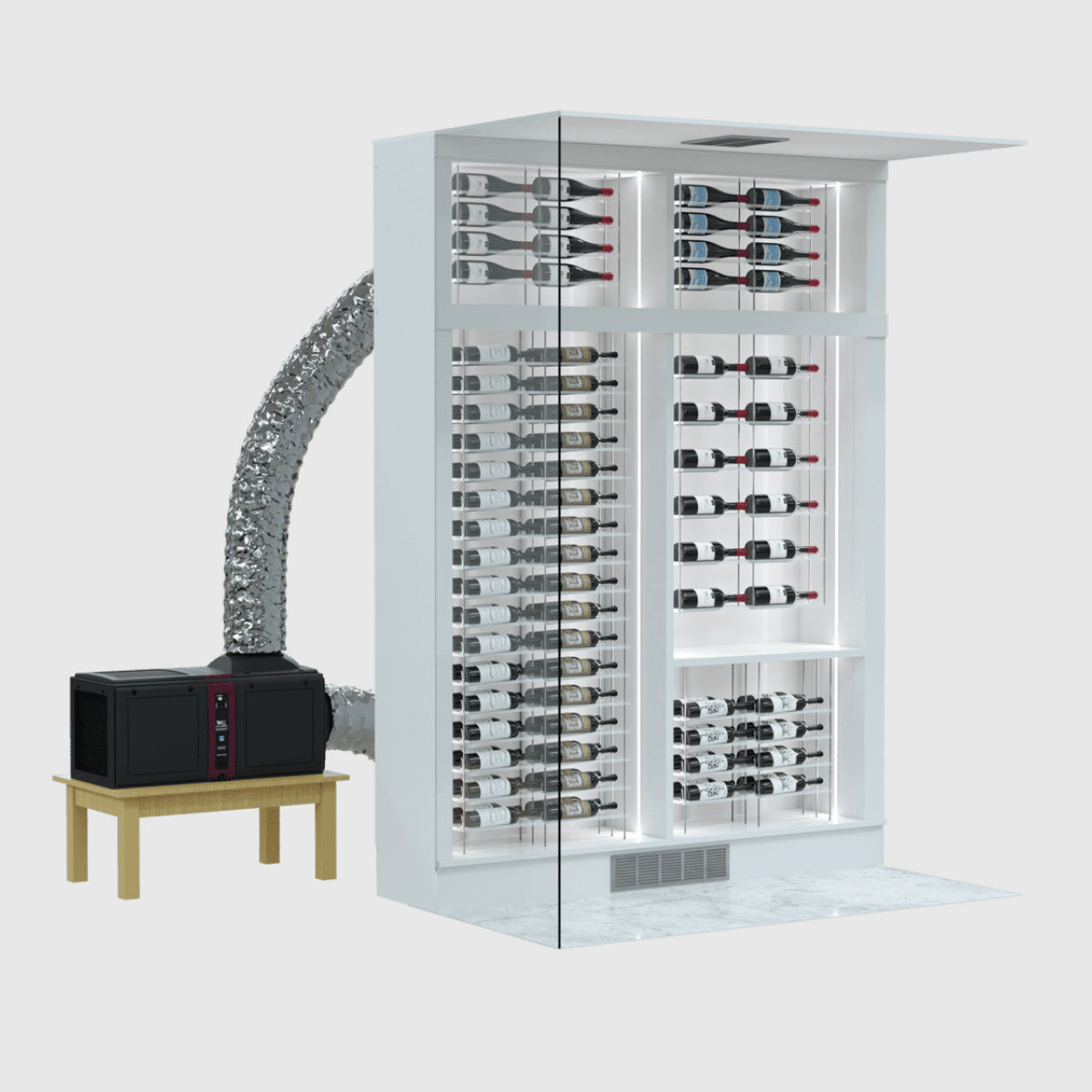
A custom project may create a refrigerated enclosure within a room or develop a larger wine-storage environment around its dimensions, finishes, and intended use. Unlike a standard freestanding cabinet, it coordinates the space, storage layout, cooling approach, and construction as parts of one design. A wine cellar can use active or passive cooling; the right approach depends on the environment and preservation goals.
There is no single cooling method or construction recipe for every bespoke project. Room conditions, the enclosure, capacity, and design priorities shape the plan. Rosehill Wine Cellars designs and builds custom wine cellars, bringing these considerations together so the room and collection inform the solution rather than being forced into a standard cabinet footprint.
In short, eurocave pure series vs custom built refrigerated cabinet is not a contest between a lesser and a better option. Pure offers a defined product choice; custom storage lets the room shape the design, with more coordination involved. First establish what the wine needs and where it will live. Then compare a specific cabinet configuration with the requirements of a room-specific project.
How EuroCave Pure and custom refrigeration handle storage, climate, and daily use
The useful comparison is not simply cabinet versus cellar. Consider how each option supports your collection in practice: what you store, how quickly bottles move, and whether you need a consistent aging environment, serving-ready wines, or both. EuroCave’s Pure features are manufacturer claims for that product range; custom storage performance depends on the enclosure and cooling system designed for the project.
| Consideration | EuroCave Pure | Custom refrigerated storage |
|---|---|---|
| Intended use | Configurations can suit aging, serving, or a mix of storage needs. | Planned around the collection’s use, from long-term storage to display and service. |
| Capacity | Set by the chosen model; compare its stated bottle capacity with your collection. | Developed around the available footprint and desired storage quantity. |
| Climate approach | EuroCave describes temperature stability, humidity, UV protection, reduced vibration, and ventilation as Pure criteria. | Depends on the enclosure design, room conditions, and selected cooling system. |
| Placement | Requires a suitable location for the selected cabinet. | Designed for a particular room or area, with planning for its physical conditions. |
| Design flexibility | Selection is based on the collection’s available models and finishes. | Storage layout and appearance can be coordinated with the room. |
| Planning | Focus on model, capacity, configuration, and placement. | Coordinate dimensions, enclosure, cooling, storage, and finish. |
Aging, serving, or both: match the solution to wine habits
If you hold bottles for years, consistent storage conditions may matter more than access to several serving temperatures. If you regularly open wines from different categories, a multi-temperature cabinet can keep selected bottles closer to their preferred serving conditions. Separate zones serve that purpose, but do not replace the need to consider how much wine you want to store for aging.
Look beyond your current inventory. Note which bottles turn over quickly, which remain in storage, and whether those patterns are likely to change. A collection that starts with a few ready-to-serve favourites may grow into a longer-term reserve, changing the capacity and temperature needs.
Climate control and protection: compare like with like
For Pure, EuroCave describes humidity of 50-80%, alongside its stated priorities of stable temperature, UV protection, vibration reduction, and constant ventilation. Treat these as product-range specifications, not universal guarantees for every cabinet or storage situation. Compare the details for the exact model you are considering.
For custom storage, assess the same factors, including light exposure and air quality, as elements of a complete design. The enclosure and cooling system work together; customization by itself does not ensure greater precision, efficiency, or protection. Rosehill’s custom wine cellar design brings room dimensions, storage requirements, and aesthetic priorities into one project plan.
Which fits your home better: a ready-made cabinet or a custom refrigerated design?
Let the room and collection guide the choice, rather than assuming bespoke is automatically superior. A defined cabinet range can be straightforward if a model’s capacity, configuration, and dimensions suit your plans. Custom design becomes relevant when the room sets particular requirements or storage needs to integrate with the architecture. The trade-off is practical: product selection is comparatively clear, while a custom project involves more design and construction coordination.
When a EuroCave Pure cabinet may be the more straightforward fit
A Pure cabinet may suit collectors whose bottle quantity and storage habits align with a published configuration and who want a dedicated appliance rather than room-specific construction. It can be a practical option if its footprint works in the intended location and its appearance suits the interior without requiring a built-in design.
Measure the available area, then compare it with the model’s dimensions and installation requirements. Include the room needed to position the cabinet, open its door, and move it into place. Check the route from the entrance too: a cabinet that fits its final location still needs to pass through hallways and doorways.
When bespoke design may better serve the room
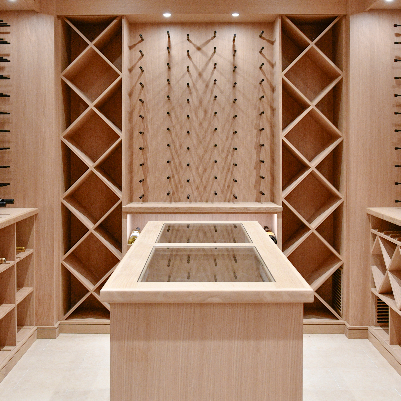
Custom design may be worth exploring when a standard footprint leaves awkward gaps, the available area has unusual dimensions, or wine storage should continue the room’s cabinetry and finishes. It can also suit a space where the collection is part of the visual composition, rather than an appliance placed alongside other furnishings. Similarly, for homeowners coordinating wine refrigeration into a wider indoor or outdoor entertaining space, guides on kitchenrenovationsperfected.com offer helpful insight into selecting durable materials for custom cabinetry and built-in fixtures.
A custom wine cellar involves more than choosing a cabinet and adding decorative details. Storage layout, enclosure, cooling, and construction need to be coordinated for the particular room. Rosehill Wine Cellars’ custom wine cellar design brings those elements into one project.
Use this short fit check before choosing a direction:
- Footprint: Can a freestanding cabinet sit where intended without obstructing circulation or nearby doors?
- Capacity: Does a published cabinet capacity suit the collection you plan to store, with room for anticipated growth?
- Visibility: Should storage be discreet, or do you want it to contribute to the room’s design?
- Installation: Are access, placement, and the cabinet’s stated installation conditions compatible with the space?
For example, a dining room with an open wall and a collection that fits a defined model may not need a construction project. A narrow alcove or prominent feature wall with a specific design language could make a coordinated room-specific solution more suitable. Assess appearance alongside practical use: access to bottles, room flow, storage capacity, and how permanent the installation will be.
In the eurocave pure series vs custom built refrigerated cabinet decision, favour the option that meets your actual constraints with the least compromise. A well-matched cabinet is not a lesser choice, and bespoke work is not automatically the better investment. Choose what fits the space, collection, and design priorities today, while making sense for how you expect to use the room over time.
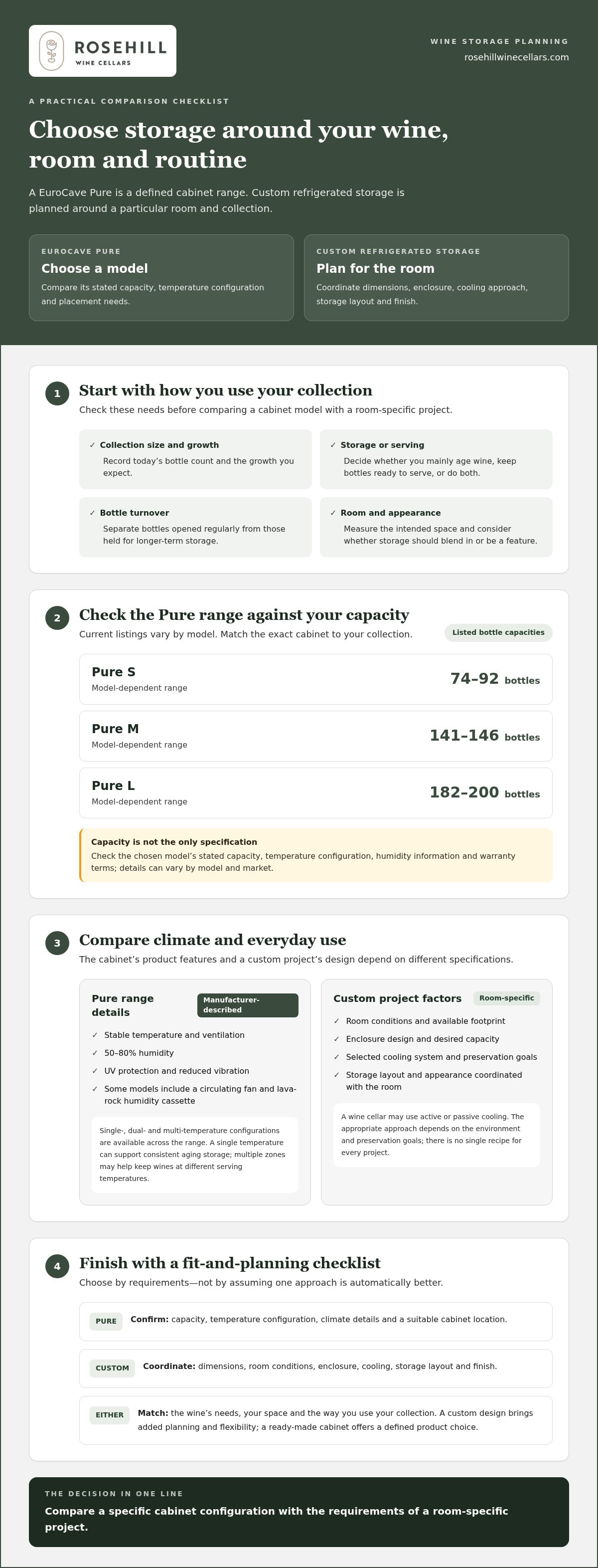
How to decide between EuroCave Pure and custom-built refrigerated storage
A short planning brief can make the choice clearer before you compare models or plan a room-specific project. Work through the steps in order: define how you use your collection, measure the space, compare requirements with documented specifications, then choose the path that fits.
- Define your use. Record your current bottle count and how many bottles you may add. Note which wines you plan to age, how long they are likely to stay in storage, and which you want ready for serving. This helps distinguish long-term storage needs from serving flexibility, or show where both matter.
- Measure the space. Write down the available width, depth, and height. Note access through doors and hallways, nearby obstructions, and how visible the installation will be. Consider whether storage should stand alone or integrate visually with the room. Record preferred finishes and any features of the space that could affect placement or design.
- Compare requirements. Match your brief against current EuroCave Pure model capacities, configurations, dimensions, and published installation requirements. Keep product specifications separate from assumptions about custom work. A bespoke design can be planned for a particular room, but its climate performance depends on the enclosure and cooling system selected, not on customization alone.
- Choose a path. If a published cabinet configuration fits your collection and physical space, a ready-made unit may be suitable. If your dimensions, design priorities, or storage layout call for coordinated room-specific planning, consider a custom project involving design and construction.
Make your notes specific. “A growing collection” is less useful than a current count and a realistic estimate of future needs. Likewise, “I want it to look good” becomes actionable when you identify whether the cabinet will be a visible feature, should echo nearby finishes, or needs to sit discreetly in a dedicated area. This helps separate a genuine design requirement from a general preference.
For a room-specific project, Rosehill Wine Cellars brings custom wine cellar design and construction together, coordinating storage needs with room dimensions and aesthetic priorities. The custom wine cellar design process is a relevant next step when the space calls for more than selecting a freestanding cabinet.
Compare the current product documentation for the exact cabinet you are considering, and treat custom design as a project to plan rather than a standardized appliance. For cooling-system options for a dedicated wine-storage environment, explore wine cellar cooling systems.
This process turns the eurocave pure series vs custom built refrigerated cabinet question into a practical comparison: what you need to store, what the room allows, and how much design coordination the solution calls for.
Explore a custom wine storage solution with Rosehill Wine Cellars
If your storage needs are shaped by a particular room, begin with a design conversation rather than choosing an appliance first. Rosehill Wine Cellars designs and builds custom wine cellars, coordinating the space, collection, and aesthetic priorities as parts of one project. A clear brief is a useful starting point, even if you do not yet have a finished plan.
What to bring to a custom wine storage consultation
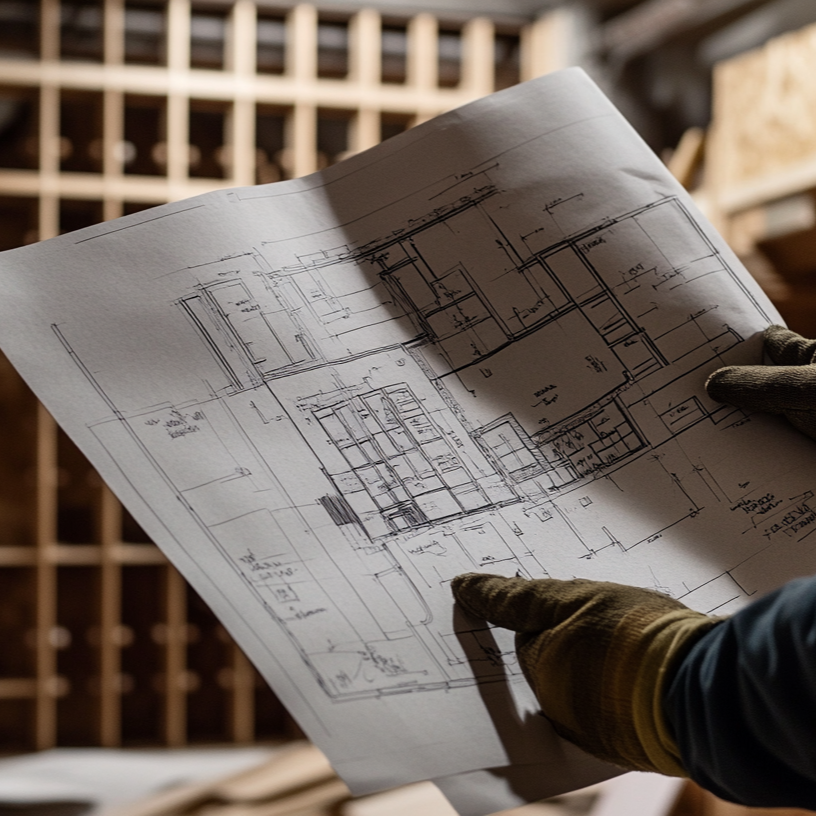
Prepare details about both the room and how you enjoy your collection. Measurements and photographs provide context; notes about bottle quantity and intended use help define what the storage needs to accommodate. You do not need every design decision settled. A short list of priorities is enough to start a focused discussion.
- Room information: Record the available width, depth, and height, and bring photographs that show the surrounding space, access points, and nearby finishes.
- Collection profile: Note your current bottle count and anticipated growth, including whether your collection is likely to change in size or mix over time.
- Storage purpose: Describe whether you are focused on aging, serving, display, or a combination of these uses.
- Design priorities: List functional needs, preferred materials or finishes, and whether the storage should stand out or feel visually integrated.
These details help distinguish essential requirements from preferences. Fixed room dimensions may determine where storage can go, while a preferred finish can guide its appearance. Photographs show how the wine area relates to the rest of the interior, context that measurements alone cannot provide.
Move from comparison to a tailored design
A custom wine cellar is a coordinated design and construction project, not simply a standard freestanding cabinet placed in a room. The plan takes its cues from the space and collection, while the enclosure and cooling approach are considered as project elements. This differs from selecting a defined cabinet model and requires practical storage needs to align with the intended look and use of the room.
If your comparison of the eurocave pure series vs custom built refrigerated cabinet points toward room-specific requirements, Rosehill’s custom wine cellar design and construction offers a project-oriented route. The design process can use your measurements, photographs, collection details, and priorities to develop a solution around the space instead of assuming one standard configuration fits every room.
Bring your priorities into focus before moving ahead. A clear brief makes it easier to discuss how storage, room dimensions, and design intent should work together, without presuming a particular layout, cooling specification, cost, or timeline.
Explore Rosehill’s custom wine cellar design to begin planning storage around your room and collection.
Make room for the next chapter of your collection
The right wine storage should feel considered on installation day and as your collection and home evolve. Before committing, decide which trade-offs you are comfortable with: a fixed cabinet footprint, a more involved room-specific project, or a design that balances both. That clarity can turn the eurocave pure series vs custom built refrigerated cabinet choice into a confident decision grounded in how you want to live with your wine.
If your priorities point toward a tailored environment, Rosehill Wine Cellars can translate your room, collection, and design intentions into a custom wine cellar project. Start with the details that matter most, then shape the plan around them.
Explore custom wine cellar design with Rosehill Wine Cellars and take the first step toward a space shaped around your collection.
Frequently Asked Questions
Can a EuroCave Pure cabinet be placed inside custom cabinetry?
Installation suitability depends on the specific model’s clearance, ventilation, and placement instructions. A cabinet can coordinate visually with surrounding cabinetry without being enclosed; those are different design choices. When incorporating specialized refrigeration into a broader luxury custom kitchen design, coordinating ventilation pathways and custom millwork early is essential to protect both the appliance and the surrounding joinery. Before planning panels or a niche, follow the manufacturer’s current documentation for the exact model. Do not assume every Pure configuration is suitable for built-in installation, even if its dimensions appear to fit the opening.
What size wine cabinet do I need for my collection?
Choose capacity based on more than the number of bottles you own today. Count your collection, estimate likely additions, and account for varied bottle shapes, since larger formats may occupy more room than standard bottles. Consider whether shelves need to remain easy to access rather than tightly packed. Published capacity depends on the cabinet and loading configuration, so compare model details and allow for realistic future additions.
Is a wine cabinet suitable for long-term wine aging?
A wine cabinet can suit aging if its stated purpose and specifications align with the storage conditions you intend to maintain. Distinguish a configuration designed for maturing wine from one focused mainly on keeping selected bottles ready to serve. Neither one temperature nor one humidity figure is a universal answer for every collection. Review the current manufacturer specifications for the exact cabinet, then assess them against your aging plans and storage environment.
Does a custom refrigerated wine cabinet need a dedicated cooling system?
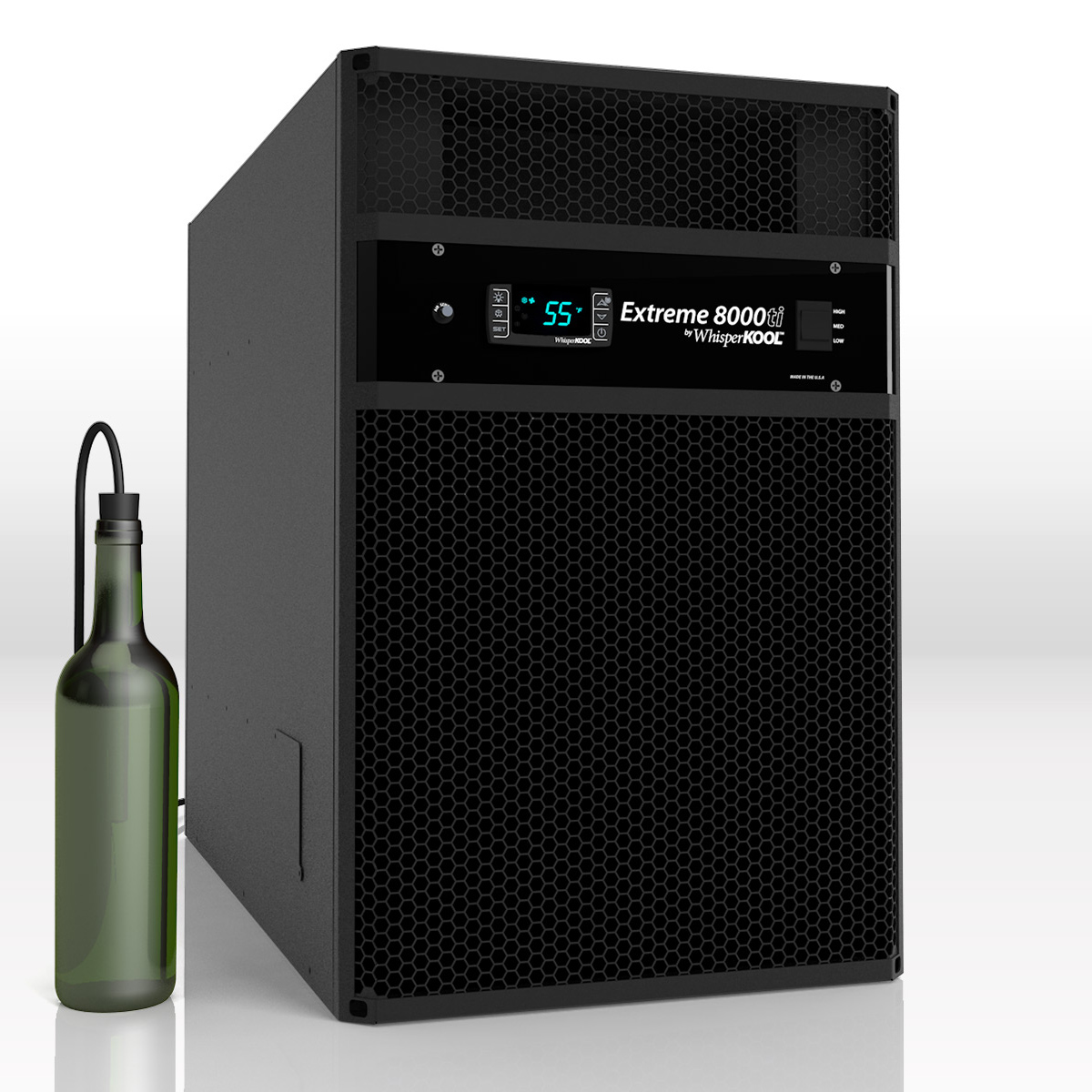
That depends on the design, enclosure, room, and chosen cooling approach. A custom wine storage project should treat refrigeration as part of the overall plan, rather than assume a standard freestanding appliance will suit every enclosed space. A design that surrounds storage with an enclosure has different planning considerations from a standalone cabinet. The cooling strategy needs to be considered alongside construction and intended use.
How should I compare the appearance of a wine cabinet with a custom design?
Assess each option in the actual room, considering sightlines from adjoining spaces, nearby finishes, door presentation, and the available footprint. A cabinet photograph cannot show how its proportions relate to your wall, furnishings, or circulation paths. Online opinions reflect personal preferences, not necessarily the fit for your interior. Separate measurable factors, such as dimensions and access, from subjective choices like finish and visual prominence.
What happens if my wine collection grows after installation?
Collection growth can change the capacity you need, how easily bottles can be reached, and whether the original arrangement still suits your habits. Before choosing, consider how often you acquire wine and whether you expect to keep more bottles for aging. A fixed-capacity cabinet and a room-planned project have different constraints. Do not assume either can be expanded or modified later; that depends on the specific product or design.
Can one wine cabinet store bottles and prepare them for serving?
Some cabinets offer more than one temperature zone, while others are designed around a single storage purpose. EuroCave Pure includes single-, dual-, and multi-temperature configurations, but options and intended use vary by model. A multi-zone cabinet may suit households that keep different wines ready for service alongside bottles in storage. Compare the current model specifications with the wines you serve and how frequently you rotate them.