








A truly custom wine cellar is a sophisticated machine disguised as a high-end art gallery. For the serious collector, the fear of mold or a spoiled collection due to inadequate insulation is a persistent concern that can overshadow the excitement of a new build. You likely recognize that a standard room conversion won't suffice; the stakes are simply too high when protecting a curated investment. Integrating a Custom Wine Cellar into your home is a precise exercise in engineering that requires a deep understanding of thermal dynamics and structural integrity.
We're here to ensure your vision results in a functional, beautiful sanctuary that preserves the long-term value of every vintage. This article provides the blueprint to master the technical and aesthetic essentials of a world-class build. You'll learn why professional climate control systems like the WhisperKool are non-negotiable and how Premier Cru racking can elevate your display. We will preview the critical requirements for vapor barriers, high-performance glazing, and the meticulous material choices that guarantee a seamless experience from the first consultation to the final pour.
Key Takeaways
- Learn why a Class I vapor barrier is the essential foundation for protecting your collection against high-humidity environments.
- Distinguish between a basic storage room and a technically engineered Custom Wine Cellar that utilizes thermal mass for superior climate stability.
- Identify the best materials for durability and style, from moisture-resistant All-Heart Redwood to the architectural elegance of Premier Cru racking.
- Gain insight into the professional design phase, including the necessity of 3D CAD blueprinting to ensure technical and aesthetic precision.
- Discover how to integrate functional luxury into your design with dedicated sommelier stations and premium glassware displays.
Beyond Refrigeration: Defining the Modern Custom Wine Cellar
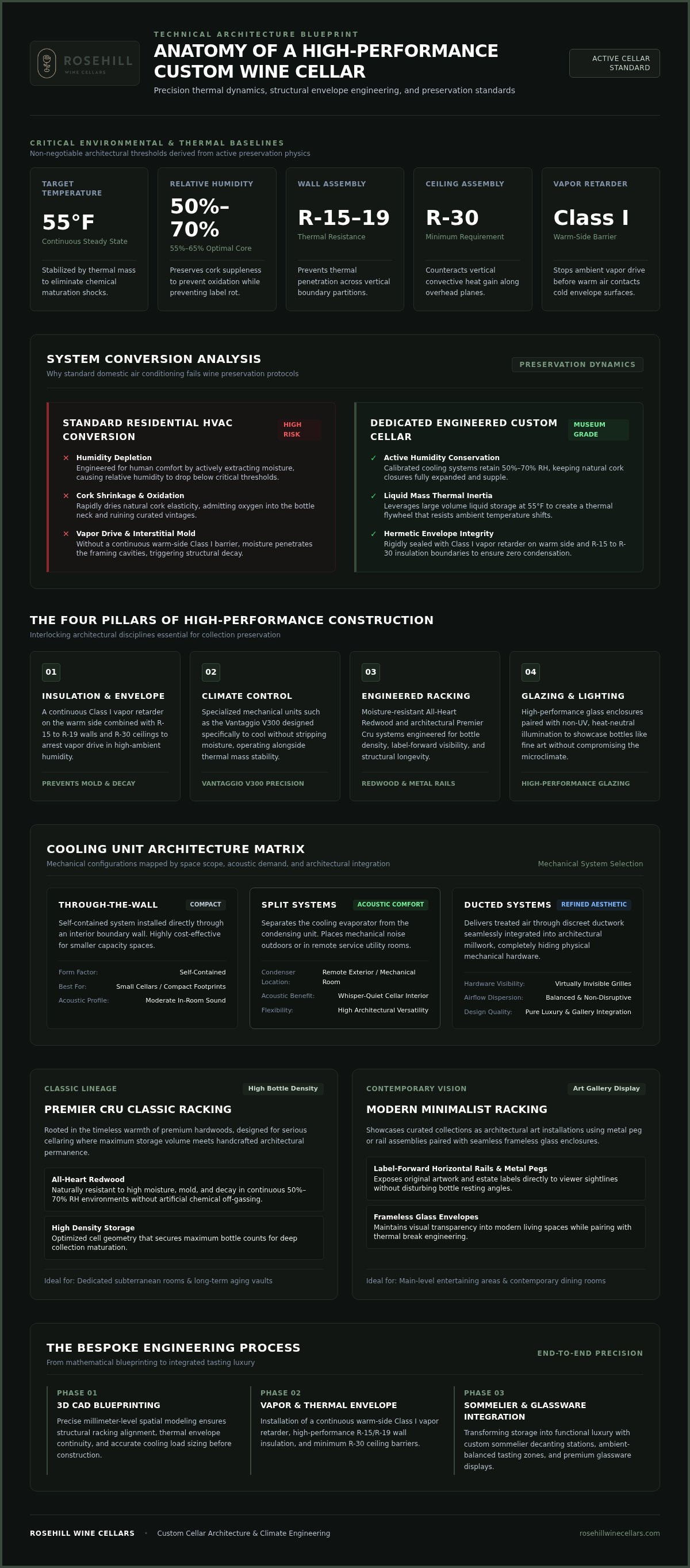
A wine room is a place; a Custom Wine Cellar is a performance. While many homeowners initially view wine storage as a simple cabinetry project, the reality is far more complex. A technically engineered cellar functions as a controlled ecosystem where temperature, humidity, and vibration are managed with surgical precision. This stability relies heavily on thermal mass. By maintaining a large volume of liquid at a steady 55°F, the cellar creates an environment that resists the rapid fluctuations common in subtropical climates. Adhering to active wine cellar environmental standards ensures that the delicate chemical maturation of your vintage proceeds without interruption, protecting the value of your collection for decades.
The scope of a project varies significantly between residential sanctuaries and commercial hospitality spaces. Residential builds often focus on long-term aging and personal style, while commercial environments require high-recovery cooling systems to handle frequent door openings. Regardless of the setting, a well-designed cellar serves as a permanent architectural asset. It's a sophisticated investment that yields both lifestyle enjoyment and tangible property appreciation.
The Anatomy of a High-Performance Cellar
Success in cellar construction rests on four pillars: insulation, climate control, racking, and lighting. You can't rely on standard residential air conditioning to protect sensitive vintages. While regional HVAC specialists like Ultra Air Heating and Cooling excel at optimizing indoor air quality and comfort, standard residential cooling systems are designed to remove humidity, whereas wine requires a consistent 55% to 65% relative humidity to keep corks supple. Without a dedicated cooling unit and an airtight seal, moisture will migrate through the walls, leading to mold growth and label damage. A true Custom Wine Cellar incorporates a continuous vapor barrier on the warm side of the envelope to prevent these structural failures.
Choosing Your Aesthetic: Traditional vs. Contemporary
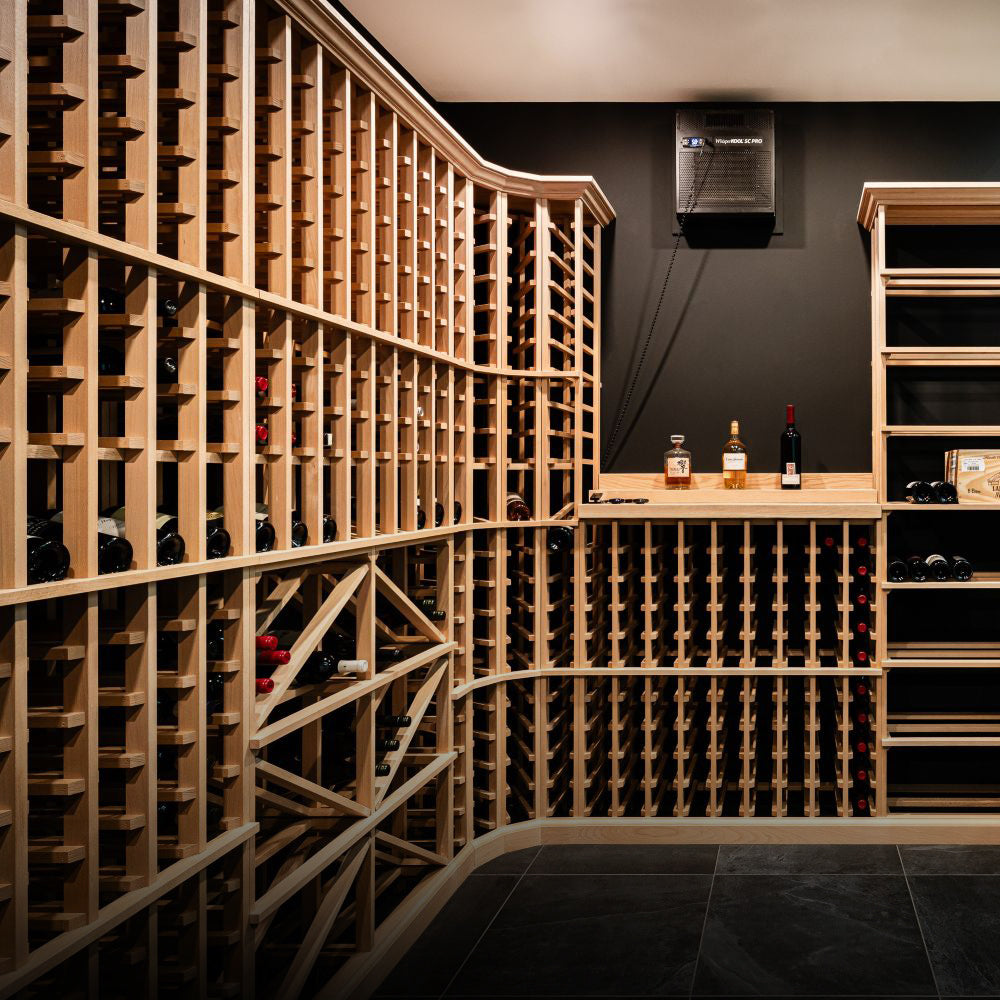
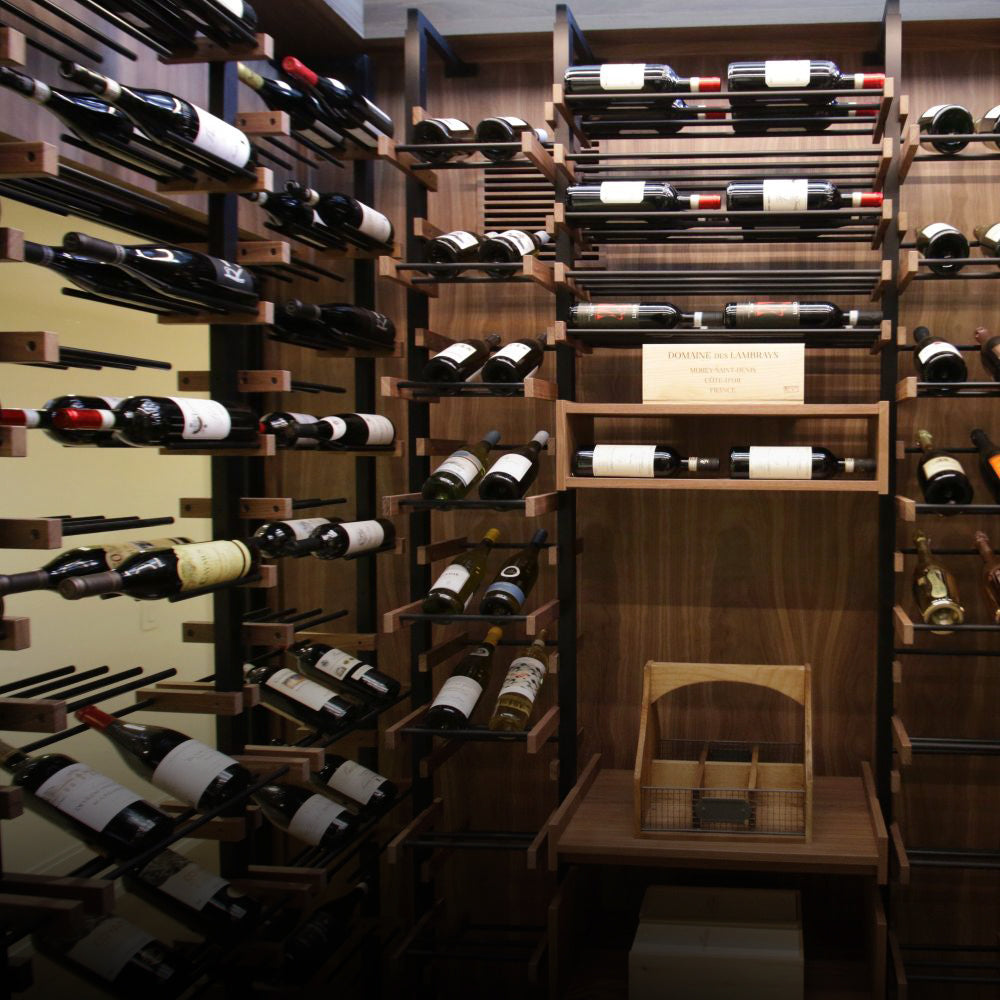
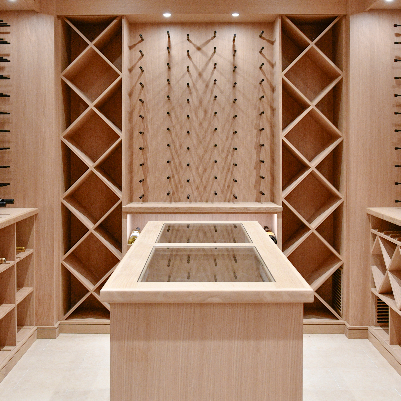
Your design choice should reflect your personal style while respecting the technical requirements of the space. For those who appreciate a timeless, cellar-like atmosphere, Premier Cru Classic Racking offers the warmth and texture of premium hardwoods. These traditional systems provide high bottle density and a sense of permanence. Conversely, many modern collectors opt for a minimalist approach. This often involves frameless glass enclosures and Modern Wine Racking featuring metal pegs or rails. These systems create a label-forward display that treats each bottle like a piece of art. Balancing these aesthetic desires with architectural integrity ensures the space remains both beautiful and functional.
The Invisible Engineering: Climate Control and Structural Integrity
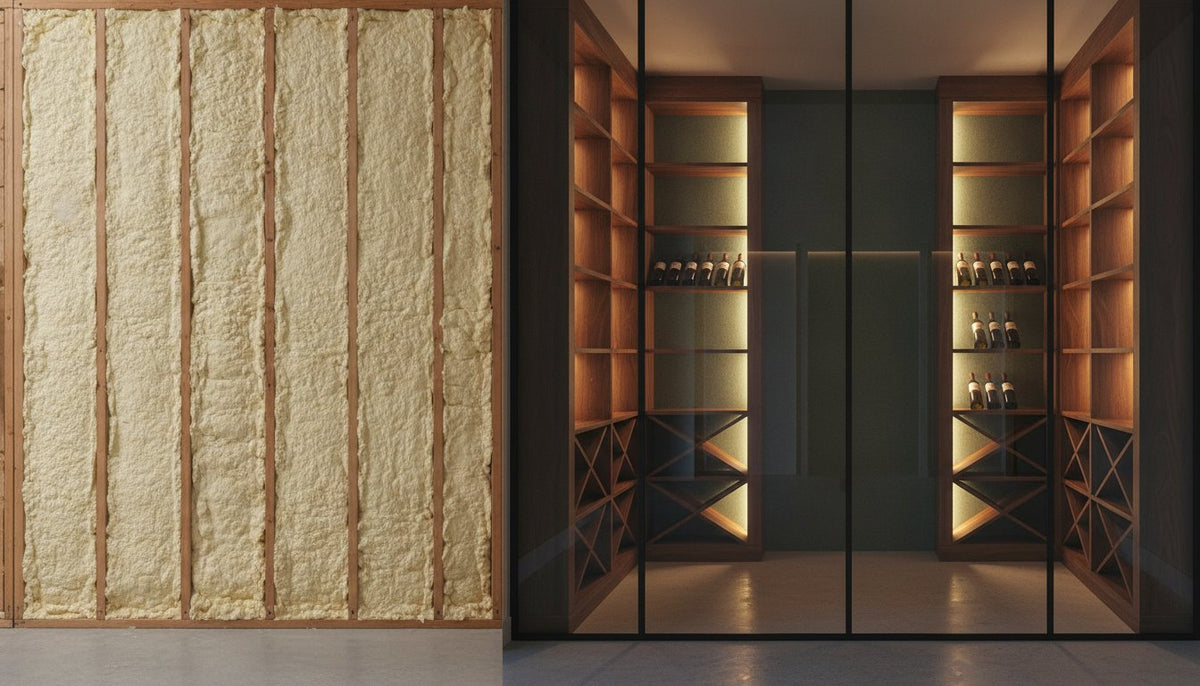
Engineering a Custom Wine Cellar requires a specialized understanding of moisture migration and thermal dynamics. In environments characterized by high ambient humidity, a constant vapor drive exerts pressure on the cellar envelope. Adhering to moisture control and vapor barrier best practices is non-negotiable for long-term structural health. A continuous Class I vapor retarder must be installed on the warm side of the framing to prevent moist air from reaching the cold interior surfaces. This barrier is the first line of defense against condensation, which otherwise triggers mold propagation and structural rot within the wall cavity.
Thermal resistance provides the second layer of protection. To maintain the necessary 55°F environment without overtaxing mechanical systems, wall assemblies should achieve an R-value between R-15 and R-19, while ceilings require a minimum of R-30. This insulation works in tandem with humidity management to stay within the optimal 50% to 70% range. If the environment becomes too dry, corks lose their elasticity; if it's too damp, labels and structural wood may suffer. Dedicated wine cellar cooling units are essential for maintaining the precise environmental stability required to preserve cork integrity and prevent oxidization.
Selecting Your Wine Cellar Cooling Unit
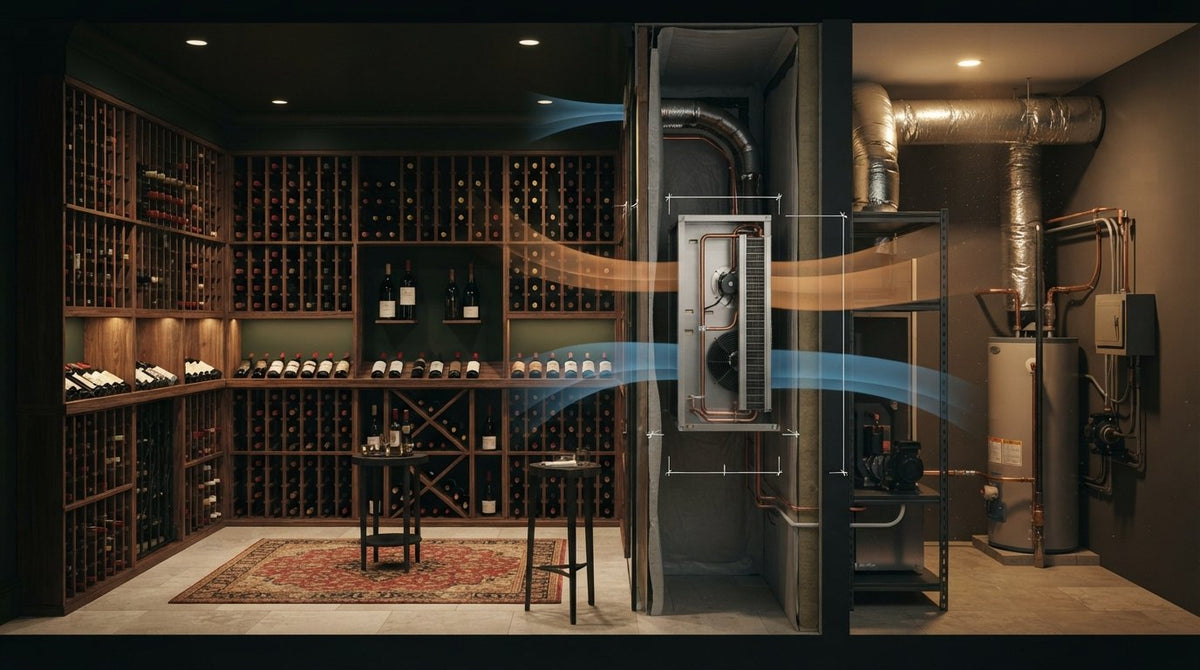
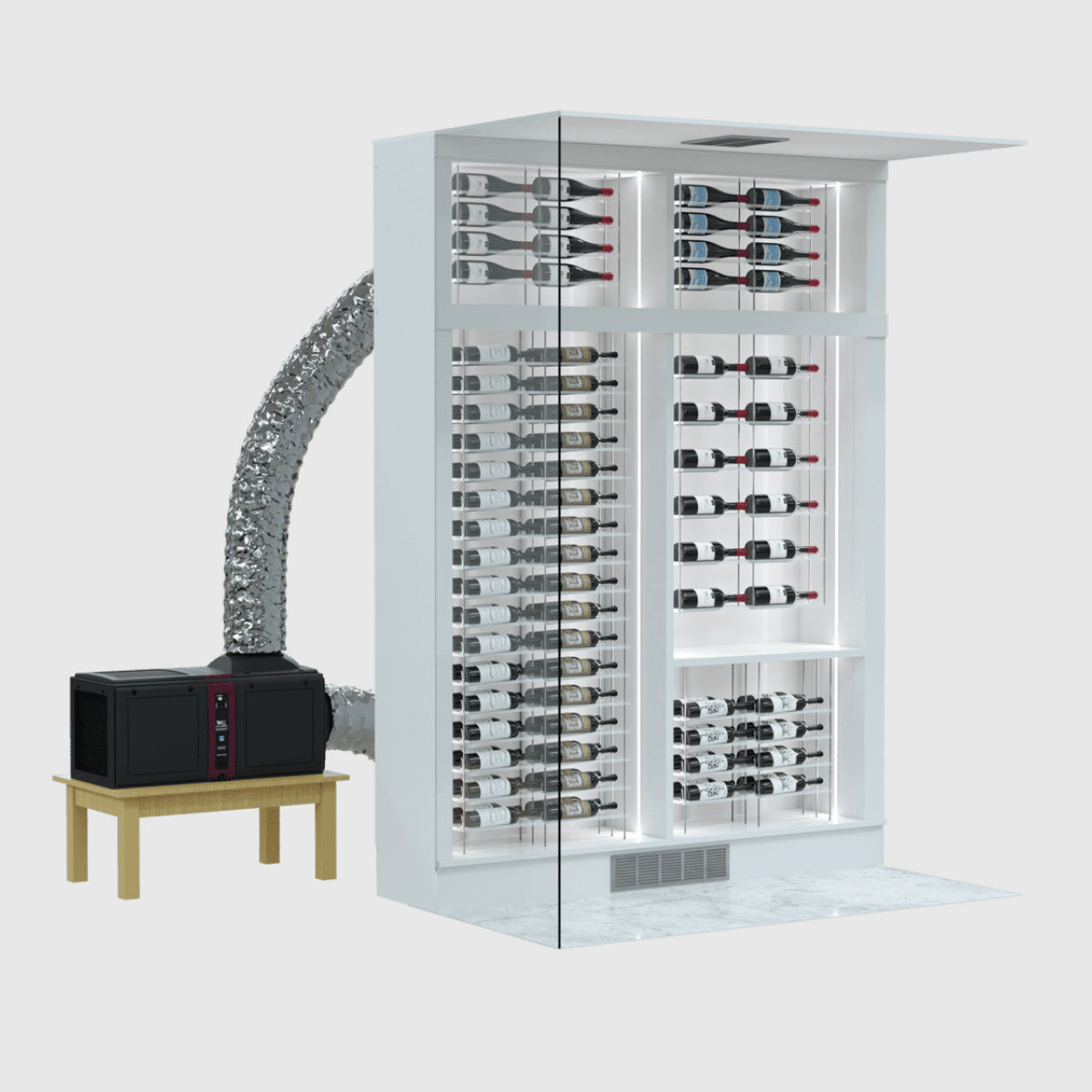
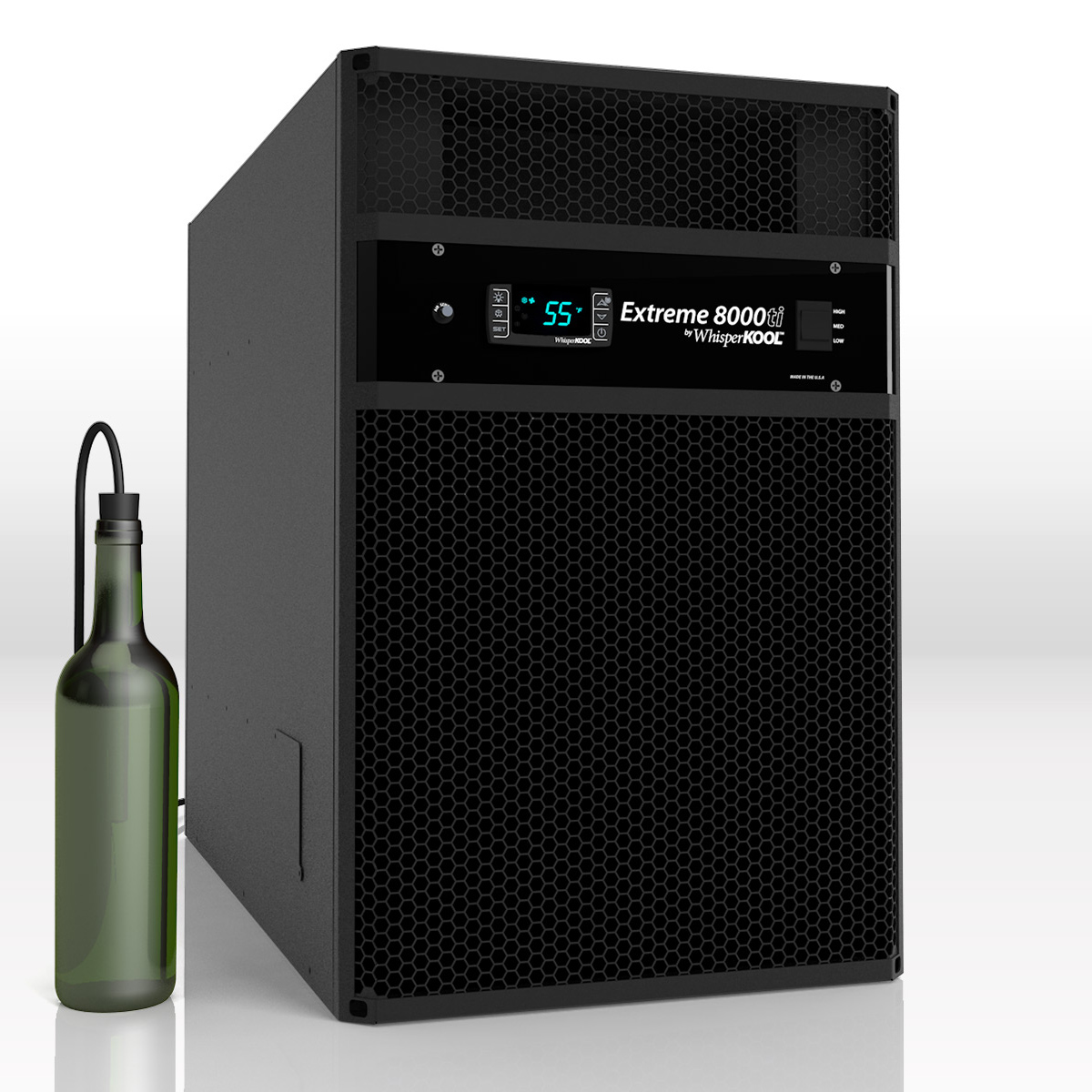
The mechanical configuration of your cellar depends on the home's architecture and the desired level of acoustic comfort. Through-the-wall units are self-contained and cost-effective for smaller spaces, whereas split systems allow the noisy condenser to be placed outdoors or in a remote mechanical room. Ducted systems offer the most refined aesthetic by concealing all equipment behind architectural grilles. When sizing a unit for a Custom Wine Cellar, we calculate the total cubic footage and account for heat gain from glass walls or uninsulated adjacent rooms. Choosing the right wine cellar cooling systems ensures consistent performance regardless of external temperature spikes.
Lighting and Electrical Requirements
Light is a silent threat to the chemical stability of wine. Traditional incandescent or halogen bulbs emit heat and UV rays that can "lightstrike" a collection, leading to off-flavors and ruined tannins. Modern LED systems are the professional standard because they produce zero UV and negligible heat, allowing for dramatic illumination without environmental risk. Given the value of many private collections, integrating a standby generator or battery backup is a prudent final step. This ensures that the climate remains stable during power interruptions, providing essential insurance for your investment. If you're beginning to plan your mechanical layout, browsing our selection of high-performance wine coolers can help you identify the right capacity for your space.
Materials of Distinction: Racking Systems and Aesthetic Selection
The aesthetic of a Custom Wine Cellar is defined by the materials that support the collection. Choosing between traditional hardwoods and modern metals isn't just about appearance; it's about the interaction between the material and the cellar's specific environment. For wood enthusiasts, species like All-heart Redwood, Mahogany, and Walnut remain the gold standards. Redwood is particularly prized for its natural resistance to rot and mildew, which is vital in high-humidity storage. Mahogany offers a refined, consistent grain and exceptional durability, while Walnut provides a dark, luxurious finish that complements high-end interior design and sophisticated lighting schemes.
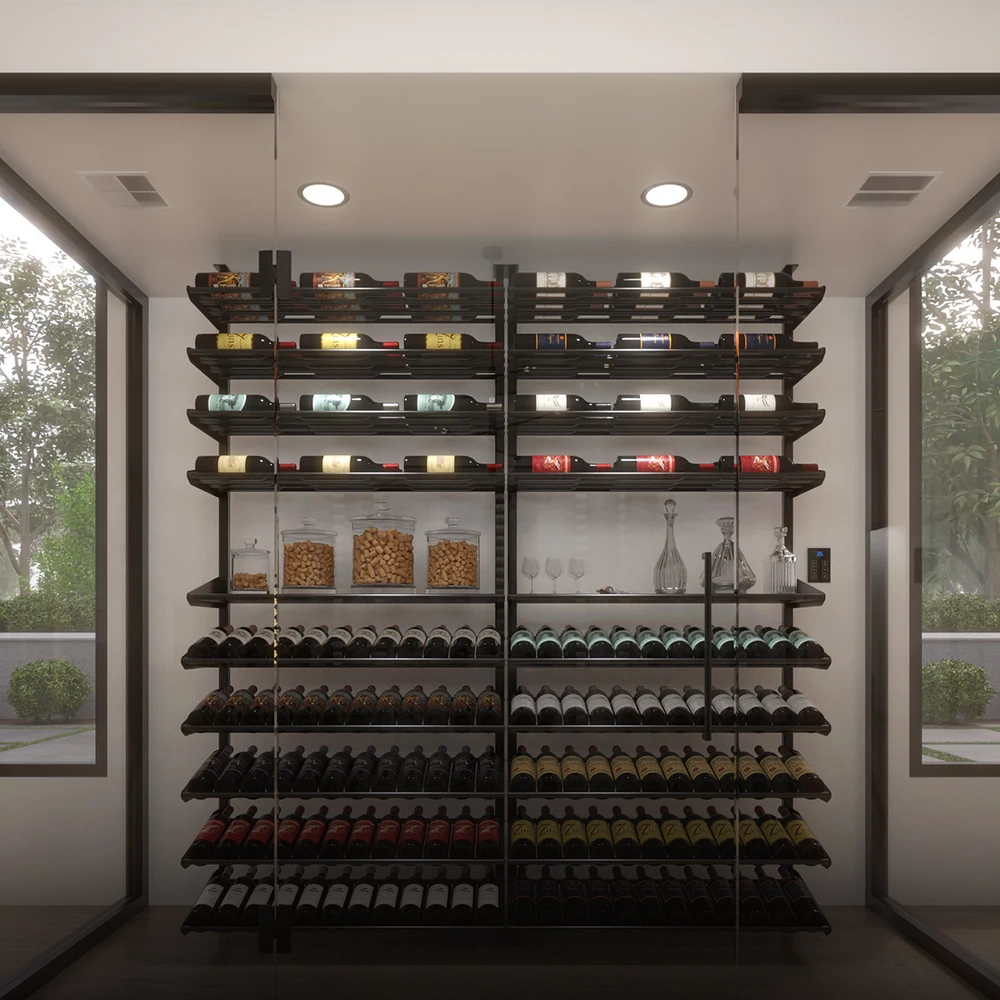
Modern preferences have shifted toward minimalist, label-forward displays that treat each bottle as a piece of art. The evolution of Modern Wine Racking has introduced metal pegs and rails that create a striking floating effect. These systems maximize bottle density by utilizing vertical space that traditional shelving might waste, allowing for a high-capacity display even in narrow corridors or glass-enclosed niches. By blending modular kits with custom millwork, you can achieve a bespoke look that fits specific architectural details without the extended lead times of fully custom builds. This hybrid approach ensures visual elegance while maintaining the structural integrity required for heavy glass loads.
The Premier Cru Standard
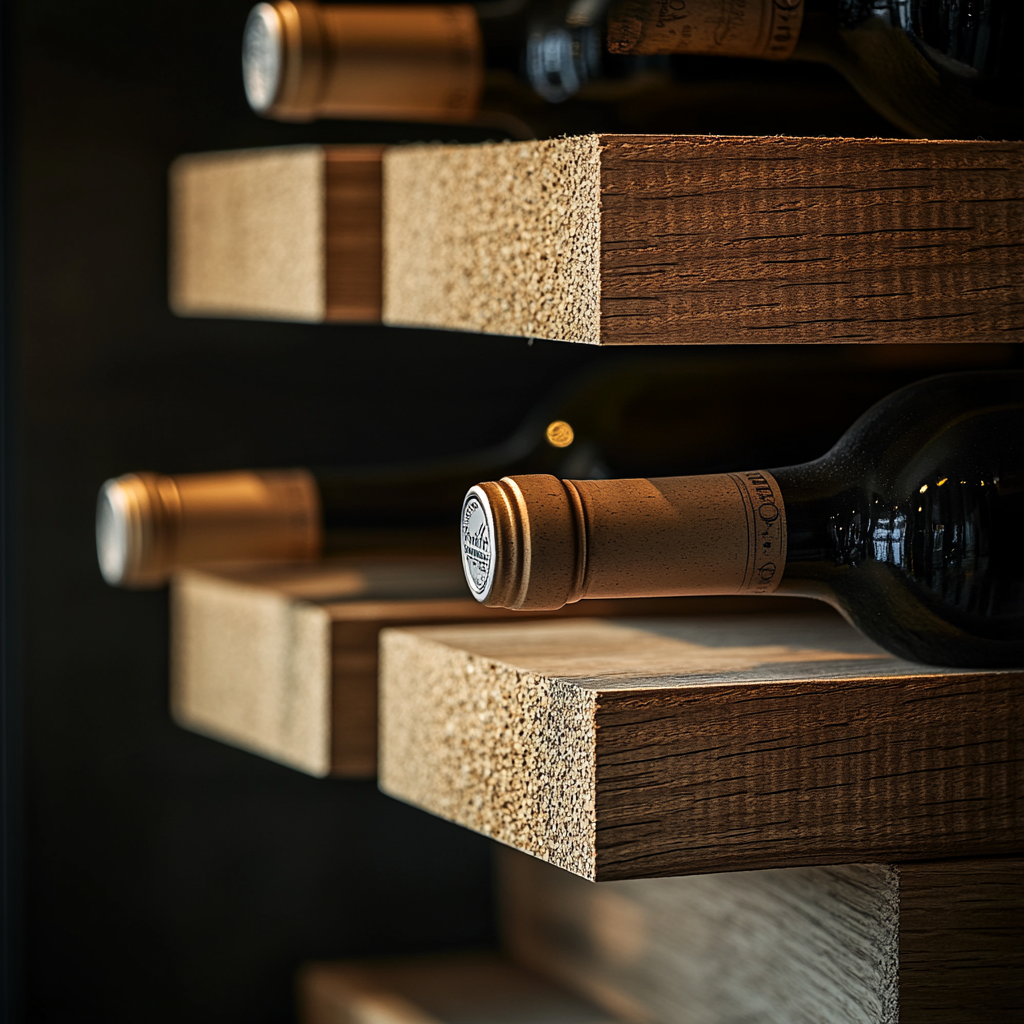
Achieving a timeless look often starts with Premier Cru Classic Racking. These systems bridge the gap between mass-produced retail kits and expensive custom millwork by offering modular flexibility with bespoke quality. The precision of Premier Cru allows for a seamless fit in almost any room configuration, whether you're filling a large walk-in room or a compact closet. Unlike basic retail solutions, these racks are engineered for long-term structural stability, ensuring they can handle the significant weight of a growing collection without sagging or warping over years of use.
Integrating Wine Cabinets into the Cellar Design
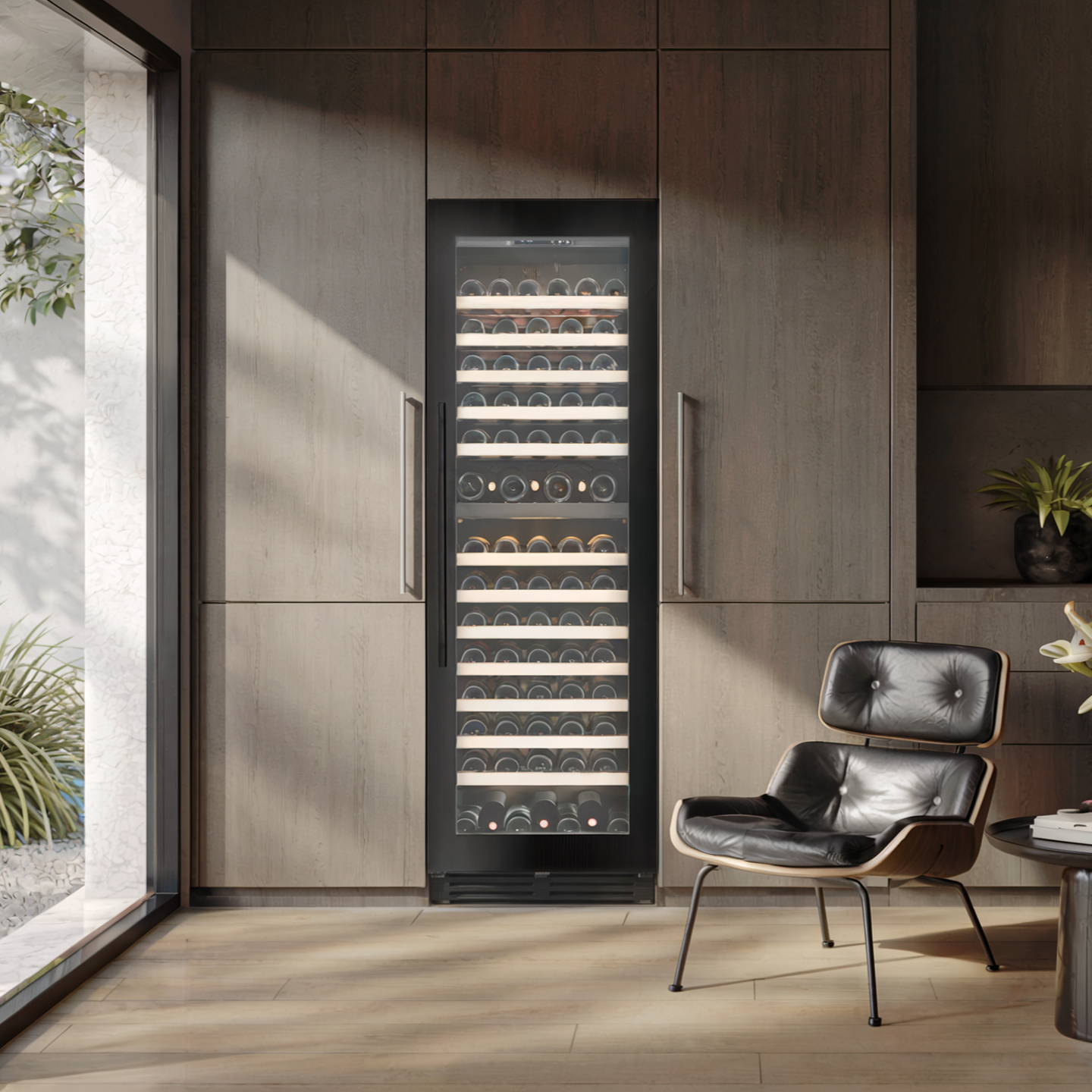
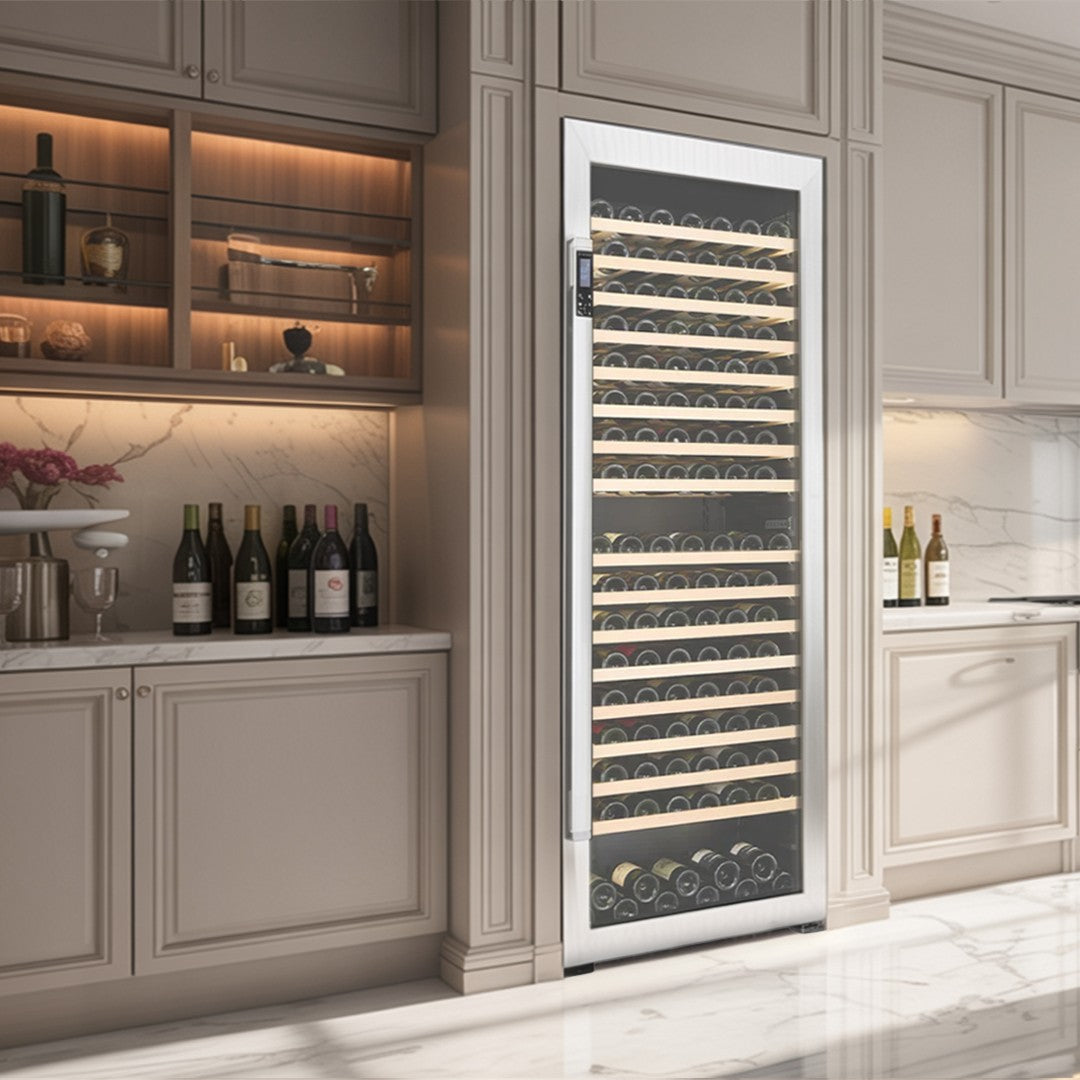
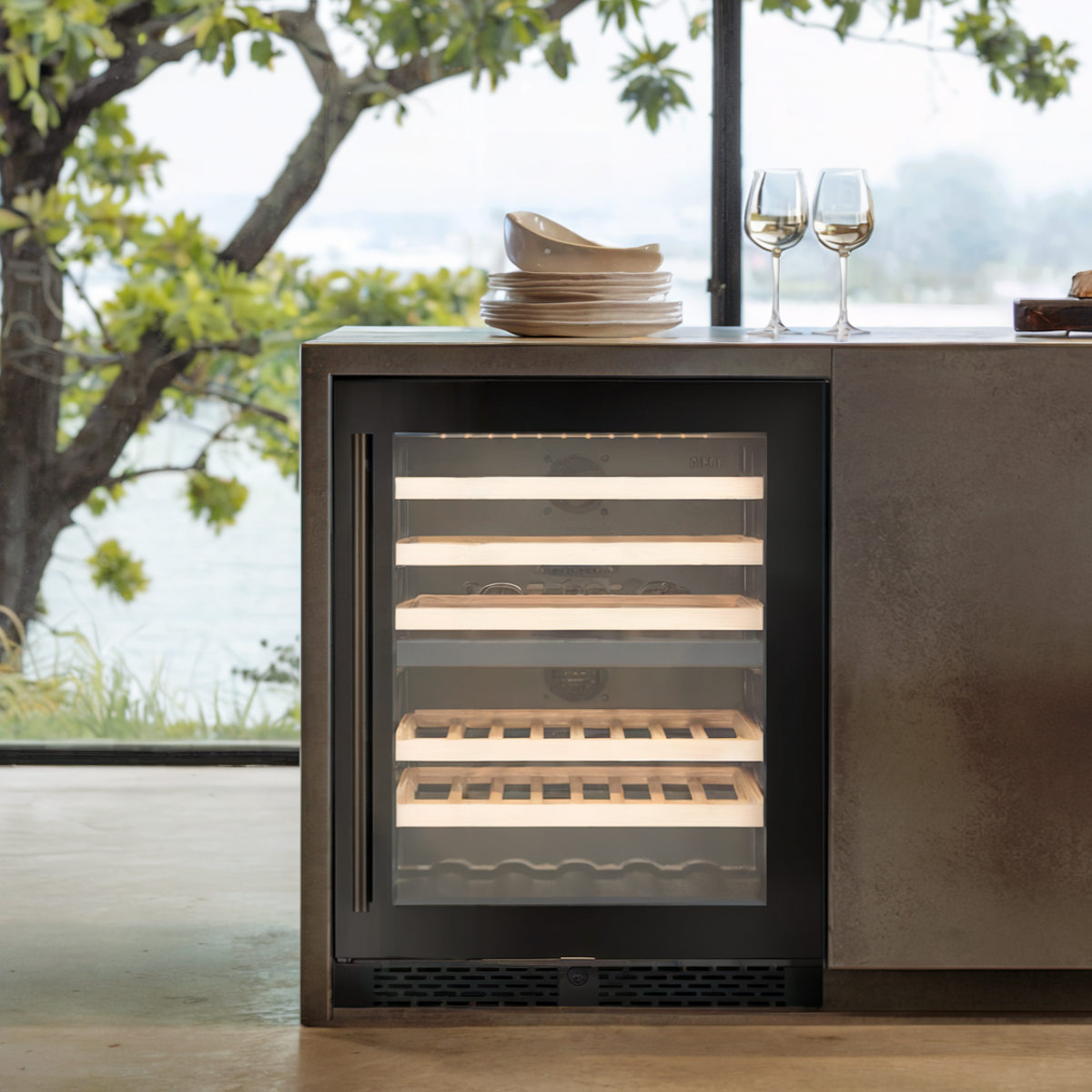
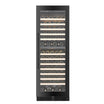
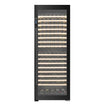
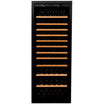
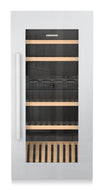
A truly comprehensive Custom Wine Cellar often features a focal point that combines storage with utility. Utilizing a Vantaggio V300 Wine Cabinet as a centerpiece adds a layer of furniture-grade sophistication to the space. These cabinets are excellent for serving and inventory management, providing a dedicated area for decanting or organizing daily-use bottles within a temperature-controlled environment. Combining these high-end cabinets with structural racking creates a multi-functional environment. It serves as both a secure storage vault and a refined tasting gallery that enhances the overall experience of the collection.
The Bespoke Journey: Planning Your Custom Cellar Project
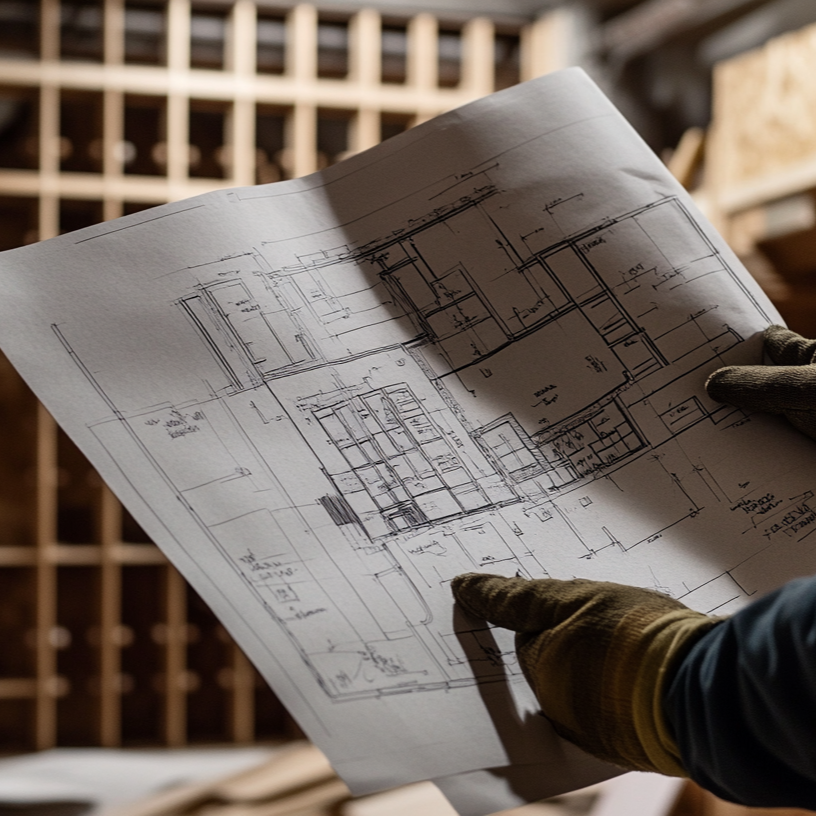
The creation of a Custom Wine Cellar is a methodical transition from architectural concept to climate-controlled reality. It begins with a comprehensive space assessment where we evaluate the structural capacity and environmental load of your chosen location. This initial consultation allows us to align your aesthetic desires with the mechanical requirements of the project. Once the parameters are set, we move into the 3D CAD design phase. This architectural blueprinting provides a precise visualization of bottle density, racking layout, and the integration of cabinetry, ensuring every inch of the space is optimized before construction begins.
Site preparation is where the invisible engineering takes shape. While we have already established the necessity of vapor barriers and high R-value insulation, this stage is where those elements are physically integrated into your home's framing. Following prep, our craftsmen install the cooling units and racking components. The final step is a rigorous testing phase. We monitor the environment for several days to confirm the system maintains a steady 55 degrees before you begin organizing your collection. This structured approach ensures that the transition from a standard room to a professional-grade vault is seamless and technically sound.
Common Pitfalls in Cellar Construction
Success often depends on the details that are easy to overlook. For instance, many homeowners ignore the floor. Because concrete is naturally porous, it requires professional sealing to prevent moisture from wicking into the cellar and disrupting the humidity balance. Inadequate door seals are another frequent failure point. Without high-quality weather stripping and a bottom sweep, your cooling unit will run constantly, driving up energy costs and shortening the equipment's lifespan. Finally, over-lighting the space with high-heat bulbs can create localized thermal fluctuations that compromise the chemical stability of your wine.
Long-Term Care: The Annual Maintenance Plan
A world-class cellar is a significant investment that deserves ongoing protection. Preventative care is essential for Wine Cellar Cooling Systems to ensure they continue to operate at peak efficiency. Our annual inspection covers critical components including coil cleaning, filter replacements, and humidity calibration. This recurring service functions as insurance for your collection, catching minor issues before they become costly mechanical failures. If you're ready to begin your own bespoke journey, we invite you to explore our Custom Wine Cellar design services to see how we can bring your vision to life.
Elevating the Experience: Glassware and Sommelier Integration
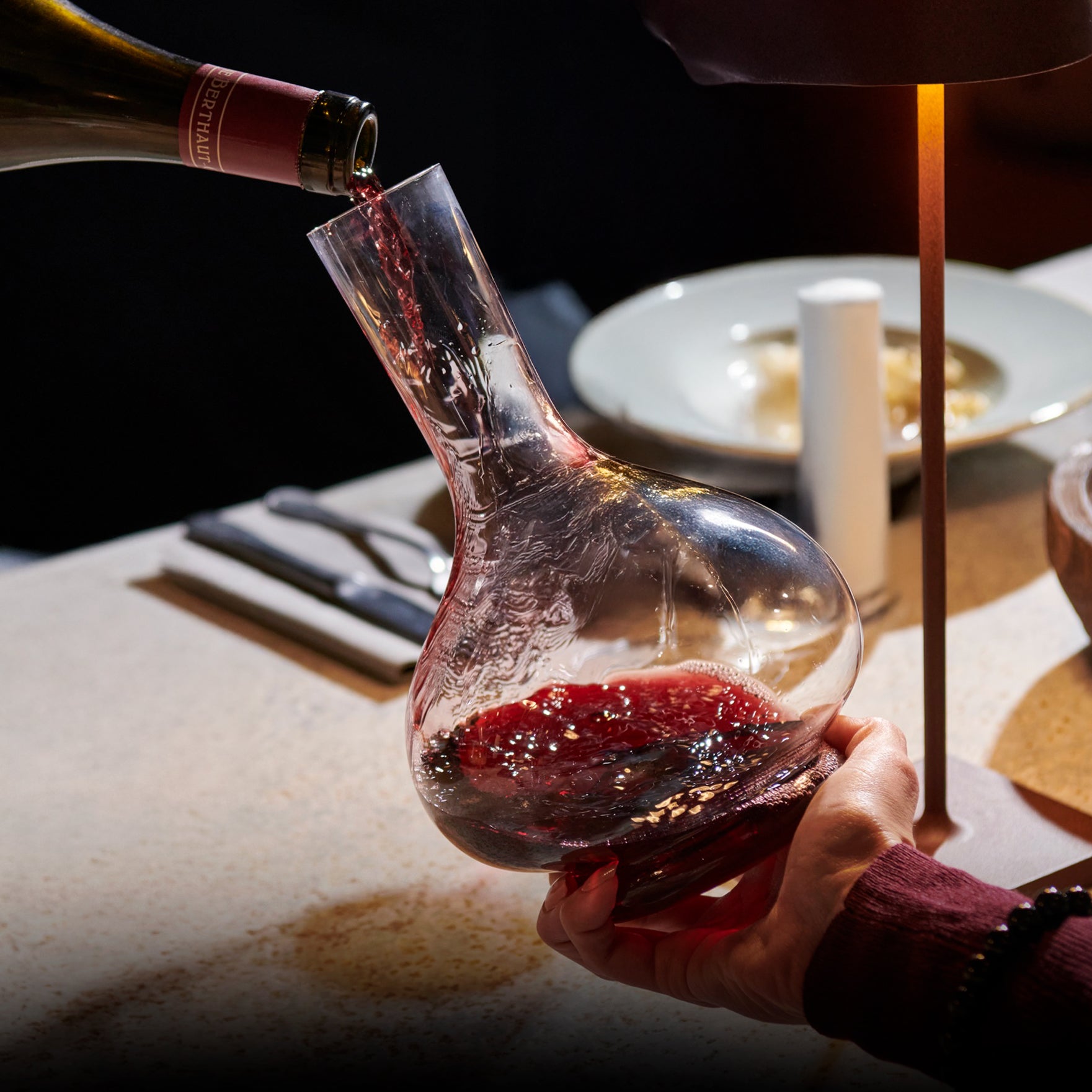
A Custom Wine Cellar is more than a high-performance storage vault; it's a dedicated stage for the ritual of the pour. To truly elevate the experience, the design must transition seamlessly from preservation to presentation. Integrating a decanting station or a compact tasting area directly within the cellar allows you to prepare vintages without exposing them to rapid temperature changes. This sommelier-inspired approach ensures that every bottle is enjoyed at its peak potential, providing a functional space for inventory management and immediate enjoyment.
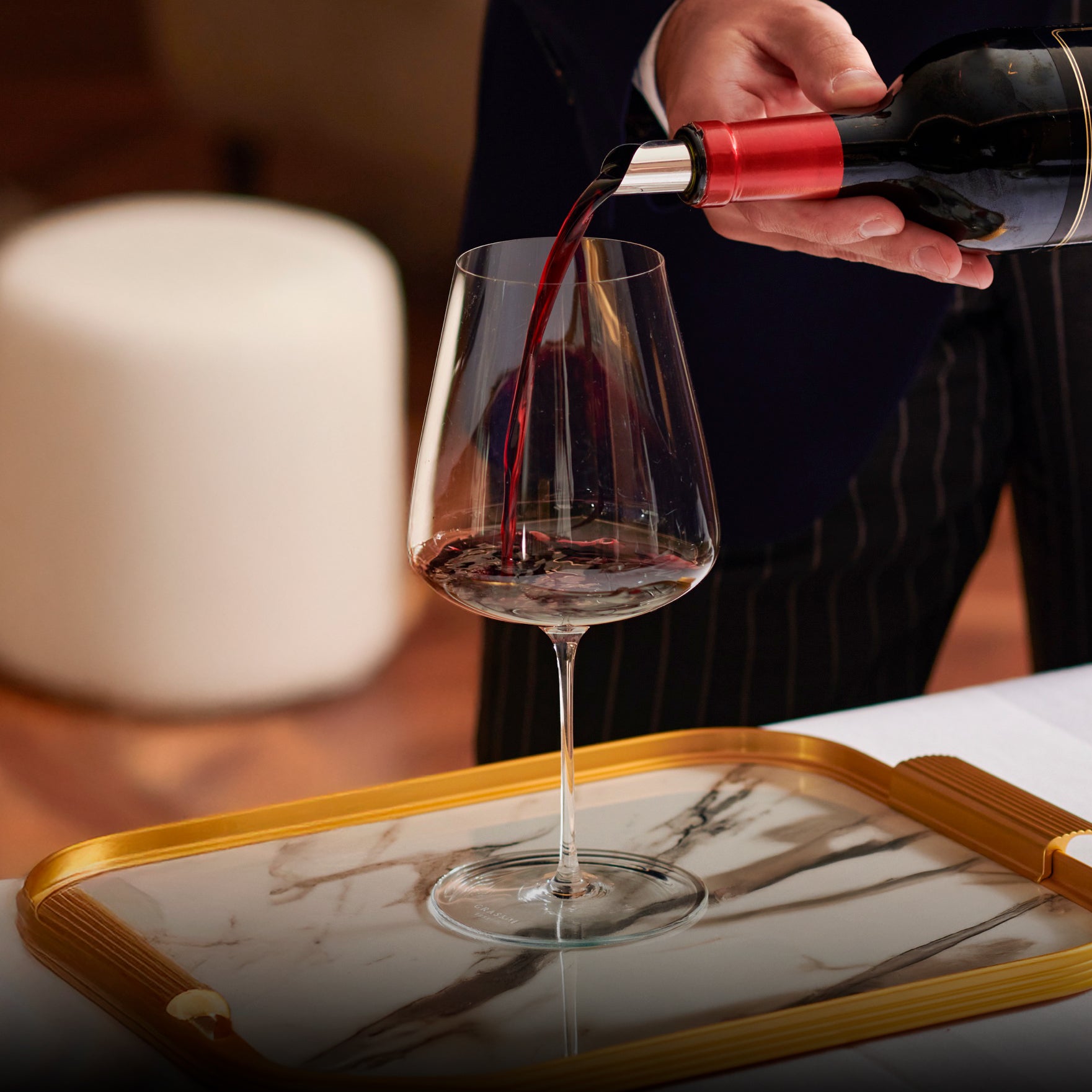
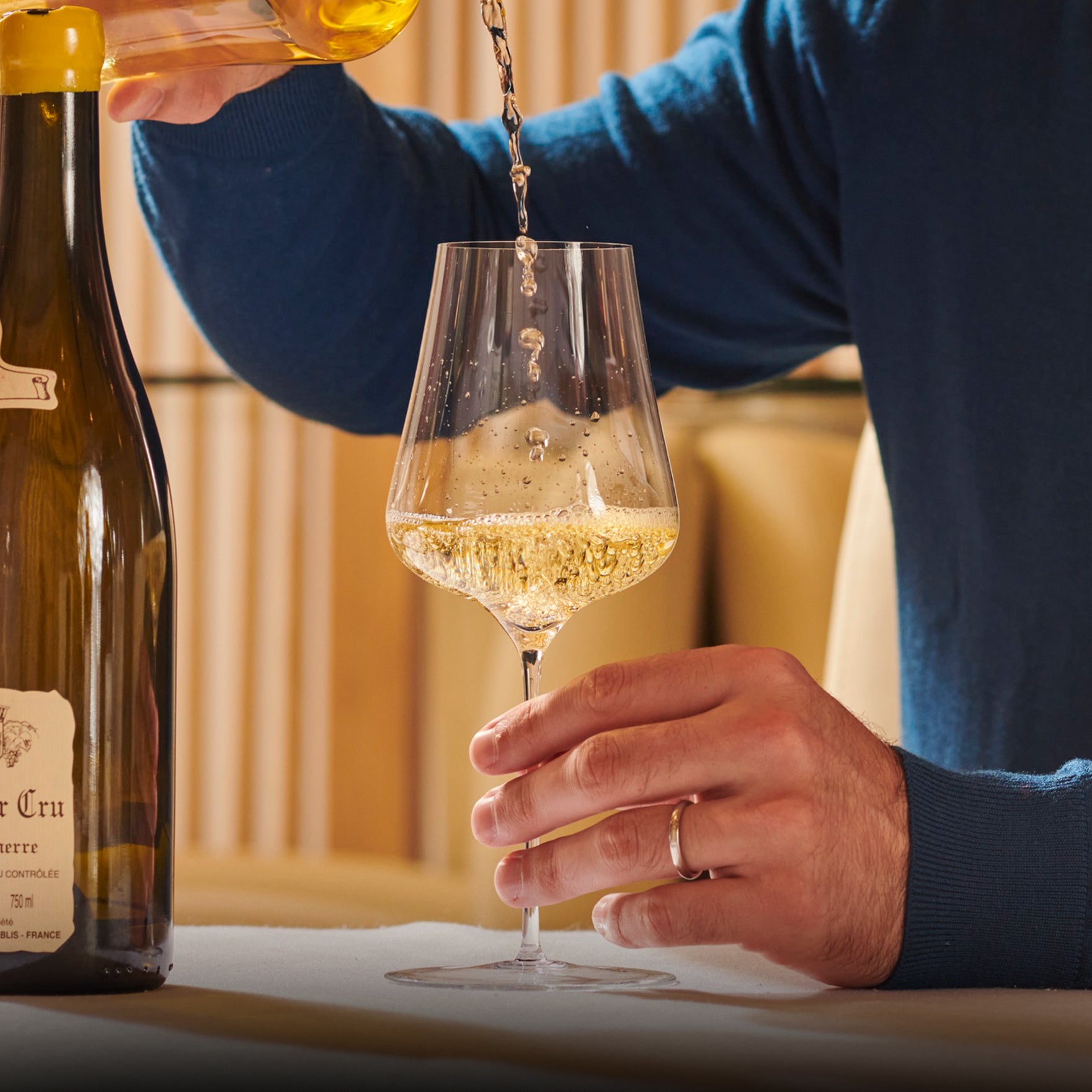
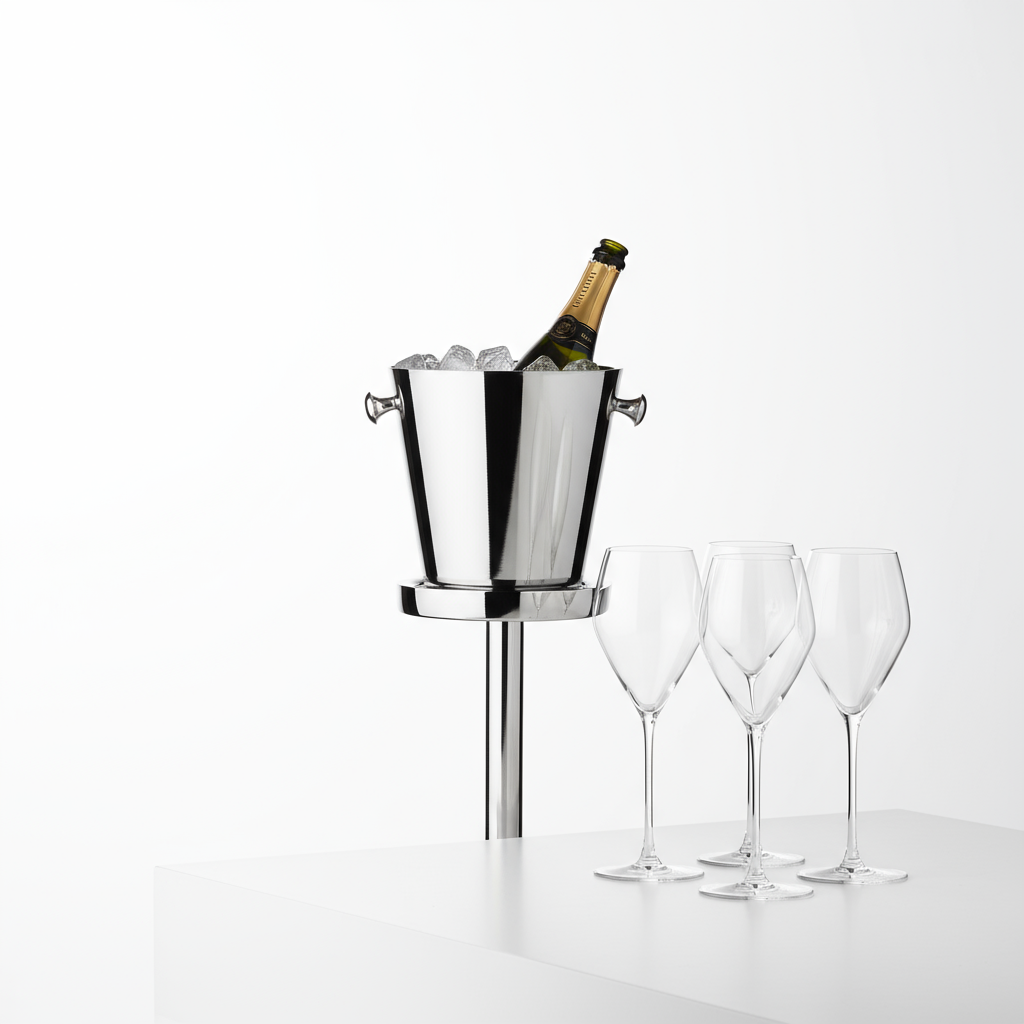
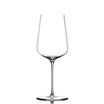
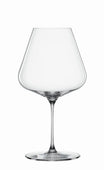
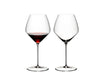
The choice of Glassware is just as critical as the climate control system itself. For a world-class display, we often incorporate dedicated shelving for the Orrefors Glassware Collection, known for its timeless Swedish craftsmanship and elegant profiles. For those who prioritize technical perfection in tasting, Zalto glasses are the preferred choice for serious collectors. These hand-blown, lead-free crystals are engineered to enhance the specific nuances of different varietals, making them an essential component of a sophisticated cellar environment.
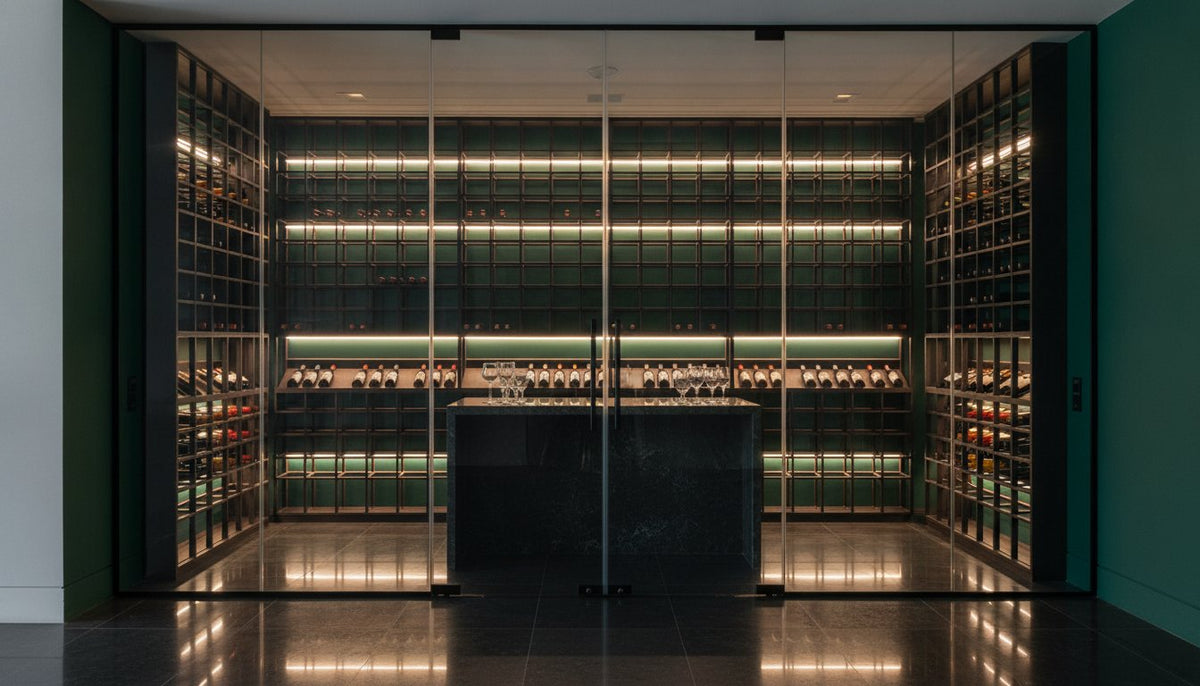
Display as Art: Glass Wine Cellars
One of the most significant trends in modern design is the move toward Custom Glass Wine Cellars. These installations use frameless glass to create a contemporary, translucent look that integrates into the primary living spaces of a home. However, these "wine walls" present unique technical challenges. To maintain thermal efficiency in Florida, we specify Insulated Glass Units (IGUs) featuring double or triple-paned tempered glass. These units include Low-E coatings and argon gas fills to block harmful UV rays and prevent surface condensation, ensuring the aesthetic doesn't compromise the mechanical integrity of your Custom Wine Cellar.
The Final Touch: Hardware and Accessories
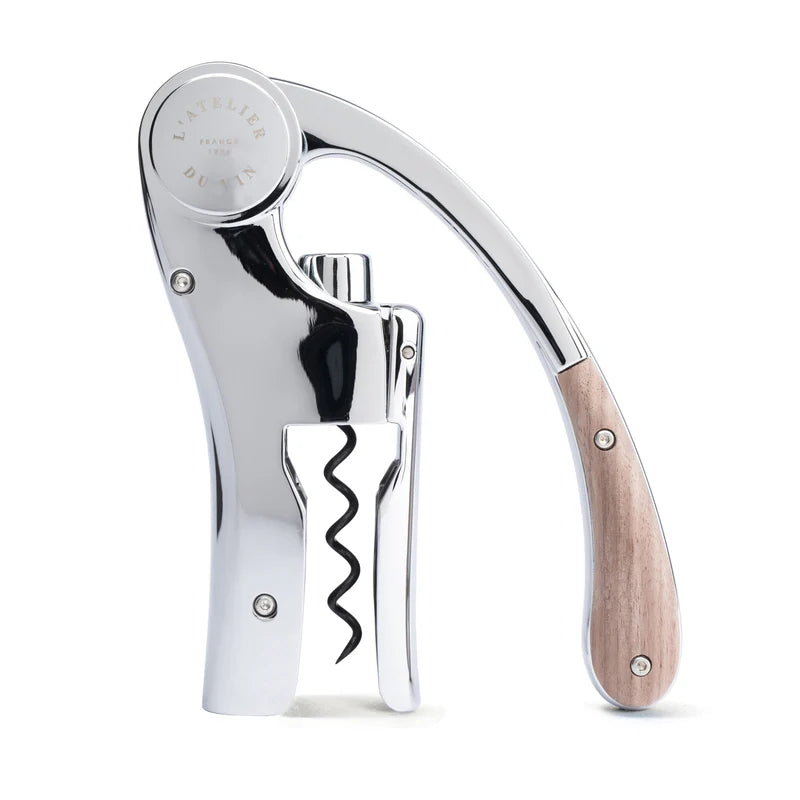
The master craftsman aesthetic is finalized through the selection of high-end hardware and specialized components. Minimalist displays often utilize Vinofabbrica pegs to create a clean, bottle-forward look that maximizes visibility and accessibility. These anodized aluminum or stainless steel rails offer the durability needed for high-capacity racking while maintaining a sleek, architectural profile. Completing the space with premium corkscrews and specialized lighting controls ensures that every interaction with your collection feels purposeful. These final touches transform a functional room into a refined sanctuary that reflects your personal style and commitment to the art of wine.
Securing Your Legacy Through Master Craftsmanship
Building a Custom Wine Cellar is a commitment to both lifestyle and heritage. As we've explored, success in this endeavor requires a meticulous balance of invisible engineering and architectural beauty. From the critical placement of vapor barriers to the refined integration of Premier Cru racking, every technical choice serves the long term preservation of your collection. By prioritizing professional climate control and furniture grade cabinetry like the Vantaggio V300, you create a sanctuary that defies environmental challenges while elevating your home's aesthetic.
With over 30 years of expertise, Rosehill Wine Cellars is a premier specialist in high performance storage and bespoke design. We offer comprehensive nationwide service and professional maintenance plans to ensure your investment remains protected for decades. It's time to transform your vision into a permanent masterpiece that rewards your passion for fine wine. Start Your Bespoke Design Journey with Rosehill Wine Cellars and build a home as refined as the vintages it holds.
Frequently Asked Questions
How much does it cost to build a custom wine cellar?
The investment for a professional storage environment varies based on bottle capacity, material selection, and mechanical complexity. While compact closet conversions represent the entry point for a Custom Wine Cellar, expansive walk in rooms with architectural glass features require a more significant allocation. Factors such as specialized vapor barriers and high performance cooling units influence the final budget. We recommend a detailed consultation to align your design aspirations with the technical needs of your specific space.
Do I really need a dedicated cooling unit or will a standard AC work?
A dedicated wine cooling unit is essential because standard residential air conditioning is designed to remove humidity for human comfort. Wine storage requires a consistent relative humidity of 50% to 70% to keep corks from drying out. Using a standard HVAC system will likely result in an environment that is too dry, leading to wine oxidation and potential damage to your collection's long term maturation and overall value.
What is the ideal temperature and humidity for a wine cellar?
The universally accepted baseline for aging wine is a constant 55 degrees Fahrenheit with a relative humidity between 55% and 65%. Maintaining these precise levels prevents the chemical maturation process from accelerating and keeps corks supple. Fluctuations in these environmental standards can cause liquid to expand and contract, which compromises the airtight seal of the bottle and invites oxygen to spoil the vintage over time.
Can I build a custom wine cellar in a basement with concrete walls?
You can build a cellar against concrete walls, but they must be properly prepared to handle moisture migration. Concrete is naturally porous and can allow water vapor to enter the room, which disrupts the climate control system. We apply a professional grade sealant and install a continuous vapor barrier on the warm side of the framing. This ensures your Custom Wine Cellar remains dry and protected from structural rot or potential mold propagation.
How long does the custom wine cellar design and build process take?
The timeline for a bespoke project typically spans several weeks to several months depending on the complexity of the design. The initial phase involves 3D CAD blueprinting and architectural planning to ensure technical accuracy. Once the site is prepared with the necessary insulation and electrical work, the installation of racking systems like Premier Cru and mechanical units proceeds. We include a final testing period to verify environmental stability before bottles are moved in.
What is the best type of wood for wine cellar racking?
All-heart Redwood, Sapele Mahogany, and Walnut are the premier choices for high end racking. These species are naturally resistant to the cool, damp conditions found in a cellar environment. We specifically recommend All-heart Redwood for its durability and resistance to fungal growth. It's important to avoid aromatic woods like Western Red Cedar, as their strong scents can permeate cork closures and taint the delicate flavors of your wine during long term storage.
Is glass a good material for a wine cellar wall?
Glass is an excellent material for modern displays provided it meets specific thermal standards. We utilize Insulated Glass Units (IGUs) that are double or triple paned and treated with Low-E coatings. This specialized glass blocks tannins damaging UV rays and prevents condensation from forming on the surface. When engineered correctly, a glass wall provides a stunning, museum quality view of your collection without sacrificing the mechanical integrity or temperature stability of the room.
How often should I have my wine cellar cooling system serviced?
We recommend having your wine cellar cooling system professionally serviced at least once per year. An annual maintenance plan covers essential tasks such as cleaning the coils, replacing filters, and calibrating the humidity sensors. Regular inspections catch minor mechanical issues before they escalate into costly failures. This preventative care functions as vital insurance for your collection, ensuring your cooling unit continues to operate at peak efficiency for many years to come.