







Could a single afternoon of mechanical failure or a subtle shift in humidity turn your prized Bordeaux into little more than expensive vinegar? For many collectors, the fear of "cooked" wine is a constant shadow, especially when modern home designs don't naturally accommodate the strict needs of a delicate vintage. You understand that professional Wine Storage is more than just a hobby. It's a significant financial investment and a library of liquid history that deserves absolute protection.
This guide offers the technical clarity you need to protect your collection with professional precision. You'll discover the exact environmental standards and architectural solutions required to not only safeguard your bottles but also allow their flavor profiles to evolve as intended. We will examine the critical role of climate control, the necessity of proper vapor barriers, and how sophisticated systems like the Vantaggio V300 or Premier Cru racking can blend structural integrity with high-end design. From managing the 55°F temperature standard to choosing between active and passive mechanics, we provide the expertise to ensure your cellar remains a sanctuary of permanence and quality.
Key Takeaways
- Learn why maintaining a precise 55°F temperature and 60% relative humidity is the non-negotiable foundation for successful long-term aging.
- Understand the critical differences between active and passive Wine Storage to determine which mechanical or structural approach best suits your home's architecture.
- Discover the engineering requirements for a secure cellar envelope, including the vital role of vapor barriers in preventing structural moisture damage.
- Explore how to balance high-density bottle capacity with aesthetic excellence using premium materials like Premier Cru racking or bespoke glass displays.
- Identify the essential maintenance protocols and digital tracking systems needed to protect your mechanical investment and monitor peak drinking windows.
The Four Pillars of Wine Preservation Science
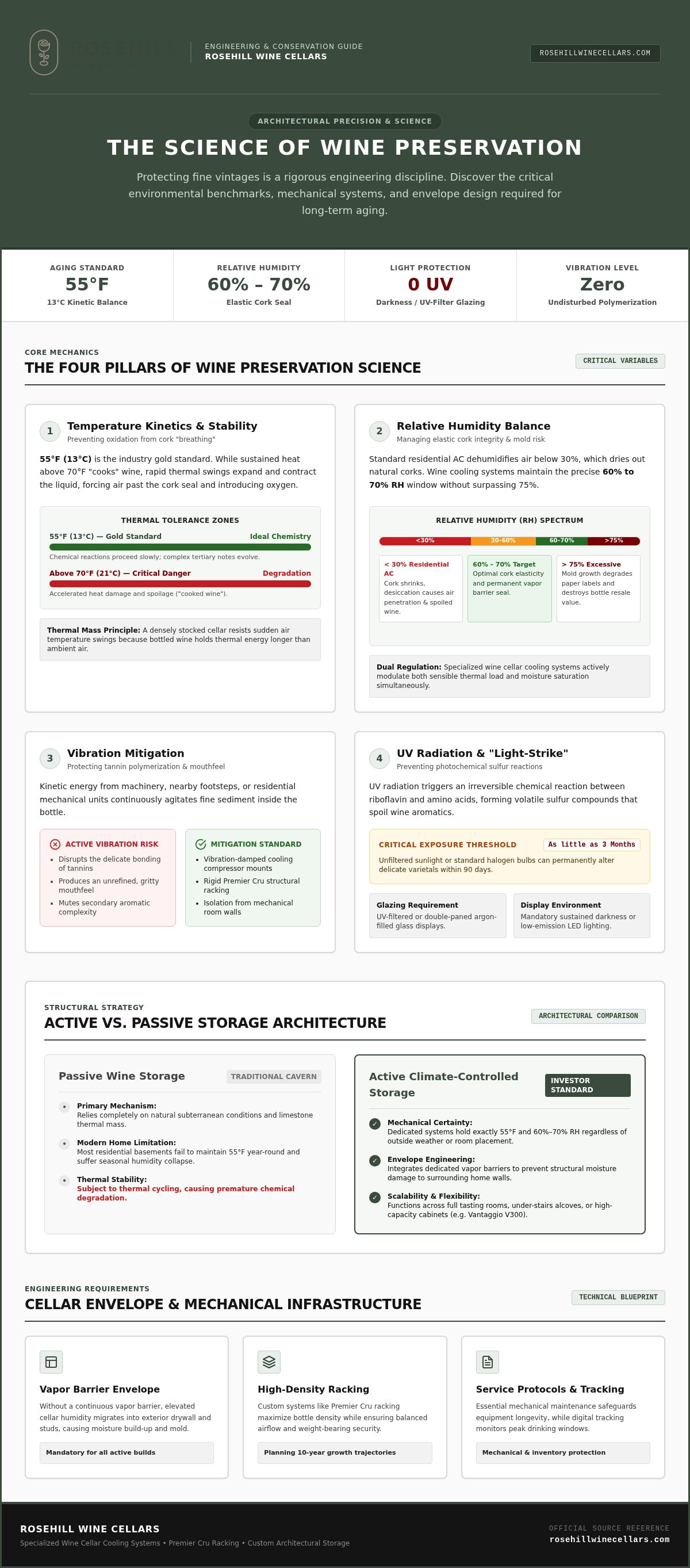
Excellence in Wine Storage requires more than a cool basement. It demands a rigorous adherence to the science of wine storage, which identifies four critical environmental factors that dictate the longevity of a vintage. Without managing these variables, even the finest investment will fail to reach its full expressive potential. Professional preservation is an engineering discipline that transforms a simple room into a sanctuary for liquid history.
Temperature Fluctuations vs. Constant Heat
The industry gold standard for aging is 55°F (13°C). This specific temperature provides the ideal kinetic environment, allowing complex chemical reactions to proceed slowly enough for secondary and tertiary notes to develop. While constant heat above 70°F will "cook" a wine, rapid fluctuations are often more damaging. When temperatures swing by even a few degrees, the liquid inside the bottle expands and contracts. This creates a "breathing" effect, where air is physically forced past the cork, introducing oxygen and accelerating oxidation. In the context of a cellar, thermal mass is the physical density of the wine collection itself, which serves as a thermal buffer to resist rapid changes in ambient air temperature. A densely packed cellar remains stable because the liquid holds its temperature far longer than the surrounding air.
The Delicate Balance of Relative Humidity
Relative humidity is the most frequently misunderstood pillar of preservation. Standard residential air conditioning is the enemy of wine because it's designed to dehumidify, often dropping moisture levels below 30%. For a natural cork to maintain its elastic seal, it requires a consistent environment of 60% to 70% humidity. If the air is too dry, the cork desiccates and shrinks, allowing oxygen to spoil the wine. Conversely, humidity exceeding 75% can lead to mold growth and the degradation of paper labels, which significantly impacts the resale value of rare bottles. To achieve this balance, collectors utilize specialized Wine Cellar Cooling Systems that manage both thermal load and moisture saturation simultaneously.
Beyond climate control, two often overlooked factors can quietly compromise a collection:
- Vibration Mitigation: Kinetic energy from heavy machinery or high-traffic areas agitates sediment. This disruption interferes with the delicate polymerization of tannins, leading to a gritty mouthfeel and a muted flavor profile.
- UV Protection: Exposure to UV radiation, known as "light-strike," triggers a reaction between riboflavin and amino acids. This synthesis creates volatile sulfur compounds that can ruin a wine in as little as three months. Mandatory darkness or UV-filtered glazing is essential for any long-term display.
Active vs. Passive Wine Storage Solutions
Deciding between active and passive Wine Storage is the first architectural crossroads for any serious collector. Passive storage relies on natural environmental conditions, traditionally found in deep, subterranean limestone caverns where the earth's thermal mass maintains a steady 55°F. However, most modern residential basements fail to meet these criteria, often proving too warm or subject to seasonal humidity drops. For the discerning investor, active storage provides the only reliable safeguard. By utilizing mechanical climate control, you can target precise environmental benchmarks regardless of external weather patterns or seasonal shifts.
When evaluating your footprint, consider both your current bottle count and your acquisition trajectory over the next decade. A common oversight is designing for today's collection rather than tomorrow's growth. Whether you are repurposing a small under-stairs alcove or dedicating a full room to a tasting sanctuary, the infrastructure must support the weight and accessibility of your evolving inventory. Enological research regarding the impact of temperature fluctuations on wine confirms that even minor thermal cycling can degrade chemical complexity, making active intervention a necessity for long-term aging.
The Rise of the Professional Wine Cabinet
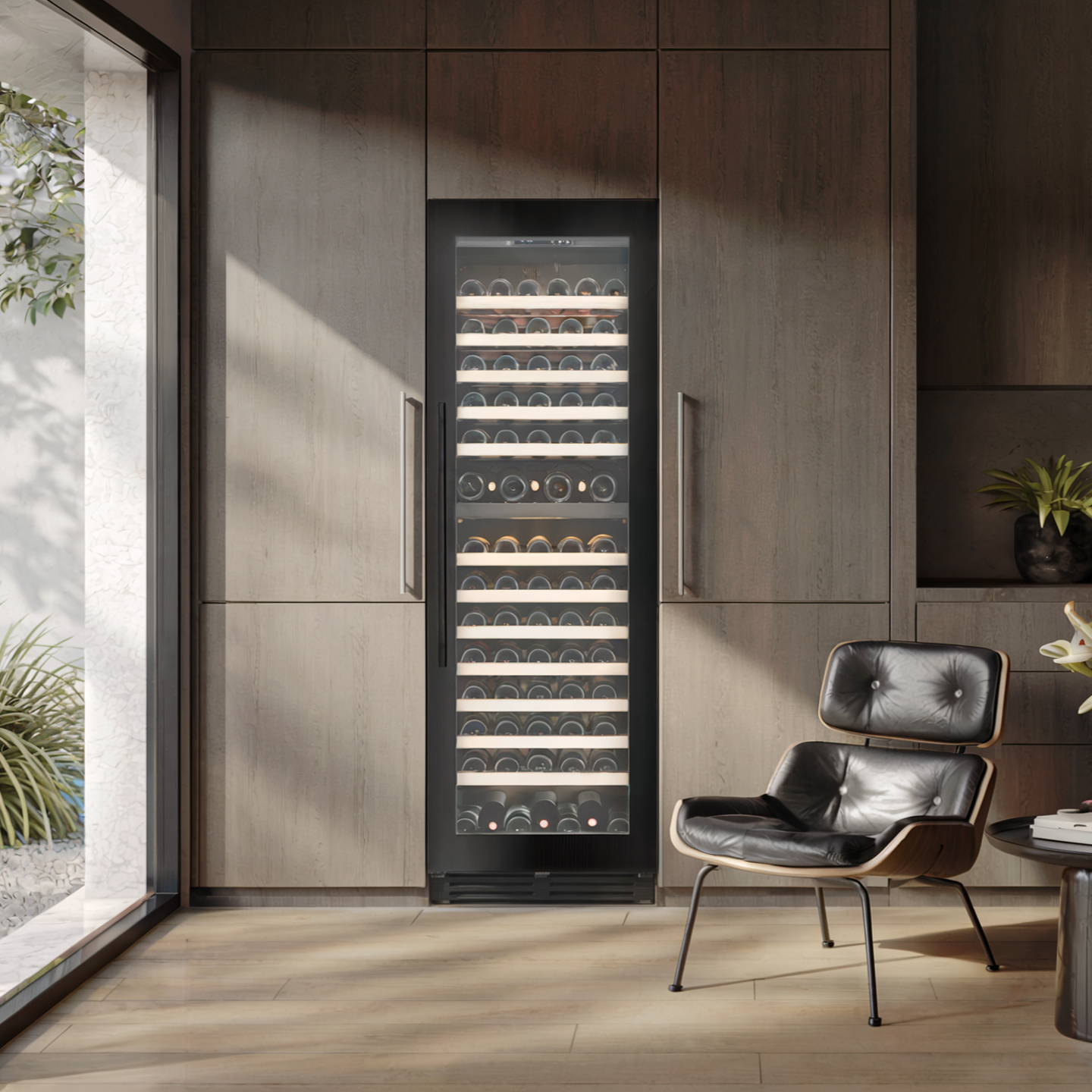
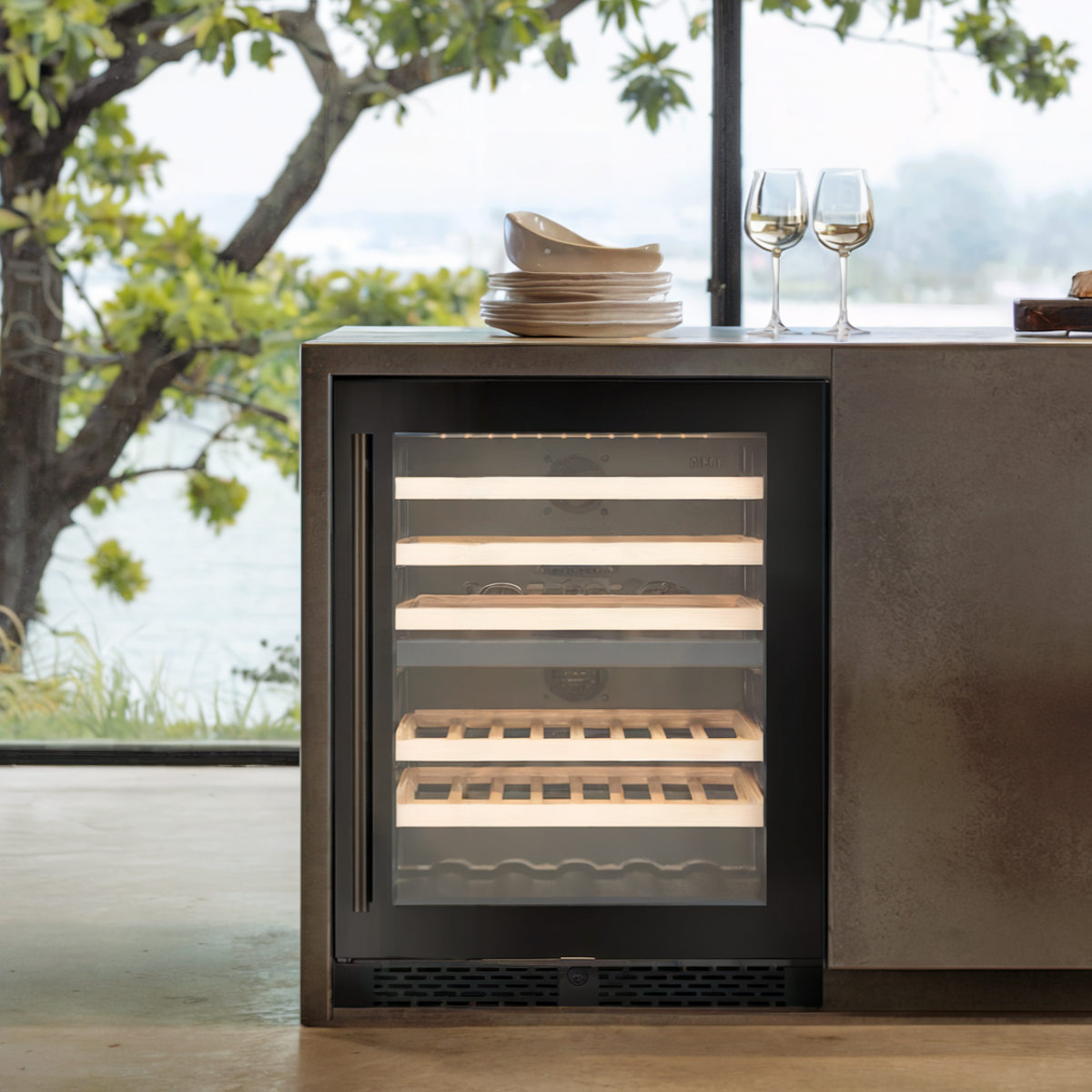
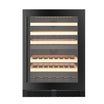
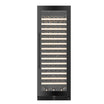
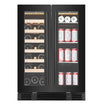
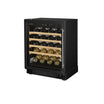
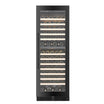
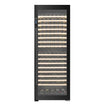
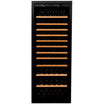
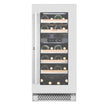
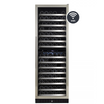
Full-scale construction isn't always the most efficient path to professional-grade results. For those with space constraints or a preference for mobility, a high-capacity cabinet is often superior to a permanent renovation. The Vantaggio V300 Wine Cabinet represents the pinnacle of this category, offering a self-contained, climate-controlled environment that rivals custom walk-in cellars. These premium wood units integrate sophisticated cooling technology directly into the cabinetry, providing the same thermal stability and humidity management as a larger room without the structural overhead or permanent footprint.
Custom Cellars: The Architectural Investment
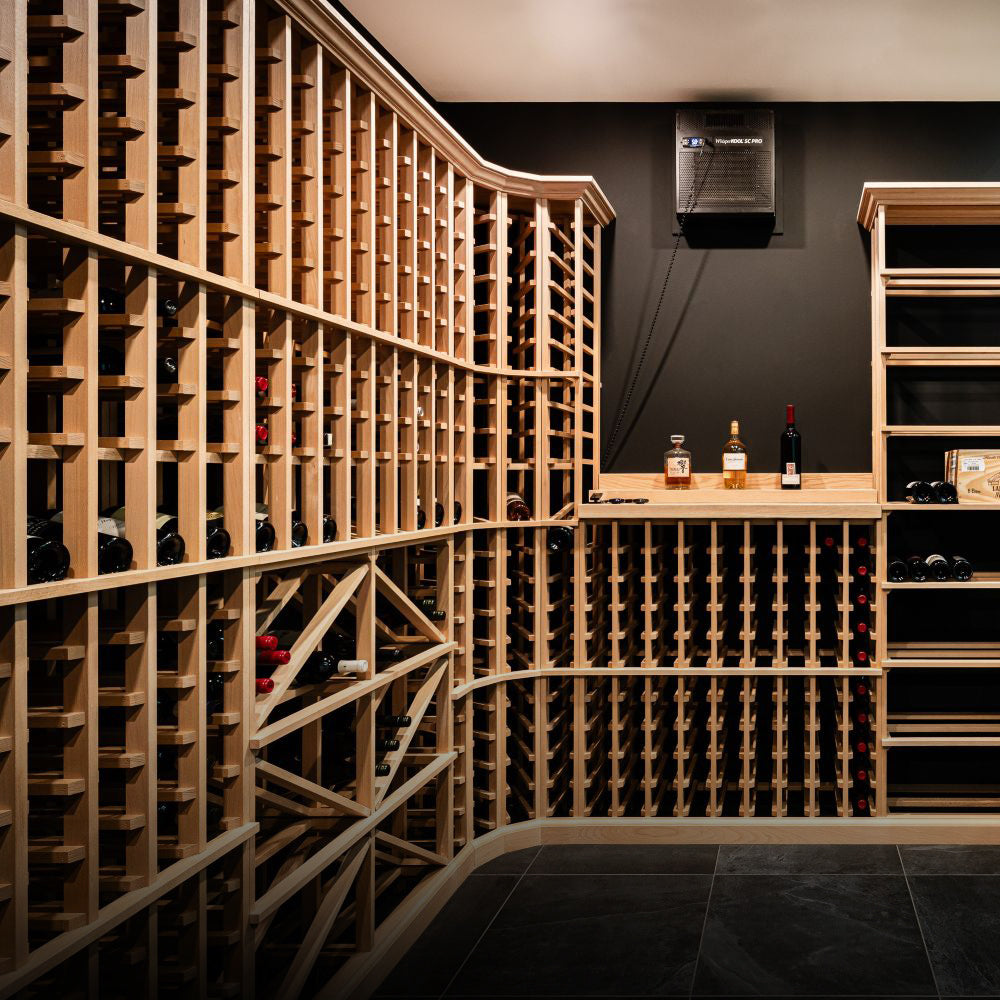
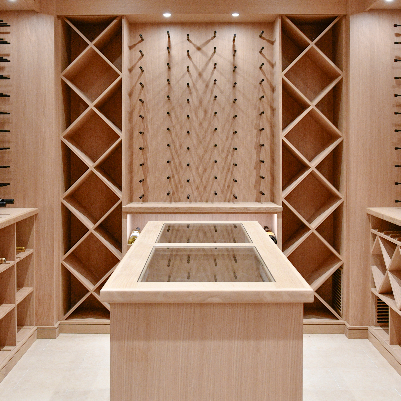
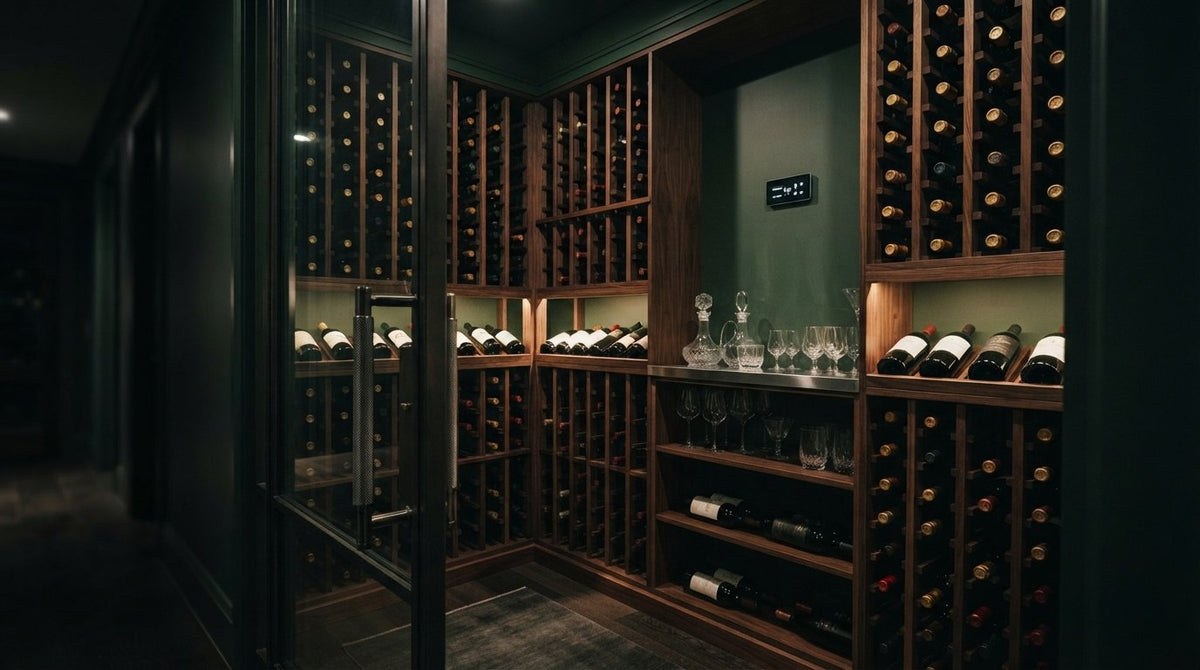
A bespoke walk-in cellar is a permanent architectural statement that adds tangible value to a residential estate. Beyond the aesthetic appeal of a floor-to-ceiling display, these installations are increasingly integrated with home automation and security systems. Modern collectors can now monitor their environment and inventory through mobile interfaces, ensuring their investment is protected even during travel. If you are beginning to visualize a dedicated space, exploring custom wine cellars can provide the necessary design inspiration to blend technical requirements with your home's unique interior aesthetic.
Engineering the Environment: Cooling and Insulation
Creating a stable 55°F environment in a standard residential room requires a specialized building envelope. Unlike typical living spaces, a cellar acts as a thermal vault, necessitating significantly higher R-Value standards. Walls should target a minimum of R-19 insulation, while ceilings require R-19 to R-30, or even R-38 if adjacent to an unconditioned attic. This thermal resistance ensures that your cooling system doesn't struggle against the external heat of the home, maintaining the stasis required for professional-grade Wine Storage.
The most critical component of this envelope is the vapor barrier. Because warm air naturally migrates toward the cold cellar cavity, moisture will condense inside the walls if a barrier is absent or misplaced. A 6-mil polyethylene sheeting must be applied strictly to the warm side of the cellar walls. Alternatively, medium-density closed-cell polyurethane spray foam serves as both high-grade insulation and a Class II vapor retarder. Without this protection, structural wood rot and hidden mold can compromise the integrity of your collection and your home.
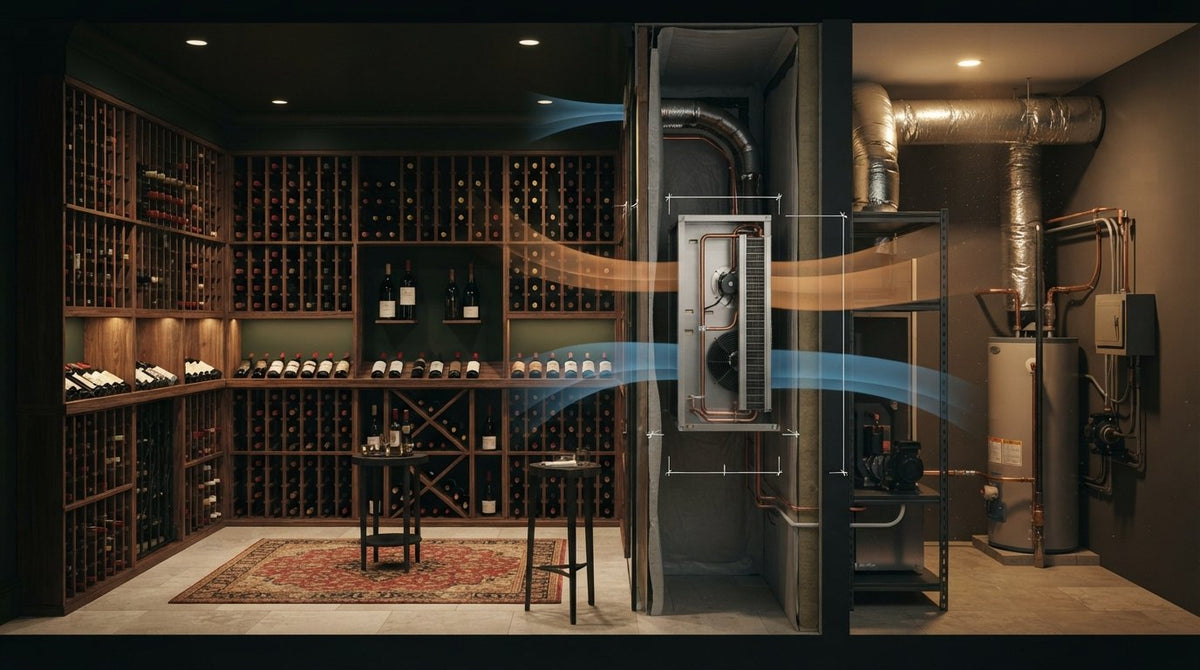
Airflow dynamics also dictate the success of the installation. Cooling units must be positioned to ensure consistent temperature from floor to ceiling, preventing "hot spots" where bottles might age at different rates. Depending on your architectural constraints, you may choose between several mechanical configurations:
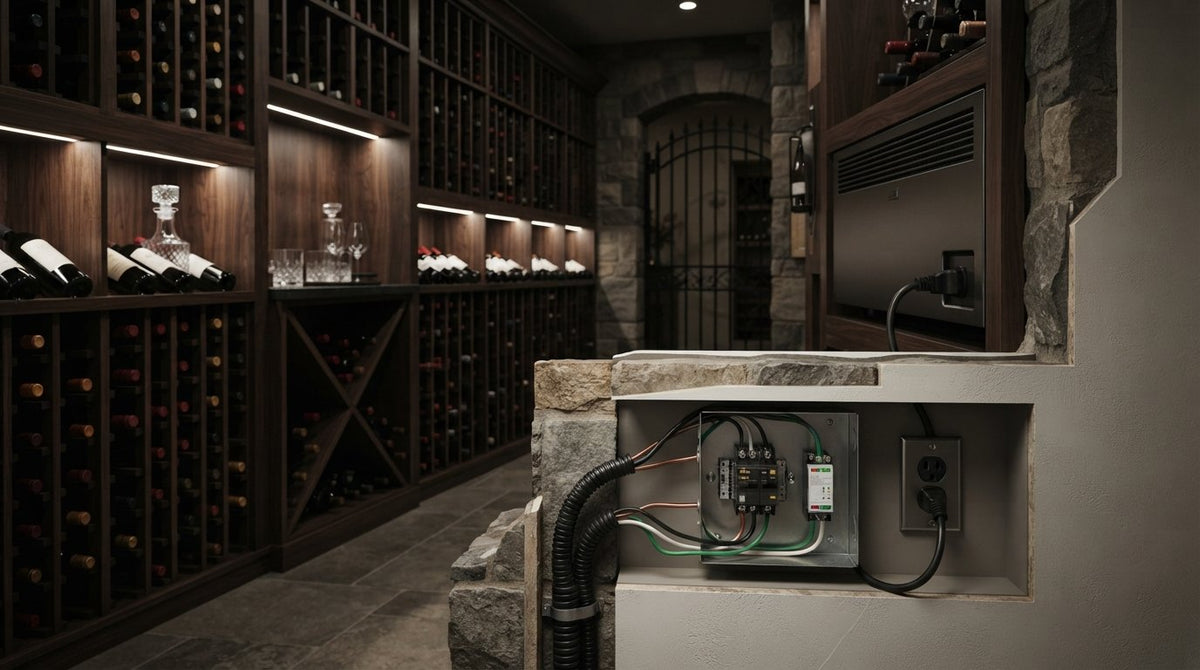
- Through-the-Wall (TTW) Units: Self-contained systems ideal for smaller, secondary spaces.
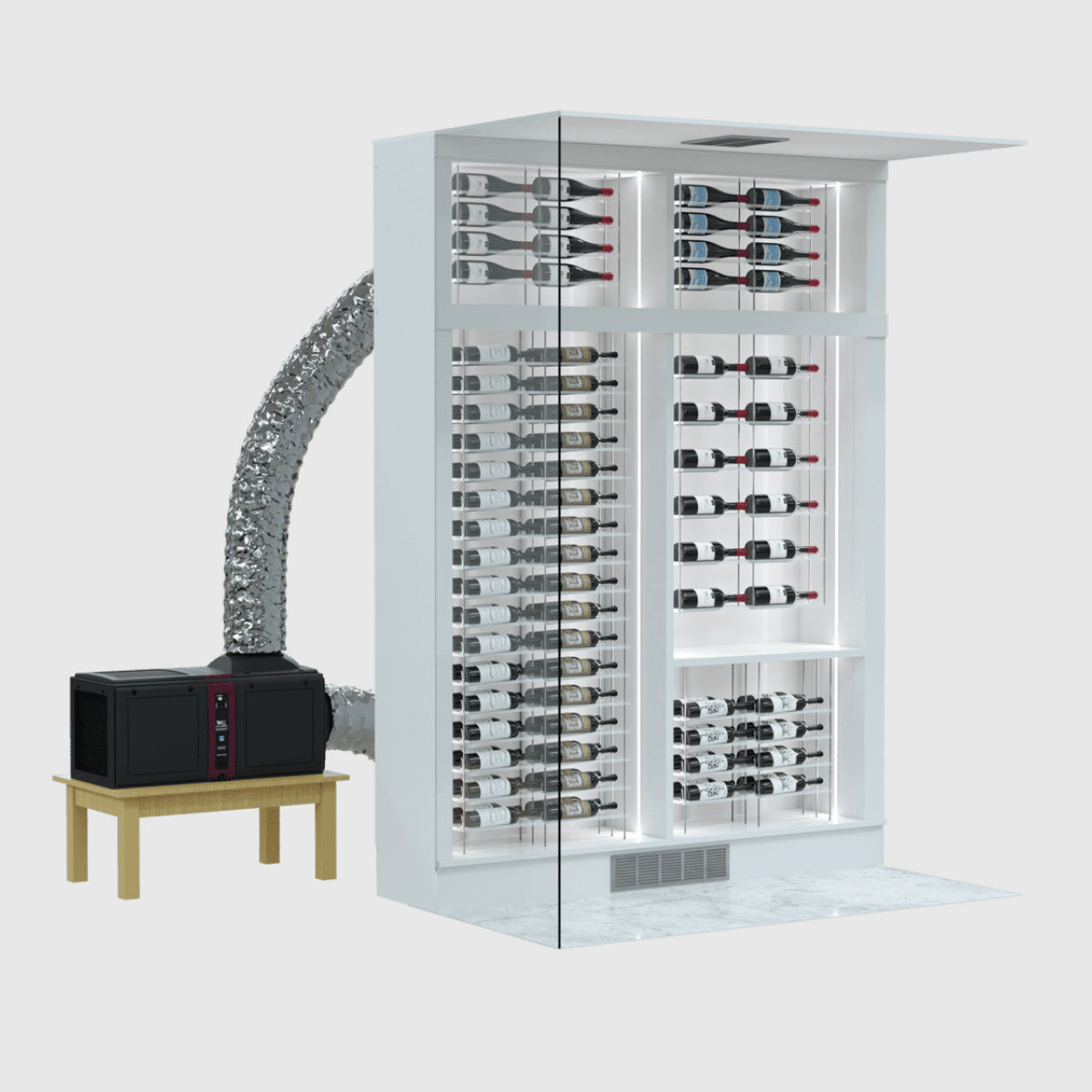
- Ductless Split Systems: These separate the evaporator from the condenser, allowing for quiet operation without bulky ductwork.
- Ducted Systems: Fully concealed installations that provide the highest level of aesthetic integration and noise reduction.
Choosing the Right Cooling Engine
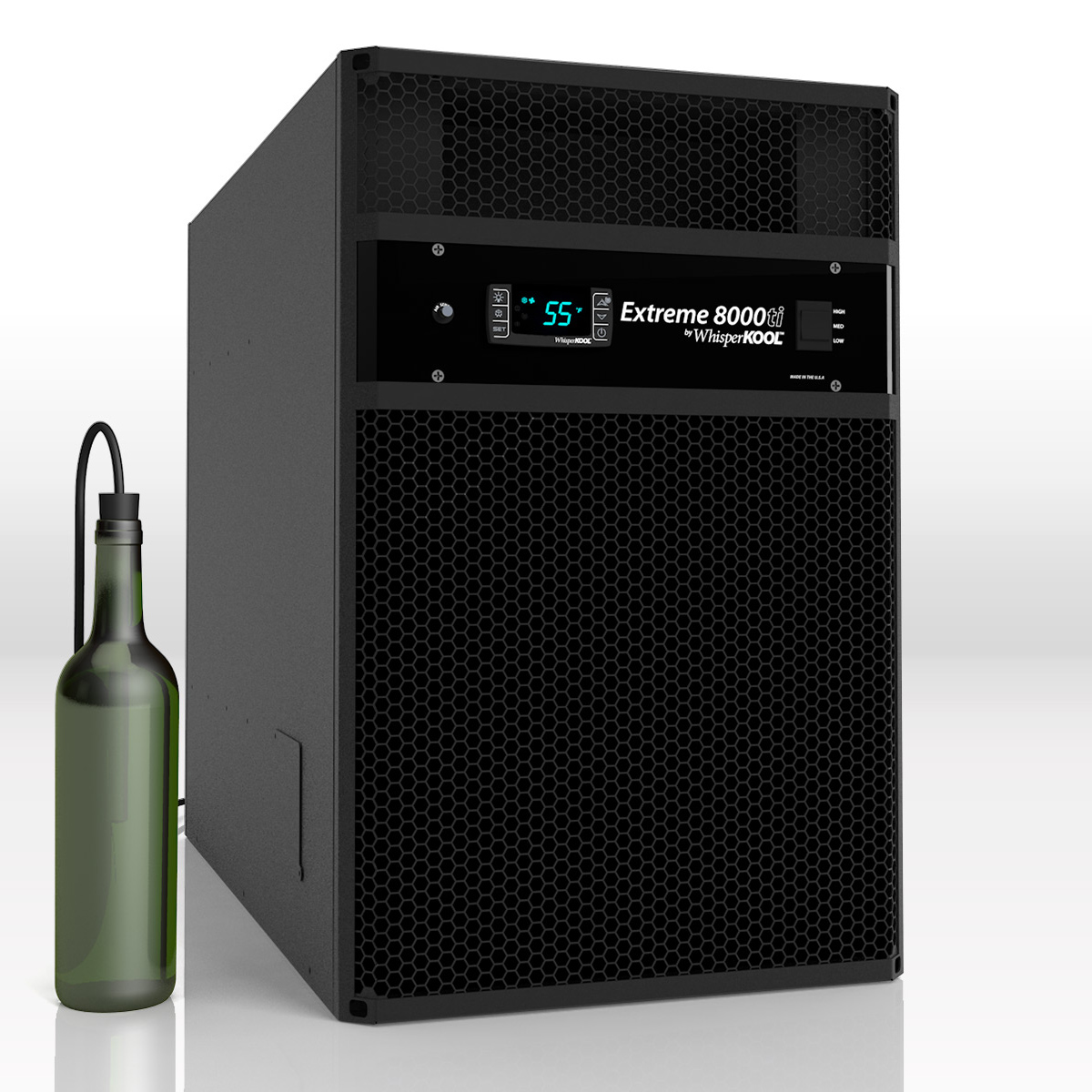
Selecting a system requires precise BTU (British Thermal Unit) sizing based on the room's volume and the materials used in construction. Under-sizing a unit leads to constant cycling, while over-sizing prevents proper dehumidification. We often recommend Whisperkool systems for their reputation in quiet, high-performance climate control. To ensure the longevity of these mechanical hearts, an annual maintenance plan is non-negotiable. Regular inspections and filter changes prevent coil freezing and drain line blockages, protecting your investment from sudden mechanical failure.
Lighting and Glass Partition Engineering
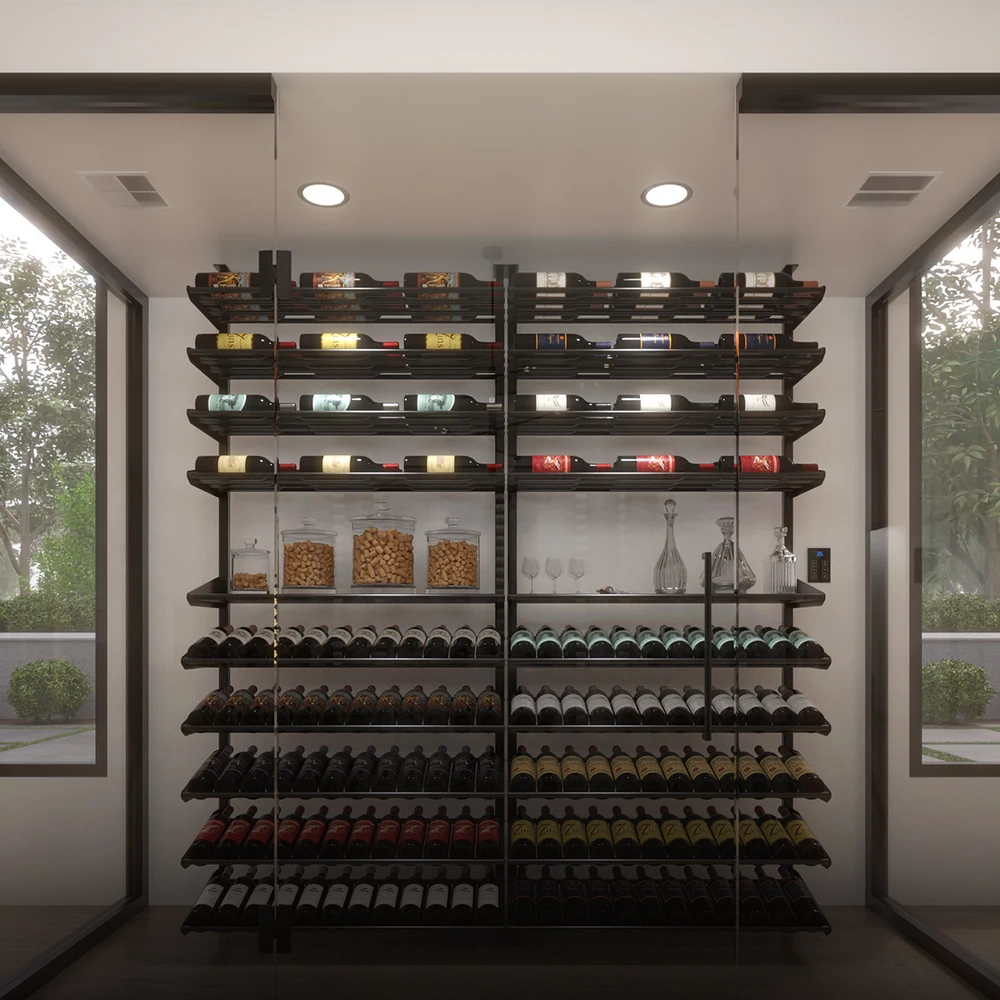
Modern "wine walls" often utilize glass partitions, but these require specific engineering to prevent thermal loss. Insulated Glass Units (IGUs) must feature double- or triple-pane tempered glass with Low-E coatings and argon gas fill to maintain the thermal barrier. Lighting must be equally considered; UV-free LEDs with a high Color Rendering Index (CRI) provide beautiful illumination without the risk of light-strike. The "heat load" introduced by improper lighting choices refers to the measurable increase in ambient temperature caused by inefficient bulbs, forcing the cooling system to cycle more frequently and shortening its operational lifespan.
Organizing Excellence: Racking and Aesthetics
Designing a cellar is an exercise in balancing spatial efficiency with visual impact. While the mechanical heart of Wine Storage ensures preservation, the racking system provides the structural skeleton that defines your collection's accessibility. A sophisticated layout does more than hold glass; it creates a visual narrative of your journey as a collector. Professional organization requires a strategic choice between high-density bulk storage for case lots and individual bottle displays that allow for effortless inventory management.
Material selection is dictated by the unique environmental demands of the cellar. Traditional hardwoods such as Redwood and Mahogany are favored for their natural resistance to rot and warping in high-humidity environments. In modern designs, aluminum and acrylic offer a sleek, minimalist alternative. Regardless of the material, your layout must account for specialty sizing. Champagne bottles, Magnums, and even splits require dedicated dimensions to prevent label scuffing and ensure structural stability. A well-engineered cellar integrates these variations into a cohesive visual hierarchy, often using label-forward displays to create a focal point for the collection's most prestigious vintages.
Premier Cru: The Gold Standard in Racking
For collectors who prioritize a timeless aesthetic and maximum durability, Premier Cru Classic Racking remains the industry benchmark. These systems are engineered for high-capacity vertical storage, providing the structural integrity necessary to support the immense weight of a floor-to-ceiling collection. The modular nature of these components allows for precise customization, ensuring that every inch of a bespoke cellar is utilized effectively. Whether you are filling a grand vault or a compact alcove, these racks provide a sense of permanence and professional-grade quality.
Modern Minimalism in Storage
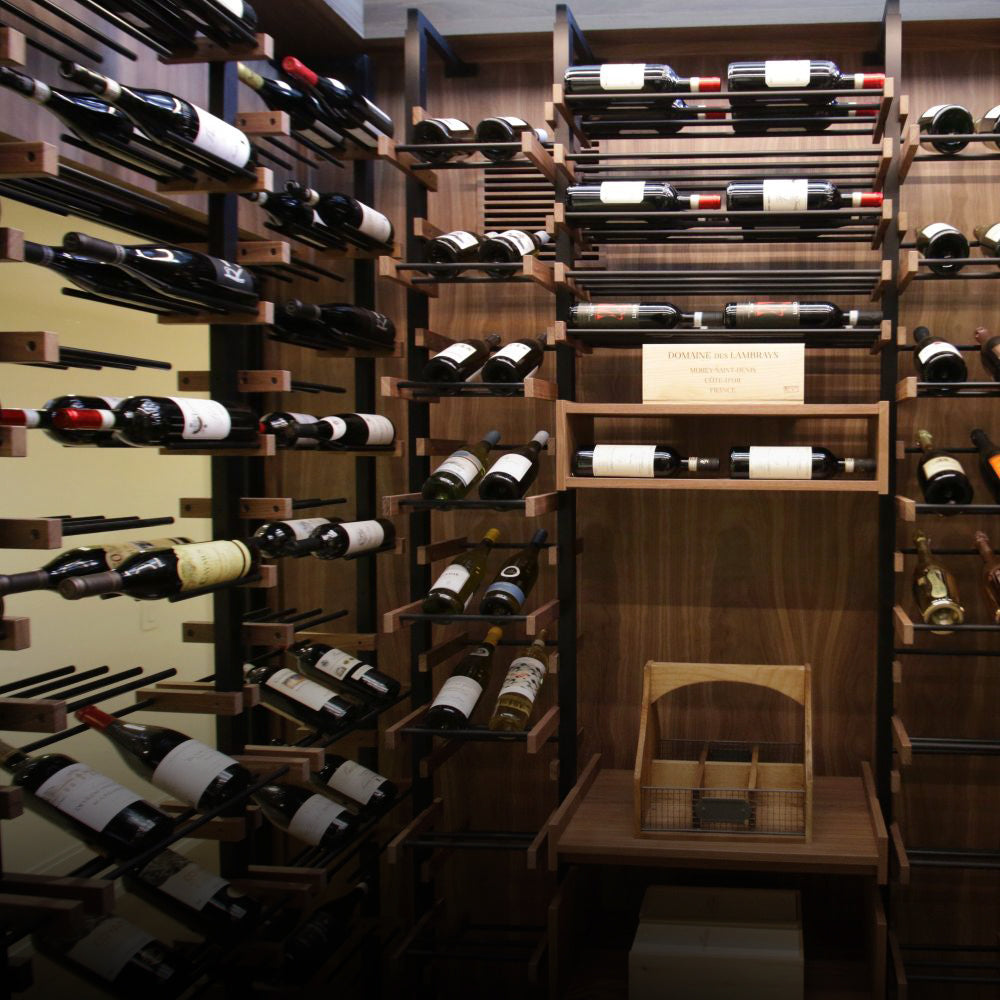
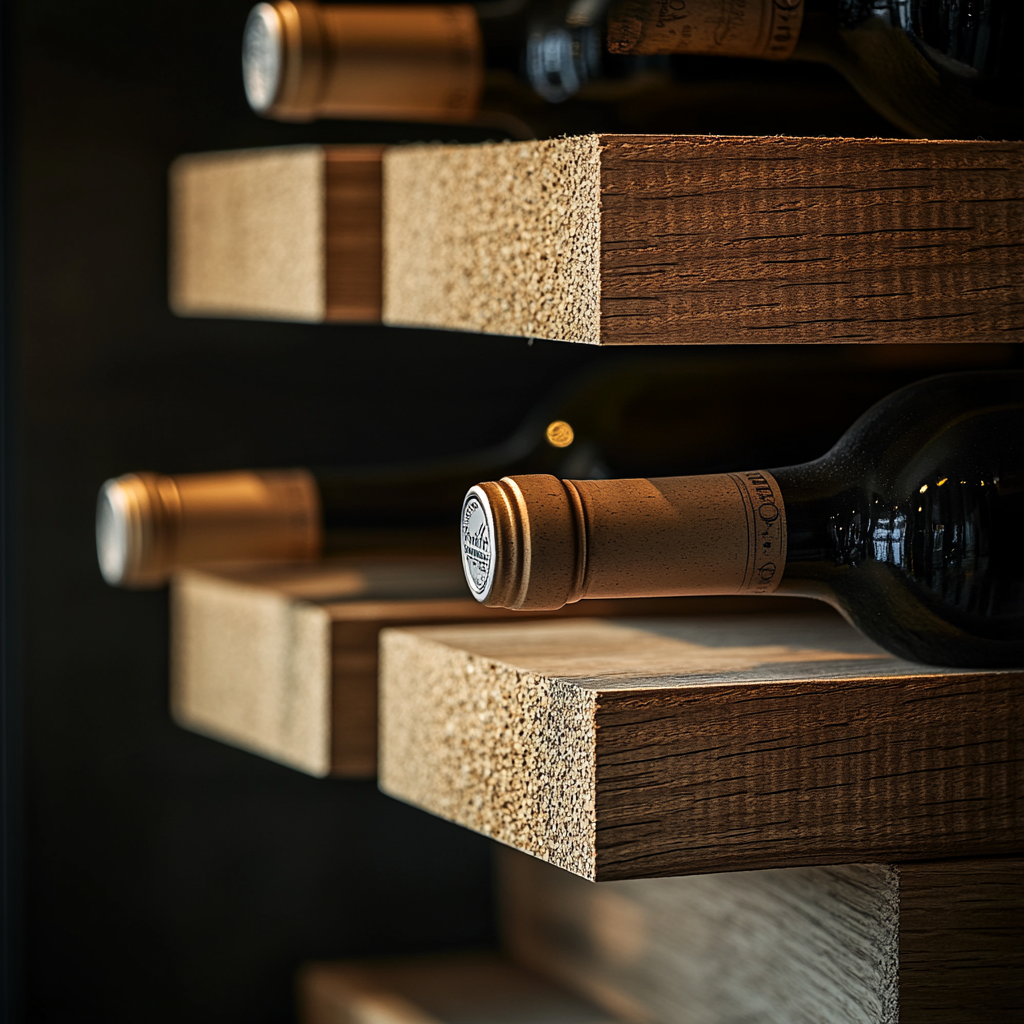
The rise of the "Wine Wall" has shifted storage from subterranean basements into primary living areas. Utilizing Modern Wine Racking solutions allows for a transparent, gallery-like presentation. Systems like Vinofabbrica pegs create a floating bottle aesthetic that highlights the label rather than the hardware. While metal is more conductive than wood, these precision-engineered pegs minimize contact points with the glass. This ensures the wine's temperature is governed by the climate-controlled air rather than the racking itself. If you are ready to elevate your display, explore our full range of bespoke racking solutions to find the ideal balance of form and function.
The Complete Ecosystem: Maintenance and Service
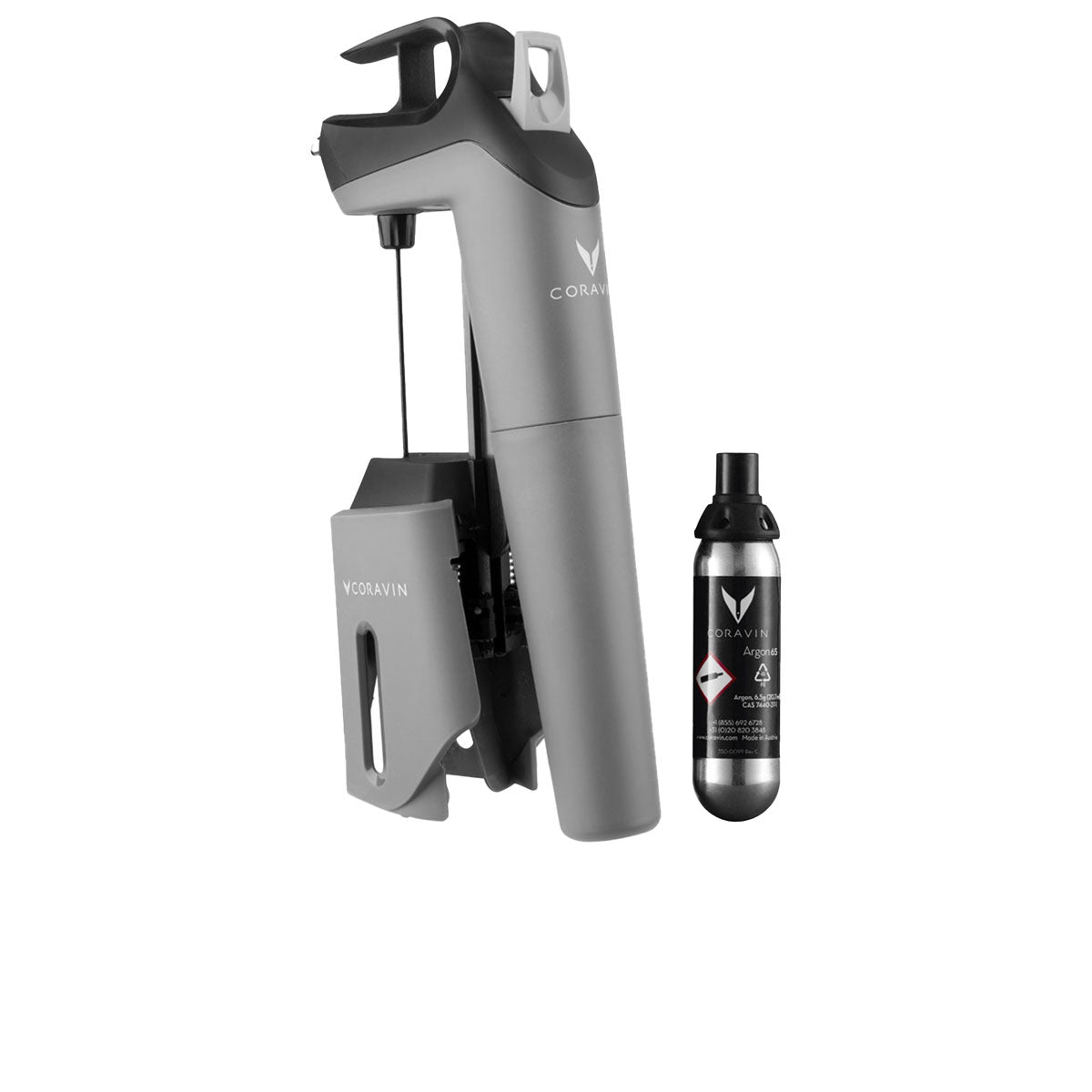
A professional cellar is a living environment that requires consistent oversight. The mechanical systems governing your Wine Storage environment require a proactive Annual Maintenance Plan to ensure the cooling unit operates at peak efficiency. Neglect often leads to dust accumulation on condenser coils, which forces the motor to work harder and eventually leads to premature failure. Beyond the hardware, smart environmental monitoring has become a standard requirement. Modern systems utilize remote sensors that provide real-time alerts to your smartphone if temperatures drift or if a power failure occurs. This layer of digital security is the final safeguard for a high-value collection.
Digital inventory systems further enhance this ecosystem by allowing you to track peak drinking windows. By cataloging each bottle upon arrival, you ensure that no vintage is lost to time or forgotten in a far corner of the racking. This organized approach transforms a simple collection into a curated library of liquid history, ensuring every bottle is enjoyed at its absolute zenith.
Glassware and Decanting Standards
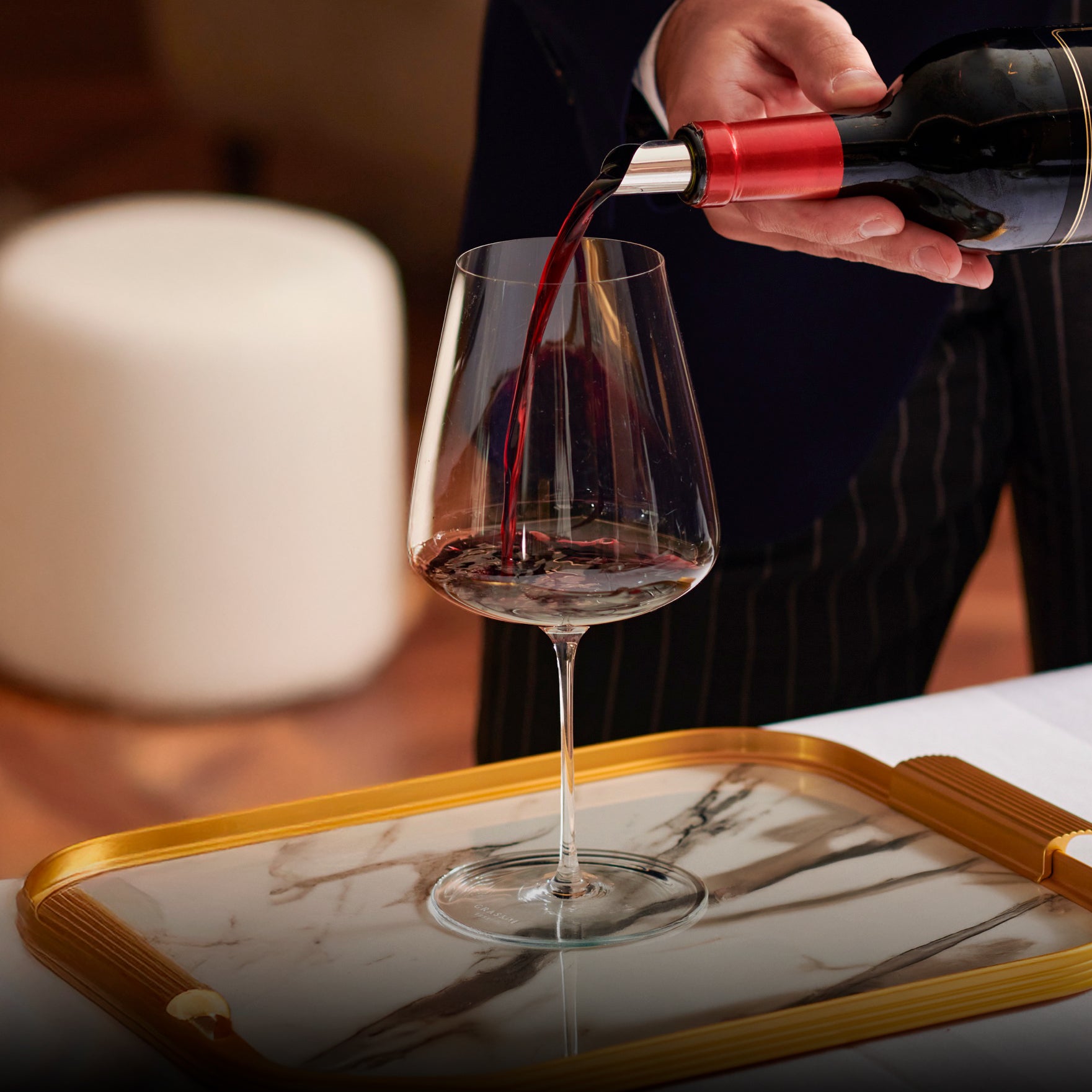
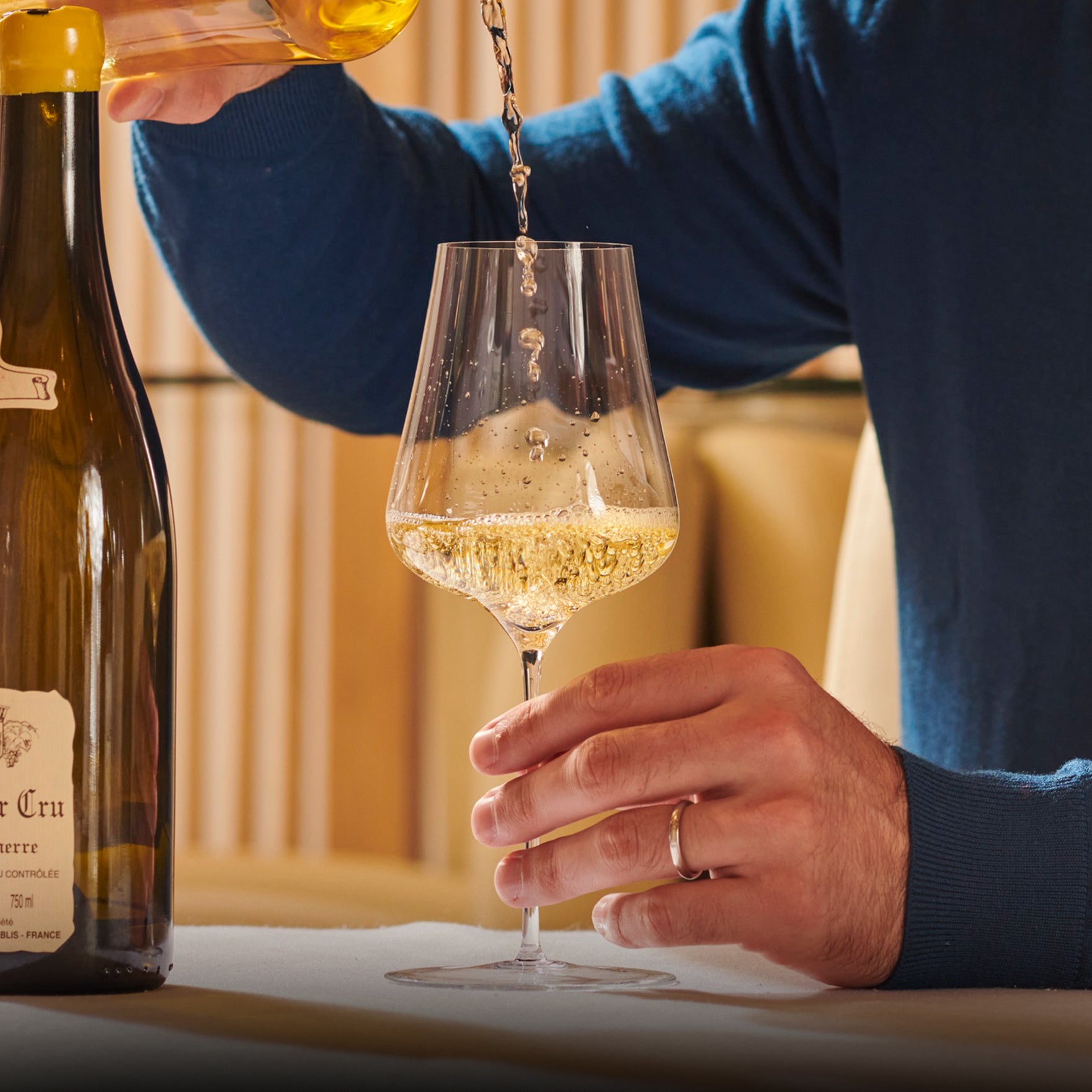
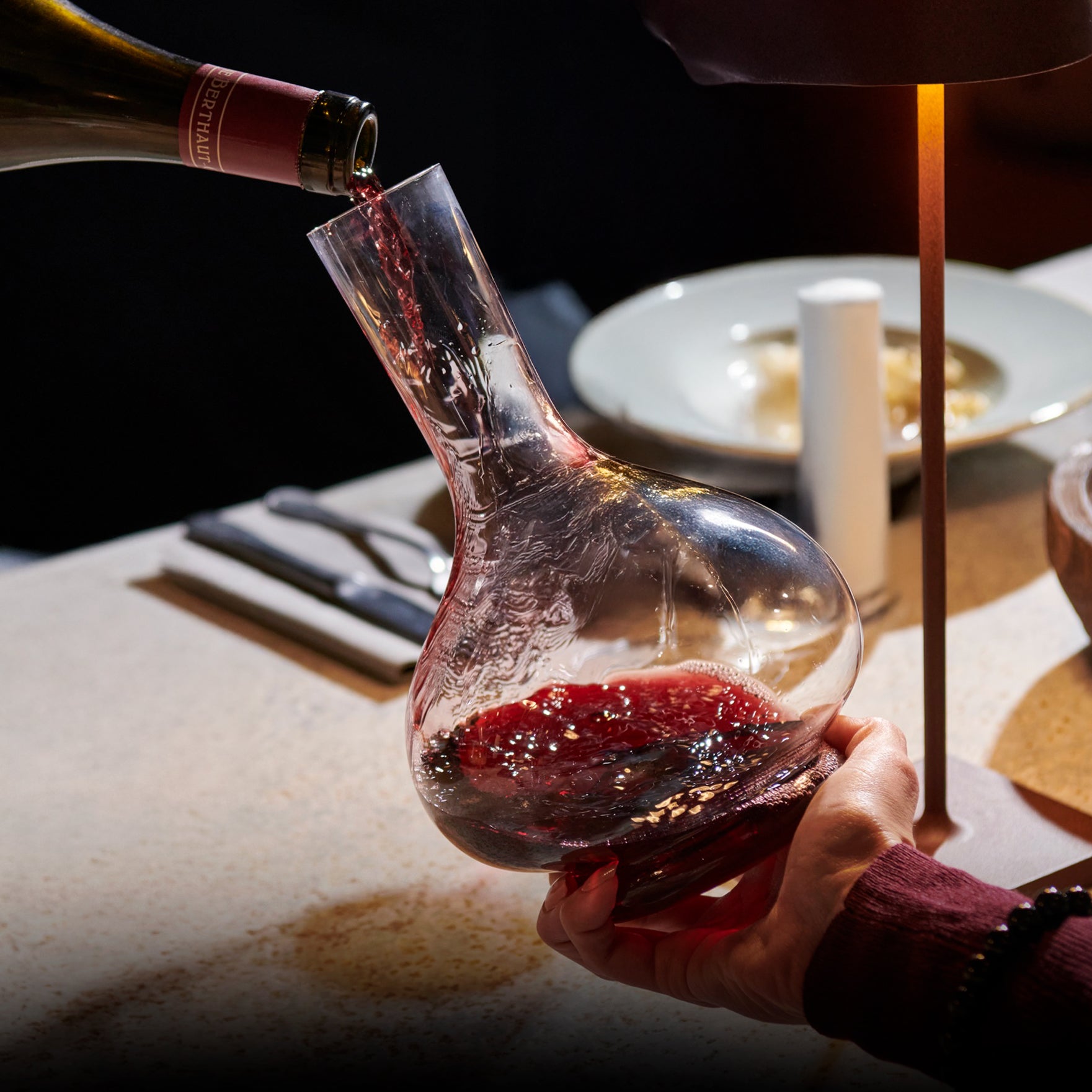
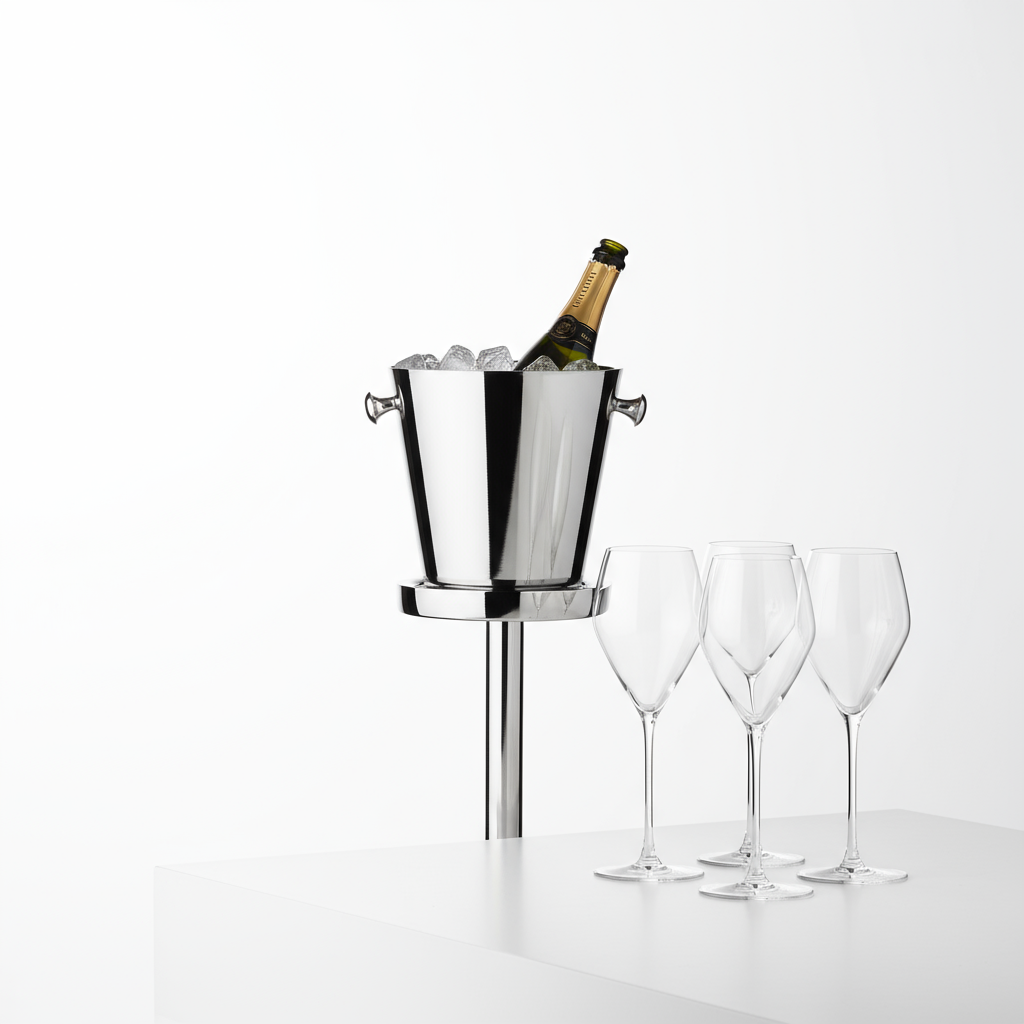
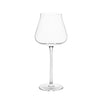
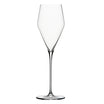
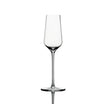
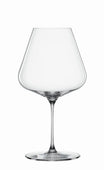
The transition from storage to service is the ultimate reward for a collector. Serious enthusiasts often invest in premium stemware from brands like Zalto or Orrefors to ensure the wine's bouquet is fully expressed. Proper storage for this glassware is just as critical as the wine itself. Stemware should be kept in a dust-free, odor-neutral environment to prevent the glass from absorbing ambient scents that could interfere with the tasting experience. Decanting serves as the logical conclusion of proper long-term storage because it allows a wine that has been resting in a reductionist environment to finally breathe and shed any accumulated sediment.
Protecting the Investment Long-Term
Long-term success in Wine Storage depends on spotting common failure points before they become catastrophic. You should look for signs of condensation on glass partitions or unusual cycling patterns in the cooling unit; these are often early indicators of seal breaches or mechanical fatigue. Professional service appointments play a vital role here, as a technician can identify issues that aren't always visible to the layperson. By treating your cellar as a complete ecosystem rather than a static room, you ensure the permanence of your investment and the continued evolution of your collection's flavor profile.
Explore our full range of wine storage solutions to find the perfect fit for your collection's specific needs.
Securing Your Collection's Future
Professional Wine Storage is a commitment to the long-term stewardship of your liquid legacy. By mastering the environmental pillars of thermal stability and humidity control, you move beyond simple organization into the realm of true preservation. Whether you select a high-capacity Vantaggio cabinet or a bespoke walk-in cellar, the integration of specialized cooling engines and vapor-sealed architecture remains the only way to ensure your vintages reach their intended expressive peak. Success lies in viewing your cellar as a complete ecosystem where engineering meets elegance.
At Rosehill Wine Cellars, we bring 30+ years of engineering expertise to every project, offering national delivery and dedicated maintenance support to protect your investment. We provide access to world-class brands like Whisperkool and Zalto, ensuring that every element of your storage environment meets professional standards. It's time to transform your vision into a permanent architectural statement that rewards your curiosity and protects your financial assets.
Design Your Custom Wine Storage Masterpiece
Your collection is more than a set of bottles; it's a history waiting to be uncorked with absolute confidence.
Frequently Asked Questions
What is the ideal temperature and humidity for long-term wine storage?
The ideal environment for long-term aging is a constant 55°F (13°C) with relative humidity maintained between 60% and 70%. This temperature provides the perfect kinetic balance for chemical evolution, while the humidity levels prevent natural corks from drying out and losing their seal. Maintaining these precise standards is the cornerstone of professional Wine Storage, as it protects the integrity of the bottle and ensures the flavor profile develops exactly as the winemaker intended.
Can I use a regular air conditioner for my wine cellar?
Standard residential air conditioners are not suitable for wine cellars. Regular AC units are designed to remove humidity and typically cannot maintain temperatures below 60°F without risking coil freeze-up. Specialized wine cooling units, such as those from Whisperkool, are engineered to maintain the 55°F target while specifically managing humidity levels to keep corks moist. Using a standard HVAC system often leads to desiccated corks, oxidized wine, and premature bottle failure.
How many bottles can a Vantaggio V300 wine cabinet actually hold?
The Vantaggio V300 Wine Cabinet is designed to accommodate approximately 300 standard 750ml Bordeaux-style bottles. Its high-capacity design utilizes a combination of universal and individual shelving to maximize spatial efficiency without compromising essential airflow. While larger bottle shapes like Magnums or wider Champagne bottles may slightly reduce the total count, the V300 remains the premier solution for collectors who require the volume of a small cellar within a self-contained, furniture-grade cabinet.
Do I really need a vapor barrier if my cellar is in the basement?
A vapor barrier is absolutely essential even in subterranean basements. Because your cellar is kept at a constant 55°F, it's significantly cooler than the rest of your home. Without a 6-mil polyethylene barrier or closed-cell spray foam on the warm side of the walls, moisture will condense inside the wall cavity. This leads to structural wood rot and toxic mold growth that can eventually destroy both your racking and your collection's paper labels.
What is the difference between a wine cooler and a wine cabinet?
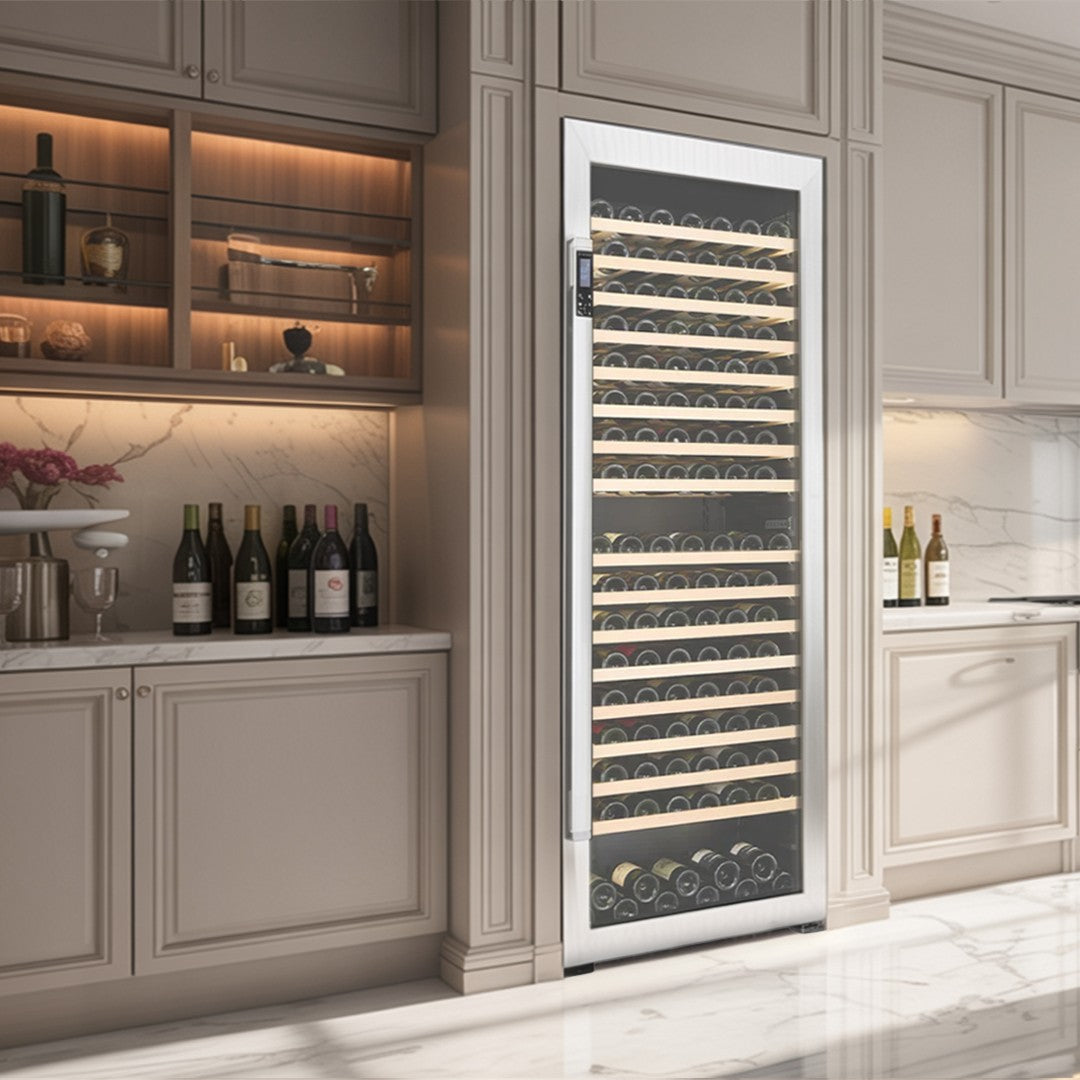
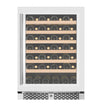
The primary difference lies in the intended duration of storage and the sophistication of climate control. A wine cooler, or fridge, is typically a smaller appliance designed for short-term chilling of bottles before service. In contrast, a wine cabinet like the Vantaggio series is a furniture-grade installation designed for long-term aging. These cabinets feature advanced insulation, vibration dampening, and precise humidity management systems that a standard cooler simply cannot match for vintage preservation.
How often should I have my wine cooling unit serviced?
You should have your wine cooling unit professionally serviced at least once per year. Annual maintenance is the most effective way to protect your mechanical investment and prevent catastrophic failure. A typical service appointment includes cleaning the condenser coils, checking refrigerant levels, and ensuring the condensate drain lines are clear. This proactive care prevents common issues like coil icing and ensures your Wine Storage environment remains stable throughout the entire year.
What type of racking is best for a modern home design?
Modern home designs often benefit from label-forward metal racking or minimalist peg systems. Solutions like Premier Cru Modern Racking or Vinofabbrica wine pegs provide a sleek, gallery-like aesthetic that complements contemporary architecture. These systems prioritize visibility and clean lines, allowing your collection to serve as a focal point in kitchens or dining rooms. Metal racking also offers excellent airflow and durability while maintaining a low-profile footprint that fits well in smaller spaces.
Is it worth building a custom wine cellar for a collection of 200 bottles?
Building a custom cellar for a collection of 200 bottles is a worthwhile investment for both preservation and property value. While a cabinet might suffice for the current count, a custom walk-in space allows for future acquisition and provides a dedicated architectural feature for your home. A professional design ensures that your 200 bottles are displayed with visual impact while creating the stable environment necessary for your collection to appreciate in financial value.