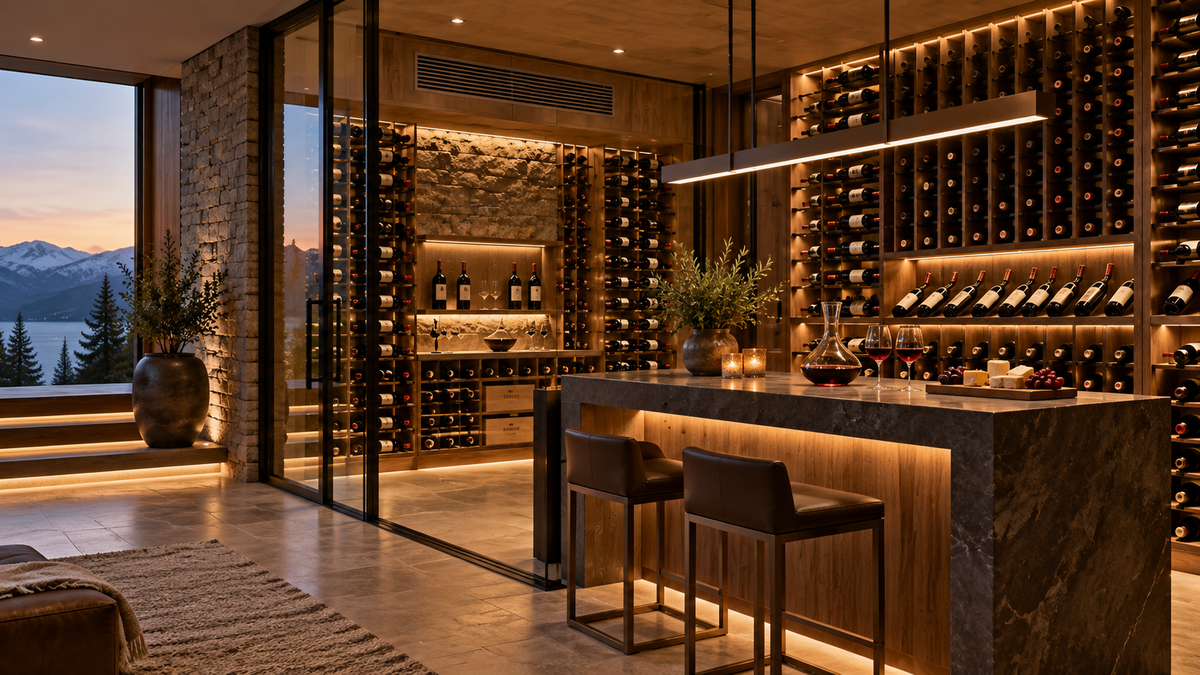



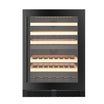
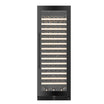
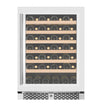
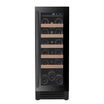
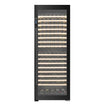
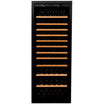
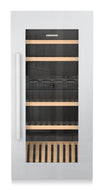
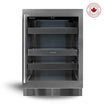
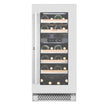
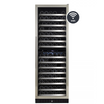




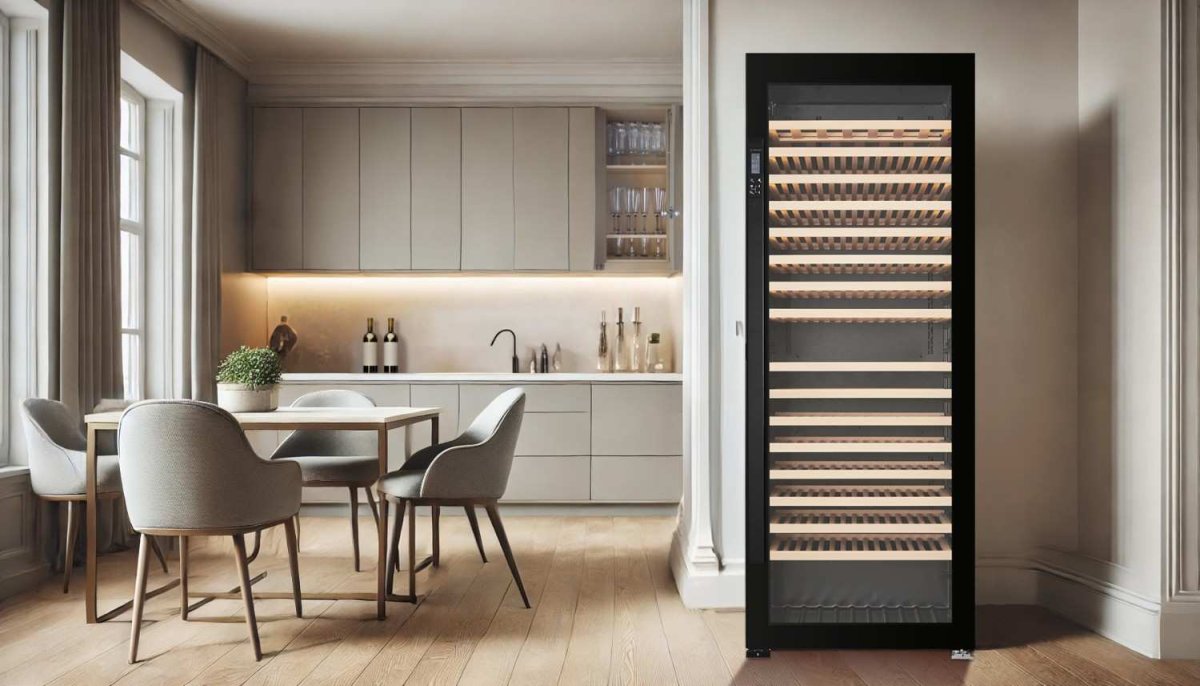
Why should a world-class vintage, nurtured for decades in the limestone caves of Europe, spend its final years in a buzzing, utilitarian appliance that clashes with your home's aesthetic? For the serious collector, the anxiety often stems from the compromise between professional-grade performance and high-end interior design. You shouldn't have to choose between a reliable cooling system and a beautiful piece of furniture. A premium cabinet wine chiller acts as a bridge, offering the precise temperature and humidity management of a walk-in cellar within a chassis that enhances your most refined rooms.
We agree that your collection deserves a sanctuary that is as silent as it is steady. It's about more than just cooling; it's about preservation. In this guide, you'll discover how to identify the technical markers of quality, from advanced thermal insulation to the custom finishes that define luxury cabinetry. We'll explore the sophisticated engineering behind the Vantaggio V300 and show you how to ensure your vintages age gracefully. By the end, you'll have the expertise needed to select a storage solution that protects your liquid assets while elevating your home.
Key Takeaways
- Distinguish between a basic appliance and a furniture-grade cabinet wine chiller to ensure your storage solution complements your home's sophisticated architecture.
- Master the technical trifecta of temperature stability, humidity management, and vibration dampening required to replicate professional cellar conditions.
- Identify how premium wood species and modern materials like glass walls can be used to balance aesthetic appeal with structural durability.
- Calculate the specific ventilation and placement requirements needed to prevent mechanical strain and extend the lifespan of your cooling system.
- Discover why the Vantaggio V300 is considered the gold standard for collectors seeking an integrated, high-capacity storage piece.
What is a Cabinet Wine Chiller? Beyond the Standard Wine Fridge
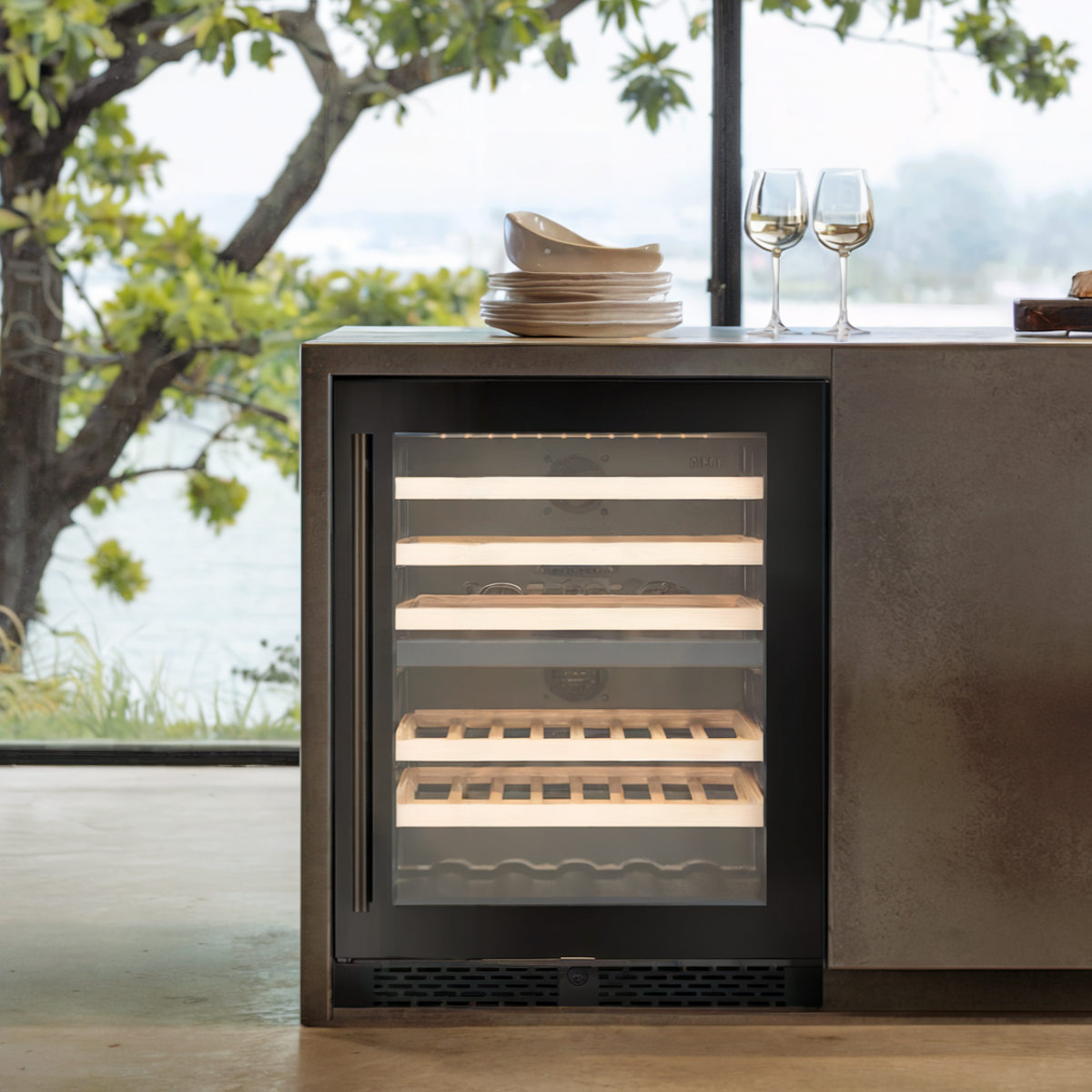
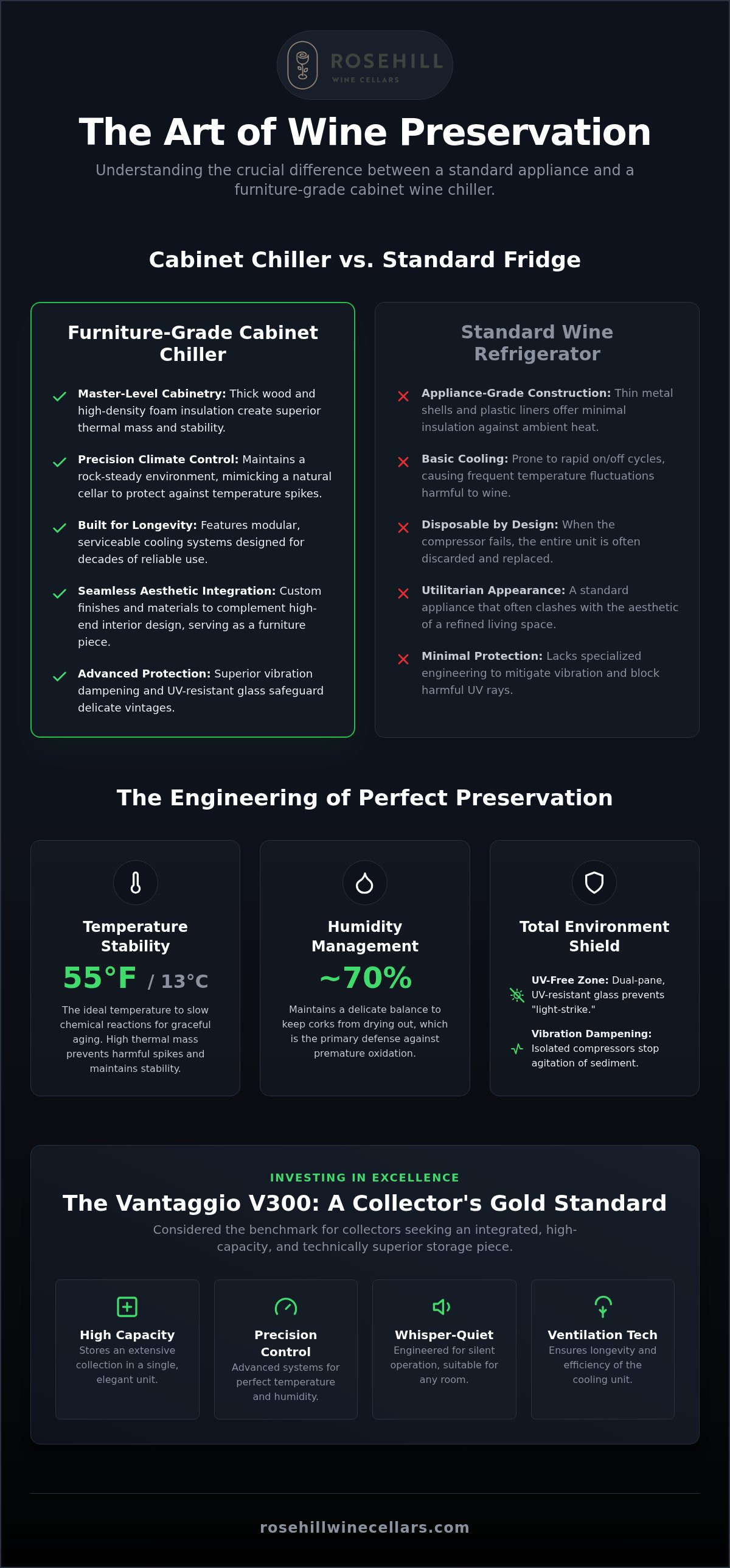
A cabinet wine chiller represents the sophisticated intersection of master-level cabinetry and precision climate engineering. It's a mistake to categorize these units alongside standard kitchen appliances. Instead, think of them as specialized furniture designed to serve as a high-performance vault for your collection. While a basic fridge focuses on simple cooling, a luxury cabinet prioritizes long-term maturation through dense insulation and robust thermal mass. This stability is vital because wine is a living, breathing entity that reacts poorly to the rapid temperature spikes common in thin-walled metal units. The goal is to provide a sanctuary where your bottles can rest undisturbed by the fluctuations of the outside world.
For many collectors, these units function as a "micro-cellar." They provide the same environmental controls found in expansive active and passive wine cellars but within a footprint that fits a library, dining room, or great room. It's the ideal solution when a full-scale basement excavation isn't feasible or when you want your most prized bottles close at hand for entertaining. By utilizing advanced cooling units, these cabinets maintain the delicate balance of humidity and temperature required for aging.
Cabinet Chillers vs. Standard Wine Refrigerators
The primary difference lies in structural integrity. Mass-market refrigerators rely on thin metal shells and plastic liners that offer minimal protection against ambient heat. In contrast, a furniture-grade cabinet wine chiller utilizes thick wood panels and high-density foam insulation. This construction doesn't just look better; it creates a more stable interior environment that protects against light and heat. High-end components are also designed for repairability. While a standard fridge is often discarded when the compressor fails, luxury units often feature modular cooling systems that can be serviced or replaced. This ensures your investment remains functional for decades rather than years.
The Benefits of Furniture-Grade Storage
Choosing furniture-grade storage allows for seamless aesthetic integration. You can select custom finishes that mirror the mahogany of your library or the white oak of a modern kitchen. Beyond the visual appeal, solid wood provides superior natural insulation and vibration dampening, which is essential for preventing sediment disturbance in older vintages. There's also a significant psychological component to consider. A beautifully crafted display piece changes how you interact with your collection. It transforms storage into a focal point of the home. It invites conversation and highlights the curation of your vintages as a deliberate act of art.
The Engineering of Climate Control: How Premium Cabinets Protect Your Wine
Achieving a consistent 55 degrees Fahrenheit is the universal goal for long-term aging. This specific temperature slows the chemical reactions within the bottle without halting them entirely, allowing for the gradual development of complex aromatics and flavors. A high-quality cabinet wine chiller excels here by leveraging its significant thermal mass. While standard metal refrigerators experience rapid temperature cycles as they turn on and off, the thick wood and high-density insulation of a premium cabinet act as a thermal flywheel. This structural density is the primary reason a cabinet outperforms a standard appliance. It creates an environment where the liquid temperature inside the bottle remains nearly flat even during the cooling unit's defrost cycles, providing a fail-safe period of stability if power is temporarily lost.
Light is another silent predator for serious collectors. Display-oriented cabinets must utilize dual-pane, UV-resistant glass to protect the contents. Without this protection, ultraviolet rays can penetrate the bottle and trigger "light-strike." This reaction degrades the delicate organic compounds in the wine and produces unpleasant aromas. By filtering out these rays, the cabinet allows you to showcase your collection without compromising the integrity of the vintage.
Vibration-Free Cooling Systems
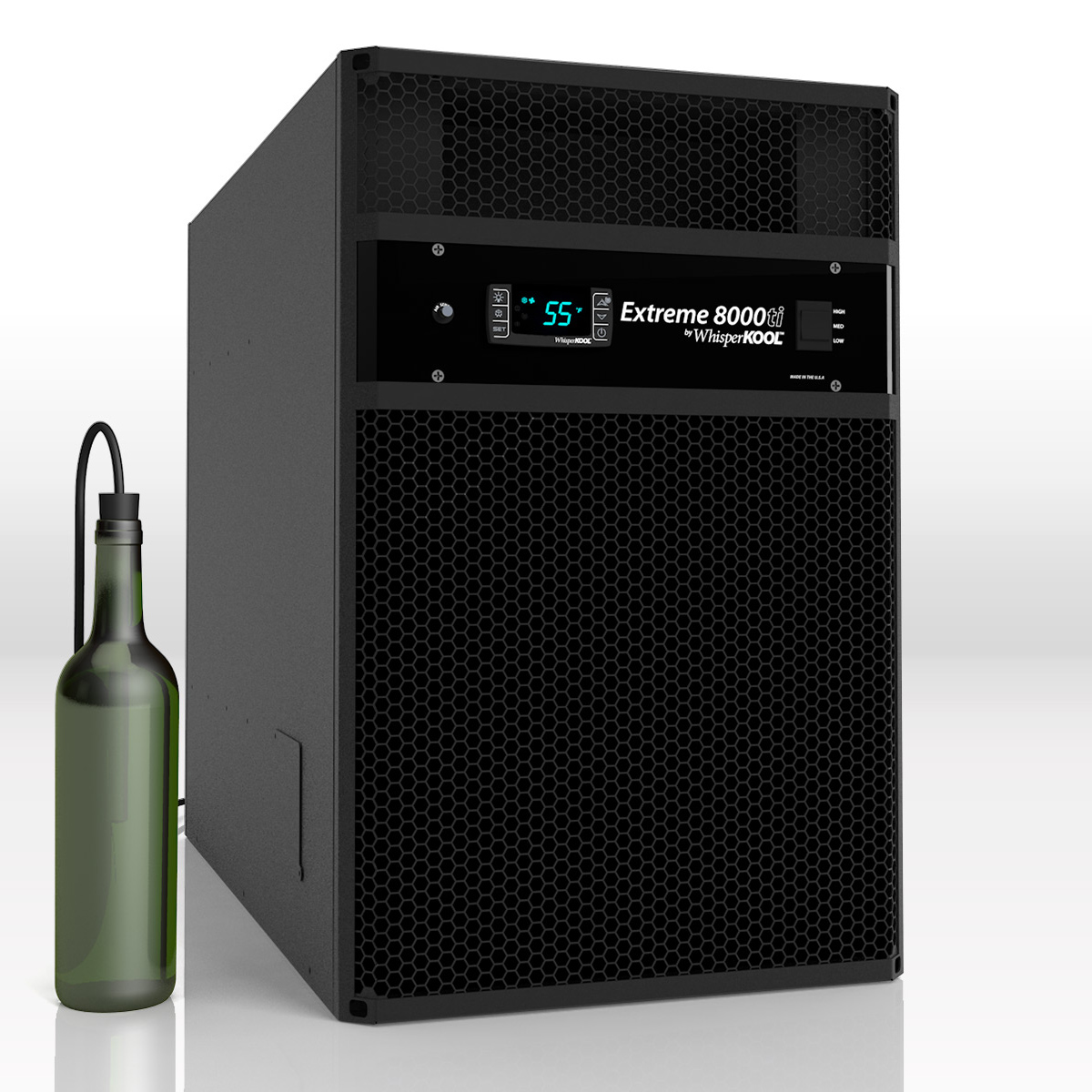
Even microscopic vibrations can disrupt the aging process by agitating sediment and accelerating unwanted chemical reactions. Premium units prioritize vibration dampening through rubber-isolated compressor mounts and specialized fans. This engineering ensures that the unit remains whisper-quiet, often operating at decibel levels comparable to a soft library hum. This is essential for units placed in great rooms or dining areas where mechanical noise would disrupt the home's ambiance. If you're planning a sophisticated installation, exploring professional wine cooling units can help you find the right balance of power and silence.
Active vs. Passive Humidity Management
Maintaining a humidity sweet spot between 50 and 70 percent is critical for protecting your investment. Standard air conditioning units are designed to strip moisture from the air, which is the opposite of what wine requires. In contrast, specialized systems use active or passive methods to keep the environment damp enough to protect the cork. Proper humidity levels ensure the cork remains expanded and pliable, creating a perfect hermetic seal that prevents oxygen from entering the bottle. Without this moisture, the cork can desiccate and shrink, leading to oxidation and the eventual ruin of the vintage. Conversely, managing these levels prevents excessive dampness that could lead to label mold.
Design and Materiality: Selecting the Right Aesthetic for Your Space
A premium cabinet wine chiller should be viewed as a bespoke architectural element rather than a mere appliance. When selecting the materials for your storage, the choice of wood species dictates both the unit's durability and its visual harmony with your home. Mahogany is frequently the preferred choice for master craftsmen. Its dense grain and natural resistance to moisture make it ideal for the humid environment required for wine preservation. In contrast, oak offers a timeless, robust aesthetic that complements traditional libraries and classic millwork. Regardless of the species, the structural integrity of the wood provides natural insulation that metal shells cannot replicate.
A critical but often overlooked detail is the use of non-off-gassing finishes. In the enclosed environment of a cabinet wine chiller, standard paints and stains can release volatile organic compounds (VOCs). These chemicals can eventually penetrate the cork and taint the flavor profile of your vintages. Ensuring that your unit utilizes food-grade, water-based finishes is essential for the long-term purity of your collection. This attention to detail extends to the hardware and lighting. Low-heat LED systems allow you to illuminate your bottles without raising the internal temperature, while high-end pulls and hinges provide a tactile sense of quality every time you access a bottle.
Wood Wine Cabinets: The Traditional Choice
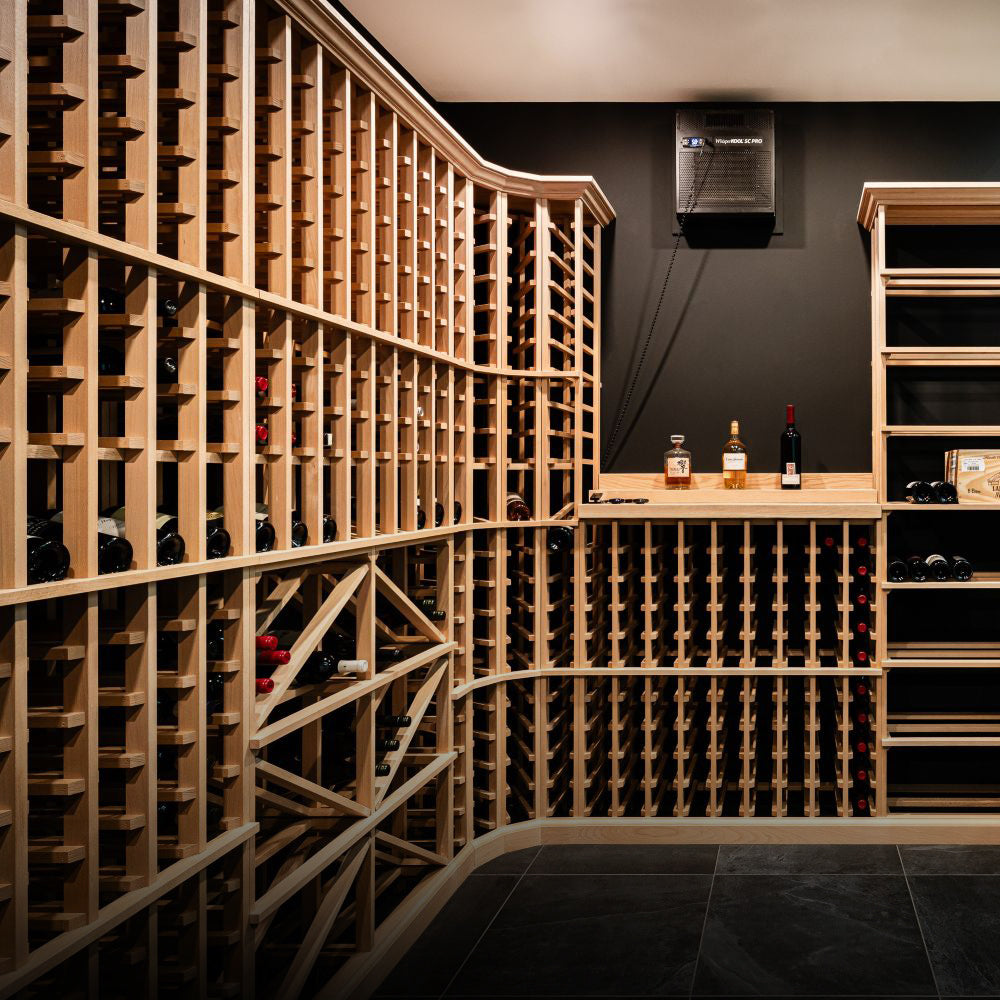
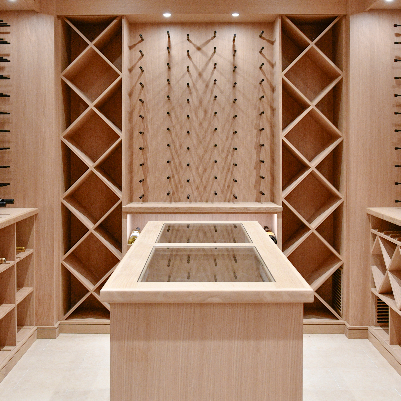
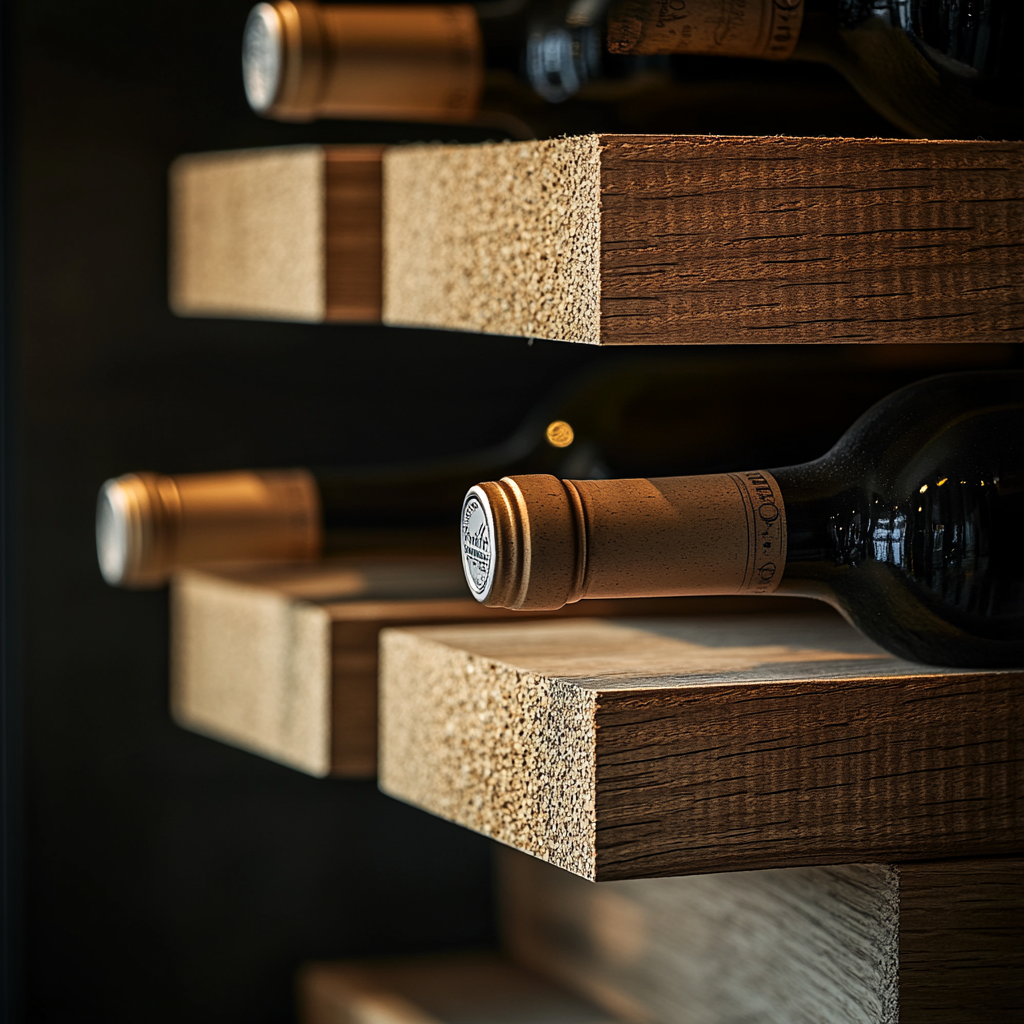
Hardwood cabinets offer superior thermal properties, acting as a natural barrier against external temperature swings. These units can be stained to match existing cabinetry, creating a seamless look in dining rooms or dens. Utilizing Premier Cru Classic Racking within these cabinets provides a sturdy, traditional foundation. The wood-on-wood contact is gentle on labels and helps dampen any residual mechanical vibrations, ensuring your wine rests in total stillness.
Contemporary Glass and Metal Configurations
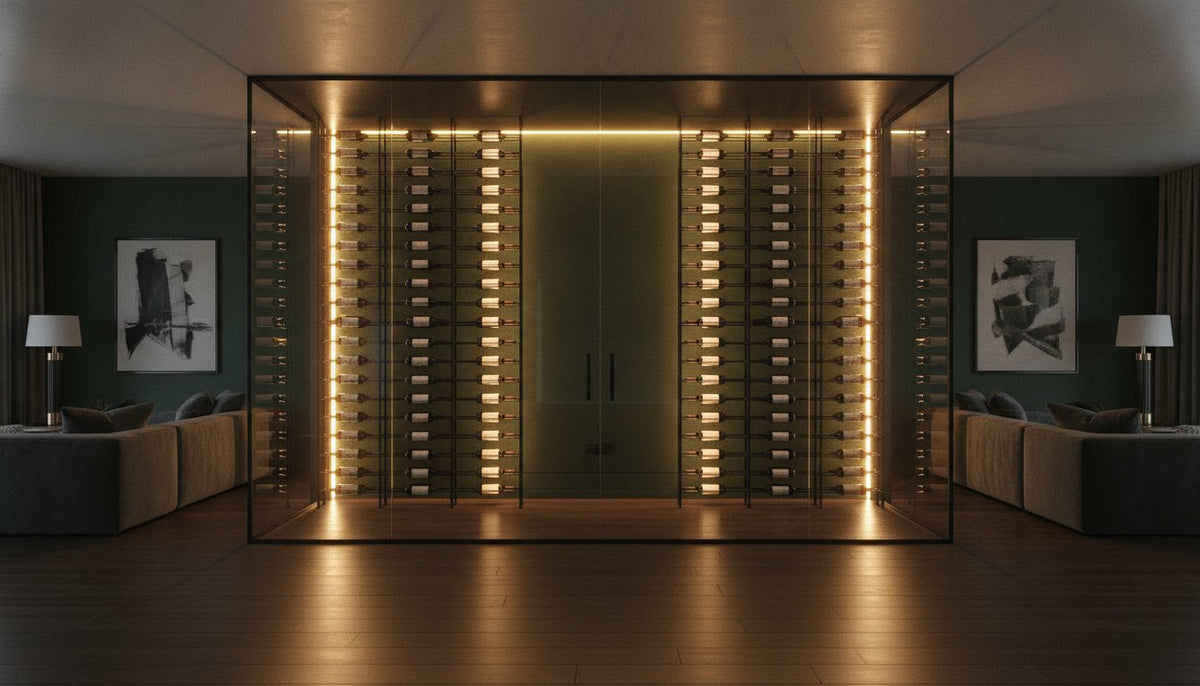
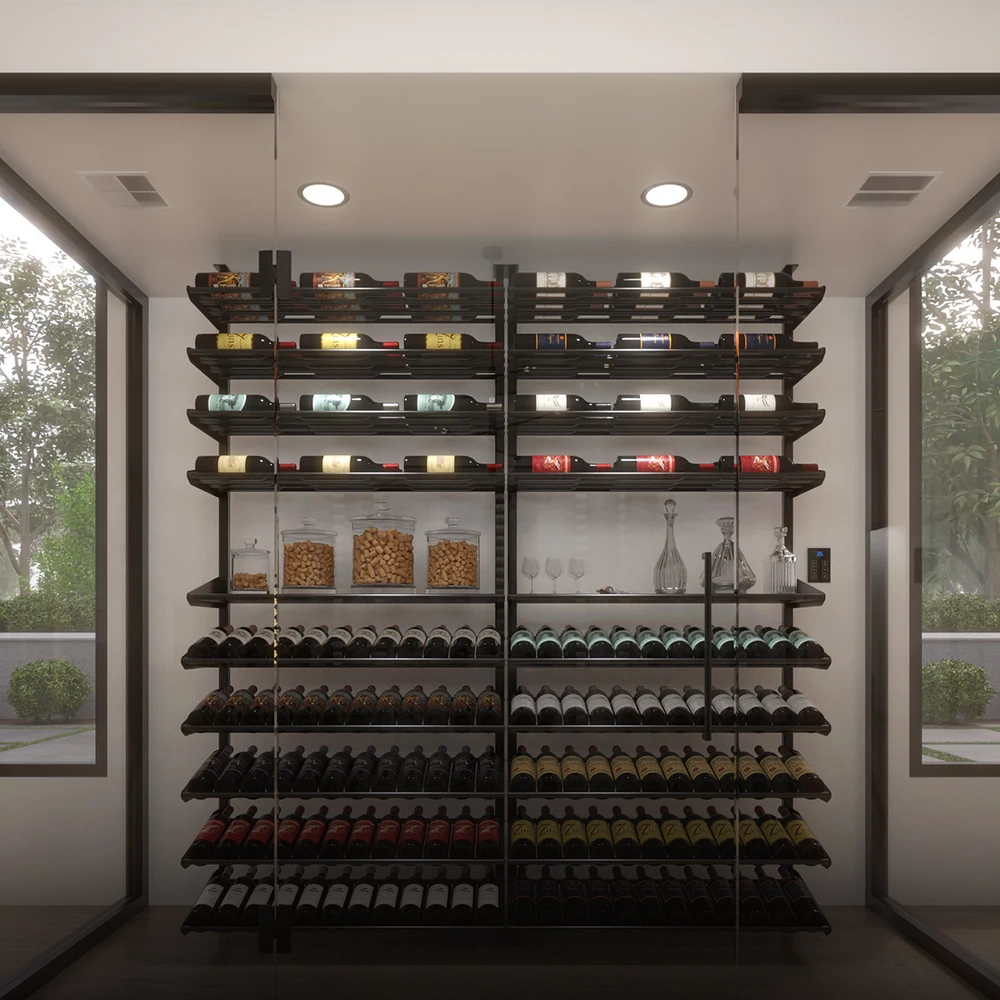
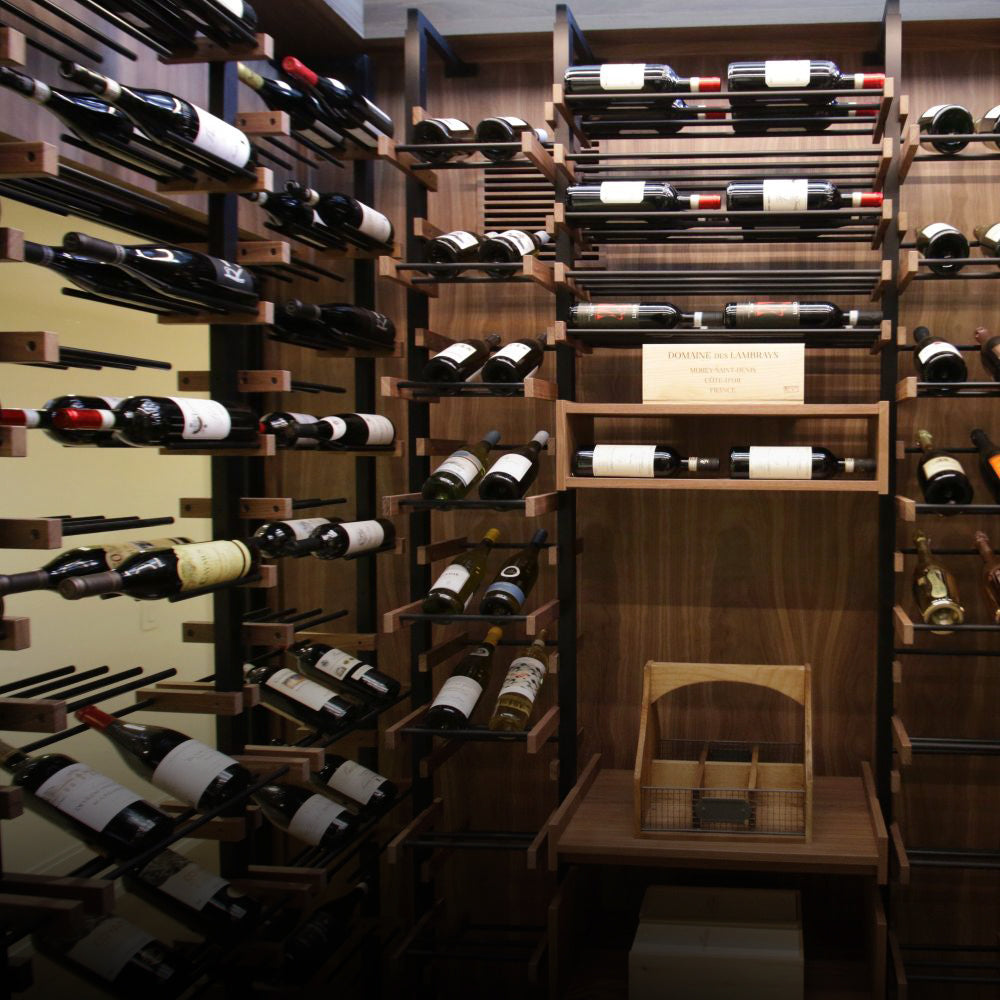
Modern residential design for 2026 continues to favor the "wine wall" aesthetic, even within a compact cabinet footprint. These configurations often feature expansive glass panels and metal components, such as Premier Cru Modern Racking, to create a minimalist, floating effect. While visually striking, these units require triple-pane glass and advanced thermal breaks to maintain efficiency. This style is perfect for transitional spaces where you want the collection to be the focal point of the room without the bulk of traditional cabinetry.
Placement and Ventilation: Ensuring Longevity of the Cooling Unit
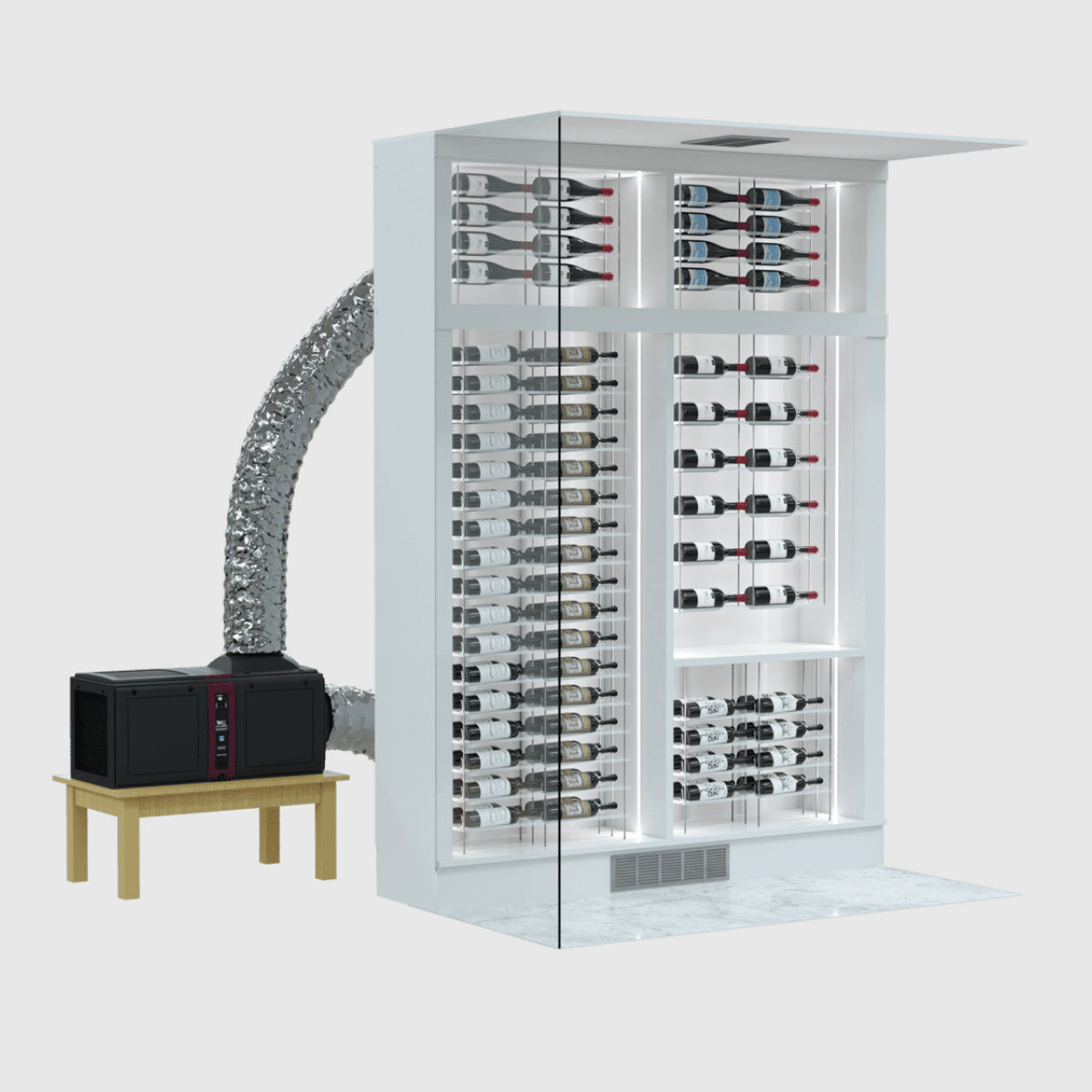
The longevity of a cabinet wine chiller depends as much on its surrounding environment as it does on its internal engineering. A cooling unit is essentially a heat exchanger; it pulls warmth from the interior and dissipates it into the surrounding room. If the ambient temperature of the space is consistently high, or if the unit lacks sufficient "breathing room," the compressor will run incessantly. This mechanical strain doesn't just increase energy consumption; it significantly shortens the lifespan of the cooling system. Most professional-grade cabinets require at least two to three inches of clearance for rear-vented units to ensure that hot air doesn't become trapped against the wall, creating a heat loop that forces the unit to work twice as hard.
Calculating the heat load of your chosen room is a vital step before installation. A sun-drenched solarium or a kitchen corner near a commercial-grade range are poor choices for a wine cabinet. These high-heat areas force the cooling unit to fight a losing battle against external thermal energy. For optimal performance, place your cabinet in a climate-controlled area where the temperature remains stable. Additionally, ensure the unit is plugged into a dedicated 15-amp circuit. Sharing a circuit with other high-draw appliances can lead to voltage drops that interfere with the sensitive electronics of the digital thermostat and compressor.
Built-in Cabinet Considerations
Seamless integration requires more than just precise measurements for the millwork. When a cabinet is built into a niche, you must provide a clear path for intake and exhaust air. Many collectors work with their contractors to install discreet decorative grilles that allow for airflow without compromising the furniture's aesthetic. It's also critical to ensure that the unit remains accessible. You don't want to tear out expensive woodwork just to perform a routine filter change or sensor calibration. If you're unsure about the technical requirements for your layout, it's wise to consult with experts in custom wine cellar design to ensure your integration is both beautiful and functional.
Freestanding Elegance
A freestanding cabinet offers the flexibility to serve as a sophisticated room divider or a statement piece in a grand foyer. However, because these units are incredibly heavy when fully stocked, structural support is a primary concern. A standard cabinet filled with 200 bottles can weigh well over 600 pounds. Ensure your flooring is level and reinforced to prevent any bowing or structural instability over time. Leveling the unit is also essential for the mechanical health of the compressor; an unlevel unit can lead to increased vibration and premature wear on moving parts. Keep the cabinet away from large windows to avoid direct UV exposure and localized heat spikes.
Investing in Excellence: The Vantaggio V300 and Custom Solutions
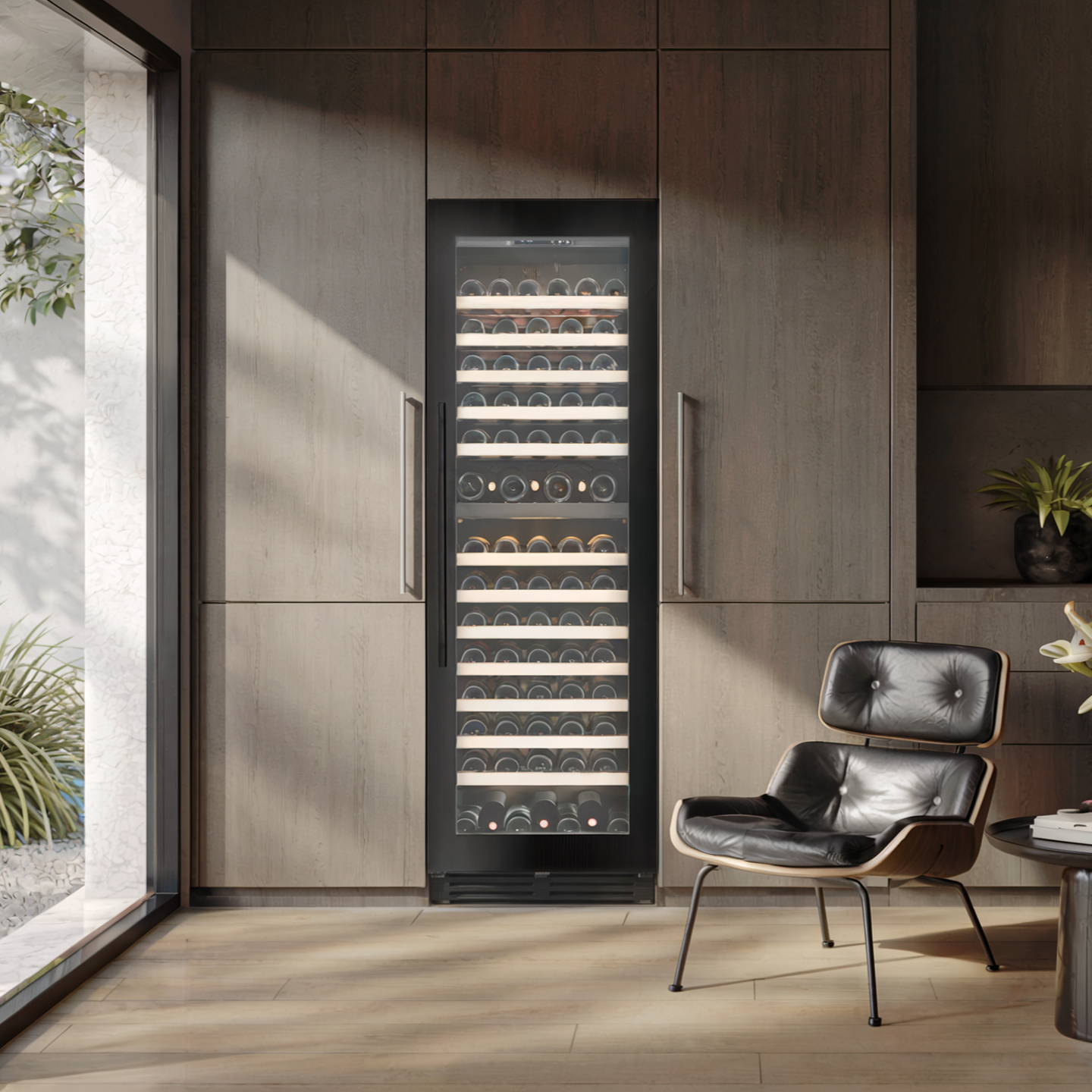
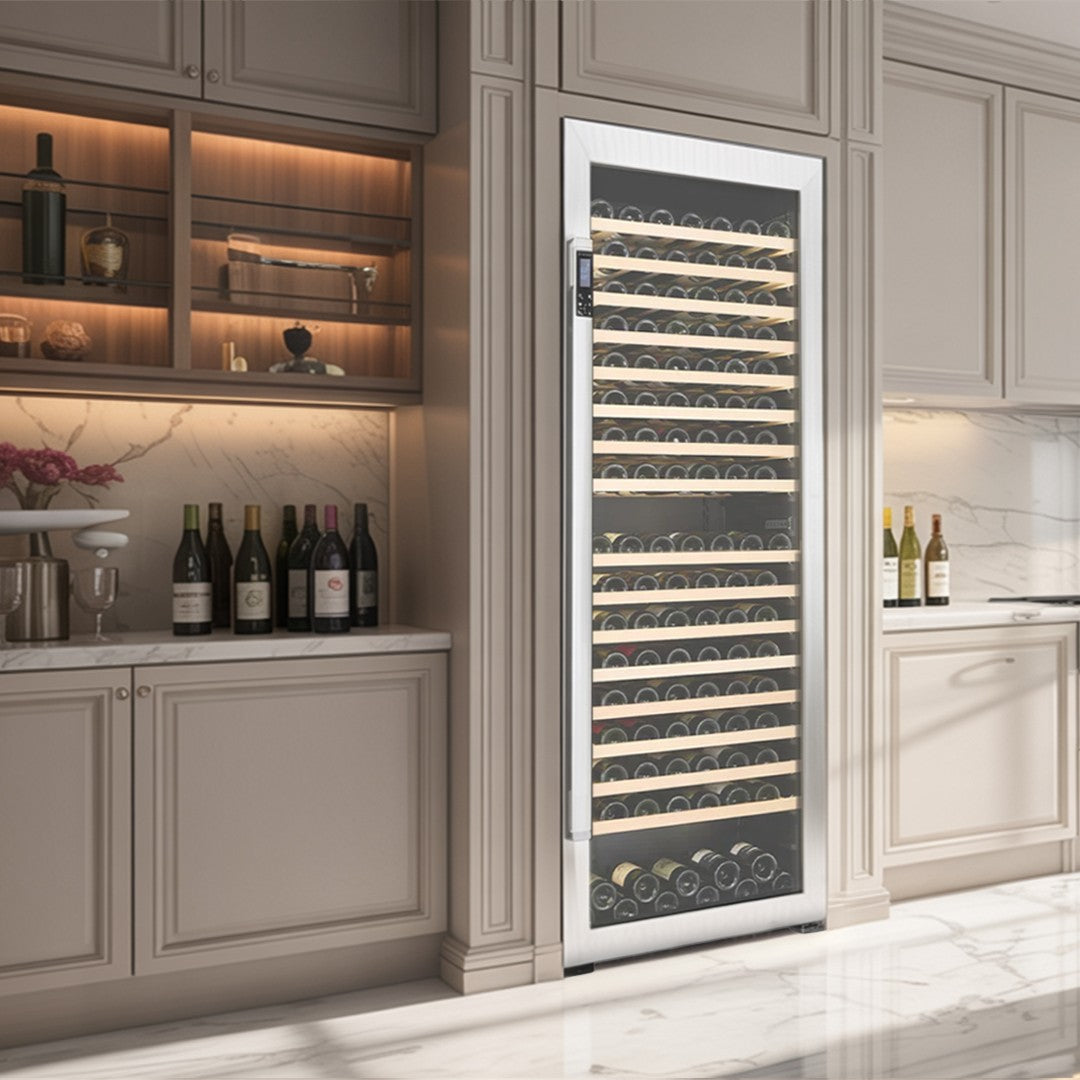
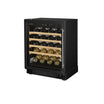
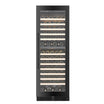
Selecting a cabinet wine chiller is a commitment to the long-term health of your collection. While many units offer basic cooling, the Vantaggio V300 stands out because it combines industrial-strength refrigeration with the aesthetic of high-end millwork. Developed in Canada with a focus on robust climate control, this unit is engineered to provide a stable environment for up to 240 Bordeaux bottles in its single-zone configuration. It's more than a storage unit; it's a piece of technical architecture that bridges the gap between a standalone fridge and a full walk-in cellar. For collectors who have outgrown standard appliances but aren't ready for a basement renovation, this cabinet offers the perfect middle ground.
Sometimes, a standard unit cannot meet the specific architectural requirements of a luxury home. In these instances, transitioning to a custom wine cellar design allows for a truly integrated solution. This collaborative process ensures that every element, from the racking to the cooling unit, is tailored to your space. Whether you're filling a specific niche in a library or creating a focal point in a dining room, professional design ensures that form never compromises function.
The Vantaggio V300: Sophistication in Every Detail
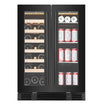
The Vantaggio V300 is favored by serious US collectors for its reliability and massive capacity. Beyond the 240-bottle single-zone model, a dual-zone beverage center option exists for those who need to store 110 bottles alongside 278 cans. Each unit comes with a 2-year parts and labor warranty and a 5-year compressor warranty, providing a level of security that mass-market brands rarely match. The interior can be configured with various racking styles to accommodate different bottle shapes, ensuring that everything from magnums to standard Bordeaux fits securely.
Professional Maintenance and Long-Term Care
A high-value collection requires more than just the initial purchase of a quality unit. It demands ongoing vigilance. An Annual Maintenance Plan ensures that the cooling unit continues to operate at peak efficiency throughout its life. During a professional inspection, technicians focus on cleaning the condenser coils and verifying the integrity of the door seals. These steps prevent the compressor from overworking and ensure that the humidity levels remain constant. Proactive service eliminates the fear of mechanical failure and provides the peace of mind that comes with expert support. Investing in a recurring service plan is the most effective way to protect your vintages for decades of aging.
Securing the Future of Your Finest Vintages
Your wine collection is a narrative of history and personal taste that deserves more than simple refrigeration. A high-performance cabinet wine chiller serves as a sophisticated micro-cellar, balancing technical precision with furniture-grade aesthetics. By prioritizing thermal mass, UV protection, and proper ventilation, you ensure that every bottle reaches its peak potential. Whether you choose the structural excellence of the Vantaggio V300 series or a bespoke architectural configuration, the goal is permanence and protection.
With over 30 years of custom cellar expertise, we understand that the right storage solution is an investment in your lifestyle. Our national maintenance network ensures your cooling systems remain as reliable as the day they were installed. It's time to move beyond the utility of an appliance and embrace a sanctuary for your vintages. Explore our collection of premium wine cabinets and the Vantaggio V300 to find the perfect fit for your home. Your best bottles are waiting for the care they deserve.
Frequently Asked Questions
What is the difference between a wine fridge and a cabinet wine chiller?
A cabinet wine chiller is a piece of furniture-grade cabinetry equipped with a professional cooling system, whereas a fridge is a utilitarian appliance. The cabinet offers superior thermal mass through thick wood walls and high-density insulation. This construction provides greater temperature stability than the thin metal shells found in mass-market fridges. It's designed to be an architectural focal point that matches your home's decor while providing professional-grade climate control.
Can a cabinet wine chiller be used for long-term aging?
Yes, high-end cabinets are specifically engineered for the long-term maturation of fine wine. Unlike standard coolers, these units maintain a consistent 55 degrees Fahrenheit and manage humidity levels to protect the cork. The use of vibration-dampening technology and UV-resistant glass ensures that your collection remains undisturbed for years. This makes them an ideal micro-cellar for collectors who require professional storage conditions without the need for a full walk-in installation.
Where is the best place in my house to put a wine cabinet?
The ideal location is a climate-controlled room away from direct sunlight and heat-generating appliances. Great rooms, dining areas, and libraries are popular choices because they allow for easy access and display. However, you must avoid placing the unit in areas like sunrooms or next to ovens. These high-heat environments force the cooling system to work harder, which can lead to mechanical strain and decreased efficiency over time.
Does a wine cabinet need to be vented to the outside?
Most premium cabinet wine chiller models do not require external venting to the outdoors, but they do need internal airflow. The unit pulls heat from the interior and exhausts it into the surrounding room. For rear-vented models, you should maintain at least two to three inches of clearance from the wall. This prevents heat from becoming trapped, which would otherwise cause the compressor to cycle too frequently and shorten the lifespan of the cooling unit.
How much noise does a high-end wine cabinet make?
A quality cabinet operates at whisper-quiet levels, typically comparable to a soft library hum. Professional-grade units use vibration-isolated compressors and specialized fans to minimize mechanical noise. This engineering ensures that the cabinet won't disrupt the ambiance of a quiet living space or dining room. If noise is a primary concern, look for units with decibel ratings optimized for residential environments where silence is a key design requirement.
Can I customize the interior racking of my wine cabinet?
Many premium units offer significant flexibility in their interior configurations. You can often choose between different styles, such as Premier Cru Classic Racking for a traditional look or Premier Cru Modern Racking for a contemporary aesthetic. These systems are designed to accommodate various bottle sizes, including standard Bordeaux and larger magnums. This allows you to tailor the storage to the specific needs of your curated collection.
What maintenance does a wine cooling unit require?
Regular maintenance is essential for preserving the efficiency and longevity of your cooling system. We recommend an Annual Maintenance Plan that includes cleaning the condenser coils and inspecting the door seals for any leaks. Technicians should also verify that the thermostat and sensors are calibrated correctly. These proactive steps prevent unexpected mechanical failures and ensure that your vintages are protected by a stable, reliable climate-controlled environment for decades.
How do I know if my wine cabinet is maintaining the correct humidity?
Most high-end cabinets feature digital displays that monitor both temperature and relative humidity. You should aim for a humidity level between 50 and 70 percent to prevent cork desiccation. If your unit doesn't have a built-in hygrometer, you can place a standalone digital sensor inside the cabinet to verify the conditions. Consistent humidity is vital because it keeps the cork expanded, maintaining the hermetic seal that protects your wine.