





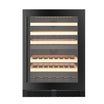
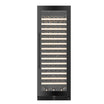
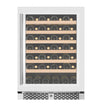
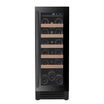
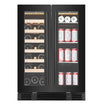
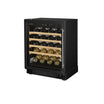
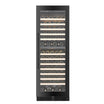
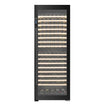
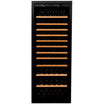
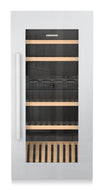
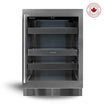
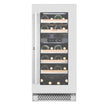
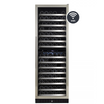




The best wine fridge is not simply the model that holds the most bottles. It is the one that fits your collection, protects your wine, works properly in your space, and supports the way you plan to enjoy each bottle.
Some collectors need a compact wine cooler for everyday favourites. Others want a built in wine fridge for a kitchen or home bar. A growing collection may call for a full size wine cabinet, while a serious cellar can require several cabinets or a professionally designed wine room.
This wine fridge buying guide explains the differences between wine coolers, wine refrigerators, and wine cabinets, along with the most important features to compare before you buy.
Quick Wine Fridge Decision Guide
Small collection or limited space
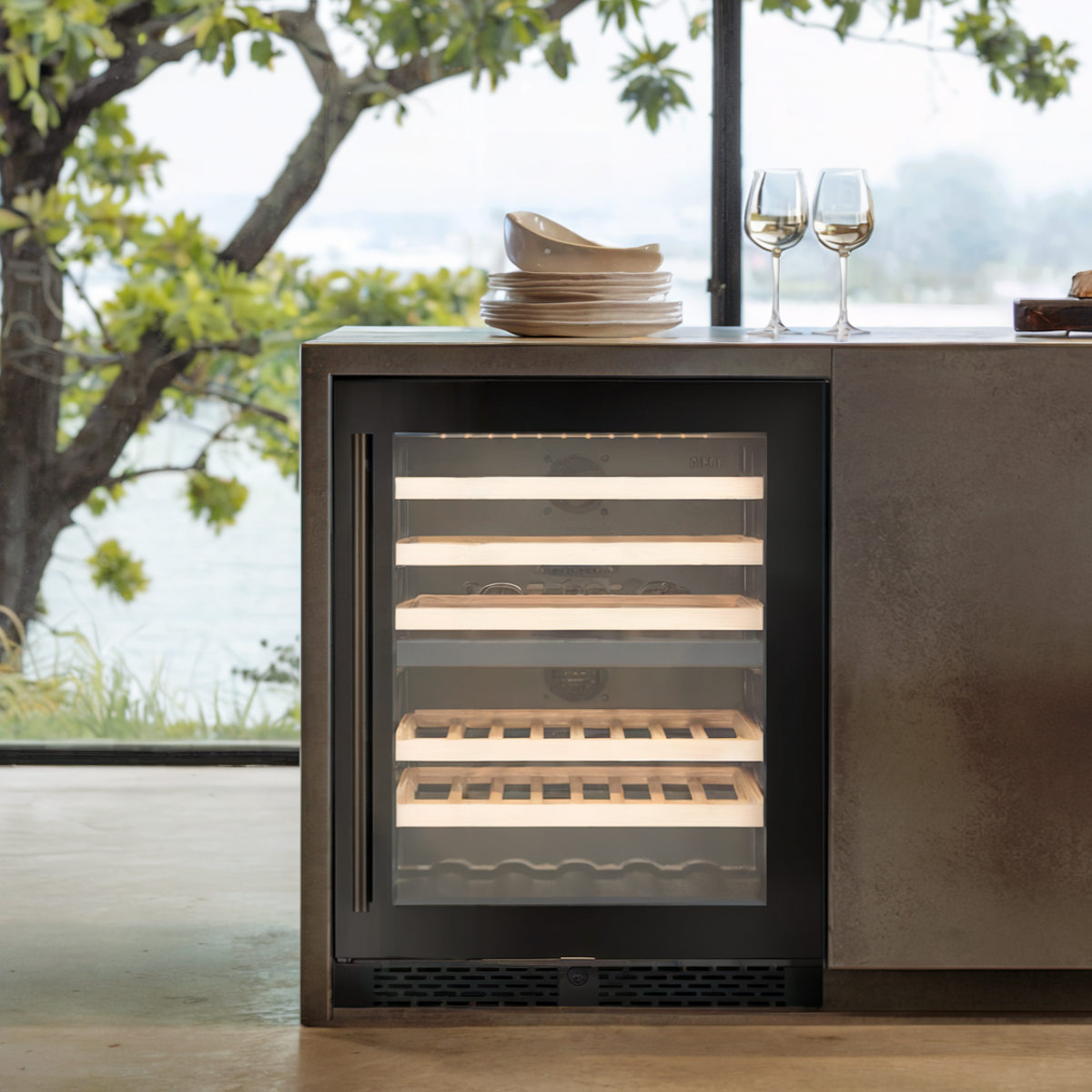
Choose a compact or undercounter wine fridge with capacity for approximately 6 to 50 bottles. This size works well in condos, kitchens, home bars, offices, and entertaining areas.
Growing collection
Choose a wine cooler with capacity for approximately 51 to 100 bottles. Look for adjustable shelving and leave room for future purchases.
Serious collection
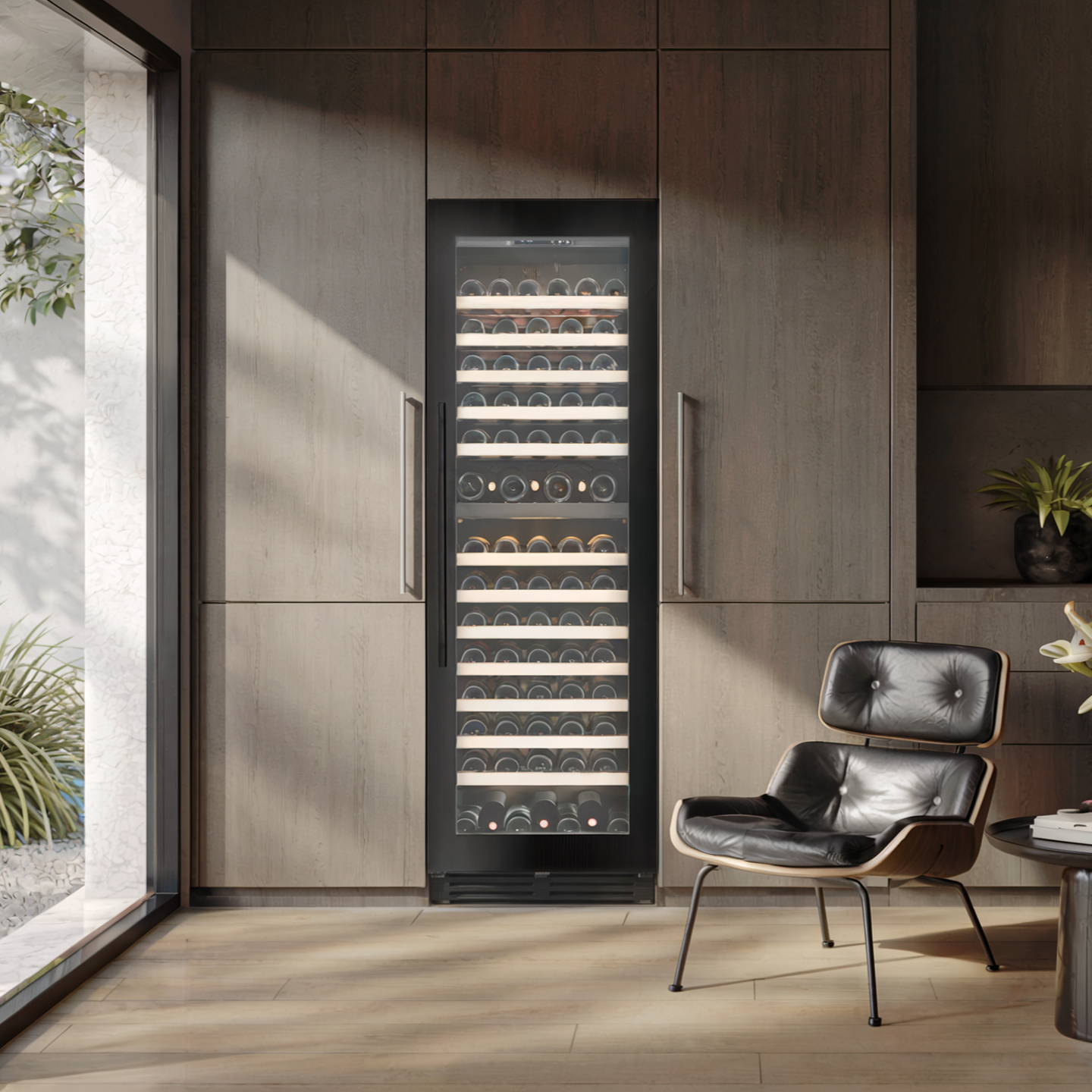
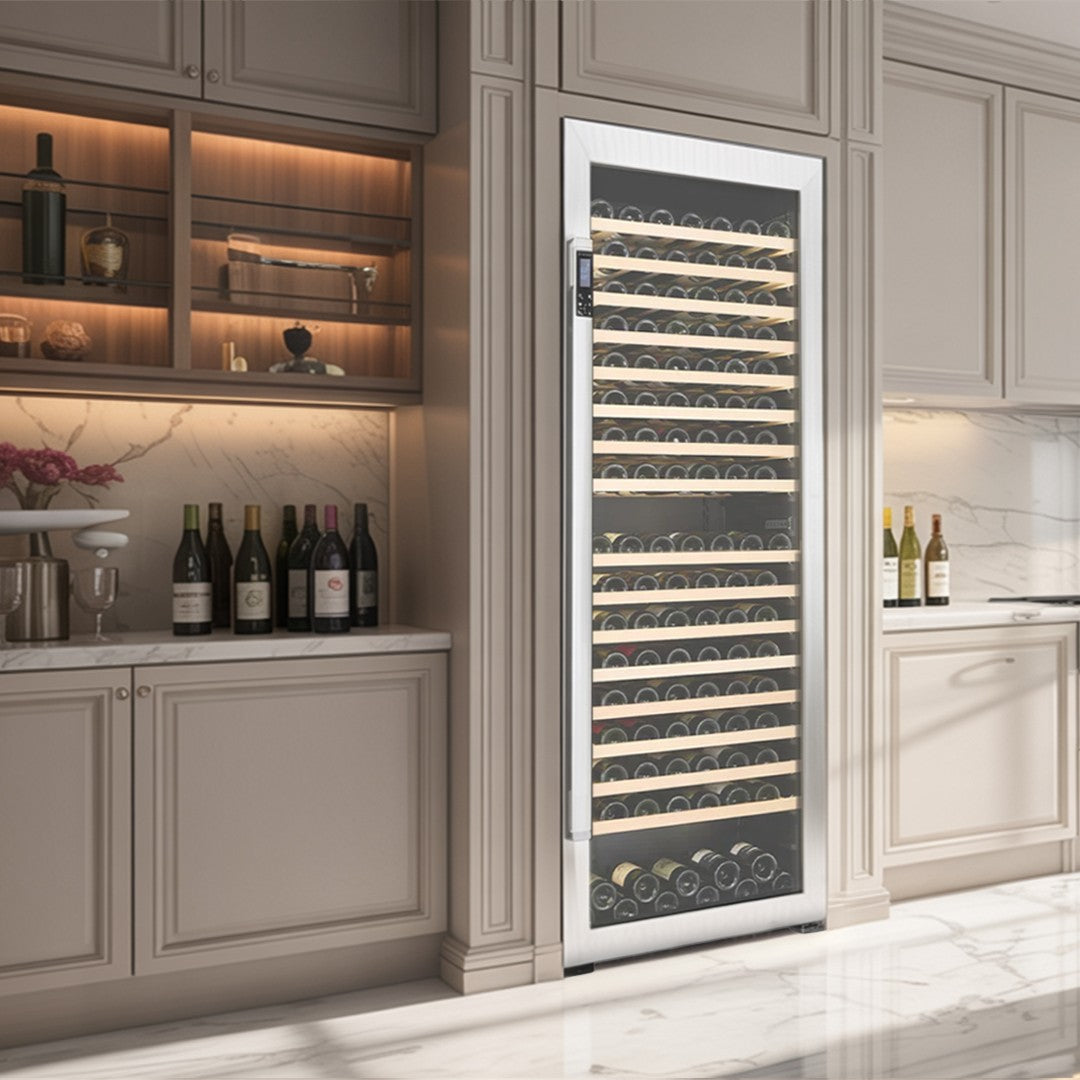
Choose a full size wine cabinet with capacity for approximately 101 to 200 bottles. Prioritize stable temperature control, flexible shelving, UV protection, and a layout that makes bottles easy to organize.
Large or expanding collection
Choose a large wine cabinet with capacity for 201 bottles or more, multiple matching cabinets, or a custom wine cellar. A larger solution can provide more flexibility for case storage, display bottles, and mixed bottle formats.
Reds and whites ready for service
Choose a dual zone wine cooler. Independent temperature zones let you keep different wines closer to their preferred serving temperatures.
Long term aging
Choose a quality single zone wine cabinet or a purpose built wine cellar that maintains a stable storage environment. Red and white wines can age together at a consistent cellar temperature.
Kitchen or bar integration
Choose a built in, front venting wine fridge that is approved for cabinet installation. Confirm the exact dimensions, ventilation requirements, electrical needs, and door clearance before ordering.
What Is the Difference Between a Wine Fridge, Wine Cooler, and Wine Cabinet?
The terms wine fridge, wine cooler, wine refrigerator, and wine cabinet are often used interchangeably, but the product design and intended use can vary.
A compact wine fridge generally stores a smaller collection and may be designed primarily for serving and short term storage. An undercounter wine cooler is sized to fit below a counter and is often front venting so it can be installed within cabinetry. A full size wine cabinet usually offers greater capacity and more advanced storage features for collectors who want to preserve and mature wine over longer periods.
The name matters less than the specifications. Compare temperature stability, humidity management, UV protection, vibration control, ventilation, shelving, and installation requirements before making a decision.
Start With How You Plan to Use Your Wine Fridge
Before comparing brands or finishes, decide what the appliance needs to do for you.
Storage and aging
If the goal is long term wine storage, consistency should be your priority. Wine benefits from a stable environment, limited light exposure, suitable humidity, and minimal vibration. A single zone wine cabinet can be an excellent choice because an entire mixed collection can be kept at one steady cellar temperature.
Serving and entertaining
If the wine fridge will be placed in a kitchen, bar, dining room, or entertainment space, convenient access and serving temperature may matter more. A dual zone model allows one section to be set cooler for white and sparkling wines while another section holds red wines closer to serving temperature.
A combination of storage and service
Many collectors want both. In that case, consider a larger dual zone cabinet or use a full size cabinet for aging and a smaller undercounter unit for bottles that will be opened soon.

How Much Wine Fridge Capacity Do You Need?
Start by counting the bottles you own today, then consider how quickly your collection is growing. A useful planning approach is to choose more capacity than your current bottle count requires. Extra space improves organization and reduces the need to replace the unit as soon as your collection expands.
Wine fridge capacity is usually calculated with standard 750 ml Bordeaux bottles. Real world capacity may be lower if your collection includes wider Burgundy bottles, Champagne bottles, Rhône bottles, tall Riesling bottles, magnums, or other large formats. Shelf spacing and the number of display rows can also change the usable capacity.
Before buying, look at the shelf diagrams and ask these questions:
- How many standard bottles will the wine fridge hold?
- Will the shelves accommodate wider Burgundy and Champagne bottles?
- Can shelves be adjusted or removed for magnums and unusual bottle shapes?
- Does the published capacity require bottles to be tightly packed or stacked?
- Will you be comfortable removing several bottles to reach one at the back?
For collectors with a diverse portfolio, flexible shelving can be more valuable than the highest advertised bottle count.

Single Zone Versus Dual Zone Wine Coolers
One of the most common questions in any wine cooler buying guide is whether to choose a single zone or dual zone model.
When a single zone wine cooler makes sense
A single zone wine cooler maintains one temperature throughout the cabinet. It is a strong option for long term storage because red, white, rosé, and sparkling wines can be stored together at a stable cellar temperature. It can also offer more usable capacity because there is no divider between temperature zones.
Choose single zone when your main priority is aging wine, maximizing capacity, or maintaining a simple and consistent storage environment.
When a dual zone wine cooler makes sense
A dual zone wine cooler has two independently controlled temperature sections. It is useful when you want different wines ready to serve without additional chilling or warming.
Choose dual zone when you regularly entertain, drink both reds and whites, or want one section for storage and another for bottles you plan to serve soon.
Remember that dual zone refers to temperature, not necessarily separate humidity control. Review the specifications of each model to understand exactly what each zone manages.

Built In Versus Freestanding Wine Fridges
Installation type is one of the most important buying decisions because improper ventilation can reduce performance and shorten the life of the appliance.
Built in wine fridge
A built in wine fridge is designed to operate within cabinetry. It typically vents heat through the front, which allows the unit to be installed beneath a counter or between cabinets when the required clearances are maintained.
Built in models are ideal for kitchens, home bars, butler pantries, media rooms, and custom millwork. They create a clean, integrated appearance and are available in compact, undercounter, and full height configurations.
Freestanding wine fridge
A freestanding wine fridge is designed to stand in an open area with the required space around its ventilation points. It can offer greater placement flexibility and may have finished side panels that are meant to remain visible.
Do not place a freestanding unit inside a tight cabinet opening unless the manufacturer specifically approves that installation. Restricted airflow can cause heat buildup and poor cooling performance.
Undercounter wine fridge
An undercounter wine fridge is a built in unit designed to fit below standard counter height. Common widths include approximately 15 and 24 inches, although exact dimensions vary. These models are well suited to kitchen renovations, islands, wet bars, and compact entertaining spaces.
The Best Temperature for Wine Storage
For long term storage, temperature stability is more important than chasing a different setting for every grape variety. Many collectors store wine near 55°F or 13°C. A moderate and consistent temperature helps wine mature gradually while reducing the expansion and contraction that can occur with repeated temperature swings.
Serving temperature is different from storage temperature. White and sparkling wines are generally served cooler than red wines, which is why a dual zone wine cooler can be convenient for entertaining. If you are aging bottles, however, a mixed collection can share one stable storage temperature.
When comparing wine fridges, look beyond the digital display. Cabinet insulation, door construction, compressor performance, sensor accuracy, and air circulation all influence how evenly and consistently the temperature is maintained.
Wine Fridge Features That Protect Your Collection
Stable temperature control
Rapid or frequent temperature changes can place unnecessary stress on wine and corks. Choose a unit designed specifically for wine storage with reliable sensors and consistent cooling.
Humidity management
Appropriate humidity helps prevent natural corks from drying out. Excess moisture, however, can contribute to mould and damaged labels. Some premium wine cabinets actively monitor humidity, while others use passive design features to retain suitable moisture. Review the product specifications if you plan to age bottles for many years.
UV resistant glass
Sunlight and ultraviolet exposure can affect wine over time. If the cabinet has a glass door, look for UV resistant glazing and place the unit away from direct sunlight whenever possible. A solid door offers the greatest light protection but does not display the collection.
Low vibration operation
Quality wine cabinets are designed to reduce the transfer of compressor vibration to the bottles. This is especially relevant for wines intended to rest and mature over long periods.
Flexible shelving
Sliding shelves improve access, while adjustable or removable shelves make it easier to store Champagne, Burgundy, magnums, and other bottle formats. Check the weight capacity, spacing, glide quality, and bottle supports.
Air circulation and filtration
Consistent air circulation helps maintain an even cabinet environment. Some wine cabinets also include a charcoal filter to reduce odours entering the storage space.
Door lock and alarms
A lock can be useful in homes, hospitality spaces, and commercial settings. Temperature alarms, open door alerts, and connected monitoring can provide added peace of mind for valuable collections.
Reversible door
A reversible door can make installation easier, but confirm whether the hinge change can be completed on site and whether the handle position also changes. Always account for the full door swing and nearby walls, islands, and cabinet handles.
How to Measure for a Wine Fridge
Measure the installation area before selecting a model. Record the opening width, height, and depth in several places because floors, walls, and cabinets may not be perfectly level or square.
Then confirm the following:
- Required ventilation clearance
- Space for the plug and electrical connection
- Door swing and handle clearance
- Clearance needed to pull shelves out fully
- Distance from ovens, radiators, fireplaces, and direct sunlight
- Floor strength and levelness, especially for large wine cabinets
- Delivery route, including doors, stairs, elevators, and corners
- Ambient temperature limits for the selected model
The product dimensions are only part of the installation. Use the manufacturer installation guide to confirm the complete opening and clearance requirements.
Can You Put a Wine Fridge in a Garage?
Only install a wine fridge in a garage, patio, or other demanding location if the model is rated for the expected ambient conditions. Garages can become very hot in summer and very cold in winter, making it difficult for a standard indoor wine fridge to maintain a stable cabinet temperature.
Outdoor kitchens require a wine cooler specifically approved for outdoor use. Outdoor rated models are built to manage weather exposure and wider temperature conditions. A standard indoor unit should not be treated as an outdoor appliance simply because it fits the opening.
Choosing a Wine Fridge by Collection Size
6 to 50 bottle wine coolers
This range is ideal for apartments, condos, kitchens, offices, and new collectors. Compact models can keep favourite bottles close at hand without taking over the room. Undercounter options can integrate neatly into cabinetry.
Shop 6 to 50 bottle wine coolers
51 to 100 bottle wine coolers
This range suits growing collections and buyers who want more flexibility than a compact unit provides. It can work as a primary cabinet or as additional storage beside an existing cellar.
101 to 200 bottle wine cabinets
This capacity is well suited to serious collectors who purchase by the case, age wine, and need better organization. Full size cabinets in this range often offer more shelves, improved bottle access, and premium preservation features.
Wine cabinets for more than 200 bottles
Large cabinets can protect substantial collections without the construction required for a full wine room. They are a strong choice for basements, dedicated wine areas, and collectors who want high capacity in a controlled footprint.
If the collection is continuing to grow, compare the cost and flexibility of one large cabinet, multiple cabinets, and a custom wine cellar before deciding.
Which Wine Fridge Brand Is Right for You?
Rosehill Wine Cellars offers wine storage options for a wide range of spaces, collection sizes, and design priorities. Availability can vary by country and model.

Vantaggio Wine Cellars
Vantaggio offers modern wine storage in a range of capacities, including compact, full size, and large format cabinets. The collection includes single zone and dual zone configurations, built in and freestanding options, and black glass or stainless steel finishes on select models. It is a versatile starting point for buyers comparing design, capacity, and everyday functionality.
Explore Vantaggio wine coolers

EuroCave and ArteVino
EuroCave and ArteVino are designed for collectors who place a high value on wine maturation, refined cabinet construction, bottle support, and cellar inspired storage conditions. Options range from compact presentation cabinets to larger aging cabinets.
Explore ArteVino wine cabinets

Perlick, Marvel, and Liebherr
These brands offer premium solutions for integrated kitchens, bars, outdoor entertaining areas, and full height appliance installations. They are worth considering when cabinetry integration, finish coordination, shallow depth, or outdoor rating is a leading priority.

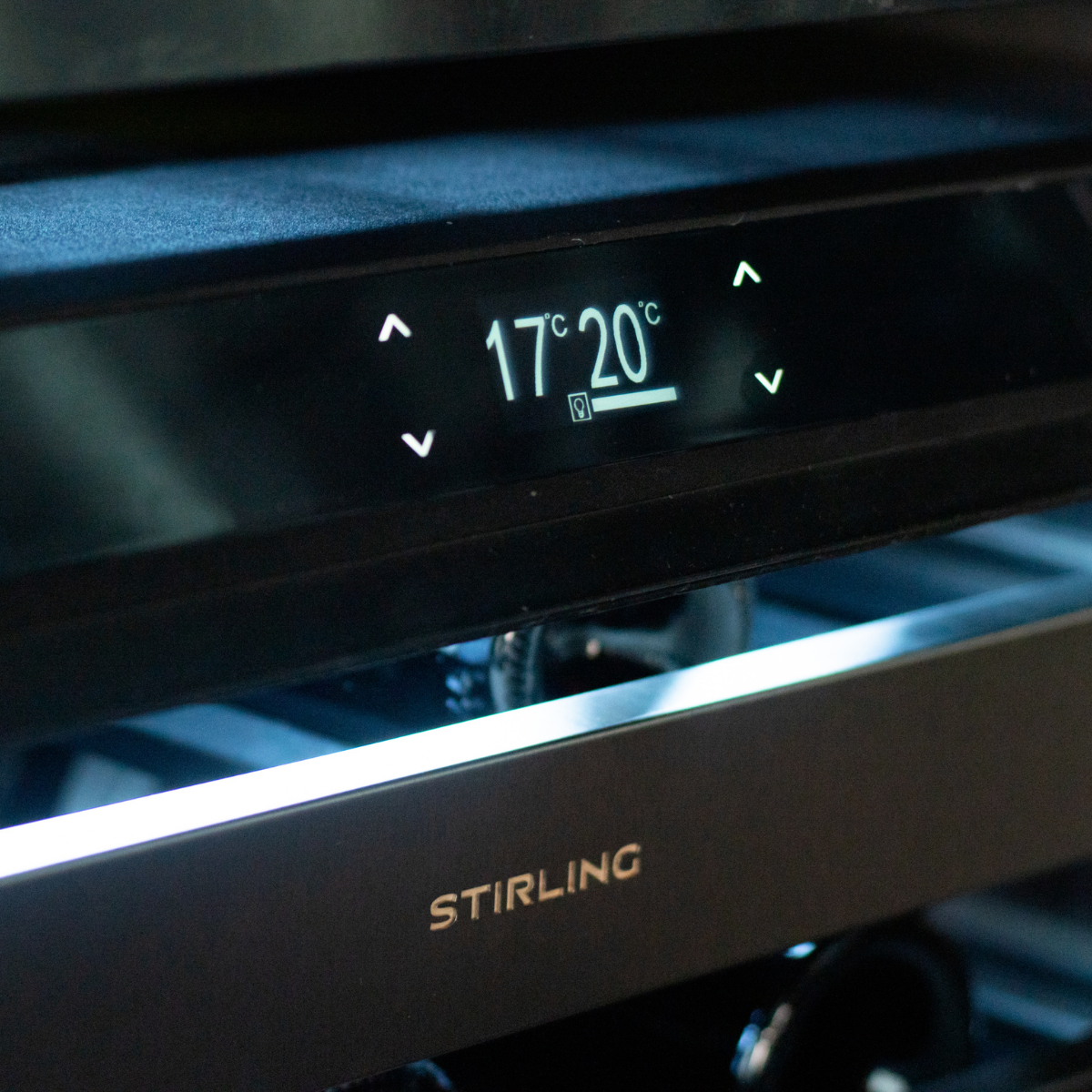
Wine Cell'R, Cavavin, and STIRLING
These collections provide additional choices across compact, undercounter, and full size formats. Compare bottle layout, temperature zones, shelving, installation type, and warranty to identify the best match for your space and budget.
When Should You Consider a Custom Wine Cellar?
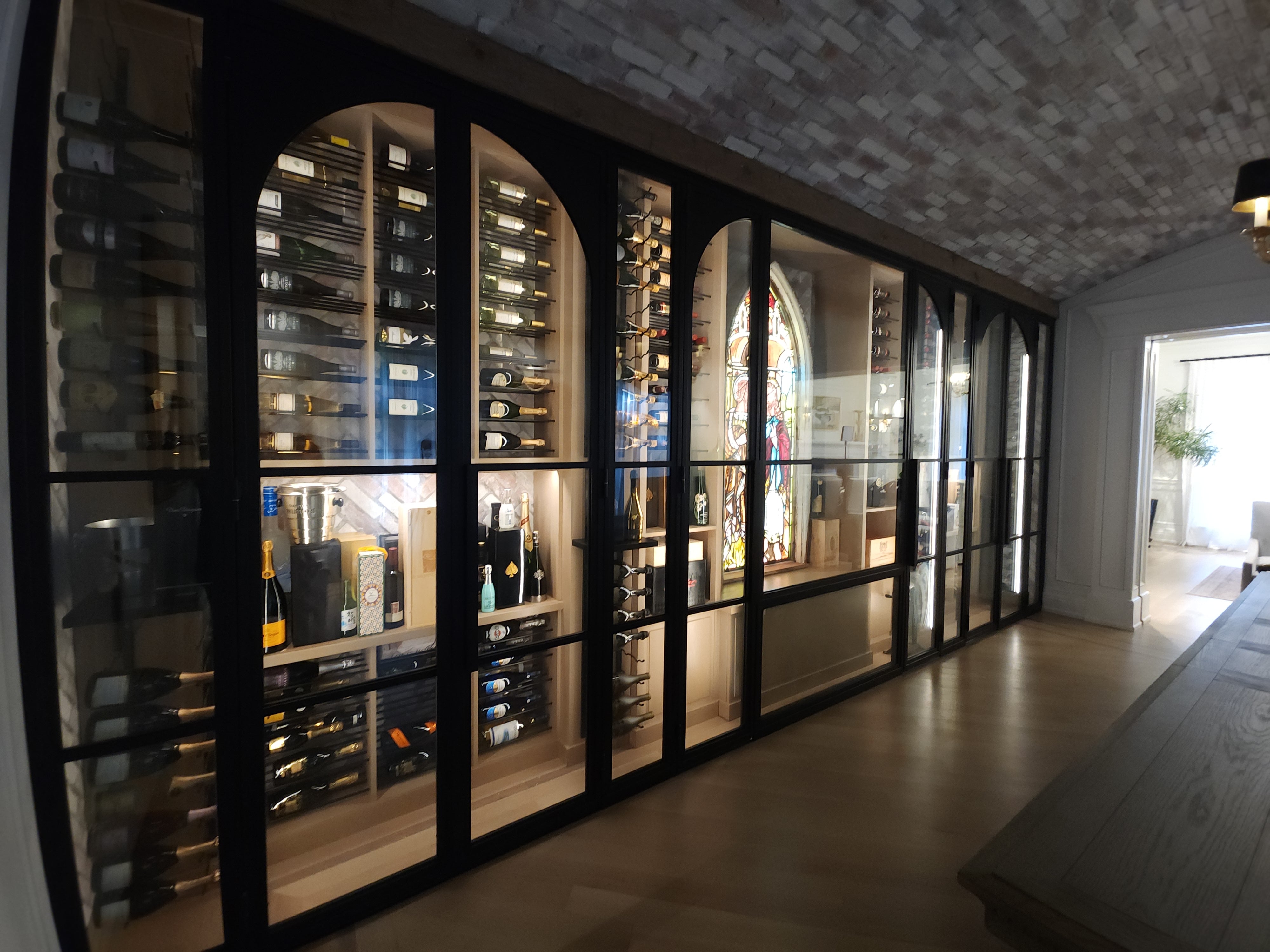
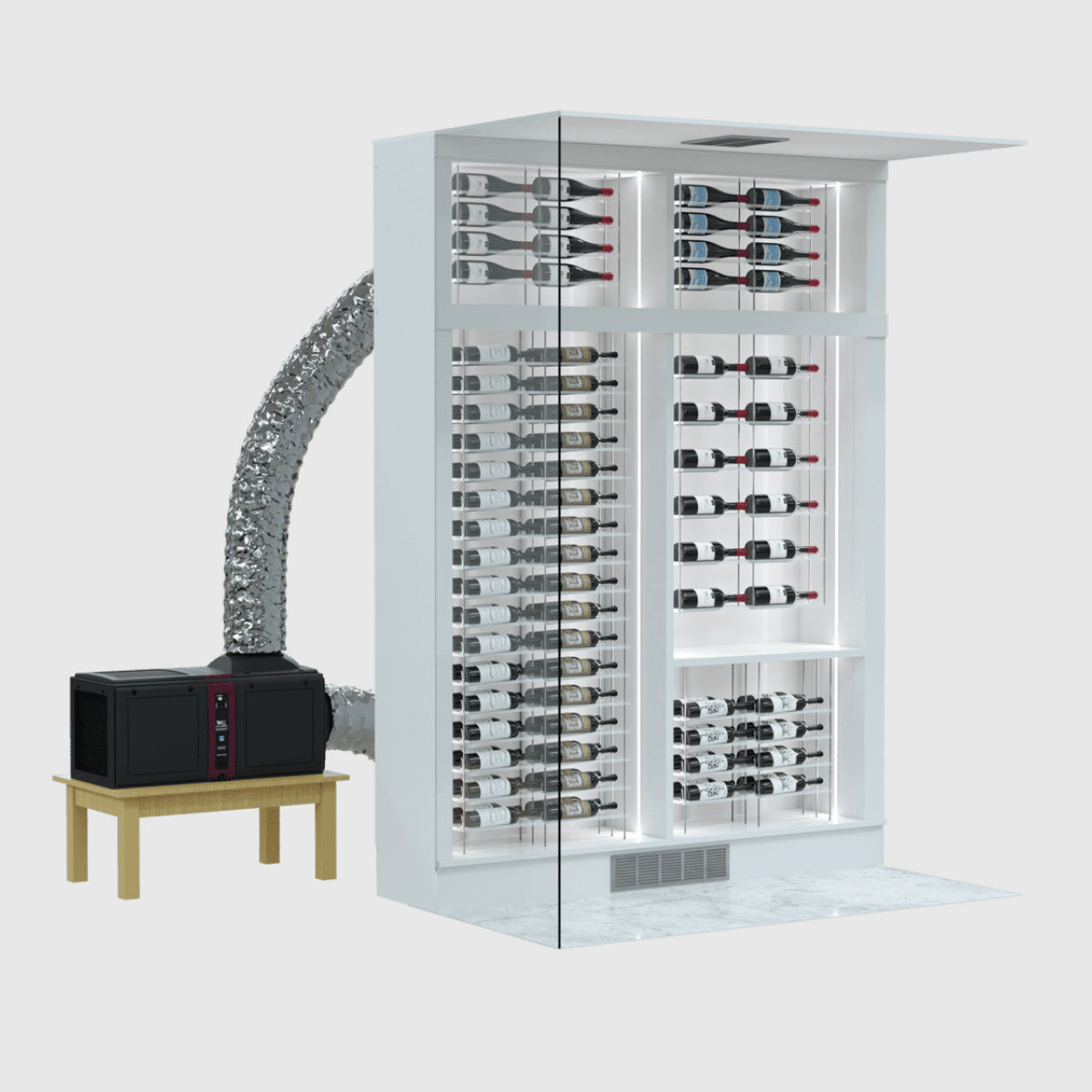
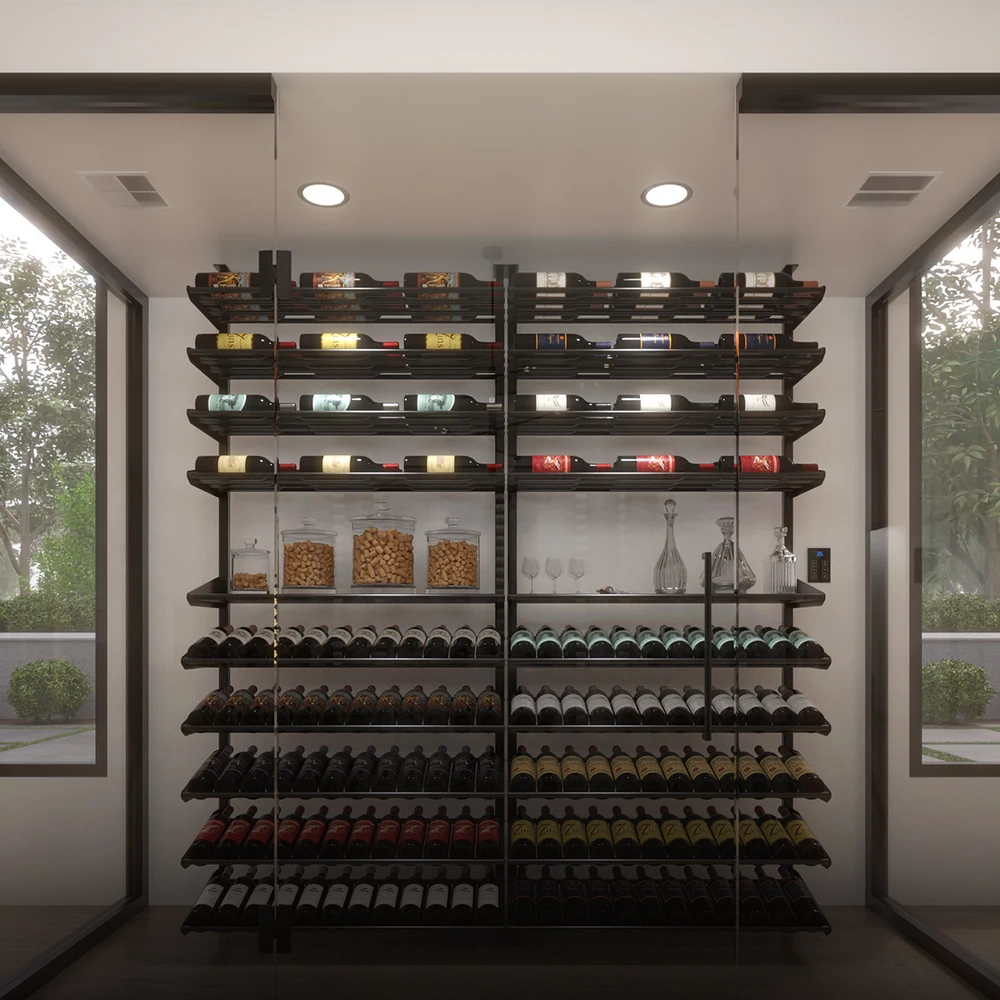
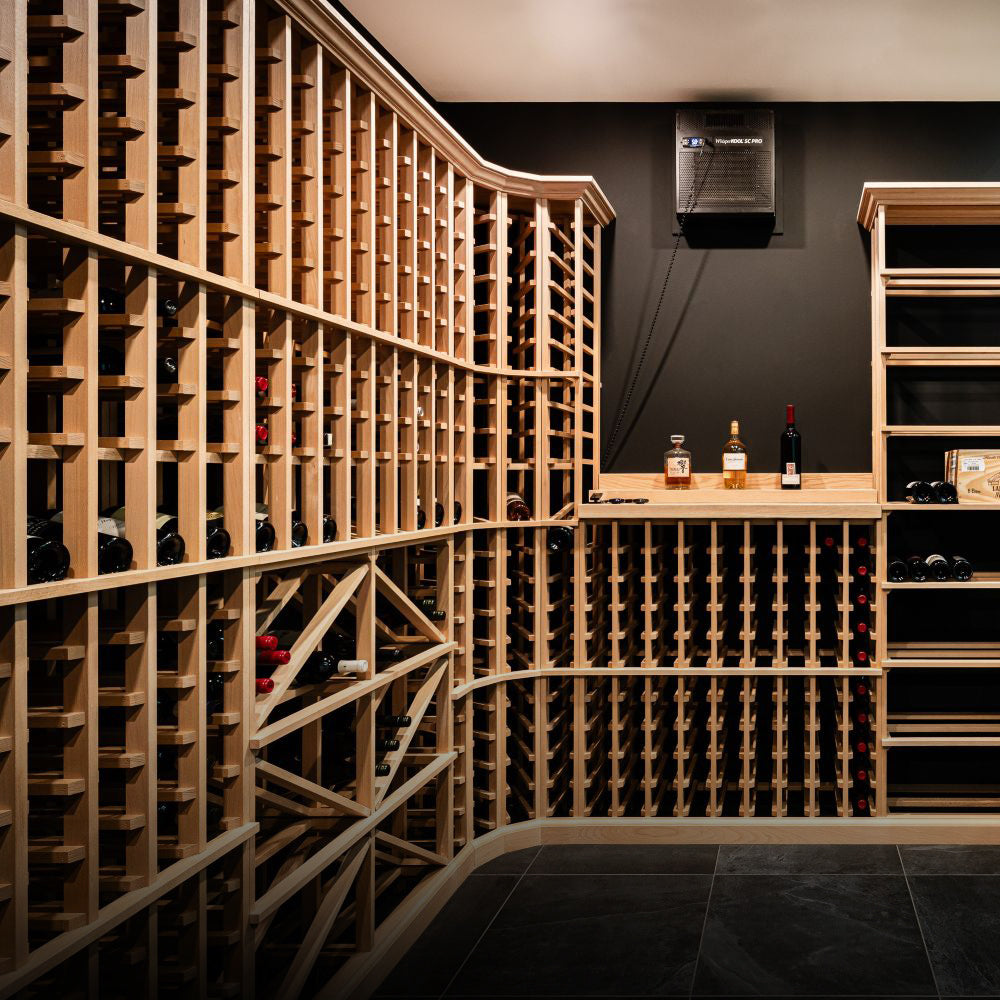
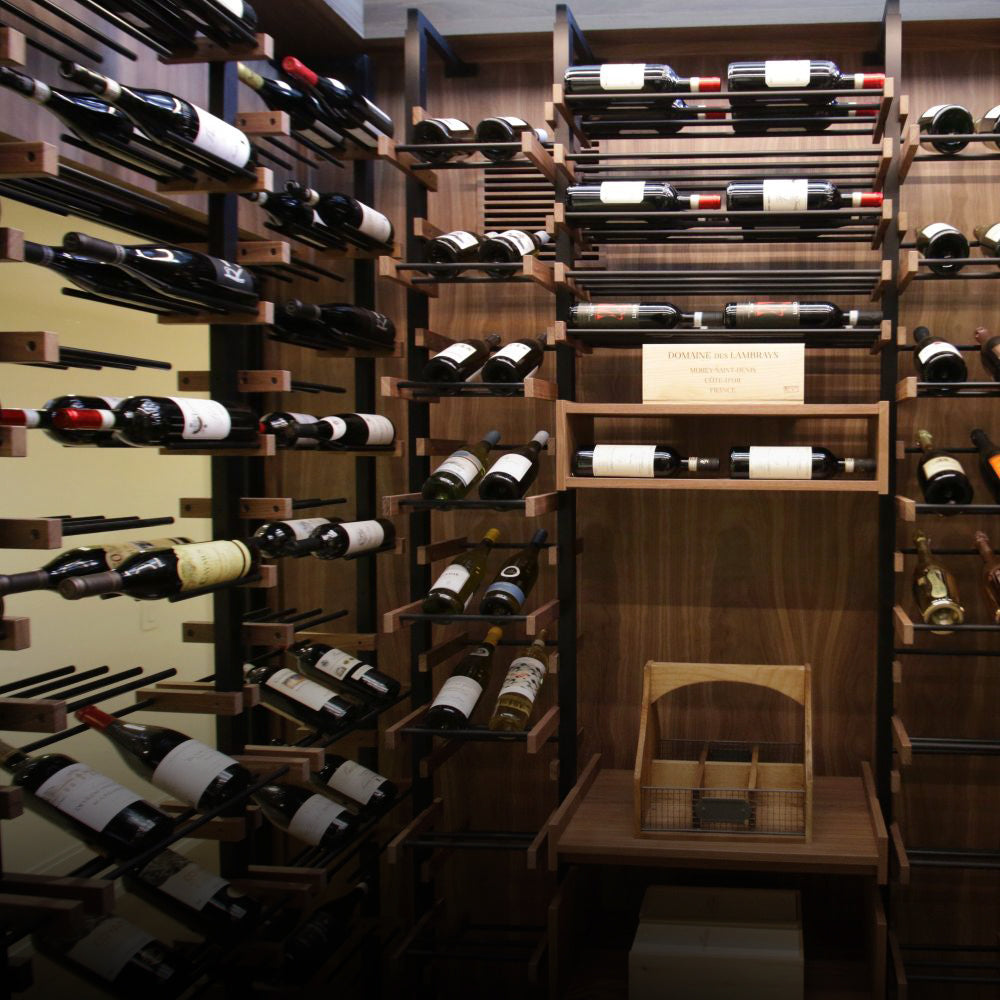
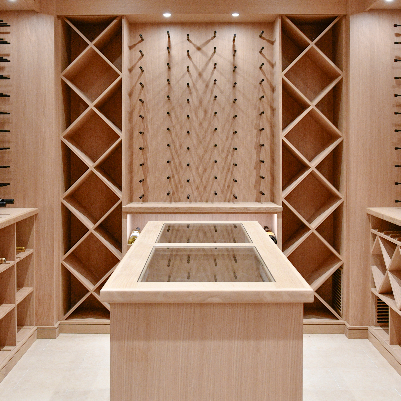
A wine fridge is an efficient choice when you want controlled storage without renovating an entire room. A custom wine cellar becomes more attractive when the collection is large, continues to grow, includes many cases or large formats, or needs to become part of the architecture of the home.
A custom wine room can combine climate control, bottle capacity, display racking, lighting, glass, millwork, and space for tasting or entertaining. It also gives you more control over organization and future expansion.
Explore custom wine cellar design services
Wine Fridge Buying Checklist
Before ordering, confirm each of these details:
- Current bottle count and expected collection growth
- Standard bottles, Champagne, Burgundy, magnums, and other formats
- Long term storage, serving, or a combination of both
- Single zone or dual zone temperature control
- Built in, freestanding, undercounter, full height, indoor, or outdoor installation
- Exact product and opening dimensions
- Ventilation and electrical requirements
- Door swing and shelf access
- UV protection, vibration control, humidity management, alarms, and filtration
- Noise level in relation to the room
- Warranty, service support, and replacement part availability
- Delivery path and final placement
Frequently Asked Questions About Wine Fridges
What temperature should a wine fridge be set at?
For long term storage, many collectors choose approximately 55°F or 13°C. The most important factor is maintaining a stable temperature within the range recommended for the cabinet and collection.
Can red and white wine be stored in the same wine fridge?
Yes. Red and white wines can be stored together at a consistent cellar temperature. Their preferred serving temperatures differ, so a white wine may need additional chilling before service and a red wine may need time to warm slightly.
Is a single zone or dual zone wine cooler better?
A single zone cabinet is often ideal for aging and maximizing capacity. A dual zone wine cooler is more convenient when you want reds, whites, or sparkling wines held at different serving temperatures.
What is the difference between built in and freestanding wine coolers?
Built in wine coolers are designed for cabinet installation and generally vent from the front. Freestanding wine coolers require open space around their ventilation points. Always follow the installation requirements for the specific model.
Why does a wine fridge hold fewer bottles than advertised?
Published capacity is commonly based on standard 750 ml Bordeaux bottles arranged in a specific layout. Wider bottles, larger formats, display rows, and different shelf configurations can reduce actual capacity.
Can a wine fridge go under a counter?
Yes, if it is designed and approved for built in or undercounter installation. A freestanding wine fridge should not be enclosed in cabinetry unless the manufacturer permits it.
Can I put a wine fridge beside an oven?
Avoid placing a wine fridge directly beside a major heat source when possible. Heat can make the cooling system work harder and may reduce temperature stability. Follow the manufacturer clearance requirements and consider insulation or an alternative location during kitchen planning.
Is a kitchen refrigerator suitable for storing wine?
A household refrigerator is designed for food and normally operates colder than a wine fridge. It can be useful for short term chilling, but a purpose built wine cooler provides a more appropriate environment for storing and aging wine.
Does every wine fridge control humidity?
No. Some cabinets actively monitor or manage humidity, while others rely on passive moisture retention and air circulation. Review the specifications carefully if humidity control is important for long term storage.
How far in advance should I buy a wine fridge for a renovation?
Select the model before the cabinetry opening is finalized. Product dimensions, ventilation, hinge position, handle clearance, electrical location, and door swing can all affect the millwork design.
Find the Best Wine Fridge for Your Collection
The right wine fridge should protect your bottles, fit the room, and make your collection easier to enjoy. Start with capacity and installation type, then compare temperature zones, shelf flexibility, preservation features, and service support.
Rosehill Wine Cellars has helped wine lovers protect and display their collections since 1995. Whether you need an undercounter wine cooler, a full size wine cabinet, a large capacity storage solution, or a custom wine cellar, our team can help you compare the options and choose confidently.