



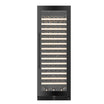
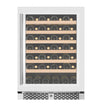
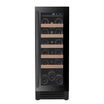
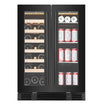
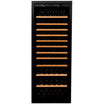
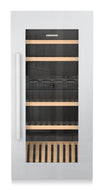
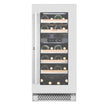
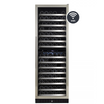





A fine vintage is a living, breathing investment that requires far more than just a cold corner of the kitchen. Many collectors feel a lingering sense of unease when selecting Wine Fridges, fearing that a mechanical failure or improper ventilation might silently degrade their most prized bottles. It's a valid concern, especially when you're trying to navigate the technical nuances of built-in versus freestanding units or finding a design that complements a bespoke cellar. You deserve the confidence that comes from a climate-controlled environment that acts as a silent guardian for your labels.
This guide helps you discover how to select the perfect wine fridge that balances architectural elegance with precision climate technology to safeguard your collection. We'll explore the industry's premier options, including the French-engineered EuroCave Pure L and the sophisticated Vantaggio V300. We also examine the latest 2026 EPA refrigerant standards and DOE efficiency mandates to ensure your choice is both sustainable and technologically superior for years to come.
Key Takeaways
- Identify why standard kitchen appliances aren't suitable for aging and how precision systems protect your wine's organic corks.
- Navigate bottle geometry and the 25% capacity rule to ensure your choice of Wine Fridges accommodates your collection's future growth.
- Distinguish between front-venting and rear-venting requirements to achieve a seamless architectural fit without risking compressor failure.
- Discover how the Vantaggio series elevates storage by combining the elegance of fine furniture with advanced thermal insulation.
- Implement a professional maintenance routine to safeguard your investment and maximize your cooling system's operational life.
What Defines a True Wine Fridge for Serious Collectors?
A fine vintage is a living, evolving entity. To reach its peak expression, it requires an environment that mimics the steady, subterranean conditions of a traditional limestone cave. High-performance Wine Fridges aren't merely repurposed kitchen appliances; they are precision instruments designed to facilitate the slow, graceful maturation of organic corks and complex tannins. Understanding the principles of proper wine storage is the first step in protecting your investment from the environmental stressors that can lead to premature oxidation or "cooked" flavors.
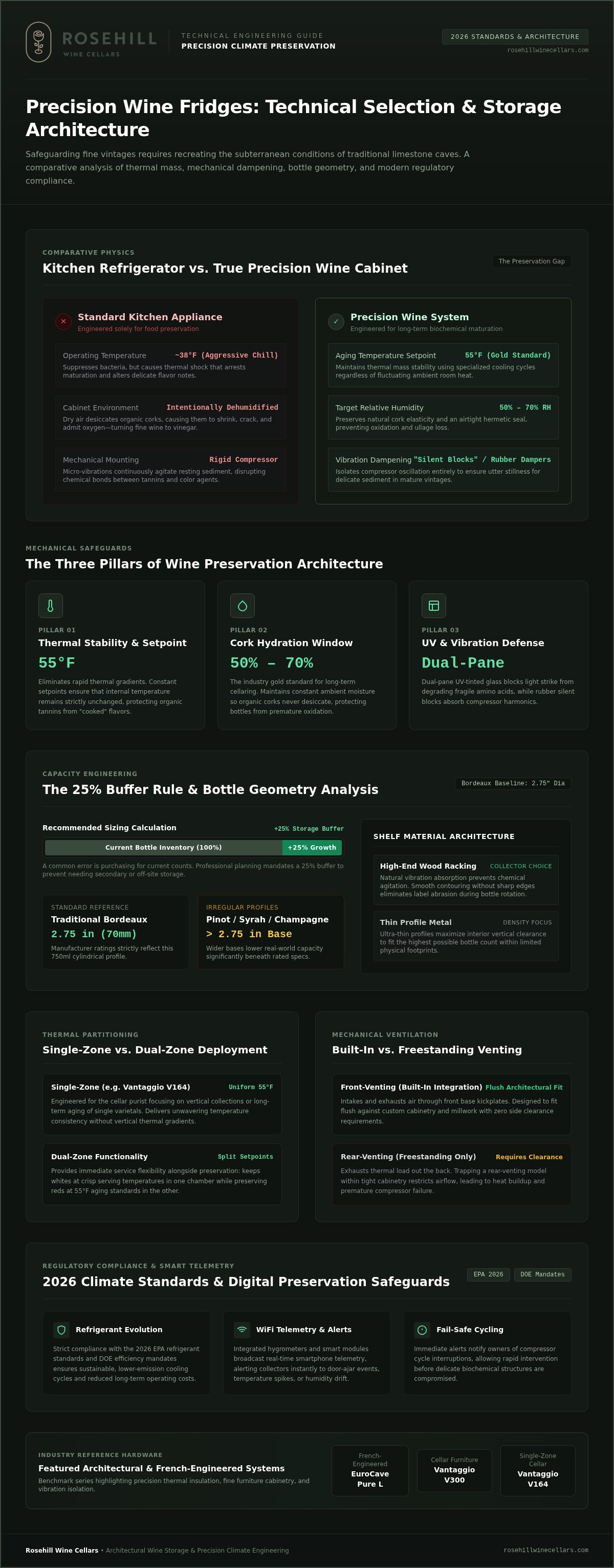
While a standard kitchen refrigerator is designed to suppress bacterial growth by maintaining temperatures near 38°F, this environment is far too aggressive for viticulture. Standard units are intentionally dry to keep produce crisp, but this lack of moisture causes wine corks to shrink and crack. Once the seal is compromised, oxygen enters the bottle, effectively turning a prized Cabernet into vinegar. True wine preservation systems prioritize thermal mass, using specialized cooling cycles to ensure the internal temperature remains stable even when the ambient room temperature fluctuates.
The Mechanics of Wine Preservation
The internal architecture of a premium unit focuses on three pillars: stability, humidity, and stillness. Most collectors prefer compressor-based systems for their ability to maintain precise setpoints in warmer climates. Unlike entry-level models, these compressors are mounted on "silent blocks" or rubber dampeners. This vibration dampening technology is vital because even micro-vibrations can agitate the delicate sediment in aging reds, disrupting the chemical bond between tannins and coloring agents. To prevent cork desiccation, these units maintain a relative humidity between 50% and 70%, the industry gold standard for long-term cellaring. Additionally, dual-pane, UV-tinted glass doors act as a shield against light strike, which can otherwise degrade the amino acids in light-sensitive varietals.
Single-Zone vs. Dual-Zone Functionality
Selecting the right configuration depends on your primary goal: long-term aging or immediate service. For the purist who focuses on maturing a specific varietal or building a vertical collection, the Vantaggio V164 Single Zone Wine Cooler offers unwavering temperature consistency throughout the entire cabinet. This eliminates the risk of temperature gradients that can occur in less sophisticated models.
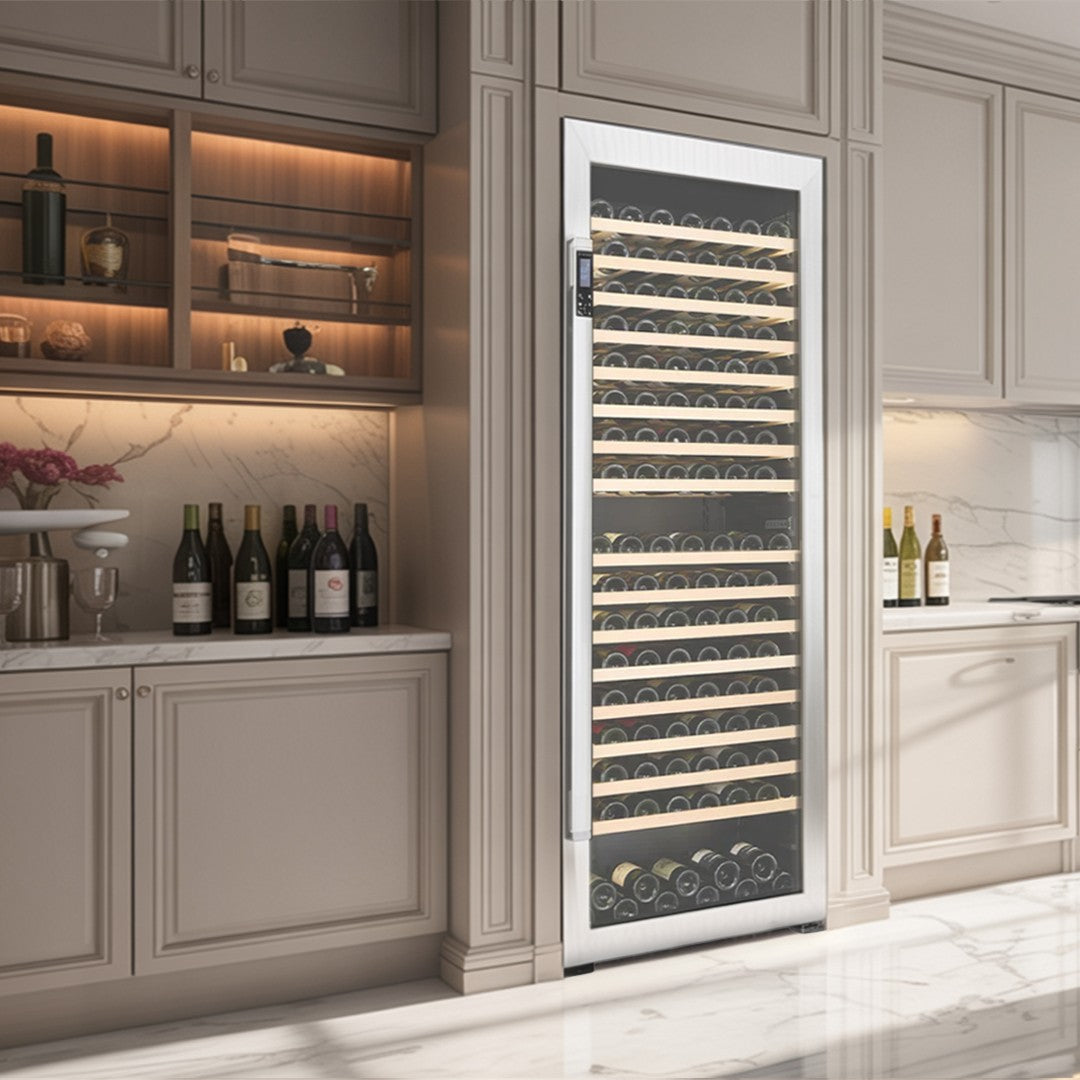
Dual-zone units provide a different kind of versatility. They allow you to keep whites at a crisp serving temperature in one section while the other remains at the ideal 55°F for aging. If you frequently entertain, these multi-zone Wine Fridges ensure your bottles are always ready for the glass without the need for last-minute chilling. Whether you choose a single or dual-zone model, the priority remains the same: a quiet, reliable environment that honors the craftsman’s work inside each bottle.
Technical Selection Criteria: Capacity, Zones, and Tech
Selecting high-performance Wine Fridges requires a forward-looking strategy that extends beyond your current bottle count. A common error among new collectors is purchasing a unit that fits their existing inventory exactly. Professionals recommend a 25% storage buffer to accommodate future acquisitions and the physical reality of diverse bottle shapes. This extra space ensures that your collection can grow without the need for a secondary unit or off-site storage shortly after your purchase.
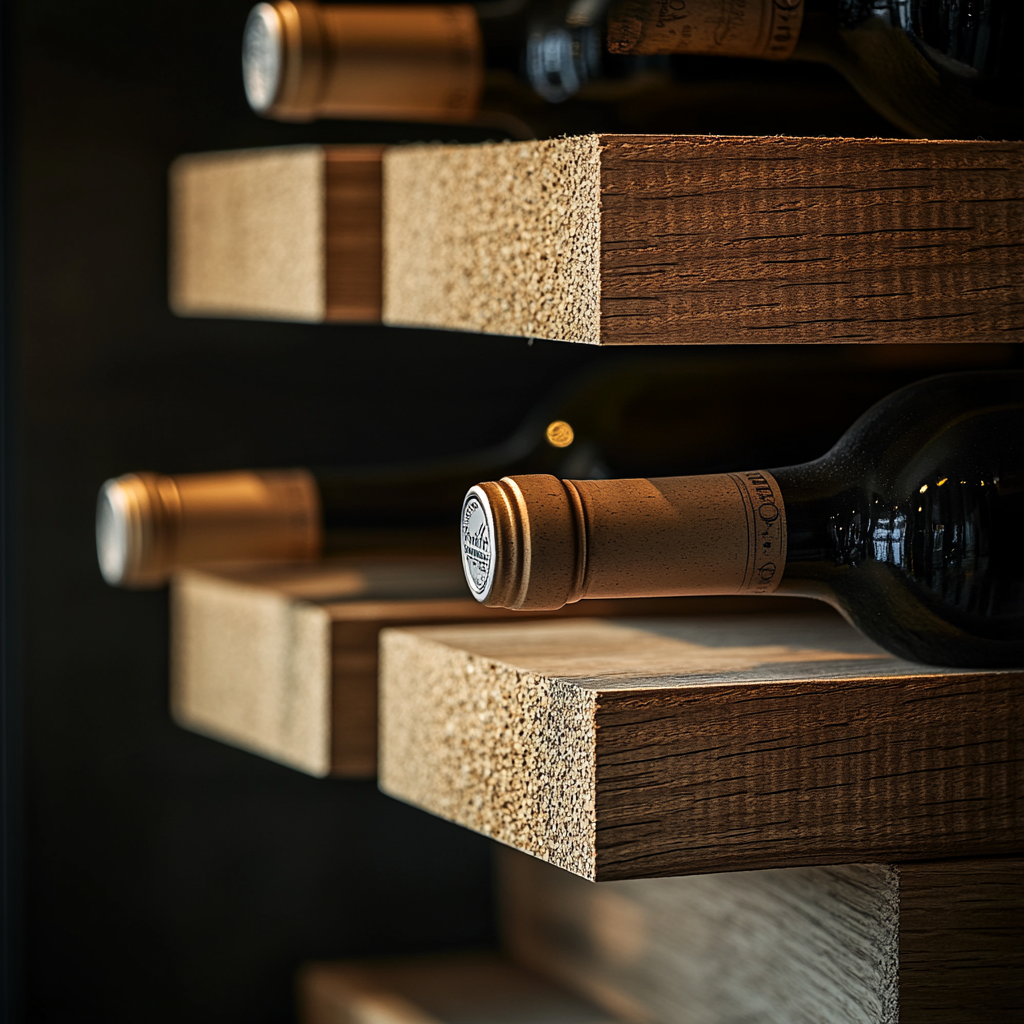
Understanding the "Bordeaux Bottle" standard is vital for accurate planning. Most capacity ratings are based on the traditional 750ml Bordeaux shape, which measures approximately 2.75 inches in diameter. If your collection favors the wider bases of Pinot Noir, Syrah, or vintage Champagne, your real-world capacity will be significantly lower. Shelf material also plays a role in preservation. While metal shelves offer thin profiles to maximize space, high-end wood shelves are often preferred for their natural vibration absorption and lack of sharp edges, which prevents label abrasion during bottle rotation.
By 2026, smart integration has moved from a luxury feature to a technical necessity. Modern units now incorporate WiFi-enabled monitoring and integrated hygrometers that send real-time alerts to your smartphone. These systems track humidity drifts and temperature fluctuations, providing a critical safety net against mechanical failures. If a door is left ajar or a compressor cycle fails, you'll receive a notification immediately, allowing you to intervene before the wine's chemistry is compromised.
Advanced Climate Control Systems
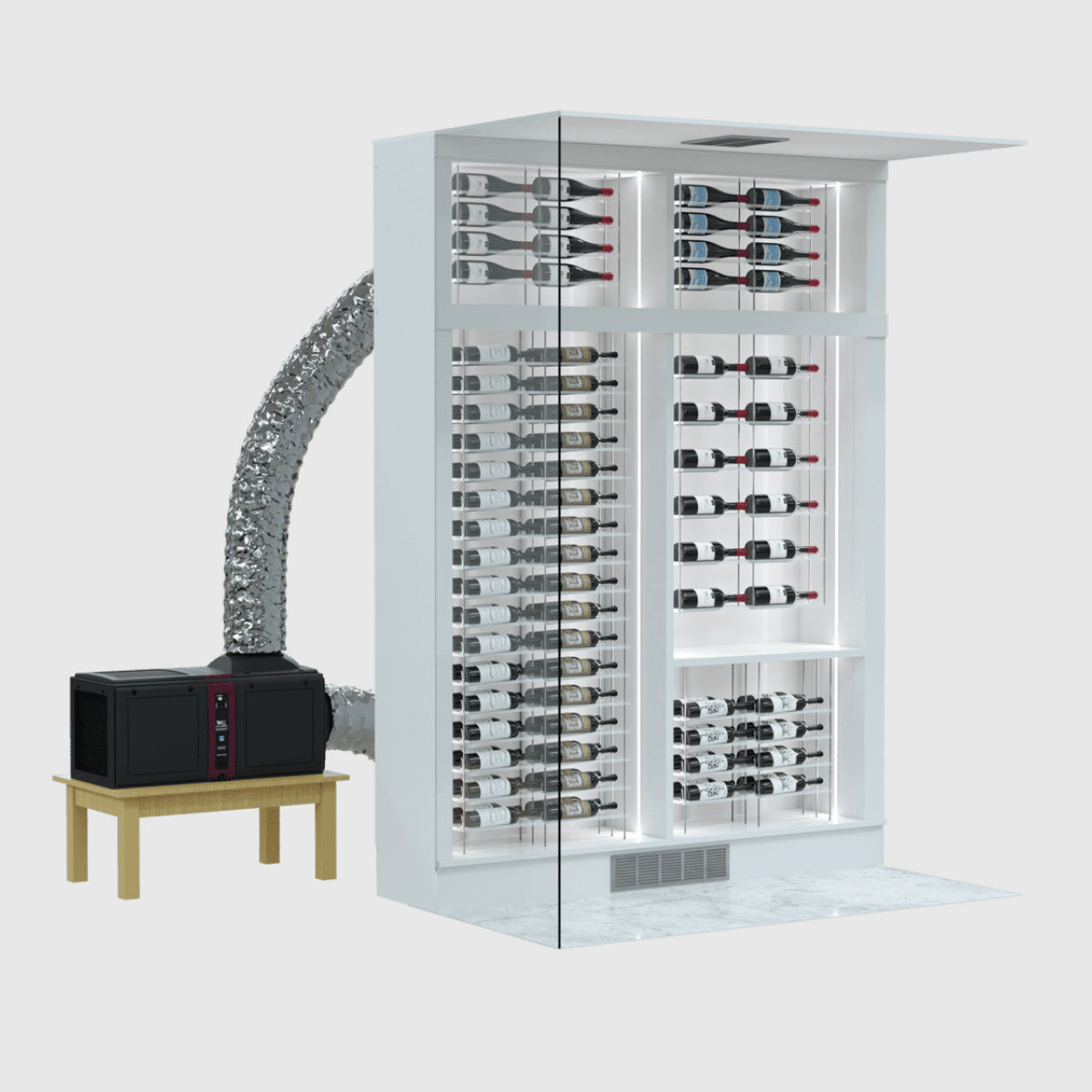
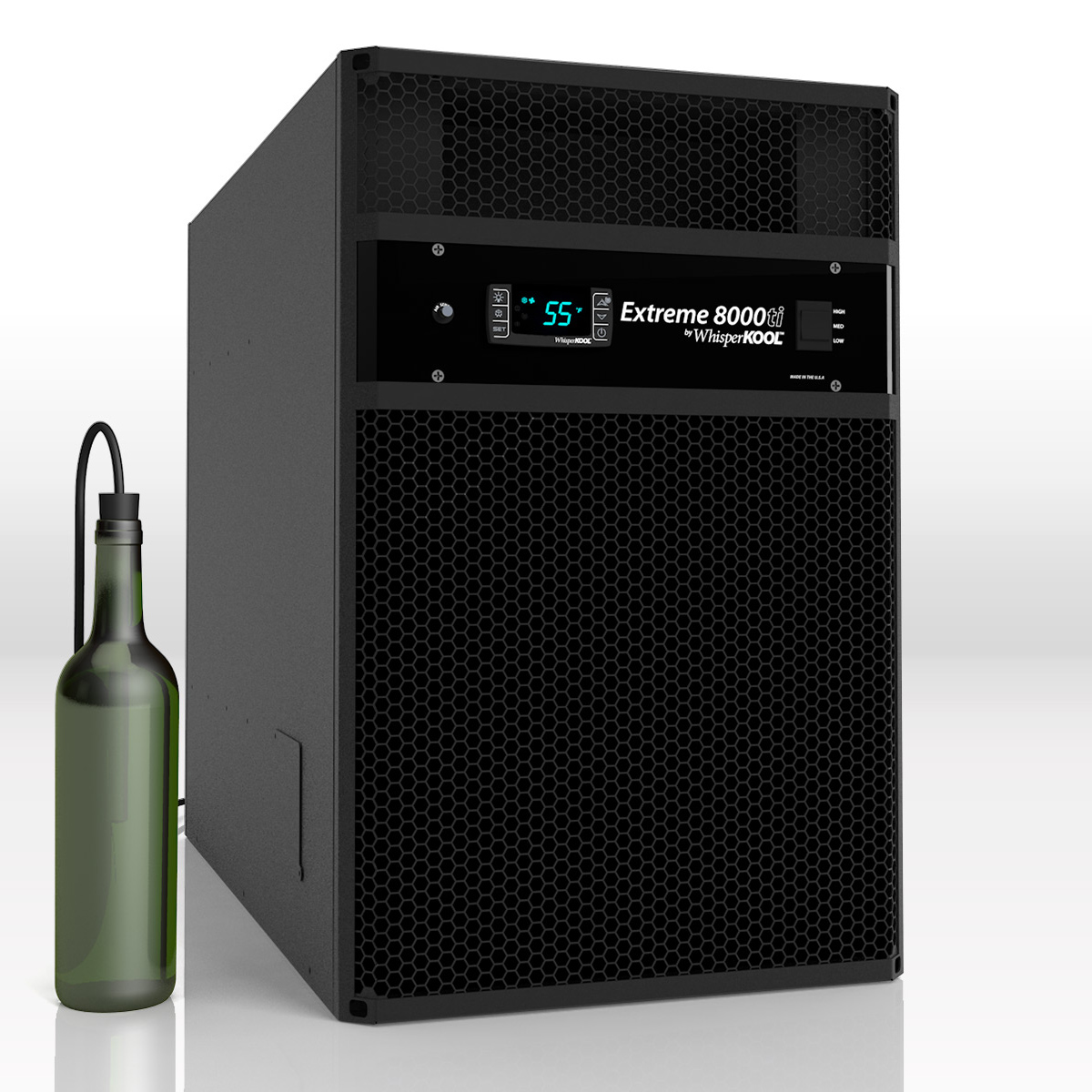
Technical reliability is where professional-grade units diverge from standard consumer appliances. Systems that utilize Wine Cellar Cooling Systems like those from Whisperkool offer superior thermal stability. These units are engineered with heavy-duty evaporators and precision sensors that prevent the "yo-yo" temperature effect common in entry-level coolers. This stability is essential for preventing the liquid expansion that can lead to seepage or "corked" wine. For those ready to upgrade their storage, browsing professional-grade wine coolers can provide the technical foundation your collection deserves.
Energy Efficiency and Noise Ratings
Placement within the home dictates your acoustic requirements. If your unit is destined for a library or dining room, prioritize models with noise ratings below 40 decibels to ensure a whisper-quiet environment. Efficiency has also evolved, with ENERGY STAR certified coolers now utilizing R600a natural refrigerants to meet 2026 environmental mandates. Remember that ambient room temperature affects performance; a unit placed near a sunny window or a heat-producing oven will consume more energy and experience more frequent cooling cycles to maintain its internal setpoint.
Architectural Integration: Built-In vs. Freestanding Design
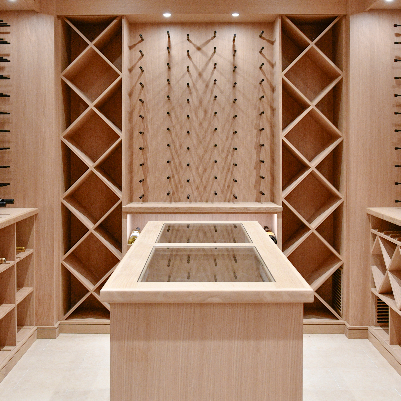
Integrating Wine Fridges into a home requires a delicate balance between mechanical necessity and interior design. While the technical specifications ensure the wine's safety, the physical housing of the unit determines the longevity of the appliance itself. At Rosehill Wine Cellars, our approach to Custom Wine Cellars often begins with a fundamental question: should the unit disappear into the cabinetry or serve as a standalone focal point? Making this decision early prevents costly installation errors and ensures your cooling system operates within its engineered parameters.
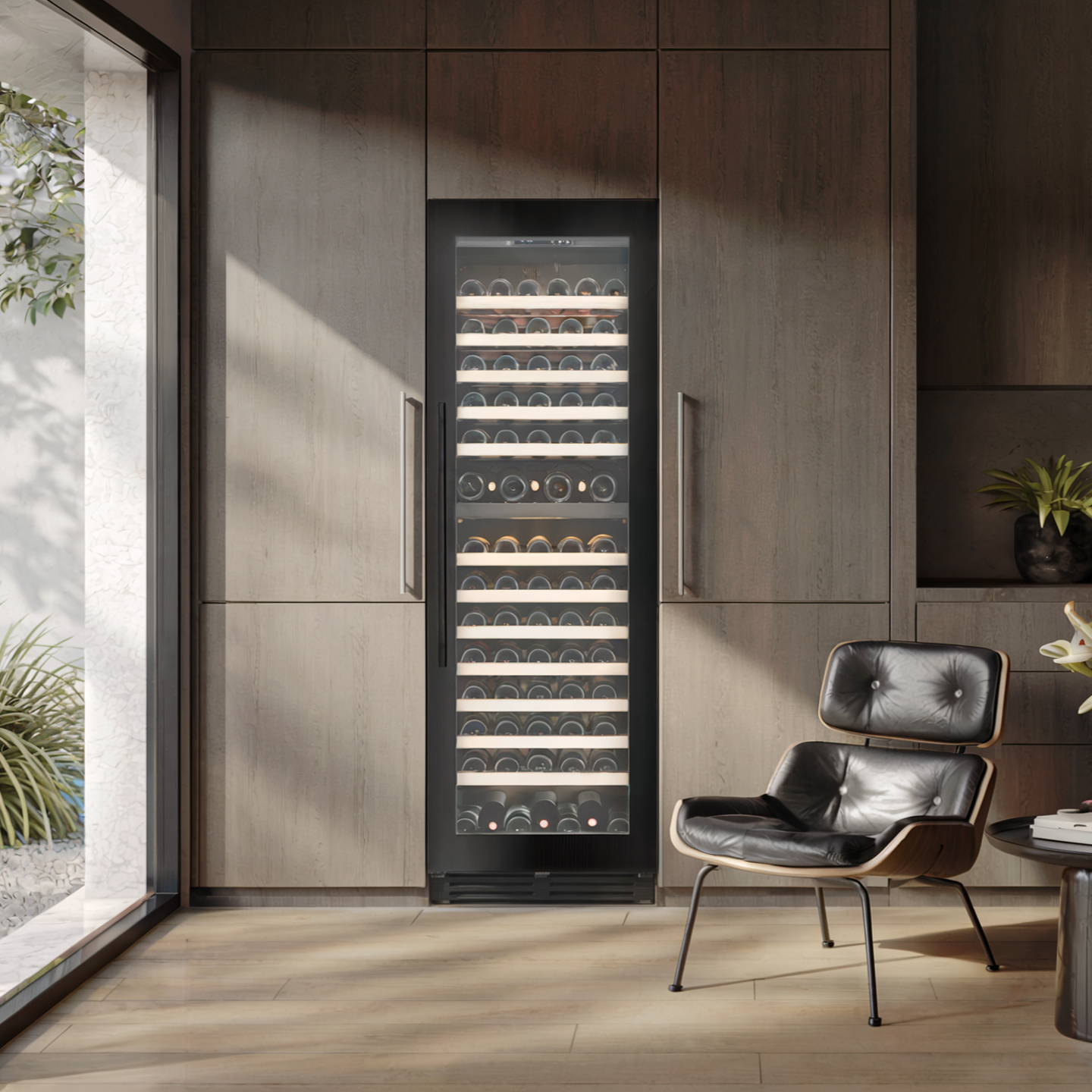
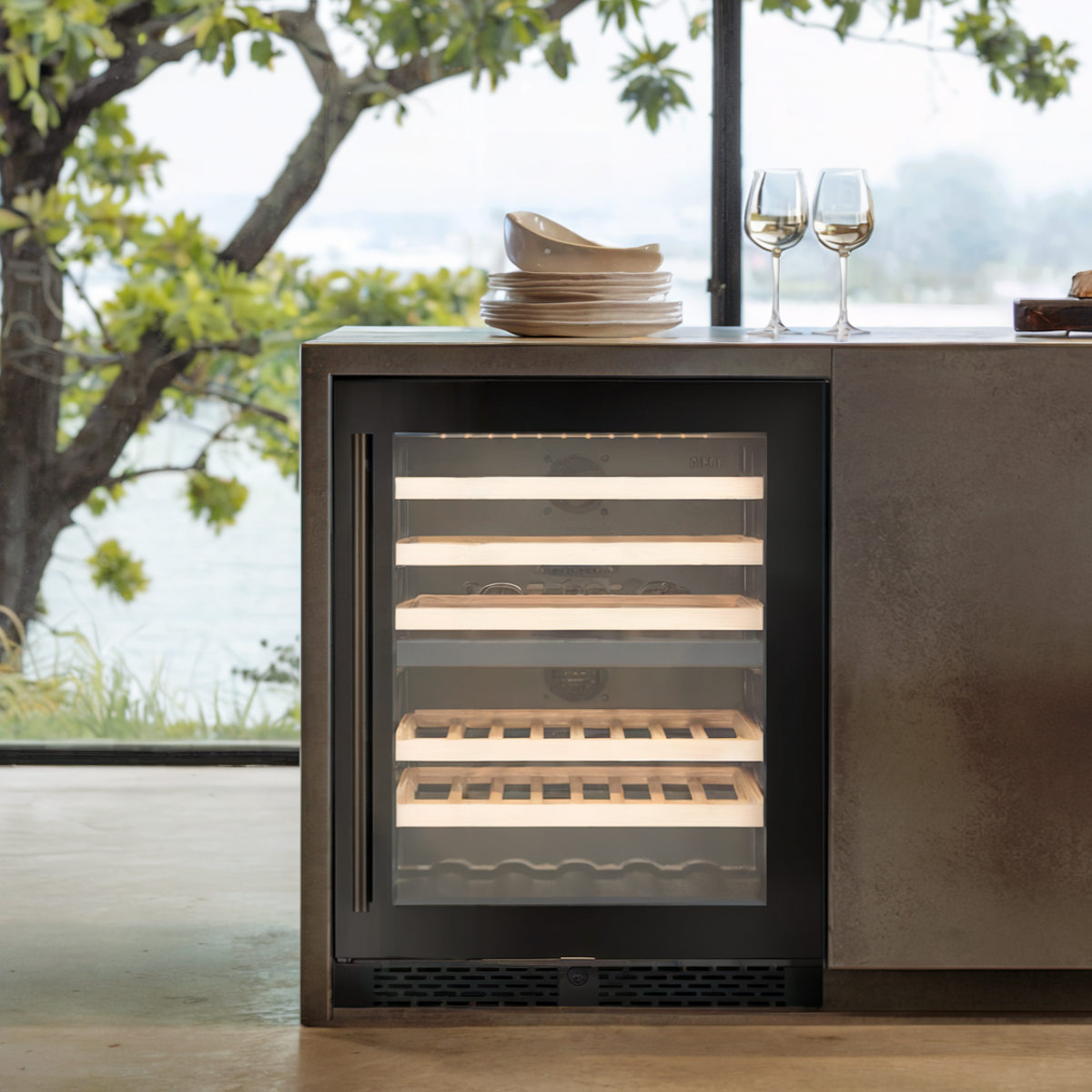
The primary mechanical distinction lies in ventilation physics. Freestanding units typically exhaust heat through the rear coils. They require a minimum of two to three inches of clearance at the back and at least one inch on the sides and top to prevent the compressor from overheating. In contrast, built-in models utilize a front-facing toe-kick grille for both intake and exhaust. This specialized engineering allows for zero-clearance installation, which is why these models are the preferred choice for kitchen islands, wet bars, or tight cabinetry recesses where airflow is restricted.
The Built-In Advantage
For those seeking a seamless aesthetic, built-in Wine Fridges offer the ability to achieve a flush, integrated look that mirrors high-end kitchen design. Many architectural units feature zero-clearance hinges, which allow the door to swing open a full 90 degrees without clipping adjacent panels. Panel-ready options take this a step further, accepting custom wood facades that match your existing cabinetry perfectly. Beyond the visual appeal, structural integrity is a factor. A fully loaded 170-bottle unit can weigh over 500 pounds, so it's vital to ensure your flooring and cabinetry are rated for this concentrated load. Adhering to Wine Spectator's wine storage guidelines ensures that even when integrated, these units maintain the thermal stability necessary for long-term aging.
Freestanding Versatility
Freestanding models offer a different kind of flexibility, often acting as transitional pieces between the kitchen and dining area. They don't require expensive cabinetry modifications, making them a more immediate solution for a rapidly growing collection. However, placement remains critical for performance. You must avoid heat sources like dishwashers or ovens, and you shouldn't place a unit in direct sunlight. Even with UV-resistant glass, consistent solar heat can force the compressor to run indefinitely, shortening the unit's lifespan. Providing enough breathing room for rear-venting models ensures the cooling cycle remains steady and quiet, protecting your investment while enhancing your home's aesthetic.
Wine Cabinets: The Sophisticated Alternative to Standard Fridges
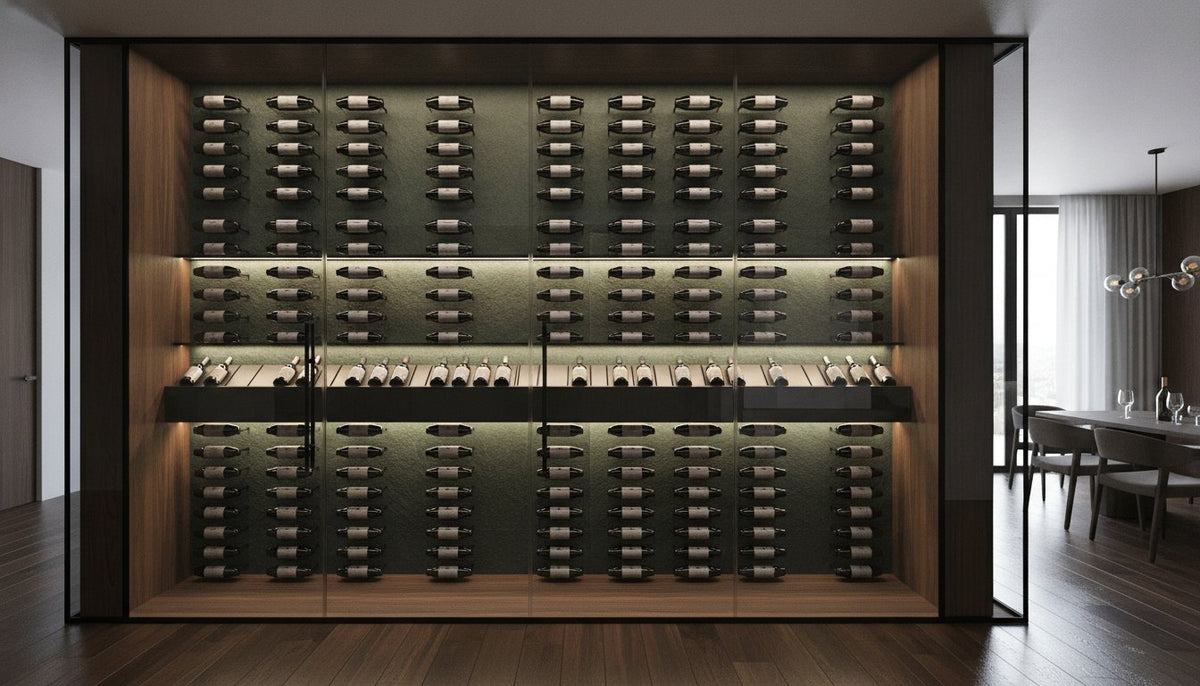
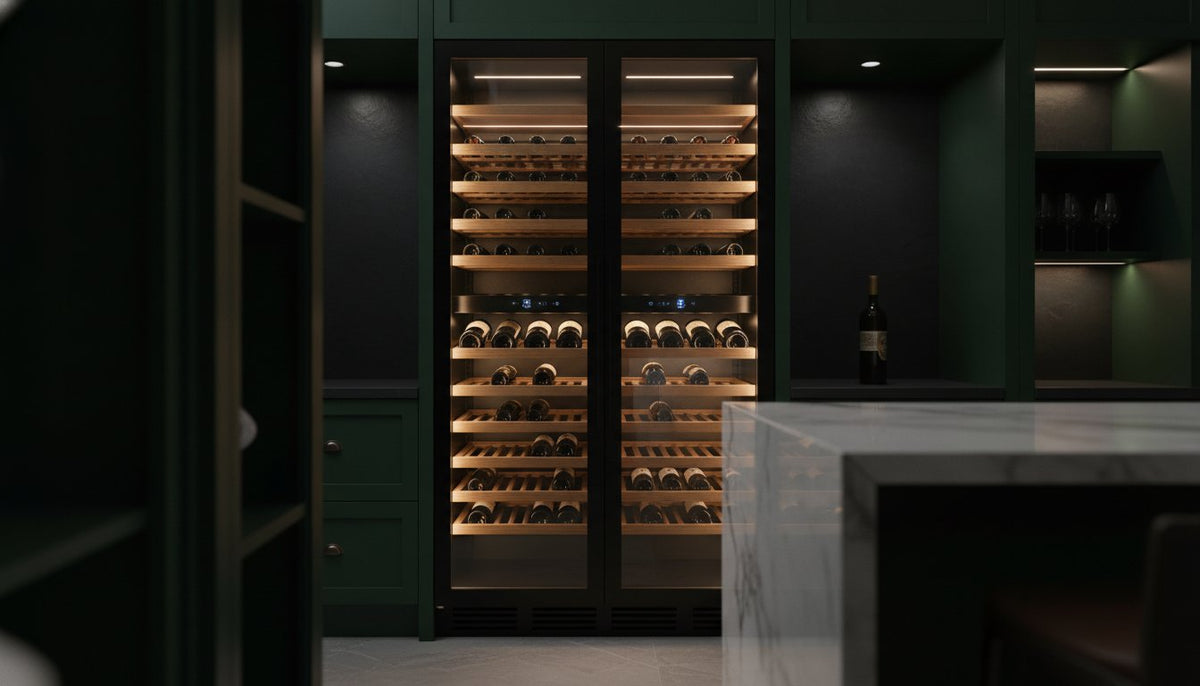
While standard Wine Fridges serve as excellent entry points for temperature-controlled service, serious collectors often require the superior thermal mass of a refrigerated wine cabinet. The distinction lies in the construction; where a typical fridge relies on thin metal walls and glass doors, a cabinet is an engineered piece of furniture. The Vantaggio series epitomizes this evolution, providing a self-contained aging environment that rivals a custom-built cellar in both performance and presence.
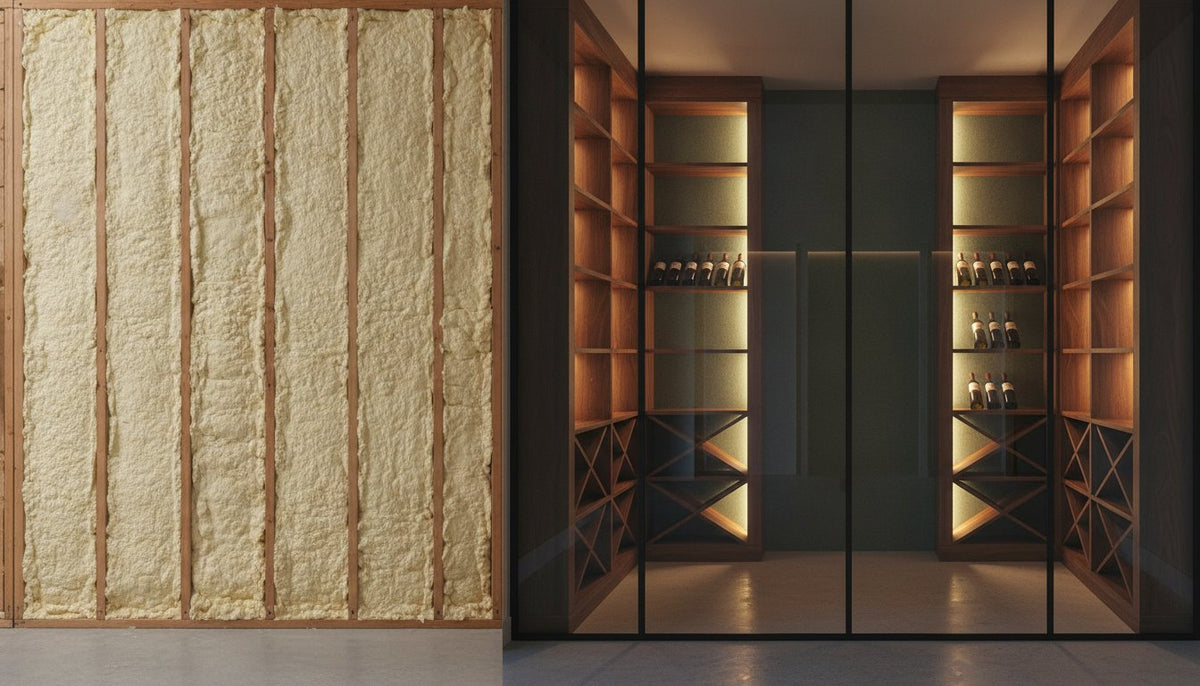
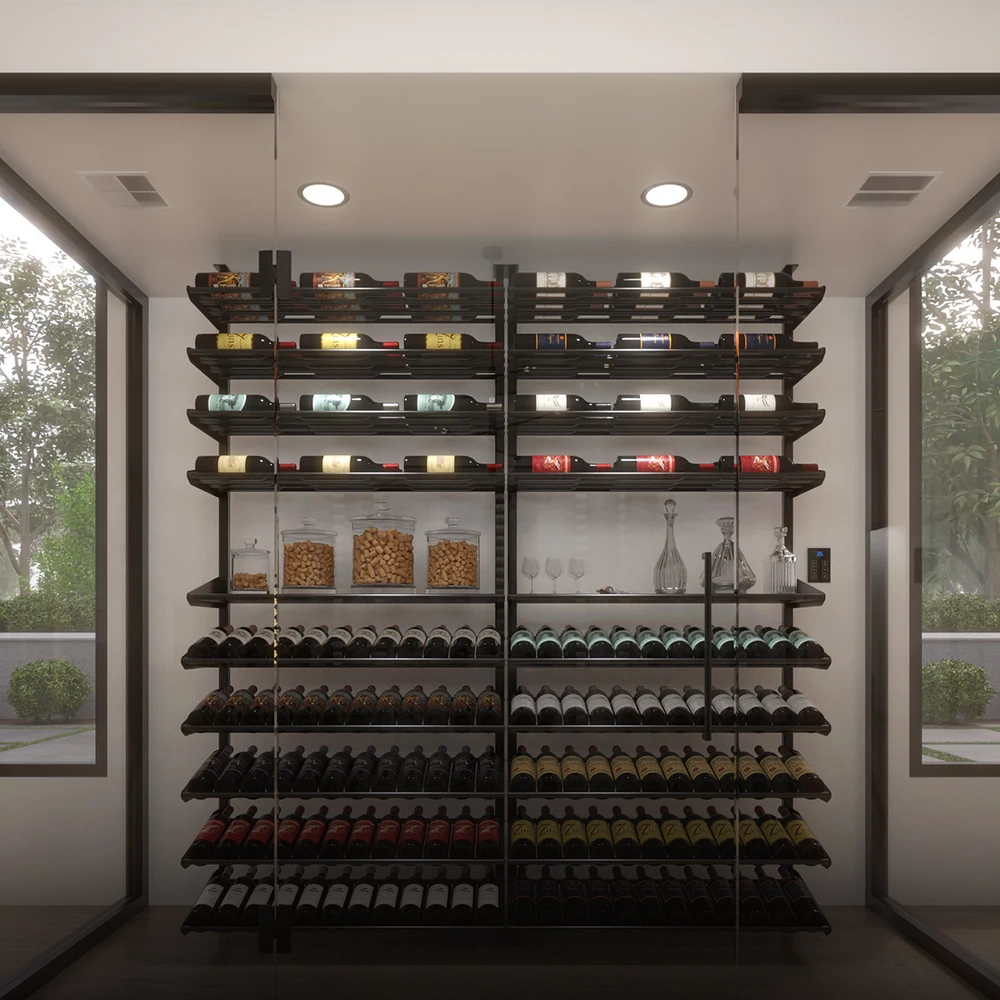
The primary advantage of a wine cabinet is its insulation. High-density foam cores and solid wood exteriors offer a much higher R-value than the glass and plastic found in many Wine Fridges. This structural depth provides a natural buffer against external temperature spikes, ensuring that the internal climate remains nearly immutable. For those who have invested in Modern Wine Racking throughout their home, a Vantaggio cabinet can be finished in premium veneers to match the surrounding architectural flow, creating a cohesive design narrative.
Vantaggio V300 vs. Standard Wine Coolers
The Vantaggio V300 stands as the flagship of residential storage, designed specifically for those whose collections have outgrown standard appliances. While a typical high-capacity cooler might struggle to maintain uniform temperatures across its height, the V300 utilizes an optimized airflow system that prevents cold pockets or heat stratification. It handles 300+ bottles with furniture-grade stability, ensuring that even the most bottom-heavy collection doesn't compromise the unit's structural integrity. You can explore the full range of these luxury units by viewing our Vantaggio Wine Cellars collection.
Furniture-Grade Aesthetics
Aesthetic customization is where cabinets truly diverge from appliances. Using solid wood and premium veneers isn't just about style; these materials contribute to the unit's thermal stability. Unlike metal, wood doesn't conduct heat as readily, which reduces the workload on the cooling unit. Modern cabinets also incorporate cold LED lighting systems that allow you to showcase your labels without introducing radiant heat. This allows you to integrate a high-capacity storage solution into a dining room or living space without it looking like a piece of industrial equipment. If you're ready to secure your collection's future, explore the Vantaggio series today to find a cabinet that matches your home's sophisticated design.
Safeguarding the Investment: Maintenance and Longevity
A premium cooling unit represents a significant commitment to the long-term health of your collection. While high-end Wine Fridges are engineered for durability, their lifespan depends heavily on consistent, professional-grade maintenance. You should expect a top-tier unit to provide ten to fifteen years of reliable service, but reaching this milestone requires more than just setting the temperature and walking away. The precision components that maintain your wine's environment are sensitive to the conditions of your home.
Mechanical fatigue often begins with simple environmental factors. For instance, the door seals are the first line of defense against thermal leakage. Over time, these gaskets can become brittle or lose their magnetic pull, allowing warm, humid air to seep into the cabinet. This causes the cooling system to cycle more frequently, which accelerates wear on the compressor. The Rosehill Wine Cellars’ Annual Maintenance Plan provides professional oversight to catch these issues before they compromise your vintages. Regularly wiping these seals with a damp cloth and checking for airtight integrity is a simple yet vital habit for any serious collector.
The Importance of Preventative Care
Dust is the silent enemy of refrigeration efficiency. When debris accumulates on the condenser coils, it acts as an insulator, trapping heat and forcing the system to work harder to achieve the same cooling effect. This doesn't just increase your energy costs; it significantly shortens the life of the motor. Beyond cleaning, sensor calibration is a critical step that many owners overlook. It's vital to verify that the temperature displayed on your digital panel matches the actual liquid temperature inside the bottles. You can read more about these protective measures in our guide on Annual Maintenance Plans.
Upgrading Your System
There comes a point where repairing an aging unit is less cost-effective than a full replacement. If your wine fridge begins to struggle with holding a steady temperature or exhibits a noticeable increase in decibel levels, the cooling unit may be nearing the end of its operational life. This transition period is often an ideal time to reassess your storage architecture. As your collection matures, you might consider integrating more sophisticated organization, such as Premier Cru Classic racking, to maximize your available footprint. Consulting with a specialist allows you to scale your storage needs with technical precision, ensuring that your new system provides the same uncompromising protection as the last.
Securing the Future of Your Collection
Selecting the right environment for your vintages is a decision that impacts the character of your wine for decades. Whether you choose the seamless integration of a built-in unit or the furniture-grade craftsmanship of a Vantaggio cabinet, the priority remains unwavering thermal and humidity stability. By prioritizing technical requirements like front-venting mechanics and vibration dampening, you ensure your Wine Fridges act as true guardians of your investment. It's not just about cooling; it's about honoring the craftsmanship inside each bottle.
Since 1995, Rosehill Wine Cellars has provided expert design-build advice to discerning collectors. As an authorized dealer for industry leaders like Whisperkool and Vantaggio, we back our premium offerings with comprehensive national maintenance support. We invite you to Explore the Full Collection of Premium Wine Coolers and find the perfect balance of form and function for your home. Your collection deserves a home that is as sophisticated as the labels it holds. Let's help you build a legacy that lasts.
Frequently Asked Questions
What is the difference between a wine fridge and a beverage cooler?
A true wine fridge is engineered specifically for the chemical maturation of wine, whereas a beverage cooler is designed for the rapid chilling of sodas or beer. Beverage coolers often maintain temperatures near 38°F and lack humidity control, which causes organic corks to dry and shrink. Specialized units maintain a stable 55°F with relative humidity between 50% and 70%, ensuring the wine remains protected from oxidation over long-term storage.
Can I install a freestanding wine fridge under a kitchen counter?
You shouldn't install a standard freestanding unit under a counter without substantial clearance, as these models typically exhaust heat through the rear coils. Trapping this heat within a cabinet recess causes the compressor to work overtime, leading to premature mechanical failure and voided warranties. For under-counter installations, you must select a front-venting built-in model designed with a toe-kick grille to ensure proper airflow and system longevity.
How long do premium wine fridges typically last?
A high-quality unit from a reputable manufacturer typically provides ten to fifteen years of reliable service when properly maintained. The lifespan of Wine Fridges depends heavily on the environment and routine care, such as cleaning the condenser coils and ensuring the door seals remain airtight. Units with decoupled compressors and professional-grade components often reach the upper end of this range, representing a durable long-term investment for serious collectors.
Do I really need a dual-zone wine fridge?
You need a dual-zone unit if you intend to keep white wines at a crisp serving temperature while simultaneously aging reds at a cellar-standard 55°F. If your primary goal is long-term maturation for a single varietal, a single-zone unit often provides superior temperature consistency throughout the entire cabinet. Dual-zone functionality is most beneficial for those who entertain frequently and want their bottles ready for the glass at any moment.
Why is vibration dampening important for wine storage?
Vibration dampening is vital because even microscopic tremors can agitate the delicate sediment in aging red wines, disrupting the natural chemical maturation of tannins. Premium storage solutions utilize specialized mounting for compressors and solid wood shelving to absorb kinetic energy. This stillness allows the wine's complex flavors to develop undisturbed, preventing the premature degradation that can occur in standard consumer appliances that lack these protective architectural features.
How do I clean the condenser coils on my wine cooler?
To clean the condenser coils, first disconnect the power to the unit and locate the coils, which are usually behind the rear panel or the front grille. Use a soft brush or a vacuum with a hose attachment to gently remove dust and debris that has accumulated over time. Performing this simple maintenance every six to twelve months ensures optimal heat exchange, reduces energy consumption, and prevents the compressor from overheating.
What is the ideal humidity level for a wine fridge?
The industry gold standard for relative humidity is between 50% and 70%. This specific range is high enough to keep organic corks supple and airtight, preventing ambient oxygen from entering the bottle and ruining the wine. Levels below 50% risk cork desiccation, while levels exceeding 75% can lead to mold growth on labels. High-performance units use active humidity management to maintain this delicate balance despite external environmental changes.
How loud are wine fridges, and can they be silent?
While no compressor-based unit is completely silent, premium models are engineered to operate at whisper-quiet levels, typically between 35 and 45 decibels. This is roughly equivalent to a quiet library or a soft hum. For placement in living rooms or dining areas, look for Wine Fridges with acoustic isolation and silent block compressor mounts. These features ensure the unit performs its essential cooling functions without disrupting the architectural tranquility of your home.