
























What if adding thicker insulation isn’t the first step to stopping attic ductwork from getting wet? When investigating ducted cooling unit attic ductwork insulation condensation, look beyond insulation alone. Cold duct surfaces, air leaks, high humidity, and restricted airflow can all contribute. The visible moisture may also come from somewhere other than the ducts.
Repeated dampness can damage attic materials or signal an issue affecting your wine cellar’s climate. Start by noting where moisture appears and when. Condensation forms when a cold surface falls below the dew point of the surrounding air, while a cooling-unit or condensate-drain issue may leave different clues.
This guide explains how insulation, sealed duct joints, airflow, and humidity interact, and what to observe before arranging a professional assessment. You’ll learn how to distinguish likely ductwork condensation from other sources of water, which system requirements to check in the manufacturer’s documentation, and how ducted and ductless wine-cellar cooling compare. With a clearer picture of the cause and your cellar’s needs, you can consider solutions with greater confidence.
Key Takeaways
- For ducted cooling unit attic ductwork insulation condensation, assess insulation condition, duct-joint leaks, humidity, and airflow together rather than assuming one cause.
- Note where moisture appears and whether it coincides with cooling operation. This can help distinguish duct sweating from a unit or drain concern.
- Gather information about the attic, duct route, service access, and cellar layout before comparing cooling configurations.
- Check duct and installation requirements in the selected manufacturer’s documentation, and ask a qualified local professional about applicable codes.
- Once the source is clearer, compare cellar cooling options with a wine-storage specialist to assess their suitability for the space.
Why Ducted Wine Cooling Unit Attic Ductwork Can Develop Condensation
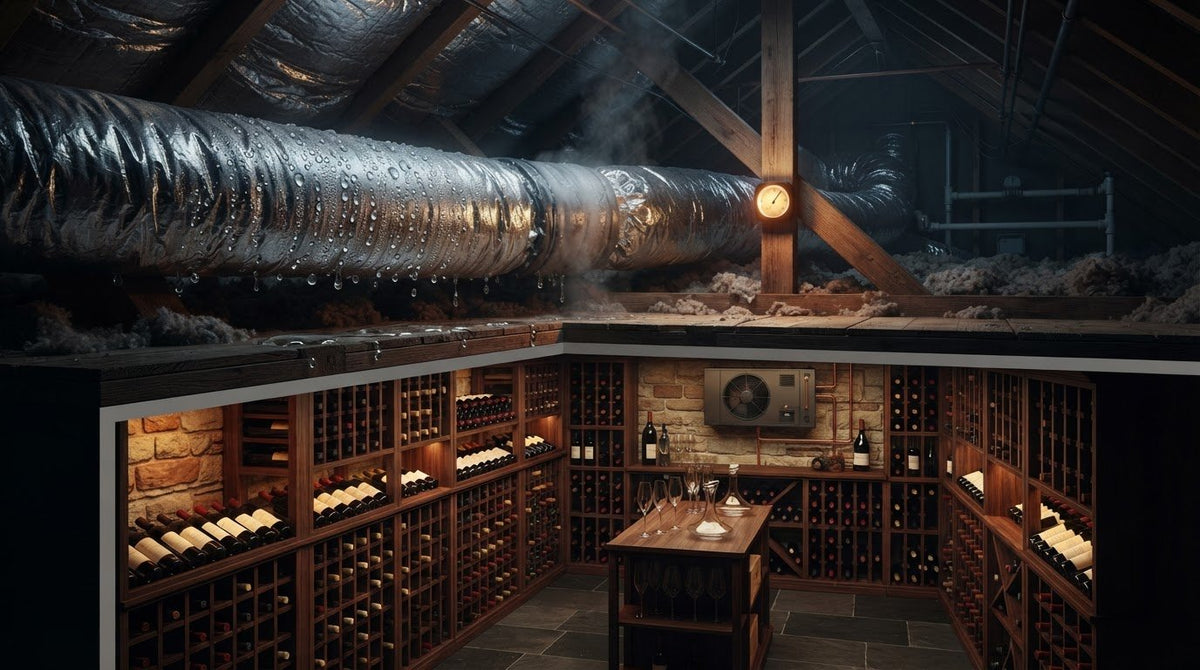
Moisture around a cellar cooling system can be unsettling, but its location matters. Condensation forms when a surface is colder than the dew point of the air around it. Warm attic air carries moisture. If a cold supply duct’s exposed or inadequately insulated exterior drops below that dew point, water can collect on the surface. The phrase ducted cooling unit attic ductwork insulation condensation describes a combination of factors, not necessarily a single insulation fault.
Insulation helps limit heat transfer, but it may not solve the problem if the duct has air leaks, damaged or compressed insulation, a compromised vapor-facing layer, restricted airflow, or unusually humid surrounding air. Moisture may also have another source, such as a condensate-drain concern or humidity within the cellar. A careful visual assessment can help narrow the possibilities, but a clue alone does not confirm the cause.
What the dew point means for cold attic ducts
The dew point is the temperature at which moisture in air begins to form liquid water. Think of a chilled glass becoming wet on a humid day: the water comes from the surrounding air, not through the glass. A cold duct can behave similarly when its outer surface falls below the dew point of the attic air. Both air temperature and humidity matter, so there is no single threshold that applies to every attic. Measurements and professional interpretation can help establish whether conditions support condensation. For background on moisture within building cavities, see Interstitial condensation.
Where moisture appears, and what that location can suggest
Look for the pattern, not just the presence of water. Beads on the duct exterior may indicate surface sweating. Damp insulation can suggest that moisture has penetrated or formed beneath its outer facing. Water near a joint or connection may be associated with a leak or another nearby source. Moisture inside the duct, around the cooling unit, or on cellar surfaces calls for a separate assessment, since drain, equipment, or cellar-humidity issues can resemble a duct problem.
These observations offer clues, not confirmation. Note where moisture begins and whether it appears while the system is running, then share that information with a qualified professional. Don’t disturb electrical equipment or wet materials. Persistent dampness, water near electrical components, or insulation that remains wet warrants prompt professional assessment to help protect the building and clarify the source.
How Attic Duct Insulation and Air Sealing Help Limit Condensation
Insulation slows heat transfer between the cold air inside a supply duct and the warmer attic around it. Continuous, correctly installed insulation makes it less likely that the duct’s exterior will become cold enough for moisture in the surrounding air to condense on it. Performance depends on the whole assembly, not simply the presence of insulation or a number printed on its label.
A small defect can create a vulnerable spot: a compressed section beneath a support, a gap around an elbow, a torn facing, or an exposed transition near the cooling unit. Cold air escaping from an unsealed joint can also affect nearby materials and reduce the conditioned air reaching the cellar. Adding insulation without locating leaks or damaged sections may therefore leave the original cause unresolved.
Why insulation continuity matters more than a single specification
Assess the complete duct run, including straight sections, elbows, supports, transitions, and connections. Insulation that is crushed beneath a strap or interrupted at a fitting can leave a localized cold surface, even when the rest of the run appears intact. Don’t assume a particular R-value suits every installation. The appropriate specification depends on the duct, climate, equipment, and applicable requirements. Ask a qualified professional to verify it for the project.
Air sealing, vapor control, and duct insulation work together
Duct-joint leakage and inadequate insulation are separate issues. Sealing joints helps limit air escaping from the duct, while insulation slows heat transfer through its surface. The outer vapor-control layer and its seams also need to remain continuous as intended by the insulation manufacturer. Material choice, placement, and installation details vary, so follow product instructions and have applicable code requirements confirmed by a qualified local professional.
Insulation helps keep duct surfaces warmer, while air sealing limits escaping air. Addressing both reduces different routes to condensation and performance problems.
Humidity is another part of the assessment, but indoor readings don’t automatically describe attic conditions. The U.S. Environmental Protection Agency gives recommended indoor humidity levels of 30 to 50 percent to help limit mold growth. Treat that as indoor guidance, not a duct-insulation specification or a substitute for checking attic conditions and equipment documentation. For the specific ducted cooling unit attic ductwork insulation condensation concern, gather details about the full duct route, visible insulation damage, and suspected leaks before deciding what work is needed.
Ducted Cooling Unit or Another Wine Cellar Cooling Setup?
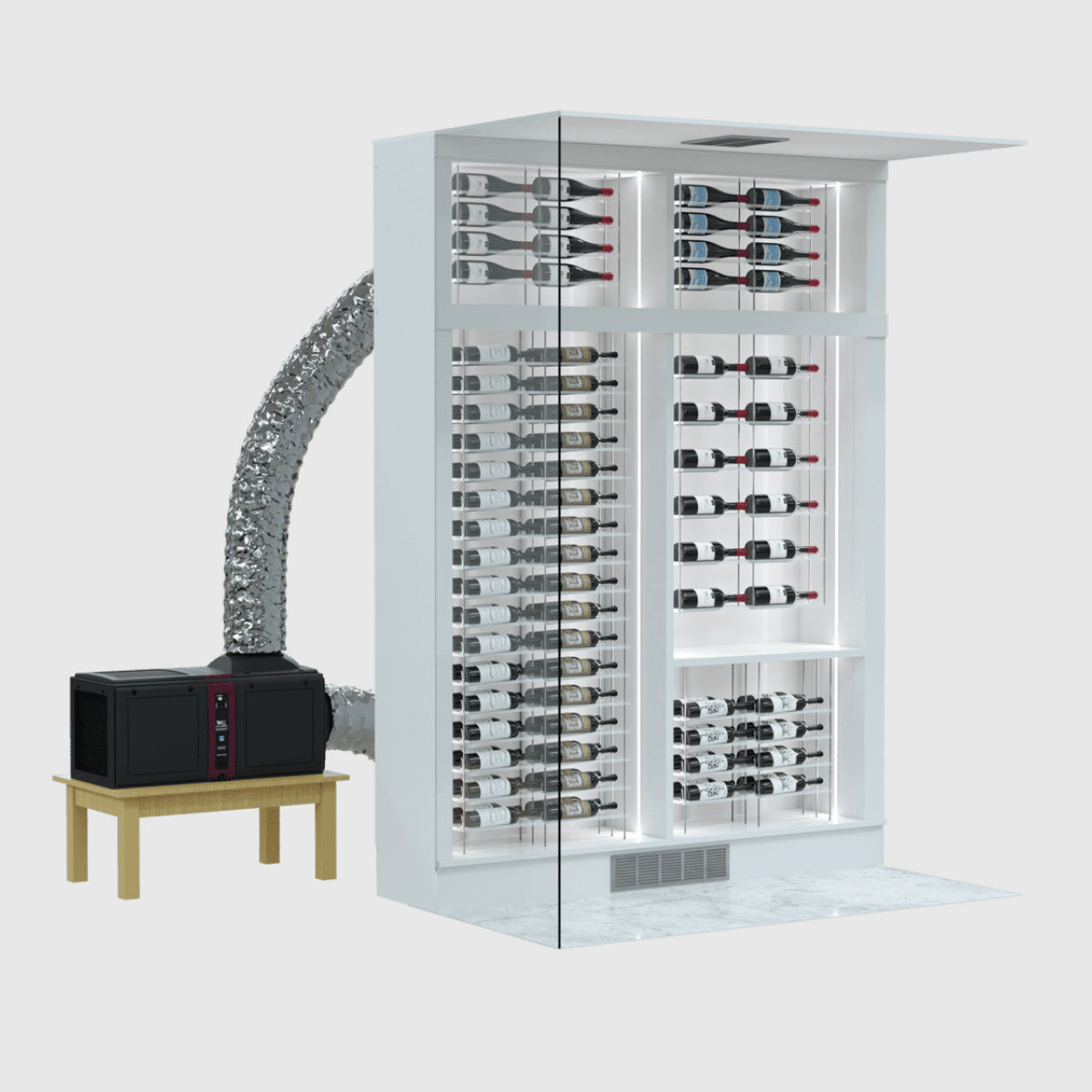
Attic moisture is one part of the decision. The right cooling configuration also depends on the cellar and how the equipment can be installed and maintained. A ducted arrangement moves conditioned air between the equipment and cellar through ducts. Self-contained and split systems use different equipment layouts and heat-rejection methods, so each has distinct placement and installation considerations.
Before comparing options, map the cellar and the route available to the equipment. Consider attic access, the length and turns of any proposed ductwork, the return-air path, room layout, where heat will be rejected, and whether the unit can be reached for service. These details help frame the ducted cooling unit attic ductwork insulation condensation question alongside the broader issue of system suitability.
When a ducted configuration may suit the cellar
Ducting may be worth considering when supply and return air can be routed to serve the cellar and equipment placement works with the room’s design. Suitability depends on the actual layout, not simply on having attic space. Ask the manufacturer or a qualified professional to verify the permitted duct length, number of turns, airflow needs, insulation details, and service clearances for the specific unit. Don’t assume one configuration is quieter or appropriate for every cellar.
How other system configurations change installation considerations
A self-contained system generally has its cooling components together, while a split configuration separates components between locations. Their heat-rejection arrangements and installation requirements differ, so verify where each component can be placed and what clearances it needs. A cellar with limited attic access may prompt a different comparison than one with a practical duct route, but the manufacturer’s documentation should guide the decision.
Cellar volume, insulation, door use, and the desired interior finish also matter. Compare the available wine cellar cooling systems in the context of the room and installation plan, rather than selecting equipment by format alone. If considering a product-format alternative, review wine coolers as a separate category and assess whether that approach fits the storage space.
Rosehill Wine Cellars offers wine cooling systems and can help you consider equipment suitability for wine storage. For duct specifications, installation clearances, and building requirements, confirm details with the selected manufacturer and a qualified local professional.

A Step-by-Step Check for Attic Ductwork Condensation
A clear record can help a qualified professional distinguish duct-surface moisture from a condensate-drain, cooling-unit, or building-envelope concern. This checklist is for observation only, not HVAC or electrical work. Don’t open equipment, change system settings, move wiring, or enter an attic that isn’t safe to access.
What homeowners can observe safely
From a safe position, note what is wet, where it is, and when you see it. Photographs and a brief log can reveal patterns that a single inspection may miss. If reaching the attic requires stepping off a safe walkway or disturbing wet insulation, leave the inspection to a professional.
- Record the location. Photograph visible moisture on the duct exterior, insulation, nearby surfaces, or around a connection. Note whether the wet area is localized or extends along a longer section.
- Note timing. Write down when moisture appears and whether the cooling system is operating. Record whether it shows up during a cycle, afterward, or when the system is off.
- Observe the cellar. Without adjusting controls, note any change in cellar conditions or dampness on interior surfaces. Record what the unit display shows if it’s readily visible.
- Look for visible damage only if safe. From an accessible area, note apparent insulation gaps, compression, or damaged facing. Don’t pull materials aside or touch wet insulation or electrical components.
What to ask a qualified technician to evaluate
Share your observations and ask the professional to assess the duct and cooling system as a whole. Your notes can help focus the inspection, but they can’t confirm the source of moisture or establish whether an installation meets its requirements.
- Is insulation continuous across the duct run, including joints, turns, supports, and transitions?
- Are there duct leaks or airflow restrictions that could affect system operation?
- Is visible condensate drainage functioning as intended, or does the moisture pattern suggest another source?
- Does the installation meet the selected equipment manufacturer’s instructions for duct length, airflow, insulation, and access?
- Could moisture be coming from the building envelope or cellar humidity rather than the duct exterior?
The cause of ducted cooling unit attic ductwork insulation condensation may require more than a visual check. If the system or cellar setup needs reconsideration after the source is understood, explore wine cellar cooling systems as an equipment option. Rosehill Wine Cellars offers wine-cooling products, not general HVAC repair or attic-insulation work.
Choosing a Wine Cooling Solution After the Condensation Assessment
Choose equipment only after the source of moisture is better understood. First, locate and document where it appears. Next, have the duct system and cooling equipment assessed, then verify installation details against the selected manufacturer’s instructions and applicable requirements with a qualified local professional. With those findings, compare cooling options against the cellar’s design rather than treating a new unit as a fix for an unresolved duct or drainage problem.
Information to gather before comparing systems
Bring together practical details that clarify what the cellar needs and what the installation can accommodate:
- Cellar dimensions, insulation details, door and ventilation considerations, and the conditions you want the space to maintain.
- The existing duct layout, including its route, turns, approximate length, and access for inspection or service.
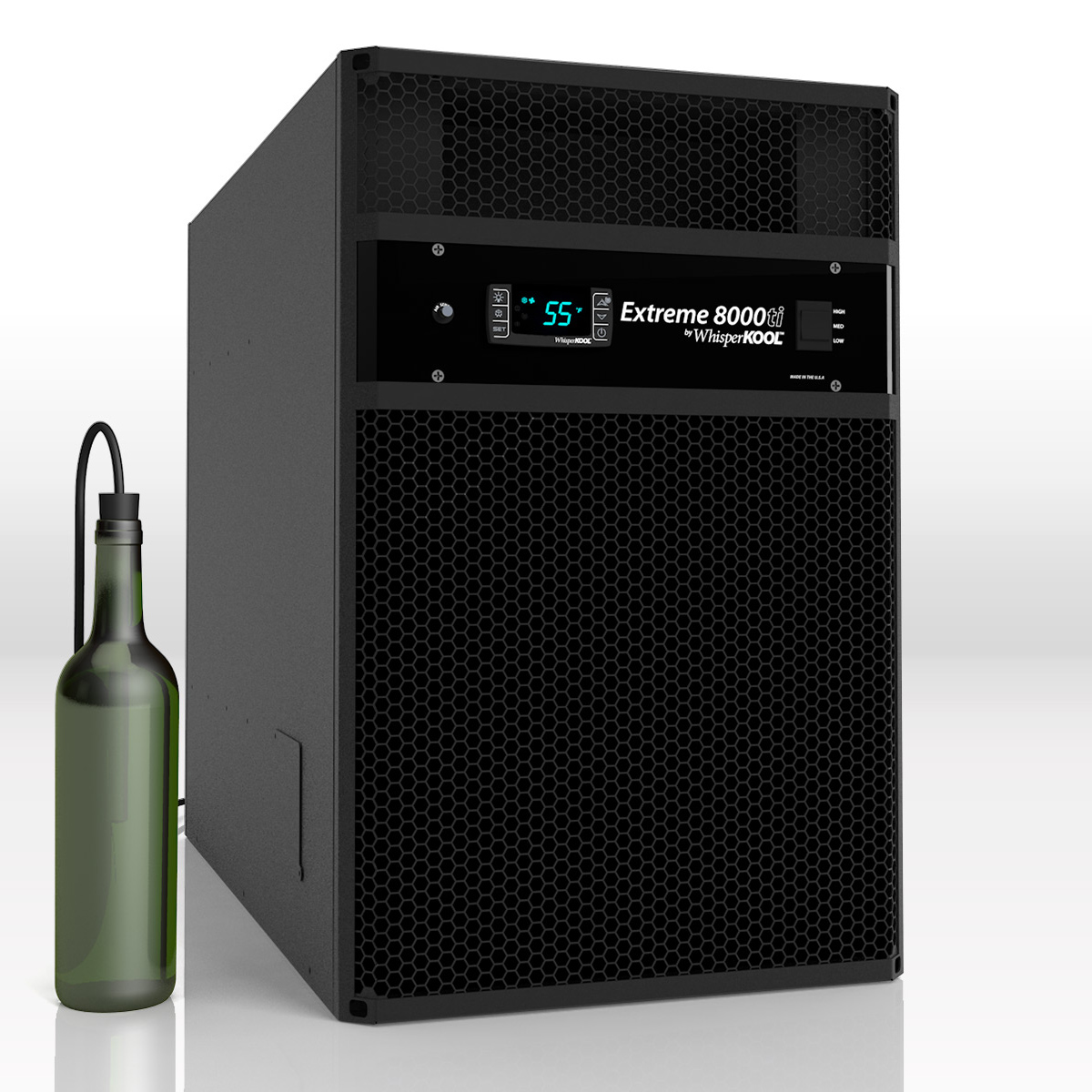
- The current cooling unit’s make and model, so its manufacturer-specific requirements can be checked.
- Moisture locations, photographs, timing, whether the unit was operating, and findings from previous professional assessments.
This information gives a wine-cellar cooling specialist a more useful starting point for discussing system suitability. It also keeps two questions distinct: what is causing the moisture, and which equipment configuration fits the cellar?
When specialist wine-storage guidance is useful
Specialist guidance can be valuable when planning a new cellar or reconsidering an existing cooling arrangement. Room dimensions, insulation, layout, and equipment placement all affect the selection process. A wine-storage specialist can help you consider available cooling equipment in relation to the cellar design. A qualified HVAC professional should assess ductwork, airflow, drainage, and related mechanical concerns.
Keep roles clear. Duct repairs, attic insulation, and general HVAC work belong with appropriately qualified contractors. If your assessment points toward reviewing the wine-storage equipment itself, explore Rosehill Wine Cellars’ wine cellar cooling systems as one place to compare options. Rosehill focuses on wine-cellar design and cooling products, not general HVAC repair.
Once you have the cellar details and assessment findings, contact Rosehill for guidance on wine-storage product options that may suit your project. This can inform your comparison, while equipment specifications and installation requirements should still be confirmed with the manufacturer and qualified professionals.
Make Your Next Cooling Decision with Confidence
Attic duct moisture doesn’t automatically mean the insulation needs replacing or the cooling unit is at fault. The location and timing of dampness offer useful clues, while a full assessment can help distinguish duct sweating from a drainage, equipment, or building-envelope concern. Before comparing cellar cooling options, document what you’ve observed and verify the existing installation against the manufacturer’s requirements.
Understanding how ducted cooling unit attic ductwork insulation condensation relates to your cellar’s layout can help you discuss next steps with qualified professionals. Leave ductwork repairs and attic insulation to appropriately qualified contractors, and seek wine-storage expertise when selecting or reconsidering cellar cooling equipment.
Rosehill Wine Cellars, a wine-storage specialist founded in 1995, offers wine cooling units and systems with national customer support. Explore Rosehill’s wine cellar cooling systems to compare options for your space. With clear observations and the right expertise, you can move toward a considered solution for your cellar.
Frequently Asked Questions
Why is my ducted cooling unit’s attic ductwork sweating?
Attic ductwork sweats when its exterior surface becomes colder than the dew point of the surrounding air. Moisture can collect on exposed duct sections or where insulation is missing, compressed, or damaged. Humidity, air leakage, and restricted airflow may also contribute, so insulation alone might not address the cause. For ducted cooling unit attic ductwork insulation condensation, note where water appears and whether the system is running, then have a qualified professional assess it.
Can attic duct insulation stop condensation?
Properly installed, continuous insulation can help reduce condensation by slowing heat transfer and keeping the duct’s exterior warmer. It may not be enough if joints leak, insulation is compressed, the outer facing is damaged, or attic humidity is high. A condensate-drain issue can also create water that looks like duct sweating. Have the full duct run and cooling equipment assessed before assuming that adding insulation will resolve the moisture.
How do I know whether condensation is coming from the duct or the cooling unit?
The location and timing provide useful clues, but they don’t confirm the source. Moisture beading along the outside of a cold duct may suggest surface condensation. Water concentrated near the unit or its drainage components may point to an equipment or drain concern. Damp cellar surfaces can have other causes, including cellar humidity. Photograph the wet areas and note whether the system is operating, then ask a qualified professional to investigate.
What insulation should be used on ductwork in an attic?
Use an insulation assembly suitable for the specific duct, attic conditions, and cooling equipment, with the correct facing and seam details for that product. There isn’t one specification that fits every installation. Have a qualified professional verify the required insulation level, vapor-control details, and installation method against the manufacturer’s documentation and applicable local requirements. Don’t cover damaged or wet materials without first identifying the source of moisture and determining whether the existing insulation needs attention.
Can ductwork condensation damage an attic?
Yes. Persistent moisture can wet insulation and nearby building materials, reducing insulation performance and creating conditions that may support mold growth or material deterioration. The extent of risk depends on how much water is present, how long materials remain damp, and whether the source continues. Don’t ignore recurring wetness or water near electrical equipment. Avoid disturbing wet insulation, and arrange a prompt assessment by an appropriately qualified professional.
Should I choose a ducted or self-contained wine cellar cooling unit?
The right configuration depends on the cellar design, equipment location, heat-rejection needs, duct route, and access for service. A ducted system moves air through ducts, while a self-contained configuration keeps its cooling components together and has its own placement requirements. Compare the manufacturer’s specifications for the specific equipment rather than assuming either type suits every room. Cellar dimensions, insulation, layout, and installation constraints can help guide the choice.
Who should inspect attic ductwork condensation around a wine cellar cooling system?
Ask a qualified HVAC professional to assess duct insulation, joints, airflow, drainage, and the cooling equipment, including any electrical concerns. They can help distinguish duct-surface moisture from a unit, drain, or building-envelope issue. A wine-cellar cooling specialist can help with equipment suitability for the cellar, but isn’t a substitute for general HVAC or attic-insulation work. Verify unit-specific requirements with the manufacturer and applicable local requirements with a qualified professional.