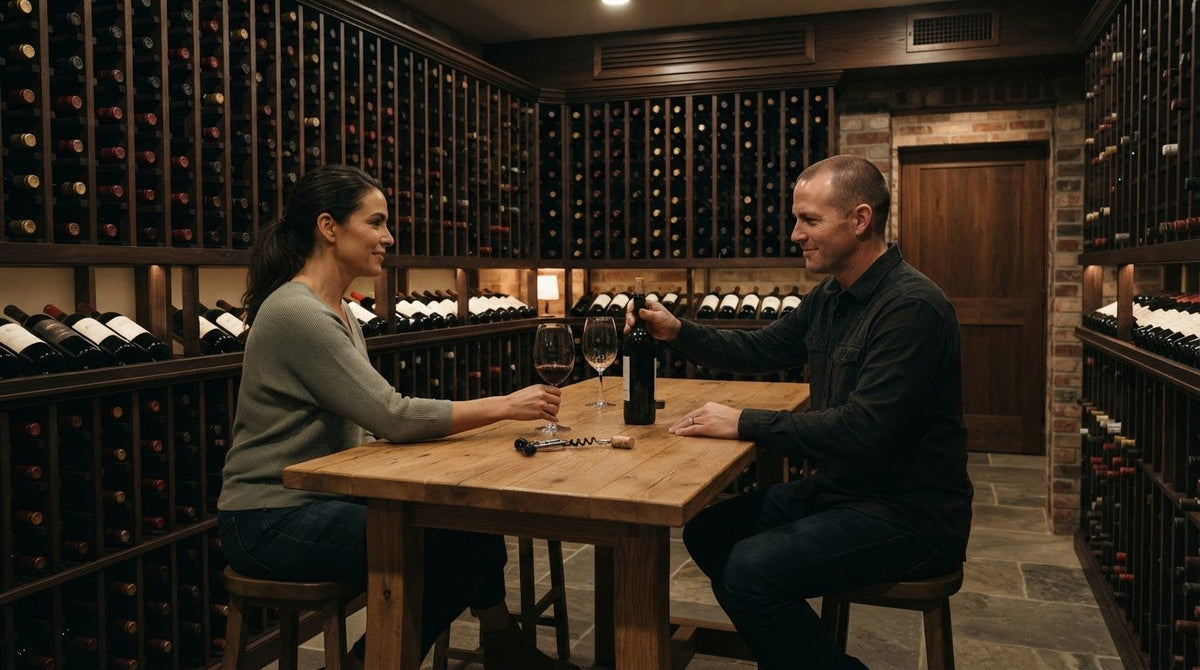

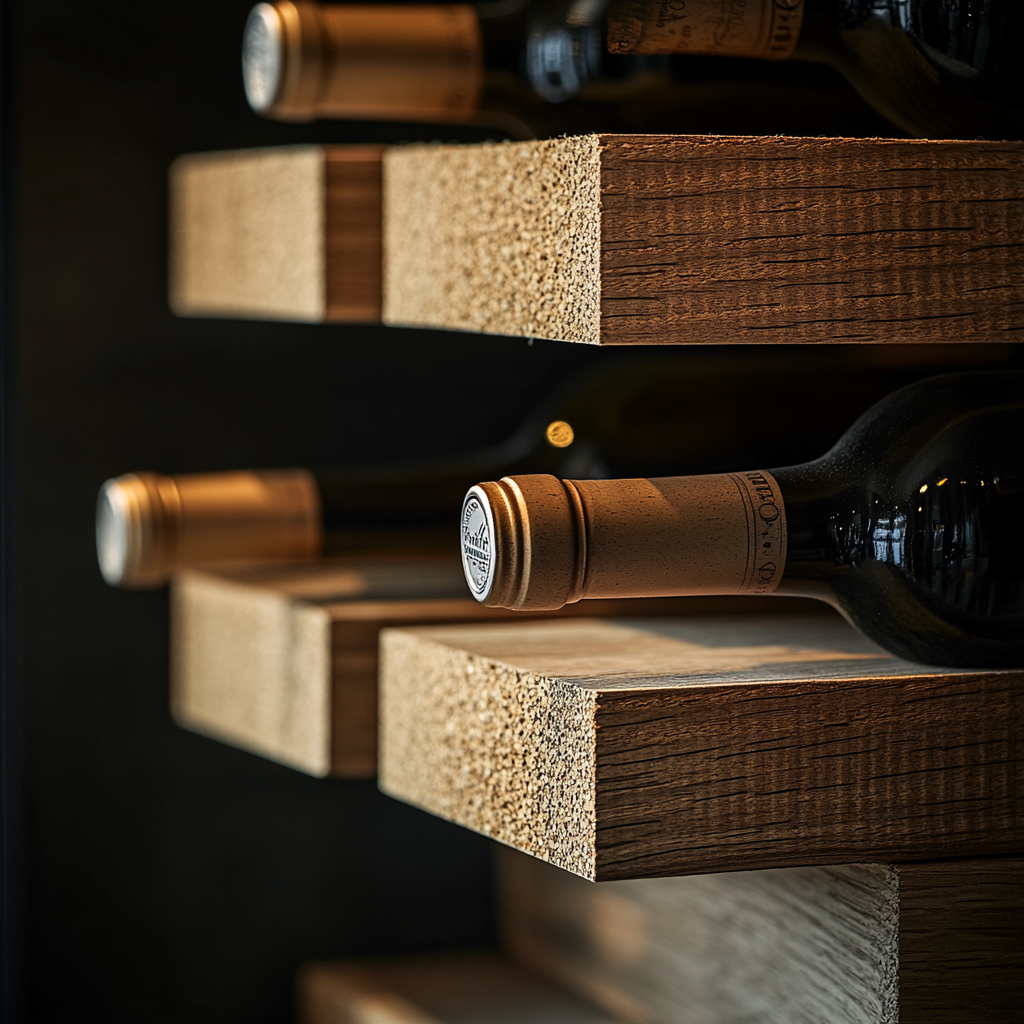
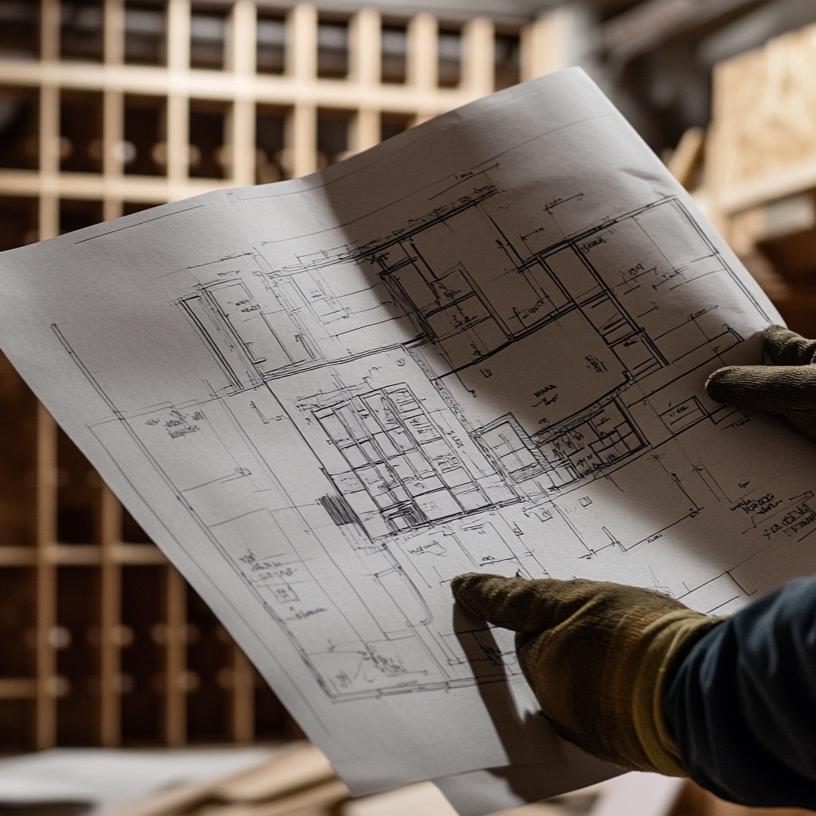



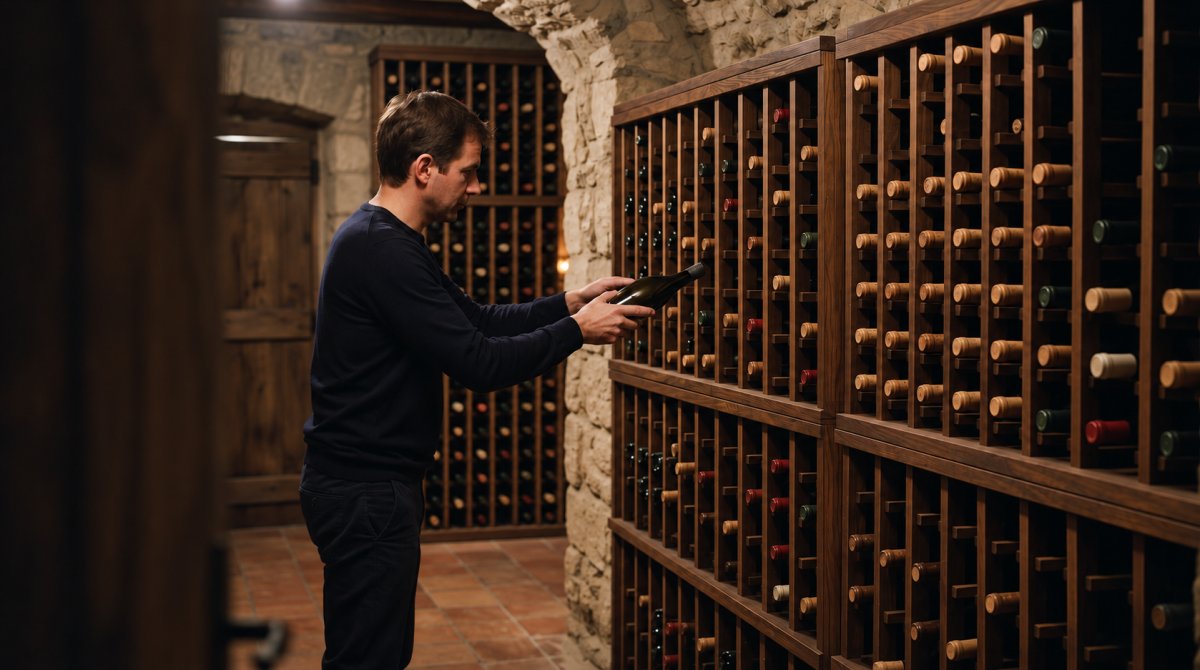
The horizontal label-forward versus cork-forward storage capacity comparison comes down to a practical trade-off: cork-forward racks generally fit more bottles in the same area, while label-forward racks make each bottle easier to identify. If capacity is the priority, horizontal cork-forward storage usually has the advantage. If quick identification and a polished display matter more, showing labels may justify using more space per visible bottle.
That difference matters when planning a cellar or expanding an existing collection. You may want to spot a particular bottle at a glance, or make the most of limited space without giving up a display feature. Both goals can shape the layout, and the choice does not have to be all or nothing.
This comparison explains how the two styles arrange bottles, what affects usable capacity, and how bottle shape can change the fit. You will also find a practical way to decide whether cork-forward storage, label-forward display, or a combination best suits your collection.
Key Takeaways
- Choose bottle orientation based on whether easy label recognition or denser storage matters more to your cellar.
- Account for rack depth: horizontal label-forward systems can extend from about 6 inches when single-deep to about 13 1/2 inches when three-deep.
- Allow for bottle shape and size, since some bottles may need wider spacing or a separate display area.
- Use a hybrid layout to reserve high-capacity storage for the main collection and label-forward racks for a feature display.
- Compare rack dimensions and bottle capacity together to see how each style will fit your available space.
What Makes a Label-Forward Display Different?
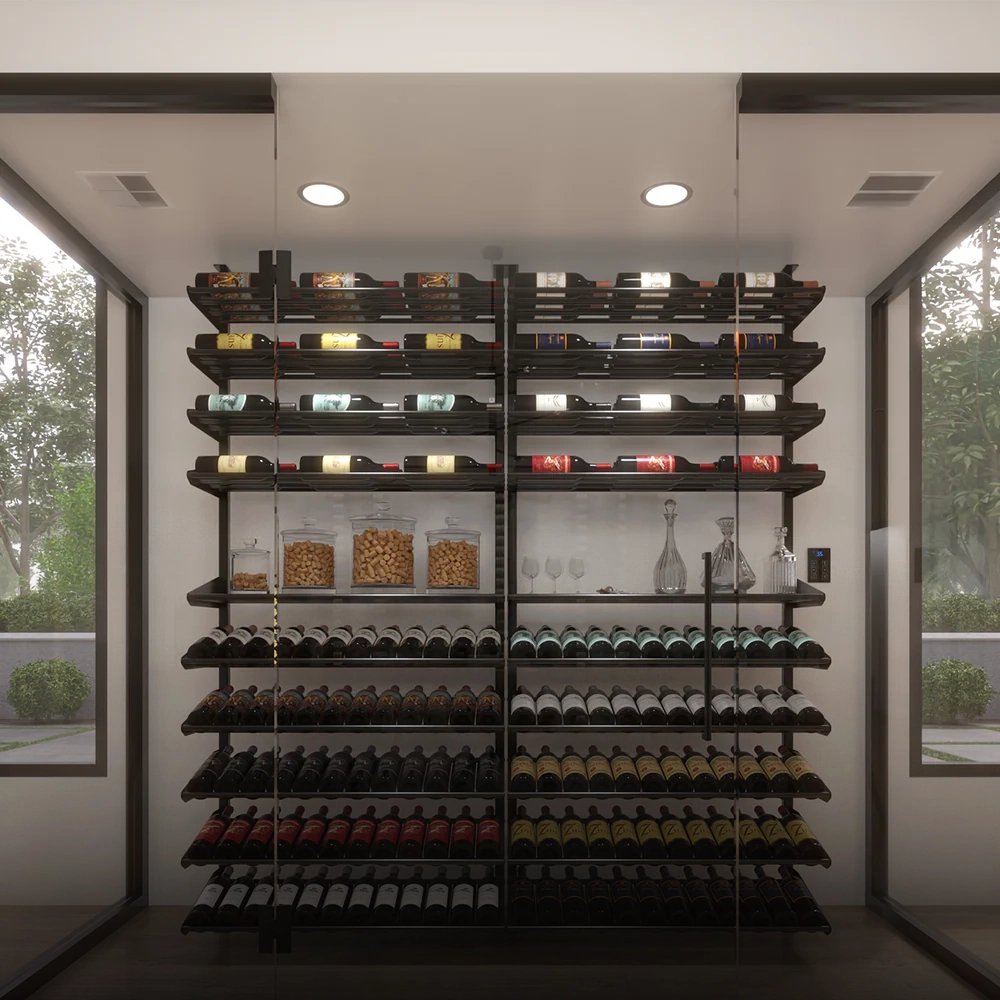
Label-forward racks show bottle labels to the viewer, making wines easier to identify and select. Cork-forward racks generally store bottles more densely, but finding a particular bottle may mean moving others first.
Bottle Orientation and Label Display
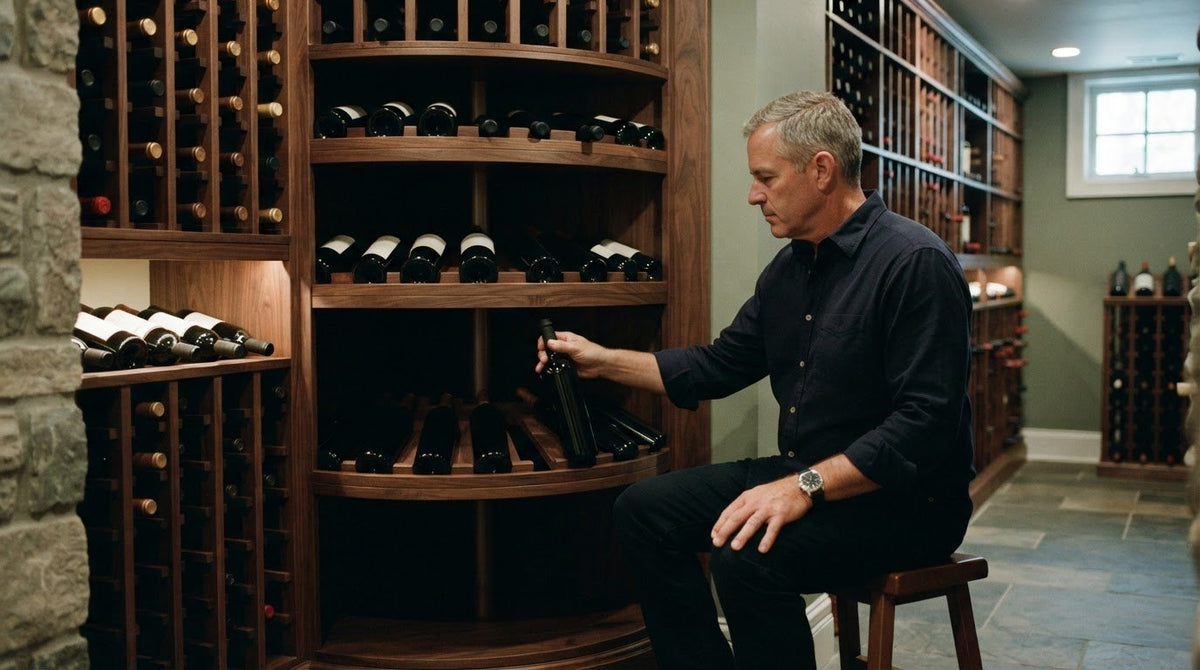
In a label-forward wine rack, each bottle faces outward so its label is visible while browsing. Cork-forward racks show the cork or neck instead, prioritizing compact storage over immediate label visibility. The difference affects everyday use: visible labels can help you find a chosen wine directly, while traditional layouts may require searching a row or diamond-shaped storage bin.
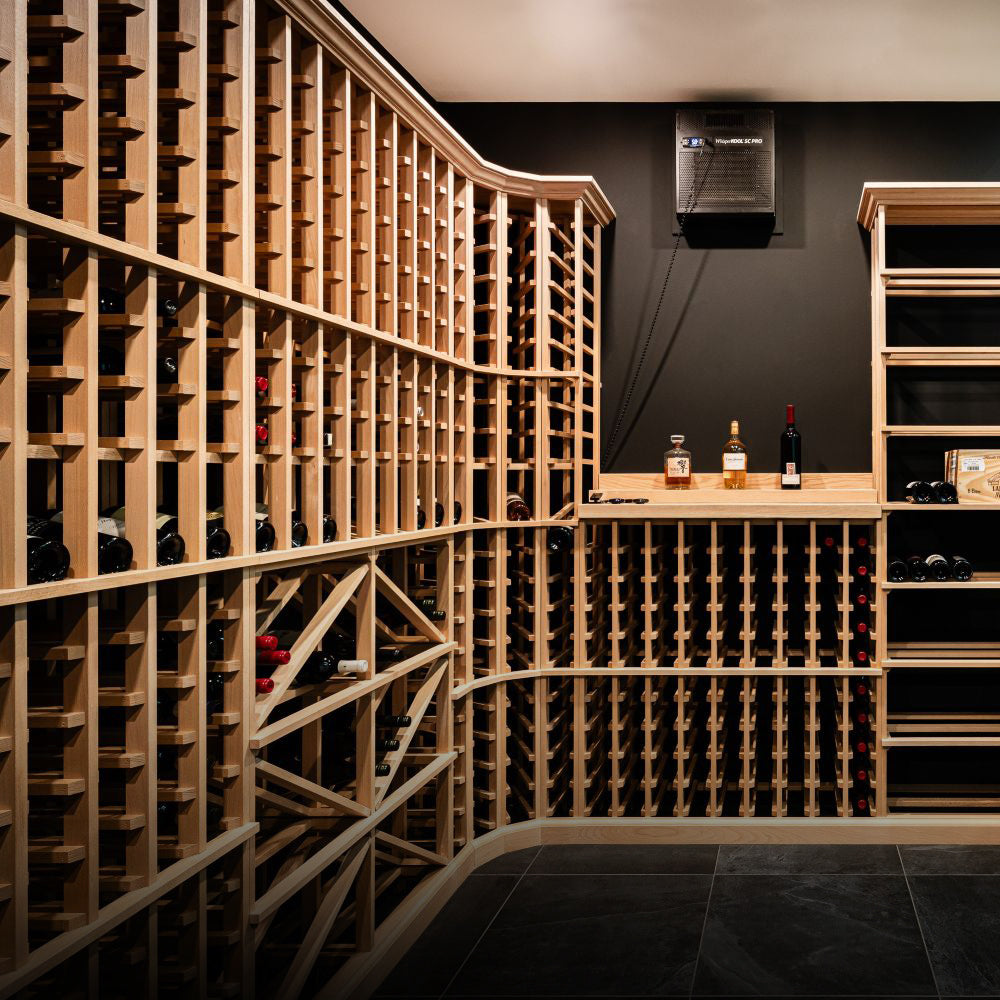
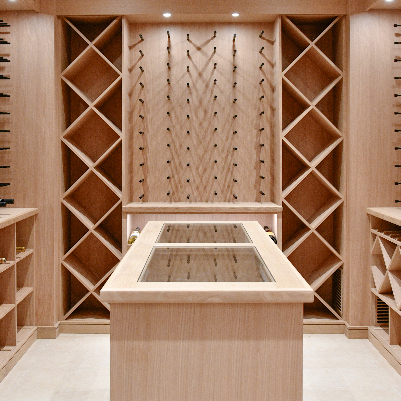
Traditional wine-rack layouts often place bottles horizontally with corks facing outward. Rectangular cubicles and diamond-shaped bins can group bottles closely, supporting higher storage density for a large collection. In a diamond-shaped bin, bottles may be stacked together, so reaching one can involve shifting others. A label-forward arrangement makes bottle identity part of the display, rather than relying on a separate system to identify each bottle.
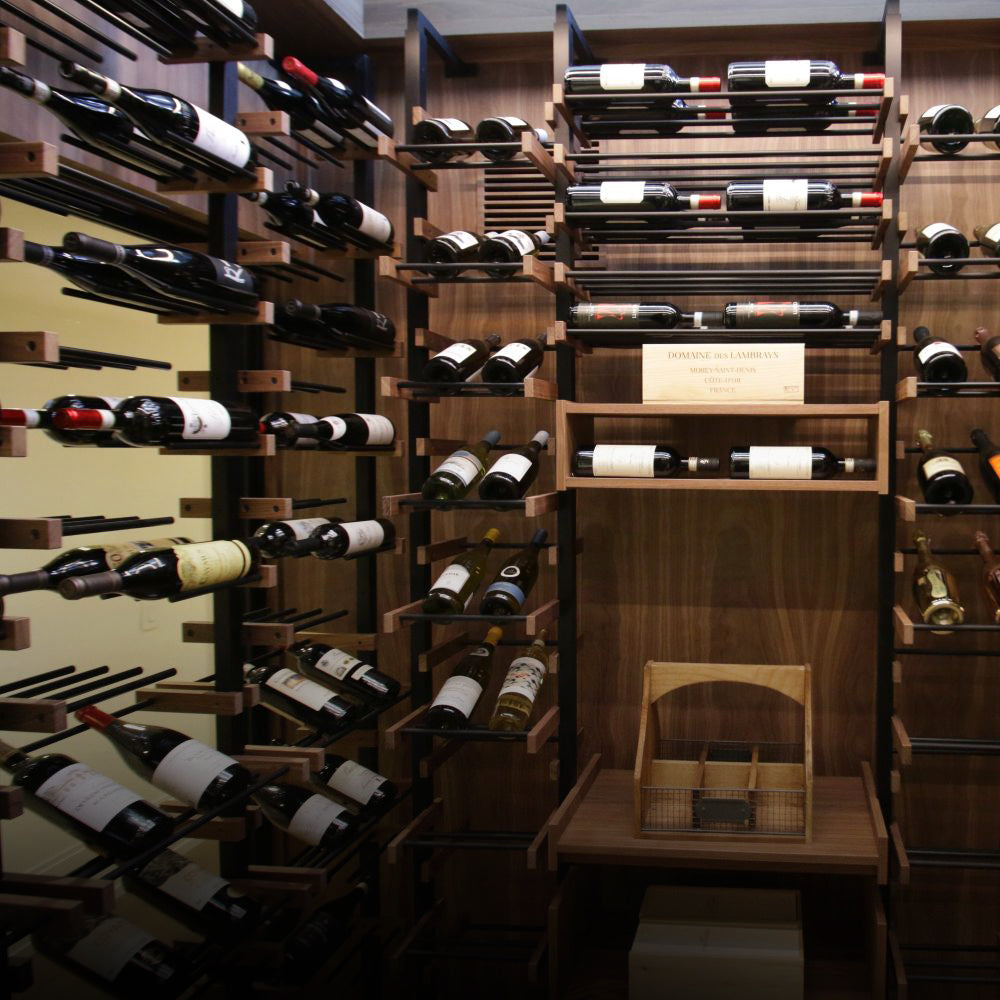
Visibility uses space. A single-deep horizontal label-forward rack extends about 6 inches from the wall; a three-deep version extends about 13 1/2 inches. Rails and pegs are available two or three bottles deep, allowing more bottles along a display wall, though the added depth affects how far the rack projects into the room. A wood cork-forward cubicle is about 3 3/4 inches wide, illustrating how its compact cell-based layout differs from a label-facing display.
Rack Spacing for Bottle Formats
Standard bottles may fit a repeated rack pattern, but sparkling wine, Champagne, Burgundy, Pinot Noir, and magnums (larger-format bottles) can require wider spacing, deeper support, or a separate display area. Their shapes and larger formats affect how closely bottles can sit together. Planning for these formats alongside the main rack avoids treating every bottle as if it takes up the same space.
| Rack option | Label visibility | Space and density | Best suited to |
|---|---|---|---|
| Label-forward, single-deep | Labels face outward | About 6 inches from wall | Visible bottle display |
| Label-forward, three-deep | Front labels remain visible | About 13 1/2 inches from wall | Display with added depth |
| Cork-forward cubicle | Corks face outward | About 3 3/4 inches wide per cubicle | Compact, higher-density storage |
Choose label-forward racks for visibility and direct bottle selection. Choose cork-forward layouts when compact storage matters most, allowing suitable space for larger formats.
Comparing cork-forward and label-forward racks
The practical difference is what each wine rack prioritizes: cork-forward layouts favor storage density, while label-forward designs make bottle identification part of the display. In a cellar built mainly for collecting, traditional racking can use wall space efficiently. In a room where guests browse bottles, visible labels can make selection more direct. A horizontal label forward vs cork forward storage capacity comparison starts with these different priorities.
Capacity depends on rack configuration, available wall area, and bottle shapes. Wine racks range from compact arrangements holding 1 to 49 bottles to options designed for more than 200 bottles. Those ranges show why rack style alone cannot determine capacity. A long traditional wall may hold more bottles than a label-forward display using the same area. A deeper label-forward layout, however, can add positions while keeping labels visible.
Traditional cork-forward racks suit collections where storing more bottles matters more than seeing every label. Bottles sit close together, and rectangular cubicles or diamond bins can make efficient use of a wall. The trade-off appears during selection: reaching a bottle behind others can take more effort. In a tightly packed diamond bin, finding a particular vintage may mean shifting other bottles.
Label-forward racking gives each bottle a visible identity. That can help when browsing by producer, vintage, or label design, and when guests are choosing a bottle. The visual benefit, however, uses more display space per visible bottle in many layouts. Consider whether the feature wall should hold frequently opened wines, special bottles, or a smaller curated selection, rather than giving every bottle the same display treatment.
Match the rack to how you use the collection, not just its current size. A growing collection may need room for additions, while frequently accessed bottles benefit from clear identification. For a horizontal label forward vs cork forward storage capacity decision, consider using traditional racks for the main inventory and label-forward sections for bottles you want to display. A combined layout can balance both priorities, with high-density storage for the main collection and visible racking in a feature area.
- Prioritize density: choose cork-forward storage for a larger core collection.
- Prioritize browsing: choose label-forward storage for bottles selected often or displayed for guests.
- Balance both: combine traditional and visible racking in separate cellar zones.
To explore layouts for different collection needs, browse wine rack options and consider which bottles deserve the most visible position.
Choosing a racking style for your collection
Start with how you use the collection, then decide which bottles deserve visibility. A vintage you open often can sit where its label is easy to read, while bottles kept for long-term aging can occupy denser storage. This separates wines you browse regularly from bottles that may remain undisturbed. In a custom wine cellar, that distinction can guide the layout before rack positions are finalized.
Storage time also informs orientation. A corked bottle stored on its side helps keep the cork from drying out. If a natural-cork bottle stands upright, that position is suitable for a few weeks or months, rather than a long aging period. For bottles intended to age 20+ years and rarely be opened, racks that hold bottles with their necks facing outward may suit a collector focused on capacity over frequent access.
Plan for growth, not only today’s bottle count. Modular wine racks can expand vertically or horizontally as a collection grows, so an initial layout can leave room for future sections. For example, a 500-bottle collection in a limited footprint may call for efficient horizontal storage as its foundation. Display areas can then feature selected vintages without requiring every bottle to face outward.
A hybrid arrangement gives different rack positions distinct roles. Use horizontal racks for high-capacity main storage, then place label-forward racks on a feature wall or in a browsing area. This keeps the collection visually engaging without making presentation the only organizing principle. A special vintage, a bottle planned for an upcoming dinner, or a label guests may recognize can occupy a visible position.
- Identify the priority: choose visibility for bottles you select often, or density for larger aging groups.
- Separate storage needs: group long-term bottles apart from wines planned for near-term opening.
- Allow for growth: position modular sections so later expansion won’t displace the main display.
- Combine styles: assign horizontal racks to core storage and label-forward racks to selected bottles.
This approach gives each rack position a purpose. A collector who rarely opens bottles and values long aging may prefer a capacity-led plan, including racks that hold bottles with their necks facing outward. Someone who regularly browses by vintage may benefit from a dedicated label-forward section. In either case, the layout should reflect bottle access, aging plans, collection growth, and the visual role of each wall.
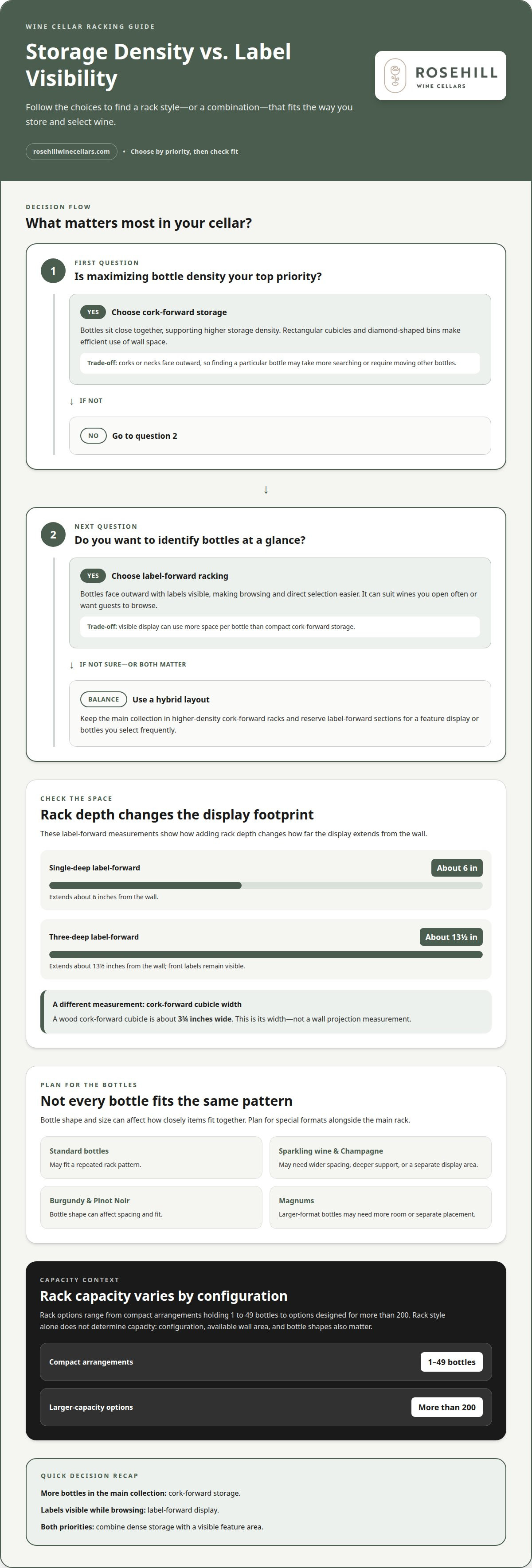
Cork-forward storage capacity
Cork-forward racks make capacity a central design consideration. Their compact arrangement lets a cellar store bottles closely, while label-forward sections reserve more space for presentation. To compare layouts, count usable bottle positions, then consider whether each remains accessible when the rack is full. A tightly packed arrangement may hold more, but selecting a bottle can take longer if others block it.
Traditional wine racks use several layouts to organize bottles densely. Rectangular bulk compartments hold multiple bottles stacked together, making them useful for groups intended to remain stored for longer periods. Diamond bins provide another bulk-storage option, grouping bottles in angled compartments. Both can use wall area efficiently, but retrieving an individual bottle is less direct than with a rack that has separate, clearly visible positions.
Estimate capacity from the actual arrangement instead of treating every opening as a single-bottle slot. A bulk compartment can hold several bottles, while a single-bottle position holds one. Bottle shape and format affect how efficiently a section fills; sparkling bottles or magnums may need wider spacing or a separate area. For example, assigning one compartment to mixed formats may leave unused gaps around larger bottles.
Access also affects how much of the capacity you can use comfortably. If a frequently opened vintage sits behind other bottles, the rack may use space efficiently but make daily selection cumbersome. Group bottles by intended use, then place frequently chosen wines where you can reach them without moving a stack. A separate display section for a few special labels can preserve dense storage throughout the rest of the cellar.
Capacity planning should account for preservation as well as bottle count. Long-term storage should be kept near 50-60°F and 50-70% humidity, meaning the amount of moisture in the air. Keep bottles intended for aging away from direct sunlight, heat, and vibration. A cooling system and rack layout work together: the room’s storage conditions matter alongside the number of bottles a wall or cabinet can hold.
- Choose bulk compartments for groups of bottles stored together.
- Use diamond bins when their grouped layout suits the collection.
- Reserve visible positions for wines selected often or intended as a focal point.
- Plan separate spaces for larger formats that need different spacing.
A capacity-led cellar does not need to look purely utilitarian. Cork-forward racks can form the main storage area, while a small label-forward feature creates a focal point for guests. A cabinet can provide a separate storage option alongside room-based racking. This keeps high-density storage and visual presentation distinct, so each section serves a clear purpose.
What are the dimensions and layout of cork-forward wine racks?
Cork-forward racks use repeated bottle spaces, arranged in rows, columns, rectangular compartments, or diamond bins. A wood cubicle is about 3 3/4 inches wide, giving a useful reference for planning a repeated grid. That width describes the cubicle, not the full rack: overall dimensions depend on how many spaces are arranged together and the rack’s configuration.
Start with the wall or floor area the rack will occupy. Map out the rows and columns that fit without blocking doors, walkways, or access to nearby storage. A vertical grid creates a clear pattern and makes columns easier to identify. A diamond-bin layout groups bottles in angled compartments, while rectangular bulk compartments hold multiple bottles together. Each layout uses space differently and affects how easily you can reach a particular bottle.
Bottle format affects the space required within each arrangement. A standard 750 ml bottle provides a planning reference, but sparkling wine, Champagne, Burgundy, Pinot Noir, and larger-format bottles called magnums can need wider spacing, deeper support, or separate display areas. Mixing those shapes in a uniform grid can leave awkward gaps or make bottles difficult to remove. Group similar formats together, then reserve flexible spaces for larger bottles.
For a practical layout, use these steps:
- Measure the available area: note the wall width, usable height, and depth available for racks.
- Choose the pattern: select rows and columns, rectangular compartments, or diamond bins.
- Group bottle formats: keep standard bottles together and allocate separate positions for larger shapes.
- Plan access: place frequently selected wines where removing one bottle won’t disturb a stack.
Columns also provide a simple identification system. Use one card per column to record its wines, such as a grape variety, vintage, or producer. This keeps cork-forward storage organized even when labels face inward. A column card, for example, can identify a group of bottles without requiring every label to remain visible. Update the card when bottles are removed or the column’s contents change.
Finally, consider how the rack relates to the cellar’s other features. A high-density wall can serve as the main storage area, while a separate section accommodates special formats or bottles selected for display. The rack’s total capacity comes from its usable positions and compartments, not its exterior dimensions alone. Explore custom wine cellar design to plan a layout around your available space, bottle formats, and preferred access.
Rosehill Wine Cellars: Premium Corkscrews
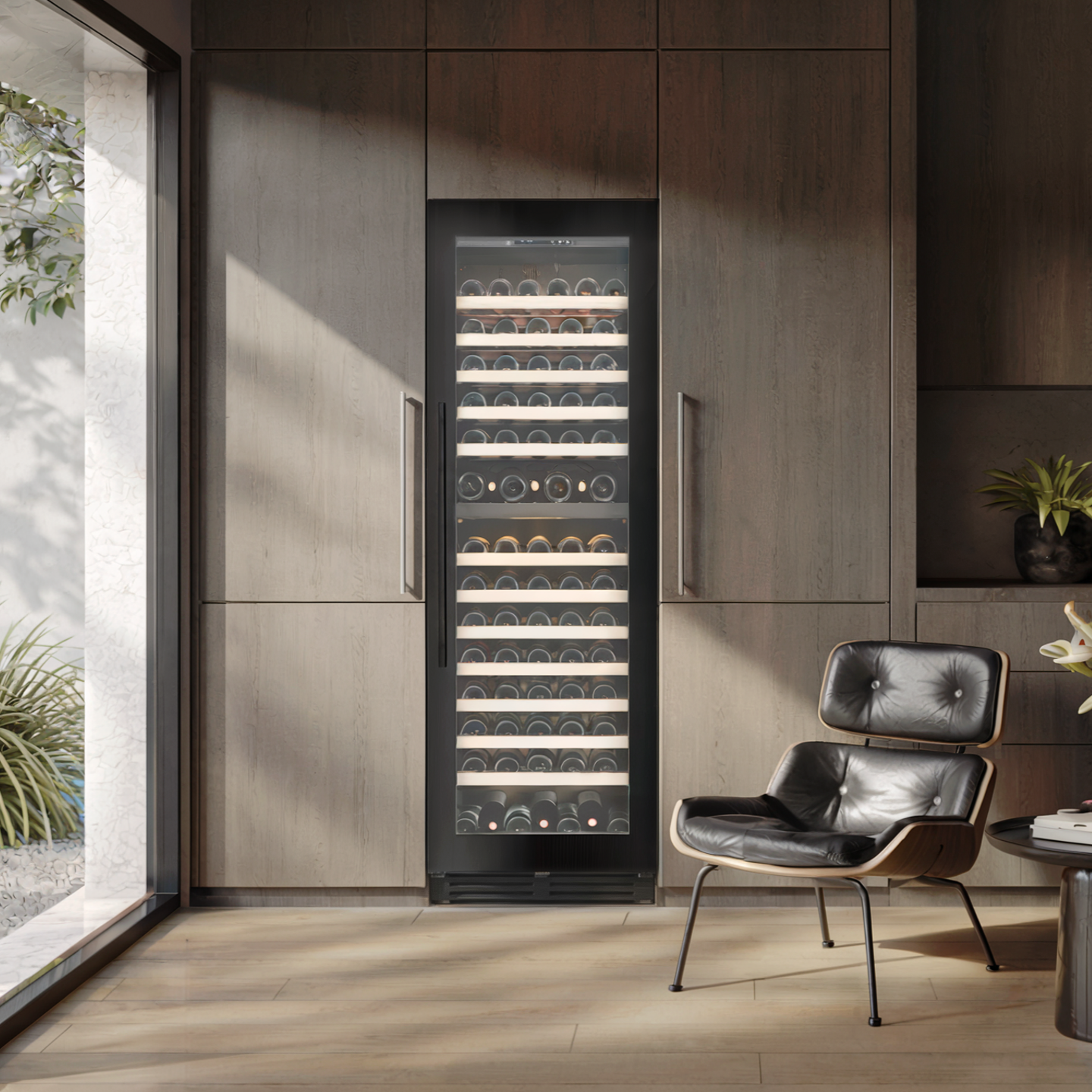
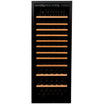
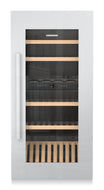
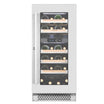
Rosehill Wine Cellars offers racking and storage options for collections balancing capacity with presentation. If your layout calls for traditional bottle storage, Premier Cru Classic Racking is one option to consider; Premier Cru Modern Racking offers another style. A Vantaggio V300 Wine Cabinet can also suit a collection that needs a cabinet alongside cellar racking.
Once bottles are easy to access, a Premium Corkscrew is a useful companion for opening a selected vintage. These products support different parts of the experience: racking organizes the collection, a cabinet provides another storage format, and a corkscrew helps at serving time. Rosehill Wine Cellars offers custom cellar design, racking, cabinets, and wine accessories to support your storage plans.
Shape a Cellar Around the Way You Collect
Your choice between horizontal label-forward and cork-forward storage capacity can guide more than rack placement. It can shape how the cellar feels to use, how new bottles fit into the collection, and which wines become part of the room’s visual character. Before finalizing a layout, consider how you expect the collection to change and whether the space should serve primarily as storage, display, or both.
A thoughtful plan can bring those priorities together, rather than forcing every bottle into the same arrangement. Rosehill Wine Cellars offers Premier Cru Classic Racking, Premier Cru Modern Racking, and the Vantaggio V300 Wine Cabinet as options to consider while planning your storage approach.
Contact Rosehill Wine Cellars to discuss a cellar layout that reflects your collection and how you enjoy it. A considered plan can make each space feel purposeful as your collection evolves.
Frequently Asked Questions
What About Wine Bottle Orientation?
For longer storage, keep corked bottles on their sides so the cork is less likely to dry out. This principle applies whether a bottle sits in a traditional rack or a display layout. For example, place bottles intended for aging in horizontal positions, then reserve upright positions for bottles you expect to open within a few weeks or months. Bottle orientation supports storage needs, while rack direction determines whether labels or corks face outward.
Why Combine Both Styles?
Combining styles lets separate areas serve different purposes. A collector might use cork-forward positions for the main inventory, then give a few bottles planned for an upcoming dinner a visible display position. This keeps the room useful for storage and presentation without making every bottle equally prominent. A hybrid plan also makes it easier to adapt the display as favorites change or new bottles join the collection.
What does horizontal label forward storage mean for wine bottles?
Horizontal label-forward storage places bottles on their sides with labels facing outward, rather than showing the cork or neck. This makes it possible to identify a bottle without referring to a separate inventory card. For example, a visible label can help distinguish two producers stored side by side. The arrangement works particularly well for a selected display, while bottle support and spacing still need to suit each format.
How many wine bottles fit in horizontal label forward storage?
There is no single bottle count for horizontal label-forward storage. Capacity changes with the rack’s width, height, depth, number of bottle positions, and spacing between supports. A single-deep run and a deeper layout use the wall differently, while larger bottles may take up more room. To estimate a specific arrangement, count its usable bottle positions and account for spaces set aside for unusual formats.
How many wine bottles fit in cork forward storage?
Cork-forward racks come in different capacities, from small arrangements holding 1 to 49 bottles to racks designed for more than 200. The actual count depends on the layout: individual cubicles hold bottles separately, while bulk compartments can group several bottles together. Bottle shape and space reserved for access also affect the usable total, so capacity should be judged from the chosen rack configuration.
How do storage capacities compare for the same wine rack dimensions?
With the same overall rack dimensions, cork-forward layouts generally store more bottles than label-forward layouts. Label-facing supports need more space per visible bottle, while traditional configurations can pack bottles more closely. The exact difference depends on rack depth, support design, and bottle formats. Compare the usable positions in each proposed layout, including spaces needed for wider bottles, rather than relying only on the rack’s exterior measurements.
What are the dimensions and layout of horizontal label forward wine racks?
Horizontal label-forward racks are available in different depths. A single-deep rack measures about 6 inches from the wall, while a three-deep rack measures about 13 1/2 inches. Rails or pegs arranged in rows can create the display, with the number of rows shaping overall capacity. Leave room for larger bottle formats, since sparkling wine and larger-format bottles called magnums may need different spacing from standard bottles.
Does bottle shape affect capacity in horizontal label forward versus cork forward storage?
Yes. Bottle shape can reduce how many bottles fit a repeated rack pattern, whichever direction the label faces. Burgundy, Pinot Noir, Champagne, sparkling wine, and magnum bottles, larger-format bottles, may need wider spacing, deeper support, or separate positions. For example, grouping larger formats in their own section can prevent them from disrupting a row planned around standard bottles. Capacity depends on both orientation and the collection’s mix of shapes.