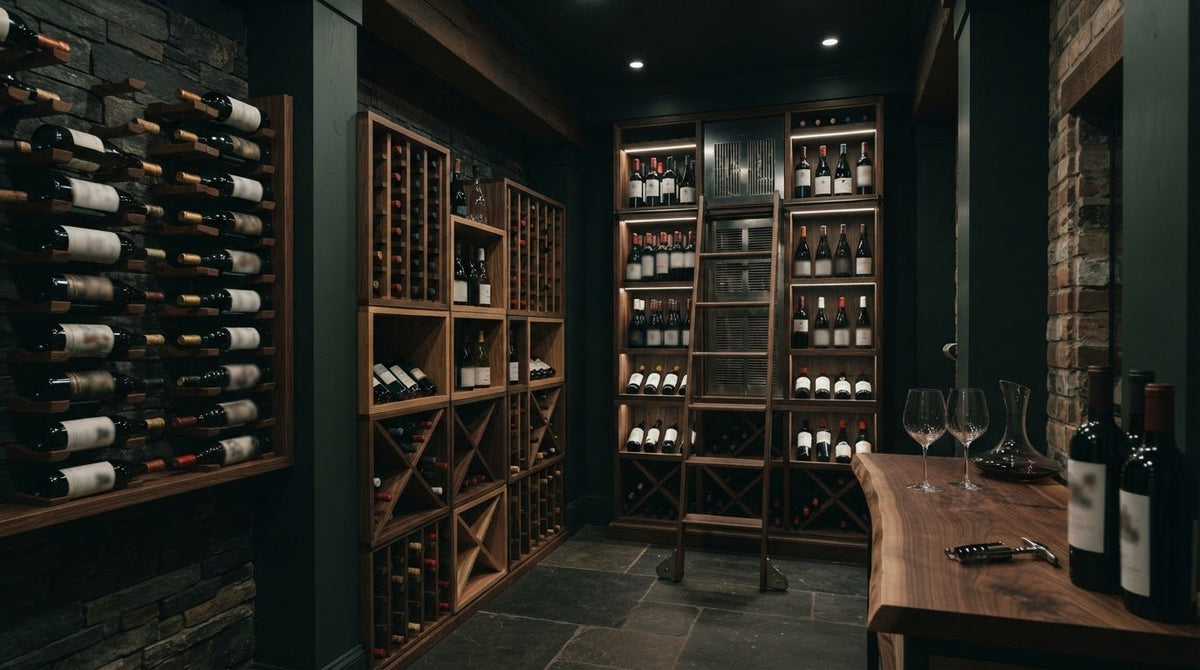
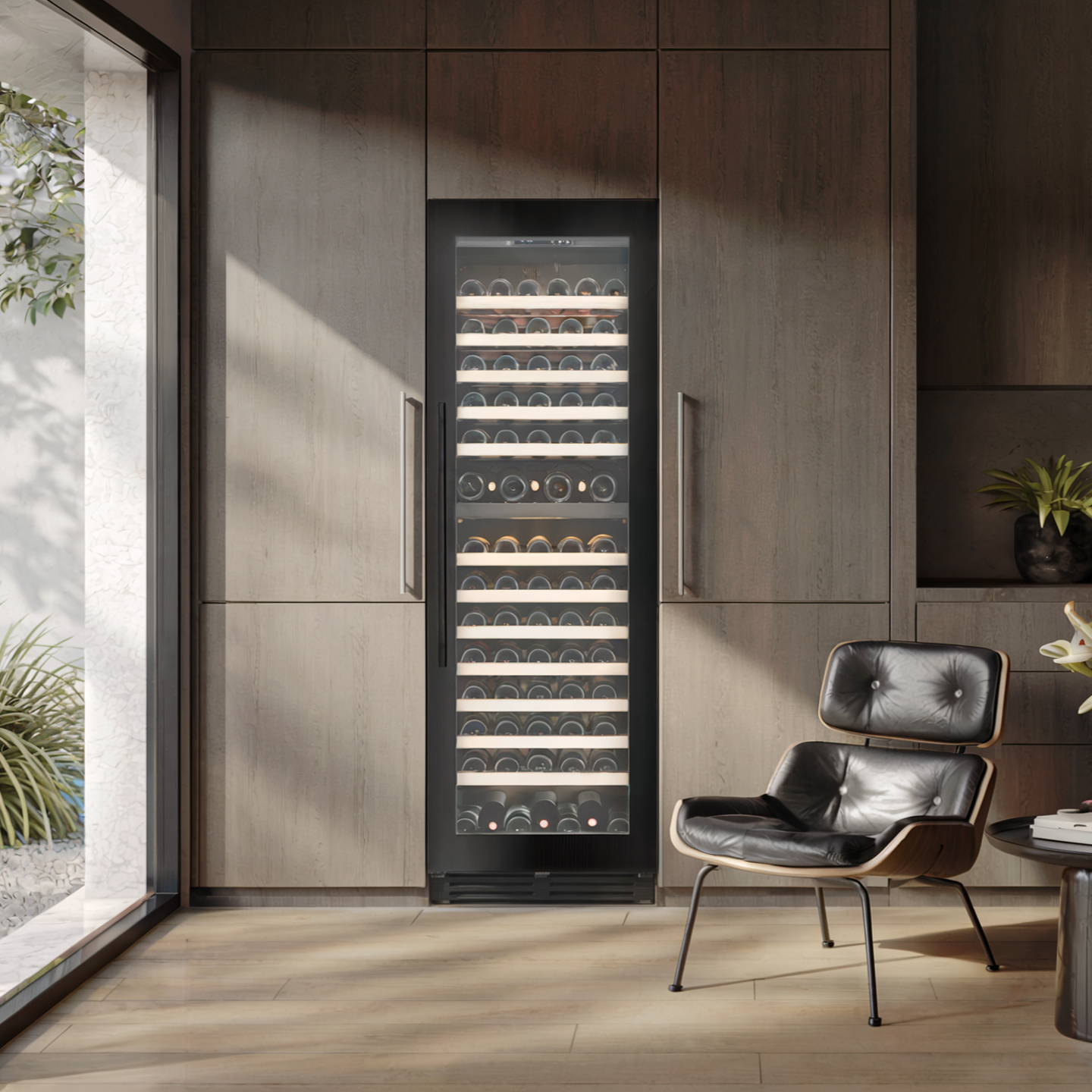
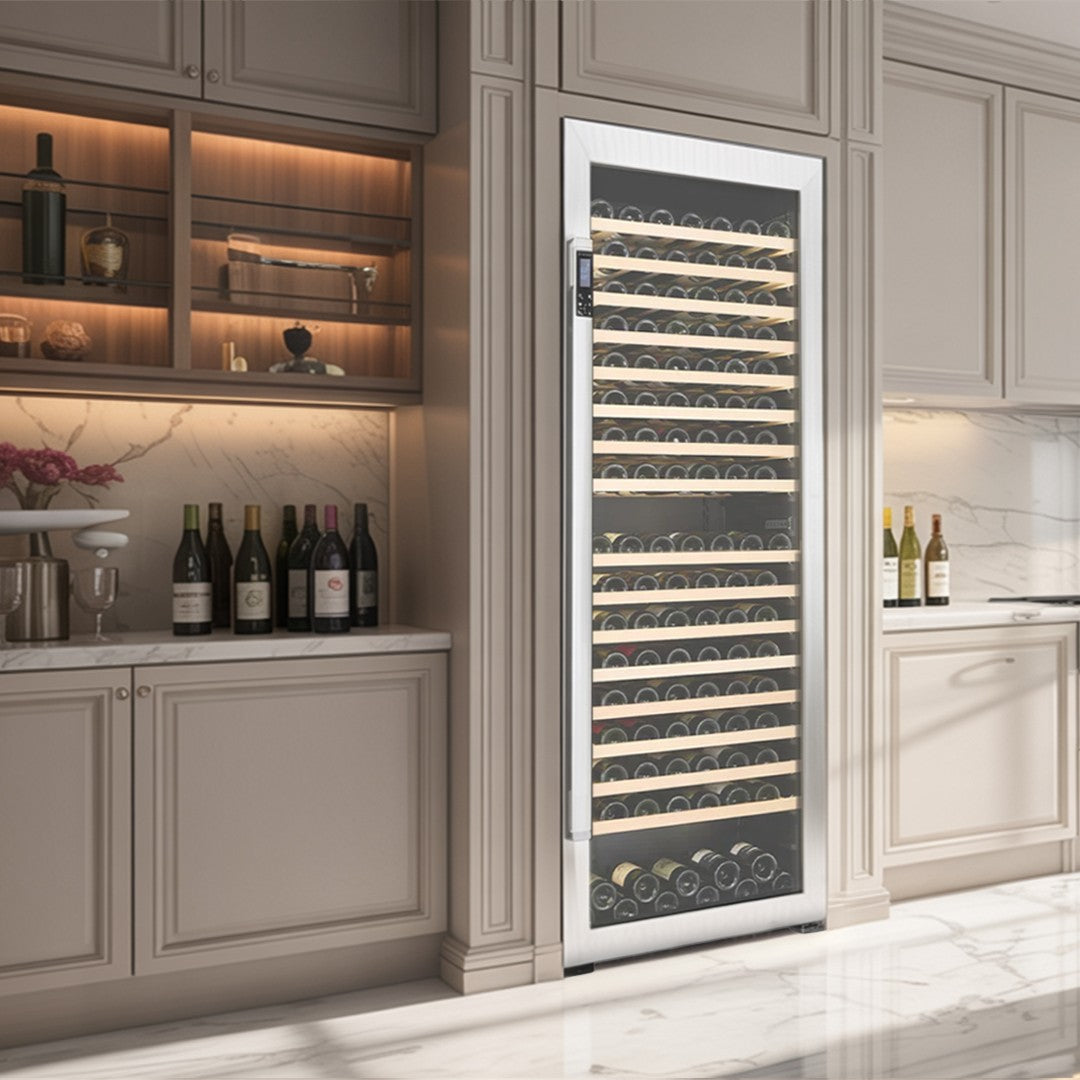
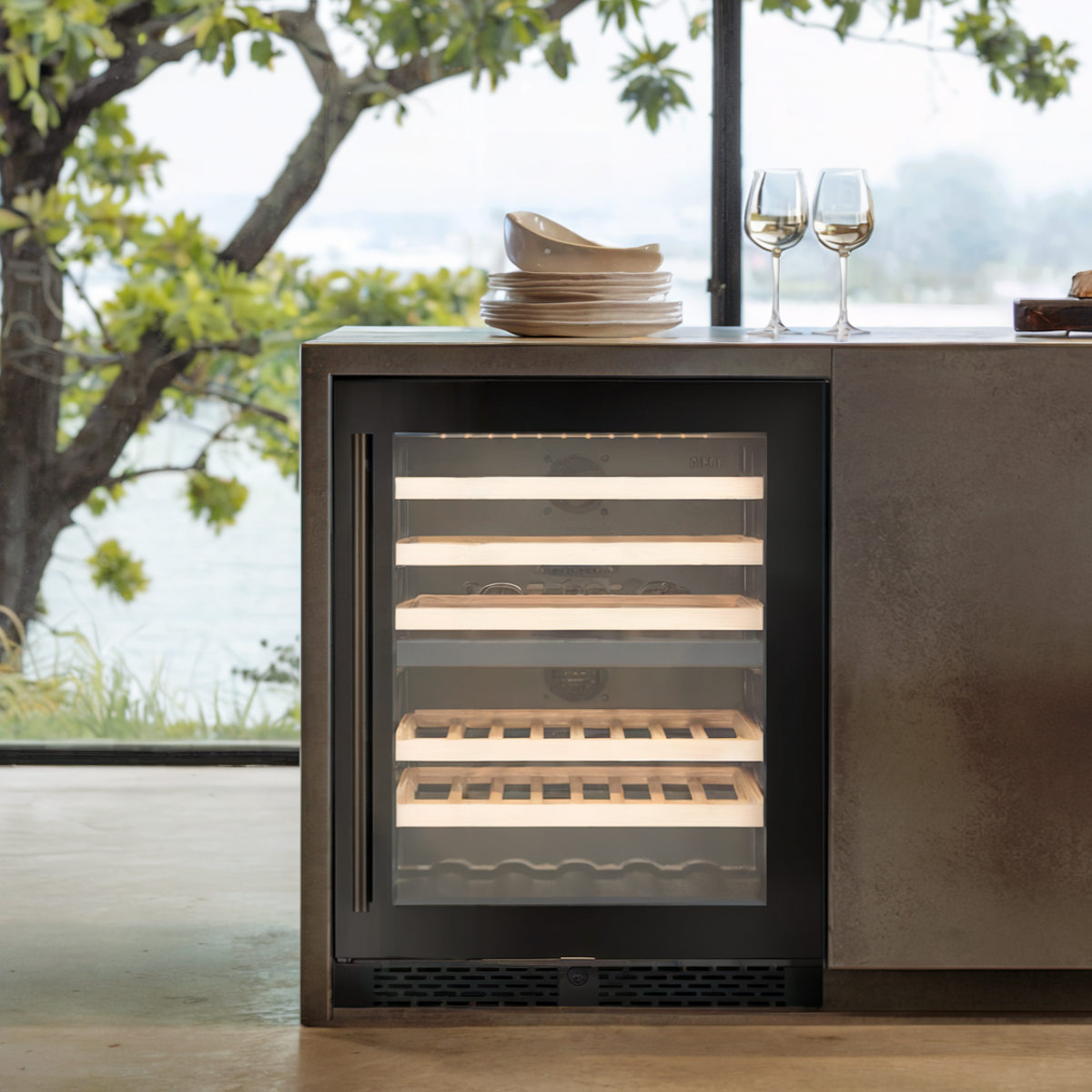
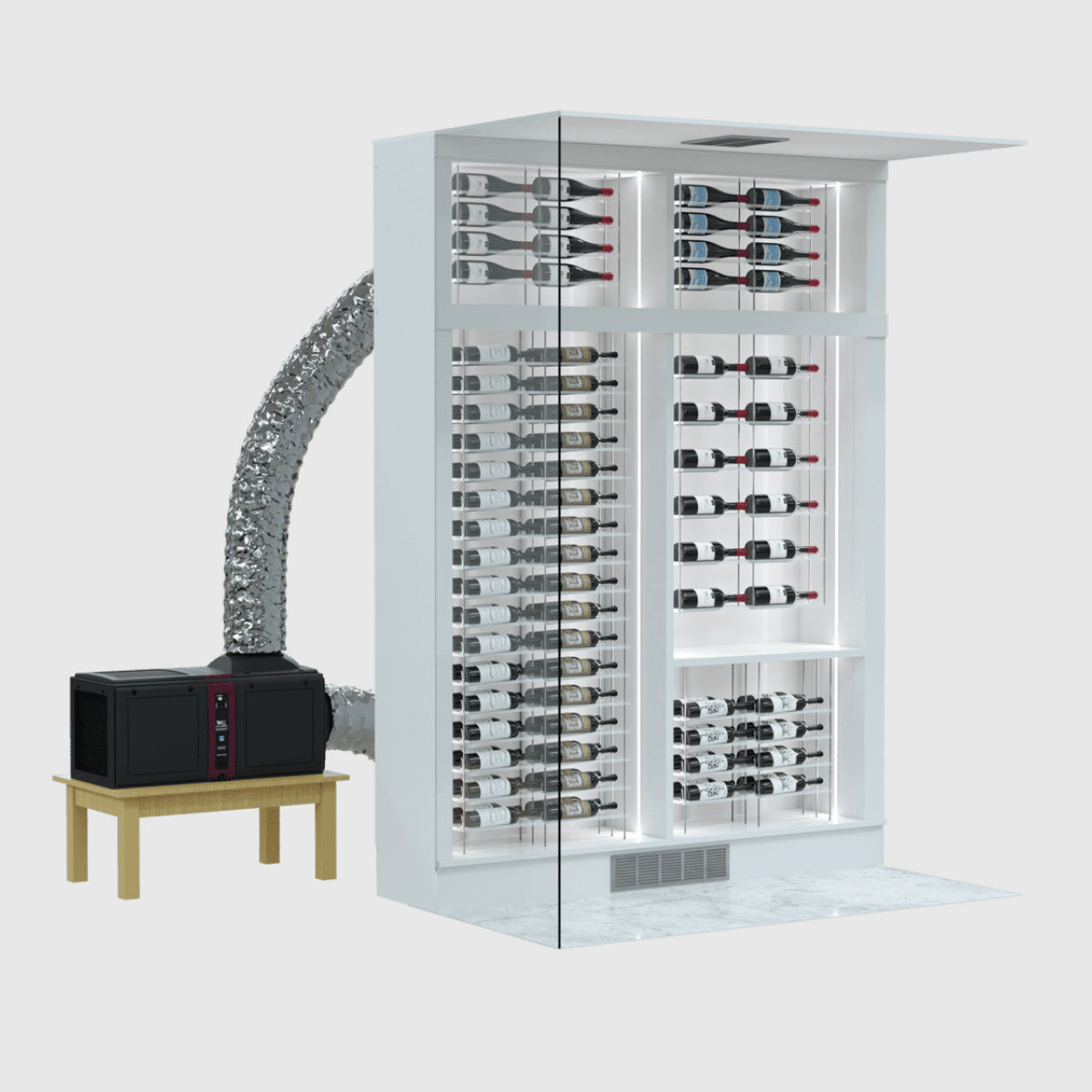

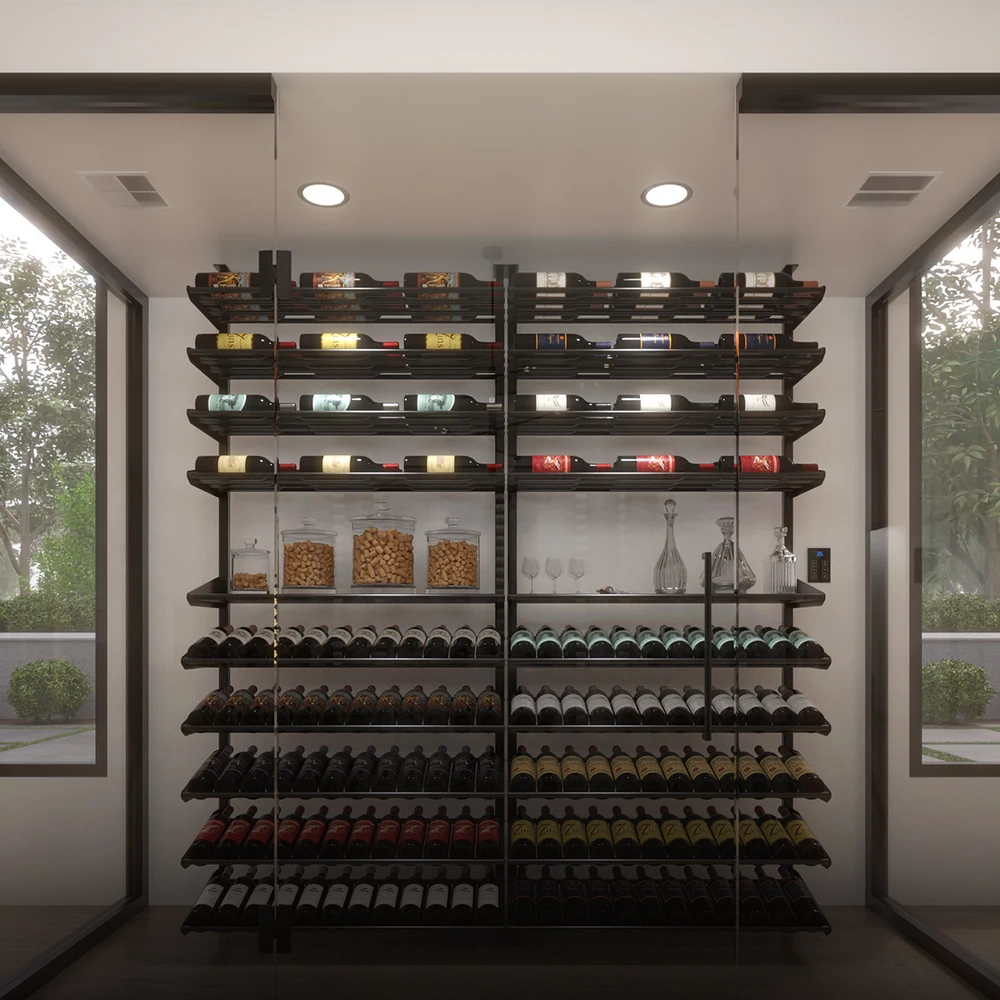
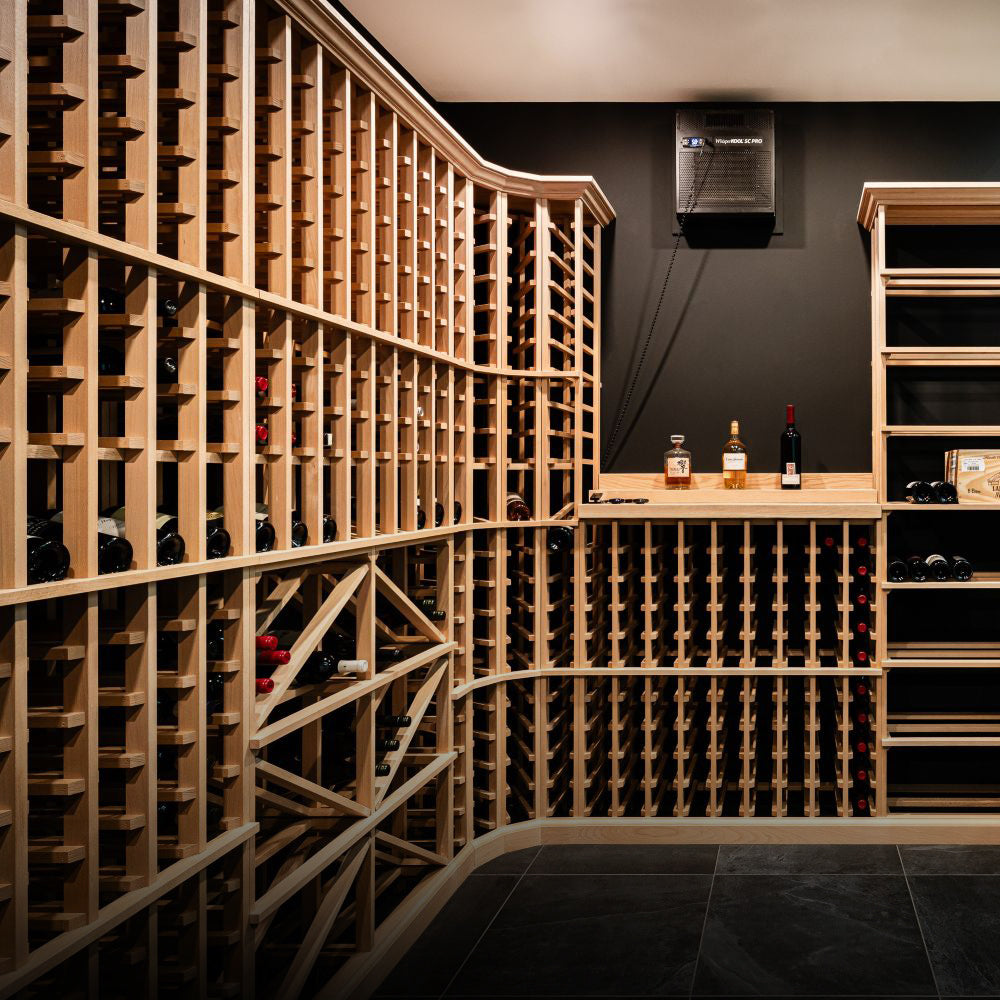
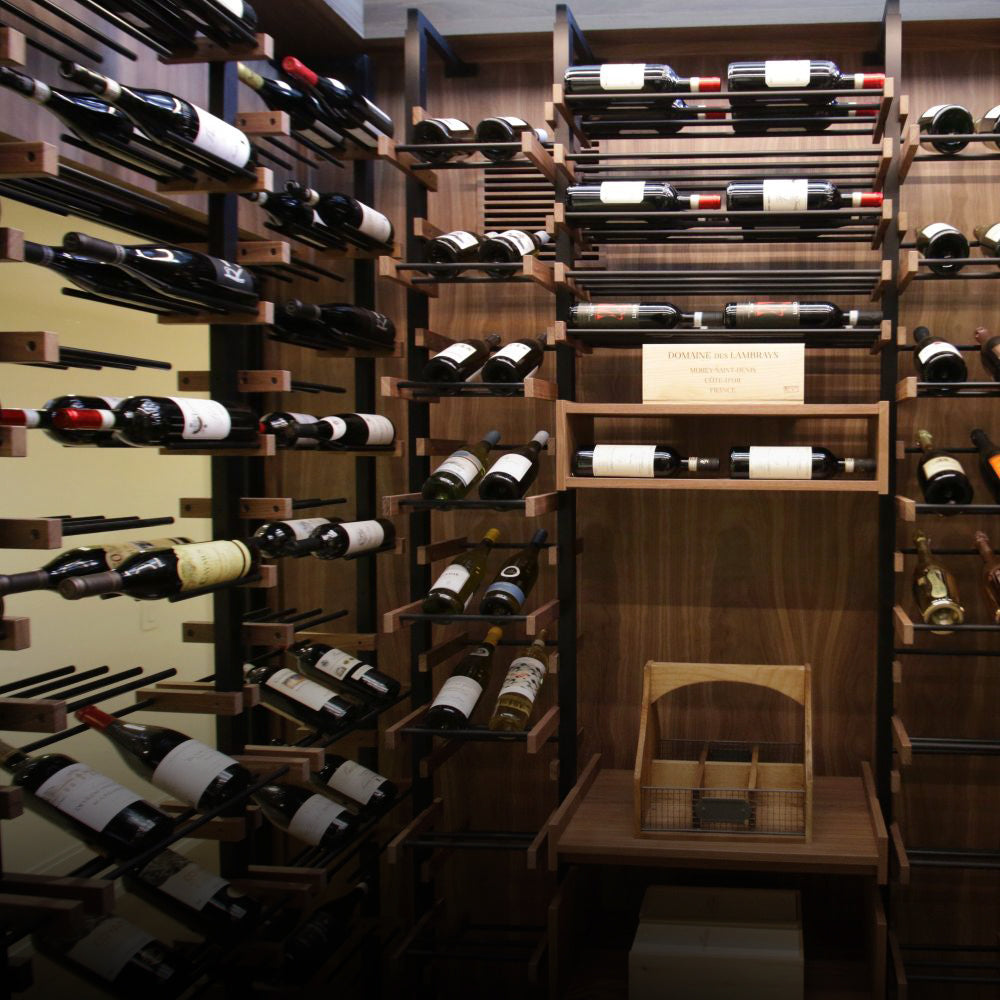





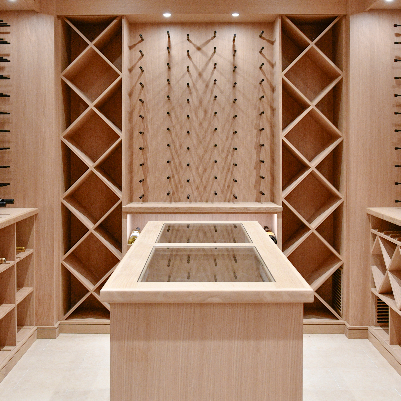
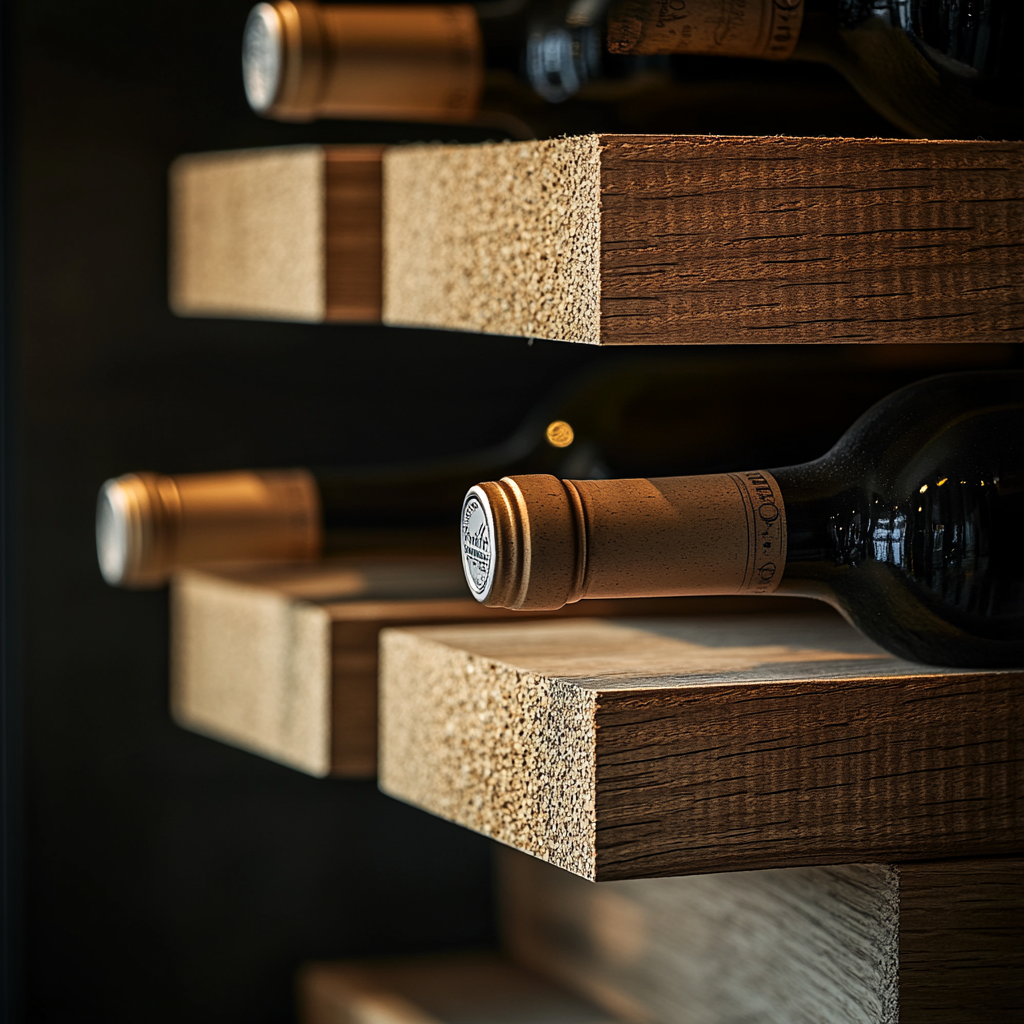

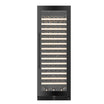
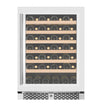
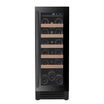
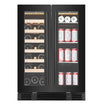
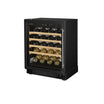
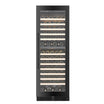
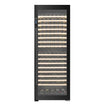
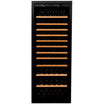
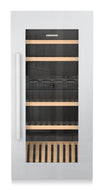
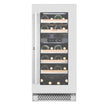





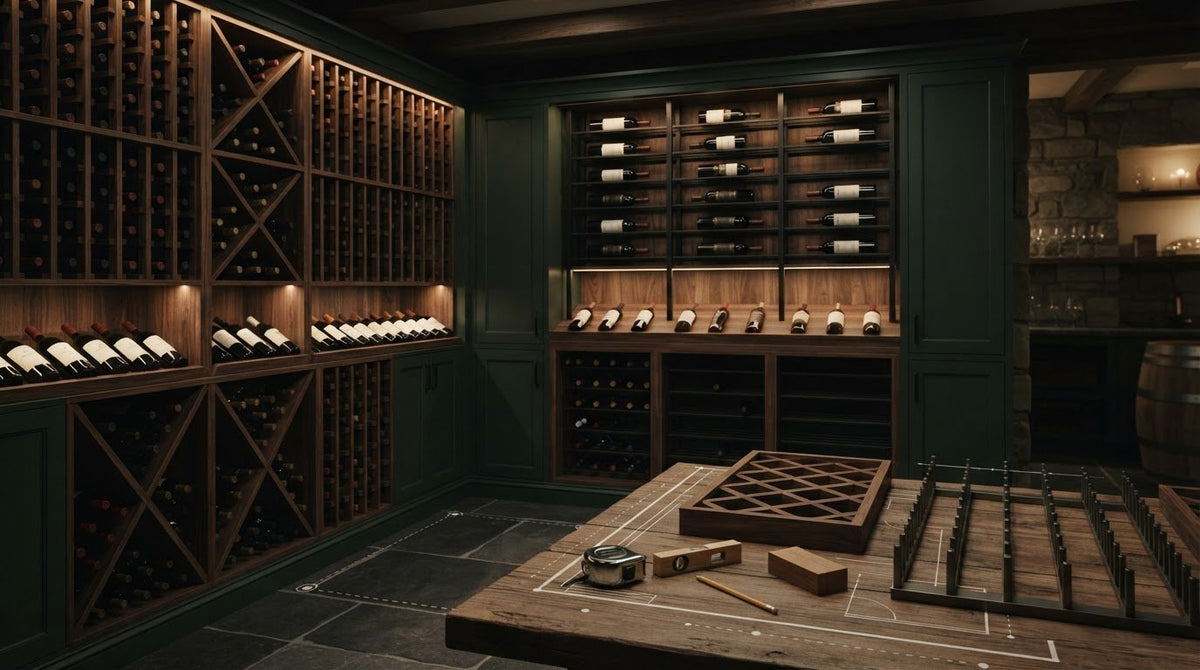
The most attractive wine rack on a product page may not be the right fit for your cellar. Premier Cru Classic Racking offers a traditional look, but choosing a suitable option depends on more than style. Room measurements, layout, bottle access, and installation requirements all matter.
Before choosing a product, check which configurations are currently available and whether their listed dimensions work in your space. This guide explains what to verify, how to compare Classic with Modern racking, and what information to prepare before you order. Rosehill Wine Cellars sells Premier Cru Classic Racking and can help with product questions. For room-specific planning, the company also offers custom wine cellar design.
Key Takeaways
- Make a room plan with wall lengths, corners, obstructions, and access points before comparing rack layouts.
- Check the current Premier Cru Classic Racking listing for dimensions and configuration details, then compare them with your measurements.
- Compare Classic and Modern using their current product information, not assumptions about what their names mean.
- Before ordering, verify assembly, anchoring, clearance, and load guidance in the current product documentation.
- Review Rosehill’s current listing and checkout information for price, availability, shipping, returns, and warranty terms.
What Is Premier Cru Classic Racking, and What Should Buyers Know?
Premier Cru Classic Racking is a wine-racking collection sold by Rosehill Wine Cellars for organizing bottle storage in a wine cellar. That describes its product category and purpose, not the specifications of a particular item. A general Wine rack overview can provide background, but the current Rosehill listing is the place to check product-specific details.
What product details are confirmed for Premier Cru Classic?
Check both the collection page and the individual product listing before planning around a particular item. Details can vary between listings, and a product photo or broad collection description may not show what a specific configuration includes. Confirm dimensions, bottle capacity, materials, finishes, components, and configuration options in the current listing rather than inferring them from the product name or image.
As you review the information, note which details apply to the exact item you’re considering and which questions remain open. If a specification matters to your layout but isn’t stated, ask Rosehill before making a purchase decision. This is especially useful when comparing products or coordinating racking with a cellar plan.
Who may want to consider this racking system?
It may be worth exploring if you’re planning organized bottle storage in a wine cellar, whether you’re fitting out a new space or reviewing storage in an existing one. Suitability depends on the room’s measurements, usable wall and floor space, and how you want to store and access your collection. A product image alone can’t establish whether a layout will fit.
Start by measuring the intended area and noting doors, corners, obstructions, and spaces that need to stay clear. Compare those measurements with the dimensions listed for the specific products in the Premier Cru Classic collection. If dimensions or configuration details aren’t clear, ask before planning around them. Rosehill also offers custom wine cellar design for projects that need room-specific planning.
A useful first review is to identify the listing you’re considering, write down the specifications it confirms, and mark any gaps. Verify dimensions, materials, finishes, included components, and capacity against current product information. This gives you a practical basis for deciding whether to explore that product further.
How to Check Premier Cru Classic Racking Fit and Configuration
Start with the room, not an assumed rack size. Measure the intended area and note its practical limits before comparing configurations. Then check the current product documentation to see whether the listed dimensions and installation requirements match your plan.
Which measurements should you prepare before choosing?
Record measurements in consistent units, and account for the space needed to reach and remove bottles. Use this checklist:
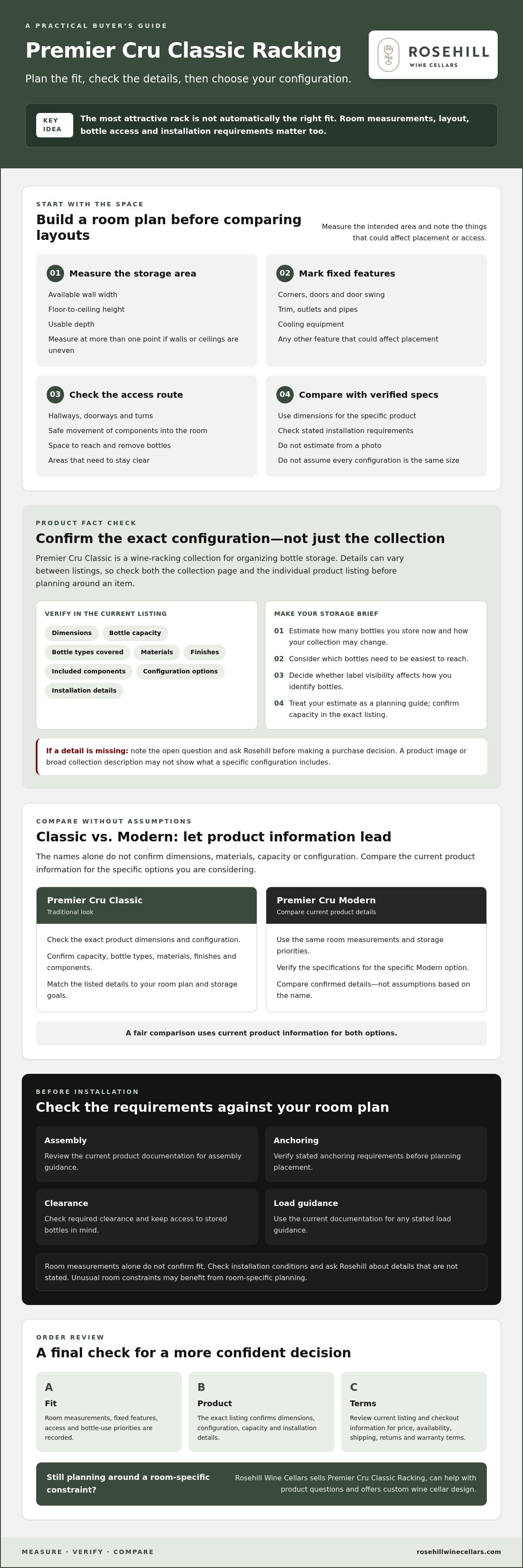
- 1. Measure the storage area. Record available wall width, floor-to-ceiling height, and usable depth. Measure at more than one point if walls or ceilings aren’t even.
- 2. Mark fixed features. Note corners, doors and their swing, trim, outlets, pipes, cooling equipment, and other features that could affect placement.
- 3. Check access. Consider the route components may need to travel through, including hallways, doorways, and turns. Allow for safe movement and access to stored bottles.
- 4. Compare verified specifications. Check the current listing for the specific product’s dimensions and stated installation requirements. Don’t estimate from a photo or assume every configuration has the same measurements.
Room measurements alone don’t confirm fit. Check any required clearance or installation conditions against current product information, and ask Rosehill about details that aren’t stated. If your cellar has unusual constraints, project-specific planning may help resolve them before you choose a layout.
How should bottle needs shape the layout?
Estimate how many bottles you store now and consider how your collection may change. Use this as a planning estimate, not as confirmation of rack capacity. Verify any capacity information against the exact current listing and check which bottle types it covers.
Think about how you use your collection, too. Frequently accessed bottles may need to be easier to reach, while label visibility can influence how you prefer to identify and select bottles. These priorities can guide your layout brief, but they don’t confirm which configurations the product range supports.
Before choosing Premier Cru Classic Racking, bring your measurements and storage goals to the product listing. Confirm dimensions, configuration choices, included components, capacity, and installation details. If the page doesn’t answer a question, ask Rosehill before ordering. You can review the current Premier Cru Classic collection alongside your measurements.
Checklist summary: Measure the space, map obstacles and access, estimate bottle needs, and compare your plan with verified listing details. Confirm dimensions, capacity, configuration, components, and installation requirements rather than assuming them.
Premier Cru Classic vs. Modern Wine Racking: Which Direction Fits?
Choosing between Classic and Modern racking is a design decision, but the collection names alone don’t explain how either option will look or work in your cellar. Rosehill offers both ranges. Compare their current listings and images, then check how the available products align with your measured space and storage priorities.
| What to compare | Premier Cru Classic | Modern Wine Racking |
|---|---|---|
| Appearance | Review current product images and descriptions for the specific items you’re considering. | Use the current images and descriptions as the basis for comparison. |
| Layout and fit | Verify listed dimensions and whether an available configuration suits your measured area. | Check the listing for dimensions and options that may fit the same area. |
| Components and installation | Confirm what’s included and review current installation requirements. | Confirm the same details for the specific product. Don’t assume they match Classic. |
| Collection and access needs | Consider how the listed layout supports your bottle access and display preferences. | Apply the same test, using only details confirmed for the listing. |
Which questions clarify Classic versus Modern racking?
Compare the information each range actually provides. Don’t rely on labels such as “Classic” or “Modern” to indicate a particular material, finish, capacity, or installation method. Ask which appearance suits the room, whether the listed dimensions work with your measurements, and what configurations are currently offered. Check whether the product pages identify differences in components, materials, or installation requirements. Confirm anything not shown with Rosehill.
For a direct comparison, review Modern Wine Racking and compare its current product information with the Classic listings. If modularity is part of your plan, verify that the specific products you’re considering support the configuration you have in mind.
When should a buyer consider a different racking approach?
Revisit your options if the available dimensions don’t suit the room, the listed layouts don’t support how you want to access bottles, or the appearance doesn’t fit your design goals. A different approach may be worth exploring, but first check product details against the project requirements. A guide to modular wine rack planning can offer broader context, but it doesn’t confirm that either Rosehill range has a particular modular feature.
Base the decision on current images, dimensions, configuration information, included components, and installation guidance for the exact products you’re considering. If a detail is missing, ask before selecting. This keeps the comparison grounded in room fit and collection needs rather than assumptions about either range.
Plan the Installation Before Ordering Premier Cru Classic Racking
A layout that appears to fit on paper still needs to work in the actual room. Before ordering, review the installation site and confirm the requirements for the specific configuration. Wall construction, floor conditions, obstacles, and working clearance are useful planning factors, but they don’t establish what this racking system requires.
What should you confirm about the installation site?
Document the conditions where you plan to install the racking, then compare them with current product documentation. Don’t assume a mounting method or installation approach based on a product image or on how another rack was installed.
- Wall and floor conditions: Note the wall construction and whether the floor is level and clear. Ask Rosehill which requirements apply to the selected configuration.
- Obstructions and clearance: Record trim, doors, outlets, pipes, cooling equipment, and other nearby features. Confirm the clearance needed for assembly, bottle access, and installation work.
- Assembly and anchoring: Check current instructions for assembly steps and whether anchoring is specified. Verify load guidance for the exact product instead of estimating from bottle counts or appearance.
- Installation support: Ask whether professional installation is recommended or required for the setup you plan to purchase. Treat this as unconfirmed unless current documentation or Rosehill confirms it.
These checks can reveal potential conflicts before you order. They aren’t product-specific instructions. Use current documentation and direct confirmation to determine what applies to your chosen product.
What information should you have ready for product support?
Prepare clear details so you can ask focused questions about fit and installation. Have your wall, height, and usable-depth measurements ready, along with notes or photos showing corners, obstructions, and access routes. Include an estimate of your current collection and the layout you’re considering, but don’t treat that estimate as confirmation of product capacity.
Before contacting Rosehill, list unanswered questions about included components, assembly steps, anchoring, clearance, load guidance, and compatibility with the site. Identify the exact listing or configuration you’re reviewing so the answers can relate to the right product. If your room needs broader coordination between storage layout and cellar design, explore Rosehill’s custom wine cellar design services.
As a next step, gather your measurements and site notes, then ask Rosehill to clarify any installation details not stated in the current product information before ordering.
How to Buy Premier Cru Classic Racking With Confidence
A considered purchase follows a simple sequence: review the current listing, compare its stated measurements with your room plan, resolve unanswered questions, and then select a product. This keeps the decision grounded in the details of the item you’re considering rather than assumptions about the collection as a whole.
What should you verify on the product page before ordering?
Review the specific listing carefully, since details may differ by product. Confirm that it identifies the dimensions and configuration you need, and check which components are included. If capacity, materials, finishes, assembly, or installation information matters to your plan, rely on current product documentation rather than a general description or image.
Before completing your purchase, review the listing and checkout information for current price and availability, as well as shipping, returns, and warranty terms. These details can change, so check Rosehill’s current pages rather than relying on older references. If product information seems inconsistent with your measurements or project requirements, pause and ask Rosehill for clarification. Confirm any advice against the details for the exact configuration you intend to order.
What is the next step if the fit is still unclear?
Prepare a concise project note before reaching out. Include room measurements, photos of the proposed location, an estimate of your bottle collection, and the layout you’re considering. List unresolved questions, such as whether the listed dimensions suit the space, which components are included, and where to find assembly and installation guidance. Specific questions make it easier to identify what needs confirmation.
Once those details are clear, review the current Premier Cru Classic Racking listings and compare the relevant product information with your plan. Select only after checking fit, configuration, and purchase terms. If a specification isn’t shown, treat it as unconfirmed and ask before ordering.
Continue your product research by exploring Premier Cru Classic Racking and checking the current details for the options you’re considering.
Make Your Cellar Plan the Next Step
The right racking choice depends on how the product details align with your space, collection, and design priorities. Compare your measurements with current listing information and confirm any unanswered questions about configuration and installation before selecting Premier Cru Classic Racking.
Rosehill Wine Cellars has operated since 1995, sells wine-storage products, and offers custom cellar design and construction for projects that need broader planning support. For product questions, support is available by toll-free phone or live chat.
Explore the current collection, review the details for the options you’re considering, and ask about anything that remains uncertain: Explore Premier Cru Classic Racking
Frequently Asked Questions
What is Premier Cru Classic Racking?
Premier Cru Classic Racking is the name of a wine-racking collection sold by Rosehill Wine Cellars. The name alone doesn’t confirm what a particular product is made from, how many bottles it holds, which configurations are offered, or what components are included. Check the current collection page and the listing for the specific item to verify those details. Whether it suits your cellar depends on the intended space and your storage needs.
How do I choose the right Premier Cru Classic Racking configuration?
Match current listing details to your room and collection. Measure the intended area, estimate how many bottles you store and may add, then compare those needs with the configurations currently offered. Confirm dimensions, included components, and installation details on the product listing. If information is unclear or appears inconsistent with your plan, contact Rosehill before ordering rather than relying on estimates or assumptions about the range.
Is Premier Cru Classic Racking suitable for a small wine cellar?
The product name alone can’t establish whether a particular option will fit a small cellar. Measure the available width, height, and depth, and account for doors, corners, obstructions, and room to reach stored bottles. Compare your measurements with verified dimensions for the specific product you’re considering. If the current listing doesn’t provide enough information to assess fit, ask Rosehill before ordering.
How does Premier Cru Classic compare with Premier Cru Modern Racking?
Both are Rosehill wine-racking ranges, but their names alone don’t confirm how their materials, capacity, configuration, or installation requirements differ. Compare current product images, descriptions, specifications, and layout information for the items you’re considering. Check whether each range has options that suit your measured space and storage goals, and ask Rosehill to clarify details not shown on the listings before deciding.
Can I install Premier Cru Classic Racking myself?
Whether you can install it yourself depends on the specific product and configuration, so check the current instructions before making a plan. Confirm the assembly steps, any anchoring requirements, load guidance, and whether professional installation is recommended or required. Don’t assume DIY installation is permitted or prohibited based on the product name or another rack’s instructions. Ask Rosehill to clarify requirements that aren’t documented.
What should I check before ordering Premier Cru Classic Racking?
Verify the measurements, selected configuration, included components, and assembly guidance for the specific listing. Check current price and availability, plus shipping, returns, and warranty terms as displayed by Rosehill, since details can change. If questions remain, prepare your room measurements and contact Rosehill by toll-free phone or live chat to clarify product information and how it relates to your project.
Ready to compare options with your cellar plan? Explore Premier Cru Classic Racking.