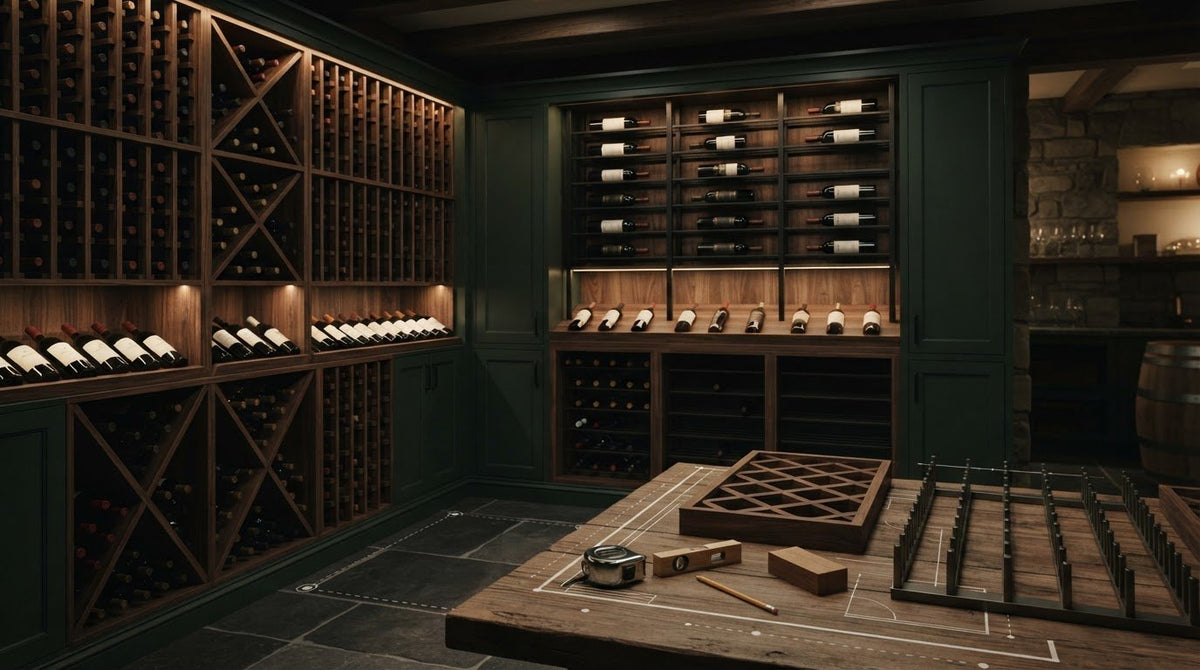






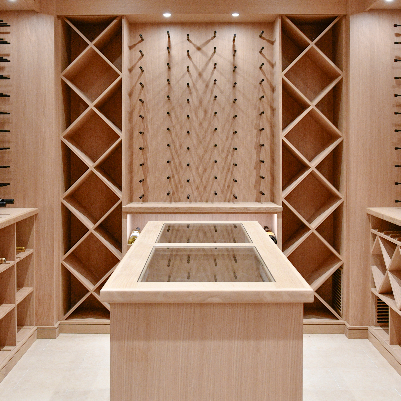
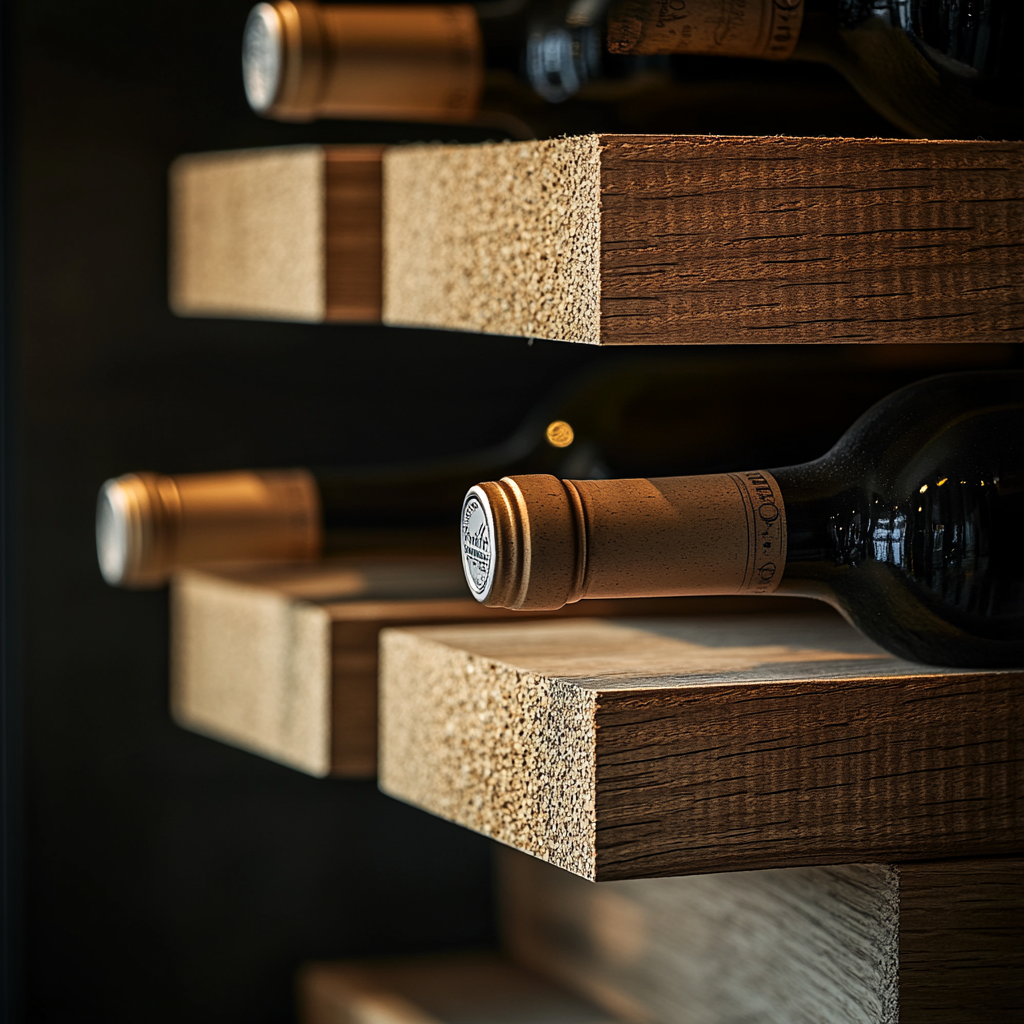





The most striking wood wine rack may be the wrong choice if it doesn’t suit your bottles, room, or plans for a growing collection. A beautiful display matters, but so does choosing a system that holds bottles securely and makes good use of your available space.
Rack styles can look similar yet work differently in practice. The right choice depends on more than appearance: consider how many bottles you need to store, how you want to access and display them, and whether the rack suits the room and its conditions.
This guide compares common wood wine rack configurations and their practical trade-offs, from modular arrangements to display-focused options. You’ll learn how to match capacity and style to your collection, and what to confirm before selecting or planning a rack, including bottle compatibility, dimensions, placement, and room for future growth. With a few clear criteria in mind, you can choose a storage system that works for your collection now and as it changes.
Key Takeaways
- Use a simple planning sequence to turn your bottle count and room measurements into a workable rack layout.
- Compare modular, wall-mounted, and custom configurations by access, space requirements, and potential to expand.
- Before choosing a wood wine rack, confirm bottle compatibility and review the seller’s current dimensions and specifications.
- Check finish, care instructions, and installation requirements rather than assuming these details are the same across rack options.
- Explore Premier Cru Classic Racking and Premier Cru Modern Racking as confirmed options, or consider custom cellar design when architectural requirements shape the plan.
What Makes a Wood Wine Rack a Good Fit for Your Collection?
A wood wine rack holds and organizes bottles. The right choice depends on how many bottles you have, how easily you want to reach them, the room’s dimensions, and the visual effect you want the storage to create. A compact collection you access often has different needs from a larger collection intended for longer-term storage.
Consider storage needs, available space, and design together. Start by treating the collection and the room as one plan, rather than choosing a style on appearance alone. Before deciding whether a rack will fit, confirm its current dimensions, capacity, and installation requirements.
How Does a Wood Wine Rack Differ from Other Rack Styles?
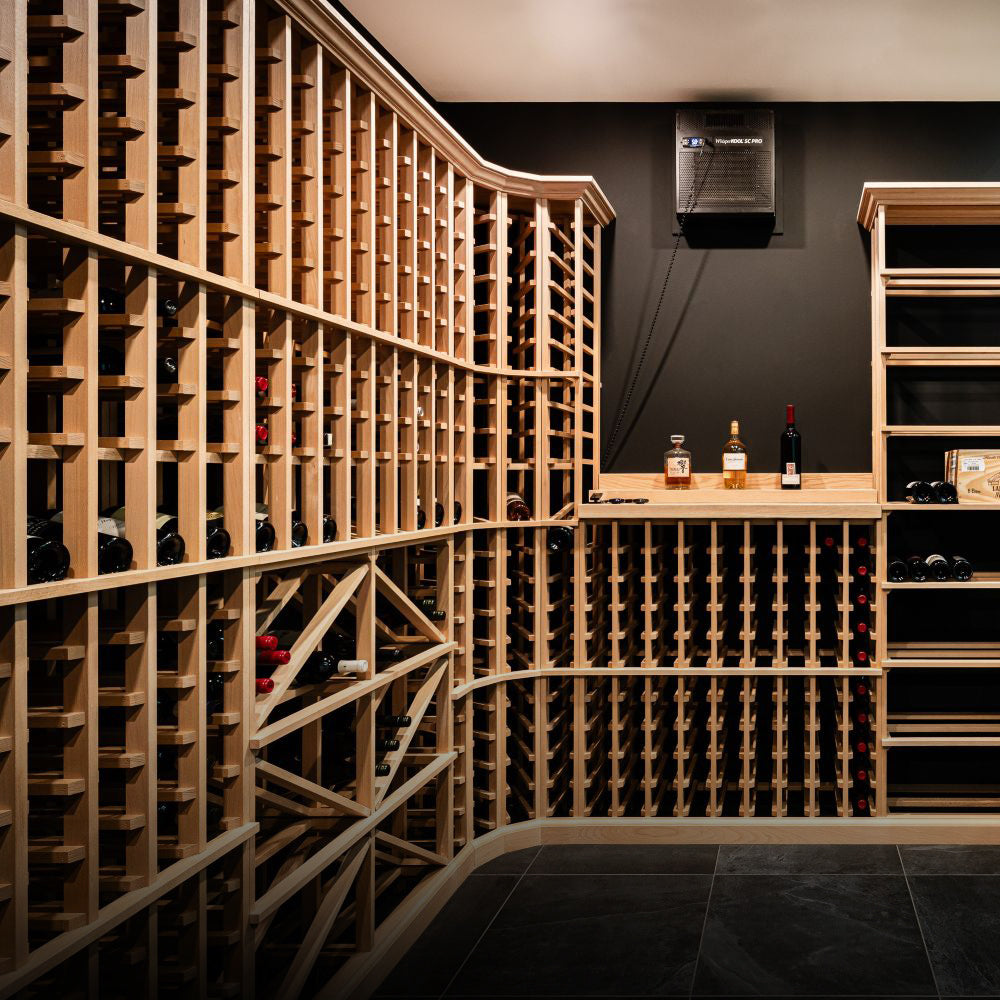
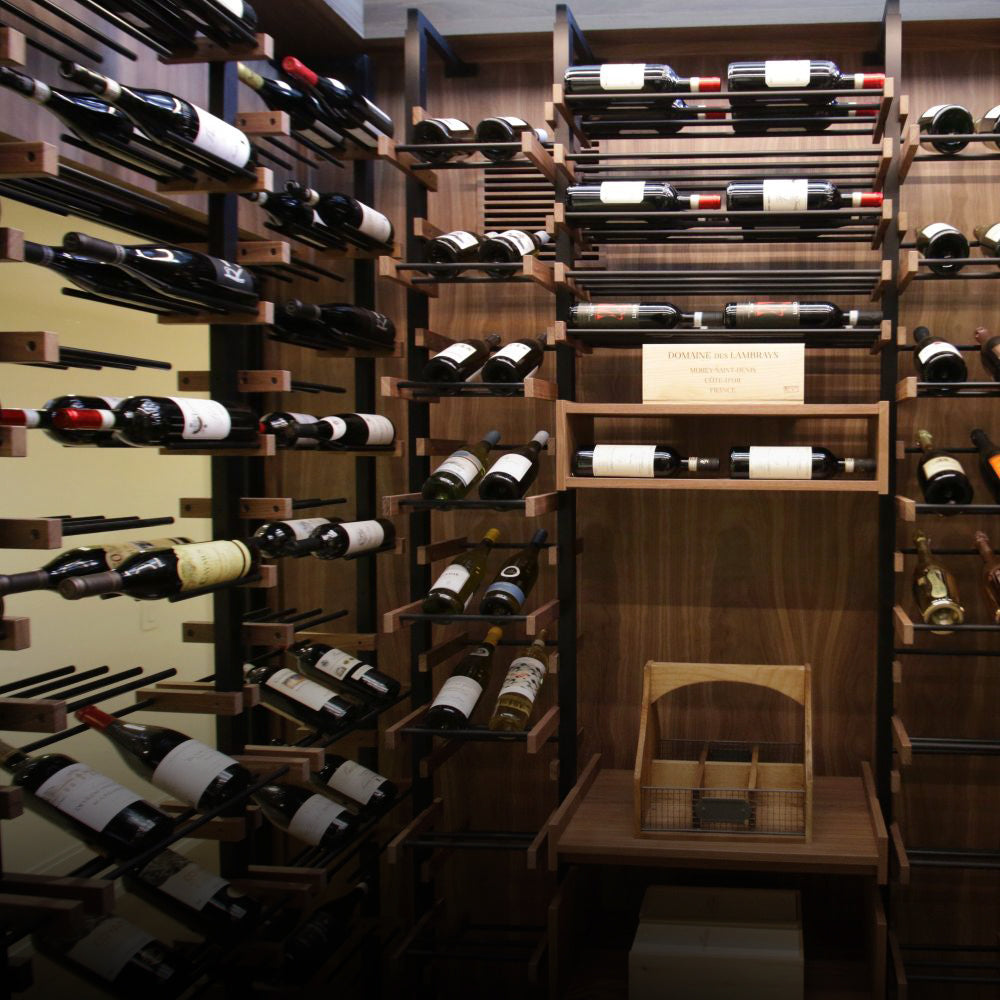
Wood, metal, and mixed-material racking each give a room a distinct visual character. Wood can create a warm, traditional impression, while metal may look more streamlined; combining materials can add contrast. These are design considerations, not guarantees of performance or quality. Layout flexibility also depends on the rack’s configuration, so compare how each option handles bottle access and fits the available space. Browse the wine rack collection to explore confirmed categories.
Which Collections and Spaces Benefit from Wood Racking?
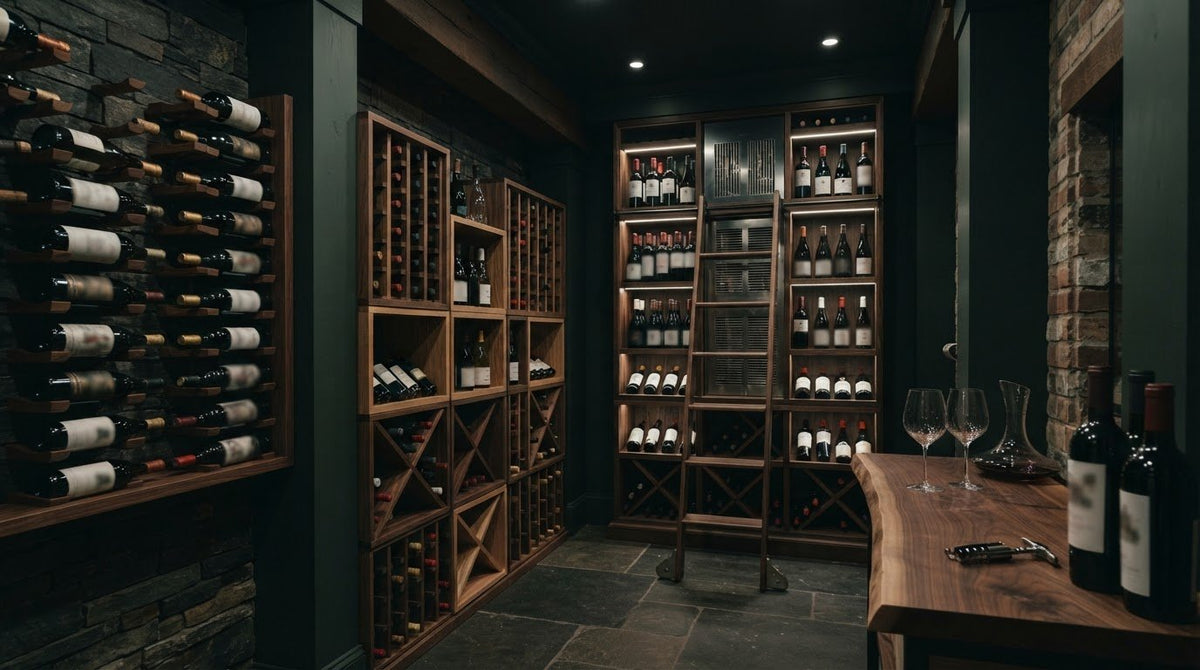
A cellar, dedicated wine room, and open display area each place different demands on a rack plan. In a cellar, storage capacity and efficient access may take priority. In a dedicated room, consider the layout alongside circulation and other planned features. In a display area, visibility and how the rack relates to nearby furnishings may matter more. Room dimensions and intended presentation can help narrow the configuration, but check product specifications before assuming a particular rack will fit.
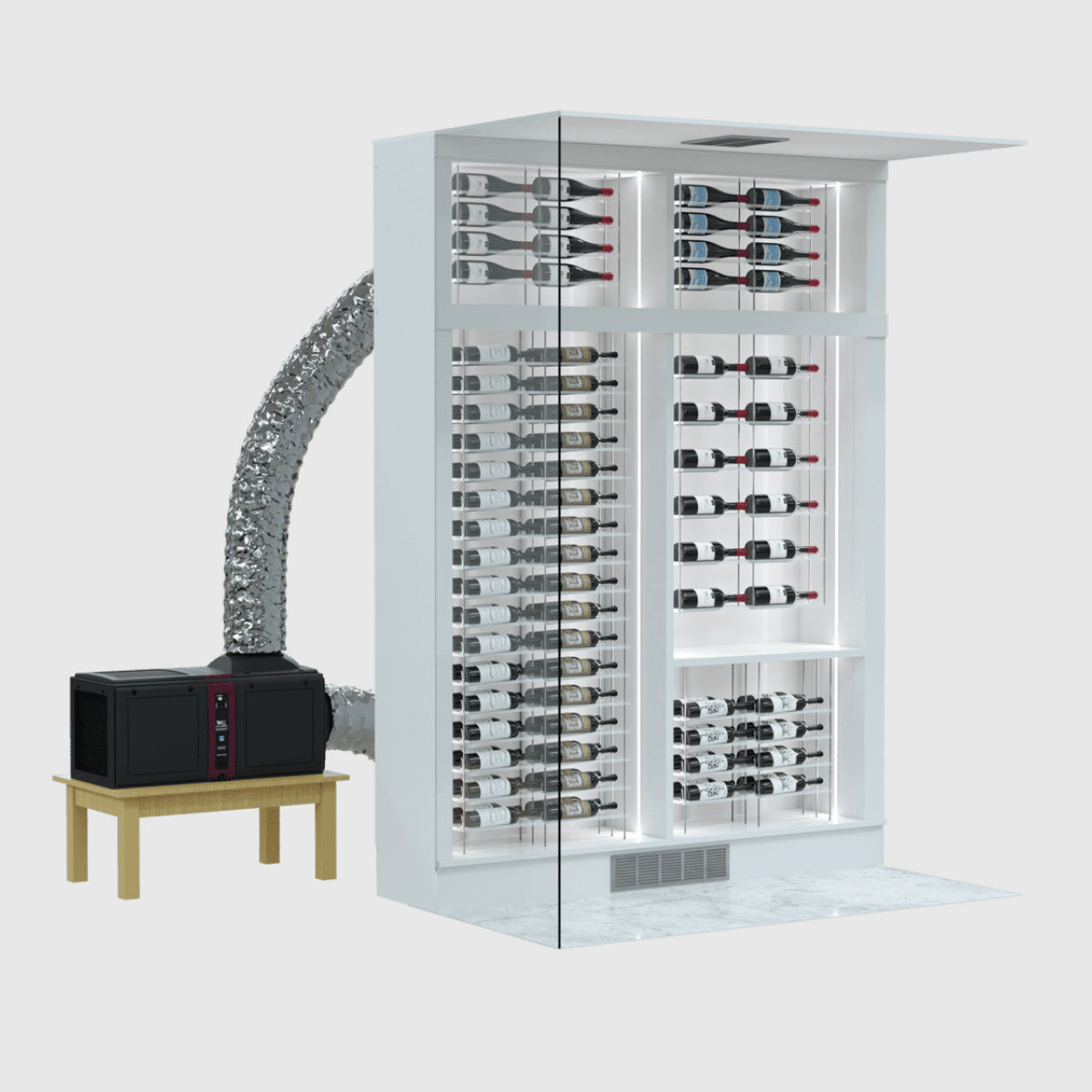
Rack choice is separate from climate control. A rack organizes bottles; it doesn’t provide the stable environment needed for long-term storage. Cork-sealed bottles intended for longer storage are generally kept horizontally, while temperature, humidity, and stability require separate consideration. Review guidance on proper wine storage conditions as you plan the room, and assess whether a wine cooling system is needed for the space. If architectural requirements shape the layout, Rosehill’s custom wine cellar design may be relevant to your planning.
Match Wood Wine Rack Capacity and Layout to Your Needs
A practical rack plan starts with two things: the bottles you intend to store and the space available for them. Measure the room before choosing a rack configuration. Once you know the room’s limits, you can compare layouts against your access needs instead of estimating from appearance.
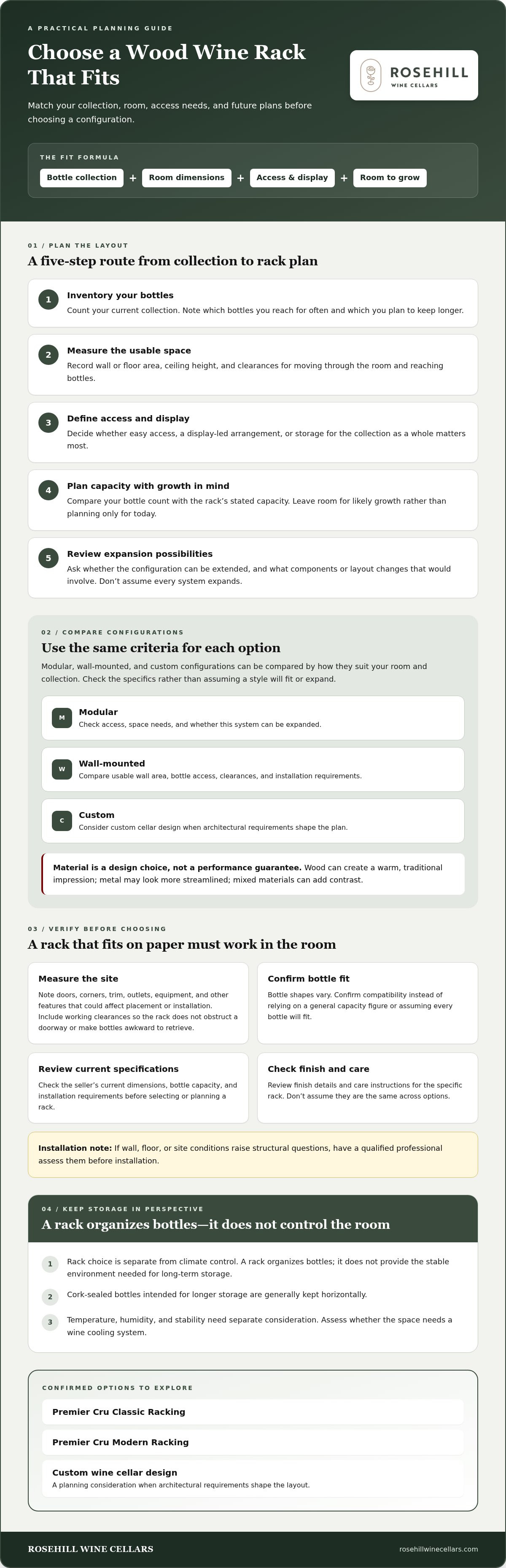
Use this five-step process to develop a practical brief for a wood wine rack:
- 1. Inventory your bottles. Count your current collection and note which bottles you reach for often and which you plan to keep longer.
- 2. Measure the room. Record the usable wall or floor area, ceiling height, and clearances needed to move through the space and access bottles.
- 3. Define access needs. Decide whether you want frequently used bottles within easy reach, a display-led arrangement, or storage that prioritizes the collection as a whole.
- 4. Plan capacity. Compare your current bottle count with rack capacity, leaving room for reasonable growth instead of planning only for today’s collection.
- 5. Review expansion. Ask whether the configuration can be extended and what components or layout changes that would involve. Don’t assume every system is expandable.
What Should You Measure Before Choosing a Rack?
Measure the intended wall or floor area and ceiling height, then note doors, corners, trim, and other architectural features that could affect the layout or installation. Include working clearances. A rack may fit on paper but still obstruct a doorway or make bottles awkward to retrieve. Record obstacles such as outlets or equipment, too. If the wall, floor, or site conditions raise structural questions, have a qualified professional assess them before installation.
How Much Storage Capacity Should You Plan For?
Start with an accurate count, then separate bottles intended for regular access from those you expect to store longer. Bottle shapes vary, so confirm that the rack accommodates your bottles instead of relying on a general capacity figure. Check the current product specifications for both bottle count and dimensions. Wine Enthusiast’s guide to The Best Wine Racks offers additional context on comparing rack styles and matching capacity to a collection.
Plan for likely growth based on your buying habits and available space, not an arbitrary percentage. Compare fixed and potentially expandable configurations, and verify expansion options with the seller. If architectural requirements shape the layout, custom wine cellar design is another possibility to explore.
Wood Wine Rack Styles Compared: Modular, Wall-Mounted, and Custom
Rack categories offer different ways to organize bottles and use a room, but the label alone doesn’t confirm how a particular system will fit or perform. Before settling on a layout, compare the actual product’s configuration, access, and site requirements.
| Configuration | Space needs | Access | Expandability | Planning considerations |
|---|---|---|---|---|
| Modular | Depends on the components and planned arrangement | Varies by layout and bottle position | Possible for some systems; verify details | Check component compatibility, dimensions, and the intended final layout |
| Wall-mounted | Uses wall space; requires a suitable mounting location | Depends on rack placement and bottle orientation | Depends on the system and available wall area | Confirm site suitability, installation requirements, and clearances |
| Custom | Planned around the room and its constraints | Can be considered as part of the overall layout | Should be discussed during planning | Review architectural needs, specifications, and installation scope |
When Is a Modular Wood Wine Rack Worth Considering?
Modular planning may suit a collection that changes over time, particularly if you want to arrange storage in stages. But don’t assume a system can be extended simply because it has separate components. Confirm which additions are compatible and whether they’ll preserve a coherent layout. Planning the full arrangement at the outset can help coordinate capacity and room use. An incremental approach may offer flexibility, provided the selected system supports it. For a deeper discussion of system planning, see this modular wine rack guide.
When Should You Consider Wall-Mounted or Custom Racking?
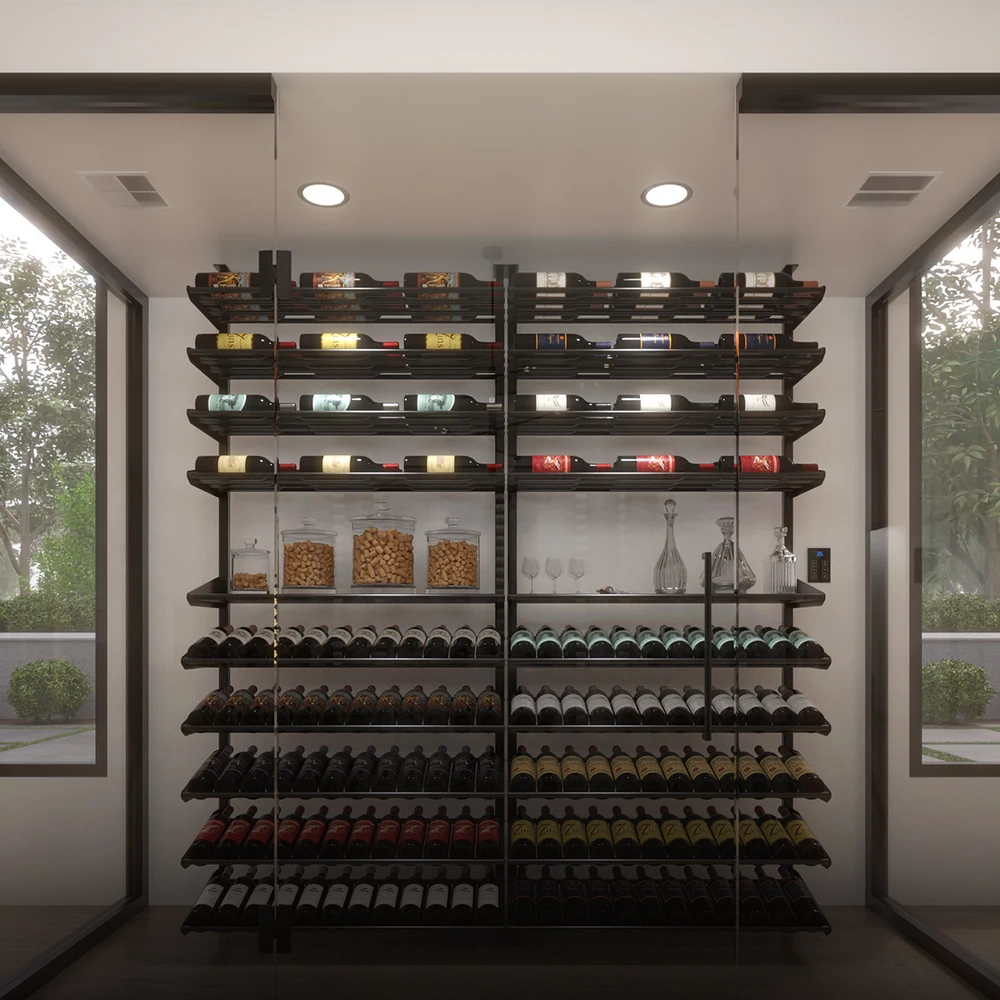
Wall-mounted racking may be worth exploring when presentation is a priority or floor space is limited. Its suitability depends on the actual wall and installation conditions, so have site-specific concerns assessed before proceeding. Custom planning may be relevant when room dimensions or architectural features call for a coordinated layout. Rosehill offers custom wine cellar design, along with Premier Cru racking options. Explore Premier Cru racking as one point of comparison, and review this modern wine wall design guide for display-planning considerations.
Whatever the configuration, a wood wine rack is only one part of a storage plan. For cellar projects, consult Purdue Extension’s wine storage guidelines alongside the rack’s verified specifications. Consider the storage arrangement and room conditions separately.
What to Check Before Buying or Installing a Wood Wine Rack
A careful review before purchase can prevent a rack that looks right online from proving awkward in the room. Check product details against your measurements, bottles, and intended use. Don’t infer specifications from a photograph; confirm them with the seller.
Pre-Purchase Checklist
- Dimensions: Confirm the rack’s width, height, and depth, then compare them with the usable space and access clearances you measured.
- Bottle compatibility: Ask which bottle shapes and sizes the rack is designed to accommodate. A stated capacity may not tell the whole story if your collection includes varied formats.
- Access: Consider how you’ll retrieve bottles, read labels, and reach bottles stored at the back or in higher sections.
- Material and finish: Verify the wood species and any coatings or finish details with the seller. Appearance alone doesn’t establish what the rack is made from or how it’s treated.
- Care: Request care instructions for the specific material and finish instead of assuming general wood-care guidance applies.
- Components and assembly: Confirm what’s included, the stated capacity, and any assembly requirements before ordering.
- Installation: Review installation instructions and site requirements. For wall-mounted or larger arrangements, confirm that the planned location is suitable and seek qualified advice if structural concerns arise.
Which Product Specifications Should You Confirm?
Ask for current product specifications, including dimensions, capacity, components, assembly requirements, and compatibility with your bottles. If you’re considering a particular finish, confirm its description and care needs directly. These checks are especially useful when comparing products that look similar but may differ in configuration. Verify details for the exact rack you’re considering; don’t assume specifications are the same across an entire category.
Does a Wine Rack Need Separate Climate Control?
A rack supports and organizes bottles, but it doesn’t regulate temperature or humidity. Those are separate room-planning considerations, particularly for a collection intended for longer-term storage. Think about the conditions in the proposed location and how long bottles will remain there. A display area exposed to heat or sunlight may call for a different storage plan than a dedicated cellar. Rack selection and climate planning should work together, but one doesn’t replace the other.
If you’re planning a climate-controlled cellar, review Rosehill’s wine cellar cooling systems as a separate part of the room plan. Once you’ve checked dimensions, bottle fit, finish, and installation needs, compare Premier Cru Classic racking as one option for your storage plan.
How to Choose a Wood Wine Rack That Works with Your Cellar Plan
The right choice fits your collection and room while leaving a sensible path for future changes. Modular systems may suit collections that evolve, display-led layouts can prioritize bottle presentation, and custom planning can address architectural constraints. Each approach has different trade-offs, so compare verified specifications rather than assuming a category will meet every need.
How Do You Narrow the Options to a Shortlist?
Rank your priorities before comparing products. Decide what matters most: capacity, bottle access, room fit, appearance, or the possibility of future changes. Then assess each candidate against that order. A visually striking layout may be less practical if bottles are difficult to reach. A compact configuration may suit the room but leave little room to grow.
Check current product dimensions, stated capacity, bottle compatibility, included components, and installation requirements. Don’t rely on category names or images to determine how a rack will work in your space. Rosehill offers Premier Cru Classic Racking and Premier Cru Modern Racking. Compare their available product details against your shortlist criteria without assuming unconfirmed specifications.
When Is Professional Wine Cellar Planning Helpful?
Professional planning can be useful when the room has complex dimensions, storage needs to coordinate with an integrated display, or site and installation questions remain unresolved. These considerations don’t automatically require a custom solution, but they’re worth addressing before committing to a layout. If the project involves more than a standalone rack, Rosehill’s custom wine cellar design is a relevant option to explore.
Keep the decision proportionate to the project. A straightforward room and clearly defined collection may call for a direct product comparison. A room shaped by architectural features or coordinated storage goals may benefit from a broader plan. In either case, confirm current specifications and site requirements before purchase or installation.
Once you’ve identified the layout and capacity you need, take a look at Premier Cru kit racks as a next step in your comparison. A considered choice balances the collection, the space, and how you want to use the room.
Choose a Rack That Suits Your Collection and Space
A well-chosen wood wine rack balances practical storage with the character of its setting. Let your bottle count, room dimensions, access needs, and plans for future growth guide the decision. Then verify the specifications, bottle compatibility, and installation requirements for the rack you’re considering.
Modular, display-led, and custom approaches serve different purposes. Rosehill Wine Cellars offers Premier Cru Classic and Premier Cru Modern Racking, as well as custom wine cellar design and construction for projects that call for a broader plan.
Ready to compare options? Explore Rosehill Wine Cellars’ wine rack options and consider which configuration best complements your collection. With a clear plan, you can create storage that suits the space and the way you use it.
Frequently Asked Questions
Is wood a good material for a wine rack?
Wood can be a suitable choice if the rack’s design, finish, dimensions, and installation fit your space and intended use. Not all wood species or finishes have the same characteristics, so confirm the material and care instructions with the seller. Consider the room separately, too: a rack holds bottles but doesn’t regulate temperature or humidity. For long-term storage, assess the room conditions as part of your plan.
How do I choose the right size wood wine rack?
Count the bottles you plan to store, then measure the available area and the clearances needed to access them. Allow for possible collection growth based on your buying habits, and check whether the specific system can expand. Compare your measurements with the rack’s current published dimensions and capacity. Before ordering, confirm that it can accommodate the bottle shapes and sizes in your collection.
Can wood wine racks be expanded?
Some rack systems use modular components, while others are planned as fixed configurations. Expandability isn’t universal, so ask the seller whether compatible components are available for the exact system you’re considering. If you expect your collection to grow, include that possibility in the initial layout plan. Compare confirmed product details rather than assuming a rack can be extended based on its appearance or category.
Are wood wine racks suitable for a wine cellar?
A wood rack may suit a wine cellar if its specifications, installation requirements, and design fit the room and intended use. The rack provides bottle storage, but it doesn’t control temperature or humidity. Plan racking alongside the cellar’s storage conditions, and confirm material guidance with the manufacturer or seller. Check the specific product details before deciding whether it’s appropriate for your cellar.
Do wood wine racks need to be wall-mounted?
No, installation requirements vary by rack design. Some configurations may be freestanding, while others may call for wall support or another specified installation method. Read the manufacturer’s instructions and confirm dimensions and site requirements before purchase. If you’re planning a large or architecturally integrated installation, consult a qualified professional about the room and mounting conditions rather than assuming a wall is suitable.
What should I compare when buying a wood wine rack?
Compare dimensions, stated bottle capacity, compatible bottle formats, configuration, finish, care instructions, and installation requirements. Then consider whether the layout provides convenient access and suits the room’s intended appearance. Confirm material and performance details using current product information rather than relying on product images. Treat climate control as a separate part of wine storage planning, since the rack itself doesn’t regulate room conditions.