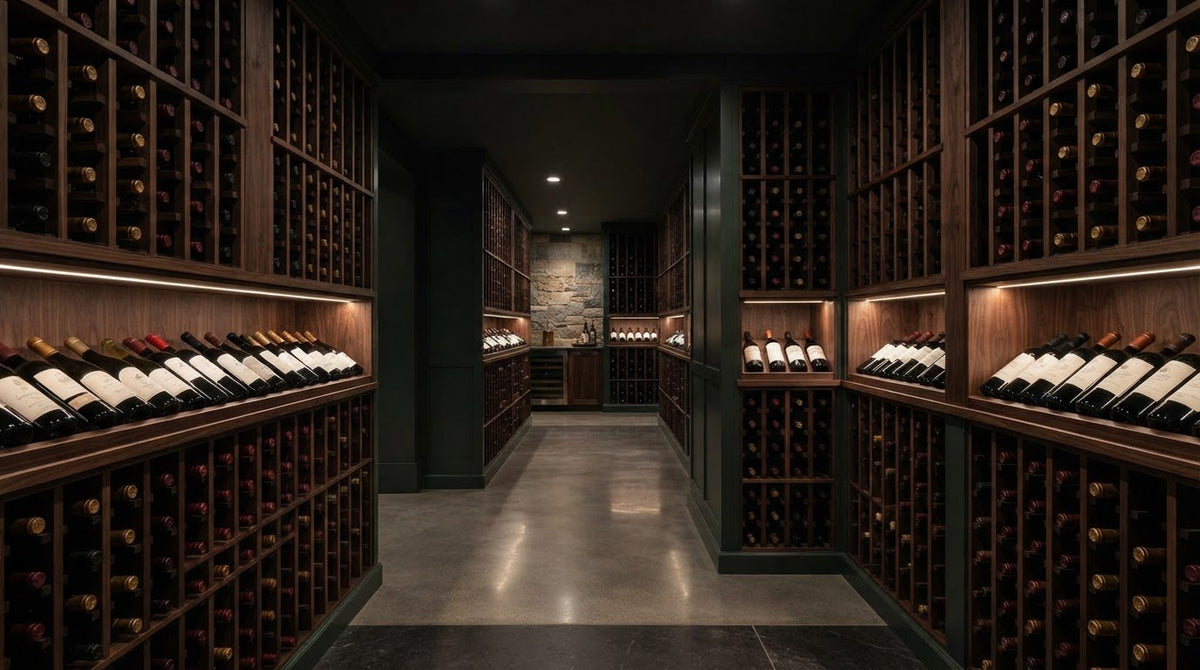


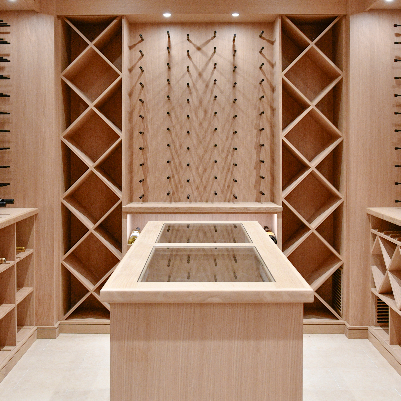
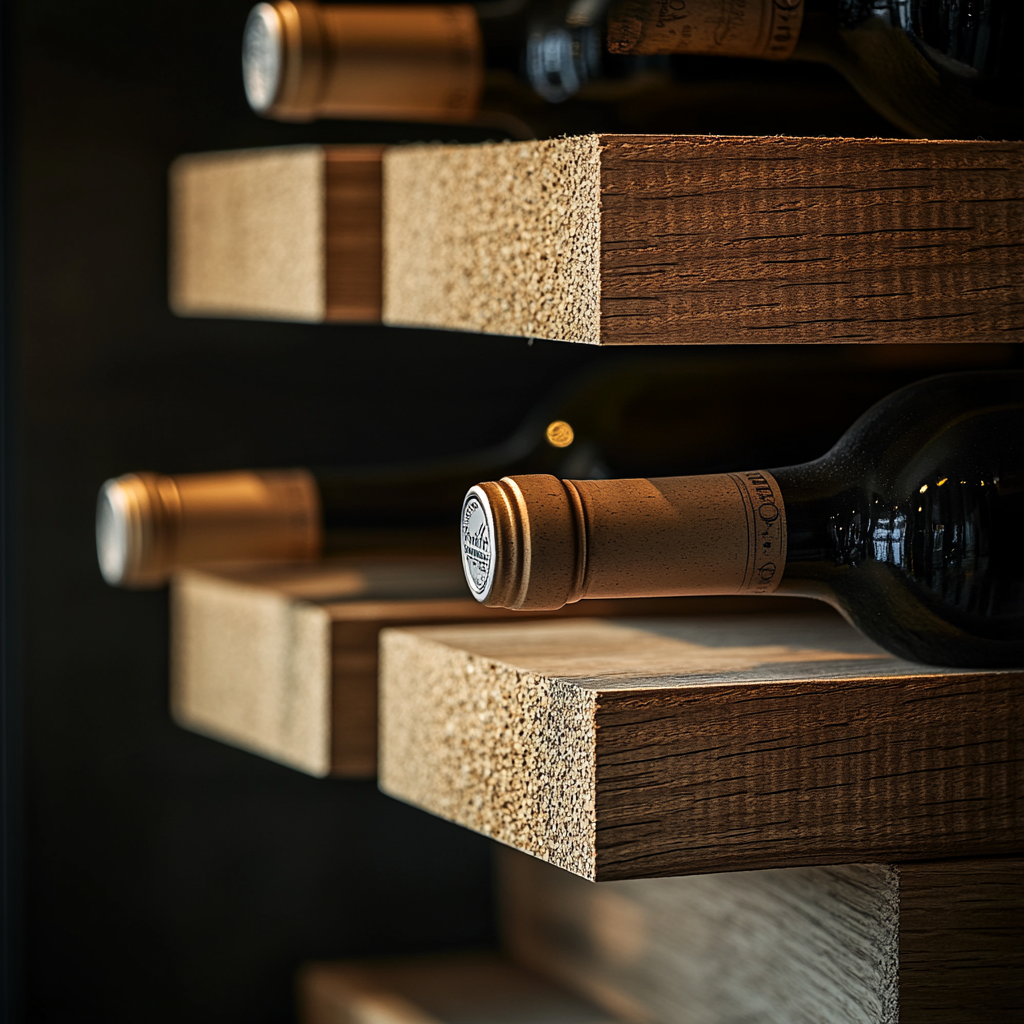





The most elegant angle means little if a magnum isn’t securely supported. When comparing storing magnum bottles horizontal vs angled racking, start with bottle fit and stability, then consider closure type, access, and display.
If you’re unsure whether a standard rack can hold a larger-format bottle, check before loading it. Magnums may need dedicated space, and compatibility depends on the bottle and rack dimensions. For long-term storage of wine sealed with natural cork, horizontal positioning is the traditional choice because it keeps wine in contact with the cork. Angled racking can also suit cork-sealed bottles while making labels easier to see, provided the rack holds each bottle securely.
This guide compares horizontal and angled storage so you can choose an orientation that suits your closure type and storage plans. You’ll learn what to check for bottle support and rack fit, how storage duration affects the decision, and where angled display can improve access within a considered cellar layout.
Key Takeaways
- Compare horizontal and angled racking by support, access, and visibility to see which best suits your cellar.
- For storing magnum bottles horizontal vs angled racking, consider the closure and intended storage period before choosing an orientation.
- Measure each bottle’s body and overall length, then confirm the rack supports it securely before use.
- A mixed layout can keep long-term bottles organized while making selected magnums easier to view and reach.
- Check product dimensions and capacity before assuming a racking system will accommodate magnums.
Storing Magnum Bottles Horizontally or at an Angle: What Changes?
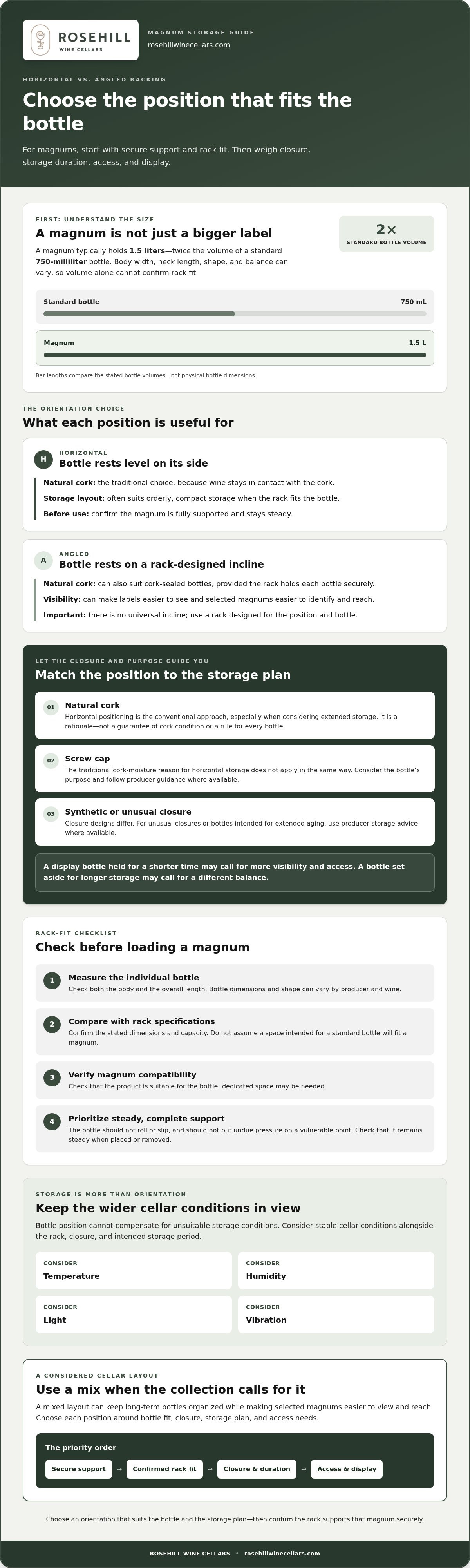
When comparing storing magnum bottles horizontal vs angled racking, prioritize secure, stable support over appearance. A bottle should rest in its intended position without rolling, slipping, or putting undue pressure on a vulnerable point. Orientation affects cork contact and label visibility, but it doesn’t establish suitable cellar conditions or guarantee that a cork will perform well.
A magnum typically holds 1.5 liters, twice the volume of a standard 750-milliliter bottle. Its dimensions and shape can vary by producer and wine, so volume alone won’t tell you whether it fits a rack. For background on the complex chemical reactions that take place as wine ages, remember that orientation is only one part of thoughtful storage, alongside stable cellar conditions and a rack suited to the bottle.
What makes a magnum different from a standard bottle?
Magnums can have wider bodies, longer necks, or a different balance from standard bottles. Their size and weight can affect how they sit in a rack. Don’t assume a space designed for a 750-milliliter bottle will safely accommodate a magnum. Before buying or installing a rack, compare the individual bottle’s measurements with the rack’s stated dimensions and capacity. Confirm magnum compatibility rather than inferring it from the product category.
What does horizontal versus angled storage mean?
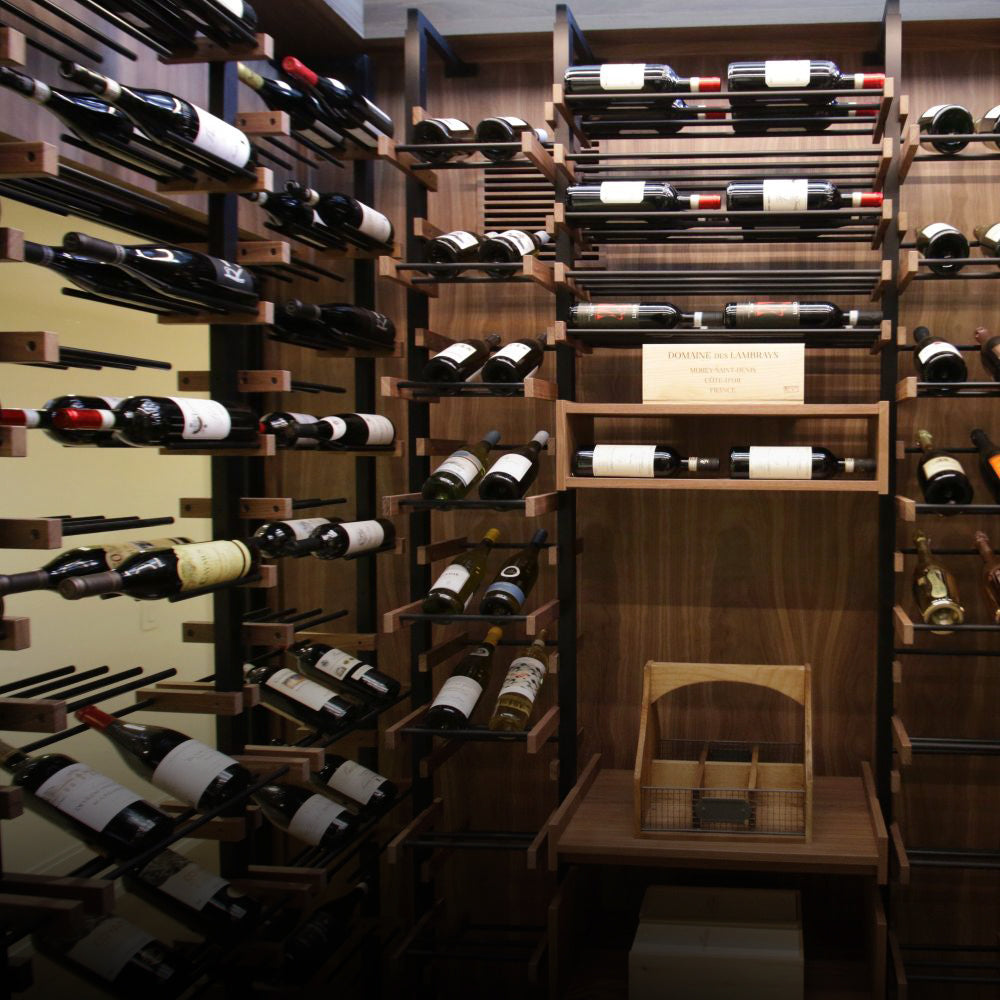
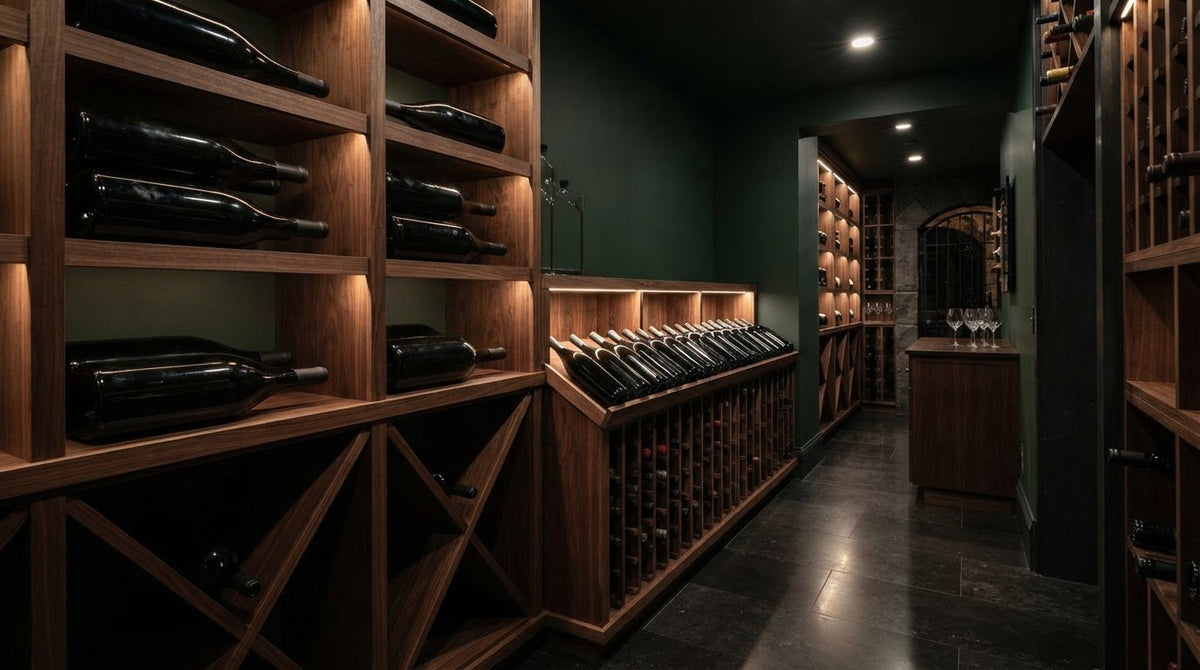
Horizontal storage places the bottle level on its side. Angled storage holds it on an incline, using a rack designed for that position. Angled display racks may make labels easier to see and bring bottles forward visually. Horizontal layouts often suit orderly, compact storage when the rack fits the bottle.
Neither term specifies a universal incline, and no single angle is required for every wine. For natural cork closures, horizontal positioning is the traditional approach because it keeps wine in contact with the cork. Orientation alone can’t compensate for unsuitable temperature, humidity, or other storage conditions. Screw caps and synthetic closures differ from natural cork, so consider the closure, storage duration, and producer guidance before choosing.
Whichever layout you prefer, check that the bottle is fully supported and stays steady when placed in or removed from its position. Rosehill Wine Cellars offers racking categories such as modern wine racking. Confirm the dimensions, capacity, and installation requirements of any system before assuming it will hold magnums. The right choice balances fit, preservation needs, access, and the visual character of the cellar.
How Bottle Orientation, Closures, and Storage Time Affect Magnum Storage
Orientation is part of a broader storage decision. For a magnum intended to age over an extended period, consider its closure, the producer’s recommendations, and whether the cellar can maintain stable conditions. A display bottle held for a shorter time may call for a different balance of visibility and access than a cork-sealed bottle kept for years.
Quick guide: Let closure type and intended storage duration guide orientation. Secure rack support and stable cellar conditions remain essential.
Does a cork-sealed magnum need to lie horizontally?
Horizontal storage is the conventional choice for wine sealed with natural cork. With the bottle on its side, wine remains in contact with the cork, which is traditionally thought to help keep it from drying out. This is a useful rationale for long-term cellaring, not a guarantee of cork condition or a universal rule for every bottle.
Orientation can’t make up for unsuitable or fluctuating cellar conditions. Temperature, humidity, light, and vibration also deserve attention. The rack should hold the magnum securely without strain or movement. If you choose an angled position, confirm that the bottle remains stable and that the incline suits the rack’s design.
Do screw caps and other closures change the choice?
A screw-cap bottle doesn’t depend on a natural cork to form its seal, so the traditional cork-moisture reason for horizontal storage doesn’t apply in the same way. Synthetic closures also differ from natural cork, and closure designs can vary. For unusual closures or bottles intended for extended aging, follow the producer’s storage advice where available.
For short-term holding or display, access and presentation may carry more weight, provided the bottle is supported safely. An angled position can make a selected magnum easier to identify, while a horizontal arrangement may suit bottles set aside for longer storage. Match the orientation to the bottle’s purpose rather than assuming one position is best for every closure and timeline.
In practical terms, storing magnum bottles horizontal vs angled racking depends on more than appearance. Identify the closure and storage plan first, then choose a rack that supports the bottle reliably. If you’re planning how racking will work within a cellar, explore modern wine racking options as one starting point. Verify system dimensions and magnum compatibility before selecting a configuration.
Horizontal vs. Angled Magnum Racking: Compare Support, Access, and Display
Neither orientation is automatically safer or more suitable. The right choice depends on whether the rack is designed for the bottle’s dimensions and weight, how often you’ll access it, and whether preservation or presentation is the priority. Use this comparison as a starting point, then verify the rack specifications for the magnums you plan to store.
| Orientation | Support needs | Access | Visibility | Typical use |
|---|---|---|---|---|
| Horizontal | A cradle or individual support should hold the bottle steadily and limit rolling or unwanted contact. | Practical for organized rows, though reaching a bottle may mean moving others depending on the layout. | Labels may face sideways or inward, making identification less immediate. | Compact, orderly storage, including longer-term cellaring when the rack fits. |
| Angled | The rack must support the bottle’s body and neck securely at its designed incline. | Can make selected bottles easier to identify and retrieve, depending on rack placement. | Often suits label-forward display and presentation. | Feature bottles or display-focused areas, provided the rack is designed for the bottle. |
When is horizontal magnum storage the more practical choice?
Horizontal rows can create a consistent arrangement and use rack space efficiently, but capacity depends on the rack and bottle dimensions. A properly sized cradle helps keep a magnum from rolling and can reduce unwanted contact with neighboring bottles. Compare rack formats using your actual bottles. Don’t assume an opening designed for standard bottles will fit a larger format.
When might angled magnum storage make more sense?
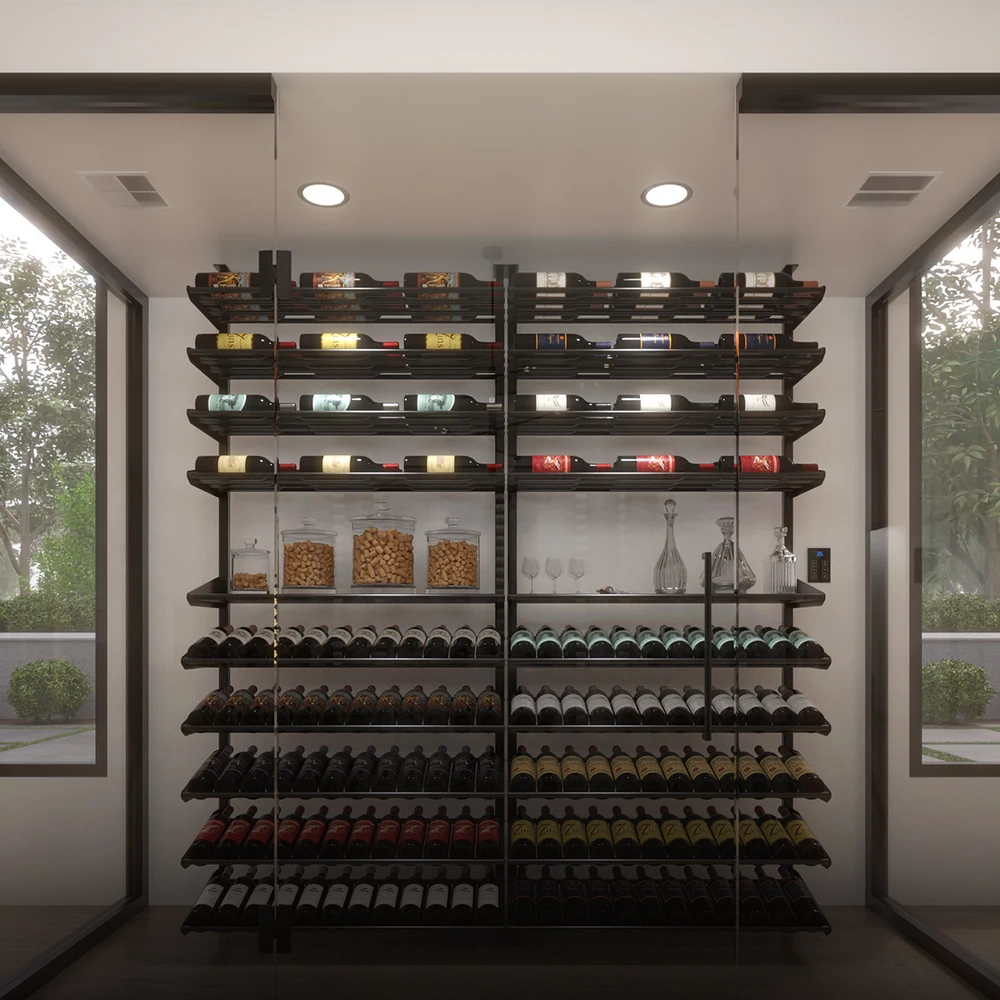
Choose an angled position when label visibility, presentation, or quick identification matters in a display-focused cellar. The rack should support the magnum’s body and neck at its intended angle, rather than holding it in place by friction alone. For display-oriented planning, explore modern wine racking as a design reference, then confirm the specific system’s magnum capacity and installation requirements.
For storing magnum bottles horizontal vs angled racking, look beyond the visual comparison. Check the closure and purpose, assess access, and prioritize secure support. A mixed layout may suit a collection, with horizontal positions for organized storage and angled positions for selected bottles intended to be seen or reached more readily. Fit, use, and cellar design determine what works.
How to Check Magnum Rack Fit and Choose a Safe Orientation
A secure layout starts with the bottles you own, not a generic magnum measurement. Sizes and shapes vary, so check representative bottles before selecting a rack or committing to an installation. Use this sequence to assess fit, support, and everyday access before deciding between horizontal and angled positions.
- Identify the bottle. Note its closure and shape, and select examples from the magnums you plan to store. If your collection includes different producers or styles, measure more than one bottle.
- Measure its profile. Record the body diameter and overall length. Note any shoulder, neck, or base features that could affect how the bottle contacts a cradle or support.
- Confirm rack compatibility. Compare your measurements with the manufacturer’s published clearances and intended bottle formats. Check stated capacity, spacing, load limits, and mounting requirements. Ask the manufacturer or supplier to confirm magnum compatibility instead of assuming it.
- Test the support. With the rack installed according to its instructions, check that a bottle sits securely in the intended orientation. It shouldn’t roll, slide, or rest on a vulnerable point. Don’t load beyond the system’s stated limits.
- Plan access. Allow room to remove and replace bottles without striking neighboring glass. Consider whether labels will be visible and how the weight of a fully loaded rack will be supported.
What should you measure before buying a magnum rack?
Use actual bottles from your collection instead of relying on the typical 1.5-liter volume to predict dimensions. Both body diameter and full length matter. A bottle may fit between supports but be too long for the rack’s depth, or sit awkwardly in a cradle designed for a different shape. Confirm measurements and capacity with the racking supplier before purchase.
How can you check stability and plan access?
Assess the bottle in the orientation you intend to use, including its contact points at the body and neck. Check that nearby bottles won’t be bumped during retrieval and that you can read labels if identification matters. Follow the rack’s mounting instructions and confirm that the wall or floor can support the system’s fully loaded weight. If its design calls for specialist installation, consult a qualified installer.
Premier Cru kit racks can serve as a reference when comparing rack-system formats, but confirm product-specific dimensions and requirements before assuming magnums will fit. For a cellar layout that considers bottle support alongside access and presentation, explore custom wine cellar design.
Choose Magnum Racking That Fits Your Collection and Cellar Design
Begin with the bottle, not the visual effect. Confirm that the rack securely supports the magnum’s dimensions and weight, then choose an orientation suited to its closure, storage purpose, and the access you want. A striking display is only practical if the bottle is stable in its intended position.
Which orientation suits your magnum collection?
For natural-cork bottles intended for longer storage, horizontal racking is a conventional starting point. Angled racks may suit feature bottles you want to see and identify easily, provided the system is designed to hold that specific bottle securely. For mixed closures or unusual bottle shapes, check producer guidance and rack specifications rather than relying on a single orientation rule.
A mixed layout can bring preservation and presentation into the same cellar. Keep bottles intended for longer-term storage in a suitable, secure arrangement, and reserve a separate, accessible area for magnums chosen for display or nearer-term use. This makes collection management more intuitive by separating bottles according to their intended use.
Planning also means looking beyond orientation. Consider how the rack fits the room, how bottles will be identified and retrieved, and whether the layout can adapt as the collection changes. A modular approach may be worth considering as you plan for evolving storage needs, but confirm that any chosen system accommodates your bottles before relying on it.
When should you consult a wine-racking specialist?
Seek expert input if your collection includes unusually shaped magnums, if you’re planning storage for a large number of bottles, or if you’re uncertain about the wall or floor support required. Before discussing rack options, gather representative bottle measurements and an estimate of the collection size. These details help make the conversation more specific, but rack capacity, dimensions, and installation requirements still need to be verified for the system under consideration.
The final decision in storing magnum bottles horizontal vs angled racking comes down to secure fit first, followed by closure care, access, and design. If you’re ready to consider those needs as part of a complete cellar layout, explore custom wine cellar design and discuss a plan with Rosehill Wine Cellars.
Plan a Cellar That Supports Every Magnum
The choice between horizontal and angled racking starts with secure fit, followed by the bottle’s closure, storage purpose, and the balance you want between access and display. For storing magnum bottles horizontal vs angled racking, there’s no universal winner. Horizontal storage is a conventional option for cork-sealed bottles kept over time, while an angled position can bring selected bottles into view when the rack supports them properly.
Measure your bottles and confirm the rack’s dimensions, capacity, and installation requirements before settling on a layout. A mixed arrangement can give long-term bottles a considered home while keeping feature magnums easy to identify. Rosehill Wine Cellars offers wine-racking systems alongside custom cellar design, so storage and layout can be considered together.
Explore wine-racking options as you shape a cellar around your collection. With careful planning, your magnums can be stored securely and presented with intention.
Frequently Asked Questions
Should magnum bottles be stored horizontally or at an angle?
Either orientation can work if the rack securely supports the bottle and suits its closure and intended storage. For natural-cork magnums kept for long-term aging, horizontal storage is the conventional choice because it keeps wine in contact with the cork. Angled storage may help with display or identification when the rack is designed for that bottle. For storing magnum bottles horizontal vs angled racking, secure fit comes first.
Do magnum bottles need a special wine rack?
Not always, but a rack must accommodate the individual magnum’s dimensions and weight. Some larger-format bottles may not fit standard openings or cradles, so confirm the rack’s stated bottle formats, clearances, capacity, and load limits before buying. A magnum-specific rack or suitable modular space may be appropriate if the bottle doesn’t sit securely in an existing rack. Never assume compatibility from the rack’s appearance alone.
Can you store screw-cap magnums horizontally?
Yes. A screw-cap magnum can be stored horizontally if its rack supports it securely, though the cork-moisture rationale for horizontal storage doesn’t apply because the closure doesn’t rely on a natural cork. For short-term storage, orientation is often a matter of safe support and convenient access. For extended storage or an unusual closure, follow the producer’s recommendations and consider cellar conditions as well as the rack.
Does angled wine storage keep a magnum cork moist?
An angled position may keep wine in contact with a natural cork if the bottle’s orientation allows it, but the angle alone can’t guarantee cork condition. The rack must hold the bottle at its intended incline without slipping or shifting. Storage conditions also matter, so don’t treat an angled rack as a substitute for a suitable cellar environment. For long-term cork-sealed wine, horizontal storage remains the conventional approach.
How do you measure a magnum bottle for a wine rack?
Measure the bottle’s widest body diameter and its overall length, from base to the end of the neck. Note shoulders, a pronounced punt, or other features that could change how it rests against the rack’s cradle. Measure representative bottles from your collection, since magnums don’t all share identical dimensions. Compare the measurements with the rack’s published clearances, then ask the supplier to confirm fit and capacity.
Can a standard wine rack hold magnum bottles?
Only if the rack’s openings and supports suit the specific bottle. A magnum may be wider, longer, or heavier than the standard bottles a rack is designed to hold. Check product specifications and verify that the bottle rests securely without pressing against neighboring bottles or vulnerable points. If the rack’s dimensions or intended formats aren’t clear, confirm compatibility with the manufacturer before loading it.
Is angled racking better for displaying magnum bottles?
Angled racking can be a good display choice because it may bring labels into view and make selected bottles easier to identify. It isn’t automatically better, though. The rack needs to support the magnum’s body and neck securely at its designed incline, and the position should allow safe access. For bottles intended for long-term storage, weigh presentation against closure guidance, storage purpose, and verified rack fit.