

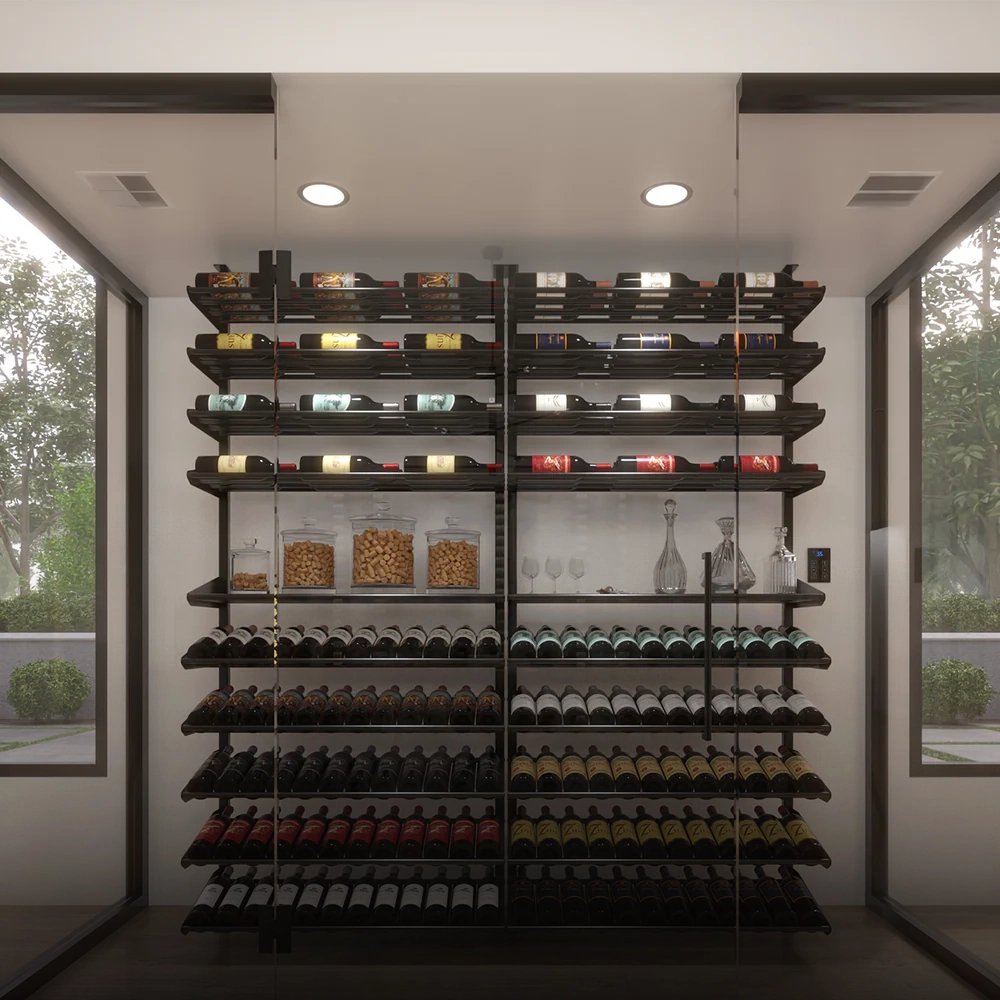
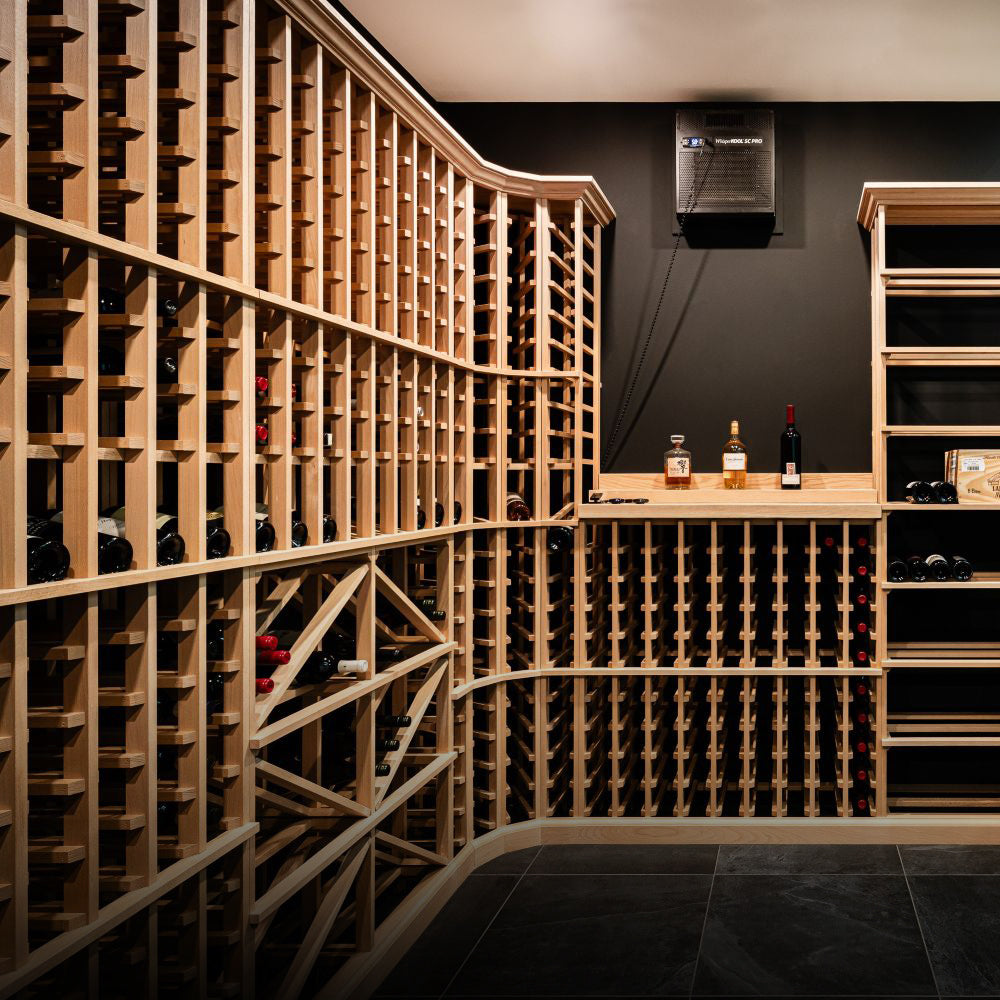
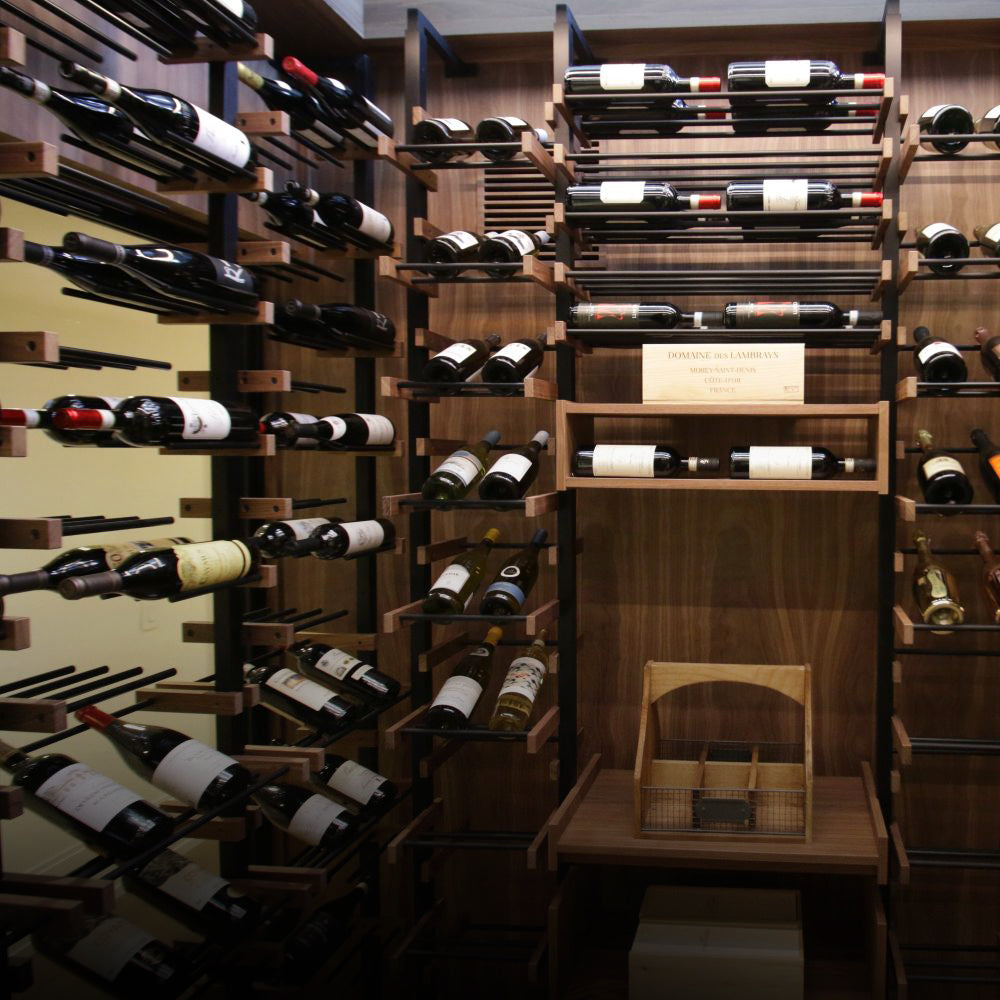





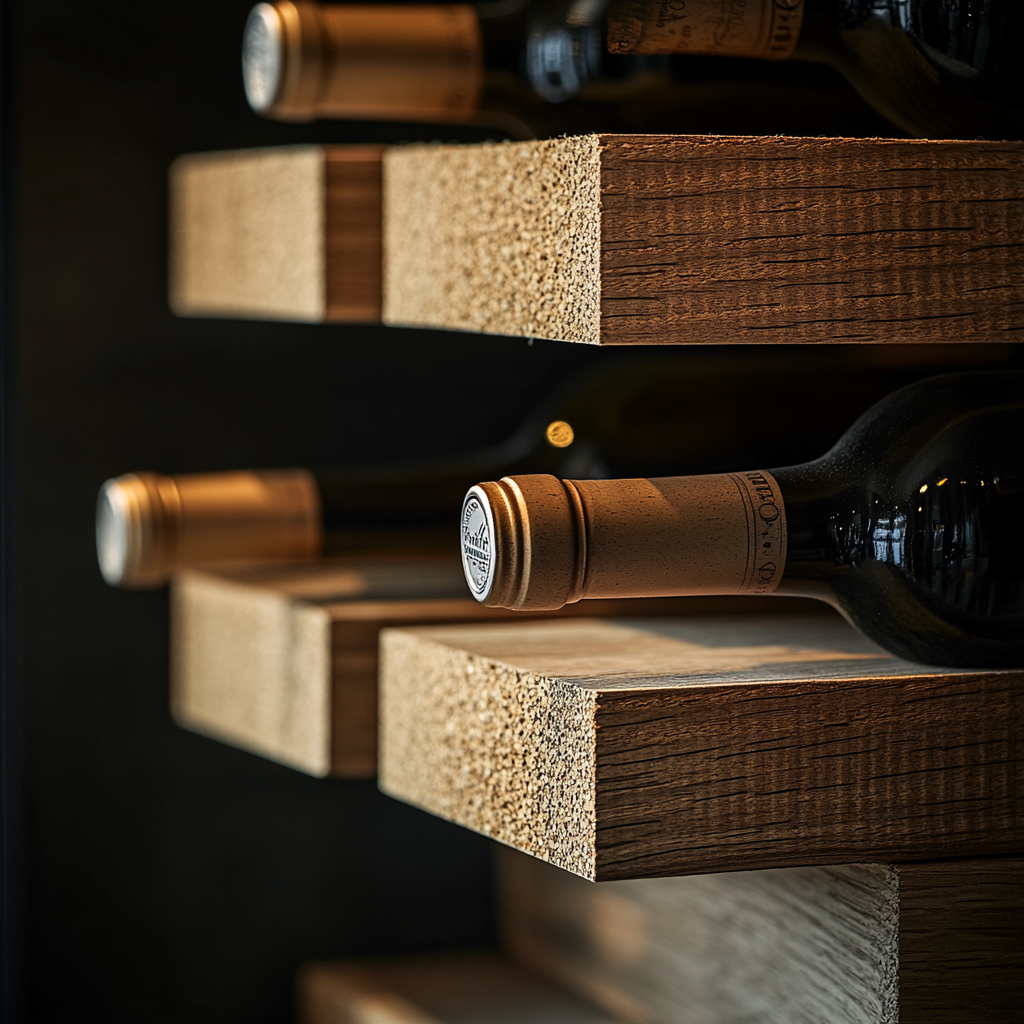

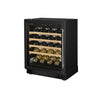
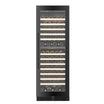
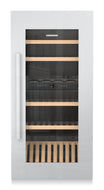






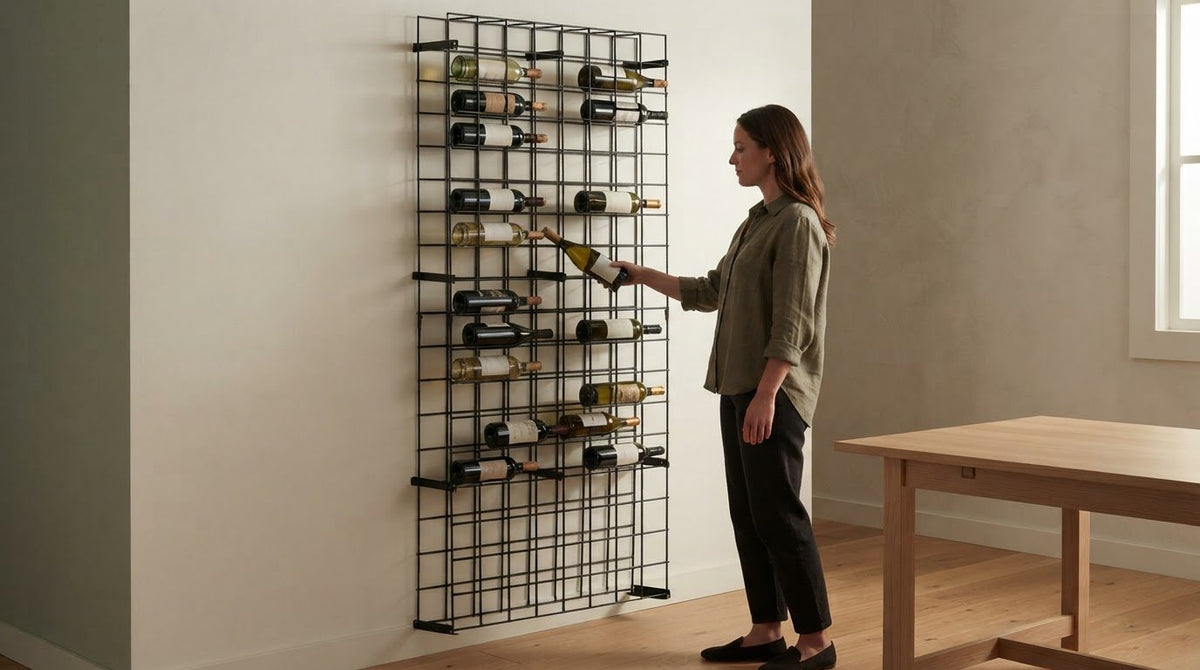
A minimalist wine display should feel architectural, not crowded. A contemporary black metal wine display in a minimalist interior can add a crisp focal point while keeping bottles visible and organized; a one-sided, floor-to-ceiling mounted rack display holds 21 bottles. The right choice depends on how much wine you store and how prominently you want it displayed.
Black metal suits restrained interiors, but a rack’s scale, placement, and bottle capacity matter as much as its finish. This guide explains how to choose ready-made or custom racking, plan a wine wall that feels balanced, and match storage to your collection. You’ll find practical ways to create a contemporary black metal wine display that pairs visual impact with everyday function.
Key Takeaways
- Choose ready-made storage for a straightforward fit, or consider custom racking when the wall, collection, or design calls for a tailored layout.
- Plan a wine wall around its visual balance: thoughtful spacing, restrained lighting, and a clear focal point help preserve a minimalist feel.
- Match rack capacity to your collection, whether you’re displaying a curated selection of 10-20 bottles or planning for 100 or more.
- For a wall-mounted display, use secure anchoring suited to the wall and the weight of filled bottles.
- Explore the Vantaggio V300 Wine Cabinet, Premier Cru Classic Racking, Premier Cru Modern Racking, and Wine Cooling Units for storage options that suit different display needs.
1. Contemporary metal wine racks
For a minimalist room, look for black metal racks with clean lines, open space, and an orderly bottle layout. Modular wall racks create a structured display, while sculptural designs add a more expressive focal point. A contemporary black metal wine display can complement pale walls, natural wood, and restrained furnishings without making the room feel crowded.
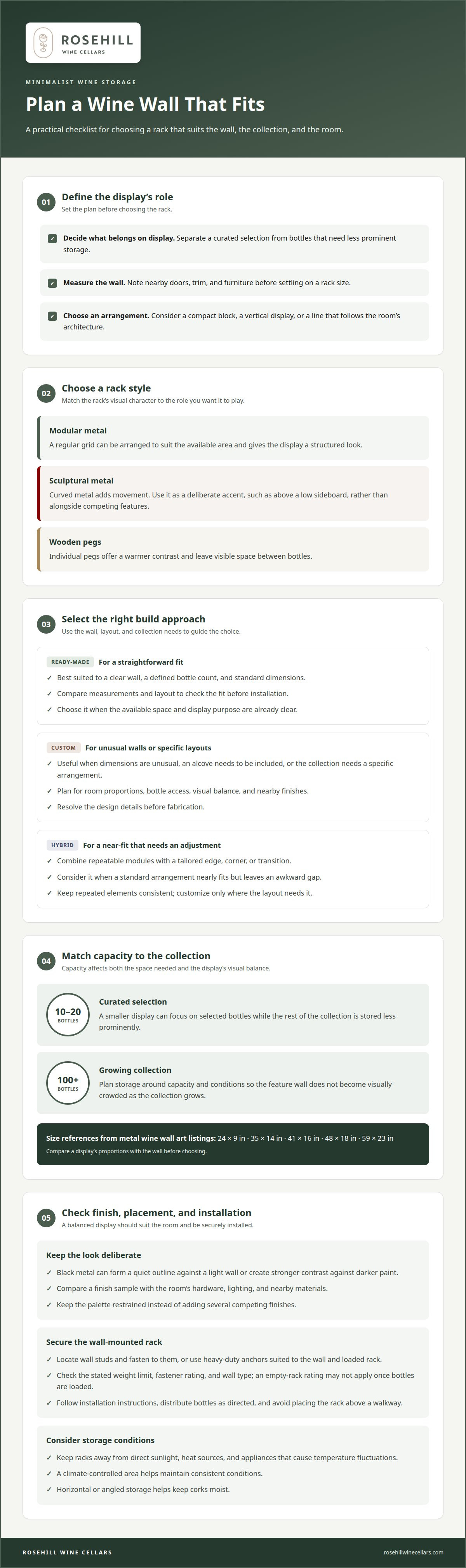
Sculptural designs use curved metal to give a bottle display movement. They work best as a deliberate accent, such as above a low sideboard, rather than alongside several competing features. Wooden peg racks offer a warmer contrast, with individual pegs supporting bottles against the wall and leaving space visible between them. Modular metal wall racks create a regular grid that can be arranged to suit the available area.
Wall-mounted displays preserve floor space and make bottles part of the room’s composition, but they require secure installation and a suitable wall. Freestanding racks are easier to reposition and don’t depend on wall anchors, yet they occupy floor area and can interrupt a clean sightline. A one-sided, floor-to-ceiling mounted display can hold 21 bottles, making it an example of vertical storage that keeps the footprint compact.
For a minimalist home, look for black metal wine racks through specialty wine-storage retailers and home-design retailers with clear product dimensions and installation details. Compare the rack’s shape and capacity with the wall before choosing. For a size reference, metal wine wall art listings include dimensions such as 24 by 9 inches, 35 by 14 inches, 41 by 16 inches, 48 by 18 inches, and 59 by 23 inches. These options show how a display’s proportions can change its effect.
Before installing a wall rack, locate the wall studs and fasten the rack to them, or use heavy-duty anchors suitable for the wall and loaded rack. Check the stated weight limit, fastener rating, and wall type; an empty-rack rating may not apply once bottles are loaded. Follow the installation instructions, distribute bottles as directed, and avoid mounting the rack above a walkway where a falling bottle could cause harm.
Placement affects both appearance and storage conditions. Keep racks away from direct sunlight, heat sources, and appliances that cause temperature fluctuations. A climate-controlled area helps maintain consistent conditions, and horizontal or angled storage helps keep corks moist. For example, a black steel rack on a shaded dining-room wall can display selected bottles, while a growing collection may need storage planned around capacity and conditions.
2. Ready-made versus custom wine storage
Ready-made storage suits a room with a clear wall, a defined bottle count, and standard dimensions. Comparing each rack’s measurements and layout makes it easier to check the fit before installation. A narrow dining-room wall, for instance, may suit a compact fixed rack better than a design that spans several surfaces. Choose this option when the available space and the display’s purpose are already clear.
Custom storage is useful when a wall has unusual dimensions, an alcove needs to be incorporated, or the collection calls for a specific arrangement. A tailored plan can account for room proportions, bottle access, and visual balance, while coordinating the rack with nearby finishes such as dark window frames or natural wood cabinetry. The design process needs to resolve these details before fabrication.
Start by measuring the wall and noting nearby doors, trim, and furniture. Decide whether bottles should sit in a compact block, a vertical arrangement, or a line that follows the room’s architecture. A ready-made rack works if its dimensions fit without crowding the surrounding space. Custom storage is better suited to a layout that must work around an architectural feature or align with built-in elements.
Finish is another consideration. Black metal can form a quiet outline against a light wall or create stronger contrast against darker paint. Compare a finish sample with the room’s hardware, lighting, and nearby materials. Black metal beside warm oak, for example, creates a different effect from black metal beside polished stone. Keep the palette deliberate rather than introducing several competing finishes.
A hybrid approach combines repeatable modules with selected custom details. Modular sections can establish the main structure, while a tailored edge, corner, or transition helps the layout fit a particular wall. This can work when a standard arrangement nearly fits but leaves an awkward gap. Keep the repeated elements consistent, and use custom details only where the layout needs adjustment.
Capacity should guide the choice, not just appearance. A display for a curated selection of 10-20 bottles has different space demands from storage for a growing collection of 100 or more bottles. Decide which bottles belong on display and which need less prominent storage. That distinction can prevent a feature wall from becoming visually crowded as the collection grows.
For a minimalist room, make one decision at a time: define the storage area, decide the display’s role, then choose ready-made, custom, or hybrid racking. If the wall dimensions and bottle arrangement suit an available rack, ready-made storage offers a direct solution. If the room has unusual architectural constraints, custom planning can bring the storage and interior into a more unified composition.
3. Wine wall styling, spacing, and lighting
Begin by considering the wall’s role in the room. A wine display above a sideboard can anchor a dining area, while a narrow arrangement beside cabinetry can draw the eye upward. Keep nearby art and accessories restrained so the black metal outline remains clear. For example, pair a simple rack with one large artwork instead of several small frames that compete for attention.
Spacing gives the display its rhythm. Align modular sections with a cabinet edge, doorway, or other strong line, then leave visible wall around the arrangement. Consistent gaps between bottles create order; an uneven pattern can feel relaxed in a room with varied textures. Before installation, mark the rack’s outer edges on the wall to assess its scale beside furniture and walking paths.
Open racks should support each bottle securely in its intended position. Store bottles horizontally or at an angle, and arrange them so they cannot roll or slide from their supports. Stay within the rack’s stated capacity and weight limit, including the fasteners. For a wall-mounted rack, secure its mounting points to wall studs or use heavy-duty anchors suited to the wall surface.
LED lighting can make labels and metal contours easier to see without adding a bulky fixture. A concealed strip beneath a shelf can cast light down the bottles, while a small directed light can emphasize one section of a larger wall. Keep fixtures visually discreet and position them to avoid glare across glass or direct light into nearby seating.
Use a dimmer or separate switch if the room serves more than one purpose. Brighter display lighting can suit a dining setup, while a softer setting keeps the same wall subtle during an evening gathering. Choose a consistent light tone throughout the display; visibly different tones can make clear glass, labels, and black metal appear mismatched.
Light placement also affects wine storage. Keep racks away from direct sunlight, heat sources, and appliances that cause temperature fluctuations. A climate-controlled area helps maintain consistent conditions, while carefully placed LED fixtures can define the display without making it the room’s only feature. Consider views from both the entrance and nearby seating before finalizing the layout.
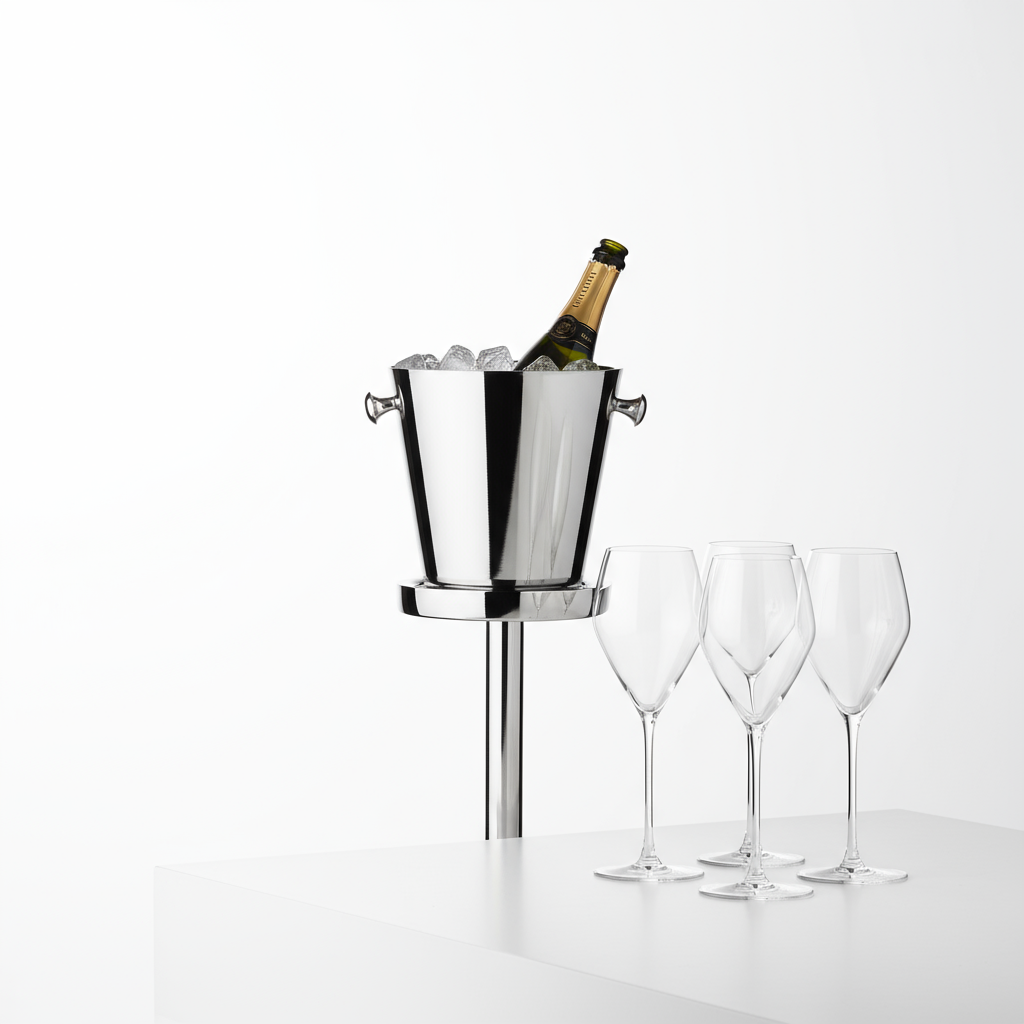
Bring the composition together with a deliberate balance of materials. Black metal against a pale wall creates crisp contrast; against dark paint, it becomes a quieter architectural detail. Add a restrained glassware arrangement nearby, such as pieces from the Orrefors Glassware Collection, rather than crowding the bottles with décor. Give each element room to stand out.
4. Choosing a rack for collection size and interior style
Decide which bottles belong on display and how often you reach for them. A contemporary black metal wine display in a minimalist interior can serve as a curated feature while the rest of the collection stays elsewhere. You might reserve the rack for bottles selected for a dinner or special occasion. This keeps the display connected to your habits instead of treating every bottle as décor.
Rack capacity depends on its dimensions and how each bottle is supported. Check the stated capacity and consider whether it suits the bottles you intend to store. Bottle shape can affect the appearance of a full rack: wider bottles may create a denser display than slimmer ones. Choose a layout that accommodates your collection without forcing bottles into unsuitable spaces.
Consider how your collection may change. A fixed rack creates a defined composition, while modular racking can adapt if you later change the display. If you rotate bottles seasonally, for example, flexible sections may be easier to rearrange. For a permanent feature, a consistent grid can make the wall feel orderly and intentional.
Consider the room’s existing lines. A straight rack can echo a console or cabinet, while a curved design can soften a room filled with angular furniture. For a contemporary black metal wine display in a minimalist interior, the rack’s silhouette should complement the room rather than compete with prominent artwork or a light fixture. Choose one focal point.
Finish and surrounding materials shape the overall effect. Black metal creates crisp contrast beside pale walls, while a darker backdrop makes it less distinct. A wood console or stone counter adds a contrasting surface without introducing another competing shape. For a cohesive result, repeat one material or finish elsewhere, such as in cabinet pulls or a nearby table base.
Before choosing a location, sketch the rack’s outline or temporarily mark its edges on the wall. This helps you judge whether the arrangement balances with nearby furniture and architectural details. Check that bottles can be placed and removed comfortably and that the display will not obstruct a door or frequently used surface. Planning ahead can prevent an awkward fit.
Choose based on the full setting, not the rack alone. Consider the bottle arrangement, room palette, and display’s role together. A sculptural rack can stand out as an accent, while a regular arrangement can blend with clean-lined cabinetry. The right choice makes storage feel like a deliberate part of the room.
5. Minimalist modern wine-cellar design
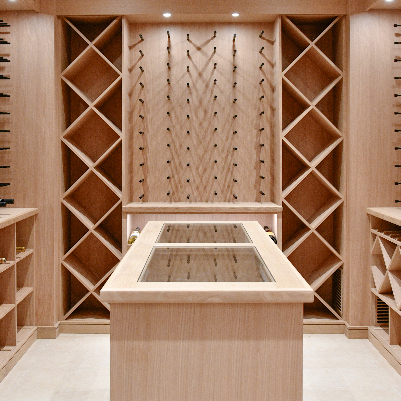
A minimalist wine cellar works best when storage, access, and architecture serve a clear purpose. Decide whether the room will display selected bottles, organize a larger collection, or do both. That choice shapes the cellar’s layout, the surfaces left open, and how the space connects with adjoining rooms.
Let the room’s architecture guide the rack arrangement. A long, uninterrupted wall can create a composed backdrop, while an alcove may call for a more contained design. Consider the view from the entrance and seating area. A wine wall behind a tasting counter, for example, can create a focal point while keeping the work surface distinct.
Black metal adds definition without elaborate ornament. Pair it with a restrained palette, such as light oak, neutral stone, and a simple wall finish. Repeating a material in a cabinet handle or table base can connect the cellar with nearby rooms. Avoid several contrasting finishes that compete with the bottles and rack.
Plan movement through the room as well as storage placement. Keep the route between the entrance, rack, and serving surface clear. Place frequently used bottles within comfortable reach and reserve less accessible areas for bottles selected less often. A serving counter near the display can support pouring and glass preparation without turning every surface into storage.
Let storage conditions inform the room’s design. A climate-controlled area helps maintain consistent conditions. Horizontal or angled bottle placement also helps keep corks moist, so choose rack layouts that accommodate these positions.
Use lighting to highlight the cellar without making fixtures the main attraction. Concealed LED lighting can outline a shelf or draw attention to a selected display area. Separate controls let the room shift between practical task lighting and a softer atmosphere. Position fixtures to reduce glare on glass and avoid shining directly onto bottles.
Coordinate the rack, wall finish, lighting, and serving details before installation. A restrained arrangement of Orrefors Glassware Collection pieces near a preparation surface can complement the room without crowding the wine display. Give each element a purpose, then use open space to let the architecture and collection stand out.
Rosehill Wine Cellars: Vantaggio V300 Wine Cabinet
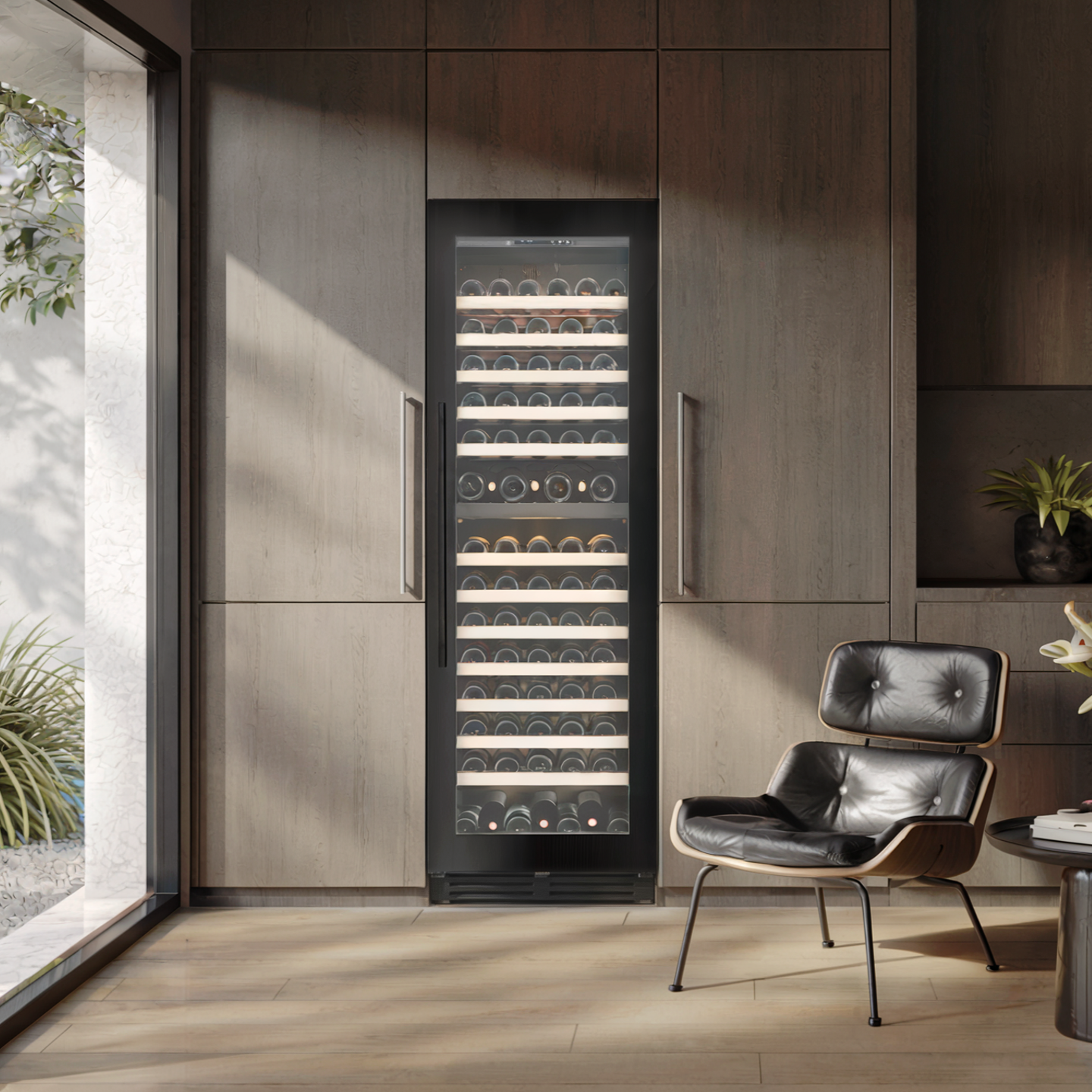
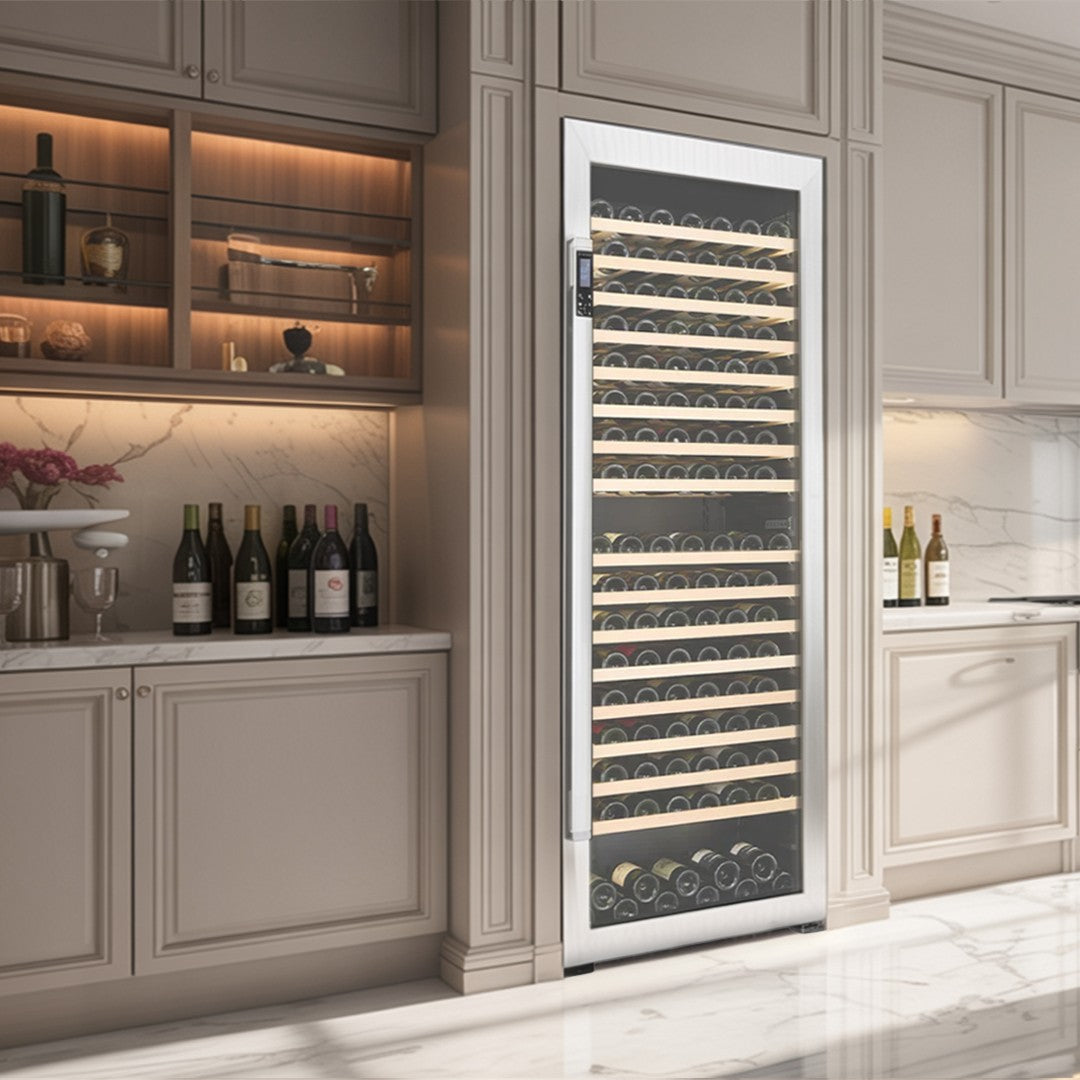
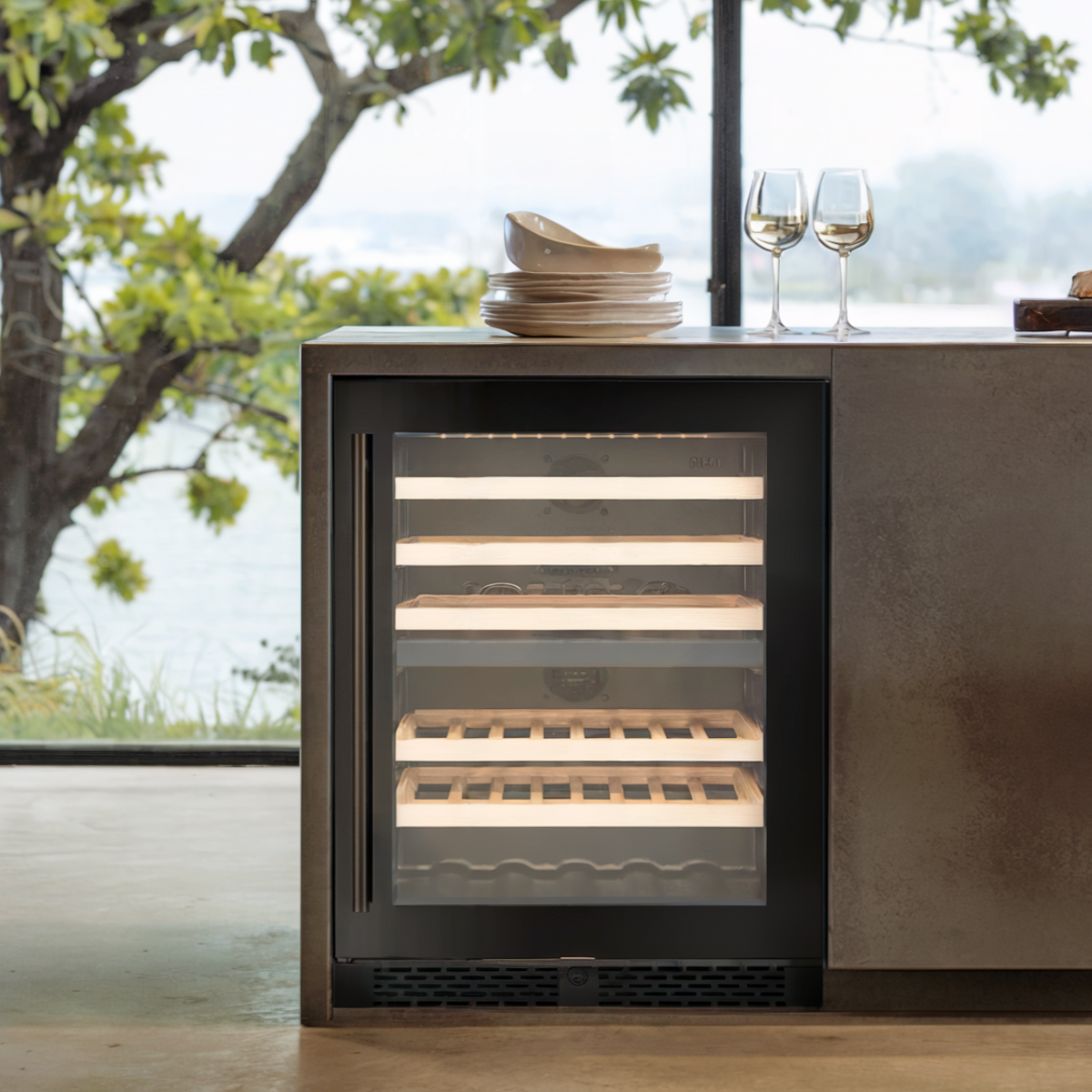
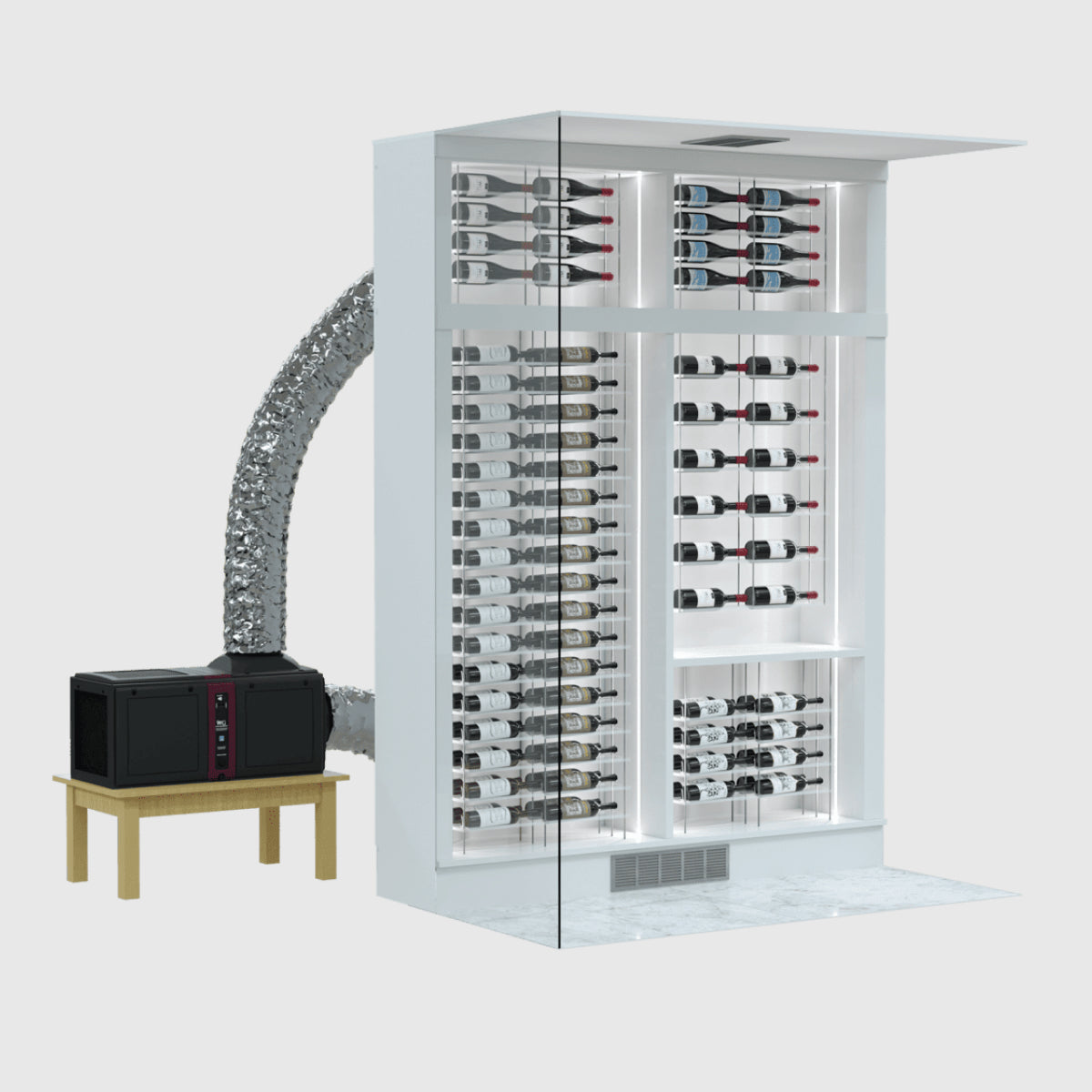
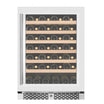
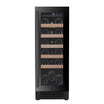
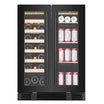
Rosehill Wine Cellars offers the Vantaggio V300 Wine Cabinet as an option for a minimalist wine display that calls for a cabinet rather than open wall storage. If your design depends on visible bottle rows, Premier Cru Modern Racking offers a racking alternative; Wine Cooling Units can also be part of a storage plan where temperature control matters. The right direction depends on your room, collection, and preference for concealed or visible storage.
Consider how a cabinet or racking will fit the room before choosing. A cabinet creates a defined storage feature, while racking makes bottles part of the interior composition. Rosehill Wine Cellars offers custom wine cellar design, wine cabinets, and racking to help shape a solution around your space and collection.
Shape a wine display that feels at home
A well-planned display should reflect how you live with your collection, not simply fill an empty wall. For a contemporary black metal wine display in a minimalist interior, consider how the storage relates to the room’s architecture and remains useful as your collection evolves. This can help you decide whether a cabinet or open racking is the better fit.
Rosehill Wine Cellars offers the Vantaggio V300 Wine Cabinet, Premier Cru Classic Racking, and Premier Cru Modern Racking as distinct storage options. Consider which direction best suits your space and the display you have in mind, then take the next step toward a more considered wine area.
Contact Rosehill Wine Cellars to discuss your wine-storage plans. A thoughtful design can bring clarity and character to your home, and your next step can start with the space you want to create.
Frequently Asked Questions
What are contemporary black metal wine display design ideas for minimalist interiors?
Try a single focal arrangement rather than spreading racks across several walls. A clean-lined display in a dining nook, for example, lets nearby surfaces remain visually simple. A vertical composition draws the eye upward, while a low horizontal layout can echo a long console. Choose one organizing idea, such as grouping bottles by occasion, and keep it consistent as you add or rotate bottles.
What are the best wall-mounted black metal wine racks for a modern home?
Choose a rack that securely supports your bottle shapes and suits the wall’s layout. Compare its bottle openings with the bottles you plan to display, including any wider-format bottles in your collection. Modular racking can create a layout for a particular wall, while a compact fixed design can suit a defined selection. Prioritize secure bottle support over decorative details.
What materials and finishes pair well with black metal wine displays?
Black metal pairs well with materials that provide measured contrast, such as walnut, pale plaster, clear glass, or brushed stainless steel. A matte wall finish keeps reflections subdued, while a reflective surface makes the rack more pronounced. Walnut cabinetry adds warmth, while stainless-steel details create a cooler, contemporary palette. Repeat one finish elsewhere to make the combination feel intentional.
How should a black metal wine rack be styled in a minimalist interior?
Give the rack a clear visual role, then edit the objects around it. Arrange bottles with labels facing consistently or group them by the occasions you plan to open them. Keep serving accessories in a separate drawer or on a nearby tray instead of placing them among the bottles. This keeps the display clear and makes it easier to select a bottle without disturbing the arrangement.
What are alternatives to black metal wine racks for a minimalist interior?
Wooden peg racks offer a softer, more tactile look, while a wine cabinet provides a contained alternative to an exposed display. For a larger collection, a dedicated wine cellar can integrate storage into a planned room design. Rosehill Wine Cellars offers the Vantaggio V300 Wine Cabinet and Custom Wine Cellar Design. Choose an alternative by considering whether you prefer visible bottles, a contained cabinet, or storage planned around the room.
Where can I buy minimalist black metal wine racks in the United States?
Compare wine-storage and home-design retailers, reviewing product dimensions, capacity, and installation details before choosing.