
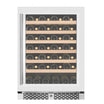
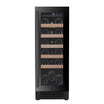
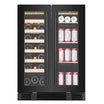
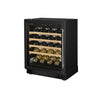
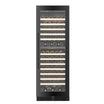
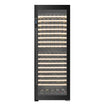
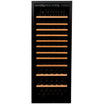
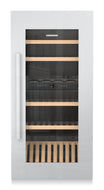



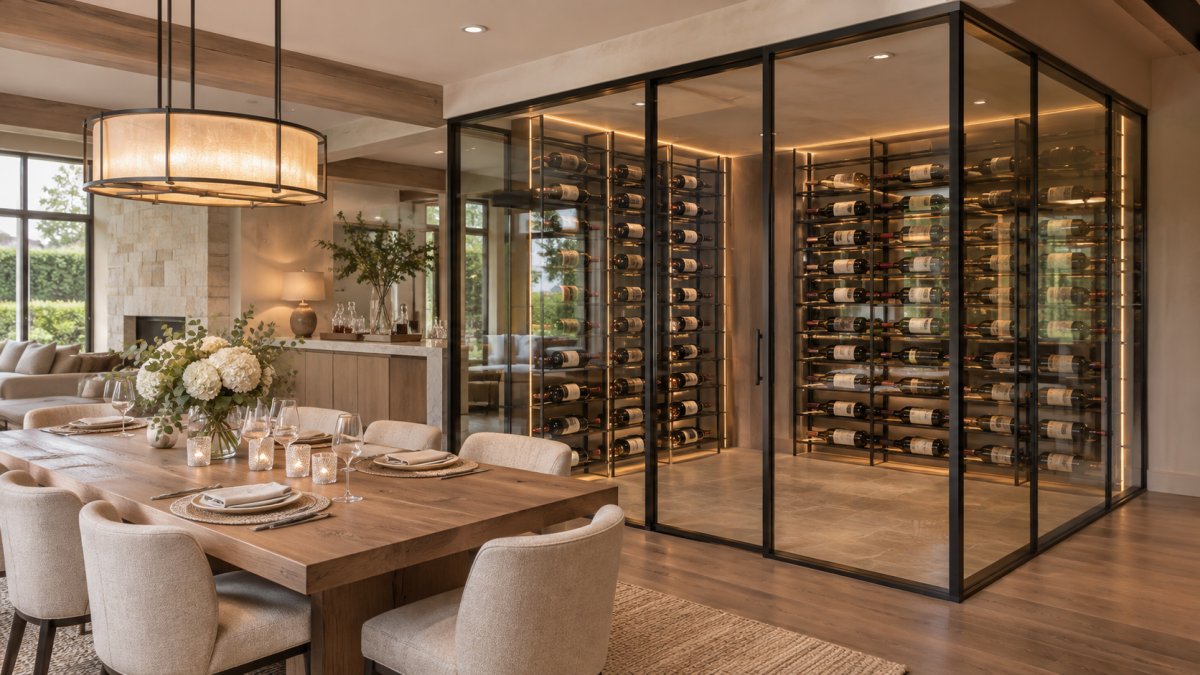
A glass-enclosed wine cellar can make your collection part of the dining room while giving it a dedicated storage space. An enclosed wine showcase in the dining room for entertaining guests can be designed around the bottles you want to display and the atmosphere you want to create. Plan the enclosure, cooling, and ventilation around whether you’re storing wine for aging or keeping it for near-term enjoyment.
It’s natural to focus first on the glass and racking. But the format, cooling equipment, lighting, and finishes all determine how comfortably the showcase fits the room and serves your collection.
Compare the options, from a glass wine wall to a walk-in cellar or wine cabinet, and consider how practical design choices affect the result. This guide will help you plan an enclosed dining-room wine showcase for entertaining guests that welcomes guests at dinner and accommodates your wine thoughtfully.
Key Takeaways
- Match the display format to the room: a glass wine wall, walk-in cellar, or cabinet each serves a different spatial and storage need.
- Plan cooling equipment placement early so the system can support the enclosure without becoming a distraction in the dining area.
- Use lighting, racking, finishes, and hardware to make the collection visible while keeping the showcase cohesive with the room.
- Consider ventilation alongside climate control, since the enclosure and surrounding dining space have different comfort needs.
- Learn which design details matter most before shaping a showcase for storage, display, and entertaining.
What is a glass-enclosed wine cellar?
A glass-enclosed wine cellar is a defined storage area behind transparent panels, designed to display bottles while separating them from the dining room. For built-in wine refrigerators, installation depends on the model’s required opening, ventilation, electrical connection, and clearances; the U.S. Consumer Product Safety Commission states that Federal Safety Standard for Architectural Glazing Materials requirements are covered by 16 CFR Part 1201.
Front-of-House Display and Back-of-House Storage
A front-of-house display presents selected bottles to guests, while separate storage keeps additional wine away from the dining area. This arrangement lets a glass wine wall become a focal point without putting every bottle on view. Decide which bottles belong on display, how guests will approach them, and whether the rest of your collection needs more discreet storage.
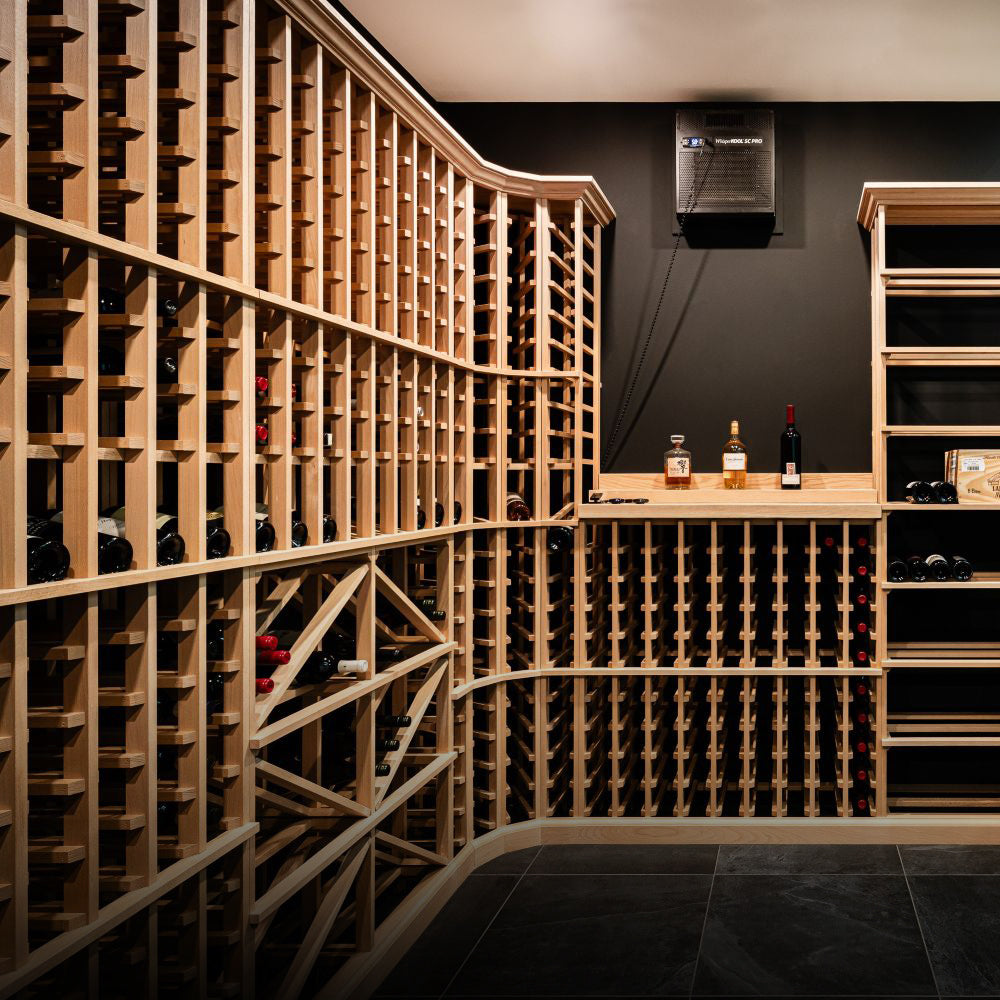
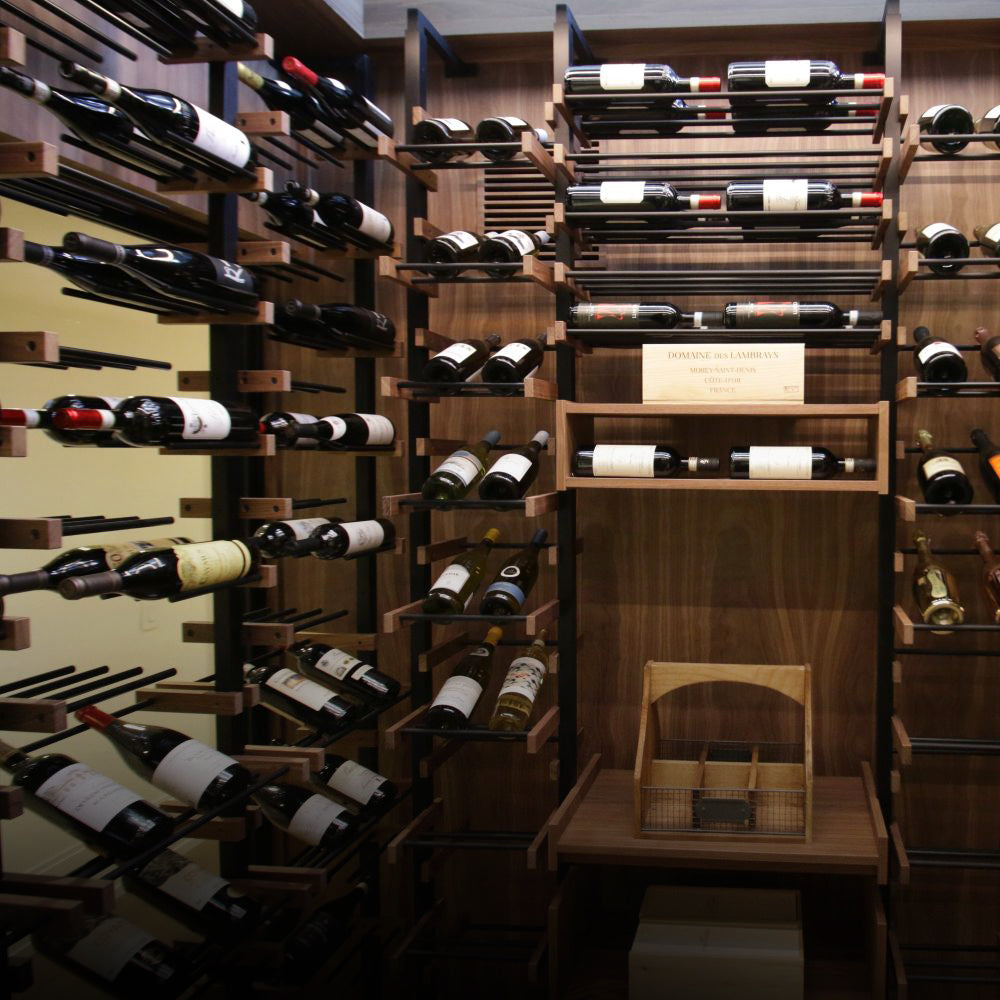
For example, a dining room display might feature bottles selected for an evening, with reserve cases stored elsewhere. Wine cellar design can also pair metal wine walls with wood accents for a crafted appearance. Keep the display’s purpose clear: make labels and bottle positions easy to see, and use separate storage to organize the rest of your collection.
Decor-Matched Displays for Entertaining
Tie the enclosure to the dining room’s existing materials rather than treating it as a separate feature. Dark metal can echo cabinet hardware, while wood accents can complement a dining table or flooring. A restrained frame keeps attention on the bottles; a more pronounced finish makes the display an intentional architectural feature.
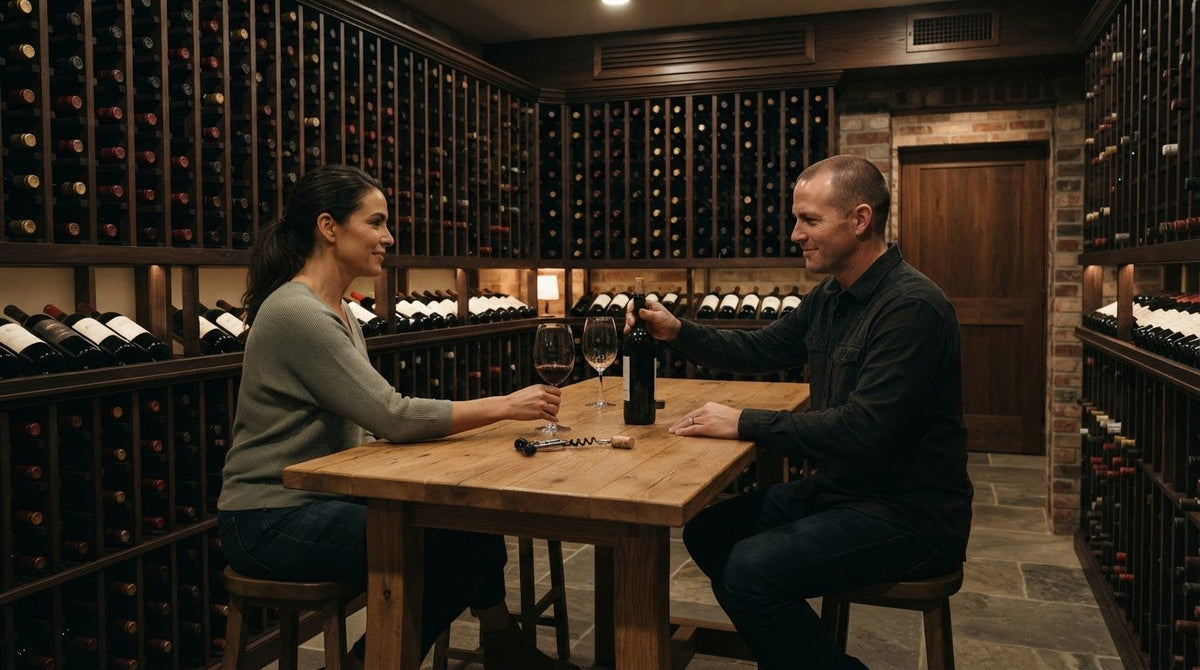
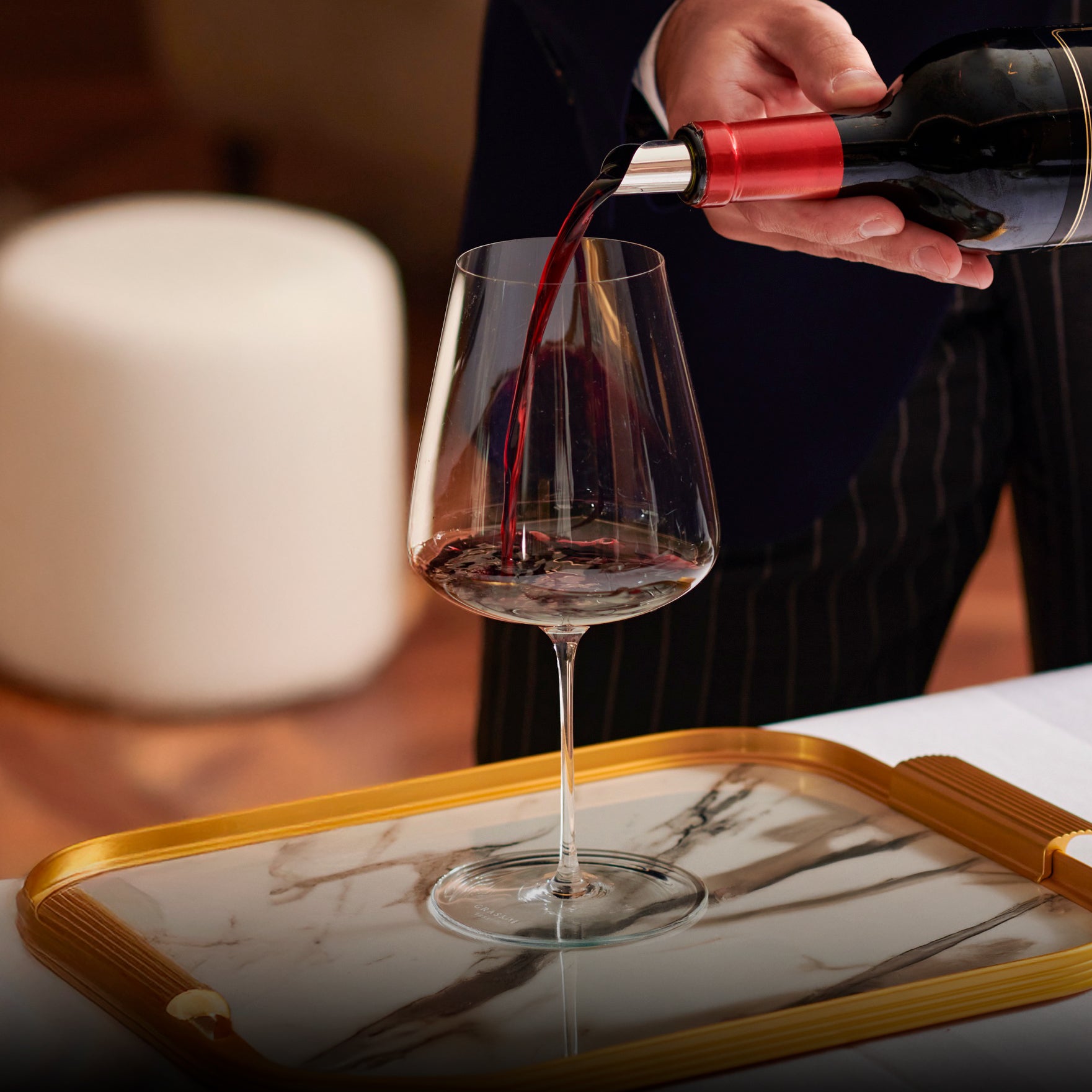
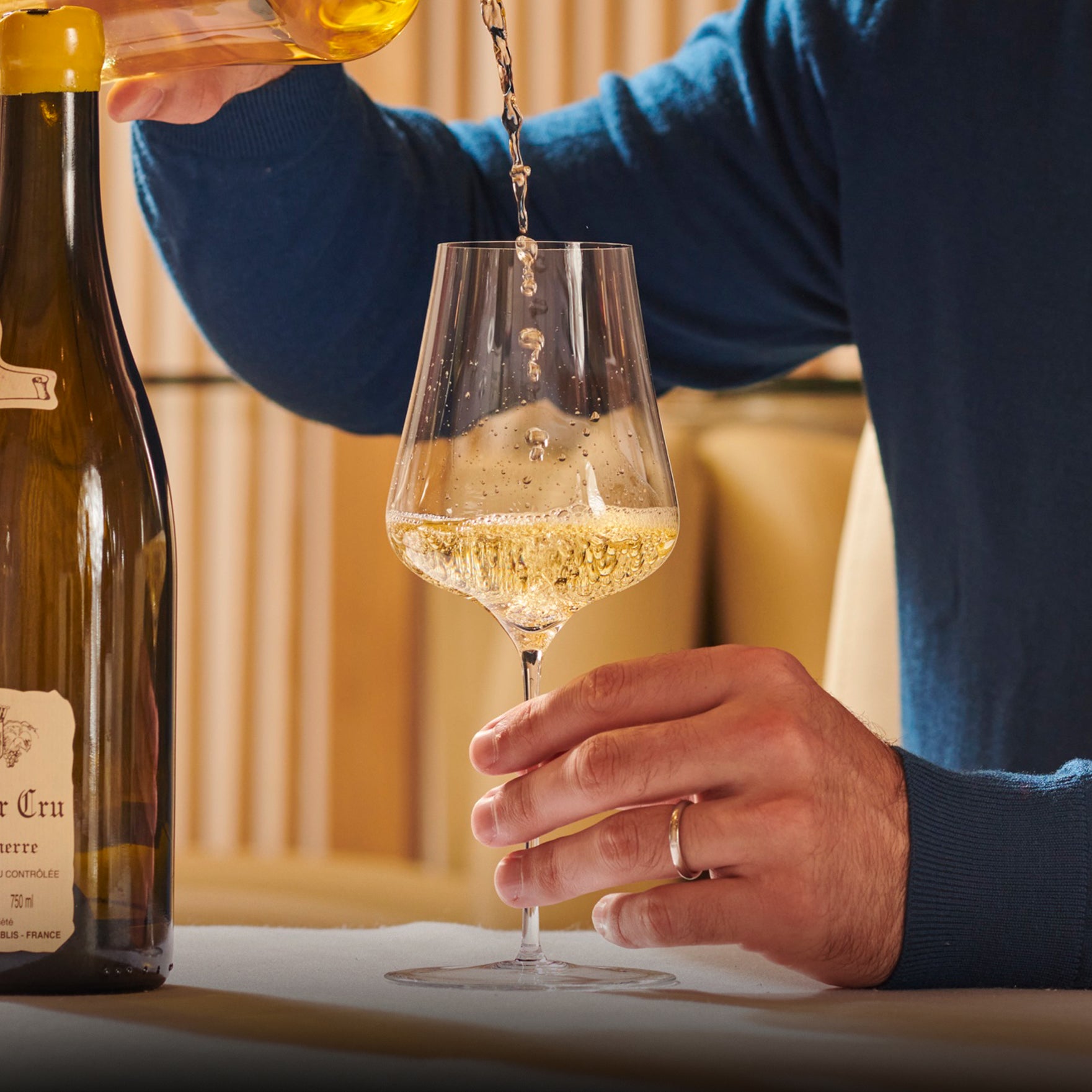
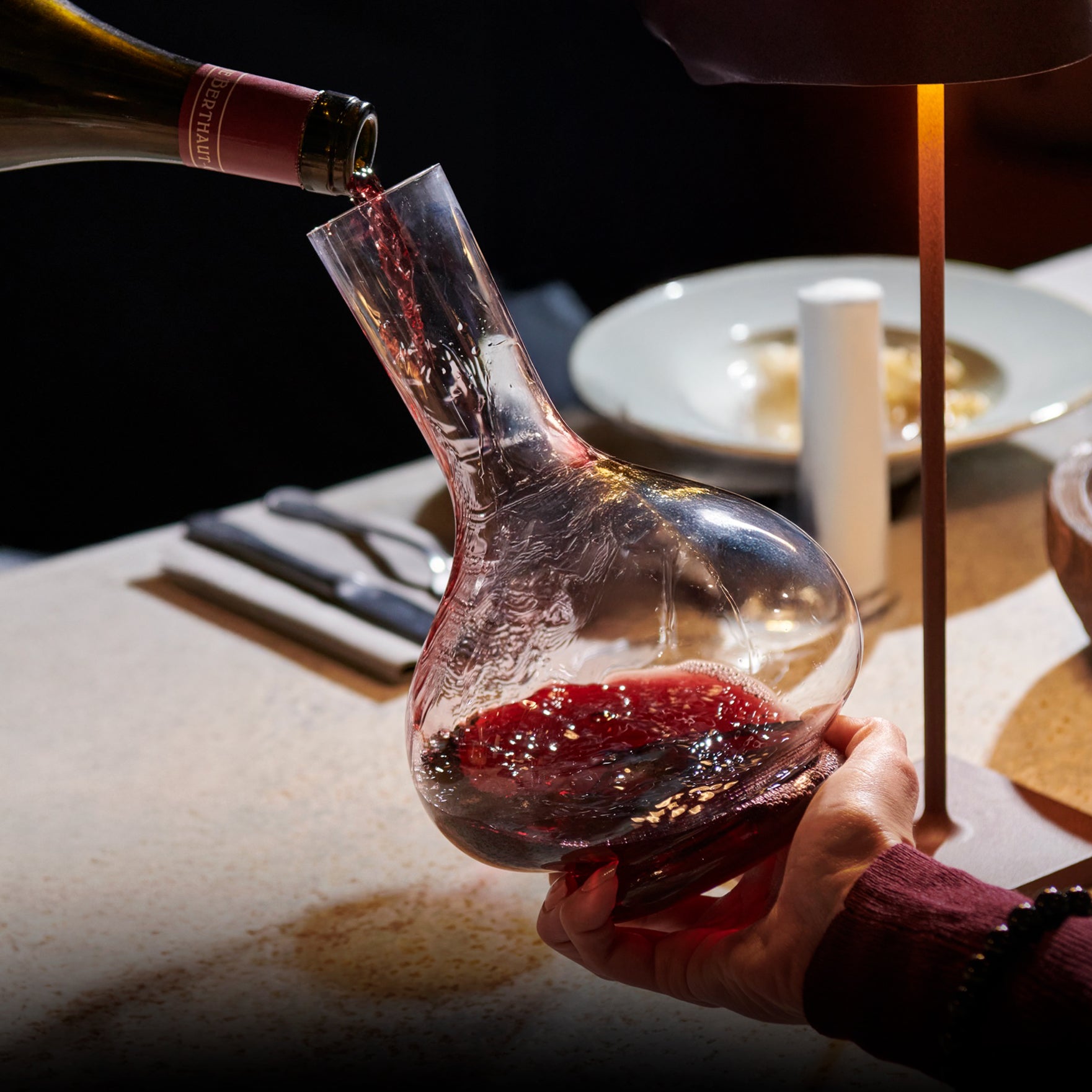
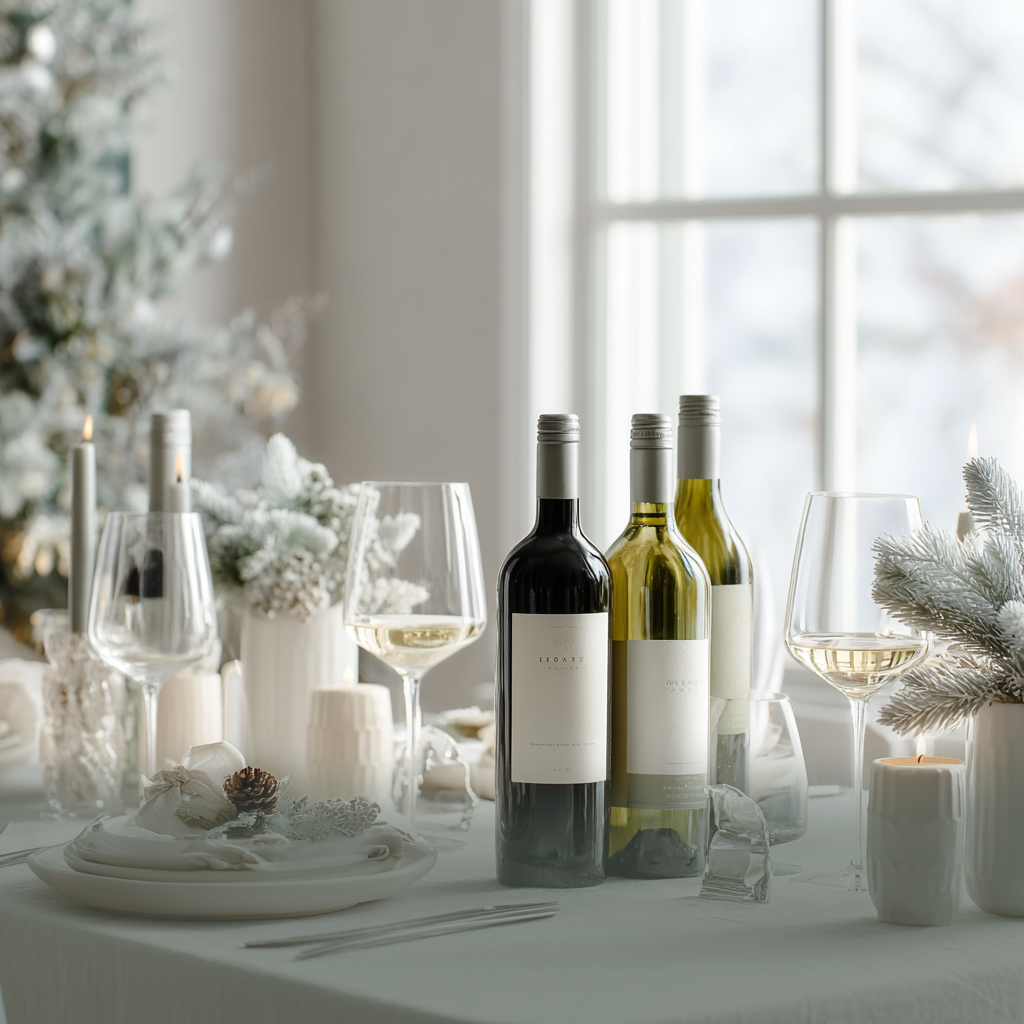
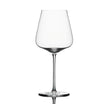
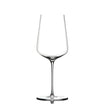
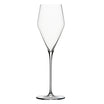
For entertaining guests, consider how the display looks from the table and how people will move around it. A built-in counter can create a dedicated tasting area, while a glass front keeps the collection visible during dinner. Choose glassware and bottle presentation that suit the room’s formality, such as Zalto Wine Glasses for a refined table setting.
Small dining rooms can make better use of vertical storage and compact modular designs. These approaches use wall height or a narrow section of wall rather than taking up a large floor area. A carefully planned wine display can fit beside cabinetry or at the end of a dining room, as long as doors and chairs have room to move.
Glass also affects how the room feels. Transparent panels let the bottle arrangement add color and texture without visually closing off the space. Decide whether the display should stand out or blend in, then coordinate its frame, racking, and nearby finishes accordingly.
Plan the guest experience as well as the view. Position frequently selected bottles within easy reach and leave serving space clear for opening and pouring. This creates a natural flow from display to table, while the enclosure gives your collection a defined place in the dining room.
Glass wine wall, walk-in room, and wine cabinet formats
Choose a format based on collection size, available floor space, and how prominently you want the bottles displayed. Glass wine walls, walk-in cellars, and cabinets each balance storage and visibility differently.
Enclosure Placement in Dining Rooms and Lounges
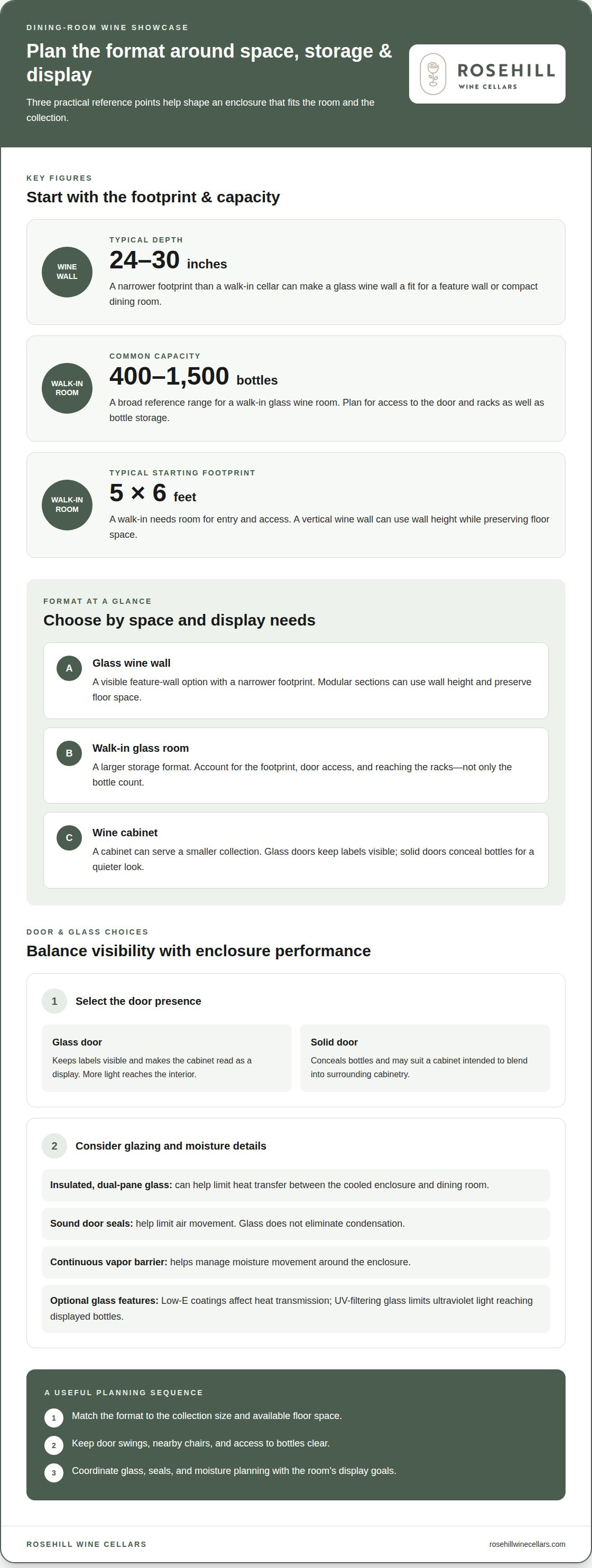
A glass wine wall can occupy a dining-room feature wall, while a walk-in room needs space for entry and access. A typical glass wine wall is 24 to 30 inches deep, which can make it suitable for a narrower footprint than a walk-in cellar. In a lounge, placing the enclosure near seating can make bottle selection part of the gathering.
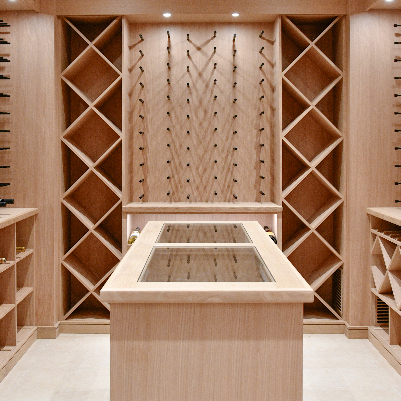
A walk-in glass wine room commonly holds 400 to 1,500 bottles and typically starts at about 5 by 6 feet. That footprint needs room beyond the bottle storage itself, including access to the door and racks. A compact dining room may suit a vertical wine wall instead; modular sections can use wall height while preserving floor space.
For any format, consider how the glass will face the room. A display visible from the dining table reads as a feature; one around a corner feels more discreet. In an open lounge, a glass enclosure can define the cellar without creating a solid visual barrier. Keep the door swing and nearby chairs clear.
Showcase Capacity and Door Choices
Choose capacity by considering the collection you have now and the bottles you expect to keep. A walk-in room’s common range of 400 to 1,500 bottles provides a broad reference, while a wine wall or cabinet can serve a smaller collection. Include space for different bottle shapes and for reaching labels without moving neighboring bottles.
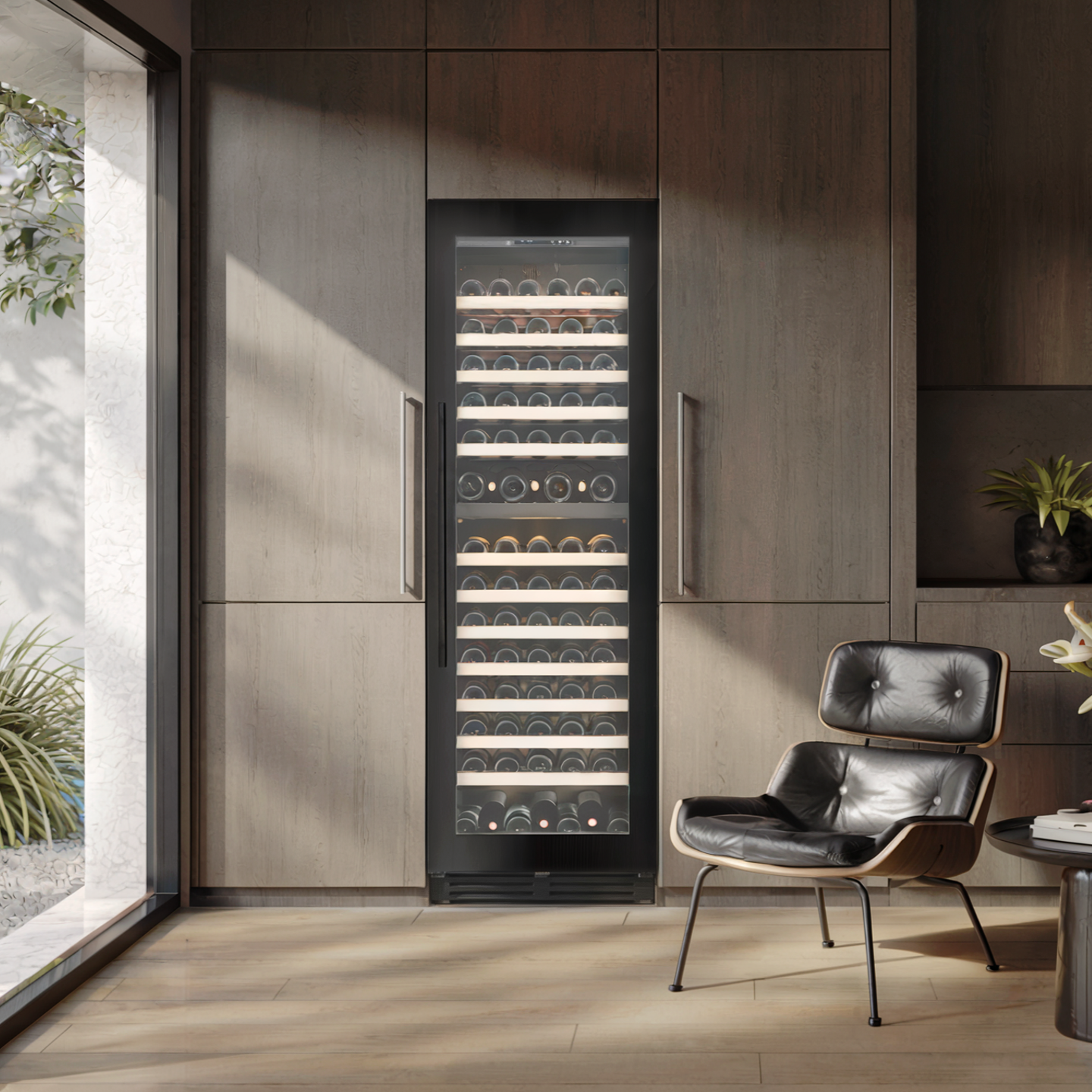
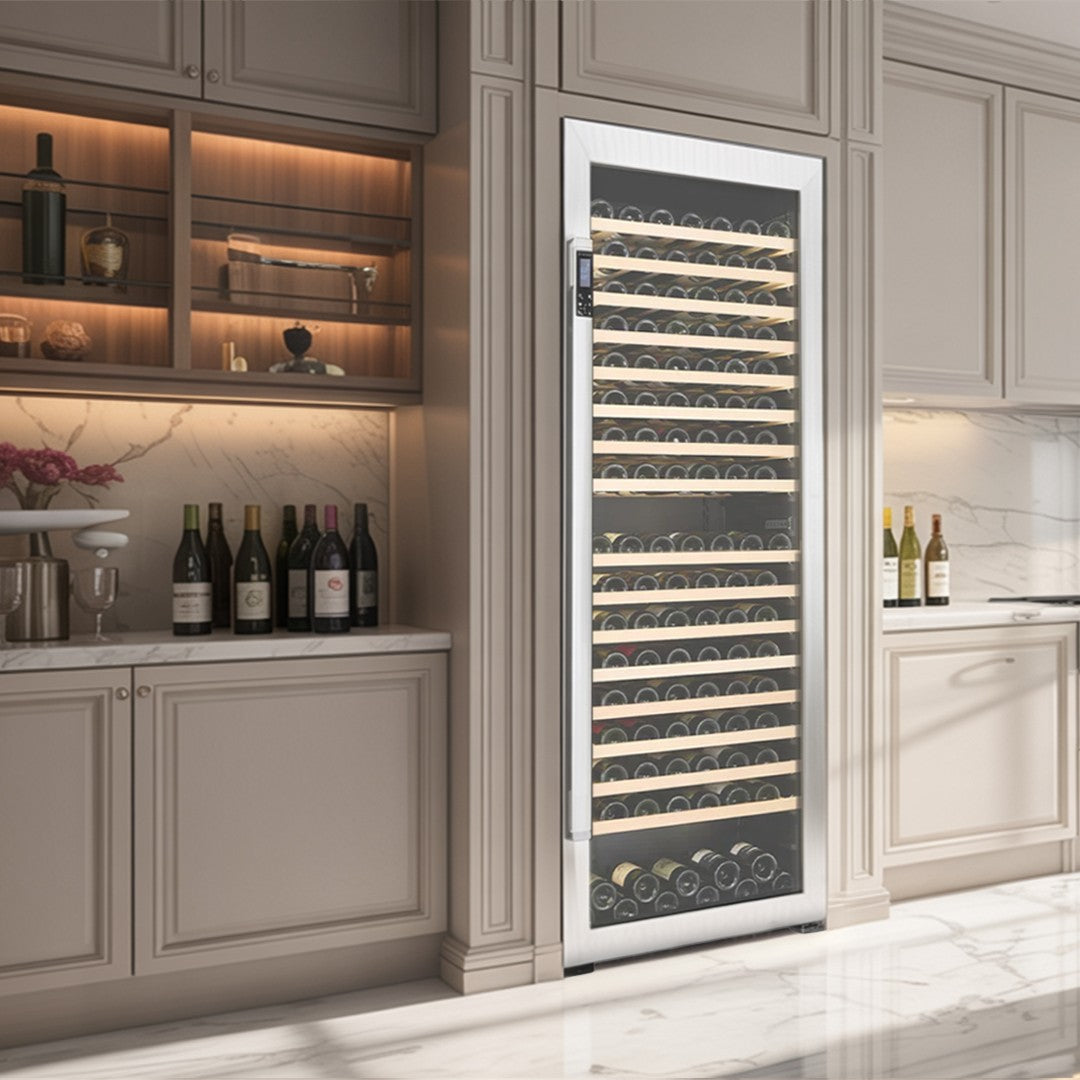
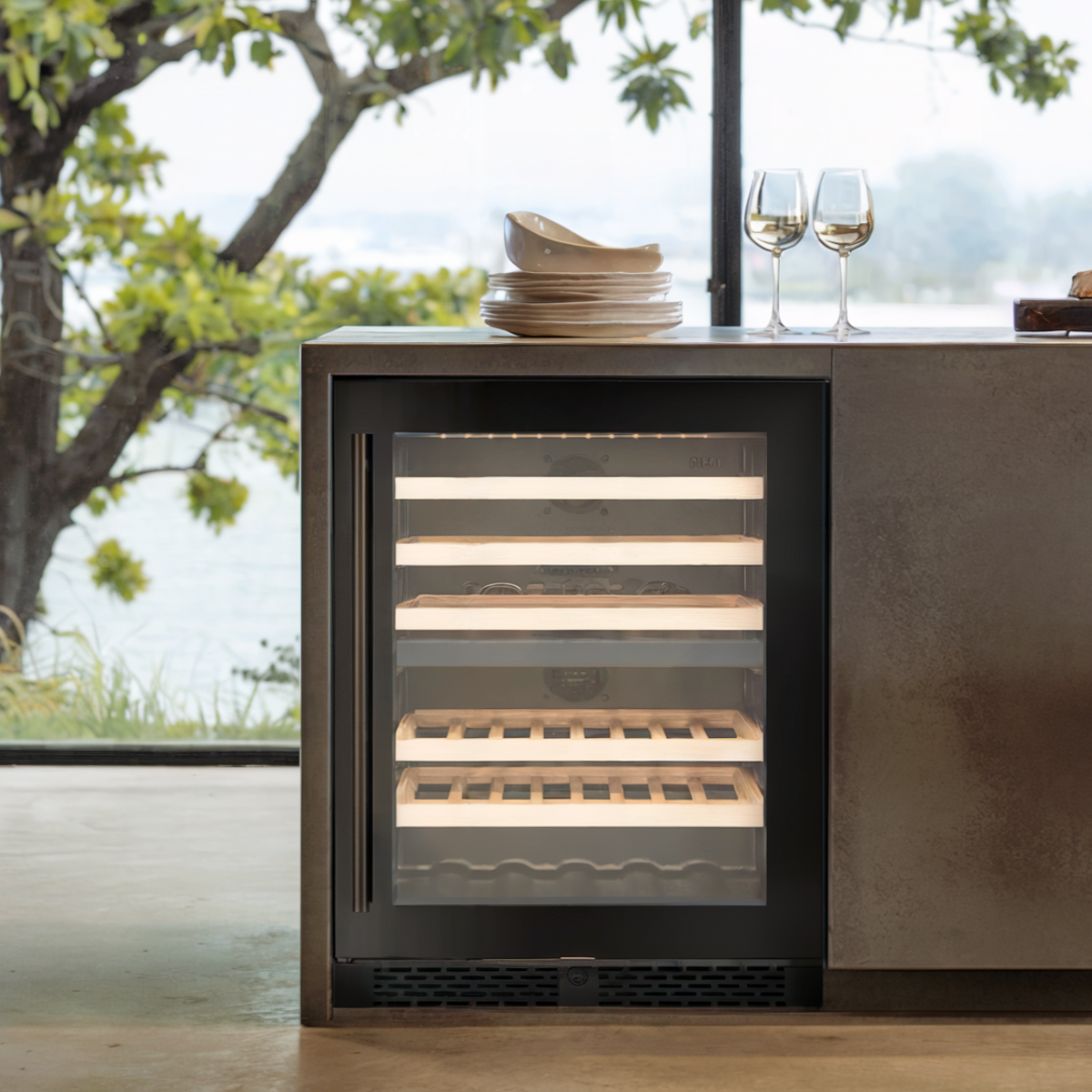
Glass-door wine cabinets keep labels visible and make the cabinet read as a display; solid doors conceal bottles and create a quieter visual presence. Glass also lets more light reach the interior, so placement and lighting matter. A solid door blocks the view and may suit a room where the cabinet should blend into the cabinetry.
Insulated, dual-pane glass can help limit heat transfer between a cooled enclosure and the dining room. The additional pane creates a buffer, while sound seals around the door help limit air movement. Glass does not eliminate condensation: warm, humid room air can condense on a cold surface. Proper seals and a continuous vapor barrier around the enclosure help manage moisture movement.
Low-E coatings affect how glass transmits heat, while UV-filtering glass limits ultraviolet light reaching displayed bottles. These options can be considered alongside the enclosure’s orientation and the room’s lighting. For a wine wall with a floating appearance, plan supports and framing as part of the design, not as a decorative afterthought. A custom wine cellar design can bring placement, capacity, and glazing choices into one plan.
Hidden cooling configurations and equipment placement
A cooling system should support the enclosed cellar without drawing attention during dinner. Its capacity, location, and airflow path all affect the showcase’s performance.
Size Cooling Capacity to the Room
Room volume is only one factor in sizing a cooling unit. A heat-load calculation estimates the heat entering the glass wine cellar and the system capacity needed to remove it. It accounts for enclosure dimensions, glass exposure, insulation, lighting, nearby heat sources, and how often the door opens.
These details matter because a glass enclosure can gain heat differently from a solid, insulated room. A sunny wall, for example, adds a different load than an interior wall beside a cool hallway. Racking density and bottle count also shape the plan, since wine racks and stored bottles take up space inside the enclosure.
Size capacity for the room’s actual conditions, not a guess based only on floor area. A properly sized cooling unit can regulate the cellar without relying on an oversized system for extra capacity. Wine cooling units are designed for wine-storage spaces, unlike general room air conditioning, which conditions the larger living area.
Reduce Noise and Vibration
Dining rooms call for quiet equipment placement. A low-noise, low-vibration cooling unit helps avoid competing with conversation and reduces disturbance around the display. Consider the location of both the equipment and its airflow openings before finalizing cabinetry or nearby seating.
Condenser placement matters because the condenser releases heat from the system. Keeping it outside the dining space can help limit equipment noise and heat near the table, provided the installation allows suitable airflow and service access. Avoid placing the unit in a tight cabinet without a planned route for heat to escape.
Vibration matters too. A unit mounted against a shared wall may transmit operating sound into the room, while a poorly supported shelf can rattle. Include stable mounting and separation from wine racks in the layout. Plan access for maintenance without making the cooling system the visual focus.
Consider a Split-Type Configuration
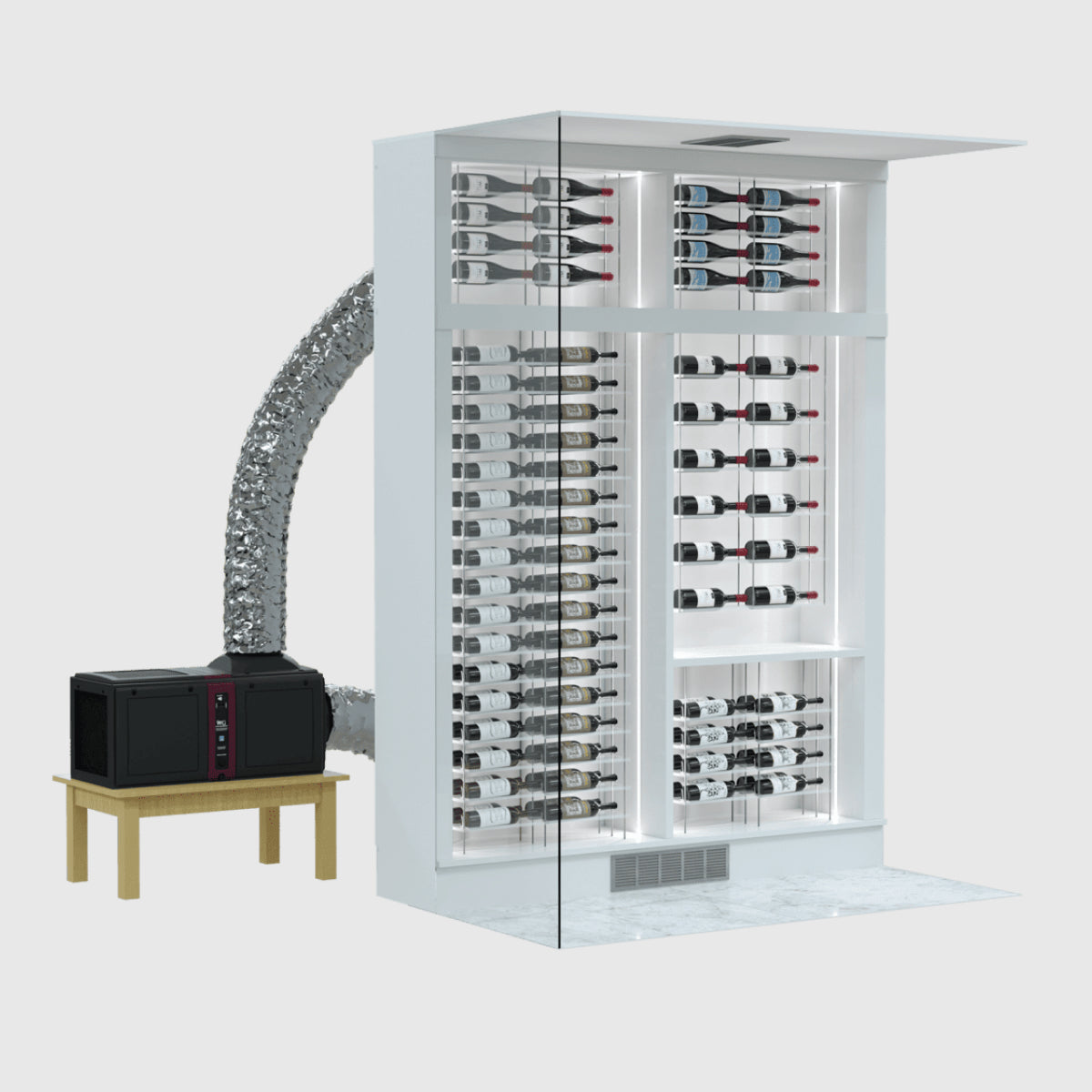
A split-type system places the evaporator, which cools the cellar air, apart from the condenser, which releases heat. Separating these components can move louder equipment away from the dining area while keeping the cooling function close to the enclosure. The arrangement requires a planned route between components and adequate space for airflow.
Plan this route early. Wall framing, cabinetry, and the condenser’s location can limit where the system fits. Account for line routing, service access, and the direction of discharged heat. Concealed equipment works best when the enclosure design and cooling layout are developed together.
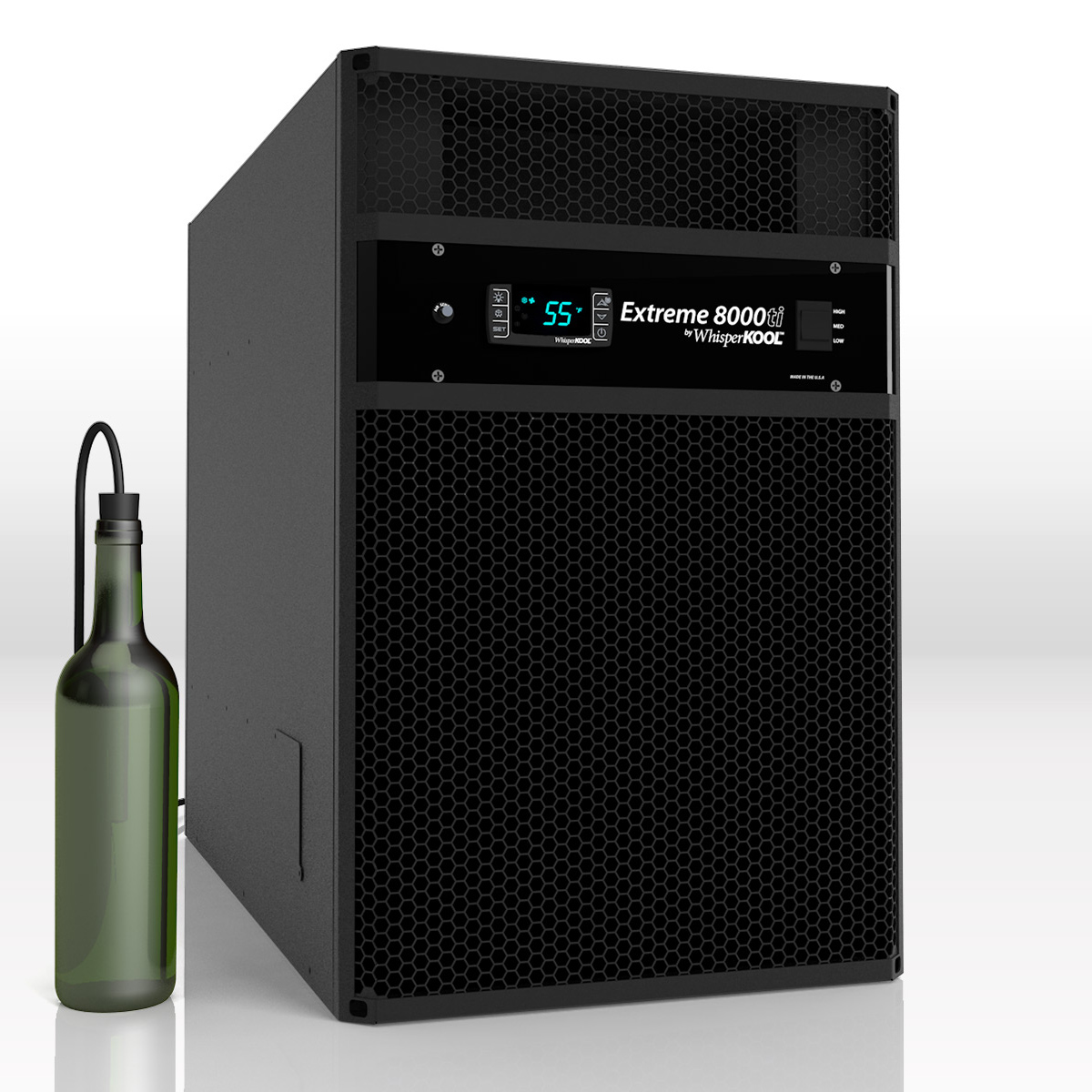
For a dining room showcase, specify the cooling system around the enclosure, the room’s heat sources, and the desired equipment location. A wine cellar cooling system is intended for this kind of storage environment. Coordinating capacity and placement early helps preserve both cellar function and dining-room comfort.
Lighting, racking, finishes, and hardware
Lighting and racking shape both the appearance and daily use of a glass wine display. Plan them together so the collection is easy to view and the finish suits the dining room.
Lighting for Ambiance
Soft, ambient LED lighting can make bottles visible without turning the showcase into a harsh focal point. Use lighting to reveal labels and the texture of the racking, then consider how the display looks from the dining table and nearby seating.
Light placement matters. A strip concealed along a shelf can highlight bottle rows, while a focused fixture can draw attention to a selected section. Incandescent bulbs release about 90 percent of their energy as heat, so LED lighting is recommended for a dining room wine display.
Use the room’s existing lighting as a guide. If a pendant already defines the table, keep the cellar illumination softer. If the showcase is the focal feature, carefully placed LEDs can give it more presence. Include switches or controls in the lighting plan so the display can shift from a practical view during bottle selection to a quieter glow during dinner.
Racking, Finishes, and Hardware
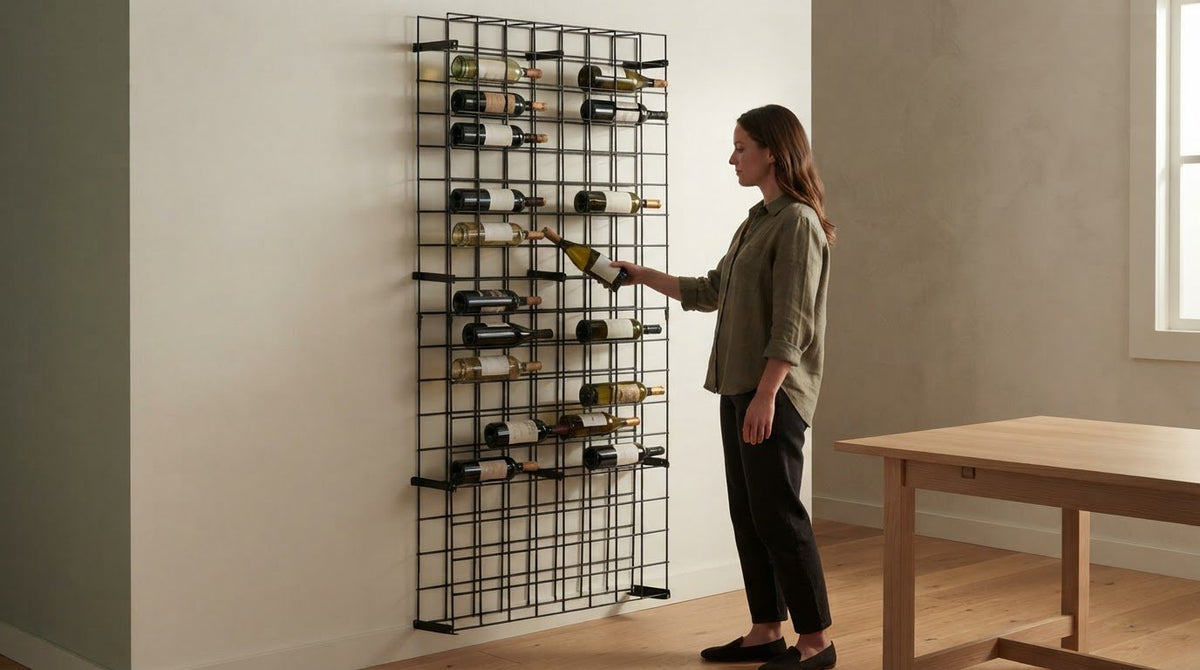
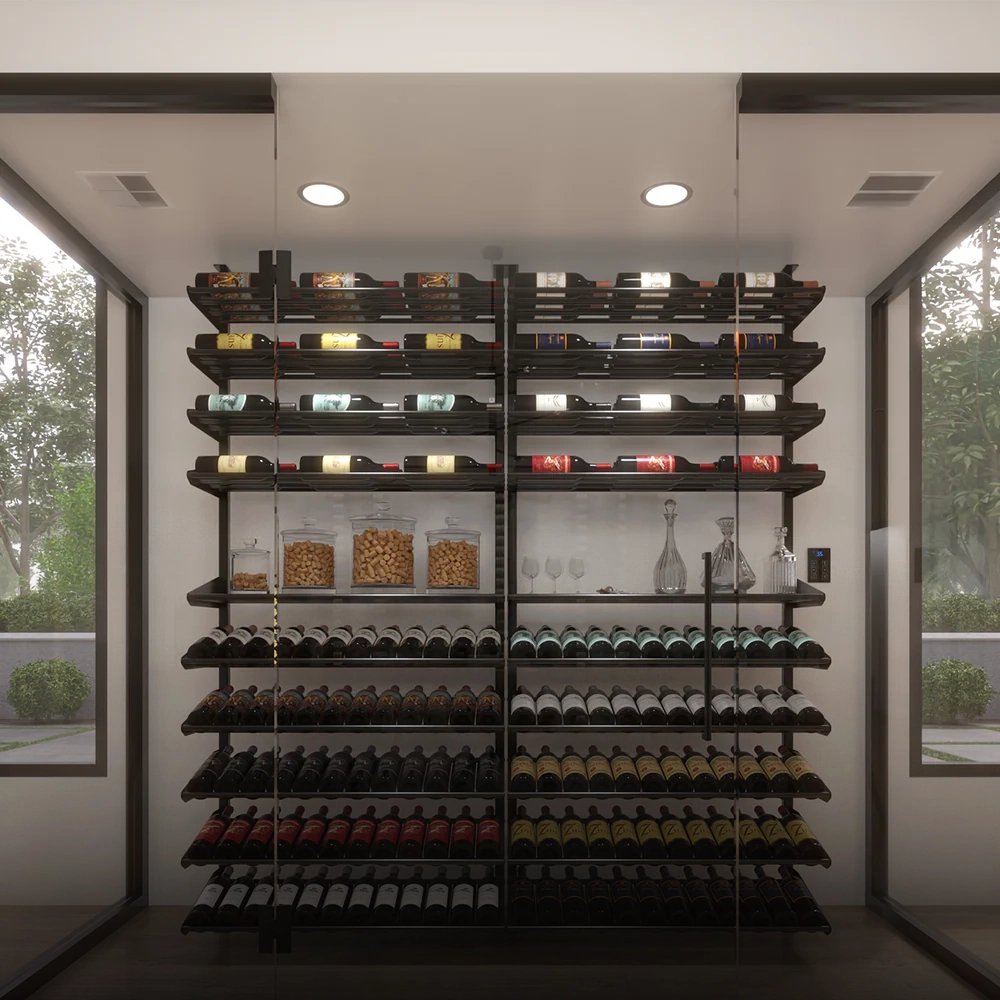
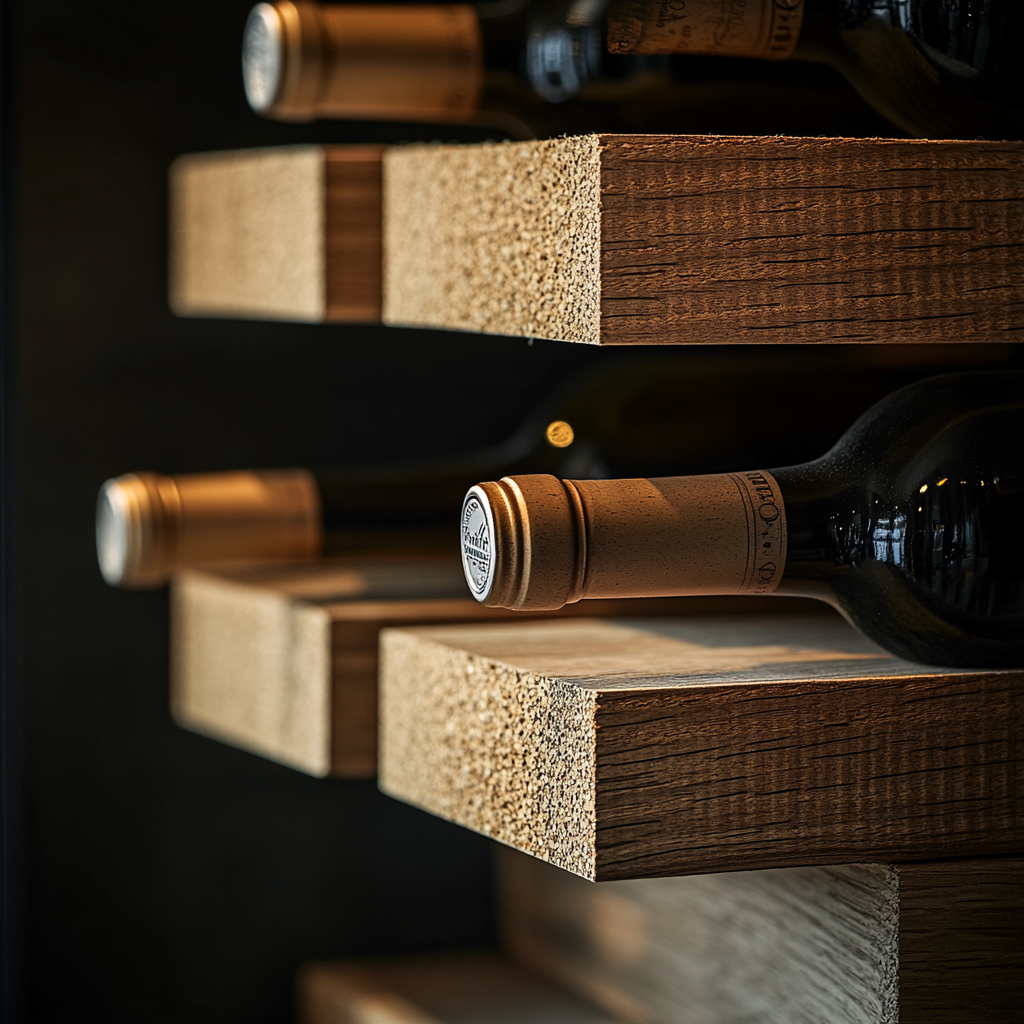
Choose racking according to how bottles will be stored and viewed. Label-forward pegs make selection easier for guests, while rows of traditional horizontal storage create a more ordered visual rhythm. One display approach uses each wine peg to hold two bottles label-forward, making efficient use of wall space while keeping bottles clearly presented.
Metal racks paired with wood accents add contrast without requiring a single finish throughout the enclosure. For example, dark metal can define bottle positions while a wood back panel brings warmth to the dining room. Consider Premier Cru Classic Racking and Premier Cru Modern Racking as distinct options for the overall look.
Give hardware the same attention as the frame. A handle should feel comfortable to use and coordinate with nearby cabinetry, while hinges should let the door open without striking a chair or table. Align metal tones across handles, rack supports, and lighting details for a composed finish.
Before selecting materials, decide which detail should lead: the wine labels, the rack structure, or the surrounding decor. This helps integrate the showcase with existing furniture rather than making every element compete for attention. A luxury finish can be restrained; a clean wood-and-metal combination may complement a formal dining set without adding ornament.
Plan for maintenance as part of the design. Smooth surfaces around the bottle rows are easier to dust, and uncluttered hardware keeps cleaning straightforward. Review the lighting, racking, and finish together under the room’s evening conditions, when guests will see the display at its most atmospheric.
Climate control and ventilation
A glass wine enclosure needs its own climate plan, separate from the dining room’s comfort settings. For storage, maintain 55-58°F and consider how humidity, airflow, and glass surfaces interact.
Temperature stability matters more than simply cooling the whole room. The enclosed portion of a home display may be climate controlled to around 55° while the seating area remains comfortable. This separation lets guests dine without making the wine-storage zone follow every change in room temperature.
Humidity recommendations vary across cellar guidance. Wine storage recommendations include 55-70% humidity, while dining room glass cellars are also described with a target of about 55% to 65% relative humidity. A design should account for the enclosure’s seals, materials, and cooling method, rather than treating humidity as an independent setting.
Glass changes the cooling equation. A glazed enclosure can gain heat differently from an insulated interior room, so cubic footage alone may not reflect its full heat load. Glass wine enclosures may require a cooling unit one size larger than cubic footage alone indicates. Sun exposure, nearby appliances, lighting, and door use all affect how much heat enters.
Ventilation gives the cooling system a clear path to move heat away from the storage area. Plan the intake and exhaust locations before cabinetry or decorative panels conceal them. A unit enclosed behind millwork still needs the airflow its design requires. Blocked vents can interfere with heat removal and make temperature control less effective.
A wine-specific cooling unit regulates the storage zone while helping keep the dining room comfortable. General room cooling serves people and furnishings, not the enclosed collection. If the display is for bottles to be enjoyed soon rather than aged long-term, active cooling may not be necessary; let the collection’s purpose guide the system choice.
During planning, map the enclosure, cooling equipment, and ventilation route together. Note nearby heat sources, likely door use, and where warm air will discharge. These steps help the cooling design respond to the actual room rather than relying on appearance alone. A contemporary glass feature should preserve access to vents and service points.
For a collection intended to age, prioritize stable conditions and a properly ventilated enclosure. For a display of bottles meant for immediate enjoyment, focus on presentation and the room’s comfort needs. Explore wine cellar cooling systems when planning climate control for a dedicated wine-storage area.
Rosehill Wine Cellars
Rosehill Wine Cellars can bring the showcase decisions together, from storage format and racking to cooling equipment. Turn to the team when you’re ready to coordinate your dining room layout and collection needs in a thoughtfully designed wine display.
Options include the Vantaggio V300 Wine Cabinet, Premier Cru Classic Racking, Premier Cru Modern Racking, and Wine Cooling Units. These offerings address different parts of the plan: a cabinet for contained storage, racking for bottle presentation, and cooling equipment for a dedicated wine-storage area. The right combination depends on the space, the collection, and whether the display is intended for aging or serving.
For help considering these choices for your showcase, contact Rosehill Wine Cellars.
Shape a Showcase Around the Room
Begin with the experience you want to create. An enclosed wine showcase in the dining room for entertaining guests can make the collection part of the room’s welcome, while a more discreet design keeps attention on the table. Let your room’s character guide the direction.
Rosehill Wine Cellars offers the Vantaggio V300 Wine Cabinet, Premier Cru Classic Racking, and Premier Cru Modern Racking. These options can help shape an enclosed dining-room wine showcase for entertaining guests, with a format that suits your display and storage priorities.
Bring your ideas for the room and collection into the next conversation. Contact Rosehill Wine Cellars to discuss a direction for your showcase, and take a considered next step toward a dining space that feels distinctly yours.
Frequently Asked Questions
What is an enclosed wine showcase for a dining room?
It’s a glass-fronted feature that presents selected bottles within a defined wine-storage space. Unlike a standard display shelf, an enclosed showcase can be part of a dedicated cellar or paired with a separate wine cabinet. For example, a homeowner might display bottles reserved for dinner while keeping additional cases elsewhere. The right approach depends on whether the collection is decorative, intended for serving, or being kept for aging.
What are the best enclosed wine display cabinets for entertaining guests?
There isn’t one best cabinet for every dining room. Choose based on the collection’s size, whether guests should see bottle labels, and how the cabinet fits the surrounding cabinetry. A glass-fronted option can make selection part of hosting, while a concealed cabinet keeps the room visually restrained. Rosehill Wine Cellars offers the Vantaggio V300 Wine Cabinet; consider how a cabinet suits your display and storage plans.
What temperature and humidity should a wine showcase maintain?
Rosehill Wine Cellars recommends storing wine at 55°F to 59°F and maintaining humidity between 60% and 70%. These conditions are intended for wine storage, not for setting the temperature of the entire dining room. For instance, a showcase can have its own cooling system while the room remains comfortable for guests. The cooling approach should account for the enclosure’s construction and the collection’s storage purpose.
What lighting is safe for displaying wine bottles?
LED lighting is a practical choice for displaying bottles because it can provide clear illumination with limited heat compared with incandescent bulbs. Use soft, indirect lighting, such as along a shelf edge, to make labels visible without shining directly into guests’ eyes. A dimmer can help adjust the display for different occasions. Keep lighting components accessible, and coordinate their placement with shelving before finishing the enclosure.
How can a wine showcase be integrated into dining room cabinetry and decor?
Start by aligning the showcase’s frame and surrounding panels with existing cabinet finishes. For example, a wood surround can connect the display to nearby cabinetry, while hardware in a matching metal finish creates a unified appearance. Account for door movement and access to bottles before finalizing the layout. For a tailored result, Rosehill Wine Cellars offers Premier Cru Classic Racking and Premier Cru Modern Racking.
How do you organize and serve wine from a dining room showcase when entertaining guests?
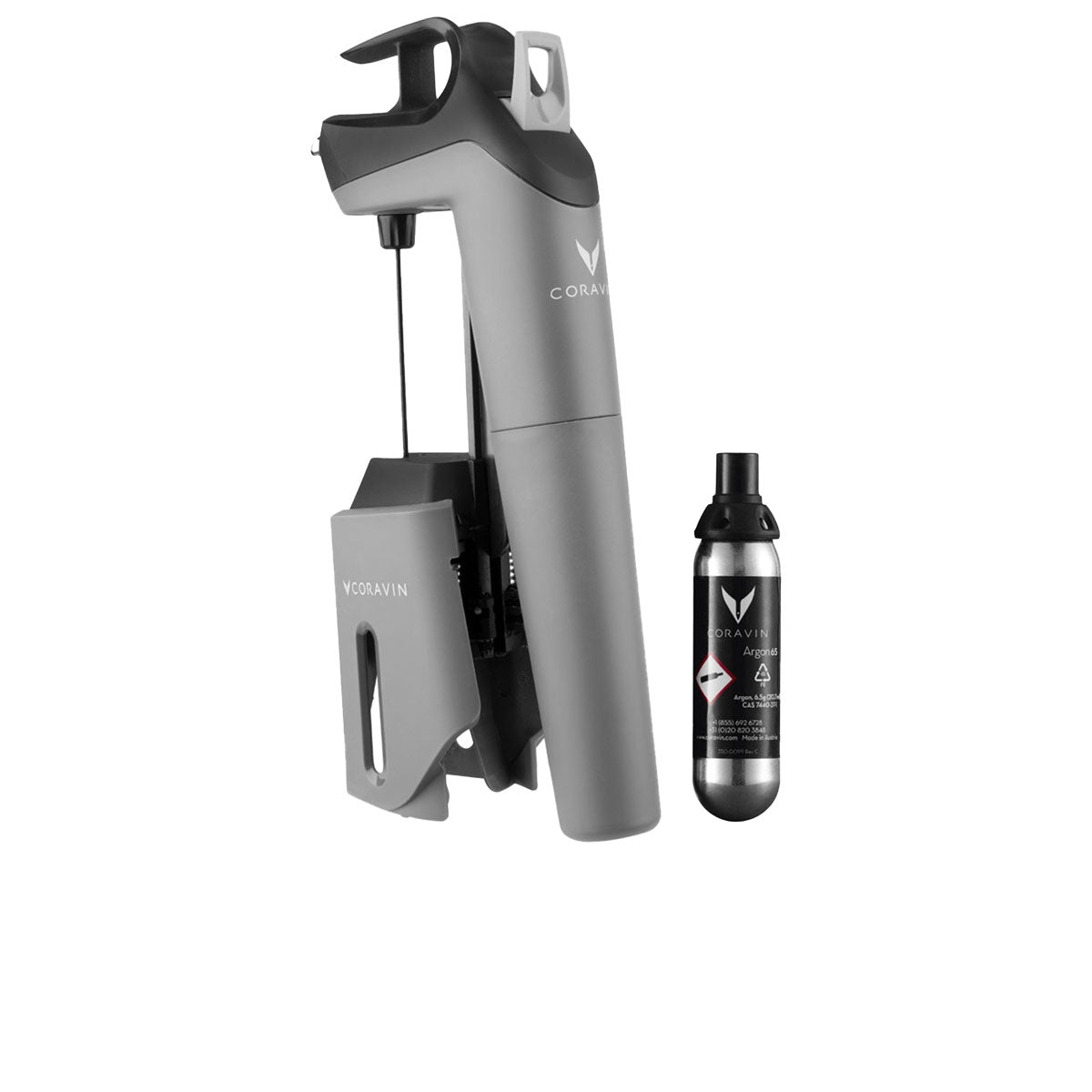
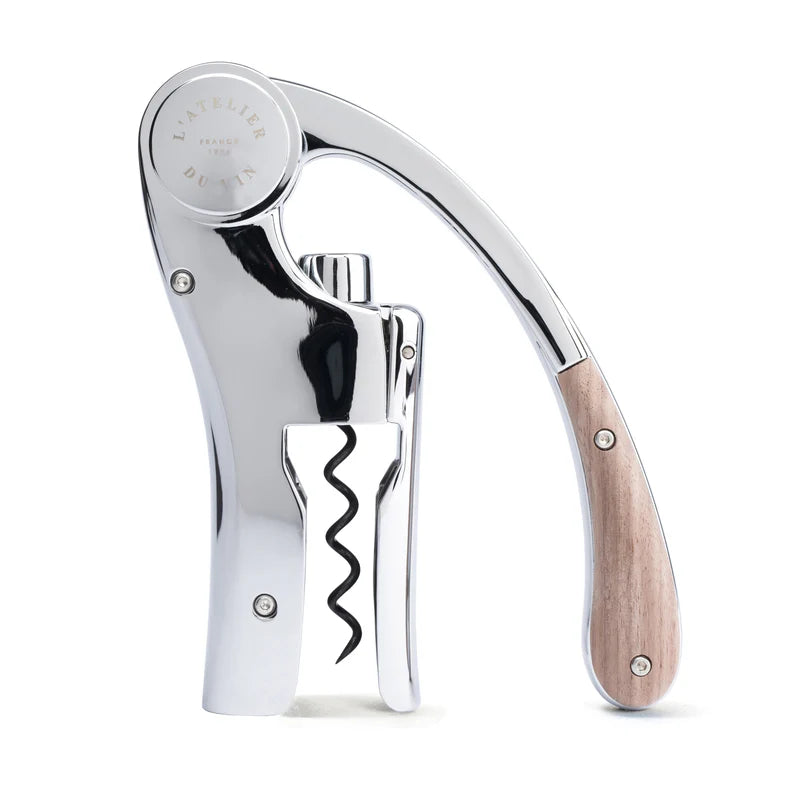
Arrange bottles so the wines planned for the meal are easy to locate, with labels facing outward where possible. Before guests arrive, set out serving glasses and an opening tool, then keep a clear surface nearby for pouring. This avoids searching inside the showcase during dinner. Grouping bottles by occasion or meal can also simplify selection, while reserve bottles remain stored separately from those intended for immediate service.