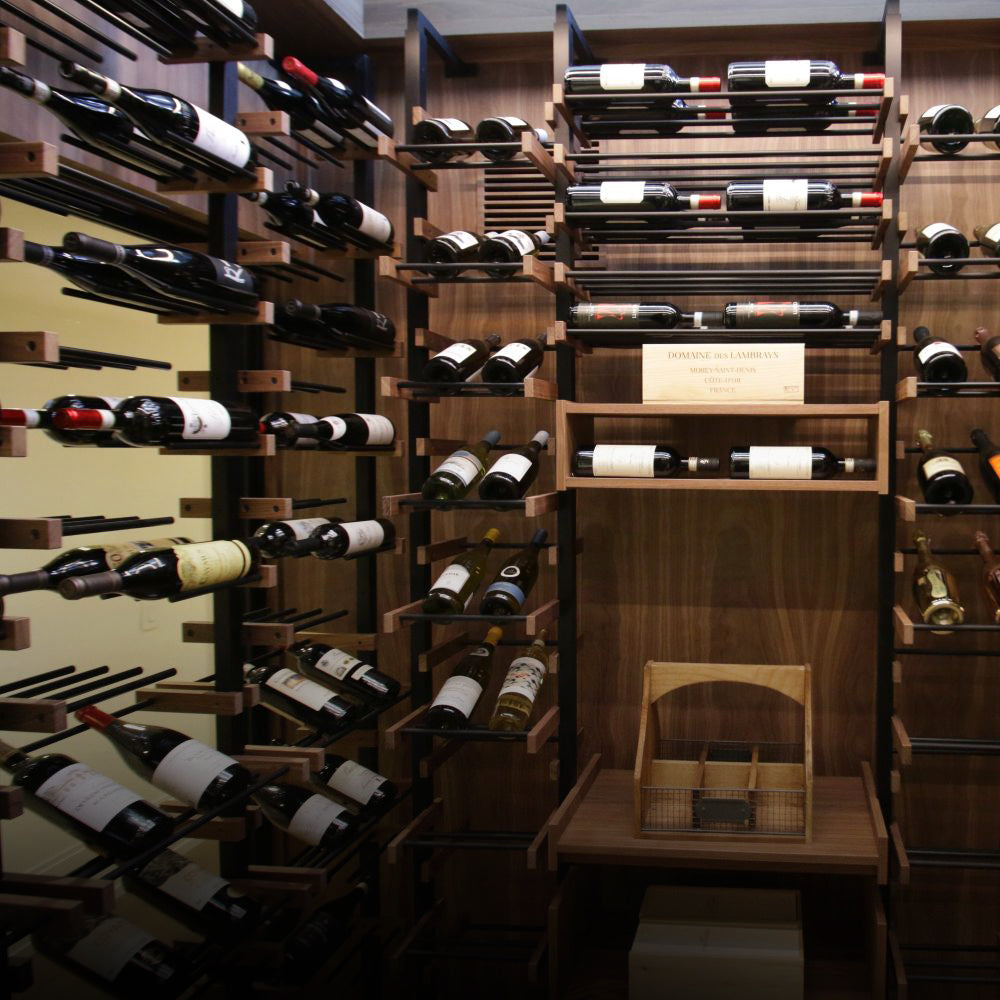






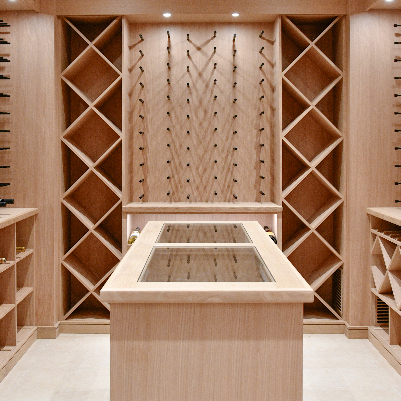














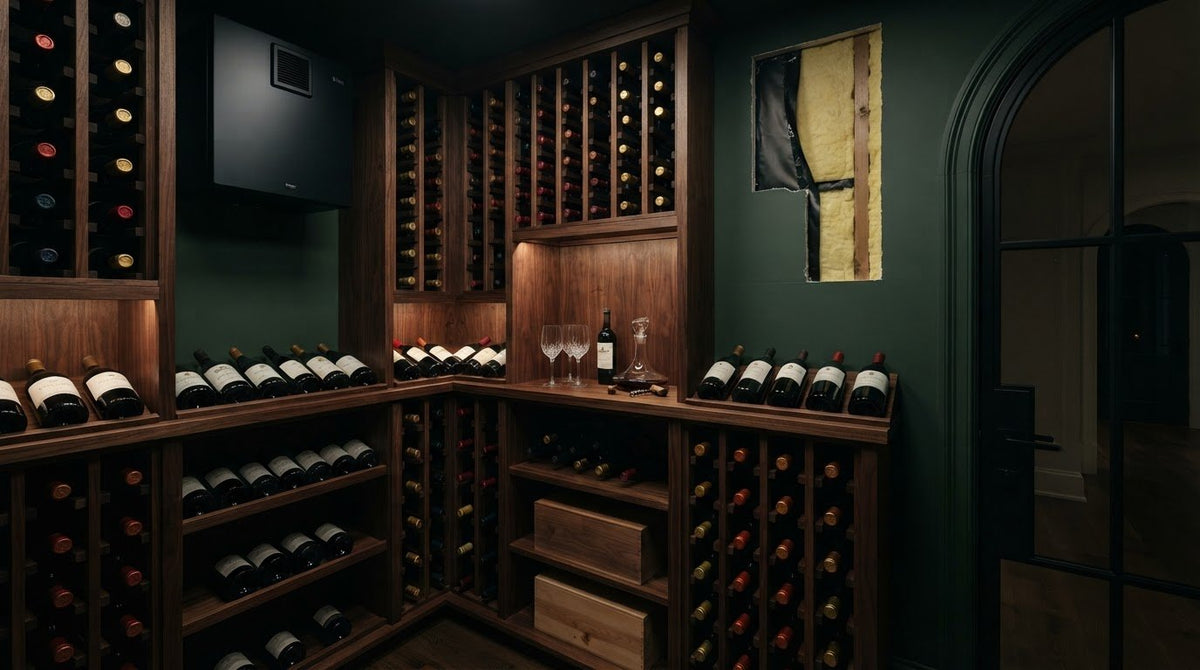
A spare pantry can become a temperature-controlled wine room, but it doesn’t always need a cooling unit. A passive storage area may work if it naturally stays below 65 degrees and remains dark; for a controlled cellar environment, plan insulation, a vapor barrier, and suitable wine-room cooling. A standard air conditioner isn’t designed to reach the 55-degree threshold used for wine-cellar storage.
A small pantry may seem cool enough simply because it’s tucked away. In practice, its temperature, exposure to heat and light, ventilation, and construction all affect how well it protects your collection.
This guide to converting a spare pantry into a temperature-controlled wine room will help you assess the space, choose finishes suited to cellar conditions, and decide whether passive storage is appropriate or a dedicated cooling unit is needed. You’ll also learn how to plan the layout and address insulation, moisture, and airflow before adding racks and bottles.
Key Takeaways
- Track the pantry’s temperature and light conditions before deciding whether passive storage can suit your collection.
- Plan insulation, a continuous vapor barrier, and moisture-resistant finishes to help protect the room and its contents.
- Choose a wine-room cooling unit based on the space and provide the ventilation it needs to operate efficiently.
- Assess nearby heat sources, appliance vibration, bottle capacity, and floor strength before finalizing the layout.
- Match the storage approach to your needs: a converted pantry, dedicated wine room, or cabinet-style cellar each serves a different purpose.
Can I turn a closet into a wine cellar without a cooling unit?
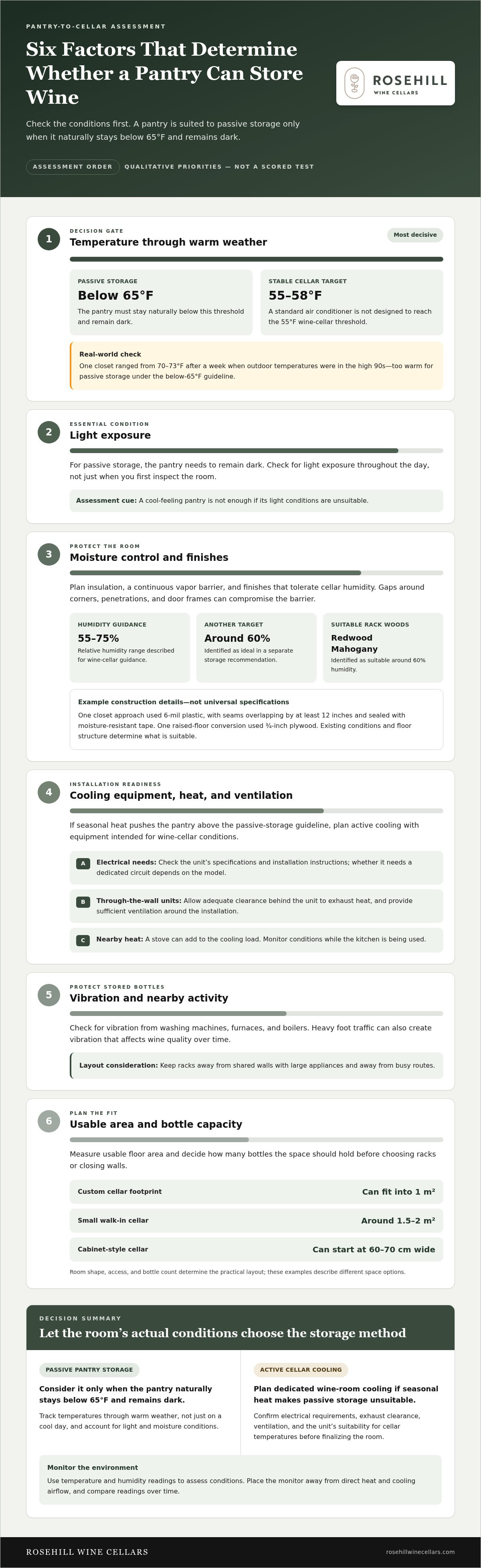
A pantry can store wine without active cooling only if it naturally stays below 65 degrees and remains dark. A cooling unit’s electrical needs depend on its specifications, while through-the-wall models require adequate space and ventilation to exhaust heat.
- Track the pantry temperature through warm weather, not just on a cool day. After a week of outdoor temperatures in the high 90s, one closet ranged between 70 and 73 degrees, which is too warm for passive storage under the below-65-degree guideline.
- Measure the usable floor area and decide how many bottles the room should hold. A cabinet-style cellar can start at 60-70 cm in width, while a small custom cellar can fit into 1 m².
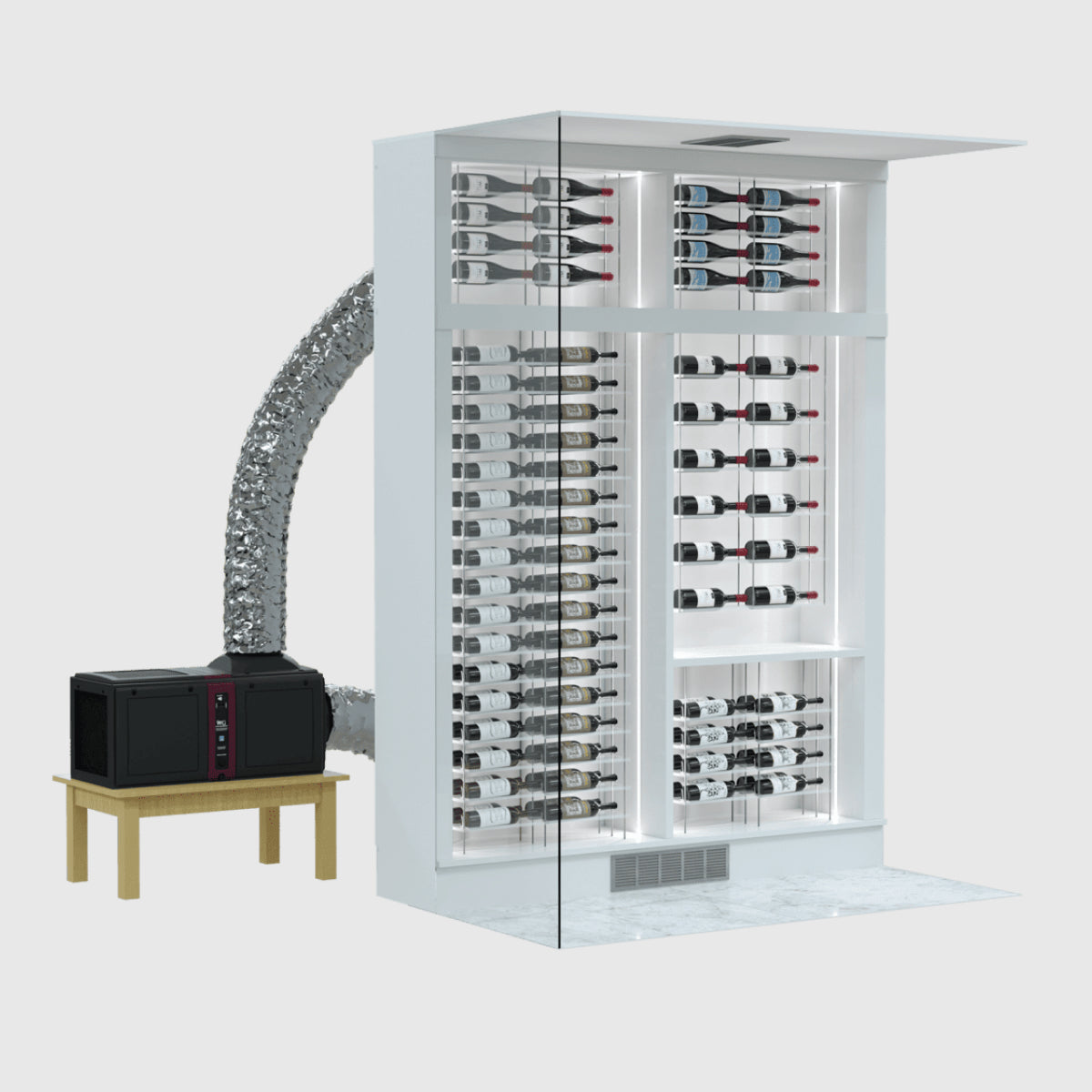
- Map the cooling unit’s location before choosing racks or closing walls. Leave enough clearance behind a through-the-wall unit for exhaust air, and plan ventilation so the equipment can operate efficiently.
Compare Cooler and Closet Cellar Options
Compare a wine refrigerator with a closet cellar by matching the storage method to your pantry’s conditions and collection. A refrigerator provides a contained storage space; a closet cellar uses the room itself, so its temperature and darkness matter. Select passive storage only when the pantry stays below 65 degrees naturally. If seasonal heat pushes it higher, plan active cooling instead.
Compare Pantry Storage and Wine Refrigerators
Choose a pantry cellar when you want room-based storage and can control the surrounding environment. Custom wine racks can make the most of its capacity, but the pantry’s insulation, light exposure, and temperature affect the entire collection. A wine cabinet offers a separate option when the pantry cannot maintain suitable conditions. Compare the available footprint, bottle arrangement, and cooling requirements before deciding.
Review Cooling Unit Needs
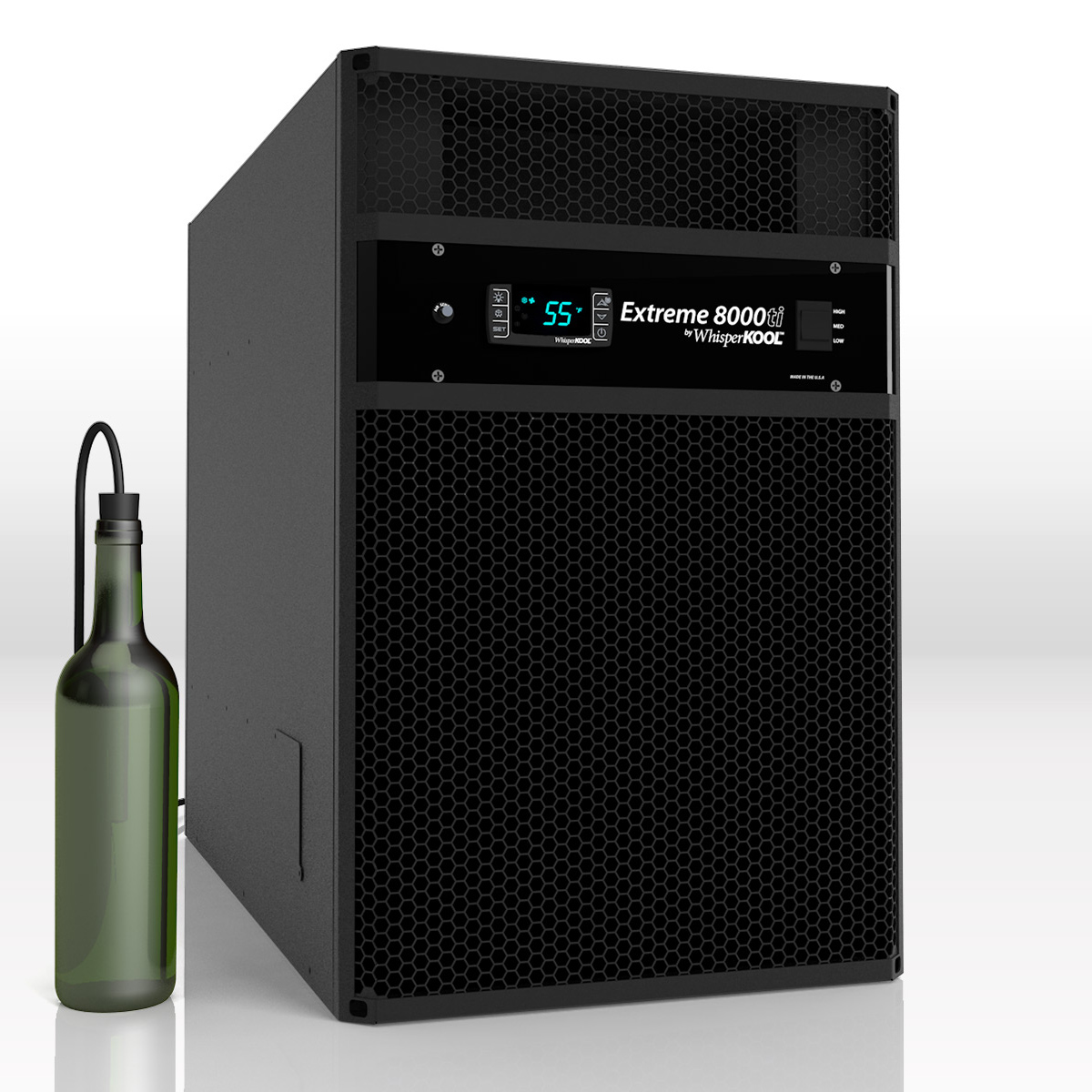
Assess the unit’s electrical requirements and installation instructions before selecting a model; whether it needs a dedicated circuit depends on its specifications. Don’t assume an existing outlet is suitable. For a through-the-wall wine-room unit, provide adequate clearance behind it to vent exhaust air and sufficient ventilation around the installation. A standard air conditioner isn’t designed to reach the 55-degree threshold described for wine-cellar use, so choose equipment intended for cellar cooling.
Humidity-resistant flooring and finishes
- Inspect the pantry floor and note any signs of moisture before construction begins. If dampness points to hidden leaks in adjacent walls, calling on maintenance experts like Synergy Trades Group can resolve plumbing issues before framing proceeds. A raised floor can separate wine storage from a damp slab, but its framing must support racks and bottles. One closet conversion used 3/4-inch plywood for its elevated floor. Treat that as an example, not a universal specification; floor structure and existing conditions determine the suitable assembly. Select finishes that tolerate cellar humidity and can be cleaned without soaking seams or joints.
- Install a continuous vapor barrier as part of the room’s moisture strategy. One described closet approach used 6-mil plastic, with seams overlapping by at least 12 inches and sealed using moisture-resistant tape. Gaps around corners, penetrations, and door frames can undermine the barrier. Plan those junctions before covering the walls or floor, and keep the barrier’s continuity in mind when positioning electrical work and cooling equipment.
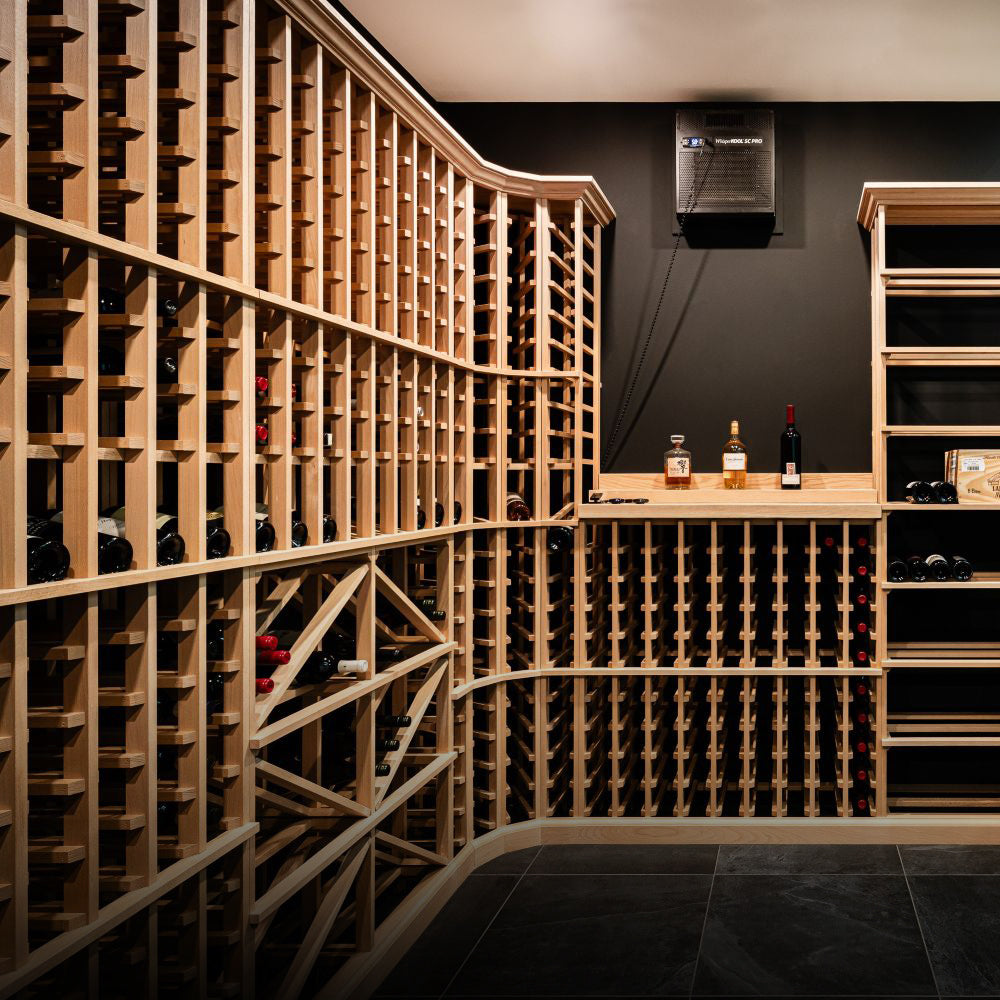
- Choose a humidity target, then make the flooring and wall finishes work with it. Wine-cellar guidance describes 55-75% relative humidity, while around 60% is identified as ideal in another storage recommendation. These figures point to the same practical goal: a stable environment, rather than repeated swings. Redwood and mahogany are identified as suitable racking materials around 60% humidity. Avoid finishes that absorb moisture readily or deteriorate when the room’s conditions change.
- Place a temperature and humidity monitor where it can represent the wine’s environment. Readings near a doorway, floor, or cooling outlet may differ from conditions among the bottles. Record both measurements regularly and compare them across the pantry, especially after cooking or changes in outdoor weather. A stable cellar temperature target is 55 to 58 degrees; humidity readings help reveal whether the room’s moisture control needs adjustment.
- Account for the kitchen before installing a cooling unit or final finishes. Heat from a nearby stove can add to the room’s cooling load, while poor ventilation can affect equipment operation. Keep the monitor away from direct heat and airflow, then observe whether the readings remain steady as the kitchen is used. If active cooling is needed, choose a unit designed for wine-cellar conditions; wine cellar cooling systems address that specific storage requirement.
Wine storage temperature and environmental risks
Plan the closet around stable conditions, safe bottle capacity, and protection from vibration. Assess your collection and the space before finalizing the layout.
- Measure the closet and map the storage footprint before selecting racks. A small walk-in cellar needs around 1.5-2 m², while a custom cellar can fit into 1 m². A cabinet-style cellar can start at 60-70 cm wide. These options show how storage can suit different spaces, but room shape, access, and bottle count determine the practical layout.
-
Assess Environmental Risks
Check for nearby washing machines, furnaces, and boilers, which can transmit vibration into a closet. Heavy foot traffic can also create vibration that affects wine quality over time. Keep racks away from shared walls with large appliances and from busy routes through the home.
- Design the rack arrangement around the actual bottle format and intended collection. Closet wine racks generally need at least 13.5 inches of depth for standard 750 ml bottles. A standard 2x4 closet can hold between 50 and 300 bottles, depending on rack design and bottle sizes. Preserve room to reach individual bottles, and avoid a layout that blocks the doorway or restricts airflow.
-
Maintain Stable Storage Temperature
Choose a consistent target instead of relying on short-term readings. Recommendations vary: wine storage guidance includes 45°-55° F, 50° F as an optimal point, and 55 to 58 degrees for a cellar environment. Another commonly recommended constant temperature is 60 degrees. The practical priority is limiting fluctuations; record closet readings across changing weather and note when the room approaches or exceeds its chosen range.
- Match the cooling plan to the room’s insulation, ceiling, door, and exposure to adjacent heat. A small closet can warm quickly if its door opens onto a sunny hall or kitchen. Review the room’s temperature patterns before selecting a cooling approach, then position racks away from heat sources and direct light. Let your planned collection guide the design instead of filling every available inch.
Assessing pantry temperature, light, vibration, and location
- Log the pantry temperature during the warmest part of the year. Passive storage suits a dark space that naturally remains below 65 degrees. A single reading cannot reveal seasonal changes, so compare temperatures across ordinary days and hotter periods. Note whether sunlight warms an adjoining wall or door. Those observations help determine whether the pantry can remain a functional wine space without active cooling, or needs a different location and design.
- Check the pantry’s exposure to light at different times of day. Wine storage needs a dark environment, so note sunlight from nearby windows and light entering whenever the door opens. A glass-front display may let in more light than a solid door. Consider how often you’ll access the room, since frequent use can expose bottles to light and changing household conditions. Plan the door and lighting to make the space practical while limiting unnecessary exposure.
- Assess the pantry’s position in relation to heat and activity. If it’s beside a stove, account for that heat when planning cooling. A display under stairs near a front door may need more cooling in a hotter climate. Note adjoining rooms, busy passages, and large appliances too. These details help distinguish a sheltered closet from a space exposed to repeated heat or movement, before construction fixes the room’s position and layout.
- Measure the actual interior, including door swing, corners, and obstructions, before choosing racking. A cabinet-style cellar can begin at 60-70 cm wide, while a small custom cellar can fit into 1 m². Use these as planning references, then sketch the usable dimensions. One rack arrangement was calculated for 209 bottles, showing why capacity should follow the planned layout rather than an estimate based on floor area alone.
- Check the floor and ceiling as part of your site assessment. Consider where the load will sit, especially if racks concentrate bottles along one wall. Confirm that the planned racking allows comfortable access and doesn’t interfere with the door. Accurate measurements and a capacity plan make compact spaces more functional while keeping storage safe and orderly.
Converting a spare room into a climate-controlled wine room
Converting a spare pantry into a temperature-controlled wine room requires coordinated planning for insulation, cooling, and layout. The same principles apply to a larger spare room, with its volume and heat exposure guiding the design. For homeowners expanding their floor plan to create additional space, collaborating with specialists in house extensions north london can make it seamless to integrate dedicated, climate-controlled storage right from the framing stage.
-
Review Permit and Code Requirements
Before construction, contact local building code officials about permits and requirements for the planned work. The U.S. Environmental Protection Agency advises checking that air-barrier sheathing meets fire code requirements. Include electrical changes, wall assemblies, and cooling equipment in the project scope. This brings concealed construction details into the plan before finished surfaces cover them.
-
Estimate Conversion Costs
List project components before setting a budget: insulation, vapor control, doors, flooring, electrical work, cooling equipment, and wine racks. The price depends on the case and is given after a quote request; cost factors include room condition, material choices, equipment needs, and storage capacity. Separate essential climate-control work from optional display finishes so each choice supports the room’s purpose.
-
Plan the Room Conversion
Measure the room’s length, width, and ceiling height, then calculate its volume before selecting a cooling system. Map the door, racks, and equipment so access remains functional and airflow can circulate. A small walk-in cellar needs around 1.5-2 m², but volume and heat exposure also shape the design. Account for nearby kitchens or sun-warmed walls.
- Build an insulated envelope before installing wine racks or closing the walls. When converting a spare pantry into a temperature-controlled wine room, provide adequate insulation and a vapor barrier to help maintain stable conditions. Closed-cell foam can serve as both. Keep the barrier continuous across the walls and ceiling, seal seams and penetrations, and pay particular attention to gaps around the door.
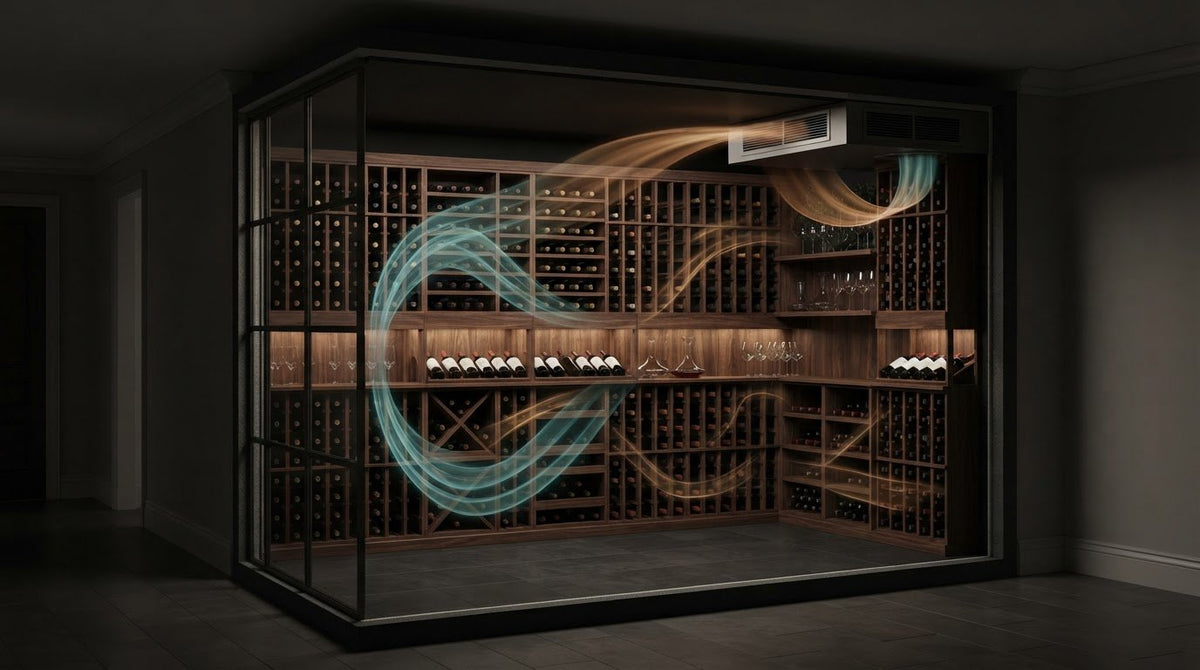
- Choose a cooling system designed for wine-cellar use, not a standard air conditioner. Measure the room’s volume and consider insulation, door performance, and heat from adjacent spaces. Plan the unit’s location around exhaust and ventilation needs. Keep supply and return grilles apart to reduce short cycling, and don’t hide equipment behind finishes that restrict airflow or block access.
- Finish construction, then let the room’s climate stabilize before loading bottles. Allow the cooling unit to run for 48 hours before adding wine. Compare temperature and humidity readings near the ceiling and planned rack positions. As you finalize the layout, explore wine cellar cooling systems suited to this storage application.
Rosehill Wine Cellars: Vantaggio V300 Wine Cabinet
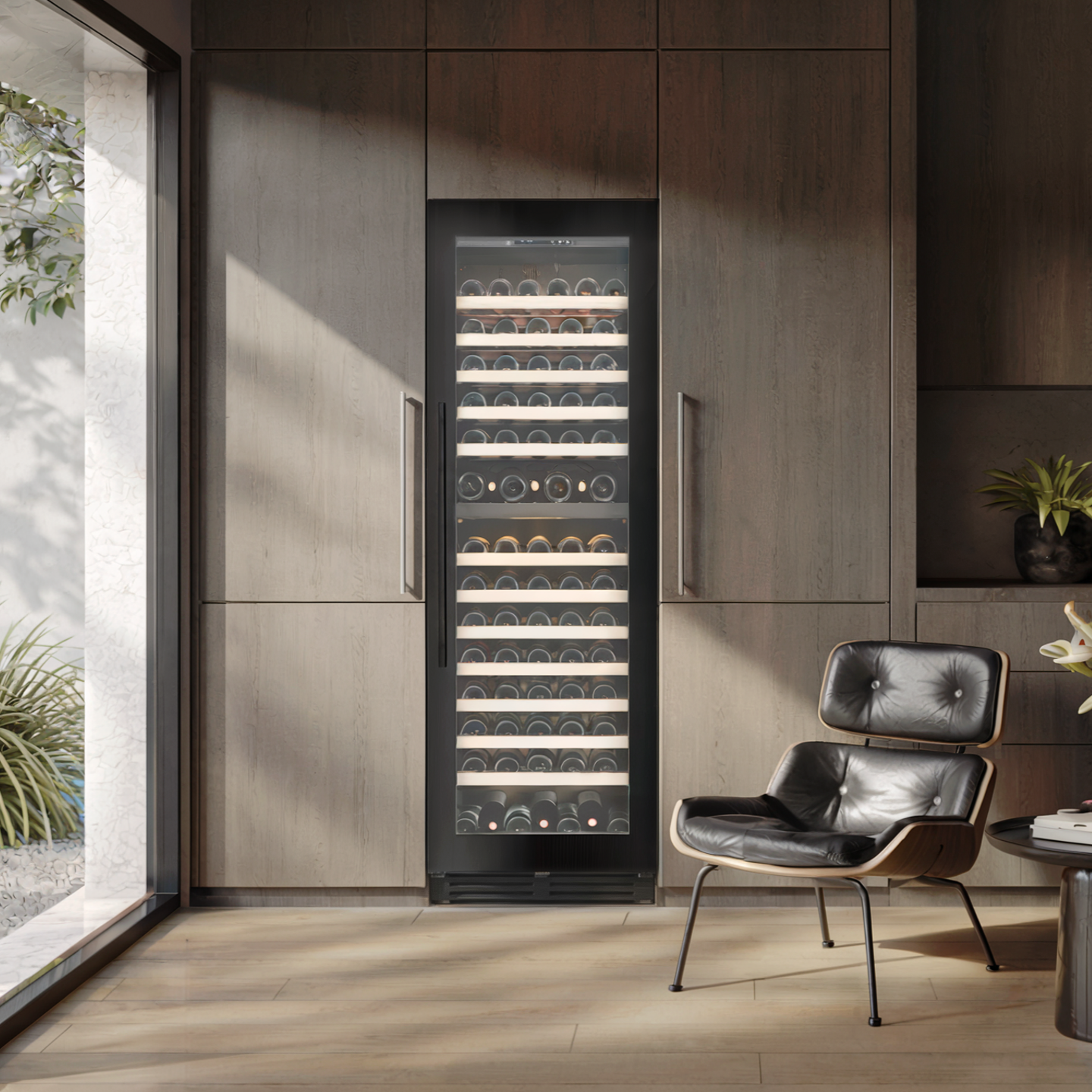
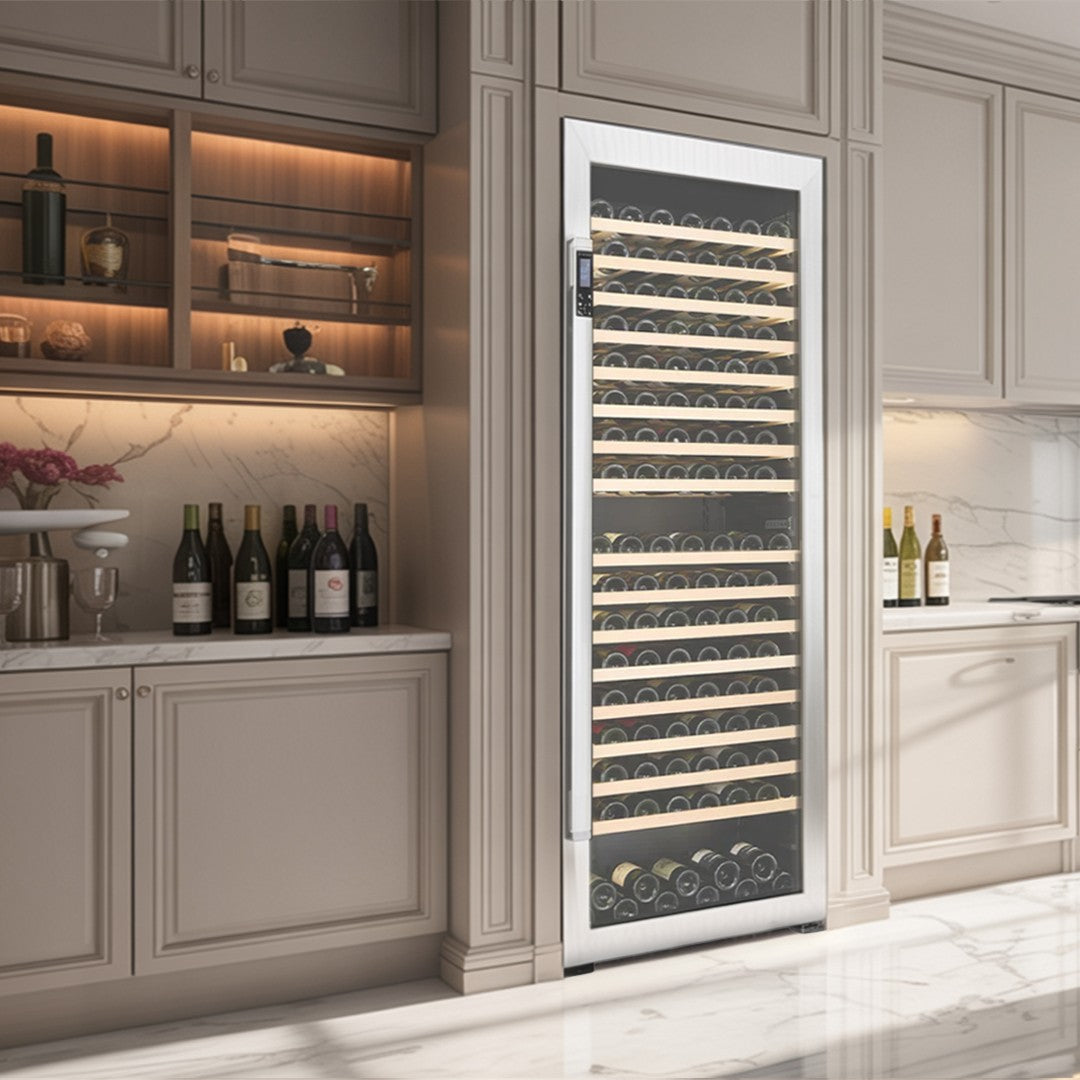
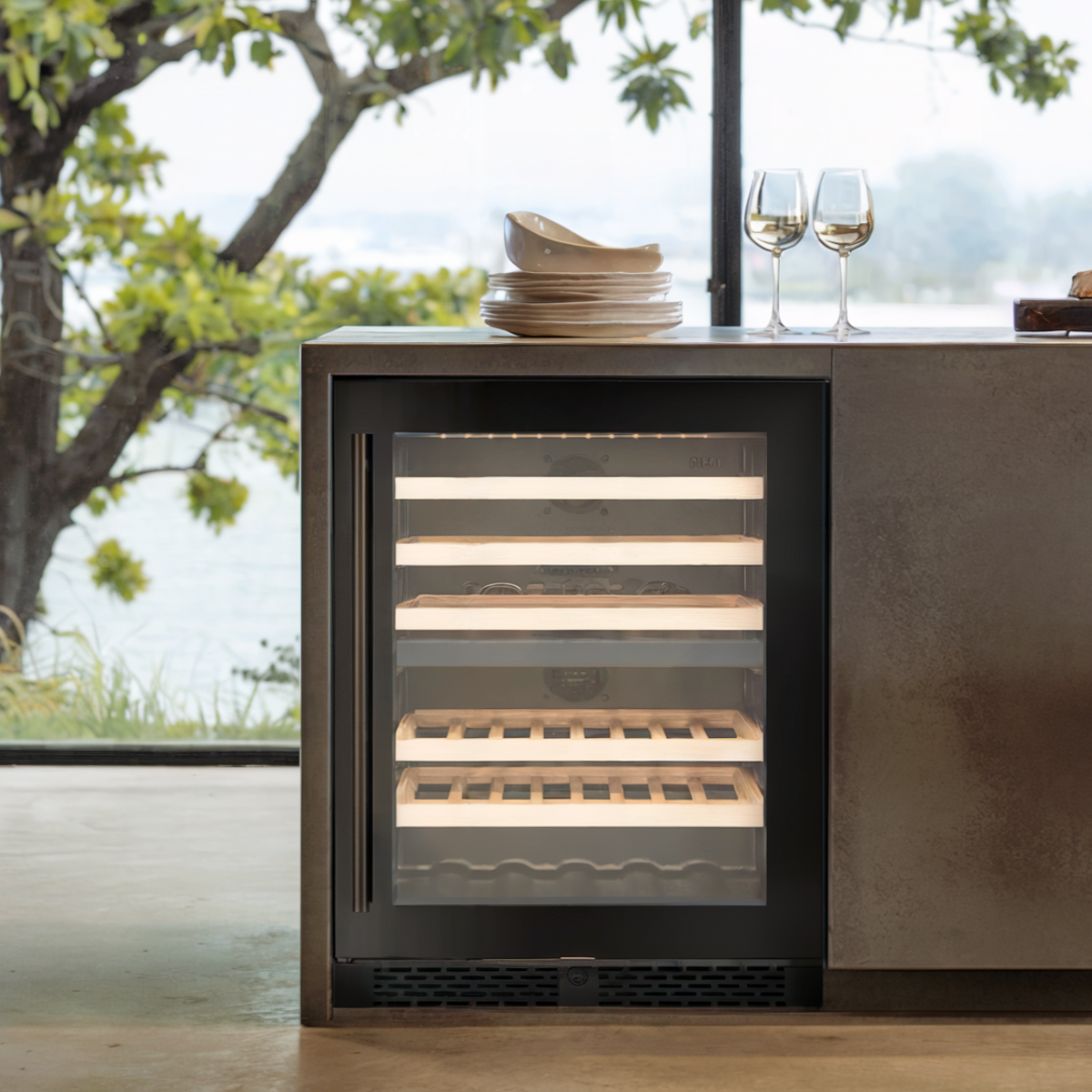
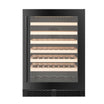
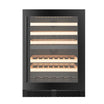
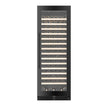
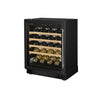
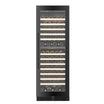
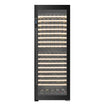
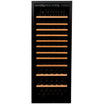
The Vantaggio V300 Wine Cabinet from Rosehill Wine Cellars offers a cabinet-style option when a pantry conversion isn’t the right fit. For a dedicated room, Premier Cru Classic Racking and Premier Cru Modern Racking provide racking choices, while Wine Cooling Units address active cellar cooling. The right direction depends on your available space, collection, and whether you need to condition the room or store wine in a cabinet.
Use your pantry measurements and temperature observations to guide the choice. If you’re planning a room-based cellar, consider how racking and cooling work together; if you prefer a cabinet, explore the Vantaggio V300. Contact Rosehill Wine Cellars to discuss the storage approach that suits your space.
Shape the Wine Room Around Your Collection
As you assess the pantry and plan its conversion into a temperature-controlled wine room, choose a design that suits how you intend to enjoy and grow your collection. A cellar can become a considered part of your home, with storage and presentation working together rather than competing for space.
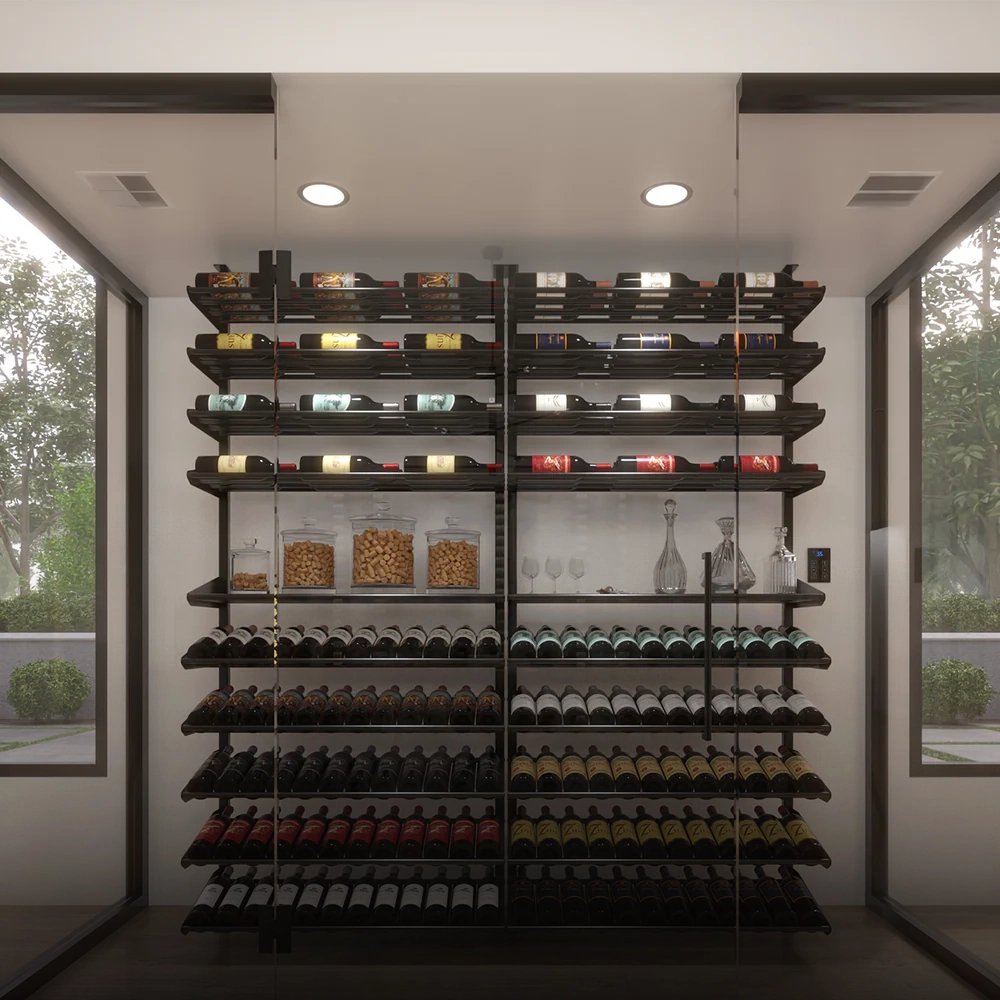
Rosehill Wine Cellars offers Premier Cru Classic Racking and Premier Cru Modern Racking for room-based storage, as well as the Vantaggio V300 Wine Cabinet for a cabinet-style approach. These options give you different ways to bring wine storage into your space, whether your next step is planning a dedicated room or selecting a cabinet.
Bring your pantry dimensions, preferred storage approach, and collection plans into the conversation. Contact Rosehill Wine Cellars to explore a direction for your project. With a clear plan, you can create a wine space that feels thoughtfully integrated and ready to become part of your home.
Frequently Asked Questions
Can I use a standard air conditioner for my wine cellar?
No. A standard air conditioner isn’t designed to reach the 55-degree threshold described for wine-cellar use. It also serves the broader room rather than a dedicated wine-storage enclosure. For example, cooling the surrounding bedroom to a comfortable setting doesn’t establish that a sealed cellar’s temperature remains suitable. Choose equipment intended for wine-cellar conditions, and plan its installation around the room’s insulation, heat exposure, and airflow needs.
Can a Pantry Become a Wine Cellar?
Yes, if the pantry can support the storage environment your collection requires. A dark pantry that naturally stays below 65 degrees may suit passive storage; a warmer space needs a different plan. For example, a pantry beside a frequently used kitchen may experience heat that changes its temperature. Assess its conditions and intended bottle capacity, then decide whether to adapt the room or use a dedicated cabinet instead.
How do I prevent mold in my wine closet?
Limit moisture intrusion and condensation while keeping humidity controlled. Seal vapor-barrier seams and openings, fix leaks before adding finishes, and avoid materials that trap dampness against a wall. Monitor humidity near stored bottles rather than relying on how the room feels. If condensation appears, identify the source of the moisture or airflow problem before covering or repainting the surface.
Summary - Which Wine Cellar Idea Is Best For My Home?
The right option depends on your space, collection, and climate-control needs. Choose passive pantry storage only if conditions remain suitable. A dedicated wine room provides room-based storage when you can build an insulated enclosure and accommodate cooling. A wine cabinet suits a home that needs contained storage without converting a room. Compare the available footprint and how you want to access and display your bottles.
Where Will the Mechanicals Go?
Place cooling equipment where it can exhaust heat, receive ventilation, and remain accessible for maintenance. A through-the-wall unit needs sufficient space behind it for exhaust airflow. Avoid positioning its temperature sensor near the floor or facing a wall, where it may not read room conditions accurately. Keep supply and return grilles apart to reduce short cycling, and plan their locations before cabinetry or finished walls block access.
What temperature and humidity should a wine room maintain?
Wine-storage guidance commonly uses a stable temperature near 55 degrees and relative humidity between 55-75%. Another recommendation identifies around 60% humidity as ideal, while a cellar target may be 55 to 58 degrees. Treat these as planning benchmarks, then monitor the room for swings rather than reacting to one reading. Place the monitor among the planned bottle locations, away from direct airflow or a heat source.
How do you calculate wine room cooling capacity for a pantry?
Measure the pantry’s length, width, and ceiling height to determine its volume. Then account for insulation, door construction, nearby heat sources, and the cooling unit’s ventilation needs. A pantry next to a stove has a different heat load from one surrounded by interior rooms. Use these details to choose equipment sized for the enclosure, rather than relying only on floor area or bottle count.
What wine cellar cooling systems work best for small rooms?
Choose a system designed for wine-cellar use and matched to the enclosure’s volume and construction. A through-the-wall unit may suit a small room if its exhaust side has adequate ventilation and clearance. If the pantry cannot accommodate that installation, a wine cabinet offers a separate storage option. Consider heat, insulation, and airflow when comparing approaches, and keep equipment accessible instead of concealing it behind fixed finishes.