




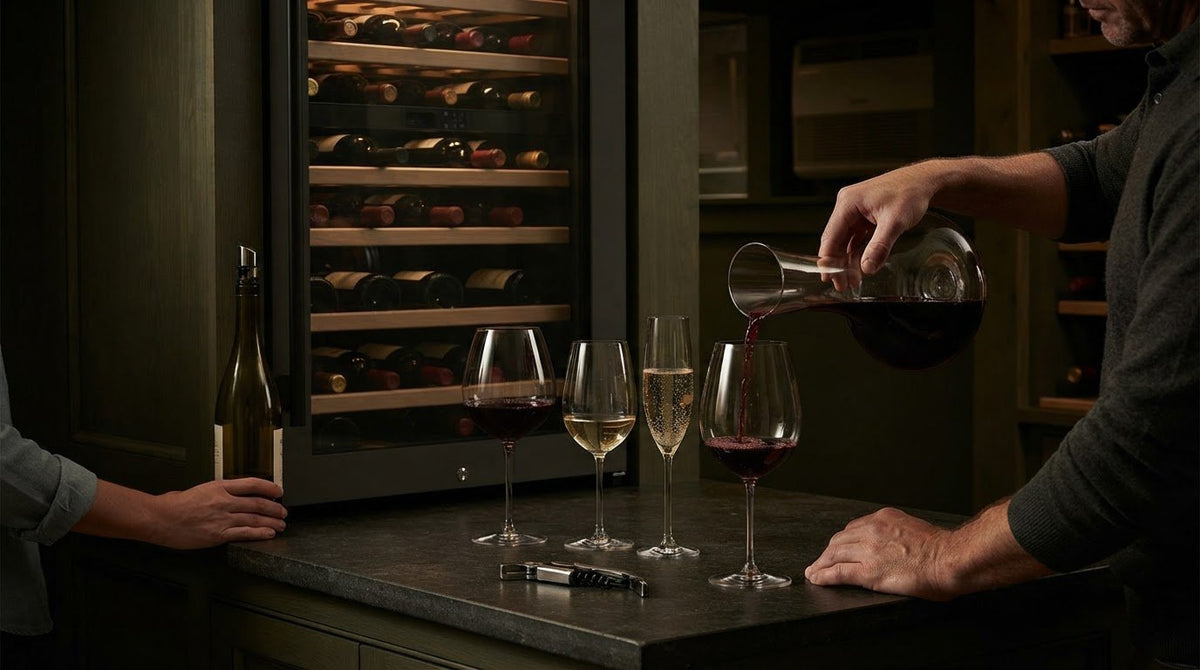
The right wine accessories can make serving feel effortless, from opening the bottle to pouring the last glass. A useful starting point is a set of glasses suited to the wine you serve, a dependable corkscrew, a stopper for unfinished bottles, and a decanter when you want to aerate wine before serving.
It’s easy to focus on the wine, but the accessories around it shape the experience at the table. This guide explains how to choose glasses for sparkling, red, and white wines, what to look for in corkscrews, stoppers, and decanters, and which serving accessories make entertaining easier. A few thoughtful choices can build a collection suited to everyday pours and special gatherings.
Key Takeaways
- Choose glass shapes that suit the wines you serve, from sparkling pours to fuller reds and aromatic whites.
- A dependable corkscrew makes opening bottles easier; match the style to how and where you’ll use it.
- Use a suitable stopper to help preserve an opened bottle, and select a sparkling-wine stopper for fizz.
- When choosing a decanter, consider its capacity, shape, material, and how easily it can be cleaned.
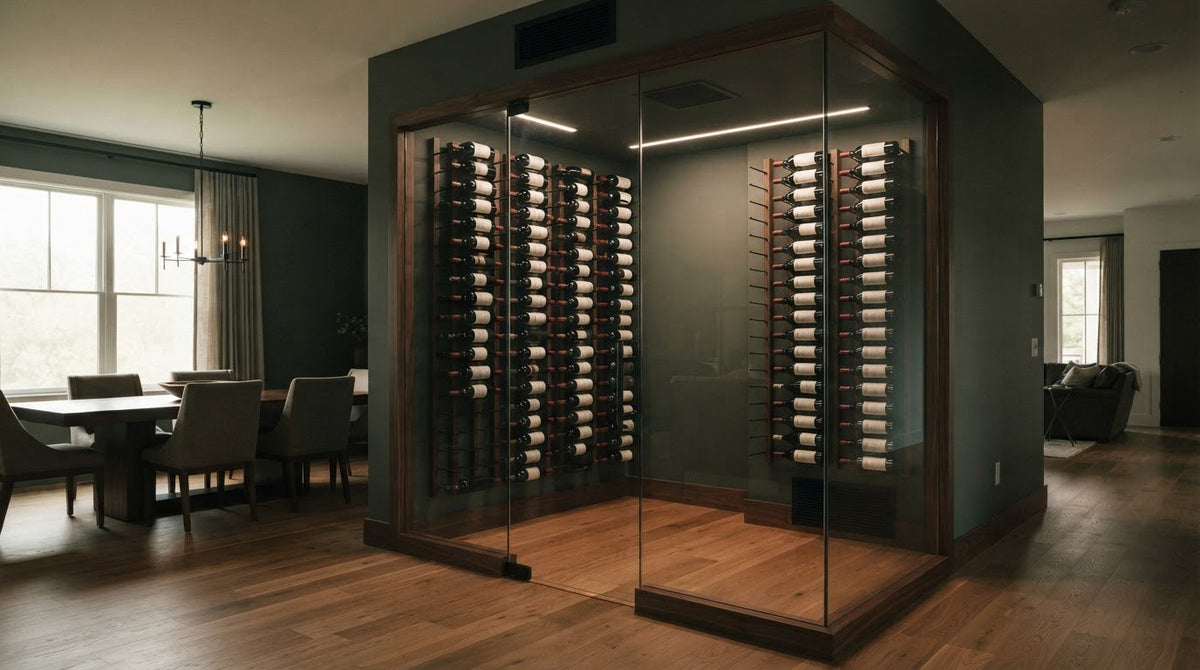
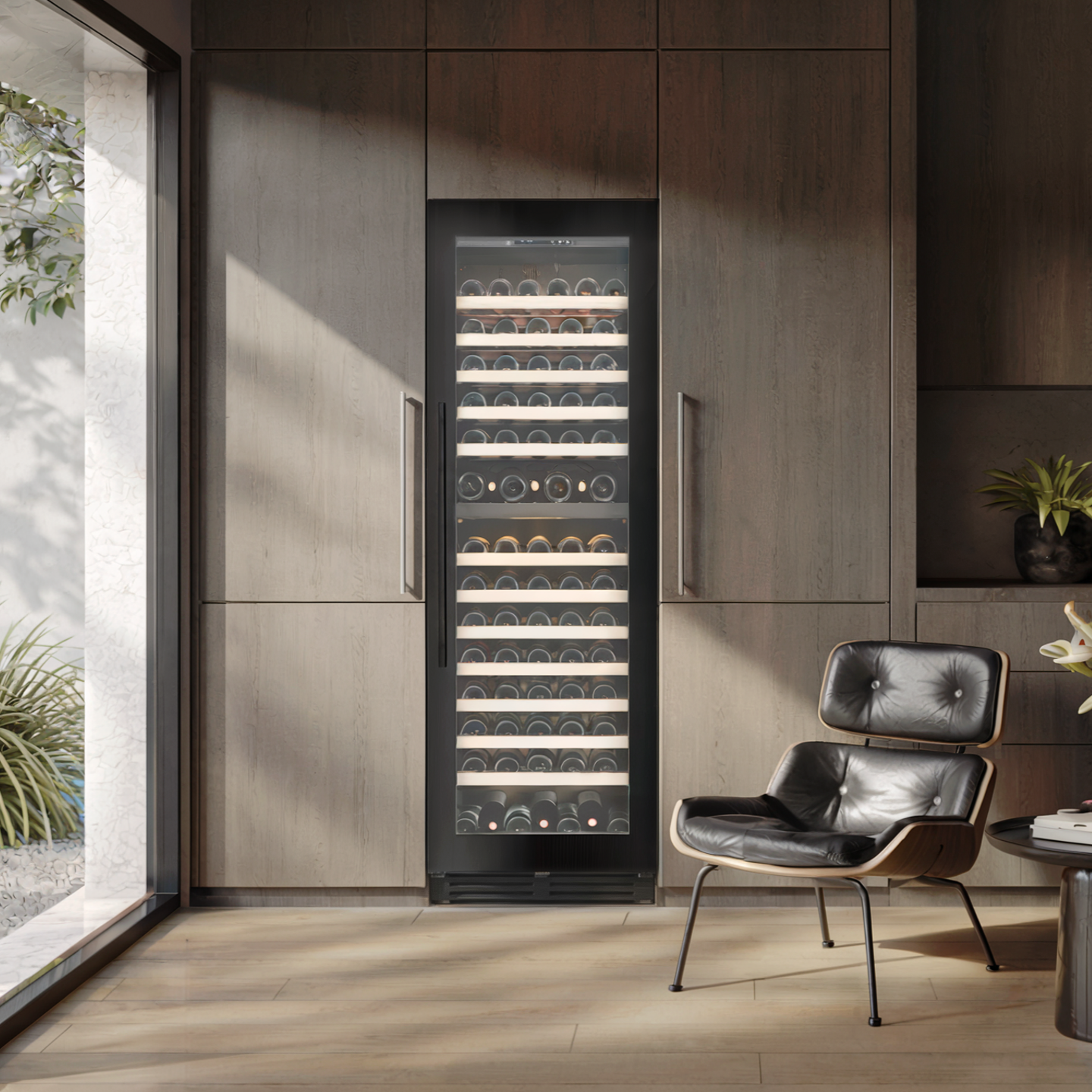
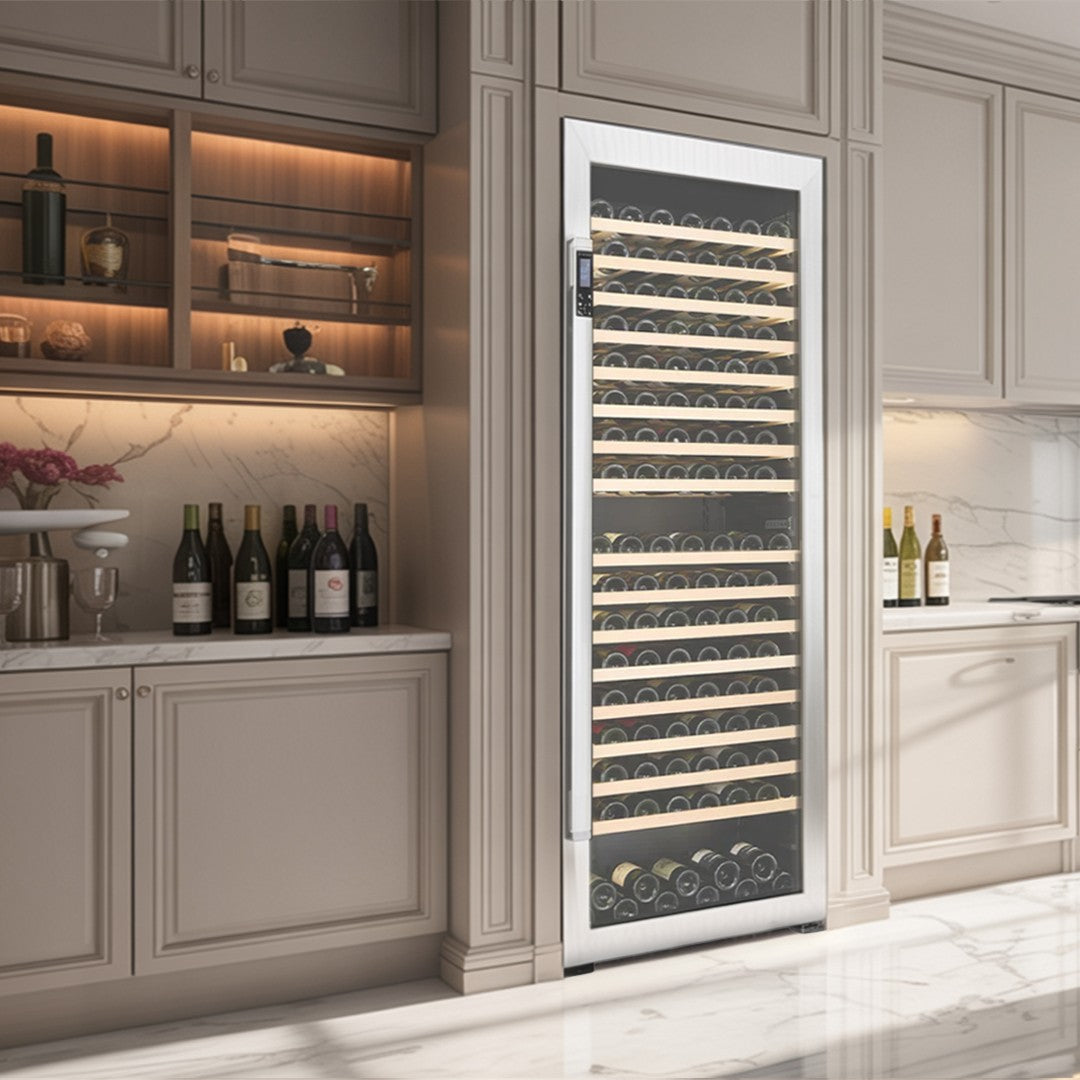
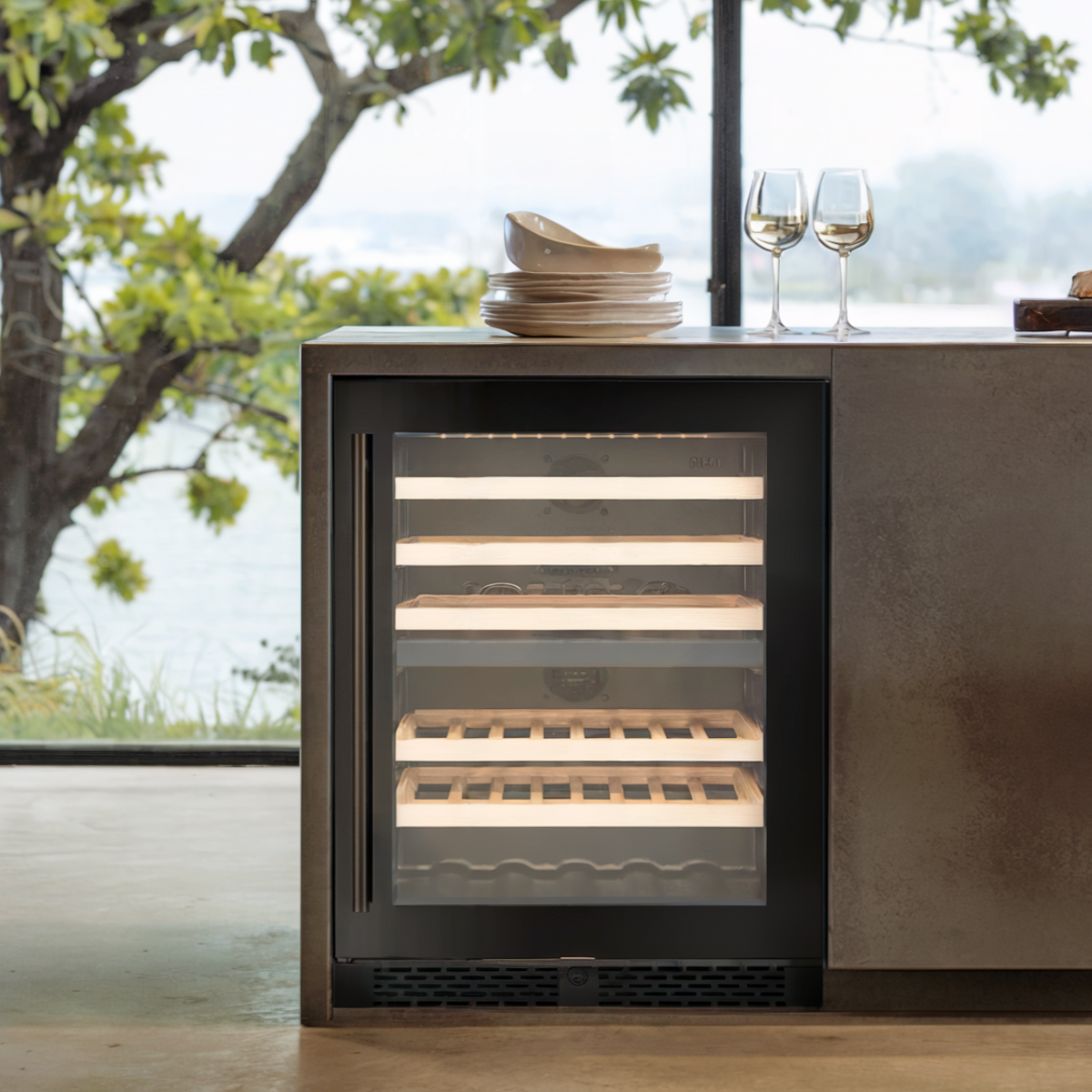
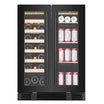
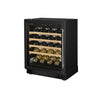
- For entertaining and wine storage, explore serving accessories alongside options such as wine cabinets, racking, and cooling units.
1. Wine glasses for sparkling, red, and white wine
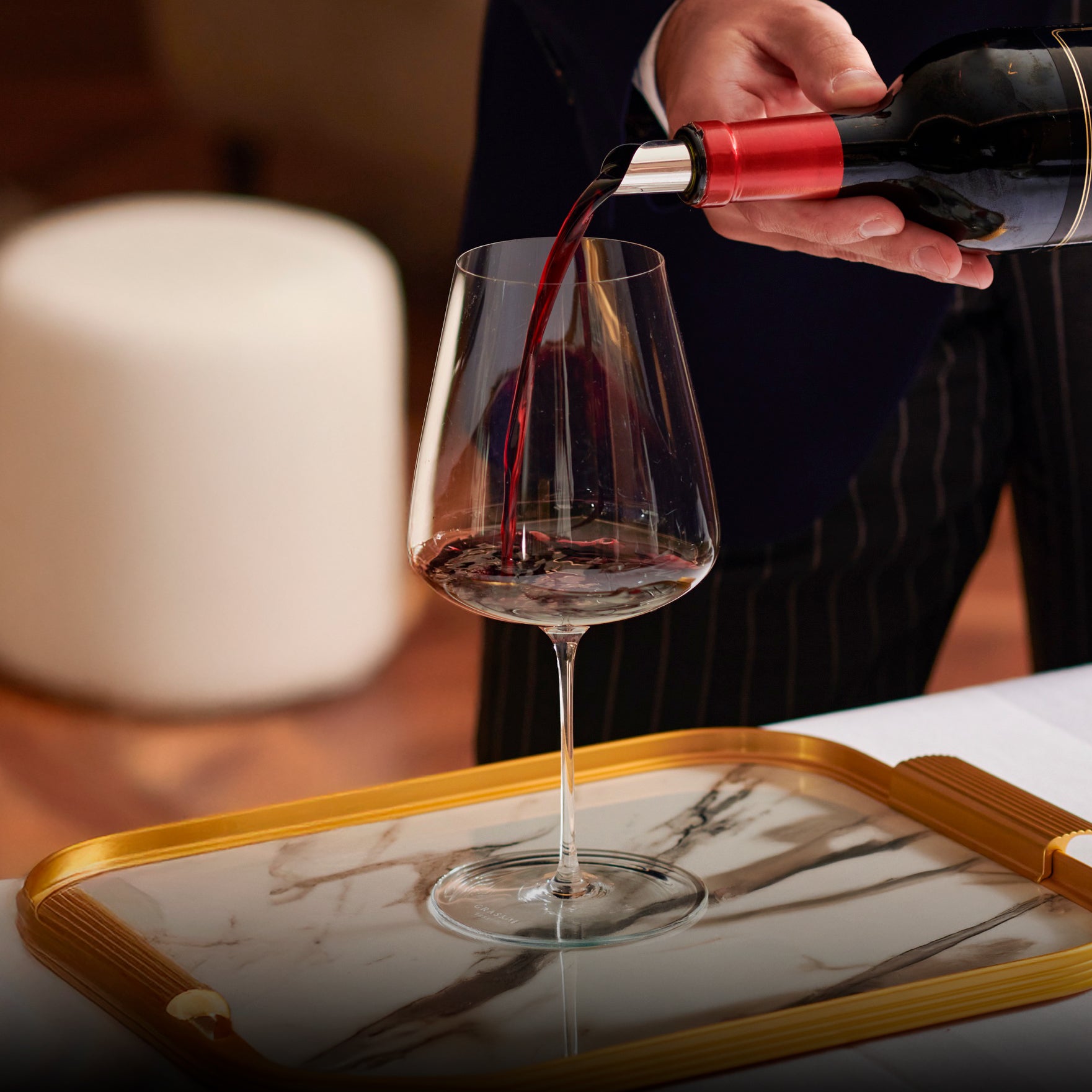
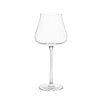
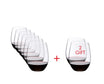
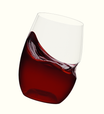
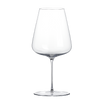
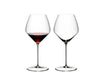
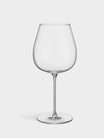
Start with the wines you serve most often, then choose glasses to suit them. Red wine glasses generally have larger bowls than white wine glasses, giving the wine more room to breathe. Glasses for fuller red wines suit heavier reds, while a narrower white-wine glass can help preserve delicate aromas. Glass shape is a practical consideration, not just a matter of appearance.
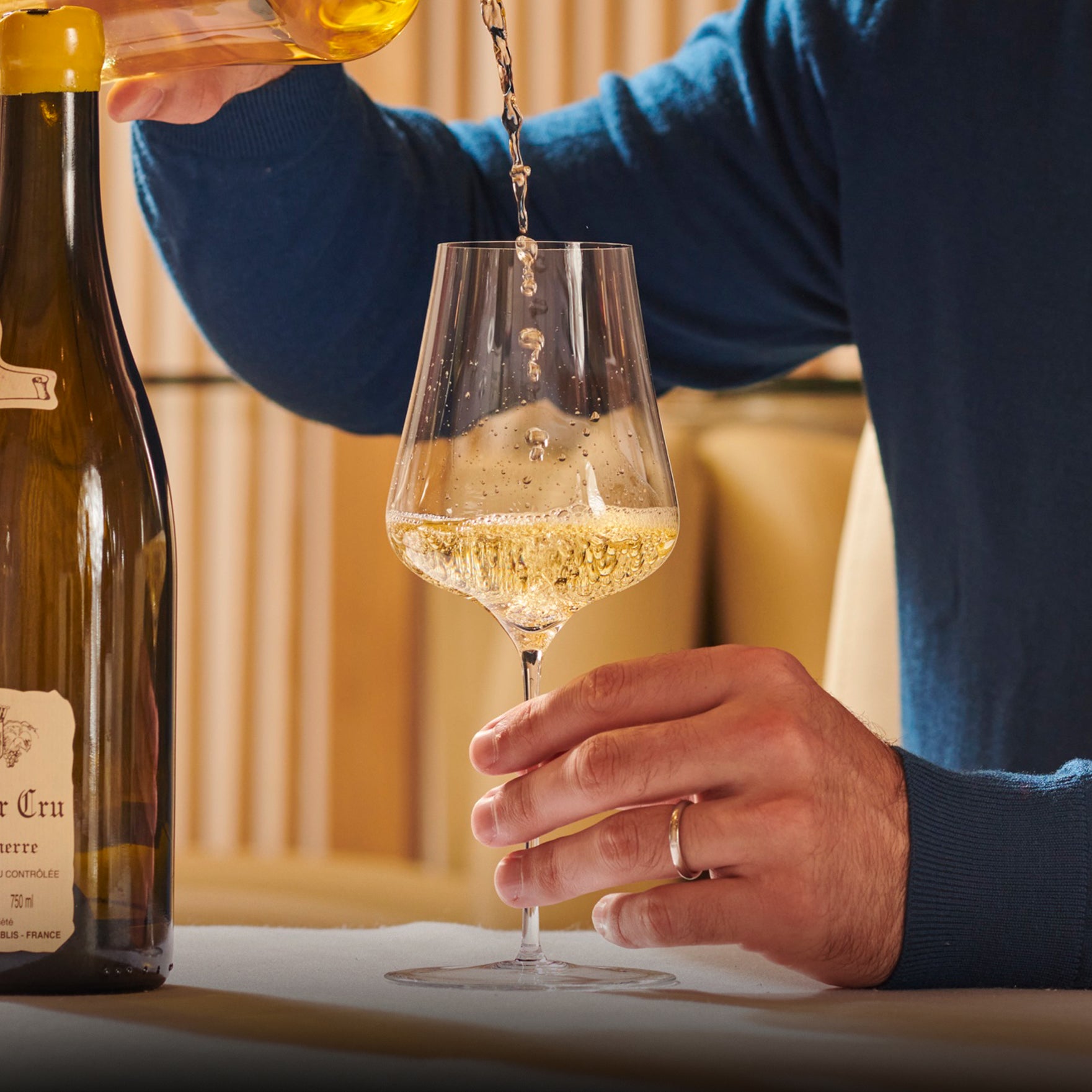
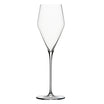
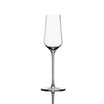
For sparkling wine, choose a glass that suits how you like to serve it. A flute’s tall, narrow shape creates an elegant presentation, while a wider bowl gives you more room to appreciate aromas. A tulip-shaped glass offers a middle ground. The best fit depends on whether you prioritize bubbles, aroma, or a versatile glass for different pours.
Double-walled stainless steel glasses offer a different experience from traditional glassware. Their polished, opaque exterior suits casual outdoor gatherings, and stainless steel is less fragile than glass. However, you can’t judge a wine’s color through an opaque cup, and its shape may give aromas less room to develop. Choose these for portability and durability, and reserve clear stemware for tasting or formal service.
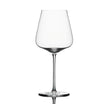
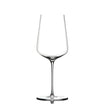
Finish matters, too. A smooth rim feels comfortable at the lips, and clear glass lets you assess a wine’s color before tasting. An aerator, whether built into a pourer or used separately, can introduce air as wine is served, but it doesn’t replace an appropriate glass. Rosehill Wine Cellars offers refined stemware options, including the Orrefors Glassware Collection and Zalto Wine Glasses.
For shared meals, glass markers help guests identify their glasses. Choose markers that attach securely without covering too much of the bowl, and use a distinct color or symbol for each guest. Cork holders can collect and display corks from a dinner or special bottle, keeping them together rather than scattered across the table. If an evening moves from wine to cigars after dinner, keep cigar accessories separate from glass storage to protect delicate stemware.
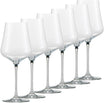
To narrow your selection, choose a glass style for each wine category you serve most. A red-wine glass with a broad bowl, a more focused glass for white wine, and a sparkling-wine glass cover different occasions without requiring a large collection. If cabinet space is limited, prioritize versatile shapes and add specialized glasses only when a particular wine or serving style calls for them.
Let the wine style guide your choice rather than treating every glass as interchangeable. Glasses for fuller red wines suit heavy red wines, while white wine glasses can help maintain white wine’s aroma. Start by considering whether you’re serving a heavy red or a white, then choose the corresponding glass type. When comparing sets, look for these categories first and weigh other preferences afterward. This keeps your choice grounded in the wines you serve while leaving room to compare shapes and styles.
2. Professional corkscrews and wine keys
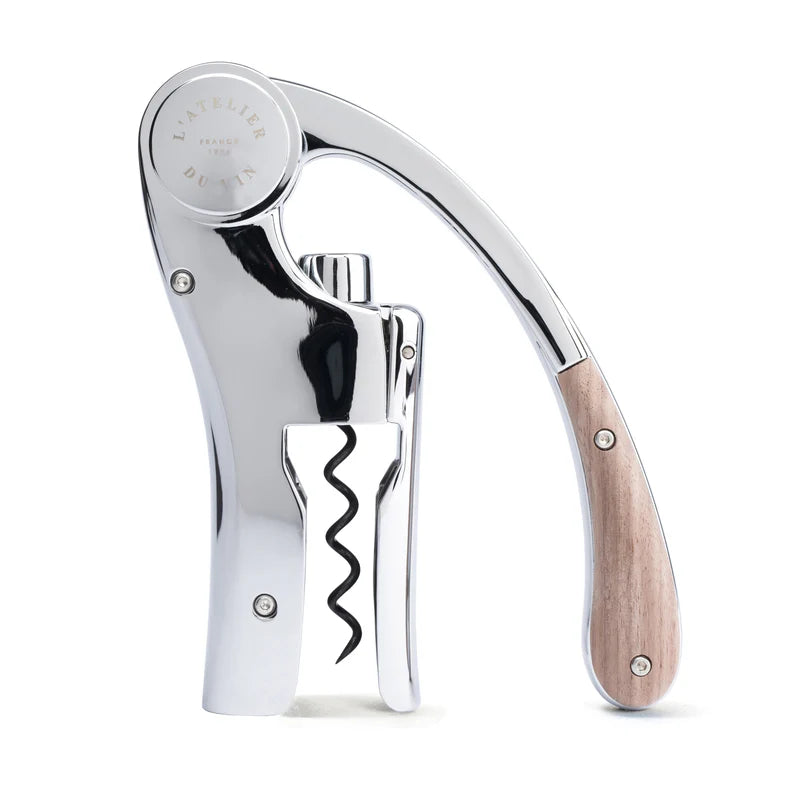
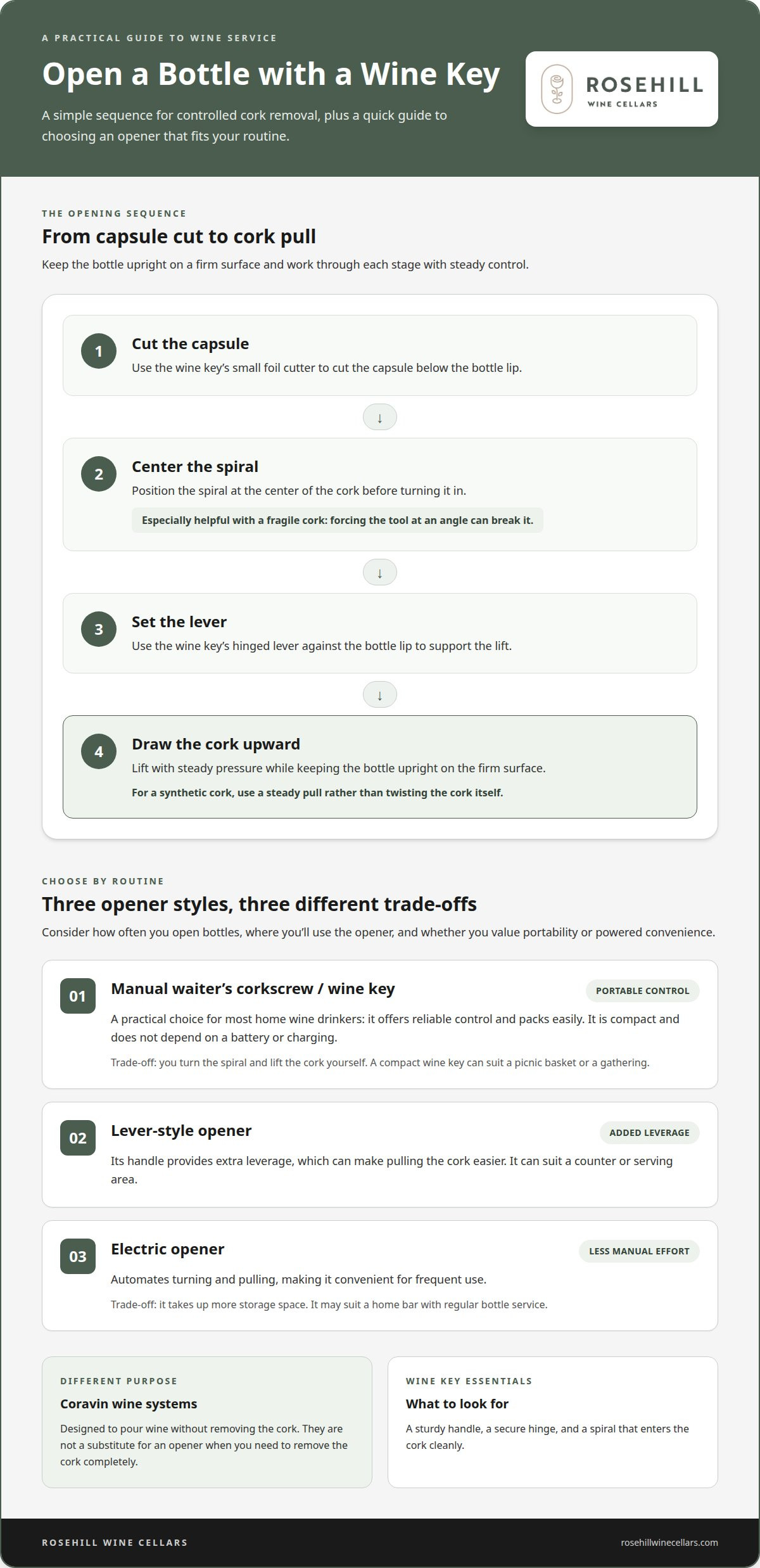
For most home wine drinkers, a manual waiter’s corkscrew offers reliable control and packs easily. An electric opener reduces the effort of removing a cork, while a lever-style model adds leverage on the counter. Choose based on your routine, grip, and whether you value portability or powered convenience.
A wine key combines a corkscrew with a small foil cutter and a hinged lever. To use one, cut the capsule below the bottle lip, position the spiral at the cork’s center, then draw the cork upward with steady pressure. Keep the bottle upright on a firm surface. This controlled approach works well at the table or when packing an opener for a gathering.
Manual corkscrews are compact and don’t depend on a battery or charging. They’re straightforward to use, but require you to turn the spiral and lift the cork. A lever opener uses its handle to provide extra leverage, which can make pulling the cork easier. Electric openers automate the turning and pulling, making them convenient for frequent use, though they take up more storage space.
What are the best wine openers, and how do they compare? A waiter’s corkscrew is practical for portability and control, while a lever model offers leverage and an electric opener minimizes manual effort. Choose according to how often you open bottles and where you’ll use the opener.
Match the opener to the cork and the setting. Centering the spiral is especially helpful with a fragile cork, since forcing the tool at an angle can break it. For a synthetic cork, use a steady pull rather than twisting the cork itself. A three-pack of professional corkscrews can provide spares for outings or a second serving area.
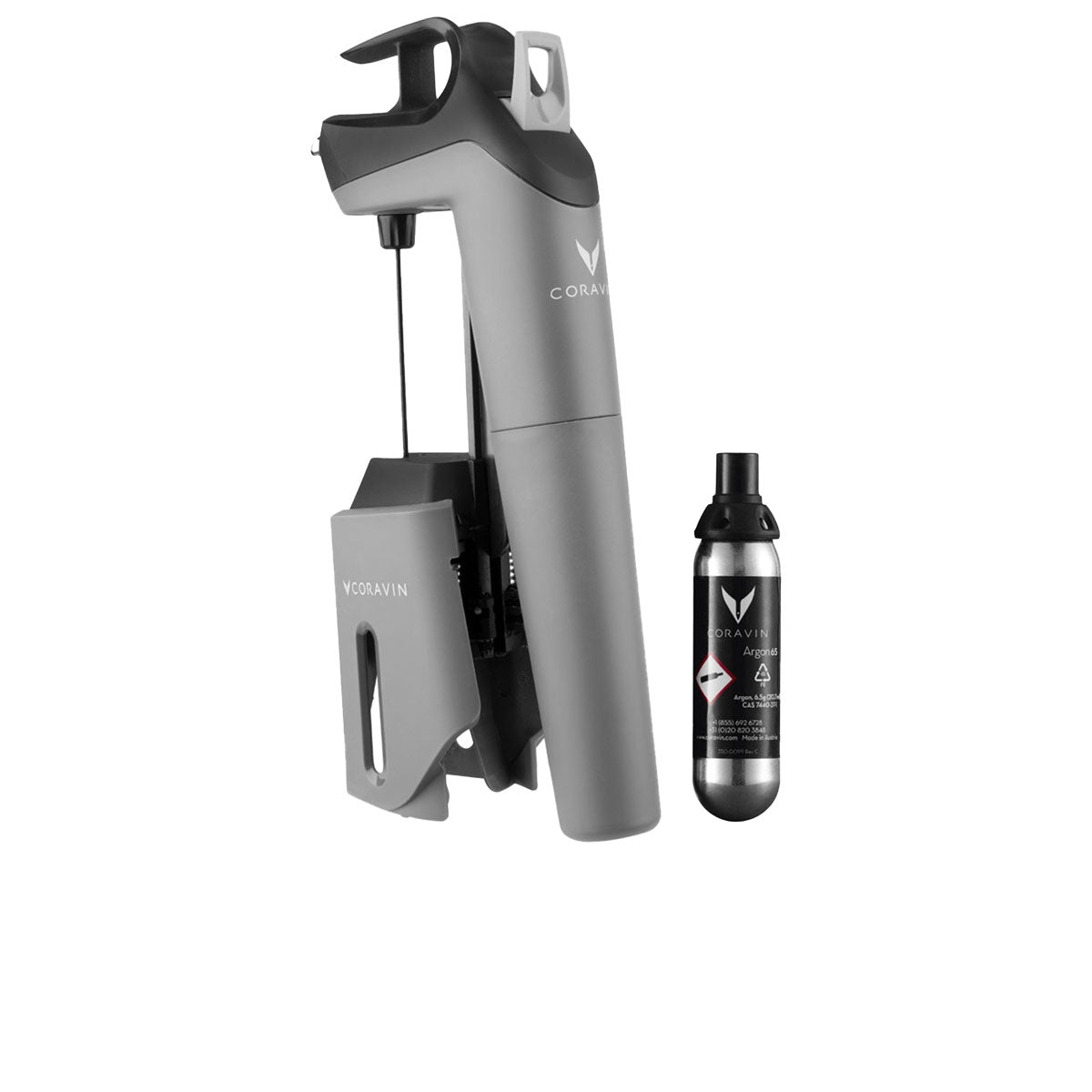
Coravin wine systems serve a different purpose from conventional corkscrews: they’re designed to pour wine without removing the cork. They aren’t a substitute for an opener when you need to remove the cork completely. Keep this distinction in mind when choosing equipment to open bottles or pour wine over time.
Choose a sturdy handle, a secure hinge, and a spiral that enters the cork cleanly. A compact wine key suits a picnic basket; an electric opener may suit a home bar with regular bottle service. For a dependable manual option, explore premium corkscrews and select a style that fits your opening routine.
A quality corkscrew makes opening a bottle easier. Keep that goal in mind as you compare options: choose a tool that fits your routine and prioritize dependable operation over features you’re unlikely to use. The right fit helps you approach each bottle with confidence, whether you prefer a manual wine key, a counter model with added leverage, or powered assistance. A considered choice keeps the focus on opening the bottle simply.
3. Wine stoppers and vacuum seals
Once opened, wine is exposed to oxygen, which can gradually change its flavor. A stopper limits the bottle’s exposure after pouring, while a vacuum seal removes some air. Neither turns an opened bottle back into a sealed one, so choose a closure suited to the wine and how you plan to store it.
For still wine, start with a stopper made from food-safe material. A good fit matters: the closure should sit securely in the bottle neck without slipping or forcing. Some designs use a simple plug; others pair a stopper with a pump that draws air from the bottle. If a friend leaves half a bottle after dinner, recork it promptly rather than leaving it open on the counter.
Vacuum seals can be useful when you expect to return to a still wine later. Place the stopper in the bottle, attach the pump, and operate it according to its design. The seal reduces the air inside the bottle, which can slow oxidation, but it won’t preserve every wine indefinitely. If several bottles are open, write each opening date on a removable label.
Sparkling wine needs a different closure. A sparkling wine stopper is designed to secure the bottle and help retain its fizz; a standard stopper may not hold as firmly. Fit the sparkling stopper according to its mechanism, then keep the bottle upright in the refrigerator. An author reported preserving an opened sparkling wine for a couple of days with a sparkling-wine stopper, but the result can vary with the wine and closure.
Choose by occasion, too. A simple stopper suits a single glass of wine poured at home, while a vacuum pump helps when you regularly save still wine. For a sparkling bottle shared across dinner, keep a dedicated sparkling stopper nearby. Wine lovers who use Riedel glasses or other stemware can store closures beside the bottle opener, making the sequence easy: pour, seal, and return the bottle to cold storage if appropriate.
Clean reusable stoppers after each use, following their care instructions, and let them dry before storage. Check the fit each time, since residue around the rim can interfere with a secure seal. Replace a closure if it becomes cracked, misshapen, or difficult to clean. These steps help keep the next pour clean and prevent loose parts from disappearing among kitchen utensils.
If you serve both still and sparkling wine, keep one stopper for each style within reach. This simple distinction helps avoid using the wrong closure after opening a bottle. A stopper protects what remains; prompt sealing and thoughtful storage help maintain the character of the next glass.
4. Choosing a wine decanter
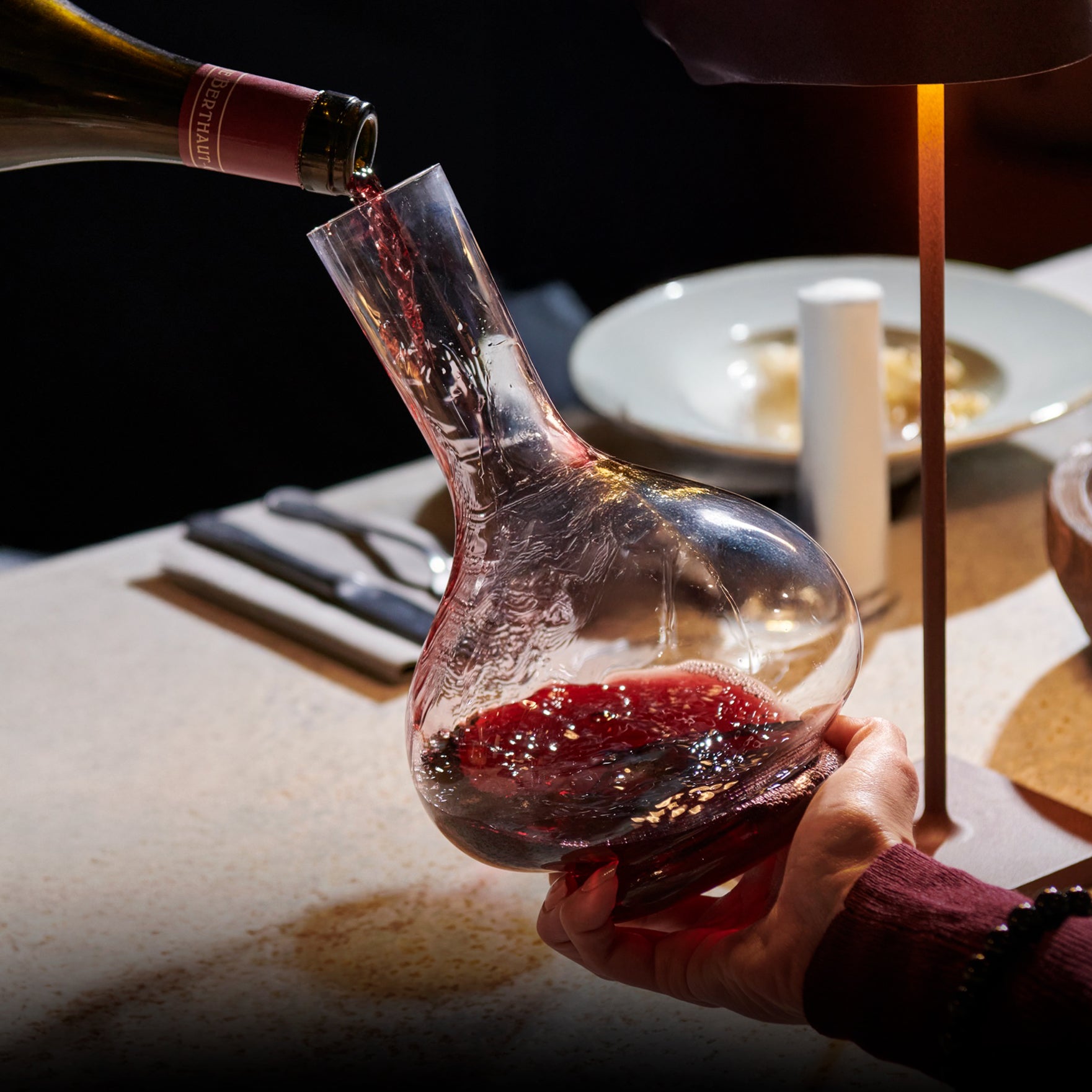
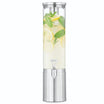
Choose a decanter that holds a full bottle, so you can serve the table without interruption. A wide base and narrow neck give the wine room to meet air as it’s poured. The shape also provides a steady grip when carrying the decanter from the kitchen to dinner. Consider where it will sit on the table, since a broad base needs more serving space than a slim vessel.
Shape influences both function and presentation. A wide-bottomed decanter exposes more wine to air, while a narrower vessel takes up less table space. The right balance depends on your serving routine and storage. For a shared dinner, consider whether the full vessel will fit beside the plates and glasses. If you decant at the counter, a stable base and comfortable pouring angle can make serving easier.
Material matters, too. Clear glass lets you see the wine’s color and any sediment as you pour, while the decanter’s weight affects how it feels in your hand. Inspect the neck opening before choosing: a wider opening can simplify filling and rinsing, while a narrow neck may be harder to clean. Select a design that suits both your table and your cleaning routine.
Decanting gives wine time to aerate before serving. Pour steadily, then let the wine rest for a few minutes before drinking. If a bottle has visible sediment, stop pouring when it approaches the neck rather than transferring it into the decanter. This simple step helps keep the wine in the glass clear.
Consider cleaning before you buy. A dishwasher-safe decanter can make cleanup more convenient, but check the care instructions for the specific vessel. Shape matters: a narrow neck can make hand-washing and drying difficult, while a broad opening gives easier access. Avoid leaving wine in the decanter after dinner; rinse it promptly to help prevent residue from drying inside.
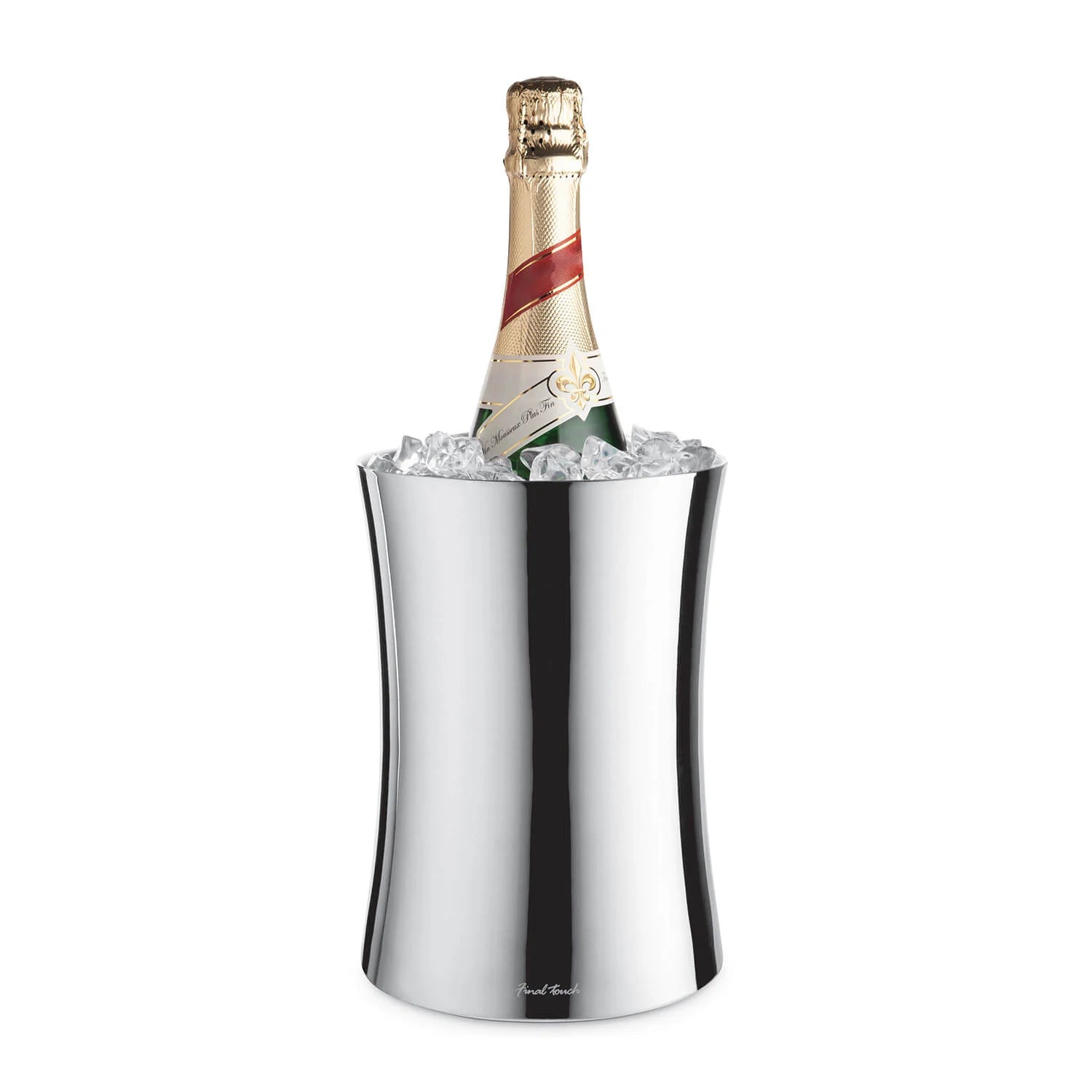
A decanter and a wine chiller serve different purposes. The decanter gives wine room to aerate, while a cooler or wine chiller keeps bottles at serving temperature. A vacuum stopper, by contrast, closes an opened bottle. Knowing these roles helps you choose the right tool for each stage, from chilling a bottle before dinner to pouring and storing what remains.
Before buying, consider capacity, shape, material, cleanup, and where the vessel will live between dinners. A decanter that holds a full bottle and fits your storage space is a practical starting point. If easy maintenance matters most, prioritize a dishwasher-safe design. If the dinner table is crowded, choose a stable silhouette with a footprint that fits your serving arrangement.
5. Wine accessories for entertaining
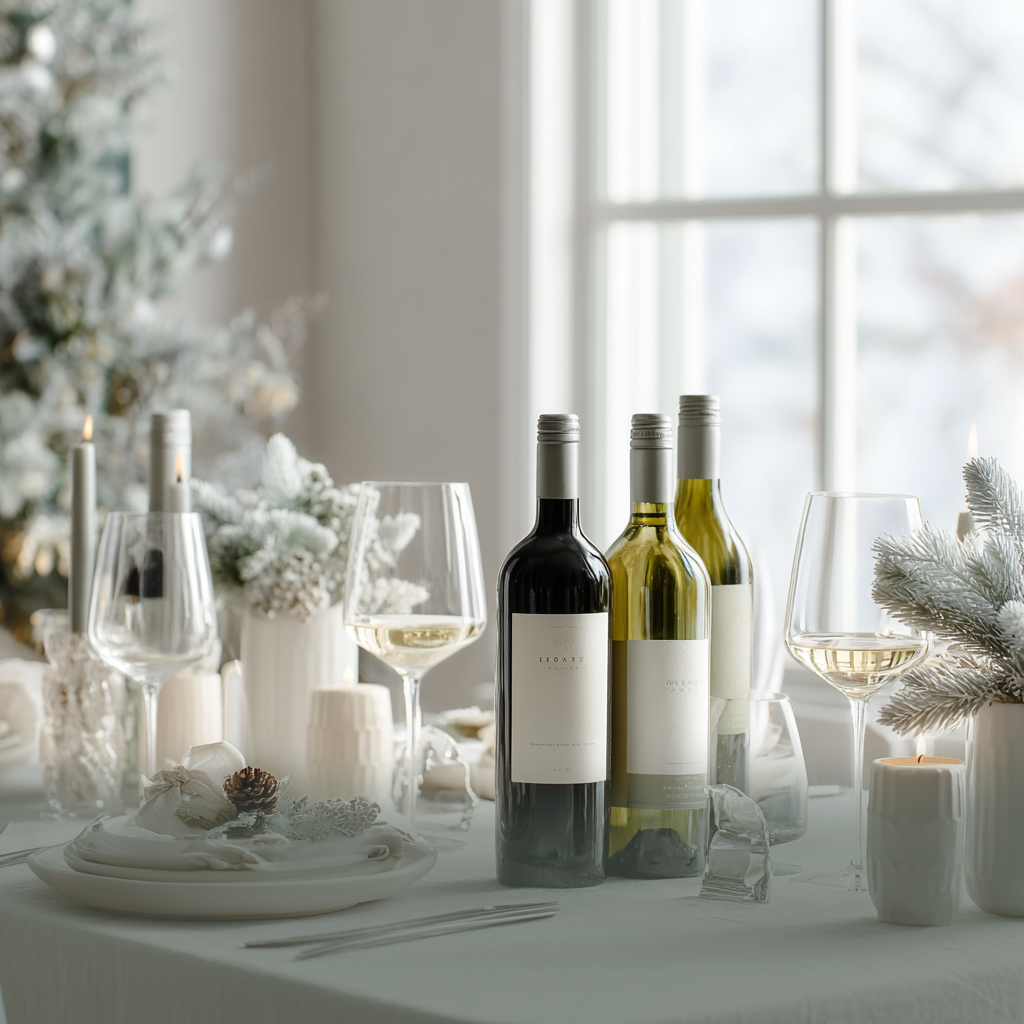
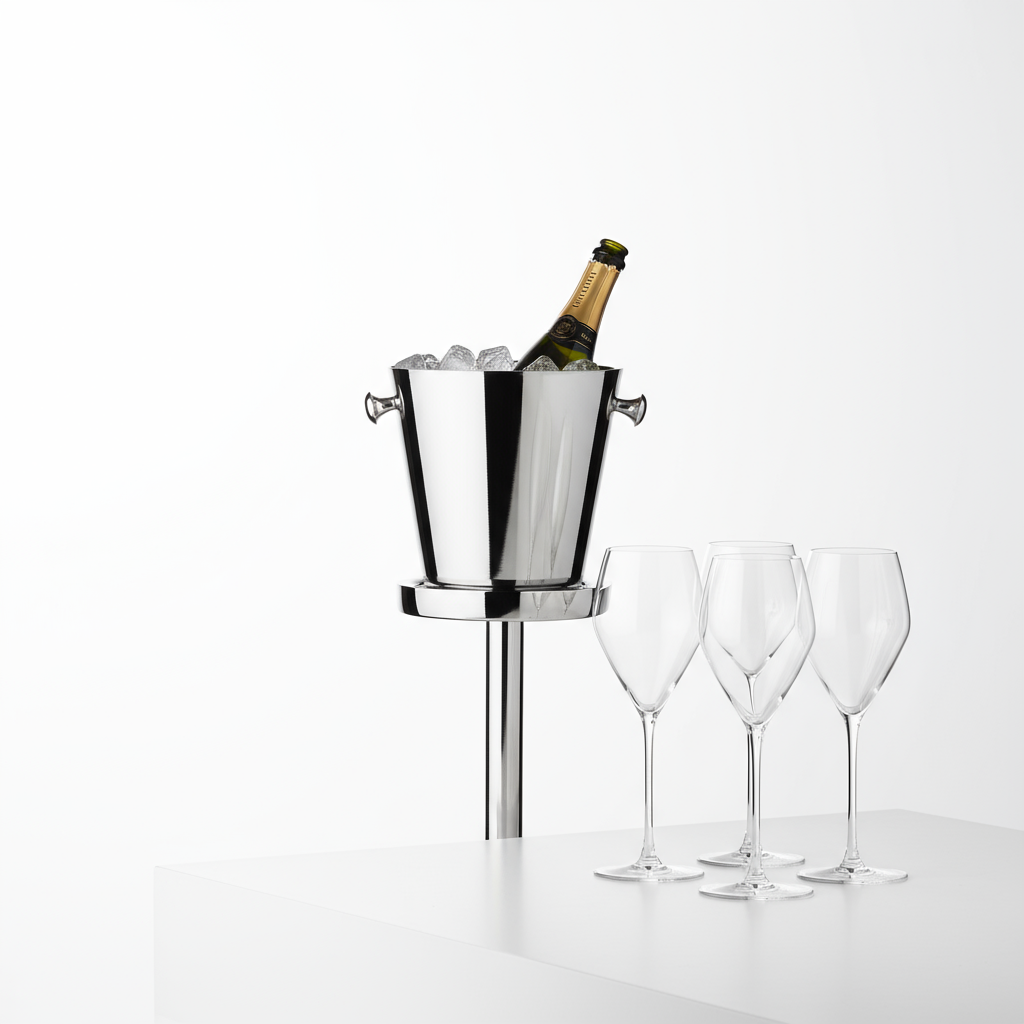
For an easy dinner setup, plan around serving temperature, glassware, and bottle service. A wine cooler helps keep wines at the proper serving temperature, while clear glass lets guests see the wine as they pour. Set out separate glasses for red, white, or champagne if the menu includes different styles. Keep a corkscrew and bottle stoppers within reach, so serving and saving unfinished wine don’t interrupt conversation.
A cooler stick can help chill a bottle when refrigerator space is occupied. Freeze it for a few hours before use, then place it in the bottle as directed. For a dinner invitation, an hour-long trip can also affect serving temperature: one chilled bottle of Cava remained as cold as when it left the refrigerator after such a trip. A wine chiller is another option for keeping a bottle ready to serve.
Choose table pieces to suit the gathering. Crystal glasses create a polished setting for a formal dinner, while sturdy everyday glasses suit a relaxed meal. For champagne, have the glasses ready before opening the bottle and leave space on the table for a chiller. If guests may carry glasses between rooms, glass markers can help distinguish each person’s pour.
What are the best wine accessories to give as gifts? Wine glasses, a sparkling-wine stopper, or a cooler stick can suit someone who enjoys hosting. For a more personal choice, match the gift to how the recipient serves wine, such as champagne at celebrations or wine with dinner.
How much do wine accessories typically cost? The price depends on the item, material, and set contents, and is provided after a quote request. A single stopper differs from a collection of crystal glasses, so compare what each set includes rather than treating every gift as equivalent.
What wine accessories are essential for beginners? Start with glasses suited to the wines you enjoy, a dependable corkscrew, and a stopper for an opened bottle. Add a cooler or chiller if serving wine at the right temperature is a regular part of your gatherings. These basics cover opening, pouring, and storing without filling a kitchen drawer with specialty tools.
Where can you buy wine accessories? A specialist retailer with online ordering is a convenient route for finding glassware, stoppers, and serving tools together. To explore options for your next gathering, browse wine accessories and choose pieces that fit your table and serving routine.
Rosehill Wine Cellars
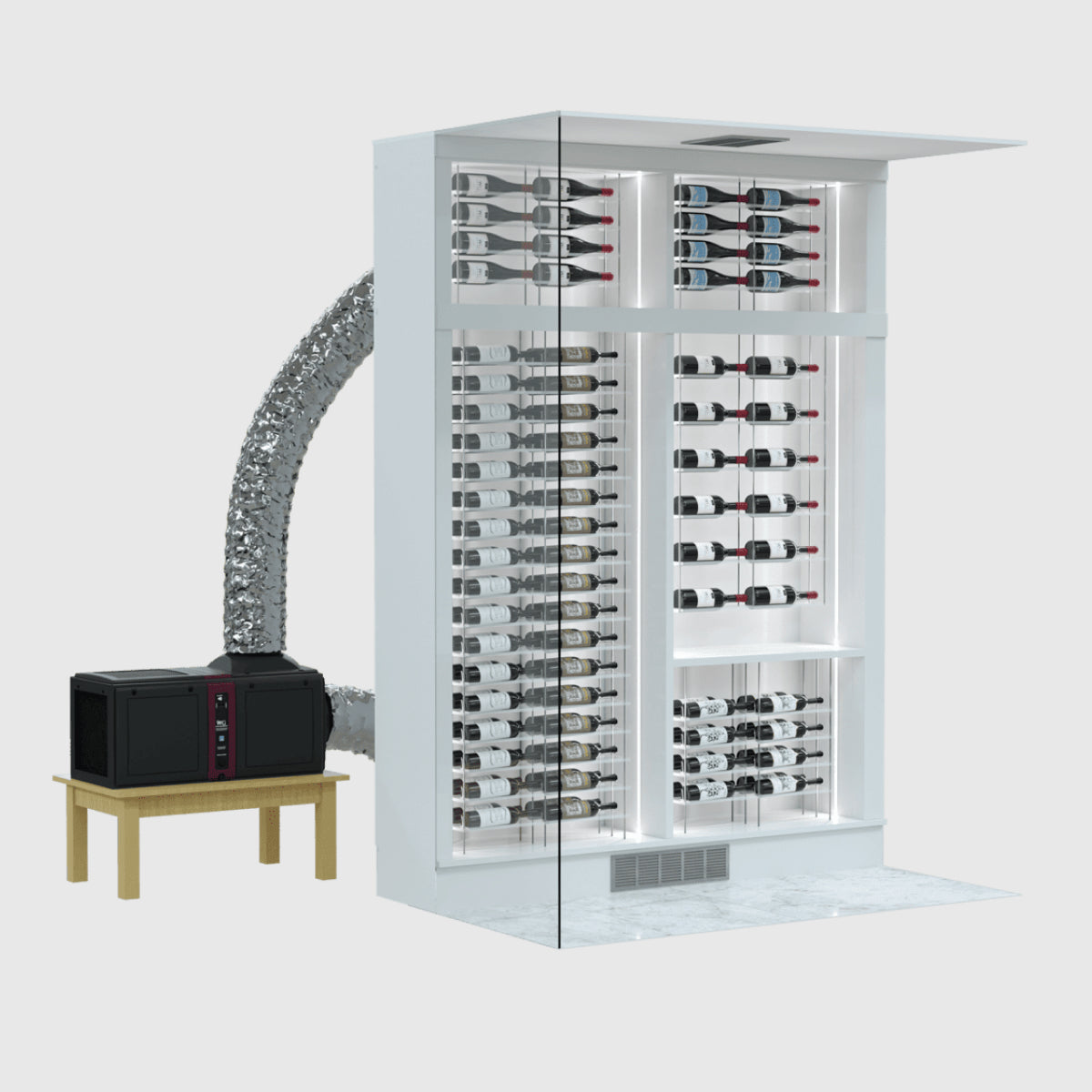
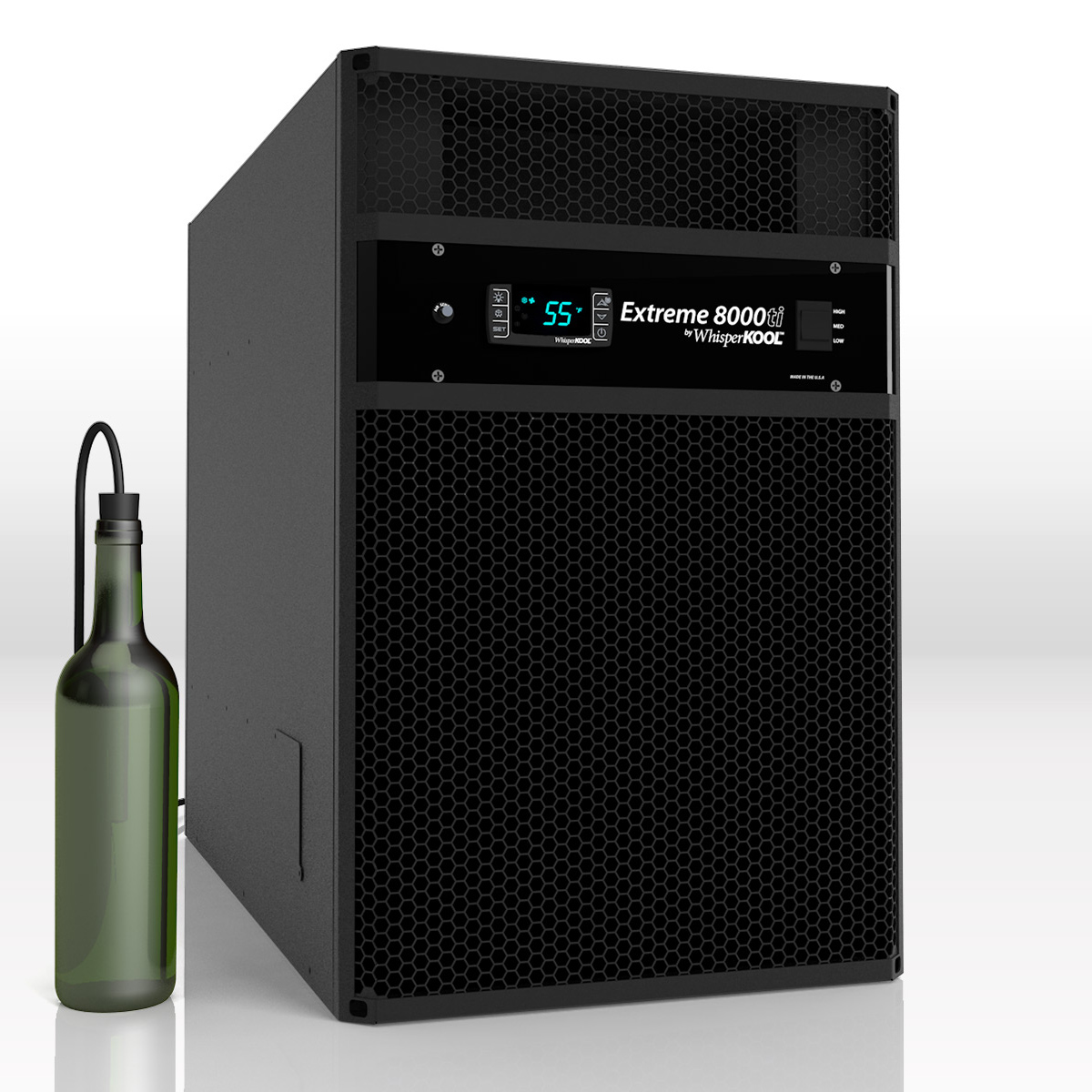
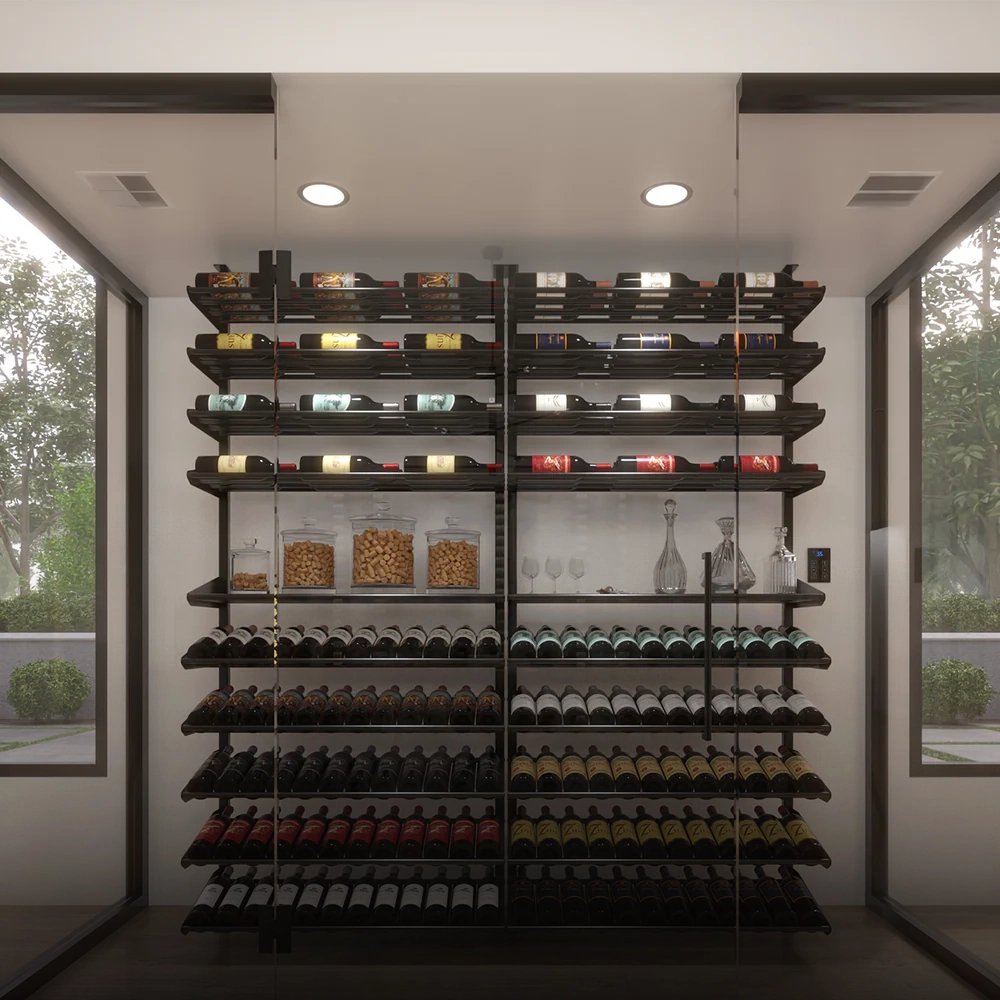
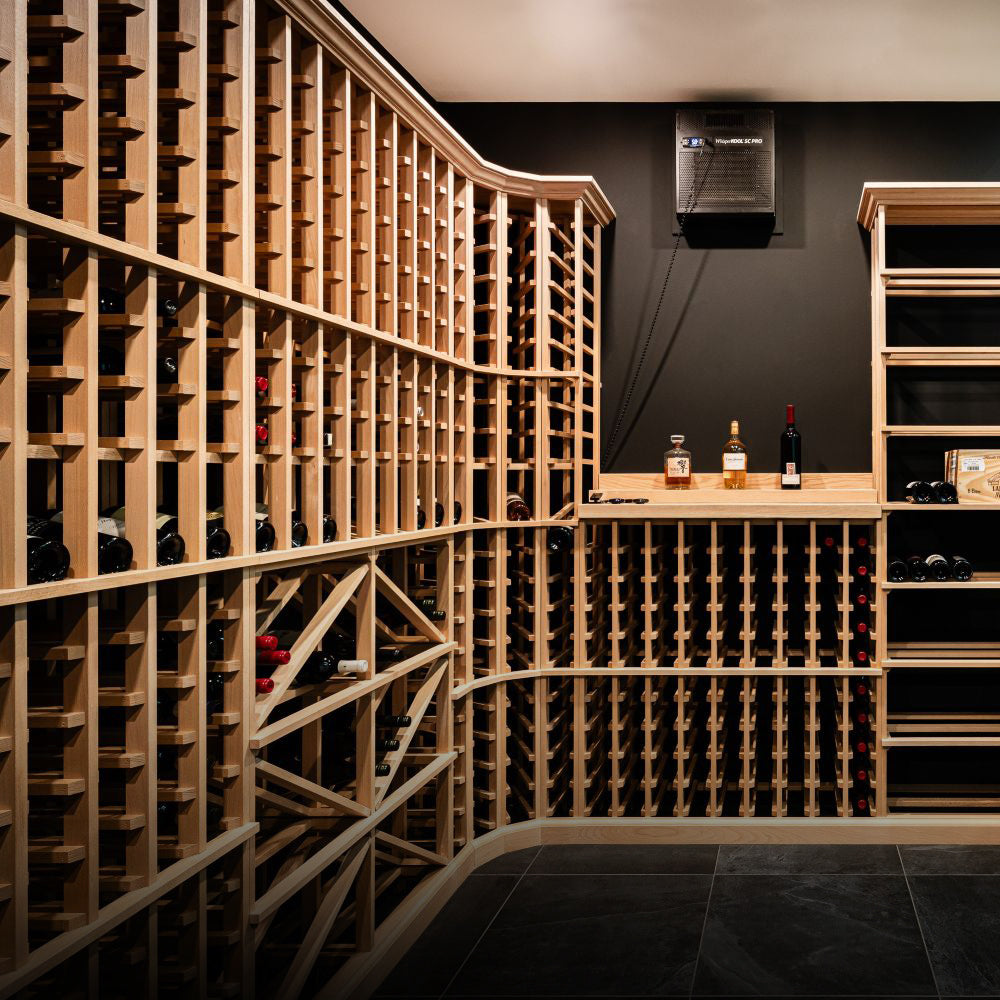
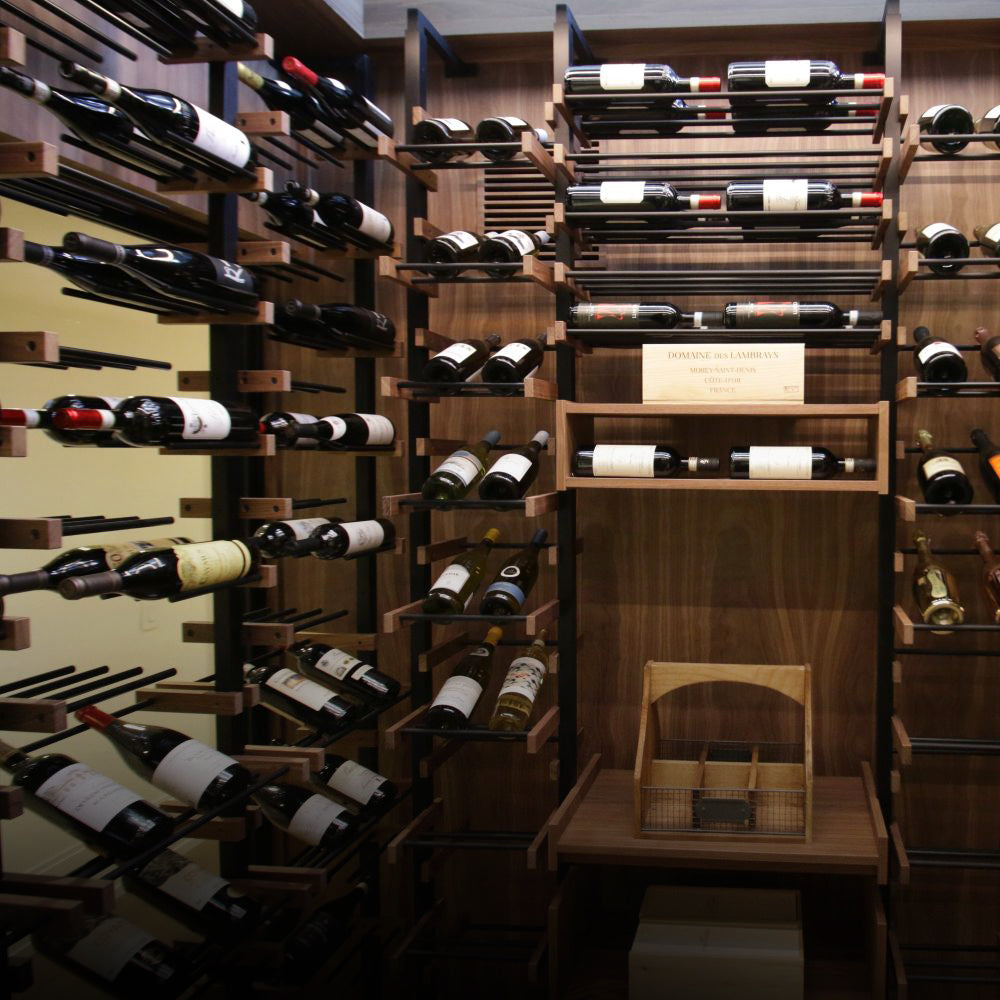
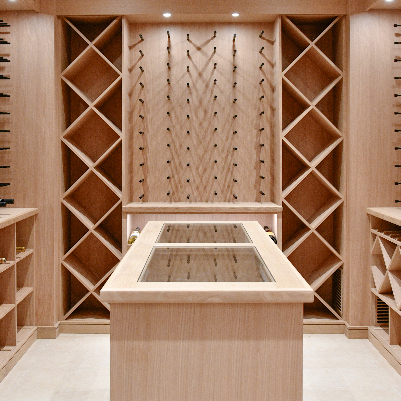
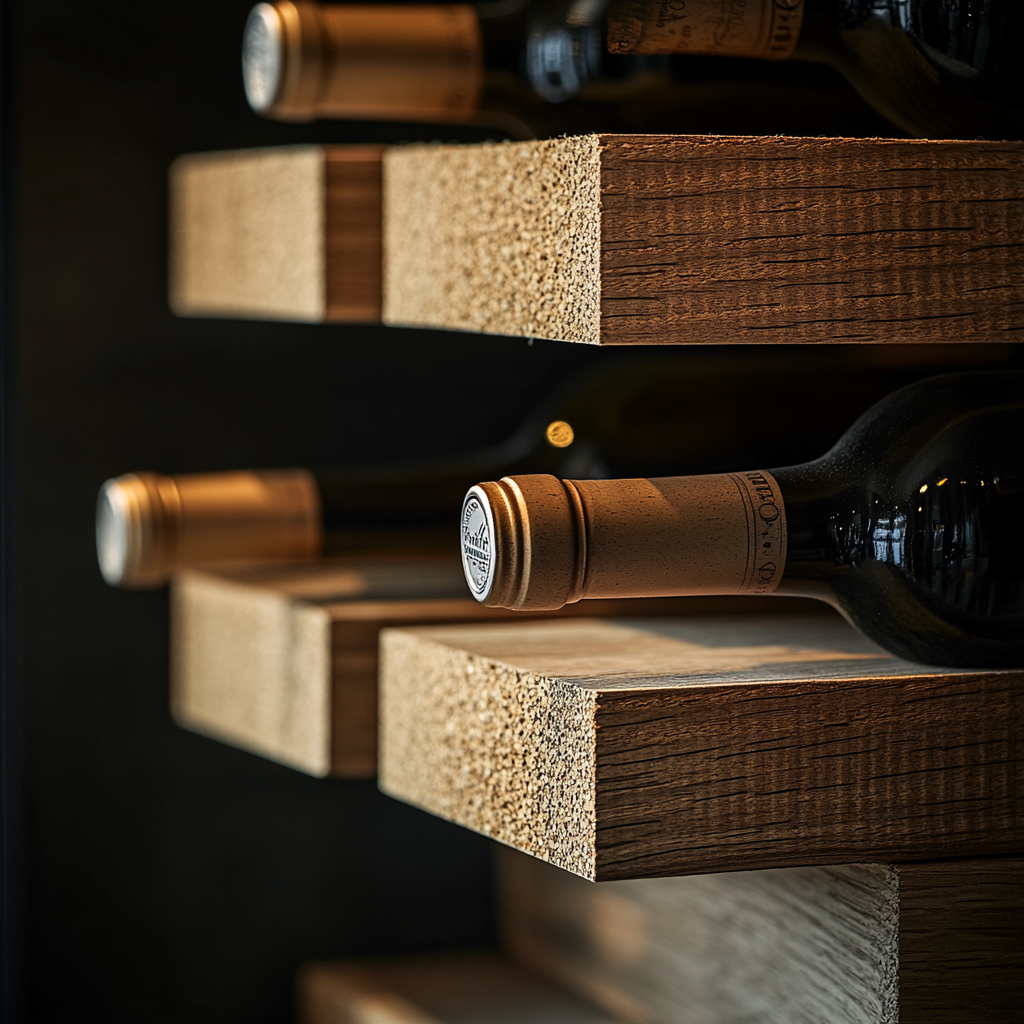
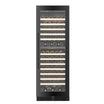
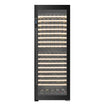
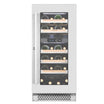
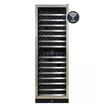
Rosehill Wine Cellars helps connect thoughtful serving choices with the storage that supports them. If your collection needs more considered organization or temperature management, explore options such as Premier Cru Classic Racking, Premier Cru Modern Racking, or the Vantaggio V300 Wine Cabinet. For a dedicated storage space, wine cooling units can be part of a complete cellar setup. The right combination depends on your collection, available space, and how you plan to store and serve your bottles. Contact Rosehill Wine Cellars to discuss which storage and cooling options suit your needs.
Make Your Next Pour More Personal
The most useful next step is to choose pieces around how you enjoy wine, then consider whether your storage supports that routine. A thoughtfully arranged serving area can make hosting feel more natural, while a dedicated place for bottles helps keep the experience organized. Rosehill Wine Cellars offers storage options including the Vantaggio V300 Wine Cabinet, Premier Cru Classic Racking, and Premier Cru Modern Racking. Each can form part of a setup shaped around your collection and available space.
Let function guide your choices, and let design make them feel at home. Whether you’re refining a serving area or planning storage for a growing collection, contact Rosehill Wine Cellars to explore a considered next step. Your ideal arrangement can begin with one thoughtful choice.
Frequently Asked Questions
Which wine glasses are best for different types of wine?
Choose glasses suited to the wines you serve most, rather than buying a separate shape for every variety. For mixed menus, a versatile glass can reduce cupboard clutter; reserve specialized shapes for sparkling wine or dedicated tastings. Before choosing a set, consider how each glass feels in your hand, whether the rim is comfortable, and whether the glasses fit your storage and washing routine. These details matter during repeated use.
Are electric wine openers worth buying compared with manual corkscrews?
An electric opener is worth considering if you open bottles often or find manual gripping difficult; a manual corkscrew suits occasional pours and is easy to pack. Compare more than speed: consider where the opener will be stored, whether charging fits your routine, and whether its controls feel straightforward. For a frequently used home bar, convenience may justify an electric model. For a travel kit, a compact manual tool is often more practical.
What accessories help store and serve wine at the right temperature?
A wine fridge or cabinet suits short-term storage and easy access, while a wine cellar cooling unit supports a larger collection intended for longer storage. Rosehill Wine Cellars recommends storage conditions of 12 °C - 15 °C and 60% - 70% humidity. For chilling a single bottle at the table, a cooler stick or wine chiller can help maintain its serving temperature. Choose based on your storage duration and needs.