




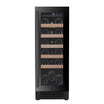
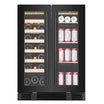
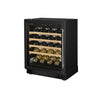
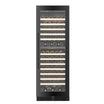
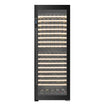
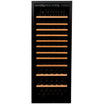
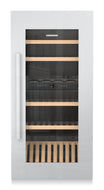
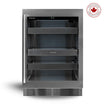
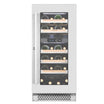
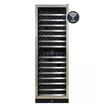

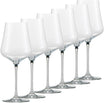




A wine fridge can help preserve wine, but it doesn’t give every bottle a fixed shelf life. How long wine lasts depends on whether it’s opened, its style, and how well it’s stored; freestanding wine coolers support steadier storage conditions, not an automatic countdown to peak flavour. For unopened bottles, the right temperature and a suitable environment help protect quality over time.
It’s natural to want a clear answer before choosing a cooler, especially when bottles are meant to be enjoyed at their best. This guide explains what affects wine’s longevity in a wine fridge, how single-zone and dual-zone models differ, and what to consider when comparing prices, finishes, capacity, and installation options. It also explores how freestanding wine coolers can fit different home layouts.
Start by matching the cooler to your collection and available space. Consider the temperatures you need, where the unit will sit, and whether its shelves suit your bottles. Comparing these details helps you choose among freestanding wine coolers for everyday bottles, special vintages, or a growing collection.
Key Takeaways
- Choose a single-zone or dual-zone model based on whether your collection needs one consistent storage temperature or separate conditions for different wines.
- Compare cooler prices by weighing capacity, zone configuration, finish, and the features that matter for your space.
- Check bottle dimensions and shelf layout before choosing a model, since bottle shapes can affect usable capacity.
- Distinguish freestanding placement from built-in installation, and allow for the ventilation and clearance the cooler’s design requires.
- Explore the Vantaggio V300 Wine Cabinet when you want a dedicated storage option, or consider Rosehill Wine Cellars’ wine cooling units and racking for a cellar project.
Single-zone and dual-zone models
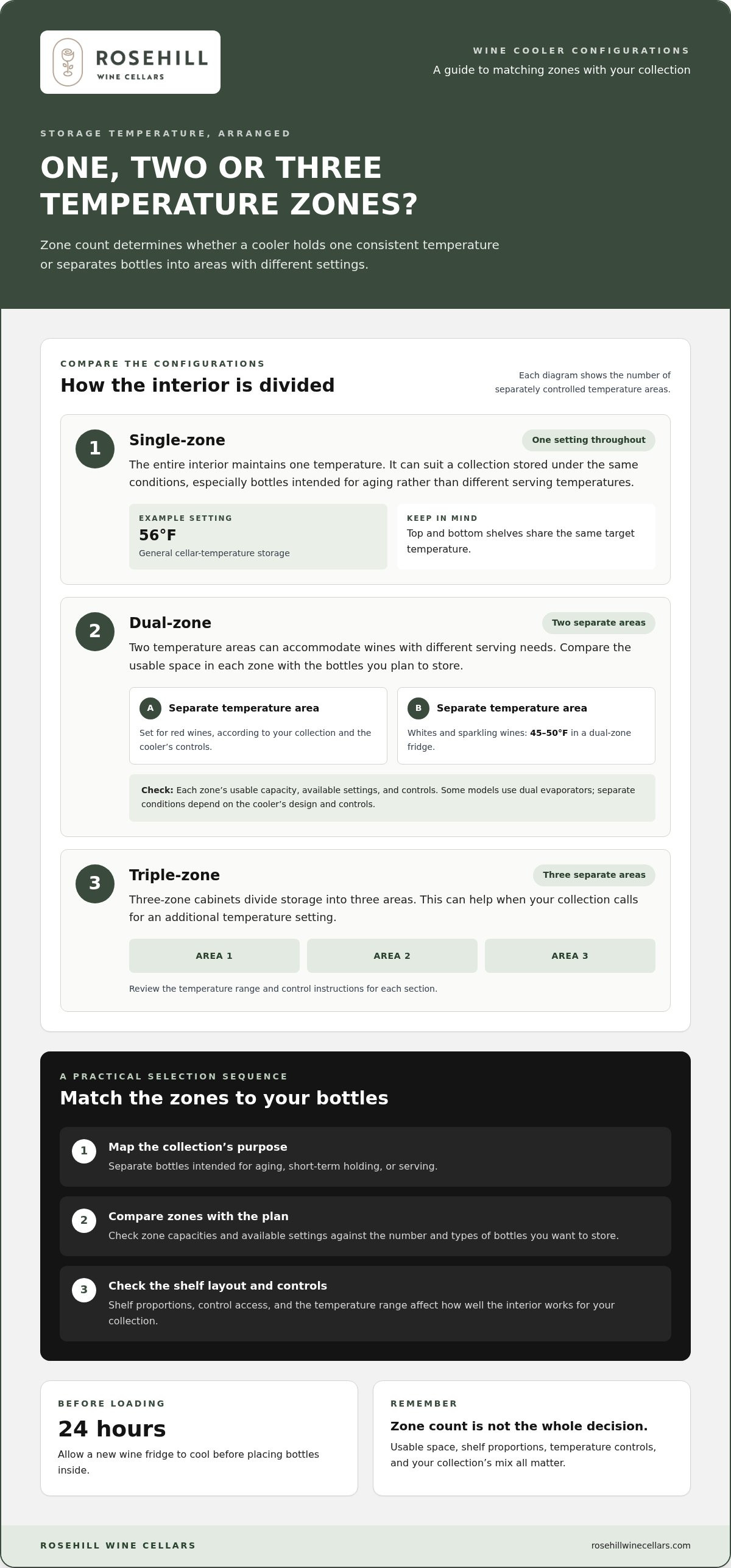
Zone count determines whether a cooler maintains one temperature or separates bottles into areas with different settings. Compare the temperature range, shelf layout, and controls before choosing.
Single-Zone Configurations
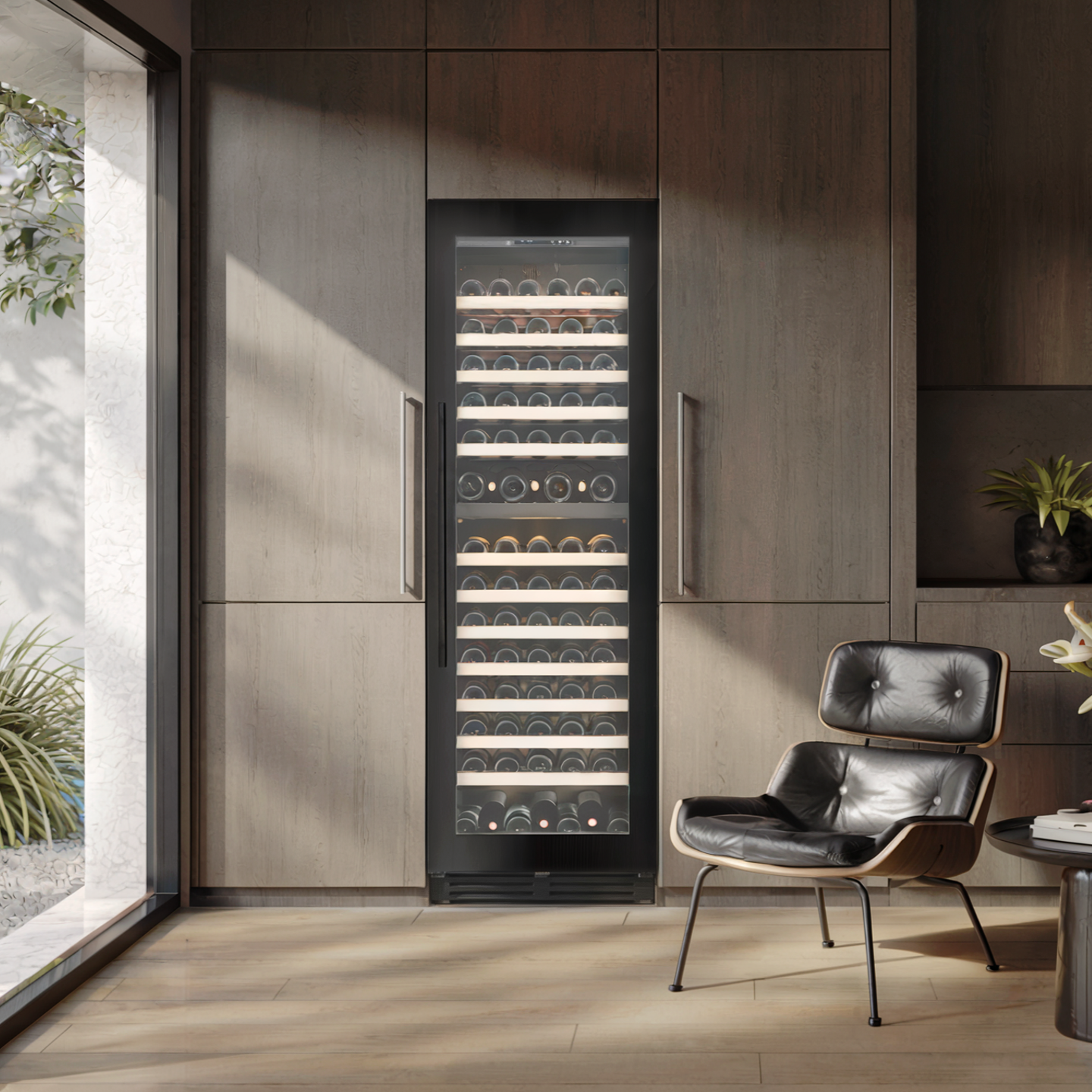
A single-zone model maintains one temperature throughout its interior, making it a straightforward choice for collections stored under the same conditions. Set it to 56°F for general cellar-temperature storage. This configuration can suit a collection focused on aging bottles, rather than serving different styles at distinct temperatures.
Check whether the control adjusts the whole cabinet, then consider how you’ll arrange your bottles. With one setting, the top and bottom shelves share the same target temperature, even if they hold different varietals. A stainless finish may complement kitchen appliances, but the temperature setting is the key consideration for storage.
Dual- and Triple-Zone Configurations
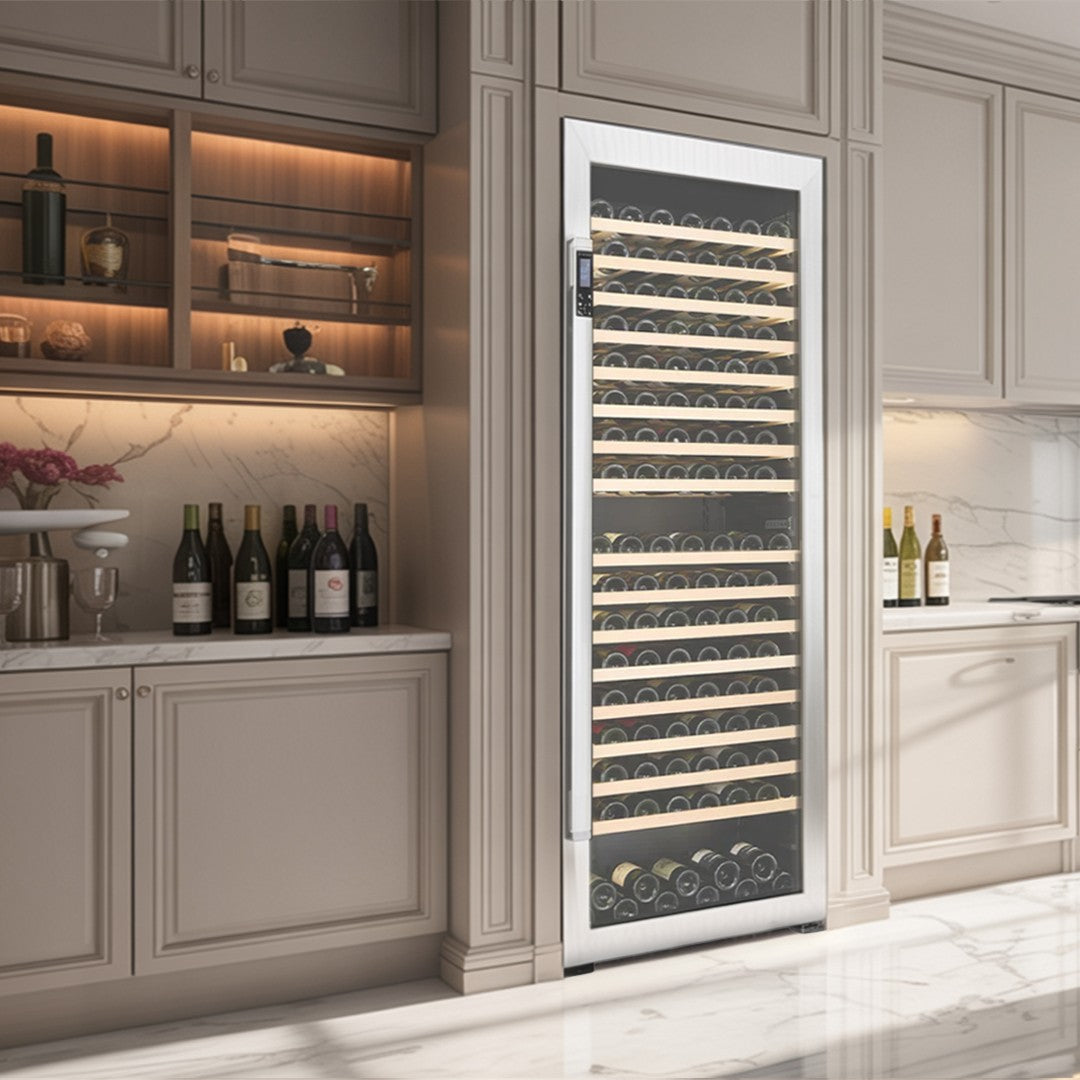
A dual-zone cooler separates its interior into two temperature areas, which can accommodate wines with different serving needs. For example, set one area for red wines and the other for whites and sparkling wines, which are kept at 45 to 50°F in a dual-zone fridge. Compare the usable space in each zone with the number and types of bottles you plan to store.
Some models use dual evaporators to manage separate zones. Their ability to maintain distinct conditions depends on the cooler’s design and controls. Triple-zone cabinets divide storage into three areas, which can help when a collection calls for an additional temperature setting. Review the range and control instructions for each section.
Before selecting a dual zone model, map your collection by storage purpose: aging, short-term holding, or serving. Then compare the zone capacities and available settings against that plan. A dual-zone wine cooler selection can help you compare this configuration with single-zone options.
Allow a new wine fridge 24 hours to cool before loading bottles. That step gives the cabinet time to reach its operating conditions before you place wine inside. Avoid choosing a model by zone count alone; shelf proportions, control access, and your collection’s mix all shape how effectively the interior works. For a collection that needs one steady storage condition, a single-zone model may be simpler. For bottles intended for different serving temperatures, separate zones offer more flexibility.
Wine cooler prices
Wine cooler prices vary according to capacity, temperature controls, finish, and installation design. A compact single-zone model serves a different need from a larger cabinet with separate zones. Compare options by how they meet your storage needs, not just by appearance. Stainless steel may suit a kitchen, while another finish may work better in a living space.
Start with the collection you plan to store. Count your bottles, note their shapes, and decide whether you need one temperature setting or separate settings. Compare the stated capacity and shelf arrangement with your actual bottles. Wider or irregular bottles may reduce usable capacity, so check shelf space as well as the advertised count. These details help you choose which freestanding wine coolers suit your home.
Include installation in your comparison. A freestanding unit needs a suitable location; a built-in model must fit its cabinetry and ventilation requirements. Door style, finish, and control placement also affect how the appliance works in the room. List your essential requirements first, then separate them from appealing but unnecessary refinements. This keeps the decision focused on function and fit.
For a cooler purchase, the price depends on the case and is given after a quote request; capacity, zone design, finish, and installation requirements shape the quote. Comparing these details helps you assess configurations instead of relying on a generic figure. Explore freestanding wine coolers with your criteria in mind, and review each model’s specifications against your intended space and collection.
To install and maintain a freestanding cooler, place it on a stable, level surface, follow the manual’s clearance instructions, and let it cool before loading bottles. Clean interior surfaces with a soft cloth and mild cleaner. Keep the door seal and vents free of dust.
If a cooler runs warm, check the temperature setting, door closure, and airflow around the cabinet. If it makes unusual noise, confirm that it stands level and isn’t touching nearby objects. For persistent problems, follow the manual’s troubleshooting steps. These checks can help identify whether placement or settings are affecting operation.
Separate essential storage functions from optional refinements. Note your capacity, zone, finish, and placement needs before comparing freestanding wine coolers. A clear shortlist makes differences in design and price easier to assess and keeps your focus on a configuration suited to your home.
The wine fridges tested for the article ranged in price from $200 to $1,899, with an average price of $884 at the time of testing, offering a benchmark for comparing configurations.
How long does wine last in a wine fridge?
A wine fridge can’t give every bottle a fixed lifespan. How long wine remains enjoyable depends on its style, condition before storage, closure, and storage environment. Stable, suitable conditions help protect quality, but they can’t reverse damage or ensure every bottle will age well. Choose a capacity that fits your collection, making it easier to organize bottles without crowding shelves or disrupting access.
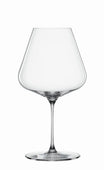
Start by matching the stated bottle capacity to the bottles you actually own. Manufacturers commonly calculate capacity using a standard 750-milliliter Bordeaux bottle, which measures 2.75 inches in diameter and 11.75 inches tall. That reference helps compare models, but it doesn’t describe every bottle shape. A broad sparkling-wine bottle or a wider Burgundy bottle may occupy more shelf space than the standard reference.
For a useful capacity estimate, count your bottles and group them by shape. Compare their dimensions with the shelf spacing and layout shown for each cooler. If your collection includes oversized bottles, practical capacity may differ from the advertised count. Check whether shelves can be repositioned and how bottles sit when stored horizontally or taken out for serving.
Capacity filters can speed up browsing, but treat them as a starting point. Choose a range that suits your collection, then inspect the listed layout and dimensions. A stated bottle count may assume uniform Bordeaux bottles. If you store mixed formats, leave room for larger bottles instead of filling every shelf to its listed maximum.
Think about how you use each bottle. Separate wines intended for longer-term storage from those you plan to serve soon. Keep an inventory of the wine name, vintage, and shelf location so you can find bottles without moving others. You might group wines by style or occasion and reserve an accessible shelf for bottles you expect to open first.
Opened and unopened bottles have different timelines. After opening, exposure to air changes the wine. Refrigeration can slow that process, but it won’t preserve an opened bottle indefinitely. For unopened bottles, a consistent setting and careful handling support storage; the wine’s style and condition remain central to how it develops.
Before choosing a wine fridge, measure your tallest and widest bottles and compare them with the shelves. Consider future additions as well as your current collection. A beverage cooler may look similar, but choose equipment designed for wine storage. Capacity that reflects your actual bottle shapes makes organization practical and reduces the need to rearrange bottles.
Freestanding versus built-in installation
A freestanding cooler stands independently, while a built-in model is designed for an integrated position. Choose based on the room layout, ventilation path, and space available for your collection.
Clearance and Ventilation
Freestanding wine coolers release heat through vents, so they need room for airflow. Follow the manufacturer’s instructions for required clearance around the sides, back, and top. A nearby wall, cabinet, or countertop can obstruct ventilation and affect operation.
Before positioning the unit, locate its vents and keep them unobstructed. Don’t enclose a freestanding model in cabinetry unless its design permits it. Built-in coolers are designed for cabinetry, but their specified ventilation openings must still remain clear.
Measure the intended location and the cooler before moving the appliance. Allow for the door swing and the space needed to load bottles. Keeping the plug and vents accessible also makes routine cleaning and maintenance easier.
Placement and Temperature Considerations
Place a freestanding cooler on a stable, level surface away from direct sunlight, ovens, and other heat sources. Avoid areas exposed to rapid temperature changes, such as beside an exterior door. Room conditions can affect how hard the appliance works to maintain its interior setting.
Check the manual for the cooler’s maximum operating temperature, which is typically around 90°F. Choose a position where the surrounding room stays within the appliance’s operating range, rather than placing it near a hot appliance or sunlit window.
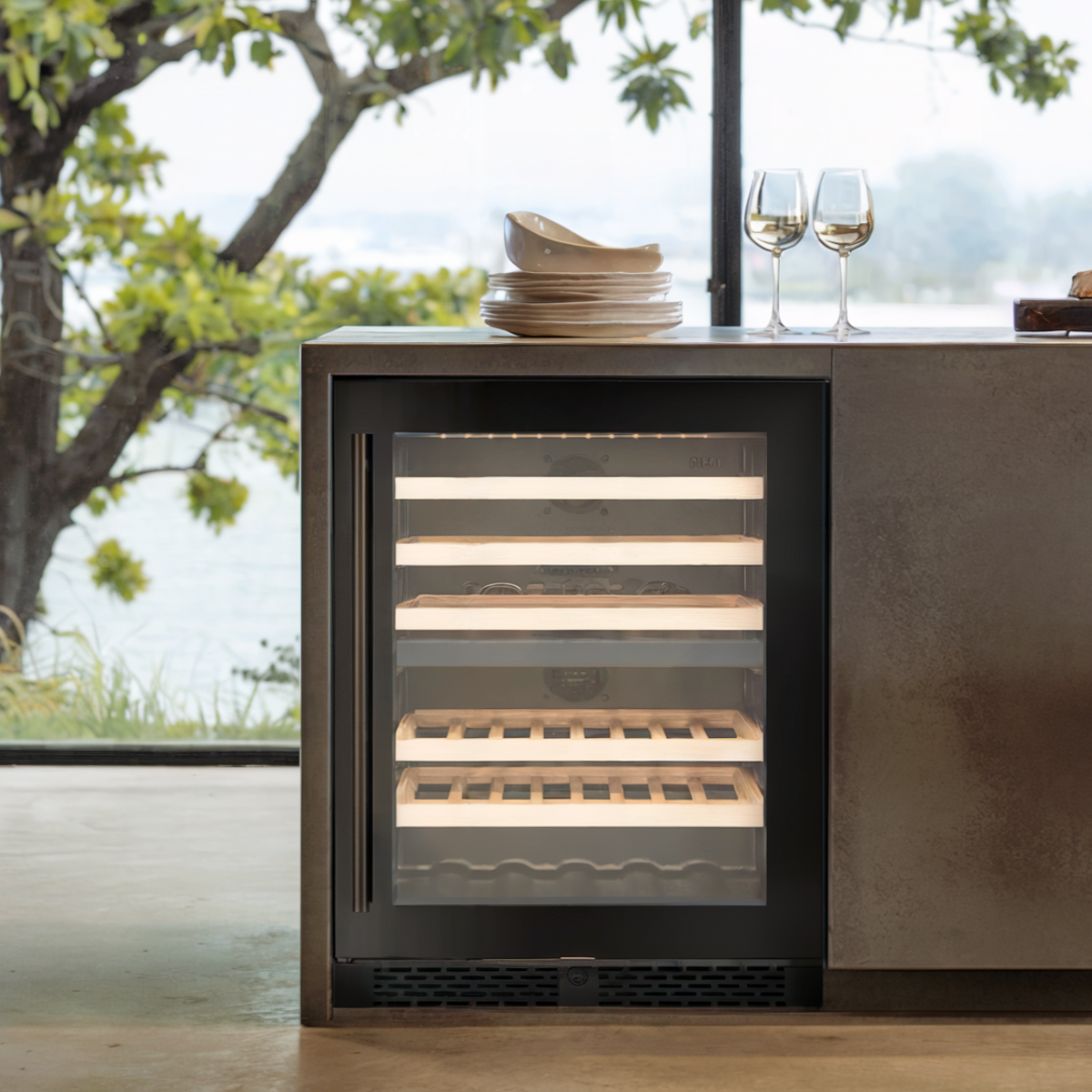
For a kitchen, compare an open position with a dedicated cabinet opening before choosing a model. A freestanding unit suits a visible location with adequate ventilation; a built-in design suits planned cabinetry with the required airflow. Don’t assume a freestanding cooler can go into any empty cabinet space.
Follow the manufacturer’s placement guidance during installation. Set the appliance on a level floor, leave its vents unobstructed, and connect it according to the manual. After moving it, allow the cooler to settle as directed before switching it on. Keep the door closed while it reaches its set temperature, then load bottles without blocking interior airflow.
Freestanding placement can offer flexibility if your collection changes or you redesign a room, since the cooler isn’t integrated into cabinetry. Built-in installation can create a more finished appearance, but the opening, ventilation, and door clearance must suit the appliance. Measure first, then choose the installation type that fits the room and its intended use.
How much clearance and ventilation does a freestanding wine cooler need?
Clearance requirements vary by model. Vent locations and cabinet design determine the space needed, so consult the installation diagram before choosing a position. A rear-exhaust unit needs a different airflow path from one that vents through its sides. Match the model’s instructions to the room layout rather than relying on a general clearance rule.
Measure the appliance’s height, width, and depth, then measure the available floor area. Account for clearance, door swing, and access to shelves. A niche that matches the cabinet dimensions may still restrict airflow. Mark the footprint with painter’s tape to see how the unit and open door will fit before installation.
Use the manual or cabinet markings to locate the intake and exhaust grilles. Keep them clear of walls, curtains, cabinetry, and stored objects. For example, placing a side-venting cooler flush against a wall may block airflow. A clear path allows heat to escape and helps the appliance maintain its interior setting.
Freestanding wine coolers need space for their designed airflow, not just a spot where the cabinet fits. Check the plug and cord position so the cable won’t be pinched behind the unit. A stable, level surface helps the door close properly and makes shelves easier to use. Leave enough access to clean around the appliance without moving it into a tighter position.
Room temperature also matters. Direct sun, an oven, or a heating vent can warm the air around the cooler. The maximum operating temperature is typically around 90°F, so compare the room’s conditions with the model’s manual. For instance, a position beside an oven may expose the appliance to more heat than a shaded spot away from cooking equipment.
After positioning the cooler, inspect each grille and remove anything that could obstruct it. Clean accessible vents as the manufacturer directs, and keep baskets, rugs, and décor away from openings. If you move the cooler for cleaning, return it to its measured position and ensure the ventilation path stays clear. Freestanding wine coolers can suit different room layouts when their specific airflow requirements are met.
Measure the intended location, identify the vent layout, and compare both with the installation instructions before choosing a model. Compare freestanding wine cooler options and review each unit’s placement requirements as part of your decision.
Rosehill Wine Cellars: Vantaggio V300 Wine Cabinet
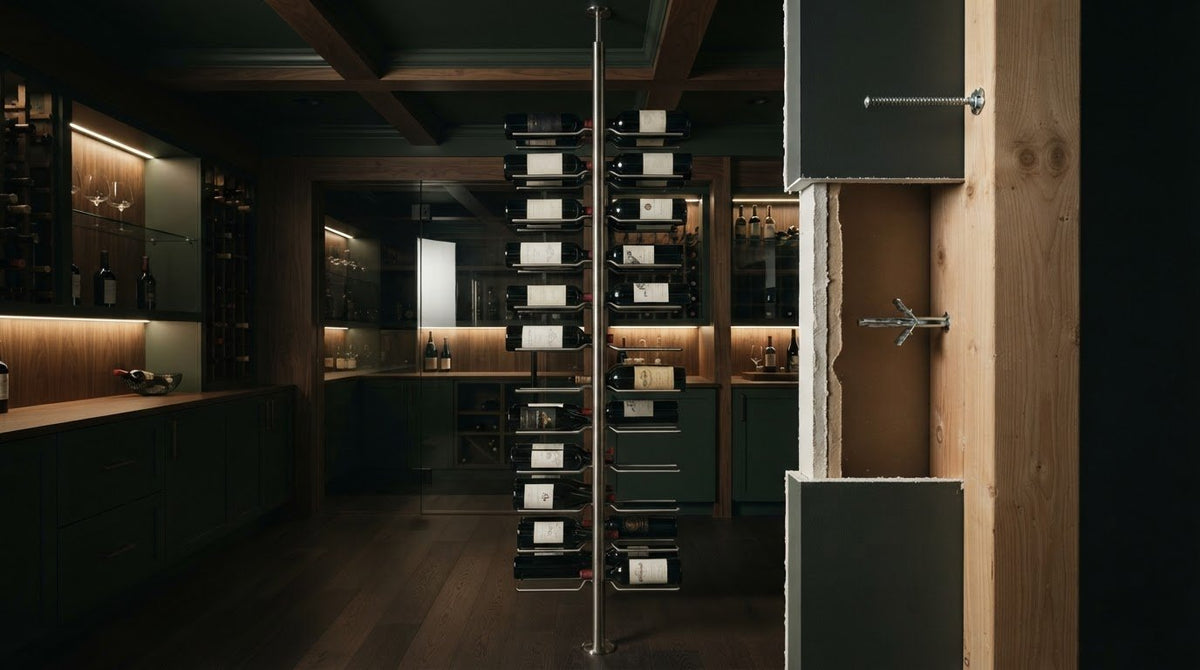
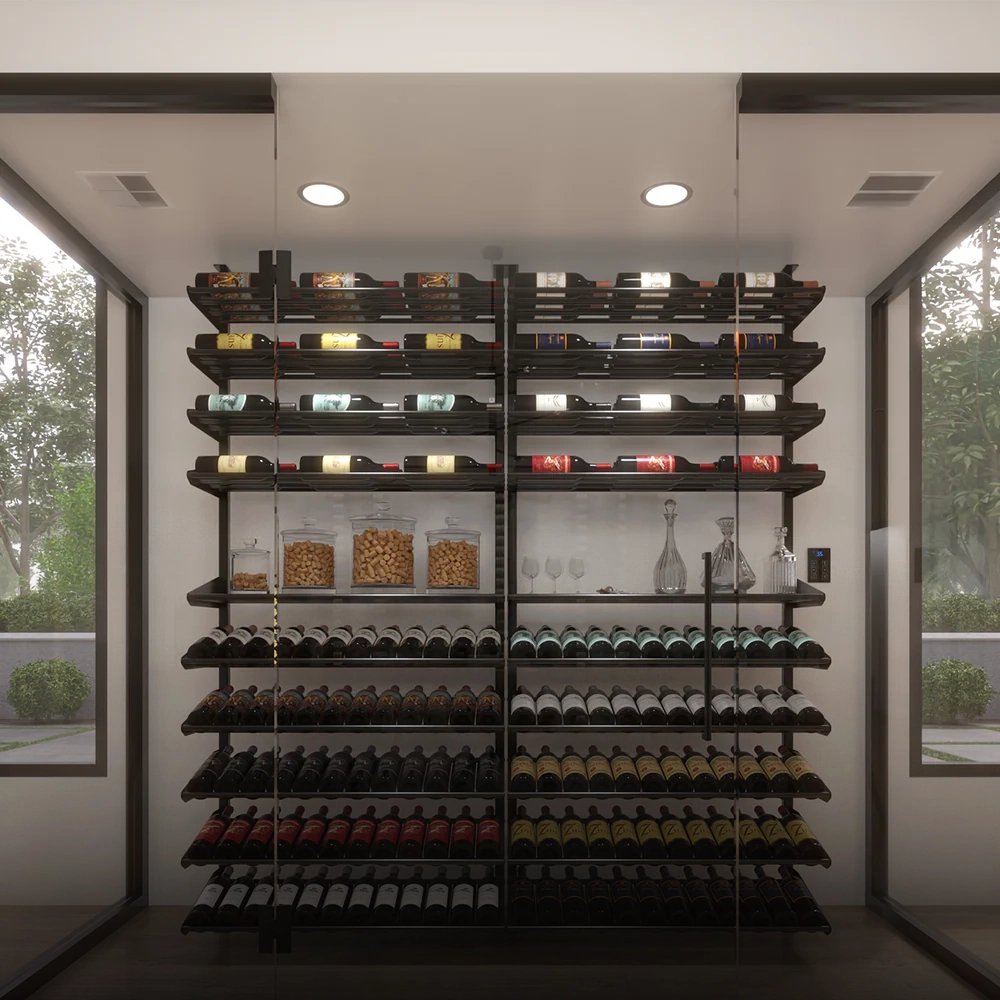
Rosehill Wine Cellars offers the Vantaggio V300 Wine Cabinet for readers seeking a dedicated wine-storage option at home. It may suit a collection that needs a separate cabinet rather than an appliance integrated into kitchen cabinetry. Consider your available space, bottle mix, and preferred arrangement before deciding which storage approach fits.
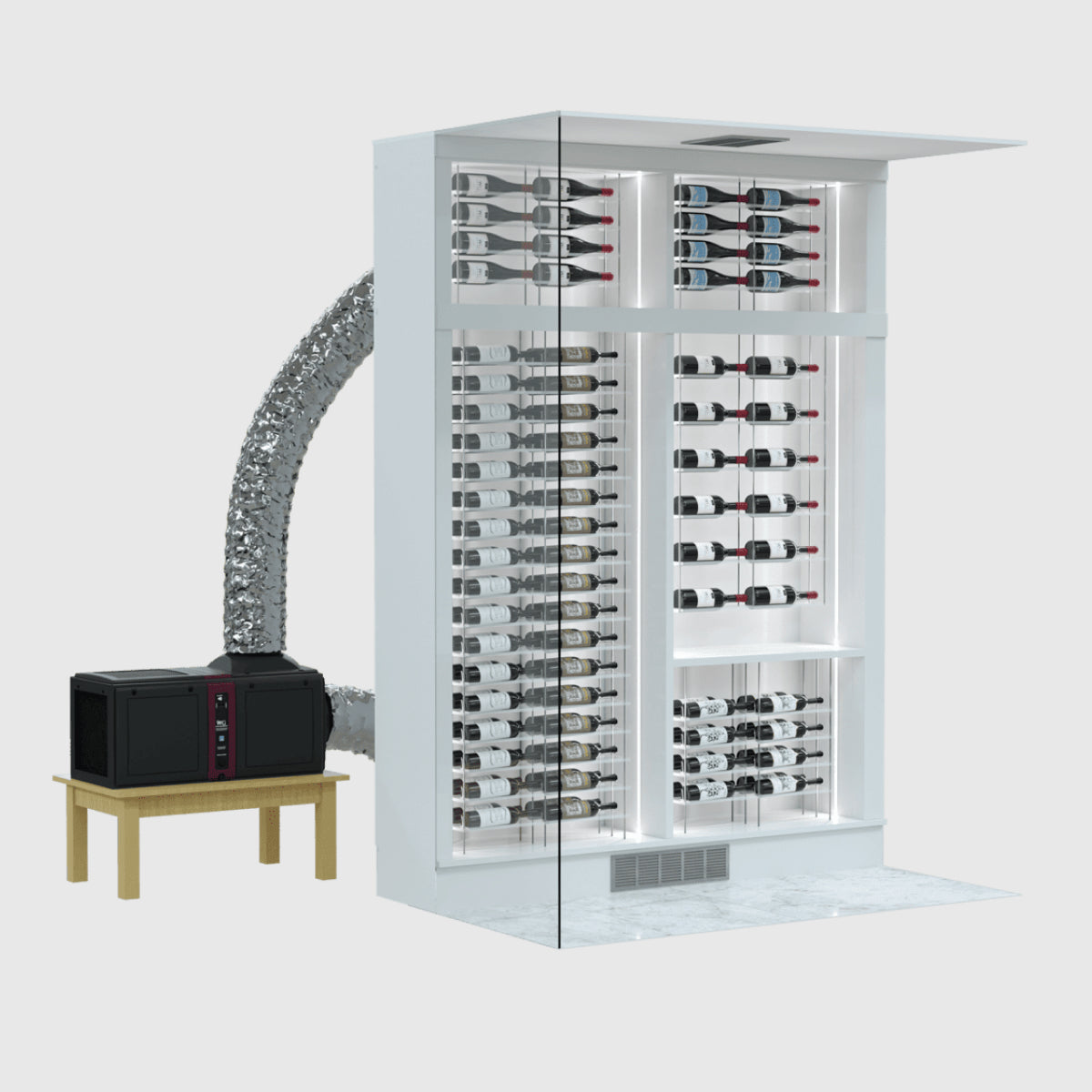
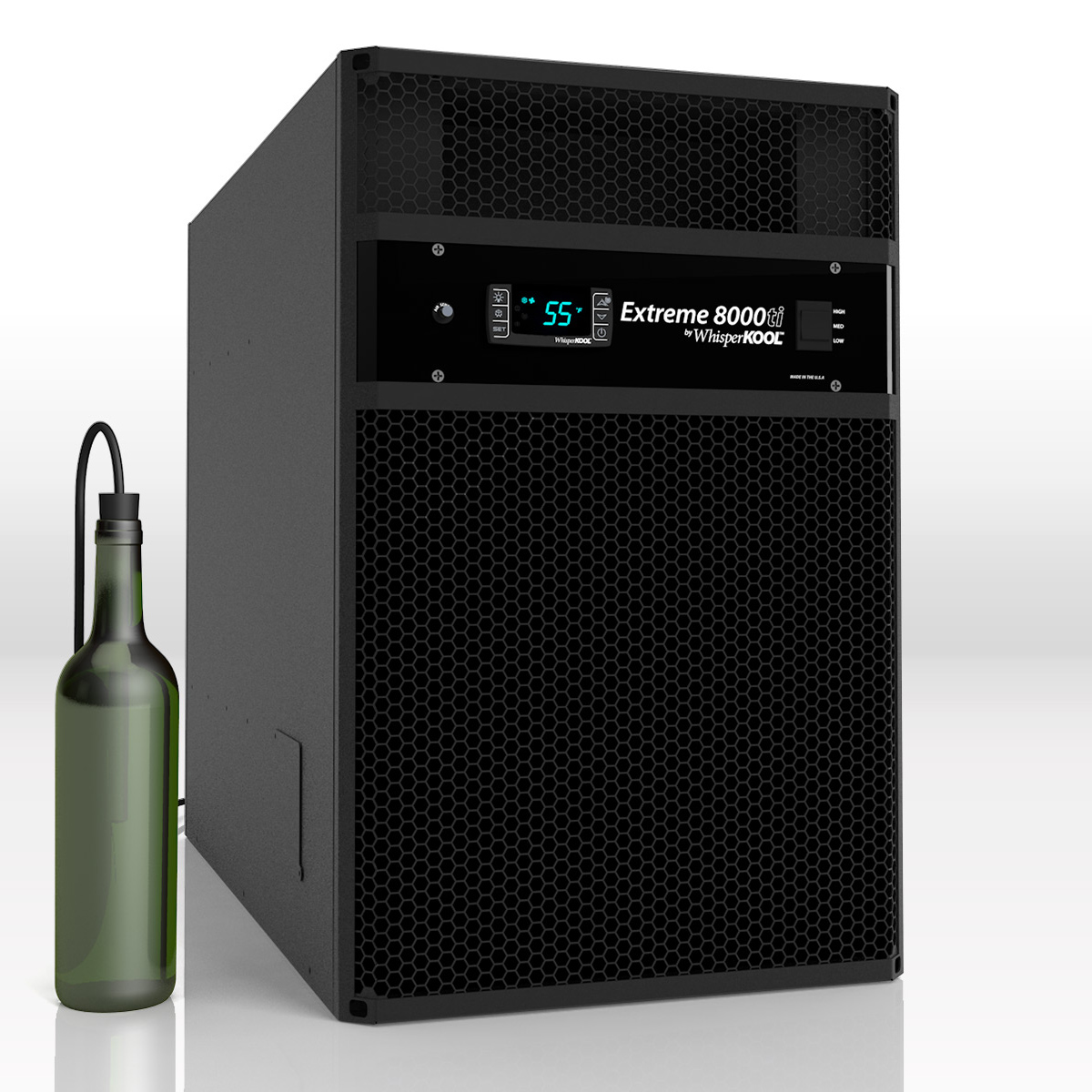
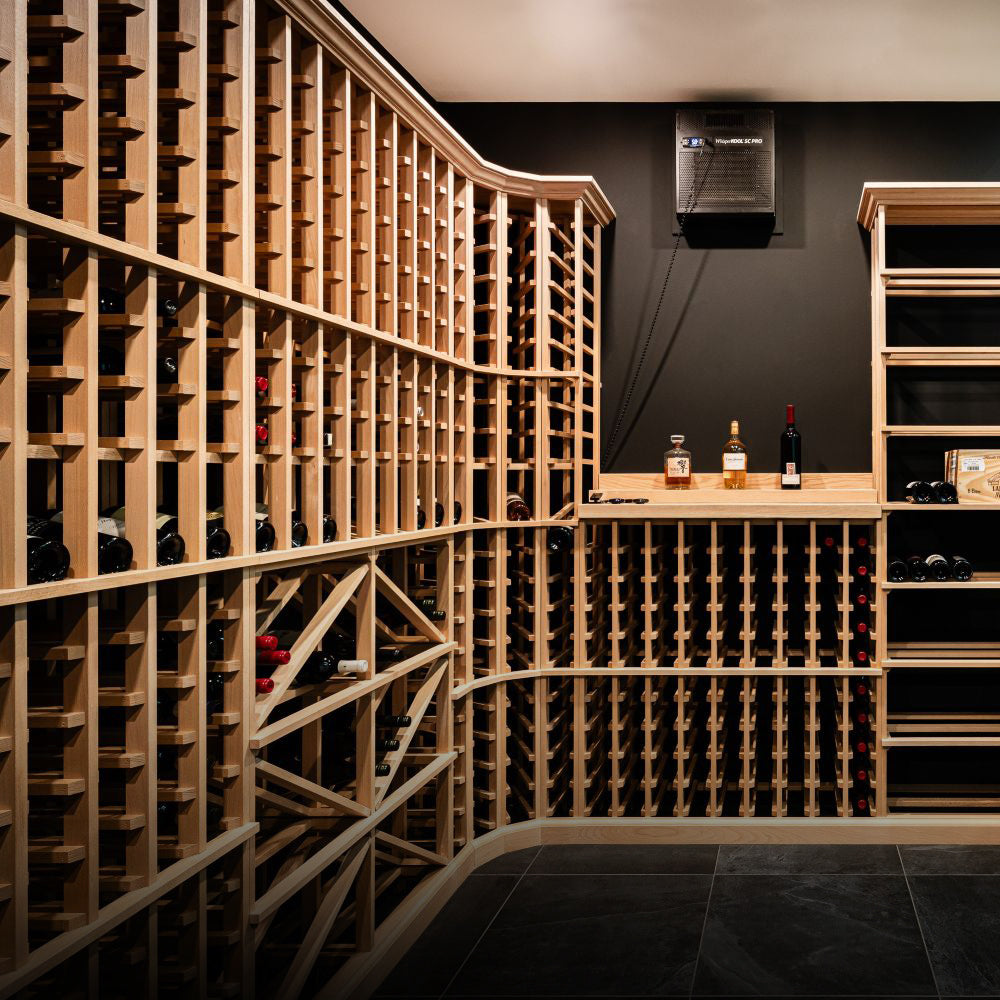
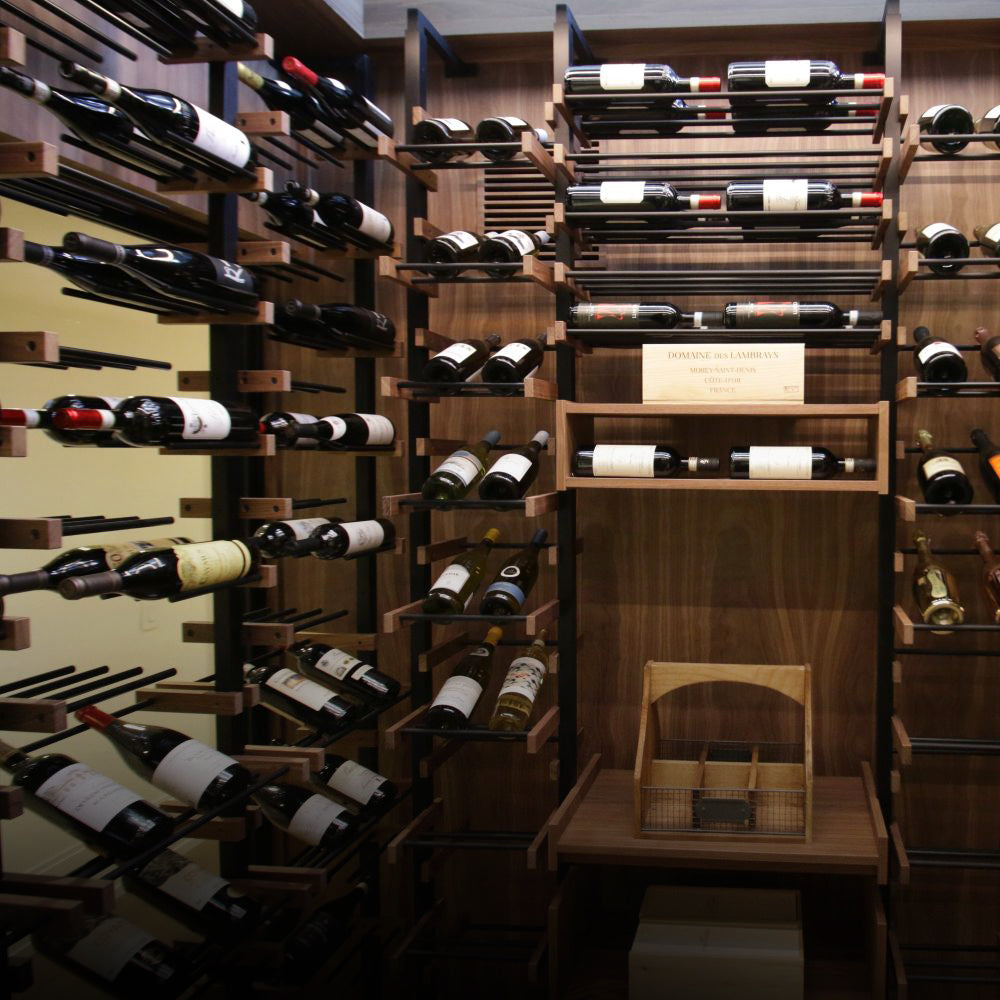
For a broader cellar project, Premier Cru Classic Racking, Premier Cru Modern Racking, and Wine Cooling Units offer ways to organize and cool a dedicated wine space. The right combination depends on the room and how you plan to store your collection. Contact Rosehill Wine Cellars to discuss your wine-storage plans.
Choose a Storage Direction That Fits Your Home
Your next step is to turn your storage priorities into a clear plan. Consider whether freestanding wine coolers suit the room, or whether your collection calls for a dedicated cabinet or cellar arrangement. Rosehill Wine Cellars offers the Vantaggio V300 Wine Cabinet, along with Premier Cru Classic Racking and Premier Cru Modern Racking for cellar planning.
Consider more than the appliance itself. How your collection may grow, the room’s layout, and your preferred bottle arrangement can all shape the decision. A well-matched storage solution should feel intentional in the space and make caring for your wine part of your home’s design.
Explore the available options and take the next step at your pace. Explore freestanding wine coolers, then contact Rosehill Wine Cellars to discuss the direction that suits your home. A thoughtful choice today can make your wine storage feel naturally at home.
Frequently Asked Questions
What is a freestanding wine cooler, and how does it differ from a built-in wine refrigerator?
A freestanding wine cooler is designed to stand independently; a built-in refrigerator is intended for an integrated opening. Vent locations and installation requirements can differ, so the two types aren’t automatically interchangeable. For example, placing a freestanding unit inside cabinetry may restrict airflow if its vents are blocked. Check the model’s installation instructions before deciding where it belongs.
What sizes and bottle capacities are available for freestanding wine coolers?
Options range from compact appliances for smaller collections to larger cabinets designed to hold more bottles. Compare external dimensions with your available space, then assess the shelf layout against your bottle shapes. Stated capacity generally uses a standard bottle as its reference, so mixed collections may fit differently. If you often store wider formats, prioritize usable shelf spacing over the headline capacity.
How much do freestanding wine coolers cost in the United States?
Price depends on the model and its configuration. Capacity, zone setup, finish, and installation requirements all affect cost. To compare options, first identify the features you need, such as separate temperature areas or a particular exterior finish. Distinguish essential functions from design preferences, then assess each configuration against your storage priorities.
What are the best freestanding wine coolers for different budgets and capacities?
The best choice depends on the capacity and storage arrangement your collection requires. For a dedicated cabinet approach, Rosehill Wine Cellars offers the Vantaggio V300 Wine Cabinet. Compare any candidate’s usable shelf layout with your bottle mix, and consider whether your collection may grow. A model that accommodates your actual storage needs is a more useful match than one selected by appearance alone.
Which freestanding wine cooler brands are most reliable, and what do reviews say?
Assess reliability by looking for consistent, detailed themes in reviews rather than relying on a brand name alone. Focus on comments about temperature stability, operating noise, controls, and whether the stated capacity suits real bottles. Repeated observations are more useful than isolated praise or complaints. Consider whether the manual clearly explains installation, settings, cleaning, and troubleshooting.